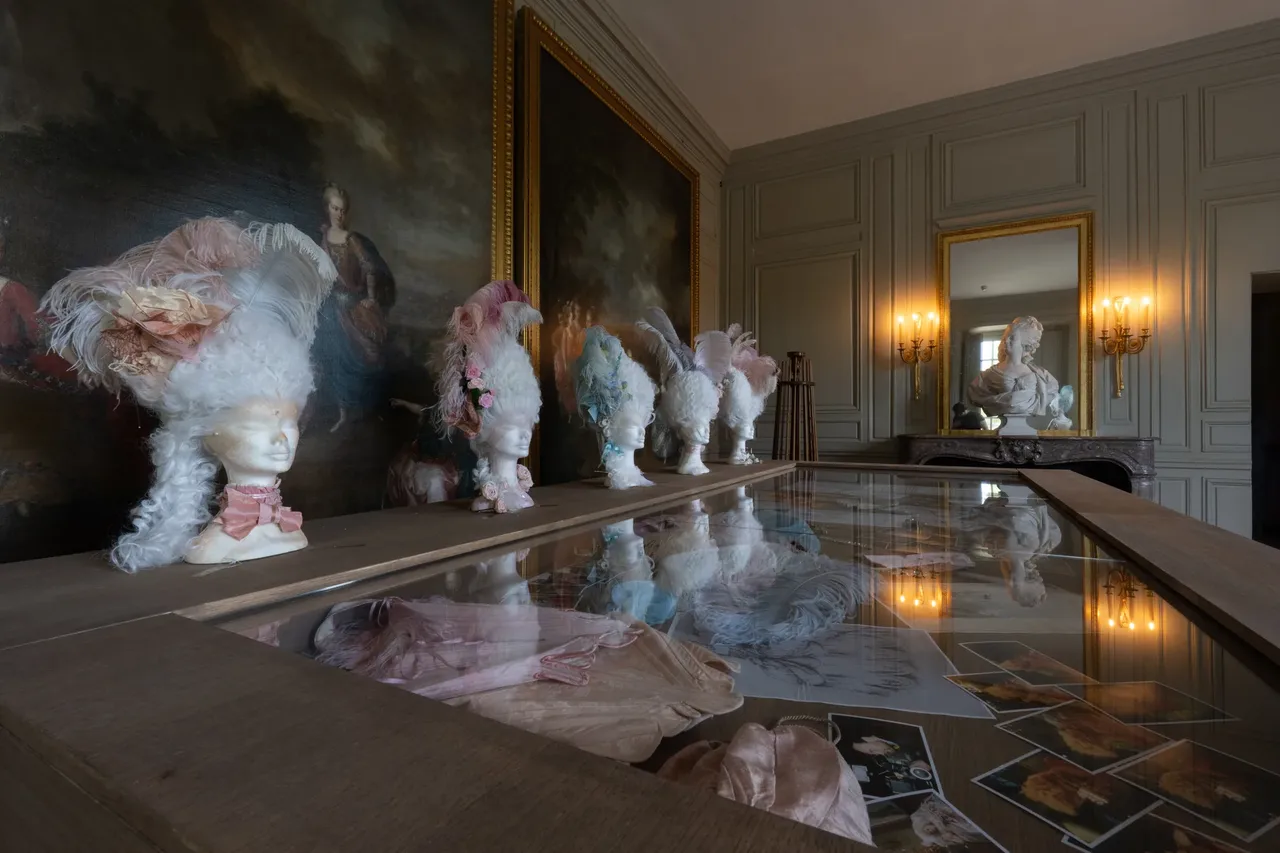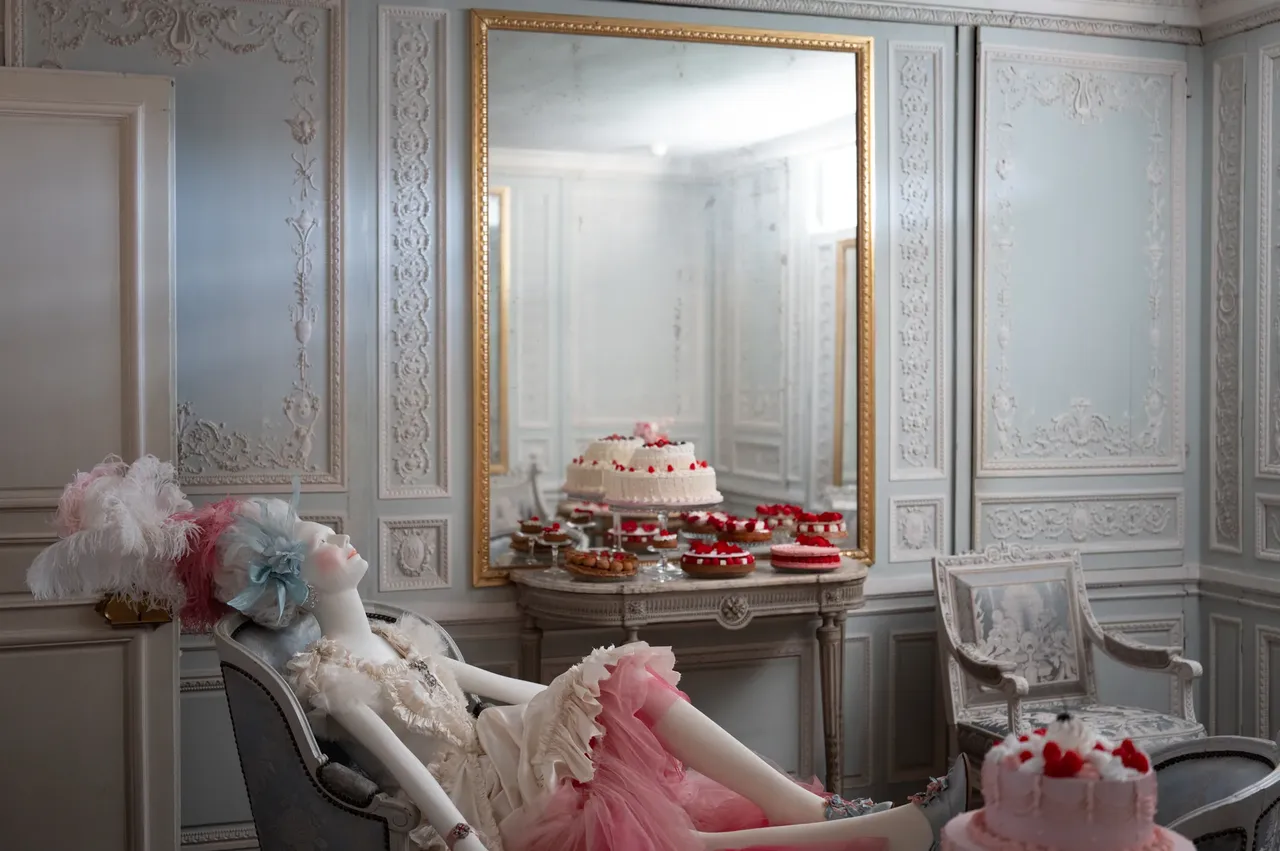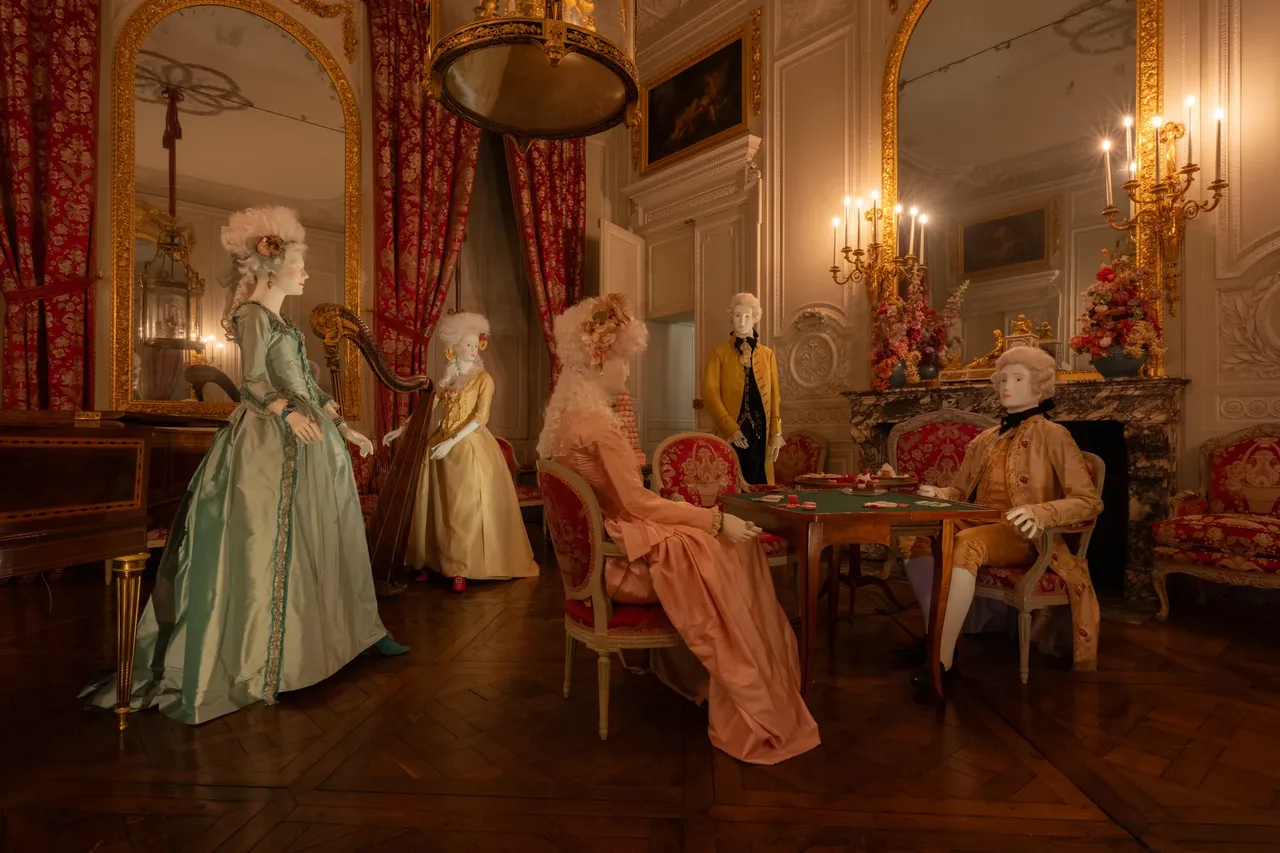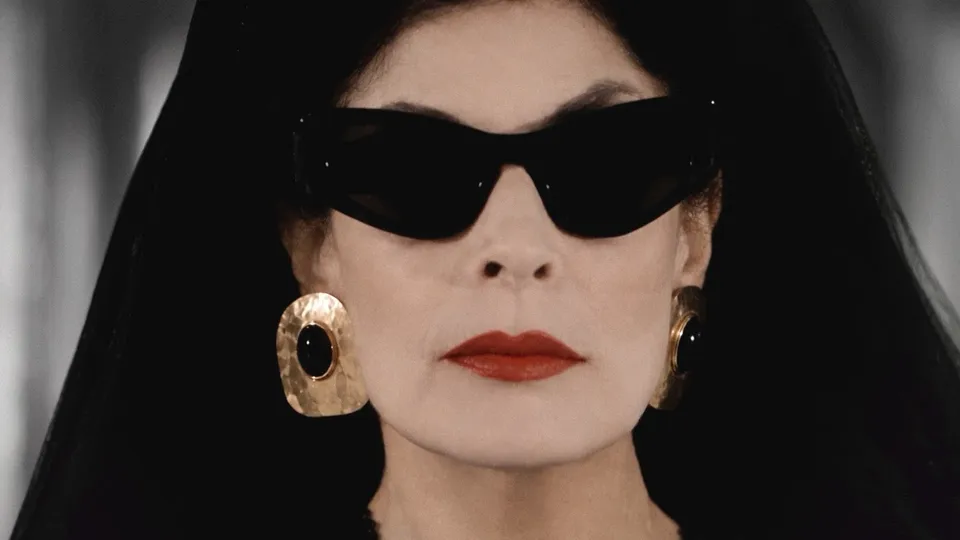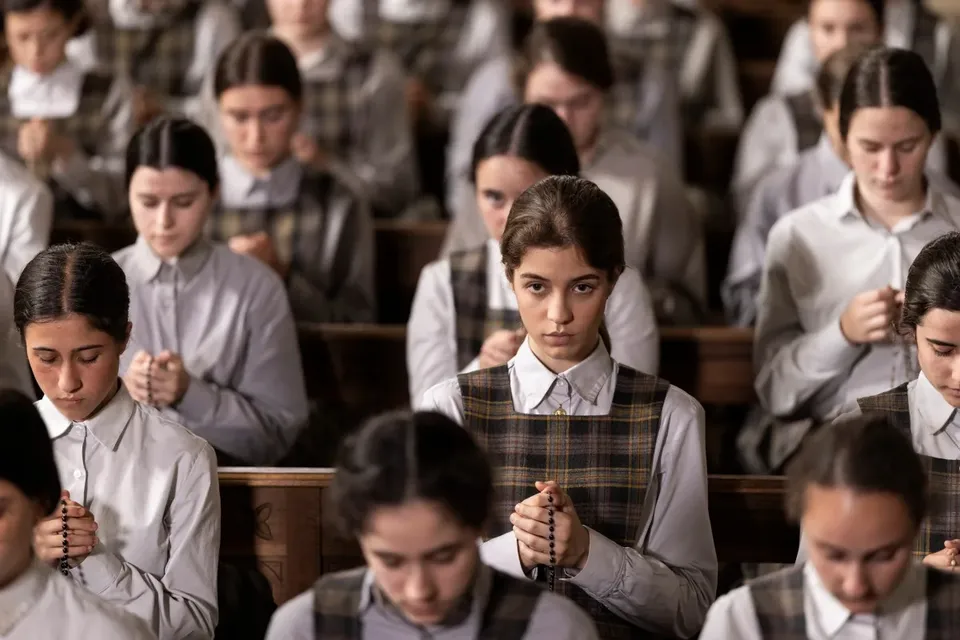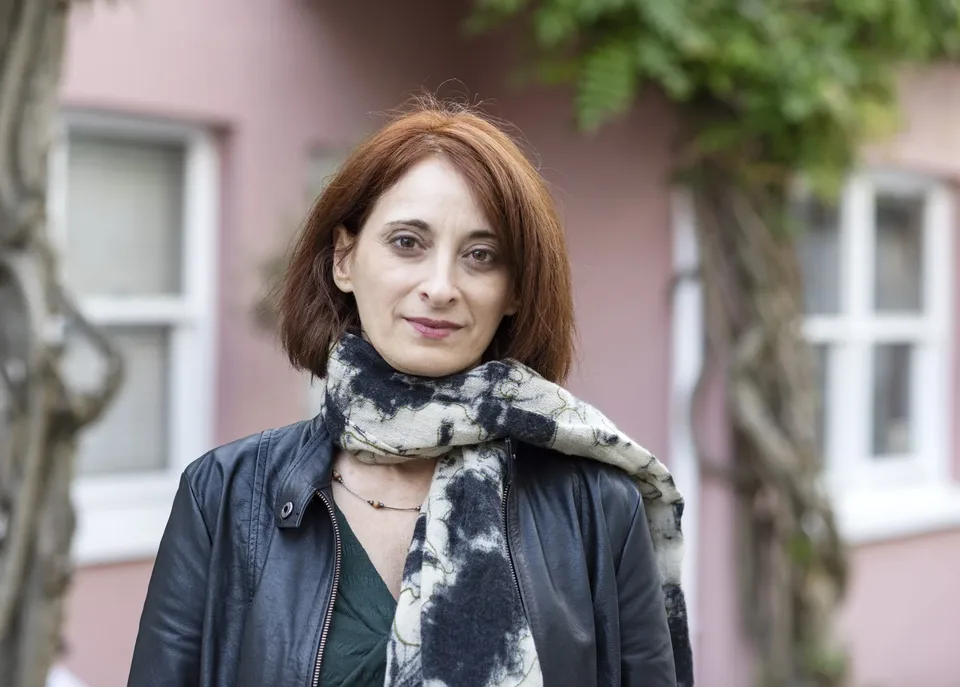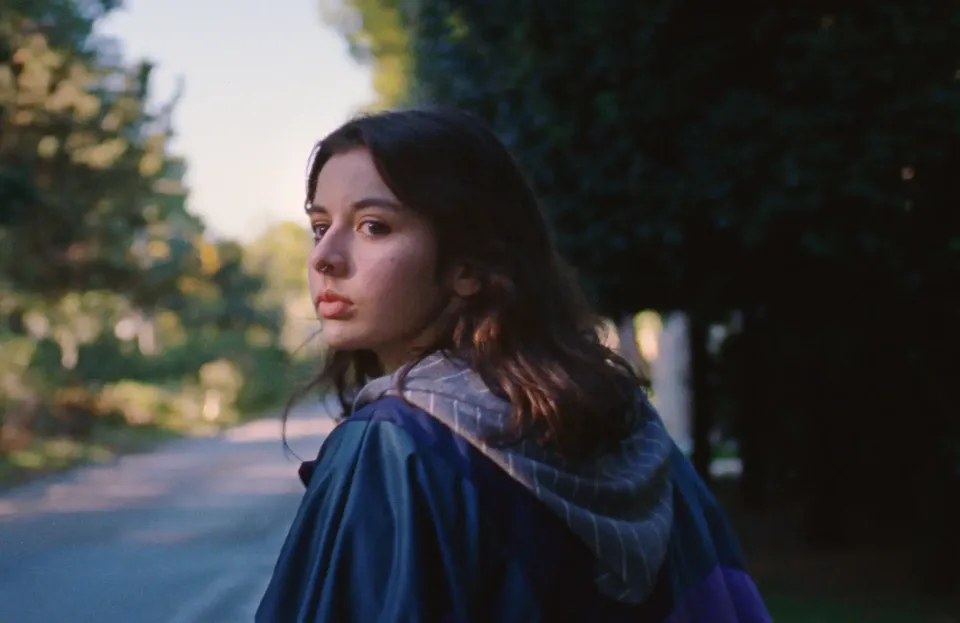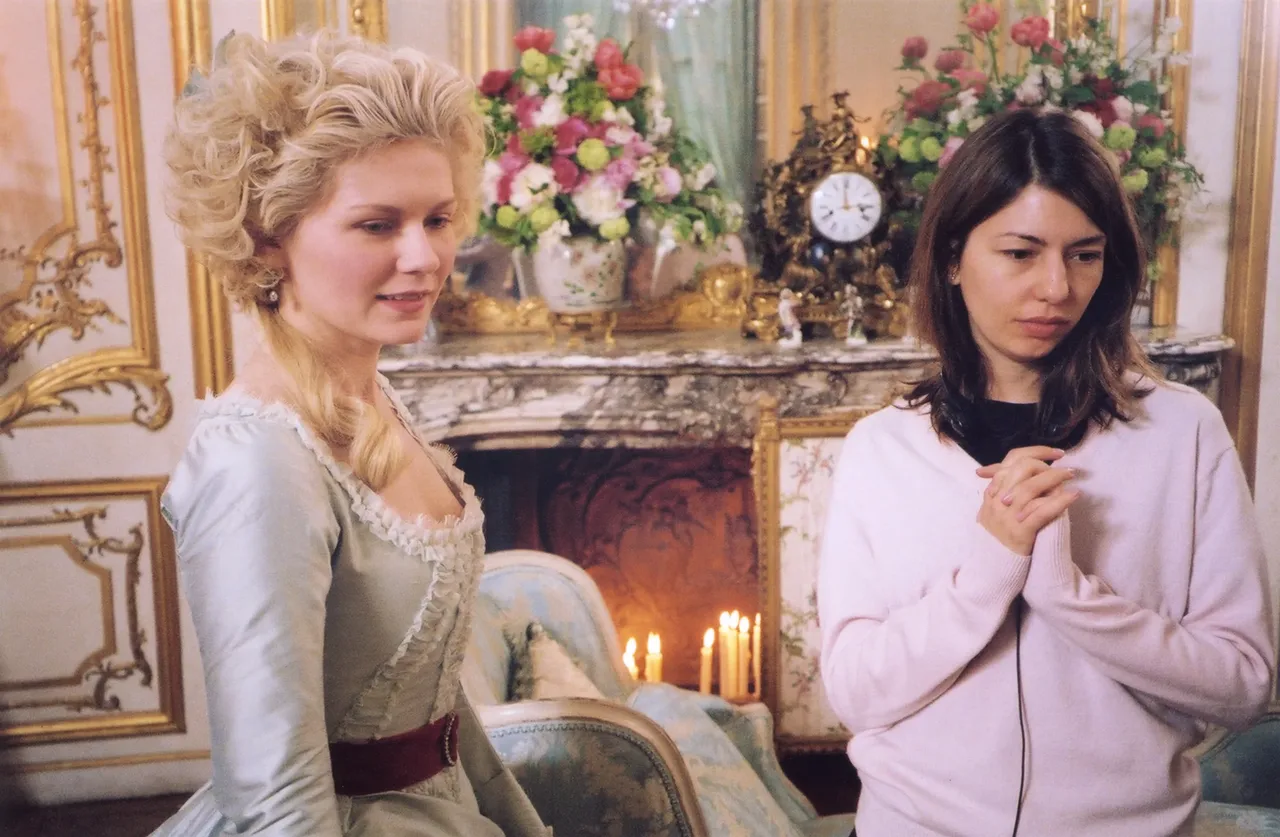
Until January 24, 2027, you can step into the world that inspired one of the most iconic films in pop culture history: Sofia Coppola’s Marie Antoinette. At the Petit Trianon in Versailles, working documents, moodboards, costumes, accessories and set pieces offer a glimpse into the making of a film that turned one of history’s most polarising figures into an almost impossible character to hate. Sofia Coppola broke away from the conventions of the historical biopic, shifting the focus from the grand narrative of a queen’s life to the intimate, restless and complex world of a teenage girl. Beyond the film’s instantly recognisable aesthetic, the exhibition delves into its creative genesis, the reconstruction of Marie Antoinette as a character and of her entire world, and, of course, its enduringly controversial cultural legacy.
Sofia Coppola has a very specific way of connecting with her audience. She treats viewers as intelligent, perceptive people, capable of decoding the meaning behind an aesthetic that is far more than just pretty and girly. Of course, not everyone gets her. So it came as little surprise that, twenty years ago, when arguably the most Sofia Coppola film of them all was released, critics were quick to rain on our parade. The film was criticised for its historical inaccuracies, for supposedly giving more importance to shoes than to the fall of the French monarchy—in short, for being too frivolous, too anachronistic. To which Ms Coppola famously replied: “It is not a lesson of history.” And indeed it wasn’t.
Through the recurring themes that define her work—adolescence and the construction of identity—Coppola reimagined a woman who had long been dismissed as shallow and vain, turning her into a teenage girl who, much like you or me, had to navigate loneliness, boredom and the desperate search for something real in a world where everything feels like a performance. The fact that both the film and the exhibition are set in Versailles, and more specifically at the Petit Trianon, is far from incidental, despite the historical relevance of the space. The setting is essential to understanding its protagonist. In fact, even visiting the Château yourself can offer a glimpse into her experience. The place has a way of making you feel small, of creating a peculiar sense of loneliness despite being constantly surrounded by people—watched, observed, never quite alone. The grandeur of its walls, ceilings and endless corridors eventually becomes suffocating. And a little over two hundred years ago, someone was trapped inside that gilded cage.
Because that is what the film is ultimately about. Its contemporary references—the soundtrack, the almost imperceptible Converse sneakers, the colloquial dialogue—collapse the centuries and dissolve the social distance between Marie Antoinette and her twenty-first-century viewers. Suddenly, she is no longer just a queen or a historical figure. She’s a girl trying to figure out who she is in a world that has already made that decision for her. This is how a film once dismissed as superficial became a cult classic. Beneath the cakes, the pastel colours and the seemingly endless parade of shoes, Coppola gave us a Marie Antoinette we could recognise ourselves in. One who reminds us that there’s something profoundly human about feeling empty and out of place. And sometimes, a little film about a French queen and her emotional turmoil, set in Versailles, is all it takes to make a woman feel a little less alone.
Twenty years later, the exhibition at the Petit Trianon offers a chance to look beyond the finished film and into the mind behind it. Developed in collaboration with Sofia Coppola herself, it retraces the creative process behind Marie Antoinette, from its aesthetic choices to its lasting cultural impact on fashion and lifestyle. But revisiting the film’s making also means revisiting the way it taught us to see Versailles itself. The exhibition contributes to shifting the Château away from its image as a monumental symbol of power and towards something far more intimate: a space reimagined through Coppola’s distinctive feminine universe, full of complex sensibilities. It emerges as a setting where grandeur and isolation coexist. By retracing the creative process behind the film, the exhibition reveals how Sofia arrived at her singular interpretation of Marie Antoinette, Versailles and eighteenth-century France and, in doing so, transformed the way we see them all.