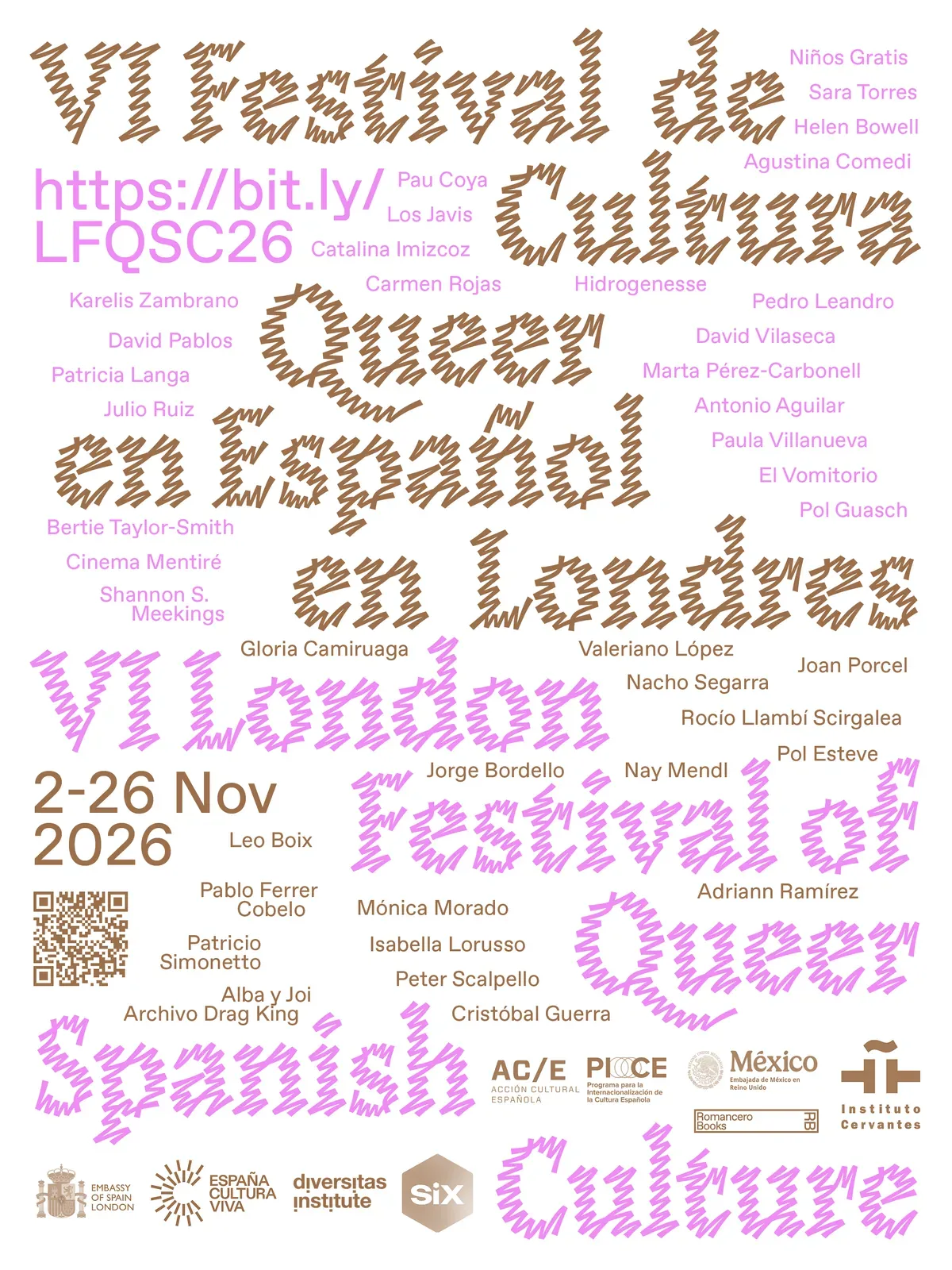
Queer culture deserves to be celebrated, explored and, above all, shared. There’s a whole world of queer stories beyond our own cities and experiences, and discovering them can change the way we see things. The London Festival of Queer Culture in Spanish is a perfect example of how art and storytelling can bring these experiences closer together. From cinema and literature to music, performance and queer archives, its sixth edition spans almost a month, bringing Spanish-speaking queer voices and histories to the UK from 2 to 26 November.
At the heart of this year’s edition is Federico García Lorca. Ninety years after his assassination, the Spanish poet remains a powerful symbol of artistic freedom and resistance. His work challenged social conventions, yet his homosexuality and left-wing ideology have often been overshadowed by his status as a literary icon. The festival looks beyond the familiar portrait, reclaiming Lorca as a queer figure whose legacy continues to inspire artists to challenge the stories we tell about ourselves and our past.
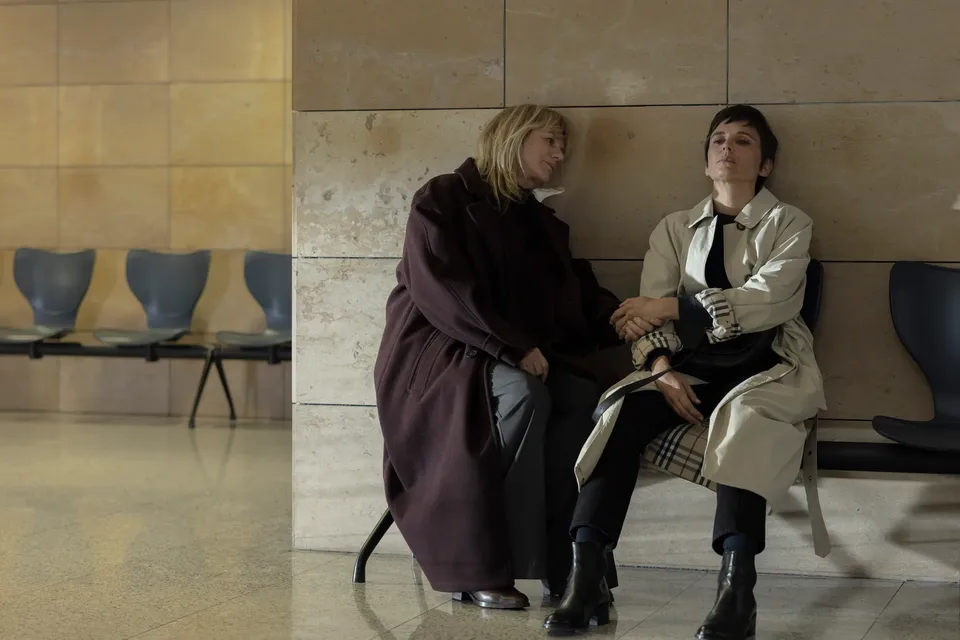
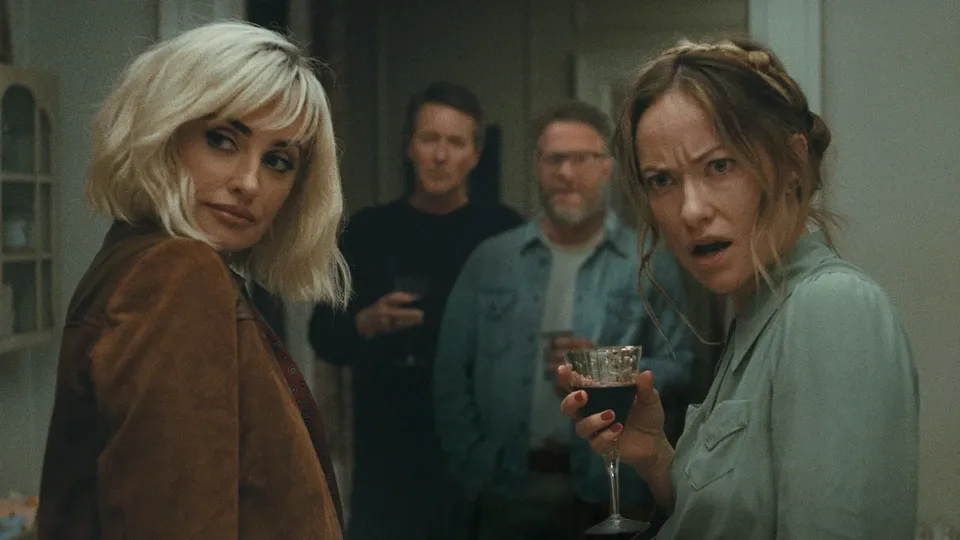
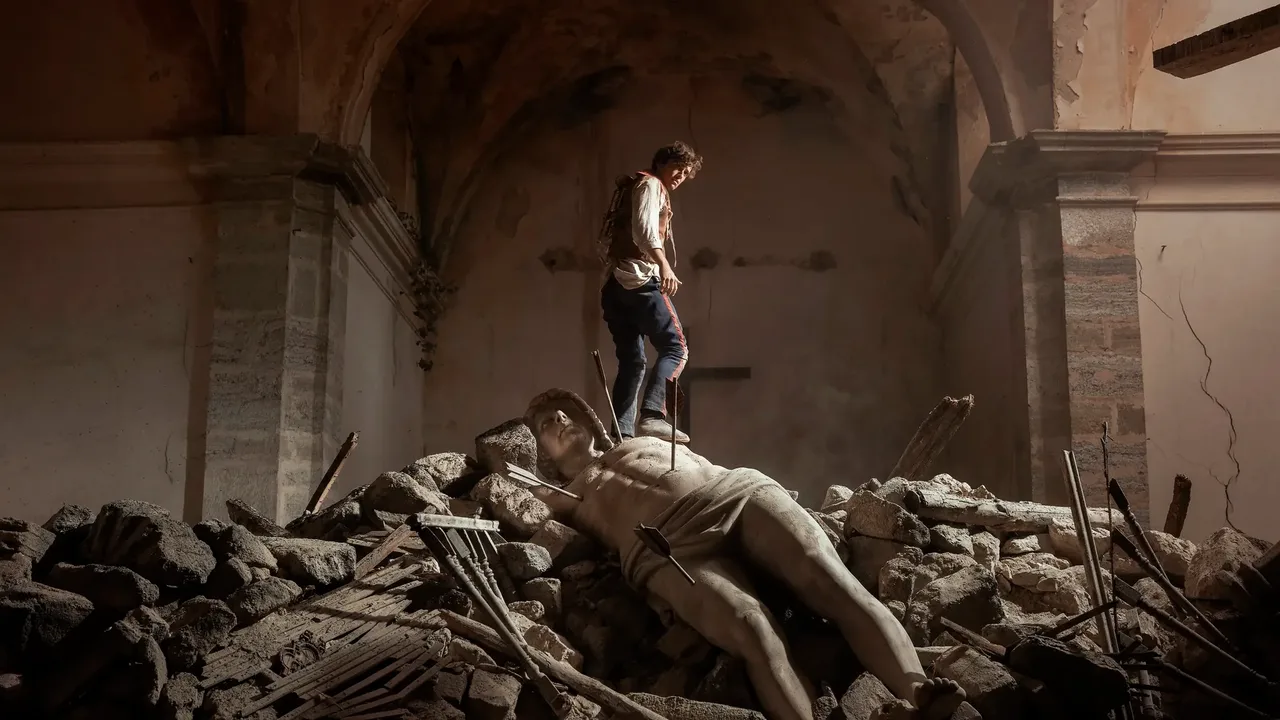
Few works capture this spirit better than La bola negra, directed by Javier Calvo and Javier Ambrossi, which opens the festival with its UK premiere on 2 November. Inspired by one of Lorca’s unfinished works, the film connects three men from different eras through desire, sexuality and inheritance. Lorca’s legacy continues with Patricia Langa’s Tribute to Lorca, combining dance, flamenco, poetry and lip-sync, and Valeriano López’s Juana la Lorca. The latter follows a Roma drag artist from Granada who reinvents the poet through humour and performance, challenging stereotypes surrounding his legacy. The festival will close with an English-language reading of Sonetos del amor oscuro.
Beyond Lorca, the programme explores trans histories with the panel Uncovering Trans Histories, lesbian lives during Spain’s Second Republic, and queer archives from Spain and Latin America. Writers Sara Torres and Pol Guasch, electronic pop duo Hidrogenesse, artist Julio Ruiz and a new generation of international queer creators bring contemporary perspectives to these historical conversations. The festival creates a space where stories travel between Spain, Latin America and the UK, bringing together different disciplines, generations and cultural backgrounds.
Six editions in, the festival continues to grow as what its director, Jorge Gárriz, describes as “a living archive of Spanish-speaking queer memory”. By bringing Spanish-speaking queer stories into London’s cultural landscape, the festival reminds us that culture is at its most powerful when it takes us beyond the familiar and opens our eyes to other realities.