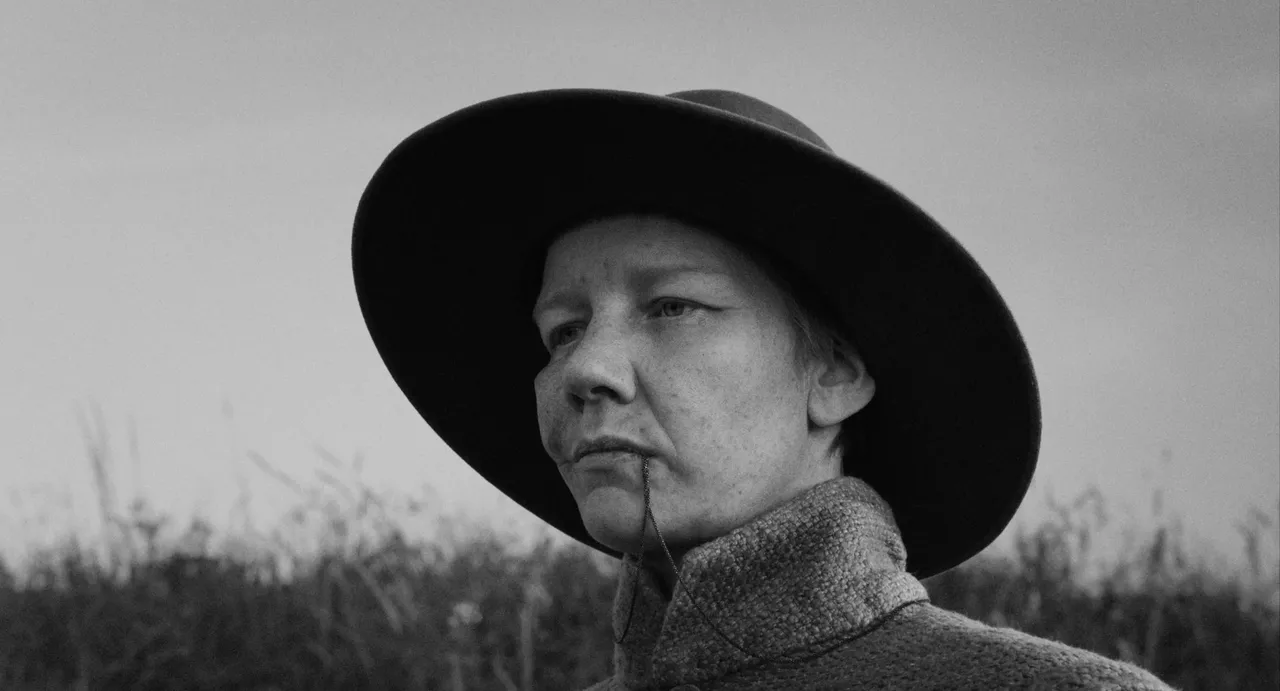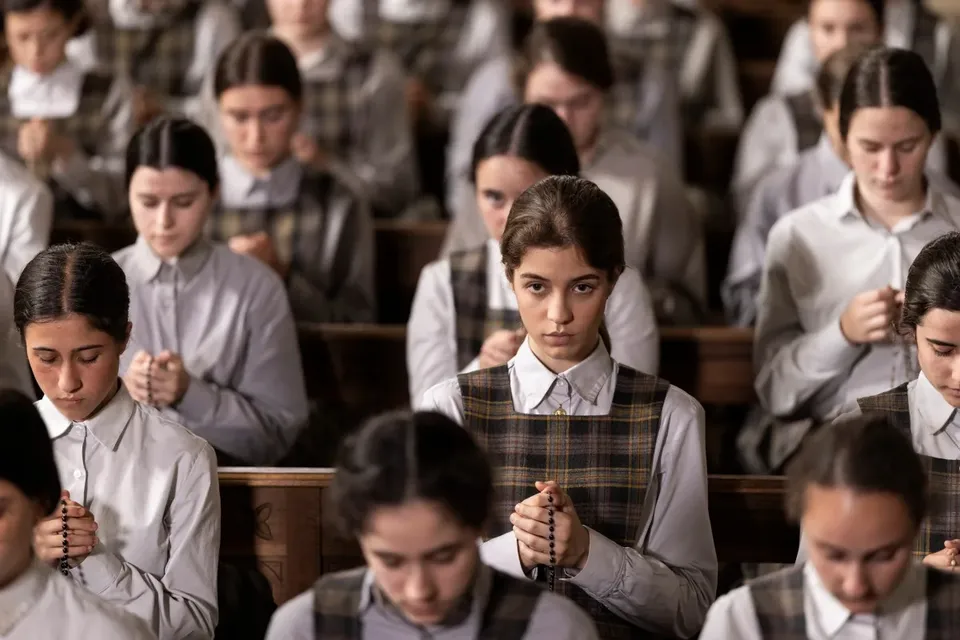
Markus Schleinzer’s third feature, Rose, arrives in Spanish cinemas on November 20, eight years after his previous film. And hear me out, fellow doomscroller. It may be in black and white. Silence may run through much of the story. But it didn’t win the Audience Award at Valladolid International Film Festival (Seminci) for nothing. In fact, it earned Sandra Hüller the Berlinale’s Silver Bear for Best Leading Performance in a role many consider one of her best. Oh, and it’s been selected as Austria’s submission for the Oscars. At this point, it’s safe to say it’s one of the year’s finest films.
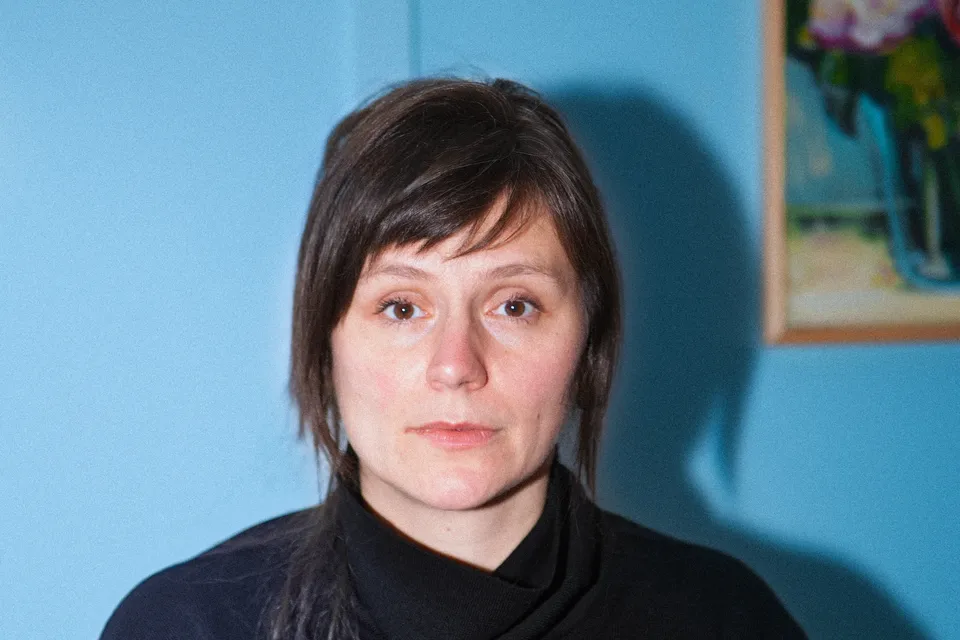
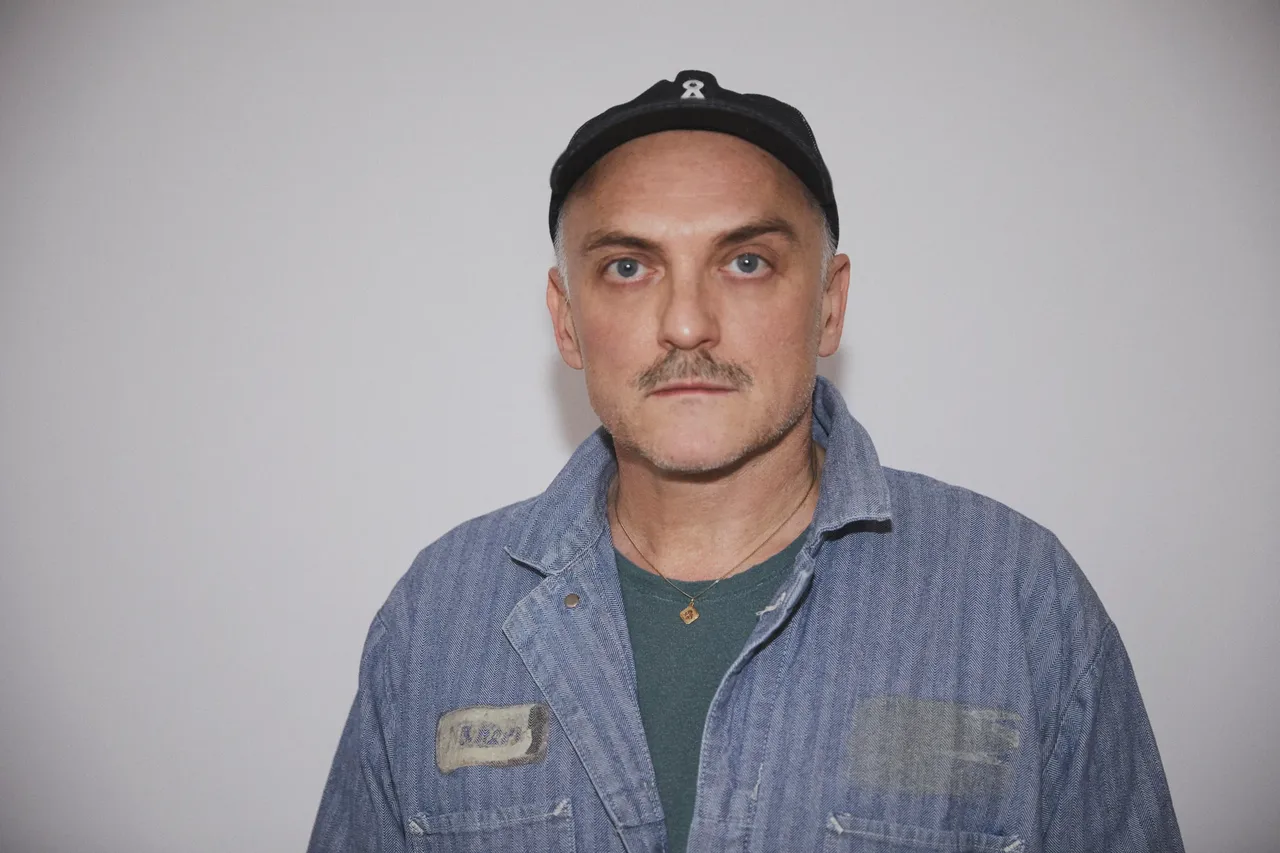
We sat down with the director during Seminci to discuss this singular European western that follows a woman who decides to wear trousers in pursuit of a freedom her time would never grant her. Rocking his already-iconic cap with “Sandra Hüller” written on it, Schleinzer spoke about his research into women who found themselves having to pass as men, his approach to the ethics of filmmaking, his use of silence, the meaning of the Oscars, and his plans for what comes next. Meanwhile, I was still trying to square the kindness of the man across the table with the distressing world I had watched on screen the night before.
Rose’s decision to pass as a man is an act of survival, but she eventually finds herself reproducing the power structures that once suppressed her. Why did you want her story to take that turn?
I fear this is how we work as a society. We see something and we assume it is the only way to do it. Rose isn’t a revolutionary character. She doesn’t want to expand the boundaries of the norm; she just wants to fit in. I found it very touching that even if you just want to fit in, society won’t let you. I think it is only when she meets Suzanna that she has to rethink the ideas and identity she has constructed for herself. It’s very interesting to see where your personal freedom starts and where it somehow affects others’ lives. I’m always about dialectic. I think it would have been unfair to just make her a hero, because I don’t think that life works this way. Sometimes, when we pursue our freedom, we suddenly become blind to what might happen to others.
Rose’s search for freedom ultimately ends in tragedy, even though her story could have taken a different direction. Why did you choose this ending? Does it reflect a pessimistic view of the present?
Maybe it’s just me being a nihilistic person. And, on the other hand, when I watch movies or I read something with a happy ending, I sit back and think, Yeah, the problem is solved. I don’t have to do anything. As long as the world is as it is, I think we need things that make us angry or sad. So, when I see something at the movies that makes me angry or doesn’t have a happy ending, it makes me want to roll up my sleeves and say, Okay, where can we go and work? And I think we still have to work on very different topics and probably we will always have to. That’s why I just ended it like this. It was also appropriate to the research I did. Most of the women I was able to know and read about, who had chosen to live a life in trousers, didn’t have happy endings. And why comfort? Why should we comfort the audience? I have nothing against entertainment; I very often watch this kind of movie myself, but just to clear my brain. Entertainment doesn’t make me think as much as movies that are more difficult to watch.
“It’s a story about performance: everything is performance, what is male, what is female.”
On that note, what is behind the different methods used to execute Rose and Suzanna? Is the way Rose dies ultimately meant to recognise her as a man?
I did a lot of research, and the sad and interesting thing was that women have always been treated more harshly. Putting someone into a sack and then into a river is not a very quick death. It’s very brutal. But because Rose served as a soldier, she had somehow done something good for society. This was the reason why she was offered the opportunity to be executed kneeling. Most of the time men were executed standing, while women were executed lying down. So, she’s in between.
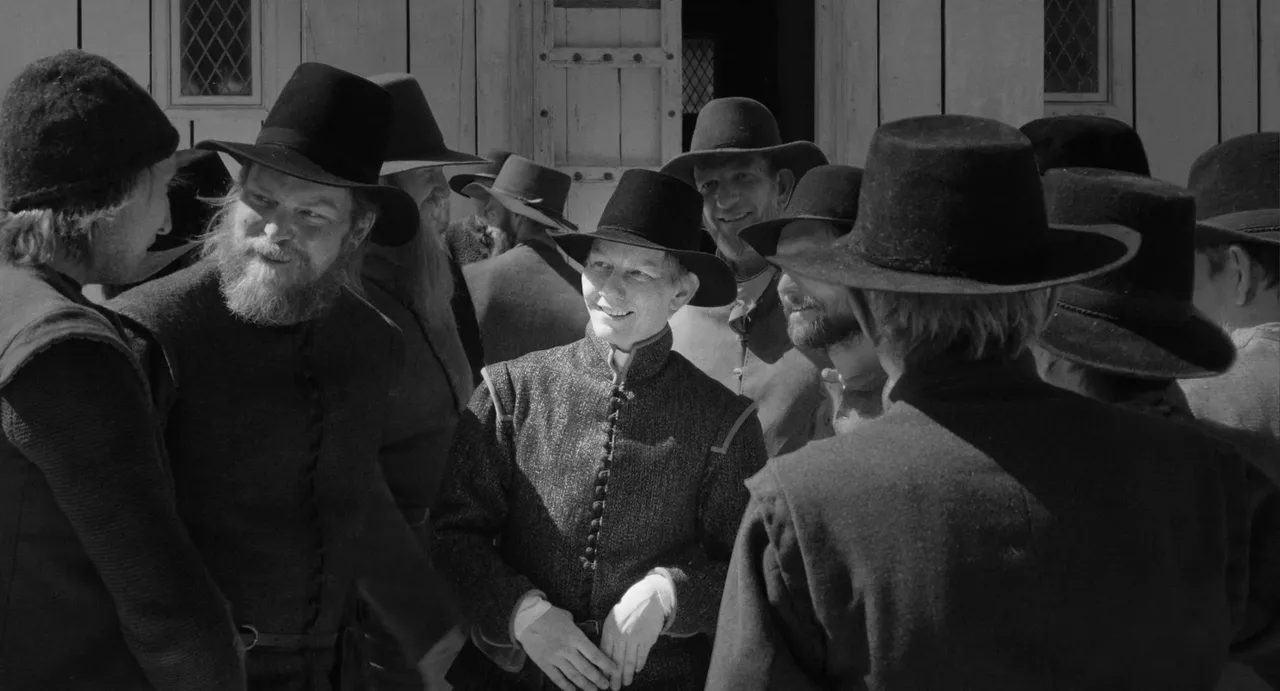
It’s a story about performance: everything is performance, what is male, what is female. Everyone has a costume throughout the entire movie. So, this kind of execution, in the end, is just a performance. Chopping off someone’s head doesn’t mean getting into that person’s head; it always means getting into everyone else’s. This is the reason why executions are still a show. I mean, now Americans are talking about executing someone on public television. It is totally crazy, but it shows everything is entertainment, everything is a show, and everything is done for a reason.
It’s a story about performance: everything is performance, what is male, what is female. Everyone has a costume throughout the entire movie. So, this kind of execution, in the end, is just a performance. Chopping off someone’s head doesn’t mean getting into that person’s head; it always means getting into everyone else’s. This is the reason why executions are still a show. I mean, now Americans are talking about executing someone on public television. It is totally crazy, but it shows everything is entertainment, everything is a show, and everything is done for a reason.
By avoiding nudity and leaving the identity of Suzanna’s baby’s father ambiguous, the film seems to make a conscious ethical choice. Do you ever find yourself writing a scene one way, then stepping back and realising you need to approach it differently?
Of course. Sometimes writing a scene just means getting the action out of your head. Then, when it comes to filmmaking, it’s about how to show it. I mean, this is only my third movie. In all of them there’s sexuality, but the question is always how it’s done. It’s not about censorship; it’s about responsibility, dignity, respect, not only for my characters but for human beings in the entire world. I always say there’s nothing crueller than our own imagination, and the more we feed our imagination with images of rape or killing, the crueller we can get. I found it very interesting to make a movie that talks about gender, about the things that are different and that seem to divide us, without showing it, because this is how I see the world. I mean, we usually meet one another clothed, but still, we have a certain idea of who we are. Very often I have to fill out my gender on documents, and I’m never asked to send a dick pic to prove it. We all know how we treat women in film and in the entire world. I just wanted to try to do a cross-dressing movie without using the naked body, and I think it works.
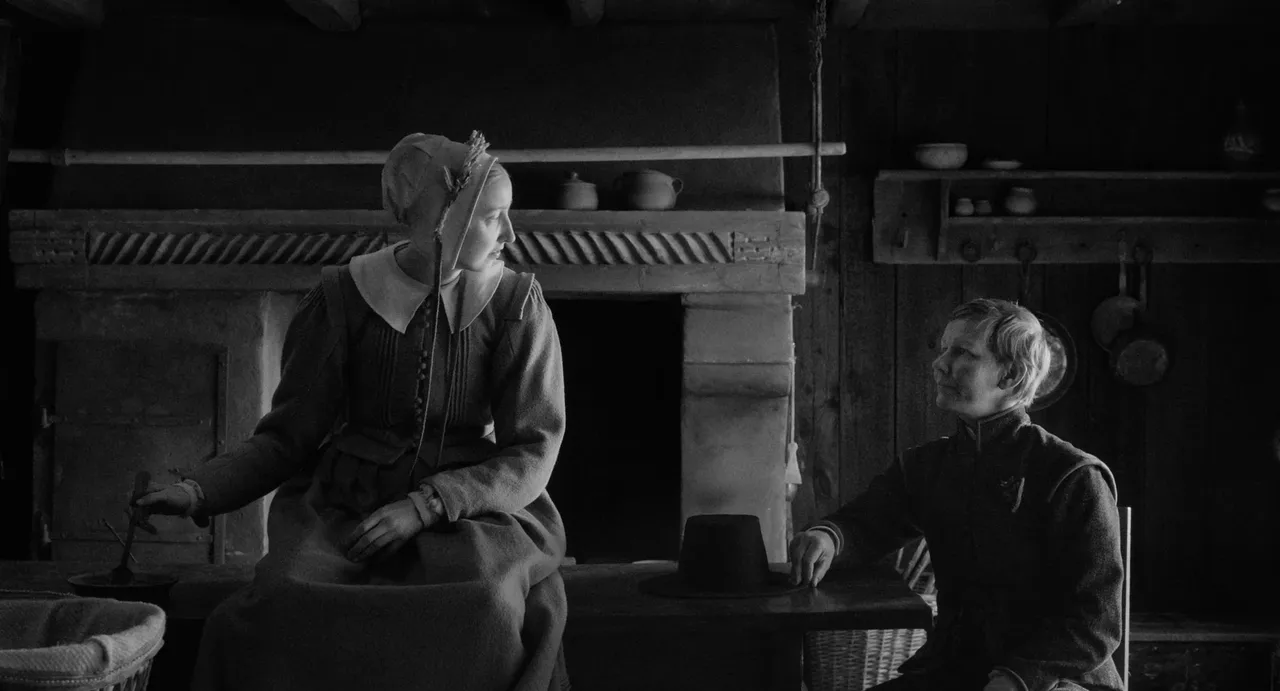
Also, not showing violence against a character has to do with responsibility. I don’t want to be the source of voyeuristic movies. When Suzanna is having a child, some people may think her father is also the baby’s father, but I strongly dislike the idea that the discussion could go this way. That’s the reason why I worked against it from the very beginning. It is a secret that belongs to the character. When we shot the movie, I said to Caro Braun, who played Suzanna, You have to know if this had been a joyful experience or if this had been a sad experience. Otherwise, you won’t be able to act. You have to come up with your own story. Then, she came and said that she had her story. So, I asked who the father was, and she said, “That’s none of your business.” She kept the secret to herself, and I like it very much. If I knew every detail of everyone’s life, my brain would explode. I like the idea that lots of things just belong to my actors and to the characters.
Also, not showing violence against a character has to do with responsibility. I don’t want to be the source of voyeuristic movies. When Suzanna is having a child, some people may think her father is also the baby’s father, but I strongly dislike the idea that the discussion could go this way. That’s the reason why I worked against it from the very beginning. It is a secret that belongs to the character. When we shot the movie, I said to Caro Braun, who played Suzanna, You have to know if this had been a joyful experience or if this had been a sad experience. Otherwise, you won’t be able to act. You have to come up with your own story. Then, she came and said that she had her story. So, I asked who the father was, and she said, “That’s none of your business.” She kept the secret to herself, and I like it very much. If I knew every detail of everyone’s life, my brain would explode. I like the idea that lots of things just belong to my actors and to the characters.
You’ve spoken about casting in terms of whether a film requires the best actress in the world or someone with a distinctive quality. There’s no need to say that Sandra Hüller is an outstanding actress, but is there something specific about her that made you feel she was especially suited to play Rose?
Her pure intelligence, her warmth, the earth she somehow has inside herself, her logic, and this I-don’t-give-a-fuck thing. Sandra always says she’s a stage actress. She’s not interested in camera technique or lighting. I’ve been a casting director for seventeen years and I’ve seen different people coming in front of the camera and being like, “Ah, there’s the camera. This is my good side.” This is not Sandra. She fully concentrates on the work. There’s never a discussion about how to look; it’s always a discussion about what to be and which story to tell. Also, she isn’t easily impressed, not even by herself, and I like this very much. But the very moment she has this inner logic of a situation, she’s capable of producing pure, pure emotions. When we shot these highly emotional scenes, I always asked her how many takes we could do, and sometimes she said we could just do three. And this is how we did it.
I tried to have only people who had something to say about these topics. Sara and I first met years ago, when we shot a movie together as actors. So, we already had this friendship and respect developed. We have a similar view on many aspects of life and work. Otherwise, it would be a constant battle. With a movie like this, it would have been hard.
I tried to have only people who had something to say about these topics. Sara and I first met years ago, when we shot a movie together as actors. So, we already had this friendship and respect developed. We have a similar view on many aspects of life and work. Otherwise, it would be a constant battle. With a movie like this, it would have been hard.
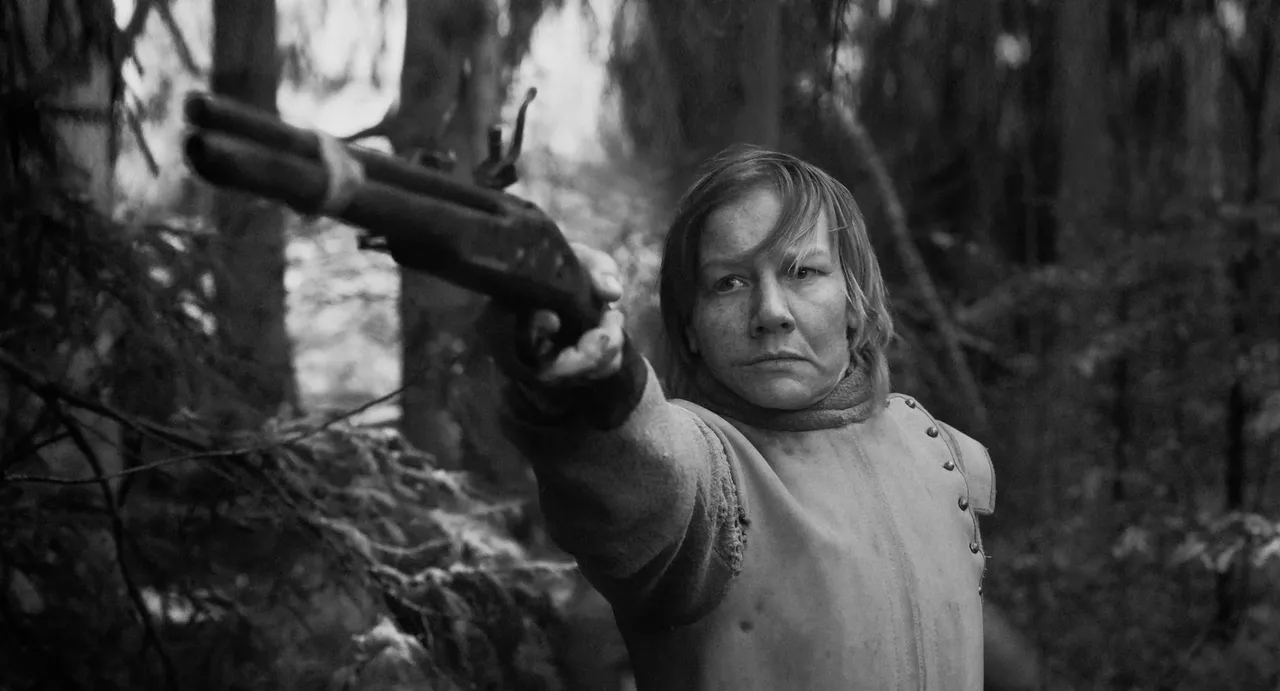
Silence has been present in your work since your debut, Michael (2011). Are you drawn to stories that naturally call for that kind of approach? Or do you actively seek out stories that allow you to explore silence?
I wouldn’t say that silence is my pattern. I don’t know, maybe someday, when I get a script written by someone else, there will be less silence. But I like watching my actors in every situation much more than I like them explaining the situation. I have the feeling that not everything that is said aloud is necessary, because it takes away the possibility to come up with your own ideas and thoughts. Sometimes silence can be harder than any spoken word. This is why I like operating and dealing with silence in movies so much. And there’s always something to listen to. I mean, Rose is seldom silent, and there are lots of birds, wind, and the crackle of the fire in the oven (laughs). To me, it’s beautiful to watch. It’s somehow an invitation. It invites me to step into the movie, to be part of it more than with this ongoing chatter that keeps me outside.
But again, this screenplay is set in the early seventeenth century. I haven’t been there, but I think that there wasn’t so much quack, quack, quack as there is nowadays. Now we feel we are in a freer society. In the early seventeenth century, the spoken word was dangerous, because a life meant nothing. If you said the wrong word, your head could be chopped off. So maybe silence was much more of a form of communication.
But again, this screenplay is set in the early seventeenth century. I haven’t been there, but I think that there wasn’t so much quack, quack, quack as there is nowadays. Now we feel we are in a freer society. In the early seventeenth century, the spoken word was dangerous, because a life meant nothing. If you said the wrong word, your head could be chopped off. So maybe silence was much more of a form of communication.
When did you first become interested in silence in that sense?
I think maybe the source is that I once shared an apartment with other students and there was a guy who had been raised in the jungle. So, his first way of speaking was this native language of those people in Papua New Guinea. And it seems that their language wasn’t only spoken. They communicated more through reading people. So, whenever we had dinner with him, you could just be thinking your food needed pepper, and he would suddenly stand up and bring it. This was always a bit freaky, but he simply said that reading and understanding emotions was his first language. And I think this is something we’ve lost nowadays. So, silence does not always mean there’s nothing. Silence is just another form of communication. This is how I would love to see it.
“The more we feed our imagination with images of rape or killing, the crueller we can get.”
With Rose being Austria’s submission for the Oscars, would stepping into that world change the way you look at your own films?
You mean going to Hollywood and then doing Hollywood movies?
Yeah, maybe.
I don’t know. I’m so old now. The good thing about the Oscars submission is that it draws a lot of attention to the movie. So people go see it. The good thing about winning a prize is that more people are part of the conversation. Would it change me, my place, or my interest in working? I don’t know (laughs).
We have to wrap up, but let me ask you about your next film, Klaus. You’ve said you’re open to new things, so should we expect a significant shift in your use of silence and your approach to storytelling?
I think that there will be less silence in it because it’s going to be a musical. Klaus is going to be Technicolor. It is going to be something completely different. I’m such a late starter: I made my first movie at thirty-eight and I’ve made only three movies in fifteen years, so I don’t want to repeat myself all the time. Klaus will be colourful, loud, trashy. It is set in New York’s New Wave scene at the end of the seventies and beginning of the eighties. Let’s see how this works out. Maybe it ends up being a very silent movie again (laughs).