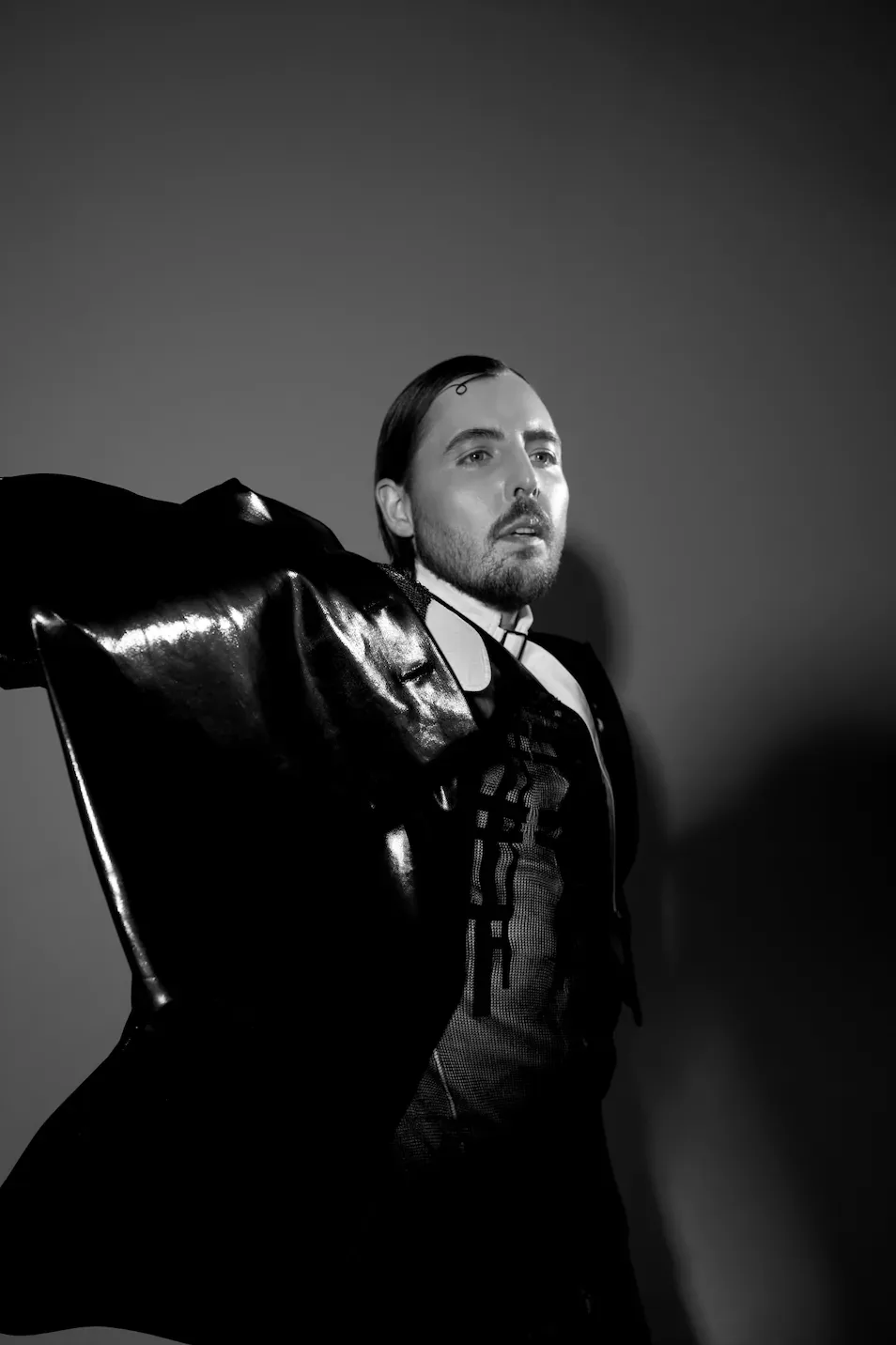
You might not immediately recognise JHart's name, but you've almost certainly heard his music. From Justin Bieber and Troye Sivan to Kylie Minogue, Sabrina Carpenter and JADE, the Grammy-winning songwriter has spent years helping some of the biggest names in pop create their hits. With over 100 billion streams to his songwriting credits and seven Billboard number-one records, his track record speaks for itself. But what happens when someone so used to telling other people's stories decides to tell his own?
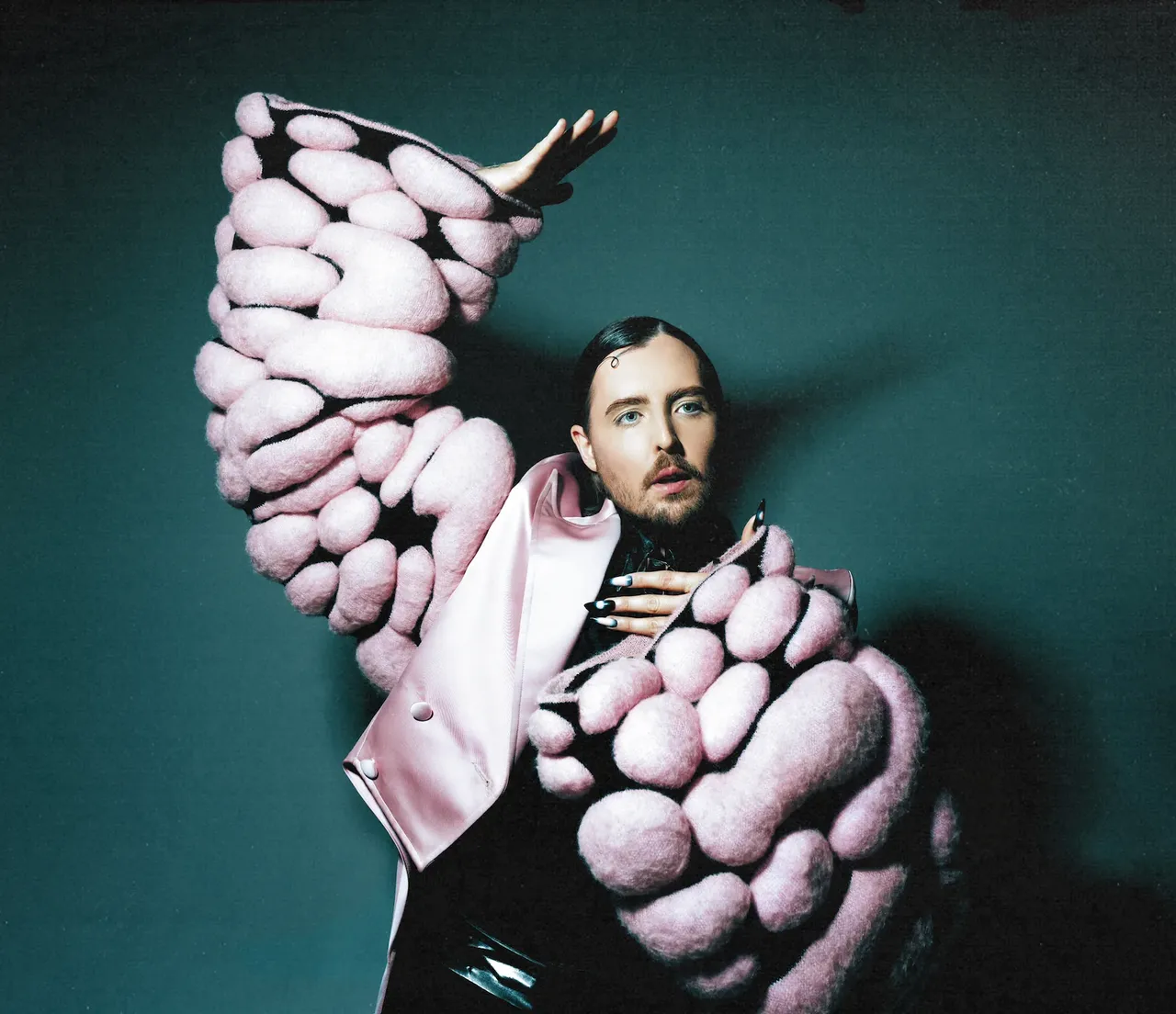
That's exactly where JHart finds himself with The Full Fantasy, his new seven-track EP, arriving today. Drawing on soul, R&B and his love of the seventies, the project also brings together his interest in fashion and visual storytelling. And behind all that creative freedom is a more personal journey of overcoming insecurities, questioning expectations and finally allowing himself to explore everything he's capable of, without being defined by his previous achievements.
“Success isn’t about hitting certain milestones, I’d say, as much as it is about living a true creative life, unburdened by the need for one title or career path,” he tells us. It's an interesting perspective from someone who has already achieved so much, but whose ambitions extend far beyond music. We caught up with JHart to discuss the pressures of the industry, his experiences growing up between different cultures, queer representation and why he's no longer interested in fitting into anyone else's idea of success.
We're officially in release week, with just a few days to go until The Full Fantasy arrives on October 16. How are you feeling as the release gets closer?
I’m certainly feeling nervous and a tad overwhelmed, but excited. With any full-length project, it feels like a baby of mine, and as an independent artist, there are always I’s to be dotted and T’s to be crossed. I have been working really hard on these songs, and I'm so proud of them. Above all else, I'm so happy with the way they all turned out and that I'm able to stand fully behind them.
The title The Full Fantasy is quite a statement. What does it mean to you, and how much of your own reality do these seven tracks reflect?
Well, aside from the obvious implication of a moment of escape from reality into fantasy, which I think is much needed these days to stay sane, to me it's about presenting the fully realised version of self to the world. The culmination of all my influences, years of development, honing my craft, refining my personal sense of style and showing up in totality.
A few weeks ago, you described this EP as a project for people who love vocals, fashion, art and fantasy. How do these different creative worlds come together in your vision?
I think they’re all a part of me in terms of things I'm passionate about. I was a kid who loved dressing up, had a very active imagination, and before I pursued music, I went to college for film. I think because I was pigeonholed as purely a songwriter for so long by the music industry, I have felt this intense desire to just show that I have more to offer in terms of being multifaceted. It's important to me that I have a very active role in not just the lyrics, production and vocals but in the visual language and the way I present myself in the world of it, since not every artist has that to offer.
Looking at the tracklist, we find songs like Memories, Midnight Dancing and Indescribable. Is there one that feels particularly personal to you?
I think Midnight Dancing and Indescribable feel more on the personal side, but I think they are hidden well by the overall tone and levity of the sonics of the project. Indescribable speaks to my deep longing for reciprocated love and intense fear of loneliness, whereas Midnight Dancing talks about numbing out through substance use to deal with the stresses and pressures of existing in today's world and in the music business.
You've teamed up with Durand Bernarr on Cruise. What made this collaboration special?
Well, aside from the fact that I have an immense respect for him artistically and vocally, I got to contribute to several records with him for his artistic output, including an R&B Song of the Year nom at the Grammys last year for Overqualified, and two songs on both Bloom and Bernarr. I just love him. He casually mentioned one time when we were working, “Hey, if you ever want any vocals on anything or wanna do something for your project, let me know!” And I love the full-circle, reciprocal nature of that collaborative energy. It's part of why I love the seventies, and it's such a reference for this music. It was a very musically collaborative time period.
You've written for some of the biggest names in music, including Justin Bieber, Sabrina Carpenter, Troye Sivan and Kylie Minogue. Who have you particularly enjoyed working with, and why?
I loved working with Kylie; she's such a legend and just such a ball of excited energy, and a consummate professional. They say don't meet your heroes, but I am so happy I got to experience her light. Troye has a clear vision for himself and is a great collaborator; it's inspiring. Keith Urban and Jon Bellion were both also so gracious and incredibly talented collaborators.
After years of helping other artists tell their stories, what's been the biggest challenge in stepping into the spotlight yourself?
For me, it was always about shedding a lot of limiting beliefs and insecurity that had built up over the years, from myself, from others, societal views around age and relevance, and the narratives we tell ourselves to avoid uncomfortable growth. What I've found is the more I put myself out there, the more I find people who are completely enamoured with what I'm doing and the more it's working for me, so I just have to trust that the way out is through, and all this work is necessary for a life of art and creativity, which is what I ultimately always wanted for myself.
What do you love most about your job, and what frustrates you most about the music industry?
What I love the most about my job are all the creative aspects of it, and the tool creativity and music are for connection with others. I’ve managed to find and become friends with a good group of creatives who do it for the love of music, and we all inspire each other and collaborate. What frustrates me the most is the business side: the gatekeeping, egotistical, clout- and number-obsessed types who will jump on the bandwagon and support something only once it’s working. They are not the true tastemakers, although I'm sure they like to think they are. I’ve always believed creatives are true visionaries and the best business types are the ones who support and uplift the blossoming of true creativity and chemistry-driven collaboration.
If you had to describe your personal music project in just three words, what would they be?
Musical, fun and classic.
Born in London, raised in Atlanta and now based in Los Angeles, you've experienced very different cultural environments. How have these places shaped the artist you are today?
I think London and Atlanta have been so important culturally and certainly musically; they have really shaped the versatility of my influences. I think, for better and worse, church culture in Atlanta had a profound impact on me. Vocally, it was one of the biggest gifts, and at the same time, as a gay man, it did a lot of damage in terms of my ability to see religion in a positive light and feel open and comfortable in the world. London has had a massive impact on my fashion; I feel drawn to British designers and any nods to British heritage in my looks. It's pretty split, and I credit both places as being home. I feel like I reference The X Factor UK just as much as I reference The Real Housewives of Atlanta, and I'm proud of that balance, haha. Los Angeles raised my musical bar, taught me about craft and reinvention, and also how to work a room.
As an openly queer artist, do you think music still has the power to challenge stereotypes and create spaces where people feel represented?
I do. I am a person who has to believe that, and maybe that's idealistic. It's hard sometimes in today's political climate to really stay optimistic all the time; it all becomes so exhausting, but I am someone who defaults to that setting, and I think it's really saved me from being chewed up and spat out and becoming bitter. Music is a universal language and one of our most powerful tools to connect with one another. I will keep operating from that perspective.
With number-one records and a Grammy already behind you, what does success mean to you at this point in your life?
Success isn’t about hitting certain milestones, I’d say, as much as it is about living a true creative life, unburdened by the need for one title or career path. Every once in a while, something I do will work very well and resonate with people en masse, and if I can have a few meaningful moments like that in my career and life, that feels like a creative life well lived.
You've already achieved things that many artists can only dream of. What's still on your personal wish list, and what would you love to accomplish in the coming years?
Well, I’d love to be nominated for and win a Grammy for my own artistic efforts. I’d like to be recognised as the world-class vocal talent I am, and just be seen as a friend to creatives. I want to try lots of things; I wanna write a cookbook, I wanna do the West End or Broadway, and I wanna continue making cool shit with my friends. Of course, I want to keep writing songs and helping others tell their stories.