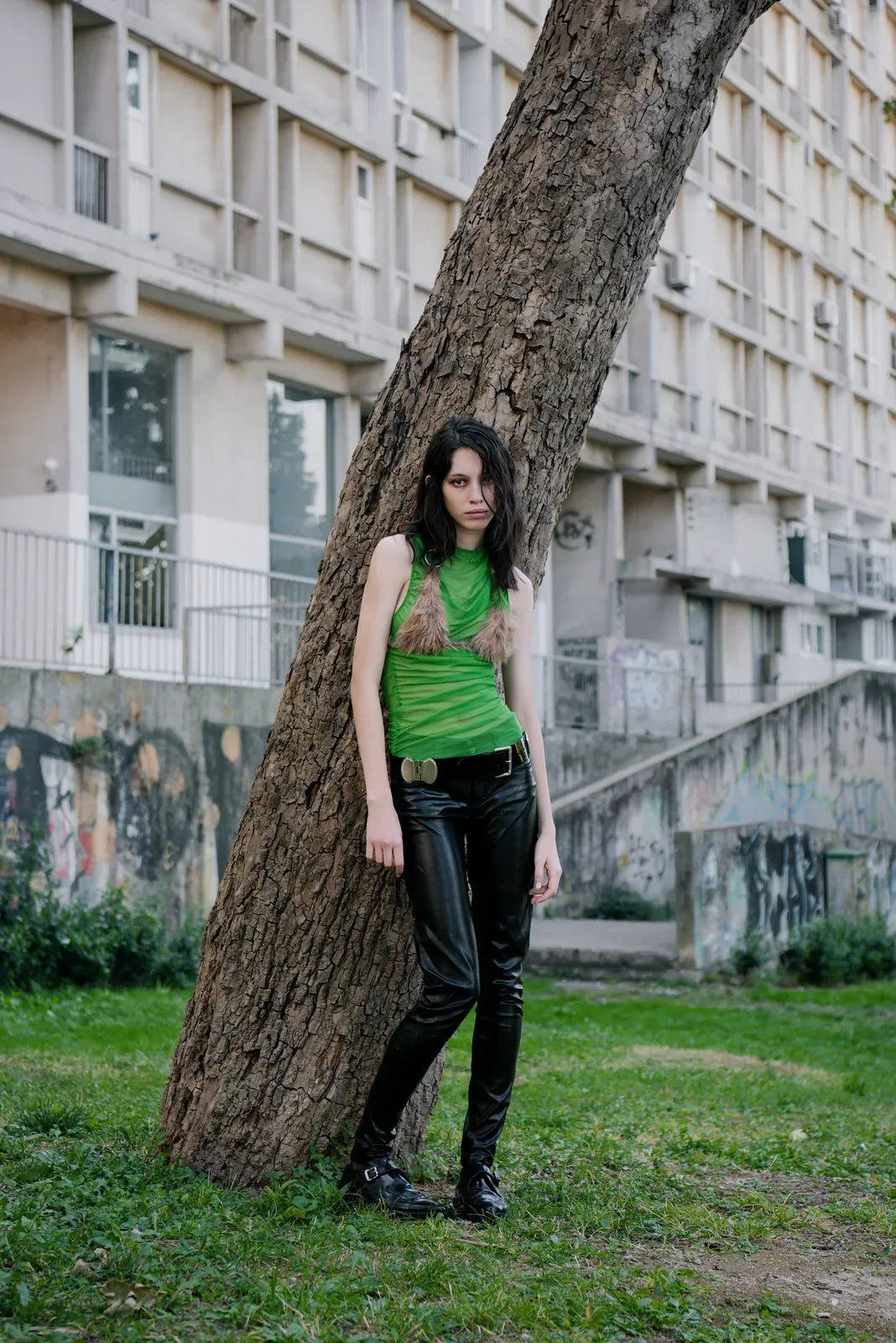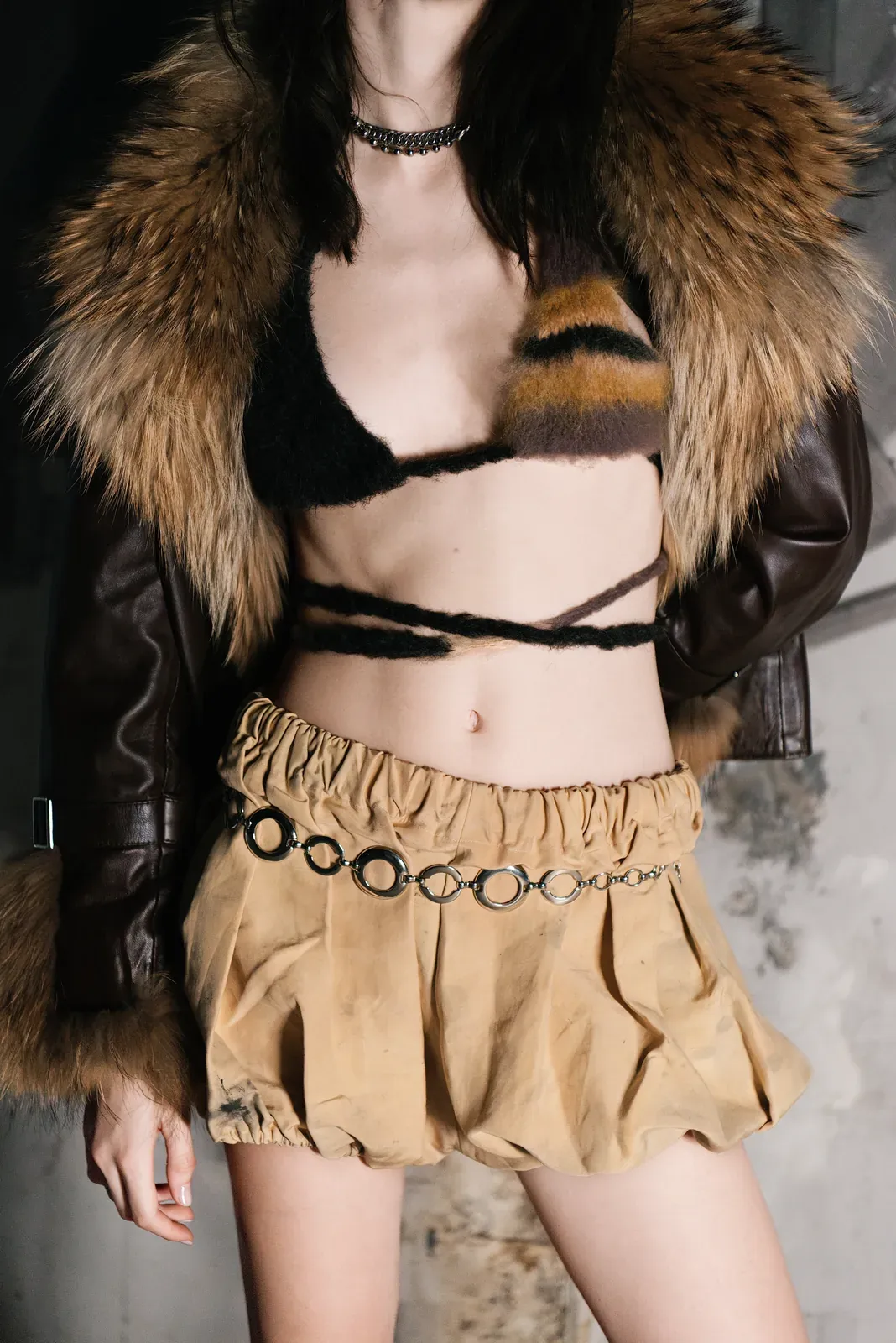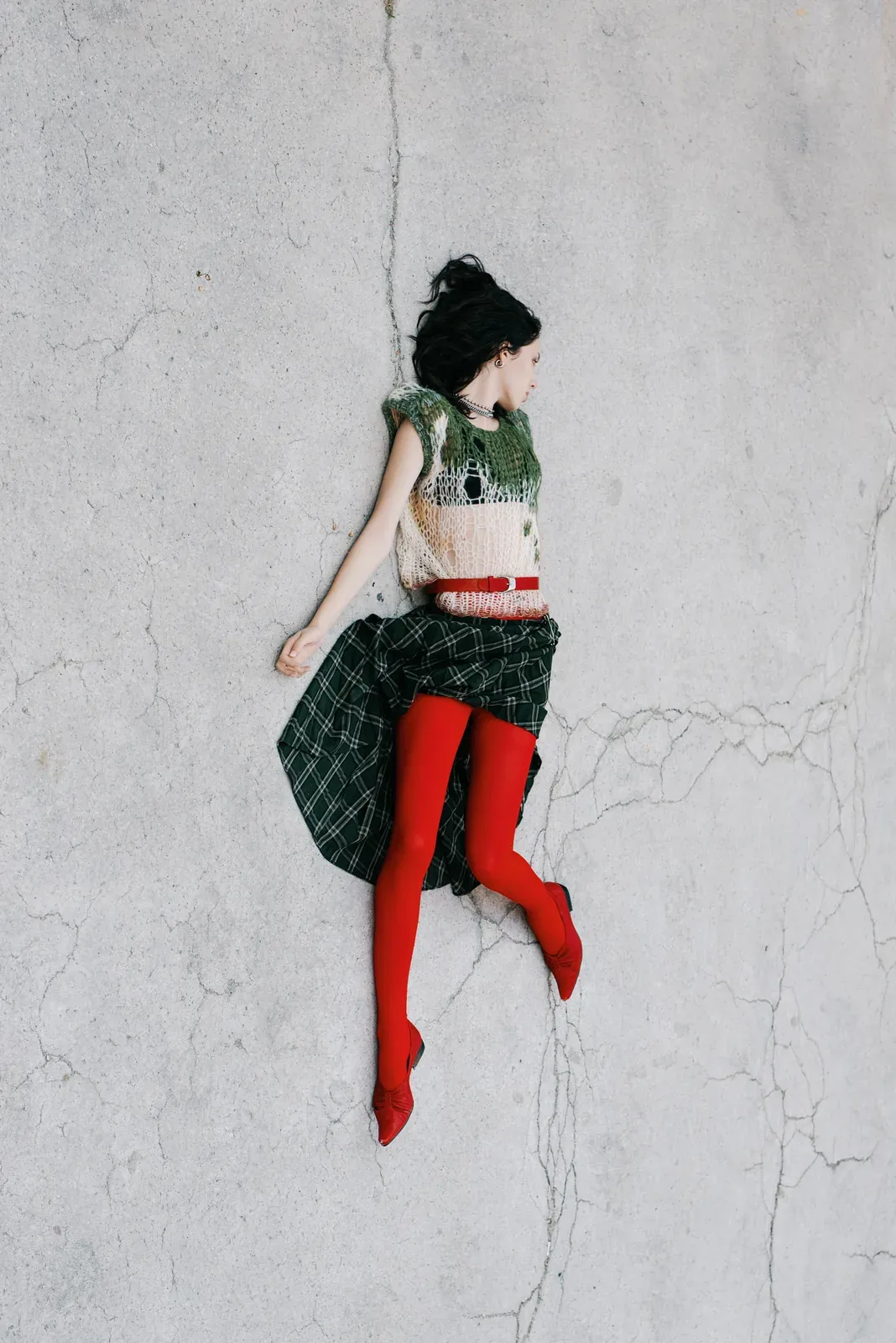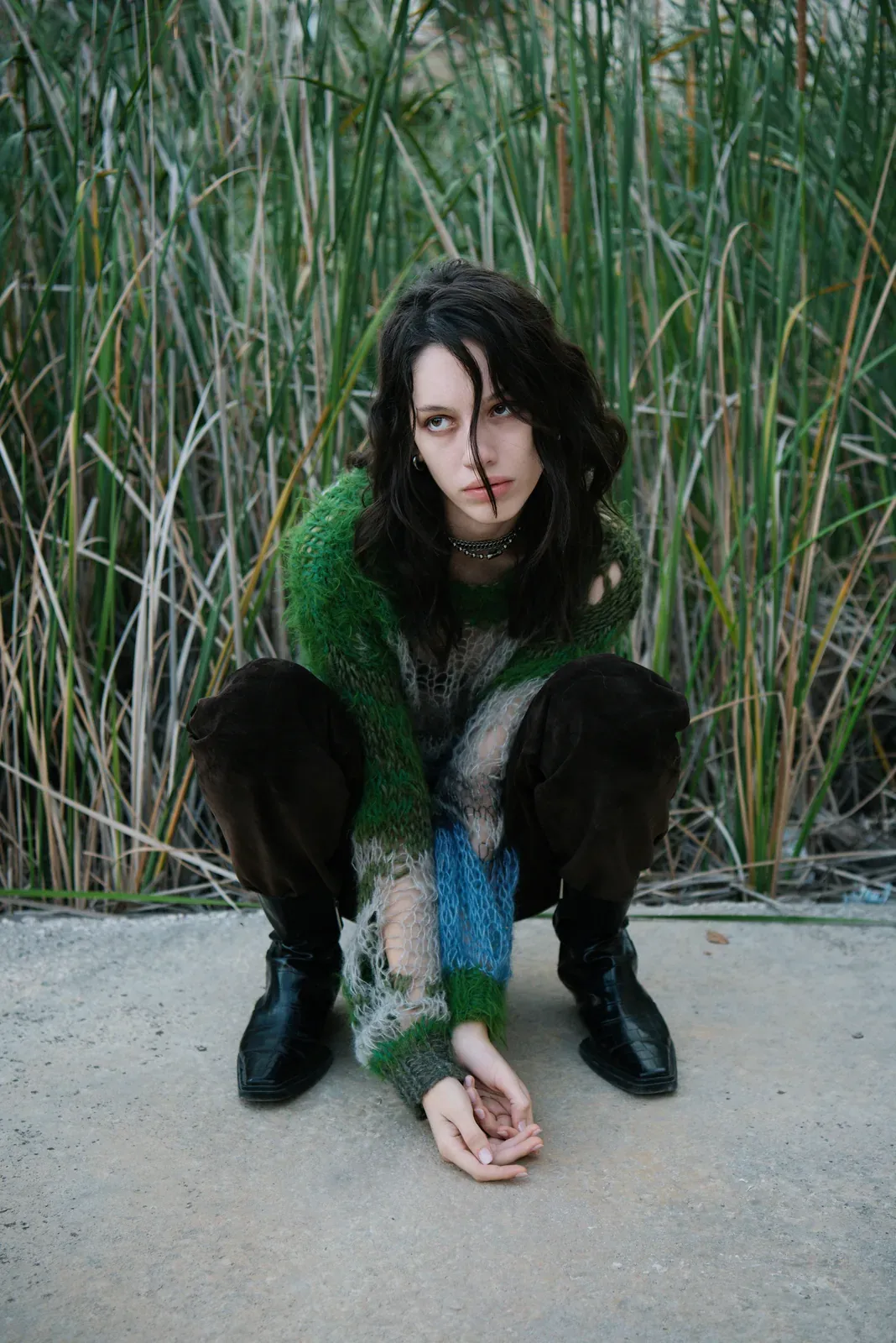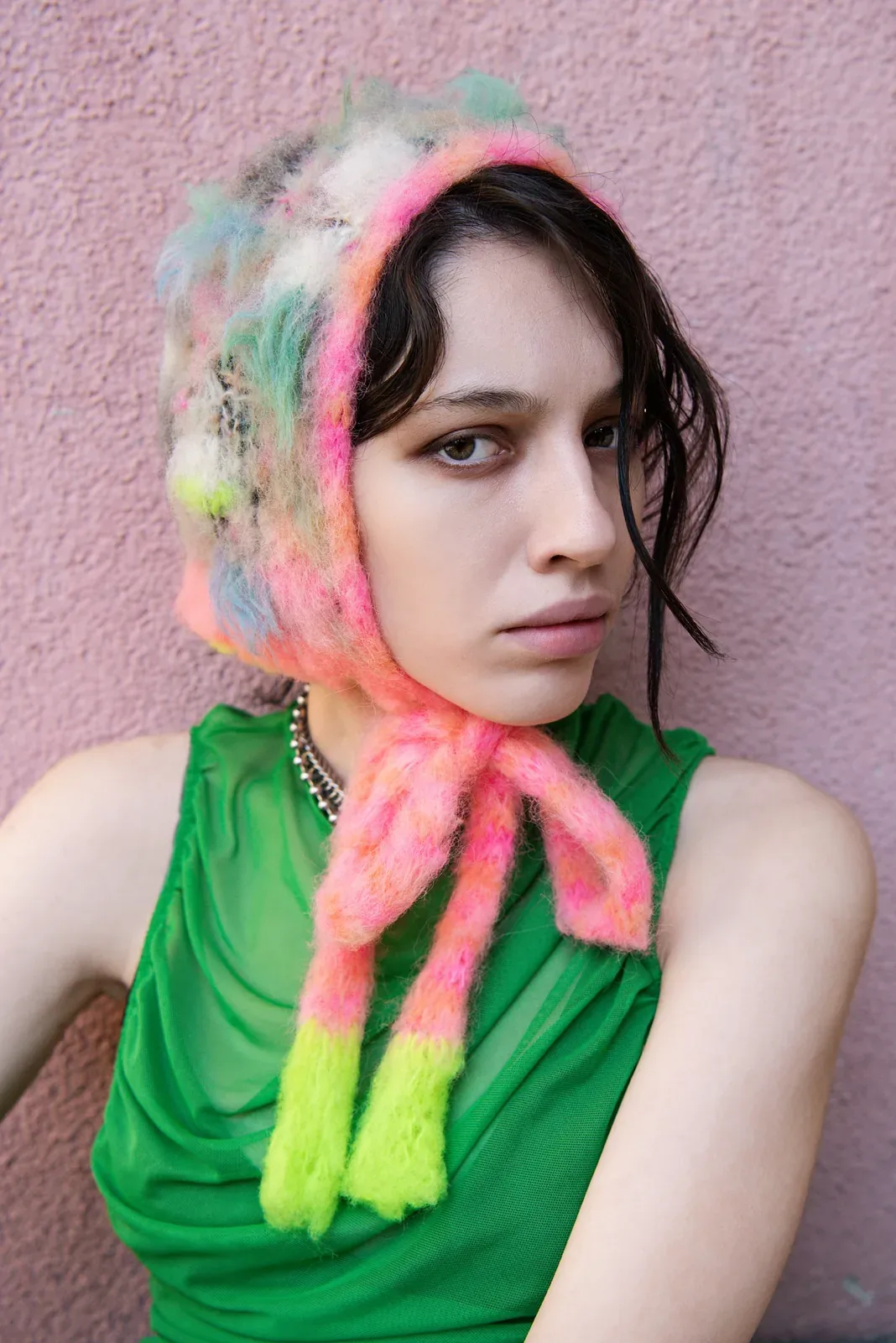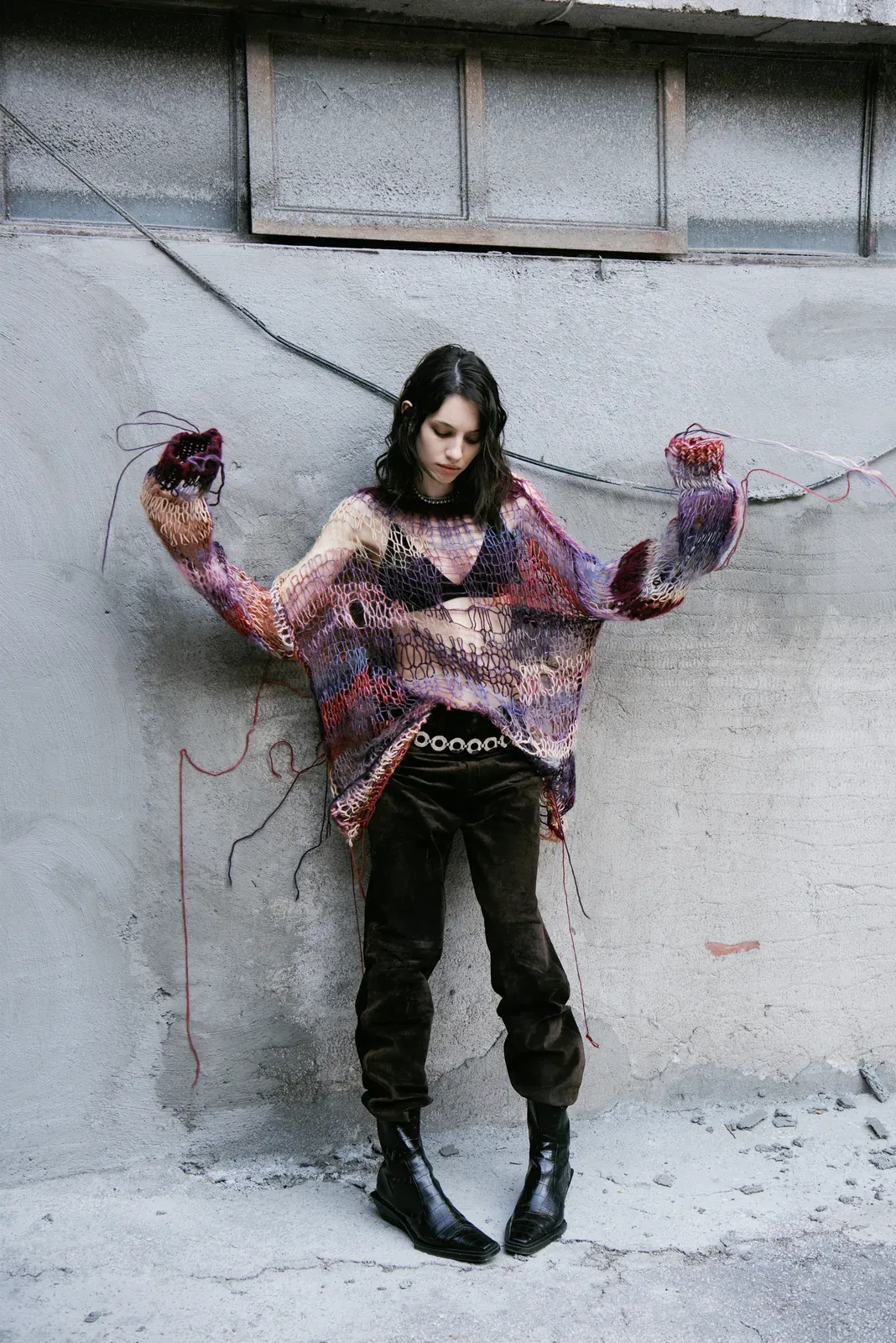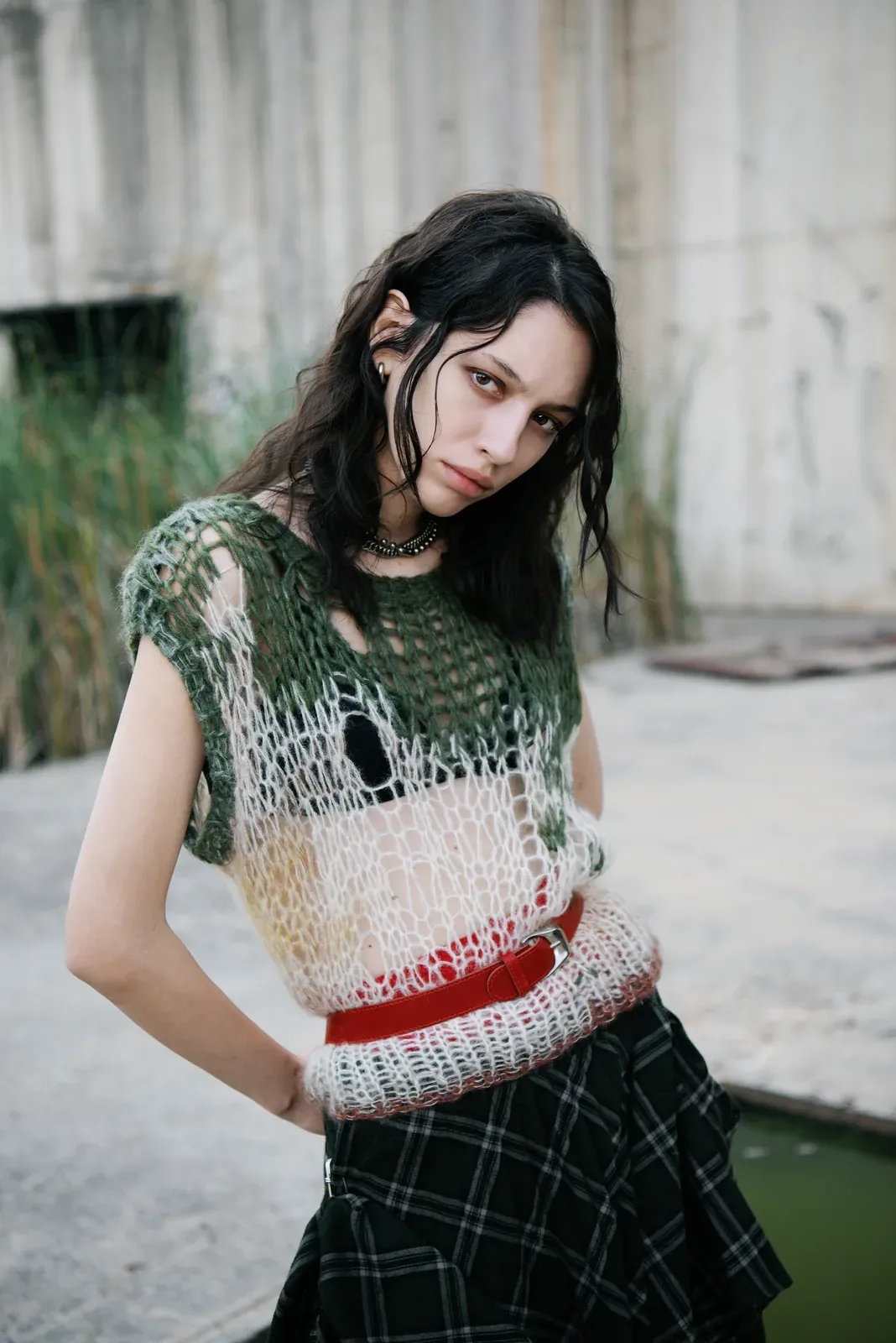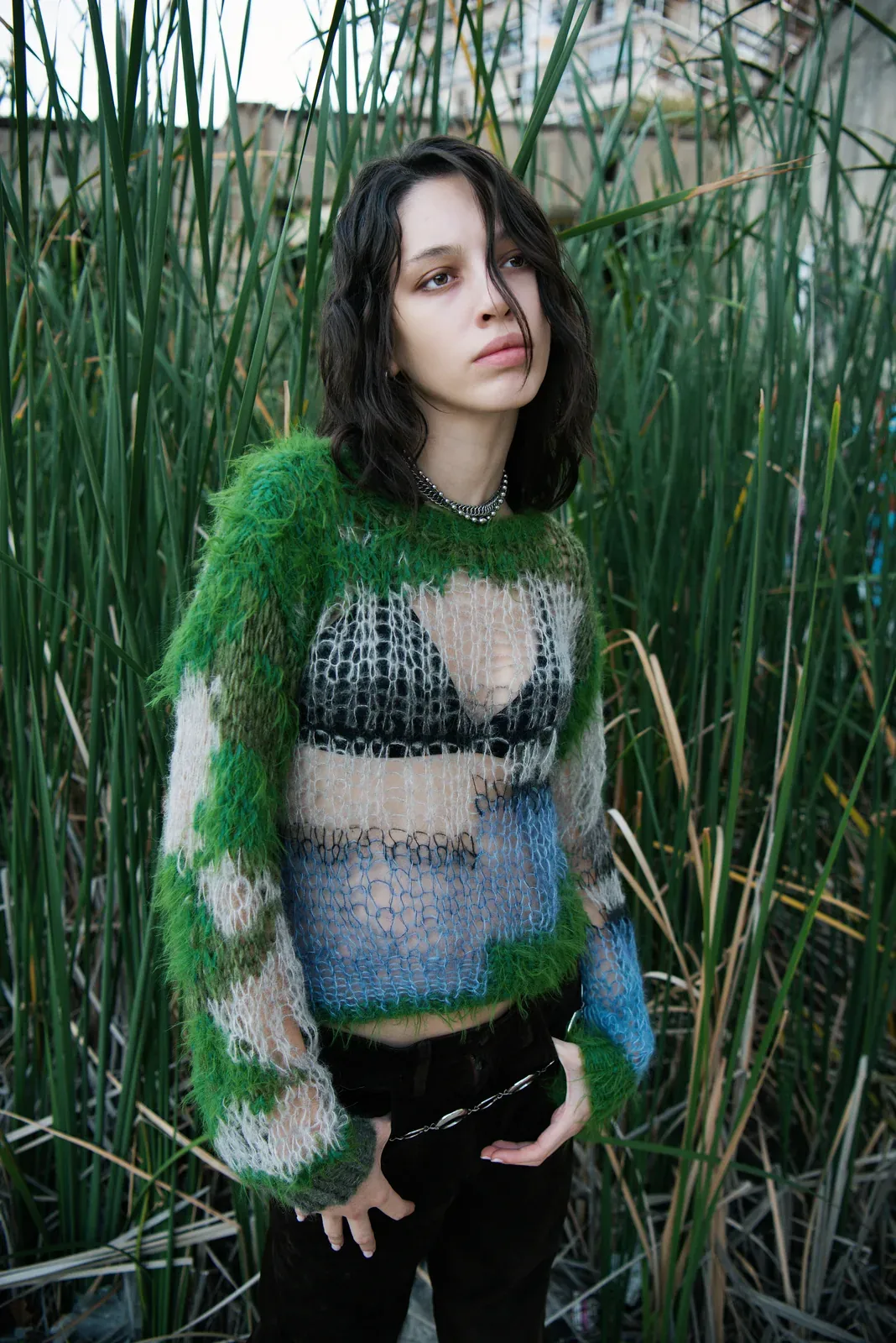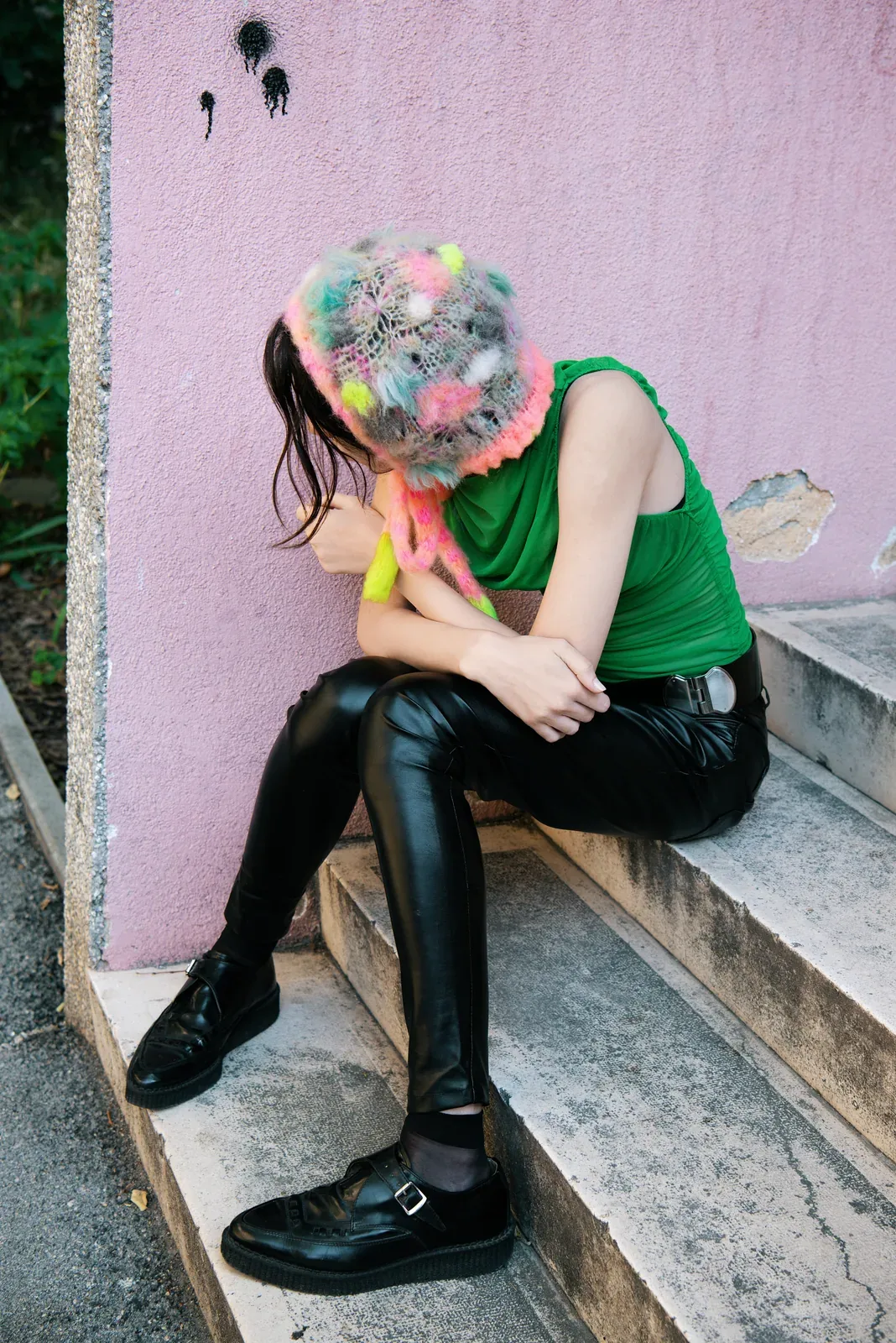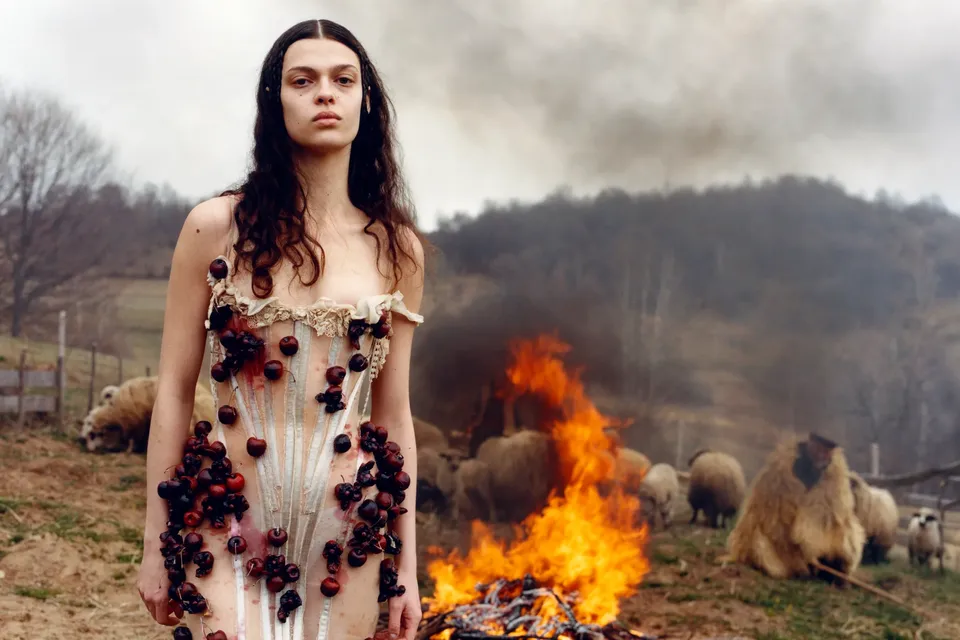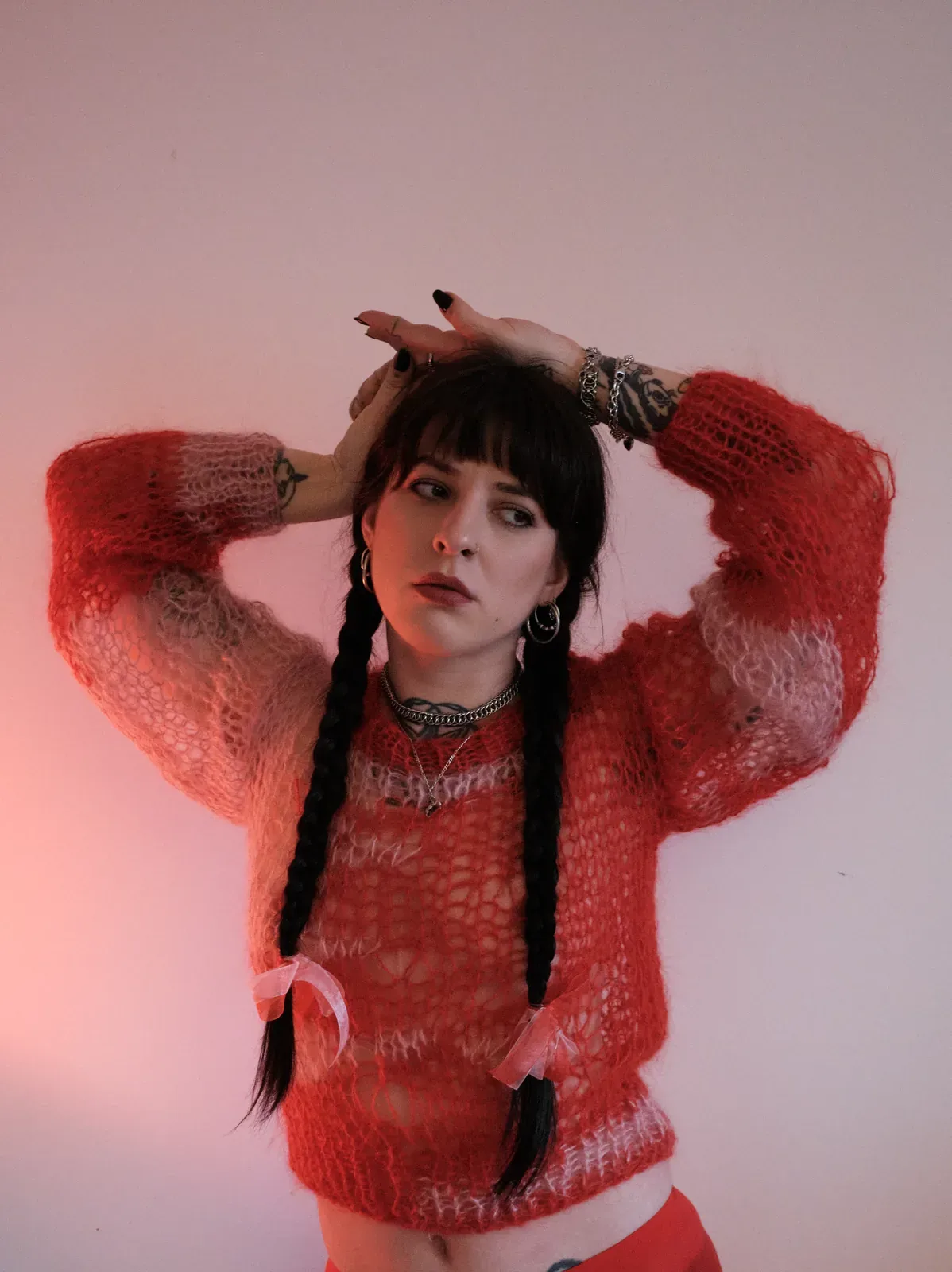
Artistic inspiration can come from pretty much anywhere. Unexpected sources can be a clever way to reinvent art and creation in the era of ‘we’ve seen it all’. Funnily enough, Matea Zekan’s latest source of inspiration is far from unknown or even unexpected. I’d rather call it overlooked and unfairly underrated by society. And it’s none other than mould.
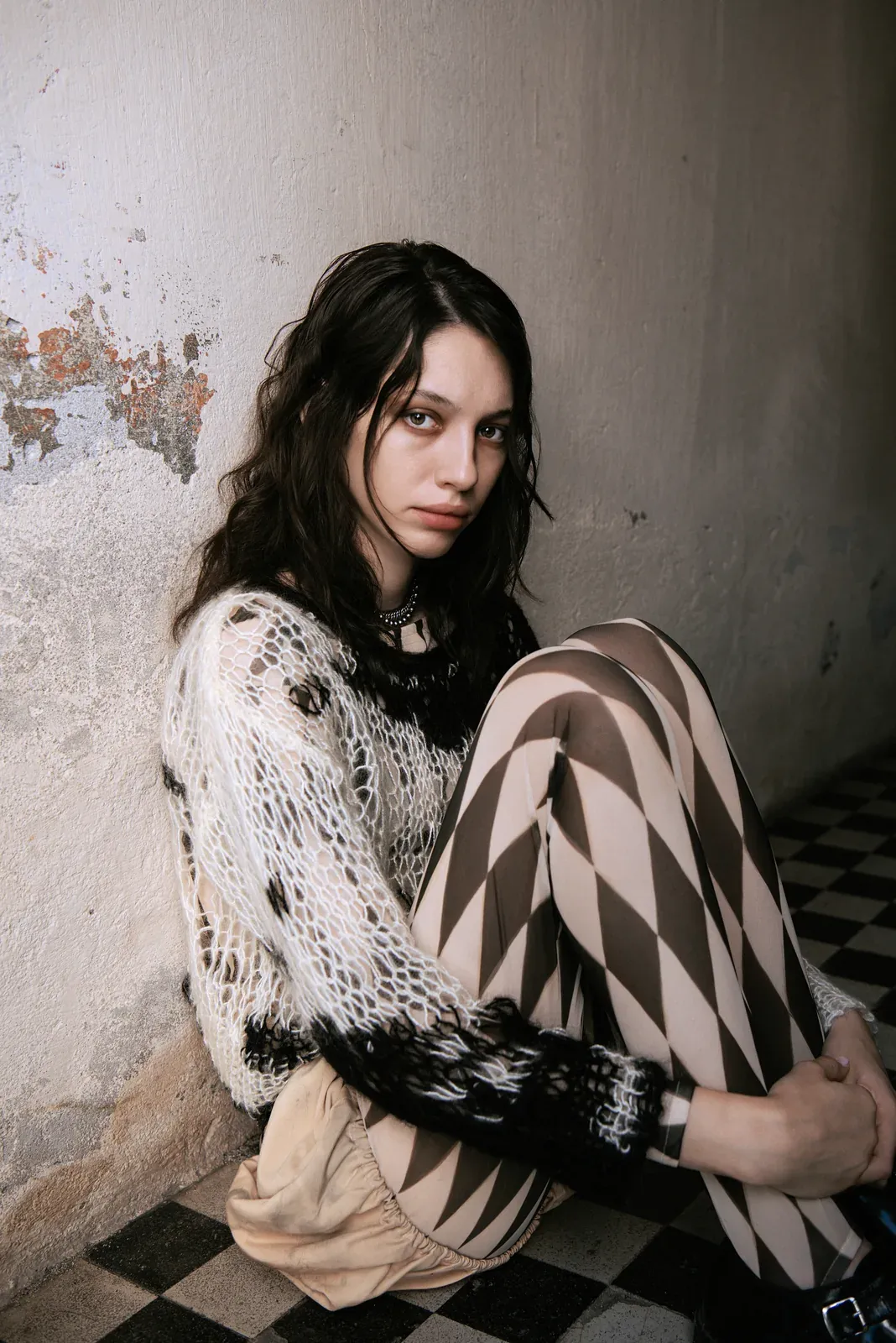
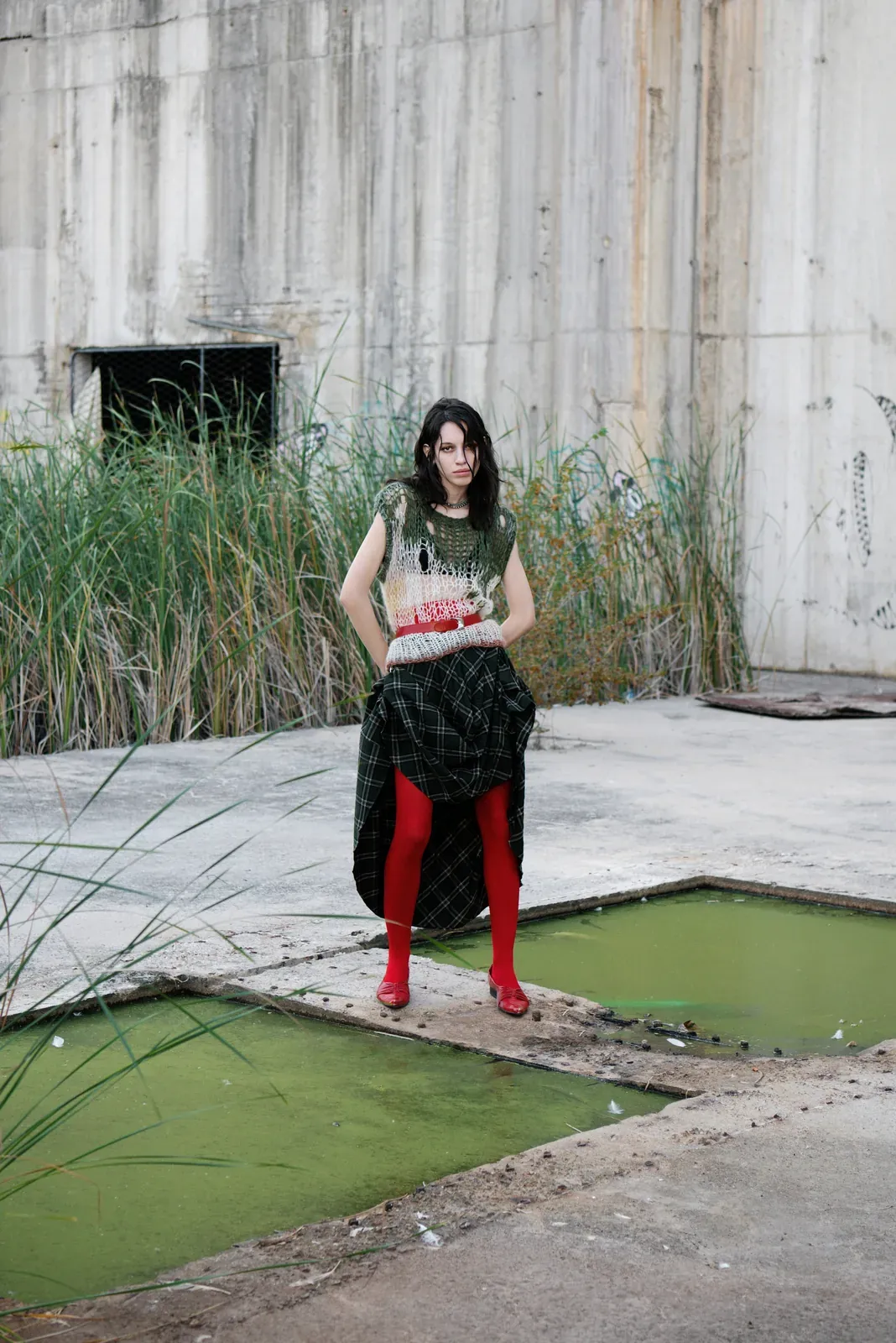
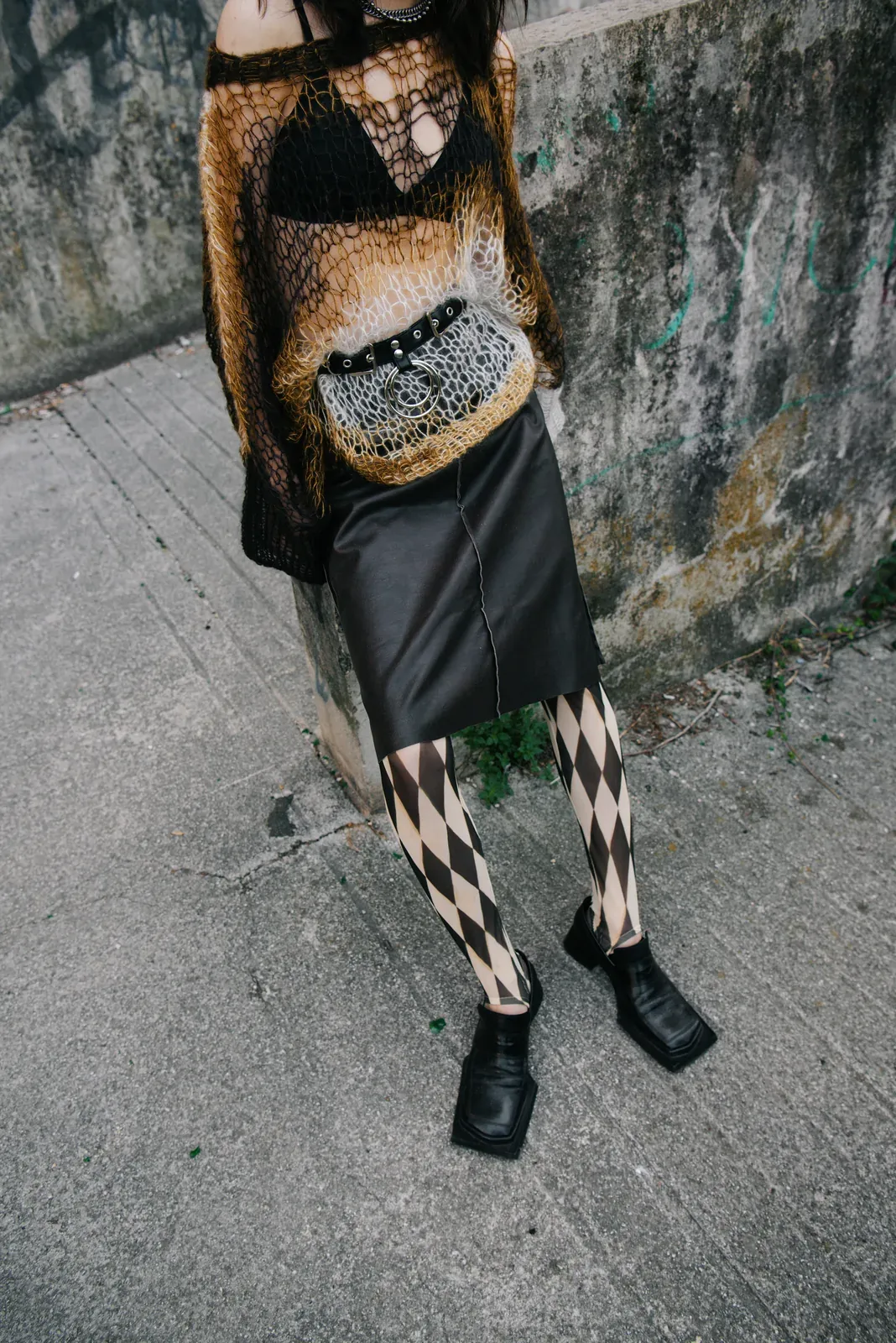
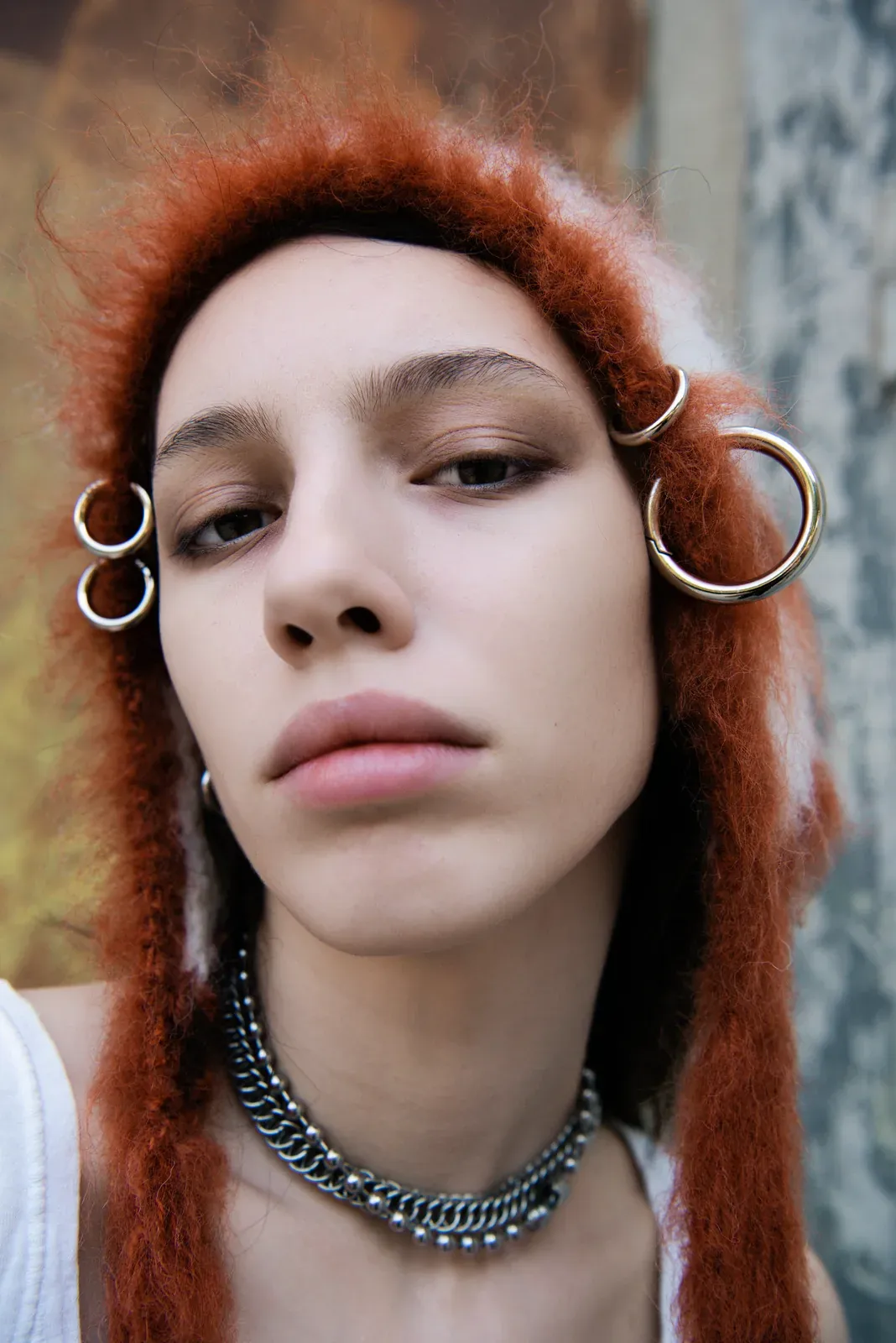
The digital world has easily embraced her newest work: an exploration of mould growth patterns, colours, shapes and variety translated into knitted garments, probably following the same principle by which this fungus grows in nature: intuition. And while we centred this interview on the muse that has caught the most attention recently on her online presence, Matea’s approach to art isn’t limited to this fungal manifestation. We invite you to take a deep dive into her Instagram and scroll far enough to find out why her work is magnetic. She has a clever eye for turning imagery traditionally associated with repulsion and rejected notions of beauty into an endless source of inspiration for her creations.
Hey Matea, nice to speak with you. Could you tell us a little more about yourself and your work?
Hey, thanks for reaching out! Hmm, what can I tell you? Matea is the name I was given. I’m Croatian, and I’ve always dabbled in different forms of making. Lately, all I seem to want to do is knit. I find a lot of inspiration in unexpected places, things that one would normally overlook or perhaps even be repulsed by, and I try to make them into something beautiful and almost poetic.
What is the process behind your concept of ‘intuitive knitwear’? What does intuition mean within your practice, and how does it translate into the garments you create?
By intuitive, I mean that I start without a pattern. I normally don’t sketch my pieces beforehand either. It usually starts with a vague idea and the piece develops as I’m making it. I like figuring things out as I go, though I could do without all the untangling that working like this sometimes forces me into.
One of my favourite pieces of news from 2026 is that scientists have mapped the world’s vast underground fungal networks for the first time, estimating that they span more than a hundred quadrillion kilometres of living threads — enough to stretch from Earth to the Sun nearly a billion times. How does it feel to know that your muse is something so enormous, mysterious and majestic?
I find it quite fascinating to think about, although I’m not sure I’ve ever really considered the scale of it in those terms. What fascinates me more is the fact that something so omnipresent can often go completely unnoticed. The spores are everywhere, I’m sure you’ve got some on you right now.
When you begin a new piece, what comes first? Is it an image or pattern, a colour, a fabric, or the final shape of the garment?
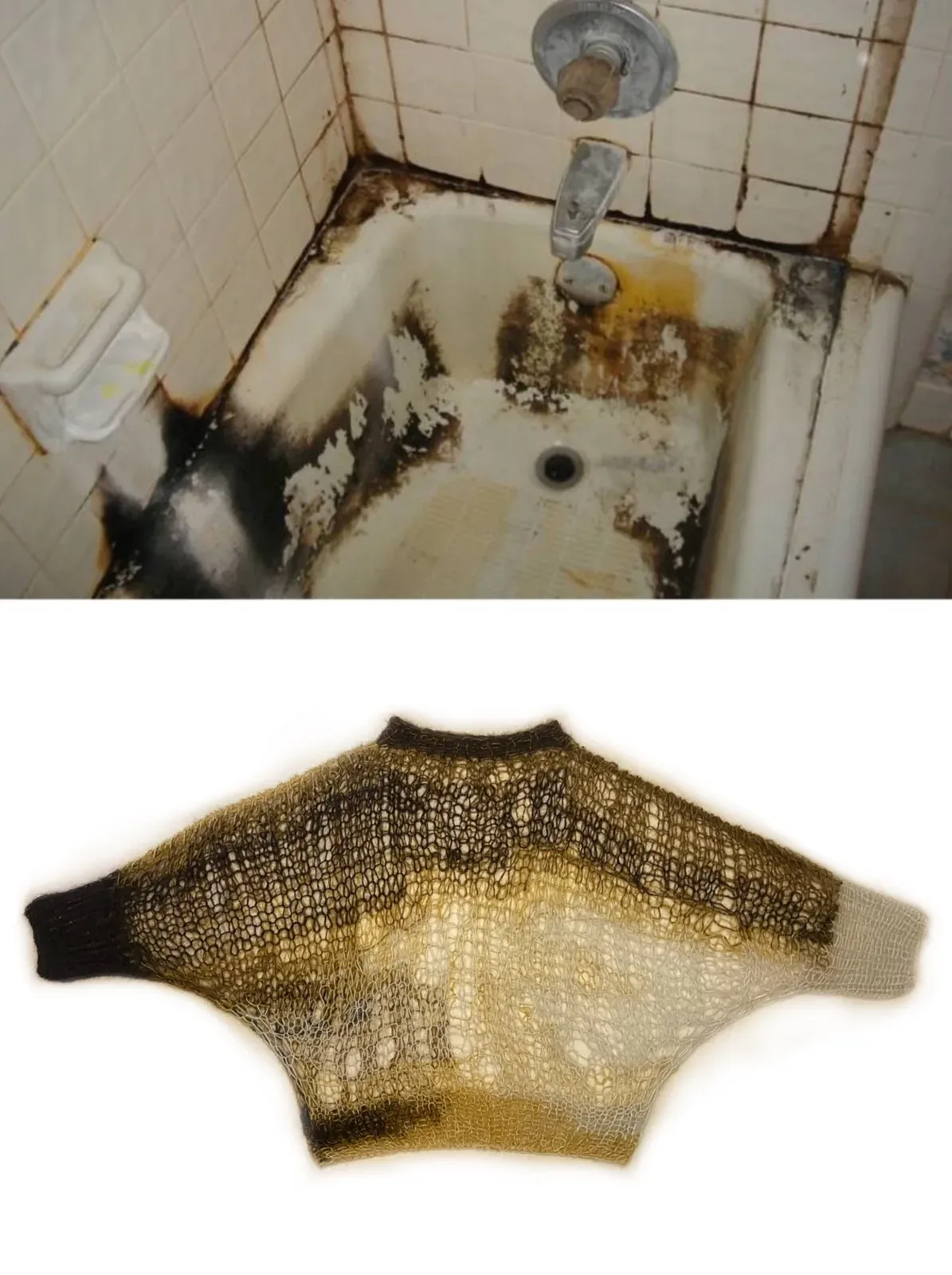
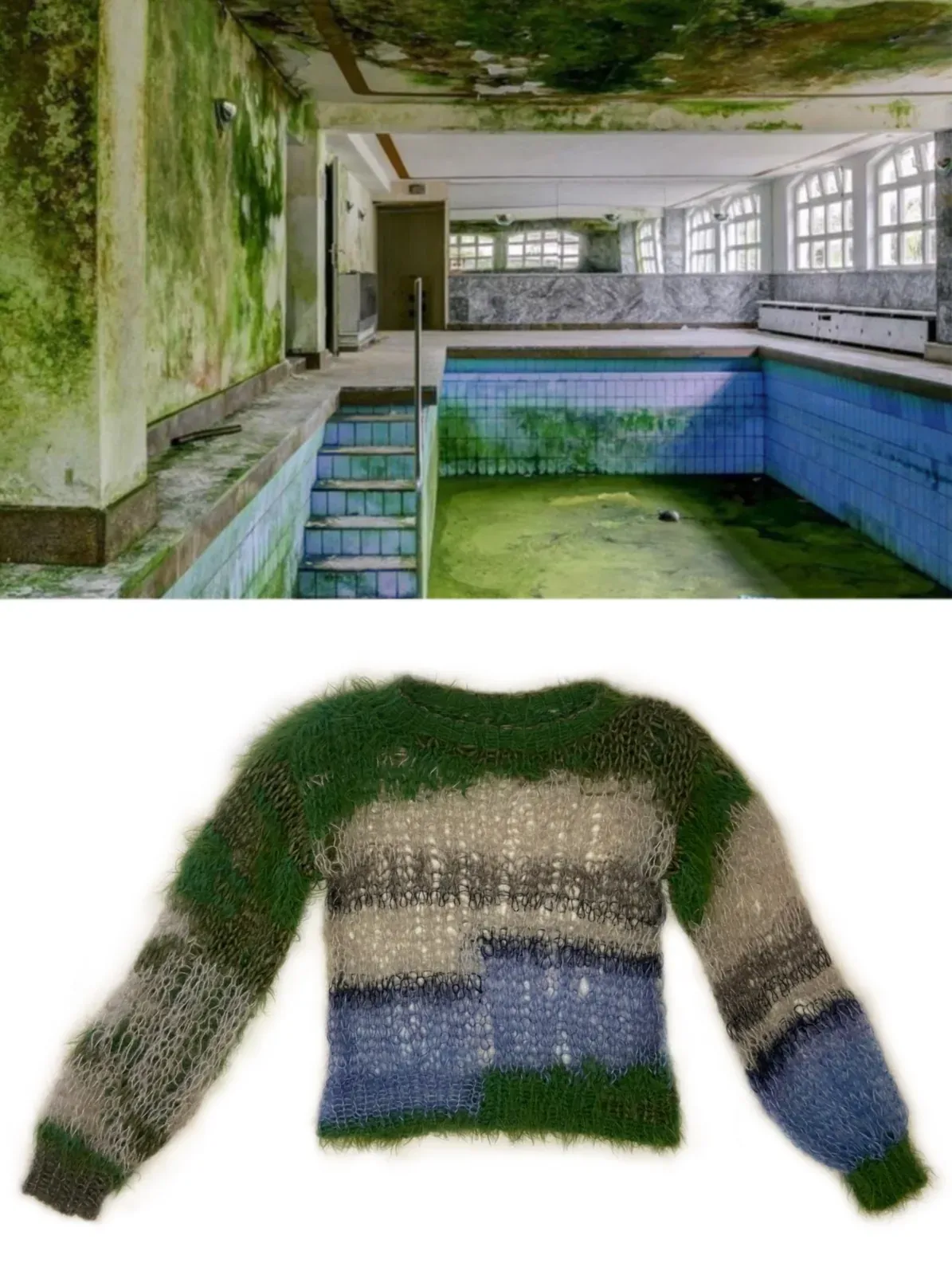
There are no rules, really. Sometimes I’ll go to a yarn store and see a fibre and think, oh my God, this reminds me of this or that, and the whole thing starts there. Sometimes I’ll be walking through the city, which is incredibly neglected in some areas, and something I see will get me thinking. Sometimes it’s a photograph. I might mentally zoom in on a particular detail and exaggerate it in the piece. It can be a part of the architecture, a crack in the wall, a stain on the floor. You never really know.
“I find a lot of inspiration in unexpected places, things that one would normally overlook or perhaps even be repulsed by, and I try to make them into something beautiful and almost poetic.”
Of the moulds we encounter in everyday life, which is your favourite? I personally have a soft spot for the ones that grow on old oranges. And, at the other end of the spectrum, what would be your favourite unusual or truly one-of-a-kind type of mould?
I think black mould is probably my favourite, mostly because of a childhood memory. There was one particular spot on the wall in our hallway where, whenever it rained, water would seep through, and the mould would appear there. Unfortunately, we couldn’t really address the underlying problem at the time, so my dad would just paint over it, only for it to return in a completely different shape.
Looking back, it would be funny to look at it almost like a Rorschach inkblot, finding shapes and images in it. But at the time, obviously, it wasn’t something to have fun with.
As for something one of a kind, a friend once sent me a picture of a mouldy watermelon, and it was absolutely insane. I couldn’t tell you exactly what kind of mould it was, but I think it was the combination of the particular colony, the pattern, and the colours of it interacting with the colours of the fruit that made it so striking.
How do you see your work positioning itself within the broader landscape of the arts? Does it lean more toward fashion, sculpture or somewhere in between, with science also becoming part of the equation?
I suppose it’s inevitably fashion because I’m making garments, but I also treat the work a little bit like painting. I don’t always just reach for a yarn off the shelf and work with whatever colour it happens to be in. I sometimes combine different threads of yarn to achieve particular shades, so I think quite a lot about colour and composition in that way. Hopefully, in the near future, I’ll be able to make my work a bit more sculptural as well. For that, though, I’ll have to learn some new stitches lol. As for science, I certainly am not a scientist, though I have peeked into my fair share of petri dishes.
How do you think your creations inhabit the current fashion paradigm, particularly when you consider both their final appearance and the processes behind them?
I’ve been exposed to alternative subcultures for most of my life, and having spent time in those spaces has definitely influenced the way I dress and the things that I make. But I wouldn’t say that I follow contemporary fashion particularly closely. I’m more interested in making something that I genuinely want to wear, and seeing where it finds its place afterwards.
Despite mould being at the centre of one of modern science’s most miraculous discoveries—penicillin—we’re taught from a young age, perhaps even programmed as a matter of evolutionary survival, to associate it with things that are rotten, damaged, dangerous, and best avoided. At what point, and through what process, does someone begin to find fascination in mould? And how does that fascination eventually turn it into an artistic muse?
Well, it all started with the first jumper I made, which became the starting point for the decay collection. Once I started exploring the subject, I found myself becoming fascinated by all sorts of things within it, and mould was one of them. There was also a lot of potential in translating it into wearable pieces, whether because of its textures and sponginess in some cases, its irregular shapes, or the way it sometimes seems to consume the surface it grows on. All of those qualities translated really well into what I was trying to convey. So I don’t think there was really one particular moment when I became fascinated by mould. It was more that, while exploring decay through knitting, I started noticing it properly.
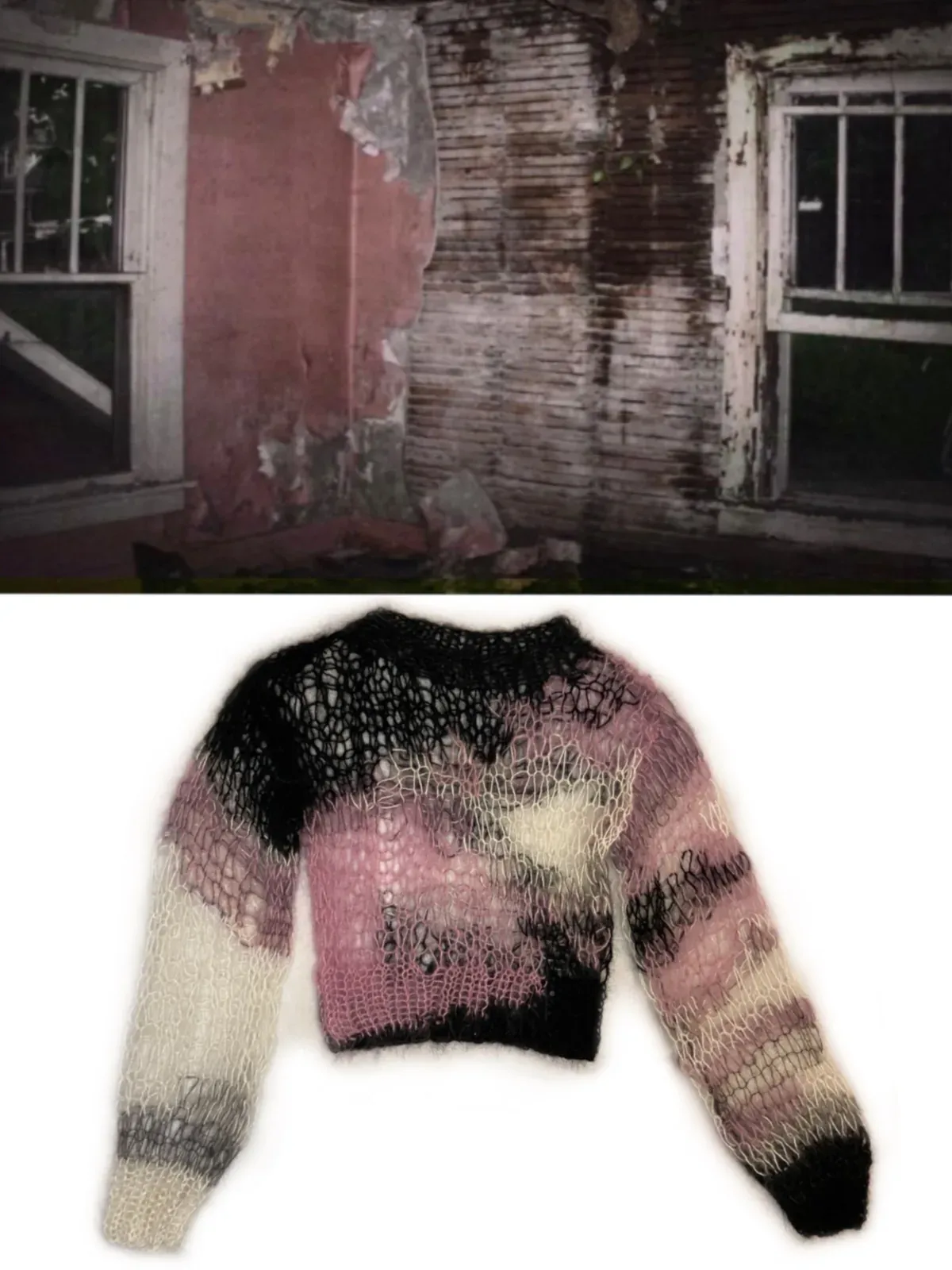
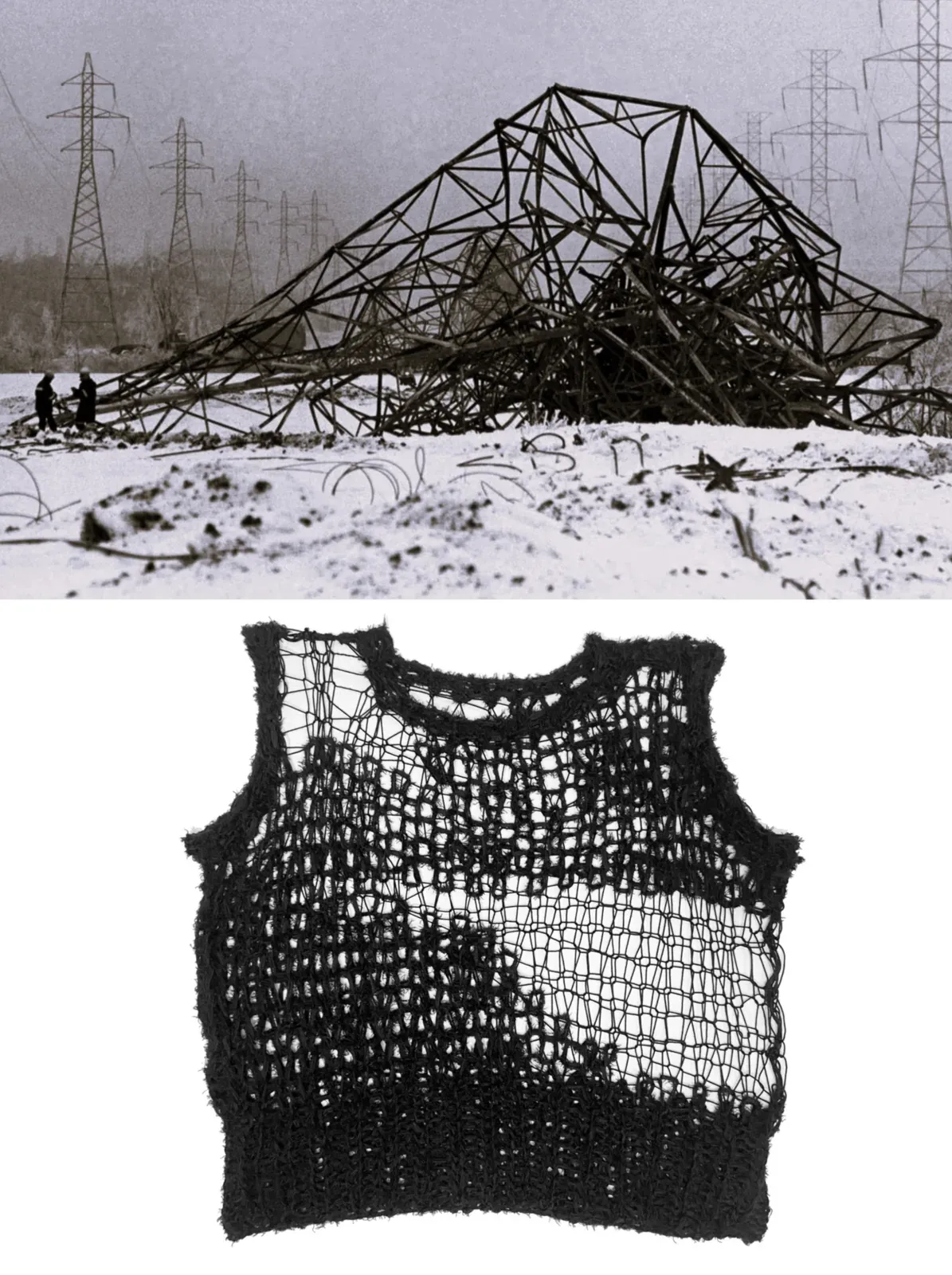
You seem to receive a lot of mould inspiration from your Instagram followers, even sharing your favourites in photo dumps. Have you figured out what makes someone a good mould photo plug—or even a good mould dealer? Have you developed your own sort of guide for identifying a great mould find?
Wow, things got real mouldy real fast on my end. I feel like after posting just a couple of pieces, people had already started sending me pictures of the insides of their fridges and their forgotten treasures. And don’t get me wrong, I really appreciate it, and I find it genuinely fun to look at. I’m always drawn to the more extreme cases, the ones that are completely out of control or somehow look almost unreal. I take this question as an opportunity to invite everyone to send me their mould. At this point, my DMs have basically become a never-ending source of inspiration. What I find tricky now is actually sourcing the fibres to materialise them.
You’ve mentioned how unsettling it is to notice that it’s becoming less common for the groceries we buy to grow mould. Without trying to overinterpret your work, there seems to be something almost activist about bringing attention back to this huge, often overlooked part of nature — however gross or unfortunate many people might find it. Do you see your work in that way, particularly in 2026?
I honestly don’t really know how to answer this one. I do find it unsettling to notice that it’s becoming less common for the groceries we buy to grow mould, but I find a lot of things unsettling nowadays, to be perfectly honest. I think it’s one of those things that we should at least be aware of and question. Bringing awareness to it has never really been a conscious decision of mine, though. But if what I do makes people stop and think about things like that, I’m happy about it. We go through life on autopilot, ingesting plastic, trying not to age while people are dying and the world is burning, so I don’t know. Maybe it’s not such a bad thing to occasionally stop and look at what’s growing in our fridges.
Are there any pieces of pop culture—music, films, series, artists, or otherwise—that share your appreciation for these fungal creatures? Or are there things outside of mould itself that help channel your inspiration when you create your knitwear?
Looking for a mould expert? Look no further. Dasha Plesen is your girl. She’s a Russian artist I’ve interacted with a few times through social media, and I’ve used her petri dish photographs as inspiration for two of my knit pieces. I’m sure she could fill you in on all the things I didn’t know how to answer. Ten out of ten, would recommend.
As for other things that influence my work, I’ve mentioned that I’m really drawn to decay, natural processes, and the deterioration of matter. I think what interests me most is the idea of freezing those processes in time, trying to immortalise something that is, by its very nature, temporary. There’s something quite paradoxical about making a garment inspired by something that is slowly disappearing. We live in a society that seems obsessed with preventing ageing and making ourselves last forever, while at the same time, everything around us is constantly changing and falling apart. I’m more interested in looking at that process, and at the beauty of nature reclaiming the things that came from it in the first place.
As for other things that influence my work, I’ve mentioned that I’m really drawn to decay, natural processes, and the deterioration of matter. I think what interests me most is the idea of freezing those processes in time, trying to immortalise something that is, by its very nature, temporary. There’s something quite paradoxical about making a garment inspired by something that is slowly disappearing. We live in a society that seems obsessed with preventing ageing and making ourselves last forever, while at the same time, everything around us is constantly changing and falling apart. I’m more interested in looking at that process, and at the beauty of nature reclaiming the things that came from it in the first place.
Now that you’ve been immersed in this subject for quite some time, could you leave us with the three most interesting things you’ve learned about mould?
I’ve learned that apparently scientists have tracked fungal networks beneath the surface of the Earth, and that they’re so extensive they could apparently stretch from Earth to the Sun an absurd number of times. So, thanks for that one.
I’ve also learned that there’s a fungus that can basically turn ants into zombies. Pretty insane. (Shout out to David Attenborough!) Apparently, they have more power than we give them credit for. And finally, I’ve heard of certain fungi that can actually break down some types of plastic, which I find particularly fascinating and, given the times we live in, pretty relevant. To be perfectly honest, most of these are things I’ve picked up from documentaries and random things I’ve come across rather than anything I’ve seriously researched. But I think they’re pretty good things to leave you with.
I’ve also learned that there’s a fungus that can basically turn ants into zombies. Pretty insane. (Shout out to David Attenborough!) Apparently, they have more power than we give them credit for. And finally, I’ve heard of certain fungi that can actually break down some types of plastic, which I find particularly fascinating and, given the times we live in, pretty relevant. To be perfectly honest, most of these are things I’ve picked up from documentaries and random things I’ve come across rather than anything I’ve seriously researched. But I think they’re pretty good things to leave you with.