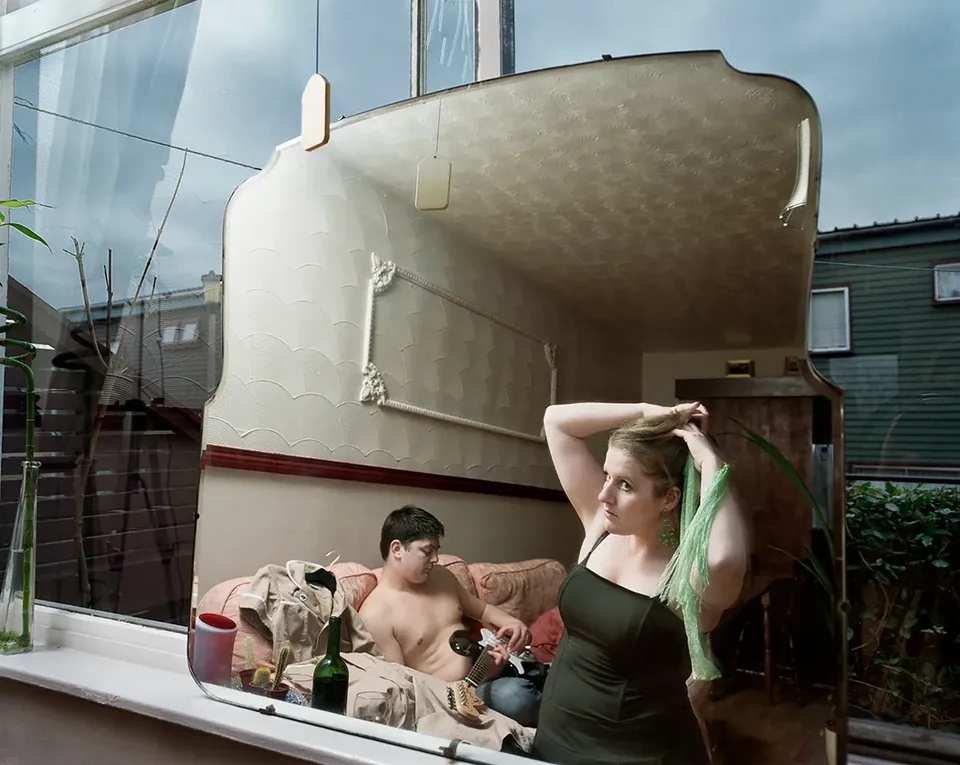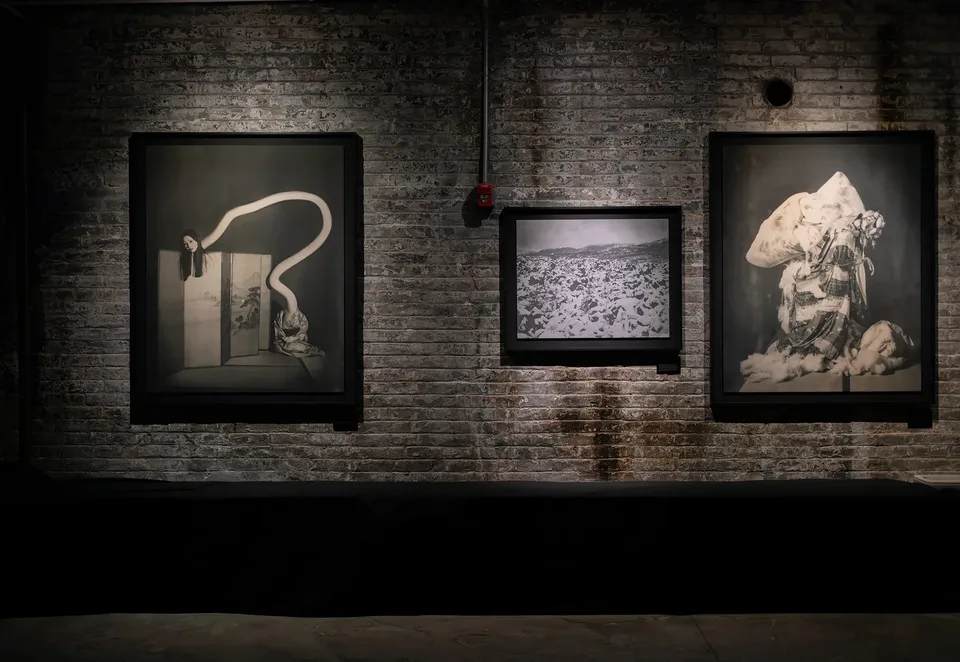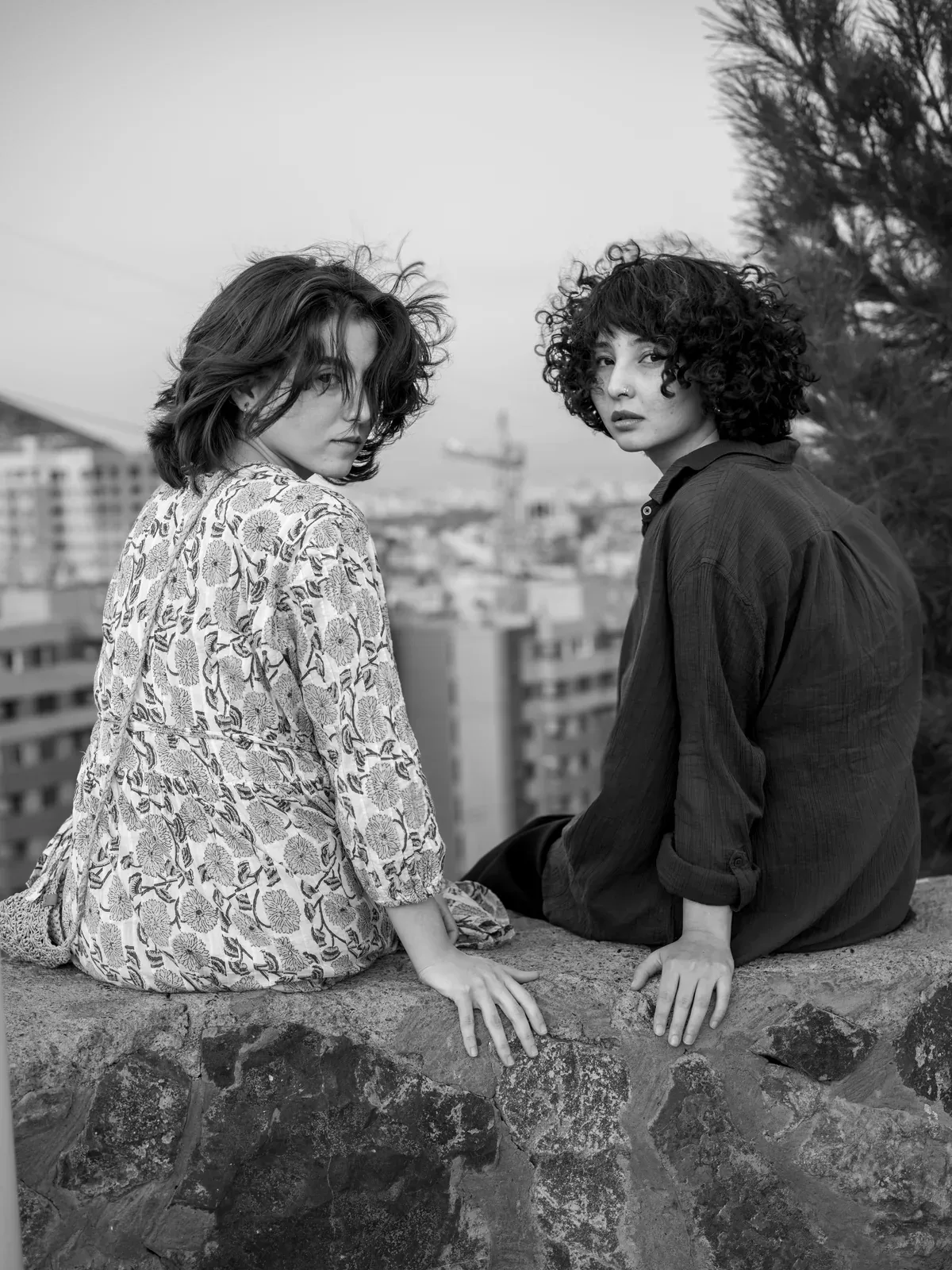
What does it mean to exist when the world you inhabit feels increasingly impossible to call home? Amidst times of austerity, injustice and political turmoil, the exhibition Neither Forever nor Instant offers art as the universal language to spark dialogues of change at Madrid’s Ipso Facto, from 5 November 2026 to 10 January 2027. Featuring the work of seminal photographers Justine Kurland, Genesis Báez and Sara Abbaspour, each piece captures a conversation from survival to joy.
From Justine’s Girl Pictures of teenage runaways to the intimacy of kinship in Genesis’ Blue Sun, and Sara’s portrayal of Iran’s Woman, Life, Freedom movement, each piece denotes more than a ‘female gaze’ but a challenge to systems of hegemony. An ode to Audre Lorde’s essay Poetry Is Not a Luxury, the exhibition title reminds us that emotion, and the possibility women carry within themselves, can be just as radical as revolution. In conversation with METAL, each artist shares their own means of resistance ahead of the exhibition’s opening.
Justine Kurland
Neither Forever nor Instant opens on November 5th. I’m interested to know about how your creative relationship with each other came about. How did you all meet? When did it become apparent that your practices should intertwine?
Justine Kurland: We met at Yale when I was a visiting instructor and Genesis and Sara were students, but this gives the false impression that there is a hierarchy in our relationship. Both Sara and Genesis teach now, and they would probably agree with me that teachers learn as much from their students as the students learn from them. That’s the case with the three of us; we are influenced by each other’s practices as an ongoing conversation.
Probably the most significant intersection in our work is the idea that photography can make our connectedness visible. Each of us, differently, stages scenes or performs interventions as a way to expand what a photograph can show, to open the field to speculative possibilities.
Probably the most significant intersection in our work is the idea that photography can make our connectedness visible. Each of us, differently, stages scenes or performs interventions as a way to expand what a photograph can show, to open the field to speculative possibilities.
The title is borrowed from an excerpt in Audre Lorde’s essay Poetry Is Not a Luxury. What about that particular line feels relevant now? Has it always been relevant?
Justine Kurland: The United States is going through very terrible times. Every day, ICE officers illegally kidnap and torture people. Our bombs are being dropped on Iranians and Palestinians as I speak. Meanwhile, the government rolls back civil rights and environmental protections, at the same time it’s defunding the arts and education. I was asked several years ago by poet and artist Pamela Sneed to reread that essay for a special issue of the Brooklyn Rail she edited. It has remained one of the most cogent reminders to continue to make art because it’s the light that guides us, and in the face of the worst backlash of right-wing white supremacy I’ve experienced in my lifetime, it’s the only thing that makes any sense.
Genesis Báez: I believe this essay has always been relevant and reminds us that what we’re experiencing both nationally and globally doesn’t exist in a vacuum, and is a direct extension of what came before. It reminds me of what we can and must learn from history. One of those lessons is that art is connected to survival.
Sara Abbaspour: The power of this line lies in its reminder of the urgency to recognise possibilities through deep scrutiny, to dare to imagine, to take meaningful action, and to resist “the deaths we are expected to live.” I believe Lorde’s argument has been relevant throughout human history, and that our societies owe much of their survival and progress to the love, courage, and imagination of those who dare to envision and pursue alternative possibilities.
Lorde talks about living as a situation to be experienced and interacted with, as opposed to something to be endured. Despite the fight for change being constant, seeking joy is just as important. Where do you each find your own joy?
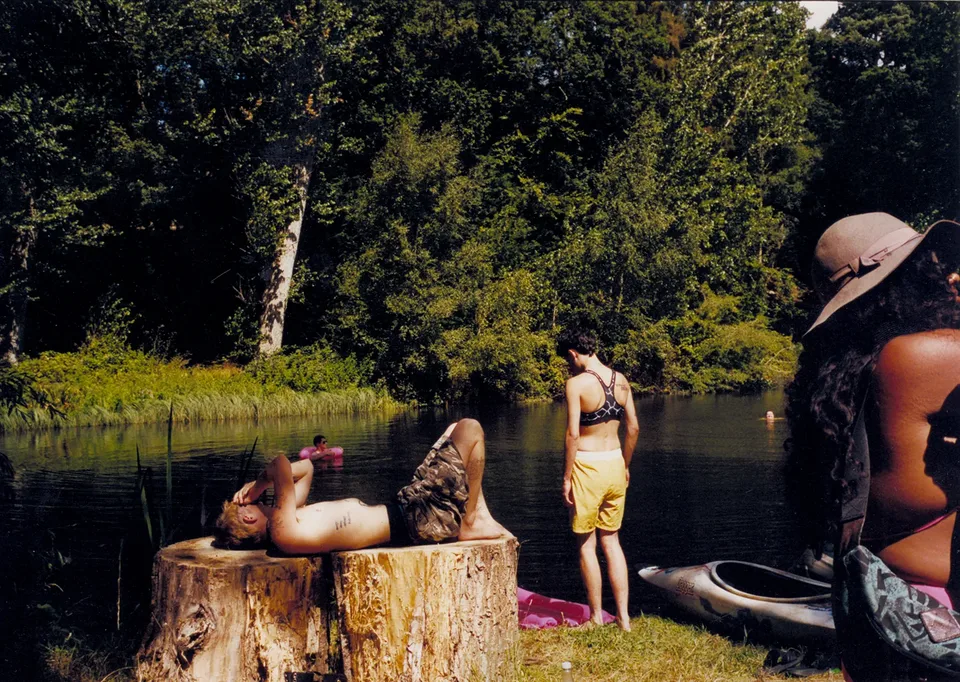
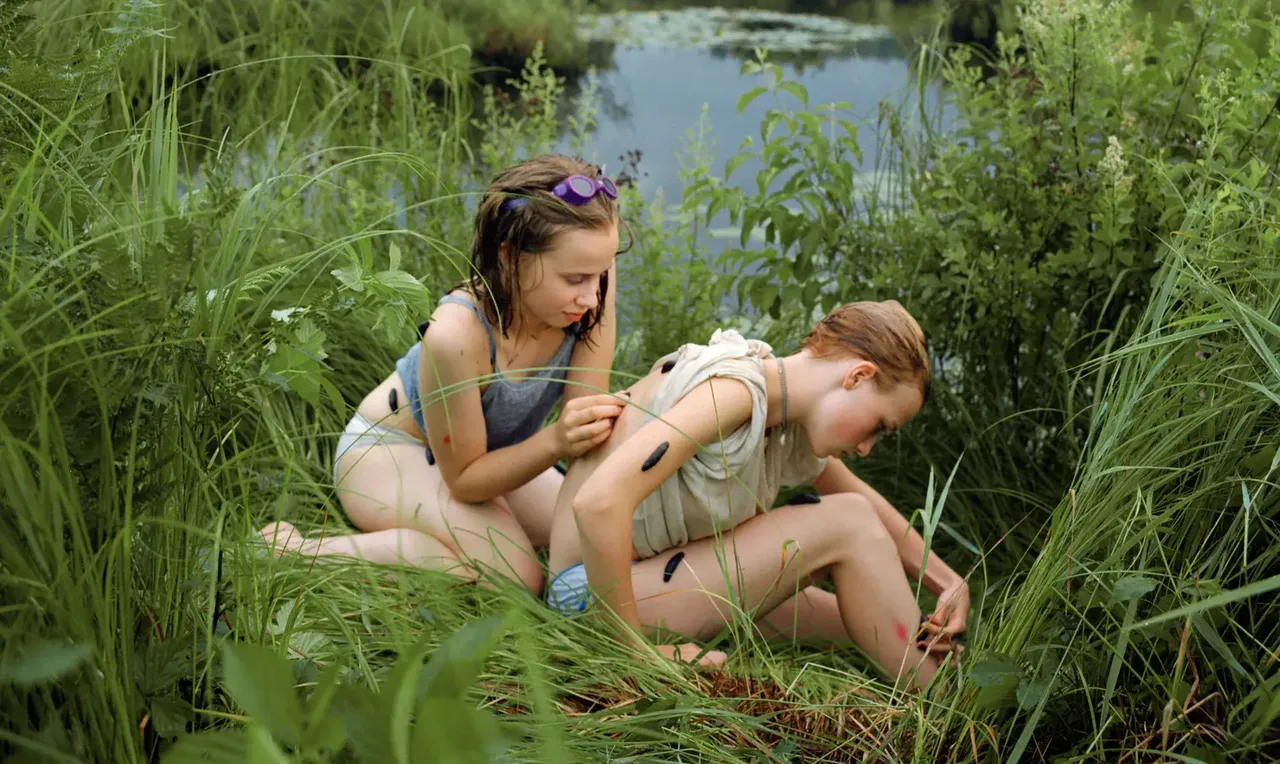
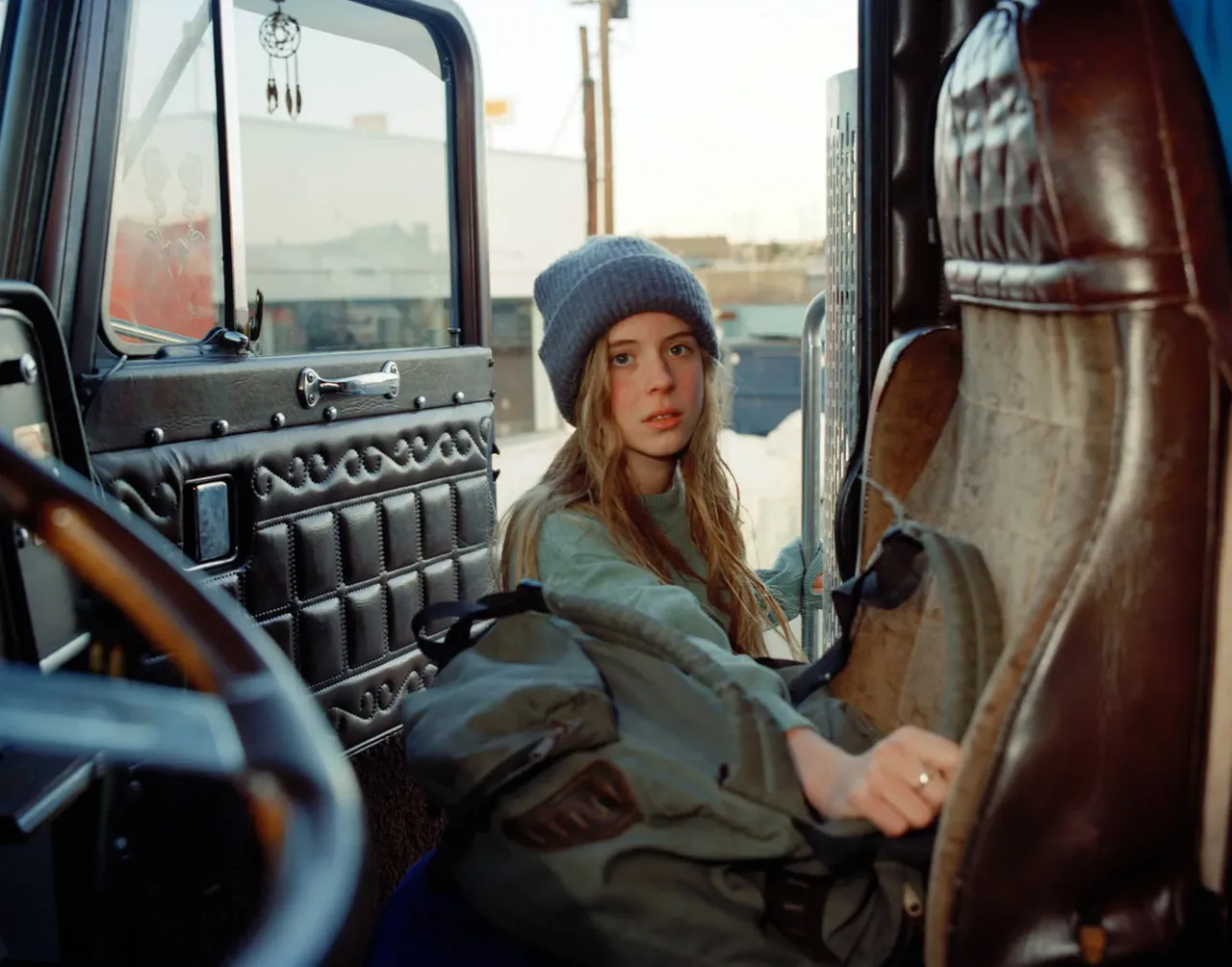
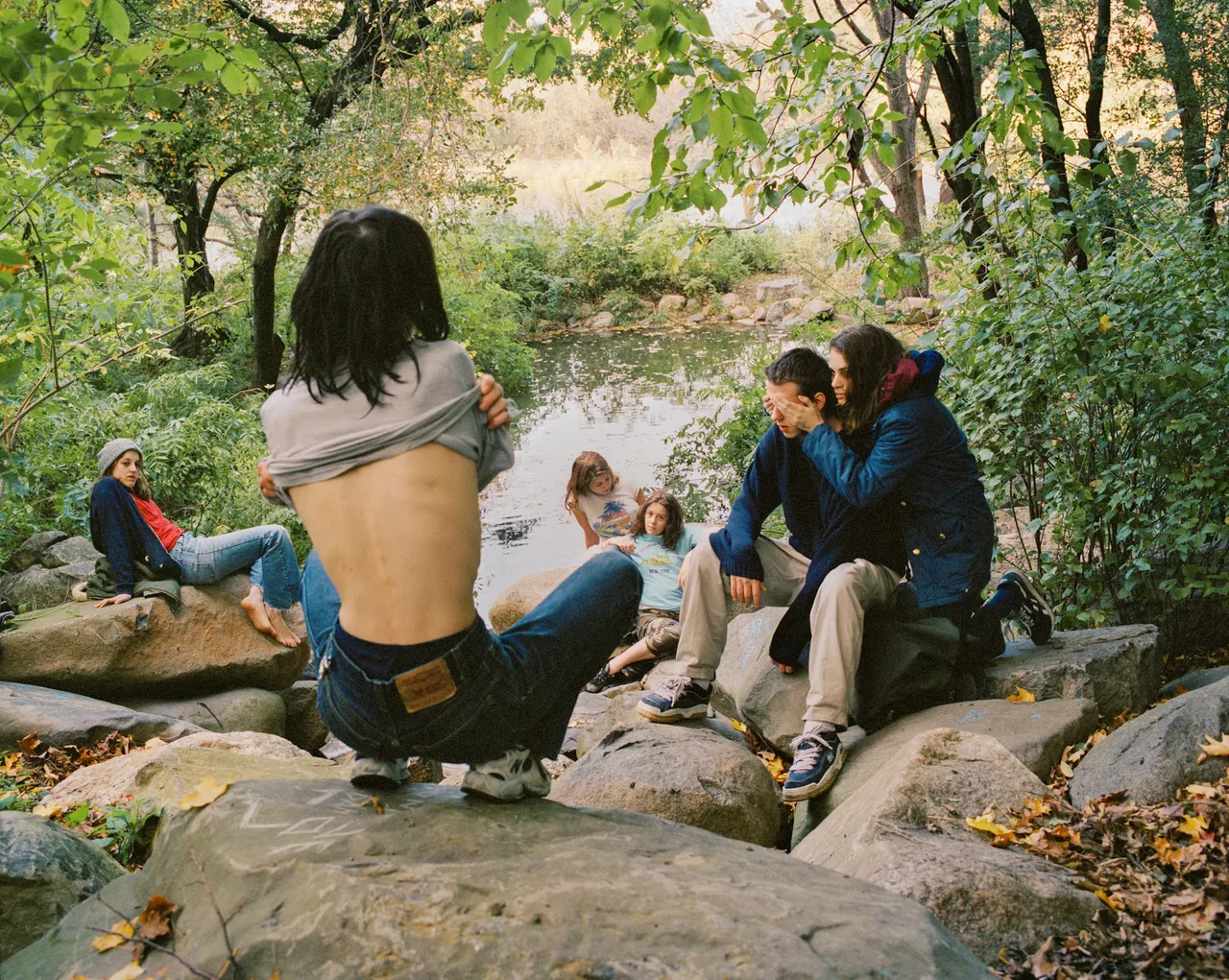
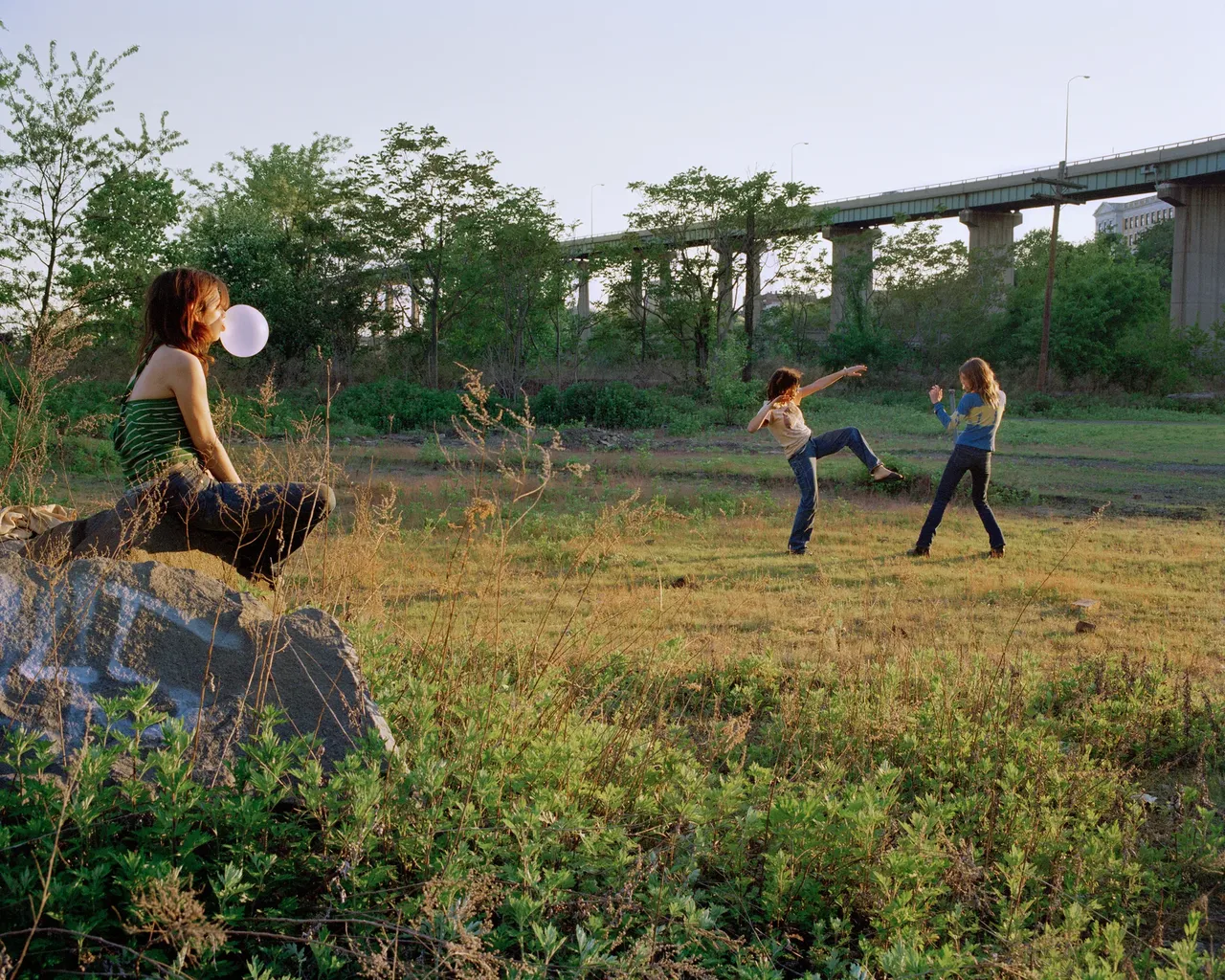
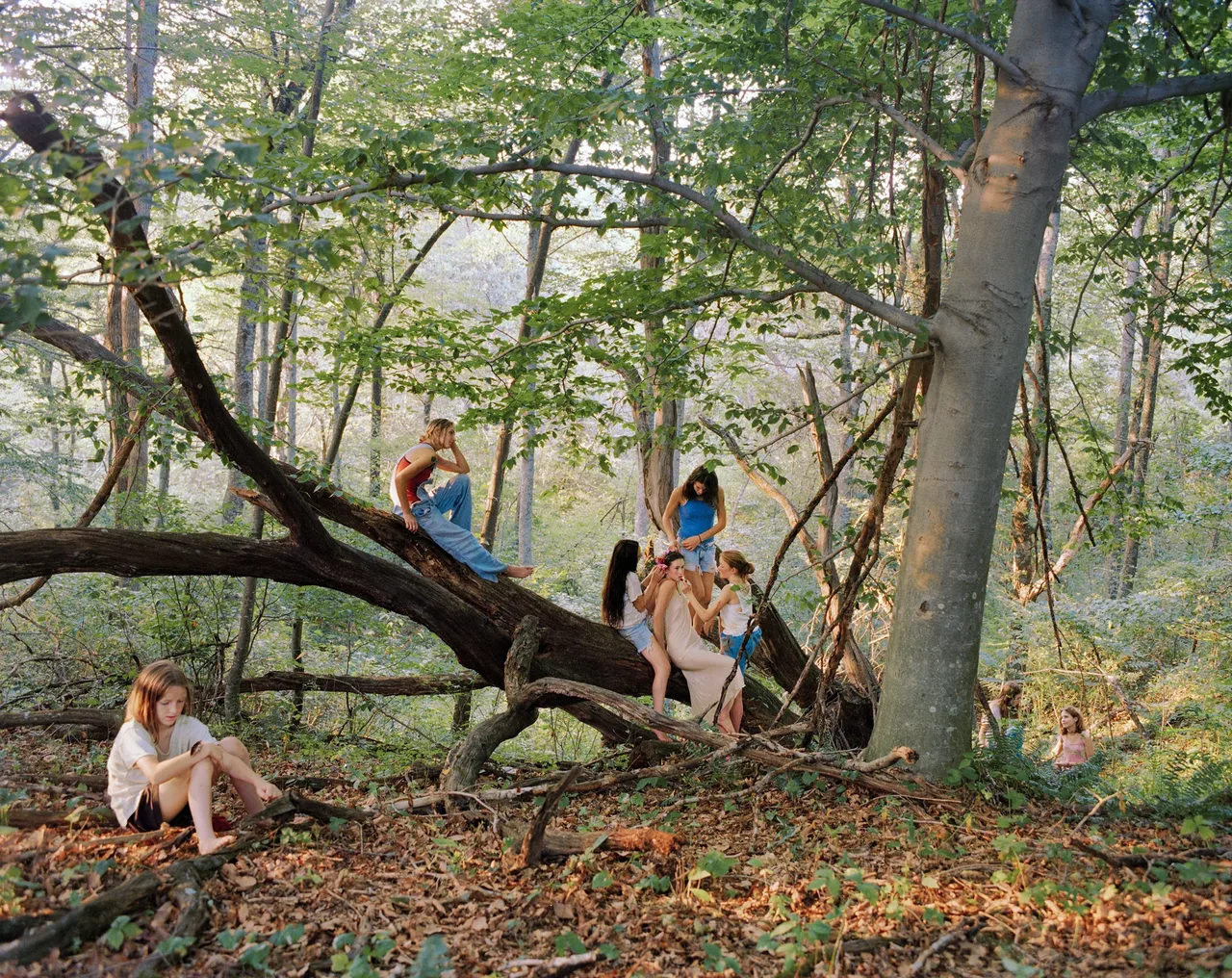
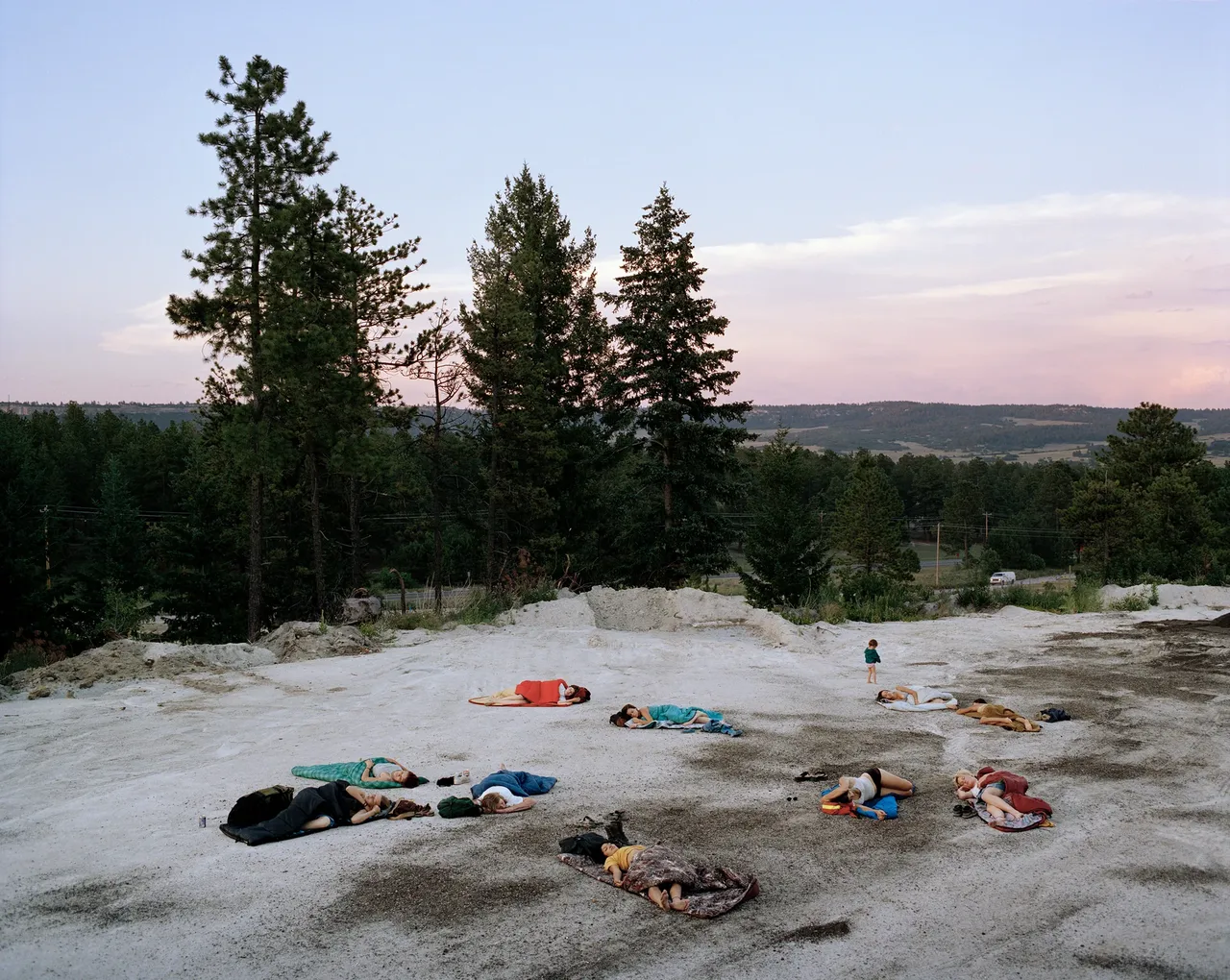
Justine Kurland: In Girl Pictures, joy was an act of imagination, a performance that became true by enacting it. It happened on the way to a location as well as inside the pictures—girls singing along to the radio, amped up just by the suggestion that they might build a world together. And now, years later, the photographs project joy to new generations of girls when they need it more than ever, a reminder that their solidarity is powerful when the world is gaslighting them that they don’t make a difference.
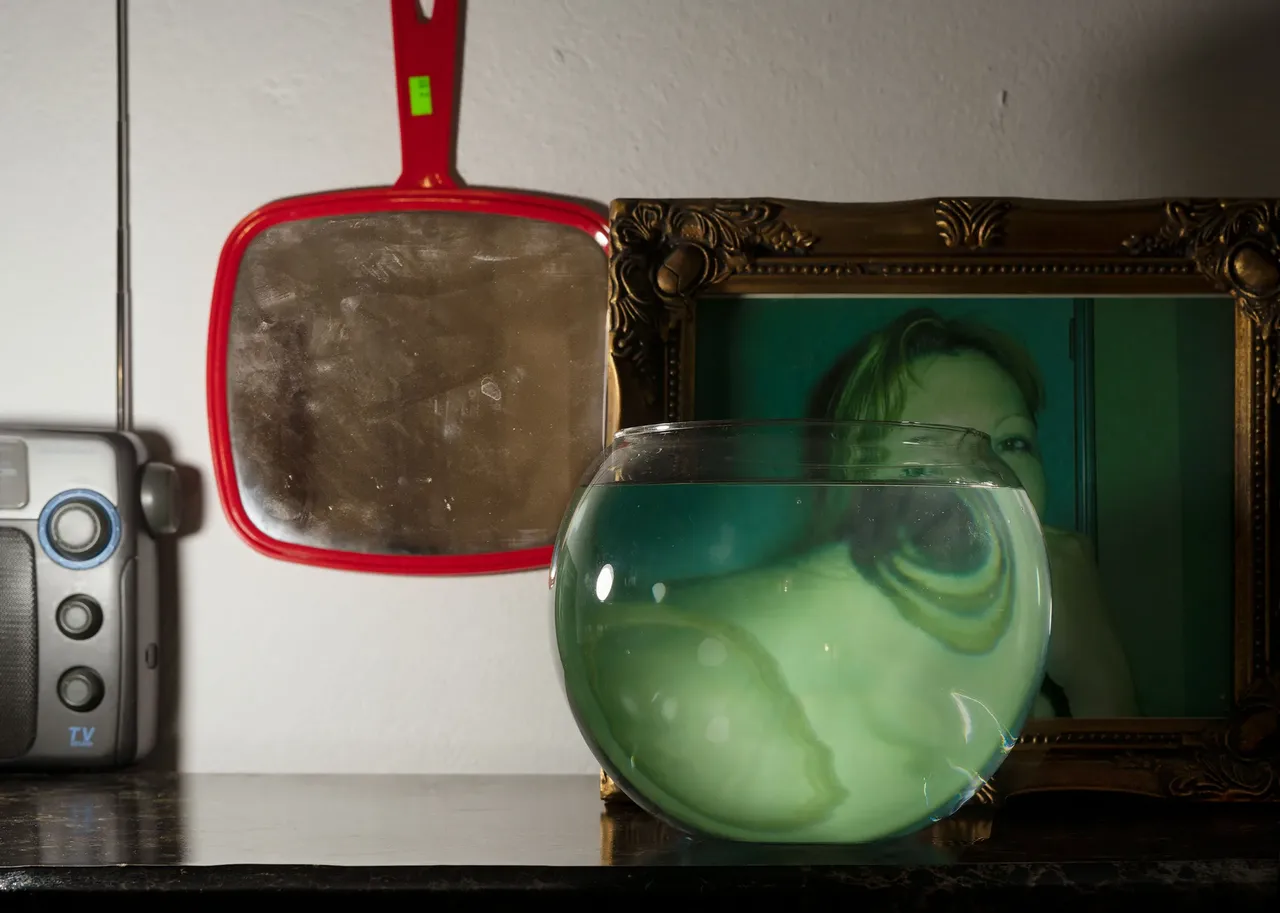
Genesis Báez: I find joy in the process, and the surprises revealed in making things. For example, how light transforms a space, how a material or gesture transforms through being photographed. I love how photography can invite us to imagine and transform. The intimacy formed from making something with other people, then being surprised by it, also brings immense joy.
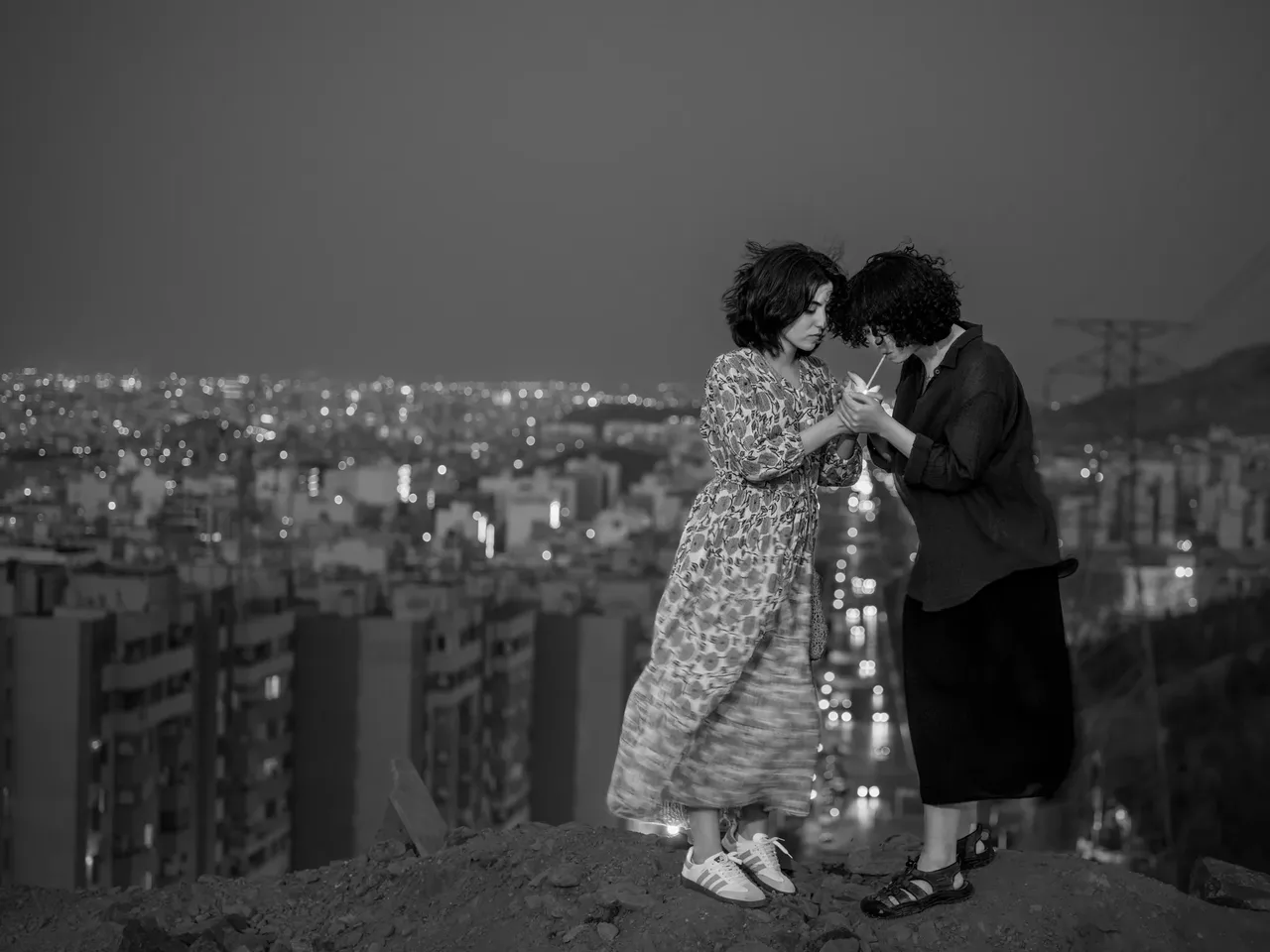
Sara Abbaspour: I think of joy as an act of perseverance, an essential human capacity that creates space for new possibilities to flourish, and is in many cases subversive. It offers a powerful path toward liberation from the grip of imposed fear and control. I’m continually nourished by the joy and passion I recognise in the people I work with, which persist against all odds and draw me back to photography again and again. For me, joy also lies in the discovery of unexpected, almost magical moments that reveal themselves in the making of a photograph, if I’m lucky enough: when car lights happen to align with the flame of a lighter as one woman lights her friend’s cigarette; when a speedlight casts the shadow of a rooftop dance onto the buildings behind; or when the magic of a secret is shared between girls at a skatepark.
“We can and must learn from history. One of those lessons is that art is connected to survival.” Genesis Báez
Justine, it’s been almost twenty-five years since your seminal series Girl Pictures first debuted, which depicts teenage girls staged as runaways creating their own version of utopia. Do you think utopia still looks the same?
Justine Kurland: ‘Utopia’ is a very ’90s word I used back in the day, but I don’t really like it because of its ideological rather than political standpoint, and also the definition of the word means it’s an impossible place. I prefer the word ‘speculative’ because it suggests an empowered state, the ability to bring about real change by imagining the possibilities of its existence.
As both artists and human beings, discovery and exploration are integral parts of existence. What have you all learnt that you might not have learnt if you had pursued a life outside of art?
Justine Kurland: For me, art is about relationships. It’s a shared language that helps us know ourselves so we might be known by others and to know them in turn. It’s the shared contract of what we value and think is worth giving our attention to.
Genesis Báez: Art has helped me understand the interconnection of all things, especially all life – including non-human life. I believe both process and the artwork that meets the world can reveal important connections that we might overlook or not get to know otherwise.
Sara Abbaspour: I very much agree with Justine and Genesis about art’s capacity to reveal and deepen our connections with one another and the world around us. I value critical and creative engagement with life as a way to question prescribed ways of thinking and cross boundaries. To me, art is more about initiating and sustaining dialogues that allow us to transcend our limited perceptions of ourselves and others, and reconnect with the complexity and richness of life. Yet I believe this way of engaging with life extends far beyond art-making, and I find it difficult to imagine living without it.
People and emotion are themes highly prevalent in all of your work. Is there anyone that you’ve met who’s changed the way you approach your practice?
Justine Kurland: I have a huge list of foremothers and it would include Genesis and Sara, who I hadn’t even met yet. But I think you are right to cite emotion as a throughline in our work; too often photography is involved only with facts or formal descriptions. I think all three of us are interested in what Tina Campt calls “listening to images”, to the practice of attending to what isn’t always visible, which allows us to give form to the ways things feel.
Genesis Báez: I feel that the work is in part a confluence of everyone who has shared something with me that has stuck—feedback, connection, collaboration, opposition. In addition to an endless list of people who have influenced me, Justine and Sara hold up a mirror to my practice particularly in their insistence on working intuitively, and on working to give shape to the worlds and experiences that are not visible, yet felt.
Sara Abbaspour: I feel that we have deeply informed one another’s work. Justine’s practice has been particularly influential to me, and I also love her response in dismantling linear perception of time and influence. Genesis and I have shared countless conversations since our time together in graduate school, growing alongside one another as artists. I think our work shares a sensibility that belongs to a larger, nonlinear conversation with artists and poets across different times and places. I have also been profoundly shaped and reshaped by Persian poetry, particularly that of Rumi, whose words continue to inform how I navigate both photography and life.
“I think of joy as an act of perseverance, an essential human capacity that creates space for new possibilities to flourish, and is in many cases subversive.” Sara Abbaspour
Landscapes are equally crucial—Puerto Rico, America, Iran. How do they impact your way of thinking about your work?
Justine Kurland: Girl Pictures was made on extended road trips, but I was very concerned with countering the visual tropes of traditional landscape photography—the “commanding view” of 19th-century landscape photography with its colonial gaze and violent desire for westward expansion and extraction. I staged the girls interacting with the landscape in what I hope is a more harmonious way—nesting, petting, caressing—rather than displays of ownership. My own mother says she’s scratching Mother Earth’s back when she rakes the lawn. Although I don’t love calling the earth a mother, I often think about how the land is gendered female, which allows for raping of land, its extraction and pollution. If we called the land a father, like the heavenly father, I wonder if it would be so fucked.
Genesis Báez: At its core, I think my work emerges from a desire to articulate my relationship to a specific place. In the works in Blue Sun, that place is Puerto Rico. Here, I consider place beyond land and geography, and instead explore how it may instead leave an imprint on us, and how belonging to a place and the memory of it might be carried, transformed, and reimagined. I look instead to people, their relationships, and sensorial memory to consider how they might hold and imagine a place.
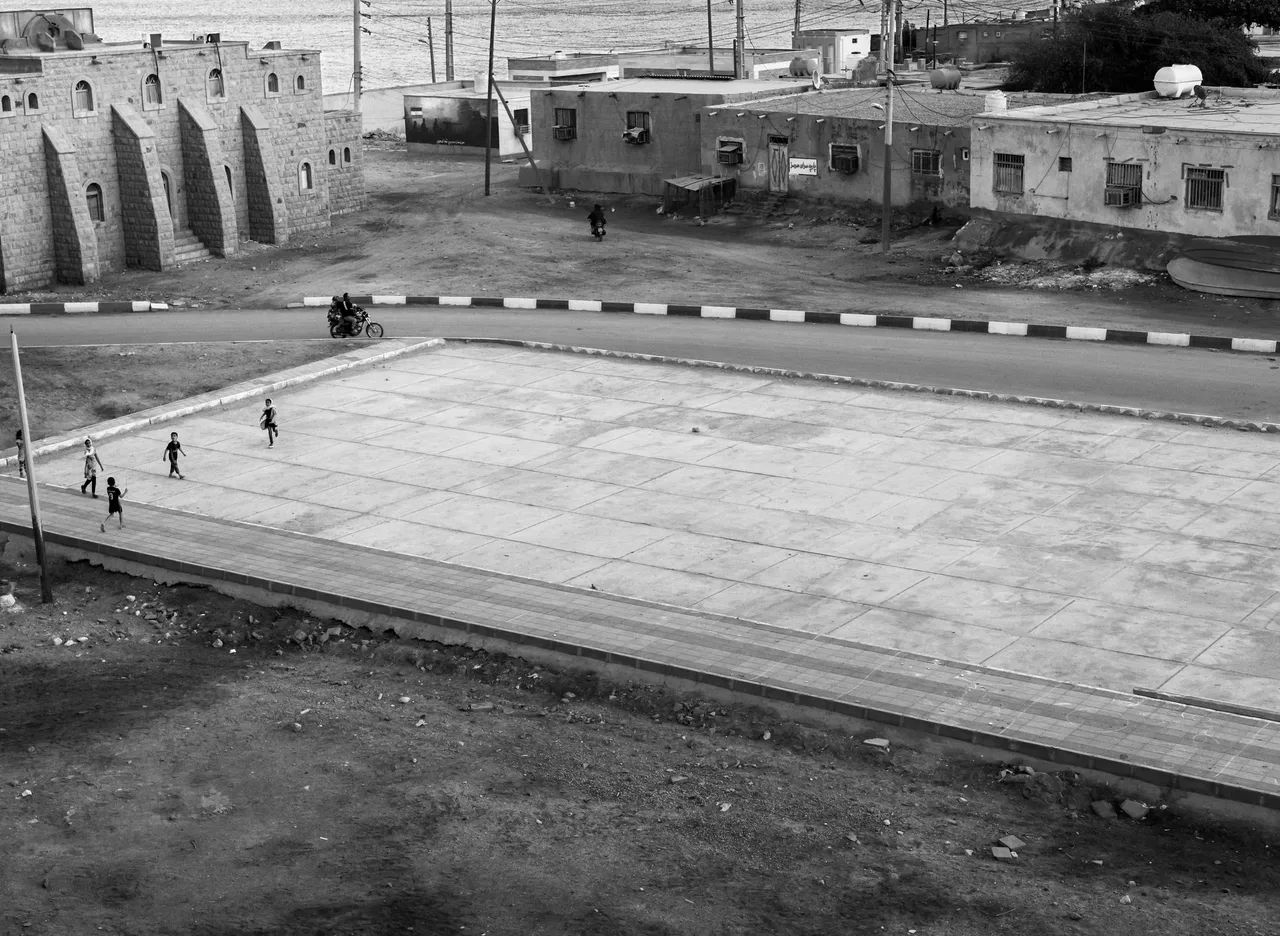
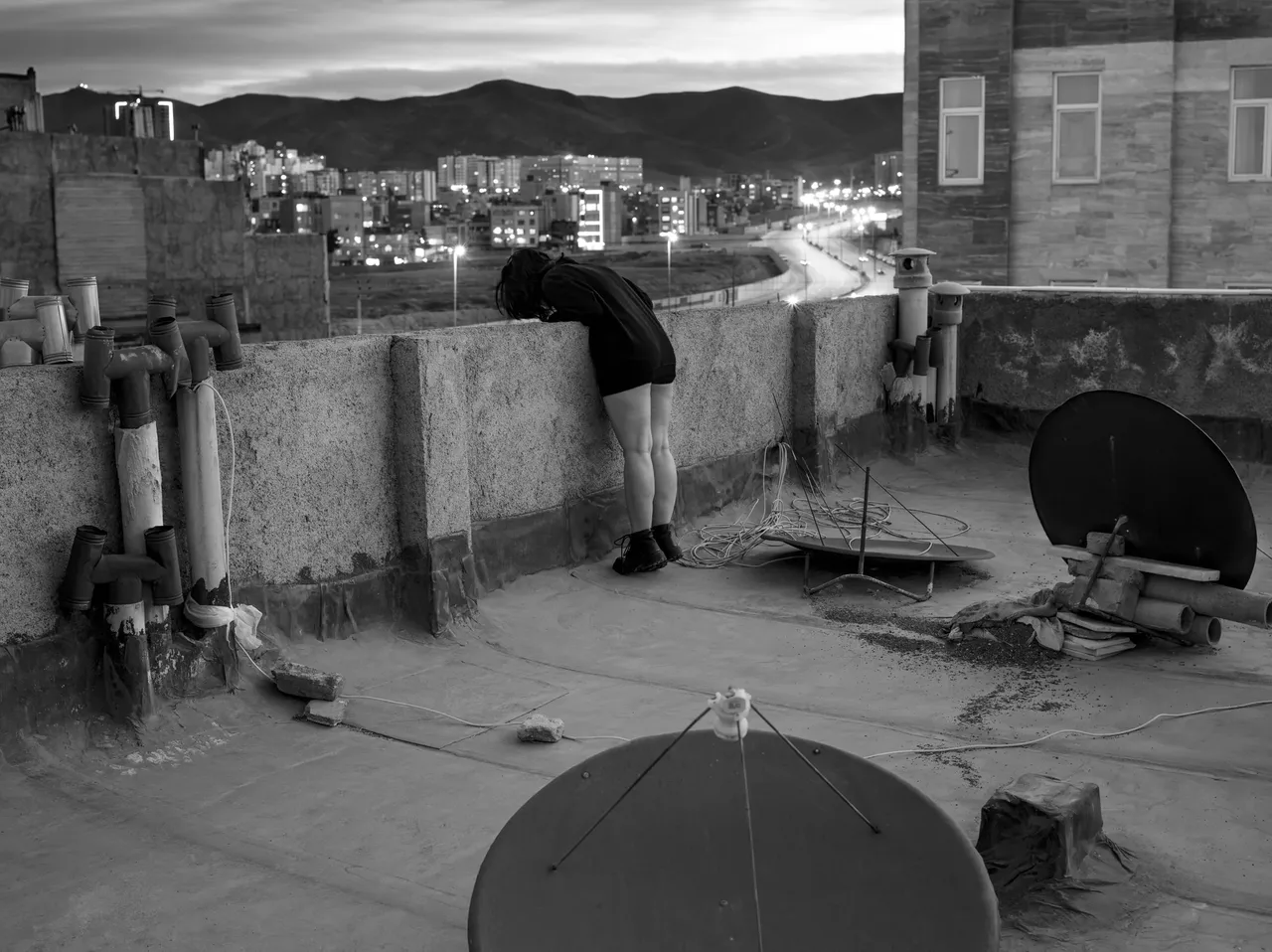
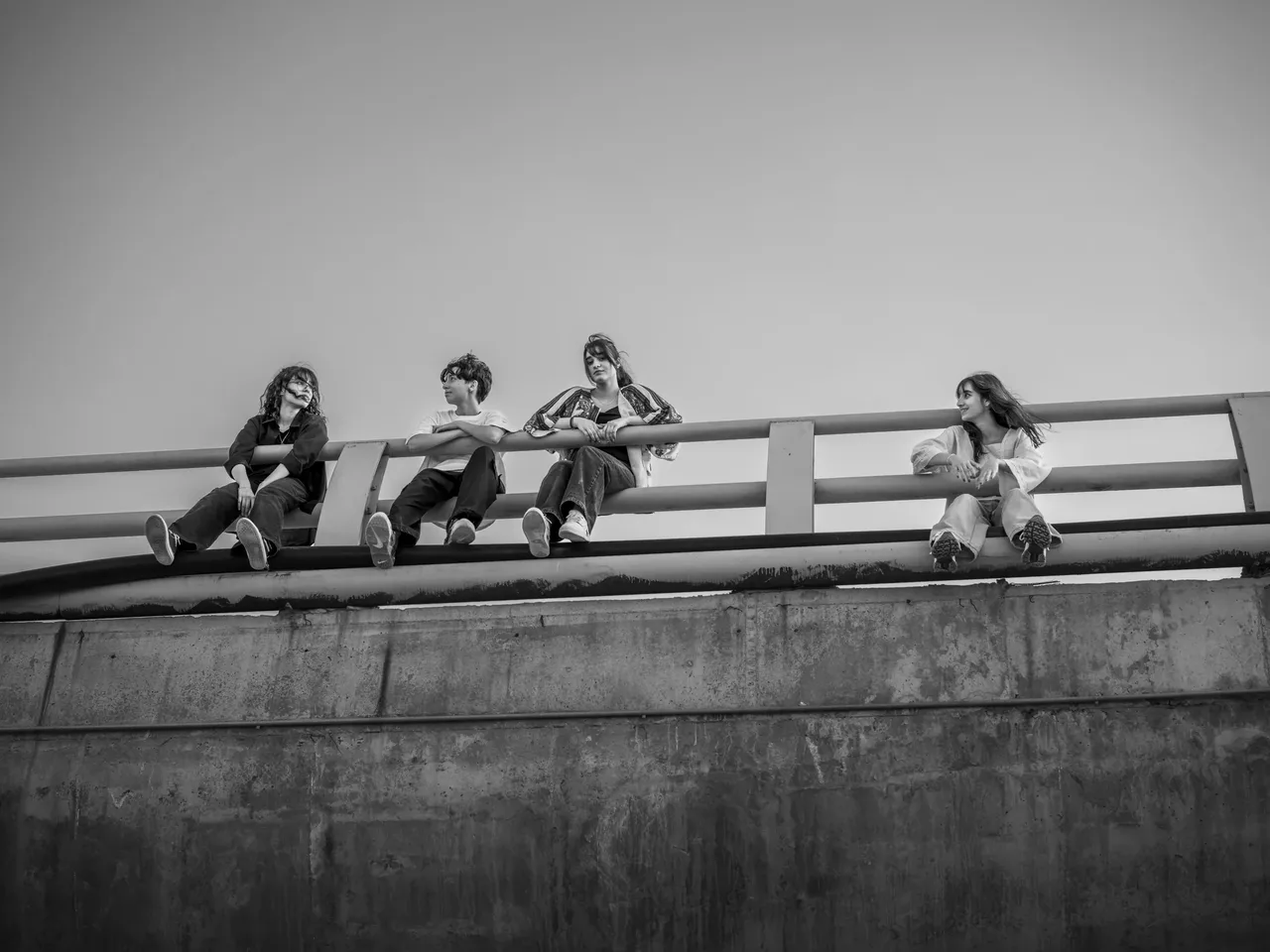
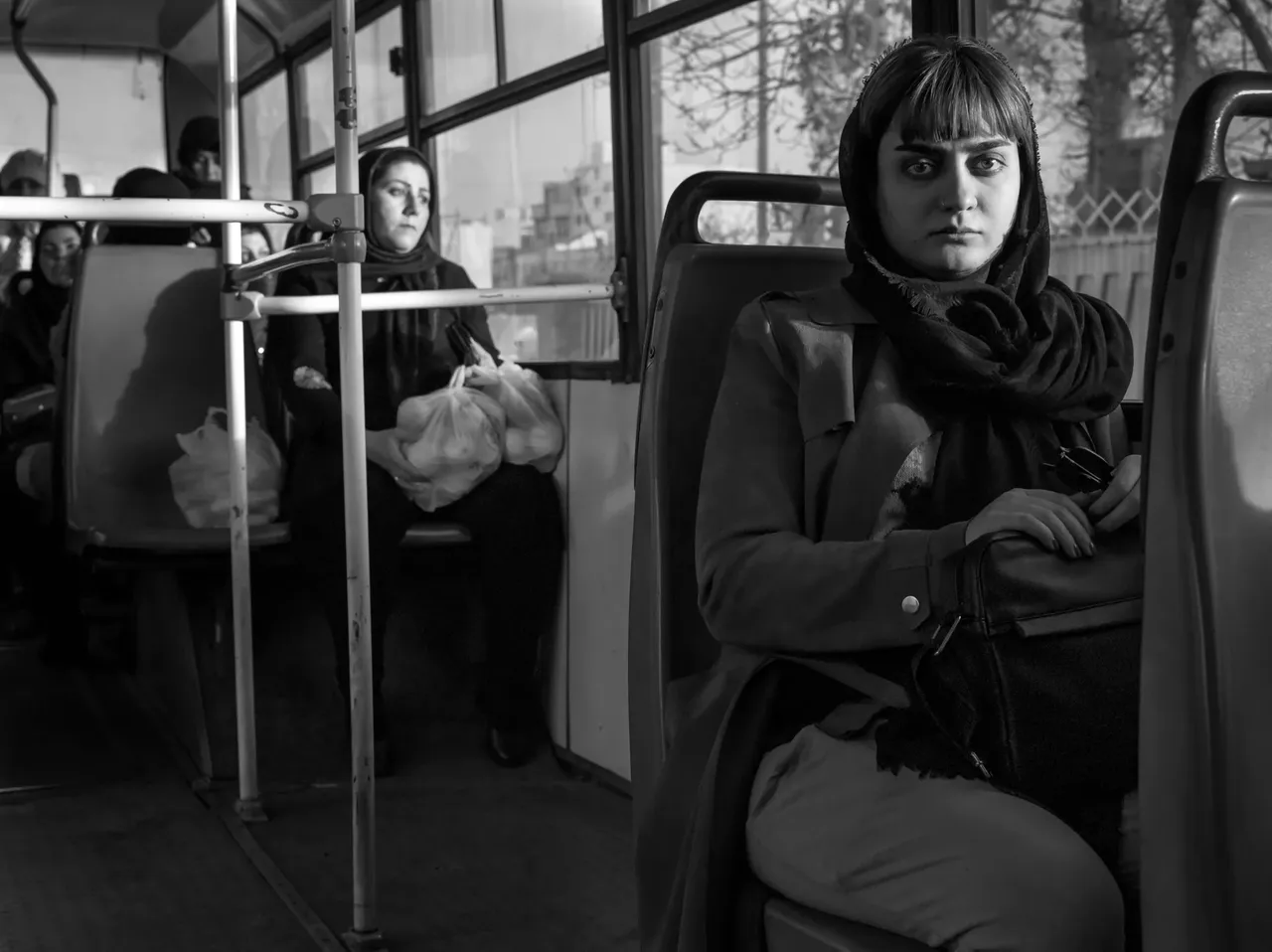
Sara Abbaspour: In this body of work, the landscape mostly takes the form of the urban landscape. As a photographer with a background in urban planning and design, I’ve always been curious about how we shape and are reshaped by the built environment. The spaces designed for city dwellers do not always belong to them equally, creating a complex sense of belonging and alienation toward the urban fabric, which is itself constantly transformed and redefined by social demands and political uprisings. In the photographs featured in this exhibition, I am particularly fascinated by the daring gestures of women who reclaim their presence in public spaces that should belong to them just as much as anyone else.
Sara, I particularly love the way you use people to shape the spaces you photograph in your ongoing work floating ocean, which documents mundane acts of political resistance in contemporary Iran such as rejecting the compulsory hijab rules. Can you tell me more about your thought process when creating that?
Sara Abbaspour: The photographs featured in this exhibition belong to a much larger body of work titled floating ocean. In this selection, I explore how women in Iran have steadily and courageously challenged what we find unacceptable, through everyday acts of resistance, which can involve risking their freedom or even lives. My work comes from a place of deep admiration and respect for these women, but also a sense of solidarity and shared experience. Having spent the first twenty-seven years of my life in Iran, I have participated in many of the same acts of defiance. I see myself as one of them, rather than a mere observer.
The photographs emerge through collaboration, as we meet, direct, and respond to one another, allowing moments of spontaneity, ambiguity, and play to unfold. The act of making these images is itself an act of transgression, as we photograph in public spaces without governmental permission. While my photographs may share certain aesthetics with documentary photography, I don’t approach them as documentary representations. I’m conscious that the work is never definitive or representative of all experiences, and I value the multiplicity of parallel realities that coexist in Iran. Together, the photographs trace the evolving expressions of women’s resistance before and after the Woman, Life, Freedom revolutionary movement.
The photographs emerge through collaboration, as we meet, direct, and respond to one another, allowing moments of spontaneity, ambiguity, and play to unfold. The act of making these images is itself an act of transgression, as we photograph in public spaces without governmental permission. While my photographs may share certain aesthetics with documentary photography, I don’t approach them as documentary representations. I’m conscious that the work is never definitive or representative of all experiences, and I value the multiplicity of parallel realities that coexist in Iran. Together, the photographs trace the evolving expressions of women’s resistance before and after the Woman, Life, Freedom revolutionary movement.
As photographers whose primary subjects are women, do you have your own interpretation of what the female gaze means to you, if anything?
Justine Kurland: To me, the female gaze is a political position. You can look at anything with it, for example, at a rapey pornographic misogynistic photograph or something as banal as a fashion photograph, and it changes the way the work means by de-centering men. So many of us women are socialised to see through the eyes of men; we don’t even realise we are doing it.
Genesis Báez: I’d say that it de-centers patriarchy but refuses a static definition. It’s kaleidoscopic. In my work, I think through what’s invisible yet present, and what is embodied or felt, and how vision (photography) can describe or let us into those spaces.
Sara Abbaspour: I agree with Justine and Genesis that the female gaze isn’t necessarily defined by gender, nor is it a static position. It rejects machismo and patriarchal ways of seeing, while making space for criticality, empathy, ambiguity, and contemplation.
“My own mother says she’s scratching Mother Earth’s back when she rakes the lawn.” Justine Kurland
Art and poetry are a form of resistance, as something that translates the feeling which ignites the idea. Were these themes in your work something that you had all set out to do when beginning your practice, or something that just felt instinctive?
Justine Kurland: I started Girl Pictures to self-represent, as a form of self-possession and self-empowerment, to foreground and affirm women’s experiences. But photographs are not taken, they are given. And the girls in these photographs brought their own embodied experiences, interpreted my prompts differently, and together we slid between the concept of the photograph and something more improvised.
Genesis Báez: I set out to make photographs because I love making pictures and because I need to make them. I set out to find out what photography might reveal that I can’t see with my own eyes. It’s exciting to see how the pictures begin with a desire and then transform through collaboration, improvisation, form, and installation.
Sara Abbaspour: I begin with an urge to explore through observation, intuition, improvisation, and research, in an attempt to make sense of the world I inhabit. I also simply love making pictures, and I remain endlessly fascinated by the language of photography and the possibilities it offers. Equally important is the analysis and critical reflection that take place when I revisit the photographs and sequence them. So much of the discovery happens for me in this phase, when I begin to recognize things I hadn’t necessarily anticipated while making the images.
Genesis, there’s a strong personal element to your work, capturing your own relatives in intimate moments. Is there a perspective you gain as a photographer when personally knowing your subjects? How does that feel?
Genesis Báez: I’d say I’m making these events with them, rather than capturing them in these intimate moments. The pictures with people are all staged and made collaboratively. Many of the people I photograph are not relatives but friends or people I cast. But the pictures that do have relatives in them, mostly my mother, have been a process of inviting my loved ones into my art process so that we might further connect and so that they might experience or understand this thing that’s so important to me.
Is there a particular goal or intention of the exhibition? What impression are you hoping that it leaves viewers with?
Justine Kurland: Whenever I show Girl Pictures, my only hope is that other girls will make their own Girl Pictures. And bit by bit it changes how we think about women, about our relationship with each other and the landscape. I make the work to keep the conversation going.
Genesis Báez: I hope that by bringing all of our works together we might encourage people to think critically about how our experiences are interconnected. I also hope to inspire people to create and think critically about pictures.
Sara Abbaspour: I am also excited about the conversations and shared understandings that might emerge from bringing our works together in the same space. I hope the exhibition inspires conversations that sustain the strength and courage to see, to feel, to speak, and to dare—in the spirit of Lorde’s words.
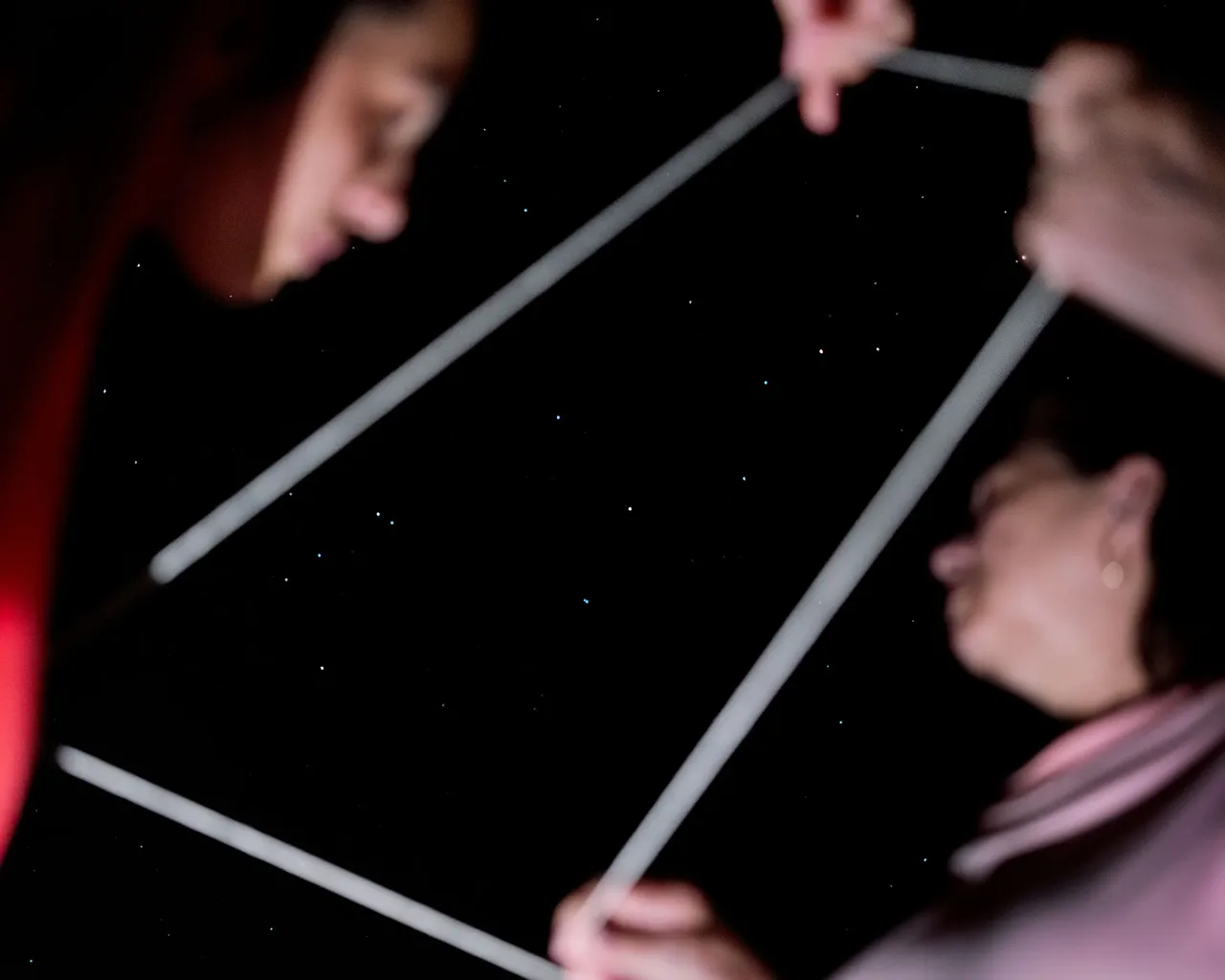
Genesis Báez
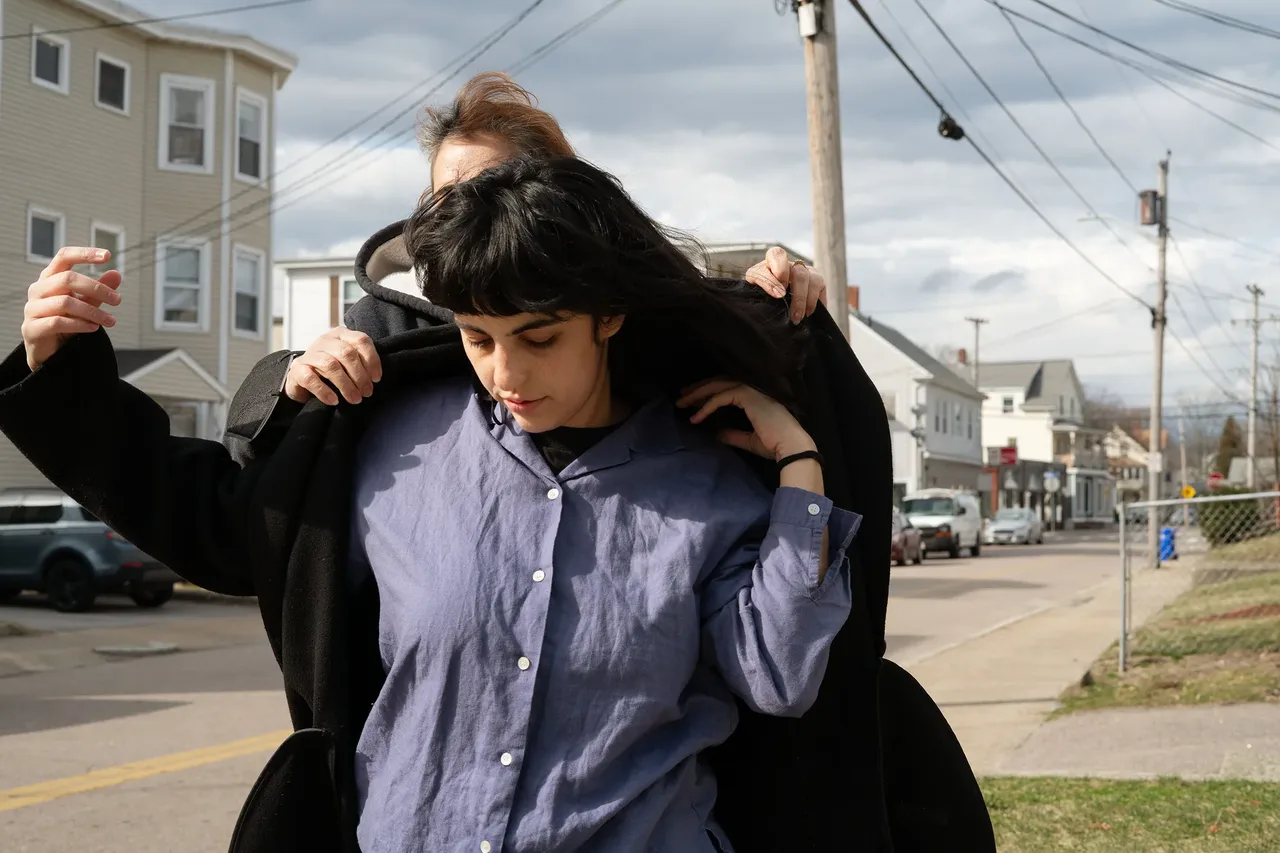
Genesis Báez
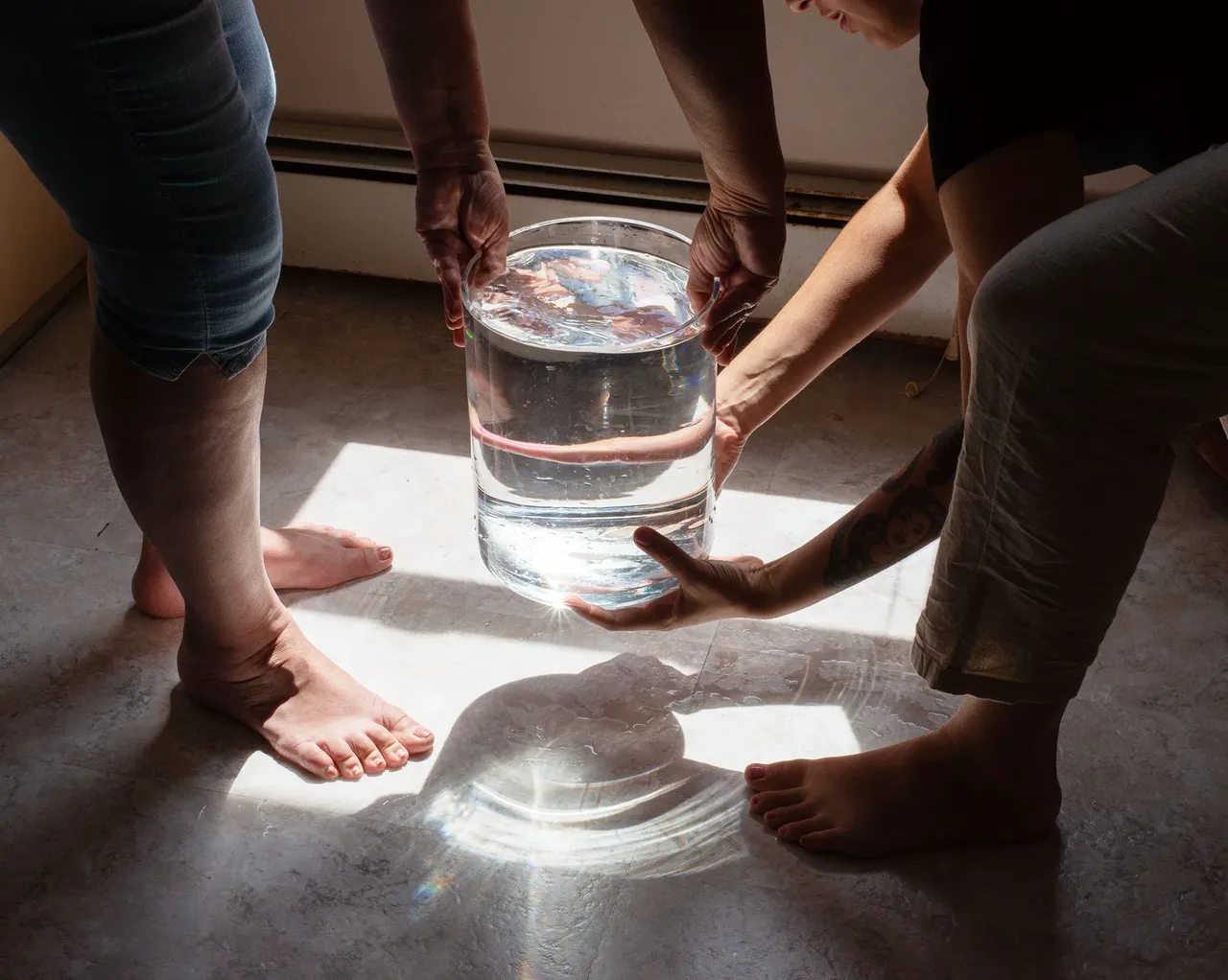
Genesis Báez
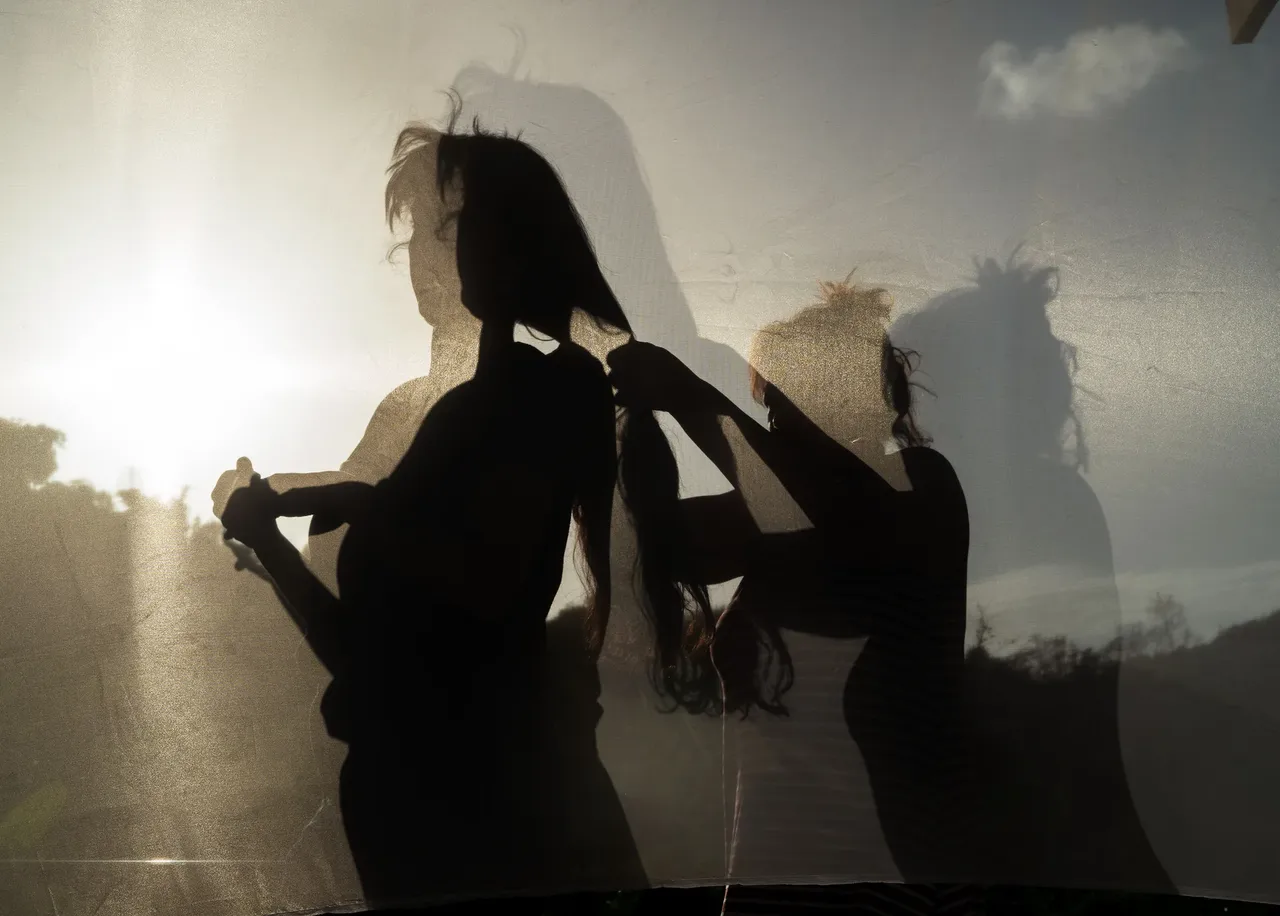
Genesis Báez
Genesis Báez
Justine Kurland
Justine Kurland
Justine Kurland
Justine Kurland
Justine Kurland
Sara Abbaspour
Sara Abbaspour
Sara Abbaspour
Sara Abbaspour
Sara Abbaspour