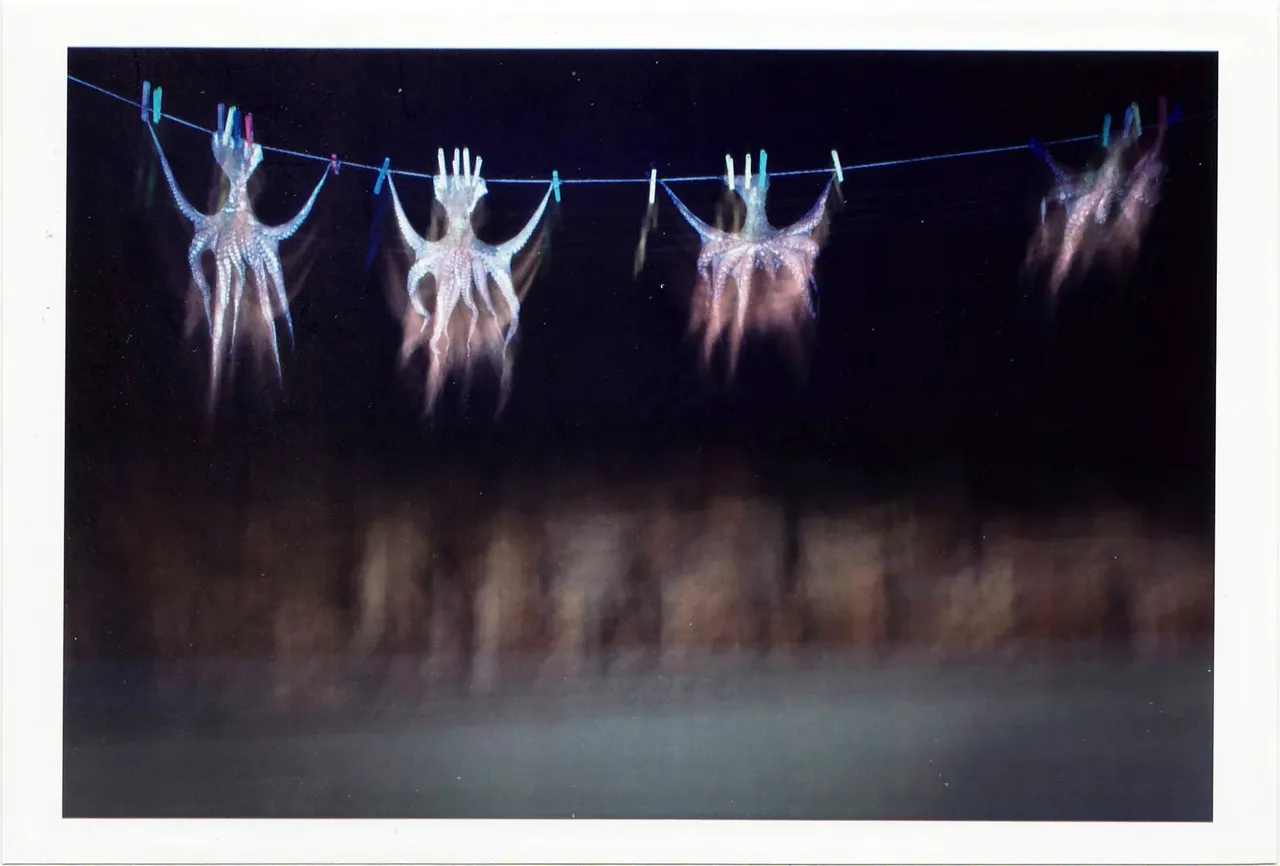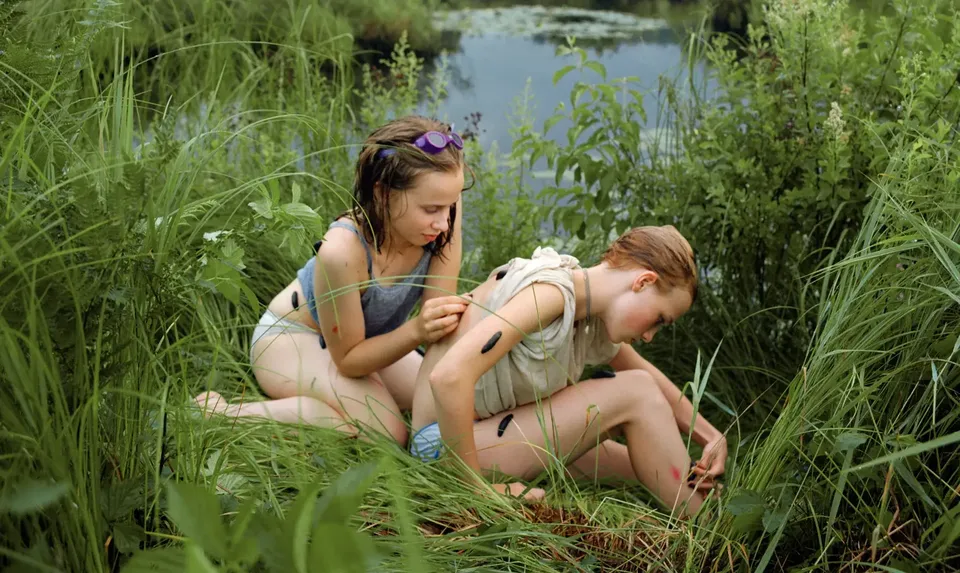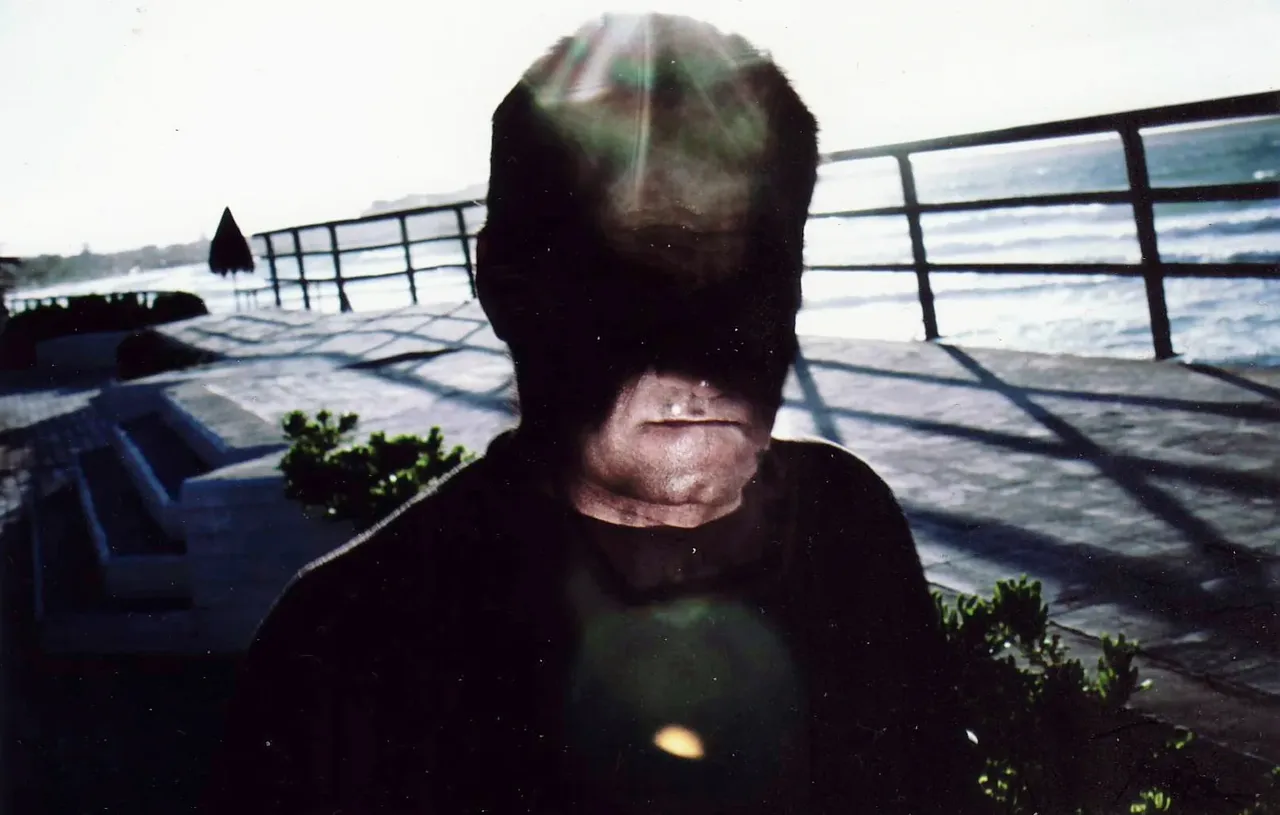
There are photographs you glance at, and photographs that make you stop, look again, and wonder what exactly you have stumbled upon. In the work of Greek photographer Charalampos Kydonakis, better known as Dirty Harry, the everyday is rarely quite what it seems.
A stranger caught mid-gesture, an unexpected encounter on public transport, a peculiar exchange between two people on a street corner: his images seem to exist somewhere between the familiar and the inexplicable. They are funny, occasionally grotesque and often unexpectedly tender, possessing an almost theatrical quality that makes even the most ordinary situations feel charged with possibility. Looking through his photographs, I often find myself caught between laughter, discomfort and an inexplicable sense of wonder.
For years, Kydonakis has wandered the streets of his native Crete, turning his attention towards the people, encounters and fleeting peculiarities that might otherwise go unnoticed. His photographs don't romanticise everyday life so much as expose its contradictions, finding beauty in the awkward, the absurd and sometimes the uncomfortable.
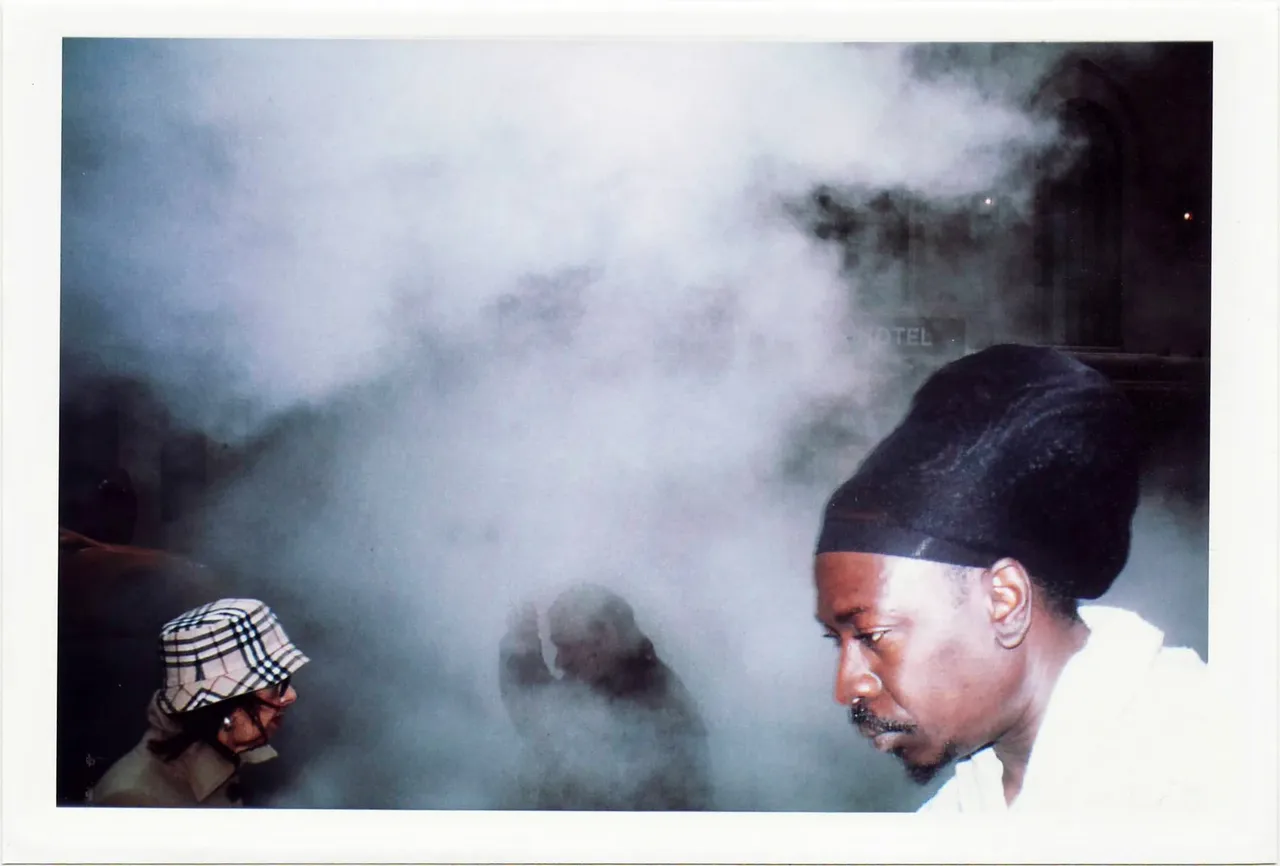
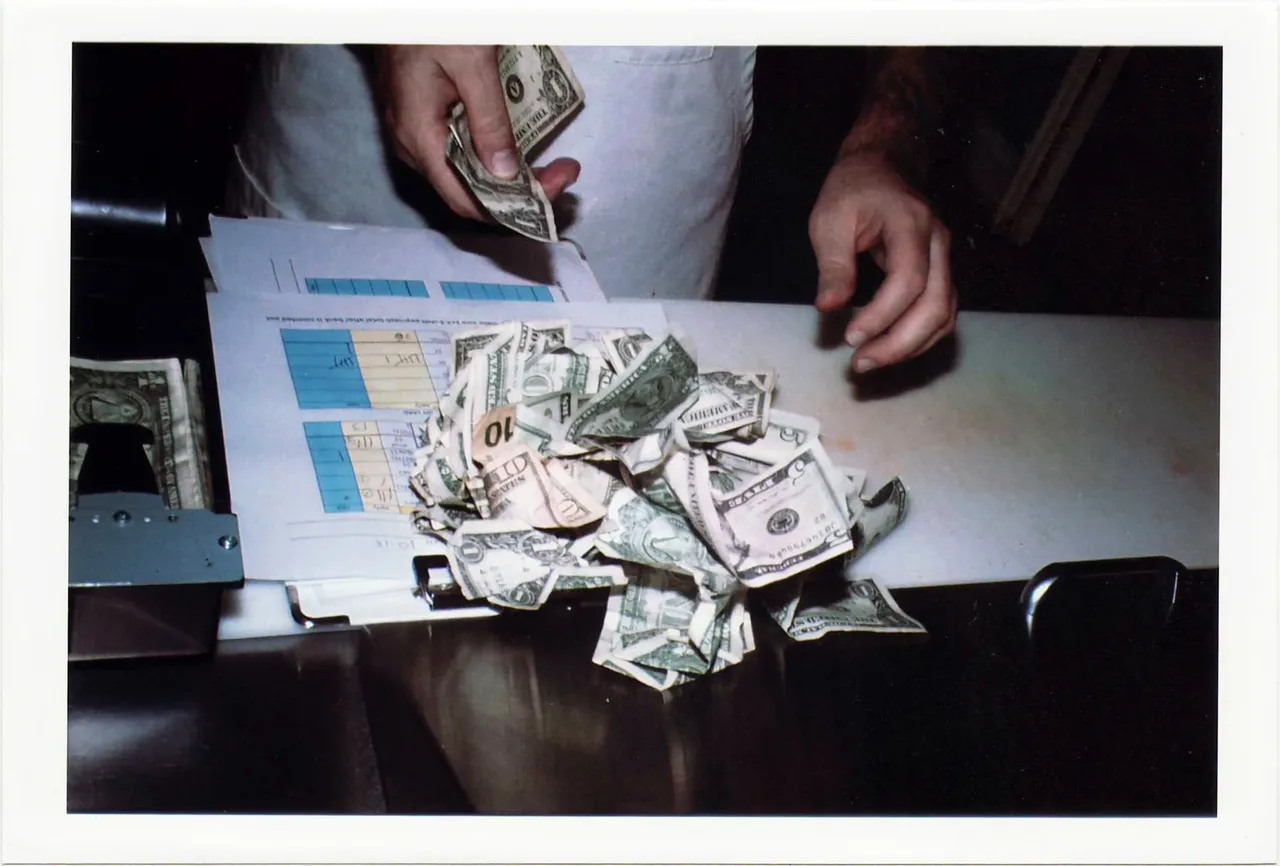
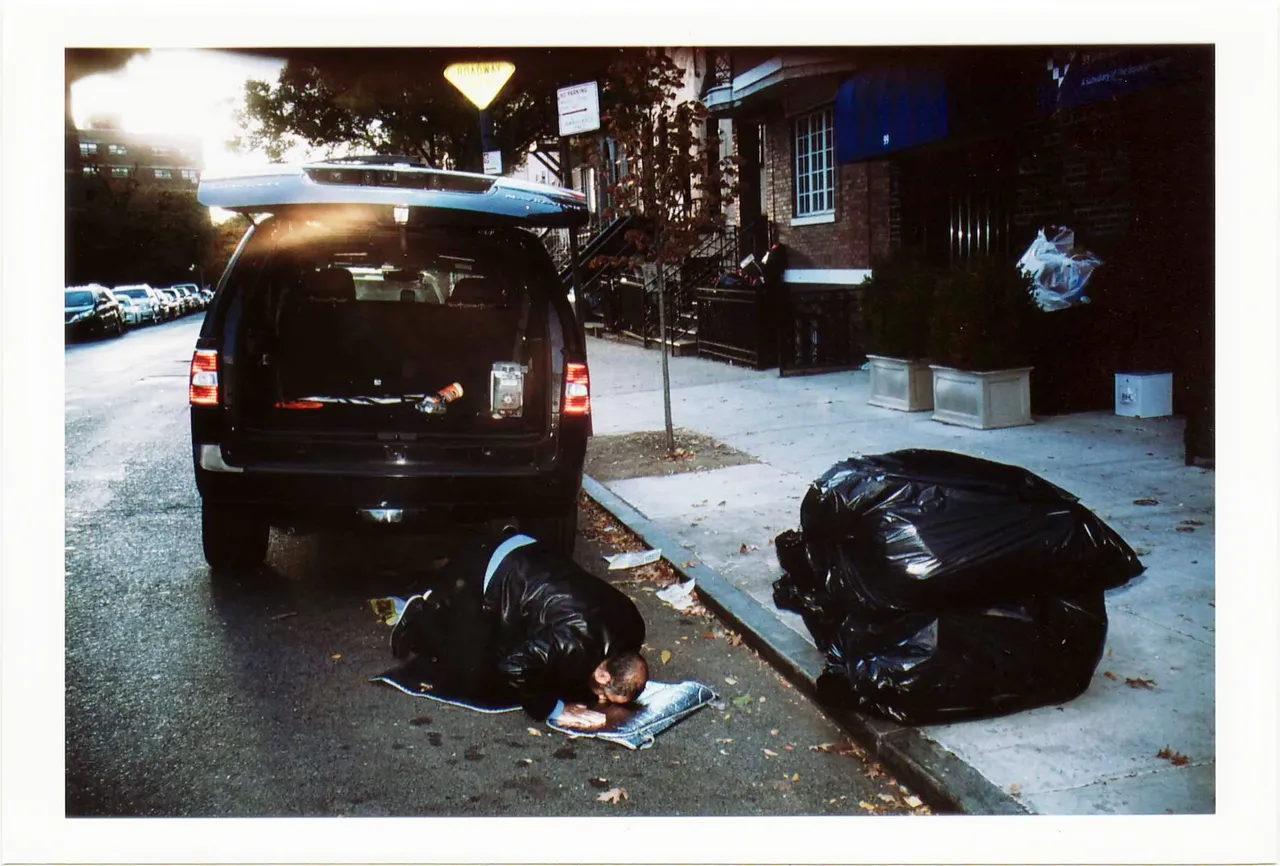
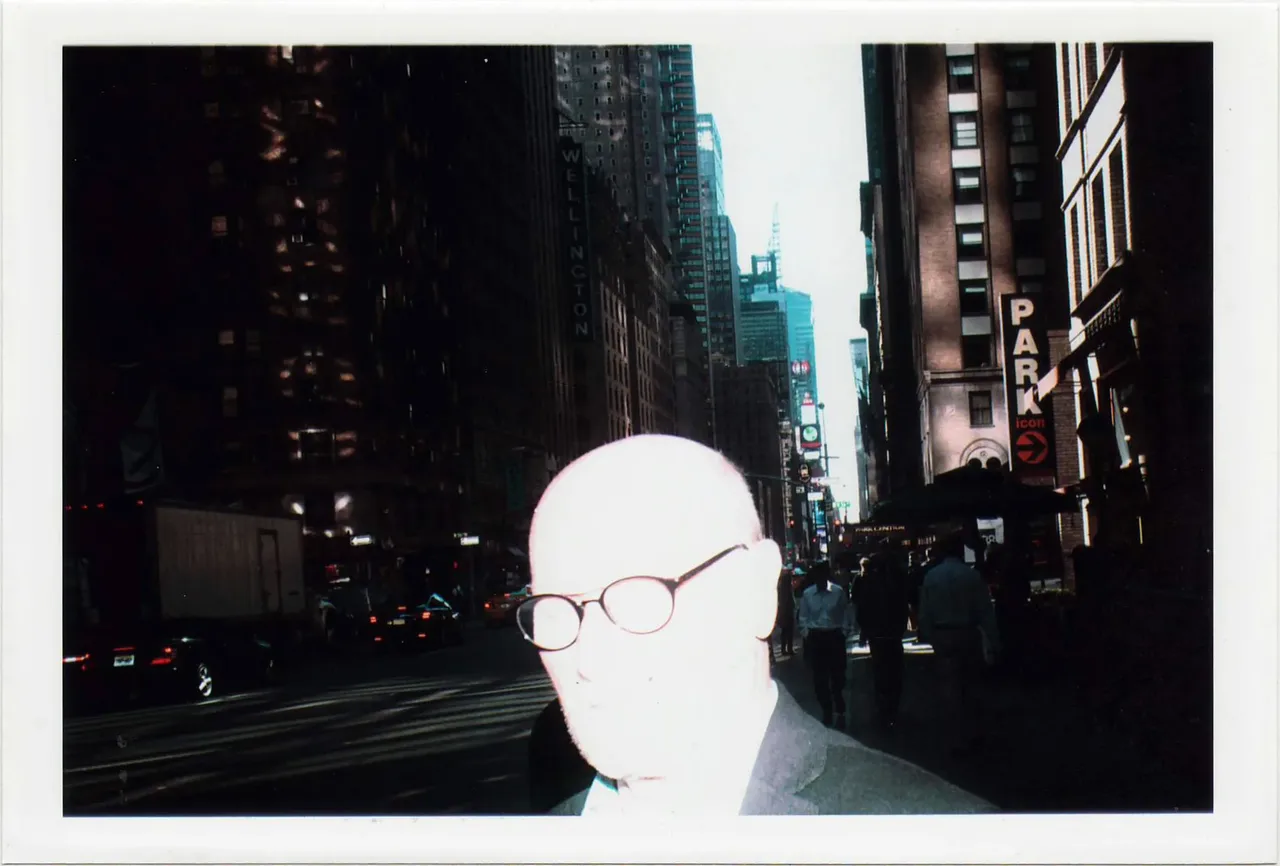
In Back to Nowhere, years of photographing his home island become an intimate and occasionally surreal portrait of a place he knows intimately yet cannot entirely pin down. Its companion photobook, Warn'd in Vain, takes this restless curiosity across the Atlantic, following a parallel visual narrative through New York. Despite the geographical distance, both bodies of work seem to share the same impulse: to keep looking, without necessarily knowing what one is looking for.
Perhaps this is what makes his photographs so compelling. They rarely offer a straightforward explanation of what is happening, nor do they seem particularly concerned with providing one. Instead, they leave room for the viewer to invent, question and occasionally misinterpret.
A photograph might initially strike you as humorous, only to reveal something more unsettling the longer you sit with it. For Kydonakis, this uncertainty seems inseparable from the process itself. Boredom drives him elsewhere, curiosity keeps him moving, and the possibility of encountering something he has never seen before remains reason enough to pick up his camera.
Kydonakis reflects on the absurdity of human behaviour, the changing landscape of home, the ethics and politics of photographing strangers, and the elusive things that keep him looking. He attends a book signing today, Friday 13th November in Paris at the Zoetrope Athens stand of Polycopies book fair.
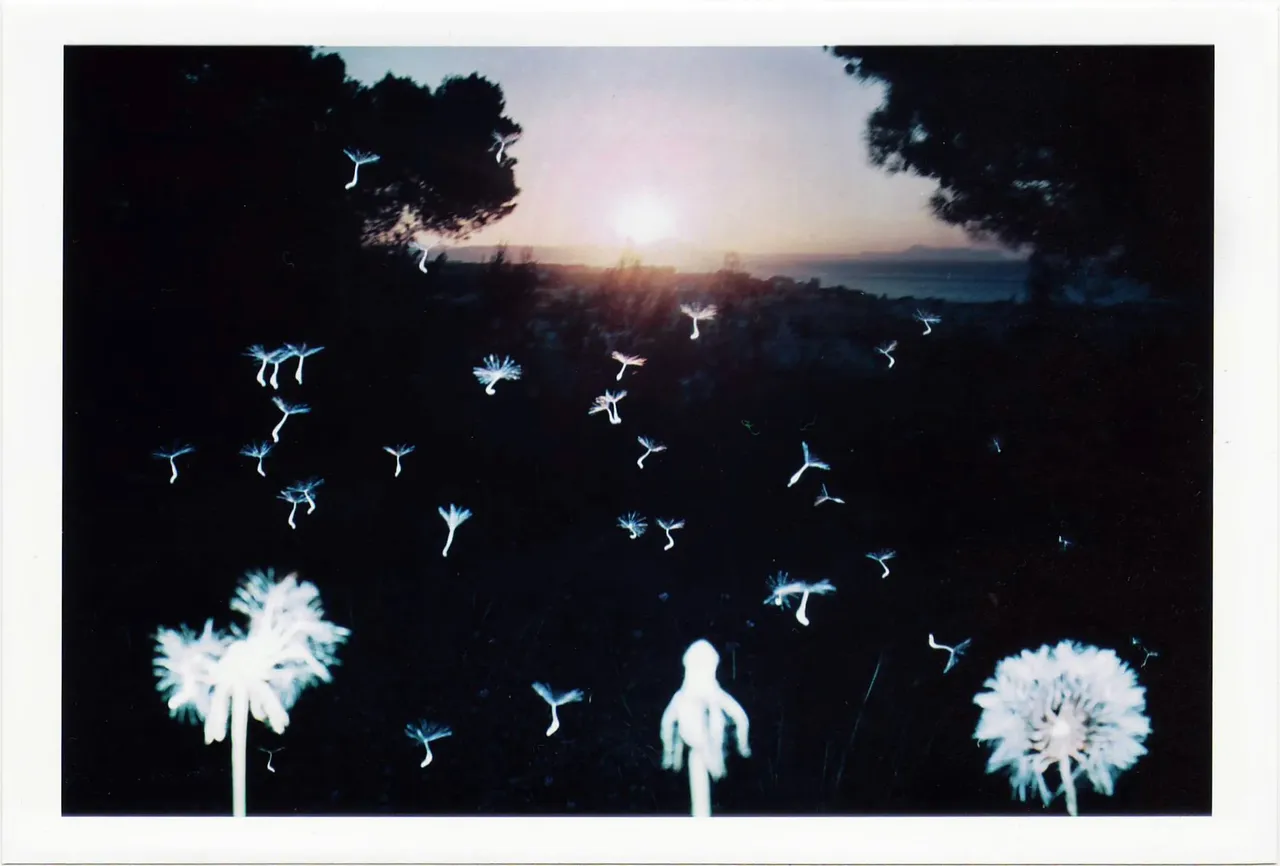
You’ve said that Crete is the one place you can never see through a stranger’s eyes. In Back to Nowhere, you turn somewhere so familiar into a world that can feel almost unreal. How do you make the familiar strange again?
I don’t know if what I shoot feels strange to me. Maybe this was always the way I was observing and feeling the place where I grew up. It’s a strange condition anyway, since the last few years, with the mass touristic development, the place has started to become something almost completely different from what I remember when I was younger. In a few words, the place where I felt familiar has started to feel strange to me too.
In earlier interviews, you’ve talked about getting bored once you’ve learnt something through photography and wanting to move on. Has that feeling stayed with you? What are you curious about now that you weren’t when you started?
Yes, boredom is always a motive for me to get up and go on. To be honest, I’m curious about everything, and at the same time I don't know what specifically I’m curious about. If I knew exactly what I’m searching for, who knows? Maybe I would have already found it. And then boredom would follow. And then curiosity again. But no idea about what exactly.
Your photographs can be funny, grotesque and unexpectedly tender, sometimes all at once. What draws you to moments when people behave in ways that are absurd, awkward or difficult to explain? Has spending so much time observing people changed how you understand them?
I think a comedic actor is related to the most difficult form of acting. You can make someone feel bad more easily than causing a genuine smile or laughter. It might sound absurd, but when it comes to photography, I’m not interested in making someone laugh; I’m more towards the dark side of what’s going on around me. I guess I could just say my photos were made under conditions that surprised me somehow. After some years, I think these conditions are making circles; this can’t be prevented since I’m usually shooting in the same places again. I don't know how much I can understand people. As a friend of mine once said: “someone can only understand himself”. Which, in my case, is not completely valid. I often don’t understand myself at all either.
You’ve previously said you had few moral doubts about photographing strangers because you didn’t believe your pictures would hurt them. Has your thinking changed over the years? Do you ever look back at a photograph and wonder whether the person in it would see it differently from you?
Coming back a bit to the previous question, as someone who hates to be photographed, I can fully understand someone who hates it too. I hope I’m not hurting people or making fun of them; this is never my intention. I think everybody looks different in every image.
“A comedic actor is related to the most difficult form of acting. You can make someone feel bad more easily than causing a genuine smile or laughter.”
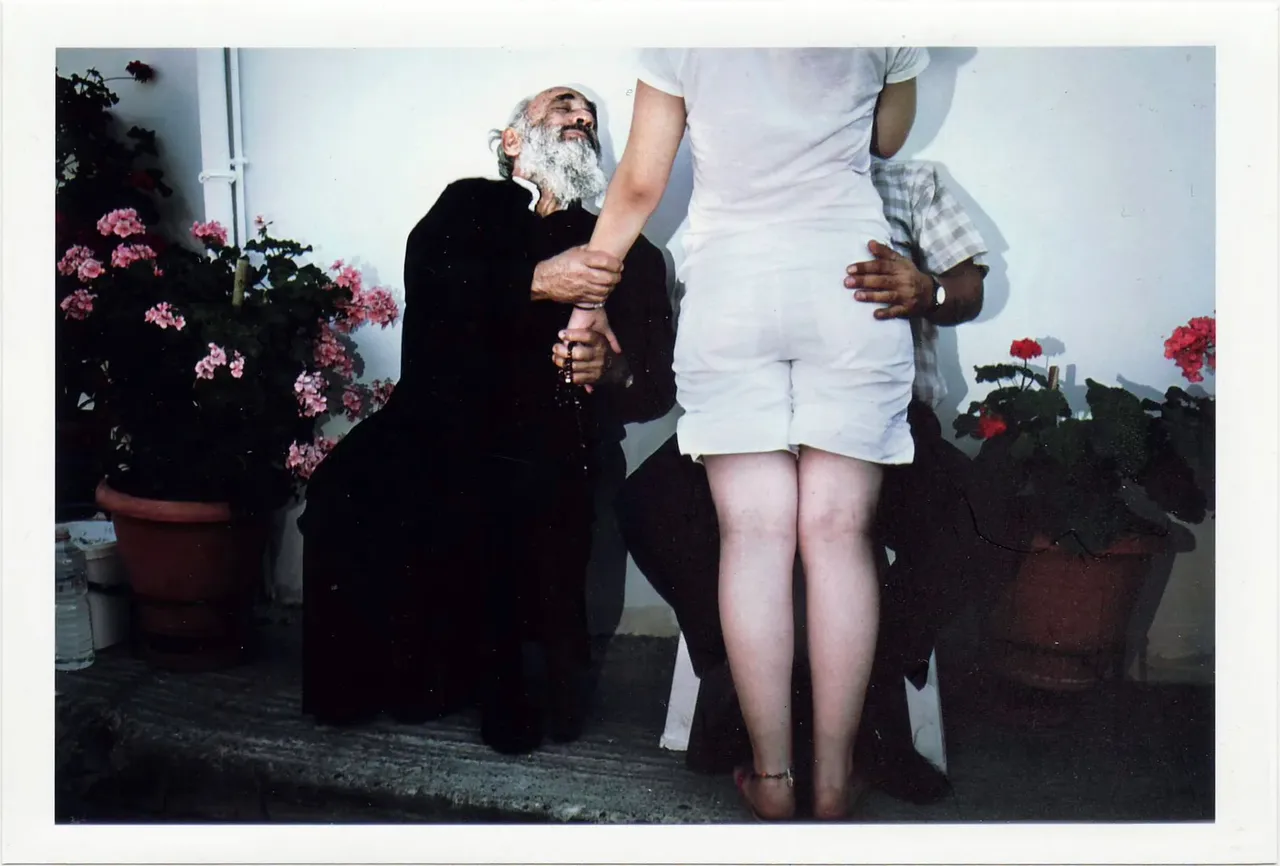
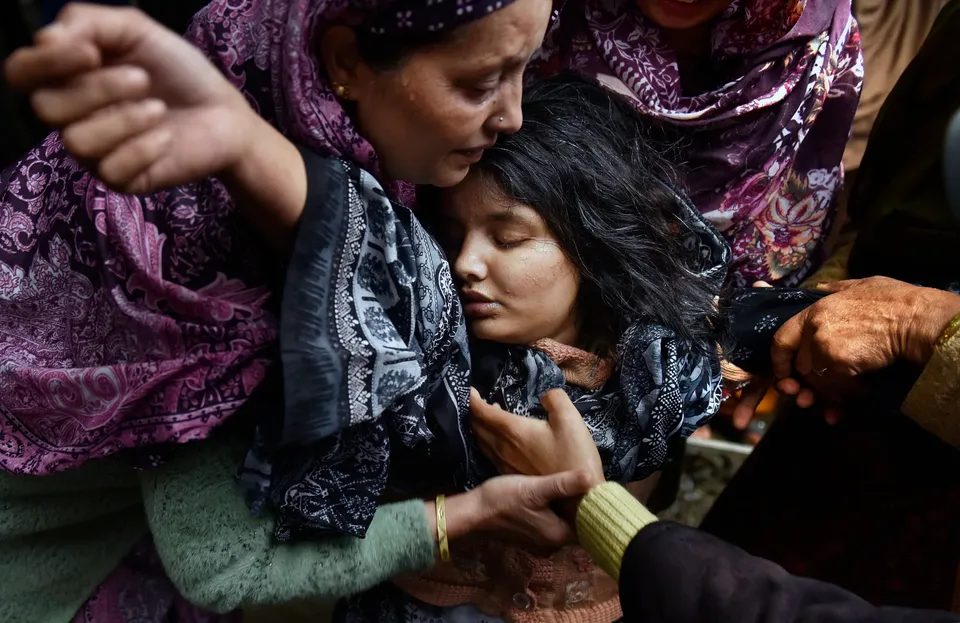
There’s a photograph in Back to Nowhere that particularly stayed with me: an older man and a priest standing close to a young woman, their hands on her. I found myself wondering about the intimacy of the gesture, but also about age, authority, and who gets to touch whom. What did you see in that moment, and has your reading of the photograph changed since you took it?
This scene was in Zoniana, a village in the Cretan mountains. What caught my attention there was the priest who held the girl’s hand to get some light? Usually the opposite happens; religious people expect some light and hope when they get to hold a priest’s hand. The other guy’s hand on the girl must have been some relative’s hand, no idea.
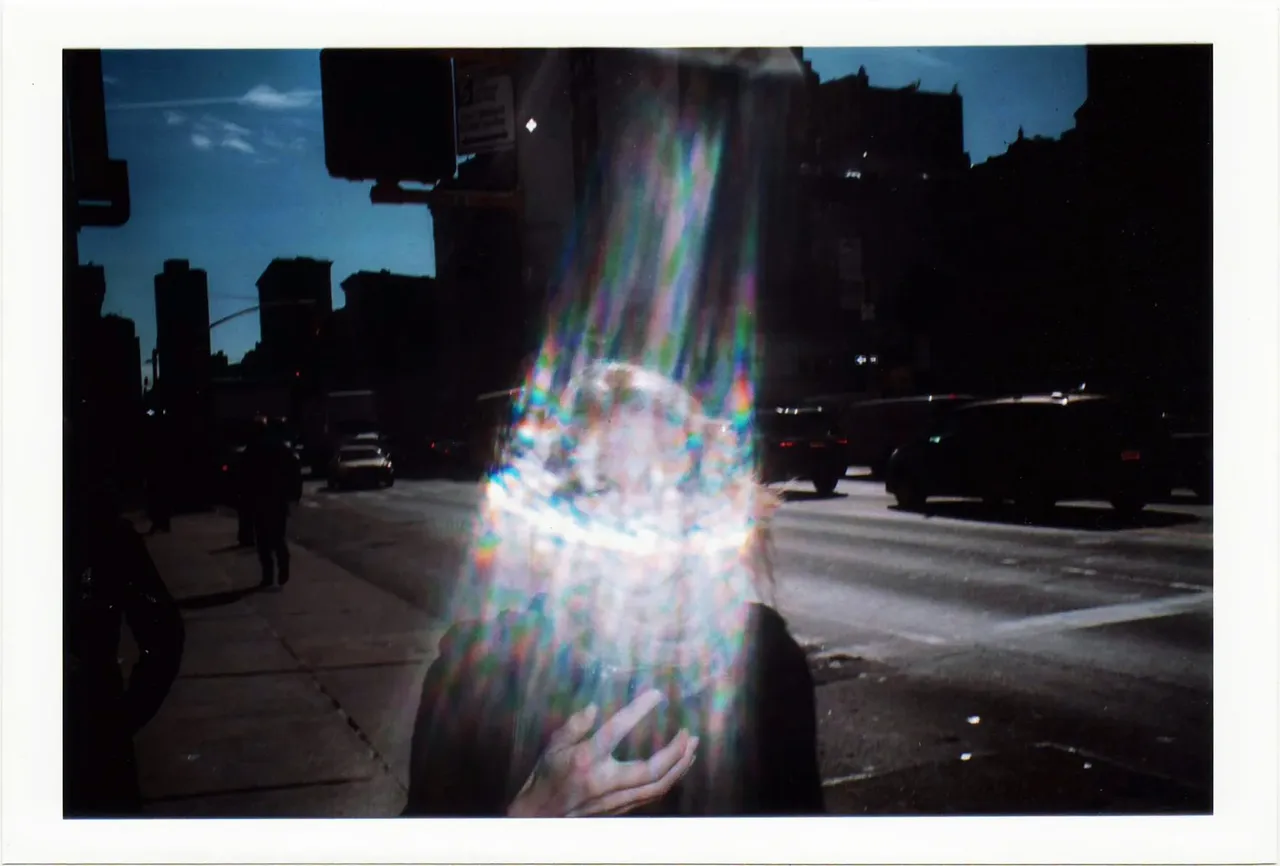
You spent seven months photographing in New York for Warn'd in Vain, while Back to Nowhere grew out of years spent on your home island. Did being a stranger in New York change the way you photographed people, or did you find yourself drawn to the same kinds of moments?
I don’t think I photographed the two places in a completely different way. Being an alien in New York can change your energy. In Crete, the rhythm is slower, the sun is harsh, and there is familiarity. But in the end, what I searched for in both places was the same thing, I guess, even though I can’t describe it with precision.
Your website brings together your photographs with cinema, literature, political history and figures you’ve chosen to honour. What role do these other worlds play in how you see? Do you think of your photography as political, even when you’re not consciously trying to make a political statement?
I think everything around us is political. Even if someone says, I’m not political, that's a political statement too; I’m not in that category either. My photos have no captions to predetermine the viewer about something. I have no intention to announce manifestos, neither do I like explaining much. So, if someone wants to relate to what I see in a political or non-political way, that’s up to them.
“Luck sometimes helps, but without endless hours of walks, experiments and failures, luck can’t bring much by itself.”
When you’re out photographing, are you looking for something, or do you prefer to let the day surprise you? How much of your work is deliberate, and how much depends on being in the right place at the right moment?
Most of my images are made in my place, where I have more time to shoot. Since I end up in the same places here, things start to repeat themselves, and surprise may come more slowly, in contradiction with a trip to a new place that the excitement of a new atmosphere brings a possible surprise more easily. But this can be the surface too. The travelling excitement lasts the first one to two days; after that you realise you need to slow down and spend more time to understand where you are to think about what is going on. I don’t think the ‘right time, right place’ is really right. These moments are just a tiny percentage of the time someone spends photographing outside. Luck sometimes helps, but without endless hours of walks, experiments and failures, luck can’t bring much by itself.
Your photographs often make ordinary situations feel almost theatrical, as though something strange is about to happen or has just happened. Do you ever think of yourself as a storyteller, or is it important that the images remain open to interpretations you hadn’t anticipated?
The way someone spends time and their thoughts on a photograph depends on personal memories, imagination, knowledge and other things. As mentioned before, I don’t like to dictate to someone what should be seen or felt. I think there is no truth or objectivity, so a different interpretation is always interesting for me to hear.
After spending so many years photographing, making books and returning to familiar places, what still makes you want to pick up your camera? Is there something you haven't managed to photograph yet?
I guess it is the feeling and the hope that there’s always something out there that I haven’t seen before. Also, pressing a camera button is addictive; it’s not an easy thing to let go. I guess I’ve photographed just a small piece of what is out there. I wish I had more time to go out and find out.
Charalampos Kydonakis — Friday 13th November, 7pm
Book signing at the Zoetrope Athens stand, Polycopies book fair.
Book signing at the Zoetrope Athens stand, Polycopies book fair.