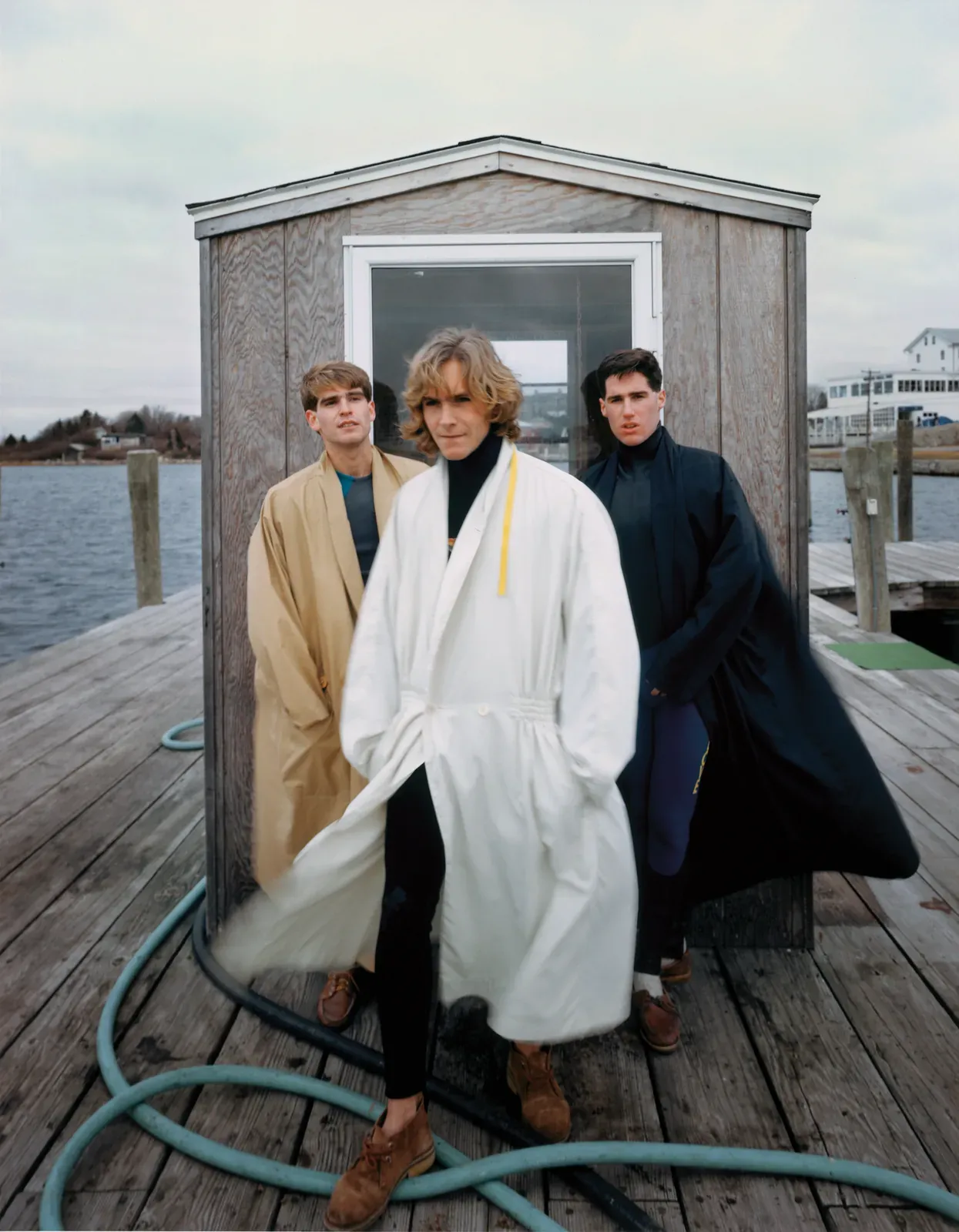
Have you ever scrolled past someone’s Sunday lunch on your feed and wondered, for a second, if it was an ad? The good light, the linen napkins nobody irons in real life, the aunt in a perfectly faded cashmere jumper who just happens to be standing in the right corner of the room. Tina Barney has been planting that doubt for almost fifty years. And the new book by Aperture, Tina Barney: Fashion proves that on every single page.
Long before #oldmoney turned cable-knit jumpers, tennis whites, loafers without socks and slightly crumpled linen into a TikTok aesthetic (sold mostly to people who will never own a house in Rhode Island, let alone inherit one), Barney was photographing the real thing. Not the moodboard but the source: her own family and friends in their bathrooms, kitchens and living rooms, shot on a large-format camera, in colour so saturated you can almost smell the furniture polish. Her people rarely look at the lens, and when they do, it’s with the mild impatience of someone interrupted mid-conversation.
They argue, they get dressed, they pour drinks, they ignore each other beautifully. And yet, look closer and you’ll notice that those pictures were always, quietly, about clothes: who wears what, how they wear it and what it gives away about where they come from. The inherited blazer, the daughter’s borrowed pearls, the teenage son trying very hard not to look like his father. For decades, the art world filed her under family, class and the American upper crust. Tina Barney: Fashion finally says out loud what the family’s jewels were trying to say all along. Style is harvested. It doesn’t appear out of nowhere, and sometimes family participates.
The book calls itself “part memoir, part career survey”, and it means both. Let’s not forget it all started with Barney’s mum, Lillian Fox, a successful model in the 1930s. Across 176 pages and 91 images, with texts by the critic and photographer Vince Aletti and Alistair O’Neill, professor of fashion at Central Saint Martins, it traces how dressing up runs through her whole career. It starts where it has to: with her mother.
Lillian Fox appeared on the cover of Harper’s Bazaar and sat for Horst P. Horst and George Hoyningen-Huene, which is roughly the equivalent of being shot by everyone who matters, twice. Barney, a Lehman on her father’s side, was born into privilege and, as it turns out, into fashion: at sixteen, her mother decided it was time for Paris and took her to the couture shows, including Yves Saint Laurent’s first (Fox was a “cool mum” before the term even existed). The opening section, built from family history and old albums, is the most moving part of the book, because it shows us something her famous pictures only hint at. Before Barney ever held a camera, she was a daughter watching her mother being looked at. Everything she later photographed — the poses, the half-performances, the women caught somewhere between being themselves and being seen — starts here. It brings to mind John Berger’s Ways of Seeing and the gradual shift from the male gaze towards a female one. Barney was a pioneer in that shift.
Then come the plates, and this is where the fun begins. Barney’s editorial work for Muse, Nest, Arena Homme +, Vogue and Harper’s Bazaar has rarely been gathered in one place, and seeing it together is a little disorienting: the commissions look like her art, and her art looks like it could have been a commission. The Lincoln Room, made for POP in 2017, could hang next to her family portraits without anyone noticing the switch. Short texts by Barney herself run alongside the images, full of behind-the-scenes stories, and they’re the book’s secret weapon. The best one belongs to Arena Homme +: a model with his hair dyed, dressed as Halston, taken around Halston’s old New York haunts to recreate one of his typical seventies nights out. Barney shot it inside a stretch limo, with a four-by-five view camera, while her assistant sat in the front seat shining a light through the chauffeur’s tiny peephole. She says it was a miracle that the picture came out at all. It’s the kind of anecdote that makes you want to go back and look again, and that’s exactly what a good photobook should do.
The campaigns close the circle. In 2007, Barney shot Bottega Veneta for Tomas Maier, who famously hired art photographers and then refused to print their names on the ads, trusting the images to speak for themselves. Nearly twenty years later, in 2025, Sabato De Sarno called her for Gucci’s Valentine’s campaign, Gucci Together: real couples and families from the fashion industry, Pixie Geldof and George Barnett among them, lingering in richly decorated interiors. Gucci said it chose her for her ability to capture the theatre of everyday life. Which is a polite way of saying: we want you to do exactly what you’ve always done, what you know how to do best, but with our knitwear in it. (Also see: Miu Miu’s latest holiday campaign, shot by her. See what we’re talking about?)
And that’s the book’s real thesis. Reviewing the accompanying show at Olney Gleason in New York, Air Mail’s Celia McGee pointed out that the assignments and ad campaigns are almost impossible to tell apart from the photographs of family and friends. You could read that as a criticism. I think of it as the point. Barney’s world has always been staged. Her mother was a model and then an interior decorator, and Barney grew up in a wealthy family. The people in that world know, deep down, that they are being watched and dress accordingly.
One of the most striking images in the show isn’t fashion at all: Quintana, Joan and John (1999), Joan Didion at home with the husband and daughter she would later lose (her husband’s death would inspire The Year of Magical Thinking). Didion, of course, became a style icon in her own right (and she’s coming back: we’re seeing pictures of her more than ever on social media). We could say that, in Barney’s hands, even grief has good tailoring.
Is it all a bit comfortable? Maybe, especially the lifestyle. And no one can blame Barney: she was born into it. The book is more interested in elegance than in asking who gets to be elegant, and readers looking for a harder look at class will have to bring that perspective themselves. But there’s something oddly timely about it. Right now, half the internet is cosplaying a lifestyle it has only ever seen through a screen, and Barney’s pictures are the source text: the original, unfiltered version of the aesthetic everyone else is selling back to us. Aletti puts it best when he writes that her strongest editorial pages are “portraits, not just anecdotes”. That’s the difference between a moodboard and a life.
Tina Barney: Fashion won’t teach you how to dress like old money. What it does, beautifully, is show that a wardrobe is also an archive (a word thrown around more than ever, now that influencers want archival pieces they often don’t understand). It holds the memory of a mother, of a class, of a way of standing in a room. And sometimes the most honest fashion photograph is the one nobody was paid to take.
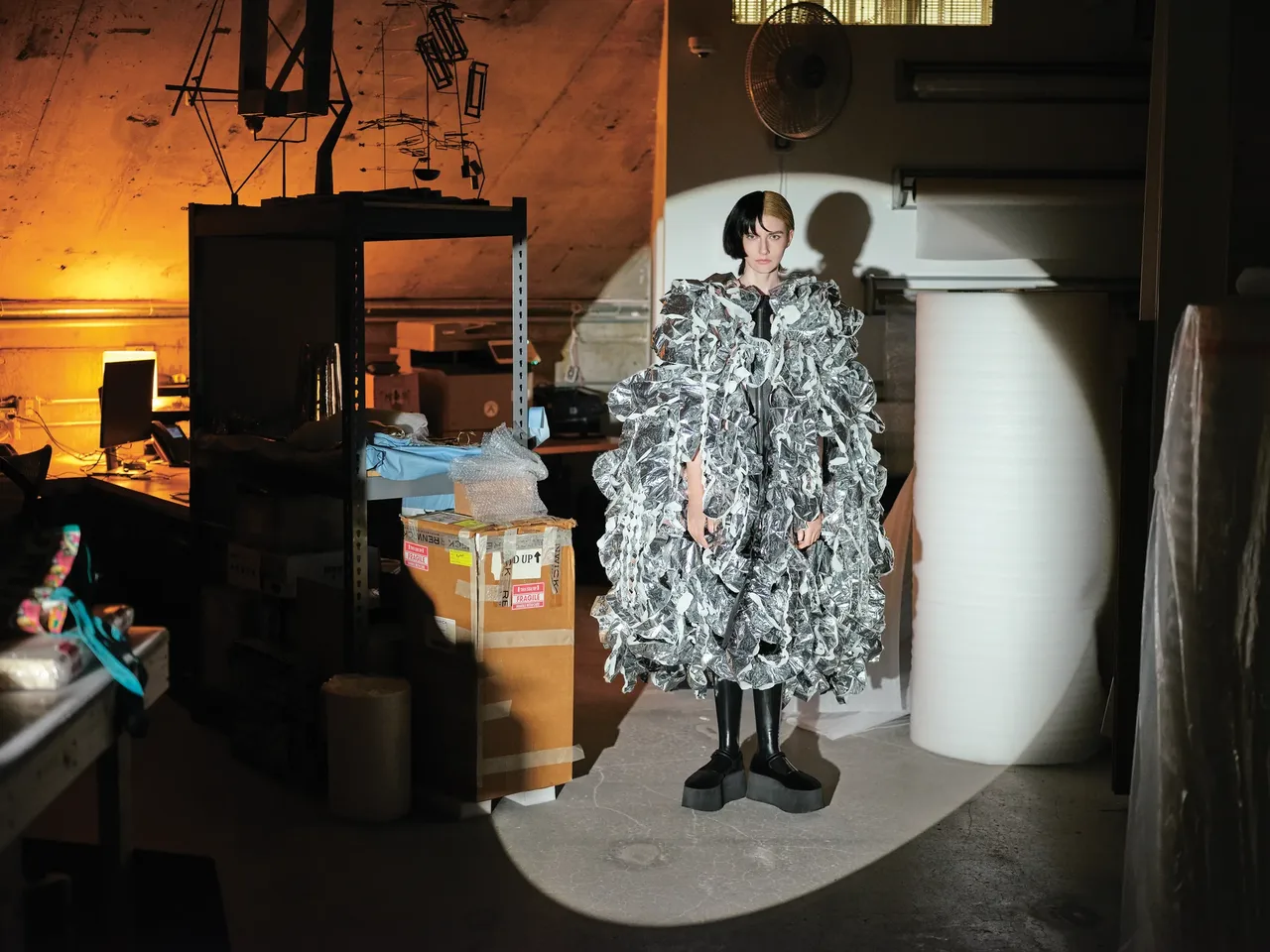
The Silver Coat, Muse, 2021; from Tina Barney: Fashion (Aperture, 2026). © 2026 Tina Barney
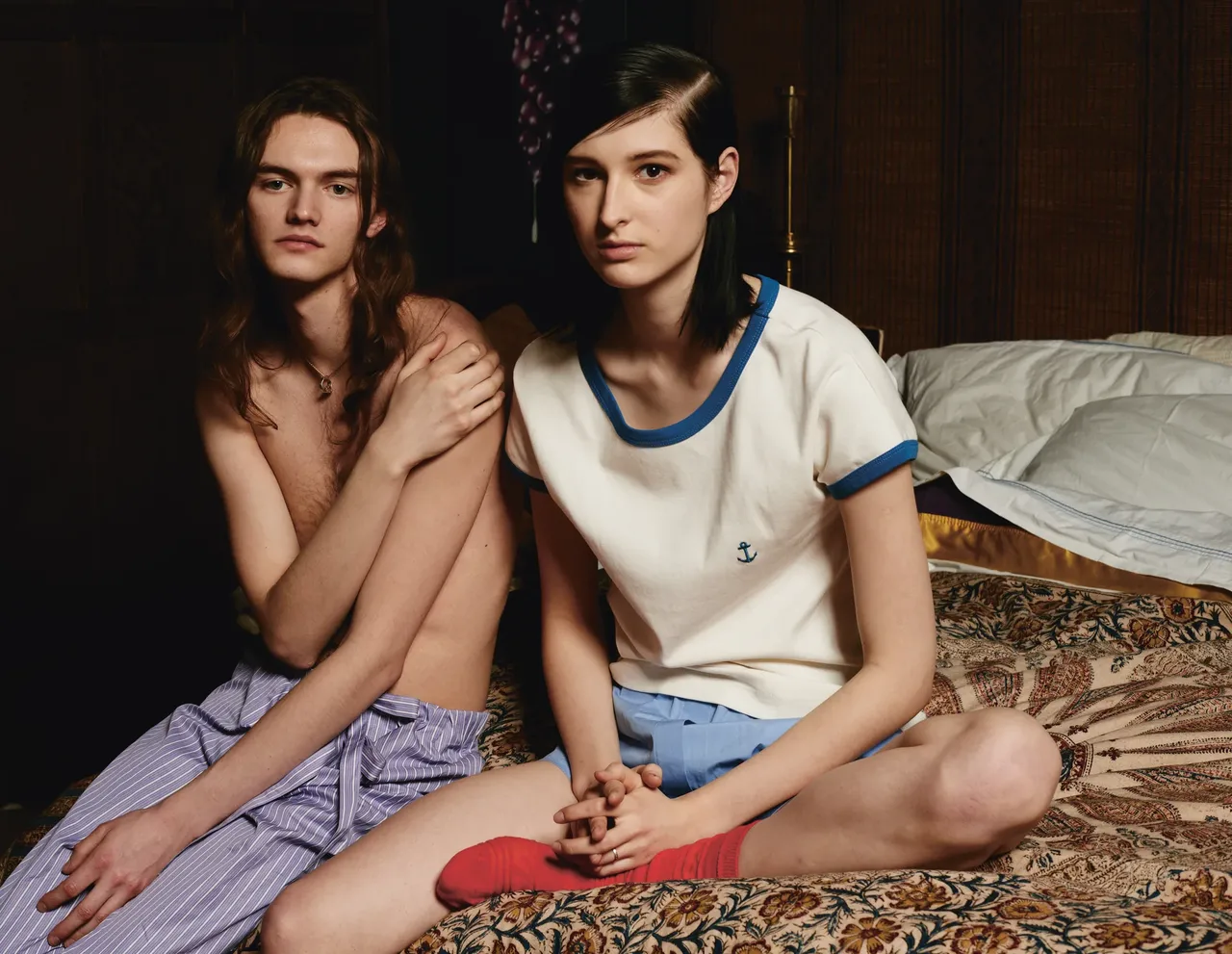
Couple on Bed, Double, 2015; from Tina Barney: Fashion (Aperture, 2026). © 2026 Tina Barney
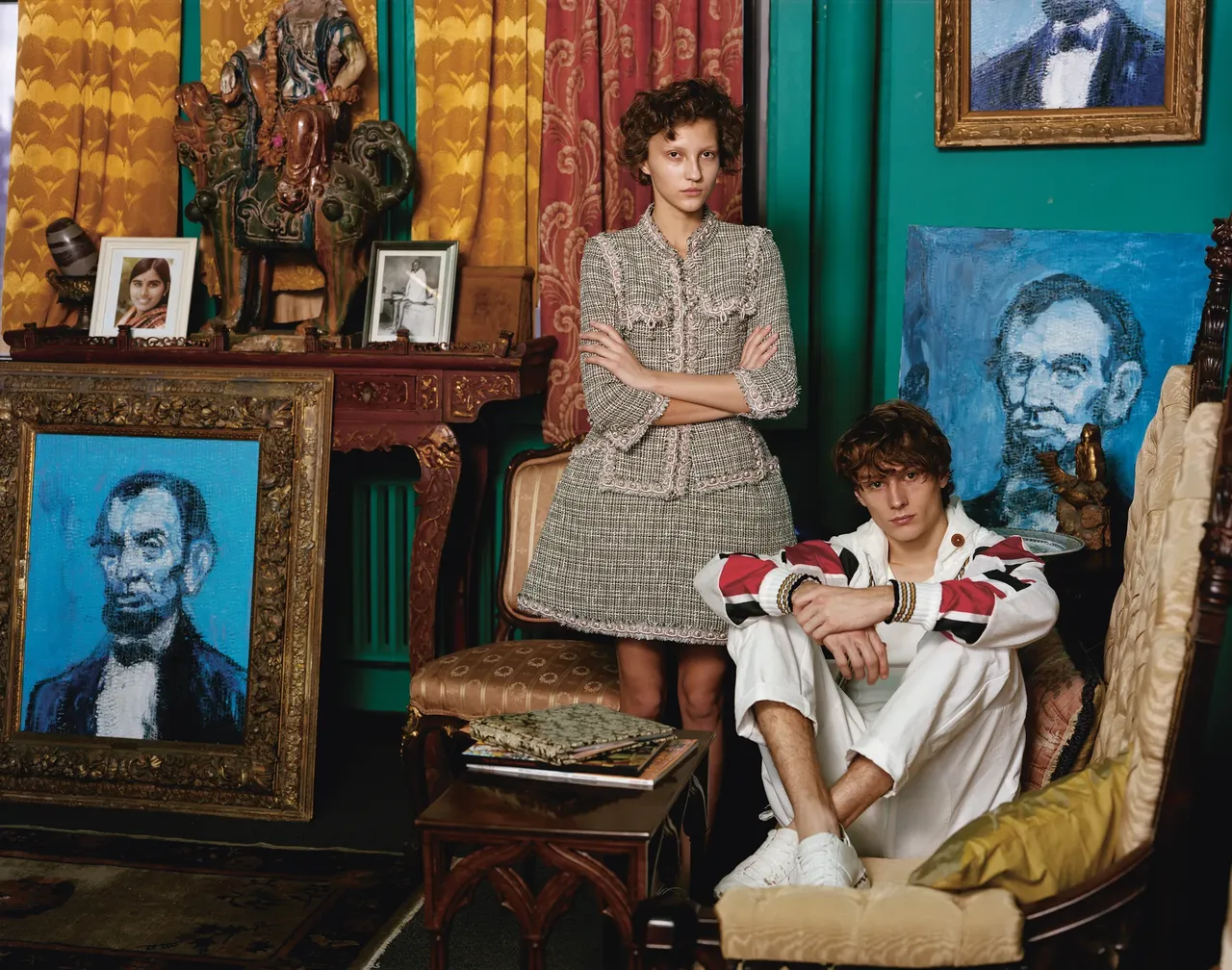
The Lincoln Room, POP, 2017; from Tina Barney: Fashion (Aperture, 2026). © 2026 Tina Barney
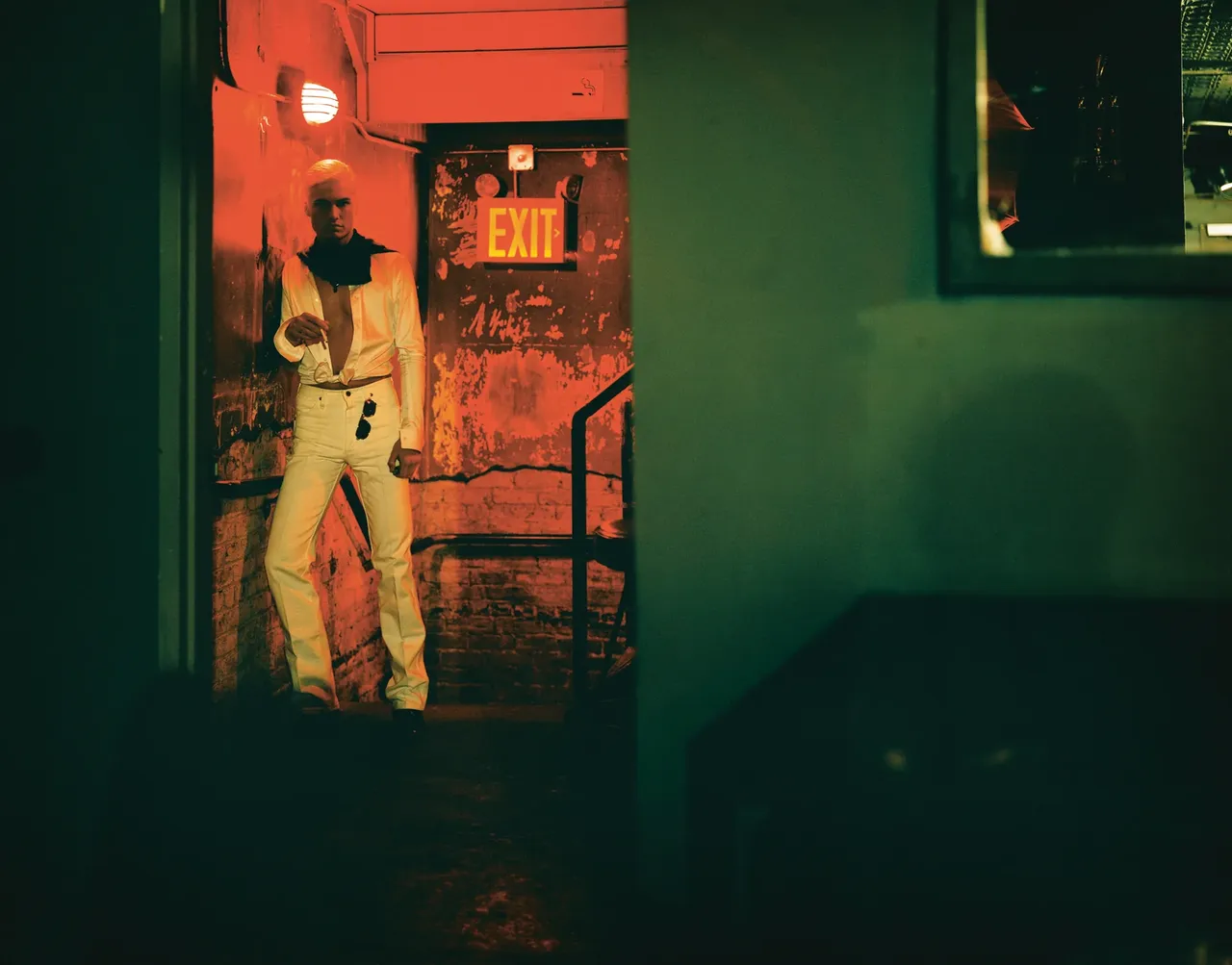
Exit, Arena Homme Plus, 2006; from Tina Barney: Fashion (Aperture, 2026). © 2026 Tina Barney
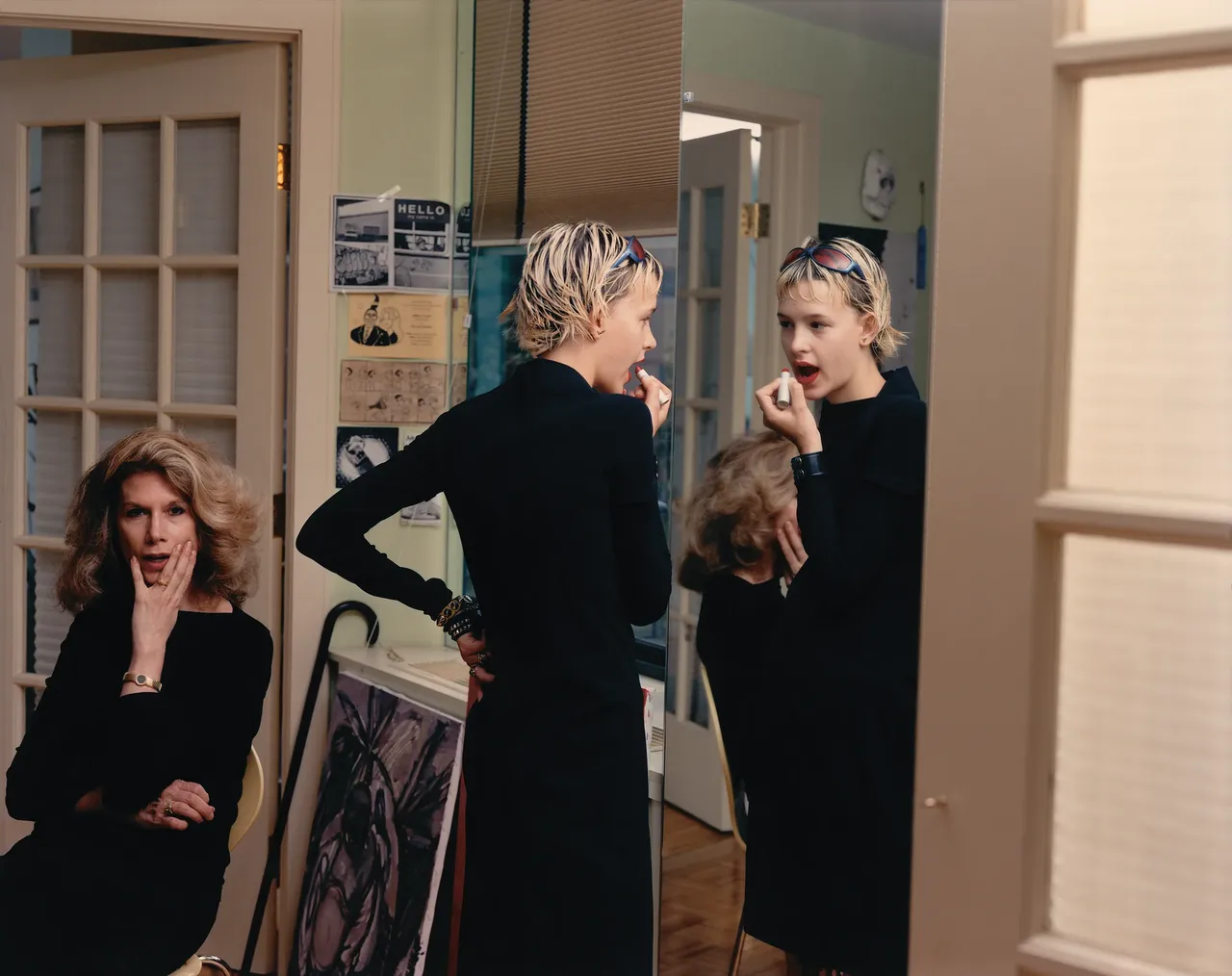
Tina Barney, The Lipstick, W, 1999; from Tina Barney: Fashion (Aperture, 2026). © 2026 Tina Barney
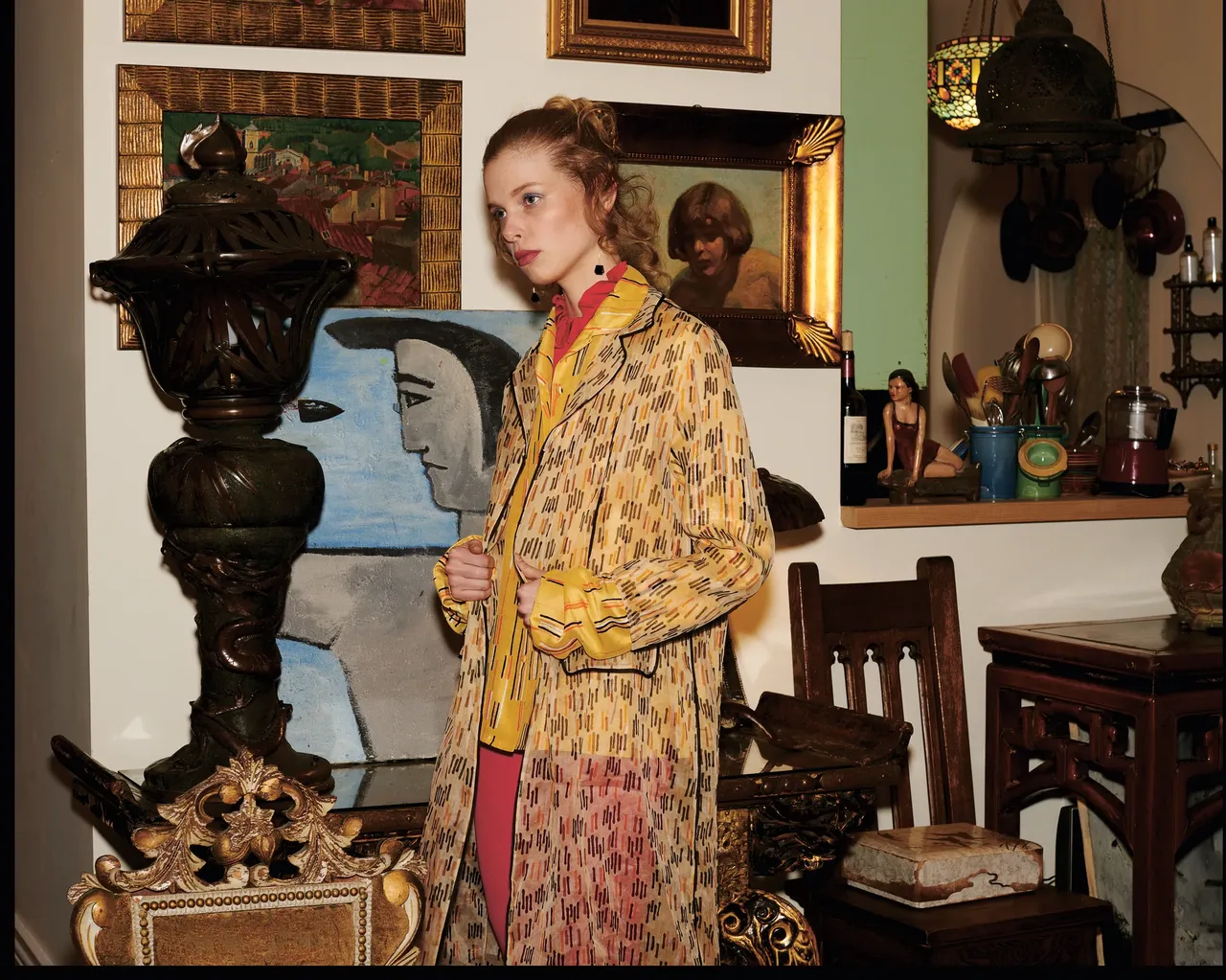
The Yellow Coat, SSAW, 2016; from Tina Barney: Fashion (Aperture, 2026). © 2026 Tina Barney