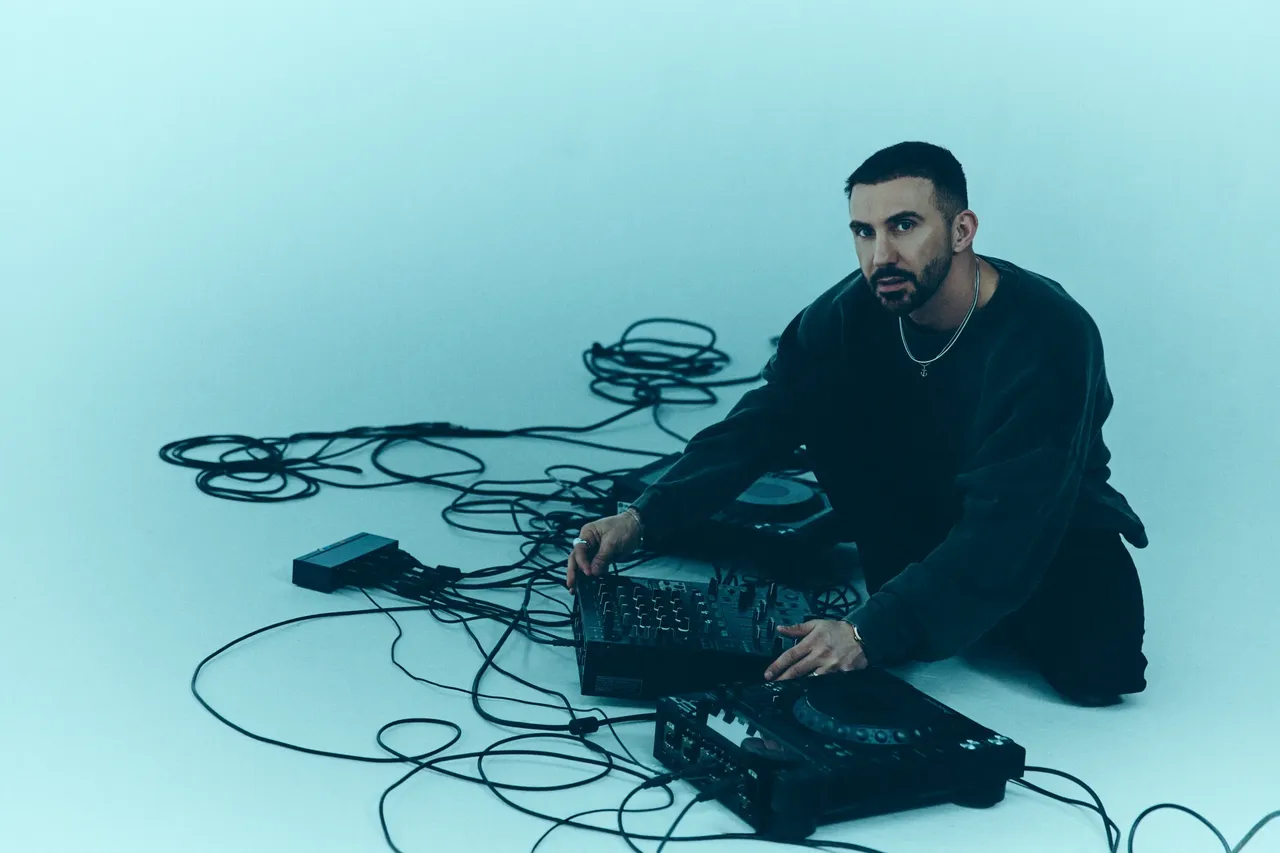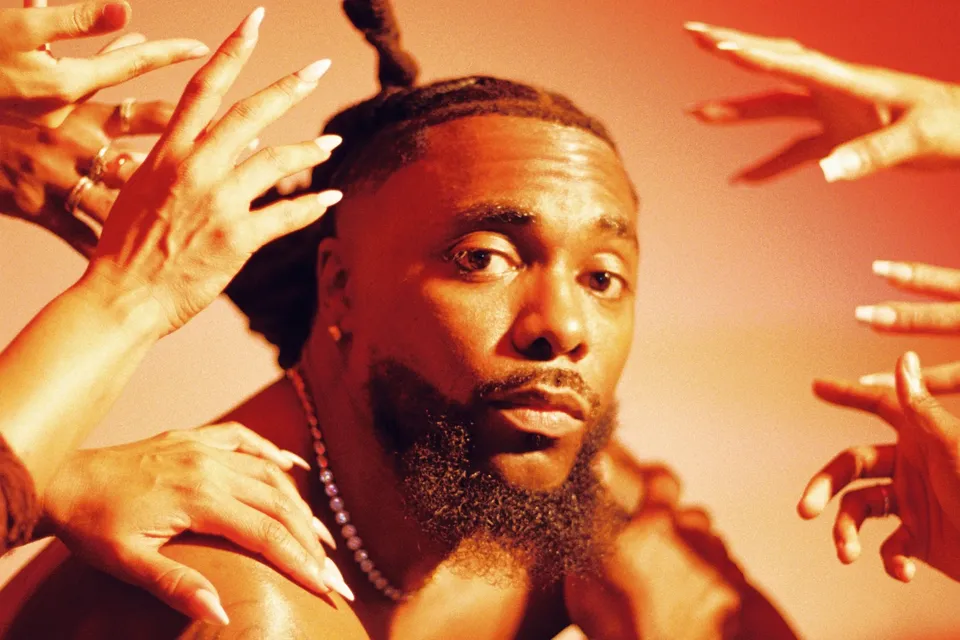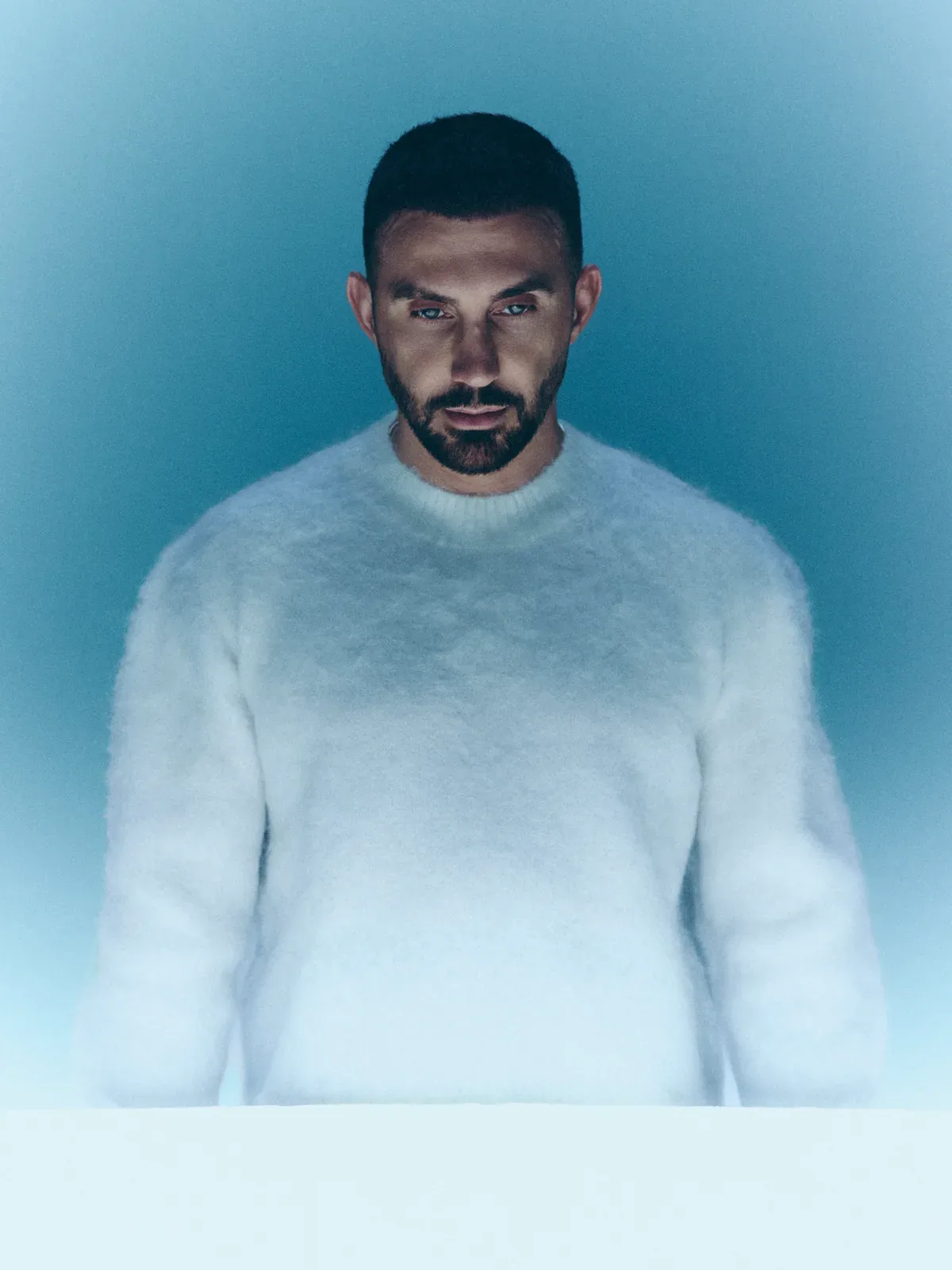
Hot Since 82 has just released Obsessions, and the title says a lot. Music has been a constant in Daley Padley’s life for more than two decades, from his early days playing marathon sets in Barnsley to a career that has taken him around the world. But with this new nine-track album, released through his own Knee Deep In Sound, he wants to strip things back: less thinking about where a track belongs, more trusting what feels right.
“Back to the roots. Making what feels right, following my instincts and not worrying too much about where it’s supposed to sit,” he stated a few days ago, commenting on the album. That freedom runs through Obsessions, but so does everything that has changed around him over the years. When we spoke shortly before the album dropped, he told us, “Music is still the thing I wake up thinking about and go to sleep thinking about.” Some things, apparently, really don’t change.
Our conversation takes us through that new chapter: making an album without second-guessing himself, reconnecting with his roots and navigating the changes happening far beyond the studio. We talk sobriety, family and longevity, the happiest moments and biggest challenges of a career spanning around twenty-six years, and why, after all that time, the excitement of making something and taking it straight to the dance floor is still very much there.
You’re about to release Obsessions. How are you experiencing this countdown?
I’m really excited about it. I’ve been blown away by the response since we announced the album, and this one feels particularly special because it’s probably the first album I’ve made where I haven’t second-guessed myself. It’s the only album I’ve ever finished and handed in on time. I didn’t have those doubts about the tracklisting or whether individual tracks were finished. Everything fell into place, and I think that tells me how immersed I was in it. So now I’m at the point where I’m excited for people to hear the whole thing rather than individual records. It genuinely feels like a complete body of work to me.
Once an album is finished but still waiting to be released, your relationship with it inevitably changes. Now that Obsessions is complete, do you hear it differently? Are you still discovering things in it, or do you ever think, “I’d probably do that differently now”?
The strange thing is that I don’t have that feeling of wanting to go back and change it. Obviously, as a producer, you can always find something you’d tweak if you keep opening the project forever. But there was a point with this record where it felt finished. And now I’m playing so much of my own music in my sets that I get to experience the tracks differently anyway. There are moments where I look down at four decks, and everything playing is a Hot Since 82 record. That’s quite an amazing feeling because the records leave the studio and start developing another identity on the dancefloor.
“There’s something amazing about taking a piece of music that means something to you and introducing that feeling to a new generation of dancefloors.”
Without revealing too much, how do you see Obsessions today compared to when you first realised what this record wanted to become?
I think I understand what it represents much more clearly now. It came out of this period of constant movement—touring, flights, shows—but also a lot of introspection. There’s this push and pull between intensity and stillness that has become quite a big part of my life. When you're making music, you don't necessarily sit there analysing what everything means. You're just following a feeling. Looking at the finished record now, I can see much more of myself in it—where I came from musically, where I am now, and some of the changes I've been going through personally. That's probably why Obsessions feels like the right title. Music has been the one obsession that’s stayed with me throughout my entire life.
A few weeks ago, you introduced this new chapter with Shaded, alongside Shades of Rhythm. Looking back now, does it still feel like the right first step into the album's world?
Absolutely. Shaded connects where I came from with where I am now, which is what a lot of this album is about. I've loved The Sound of Eden for years, so being invited into that record and getting the original parts was incredibly special. There’s something amazing about taking a piece of music that means something to you and introducing that feeling to a new generation of dancefloors. And it wasn't a sample either; we worked from the original stems. That made it feel like a genuine collaboration with the history of that record rather than simply lifting something from it. So, yeah, I think it was the perfect way to open the door into Obsessions.
Can you actually create while you're on a plane, or do you need complete silence before ideas start flowing?
Travelling has always been the best moment for me to reflect and make music, so yeah, a lot of ideas have come to me on a plane. I’ve also made some of my favourite records in my kitchen on the window ledge! Producing to me is my fun! Because of the way I work and my brain works, I’ll work across different rooms and spaces. Even though I have a studio in my house, I don't lock myself away and spend loads of time in there—I can’t sit in the same place for too long!
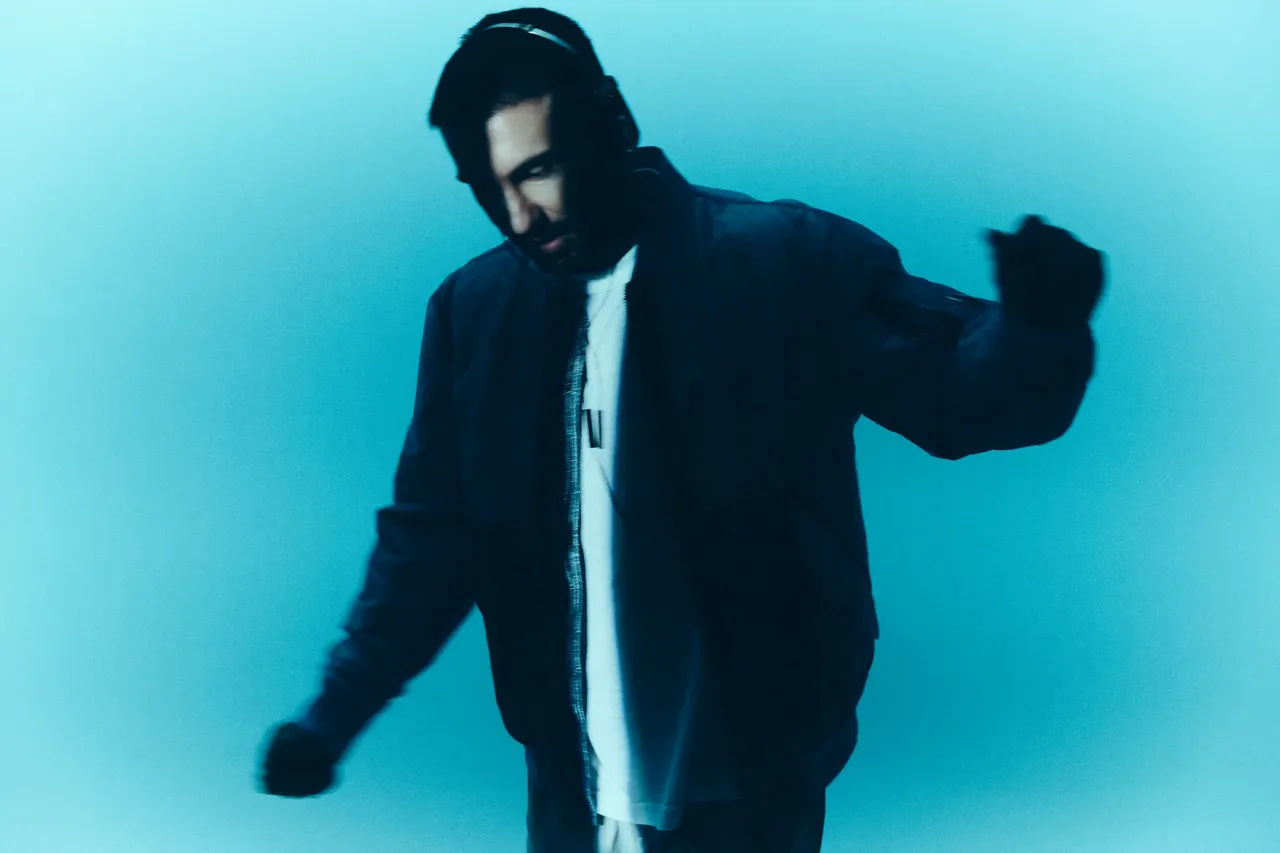
This has also been a huge period of change in your personal life, with sobriety, new routines and a real focus on health and longevity, as you've said. Beyond the obvious, what has actually changed in the way you experience touring today?
The biggest difference is probably that I can actually enjoy the whole week rather than spending half of it recovering. As I’ve got older, I’ve realised my body doesn’t bounce back in the way it did when I was twenty-five. Cutting alcohol out has given me so much more energy. I can get home from a weekend, go to the gym, get back into the studio and feel productive rather than losing the first few days of the week. It’s affected my DJing as well because I’m sharper and more present. And longevity has become really important to me. I’ve got two kids, so it’s not just about how long I can keep touring. I want to be healthy, I want to be present for them, and I want to keep doing this job that I love for as long as possible.
When you look back at records like Hurt You or Hot Jams Vol. 1, what do you recognise in that version of yourself, and what feels completely different now?
The obsession is exactly the same. That's probably the thing I recognise most. I've been doing this for around twenty-six years, and music is still the thing I wake up thinking about and go to sleep thinking about. I still get excited about making something and then immediately wanting to go and play it to a crowd. What's different is everything around it. I've grown up, I've got a family, I've learnt more about myself, and I'm much more conscious of looking after myself.
The scene has changed massively too, and I've always tried to evolve with it rather than stand still. But I’ve always stayed true to myself. I think the reason I'm still here is that I've never lost that original excitement. The tools change, the records change, and you change, but that feeling has to remain.
The scene has changed massively too, and I've always tried to evolve with it rather than stand still. But I’ve always stayed true to myself. I think the reason I'm still here is that I've never lost that original excitement. The tools change, the records change, and you change, but that feeling has to remain.
Electronic music can make you feel like you always have to be everywhere at once. At this stage of your career, how important is it to think long term instead of trying to say yes to everything?
It’s become much more important. When you’re younger, you probably feel like you have to say yes to every opportunity because you don't know when the next one is coming. Now longevity matters to me. I'm thinking about my health, my family and how I can continue doing something I love without burning myself out. I feel very fortunate to be able to say that, having built a strong and successful career, I can also be more patient and thoughtful with my decisions, looking more towards the bigger picture.
“The reason I’m still here is that I’ve never lost that original excitement. The tools change, the records change, and you change, but that feeling has to remain.”
Looking back across everything you've experienced so far, what has been the happiest moment of your career, and why?
There have been so many special moments that have brought me happiness; it's really too hard to choose just one. It's more a collection of things. Music has been a place where I can lose myself, connect with my emotions, and really focus on something that gives me a sense of achievement and pride. Touring has also taken me to so many places that I might never have seen if I wasn't in this job, and not forgetting the relationships that I have made along the way; those are special, and I consider so many people I have met in music close friends.
And on the other hand, what's been the greatest challenge you've faced, the one that ultimately taught you the most?
Probably learning how to sustain this life. Touring looks amazing from the outside, and obviously I'm incredibly lucky to do it, but you're constantly moving, you're away from home, and you're spending a lot of time in quite extreme environments. As I've got older, I've had to understand myself better—how my brain works, what I need to be creative, what I need physically and how to balance being an artist with being a dad and a person outside of music. I think what it's taught me is that we're all a work in progress. I'm constantly trying to evolve and be better than I was yesterday. That doesn't just mean making better records. It means looking after yourself, being present for the people around you and making sure the thing you love doesn't become the thing that consumes you. And weirdly, I think understanding all of that has made me more creative rather than less.