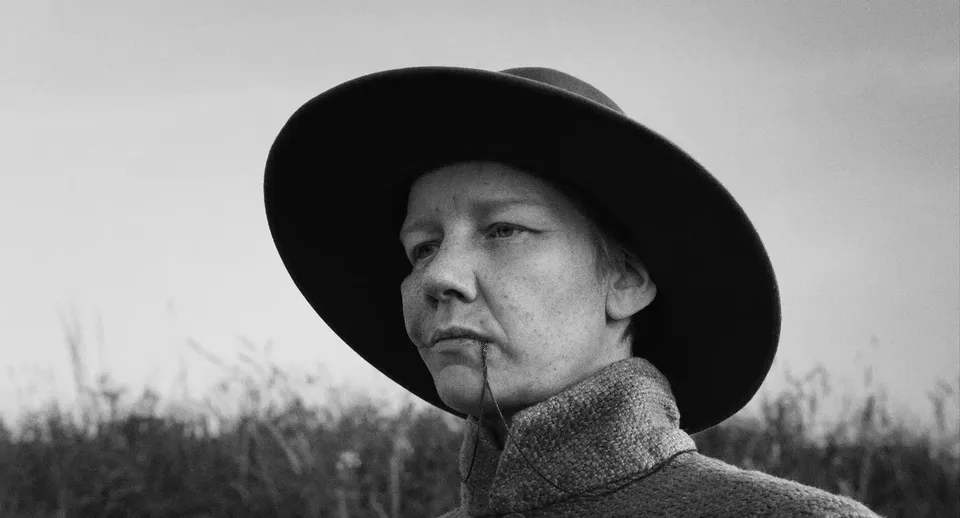
In Hazama (2006) , the space between becomes more than a setting. Moving between Japan and Sweden, live action and AI, memory and invention, Víctor Moreno’s short film follows a woman caught between life and death while confronting the silence surrounding perinatal loss and mental health. Made in collaboration with the Swedish non-profit Suicide Zero, the film uses an intentionally liminal visual language to explore grief, isolation and the possibility of finding a way through. Disclaimer: this film explores themes of suicide, suicidal thoughts and self-harm.
Premiering at the AI Film Festival Japan in Tokyo before screening internationally, Hazama also reflects Moreno’s interest in what happens when images rooted in physical experience are transformed into something that never existed in front of the camera. Here, AI becomes less a shortcut than a tool for constructing a world suspended between the real and the unreal.
Hazama approaches suicide not as an abstract statistic, but as something embedded in relationships, silence and the spaces between people. The film was made in collaboration with Suicide Zero, a Swedish non-profit working to reduce suicide through public awareness, education and advocacy. It asks what happens when experiences that are often kept private are brought into view, and whether confronting them can become a form of connection. Suicide Zero is not a crisis service. If you or someone you know is struggling, please contact your national or local suicide-prevention service or crisis line.
In conversation with METAL, Moreno discusses the film’s liminal spaces, the relationship between technology and memory, the role of sound, and why no one should have to remain in the in-between alone.
The title refers to a narrow space or threshold between two things. Your protagonist finds herself between life and death, while the film moves between Japan and Sweden and between live action and AI. Did you begin with this idea of being ‘in between’, or did it emerge as the film developed?
That’s a great question. It all emerged as the film developed. I started from the idea of perinatal mental health. So many women suffer in silence, carrying overwhelming pressure around becoming a mother. But ultimately it’s a struggle for the couple. Miscarriage and stillbirth are far more common than people think, yet that grief is so often carried alone. I wanted to open up the conversation: it can happen to anyone, and the aftermath, which can spiral into serious mental health struggles, can be prevented by recognising that you’re not alone. My hope is that anyone who watches the film and resonates with the theme feels less isolated and sees that there are ways to cope with these kinds of struggles.
The ‘in-between’ was inherent to the story from the start. I love Japan; it fascinates me, and I’ve been fortunate to spend time there over a number of visits. I wanted to bridge Nordic and Japanese cultures, using them as a container for the story, so we shot in Sweden, Tokyo and Shirahama. It was while talking to the team in Japan about the idea of a liminal space or state that I learned the Japanese word hazama.
The ‘in-between’ was inherent to the story from the start. I love Japan; it fascinates me, and I’ve been fortunate to spend time there over a number of visits. I wanted to bridge Nordic and Japanese cultures, using them as a container for the story, so we shot in Sweden, Tokyo and Shirahama. It was while talking to the team in Japan about the idea of a liminal space or state that I learned the Japanese word hazama.
You made Hazama with the support of Suicide Zero to address suicide and mental health. How did you approach telling a story around such a difficult subject without allowing the message to overshadow the cinematic experience?
Suicide Zero has been a game-changer. They operate as a non-profit organisation in Sweden, so I didn’t approach them for financing, but for endorsement. Their support opened new doors, and because they’re the experts, they helped me convey the story’s message accurately. Once you’re assured that you’re conveying that message correctly, it leaves all the room in the world for storytelling. The key to not letting the subject overshadow the cinematic experience lies in the nature of the struggle itself: the suffering, the healing process, the protagonist’s perseverance and her inner experience of the events happening around her. By putting the viewer both in front of her and behind her eyes, I think that’s where the cinematic form lives.
From there, I brought together values from both cultures, as well as poetry. Robert Frost’s poetry collection works as a sort of MacGuffin in the story. His poem Acceptance, from West-Running Brook (1928), captures the resolution of the protagonist Thea’s journey. I wanted to offer a message of hope alongside the tragedy that all of us, in some form, inevitably experience at some point in our lives. In addition to Hanna Strindlund and her team at Suicide Zero, I received support from Infinity Studio Sweden. They are one of the biggest film studios in the country, a dedicated facility with an extraordinary array of equipment, and they provided all sorts of filming gear and studio space.
From there, I brought together values from both cultures, as well as poetry. Robert Frost’s poetry collection works as a sort of MacGuffin in the story. His poem Acceptance, from West-Running Brook (1928), captures the resolution of the protagonist Thea’s journey. I wanted to offer a message of hope alongside the tragedy that all of us, in some form, inevitably experience at some point in our lives. In addition to Hanna Strindlund and her team at Suicide Zero, I received support from Infinity Studio Sweden. They are one of the biggest film studios in the country, a dedicated facility with an extraordinary array of equipment, and they provided all sorts of filming gear and studio space.
“My hope is that anyone who watches the film and resonates with the theme feels less isolated and sees that there are ways to cope with these kinds of struggles.”
The short film had its world premiere at the AI Film Festival Japan. What was the experience like?
It made me really happy, as I saw my love for Japan returned in that recognition. For me, it was also an affirmation that the story genuinely resonates with the country. The screening took place at Tokyo Innovation Base, and I was really lucky that Nippon Television showed up to report on the event, showing some images while Hazama was on screen. After that, I received more attention from a few more festivals.
It also recently screened in Stockholm. How did it go?
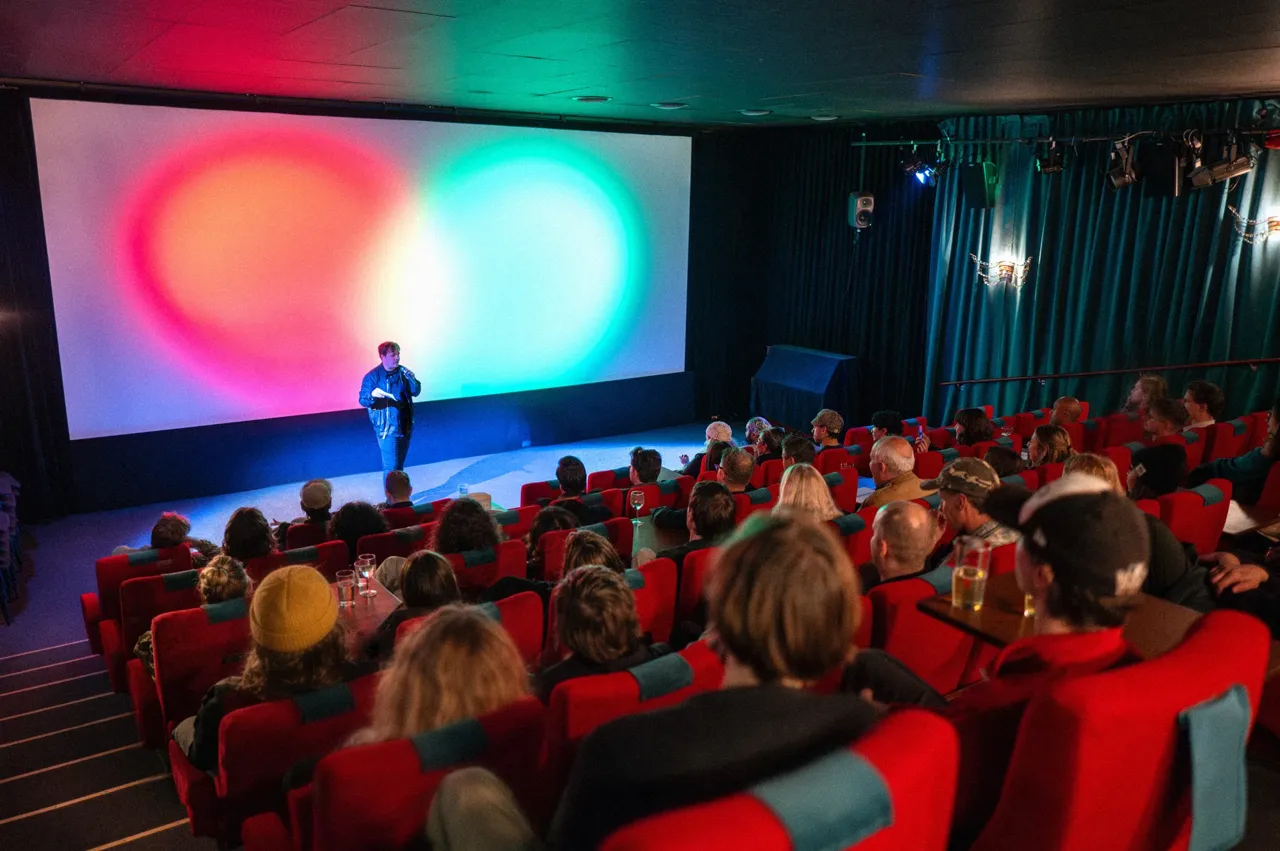
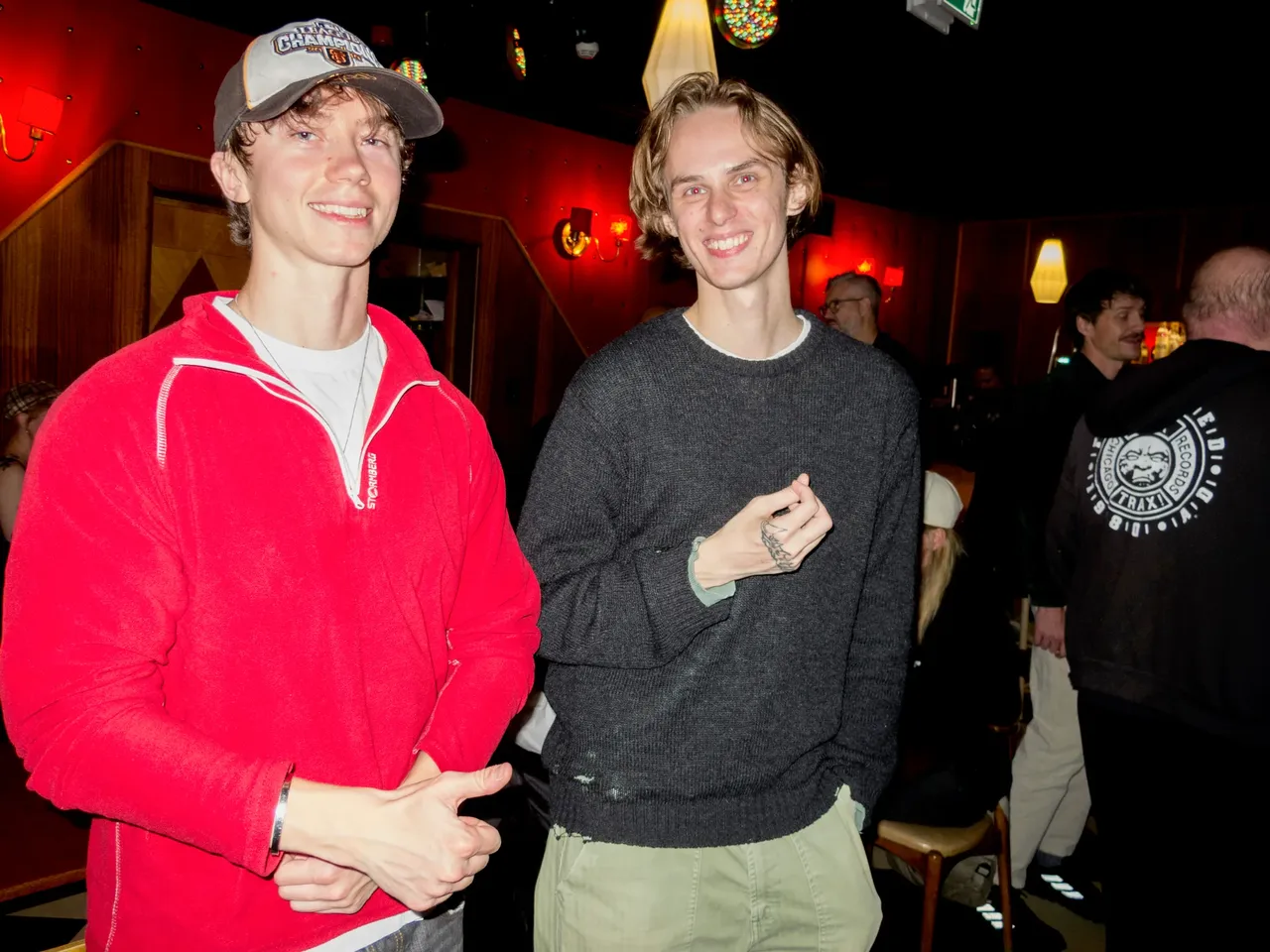
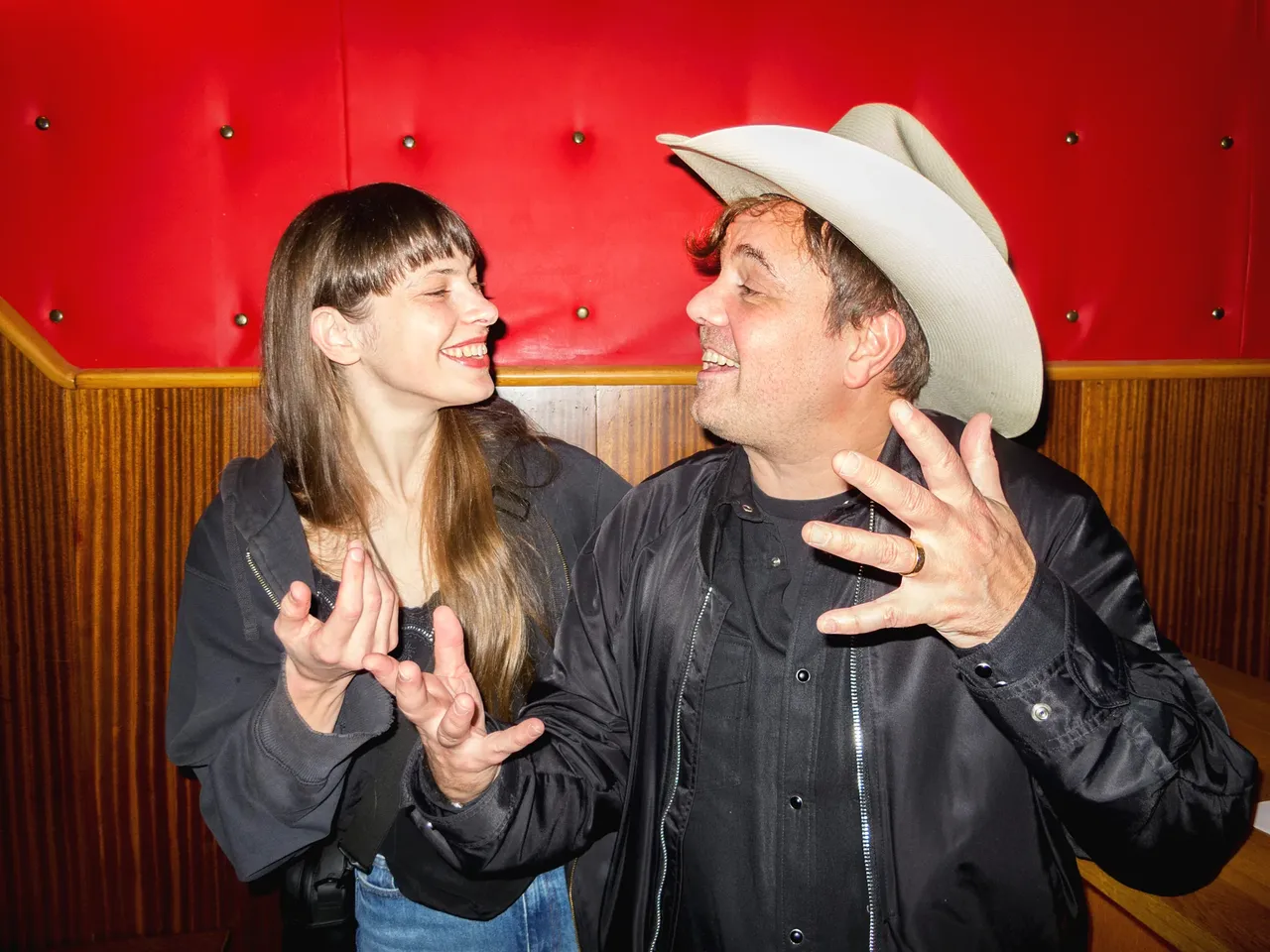
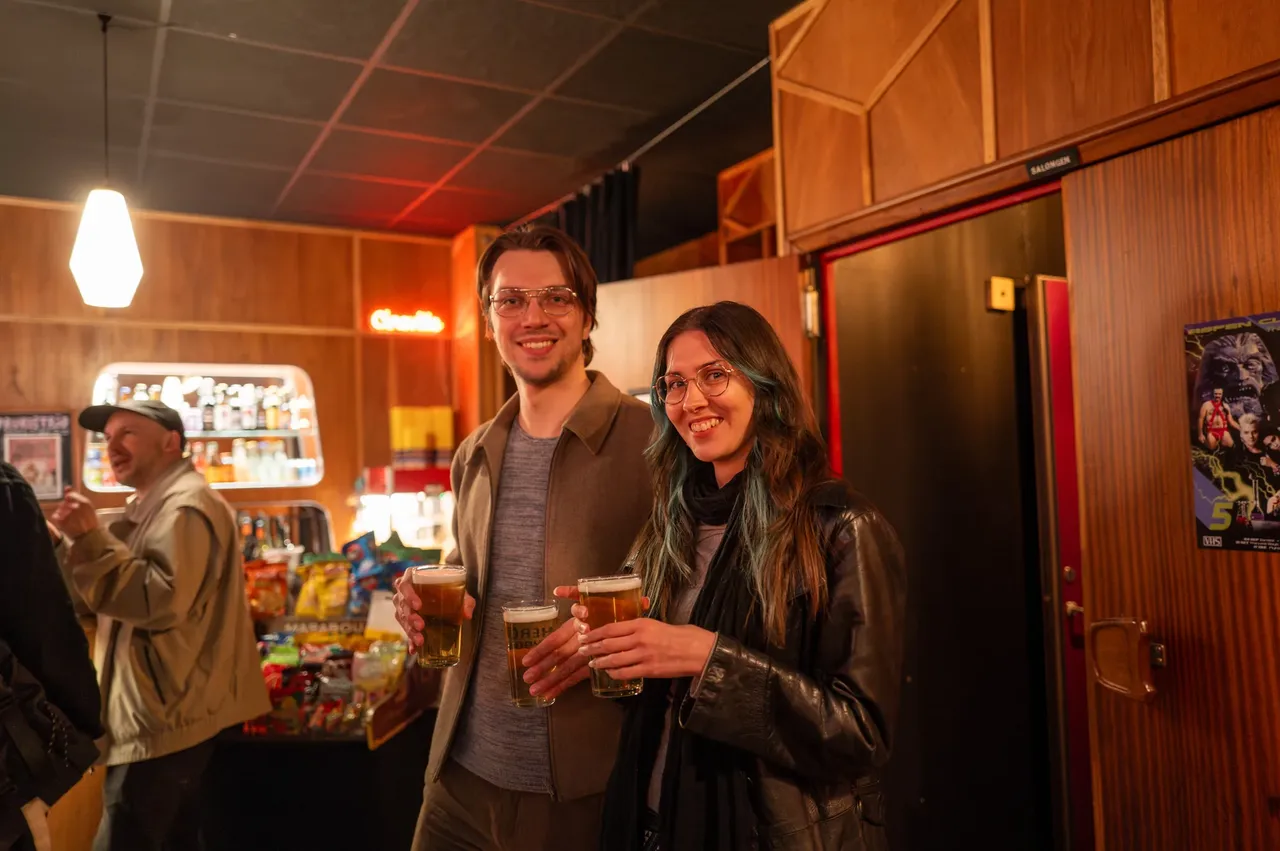
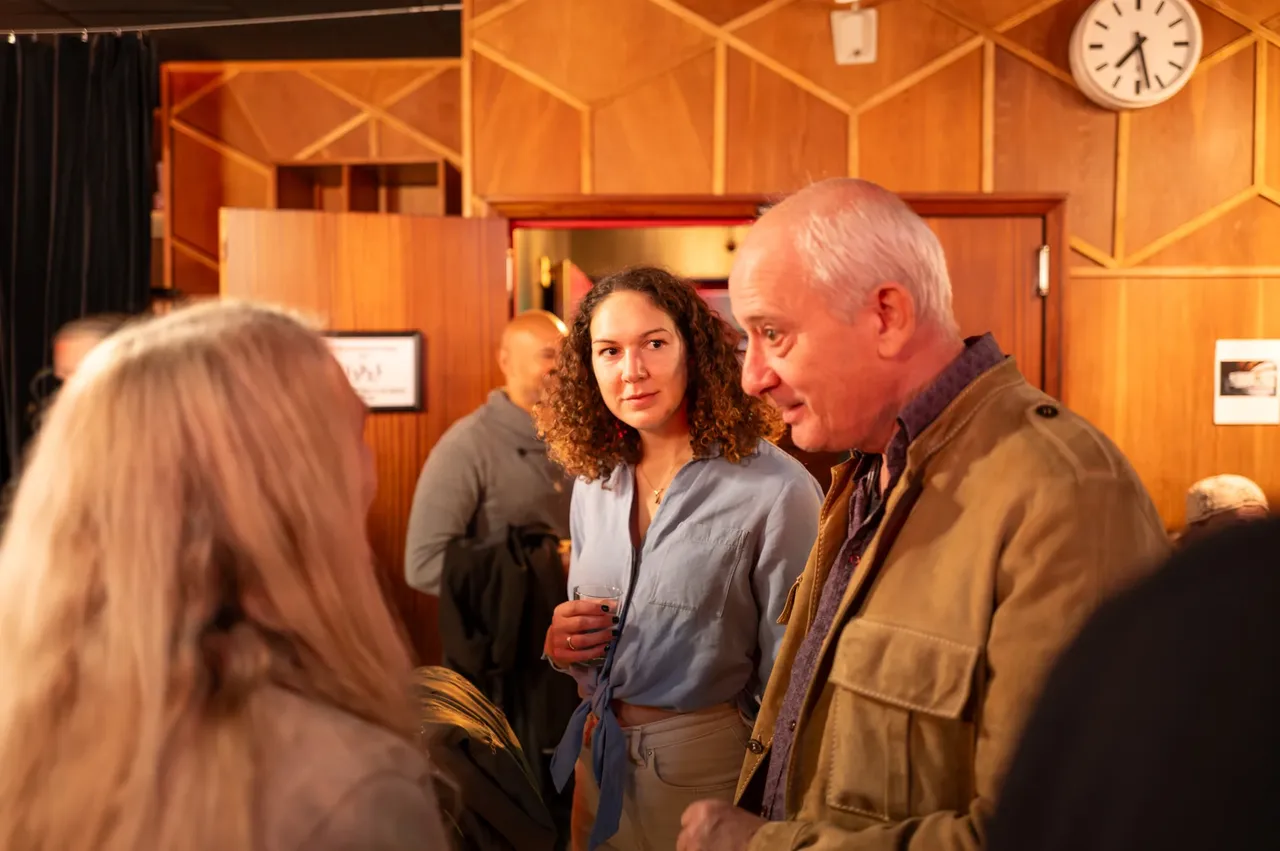
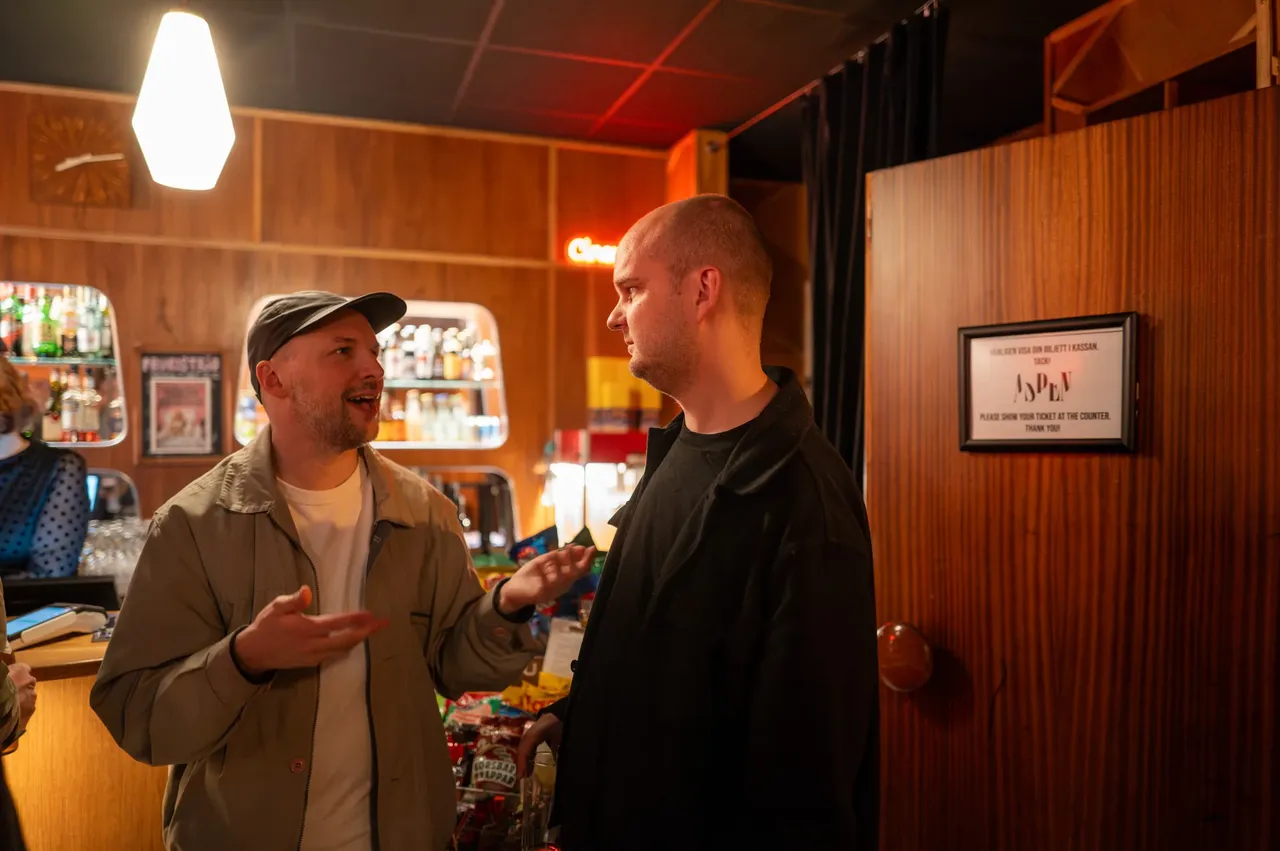
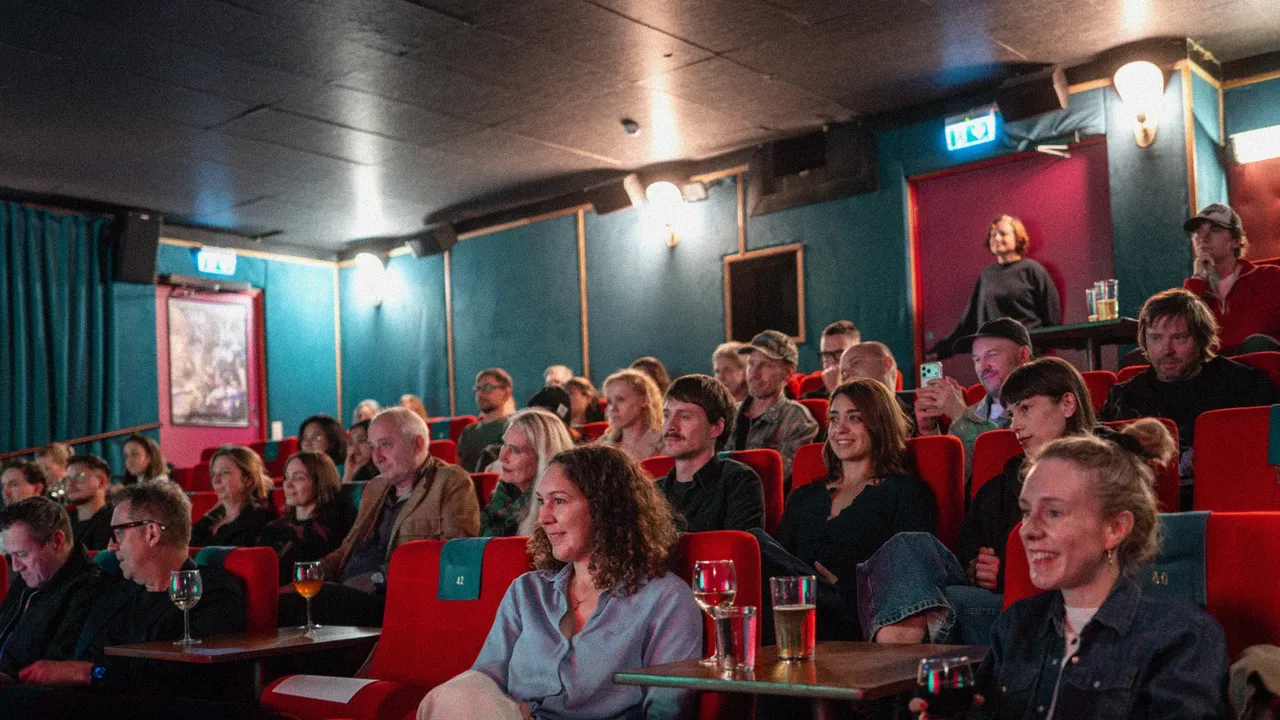
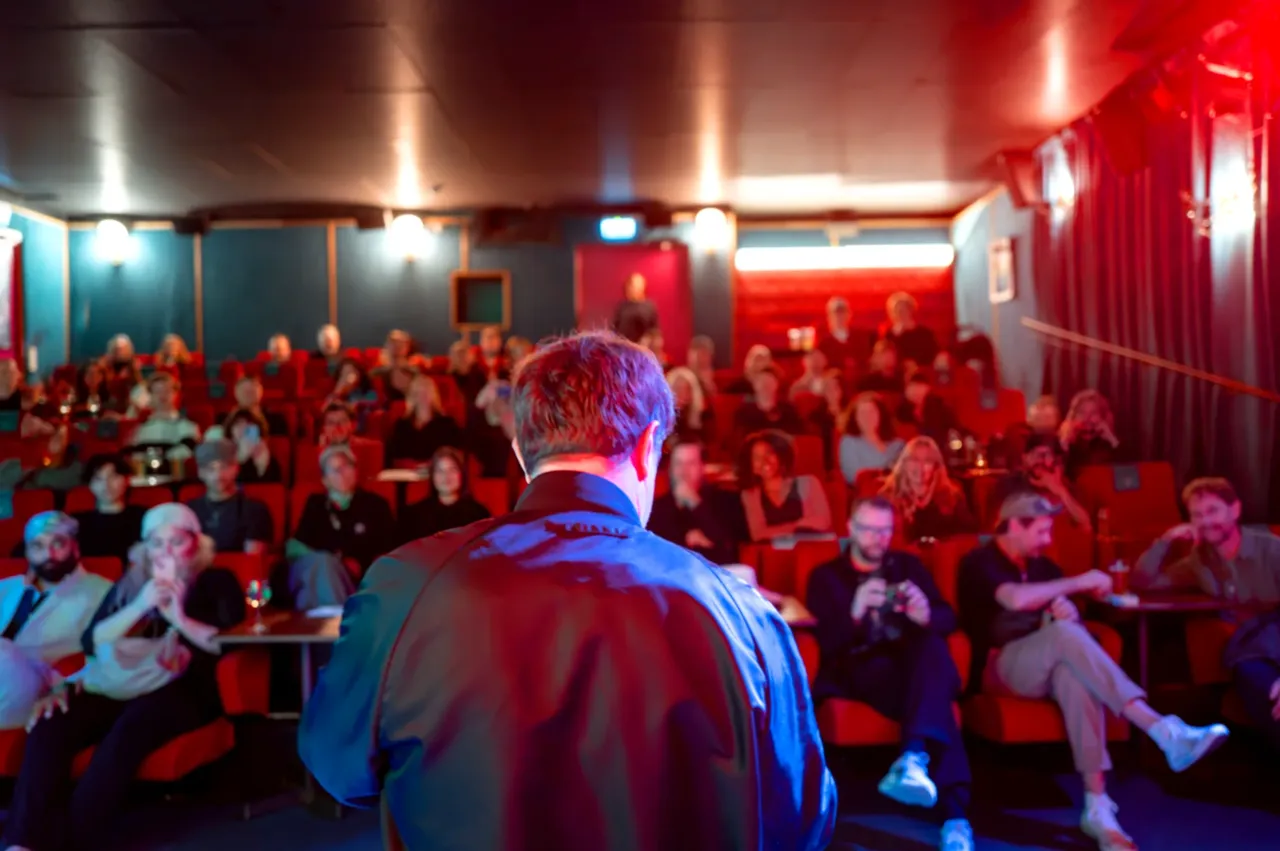
It was a private screening and a great opportunity to open up the conversation around mental health. People from Suicide Zero were there, and it was a lovely occasion to celebrate with everyone who’d been involved in the project and to spend time with friends. We had a fantastic time. Bio Aspen is one of the more remarkable old-school cinemas in Sweden, backed by Cineville and Europa Cinemas. It made the perfect setting for a complete theatrical experience.
Much of the film began with photographs and footage you shot yourself before being transformed using AI. What happens to an image when something you have witnessed becomes something that never physically existed?
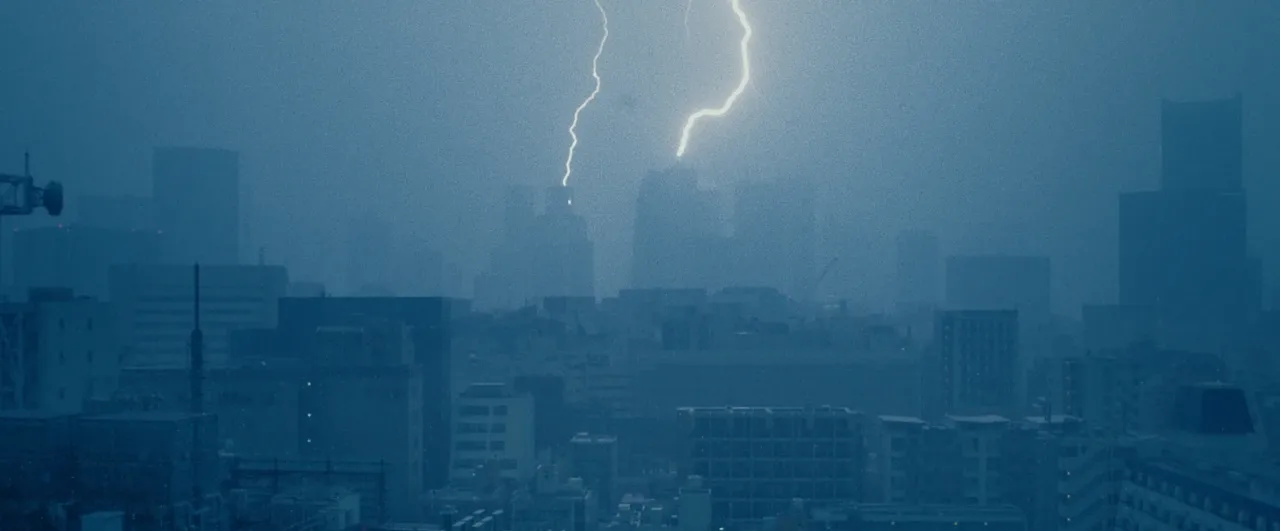
It’s really interesting how much I’ve learned from directing and producing this film, especially about new techniques that let me tell a story like this within the resource and budget constraints of an independent film. I used my own still images and footage, as well as backlit projections between the actors and the camera. AI has been a catalyst for visually creating a world that never existed. AI imagery can date very quickly. I produced this in mid-2025, and in just over a year the technology has already changed dramatically, so my goal always came down to two main points: to make something with a timeless look, and to create a world between the real and the unreal, so the audience never feels alienated in one world or the other.
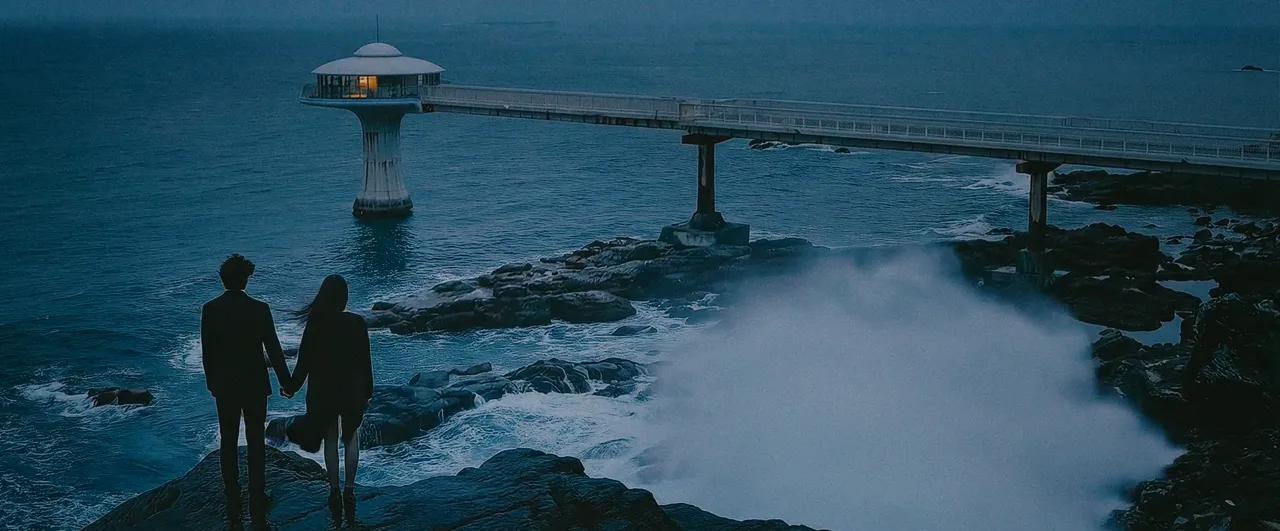
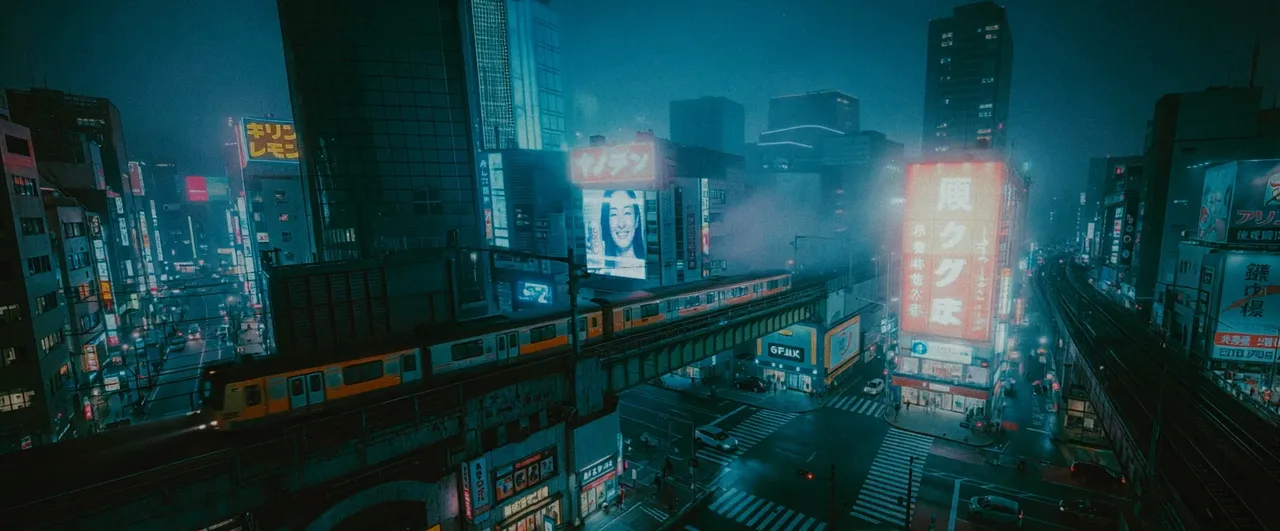
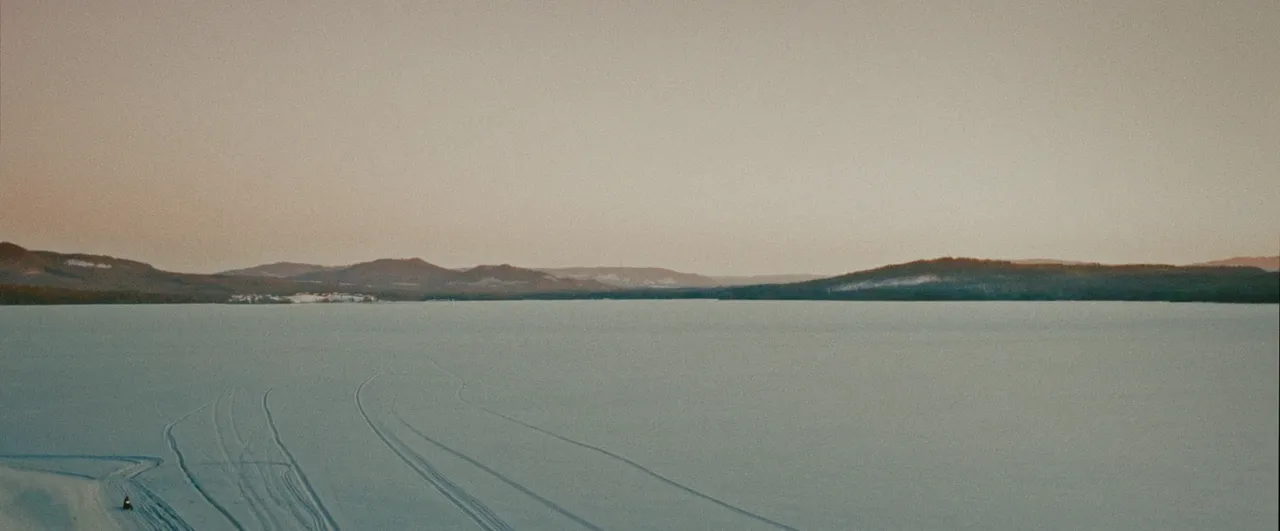
Think of old classics like Star Wars or The Wizard of Oz; it’s the same principle. I used AI to mask frames, film talent on a green screen and change environments, in the same lineage as the matte paintings those films used: hand-painted scenes composited with the live-action footage to build a world the camera never actually saw. You start from some existing beauty, like a picture of a landscape, a drone shot of frozen Scandinavian land at dusk or trains going to and fro across a Tokyo bridge, and then you amplify it towards the overarching vision of the story.
And something happens in that shift. You begin with a place you physically stood in, something tangible you witnessed, and it becomes a memory rather than a record, turning dreamlike and liminal, no longer quite real but somehow truer to how the moment felt. The image stops being documentation and becomes something closer to the space in between. Which, in a film about hazama, feels right.
Think of old classics like Star Wars or The Wizard of Oz; it’s the same principle. I used AI to mask frames, film talent on a green screen and change environments, in the same lineage as the matte paintings those films used: hand-painted scenes composited with the live-action footage to build a world the camera never actually saw. You start from some existing beauty, like a picture of a landscape, a drone shot of frozen Scandinavian land at dusk or trains going to and fro across a Tokyo bridge, and then you amplify it towards the overarching vision of the story.
And something happens in that shift. You begin with a place you physically stood in, something tangible you witnessed, and it becomes a memory rather than a record, turning dreamlike and liminal, no longer quite real but somehow truer to how the moment felt. The image stops being documentation and becomes something closer to the space in between. Which, in a film about hazama, feels right.
“I used to think of that in-between as a personal, almost restless state, always becoming, never quite arriving. Now I understand it as something we all share, and something far more fragile.”
Sound plays a significant role in Hazama, bringing together your own music with work by Jóhann Jóhannsson, Moby, Lee Ranaldo and Michael Vallera. What can music communicate in the film that the image cannot?
Hearing influences sight, and vice versa. Music conveys emotion without needing visuals, yet it also works as an accent to a moment. A string, a note or a bell at exactly the right moment can say more than a thousand words. Sound can also supply images: it gives the viewer, in an abstract, communicative way, a sense of something happening that isn’t visible. For instance, the camera can show a woman sitting in her mountain cabin reading a letter, but the music can shift the meaning of the words or how she feels as she reads them. This is a very visual film, but the sound had to reach the same level, if not go further. Once again, I’ve been very lucky to count on the support of some of my favourite artists to make this happen.
The Jóhann Jóhannsson Estate facilitated the sync licence for the track Mandy Love Theme from Panos Cosmatos’s epic film Mandy. I recorded my own version of it, titled Thea Love Theme after the protagonist in our story. I teamed up with my old collaborator Rupert Clervaux to mix and master the recording. The Moby music was also a stroke of luck: he launched his own project, mobygratis, offering free Moby music for creative work, so I managed to borrow a couple of tracks, which I also remixed myself.
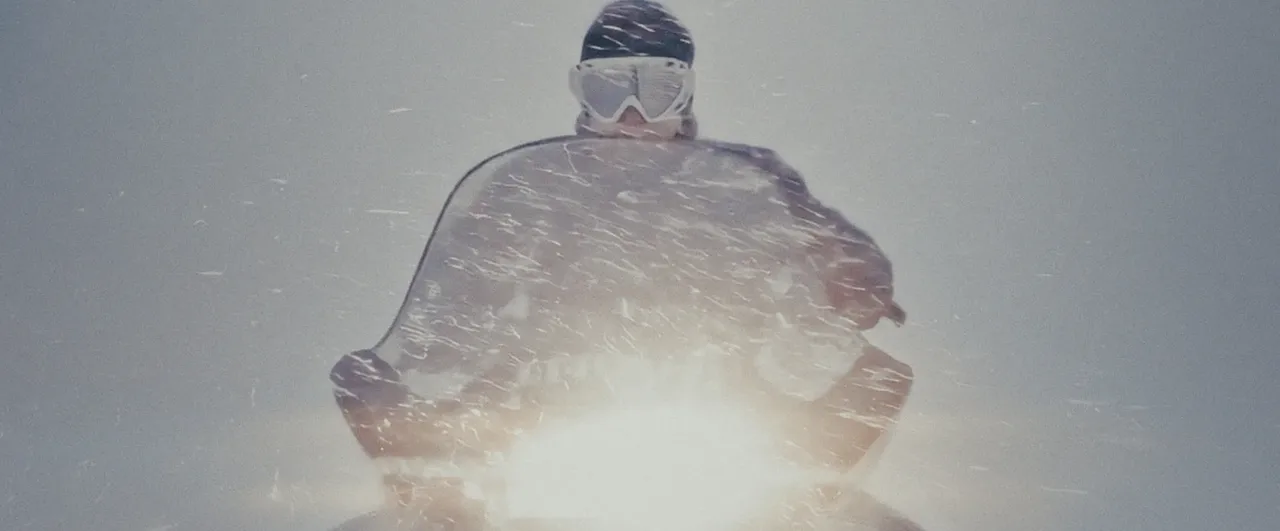
Then there’s Lee Ranaldo from Sonic Youth; he’s such an amazing pal. We met back in the day on a photo shoot, and we’ve stayed in contact since. When I heard his project with Chicago-based artist Michael Vallera, Early New York Silver II — that menacing, ambient drone, almost apocalyptic and deeply hypnotic — it was a perfect match for the chaotic stretch of the story right before the climax, when Thea struggles almost naked, crawling through the snow on the frozen lake in a gesture of refusing to give up or let go. To top it all off, I included J. S. Bach’s Toccata and Fugue in D minor, BWV 565, for a dash of epicness.
The Jóhann Jóhannsson Estate facilitated the sync licence for the track Mandy Love Theme from Panos Cosmatos’s epic film Mandy. I recorded my own version of it, titled Thea Love Theme after the protagonist in our story. I teamed up with my old collaborator Rupert Clervaux to mix and master the recording. The Moby music was also a stroke of luck: he launched his own project, mobygratis, offering free Moby music for creative work, so I managed to borrow a couple of tracks, which I also remixed myself.
Then there’s Lee Ranaldo from Sonic Youth; he’s such an amazing pal. We met back in the day on a photo shoot, and we’ve stayed in contact since. When I heard his project with Chicago-based artist Michael Vallera, Early New York Silver II — that menacing, ambient drone, almost apocalyptic and deeply hypnotic — it was a perfect match for the chaotic stretch of the story right before the climax, when Thea struggles almost naked, crawling through the snow on the frozen lake in a gesture of refusing to give up or let go. To top it all off, I included J. S. Bach’s Toccata and Fugue in D minor, BWV 565, for a dash of epicness.
At its centre, Hazama is about being caught between life and death, belonging and displacement, reality and imagination. After making the film, has your own understanding of what it means to exist ‘in between’ changed?
Another interesting question. I think some people, like me, are always ‘in between’. I never stop learning; I always keep myself moving, so technically the in-between never ends: you reach one achievement and, almost as soon as you arrive, you begin the next one. That was true before the film, and it’s still true now. But making Hazama did change something.
I used to think of that in-between as a personal, almost restless state, always becoming, never quite arriving. Now I understand it as something we all share, and something far more fragile. The film has always been about sparking a conversation around mental health: we have to open up and make space for the people who need to talk. And the heart of it is this: it can happen to anyone. Any of us can suffer; any of us can struggle and lose something or someone we love. Speaking up isn’t a choice; it’s a need. If there’s one thing I understand better now, it’s that no one should have to sit in that in-between alone.
I used to think of that in-between as a personal, almost restless state, always becoming, never quite arriving. Now I understand it as something we all share, and something far more fragile. The film has always been about sparking a conversation around mental health: we have to open up and make space for the people who need to talk. And the heart of it is this: it can happen to anyone. Any of us can suffer; any of us can struggle and lose something or someone we love. Speaking up isn’t a choice; it’s a need. If there’s one thing I understand better now, it’s that no one should have to sit in that in-between alone.