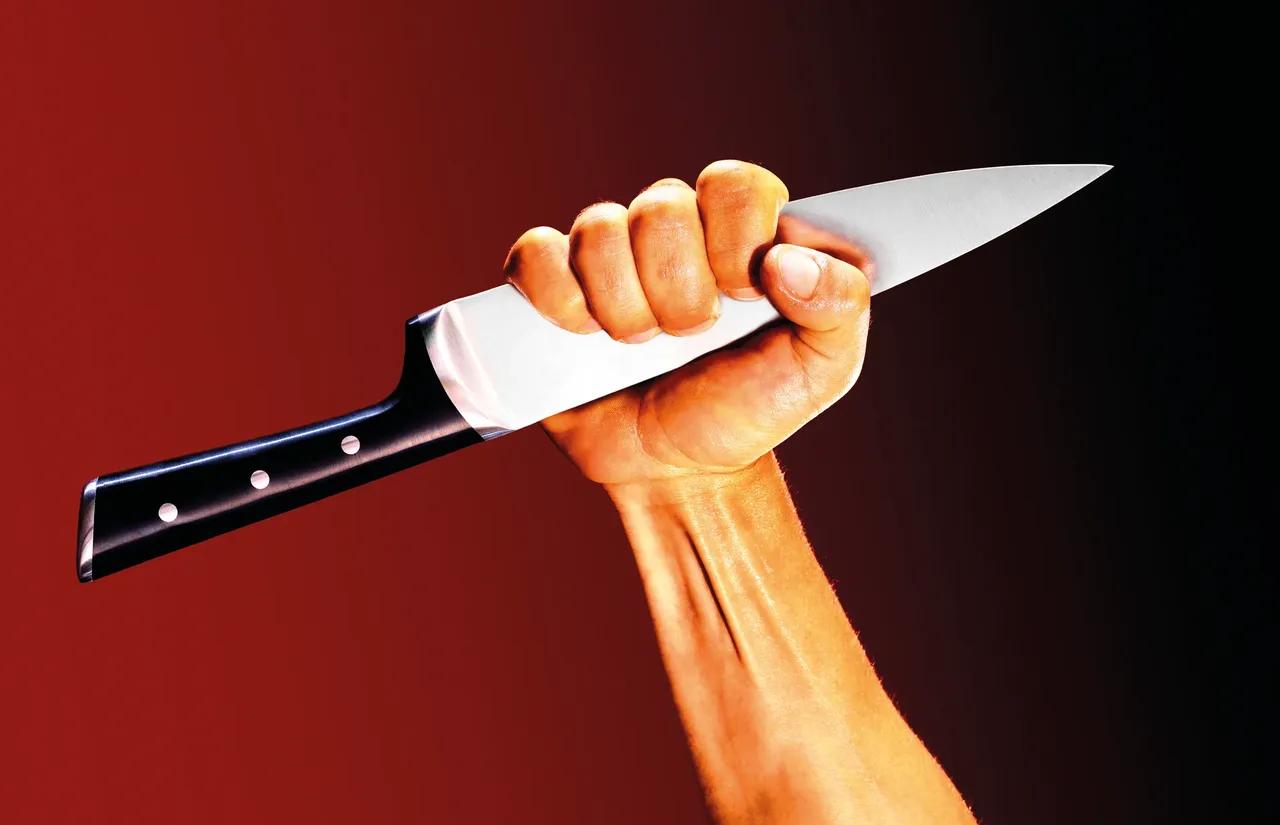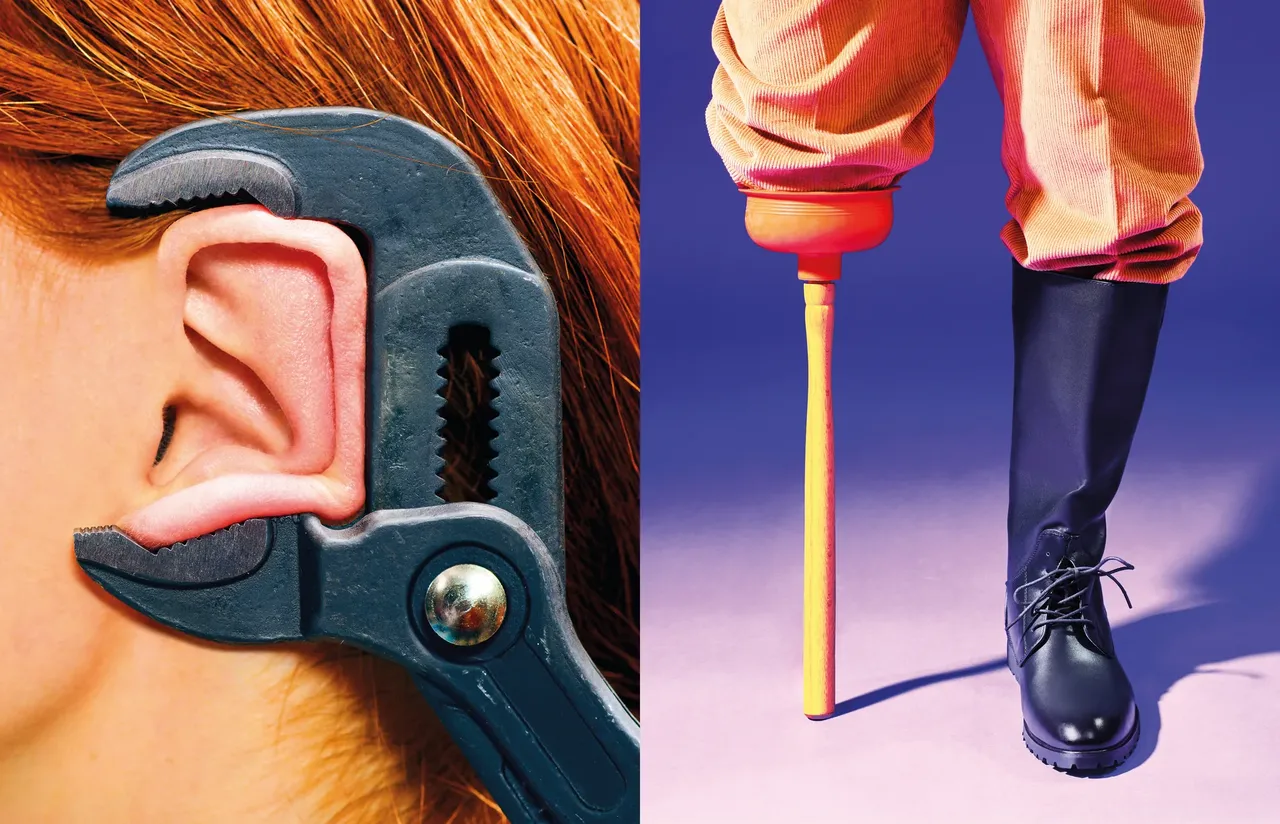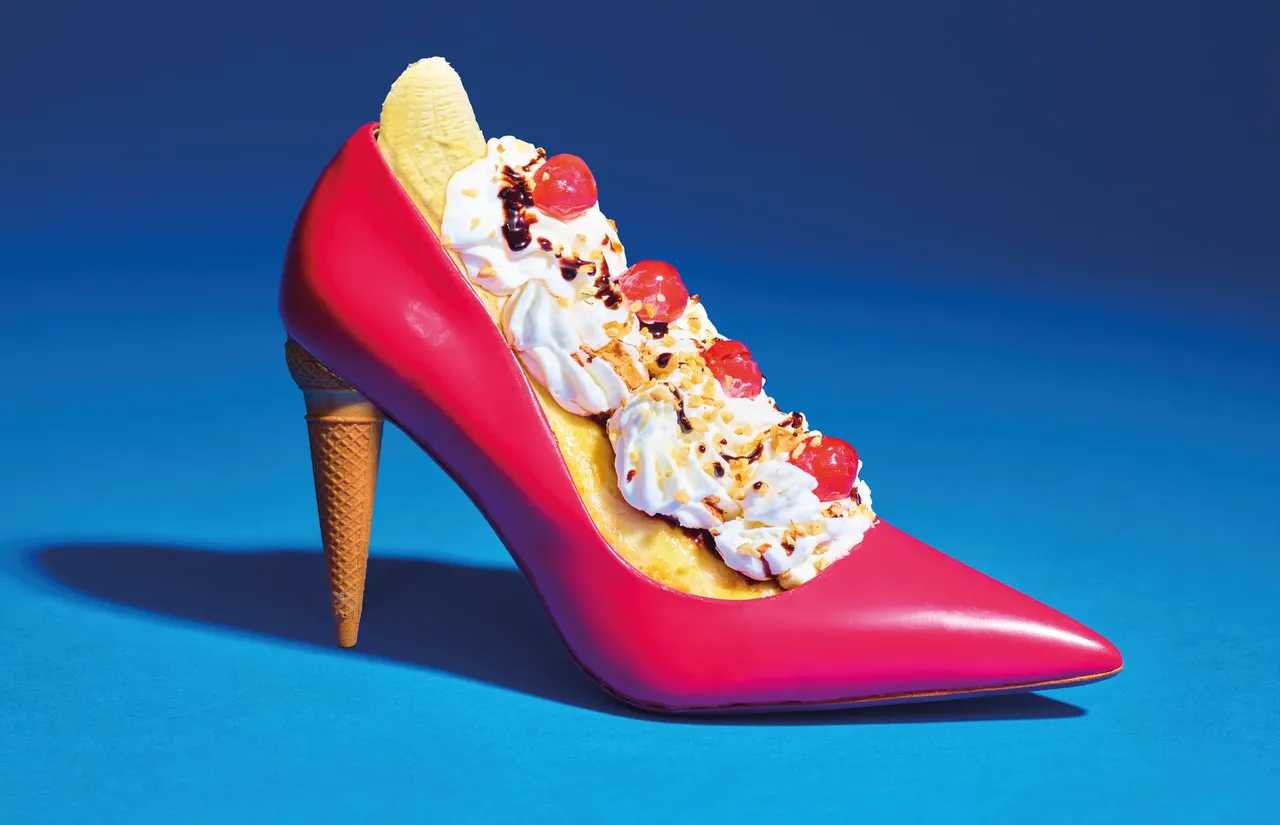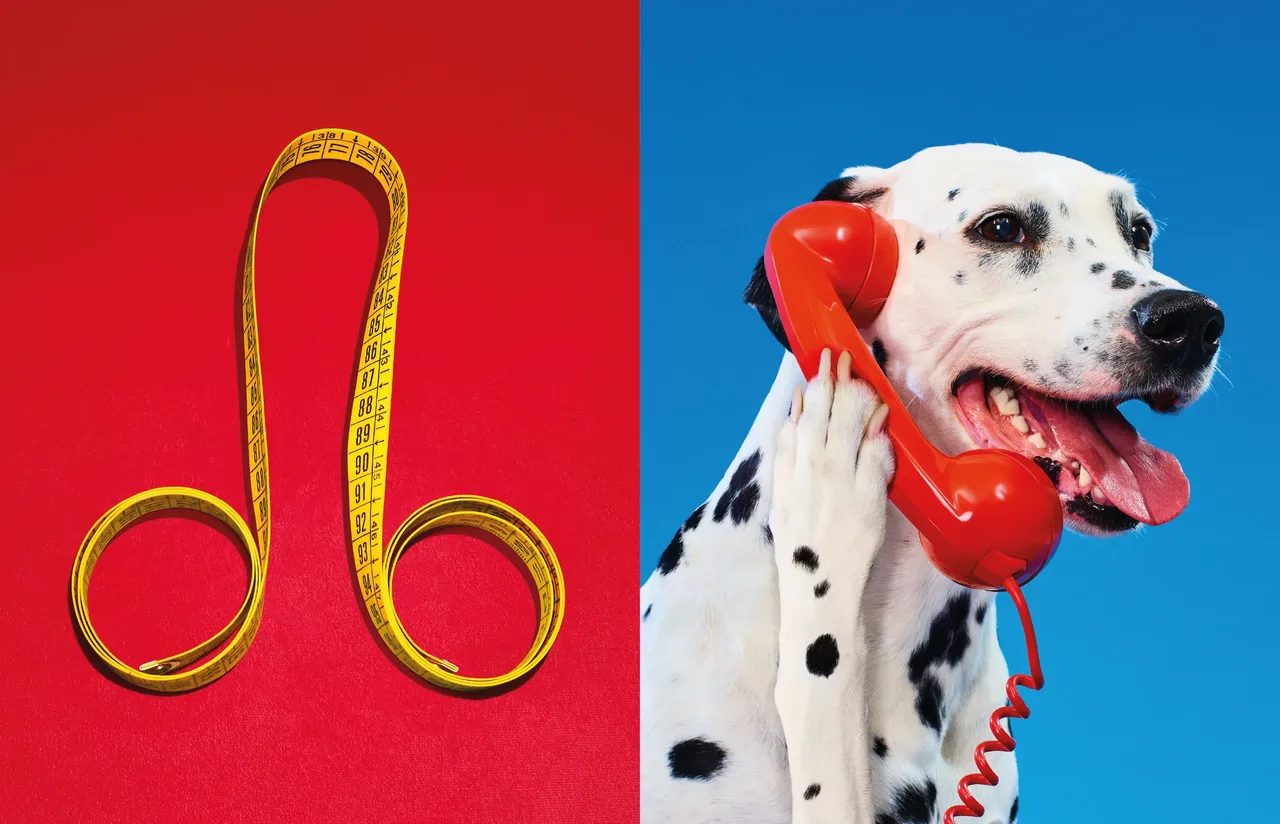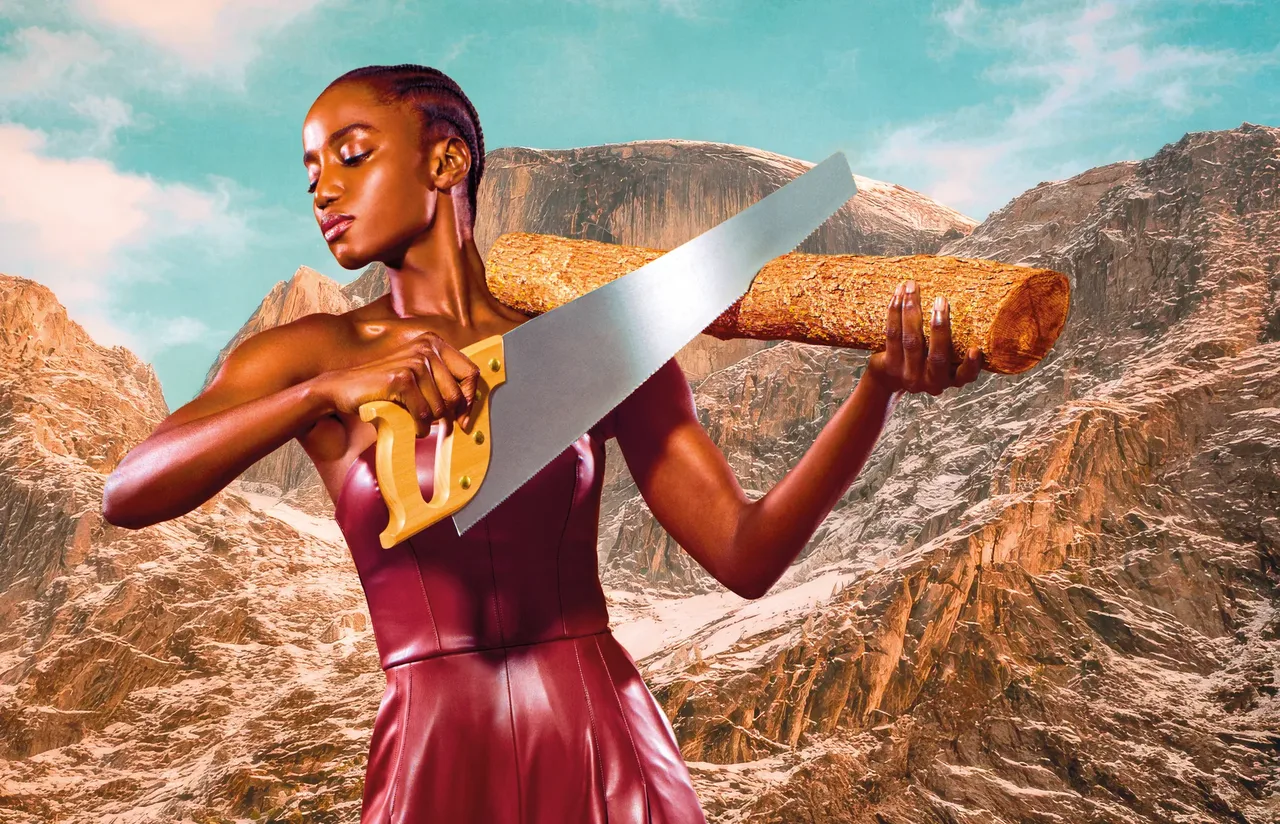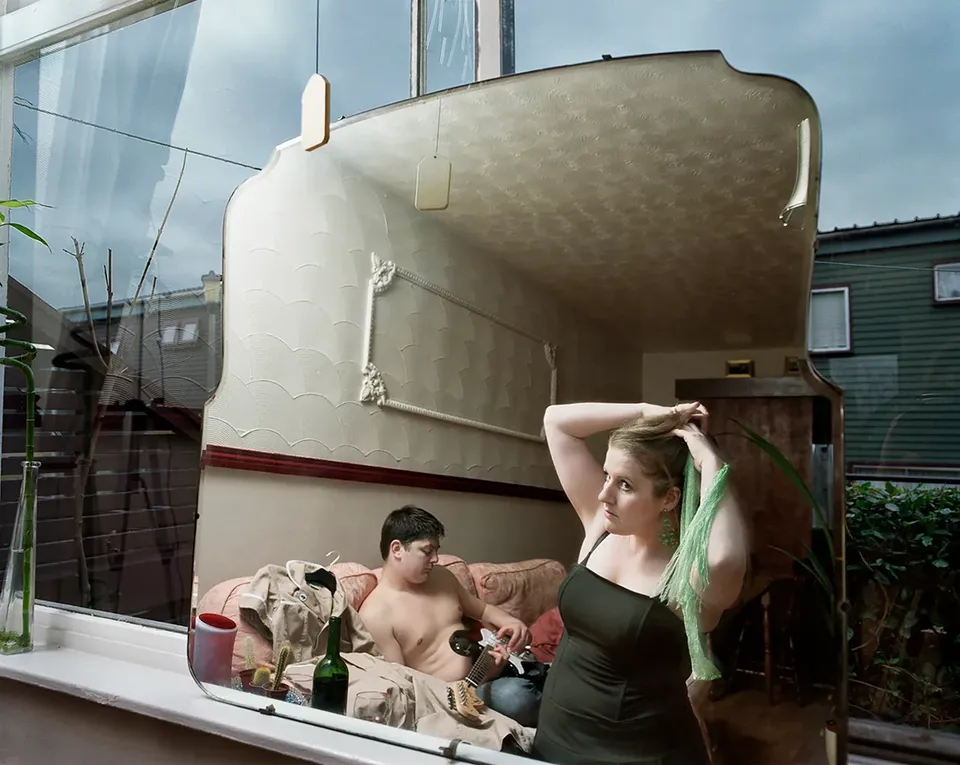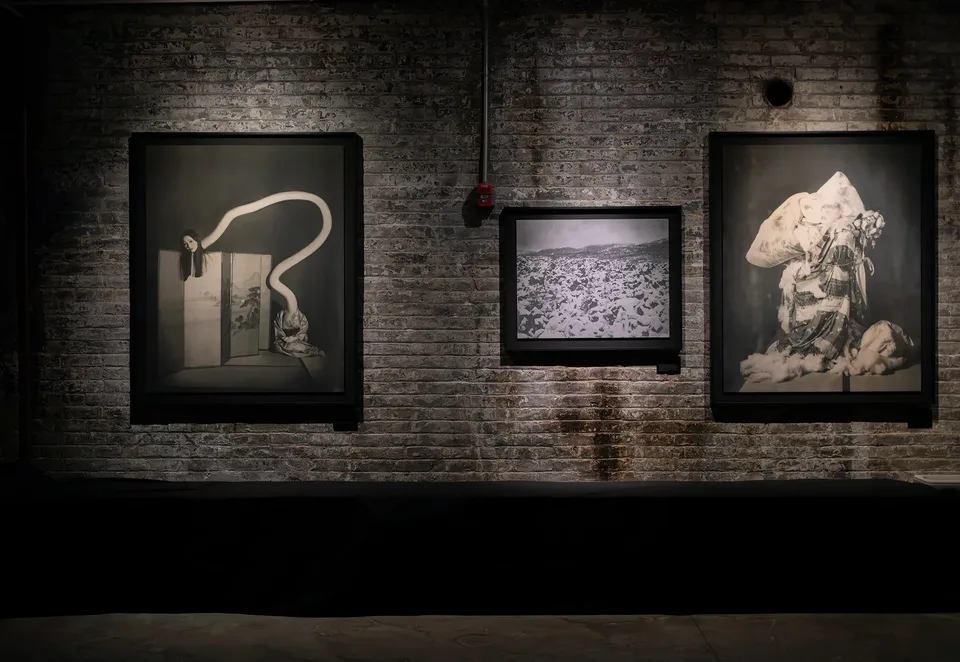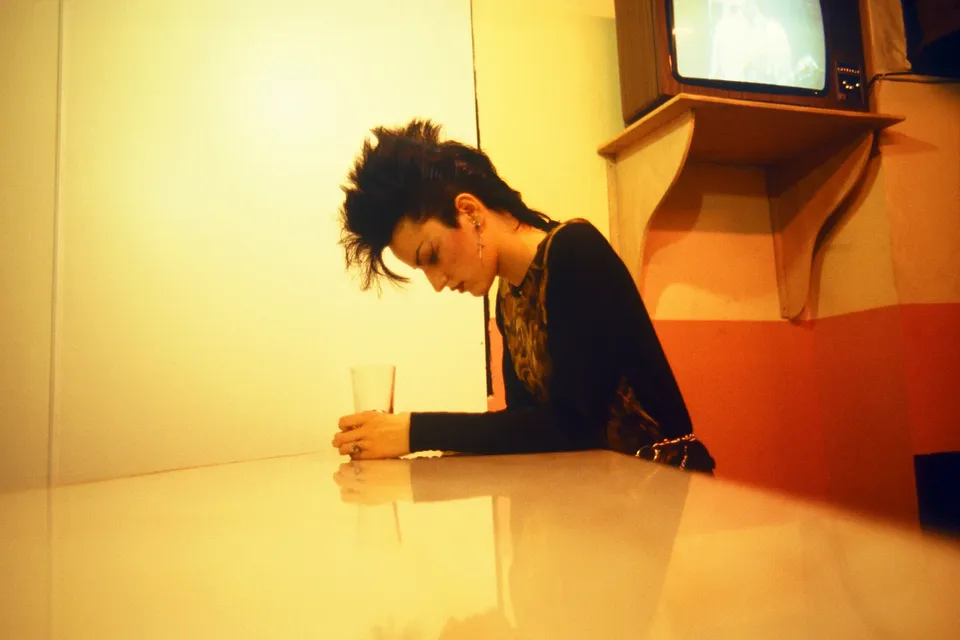
From licking doorknobs to bodies suspended in impossible compositions, Pierpaolo Ferrari has spent the past sixteen years making the familiar strange. In 2010, Ferrari and Maurizio Cattelan launched Toiletpaper, a magazine born from a desire to create a space outside the logic of the market and conventional image-making. Since then, its deliberately excessive visual language has travelled far beyond the magazine, finding echoes across fashion, advertising, popular culture and the internet.
Yet, Ferrari resists the idea that Toiletpaper belongs neatly to any of these categories. Its images borrow freely from the visual codes surrounding us without settling into any one of them. A photograph might be seductive and grotesque, funny and unsettling, immediately recognisable yet impossible to decipher. Rather than explaining what an image means, Ferrari is interested in what happens when its meaning remains open.
That uncertainty has become increasingly relevant in an image landscape transformed by social media, memes, filters and artificial intelligence. When almost anything can now be generated on a screen, Toiletpaper’s insistence on physicality—constructing objects, bodies and sets, and bringing them together in front of a camera—takes on another significance. For Ferrari, the photograph isn’t simply the final image, but the record of everything that happened to make it.
At the centre of this process is imperfection. The artist finds absolute beauty “a bit boring” and instead looks for the creases, mistakes and disruptions that break a pattern. It’s perhaps why Toiletpaper’s images remain so difficult to categorise: they refuse the polished certainty of advertising while retaining its ability to seduce, replacing the desire for an object with the desire to enter a world. Now, three years after the magazine’s previous edition, Ferrari and Cattelan have returned to the set with Toiletpaper Magazine 21, published by Damiani Books. Sixteen years into Toiletpaper’s existence, the project continues to ask what an image can do when it refuses to tell us exactly what to think.
In conversation with METAL, Ferrari discusses the pleasure of uncertainty, the limits of perfection, the physicality of photography, AI-generated imagery, humour, and why sometimes the most successful image is the one we simply cannot explain.
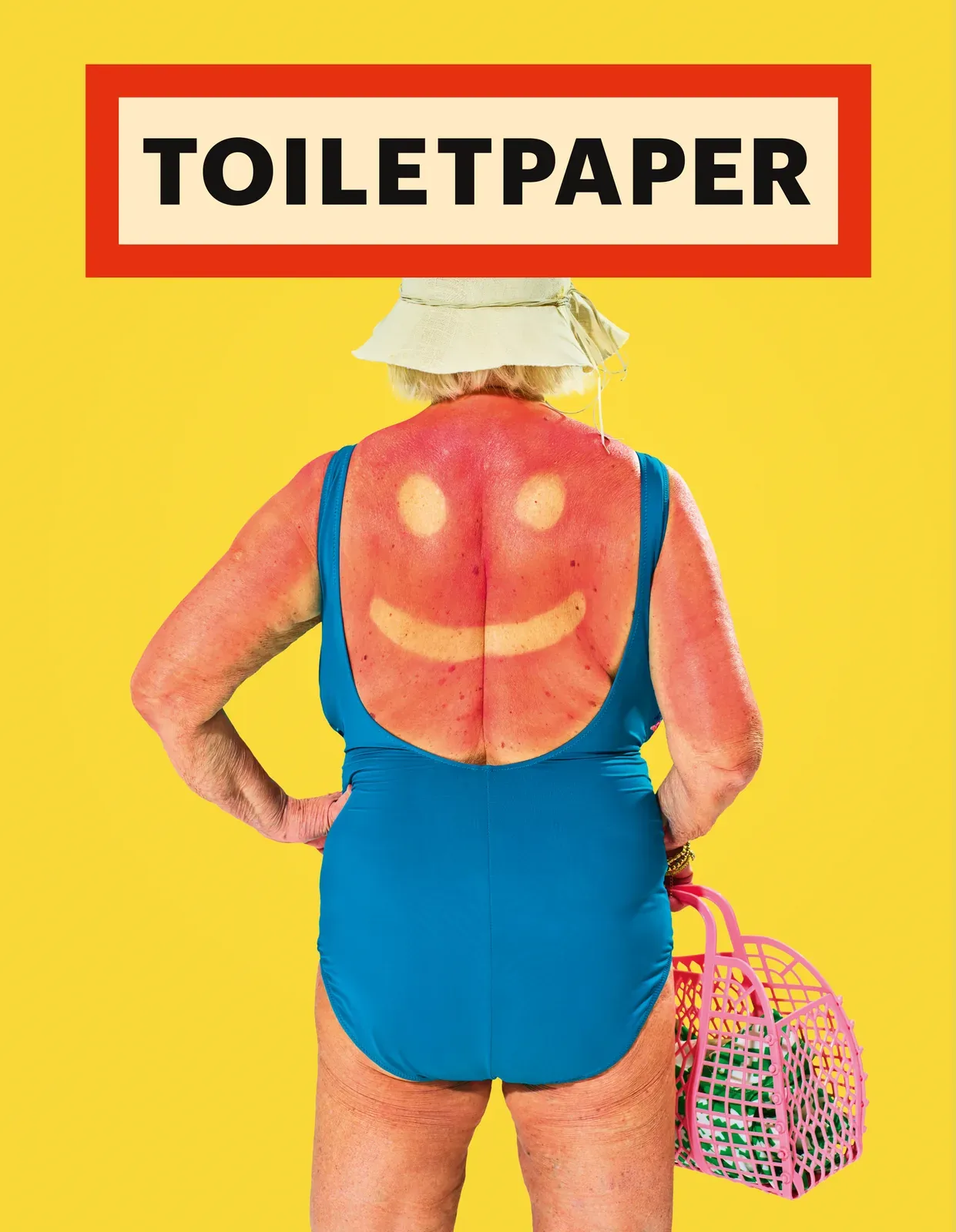
Toiletpaper was born in 2010 from a desire to create a space outside the market and the logic of business. Sixteen years later, its visual language has become highly influential within fashion, advertising and commercial culture. Do you see that as a contradiction, or as part of what it was always intended to do?
Still, I don’t see our pictures as a work of art or part of the fashion aesthetic, and still, we aren’t advertising products but more concepts and ideas. Because we use all of those quotes from other visual languages, it doesn’t mean we belong to them. It’s more those disciplines that came to mimic our aesthetic sometimes.
You have described Toiletpaper as a way of communicating across different cultures without explaining the images or telling the viewer what they mean. If you deliberately leave an image open to interpretation, how do you know when it has communicated what you wanted it to?
More than having one meaning, I consider a success when you can find multiple ones. A good image can mean something to me or something different to others. It happens often that something that makes you laugh makes someone else cry.
You once described the Toiletpaper experience as a process in which “every time you lose something, you reach something new.” What do you want the viewer to lose when they enter the Toiletpaper world: certainty, familiarity, control, or something else?
Boundaries.
Toiletpaper often takes something immediately recognisable (a body, an object, a domestic scene) and makes it strange. What interests you about the moment when something familiar becomes uncanny?
We are so used to our surroundings that we don’t look at them anymore; we just take for granted that they are there, like 2+2 equals 4. Instead, there is so much beauty in the little things. If you think that we don't know if an apple exists outside our world. We should be thankful.
“I consider absolute beauty a bit boring because it’s replicable. Instead, I find beauty in the creases, in the little mistakes that only humans can create. Perfection is not as interesting as imperfection.”
Your images can be intensely beautiful and deeply disturbing at the same time. Do you think beauty and discomfort depend on each other, rather than existing as opposites?
I consider absolute beauty a bit boring because it’s replicable. Instead, I find beauty in the creases, in the little mistakes that only humans can create. Perfection is not as interesting as imperfection. Also, in general, we are more attracted to things that break regular patterns. For example, you can spot a dot on a page of squares and all your attention will go there.
You began your career in advertising, a world built around making people desire things. Toiletpaper often uses the same visual seduction to make objects appear absurd, grotesque or even repulsive. Do you think you are still using the tools of advertising, but against desire rather than in its service?
Yes, but I’m not trying to sell you an object rather than an emotion. Under a fulfilling visual confidence, I try to take the observers into a world full of surreality.
Toiletpaper was partly inspired by what was happening on the web when you and Maurizio Cattelan started the project. Sixteen years later, the internet is saturated with surreal imagery, memes, filters and AI-generated images. Has the internet you were responding to disappeared?
It didn’t disappear; it’s hidden somewhere there, and it’s much harder to find now because the chaos around, as you mentioned, is louder and less interesting. But the internet is still full of gems.
When Toiletpaper began, making an impossible image still required physically constructing something in front of a camera. Today, almost anything can be generated digitally. Does physically building an image, its objects, bodies, materials and sets, become more important to you precisely because it is no longer necessary?
Being on set, holding a camera, sharing moments with our team is so important to me, Maurizio and our creative director Micol Talso, and the main reason why we started this journey with Toiletpaper. Our shootings are like a delicious plate of pasta al pomodoro, al dente, with fresh basil on top. Do you think it would be the same if, with our mouths watering, we were enjoying that fabulous plate as an AI-generated image on a 2D screen? Also, for me, there’s a strong relationship I have with the camera, since I’m a photographer, and I like to consider Toiletpaper as real pictures and not computer artworks.
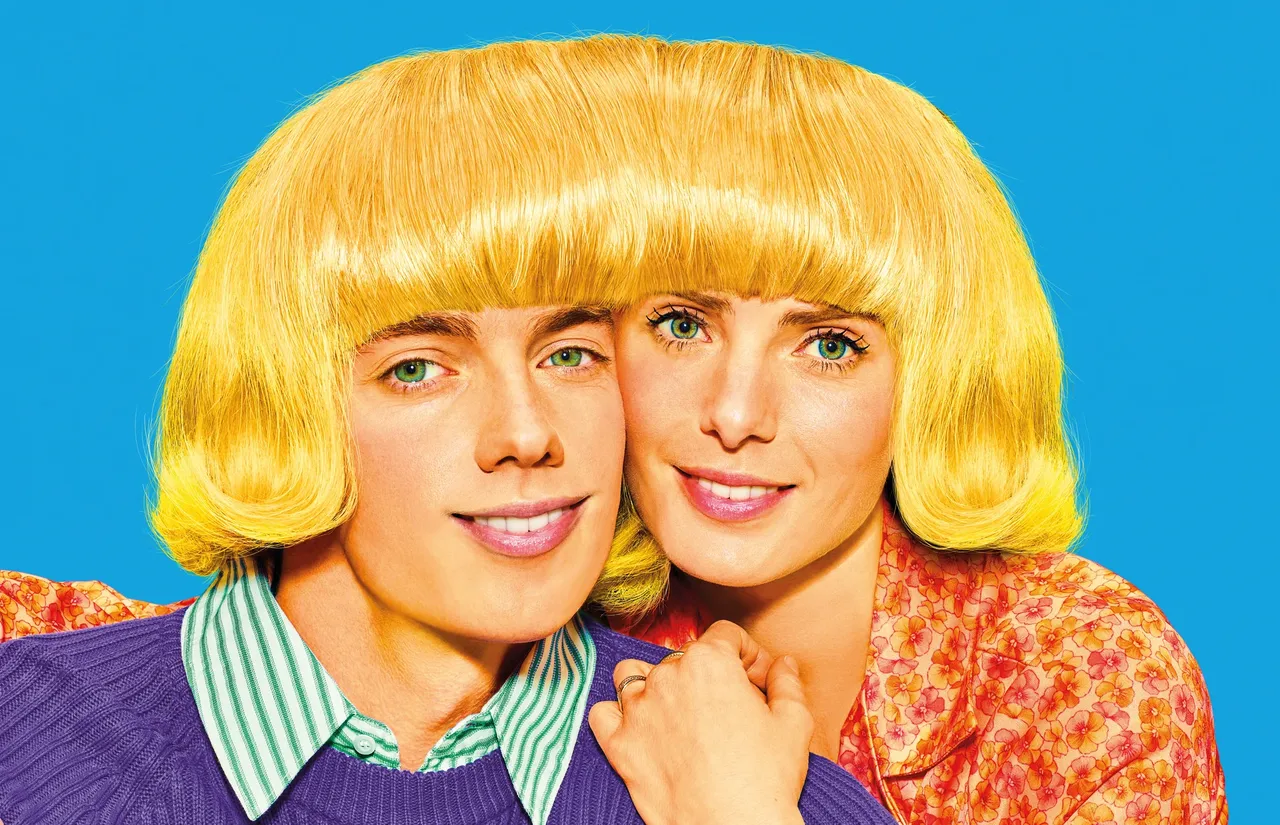
Your images are meticulously constructed, yet they often feel accidental or completely irrational. Where does uncertainty enter a process that is otherwise so carefully controlled?
It’s hard to say; there’s no recipe. Those feelings come from the mystery we tried to create, to hide the full meaning of what we want to say. In this way, where the meaning is uncertain, more possibilities appear. So uncertainty is the key for a successful Toiletpaper image.
You and Cattelan have developed a visual language that is now instantly recognisable. Can having such a recognisable aesthetic become a constraint, something you must escape to surprise yourselves?
Only because Toiletpaper started as an escape from my routine as a fashion and advertising photographer, it doesn’t mean that I have to escape again from it. Sometimes it’s good to stay for a while, if what you reached still makes you happy.
Humour is central to Toiletpaper, but the images are rarely simply funny; there’s often something darker or more uncomfortable underneath. What can humour communicate that a more serious image cannot?
Probably being too serious is not like me and Maurizio. We aren’t so confident and we don’t want the responsibility of telling you what to do. We are the friends that you want next to you more in a pub rather than at a conference. It’s a matter of ego that we hide with a good joke.
You have said that different viewers can experience the same image differently depending on their cultural background. Has a viewer ever interpreted one of your images in a way that surprised you enough to change how you understood it yourself?
Of course it happened sometimes. I’ll make an example: we made a picture of a young woman licking a door knob. Obviously, we thought the action was more related to a sexual action. Instead, somebody told me that she was trying to use her tongue as a key to open the door. I laughed a lot.
“I’m not trying to sell you an object rather than an emotion. Under a fulfilling visual confidence, I try to take the observers into a world full of surreality.”
Magazine 21 arrives three years after the previous issue. What does returning to the magazine now allow you to do that perhaps wasn’t possible three years ago?
After the long pause due to Covid, we had to focus more on different things, especially Maurizio dedicated more time to his artist career, but we were really missing being on set. Now that we published the magazine again, we feel very happy. By the way, we already have a new issue cooking.
Toiletpaper moves freely between art, fashion, advertising and popular culture without seeming to fully belong to any of them. Do you think those categories still have much meaning for younger artists and image-makers today?
Art, fashion, advertising—they are just codes. We don’t want to be recognised in any particular one. Inspirations are everywhere, from the present to the past. I want to be contemporary with an eye on the future. What makes an image interesting? Probably if it explains something about the world we’re living in. If I were a younger artist, I wouldn’t bother too much with what I’m saying.
After sixteen years of making images with Toiletpaper, what still makes you want to create an image, especially now, when we are surrounded by more images than ever before?
If I weren’t, I would be so bored because I really like to think and produce new pictures. Definitely, the process is for myself, the pictures that come out are for everybody else. The more I age, the more I have the urge to not be forgotten when I depart. Even if we’re surrounded by so many images, consistent work can survive and, in the future, hopefully, with a bit of digging, what I have done will still be valuable.