Beyond the fantasy and theatrical beauty of his signature imagery, Tim Walker celebrates queer identity, love and resilience in an exhibition at London’s National Portrait Gallery that reminds us why visibility, representation and the freedom to be ourselves matter more than ever. It comes as no surprise that it’s titled Tim Walker’s Fairyland: Love and Legends.
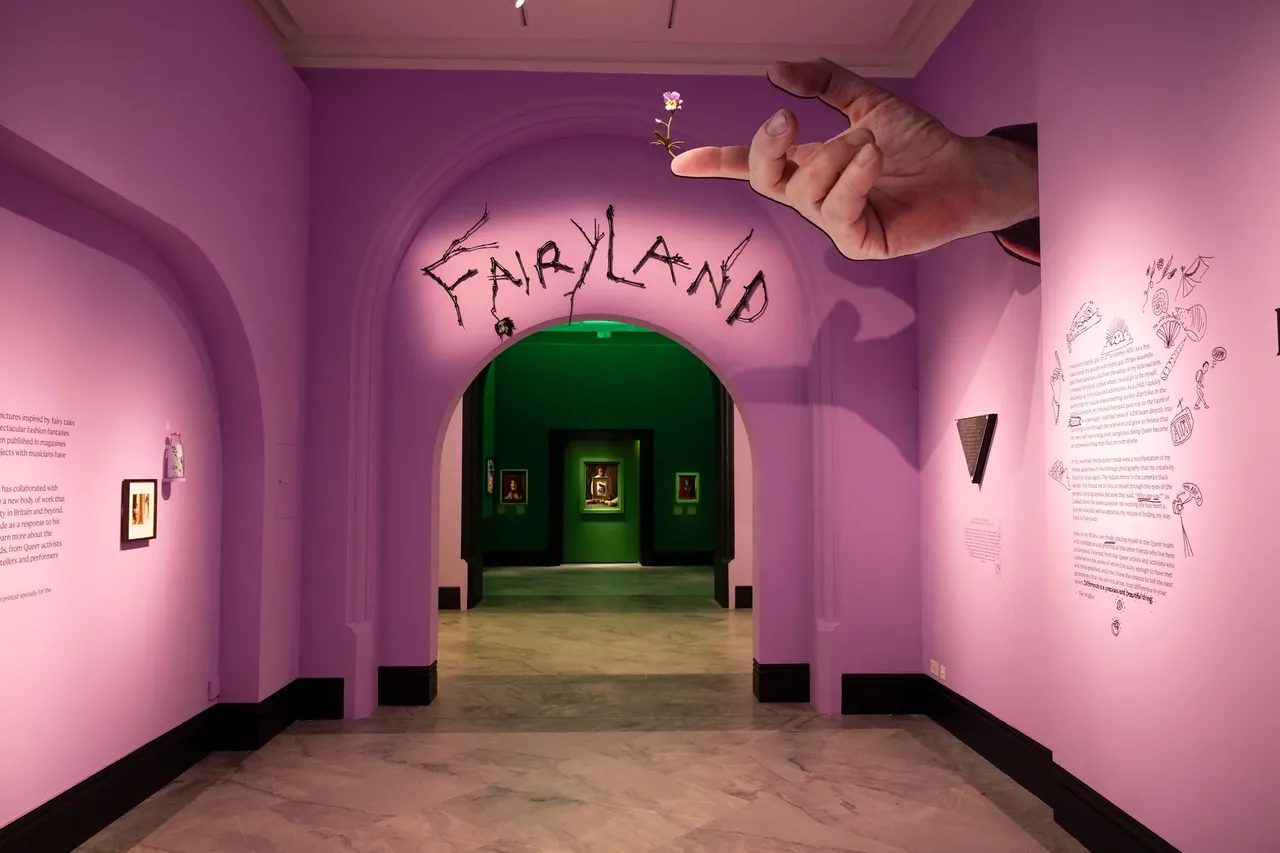
Stepping inside, the first thing that comes to mind is Alice in Wonderland: an immersive, colourful world that feels as though it has been pulled straight from a fairy tale. Yet beneath its dreamlike aesthetic lies something far more profound. This isn’t simply a photography exhibition, but a celebration of LGBTQ+ history, identity and community through the art of portraiture. Running until 7 February 2027, the exhibition brings together around two hundred and fifty specially created portraits, developed over five years of engagement with LGBTQ+ people and their allies across Britain and beyond. Curated by Susanna Brown and designed by Shona Heath, Walker’s longtime collaborator, the show uses the power of photography to tell stories that deserve to be seen, heard and remembered.
Known for his fantastical fashion photography, Walker brings his distinctive visual language to a more intimate form of portraiture. Elaborate settings and theatrical transformations sit alongside photographs against deceptively simple white backgrounds, allowing the people themselves to take centre stage. Personal objects add another layer of meaning, revealing fragments of the lives and histories behind each image. Every portrait becomes more than a representation of someone’s appearance; it offers a glimpse into their identity, experiences and legacy.
What makes this shift particularly compelling is the way Walker uses beauty to communicate something beyond aesthetics. His photographs are extraordinary, but their significance lies in the stories they carry and the people they bring into focus. Celebrating more than five decades of LGBTQ+ activism, solidarity and love, the exhibition connects individual lives with a much wider history of resistance and cultural change.
The title itself deserves a moment of reflection. Fairyland is a double-edged sword: it evokes Walker’s fantastical, dreamlike universe while reclaiming the word fairy, historically used as a homophobic slur, as a celebration of queer identity. Through fantasy, humour, sensitivity and joy, the exhibition challenges homophobia and transphobia without allowing suffering to define the entire narrative. Instead, it makes space for creativity, pleasure, resilience and belonging.
And yet, we must never forget. Never. We can forgive, learn and move forward as individuals and as a society, but remembering our past is essential if we are to avoid repeating its mistakes. Fairyland may be a fairy tale, but these are also stories of people who have been mistreated, silenced and discriminated against. Behind the colour and spectacle are real struggles, lives lost, battles fought and freedoms that were never simply given.
The exhibition traces this history through a carefully constructed journey, beginning with the activists of the 1970s and 1980s who fought for the right to love, including figures connected to the Gay Liberation Front and Stonewall. It then explores the writers, filmmakers, artists and campaigners who helped make queer lives visible, before confronting the HIV/AIDS crisis and the fear and prejudice that surrounded it. Later sections celebrate fashion, drag and performance as forms of self-expression, resistance and reinvention. Finally, fairy tales and nursery rhymes are reimagined through a queer lens, challenging conventional ideas about desire, identity and who gets to live happily ever after.
The journey from protest to self-expression is particularly moving because it acknowledges the pain of the past without losing sight of the joy, creativity and freedom that have emerged from it.
Some of the exhibition’s most recognisable faces help bring these stories to life. Ian McKellen, Peter Tatchell, Lady Phyll, Kae Tempest, Sunil Gupta and Isaac Julien appear alongside cultural icons such as Chappell Roan, Lady Gaga, Björk, Frank Ocean, Jean Paul Gaultier, Ben Whishaw and Ncuti Gatwa. Each portrait carries its own message, connecting personal experiences with wider histories of activism, artistic expression and social change.
Among the highlights is a dedicated section devoted to the Rebel Dykes, the post-punk collective whose activism brought together nuclear disarmament, environmentalism, sex-positive feminism and solidarity during the HIV/AIDS crisis. Through large-scale portraits and film, their story highlights the importance of collective identity and the communities built around a shared determination to challenge the status quo.
Ultimately, Tim Walker’s Fairyland: Love and Legends asks us to do more than admire the photographs. It invites us to pause, reflect and listen to what lies beneath the surface. Now, more than ever, that message feels essential. As Walker puts it, the exhibition offers “a place where you can desire and be desired. A place where you can be whoever you want to be.” Perhaps that is the real magic of Fairyland: not the possibility of escaping reality, but the vision of a world in which nobody has to hide who they are to be loved, accepted or allowed to belong.
The exhibition Tim Walker’s Fairyland: Love and Legends is on view through 7 February 2027 at the National Portrait Gallery, London.
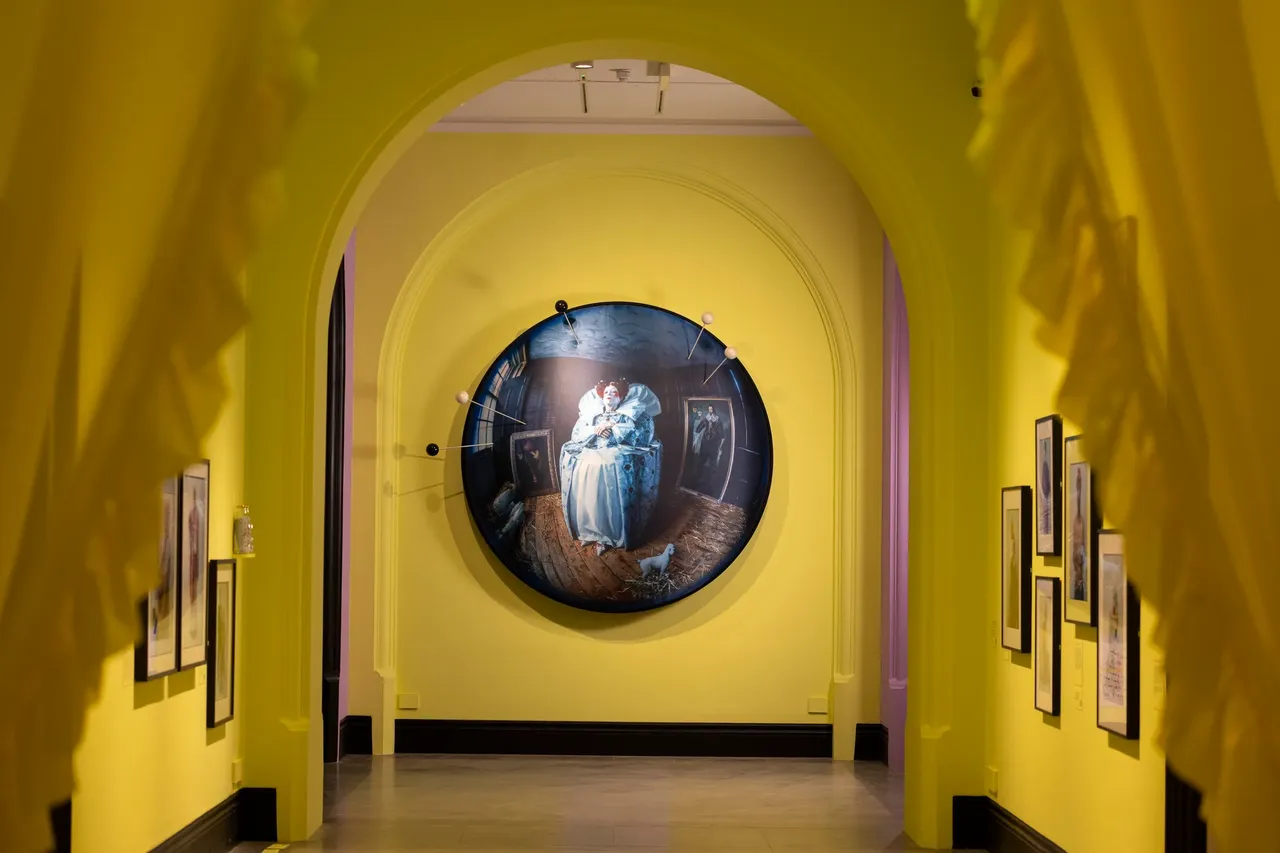
Liz Carr as Elizabeth I, 2024, by Tim Walker in the exhibition Tim Walker’s Fairyland: Love and Legends at the National Portrait Gallery, London © David Parry Photography.
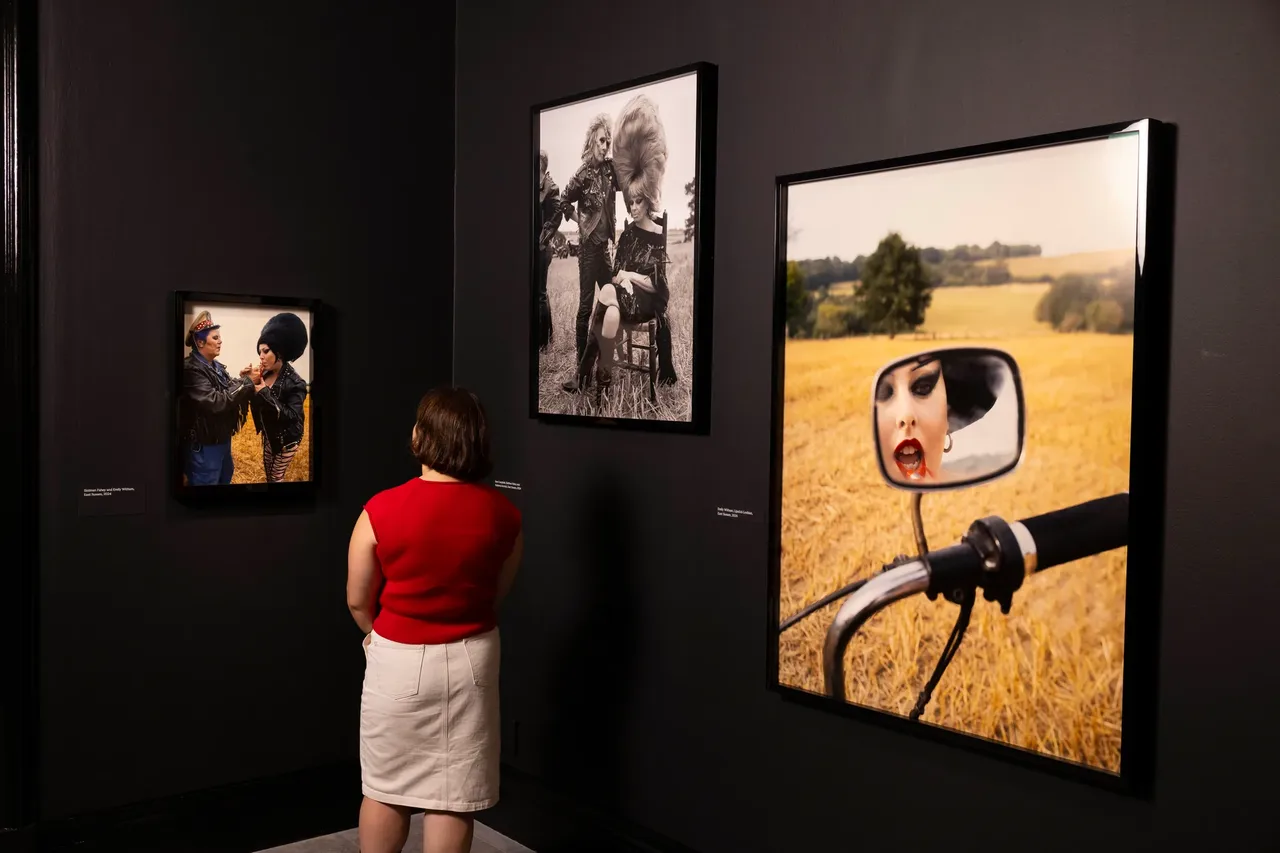
A visitor observes works in the exhibition Tim Walker’s Fairyland: Love and Legends at the National Portrait Gallery, London © David Parry Photography.
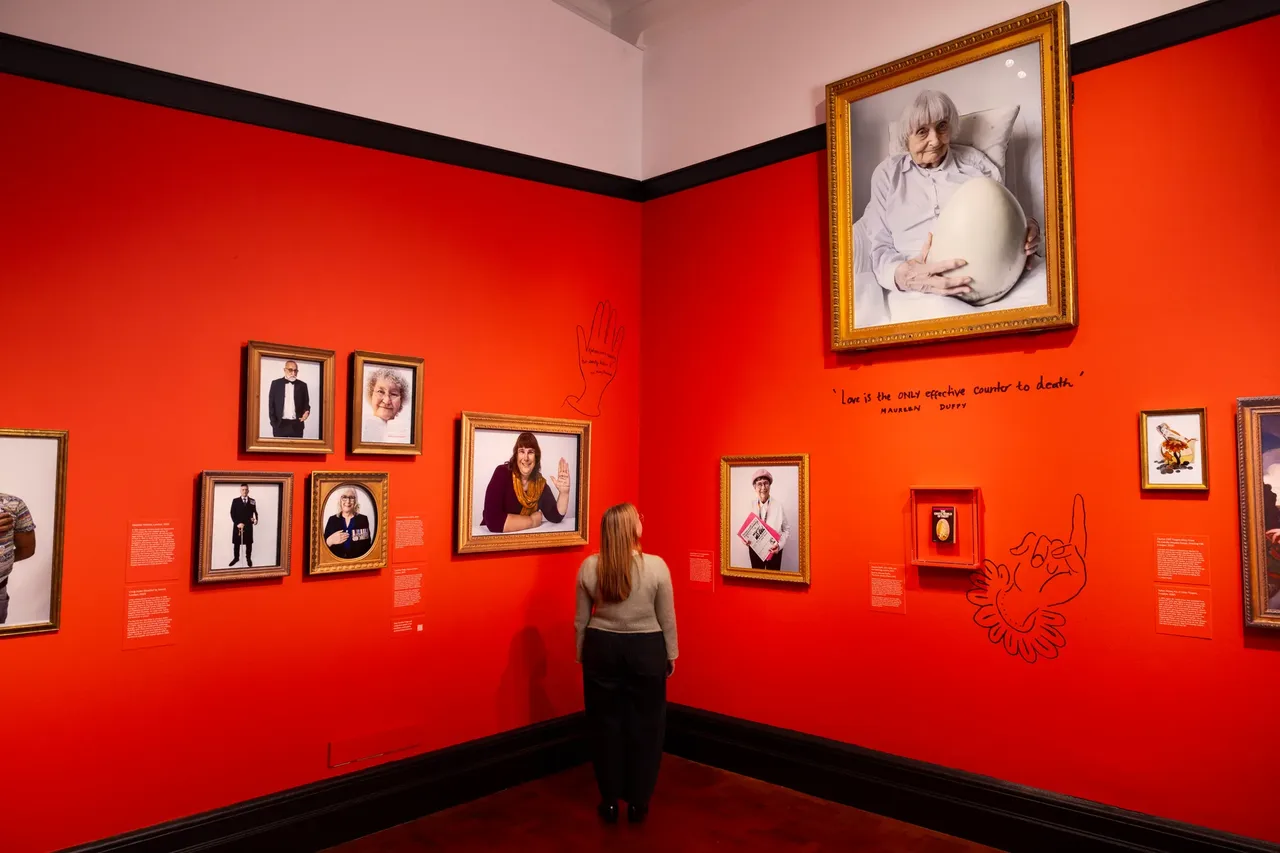
A visitor observes works in the exhibition Tim Walker’s Fairyland: Love and Legends at the National Portrait Gallery, London © David Parry Photography.
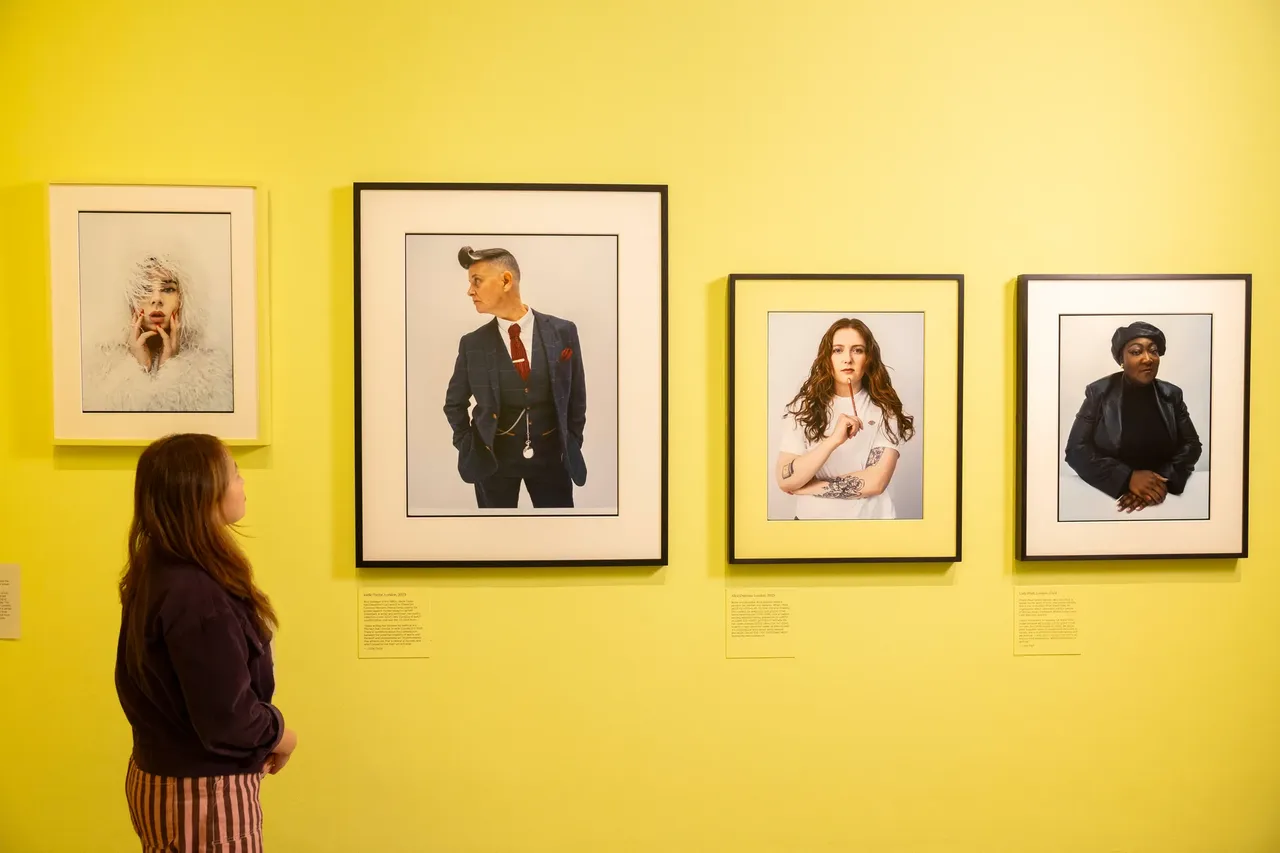
A visitor observes Shon Faye, 2025; Joelle Taylor, 2023; Alice Oseman, 2025; and Lady Phyll, 2024, in the exhibition Tim Walker’s Fairyland: Love and Legends at the National Portrait Gallery, London © David Parry Photography.
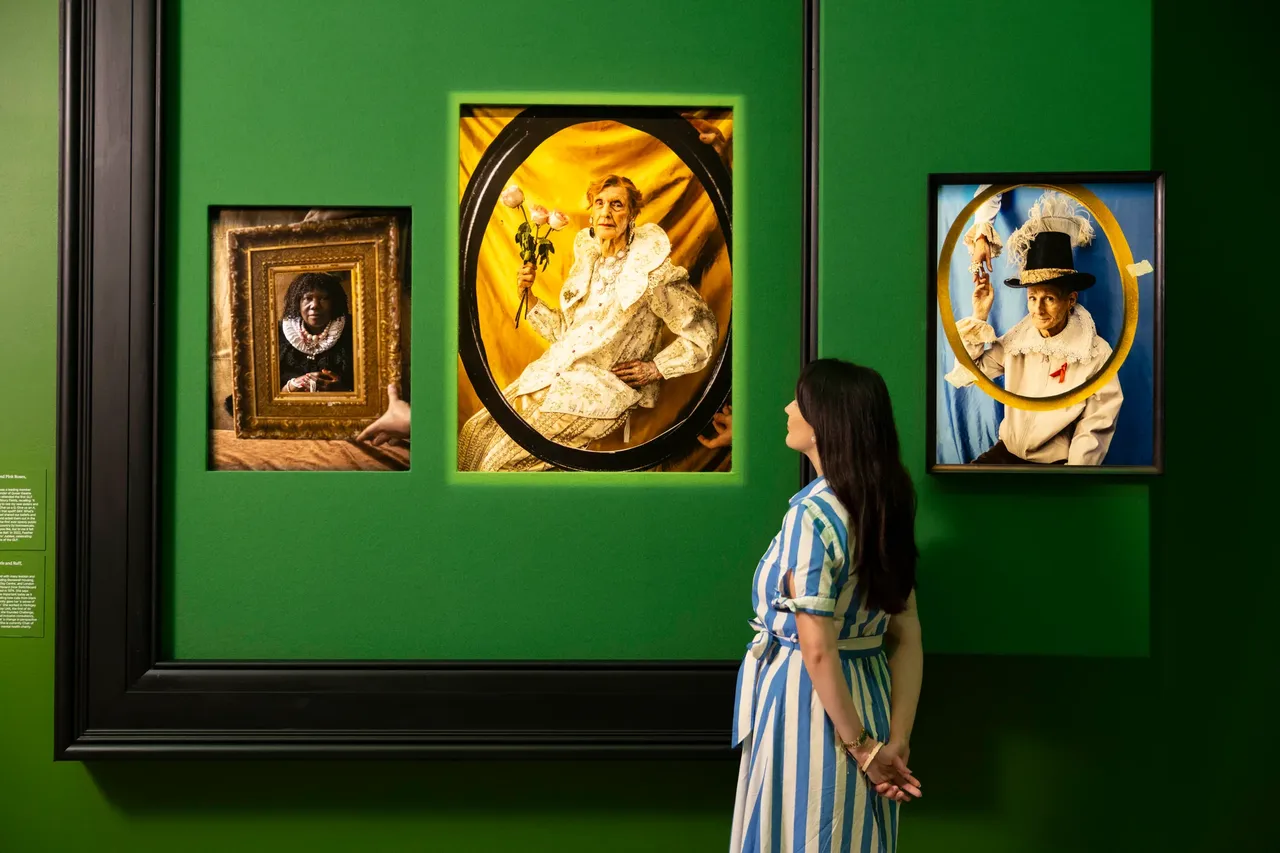
A visitor observes Femi Otitoju, Pearls and Ruff, 2025; Stuart Feather and Pink Roses, 2023; and Andrew Lumsden, 1941–2023, (after Nicholas Hilliard), 2023, in the exhibition Tim Walker’s Fairyland: Love and Legends at the National Portrait Gallery, London © David Parry Photography.
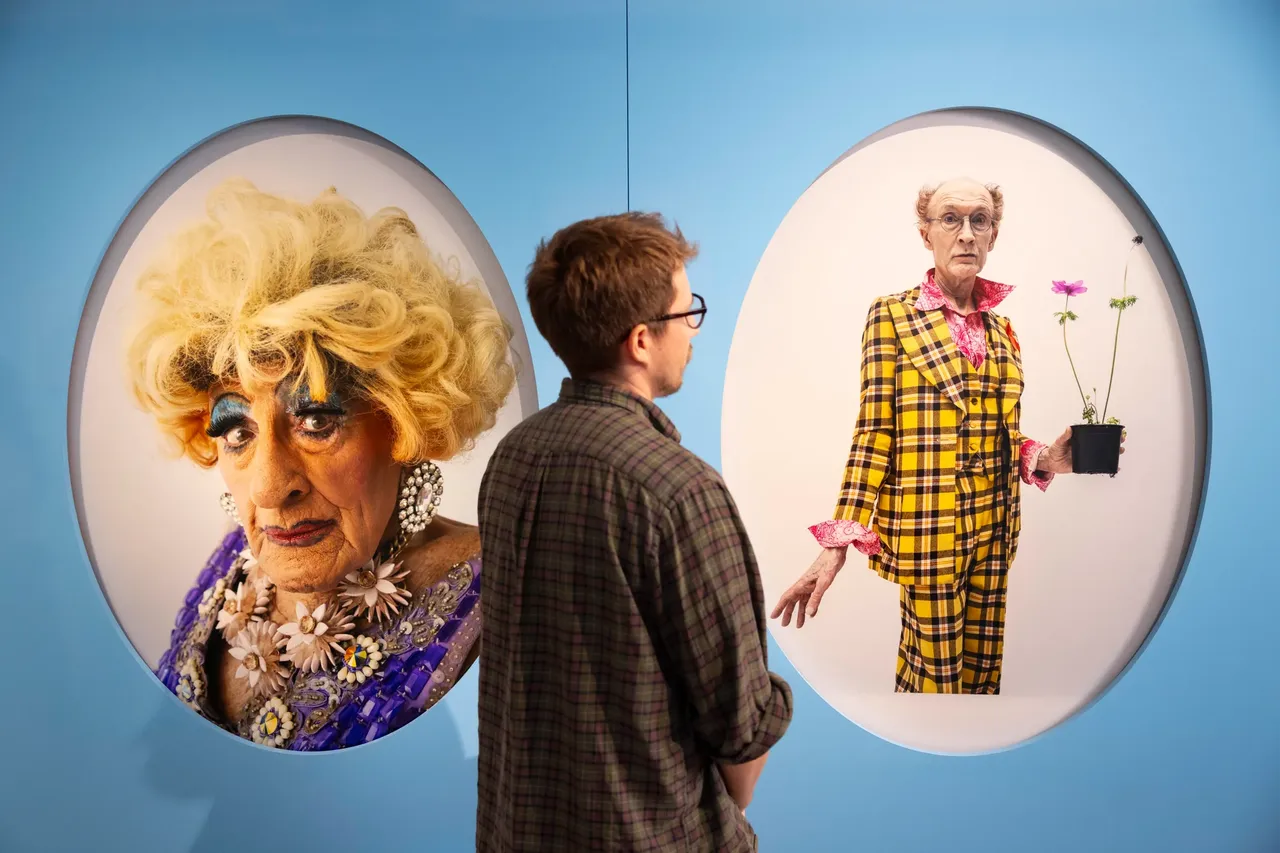
A visitor observes Maisie Trollette, 1933–2025, 2022; and Lavinia Co-Op and Japanese Anemone, 2023, in the exhibition Tim Walker’s Fairyland: Love and Legends at the National Portrait Gallery, London © David Parry Photography.
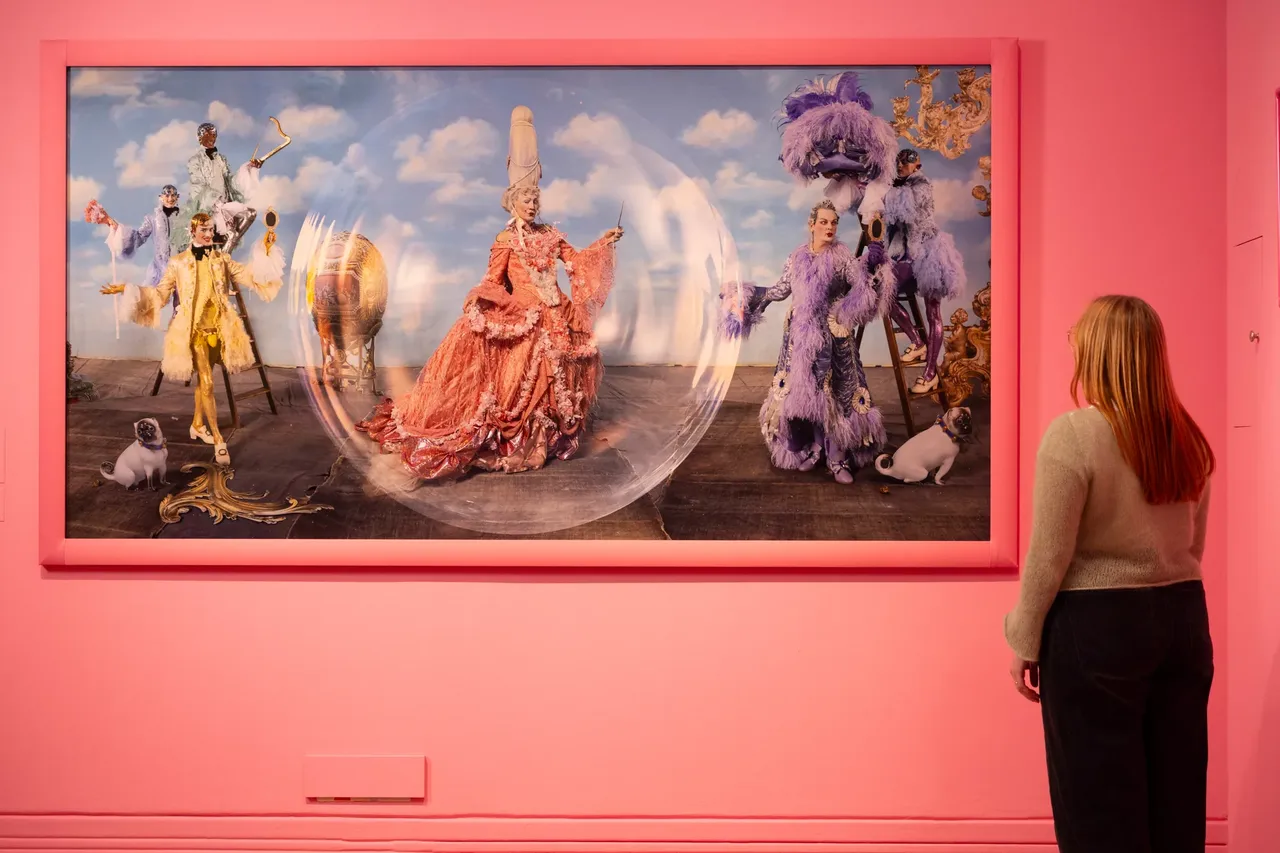
A visitor observes Paul O’Grady (1955–2023) and Julian Clary as the Glitter Queens, with Harry Browse, Rae and Liam Elias as the Glitter Boys, 2022, in the exhibition Tim Walker’s Fairyland: Love and Legends at the National Portrait Gallery, London © David Parry Photography.
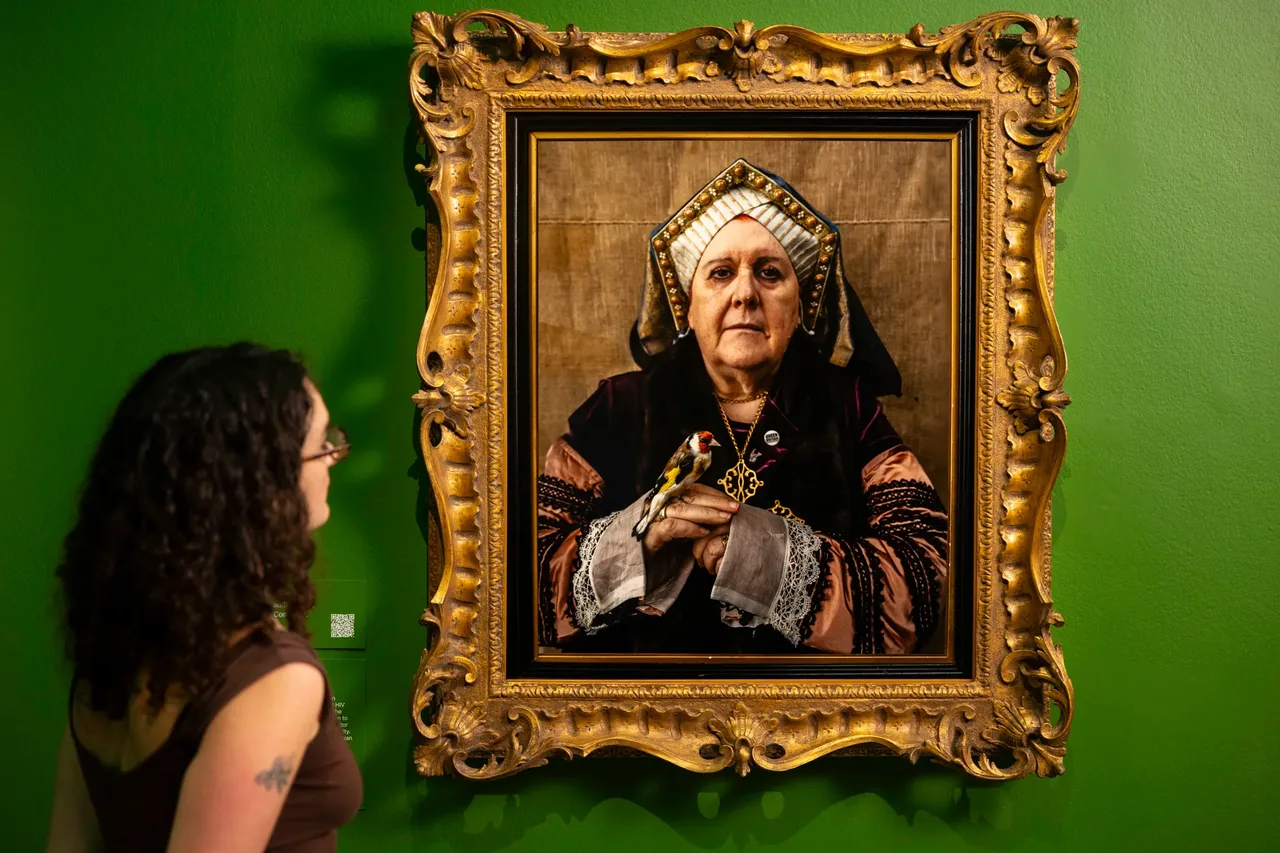
A visitor observes Lisa Power and Goldfinch, 2023, in the exhibition Tim Walker’s Fairyland: Love and Legends at the National Portrait Gallery, London © David Parry Photography.
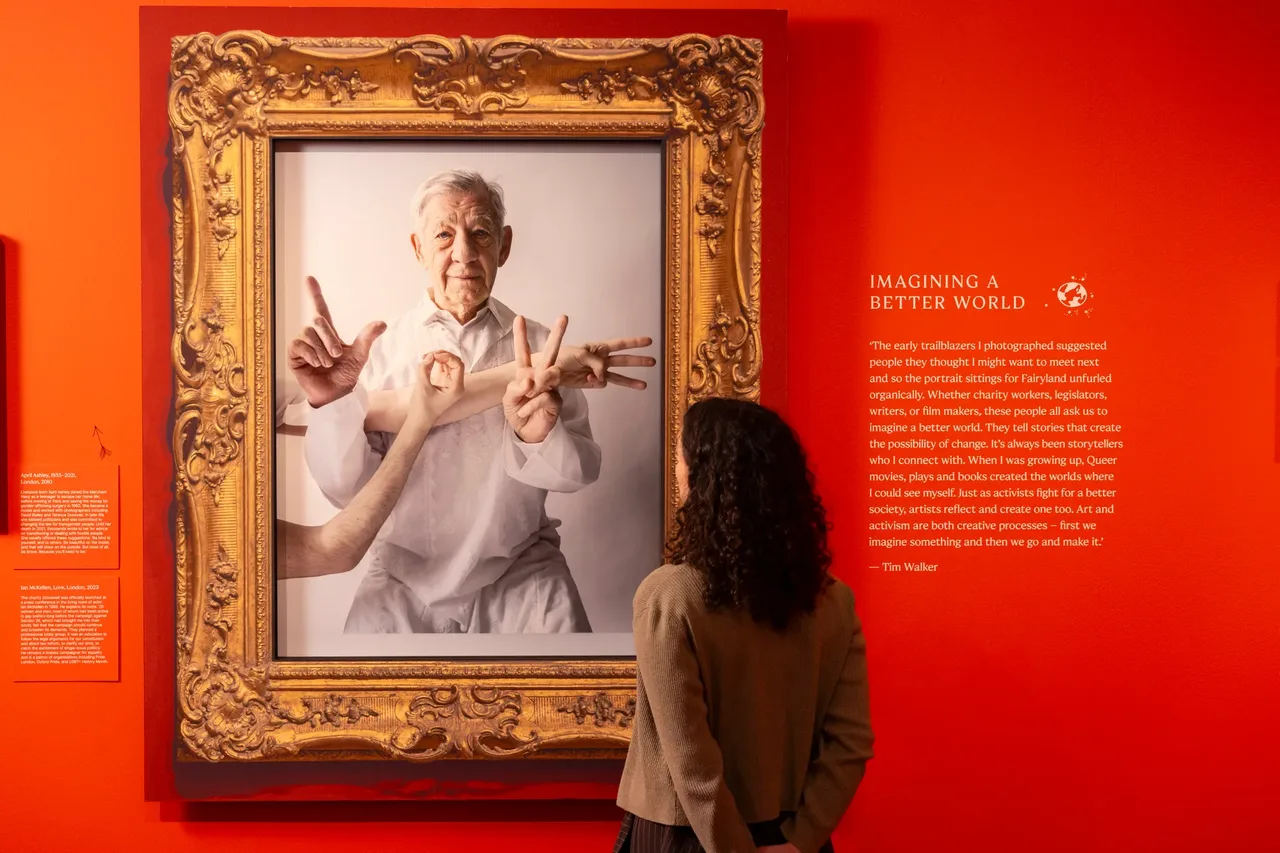
A visitor observes Ian McKellen, Love, 2023, in the exhibition Tim Walker’s Fairyland: Love and Legends at the National Portrait Gallery, London © David Parry Photography.