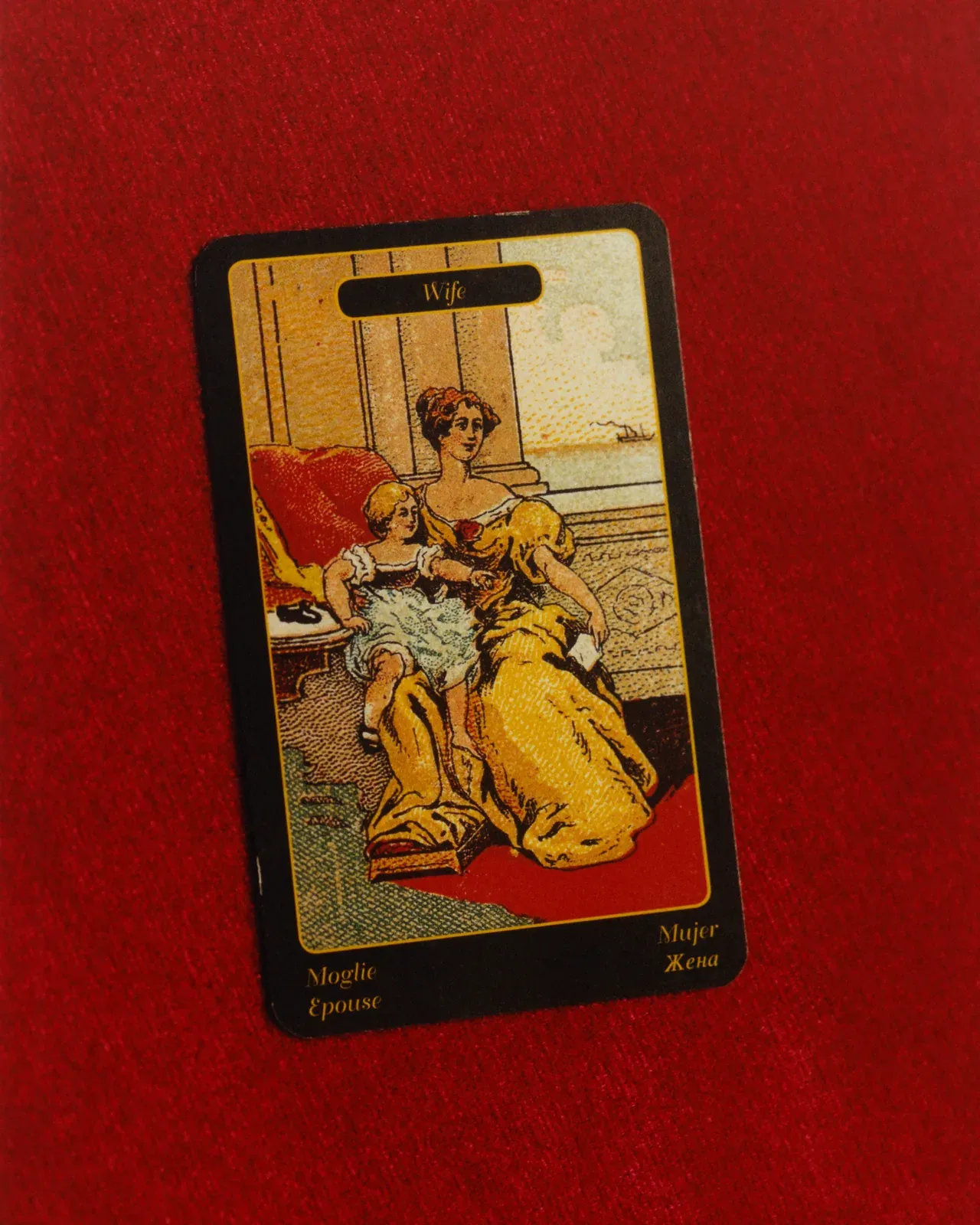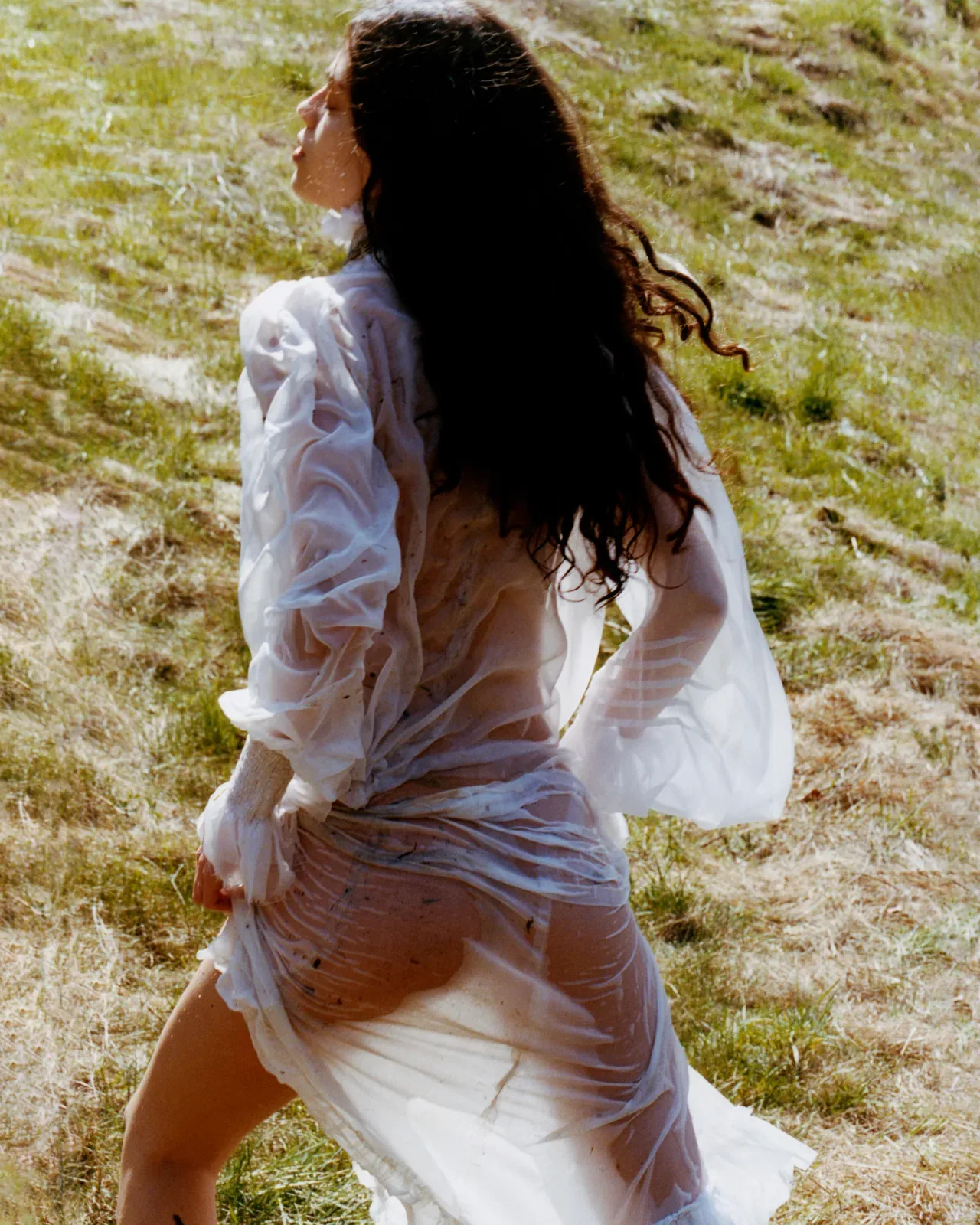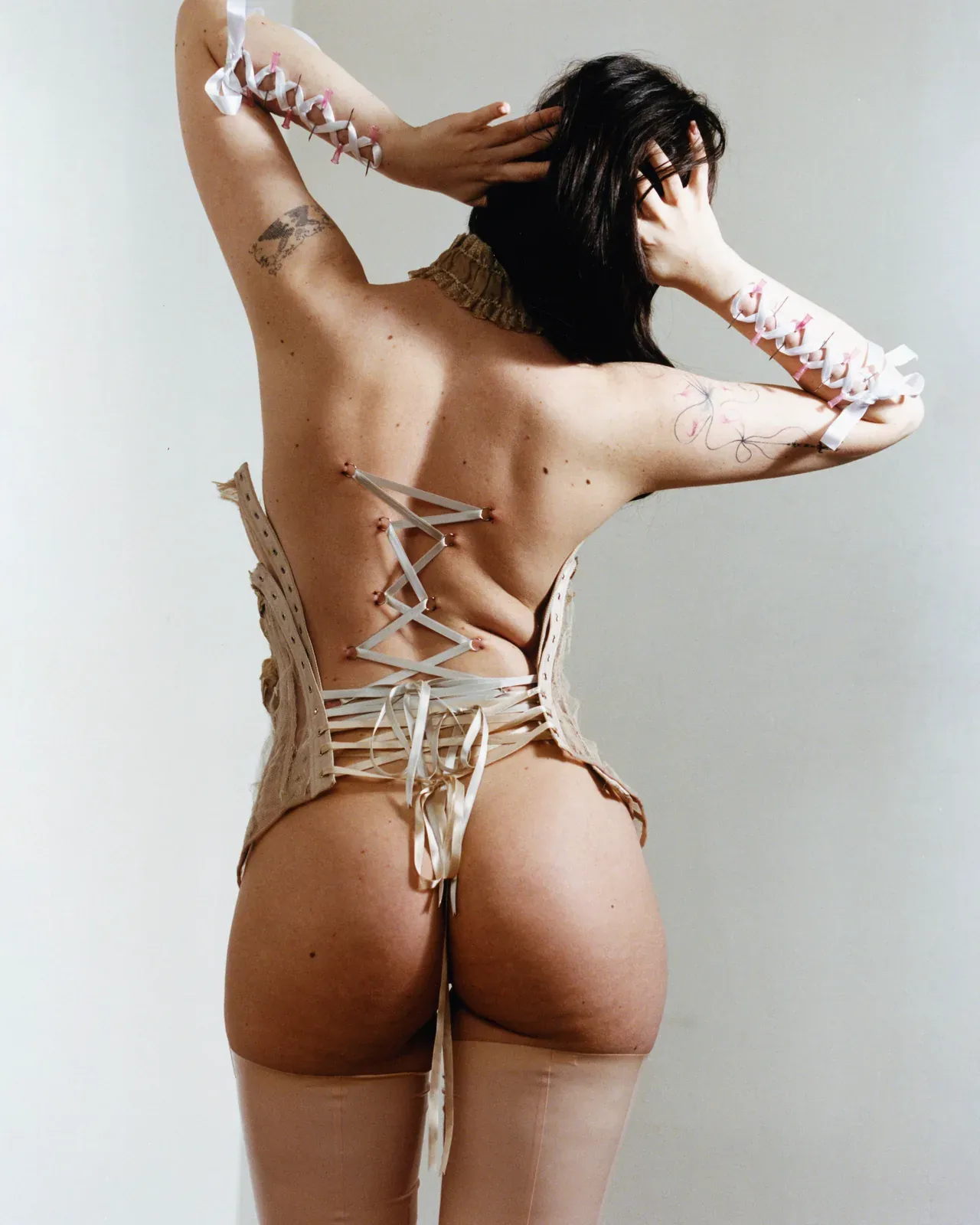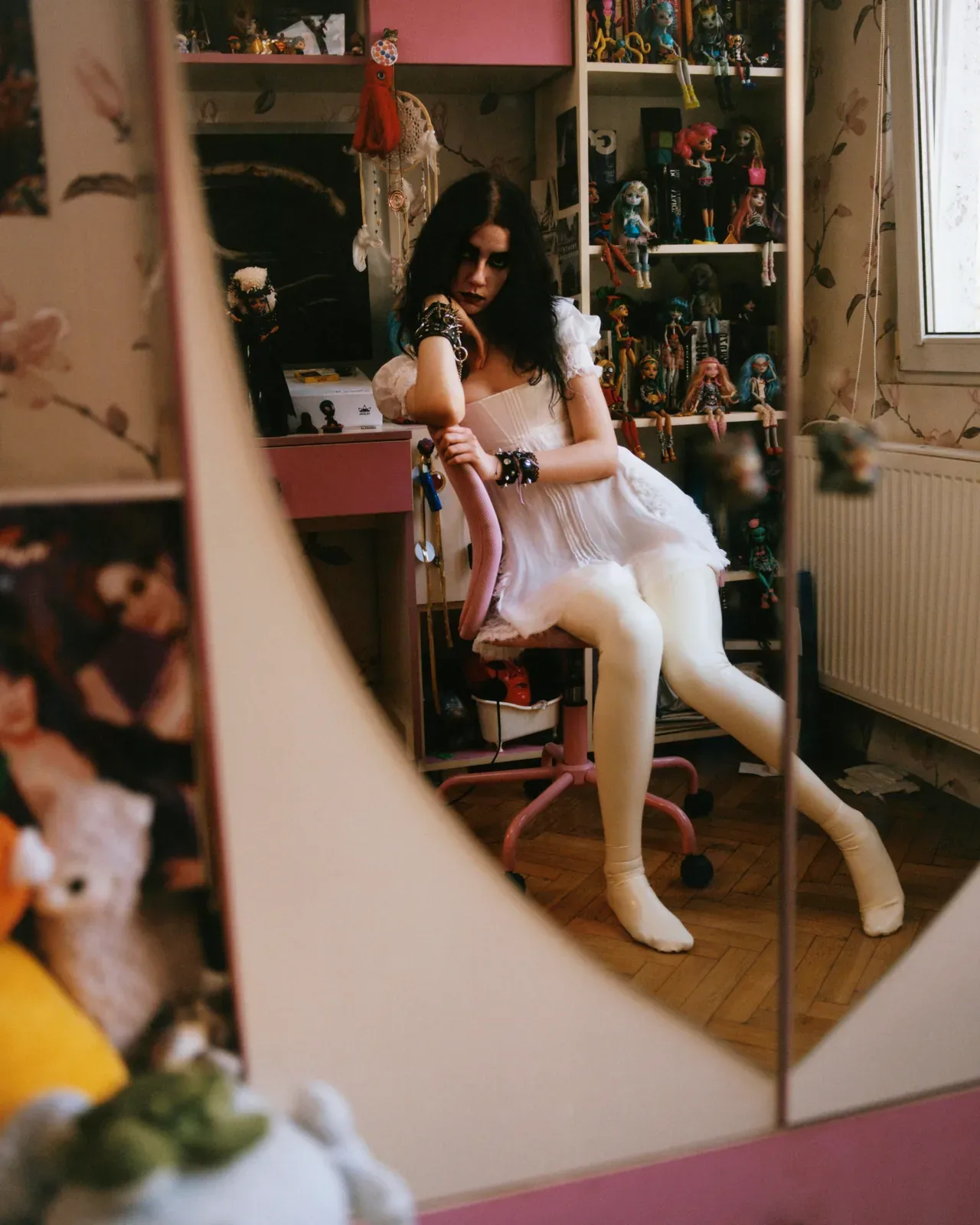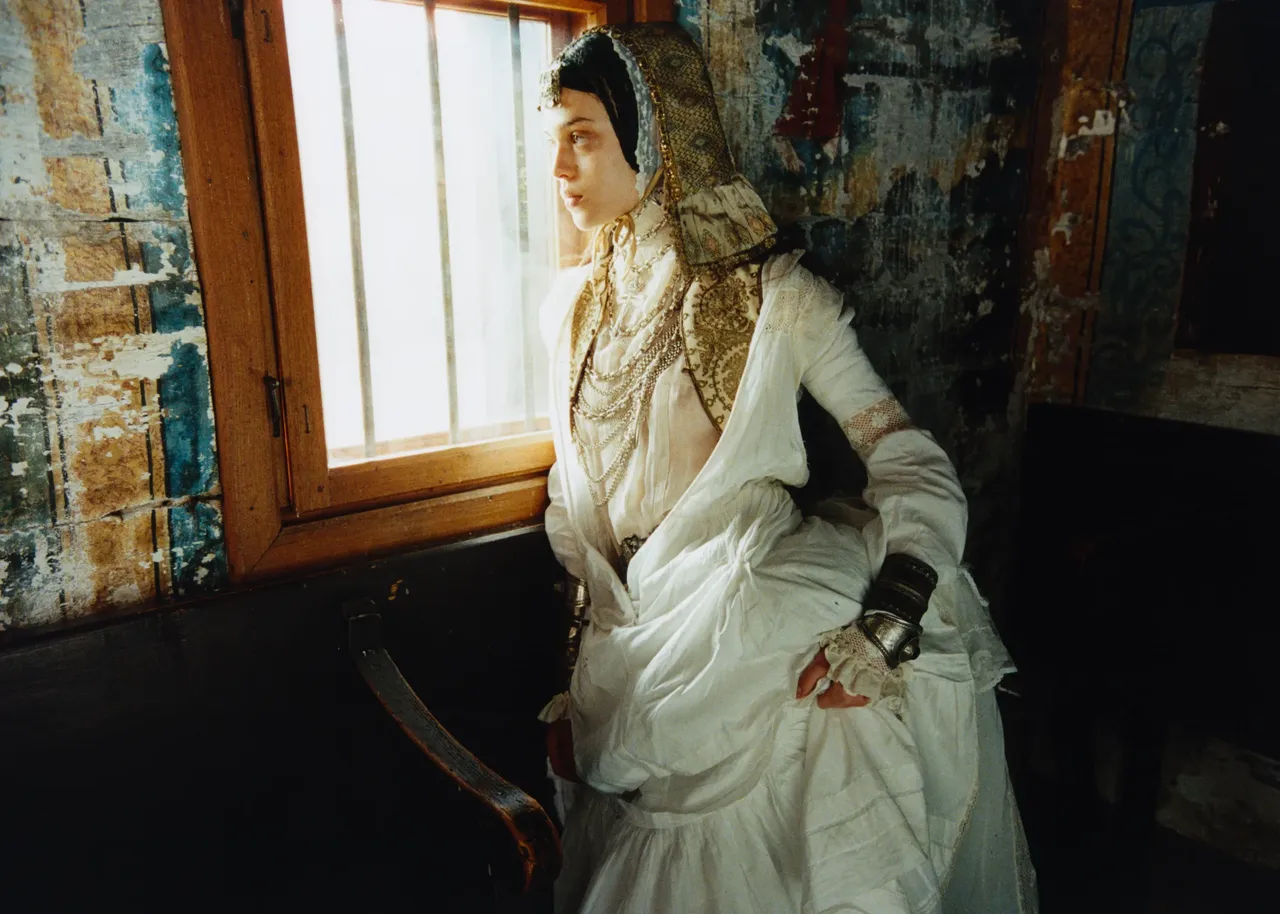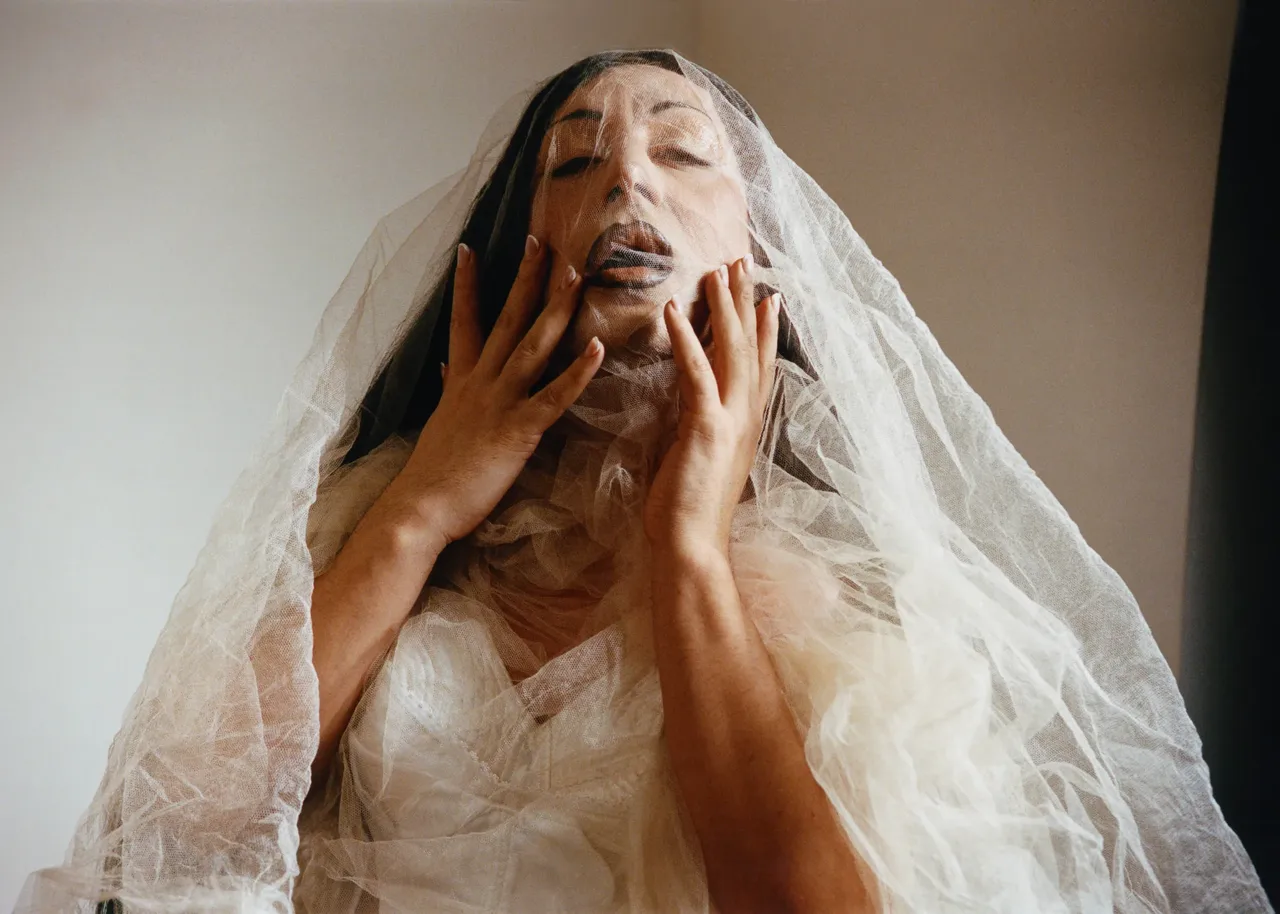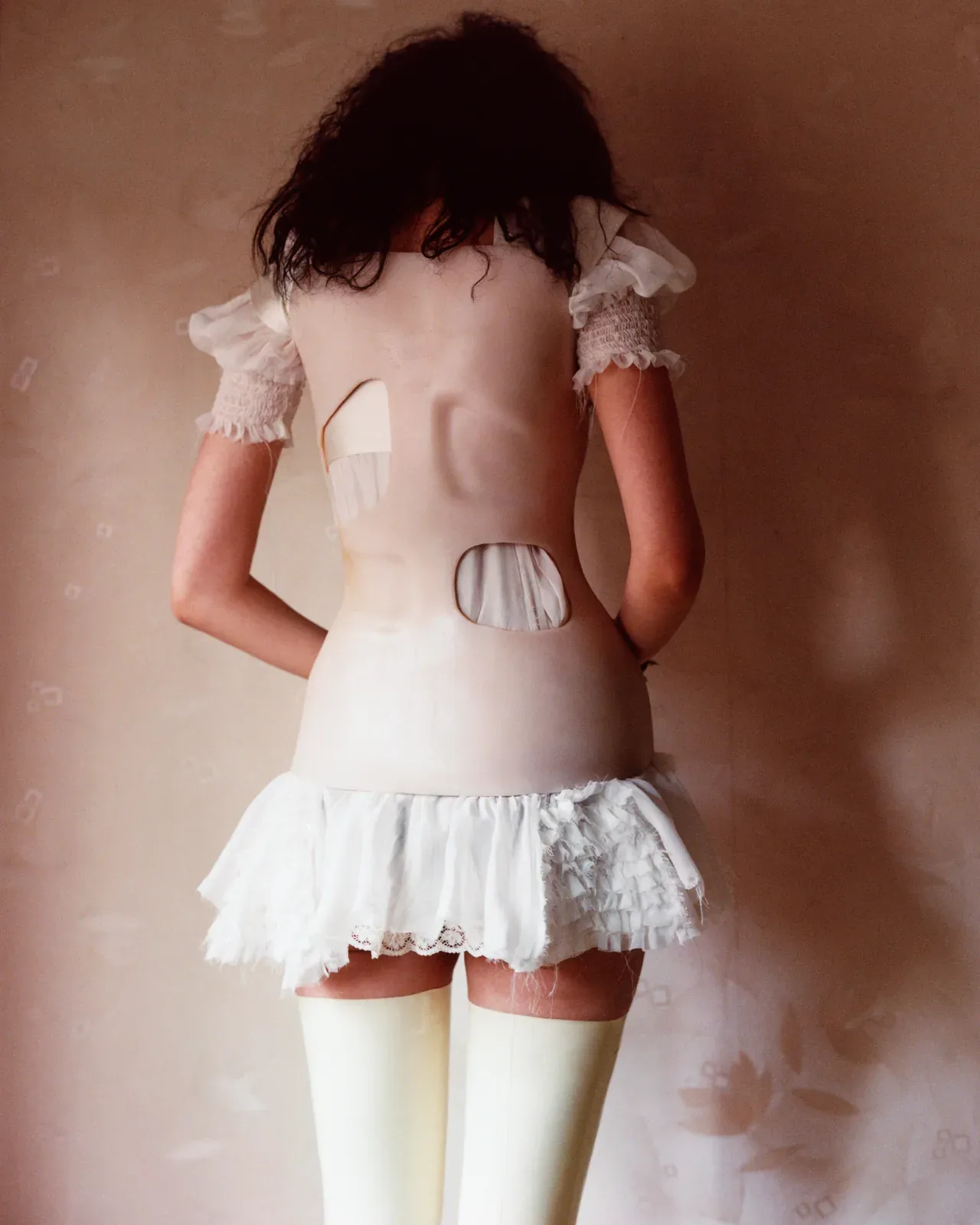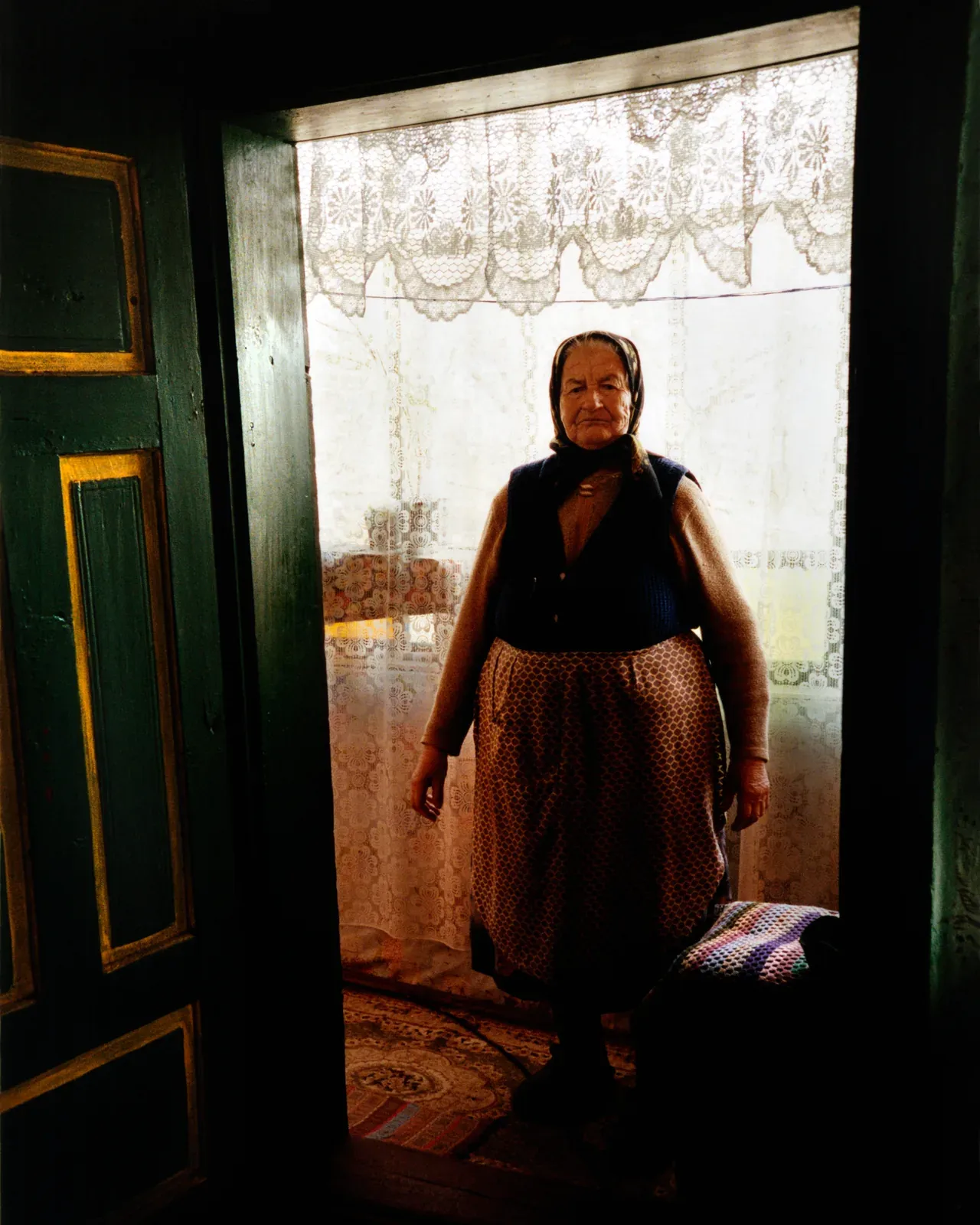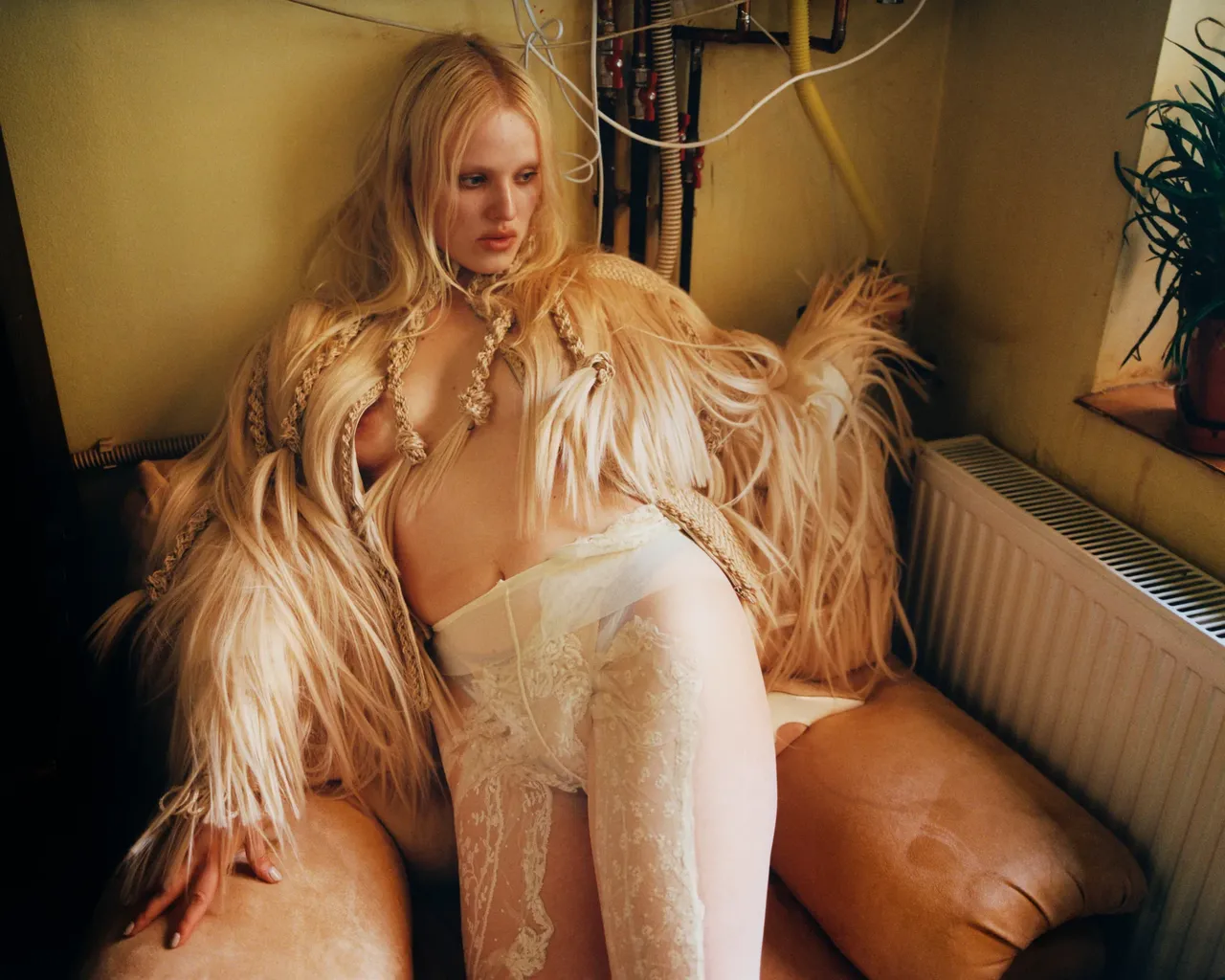
The identification of a witch often began with suspicion and rumour. Those accused ranged from vulnerable members of the community to women considered eccentric, unmarried or sexually free, as well as those who dared to challenge social expectations. Sometimes, all it took was to think differently and… Witch! Witch! Straight to the stake. The reality rarely involved a broomstick, a cauldron or a wart. Instead, as photographer Harley Weir puts it in Witch, her project with fashion designer Dilara Findikoglu, “the witch became a name for the woman who could not, or would not, be controlled.” Set to launch on October 31 via IDEA, the photobook reclaims this figure not as a symbol of evil, but as one of female defiance.
It’s difficult not to read some of those accusations through a contemporary feminist lens. Women have long held knowledge of medicinal herbs, childbirth and the body, often outside the institutions that controlled medicine and religious authority. Beliefs in magic, healing and divination can be traced back to ancient Mesopotamia, Egypt, Persia, Greece and Rome. Yet, in late medieval and early modern Europe, a new conception of the witch took shape: a figure believed to perform magic through a pact with the Devil. This interpretation transformed older beliefs about magic into a narrative of heresy and helped shape the witch hunts that swept across Europe between the fifteenth and seventeenth centuries. The witch became an enemy of the religious and social order: a deviant creature, erotically free, spiritually independent and dangerously close to nature.
This demonological imagination was reinforced by the figure of the coven. The word comes from the Latin ‘convenire’, meaning ‘to come together’, which paradoxically also lies behind the word ‘convent’. The idea of women coming together beyond the domestic sphere, outside the surveillance of the Church and the authority of men, became a powerful symbol of disorder. Even more threatening was the image of women expressing their sexuality openly, sharing their desires and existing beyond the boundaries imposed upon them.
The figure of the witch as something other than an evil creature has also occupied a place in art. In Albrecht Dürer’s Four Naked Women (1497), also known as The Four Witches, and Hans Baldung’s Witches’ Sabbath (1510), the female body becomes entangled with eroticism and the forbidden. The Surrealists, too, were drawn to the witch as an embodiment of the irrational and the esoteric. Leonor Fini, who resisted conventional definitions of femininity and sexuality, also invoked witchcraft and the mystical power of women as transgressive entities in works such as The Crossroads of Hecate (1977–78).
These images continue to resonate because the word “witch” has never been entirely free of its negative connotations. Women, queer individuals and those who challenge conventional expectations of gender, sexuality and behaviour have long been cast as outsiders. In Findikoglu’s words, “Society transformed what it could not understand into something to fear.”
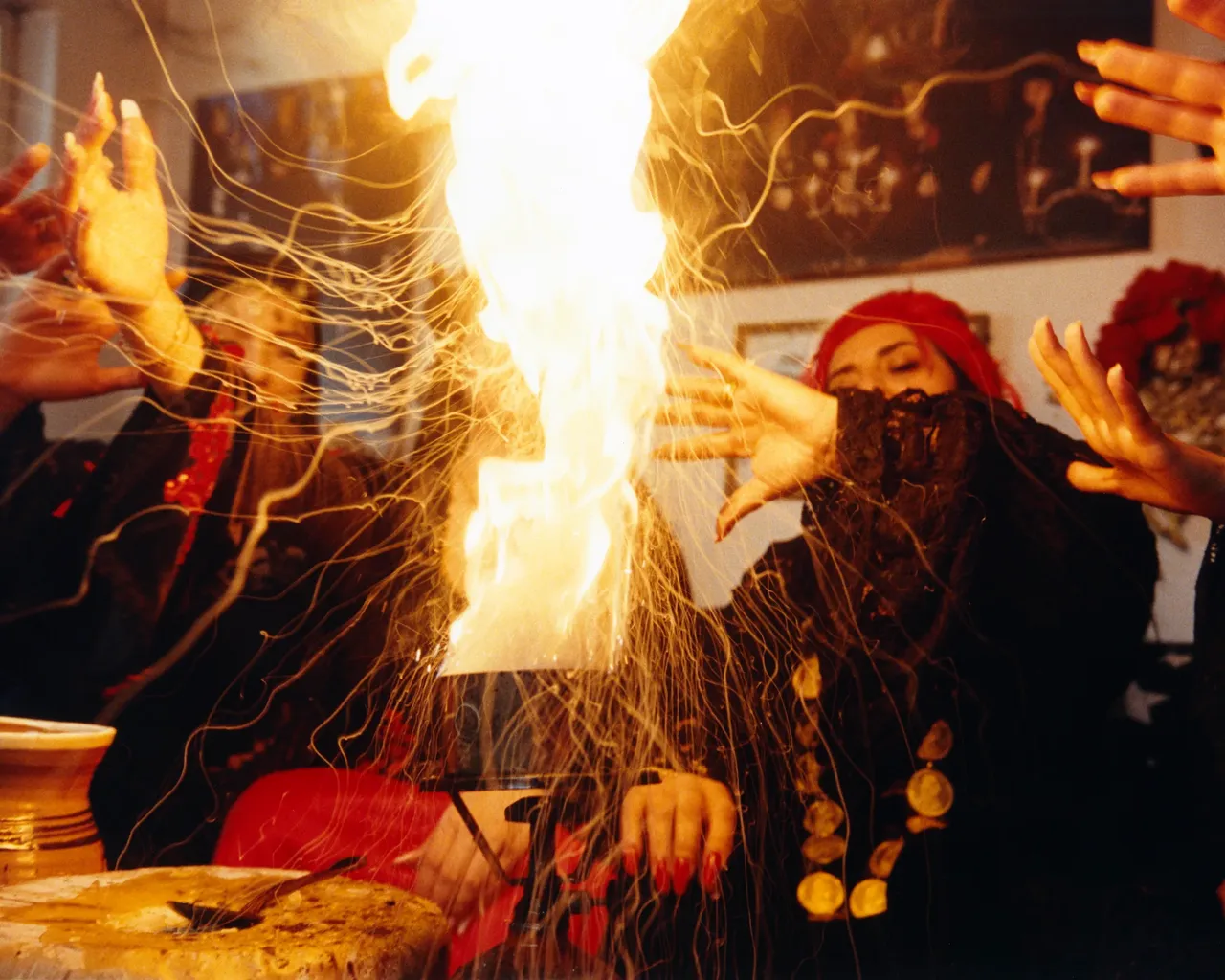
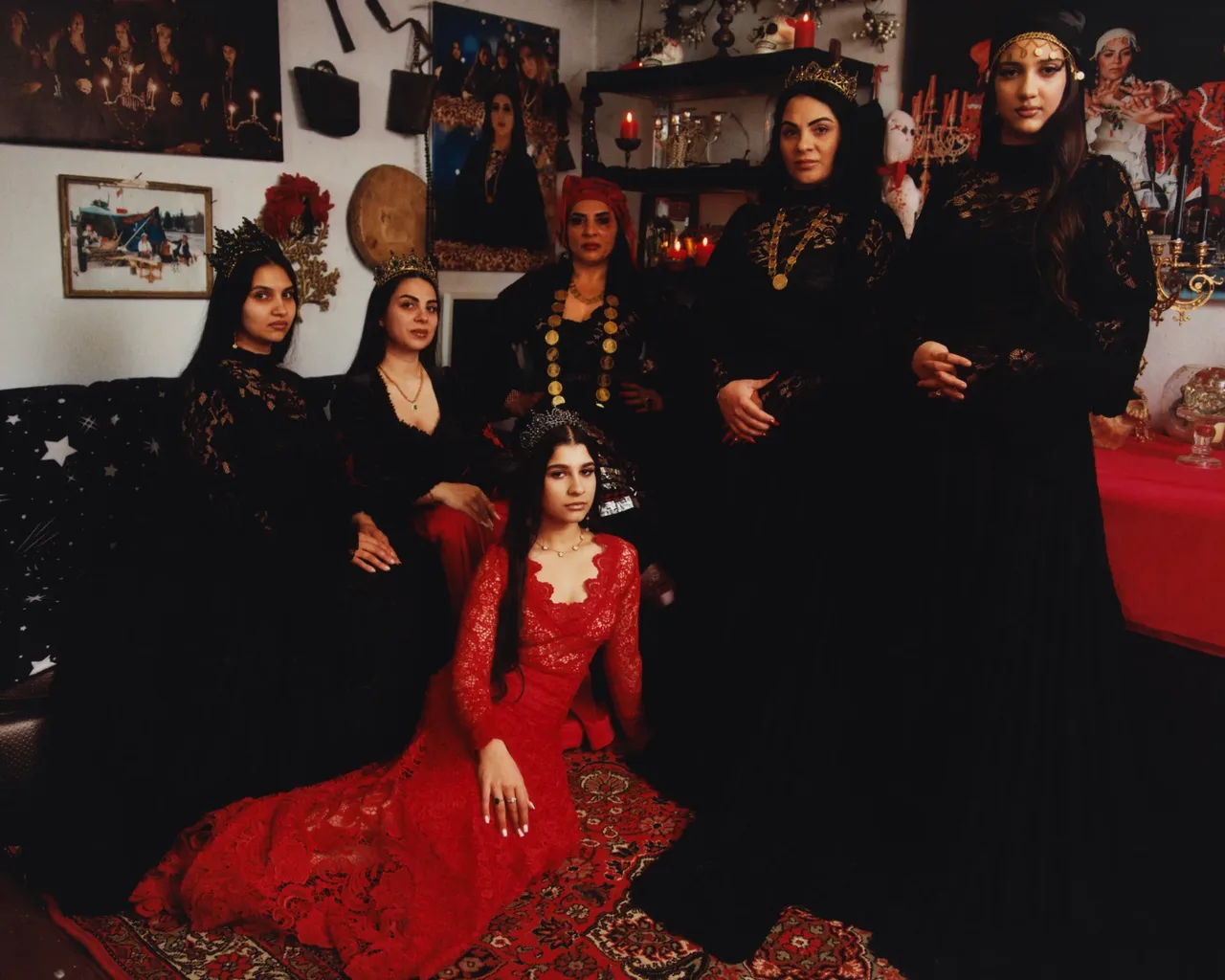
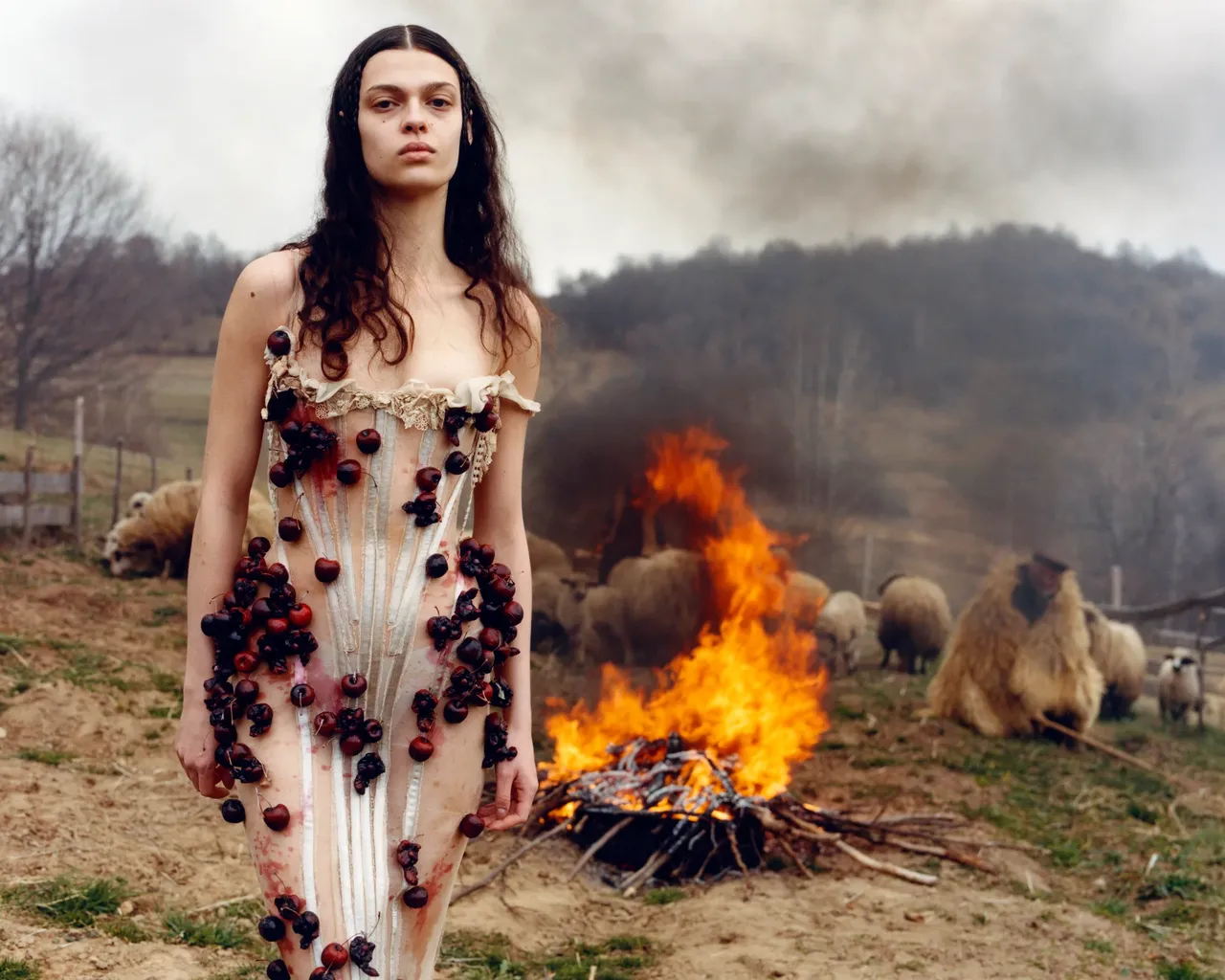
It’s this inherited history that Harley Weir and Dilara Findikoglu revisit in Witch. Travelling across Romania over five days, they photographed and spoke with Romanian women whose lives and practices offer a different perspective on this concept of witchcraft. Among these women are Mihaela Minca and her daughters, widely known for their practice of traditional Roma magic and described as the “most powerful witches alive”.
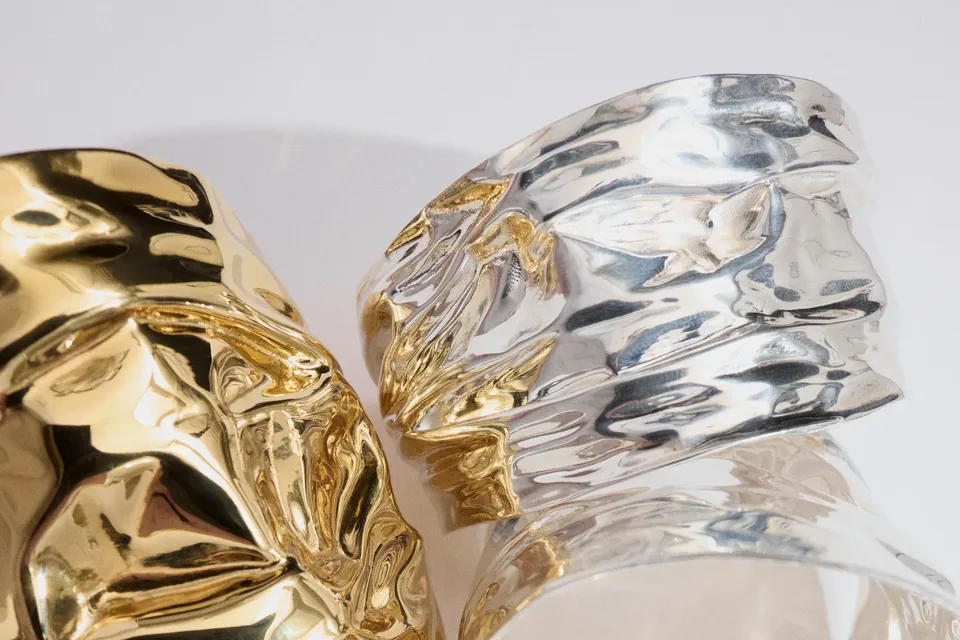
The project moves beyond the familiar image of the evil sorceress to explore femininity and spirituality through striking images that portray the reappropriation of the body as a site of rebellion. “The zine is a celebration of women — the complicated, the powerful, the unruly, the tender, the strange and the unapologetic,” says Weir. Findikoglu’s clothes embrace this same stance. Her designs make the body a canvas for desire, identity and self-expression. There’s something inherently subversive in the refusal of a vilified narrative, in the embrace of the strange and esoteric and in the celebration of identity and feminine power. “For centuries, the witch has been used as a symbol of evil. But maybe she was never scary because she was evil; maybe she was scary because she was free,” says Weir.