There is no elegant way to prepare for the New York Film Festival (NYFF): you make a spreadsheet, immediately abandon it, and accept that a handful of impossible clashes will define your autumn. From 25 September to 12 October, Film at Lincoln Center’s 64th edition returns with its usual mix of heavyweight auteurs, discoveries that will soon be monopolising cinephile group chats, radical formal experiments and the occasional film that makes a 10am screening feel like a very sensible life choice.
The Main Slate brings together thirty-two features, while Currents keeps an eye on cinema’s more unruly edge; Spotlight makes room for documentaries, music films and shorts; and Revivals returns to the big screen with restorations, rarities and films that deserve a second, louder life. Opening night belongs to James Gray’s Paper Tiger, a Queens-set crime thriller starring Adam Driver, Miles Teller and Scarlett Johansson. Ava DuVernay closes the gala programme with the world premiere of 14th, her urgent follow-up to 13th, while Tony Gilroy’s Behemoth!—with Pedro Pascal as a cellist rebuilding his life—takes the Centerpiece slot.
It is a programme built for more than sitting quietly in the dark. Most screenings include introductions or Q&As, and the festival’s talks programme pairs filmmakers with critics, curators and fellow directors: James Gray in conversation with Martin Scorsese is one of those combinations that sounds almost too good to be true. Ryûsuke Hamaguchi delivers this year’s Amos Vogel Lecture, while Mike Leigh, Lee Chang-dong, Pedro Almodóvar and Sofia Coppola are among the names set to discuss their work.
And yes, there are shorts—do not skip them! The New York Shorts programme includes the world premiere of Charlotte Wells’s New York Never Let Me Down, her first film since Aftersun: a fourteen-minute portrait of drummer and teacher Paula Spiro, and of the queer elders who made the city before being slowly priced out of it. With Cannes prizewinners, Locarno discoveries and world premieres scattered across the schedule, choosing ten is slightly cruel. But someone had to do it.
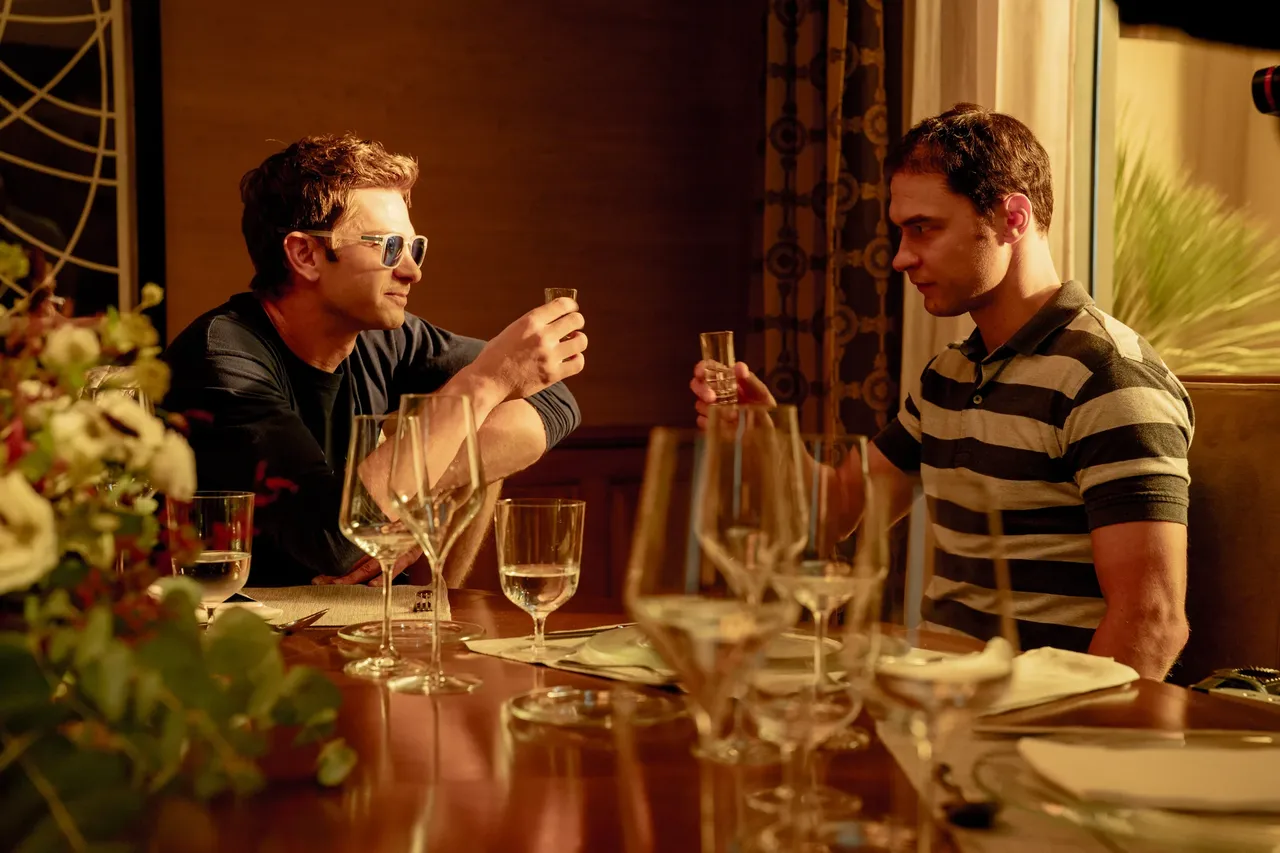
Artificial by Luca Guadagnino
Machine learning, a very contemporary AI crisis and a cast led by Andrew Garfield and Yura Borisov: Luca Guadagnino’s Artificial could easily have been a very loud think-piece in lesser hands. Instead, it follows two decades of research, finding the people inside the systems that brought us here. Guadagnino has spent recent years making desire, institutions and bad behaviour feel unexpectedly alive; the prospect of him bringing that restless attention to technological power is genuinely exciting. A world premiere that is likely to leave the lobby divided, which is usually where the good conversations begin.
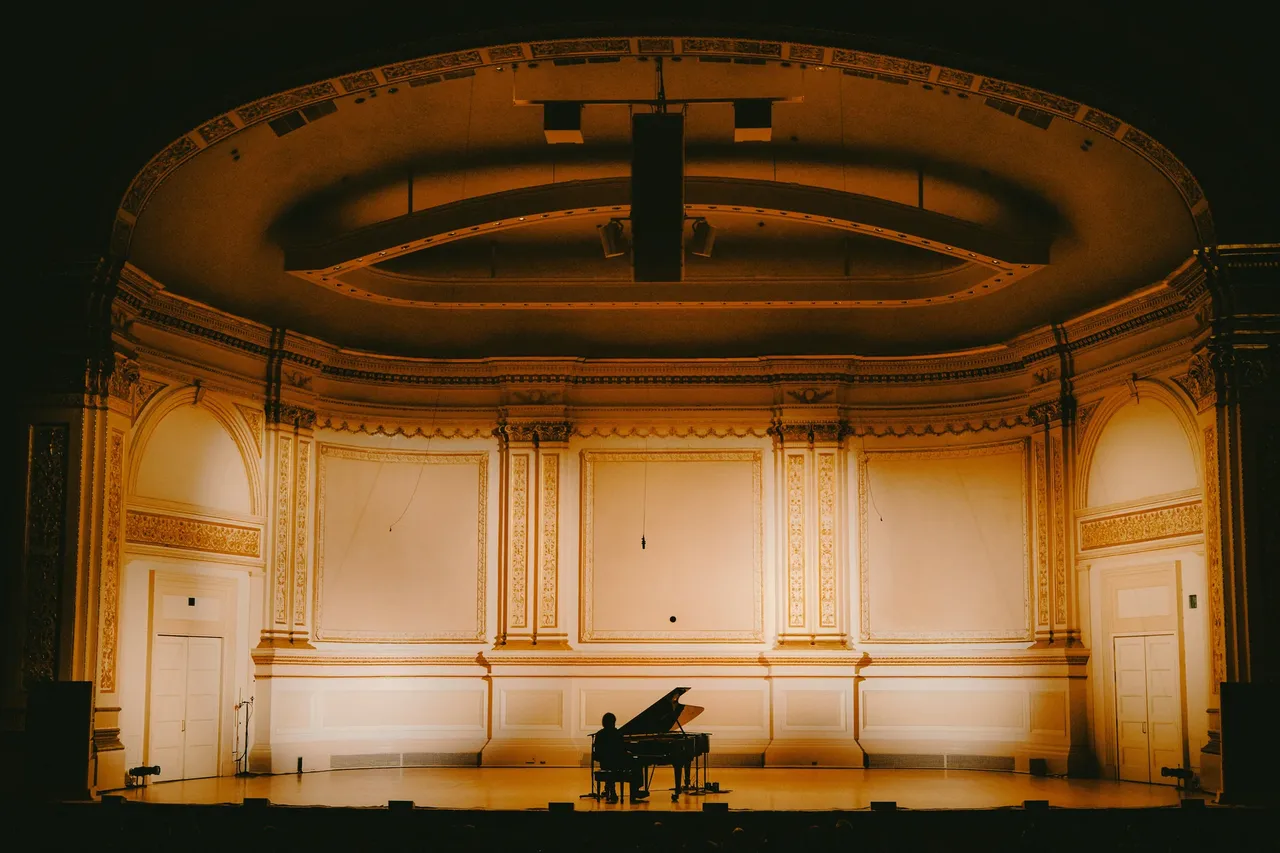
Cameron Winter at Carnegie Hall by Paul Thomas Anderson
Paul Thomas Anderson filming a stripped-back Cameron Winter set at Carnegie Hall is one of those pairings that sounds invented by an algorithm trained on immaculate taste. Thankfully, it is real. Shot on 16mm and 35mm, this 75-minute world premiere turns the Geese frontman’s performance into something between a concert film and an intimate architectural study: one person, one extraordinary room, and a camera interested in both. Winter’s songs already carry their own bruised grandeur; handed to Anderson’s eye, they may become even stranger, funnier and more tender.
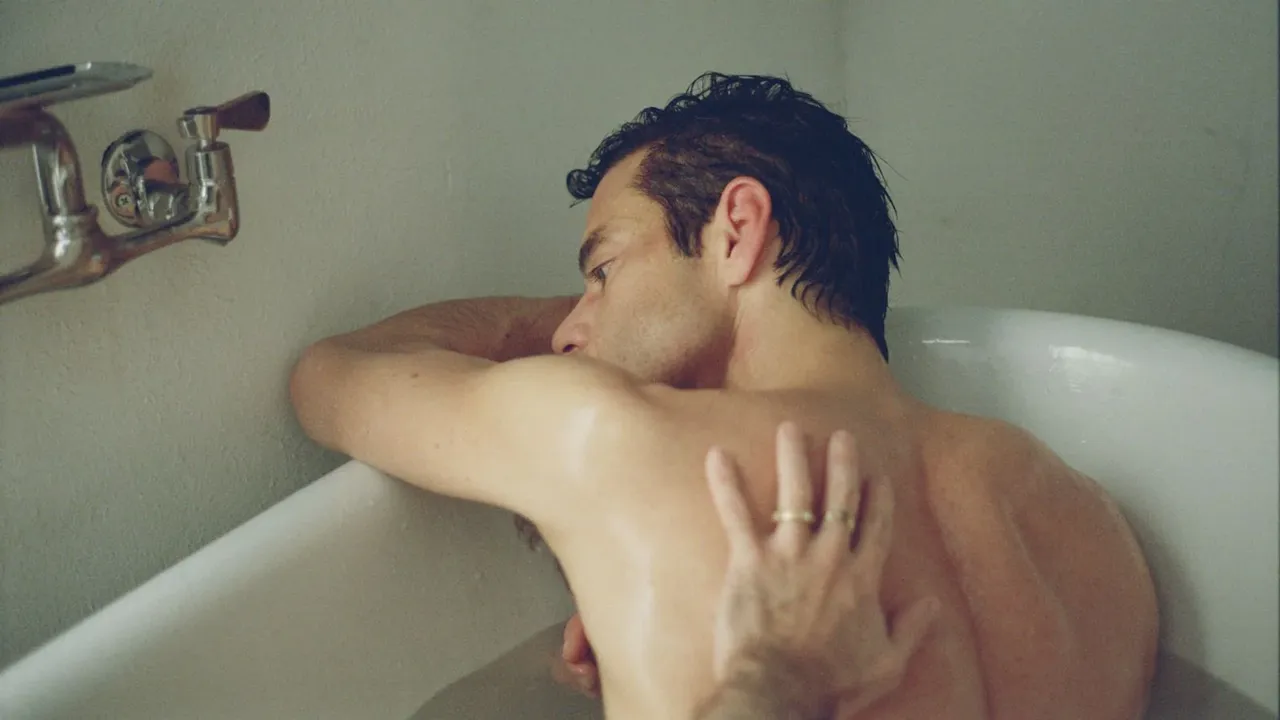
The Man I Love by Ira Sachs
Ira Sachs returns to 1980s New York with a finely detailed drama about a cabaret star and performance artist living with AIDS, played by Rami Malek. That is serious material, but Sachs is a filmmaker of intimacy rather than solemnity: he understands that a room, an argument or a rehearsal can carry entire histories. The Man I Love frames art and imagination not as a distraction from survival but as part of its machinery. A film about queer life in the AIDS crisis needs precision, care and space for contradiction; Sachs’s most generous work has always had all three.
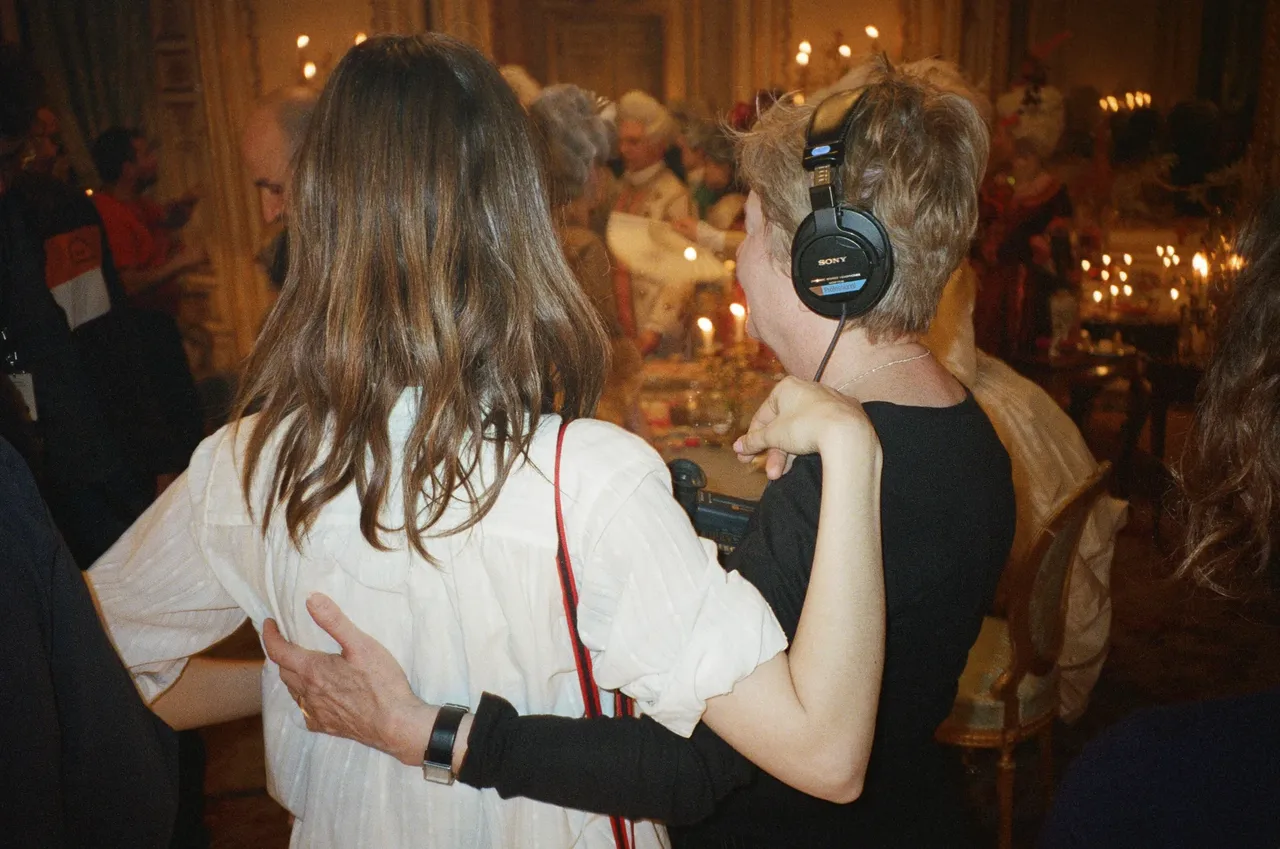
Making Marie Antoinette by Eleanor Coppola
Sofia Coppola’s Marie Antoinette has never really left the cultural moodboard, but Making Marie Antoinette promises a more private way back in. Shot by Eleanor Coppola on the Versailles set in 2005, this video diary watches her daughter construct the pastel, pop-lit vision that would turn a misunderstood queen into an indie cinema patron saint. It is also a moving chance to see Eleanor Coppola’s own observational filmmaking at work. Behind-the-scenes footage is often just content; here, it looks set to become a portrait of craft, family and a very particular kind of cinematic world-building.
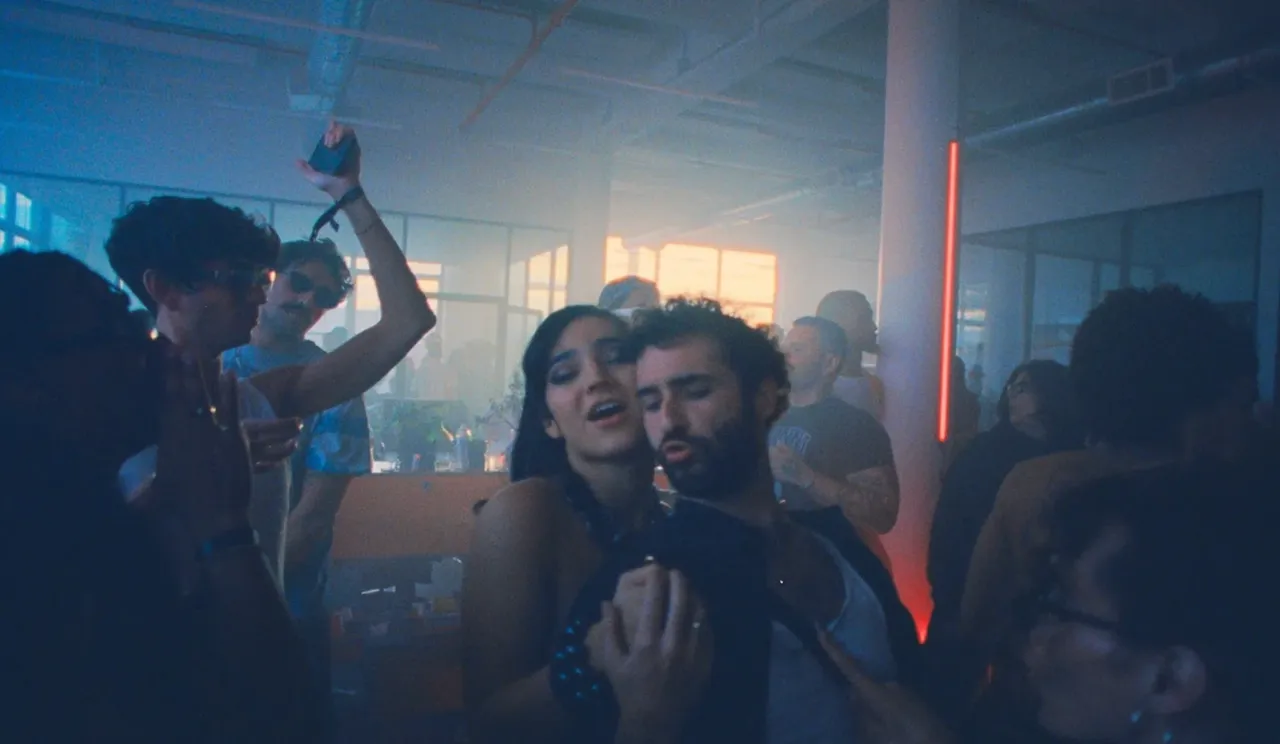
Club Kid by Jordan Firstman
A washed-up thirtysomething New York scenester discovering he has a ten-year-old British son is an opening line that already has a few plot twists built in. Jordan Firstman’s feature debut, Club Kid, takes that premise from irreverent satire towards something more vulnerable, without losing the capacity to be very funny. Firstman’s particular comic intelligence has always been less about landing a punchline than exposing the awkward need underneath it. Add a downtown New York setting, a fatherhood curveball and a 122-minute running time that suggests the story is not rushing past its complications, and you have one of the programme’s liveliest wild cards.
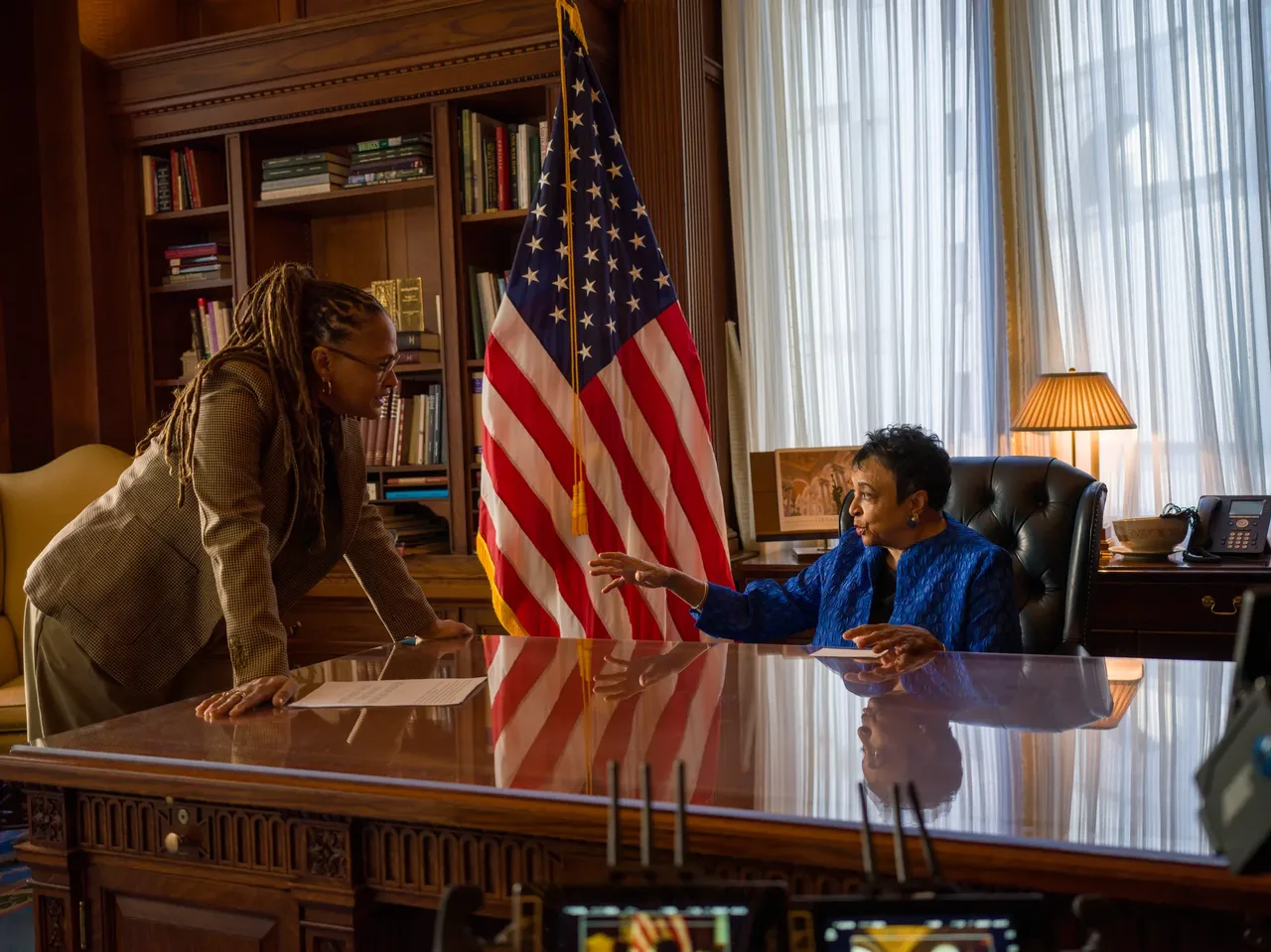
14th by Ava DuVernay
Ten years after 13th opened NYFF, Ava DuVernay returns with 14th, a documentary examining the increasingly contested promises of the US Constitution’s 14th Amendment: birthright citizenship, equal protection, due process and the limits of executive power. It is the festival’s closing-night world premiere, and it arrives with precisely zero interest in being a polite post-dinner conversation. DuVernay’s gift is to make structural history feel immediate, lived and impossible to look away from. A closing film should leave a room buzzing; this one looks designed to leave it arguing productively all the way home.
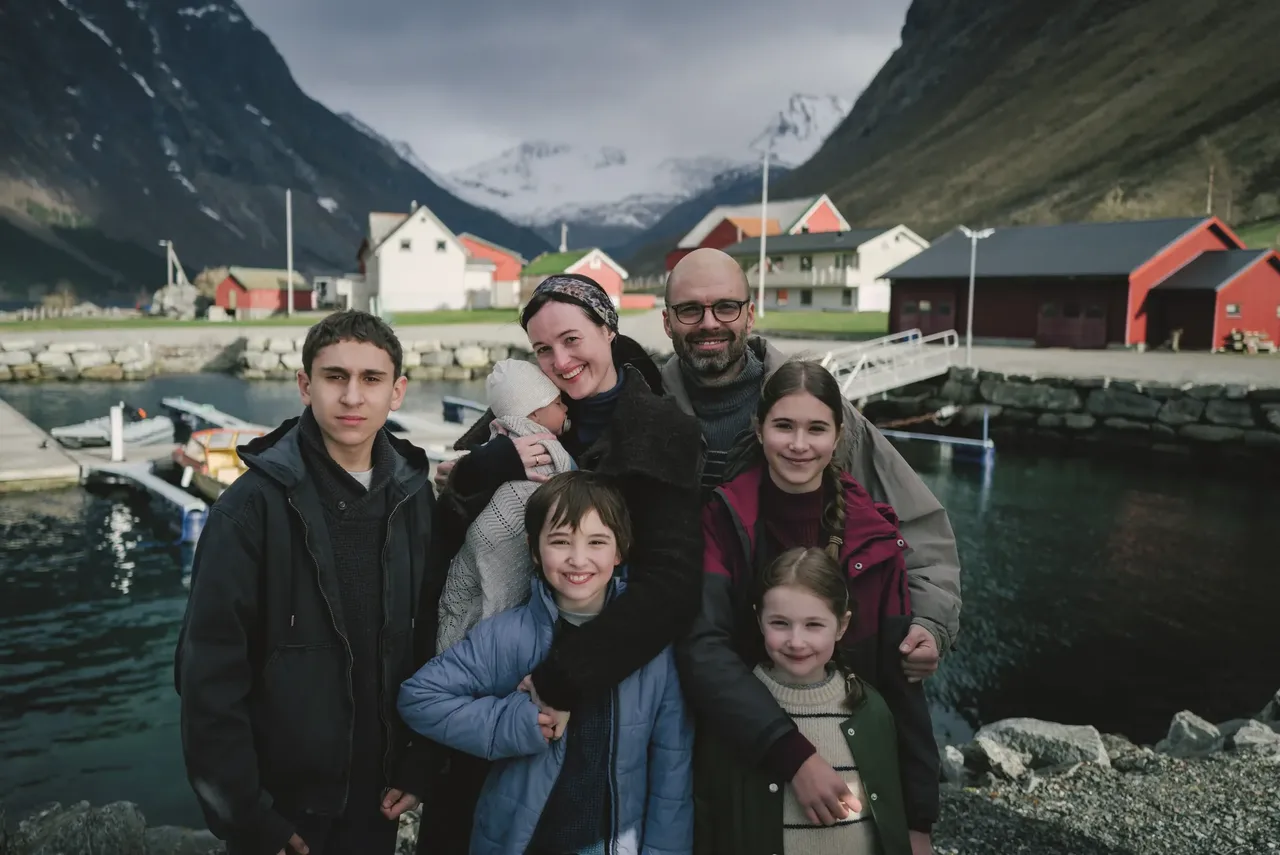
Fjord by Cristian Mungiu
Cristian Mungiu does not tend to make films that leave you feeling pleasantly neutral, and Fjord appears to be no exception. Sebastian Stan and Renate Reinsve play a Romanian couple who have moved to Norway and find themselves under suspicion of child abuse: a premise primed for the director’s forensic attention to fear, bureaucracy and moral judgement. The film earned Mungiu his second Palme d’Or, which is not exactly a casual endorsement. At 146 minutes, it is asking for patience, but Mungiu’s cinema knows how to turn a social pressure cooker into something impossible to step away from.
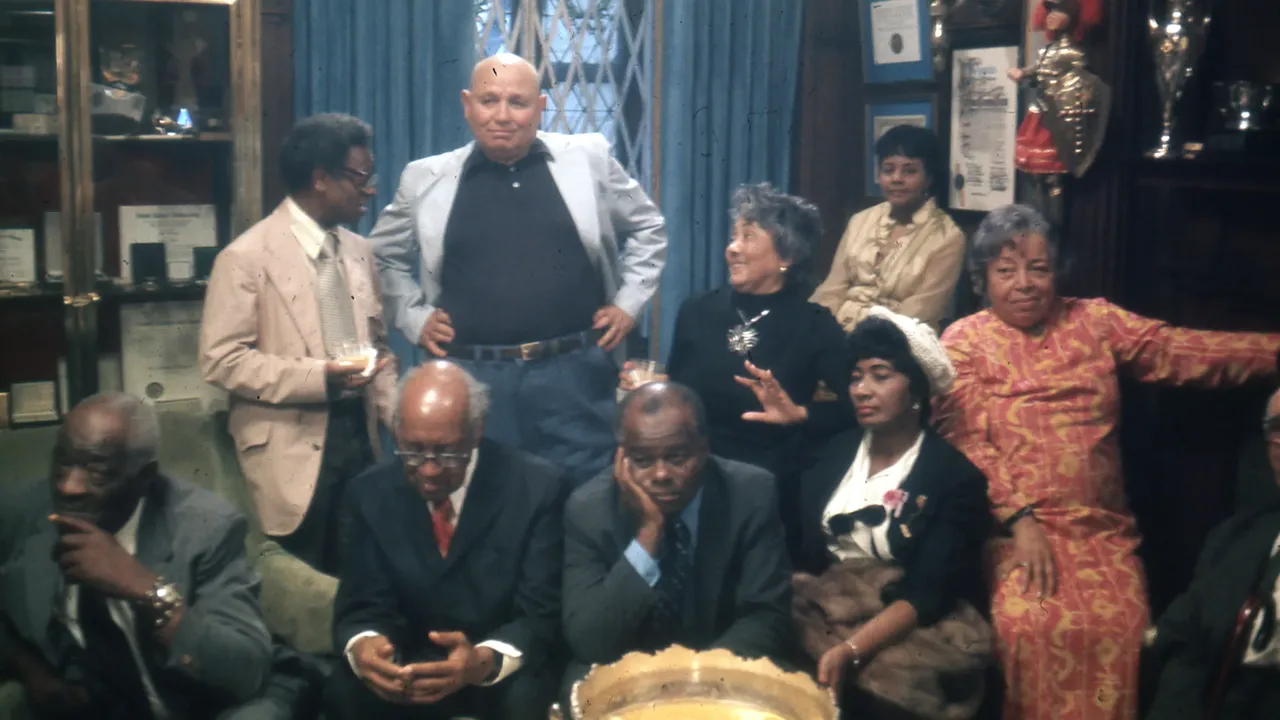
Once Upon a Time in Harlem by William and David Greaves
In 1972, William Greaves gathered artists, writers, actors, musicians and thinkers connected to the Harlem Renaissance. More than fifty years later, his son David has completed the film, turning archival material into a conversation across generations rather than a museum piece. Once Upon a Time in Harlem is the kind of discovery NYFF does particularly well: a work with history inside it, but also unfinished business. The fact that editors Anne de Mare and Lynn True will discuss its construction during the festival only adds to the pull. Harlem’s artistic past is not being embalmed here; it is being returned to motion.
Joy of Joys by Jonathan Glazer
Jonathan Glazer’s first film since The Zone of Interest is not a feature, but that hardly makes it a minor event. Joy of Joys follows London schoolchildren armed with cameras as they go behind the scenes at Abbey Road, where a War Child charity album is being recorded for children affected by conflict. The 38-minute documentary sounds exuberant and sobering in equal measure—two modes Glazer has an unnerving talent for placing side by side. Its single NYFF screening also ends with an extended Q&A with the director, so this is one to treat like a rare live date rather than a footnote in the schedule.
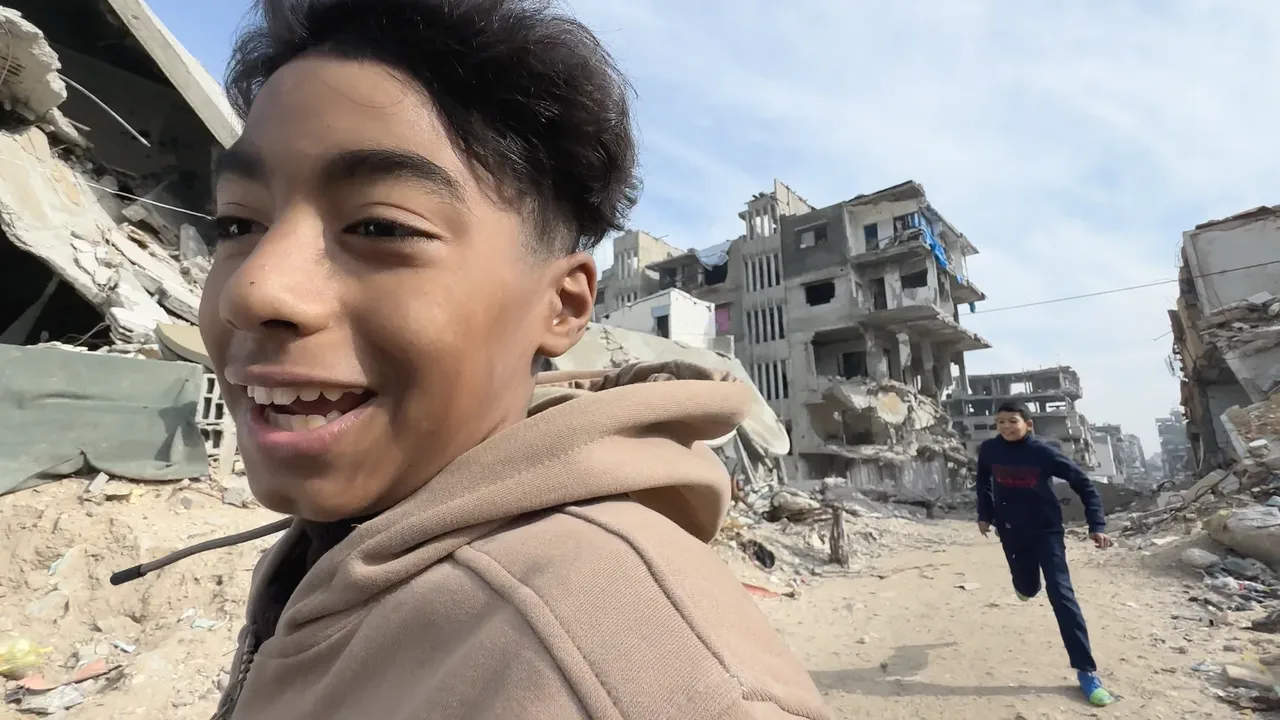
I Rarely Wake Up Dreaming by Isabelle Stever
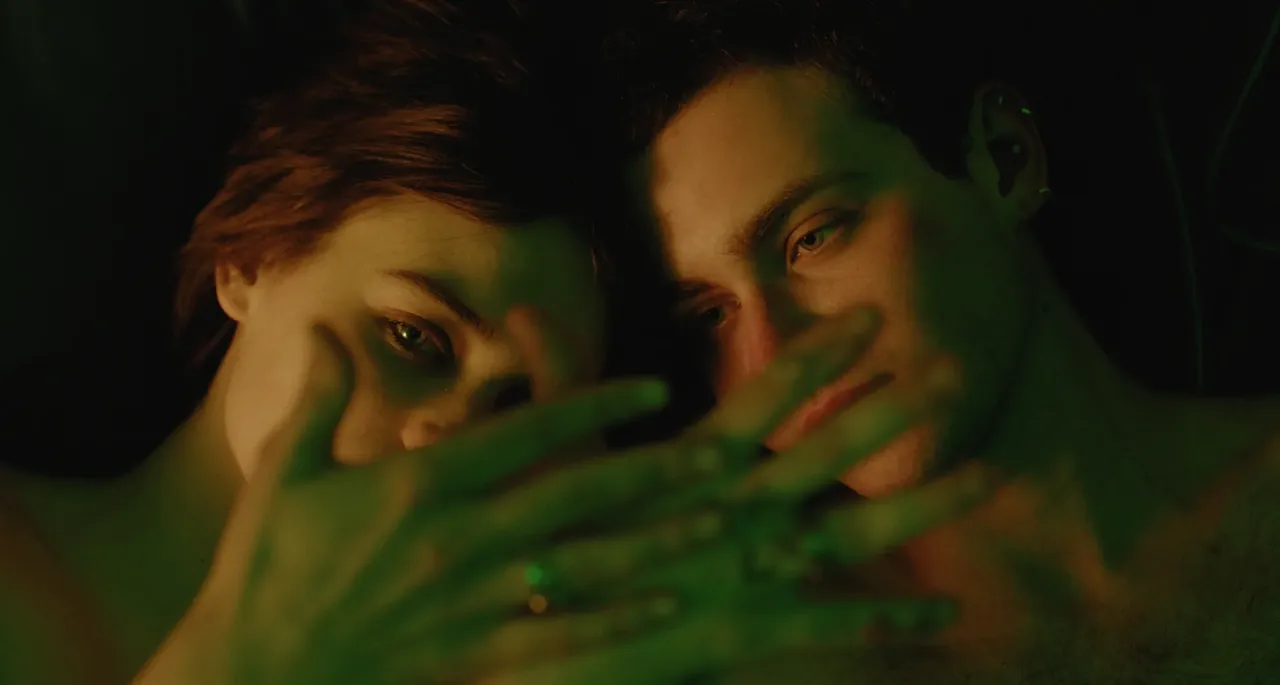
Set in Ukraine during the height of Russia’s invasion, Isabelle Stever’s I Rarely Wake Up Dreaming follows a young queer couple moving through internal and external transformation. The premise is unavoidably political, but the festival describes the film as tender as well as timely—an important distinction when stories of war are so often reduced to shorthand. Stever has a reputation for formal nerve and emotional directness, and this North American premiere sounds like a film interested in the daily texture of survival rather than a grand statement from a safe distance. Expect something intimate, unsettled and quietly radical.