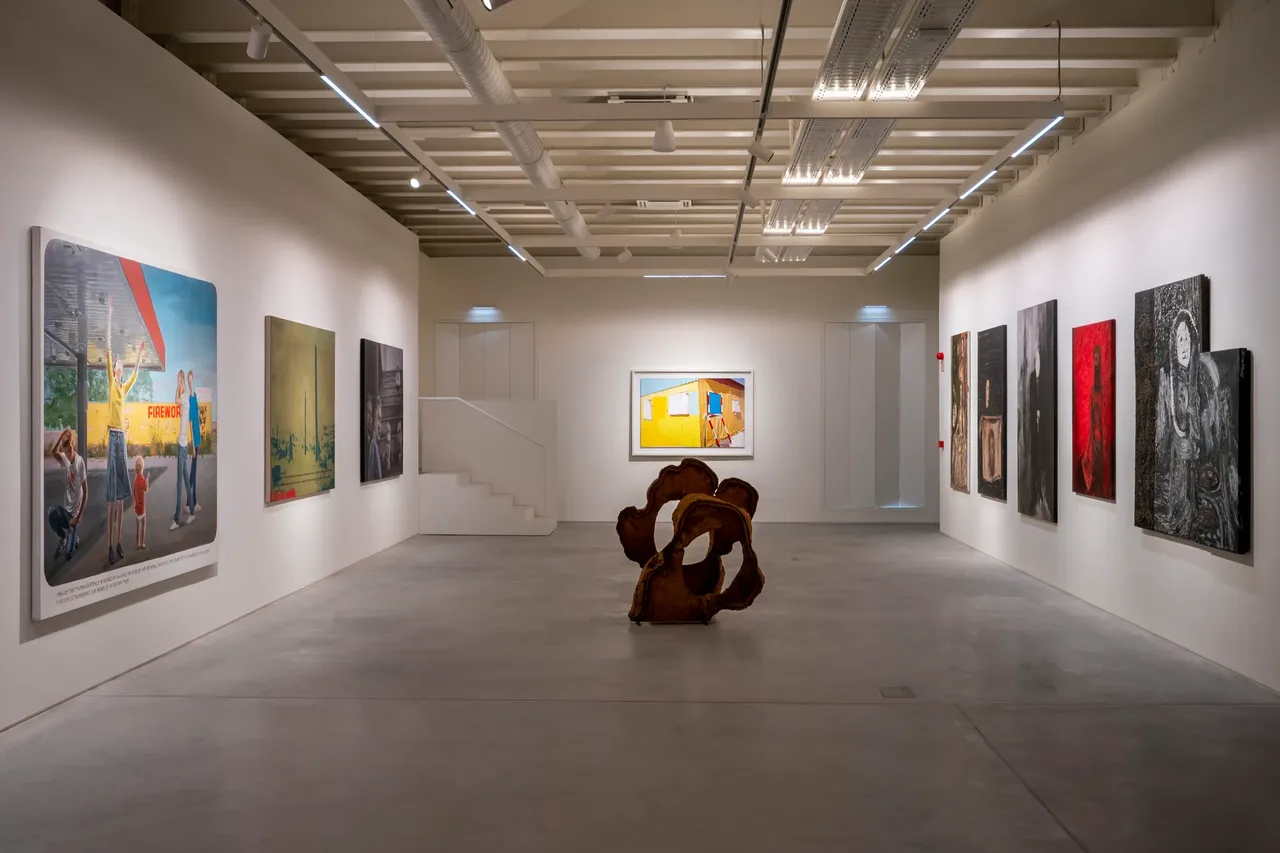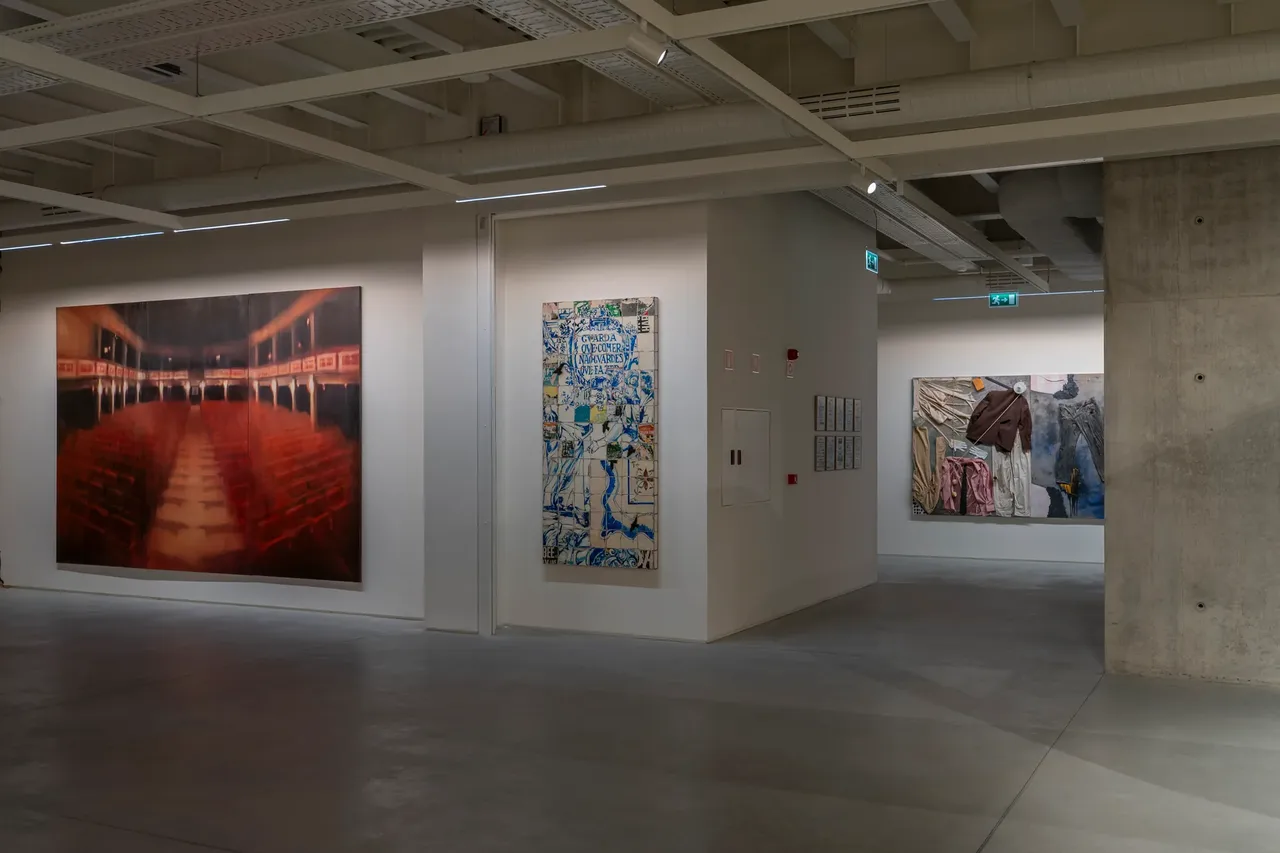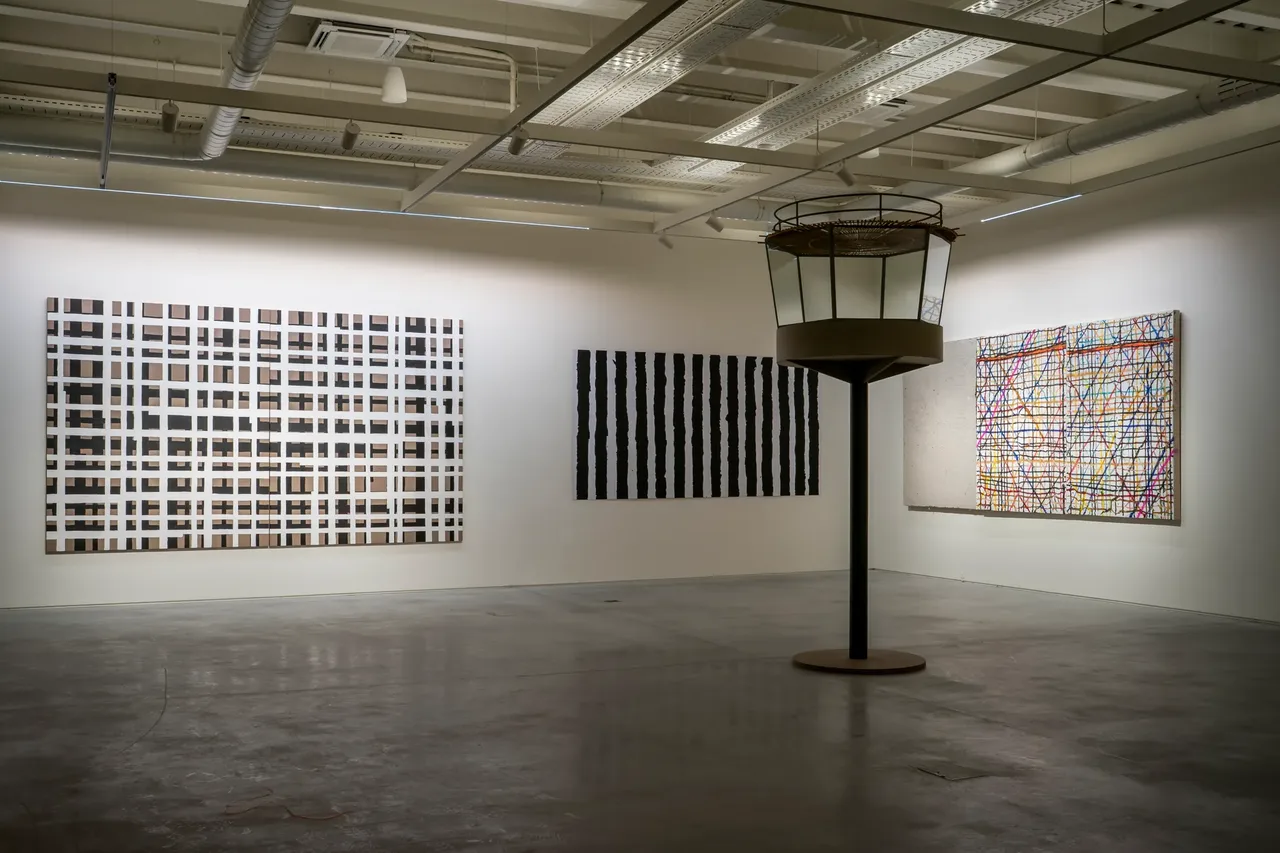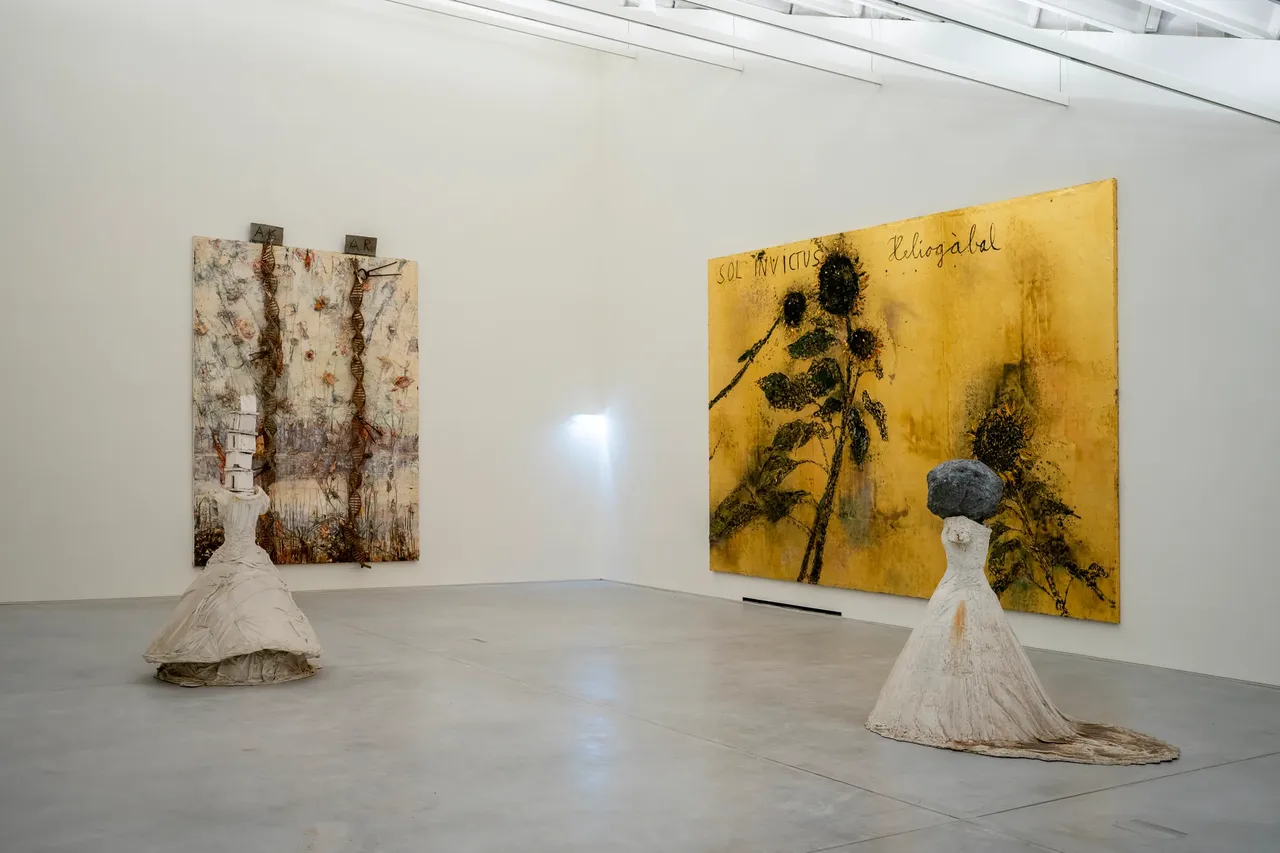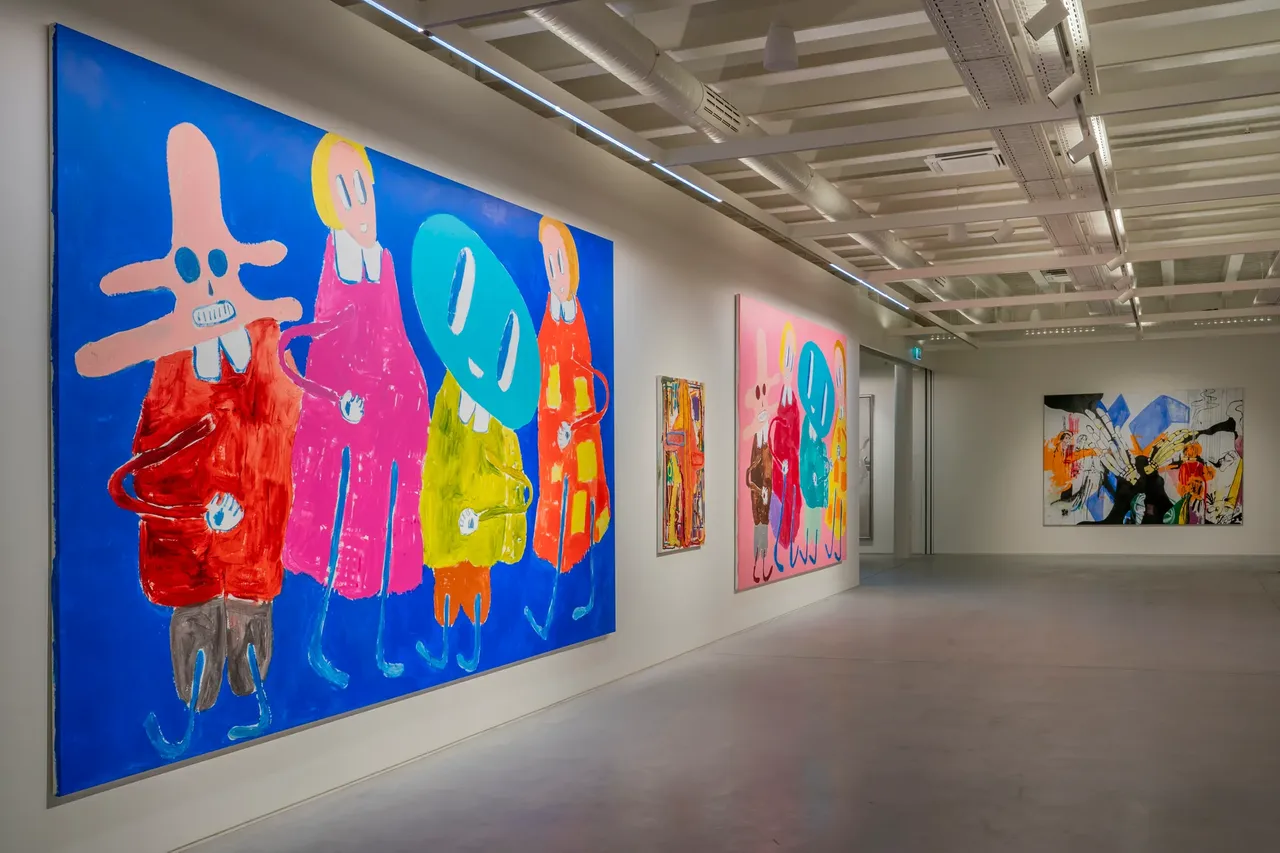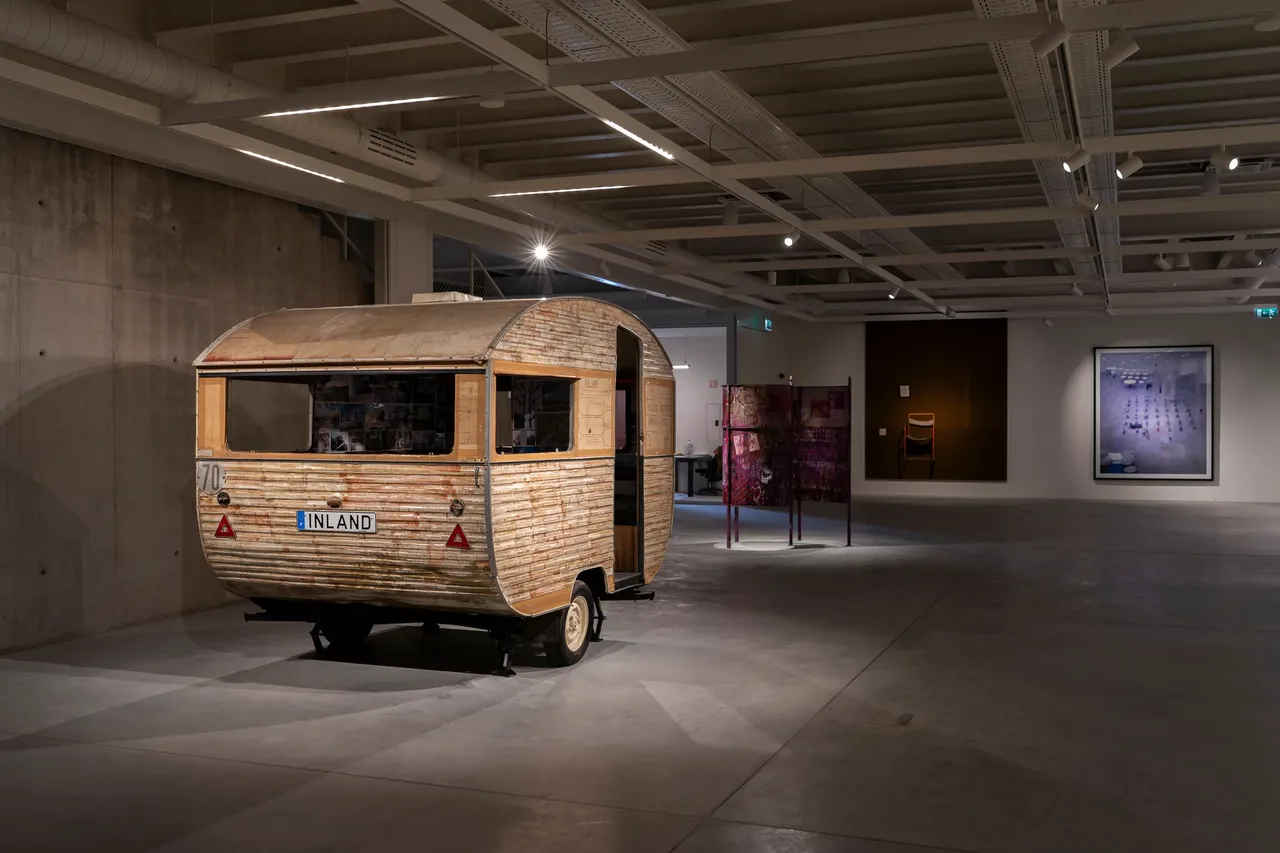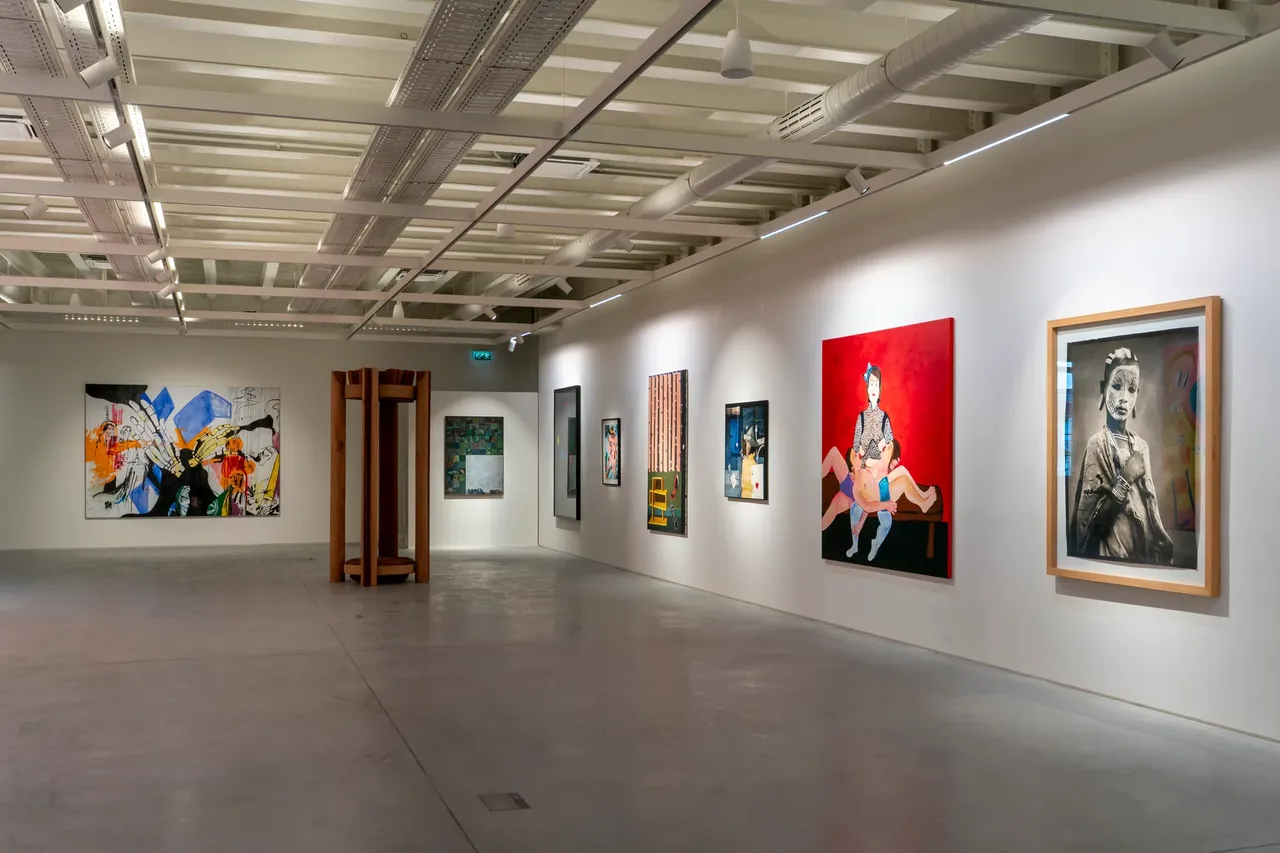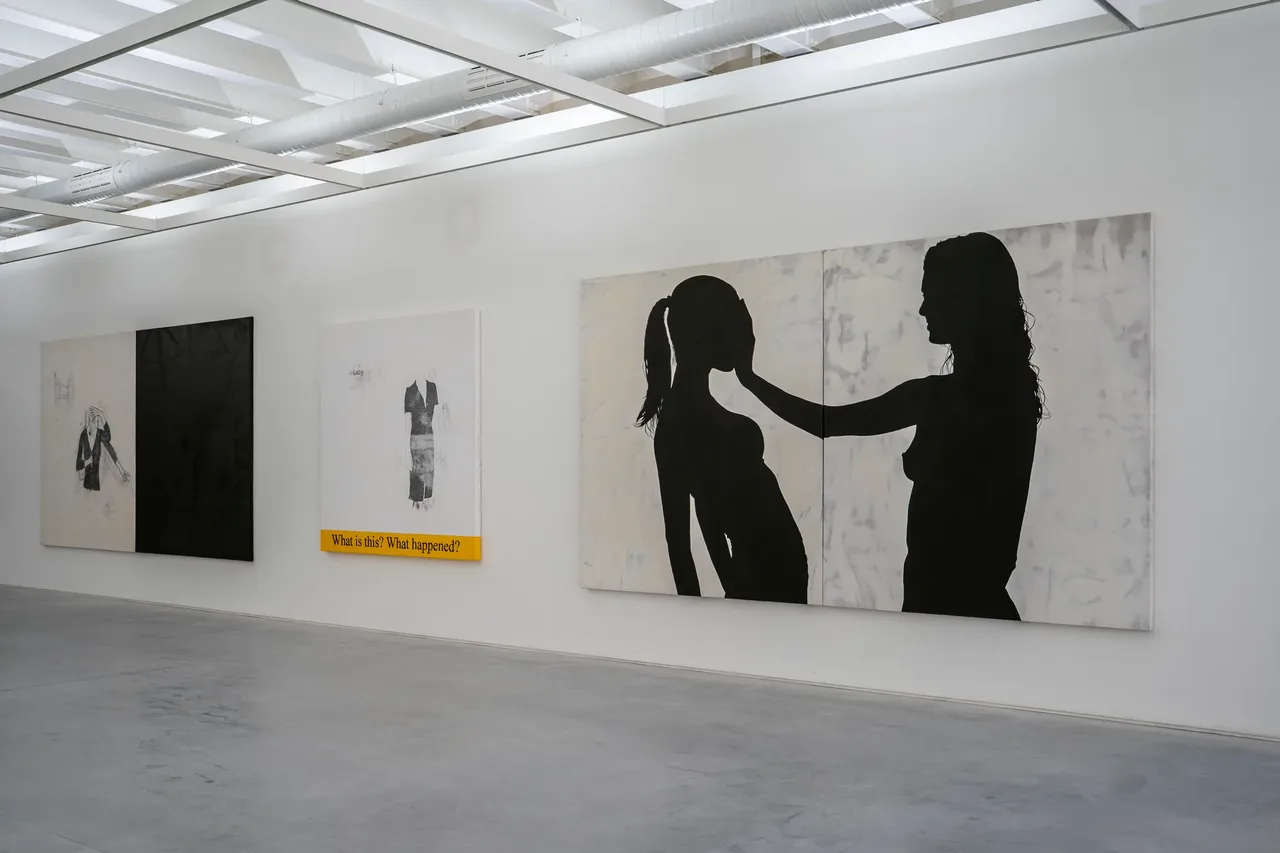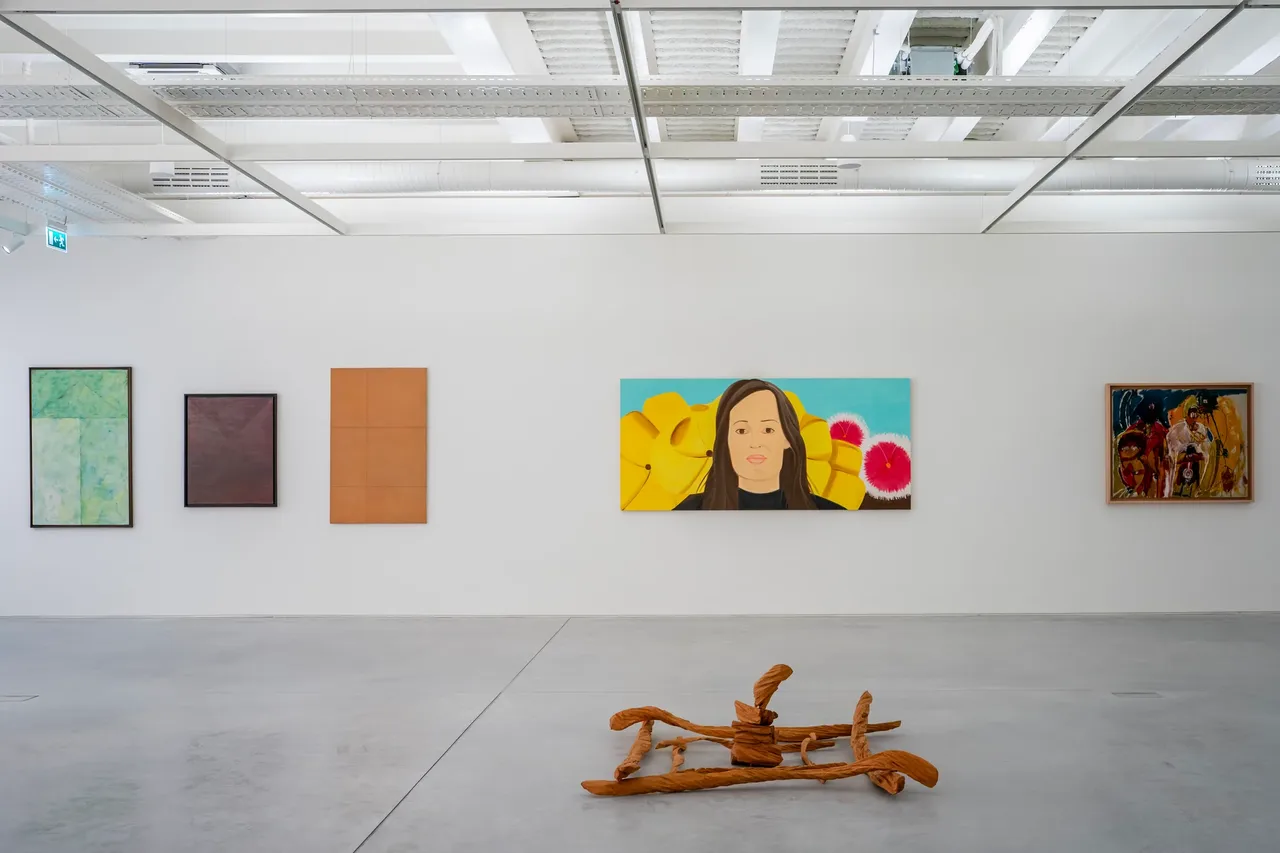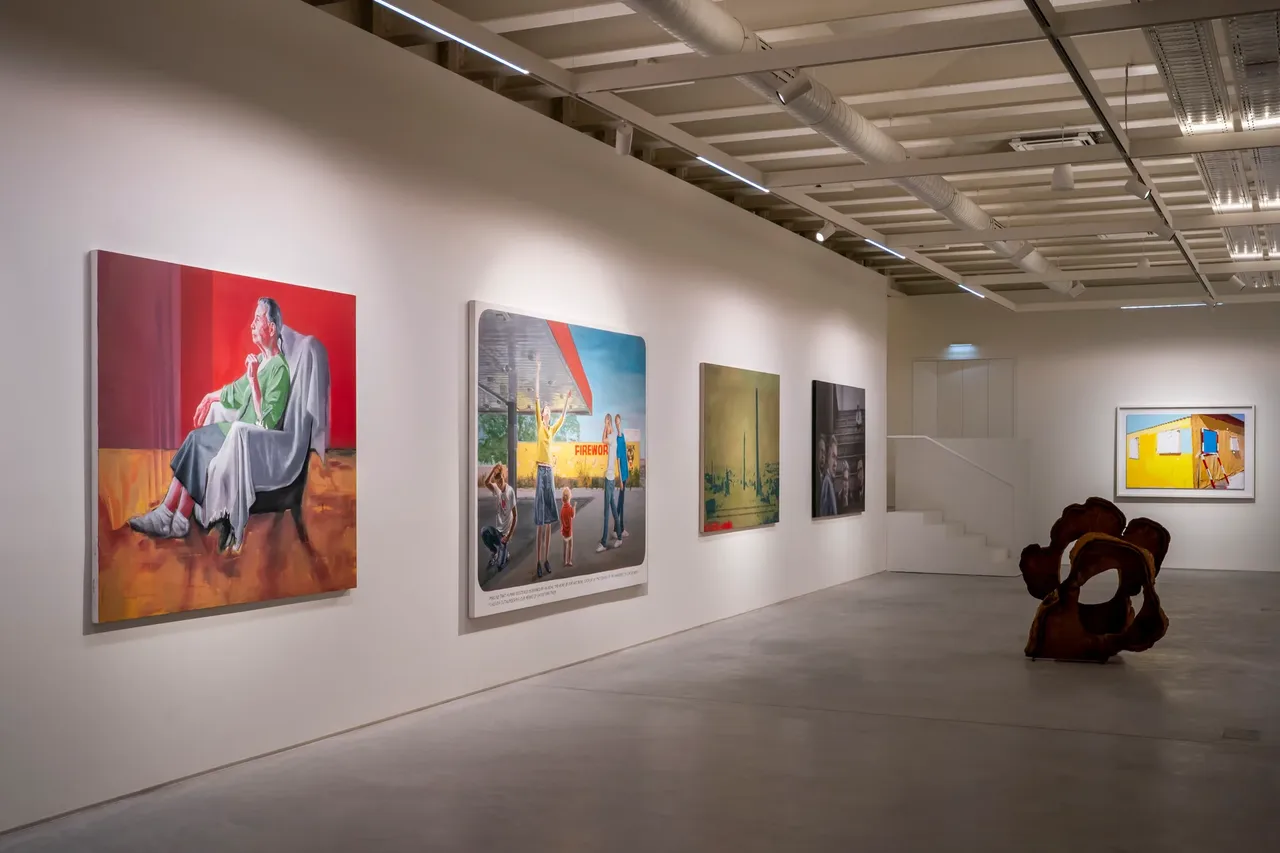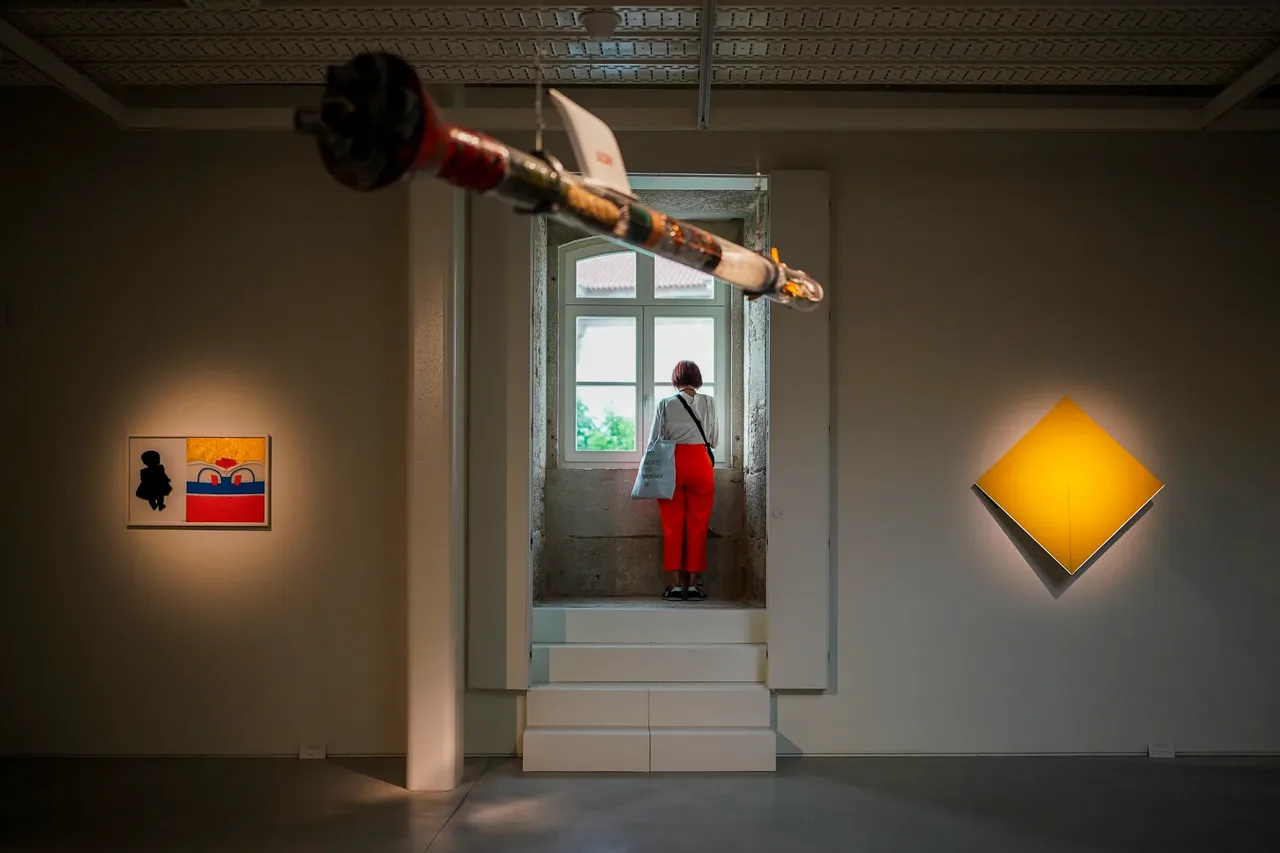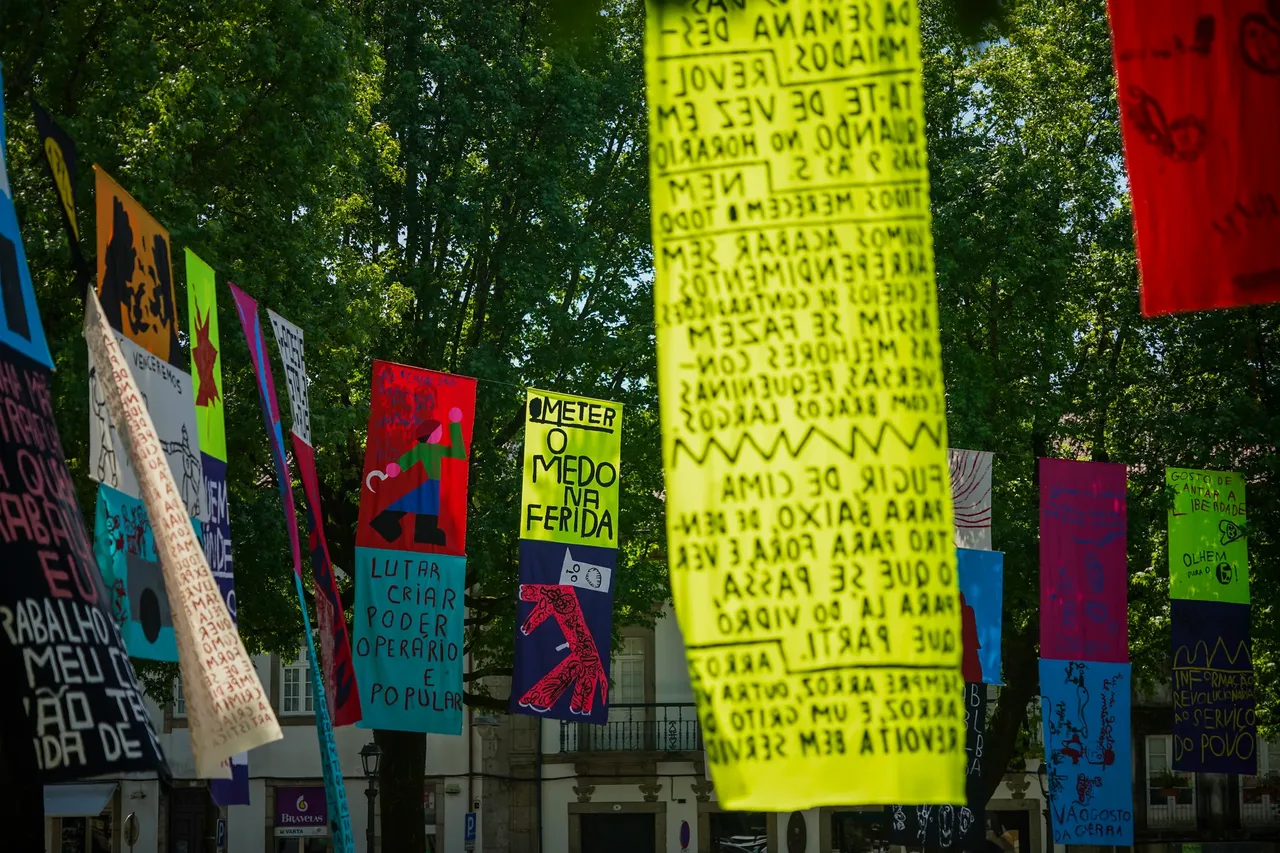
What began with a painting exchanged for a fence, a child who found escape in literature and a family mining business with a keen interest in the performing arts eventually became MUZEU – Thought and Contemporary Art dst: a third space, a political museum, a cultural centre and a public place where literature, art and philosophy carry forward the legacy of forty years of collecting and the passion of its founder, José Teixeira. Whether on the campus or in the museum or gallery, it “exists to give back to the community”, in his own words.
MUZEU is the first museum to include the word “thought” in its name, already offering a hint of the ideals that underpin the group of companies behind it. But to fully understand MUZEU, it’s necessary to begin somewhere else: somewhere like the communal laundry at dstcampus, an unplanned stop during the tour to which METAL was invited. Beneath a corrugated metal roof and a few coloured light bulbs, there was a library, several washing machines and a sign inviting neighbours to use the space while explaining the meaning behind those specks of light.
For Teixeira, the laundry isn’t simply a place set up for washing clothes but another form of communal space, where conversations can happen, ideas can flourish and new ways of thinking can emerge. Born out of memories of the cold winters of his childhood, the sharp yet comforting sound of rain falling on an aluminium roof, and the smell and colour of the pink soap used by the women who washed their clothes, it is ultimately a reminder of the possibility of emancipation that only art can achieve.
On that same plaque, he recalls the craftsmanship and artistry of the blacksmith in his village, who worked metal over a burning fire until it turned red, alive and malleable, before becoming sharp, useful and beautiful. Like the blacksmith, he feels responsible for an unwritten social duty to the community, to his workers and to the creation of critical, free citizens. For Teixeira, “cultured people are freer”. Walking through the space makes his philosophy tangible: art is embedded in every inch of it, beginning at the entrance, where a large sign bears a quote from Bernardo Soares.
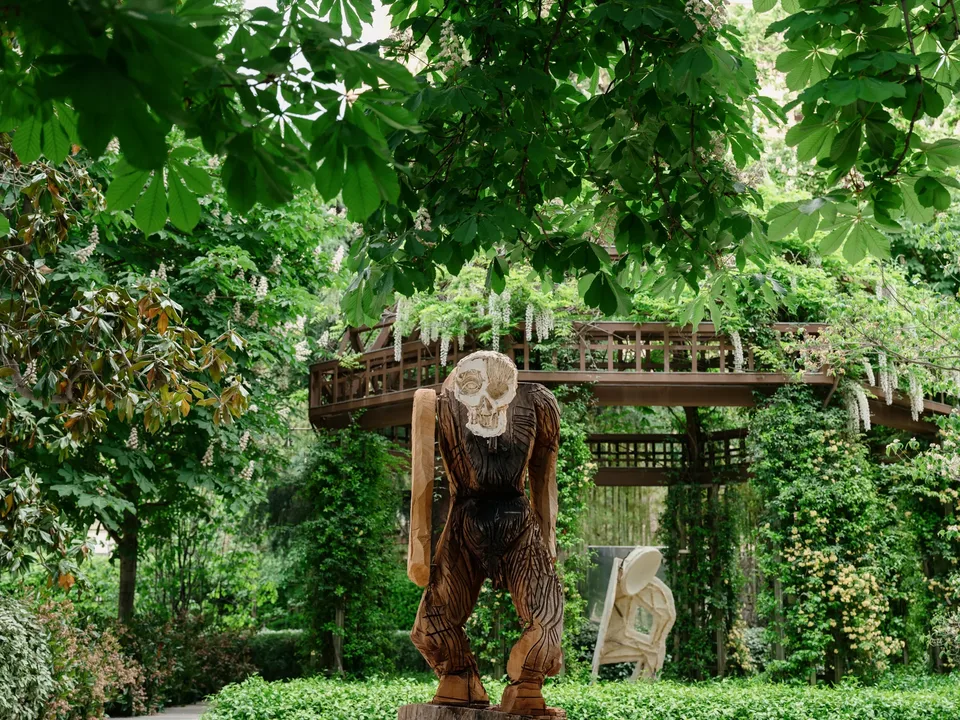
Among the factories that make up the campus is a miniature city surrounded by public artworks that carry causes, convictions and global identities, from Memorial to Child Labor (2022) by José Pedro Croft to Angela Ferreira’s large-scale installation, a tower that delivers a speech by Nelson Mandela. People work, live and enjoy themselves there.
The literature from a travelling library, the plays by the Braga Theatre Company and the conversations held in the laundry all helped shape Teixeira’s life. In his mission to return what he received, his ultimate objective is “to find the grain of the stone, split it with care and nobility, and share it with others”. It is at dstschool that the stone metaphor takes shape most fully: a school of thought in the tradition of Frankfurt or Harvard, materialised in a building where each classroom is named after a writer, artist or philosopher. Beyond Clarice Lispector’s library is a stage where theatre companies perform, while a handful of classrooms along a bright red corridor surrounded by art offer a place where new knowledge can be learned and shared.
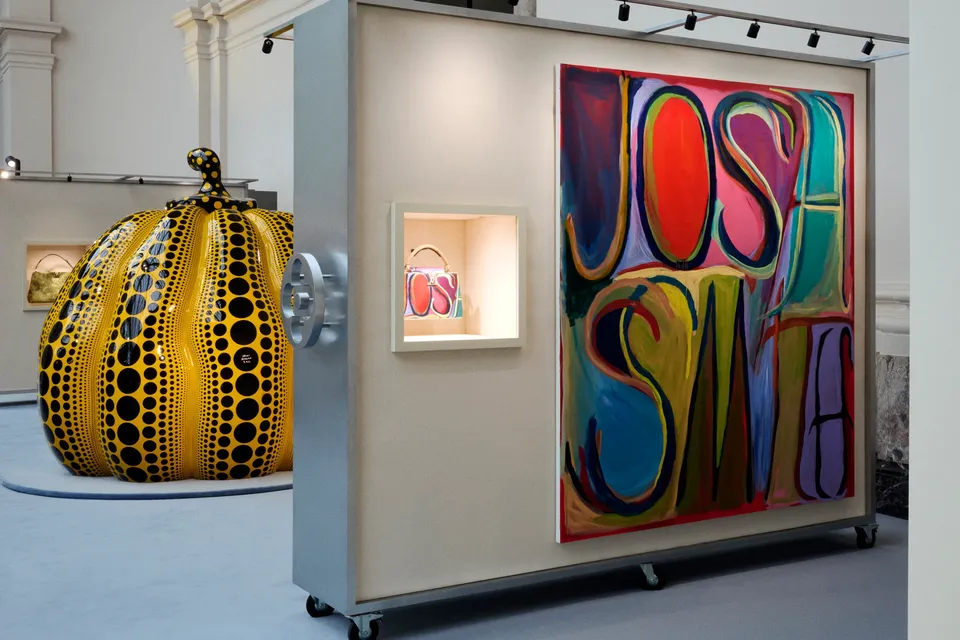
In the heart of Braga, ZET, art gallery takes its name and identity from Zé himself. It’s the “most commercial” part of dstgroup, in the words of Helena Mendes Pereira, its director and curator, but it carries the same ethos: a mission to democratise access to art and encourage discussion about contemporary reality. They create space for an idea to be considered before it finds expression in political works across many forms and media, such as those of Brazilian multidisciplinary artist Isa Toledo. Her installation Bem-Haja—a Portuguese expression of gratitude, a gentle way of wishing well to someone who has done something for us—explores memory and uprooting through empty shelves and a delicate sensibility.
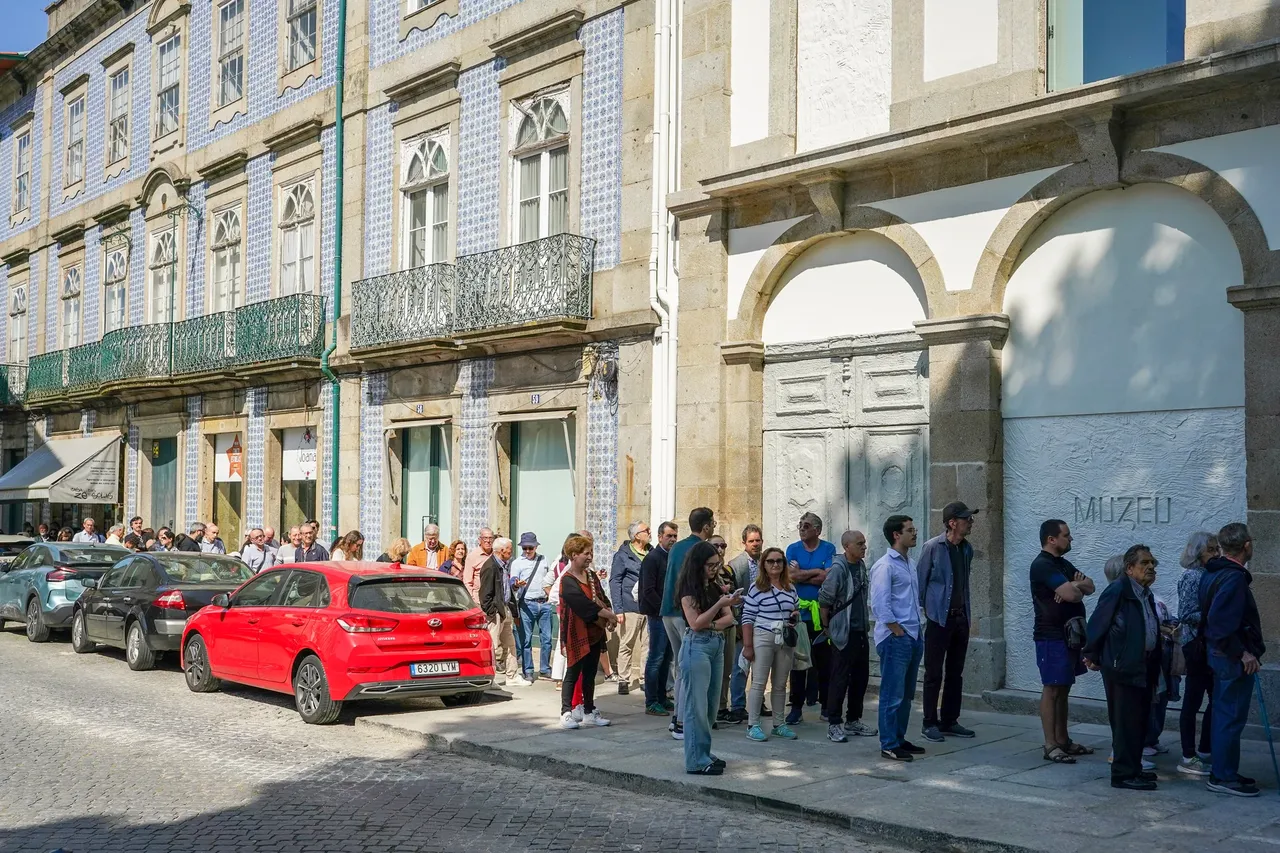
Teixeira’s patronage extends to MUZEU, “the public voice of dstgroup” and a continuation of his revolution. In a full-circle moment, the building—designed by José Carvalho Araújo, an architect and friend of Zé, with a clever brand concept born from an epiphany experienced by Zé’s daughter, Bárbara Forte—was once home to the Braga Theatre Company. At number 62 on Praça do Município, past and present coexist. Now, at the “third square”, the most significant surviving section of Braga’s medieval city wall introduces visitors to the soul and vision of Zé Teixeira through the motto “Be realistic, demand the impossible”.
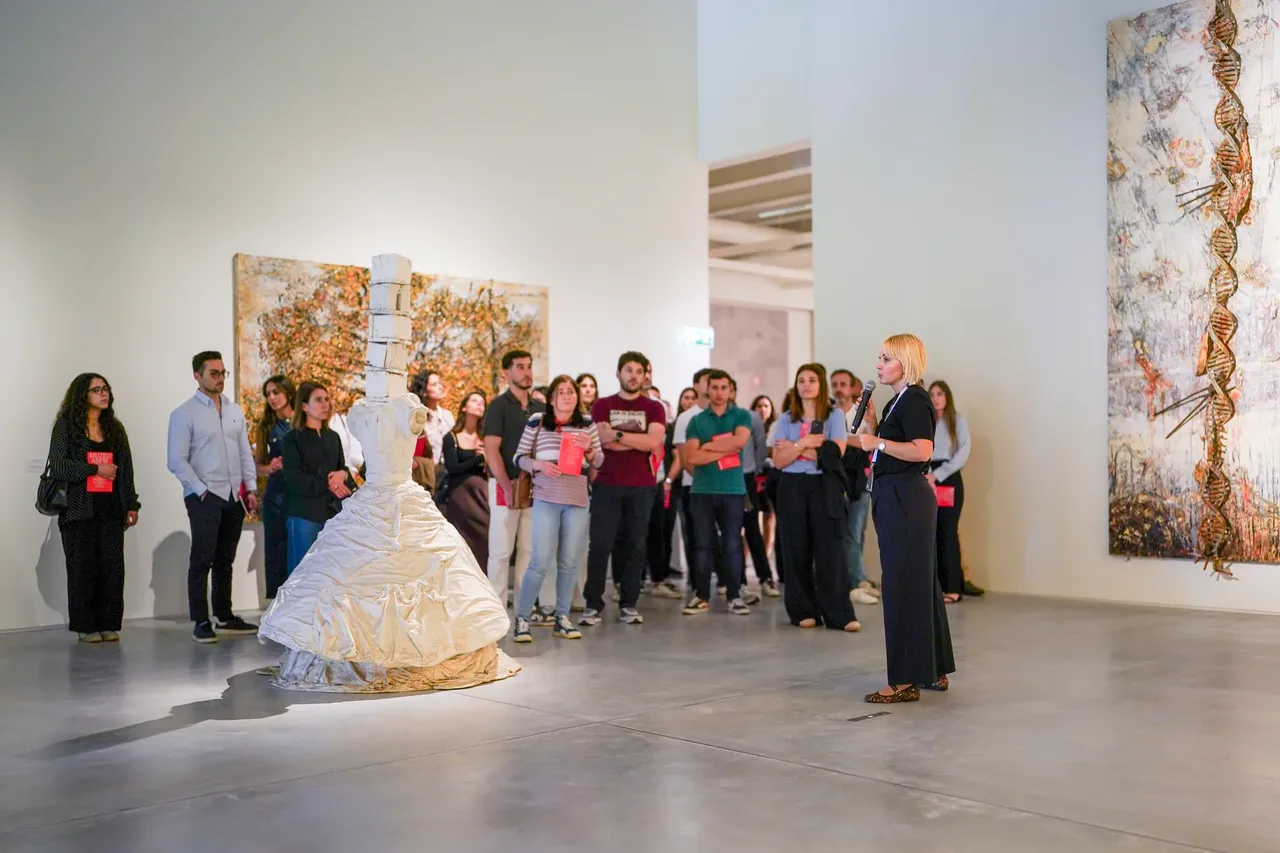
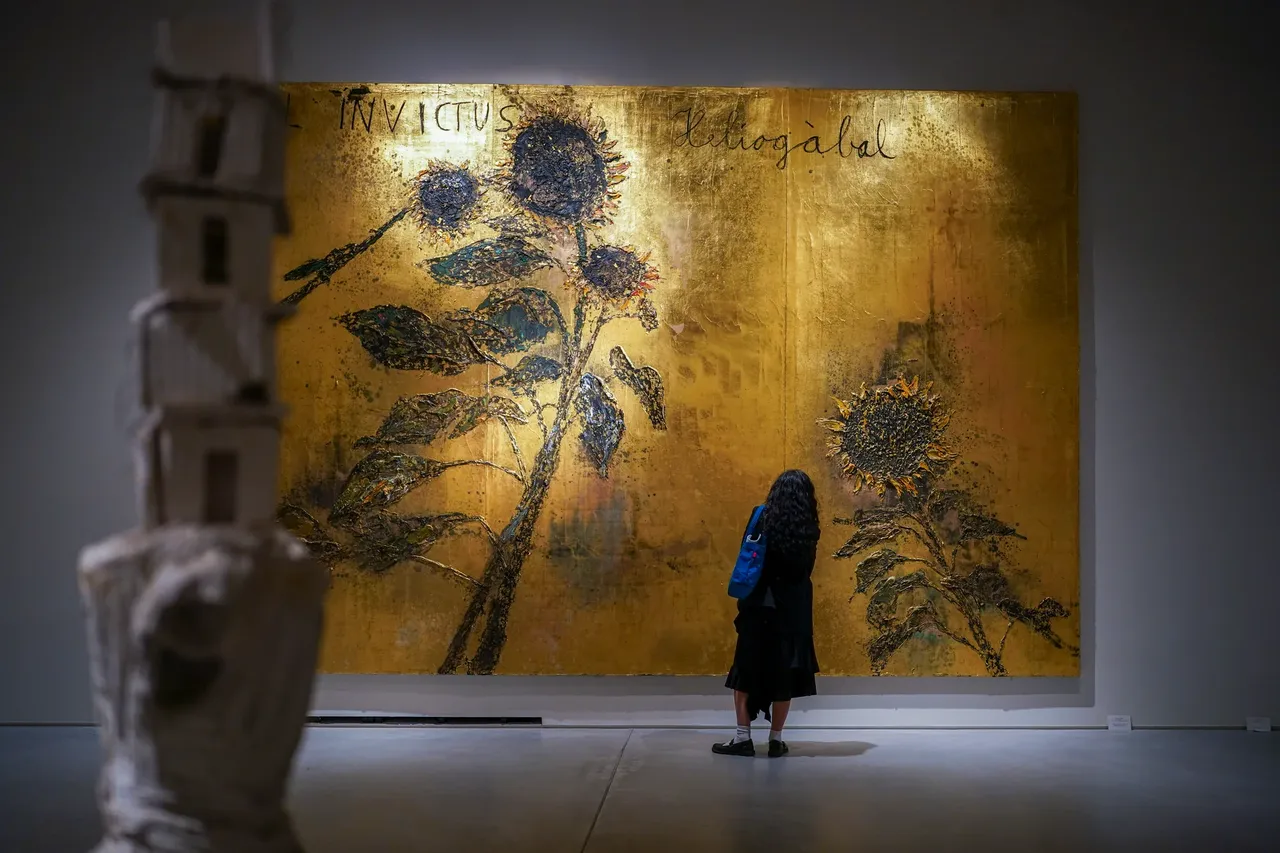
Helena Mendes speaks about him with the utmost care and respect, perhaps the clearest reflection of the relationship they have built. A fan of Kiefer, Teixeira “chooses all the artworks”, and established masters are presented alongside emerging artists because the collections “have no chronology or hierarchy”, as Mendes explained to the group. A self-proclaimed feminist, she is also committed to making MUZEU a place of parity. Among its 1,100 artworks, the numbers of works by women and men artists are almost equal.
Inside the five-storey building where Teixeira’s personal collection now lives, Mendes explains that he “chooses politically engaged people”. There was therefore little doubt about the decision to bring Handle with Care / À manipuler avec soin from Manif d’art – Québec City Biennial. Elias Nafaa’s work confronts war through an installation composed of weapon replicas that makes visitors instinctively take a step back.
Back at the laundry, a sign recalls Zé saying that he once did not know that “dancing meant going all the way”. His desire to amplify the public voice has led him to create a community founded on the values of goodness and beauty, whose essence lies in promoting critical thinking and literacy in the arts and humanities. Taking an idea seriously enough to let it change the way you move through the world is perhaps what going all the way means—and then some.