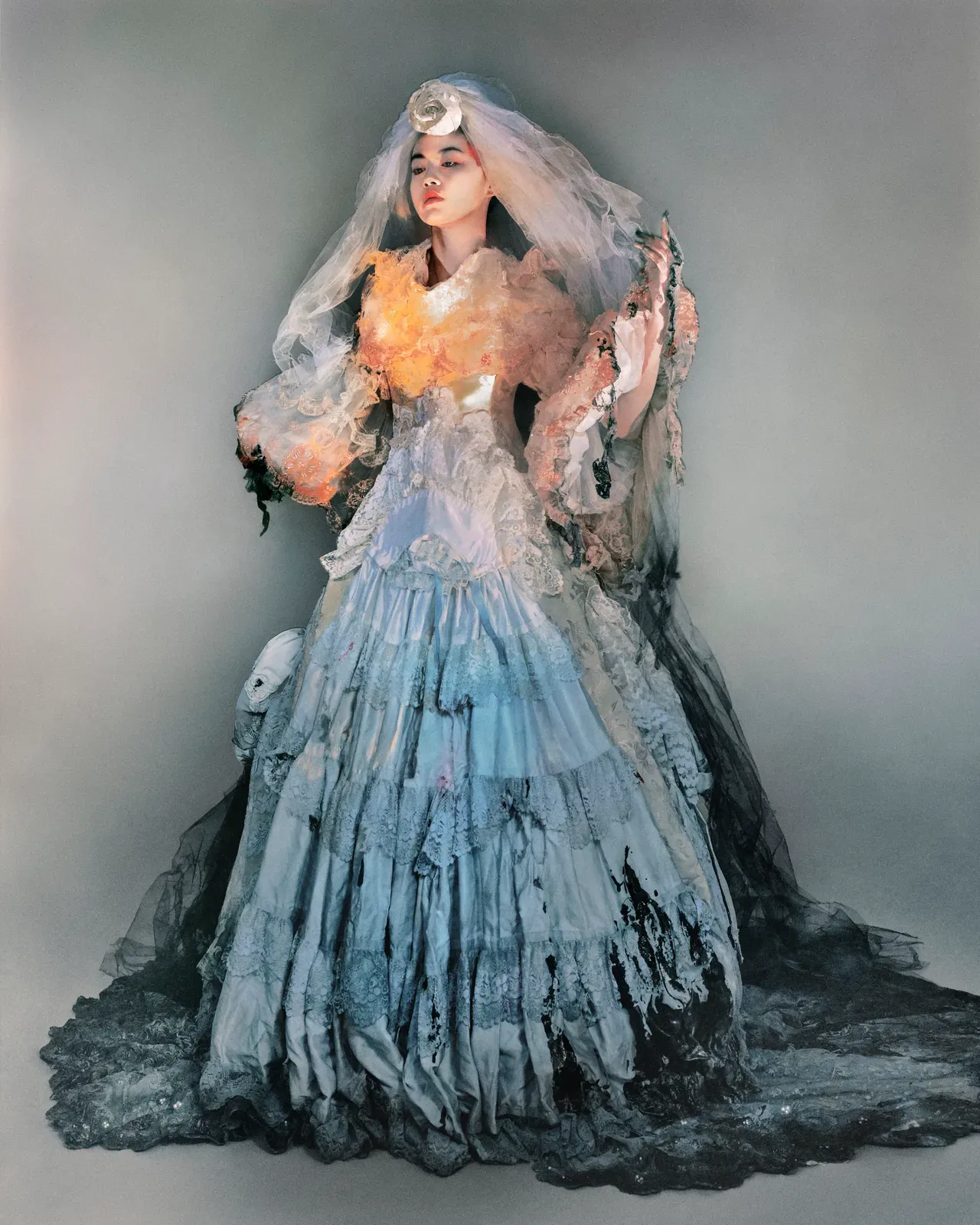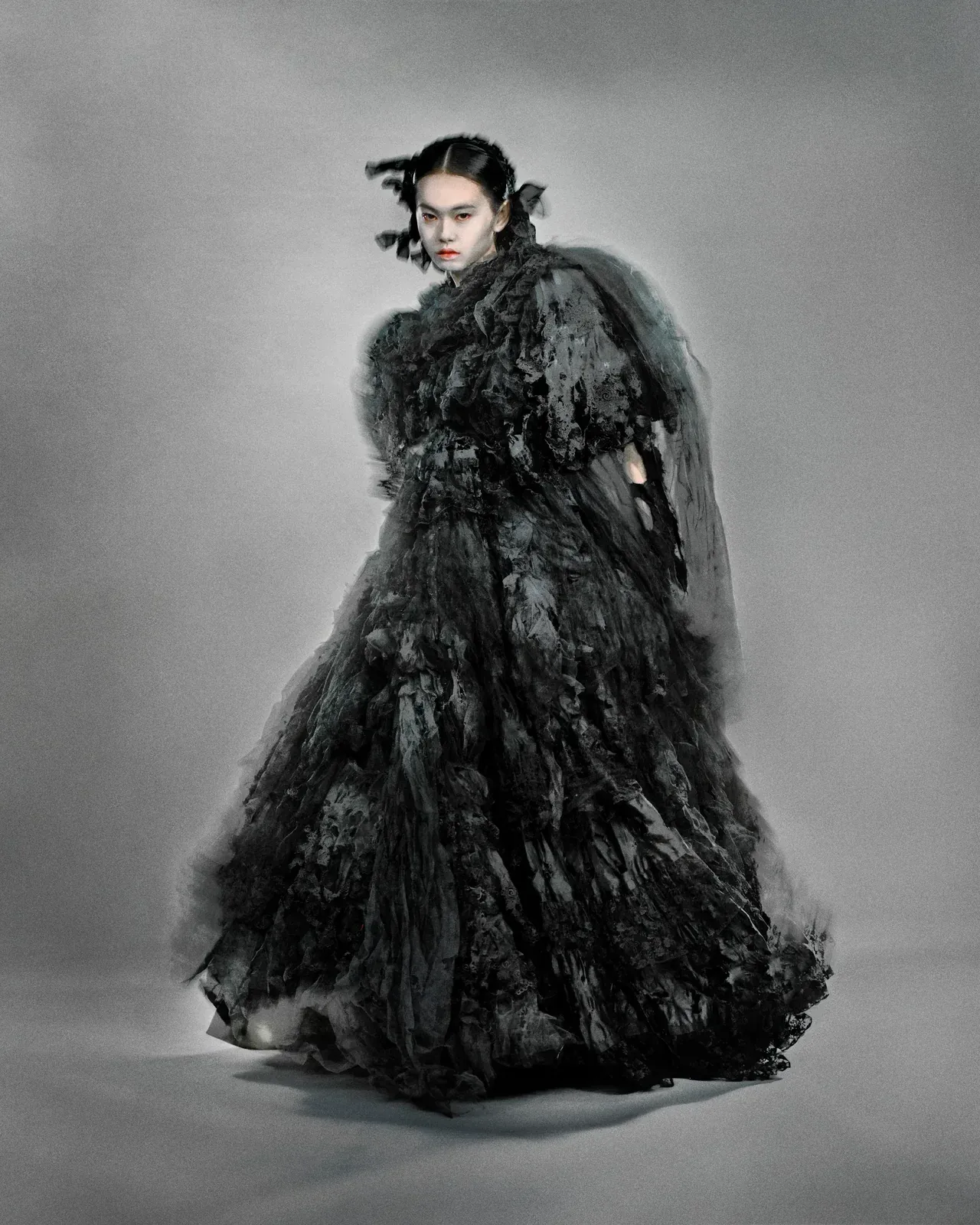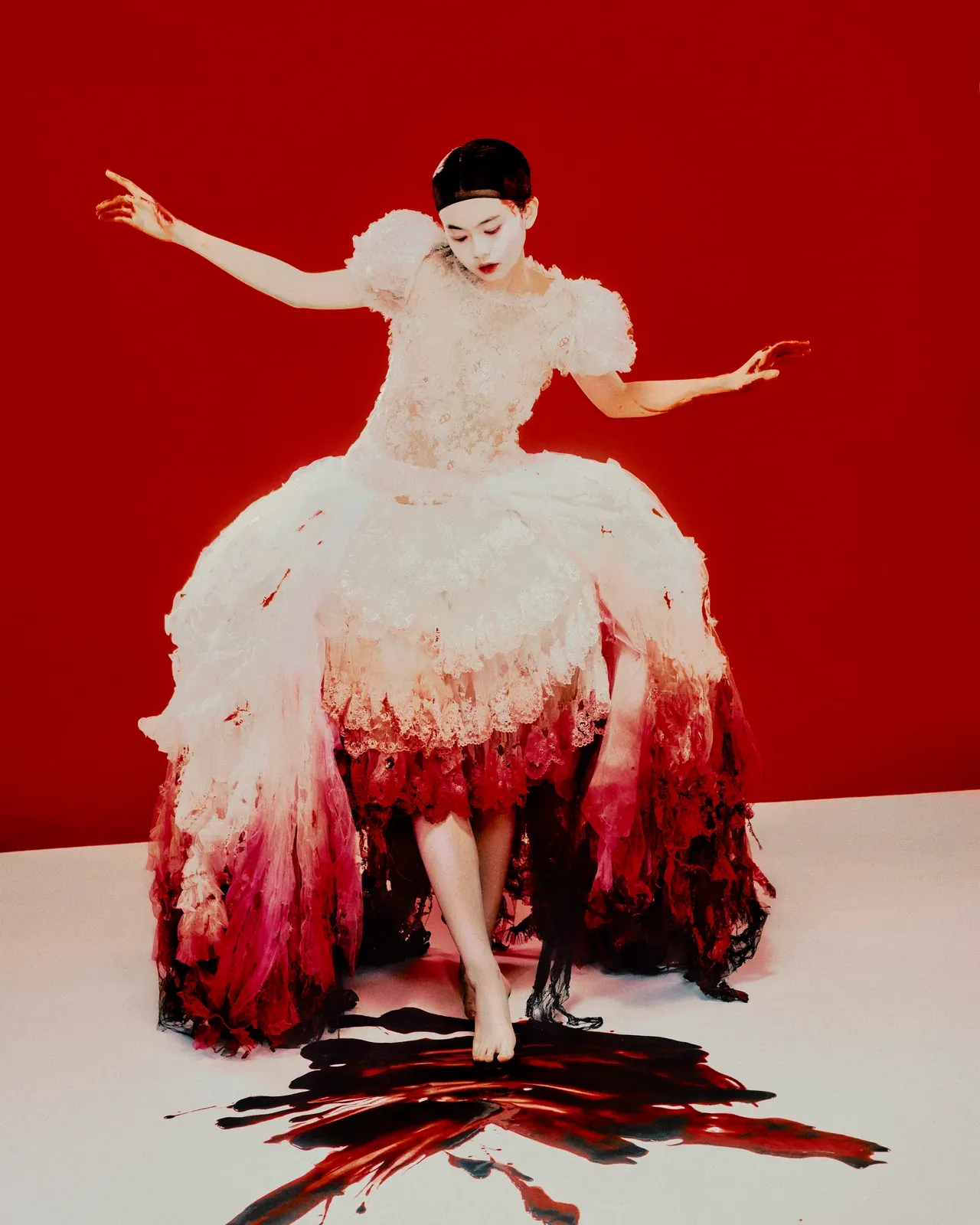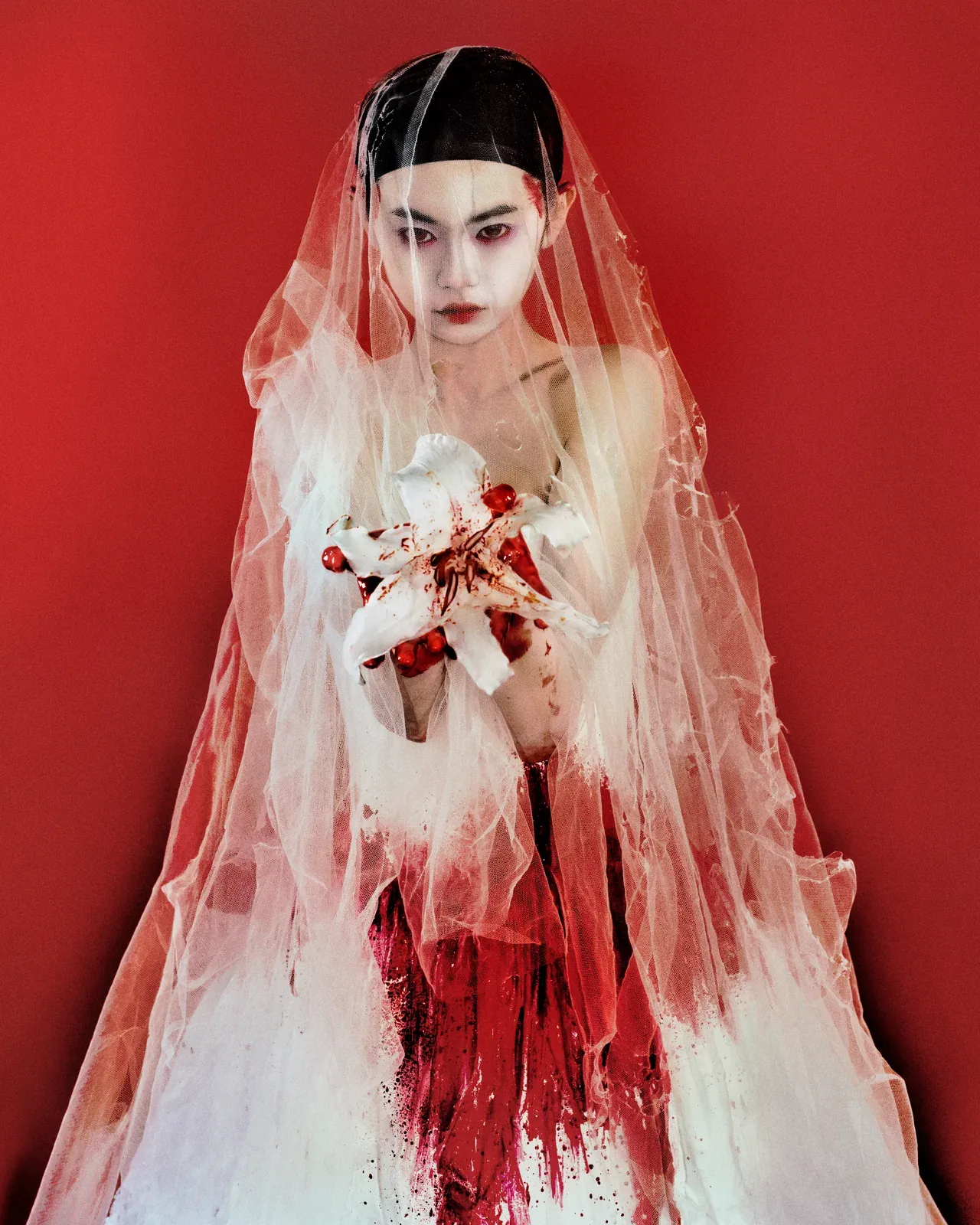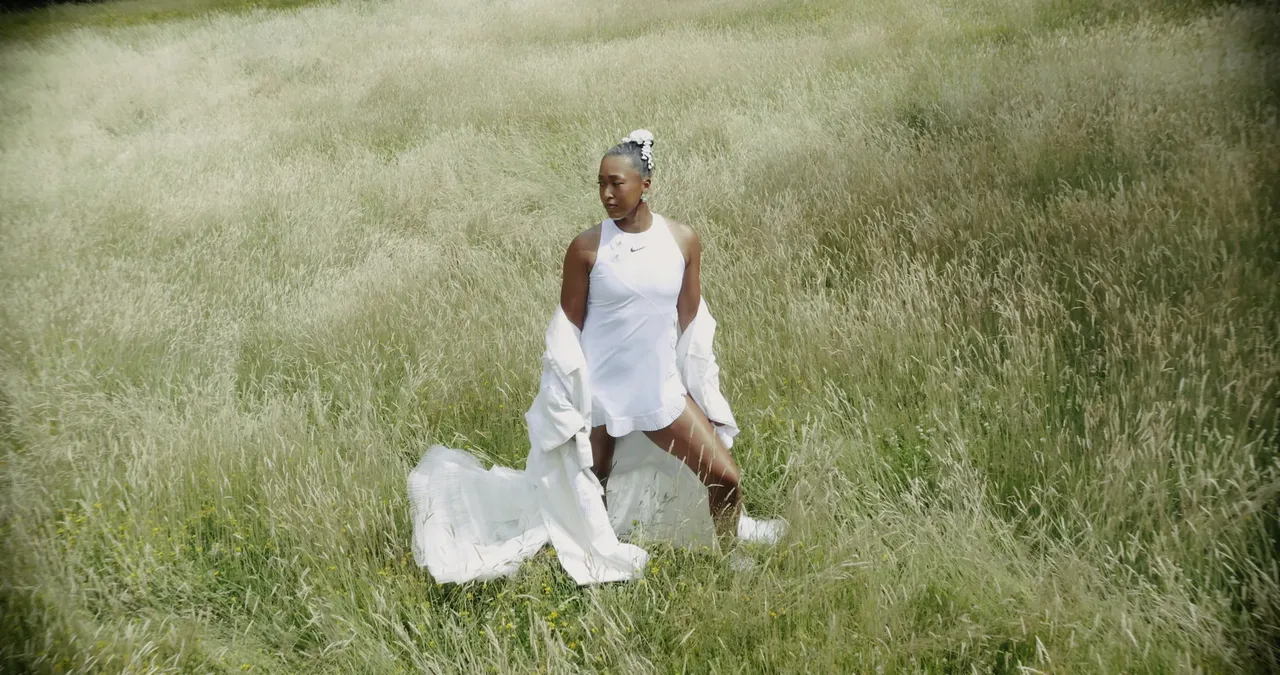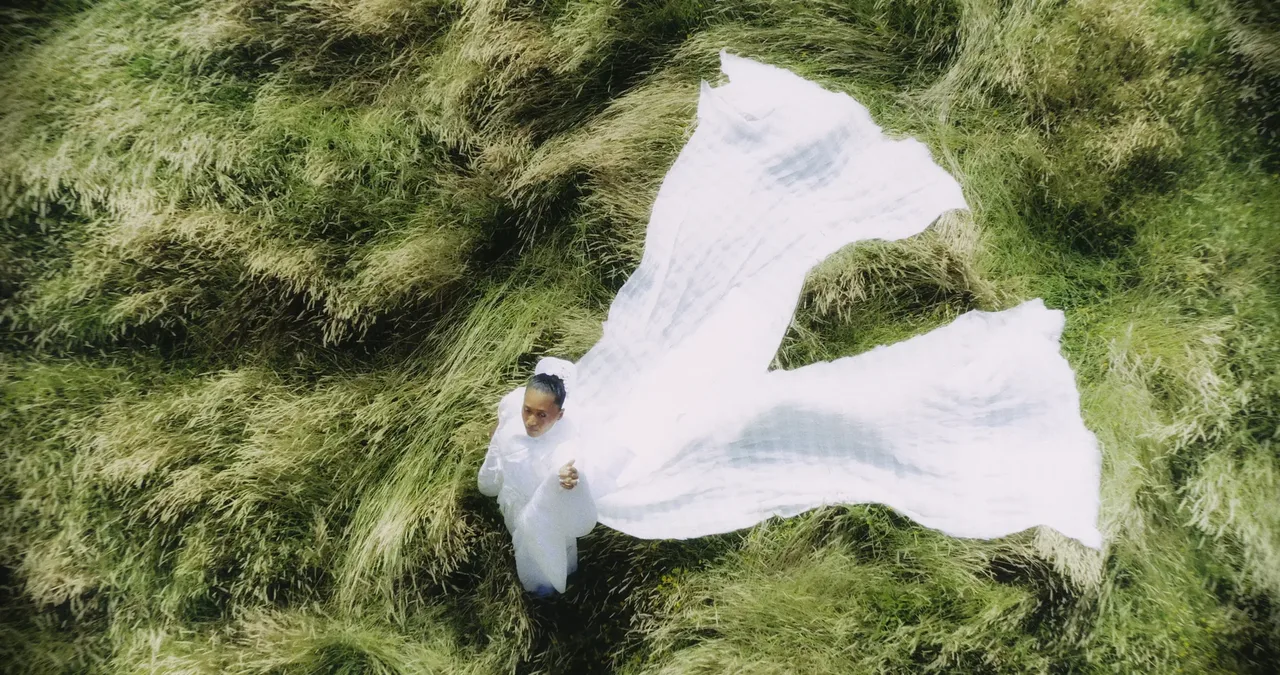
For many people outside Japan, Hana Yagi first came into view when Naomi Osaka stepped onto Wimbledon’s grass in a white, kimono-inspired silhouette. Yet the Tokyo-based designer’s practice has long been concerned with the questions that outfit brought into sharp focus: what clothes remember, how ceremony survives, and how tradition might be carried forward without being frozen in place.
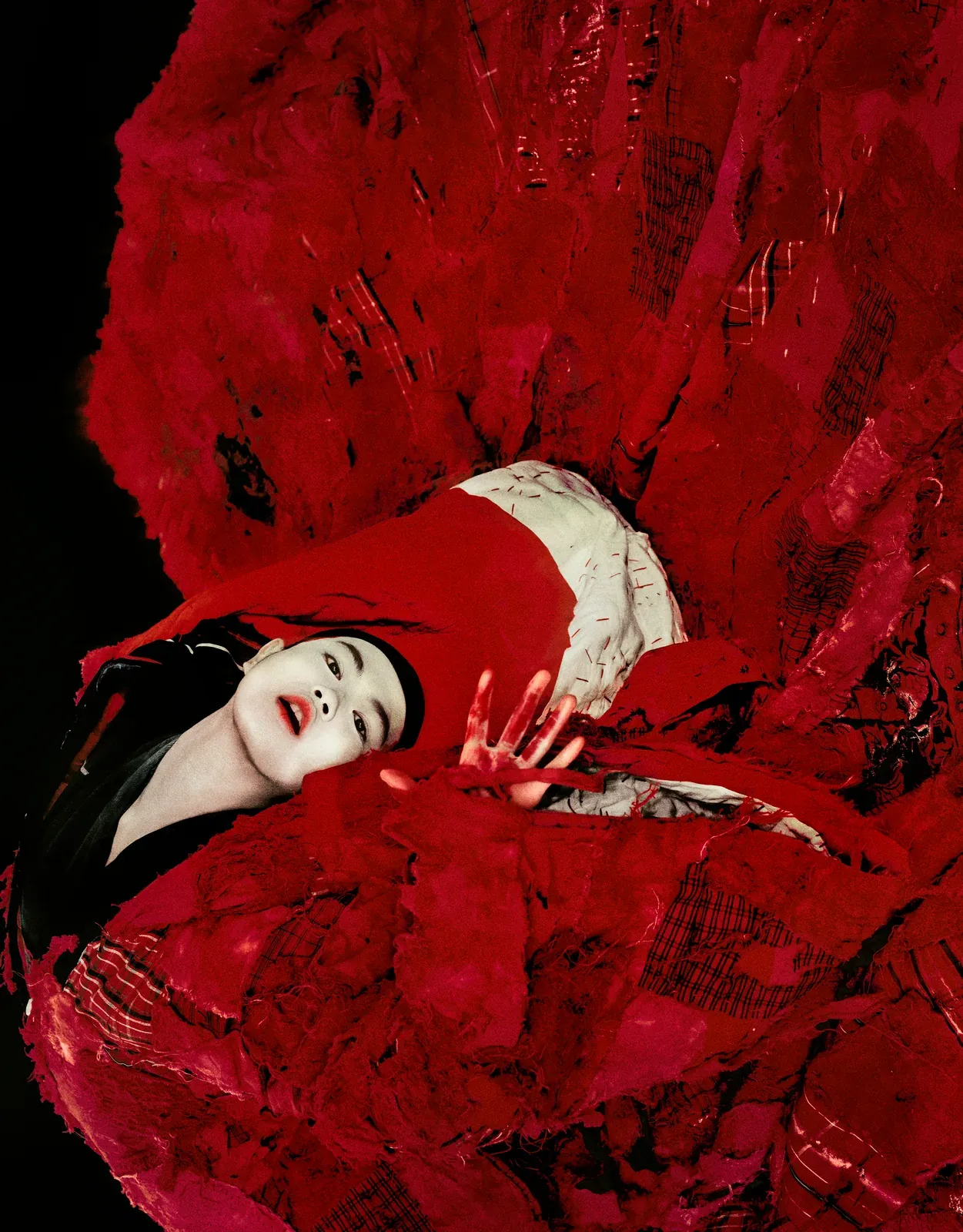
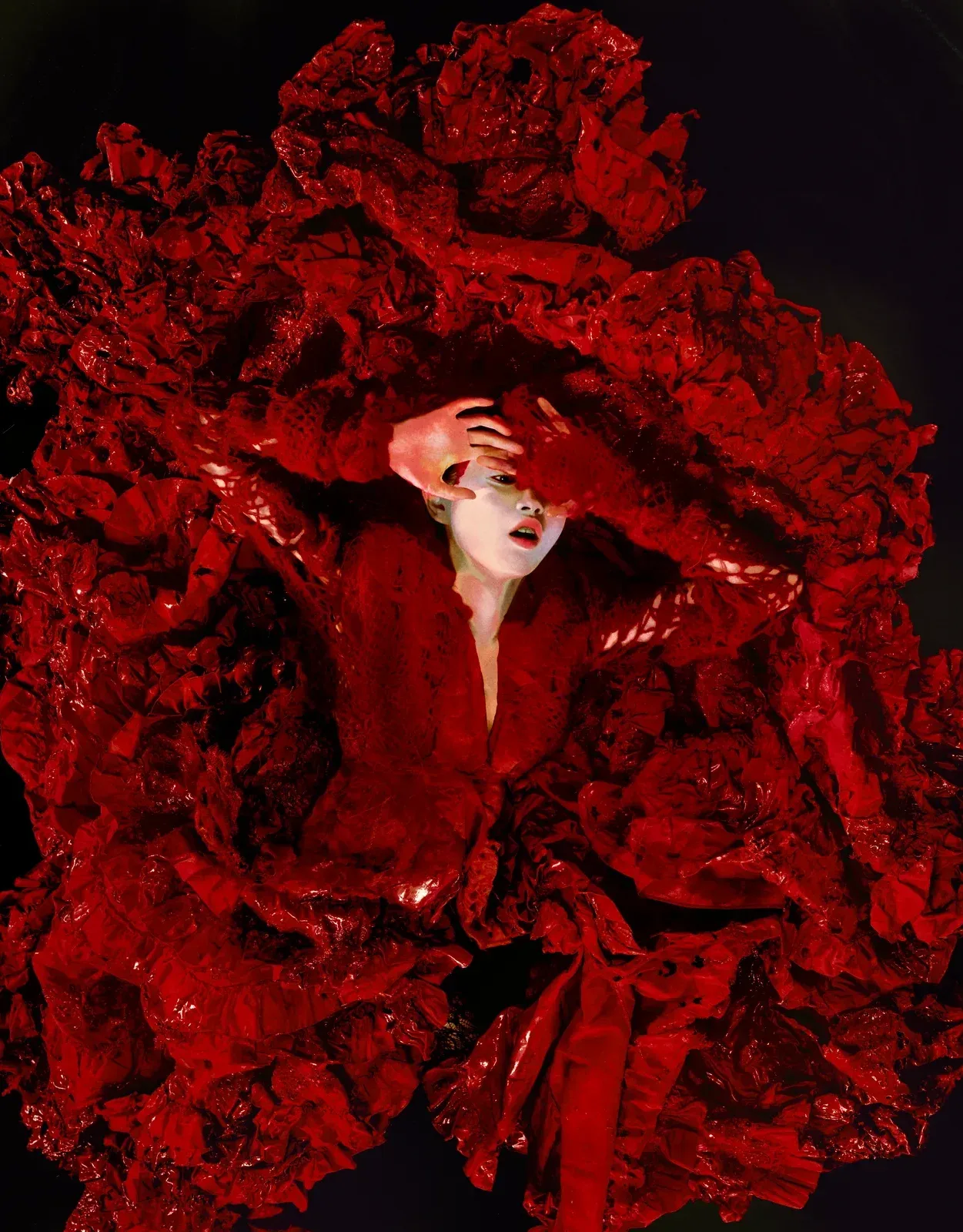
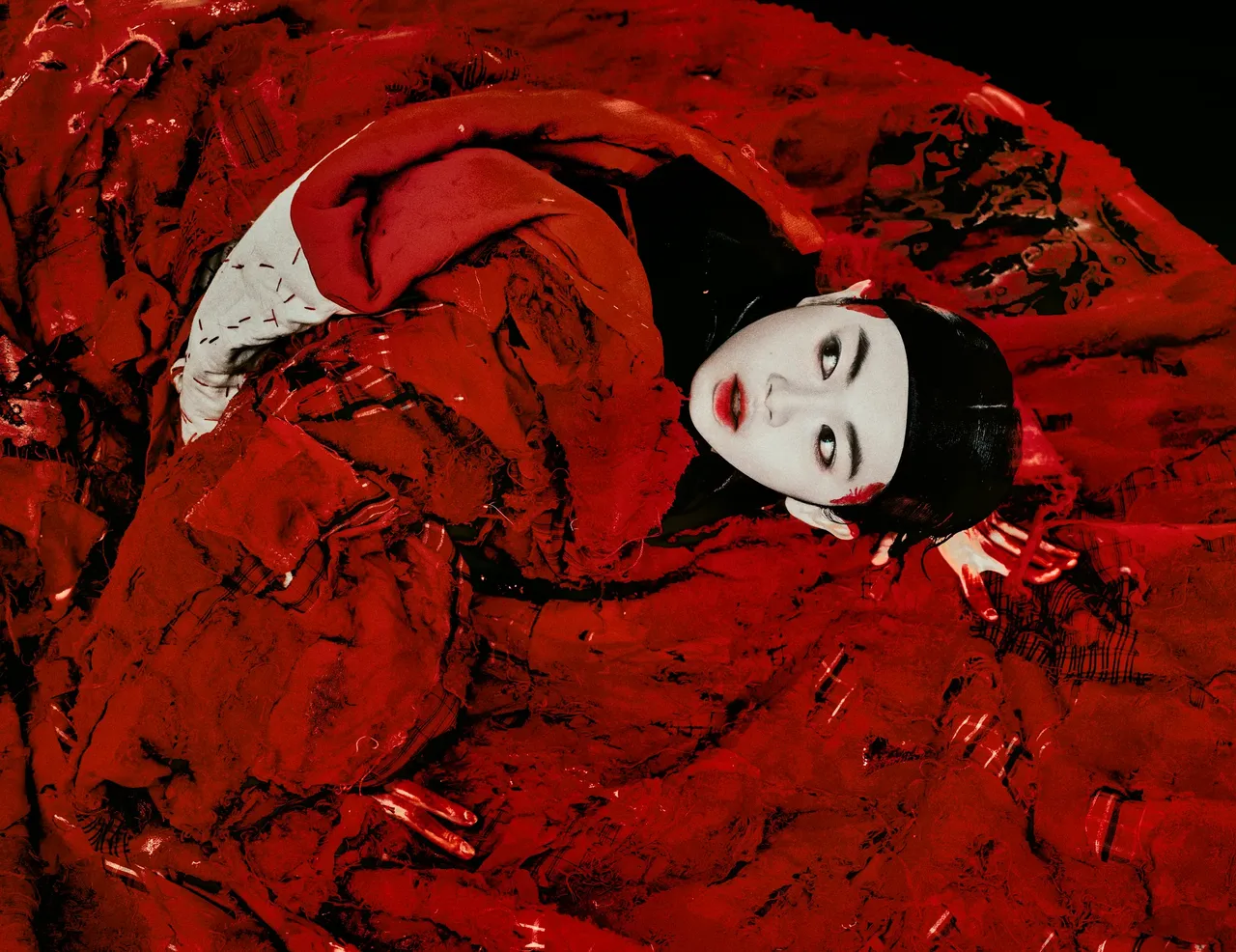
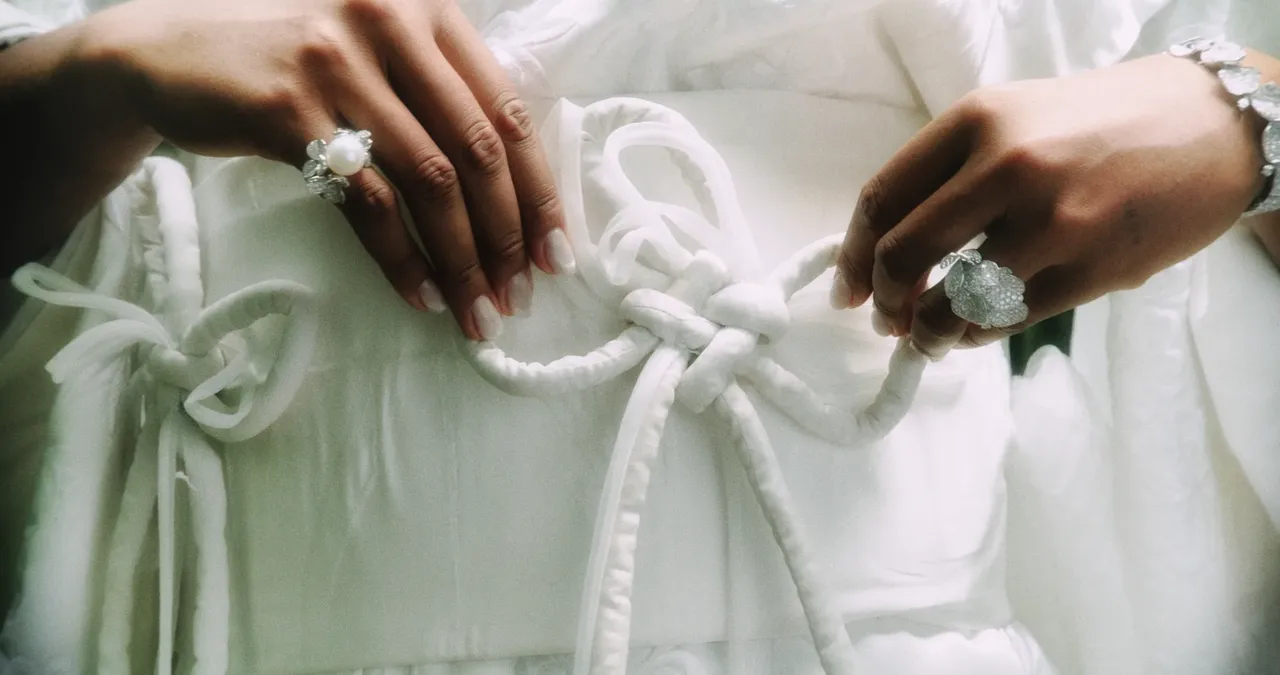
Yagi works with garments that arrive already charged with meaning (vintage kimonos, shiromuku wedding kimono and discarded wedding gowns), taking them apart not to erase their histories but to let new ones emerge. Her work is both rigorous and emotionally alert, attentive to the body, the hand and the social narratives woven into fabric. For Osaka, those concerns found a striking new setting: a look conceived for the ritual of a Wimbledon entrance, but engineered to give way to movement and competition.
In our conversation, Yagi reflects on the tension and the continuity between preservation and transformation. She doesn’t see tradition as a fixed object, nor the kimono as a simple emblem of ‘Japaneseness’, but as a living structure shaped by use, ceremony and successive reinterpretations. She also speaks candidly about fashion’s capacity to tell stories, having once felt alienated by an industry where spectacle and connections could eclipse substance.
What emerges is a designer less interested in nostalgia than in reactivation: in allowing materials, identities and inherited forms to remain complex, contradictory and alive. For Yagi, clothing can be a vessel for memory, but also a space in which memory is remade.
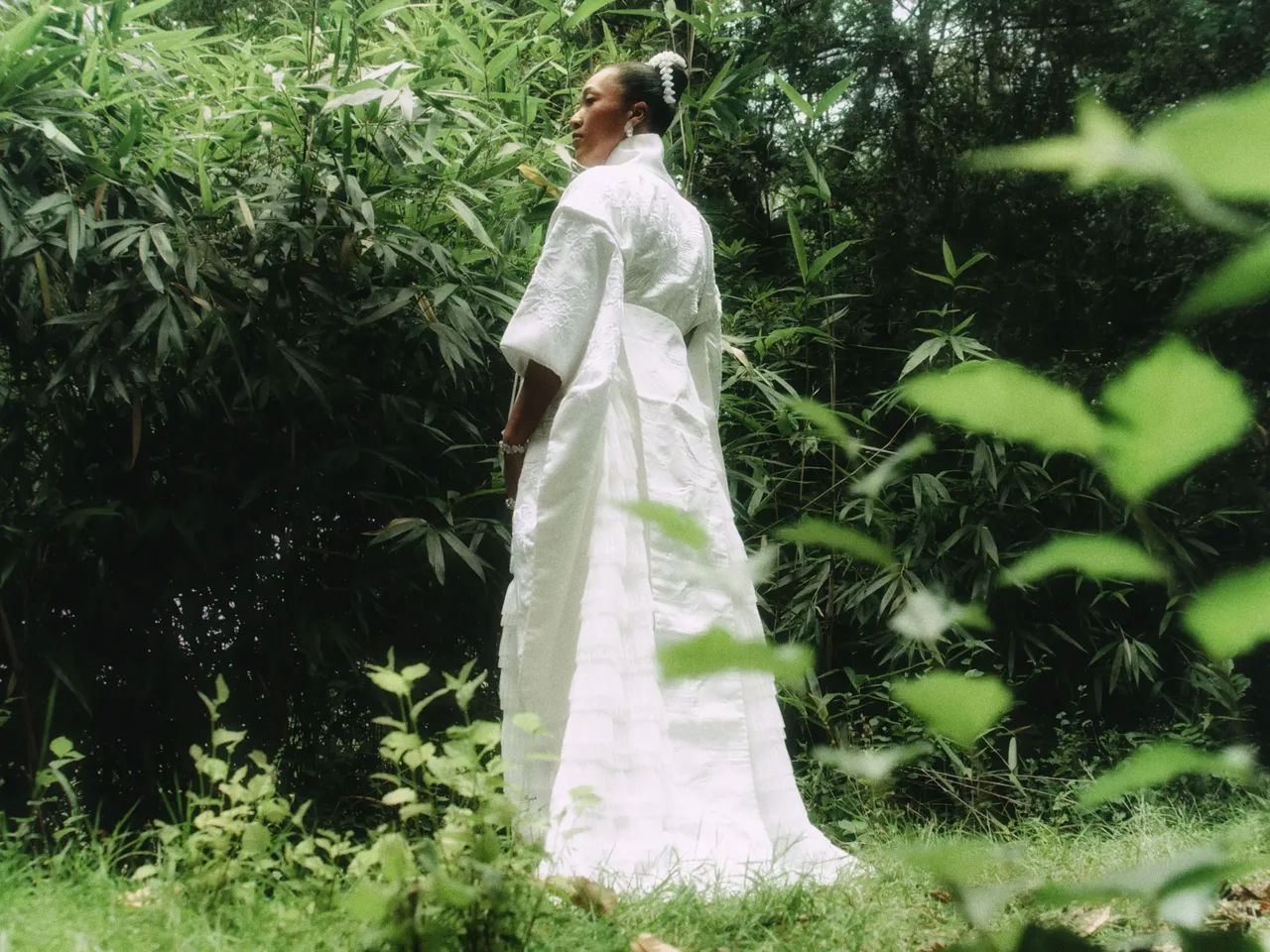
Many people around the world have only just discovered your work through Naomi Osaka’s Wimbledon look. How does it feel to suddenly have such an international spotlight after years of developing your own artistic voice?
First of all, I feel deeply honoured to have had the opportunity to create an outfit for Naomi, such an extraordinary athlete, on the historic stage of Wimbledon. Turning points can take many different forms for a designer, and I am genuinely happy that mine came through creating this look for her. I also feel fortunate that I was able to approach it as a continuation of the artistic language I had already been developing.
The outfit for Naomi wasn’t simply a traditional kimono — it felt more like a reinterpretation of one. How do you decide where tradition ends and contemporary design begins?
I don’t see a clear boundary between tradition and contemporary design. Traditions themselves have undergone continuous change throughout history. Rather than seeing tradition as something fixed, I think of it as something that is constantly being renewed. For this look, I didn’t attempt to reproduce the kimono as it is. Instead, I reinterpreted its structure and underlying philosophy within the contemporary context of sport.
Japan has a remarkable ability to preserve tradition while constantly reinventing it. Do you see yourself as protecting cultural heritage, challenging it, or doing a bit of both?
Both. I don’t believe that preserving tradition and transforming it are necessarily contradictory. To me, creativity means approaching tradition with respect while remaining unafraid of change, and finding a new relationship between history and oneself.
You’ve often worked with garments that already carry history, such as vintage textiles and ceremonial clothing. What attracts you to materials that already have a previous life?
I’m drawn to the possibility of imagining the time and memories that remain within a garment, as well as the social meanings it may once have carried. Unlike new materials, garments that have already been worn contain stories that existed before I began working with them. Rather than erasing that history, I want to preserve it within a new form.
“I don’t believe that preserving tradition and transforming it are necessarily contradictory. To me, creativity means approaching tradition with respect while remaining unafraid of change.”
Sport isn’t always seen as a natural home for conceptual fashion. Before working with Naomi Osaka, had you ever imagined your designs becoming part of the sporting world?
I had never imagined it before. Through this collaboration, I came to understand that sport can also be a space for expressing culture, identity and narrative. It greatly expanded my own understanding of what fashion can be.
Naomi Osaka has spoken about using fashion as a way of telling stories; she’s worn other incredible designers like Robert Wun or head-turning custom-made Nike looks. How important was storytelling in your conversations when creating that Wimbledon look?
First of all, I was deeply moved that one of the world’s leading athletes has such faith in the power of fashion. There was a time when I became exhausted by an industry in which spectacle and industry connections often seemed to take priority, and I began to lose faith in fashion itself. For that reason, seeing Naomi use fashion as a means of telling stories felt deeply reassuring to me. I believe that this is one of the most beautiful powers fashion possesses.
Creating a piece that has to be both visually striking and practical for an athlete sounds like a unique challenge. What did that process teach you as a designer?
One of the most important discoveries was that visual impact and functionality do not have to be in opposition. Considering the weight of the garment, the athlete’s range of movement and how easily it could be removed meant that I couldn’t rely solely on decoration. The strength had to come from the structure itself. I learned that constraints can make a design more precise and more clearly defined.
When people outside Japan look at a kimono, they often see a beautiful object. What do you wish they understood about what it represents culturally?
I would like people to understand that the kimono is not simply a symbol of ‘Japaneseness’. It is a form of dress based on a conception of the body and a structural logic that differ from those of Western clothing, and it has long been connected to everyday life, ceremony and social values. I also see it not as something completed in the past, but as a living culture that has continually been interpreted and transformed by each era.
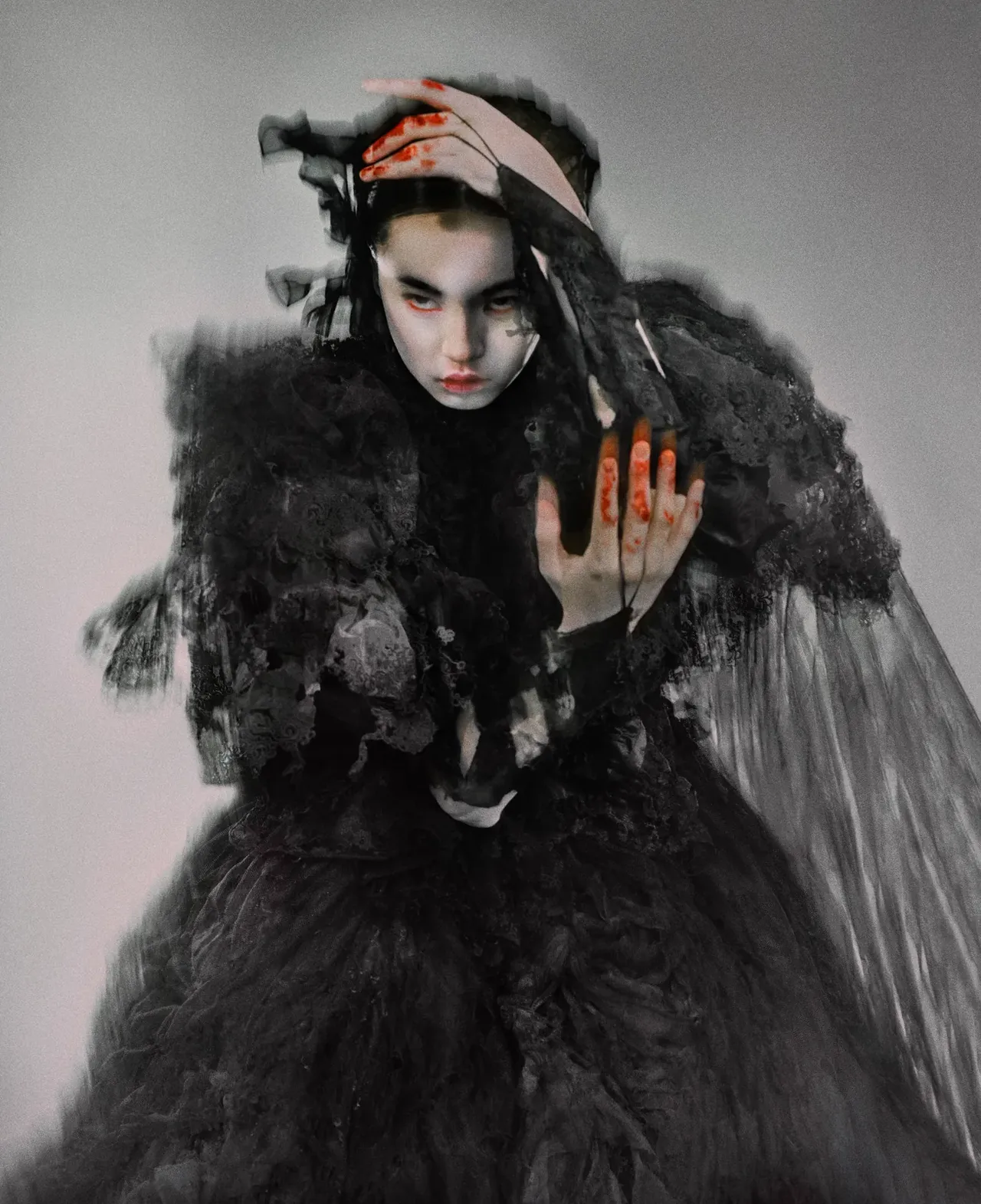
You’ve explored themes around ceremony, identity and transformation throughout your career. Why do those subjects continue to fascinate you?
I’m drawn to ceremony because it exists at the threshold between one state of being and another. I remain fascinated by the way clothing can temporarily transform a person into someone or something else, and by the ambiguity of existing in the midst of change.
Your work often balances craftsmanship with bold contemporary ideas. Is there ever a fear that people focus on the visual impact without seeing the deeper meaning?
I do sometimes feel that way, but I don’t necessarily see it as something negative. Fashion is an intensely visual form of expression. It can offer immediate pleasure and a sense of speed, while also possessing a depth that reveals itself only through time and careful interpretation. I’m interested in the coexistence of those two qualities.
If you could dress another athlete, not necessarily a tennis player, who would you choose, and what story would you want to tell through that collaboration?
I don’t currently have one particular athlete in mind, but I would like to design a figure-skating costume someday. I’m drawn not only to athletes who demonstrate strength in competition, but also to those who possess a distinct personal history and set of values, and who are willing to express them publicly. If I were to create something for such a person, I would not want to simply assemble obvious symbols associated with them. I would want to express the contradictions and complexities that coexist within them.
“I remain fascinated by the way clothing can temporarily transform a person into someone or something else.”
Japanese aesthetics have influenced designers around the world for decades. Is there anything you think Western fashion still misunderstands about Japanese design?
I would like Japanese design to be understood as more diverse, rather than reduced to simplicity or tradition alone. Japan also has forms of expression defined by excess, ornamentation, cultural hybridity and contradiction. In my own work, I’m not interested in reproducing a conventional image of ‘Japaneseness’. Instead, I want to shift that image slightly and create new relationships through it.
If someone bought one of your pieces, what would you hope they take away from wearing it beyond simply feeling well dressed?
I hope that when someone wears one of my pieces, their own memories and experiences will become layered onto it, allowing a story to emerge that is different from the one I imagined when I made it. When a piece incorporates vintage materials, I would also like the wearer to sense, in some way, that the garment had already lived through time before reaching them. Rather than simply owning a garment, I hope they can relate to it as though they were temporarily holding one part of a much longer history.
Finally, after the attention surrounding Naomi Osaka, what’s the one thing you’d most like people to discover about Hana Yagi that has nothing to do with Wimbledon?
What I would most like people to understand is that I am not only trying to reconstruct the physical form of clothing, but also the narratives and values attached to it. Until now, I have worked by dismantling and reconstructing wedding dresses and shiromuku bridal kimonos that have reached the end of their original purpose. In these works, I place great importance on imagining the time and memories that remain within them, as well as the social meanings that ceremonial clothing has historically carried. The question I continue to explore through my practice is whether the narratives and values attached to clothing can be dismantled and reconstructed into new forms, just as the material itself can.