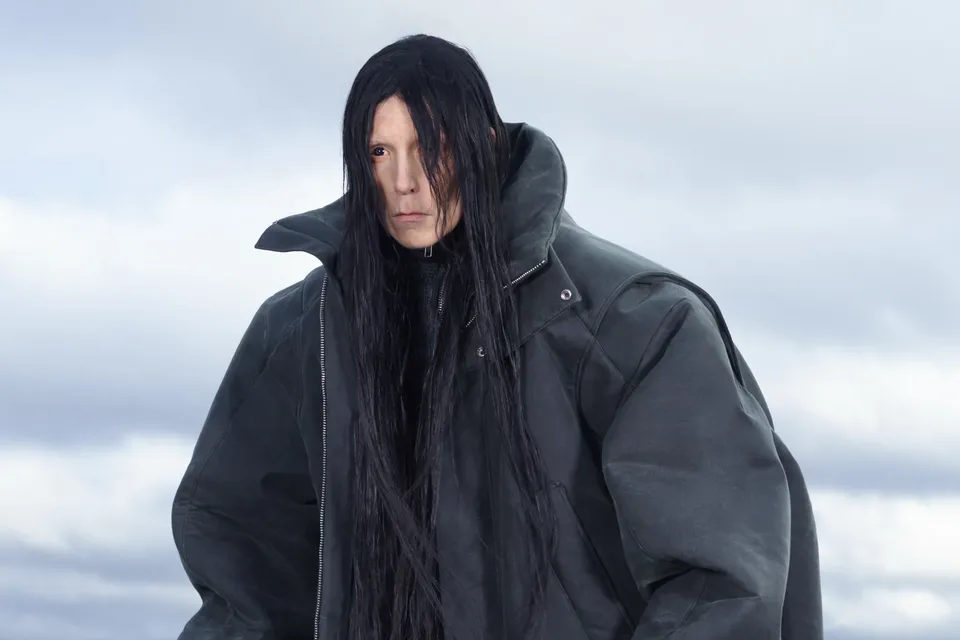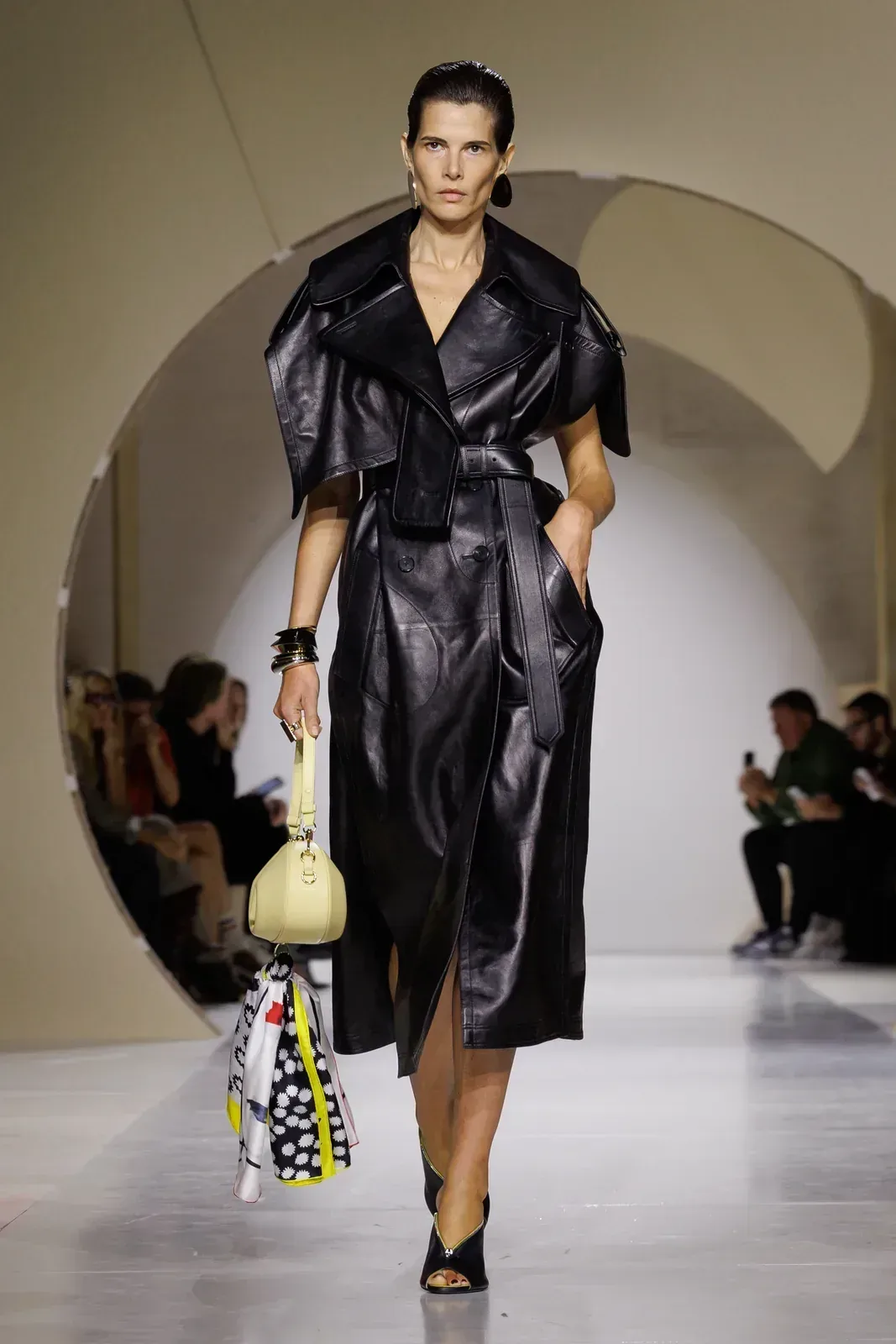
Following the announcement of Martine Rose as Balenciaga’s new creative director, there has never been a better time to take a closer look at the women leading some of fashion’s biggest houses. Despite their undeniable talent and creative achievements, women remain a minority in the industry’s top creative positions. And yet, time and again, their leadership has brought fresh perspectives, critical acclaim and, in many cases, commercial success. So why are there still so few women at the helm?
The Women at the Helm
The list could certainly be longer, but for now, we turn our attention to seven remarkable designers shaping the future of luxury fashion: Martine Rose, Sarah Burton, Maria Grazia Chiuri, Louise Trotter, Chemena Kamali, Meryll Rogge and Rachel Scott.
As we all know, Martine Rose was recently appointed the new creative director of Balenciaga, succeeding Pierpaolo Piccioli. The announcement made headlines, marking a historic moment for the fashion house, as Rose becomes the first woman to take the creative helm in the House’s history. Known for her subversive take on menswear and distinctive London streetwear aesthetic, her appointment adds another name to the growing — yet still remarkably short — list of women leading fashion’s biggest houses. Now, all eyes are on Rose and what she will bring to Balenciaga. We can't wait to see what’s next.
Another important name on this list is Sarah Burton, who took the helm at Givenchy in September 2024 following her outstanding thirteen-year tenure at Alexander McQueen, where she succeeded Lee McQueen himself. Best known for designing Kate Middleton’s memorable wedding dress, Burton has built a reputation for her exceptional craftsmanship, romantic silhouettes and impeccable tailoring. Her move to Givenchy marked another significant moment for female representation at the highest level of luxury fashion.
Few people, however, have had quite the same impact on the industry as Maria Grazia Chiuri. In 2016, she made history as Dior’s first female creative director, a position she held for nine years. Throughout her tenure, she placed feminism and female empowerment at the centre of her collections, using fashion as a platform to celebrate women. In 2025, she returned to Fendi, where her career first began as an accessories designer and where she helped develop the iconic Baguette bag. For her first collection, presented in February 2026, she paid tribute to the house’s heritage and the five Fendi sisters, bringing together relaxed tailoring, fluid silhouettes and delicate lace. It remains to be seen how she will shape the house’s next chapter.
Meanwhile, Louise Trotter has brought a renewed sense of understated sophistication to Bottega Veneta since 2025. Her vision centres on refined craftsmanship, exceptional materials and effortless elegance, balancing the house’s rich artisanal heritage with a contemporary perspective. Through impeccable tailoring, fluid silhouettes and thoughtful details, she explores a form of quiet luxury that feels both modern and timeless, while continuing to celebrate the exceptional leatherwork and savoir-faire at the heart of the Italian brand.
Another designer who’s made a remarkable impact is Chemena Kamali. One of the most recognisable faces of fashion's new generation of female creative leaders, the German designer has a long-standing relationship with Chloé. After working at the maison under Phoebe Philo and Clare Waight Keller, and later at Saint Laurent alongside Anthony Vaccarello, she returned to Chloé as Creative Director in 2023. Her romantic, bohemian vision has successfully revived the house's signature free-spirited femininity, making her appointment a celebrated full-circle moment.
Belgian designer Meryll Rogge is another name worth watching. After spending seven years working alongside Marc Jacobs and later joining Dries Van Noten, she launched her own eponymous label in 2020. Known for her playful use of colour, unexpected prints and unconventional approach to femininity, she quickly established herself as a rising talent. In 2025, she was appointed Creative Director of Marni, succeeding Francesco Risso and taking her distinctive creative vision to one of Italy’s most recognisable fashion houses.
Finally, Jamaican-born designer Rachel Scott is bringing a fresh perspective to American luxury fashion. Founder of the acclaimed label Diotima, celebrated for its craftsmanship and reinterpretation of Jamaican crochet traditions, she won the CFDA Womenswear Designer of the Year award in 2024. In 2025, she became Creative Director of Proenza Schouler, succeeding its founders, Jack McCollough and Lazaro Hernandez, and making history as the first Black woman to lead the New York fashion house.
Every single one of these women has made history through her career and the positions she has worked her way up to. It’s disappointing that we don’t focus more on their roles as leading figures in the fashion industry. Above all, it’s rather sad that every step they take is still portrayed as history-making, when having women at the helm of major fashion houses should simply be the norm.
Building Their Own Empires
Throughout fashion history, women have built some of the industry’s most extraordinary maisons and brands. From Coco Chanel and Vivienne Westwood to Gaby Aghion, their legacies continue to shape the way we understand fashion today. It’s worth turning our attention to the women who are still building their own empires, shaping the industry on their own terms and creating brands that reflect their vision, values and creative identities.
Rei Kawakubo founded Comme des Garçons and turned it into a world of radical creativity, constantly challenging what fashion can be. Miuccia Prada has built an intellectual universe across Prada and Miu Miu, where fashion becomes a conversation between beauty, culture and contradiction. Phoebe Philo has created a universe entirely her own, defined by independence, confidence and an unmistakable vision of modern femininity.
Mary-Kate and Ashley Olsen have turned The Row into a celebration of restraint, craftsmanship and the beauty of doing things differently. Stella McCartney continues to prove that luxury and responsibility can coexist, building a brand that reflects her personal convictions as much as her aesthetic. Grace Wales Bonner brings together fashion, heritage and cultural identity, creating a universe that goes far beyond clothing. And Simone Rocha has built a deeply personal world of romance, strength and femininity, where delicate craftsmanship meets a distinctive, unmistakable aesthetic.
Different women, different visions, but one thing in common: the ability to build something entirely their own and leave a lasting mark on the industry.
The Revolving Door
For every woman who has managed to build an empire or secure a place at the top of the fashion industry, there are countless others whose stories have taken a very different turn. Fashion has always been a demanding business, but its revolving door seems particularly unforgiving when it comes to women in positions of creative power. Designers are appointed with great expectations, only to be replaced before they have had the chance to fully establish their vision or leave a lasting mark on a house.
There’s an undeniable contradiction here: fashion is an industry largely built around women as consumers, muses and sources of inspiration, yet their presence in the rooms where the biggest creative decisions are made remains far less established. Creative directors come and go, careers are cut short and expectations remain extraordinarily high. For all the progress that has been made, the question remains: why is it still so difficult for women to reach the top and, more importantly, to stay there? Reaching a position of power is one thing; being given the time, trust, respect and freedom to build something there is another.
Not every story of a woman reaching the top of the fashion industry has a happy ending. And while this isn’t about revisiting every departure, dismissal or difficult chapter, certain cases are worth looking at. Virginie Viard, who spent decades at Chanel and succeeded Karl Lagerfeld as artistic director in 2019, led the Maison for five years before her unexpected departure in June 2024. In her recently published memoir, Un regard. Une vie chez Chanel, she opens up about the way she was dismissed, describing how she was informed of the decision during a private lunch, with no real opportunity for discussion. She also reflects on the difficulty of stepping out of Lagerfeld’s shadow and making her own mark on one of fashion’s most powerful houses.
More recently, Veronica Leoni’s departure from Calvin Klein raised similar questions. Appointed in 2024 as the first woman to lead Calvin Klein Collection, she was entrusted with bringing the brand’s runway presence back after a seven-year absence. She presented four collections, reintroducing the house’s minimalist codes through her own contemporary perspective, before the brand announced the end of their collaboration in October 2026. Although Calvin Klein publicly praised her creative vision and contribution, her relatively short tenure once again highlights how little time some women are given to establish themselves at the helm of major fashion houses.
Sometimes, real stories are what make the reality of an industry impossible to ignore. Looking at the experiences of women such as Virginie or Veronica makes the challenges of reaching and maintaining positions of creative power far more tangible. Their stories remind us that getting to the top is only part of the battle; being given the recognition, respect and freedom to lead once you’re there is just as important. Because women should not only have the opportunity to reach these positions, but also be valued and respected as much as they deserve once they do.
But why is it still so difficult for women to reach the top of the fashion industry and, more importantly, to stay there? There are several reasons behind this. Even though women play such a big part in fashion, both creatively and as consumers, many of the industry’s most powerful positions are still held by men. Getting a seat at the table can be harder, and women often have to work twice as hard to have their ideas and decisions taken seriously.
The Bigger Picture
As with every aspect of the feminist movement, there is still no clear conclusion or finish line. But, little by little, we are finally beginning to see some light at the end of the tunnel when it comes to women’s place in the fashion industry. Perhaps one day, seeing a woman appointed as creative director of a major fashion house will no longer be the exception, but the norm.
The fashion industry has always been built around women, but largely as the ones expected to admire, consume and wear what men envision for them. Well, no more. Women think, create and lead, too. And the fact that this still needs to be said is, quite frankly, ridiculous. So rather than continuing to talk about the lack of female representation, it’s time to start appointing more women as creative directors at the world’s leading luxury houses. It’s time to turn words into action.
And perhaps the future is already beginning to look a little brighter. Grace Wales Bonner is set to present her first collection for Hermès Menswear in January 2027, while Martine Rose’s appointment at Balenciaga marks another important step forward. These are more than just high-profile appointments; they are signs of what the future of fashion could look like when women are given the space to shape it. Not just as muses, consumers or the bodies clothes are designed for, but as the minds and creative forces behind the industry itself. Who run the world? GIRLS!!!!!!
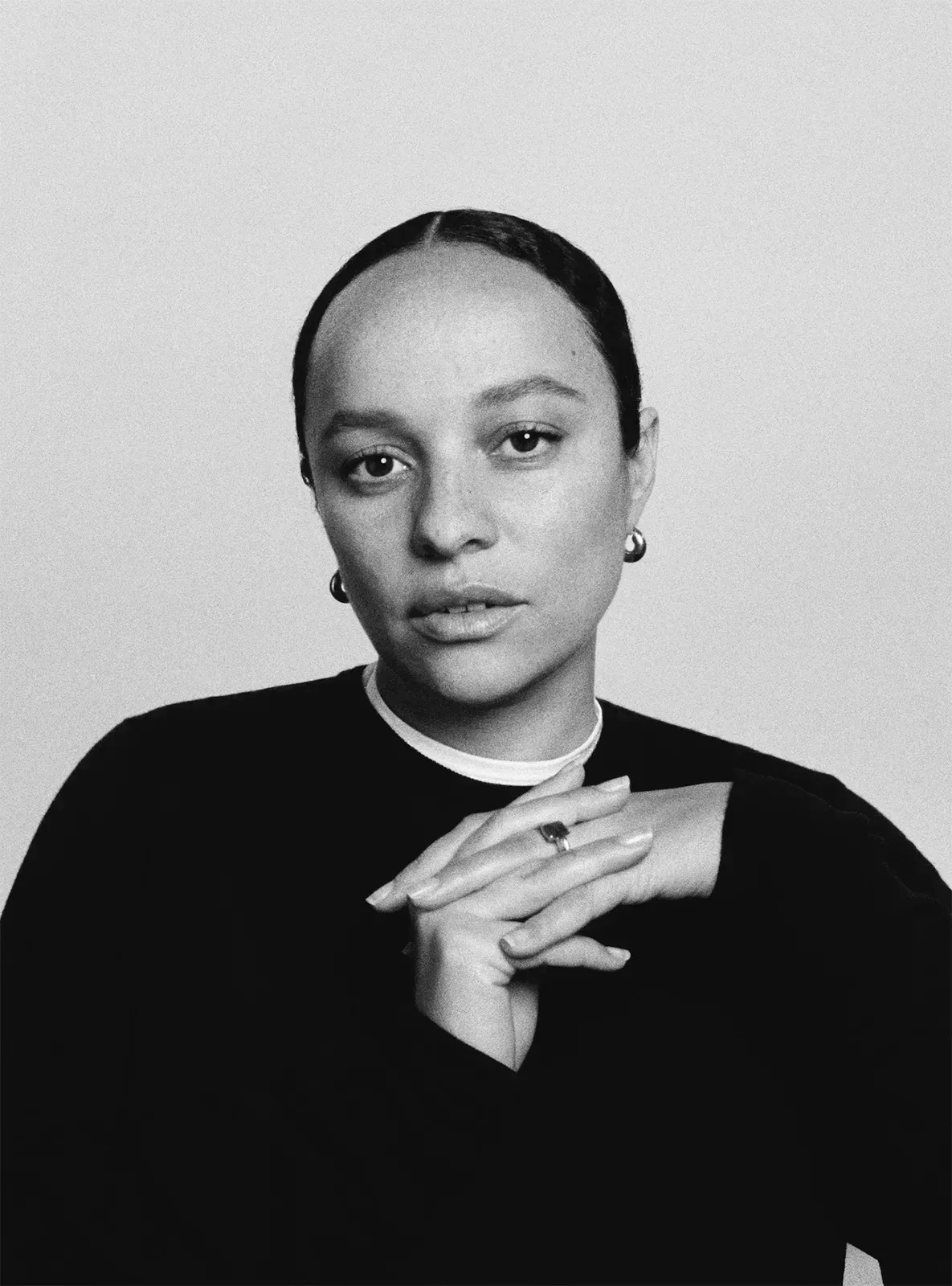
Grace Wales Bonner
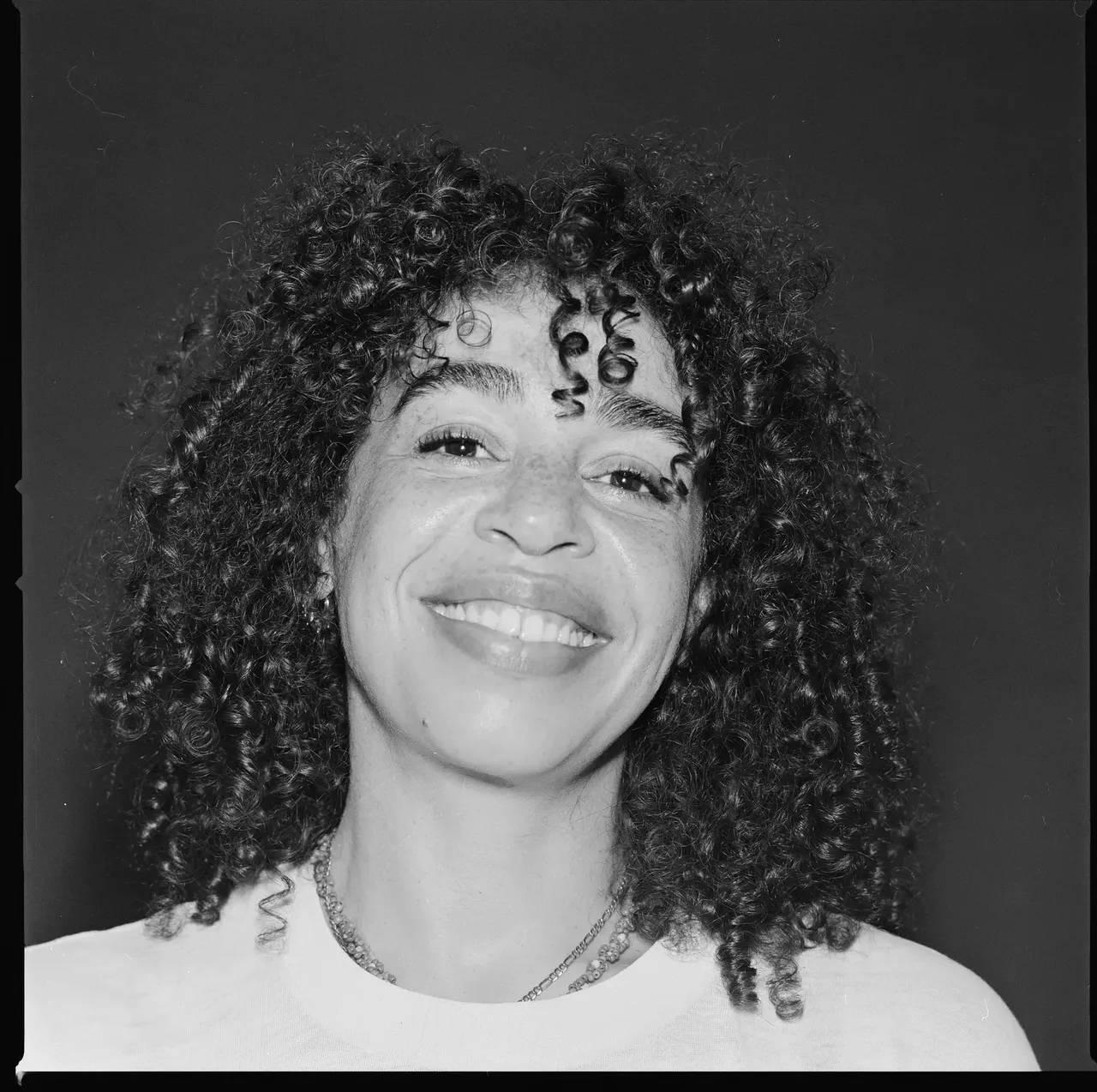
Martine Rose
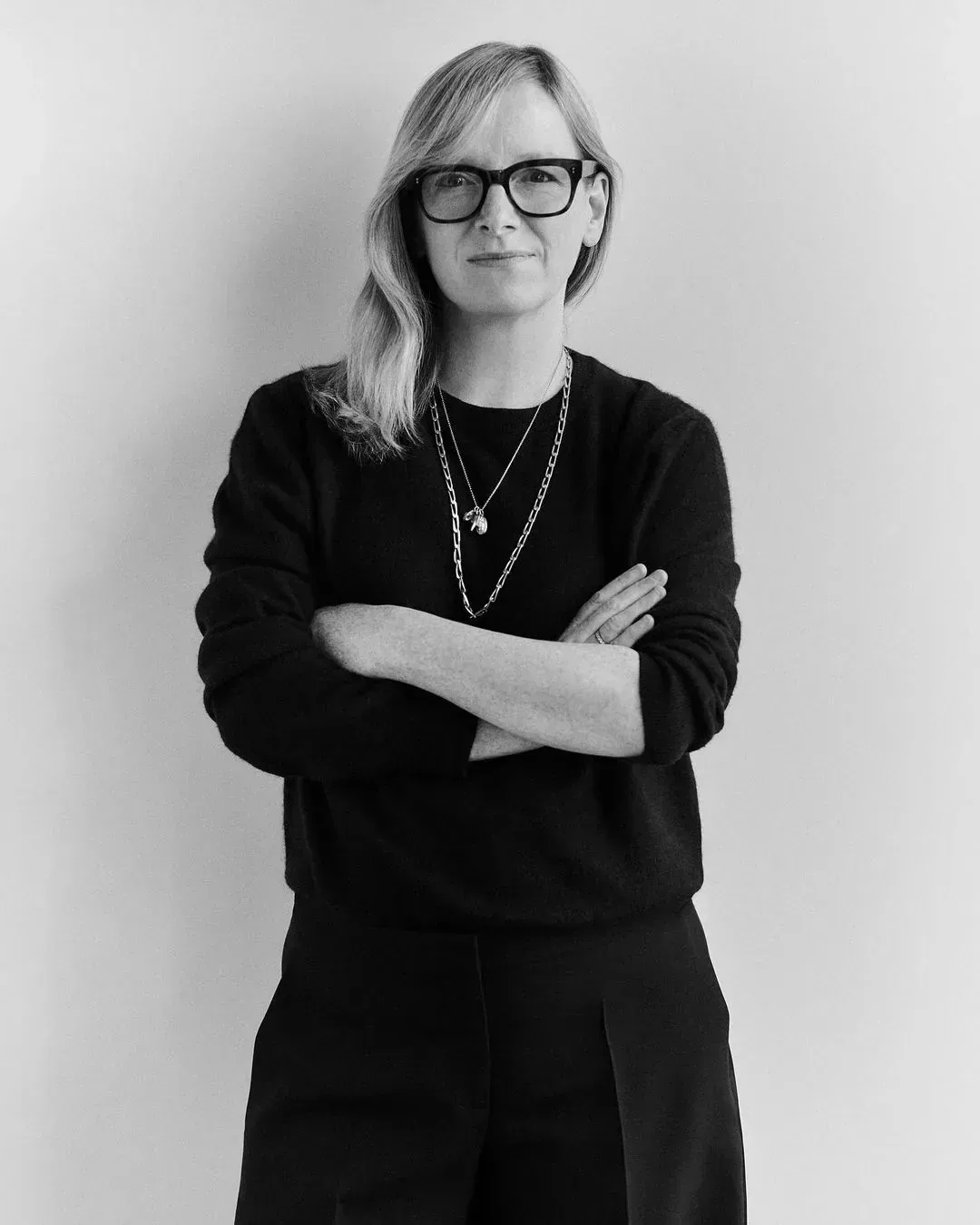
Sarah Burton
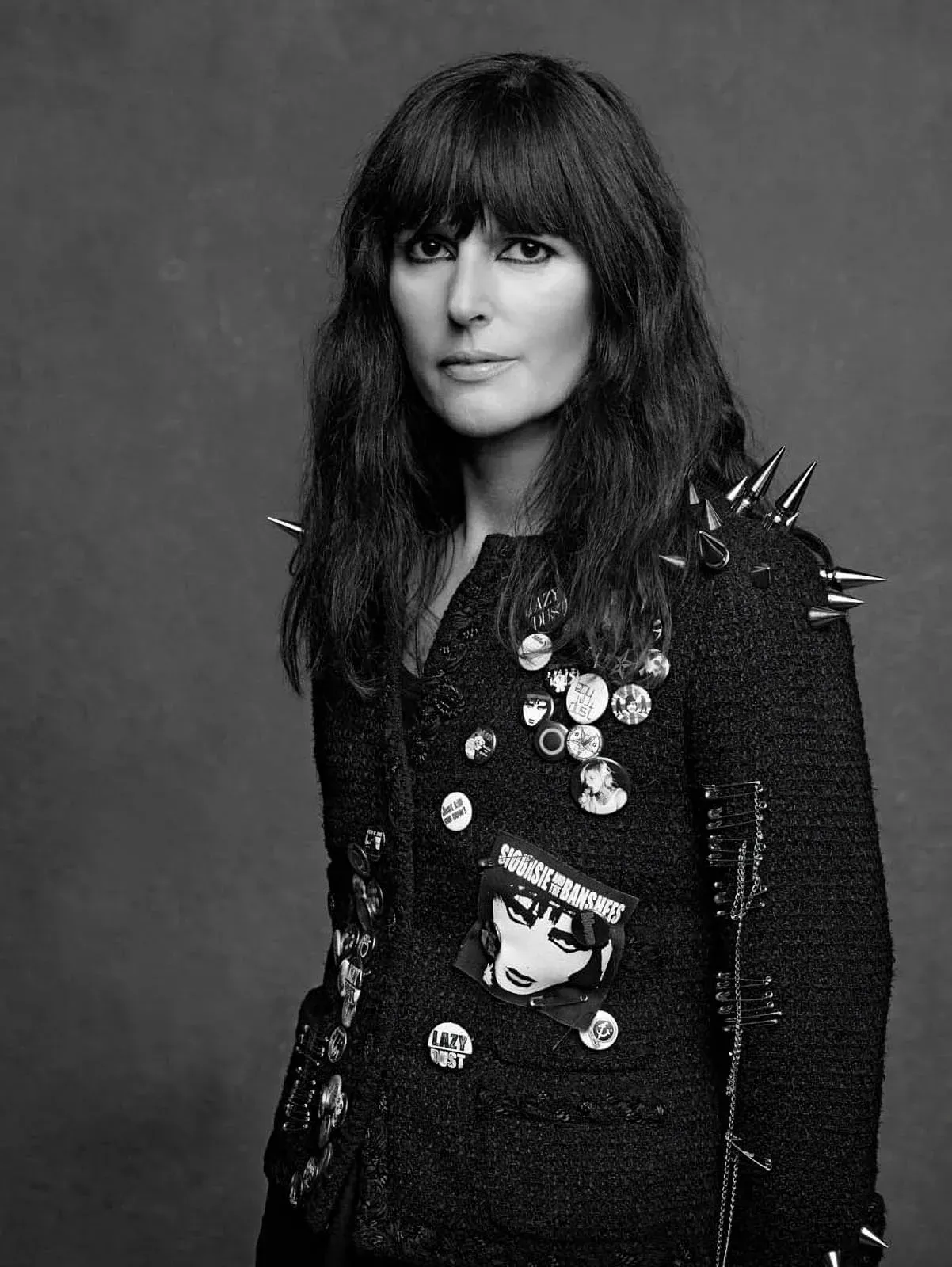
Virginie Viard