This week, we’re dancing our way into the festive season with Bottega Veneta, feeling increasingly frustrated with the industry’s endless game of musical chairs, and looking forward to a very special tribute to one of fashion’s most singular creative minds. We’re also revisiting a manga classic that captures the trials, tribulations and sheer passion of working in fashion. Four things that have been on our minds lately, and that we think deserve your attention, too.
What we’re loving
Dancing to the rhythm of Bottega Veneta’s Holiday Campaign
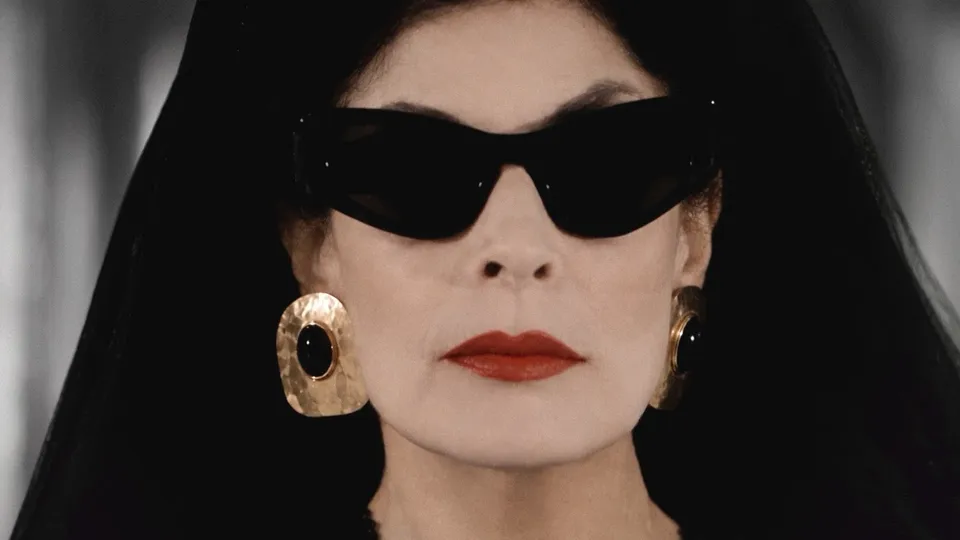
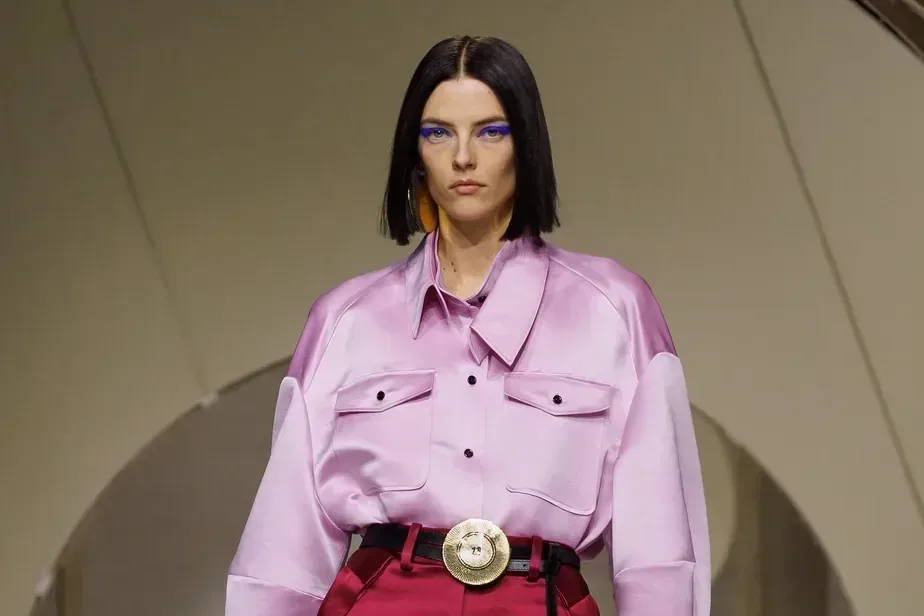
We love fashion, and we love having fun. We love fashion, and we love dancing. Fashion and joy more often than not go hand in hand, and for this holiday season, in an attempt to light up our moods and infect us with a sparkly, festive energy, Louise Trotter presents her newest holiday campaign for Bottega Veneta. Starring Julianne Moore alongside a group of professional dancers, it is set in what looks like an underground disco, although one that seems to be hidden beneath glaciers you have to make your way through before reaching its mirrored, dark dance floor. There, everyone dances freely and carelessly to one of the great dance anthems across generations, Corona’s The Rhythm of the Night.
The setting pays homage to the final scenes of Claire Denis’s 1999 film Beau Travail, while new pieces from the brand make their debut, including the Verde bag, and others return to share the spotlight, such as the Baby Campana, Mini Knot Lock and Andiamo clutch. With the intention of dancing and moving freely towards the future, the simple image of people enjoying themselves without a care proves an effective way of communicating the campaign’s message. After all, we don’t just want to look like them or wear what they wear; we want to feel as joyful as they do.
What we’re hating
How little time is given to creatives in this industry
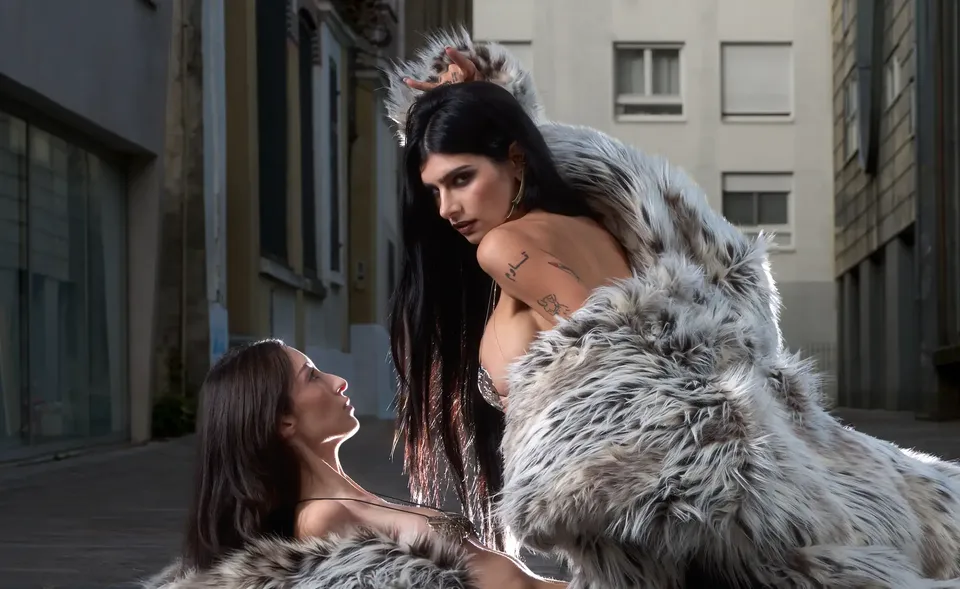
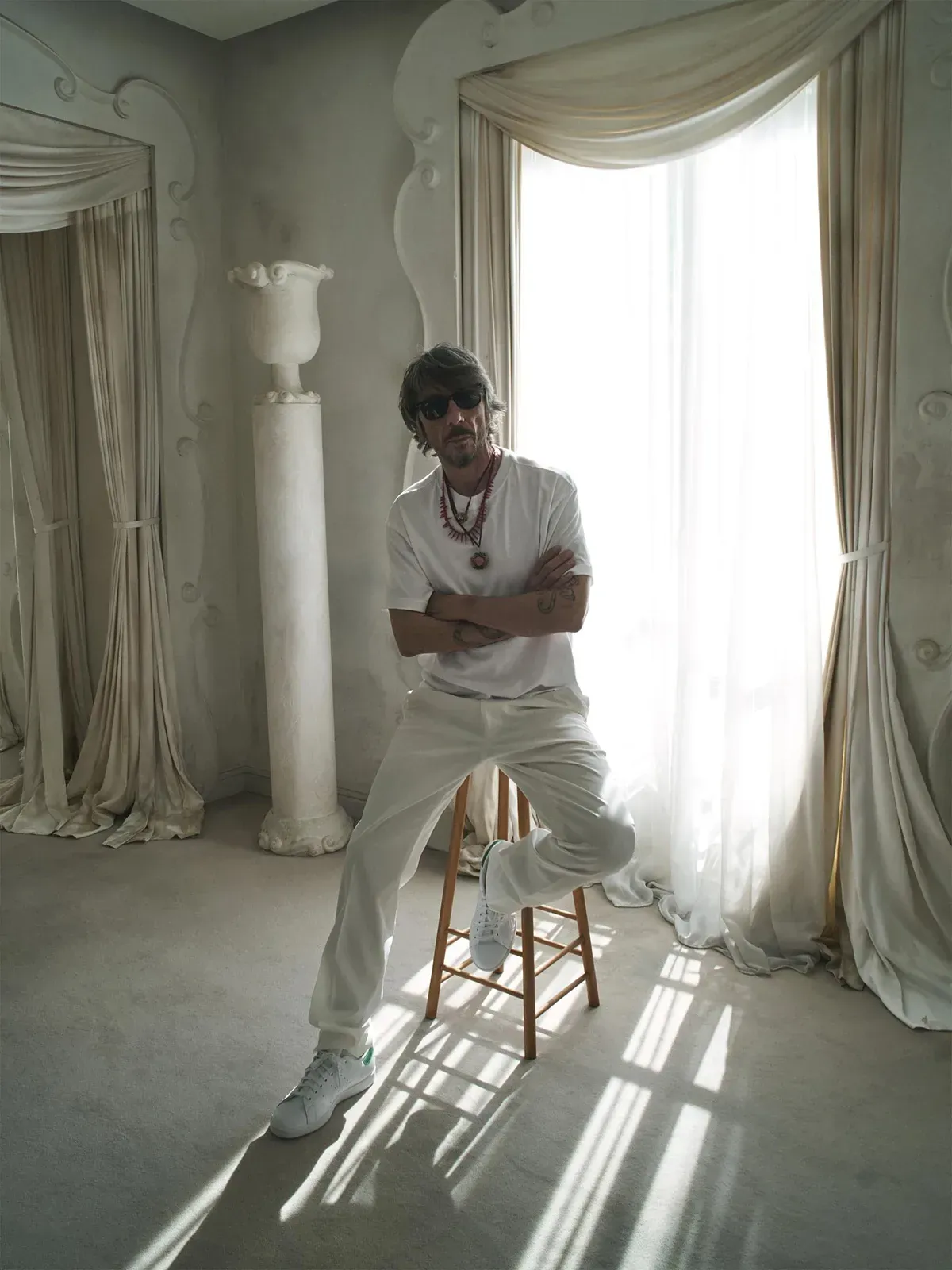
We’re hating how little time creatives are given in this industry. Pierpaolo Piccioli has barely had time to settle into his position at Balenciaga, and it already feels as though everyone has forgotten about his appointment. This week, Tod’s announced the departure of Matteo Tamburini from its creative direction after less than three years, and we’ll all be moving on just as quickly as we’ve become accustomed to. This is by no means a new issue, but it never stops being discouraging and, somehow, irritating to see how the position of creative director has become so transient. The hype surrounding a new name dies and dissolves within a matter of months, and once a brand decides that “results and expectations have not been met”, it is more than ready to move on to someone else.
Many factors are responsible for the lack of identity in this generation of fashion, but one major reason is the industry’s failure to give creatives the space to create. Instead, they are expected to work with a ticking time bomb hanging over their heads, threatening to go off if they don’t become an overnight viral success that translates into the numbers the industry wants to see. In doing so, brands risk sacrificing what could have become a great tenure, because, like anything worthwhile in life, building something meaningful takes time, patience and care. As much as we hate it, and as much as many people criticise this now-normalised practice, little is likely to change. This game of musical chairs will only move faster, while some of the industry’s most creative names remain standing, waiting for the chance to land somewhere that gives them the freedom and time to build the great things they are capable of.
What we’re looking forward to
Undercover’s key role at the upcoming Met Exhibition
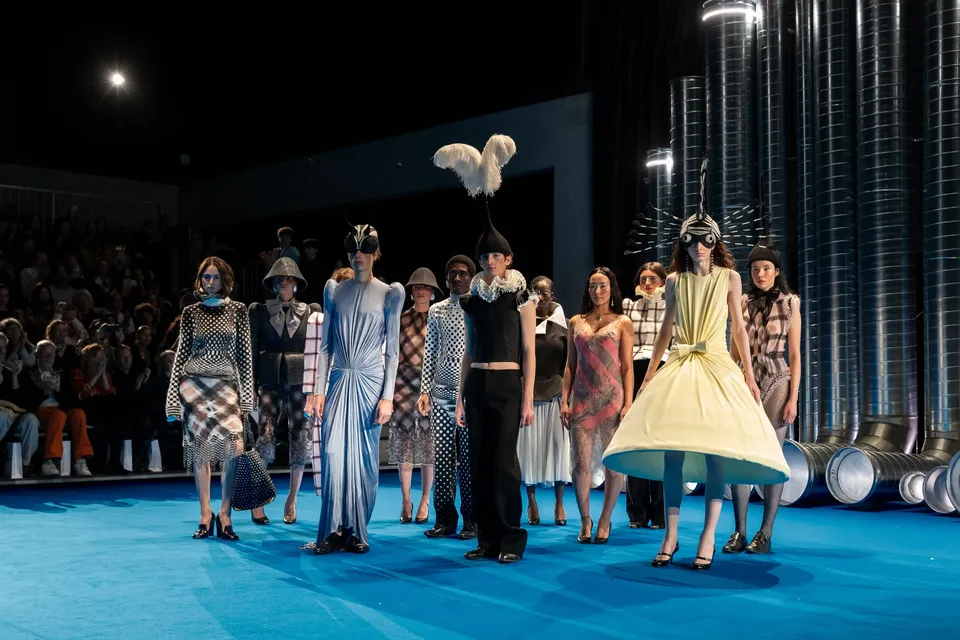
Whether we like it or not, the newly announced Met Gala theme is already worth getting excited about. The idea behind it, and the homage it will pay to Jun Takahashi, one of the most unique and complete creative minds in fashion (I may be slightly biased, but I stand by it), are enough to make us look forward to whatever looks end up walking through the Metropolitan Museum’s halls on the first Monday of May. The idea behind it, celebrating the extraordinary qualities of the mundane and how poetic everyday life can be, draws heavily from Undercover’s Fall 2024 collection, A Working Woman, in turn inspired by Wim Wenders’s Perfect Days, a tender slice-of-life film that led Takahashi to rethink everyday garments through his usual avant-garde perspective, transforming familiar pieces into something far beyond their original purpose.
A Working Woman takes its name from a poem by Wenders, written and read exclusively for the Undercover show. This collection will also be the one to open the exhibition, with a gallery devoted to displaying some of its looks and introducing visitors to the process of construction and deconstruction behind the seemingly simple act of getting dressed. Such a remarkable and special place within fashion’s most important event of the year is exactly what Jun deserves, and we can’t wait to see how it all turns out.
A recommendation
The fashion world as seen in Paradise Kiss
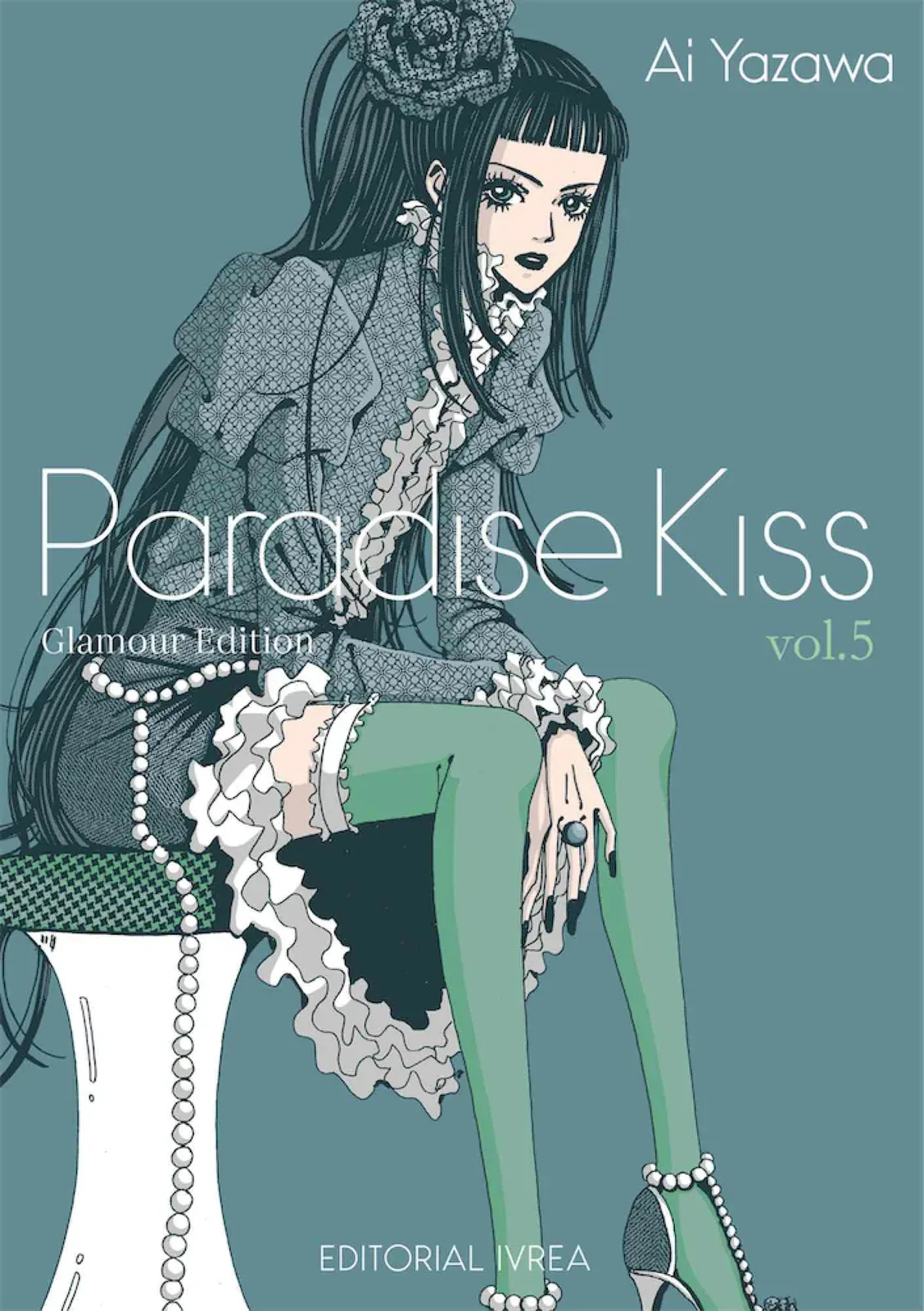
Few forms of media capture life and emotions quite like manga and anime. It’s easy to find themes and genres that interest us portrayed in their own unique ways, from sports, academics, art and music to, of course, fashion. One of the most faithful representations of the fashion design profession, with the added whimsical spark that only anime and manga can offer, is found in Paradise Kiss, the iconic work by mangaka Ai Yazawa, second only to her legendary Nana. Published as a five-volume manga and later adapted into a twelve-episode anime, it tells the story of a group of emerging designers and their brand, Paradise Kiss. Led by the ever-charming and eccentric George, they convince a beautiful but sceptical student, Yukari, to become their model. They eventually fall in love, too.
As beautiful as this work is aesthetically, with Yazawa’s recognisable drawing style and her extensive references to some of fashion’s greatest influences, from Vivienne Westwood and British glam rock to Lolita and 1970s punk, it is the way the story unfolds that makes it so special. References to recognisable magazines, fashion schools and collections help build its world, while the story itself offers a surprisingly realistic portrayal of the hardships, struggles and misconceptions surrounding the fashion industry. Watching these characters navigate it all, driven by their genuine passion and love for what they do, makes Paradise Kiss stand out among the many portrayals of fashion in popular culture. It’s a recommendation that has never failed me and has introduced many people to both fashion and anime. All twelve dubbed episodes are available here on YouTube, while the manga, which is well worth picking up to appreciate Yazawa’s beautiful illustrations, should be easy to find in your local bookshop.