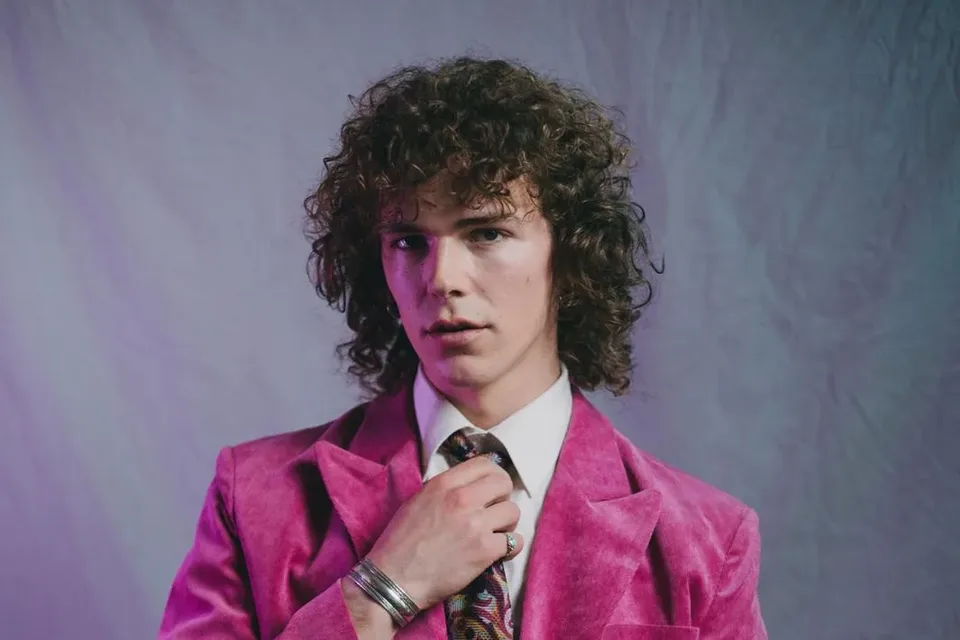
Open Instagram before getting out of bed and, chances are, someone will already be telling you how to live better. What to eat, how much to sleep, which habits to drop, what to buy and, somewhere between all of that, what success is supposed to look like. We have more information at our fingertips than any generation before us, which sounds wonderful until everyone starts talking at once. Deutsche Telekom’s new Not a passenger campaign enters that very crowded conversation with a refreshingly simple proposition: perhaps it’s time to stop letting everyone else drive.
Growing up online has undoubtedly opened doors that would have been unimaginable not so long ago, particularly when it comes to accessing knowledge and finding new ways to create. The other side of that permanent connection is harder to ignore. Algorithms decide what lands in front of us, opinions arrive whether we asked for them or not, and the endless possibilities offered by social media can become overwhelming. In fact, twenty-one per cent of young people surveyed in the JIM-Studie 2025 agreed with precisely that statement. Not a passenger isn’t suggesting we throw our phones into the sea; it’s asking us to be a little more selective about who gets a say.
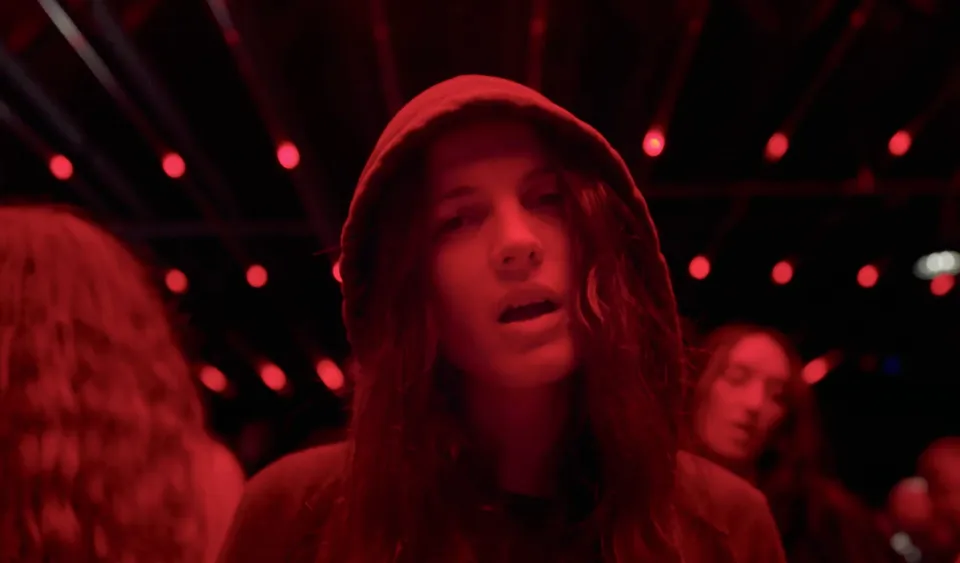
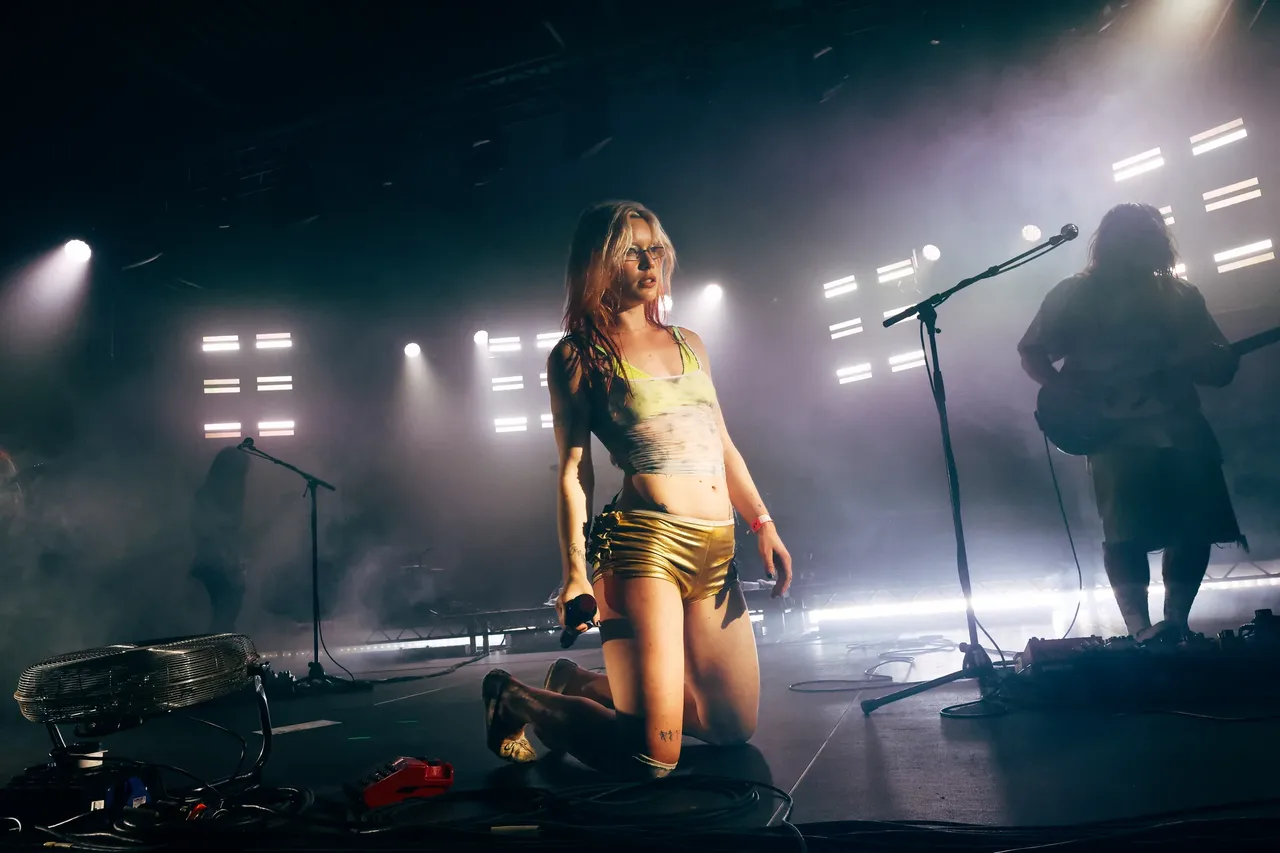
To put a face to that idea, Deutsche Telekom turned to Wet Leg and, more specifically, frontwoman Rhian Teasdale. The Grammy-winning British band has spent the past few years carving out a space of its own, with humour and irreverence playing almost as important a role in its identity as the music itself. In the campaign film, directed by Charlie Engman, Teasdale finds herself surrounded by representations of all that external noise before eventually doing exactly what the title suggests: taking the wheel.
For someone whose work inevitably comes with a very public online existence, the subject also hits close to home. Teasdale has spoken about the constant stream of comments about her, her friends and the music they make, ranging from genuinely supportive messages to misogynistic ones. Learning to tune some of that out and remain on her “own frequency”, as she puts it, has become part of navigating life in a band in 2026. Being watched comes with the territory; letting every spectator dictate the direction does not.
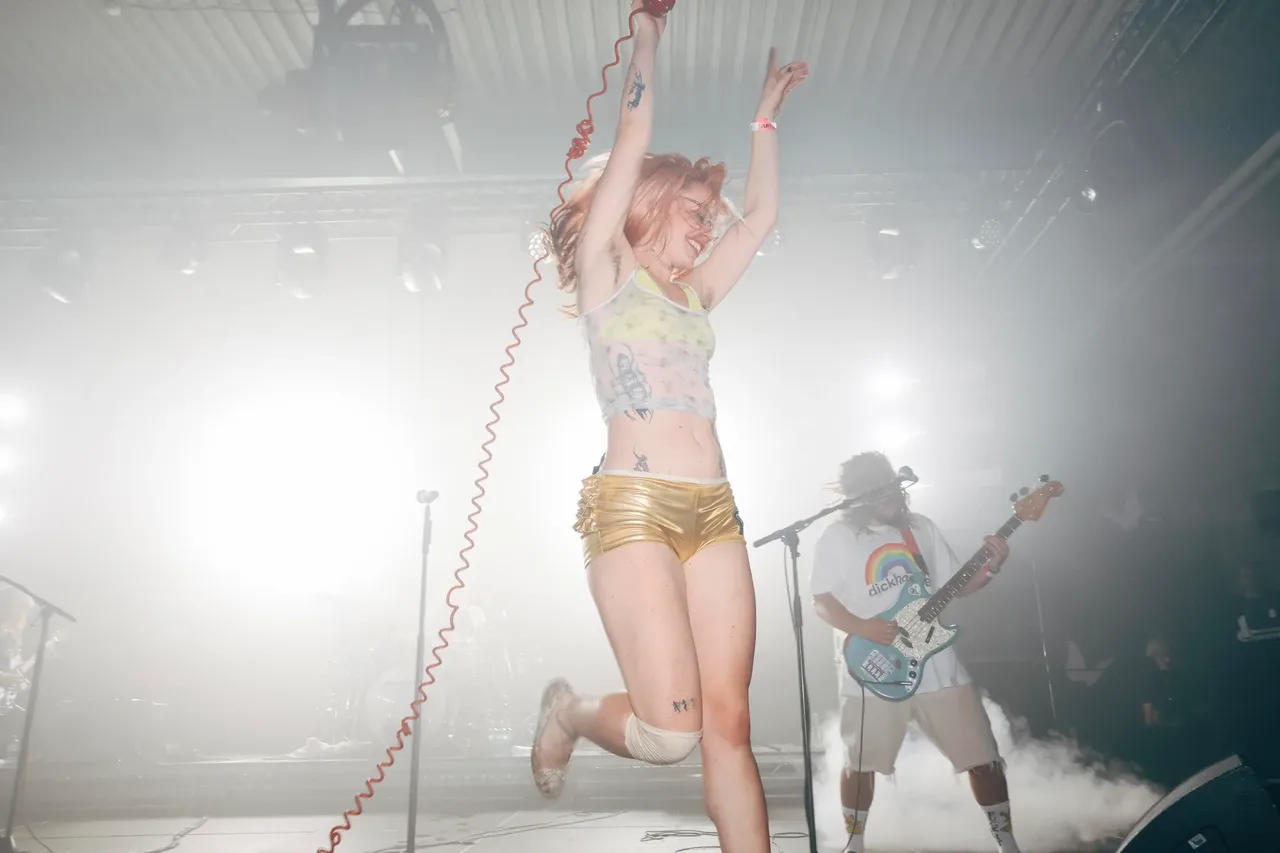
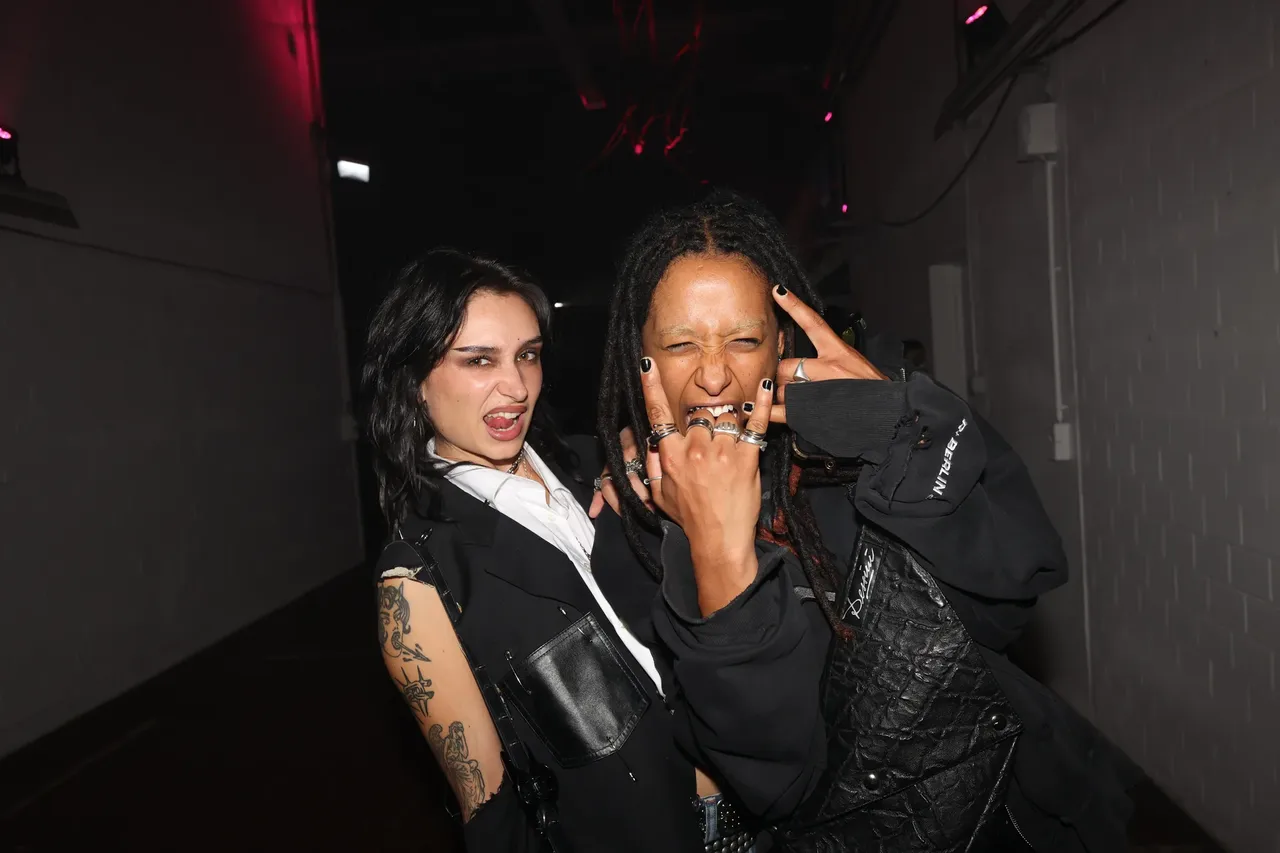
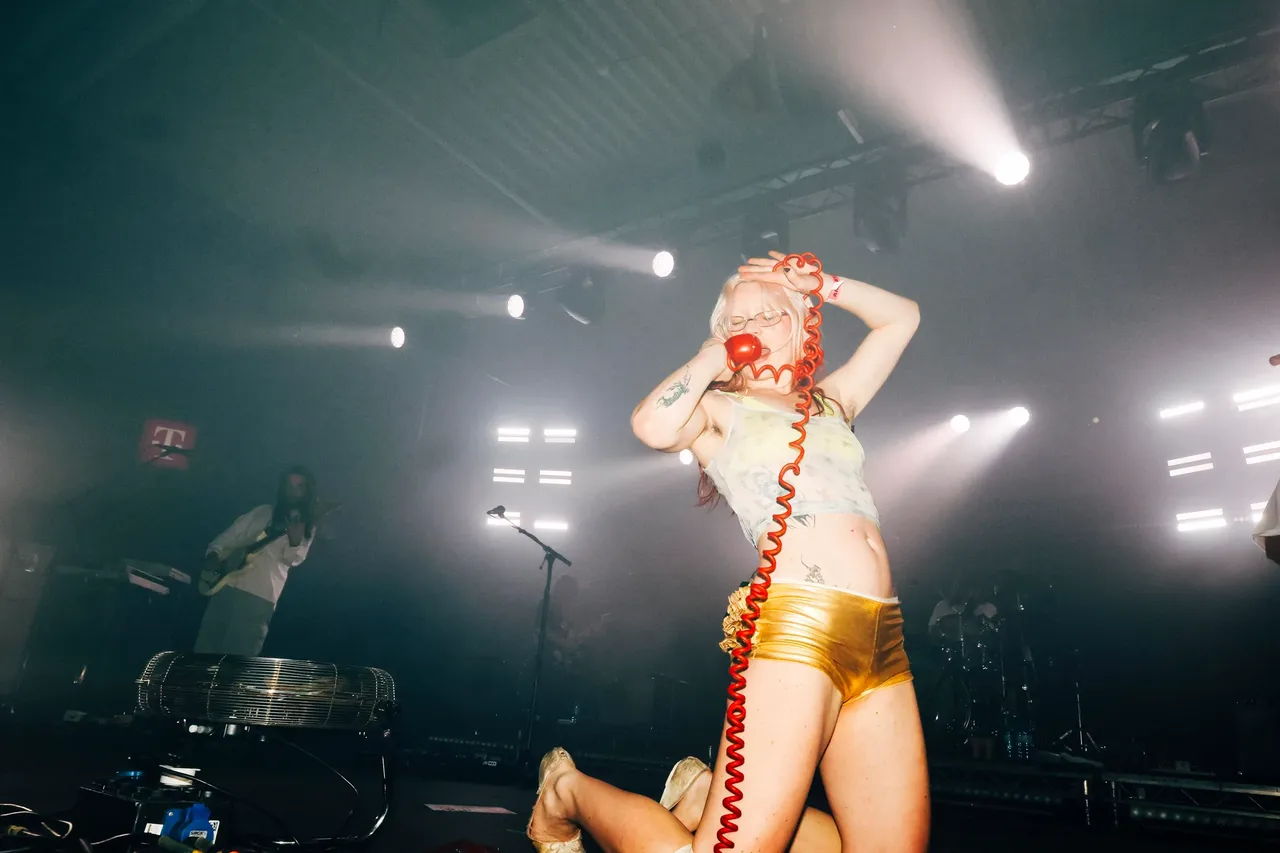
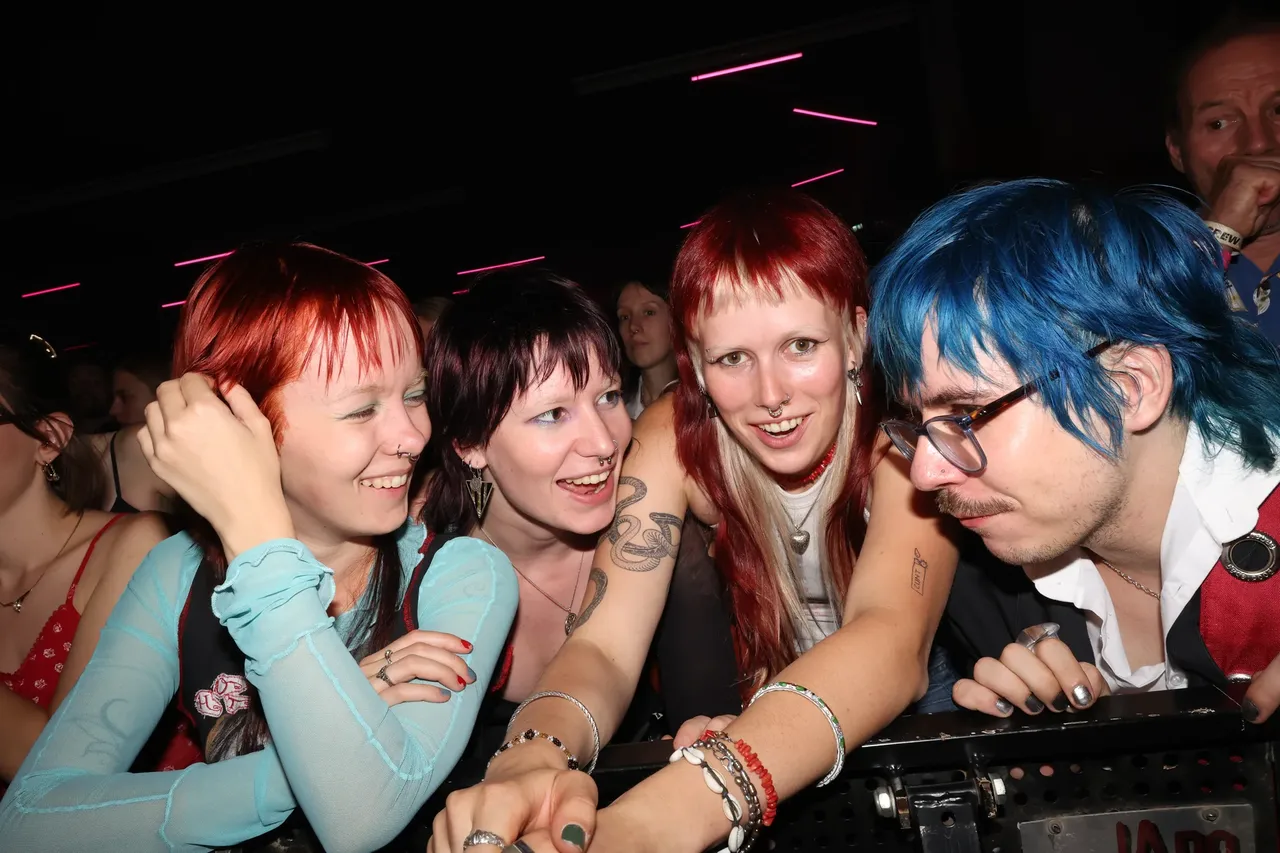
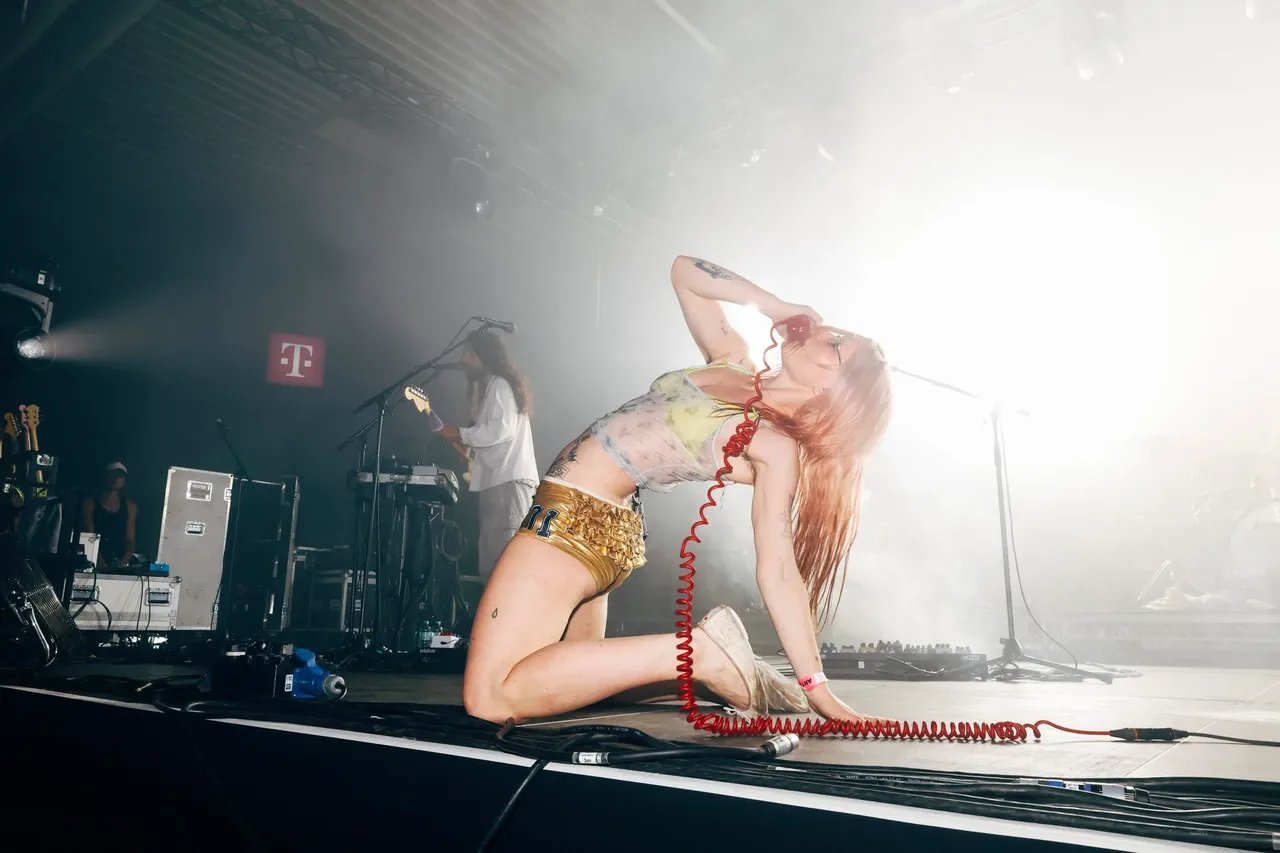
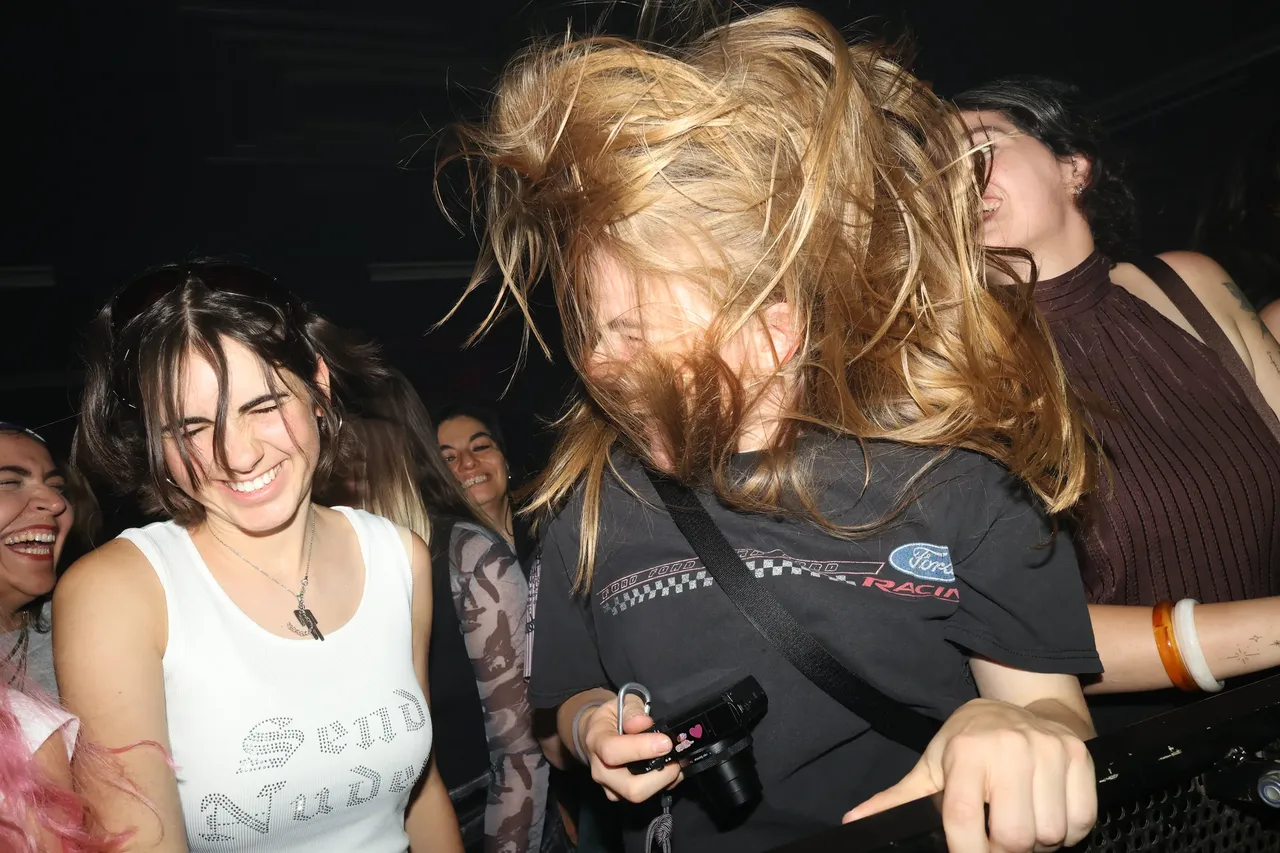
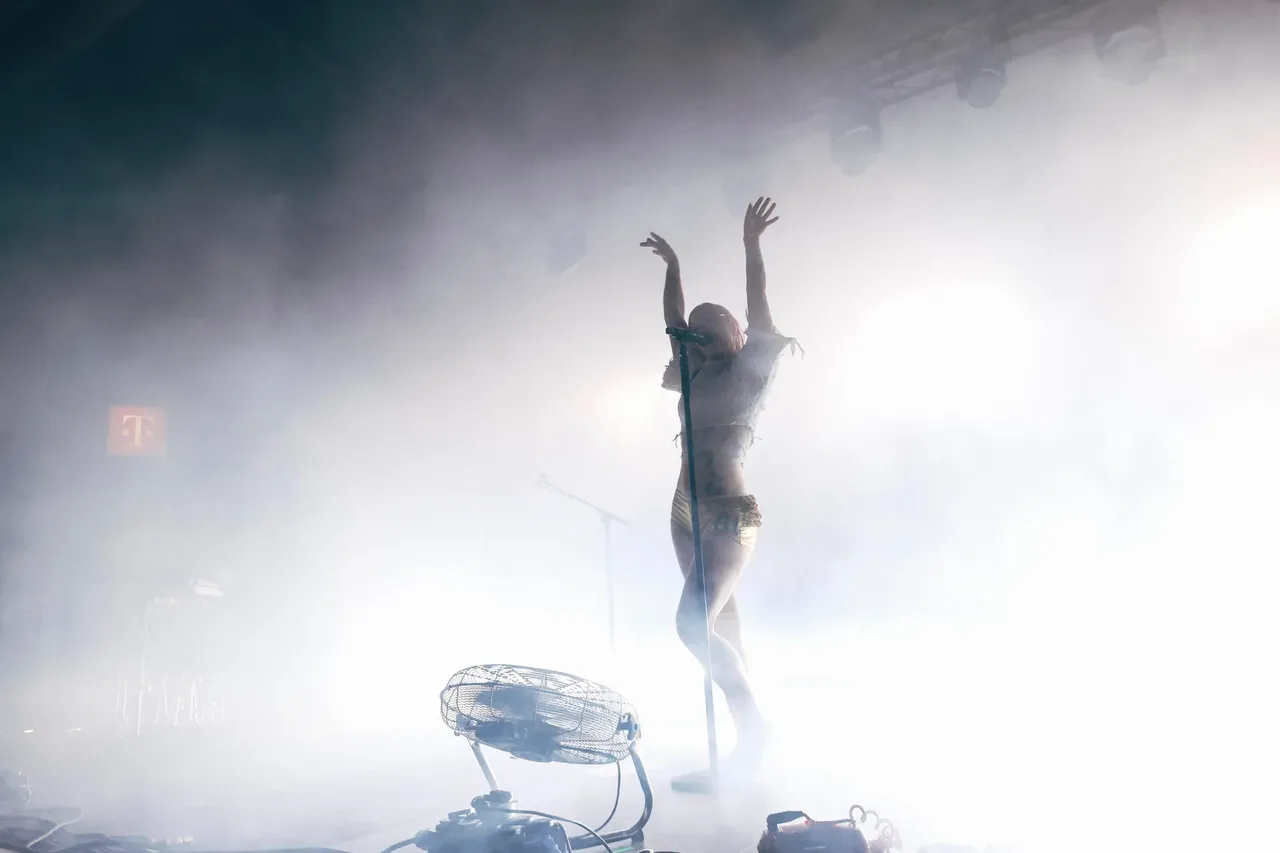
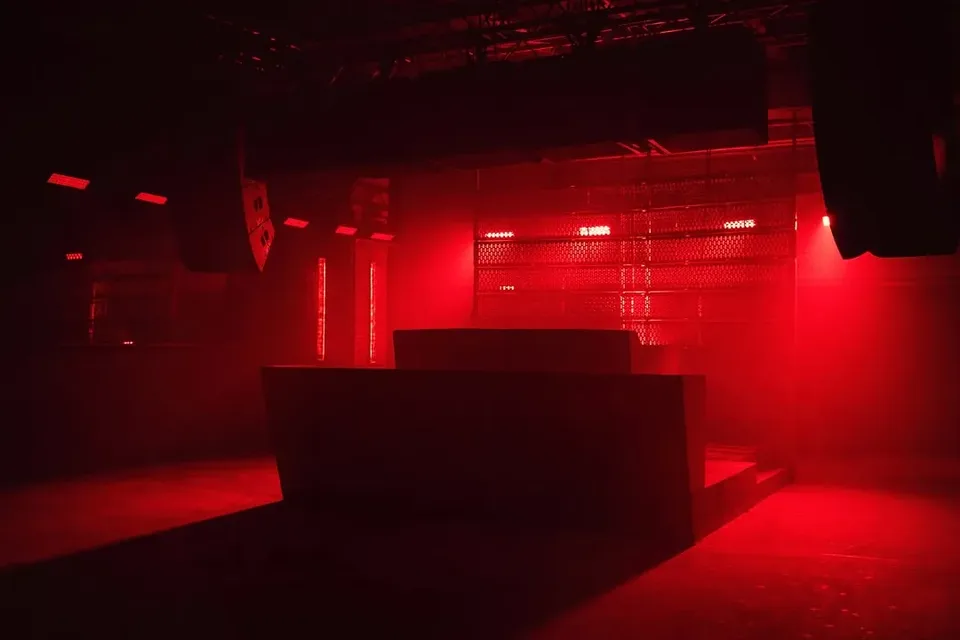
What could easily have remained another campaign about our complicated relationship with screens was also taken into the physical world by Telekom Electronic Beats. Beginning on 22 August, a Not a passenger car started appearing at secret locations around Berlin, with Wet Leg and Electronic Beats dropping clues online and inviting people to hunt it down for the chance to secure tickets. The destination came four days later, when the band headlined an exclusive event in a former garage workshop in the German capital. Internet, street, music, real people in the same room: suddenly the message had somewhere tangible to land.
That crossover feels particularly at home within Electronic Beats, Deutsche Telekom’s music and culture platform, which has spent more than two decades bringing music into contact with fashion, art and emerging technologies. Having previously collaborated with artists including FKA twigs and Billie Eilish, its role has increasingly extended beyond programming events into connecting creative communities across Europe. Not a passenger, meanwhile, continues Deutsche Telekom’s wider #OwnYourWorld initiative, centred on helping younger audiences navigate digital life with greater confidence and control. We may not be able to make the internet any quieter, but we can decide who we listen to. Sometimes, that is all the reminder we need.