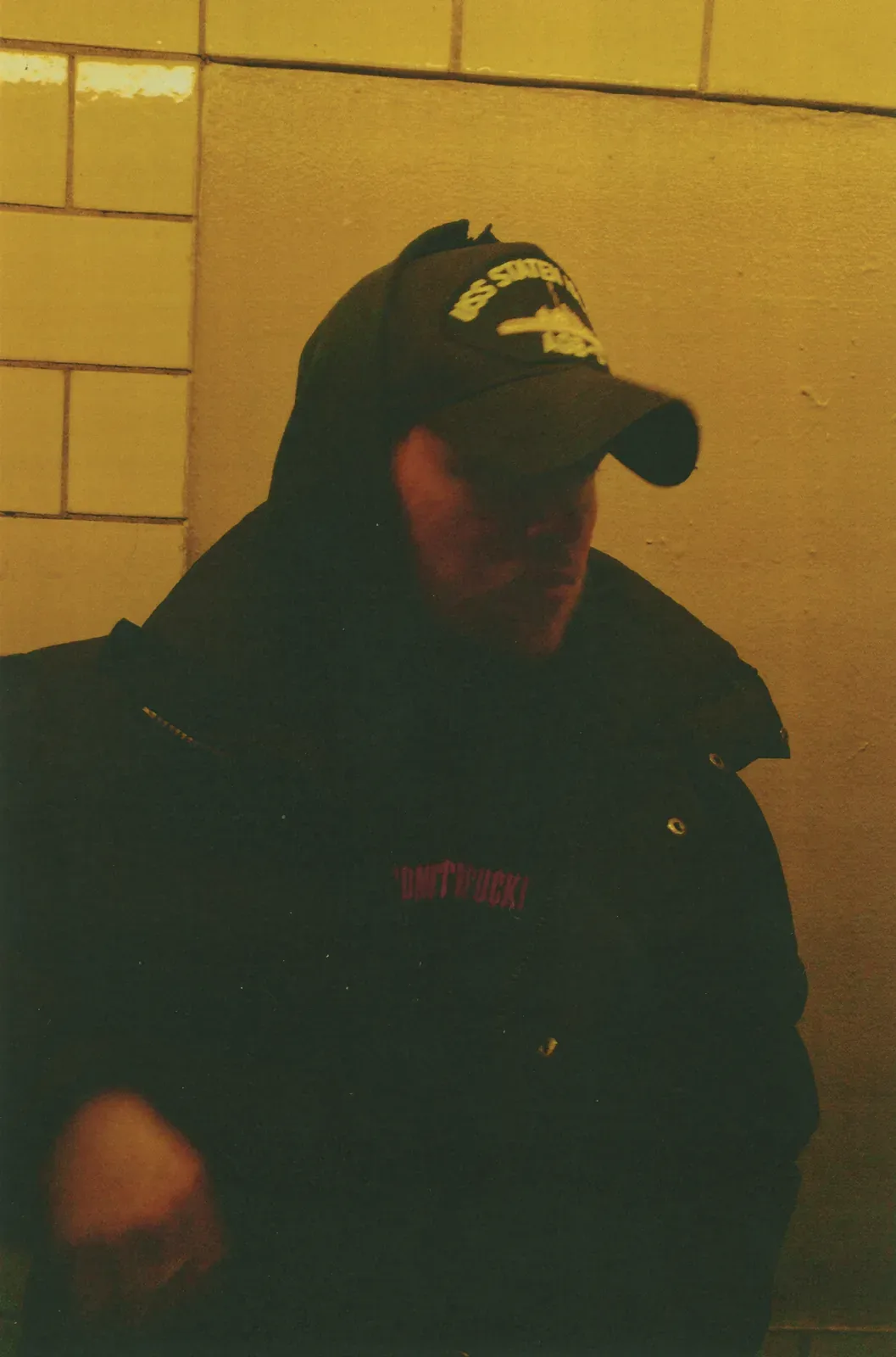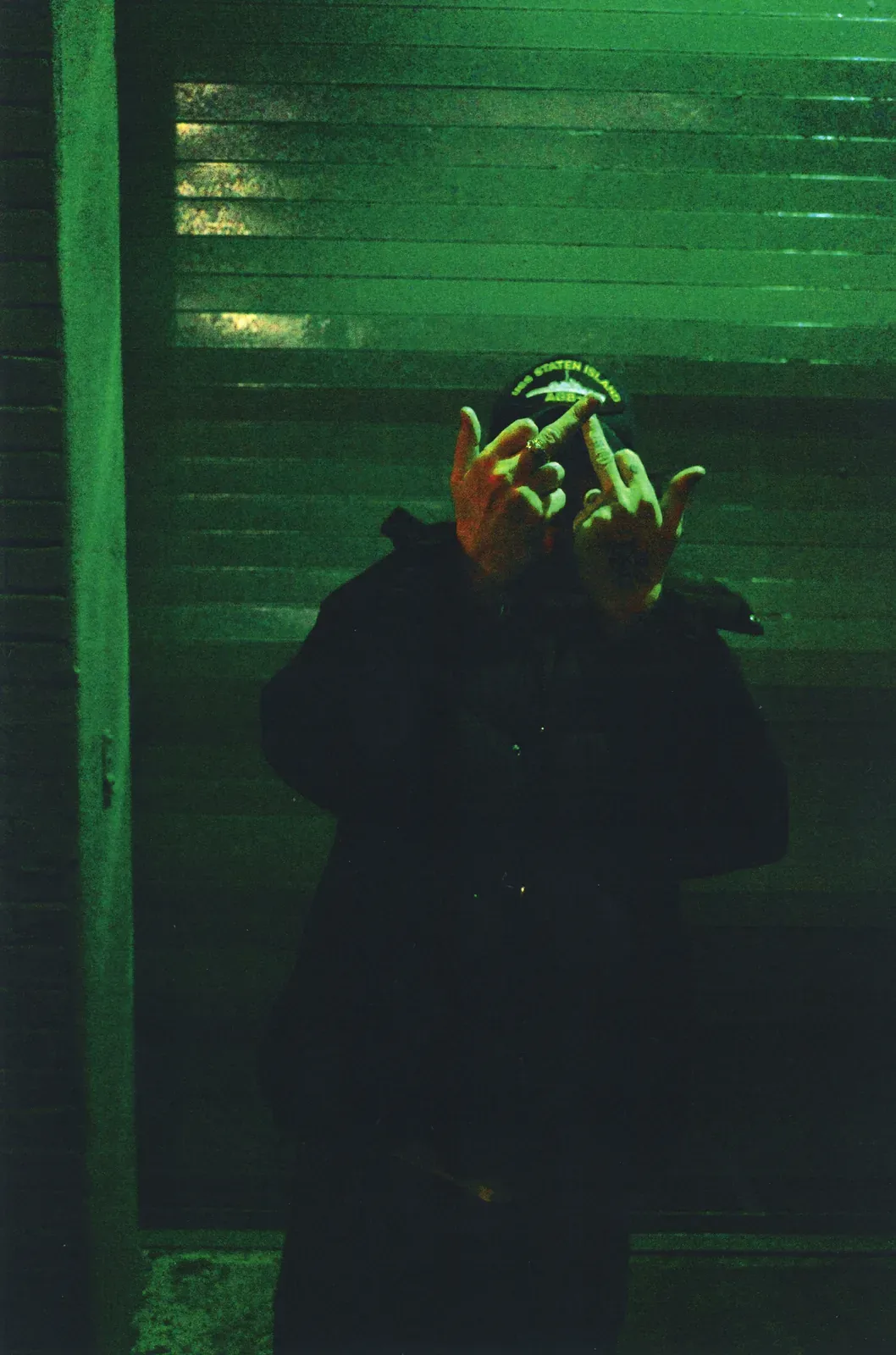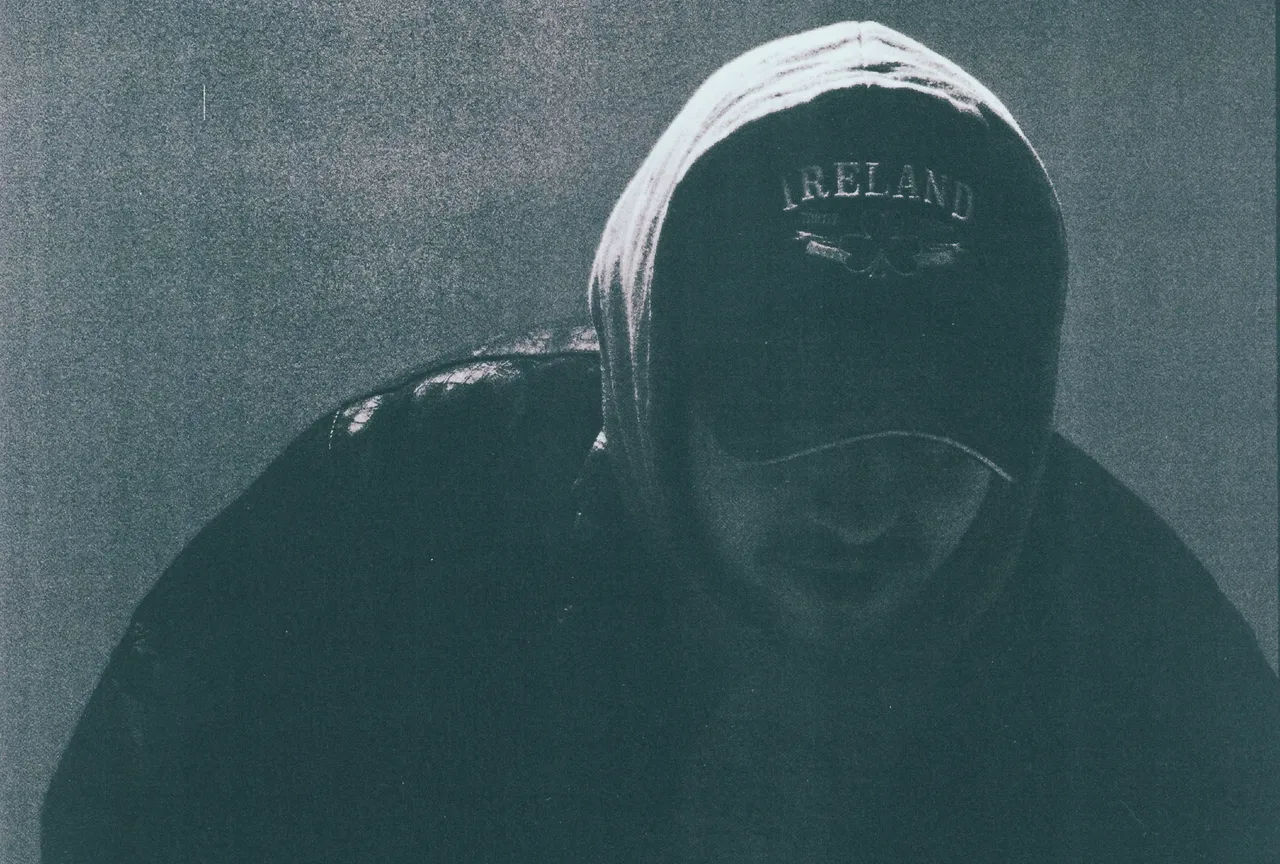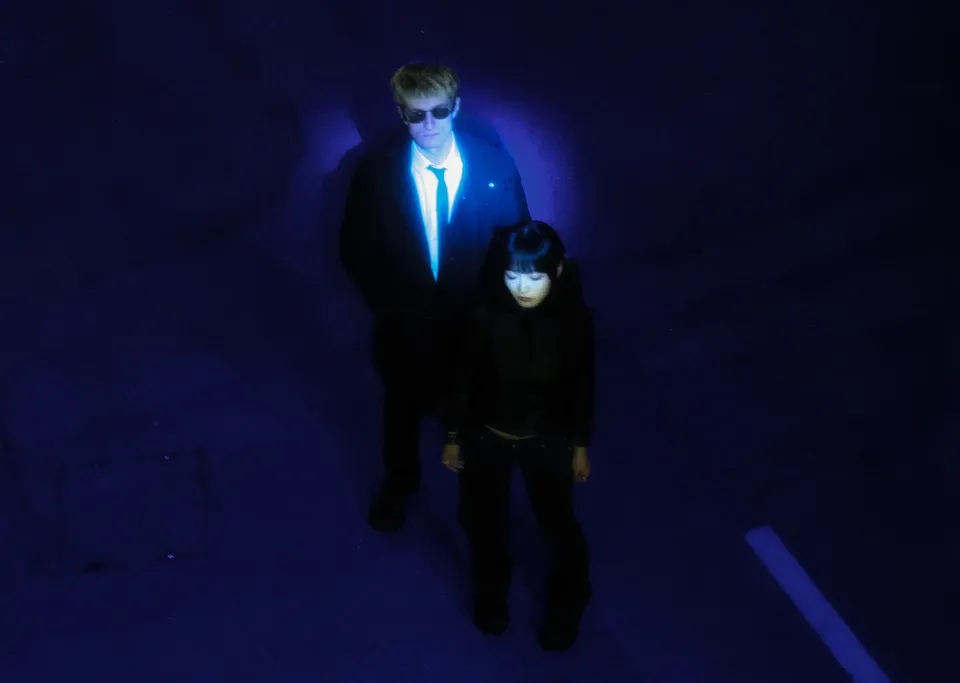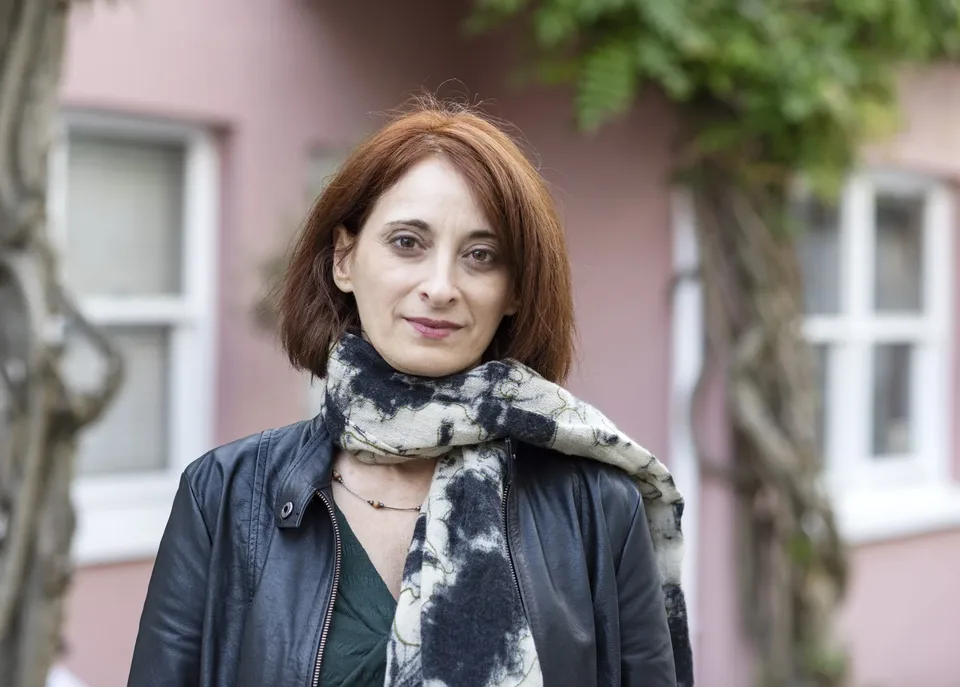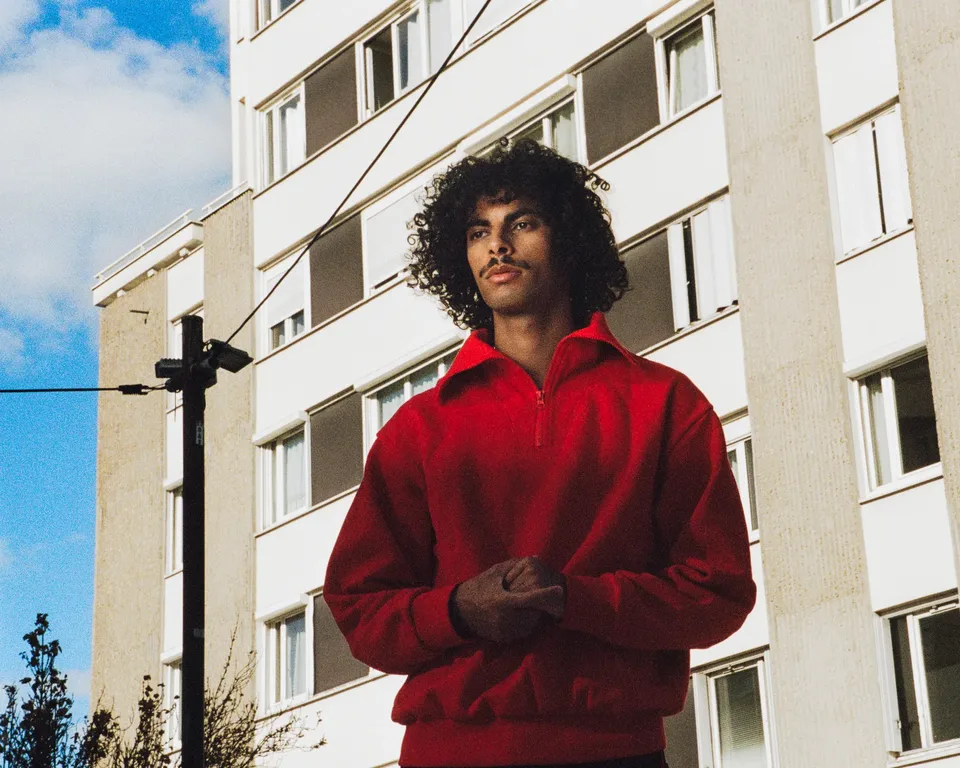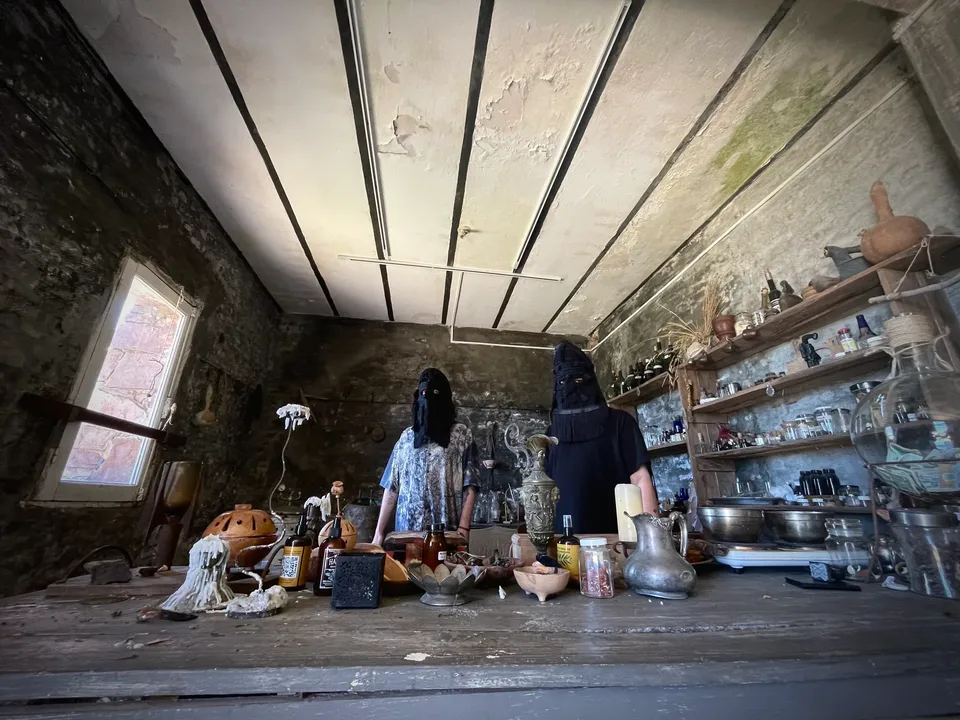
We all know that there’s no better way to make your mark than being yourself, and Ciarán might just be living proof of that. Formerly known as Bearface, the singer made his long-awaited comeback to music as a solo artist this summer, stepping out from behind the name that had accompanied him throughout his years as a member of Brockhampton. With the release of K-Bar and a live performance in New York this past August, Ciarán is now welcoming us into a new chapter with the arrival of his debut solo album, Róisín.
Just a few days ahead of its release, we had the chance to talk with him about finding his personal sound, reclaiming his artistic identity, and discovering a voice of his own after years of sharing the spotlight with his bandmates. We also explored what it means to start over under his real name, the musical influences that shaped his new era, and the challenges and freedoms of navigating the music industry completely on his own.
Ciarán, we’re lucky enough to have the chance to speak with you just a few days before the release of your new album. How are you feeling these days, with the big launch approaching?
Excited for it to finally be out. Despite the usual stresses, it’s been nice.
Even though Róisín is your debut solo album, you’ve released a lot of music as part of Brockhampton. Does what you’re feeling now remind you at all of how you felt back then, when you had new music ready to be released?
There’s definitely some familiarity, but overall it’s quite a different experience going through it by myself. There’s also a fair amount of learning as I go.
Your new album traces your voyage towards finding your own voice and identity, which I imagine must have been tough within a band. How is that journey reflected across the record’s thirteen tracks?
I’d say mainly in the way that I’m able to explore certain influences that may not have made the most sense within the context of the band. I was also able to explore various personal aspects of myself across the length of an album, as opposed to smaller appearances on songs.
This might be a difficult question to answer before sharing what you’ve created with the world, but now that you’ve begun the Róisín journey, do you feel you’ve found your own identity as an artist?
Definitely. Although it can be daunting in ways, it feels good to finally release music under my real name.
“Taking time after the band broke up to explore and dig for music I had never heard before was the most important thing about the album’s creation.”
We’d also like to know what it was like to officially leave Bearface behind and become Ciarán. Can you tell us about that transition and everything you had to leave behind to start this new era?
I feel a lot more confident going by my real name and had always wanted to change my ‘artist name’ at some point. One of the main reasons I had put it off for so long was because I was afraid that Americans wouldn’t know how to pronounce it, but it feels great seeing that people have been making the effort to learn it.
The title of your album means “little rose,” which I imagine is also an ode to your Irish roots. What does that name bring to the imagery and world of the album?
Róisín was going to be my middle name if I’d been born a girl. I always thought it was a beautiful name, and it felt right when I started calling the album that.
This summer, you released K-Bar, the first single from the album. What was it like for Ciarán to put that song out into the world? How did the audience react and, most importantly, how were you feeling just a few seconds after the song dropped?
It was definitely quite anxiety-inducing initially, but I still love that song a lot and I hope it resonates with people.
Just a few weeks after the release of K-Bar, you returned to the stage for the first time in years. On August 6, you performed at St. Stephen’s Church in New York, introducing Róisín to a live audience for the very first time. After some time away, what do you remember most vividly from that night? Was there a particular moment when it all became real for you?
I remember not being able to look up at the audience and how much of a nightmare the preceding week was, with rehearsals, getting sick and various other hurdles. But during the show, I was finally able to enjoy our work and was satisfied after.
Talking more specifically about the album’s content, something that really caught my attention was the way those sound effects blend seamlessly with the rest of the music. Could you tell us about some of the most striking ones? For example, at the beginning of K-Bar, it feels like you’re being dropped straight into the heart of a nightclub at its peak. How did you approach creating those moments?
Quite a lot of them would be accidents or me haphazardly placing sounds into a song that I’d collected over the years, and some of it was inspired a lot by jungle music and other kinds of sample-heavy music. I was also inspired by a couple of albums by the band Boris that they had made with the noise artist Merzbow. I was really inspired by how his noises and textures sounded in the context of a band.
Going back to the music you released with Brockhampton, do you see any parallels between those songs and your new material? To me, there’s something far more intimate about your work on Róisín than there was back then. Could you take us through your musical evolution, from the early days of the band to the sound you’ve arrived at now?
I’m sure there are some subconscious parallels, but I definitely made a deliberate effort to push myself further. I think taking time after the band broke up to explore and dig for music I had never heard before was the most important thing about the album’s creation. It was also a joy to go back to the ways in which I used to discover music.
To be completely honest, ever since I first heard Chevy, I haven’t been able to get it out of my head. There’s something about it that really takes me somewhere else. So, thinking about that sense of intimacy that your whole album evokes, which of the thirteen tracks holds the deepest meaning for you personally?
Thank you! Probably the final track, Waterslide.
Before we wrap up, I have to ask about Greene Ave, a 37-second track. Songs like this are often used as a kind of bridge between different chapters of the same album. In your case, though, what meaning does Greene Ave add to Róisín?
I think I really loved how the organ sounded when paired with the field recordings that are in it, and it felt like the logical lead-in to Houston.
I’m not gonna ask about what comes next, as you’re just setting sail with Róisín. At this point, what are you most excited to experience as this new chapter begins?
I think I’m most excited to try and make the album translate well live.