Everything and everyone needs a new lease of life every once in a while. The things we love, the places we know and even the institutions that have been around for generations. Time changes the way we see them, and eventually they need to change with it, to adapt to the context they are now part of. After four years of renovation and expansion, Design Museum Gent reopened its doors on 3 October, giving the city a reason to rediscover a place that has long been part of its culture and its history.
Ghent feels and looks like a museum in its own right. The city is so rich in ornament and beauty that every corner, street and building seems to hold details and stories of its own. Even the street lighting is carefully considered, creating shadows and contrasts that enhance the beauty of the architecture after dark. In a city where so much attention is paid to its surroundings, a design museum feels like a natural extension of the landscape, offering insight into many of the design choices behind what we see throughout the city. With its renovation and expansion, Design Museum Gent adds another attraction to a city that already has plenty to offer.
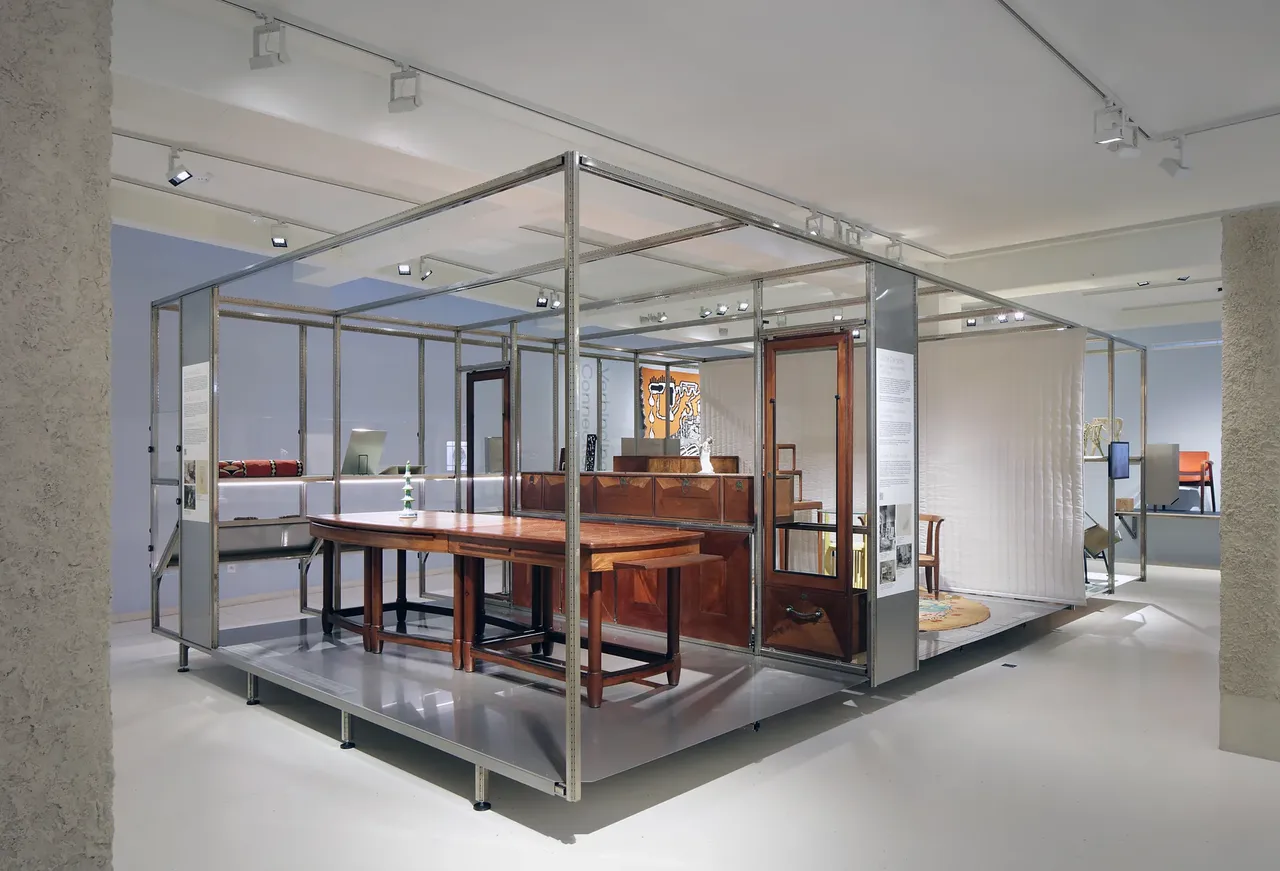
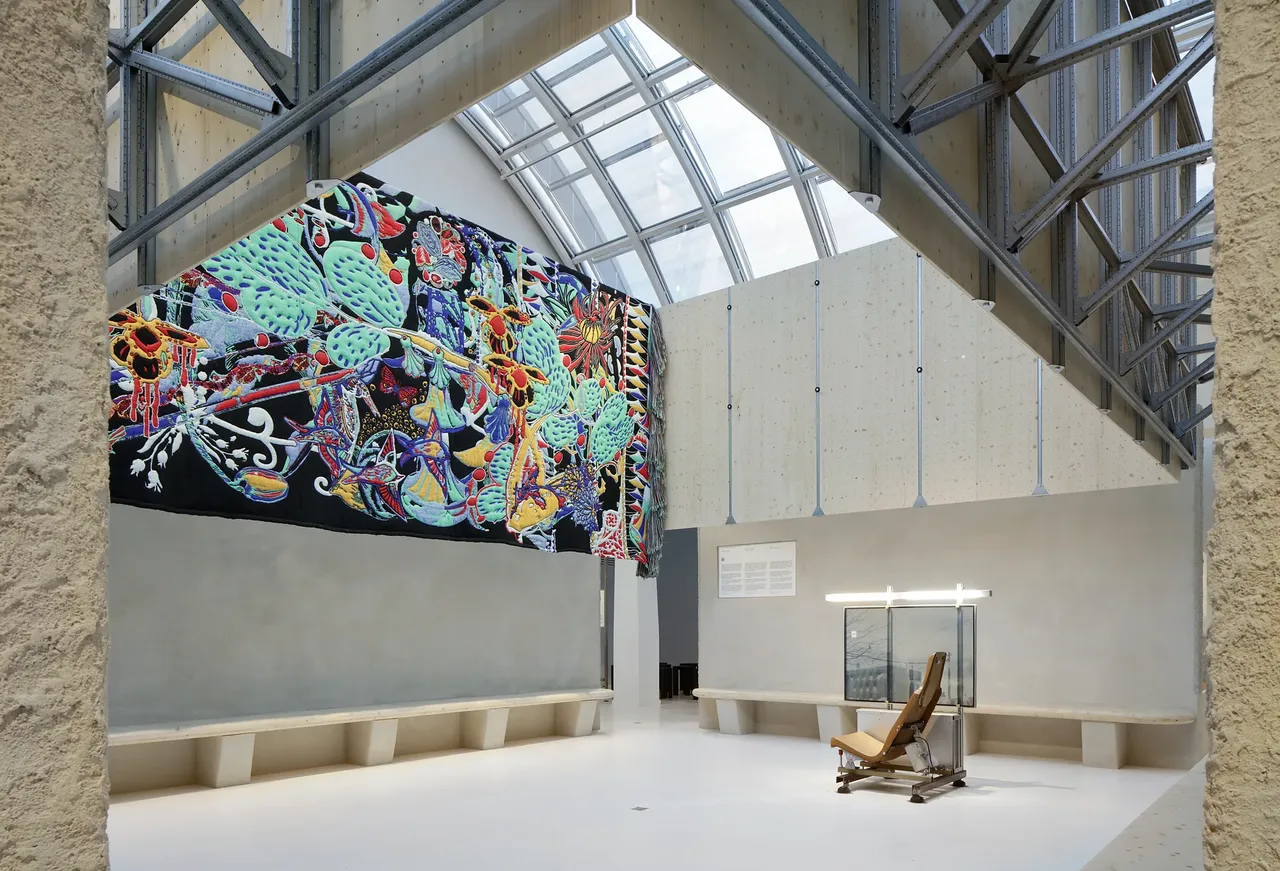
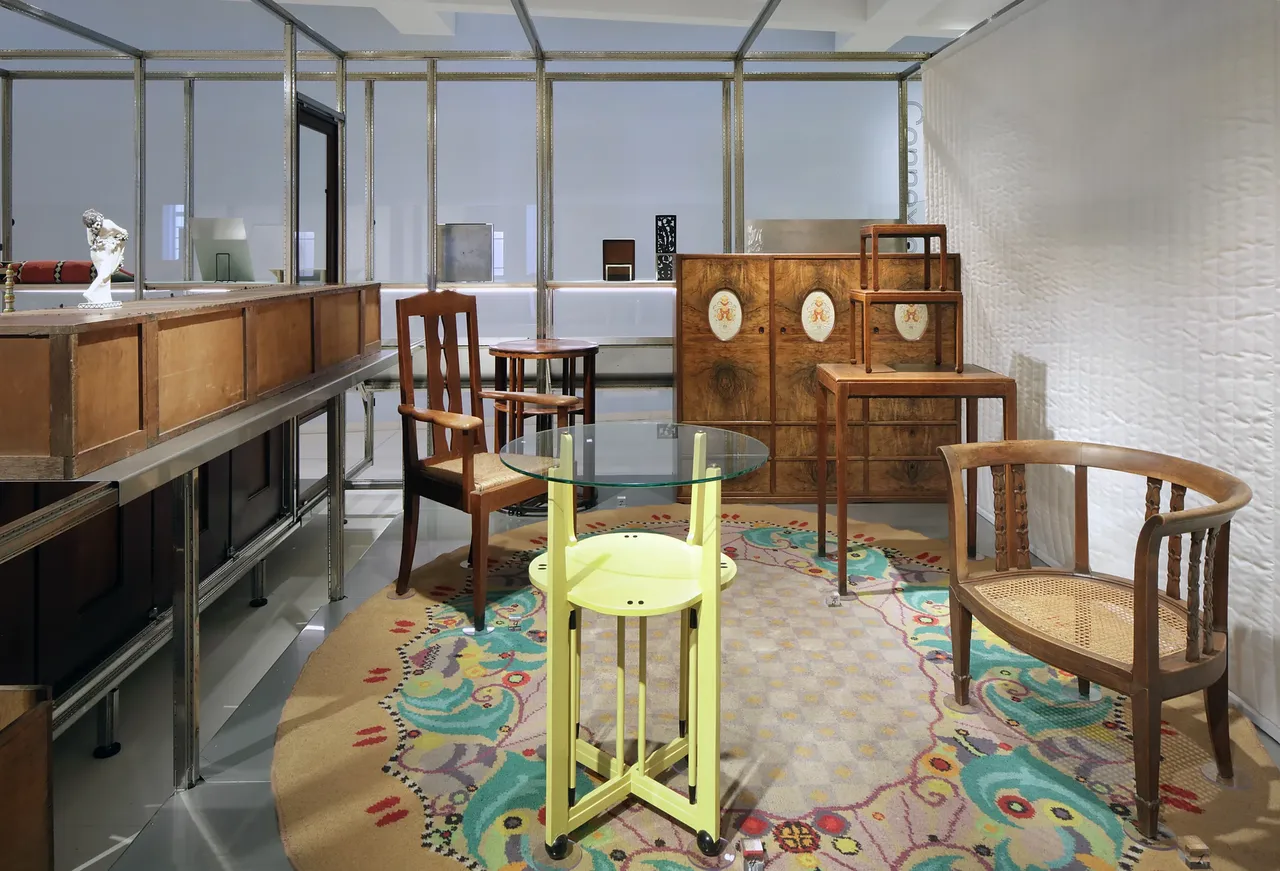
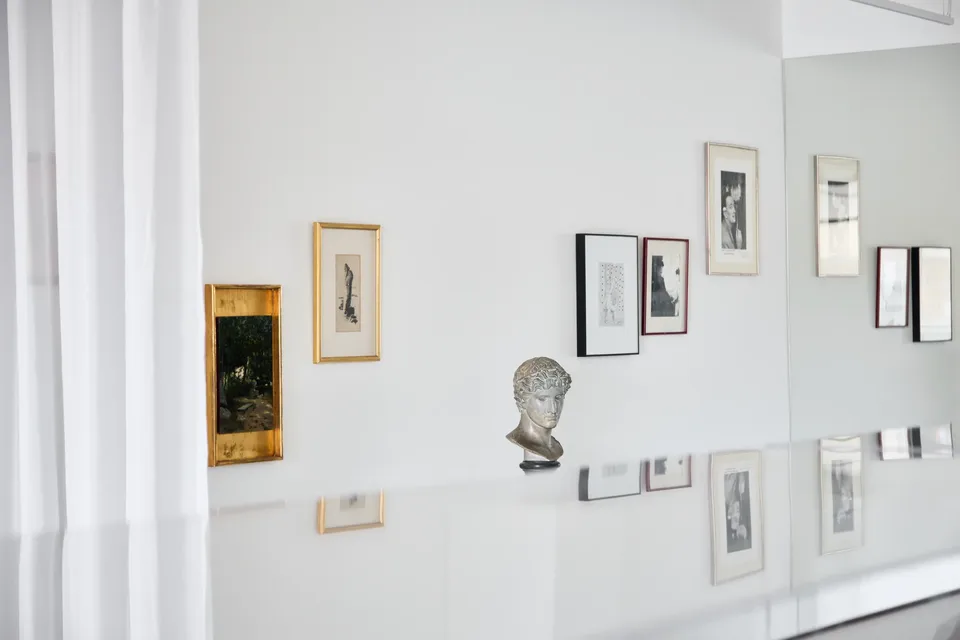
You wouldn't guess from the outside how much space the museum, housed in an 18th-century mansion, holds. Inside, the rooms tell the story of the different architectural eras the building has lived through, moving between the ornamental details of Belgian Art Nouveau and more spacious, minimalist galleries. An important part of the renovation has been the preservation of the original rooms, whose rich historical interiors retain the character of their time, while the contemporary extension reflects a more modern approach to architecture. Together, they turn the visit into an almost chronological journey through different decades.
Outside, the two façades make this contrast visible. The original 18th-century façade has been preserved just as it was, while the façade facing the other street rises as a grand, white and elegant wall. Its main feature is the monumental 3D-printed aluminium gate by the Antwerp-based studio Unfold, which welcomes visitors with a glimpse of some of the country's best design work. The contrasts and paradoxes that run through the building's architecture are particularly evident in this door. It resembles the natural folds of a curtain and looks as though it were made from heavy, sturdy metal, but it is actually light and easy to move. Nothing here is quite what it seems, and every decision holds details that escape the eye at first glance.
Even the street number is special: it has been handcrafted by a local silversmith and was being installed as we arrived for the opening tour. It was special to see the cherry on top being added in real time. Further inside, timber framing and bricks made from locally sourced construction waste show how the renovation has carefully considered the materials that make up the building. These details bring the museum's design choices into focus, revealing the intention behind this renovation beyond the mere need for more space. The aim was to make the new area a conscious extension of the art and design housed within it, with an environmentally conscious and democratic approach that seeks to make the museum part of the city and its inhabitants' lives.
The enormous windows on the new side, one of the most attractive features of this renovation, also integrate Ghent into the galleries in a more direct way. The city's fairytale-like landscape becomes part of the experience, with its Gothic towers, mediaeval streets, historic bridges and busy street-level terraces appearing alongside the objects on display. The views create a dialogue between the building, the collection and the life happening beyond its walls.
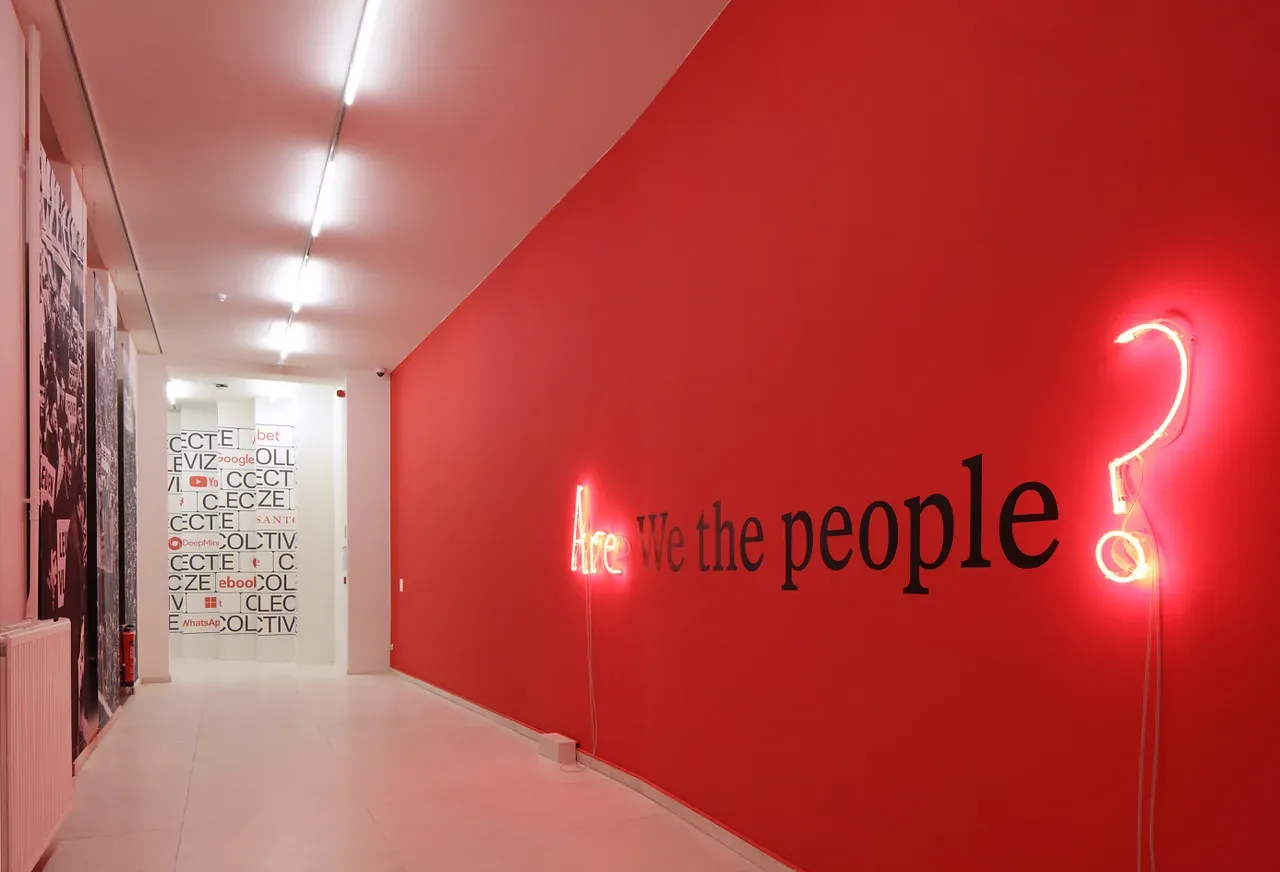
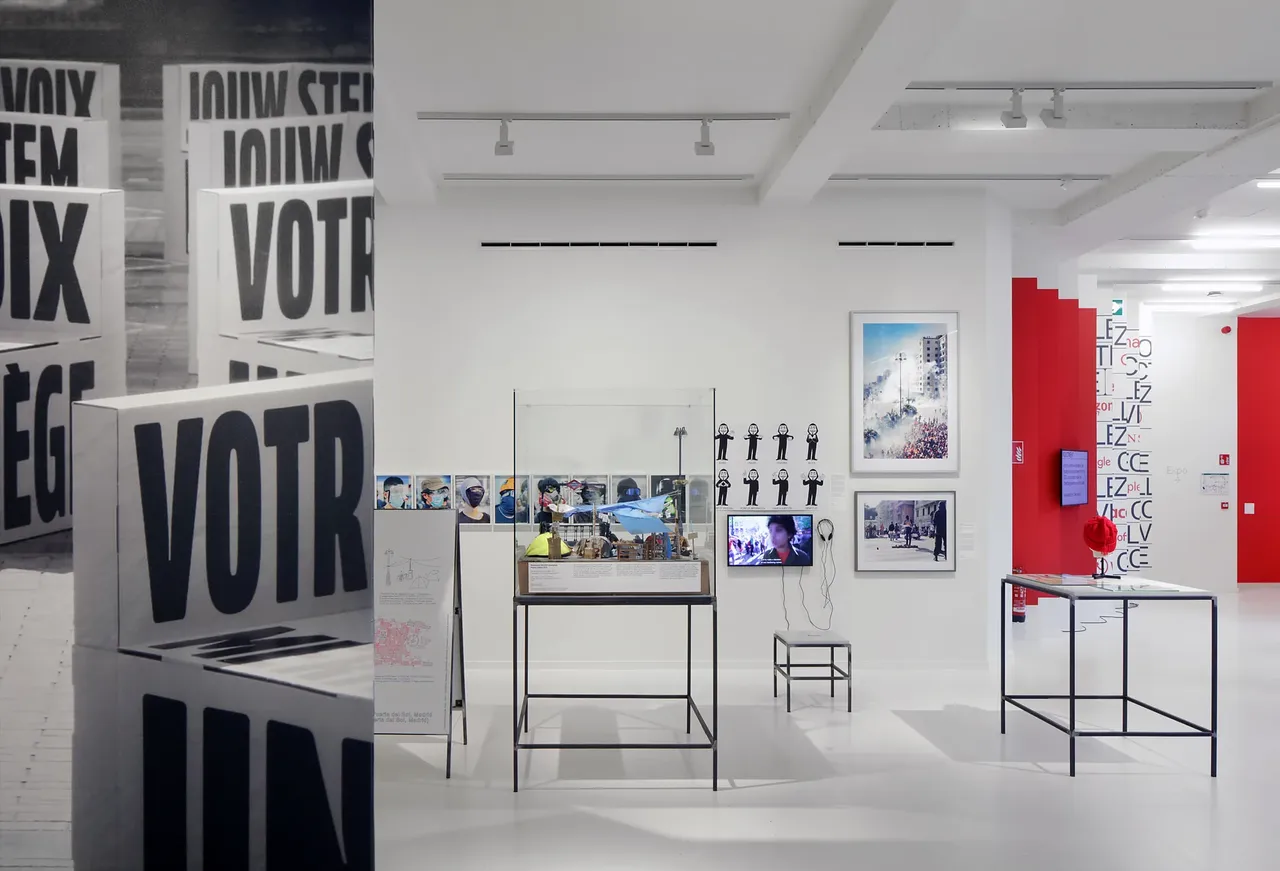
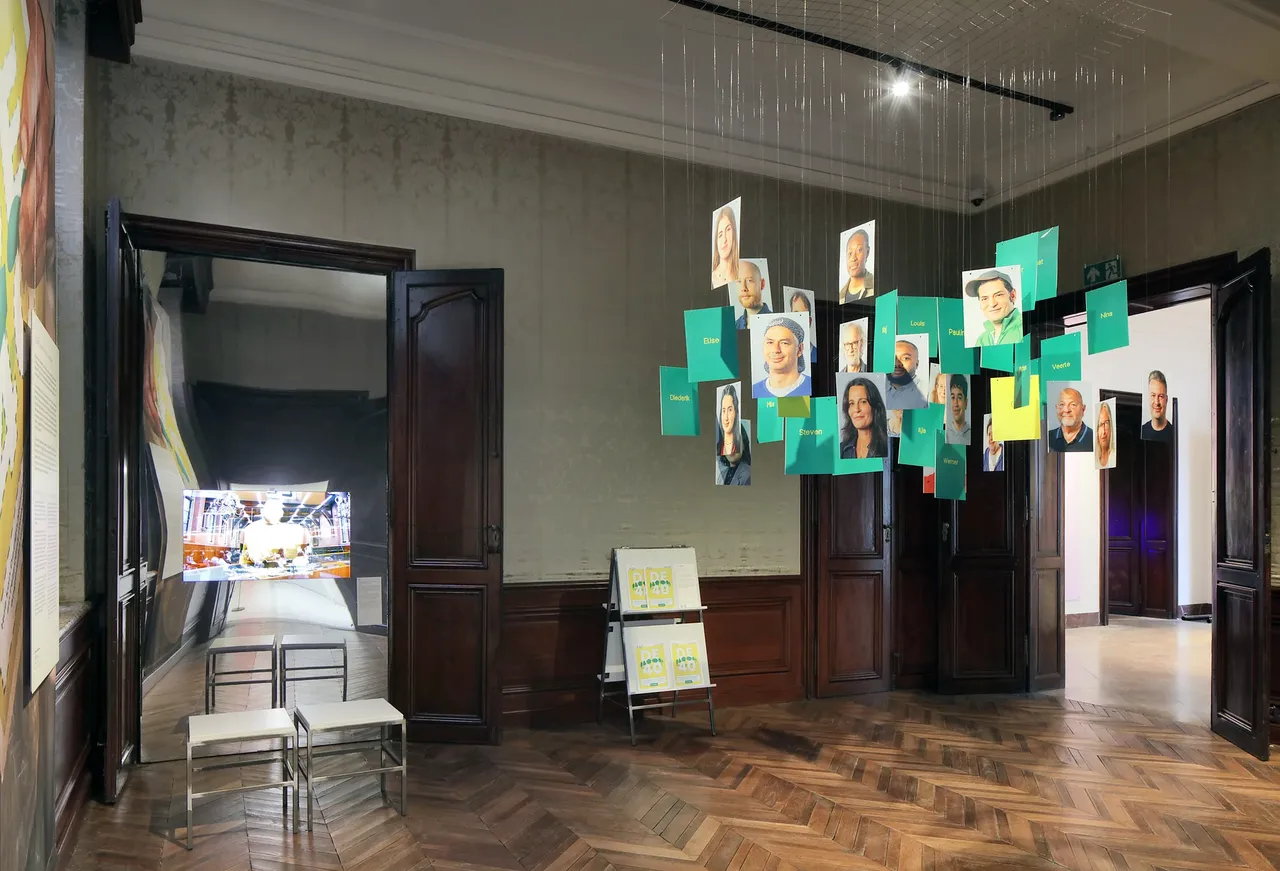
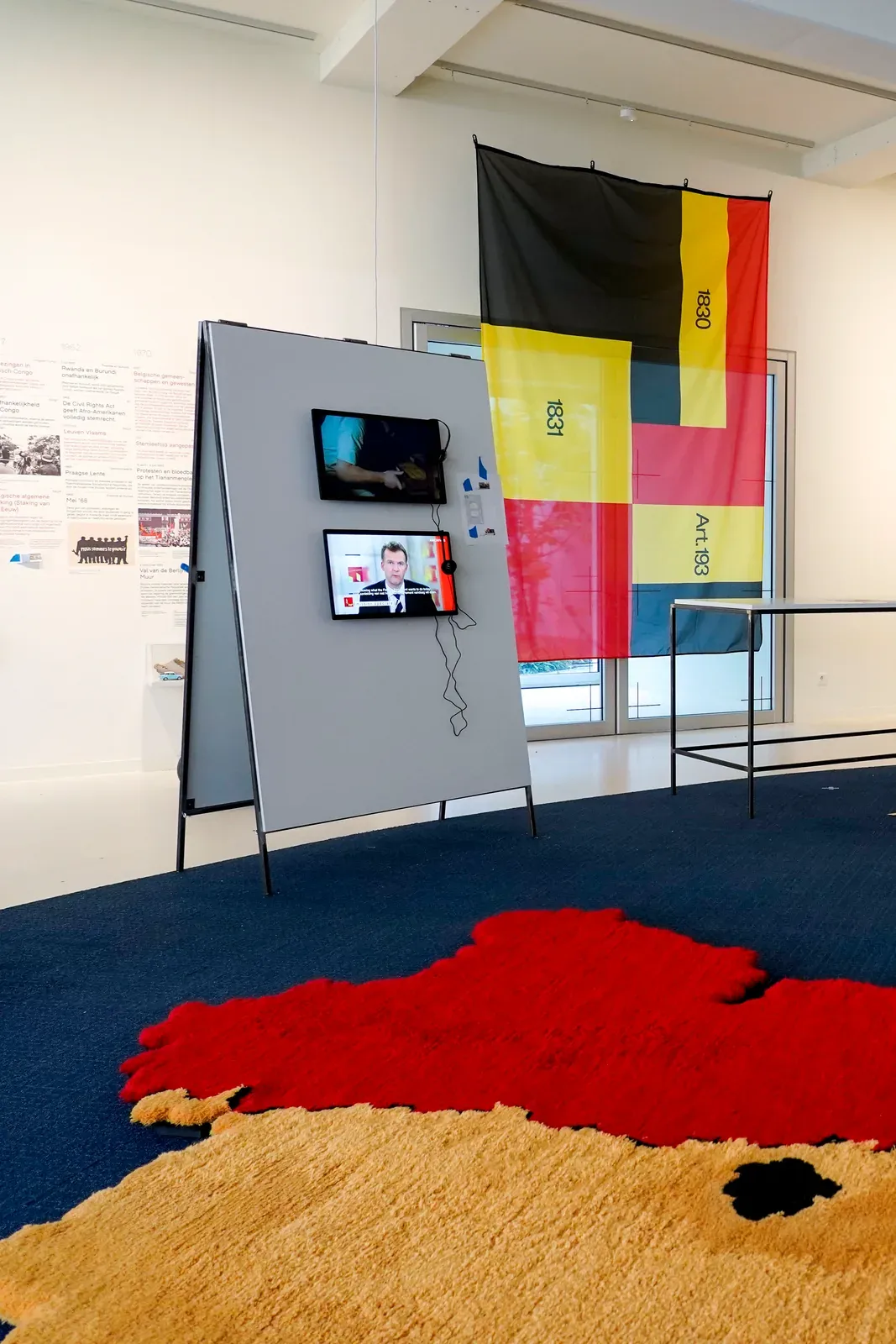
Design Museum Gent's reopening also brings questions that reach well beyond architecture, with thought-provoking exhibitions accompanying the inauguration. In Public Matter(s): Design and Democracy, political flyers, ballot papers, voting booths and protest banners reveal how design shapes the ways people communicate, participate and make themselves heard. These objects are familiar to everyone, but their implications are easy to overlook, prompting reflection on the pervasive influence of design and how everything around us can hold meanings beyond its primary function.
The design of a ballot paper or the accessibility of a voting system can influence who gets to take part, while banners and signs give form to public frustration when those in power fail to deliver. Design is woven into political life, from the campaigns that ask for our votes to the protests that challenge the results. Looking at these everyday objects through the lens of design makes it easier to recognise how visual language and practical decisions can affect our place in society. What might seem obvious to those working in the industry can be a wake-up call for the wider public, helping people understand and appreciate a creative discipline that is so vital to everyday life.
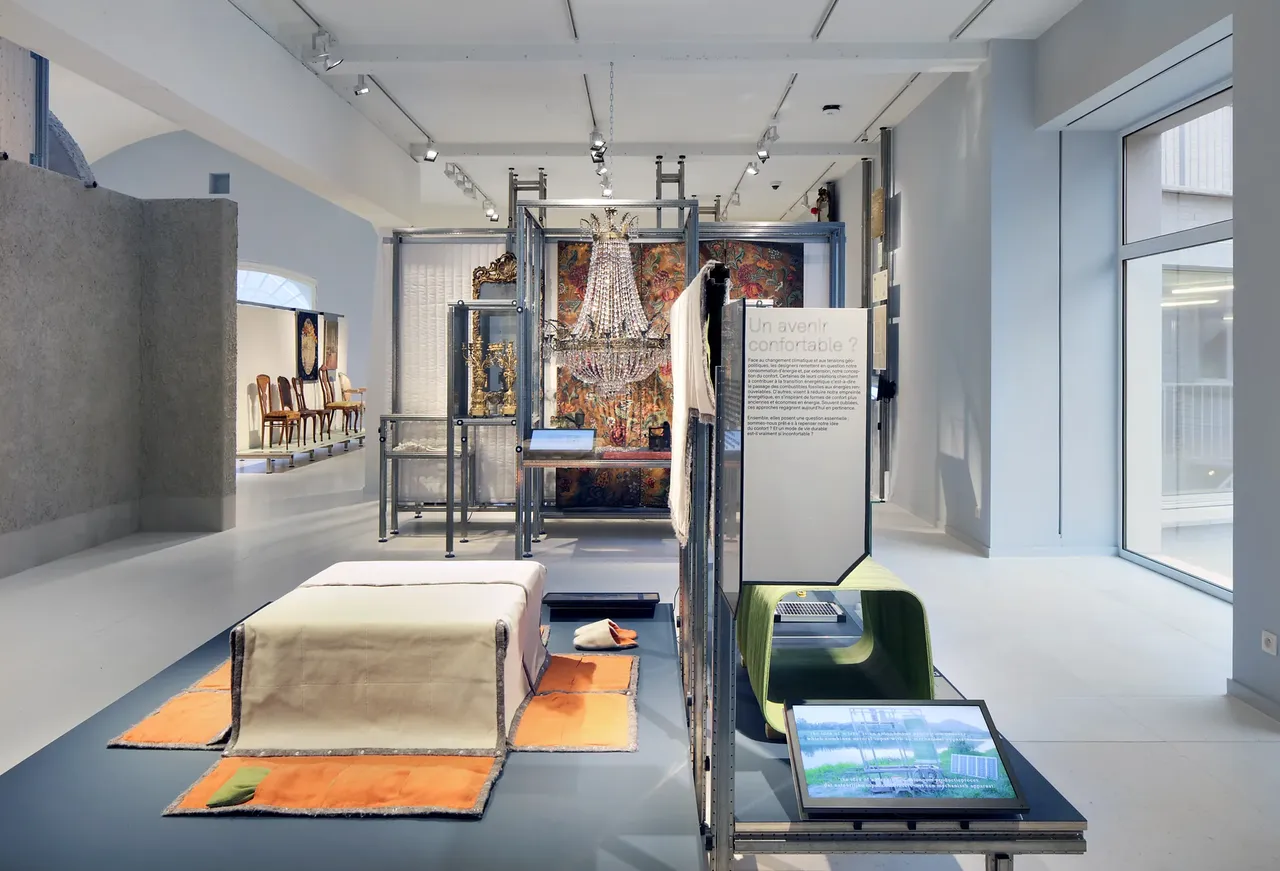
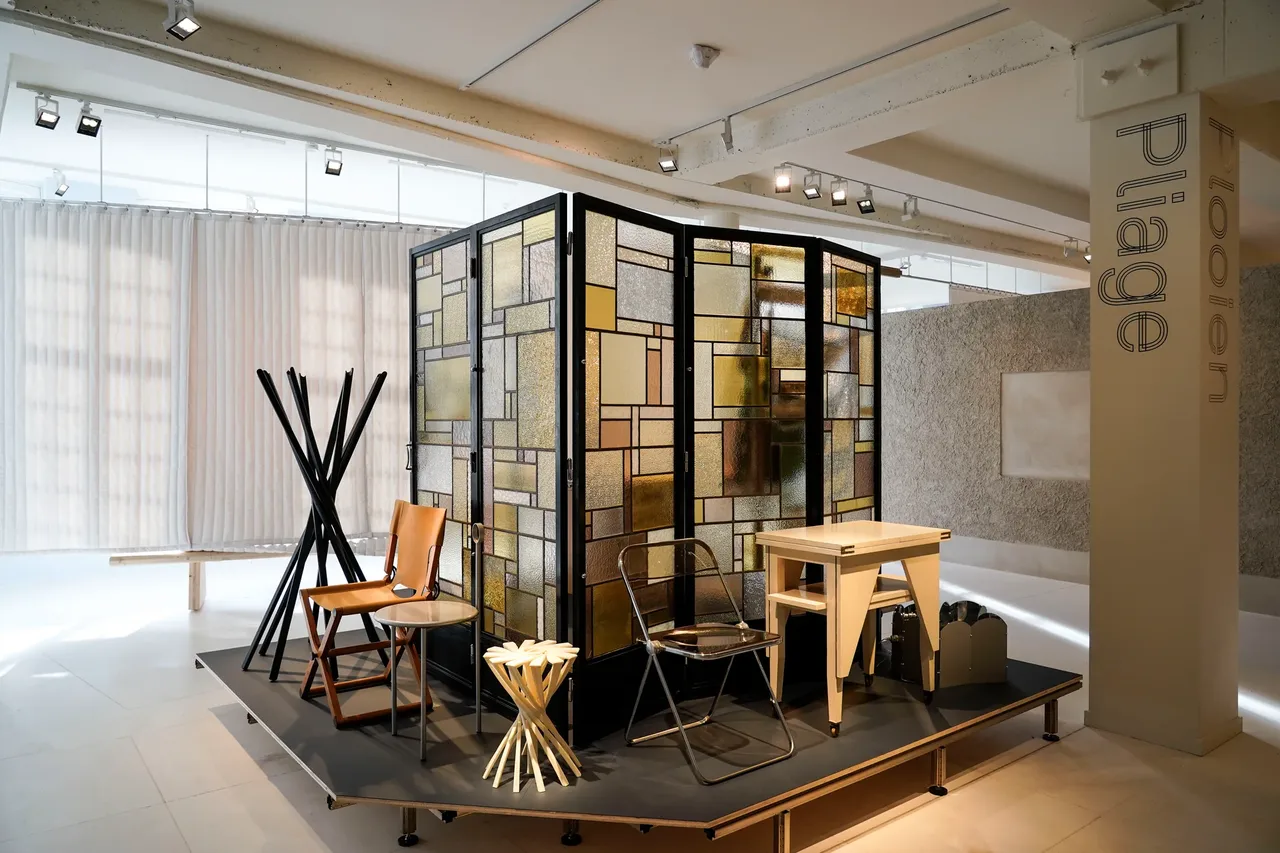
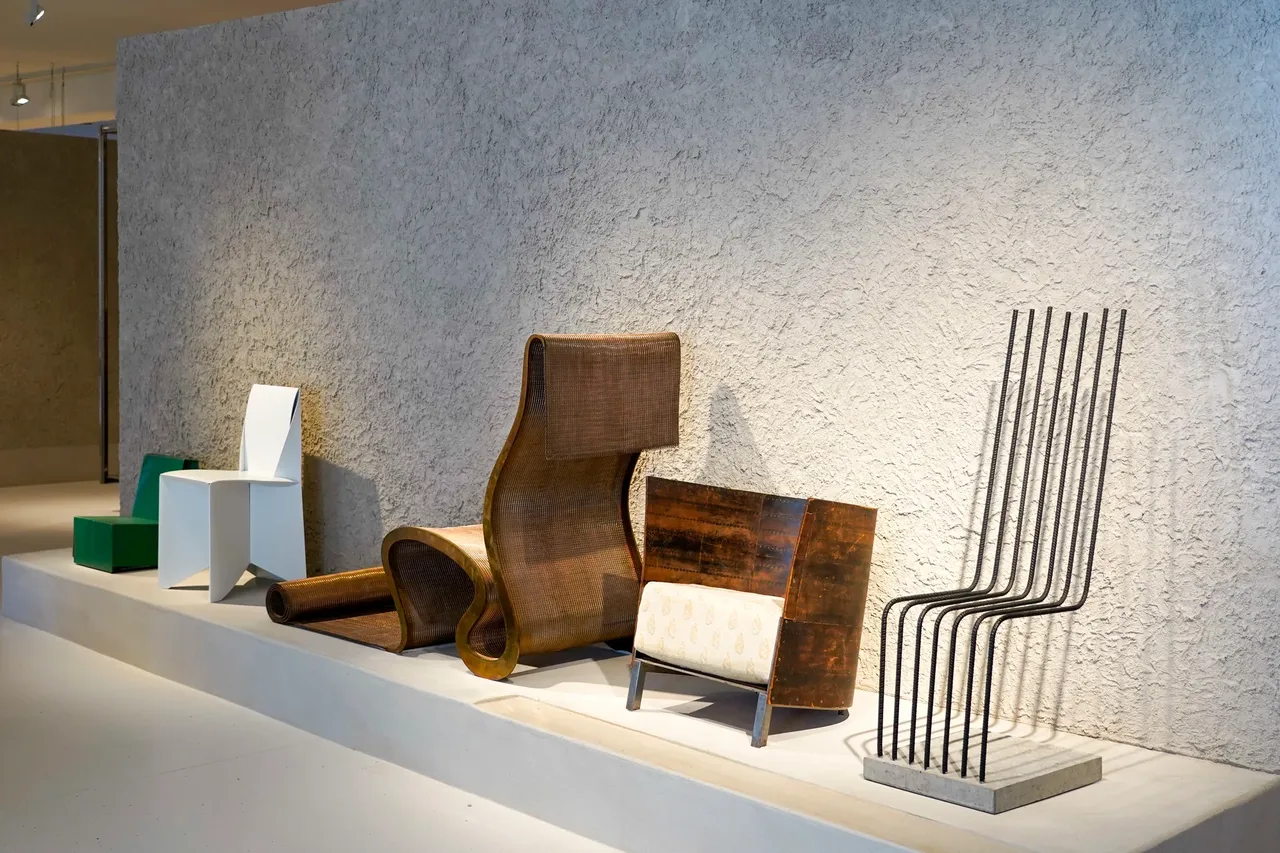
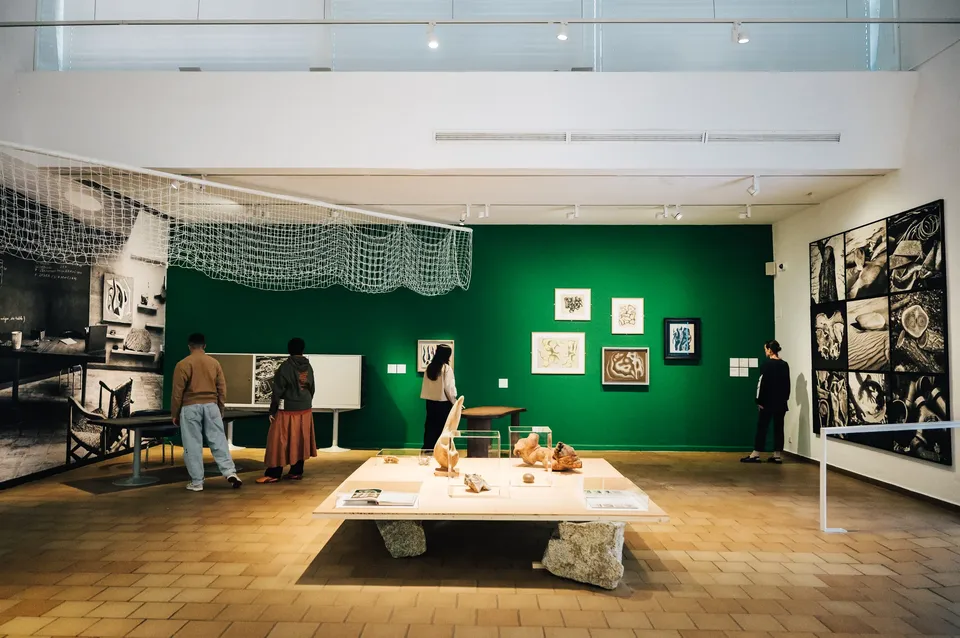
The permanent collection presented in Collection. Models from the Past for the Future takes a similarly broad view. Around 500 objects drawn from the museum's collection are organised around themes including comfort, migration, copying and connections. The result encourages visitors to look across different disciplines and periods, finding links between objects that might otherwise be considered separately. This is a conscious shift from the previous arrangement of the permanent collection, which at times could feel like a gathering of pieces in need of a narrative to connect them and give them shape.
Now, some objects that have never been shown publicly before, alongside other standouts that are impossible to miss, give familiar histories room for new discoveries. The space dedicated to the collection is particularly remarkable, with natural light filtering in through the glass ceiling, alongside textured walls and areas to rest while contemplating the works. Together, these elements create a bright and comfortable space in which to appreciate what is in front of you.
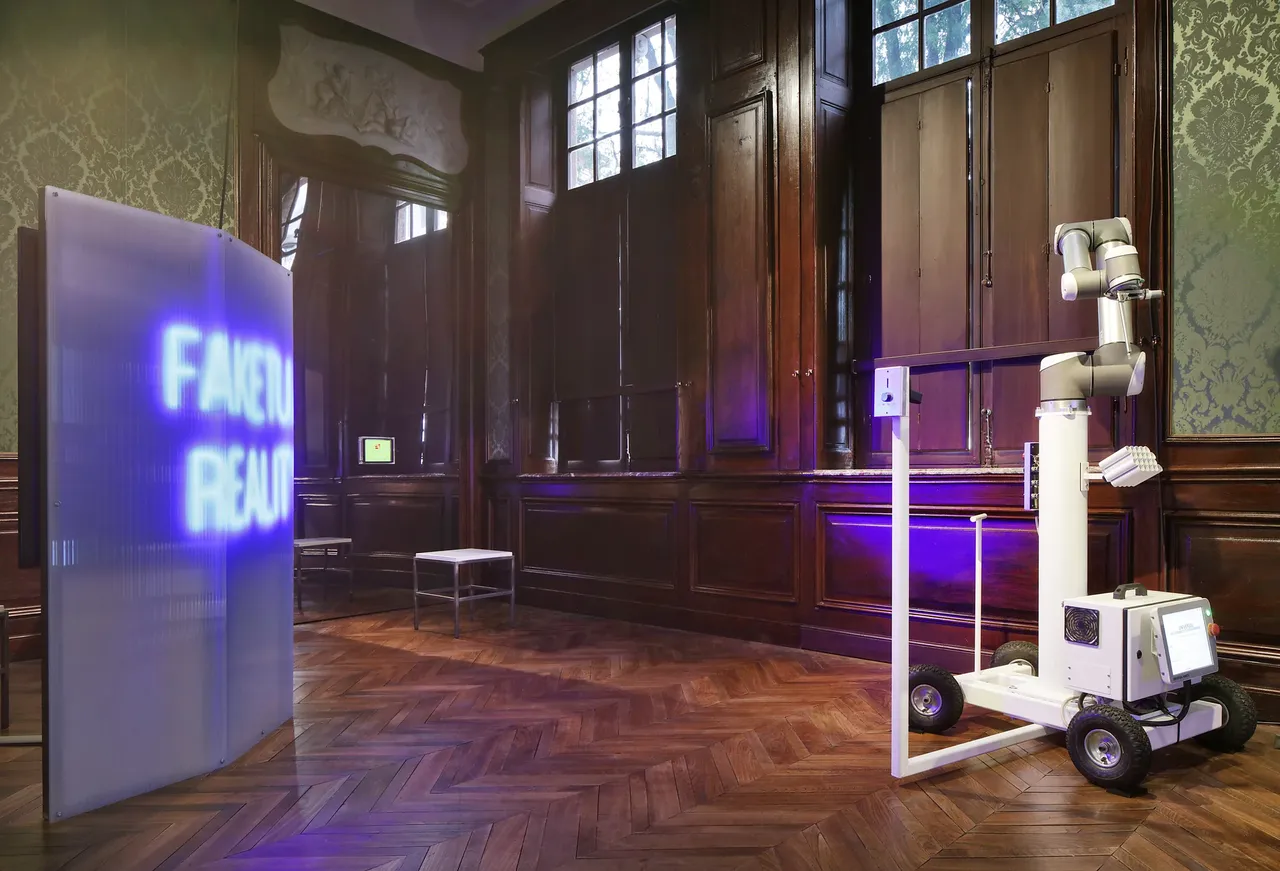
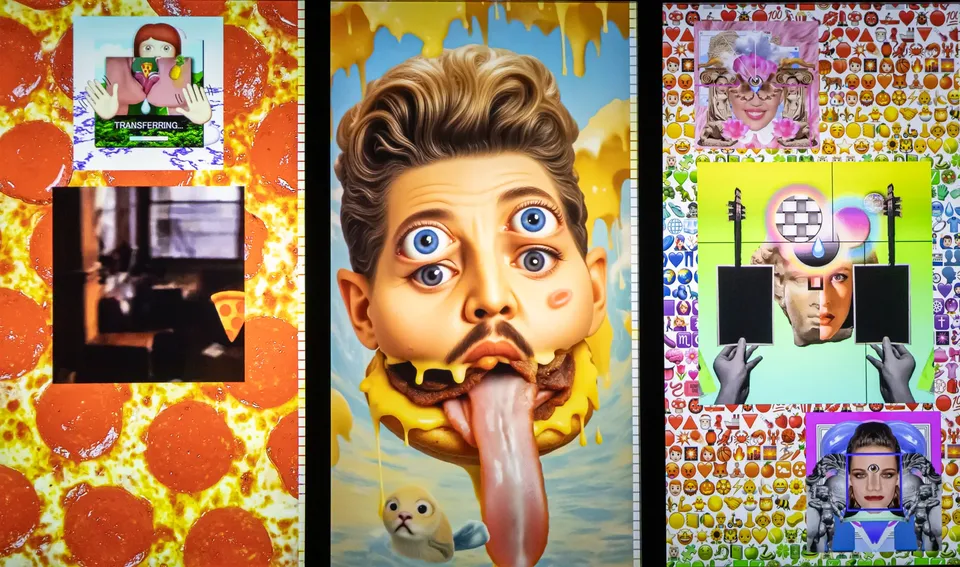
One of the more unexpected experiences awaits in Studio Digitaal, inside the historic Louis XVI Salon. Searcher uses an artificial intelligence algorithm to help visitors build a collection of their own, suggesting objects based on the pieces they select. The system responds to the phases of the moon, which influence the relationships it draws between works. As the lunar cycle changes, so do the connections, and if you try to change the moon's phase manually, the message “You cannot influence the moon” appears. In a project shaped by data and artificial intelligence, the moon introduces an element that visitors cannot direct or predict, offering another curious reminder that even the most carefully designed systems can leave room for something beyond our control. It is another dichotomy, showing how discovering new relationships between objects is shaped by our curiosity, while reminding us that, in the end, not everything is under our control.
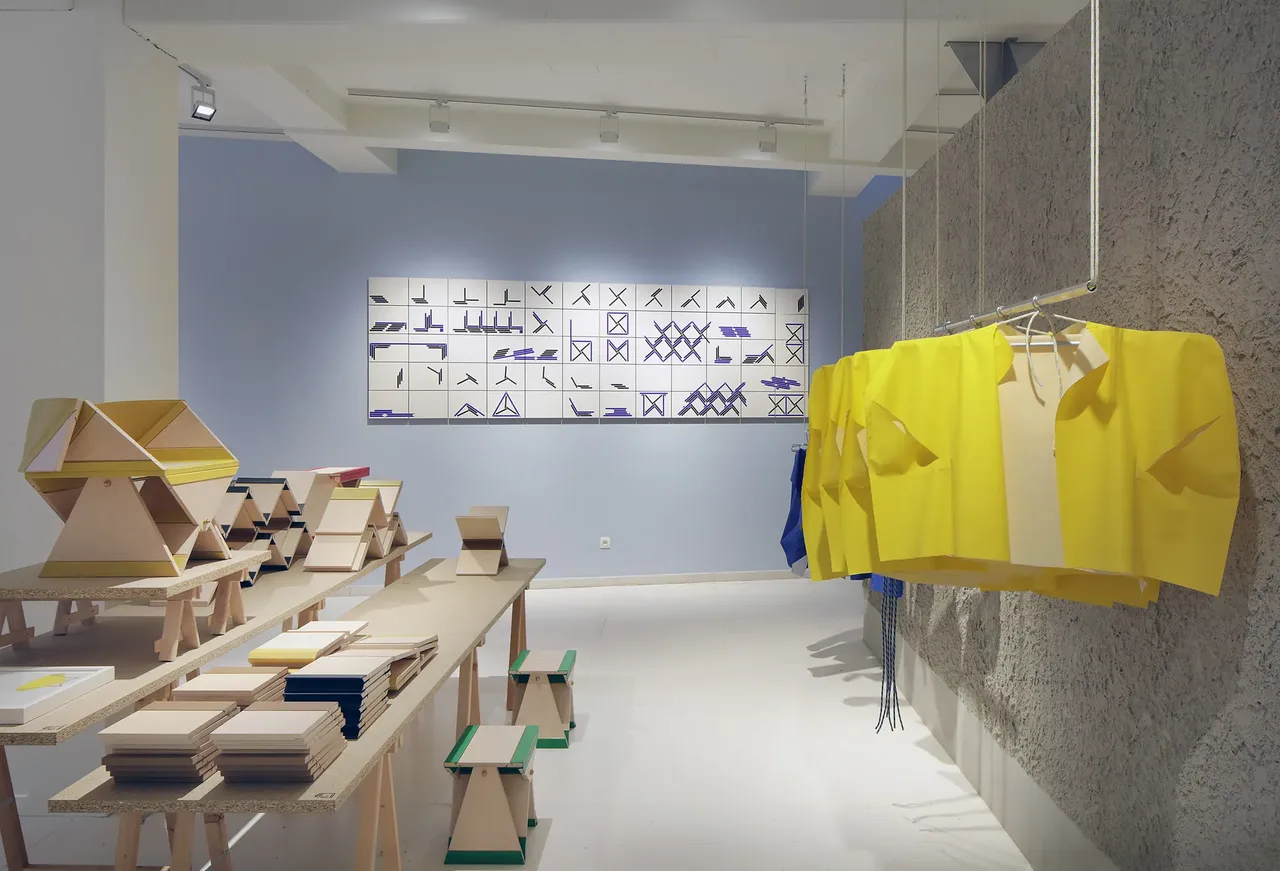
The democratisation of art and design, and their integration into everyday life, are among the museum's main driving forces. The museum makes space for people to experiment for themselves, with activities and workshops intended to bring design to younger generations and a wider public. From a rich programme of activities and workshops that invite children and adults to participate in museum life to installations and projects where visitors are given the materials to construct their own pieces, design is made more accessible than ever.
On the day of the reopening, the Grasbrug bridge right outside the building was crowded with people who had come to celebrate. After four years of renovation, Design Museum Gent has returned with more room to explore, and the crowds gathered both outside and inside suggested that the city had been eagerly awaiting its return. The reopening is an invitation to see the museum and design itself with fresh eyes: to look again at the objects that surround us and consider what they tell us about the world we have built and the one still taking shape.