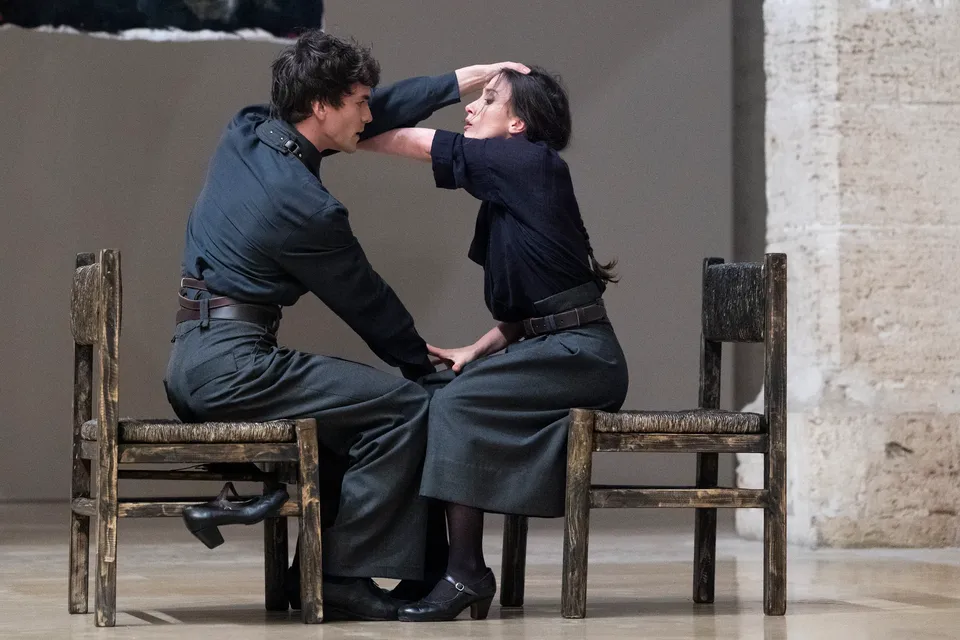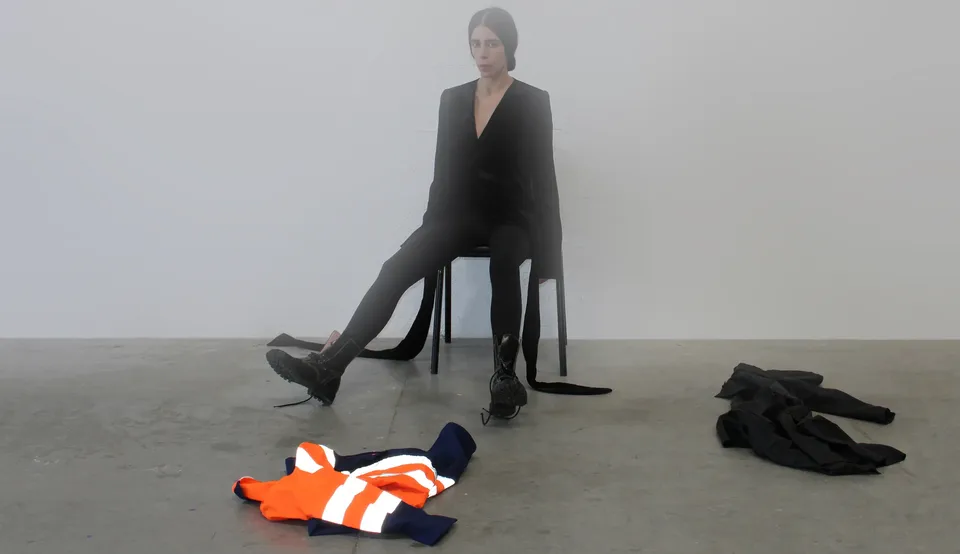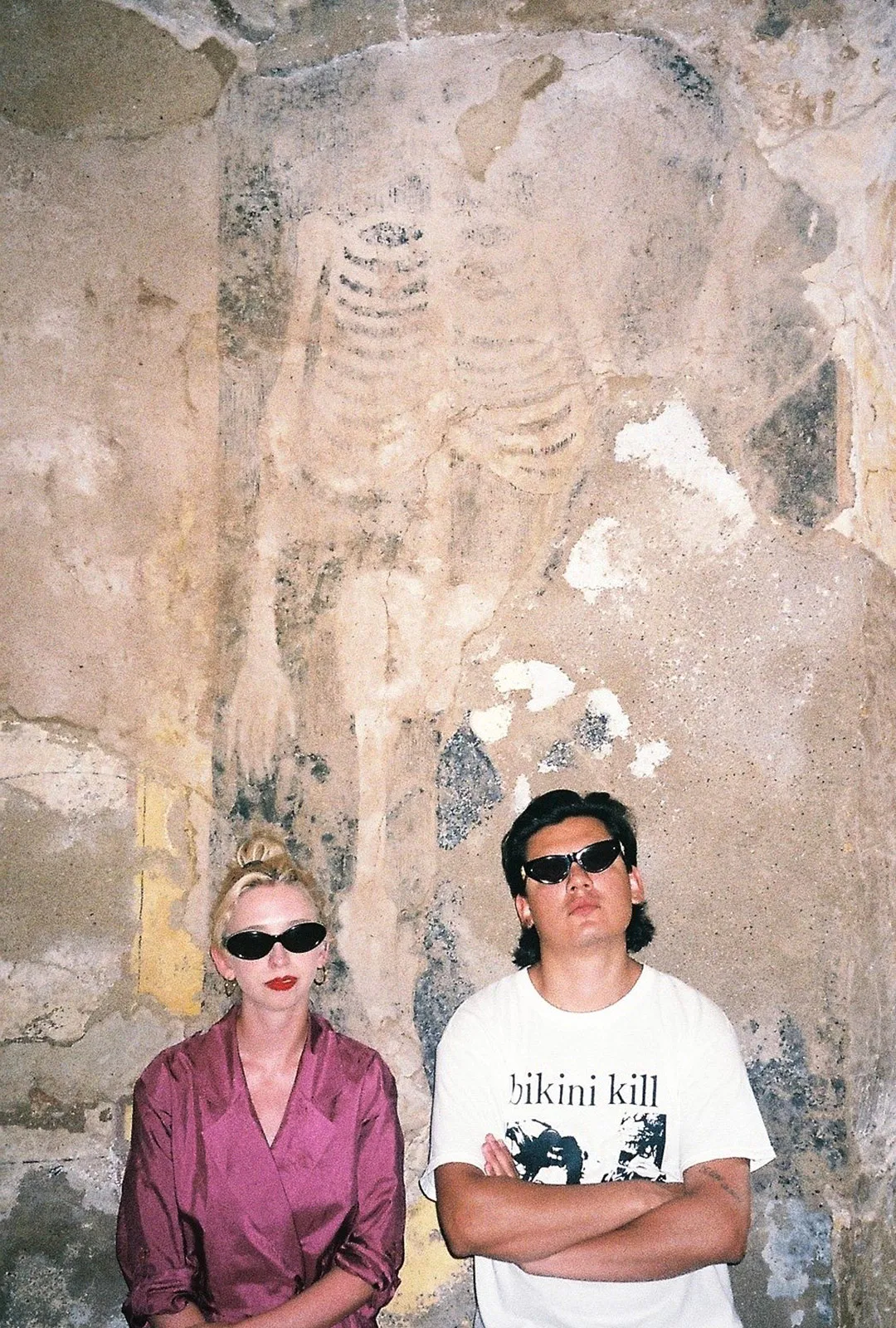
Working at the intersection of art, interrelation and education, Martin Mayorga and Vanessa Murrell, the founders of DATEAGLE ART are continually aiming to forge new ways of seeing. With a focus on shifting ideas around the ‘white-walled gallery’, supporting emerging talent and reinforcing the need for diversity within an institutionalised space, they are continuously adapting to their environment, defying the notion of the ‘algorithm’.
In an age where cultural and creative expression is the underlying backbone of our wider society, Martin and Vanessa are at the forefront of change. As a resistance against staying stagnant, there is such importance placed on connection and education – not only for them but for the wider community. Seeking new avenues for curation and what that means in today's artistic domain.
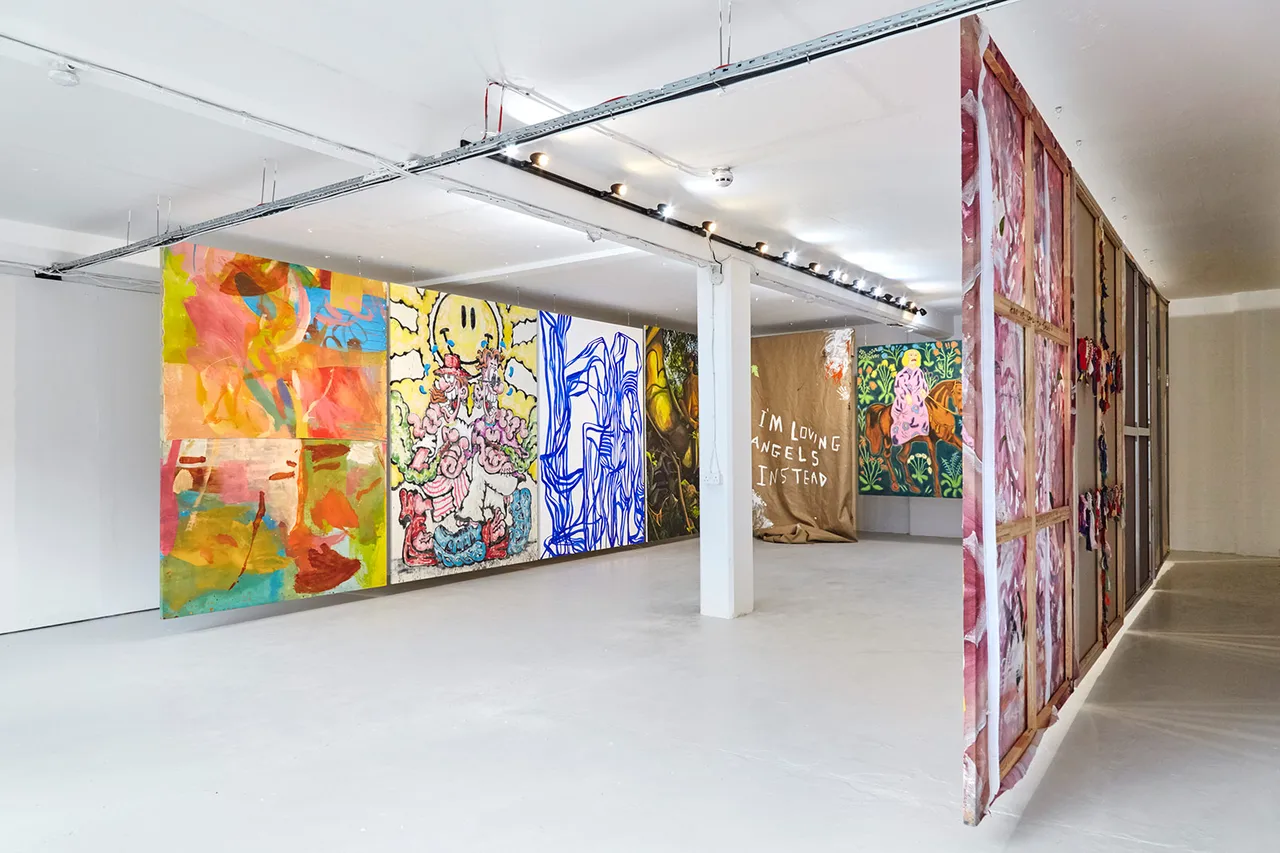
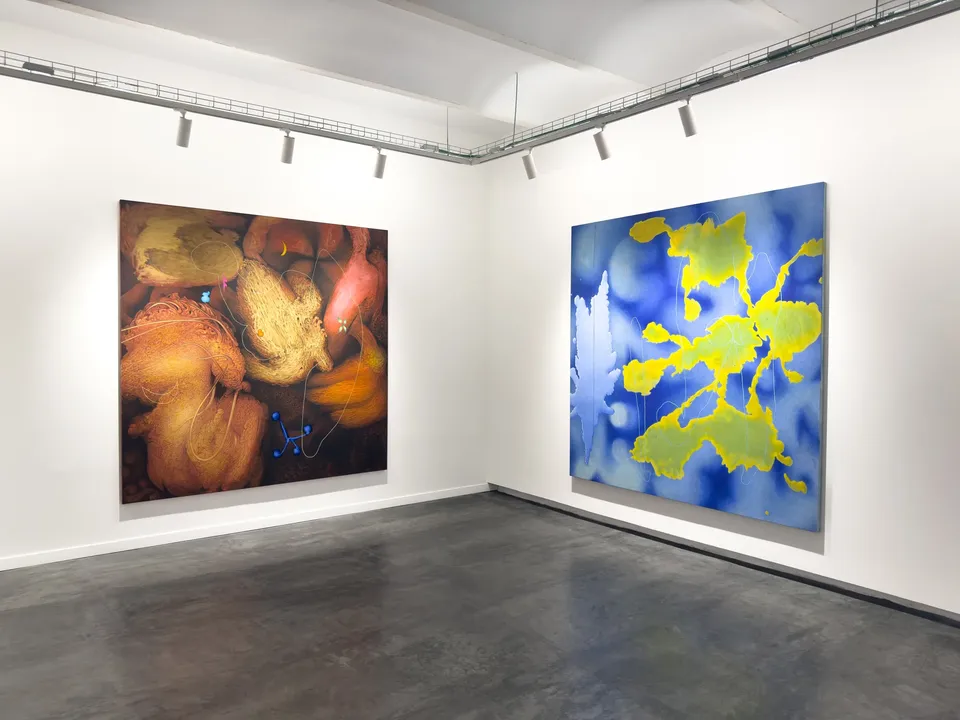
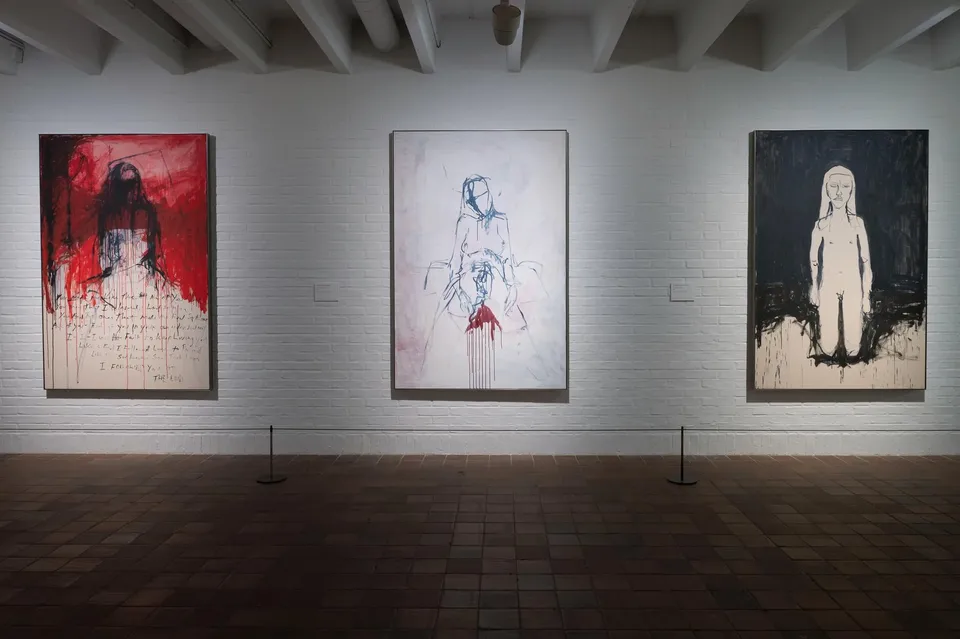
Full English curated by Vanessa Murrell and Martin Mayorga © DATEAGLE ART 2019
Could you tell us a bit about yourselves and your background? How did these experiences lead to DATEAGLE ART?
Martin studied Graphic Design in Madrid and Vanessa studied Fashion in London. This had us very busy working on various editorial projects, but nothing that sustained us enough. The inevitable decision to leave our jobs was made and we spent all our newfound spare time within museums, galleries, and project spaces, soaking up all the inspiration on offer. It was during this time that DATEAGLE ART began to form.
Marcel Broodthaers’ travelling museum, Museum of Modern Art, Department of Eagles, has been one of our reference points, stating that eagles are usually emblems of greatness, authority and power. Broodthaers framed the exhibition as “a political parody of artistic events”. Qualities we have taken on board include avoiding anything too associated with the corporate side of art, steering clear of names beginning with the prefix ‘art’ to bypass being another platform connected to the institution.
Marcel Broodthaers’ travelling museum, Museum of Modern Art, Department of Eagles, has been one of our reference points, stating that eagles are usually emblems of greatness, authority and power. Broodthaers framed the exhibition as “a political parody of artistic events”. Qualities we have taken on board include avoiding anything too associated with the corporate side of art, steering clear of names beginning with the prefix ‘art’ to bypass being another platform connected to the institution.
With the rise of technology and social media, the online has become a vital tool for self-promotion. How has this affected your balance between real and digital?
In 2017, when we launched our online platform, DATEAGLE ART, we were drawn very early on to documenting our studio visits and interviews with analogue photography, which to the contrary of the immediacy of social media platforms, is quite a slow process.
It seems we have become a society that has, in a sense, lost the way we relate or are able to relate to one another by the continued advancements in technology, our reliance on social media and how that has altered the idea of interaction as well as giving in to the fast pace of the modern world. It is, however, from this token that analogue photography became such a large part of how our platform runs, contrasting with the immediacy of social media and to defy the notion of the ‘algorithm’. Choosing to slow down from what is usually an instantaneous task allows us to become more present with the artists, exhibitions and each element of the process of creating physical or digital content.
Aside from our online content, we also curate temporary shows in physical locations, which have focused on site-specific works that are not yet made. Due to the nature of these new works, we usually have no images available to promote these shows prior to their opening. Therefore, these limitations have actually been quite liberating for us to approach social media posts in a playful manner. For instance, for Prevent this Tragedy (2018), we sourced videos of worldwide catastrophes from the past decade and reposted them as sneak peeks to announce the exhibition. Most recently, for Dark Air (2019), we collaborated with artist Gray Wielebinski to curate a selection of their archival research imagery that fed into the artist’s installation. This was added on a daily basis in our Instagram feed in the form of a twelve-day ‘countdown’.
It seems we have become a society that has, in a sense, lost the way we relate or are able to relate to one another by the continued advancements in technology, our reliance on social media and how that has altered the idea of interaction as well as giving in to the fast pace of the modern world. It is, however, from this token that analogue photography became such a large part of how our platform runs, contrasting with the immediacy of social media and to defy the notion of the ‘algorithm’. Choosing to slow down from what is usually an instantaneous task allows us to become more present with the artists, exhibitions and each element of the process of creating physical or digital content.
Aside from our online content, we also curate temporary shows in physical locations, which have focused on site-specific works that are not yet made. Due to the nature of these new works, we usually have no images available to promote these shows prior to their opening. Therefore, these limitations have actually been quite liberating for us to approach social media posts in a playful manner. For instance, for Prevent this Tragedy (2018), we sourced videos of worldwide catastrophes from the past decade and reposted them as sneak peeks to announce the exhibition. Most recently, for Dark Air (2019), we collaborated with artist Gray Wielebinski to curate a selection of their archival research imagery that fed into the artist’s installation. This was added on a daily basis in our Instagram feed in the form of a twelve-day ‘countdown’.
In a fast-paced, digital landscape, DATEAGLE ART seems to hold human connection and engaged personal relationships in high regard. Beginning this project on the basis of the studio visit, why was there such an emphasis placed on meeting artists and the sharing of physical space?
One of the main things we appreciate about working within the creative space is that each new meeting, exhibition or project has the ability to teach us different ways of seeing and thinking – new people means new perspectives. To regularly engage with artists has allowed us not only to create a vast network but to commit to nurturing deep relationships with those that we work with. A priceless network where ideas are born through the act of valuing consistency. Many artists we have visited, or many others that we have met through our shows have returned to other events often resulting in future collaborations and continued contact. Cultivating connections has always been a vital part of society and it is no different within the creative sphere.
Each of the shows we have curated, both physically or online, has been entirely made up of new works, often without funding. This has meant the artists involved have given so much; not only of their income but time and commitment to the final outcome. We believe this to be based on the strong personal approach and transparency during our visits. Taking into consideration that the first visit to an artist’s studio can often be intimidating, having to accommodate strangers into not only your personal space but the creative backbone to your work. After some time, there were a few elements we altered in order to create the most ideal setting for both us and the artist in which a certain level of comfortability was reached.
Each of the shows we have curated, both physically or online, has been entirely made up of new works, often without funding. This has meant the artists involved have given so much; not only of their income but time and commitment to the final outcome. We believe this to be based on the strong personal approach and transparency during our visits. Taking into consideration that the first visit to an artist’s studio can often be intimidating, having to accommodate strangers into not only your personal space but the creative backbone to your work. After some time, there were a few elements we altered in order to create the most ideal setting for both us and the artist in which a certain level of comfortability was reached.
“One of the main things we appreciate about working within the creative space is that each new meeting, exhibition or project has the ability to teach us different ways of seeing and thinking.”
Could you give us some examples?
Deciding to no longer record these conversations, we became immediately more present and less intimidating. Martin would then start documenting these visits using a small analogue camera, introducing a more casual setting and eliminating a third visitor. The last change, to do no prior research, has been the most beneficial. Allowing us to enter without preconceived notions or expectations, inviting a curiosity to know more about the individual as well as their practice. All in all constituting a very loose structure, allowing for more enjoyment!
It is important for us to know the artists as a whole. Hetty Douglas, for instance, has become someone we have visited several times and who has been part of our recent exhibition Full English. Most famous for an unsolicited photo paired with a comment posted online a couple of years ago, the inclusion of Hetty within the show ruffled some feathers. However, from our perspective, Hetty had the right to a private personal life and a chance to stand up, let go of the past and focus on making work. By writing her artist’s statement and involving her in a press feature as part of our collaboration with Émergent magazine (Issue 4), we have shown on-going support to her practice. This has been essential for Hetty to distance herself from the pressures of the media and peers.
Therefore, artists studio visits have naturally progressed into long-term relationships. Resulting in further studio visits, seeing their shows, giving advice, sharing ideas and discussing possible avenues for collaborations!
It is important for us to know the artists as a whole. Hetty Douglas, for instance, has become someone we have visited several times and who has been part of our recent exhibition Full English. Most famous for an unsolicited photo paired with a comment posted online a couple of years ago, the inclusion of Hetty within the show ruffled some feathers. However, from our perspective, Hetty had the right to a private personal life and a chance to stand up, let go of the past and focus on making work. By writing her artist’s statement and involving her in a press feature as part of our collaboration with Émergent magazine (Issue 4), we have shown on-going support to her practice. This has been essential for Hetty to distance herself from the pressures of the media and peers.
Therefore, artists studio visits have naturally progressed into long-term relationships. Resulting in further studio visits, seeing their shows, giving advice, sharing ideas and discussing possible avenues for collaborations!
In just three years, DATEAGLE ART has become an esteemed platform for emerging artists; taking on an important role in regards to the growth of contemporary curation. But where did it all begin?
DATEAGLE ART was essentially birthed by accident. In 2016, artist Evangeline Ling put out an open call in which she asked her artist followers to send her their most crappy work. We didn't know if the whole thing was a joke or not; in any case, we replied mentioning that we’d like to be involved. Surprisingly, the next day, Evangeline knocked on the door of our studio and fully involved us in everything that followed, including the selection process, curatorial decisions, and the artists’ studio visits, amongst others. The result, our first show The Pink Panther Show, including new works by sixteen artists. Initially, the pieces seemed to hold no common denominator, a range of practices and such a variety of themes. Brought together, however, by the ‘forced’ interpretation of the title’s character itself, the Pink Panther.
At the time, we really didn’t see ourselves as curators yet. We were just excited to be working on something not knowing what would happen next. We were open and ready for the advent of change and inspiration. Internships led to permanent positions within institutions and auction houses where we knuckled down to learn as much as possible, developing skills in writing, press, and the importance of drive and determination. Heavy with the weight of constant research of artists without ever actually meeting them, we began visiting the studios of emerging creatives, which then led to the organic launch of our online platform, and curatorial practice, amongst other projects. Not to mention that we were foreigners within a new city with its new opportunities, whether offered or forged.
On one side, we felt a kinship with the open-mindedness and freedom of expression that the city allowed; but on the other, a detachment to seemingly collective reticent attitude, political uncertainty, street crime, and the obviousness of the class system. Basically, DATEAGLE ART is as much a reflection of our origins and roots, as it is a reflection of our insight into the institutions and power structures that we exist in, and the part we can play to alter and improve the role of both.
At the time, we really didn’t see ourselves as curators yet. We were just excited to be working on something not knowing what would happen next. We were open and ready for the advent of change and inspiration. Internships led to permanent positions within institutions and auction houses where we knuckled down to learn as much as possible, developing skills in writing, press, and the importance of drive and determination. Heavy with the weight of constant research of artists without ever actually meeting them, we began visiting the studios of emerging creatives, which then led to the organic launch of our online platform, and curatorial practice, amongst other projects. Not to mention that we were foreigners within a new city with its new opportunities, whether offered or forged.
On one side, we felt a kinship with the open-mindedness and freedom of expression that the city allowed; but on the other, a detachment to seemingly collective reticent attitude, political uncertainty, street crime, and the obviousness of the class system. Basically, DATEAGLE ART is as much a reflection of our origins and roots, as it is a reflection of our insight into the institutions and power structures that we exist in, and the part we can play to alter and improve the role of both.
What did life look like pre DATEAGLE ART? Where there key moments that led to the transition into curation and the creation of an online arts platform?
Having both worked within the ‘art institution’, private and public, prior to launching DATEAGLE ART, we were knee-deep in experiences that influenced how we would work going forward. Seeing a very commercial, segregated and static creative realm in our previous jobs, our ethos quickly became about following the ideas of a moving and changing culture within our curatorial activities, allowing for development and adaptation.
To expose the bones of the ‘art world’ and see the framework of a space, whilst challenging the context in which art is commonly exhibited, that being the ‘white cube’ setting – an unnaturally bright space which sits akin to that of psychiatric hospitals as previously noted by artist David Hammons. The last two points becoming vital to our practice, and the evidence of this can be seen in our Home Alone or Recreation Grounds V exhibitions for instance, which pushed back against what we have come to know as a ‘creative institution’.
To expose the bones of the ‘art world’ and see the framework of a space, whilst challenging the context in which art is commonly exhibited, that being the ‘white cube’ setting – an unnaturally bright space which sits akin to that of psychiatric hospitals as previously noted by artist David Hammons. The last two points becoming vital to our practice, and the evidence of this can be seen in our Home Alone or Recreation Grounds V exhibitions for instance, which pushed back against what we have come to know as a ‘creative institution’.
What else inspires your exhibitions?
Certain ideas for exhibitions were also inspired by this notion to resist this ‘white walled’ mentality. The public museum almost became a place that needed to be forced open as we have always felt it to be a place that was too abstruse with such a tie to the past. Shows that also carried a thread from our past quickly became an opposition to the side of the institution we felt detached from. Our 48-hour show, Recreational Grounds V was quite heavily influenced by the appearance and disappearance notion associated with graffiti. Martin’s uncle was a graffiti artist in Spain, part of the group KDB in the late ‘80s and early ‘90s. Martin would spend endless weekends as a boy traipsing the streets, ‘vandalising’ with his uncle. Recreational Grounds V took the concept of ‘limited time’ along with those of aesthetic strength and fragility.
Given its location within the grounds of the Aylesbury Estate, which was the site in which Tony Blair gave his first speech as Prime Minister back in 1997, we gathered twelve artists as a comment on social disadvantage; sitting in a redundant car park, closed to vehicles and pending demolition. The temporary nature of the exhibition was crucial as well as the limits of curation, which corresponded to the structural constraints: the artworks had to be created with no negative impact and be safe enough to be left in the public realm as these were susceptible to vandalism or theft (and indeed, one of Peter Evans’ works was stolen during this 48-hour show). The concept led to a very circular moment for us, as Martin’s early days in art were so linked with the graffiti realm and the vandalisation of the city.
Given its location within the grounds of the Aylesbury Estate, which was the site in which Tony Blair gave his first speech as Prime Minister back in 1997, we gathered twelve artists as a comment on social disadvantage; sitting in a redundant car park, closed to vehicles and pending demolition. The temporary nature of the exhibition was crucial as well as the limits of curation, which corresponded to the structural constraints: the artworks had to be created with no negative impact and be safe enough to be left in the public realm as these were susceptible to vandalism or theft (and indeed, one of Peter Evans’ works was stolen during this 48-hour show). The concept led to a very circular moment for us, as Martin’s early days in art were so linked with the graffiti realm and the vandalisation of the city.
“Culture is inevitably going to evolve and it is the role of the curator/s to interpret all this change and suggest ideas for both the now and the next.”
Curation is the construct of symbiosis between many varying elements; concept, artist and space. Given that each exhibition differs from the previous, what are the fundamental things you look for when curating each show?
Culture is inevitably going to evolve and it is the role of the curator/s to interpret all this change and suggest ideas for both the now and the next. It is our mission to stimulate ideas, create connections, problem-solve, as well as highlight emerging artists and neglected sectors thus allowing opportunities for new work, experimentation, discussion and growth. We always want to put on exhibitions that convey the diversified nature of our social climate. Stepping away from the society that often focuses purely on the ‘legacy’ of our generation, so pragmatically put by Michael Pybus during one of our studio visits with him early this year. This allows us to continue to establish the way in which we put on exhibitions, regardless of whether they contribute to the notion of being ‘instagrammable’.
As once described by Amira Gad from the Serpentine Galleries, curation, or more specifically a curator, is for her “a person that wears multiple hats at the same time.” Our experience with curation has meant being capable of being a technician, an advisor, a friend, a graphic designer, a writer, a cleaner and more all rolled into one. We see ourselves as curators that involve many varied assets and will continue to evolve with the times.
Each exhibition brings a new identity, each with its own unique branding. Seeing an opportunity to work with other creatives, we started collaborating with graphic designers and animators like Callum Abbot, Connor Campbell, or Aaron Daniels to name a few. Atop this, we also like to work with writers, such as Paul Carey Kent, Cairo Clarke or Francesca Gavin, to contextualise ideas through essays and press releases that accompany our exhibitions, ensuring they too are as unique to each show as the branding. Constantly seeking new perspectives, each press release brings a new voice.
The second key element is space. There is always a charismatic energy between the space, the viewer and the work, and all components are equally crucial to the outcome of the exhibition. The approach to space is vital as it can completely influence the experience of the audience. You can create spaces and coordinate situations that the viewer is encouraged to explore with a certain intention or completely without guidance. Dark Air, our recent solo exhibition with American artist Grey Wielebinski, took form from the latter. Their artwork blocked the space, leaving viewers questioning whether to enter the room or look from afar. Whilst Full English had a deliberate orchestration, beginning with a focus on the backs of the works before entering the centre of the space to view the fronts.
Going back to your observation that every exhibition we’ve curated is different in concept, art, artists and location, we do believe that sometimes, people want particular aspects of culture to remain rooted and still. There’s this idea of a linear trajectory, but from our perspective, culture is always intersecting and therefore multiplicity is integral to how we work as curators. Increasing accessibility and diversity, we always push artists to make newly commissioned works that adapt to the site and are also interested in achieving a balance, not only gender-wise but also in terms of ethnicities, ages or class with the artists involved in our shows.
In essence, our exhibitions do adapt and react to one another. We are purposefully bypassing working too often with, or becoming identified with the same group of peers. It’s how we consider culture to operate; it’s always fluid. We are comfortable with resistance and feel uneasy when things start to become too consistent. To that we are proud to state that our shows are never driven by sales! It’s always about pushing the practice forward and experimenting. Moreover, an exhibition is only one way to show work and we are also interested in how these ideas can be explored with public events or through online content too.
As once described by Amira Gad from the Serpentine Galleries, curation, or more specifically a curator, is for her “a person that wears multiple hats at the same time.” Our experience with curation has meant being capable of being a technician, an advisor, a friend, a graphic designer, a writer, a cleaner and more all rolled into one. We see ourselves as curators that involve many varied assets and will continue to evolve with the times.
Each exhibition brings a new identity, each with its own unique branding. Seeing an opportunity to work with other creatives, we started collaborating with graphic designers and animators like Callum Abbot, Connor Campbell, or Aaron Daniels to name a few. Atop this, we also like to work with writers, such as Paul Carey Kent, Cairo Clarke or Francesca Gavin, to contextualise ideas through essays and press releases that accompany our exhibitions, ensuring they too are as unique to each show as the branding. Constantly seeking new perspectives, each press release brings a new voice.
The second key element is space. There is always a charismatic energy between the space, the viewer and the work, and all components are equally crucial to the outcome of the exhibition. The approach to space is vital as it can completely influence the experience of the audience. You can create spaces and coordinate situations that the viewer is encouraged to explore with a certain intention or completely without guidance. Dark Air, our recent solo exhibition with American artist Grey Wielebinski, took form from the latter. Their artwork blocked the space, leaving viewers questioning whether to enter the room or look from afar. Whilst Full English had a deliberate orchestration, beginning with a focus on the backs of the works before entering the centre of the space to view the fronts.
Going back to your observation that every exhibition we’ve curated is different in concept, art, artists and location, we do believe that sometimes, people want particular aspects of culture to remain rooted and still. There’s this idea of a linear trajectory, but from our perspective, culture is always intersecting and therefore multiplicity is integral to how we work as curators. Increasing accessibility and diversity, we always push artists to make newly commissioned works that adapt to the site and are also interested in achieving a balance, not only gender-wise but also in terms of ethnicities, ages or class with the artists involved in our shows.
In essence, our exhibitions do adapt and react to one another. We are purposefully bypassing working too often with, or becoming identified with the same group of peers. It’s how we consider culture to operate; it’s always fluid. We are comfortable with resistance and feel uneasy when things start to become too consistent. To that we are proud to state that our shows are never driven by sales! It’s always about pushing the practice forward and experimenting. Moreover, an exhibition is only one way to show work and we are also interested in how these ideas can be explored with public events or through online content too.
Having worked with numerous artists over the last few years, many emerging, are there specific aspects that you look for? Any particular key factors?
We don’t tend to look for anything specific other than a work that stays with us and keeps us up at night. The artists we work with or are interested in cannot necessarily be confined to one category. It is more about seeking out certain reactions, particular qualities or an overall buzz that keeps us captivated. Working generally from a gut feeling, we must always engage with the work and practice of the artist. We never specifically look for a certain style or aesthetic, preferring rather to let our instincts guide us. Alongside this, we look for confidence, professionalism, and maturity, a certain ‘readiness’ in an artist and their practice at the time to work together.
When thinking about our online content, given that it is equal in genders and mediums, we look for UK-based artists whose work will add an extra layer to the overall content of the site. We try to keep a balance at all times, trying to avoid too much occupation of the one medium or aesthetic. We are aiming for our platform to be as diverse as possible in ethnicities, backgrounds, experience, and ages. As well as practices like performance art in which the online forum is more suited in terms of sharing content. We have visited artists with no academic training as well as artists with PhDs, and it is important for us to allow for these multiple perspectives and to not over-incline the content in a specific way but to embrace an interdisciplinary approach.
When thinking about our online content, given that it is equal in genders and mediums, we look for UK-based artists whose work will add an extra layer to the overall content of the site. We try to keep a balance at all times, trying to avoid too much occupation of the one medium or aesthetic. We are aiming for our platform to be as diverse as possible in ethnicities, backgrounds, experience, and ages. As well as practices like performance art in which the online forum is more suited in terms of sharing content. We have visited artists with no academic training as well as artists with PhDs, and it is important for us to allow for these multiple perspectives and to not over-incline the content in a specific way but to embrace an interdisciplinary approach.
From backgrounds in fashion and graphic design, you have managed to forge a path of your own. Carving an ever-changing and adaptable platform for growth. Given what you have learnt or what you would have liked to know, what advice would you give to young artists?
There needs to be attention given to the idea of finding ways of interconnectedness. To continually multiply the number of ‘worlds’ within our art institutions and enhance the education of overlooked minorities, diversities and genders, for art to not be a commodity but an educator, a support. In the same vein, it is unnecessary for one to follow trends or over-exhibit; it is vital to have an independent, decisive voice.
Over the past few years, we have seen many artists accept representation for the sake of representation or purely for the comfort of having someone doing their admin tasks in terms of sales or press presence in exhibitions, amongst others, financial security. From our experience of working in galleries and from what artists have shared with us, this does not tend to lead to the best outcomes further down the line. We would advise artists to learn how to develop their own career, experiment with other mediums and ideas and find a gallery that is able to help one enhance this. It is important that this relationship is one of trust, fulfilment and support, and not something forced or contrived.
In the same token, have a side job and be proud of it because at the end of the day, just a few artists live from their work as artists, and these few are usually white and male. We understand that as an artist, financial security is crucial to one's process, and we have met many artists who explore different horizons in order to create a self-based income. Don’t feel ashamed of this, after all, it is generally the key to being able to develop your artistic career.
Online presence is very important, so make sure to continually update your website, if not, just get rid of it and focus only on your Instagram account, which allows for a more immediate engagement with the viewer. An imperative lesson for every aspect of your art practice is to learn to accept critical thoughts, advice and feedback, and not only from ‘art insiders’. These are moments for reflection to promote growth and self-critique. Having said that, don’t get too narcissistic, you don’t need to be involved in every area of a show, or in every show a curator offers you; as we always say, quality before quantity.
unpaid or self-funded projects that could really stand out, provide great experience and lead to an amazing network of other creatives. Take it upon yourself to approach people to work with or simply meet to exchange ideas, opinions, and connect. As important as it is to collaborate, it is also essential to stay self-motivated with the ability to keep your own momentum flowing.
Over the past few years, we have seen many artists accept representation for the sake of representation or purely for the comfort of having someone doing their admin tasks in terms of sales or press presence in exhibitions, amongst others, financial security. From our experience of working in galleries and from what artists have shared with us, this does not tend to lead to the best outcomes further down the line. We would advise artists to learn how to develop their own career, experiment with other mediums and ideas and find a gallery that is able to help one enhance this. It is important that this relationship is one of trust, fulfilment and support, and not something forced or contrived.
In the same token, have a side job and be proud of it because at the end of the day, just a few artists live from their work as artists, and these few are usually white and male. We understand that as an artist, financial security is crucial to one's process, and we have met many artists who explore different horizons in order to create a self-based income. Don’t feel ashamed of this, after all, it is generally the key to being able to develop your artistic career.
Online presence is very important, so make sure to continually update your website, if not, just get rid of it and focus only on your Instagram account, which allows for a more immediate engagement with the viewer. An imperative lesson for every aspect of your art practice is to learn to accept critical thoughts, advice and feedback, and not only from ‘art insiders’. These are moments for reflection to promote growth and self-critique. Having said that, don’t get too narcissistic, you don’t need to be involved in every area of a show, or in every show a curator offers you; as we always say, quality before quantity.
unpaid or self-funded projects that could really stand out, provide great experience and lead to an amazing network of other creatives. Take it upon yourself to approach people to work with or simply meet to exchange ideas, opinions, and connect. As important as it is to collaborate, it is also essential to stay self-motivated with the ability to keep your own momentum flowing.
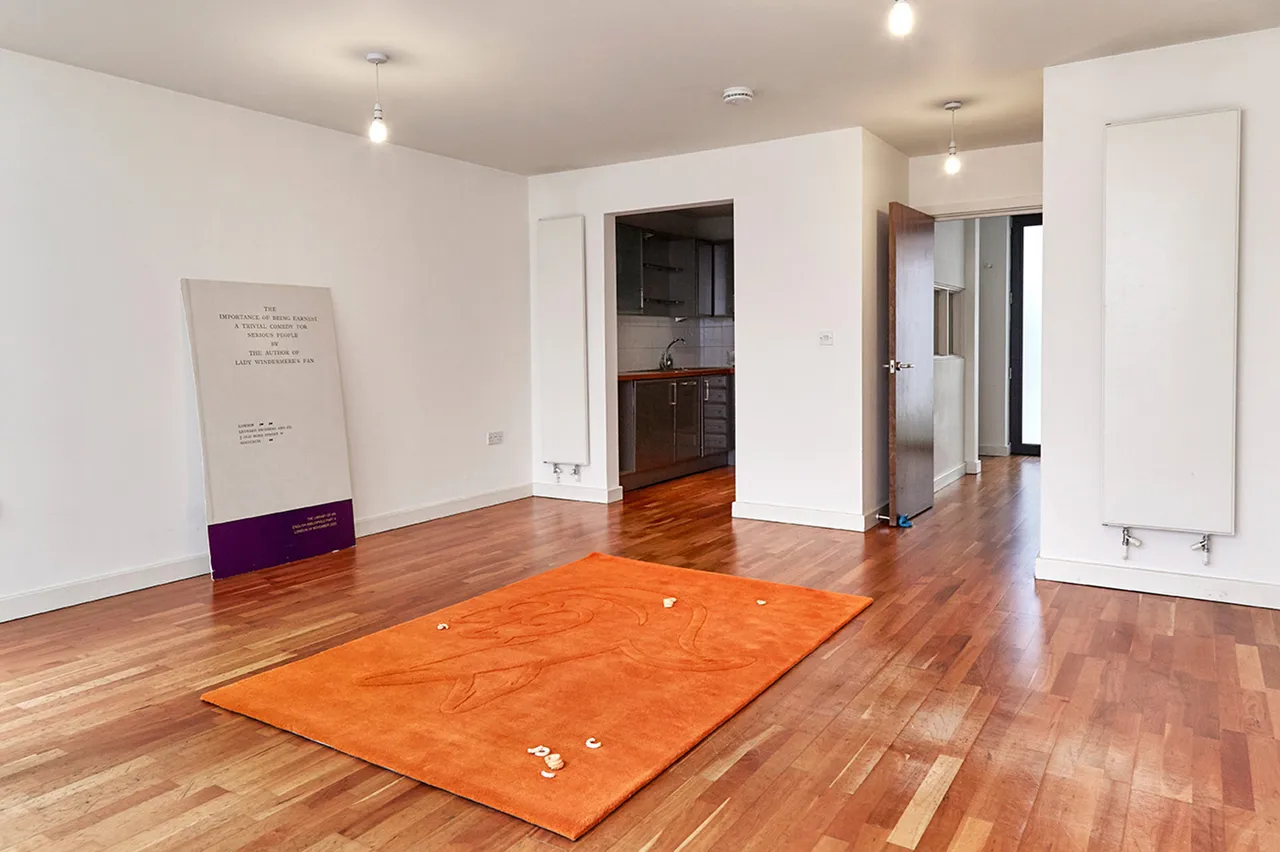
Home Alone curated by Vanessa Murrell and Martin Mayorga © DATEAGLE ART 2019
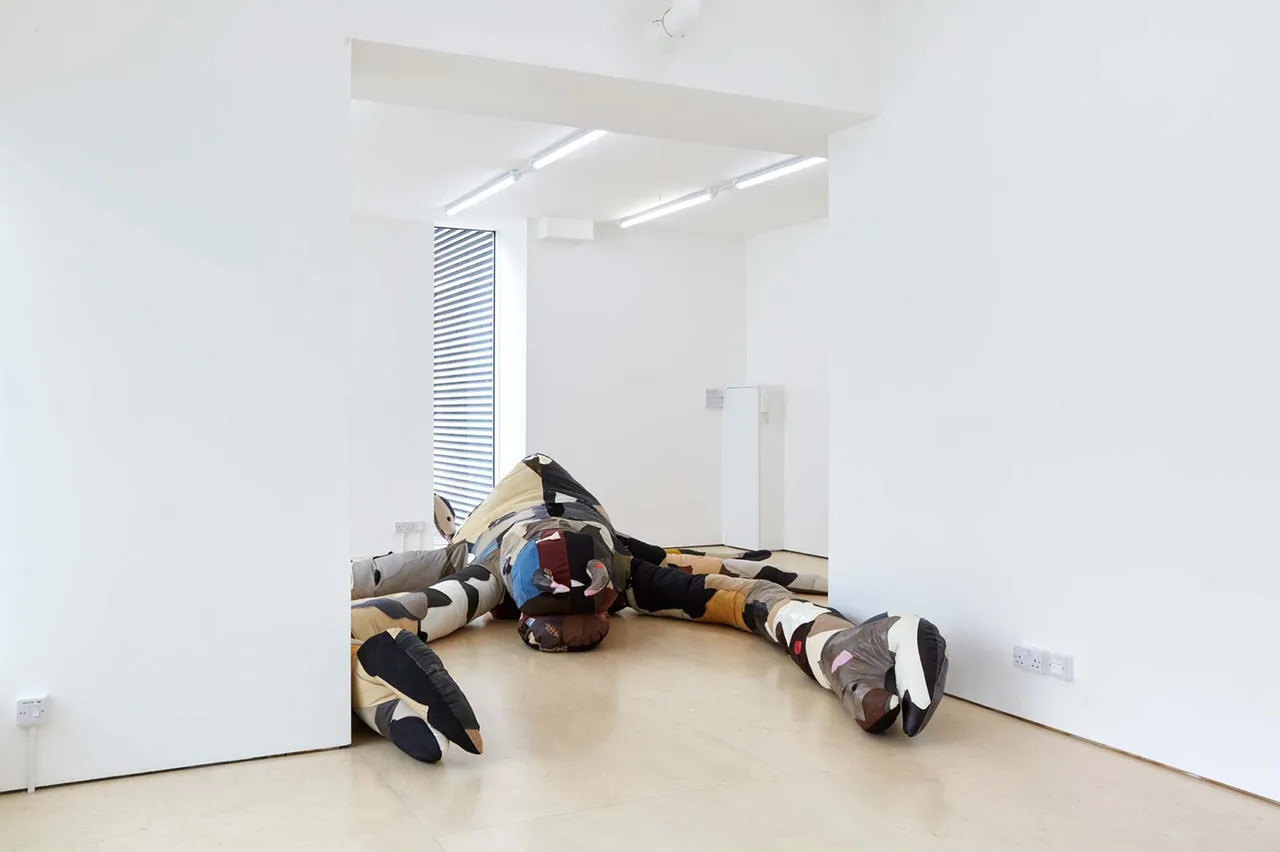
Dark Air by Gray Wielebinski curated by Vanessa Murrell and Martin Mayorga © DATEAGLE ART 2019
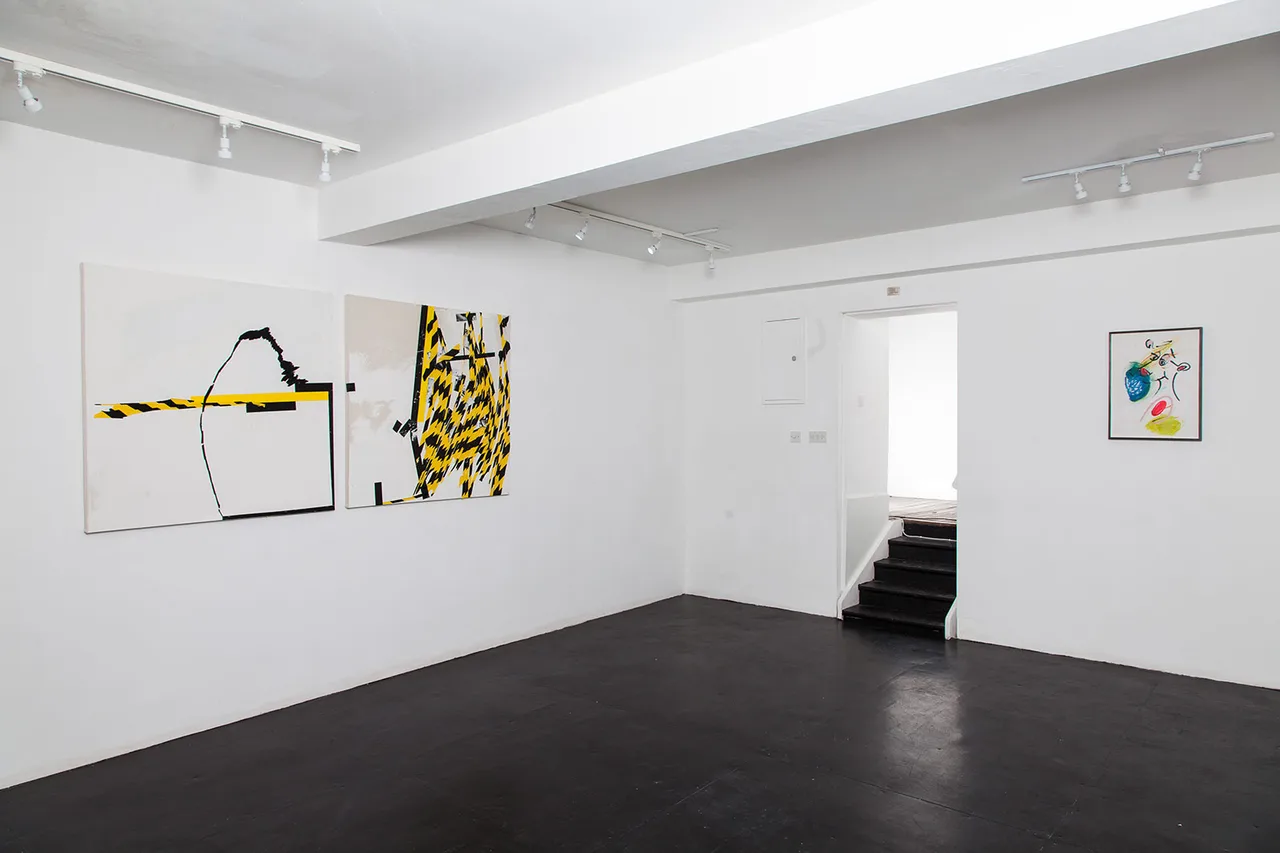
The Pink Panther Show curated by Vanessa Murrell and Martin Mayorga © Dean Brannagan 2018
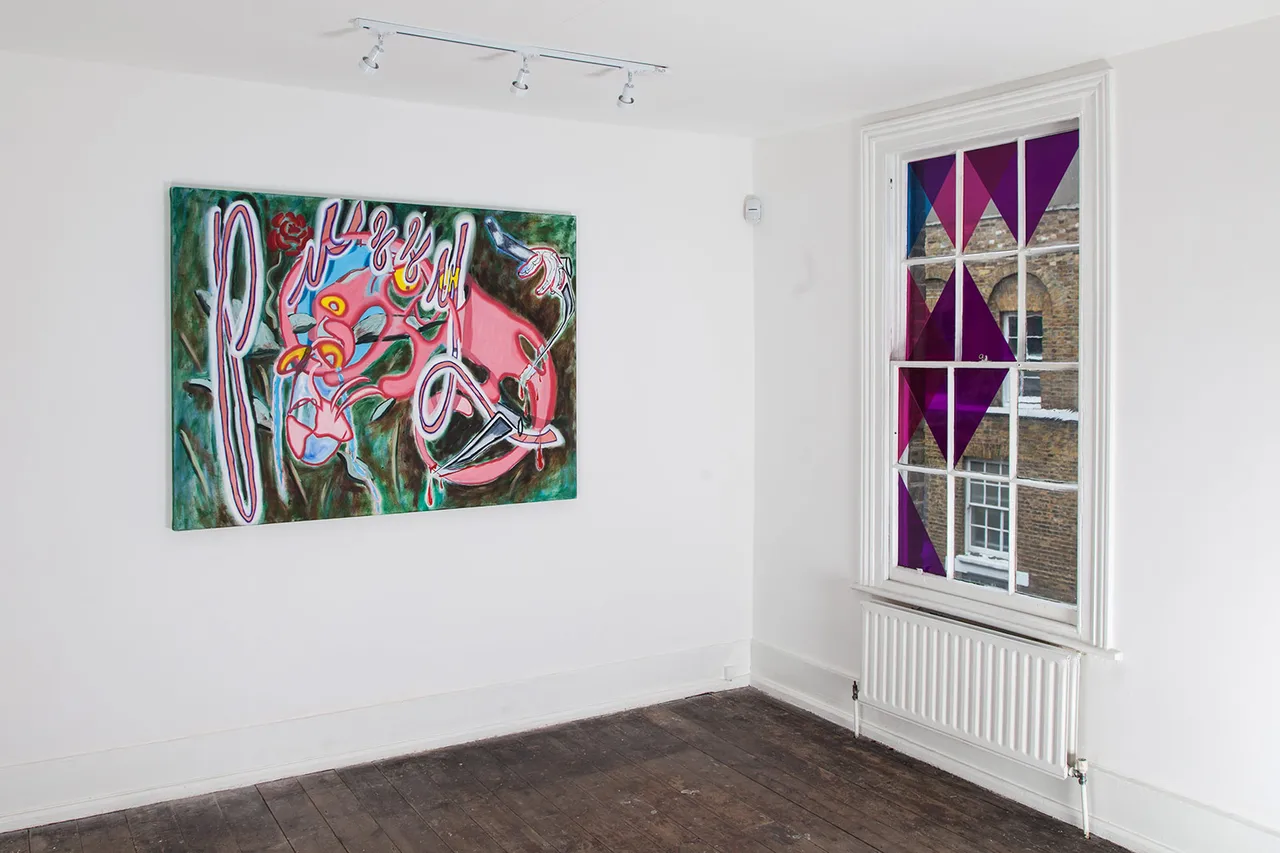
The Pink Panther Show curated by Vanessa Murrell and Martin Mayorga © Dean Brannagan 2018
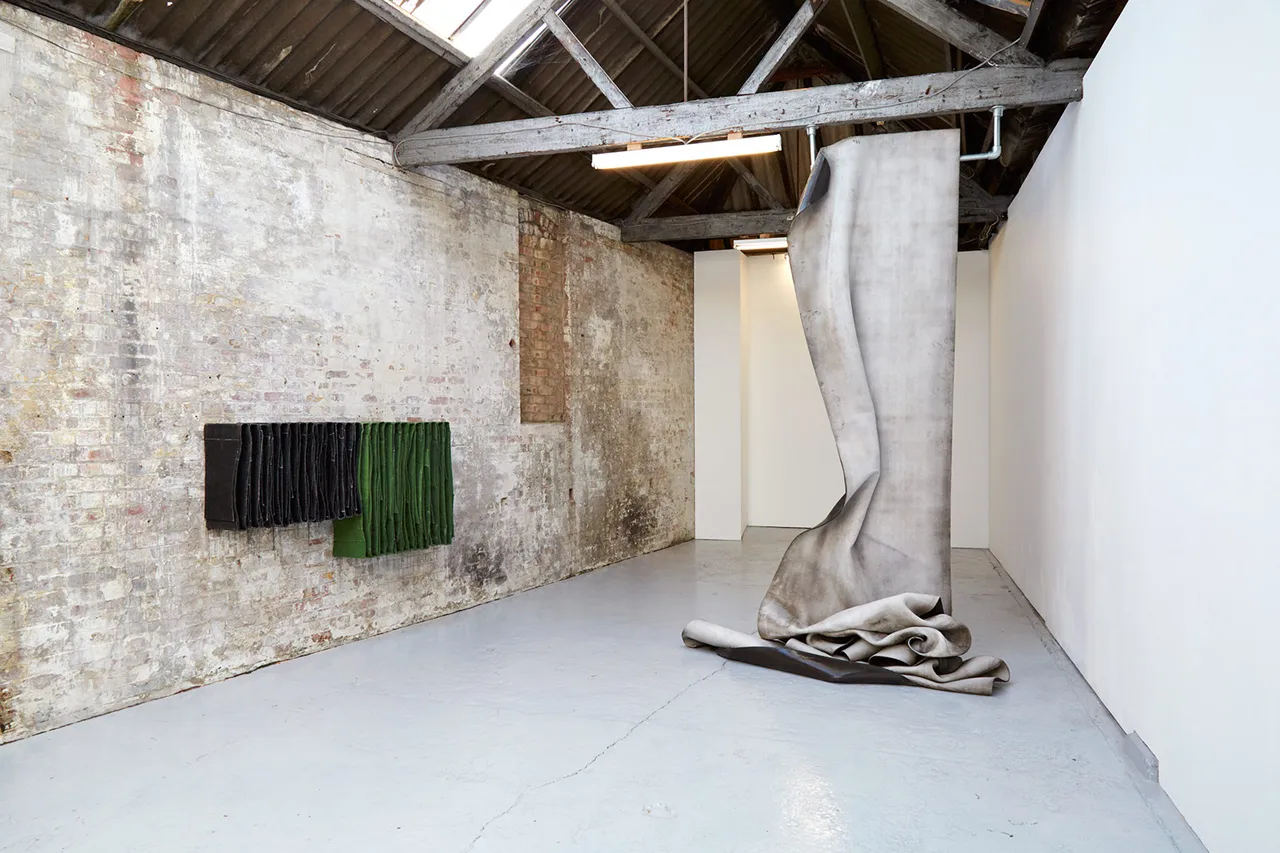
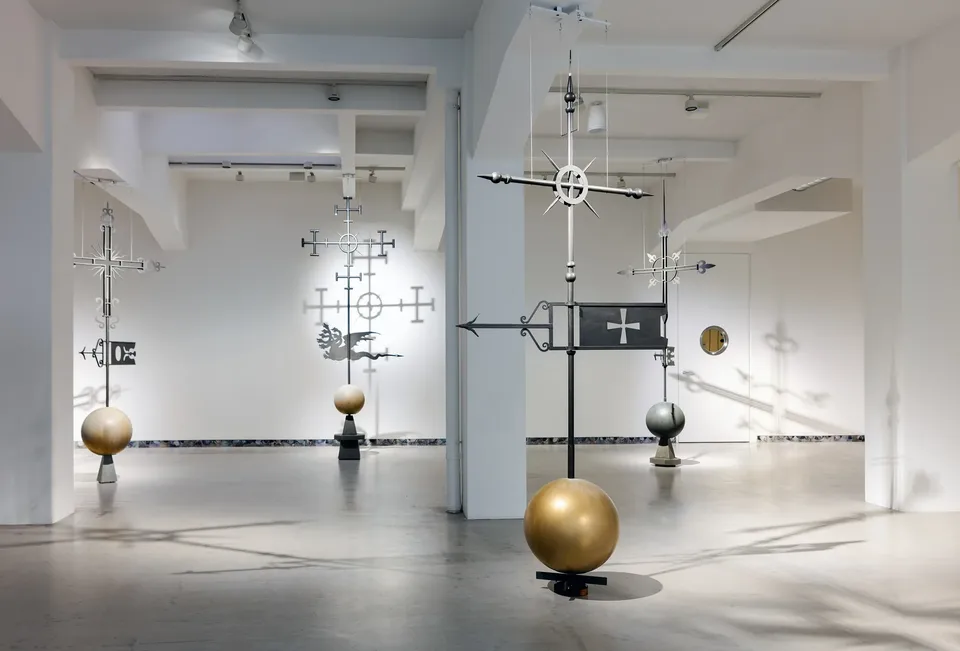
Prevent this Tragedy curated by Vanessa Murrell and Martin Mayorga © DATEAGLE ART 2018
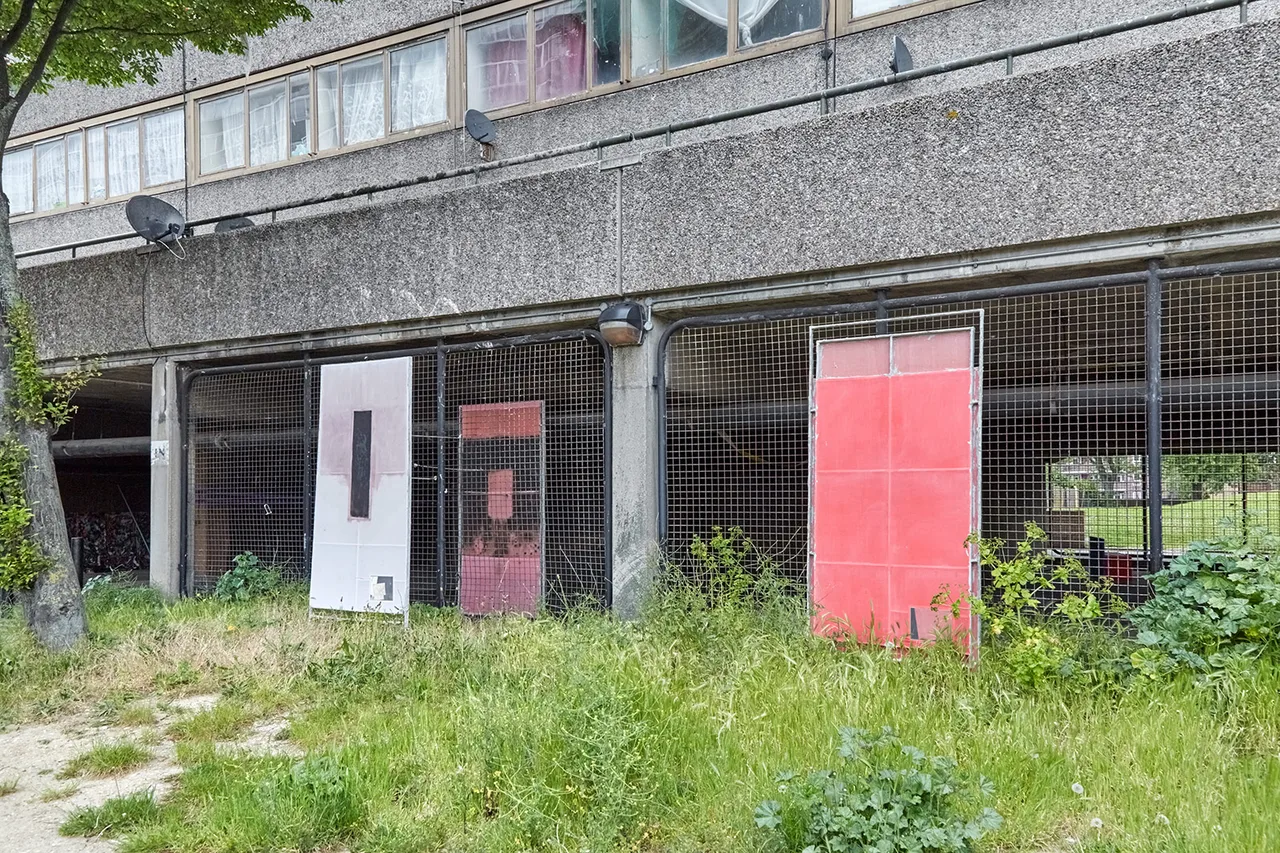
Recreational Grounds V curated by Vanessa Murrell and Martin Mayorga © DATEAGLE ART 2019
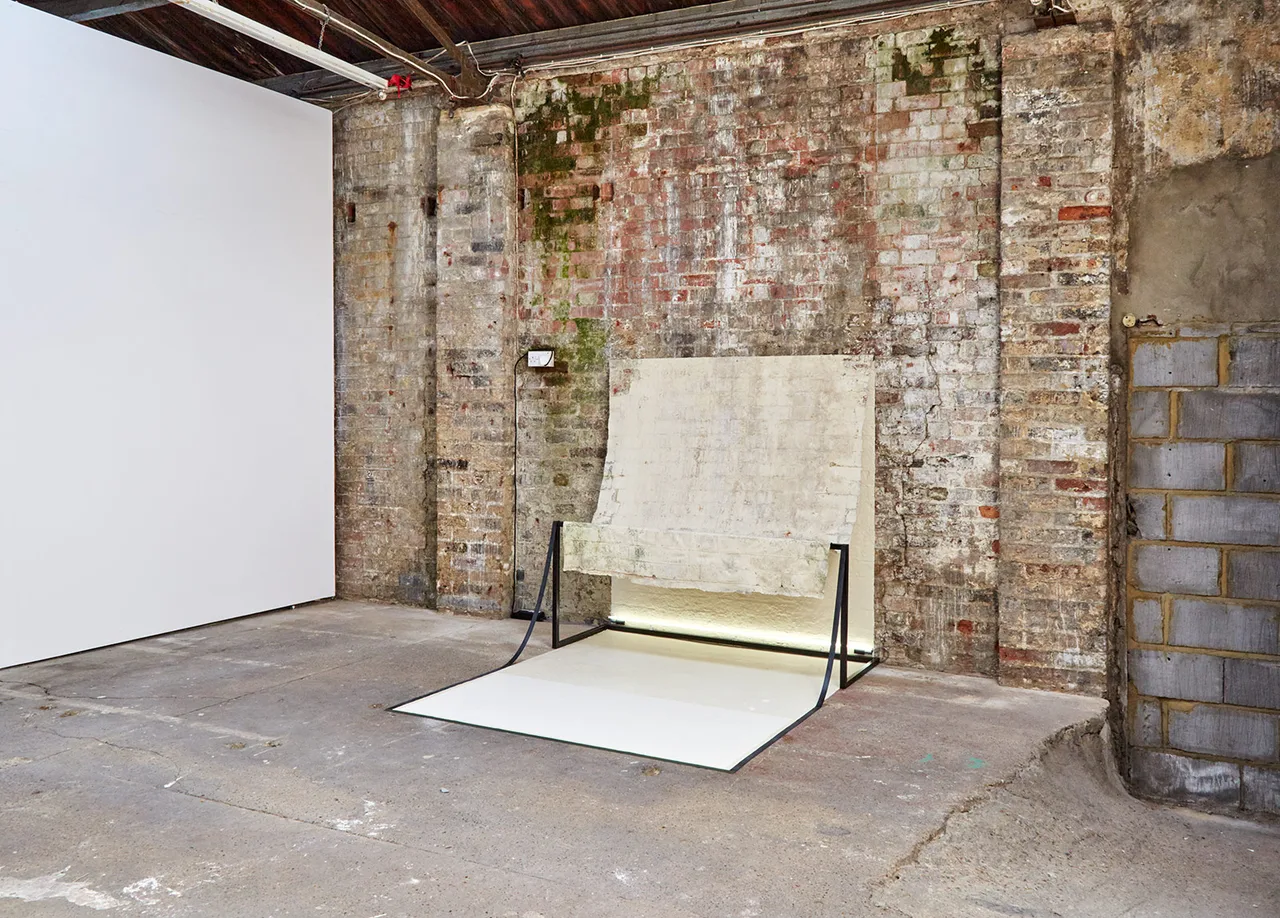
Andrea V Wright, Prevent this Tragedycurated by Vanessa Murrell and Martin Mayorga © DATEAGLE ART 2018
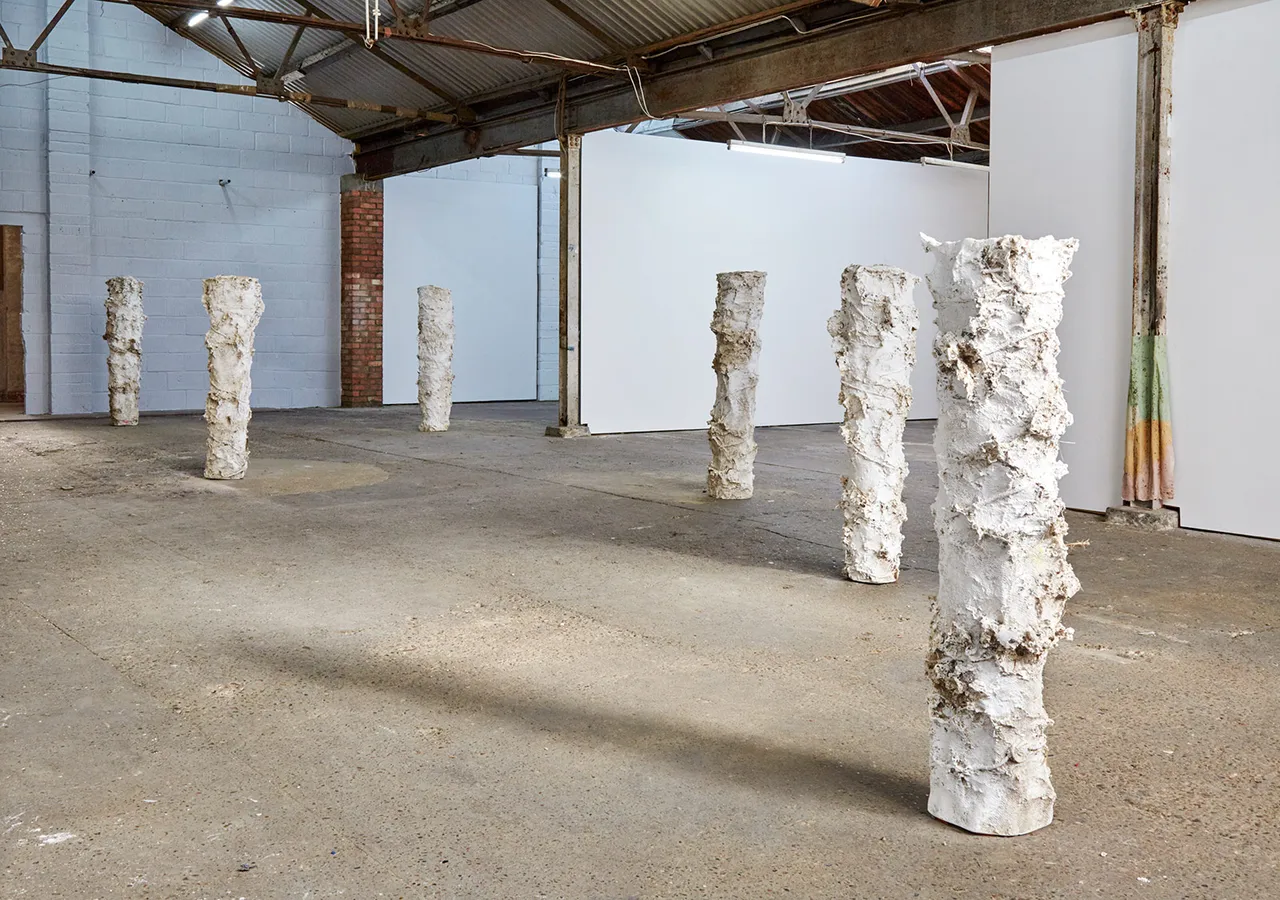
Jodie Carey, Prevent this Tragedy curated by Vanessa Murrell and Martin Mayorga © DATEAGLE ART 2018