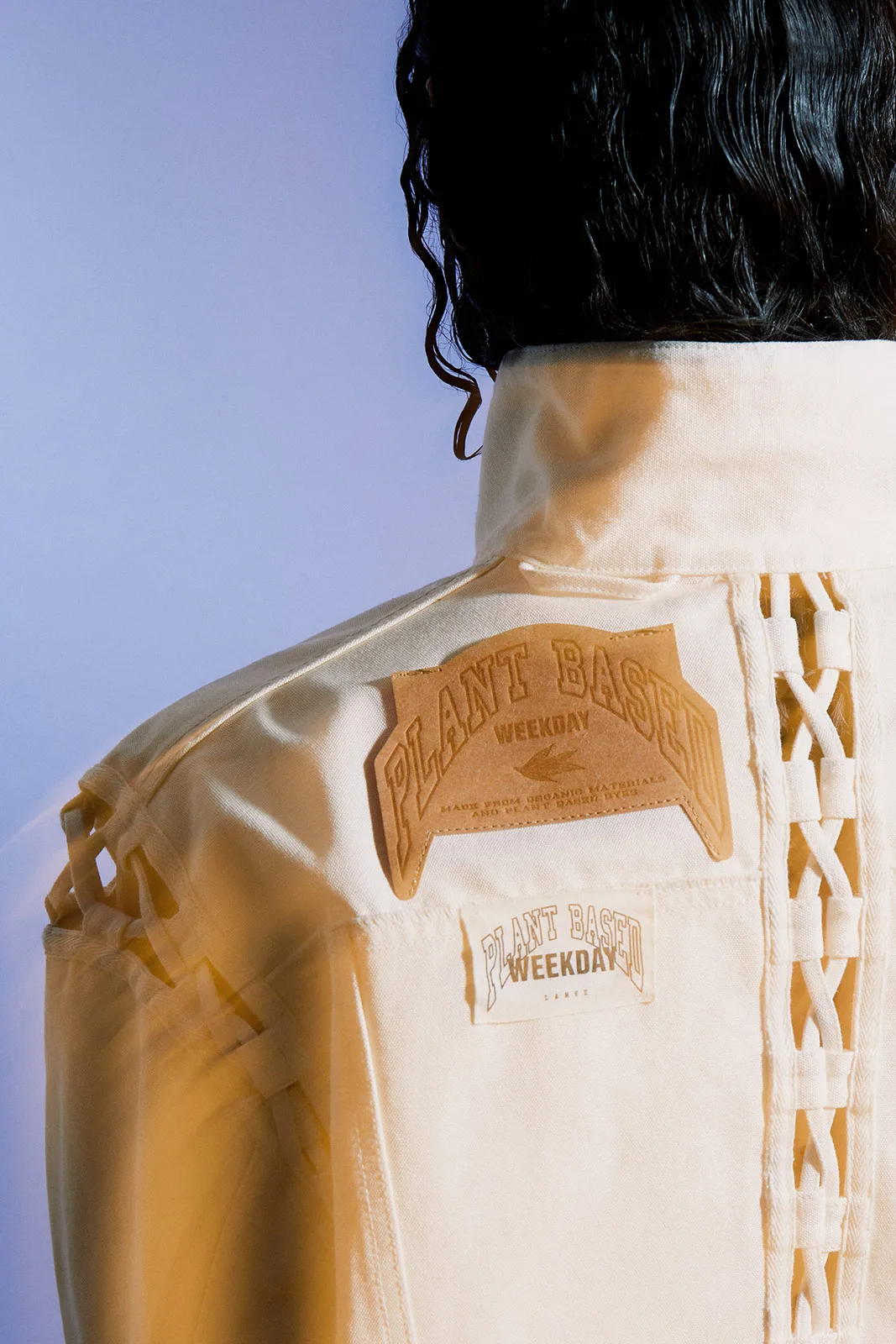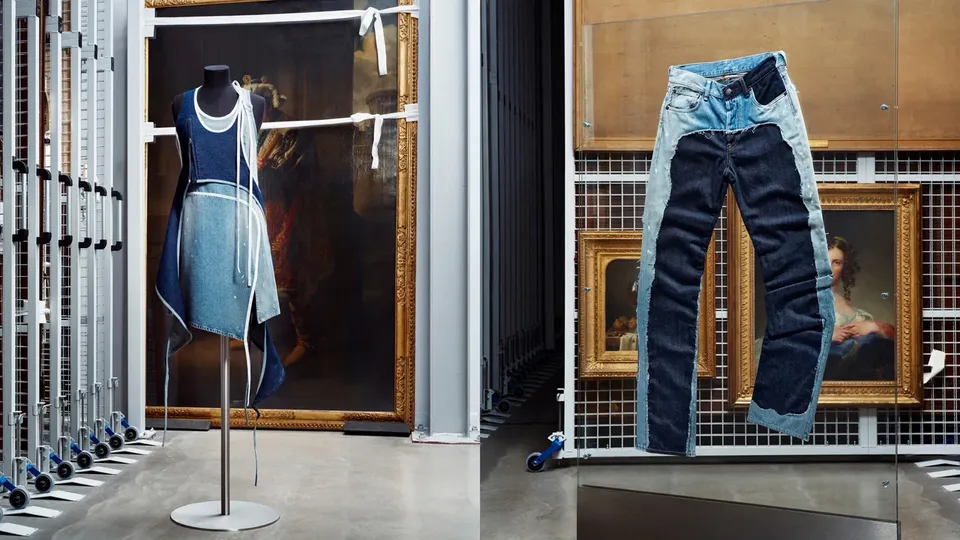
Denim is one of the most environmentally harmful pieces of clothing, considering that one pair of jeans needs approximately 8,000 litres of water. With denim being one of Weekdays’ signature fabrics, the brand is aiming for a change in manufacturing and production. Their latest limited collection, Hemp Jeans Couture designed by Alice Shulman, the head of their womenswear department, approaches sustainability by using low-value agricultural waste or plant-based materials, in order to break with the stereotypes associated with these fabrics.
Using hemp as one of the essential fibres in their collection, the brand intends to break the stereotypes associated with it. “Hemp as a textile can make you think of veggie spread and clothes that you find in health food stores”, Alice Shulman elaborates. For that reason, Weekday pictured a specific type of customer: a conscious person with a holistic mindset and an aesthetic edge. Shulman explained that when creating the collection “We envisioned a 'modern hippie', eventually coined, 'the modern tree-hugger,' and incorporated the Weekday aesthetic, and then ran with it." Therefore, this defined image is mirrored in the design and versatility of the collection.
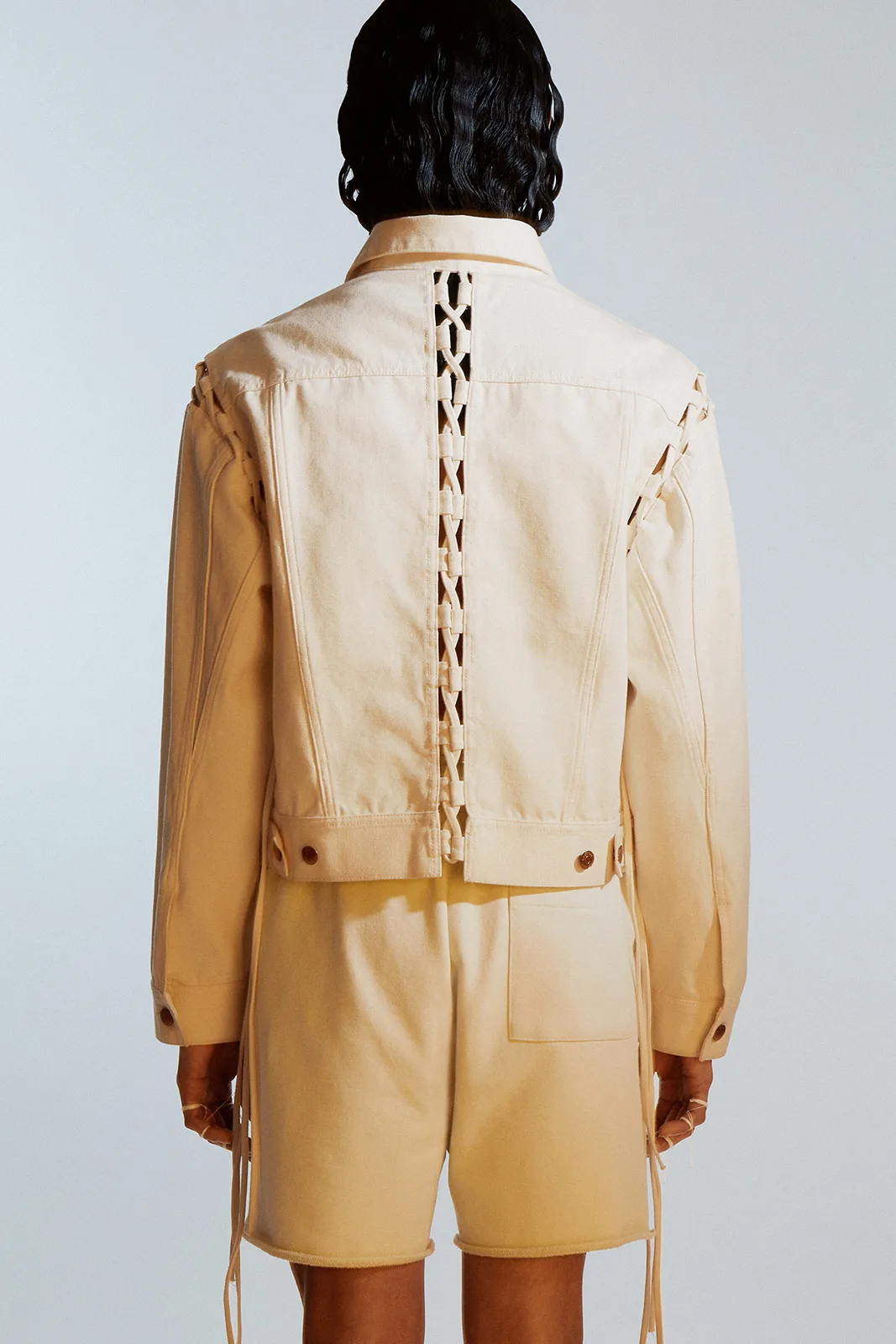
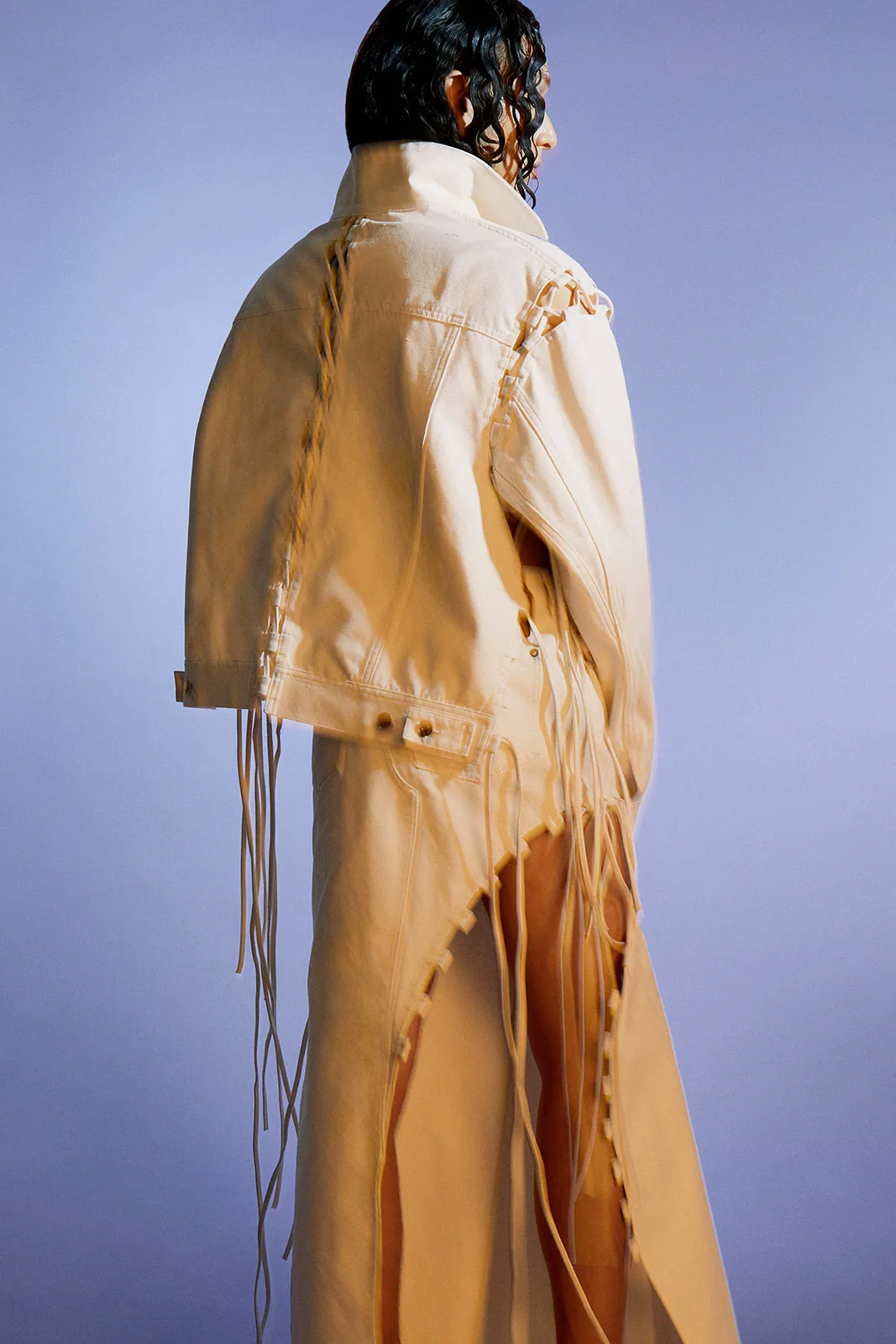
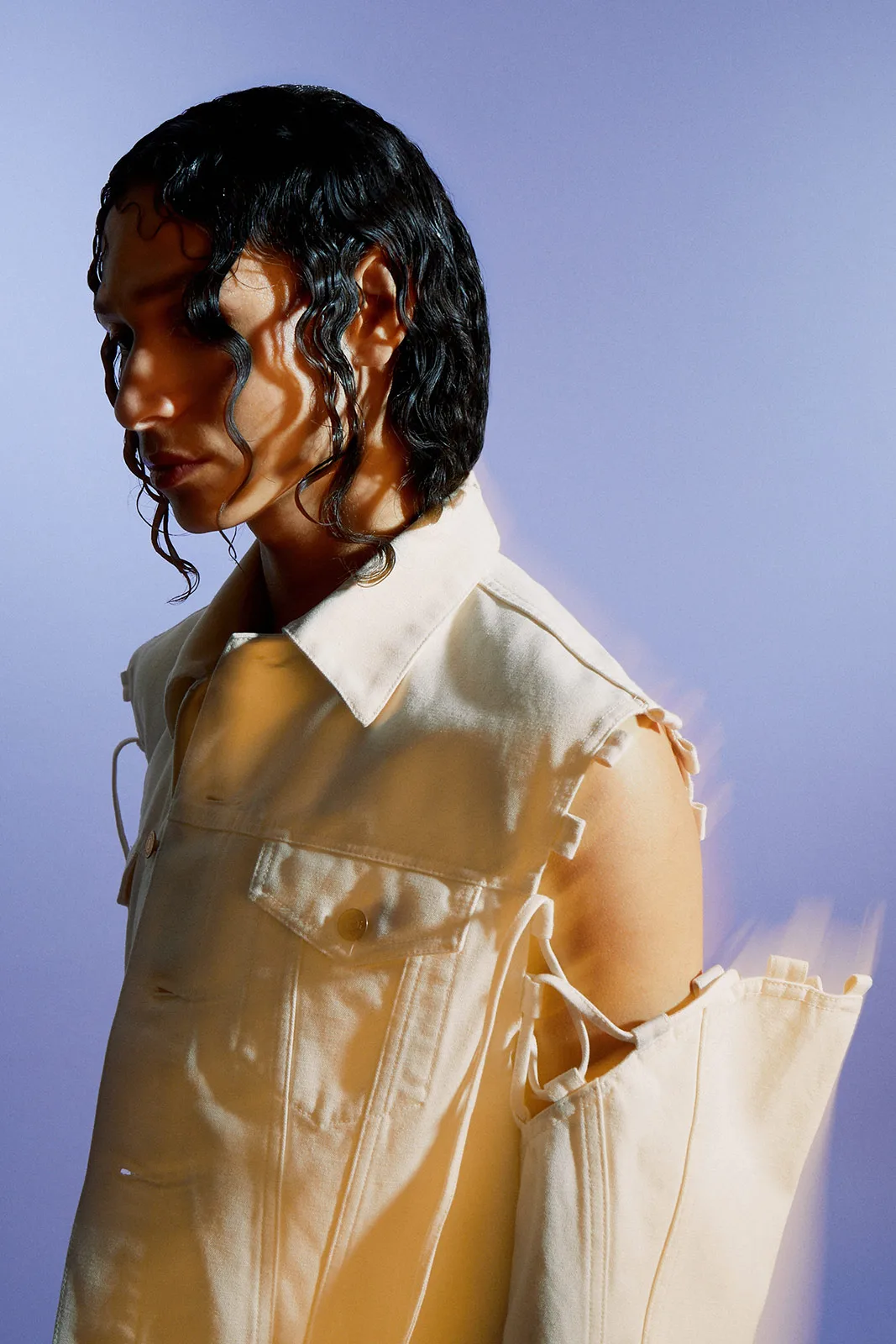
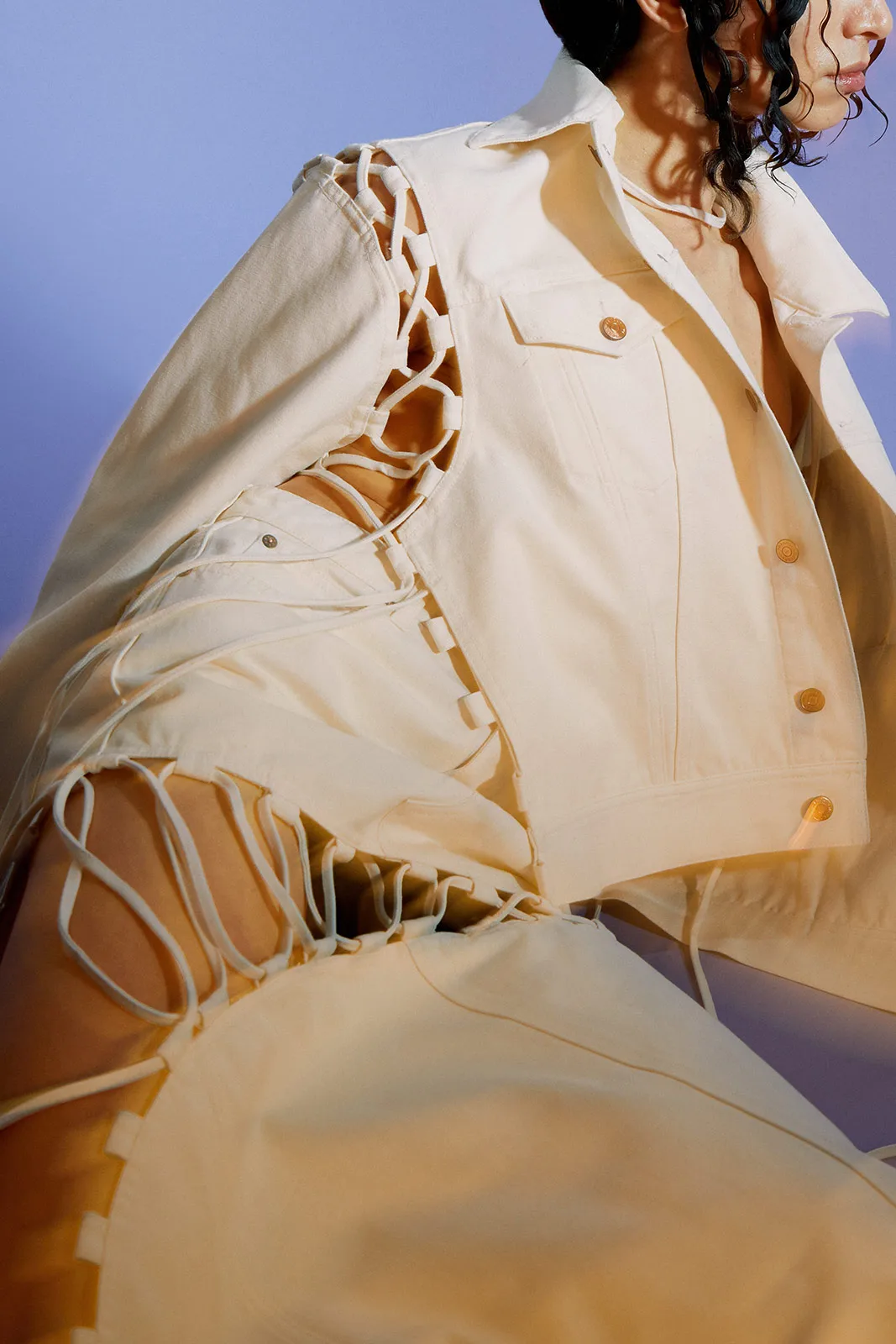
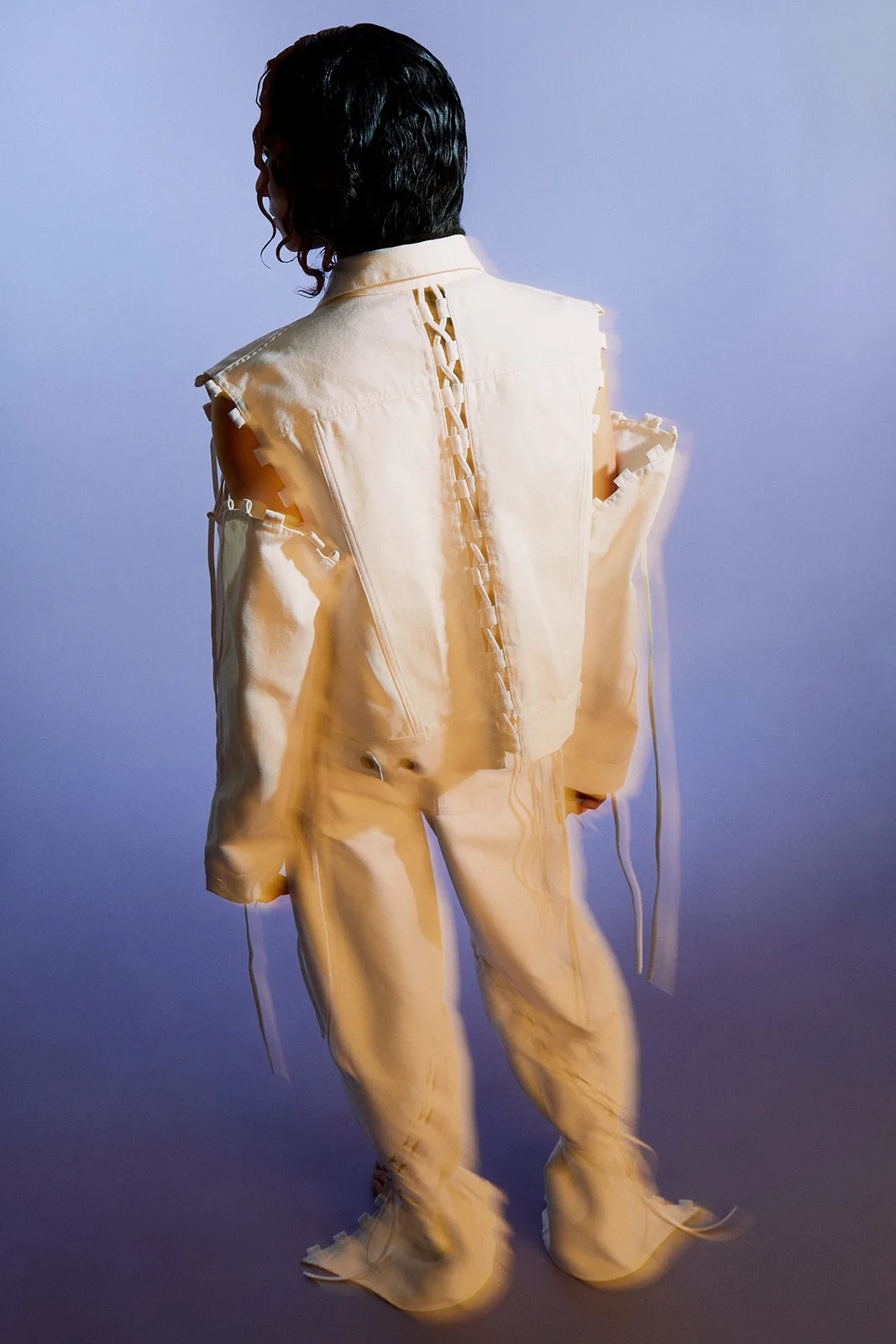
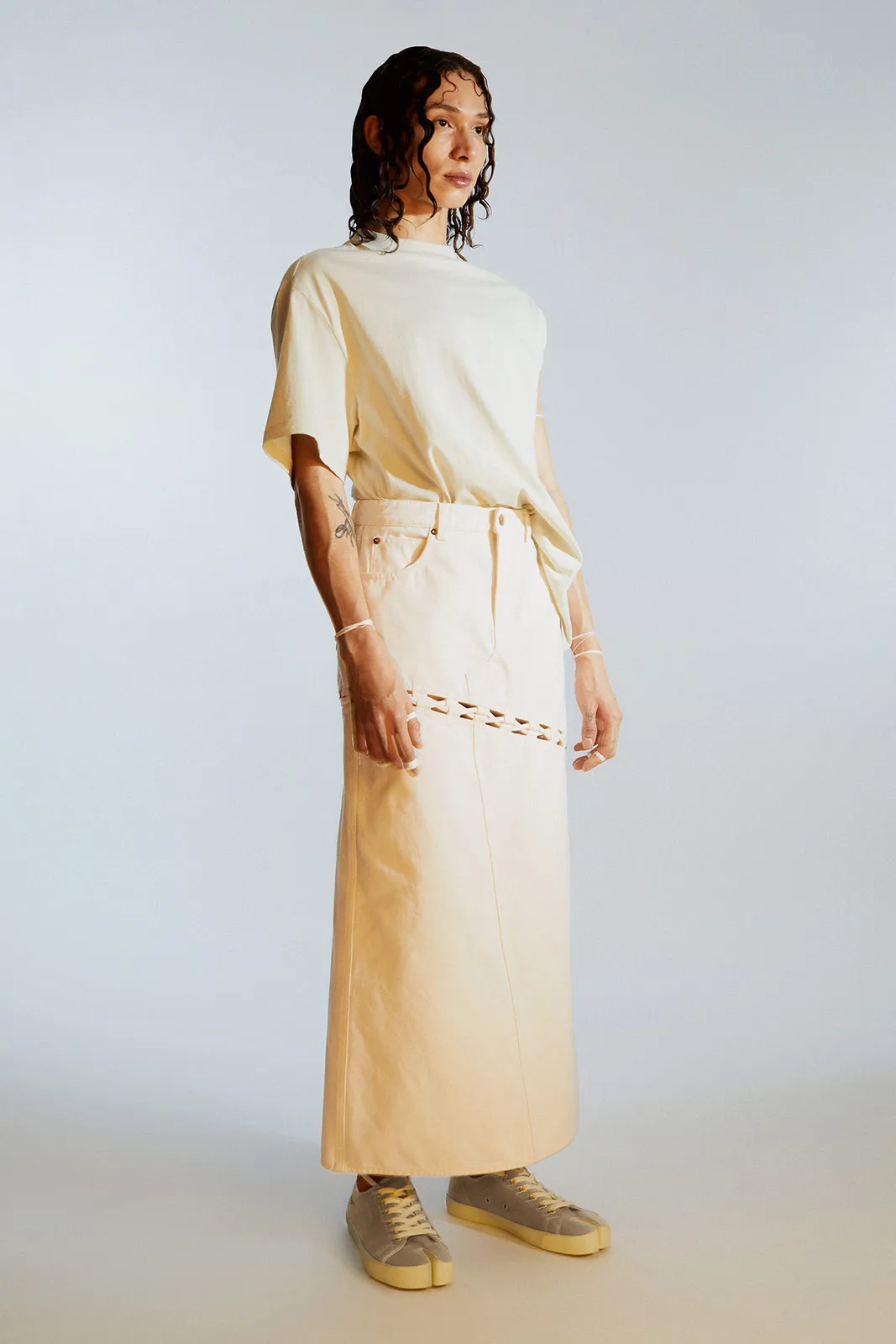
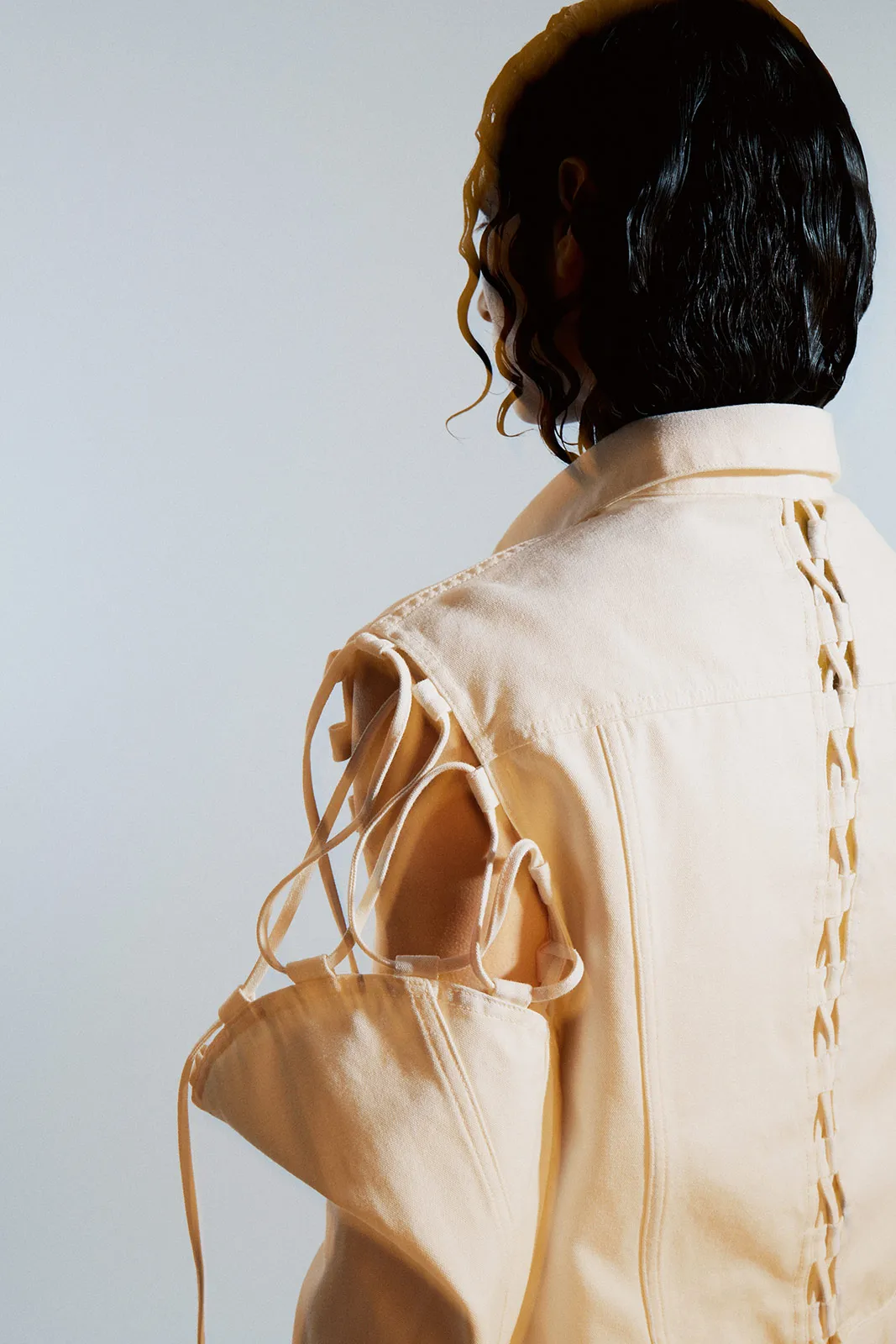
Lacing details, androgynous cuts, and clear silhouettes stand in focus to personalise every item to the wearer's favour. One way to transform the pieces, as explained by Shulman herself, is to “detach the arms of the jacket and transform it into a vest, and untie the laces of the jeans and the skirt, to perhaps lace them around your body and customise the pieces in your own ways.” The fabric with its sculptural forms creates a distinctive silhouette, which makes it suitable for every person. It has also been kept in a canvas-like colour, which means that the material can speak for itself.
Besides the aspects of versatility and gender neutrality, the environmentally-conscious element plays an essential role as well. The designer explains the reason behind this was that "fashion is a reflection of the times, and the times are demanding a drastic change and the industry needs to adapt. A full-blown holistic approach needs to be put in place from production to distribution and finally consumption." Shulman also elaborated on this by saying, “We’re seeing more textiles made from fibres that can be broken down mechanically, and garments can have several lifetimes in different closets before being repurposed or recycled.”
After manufacturing the material, the waste from the oil-seed hemp production is transformed into bio-fibres. On top of this, they include post-consumer waste in all of their denim products and use responsible washing techniques throughout the denim production process. In the future, they have already planned out their next move towards a more sustainable future. “Weekday has a goal of including 99% responsible materials in all of our collections within this year. Our next step is to increase the share of recycled materials in the textiles we use,” is what Alice Shulman has to say about this next big step.
Lacing details, androgynous cuts, and clear silhouettes stand in focus to personalise every item to the wearer's favour. One way to transform the pieces, as explained by Shulman herself, is to “detach the arms of the jacket and transform it into a vest, and untie the laces of the jeans and the skirt, to perhaps lace them around your body and customise the pieces in your own ways.” The fabric with its sculptural forms creates a distinctive silhouette, which makes it suitable for every person. It has also been kept in a canvas-like colour, which means that the material can speak for itself.
Besides the aspects of versatility and gender neutrality, the environmentally-conscious element plays an essential role as well. The designer explains the reason behind this was that "fashion is a reflection of the times, and the times are demanding a drastic change and the industry needs to adapt. A full-blown holistic approach needs to be put in place from production to distribution and finally consumption." Shulman also elaborated on this by saying, “We’re seeing more textiles made from fibres that can be broken down mechanically, and garments can have several lifetimes in different closets before being repurposed or recycled.”
After manufacturing the material, the waste from the oil-seed hemp production is transformed into bio-fibres. On top of this, they include post-consumer waste in all of their denim products and use responsible washing techniques throughout the denim production process. In the future, they have already planned out their next move towards a more sustainable future. “Weekday has a goal of including 99% responsible materials in all of our collections within this year. Our next step is to increase the share of recycled materials in the textiles we use,” is what Alice Shulman has to say about this next big step.