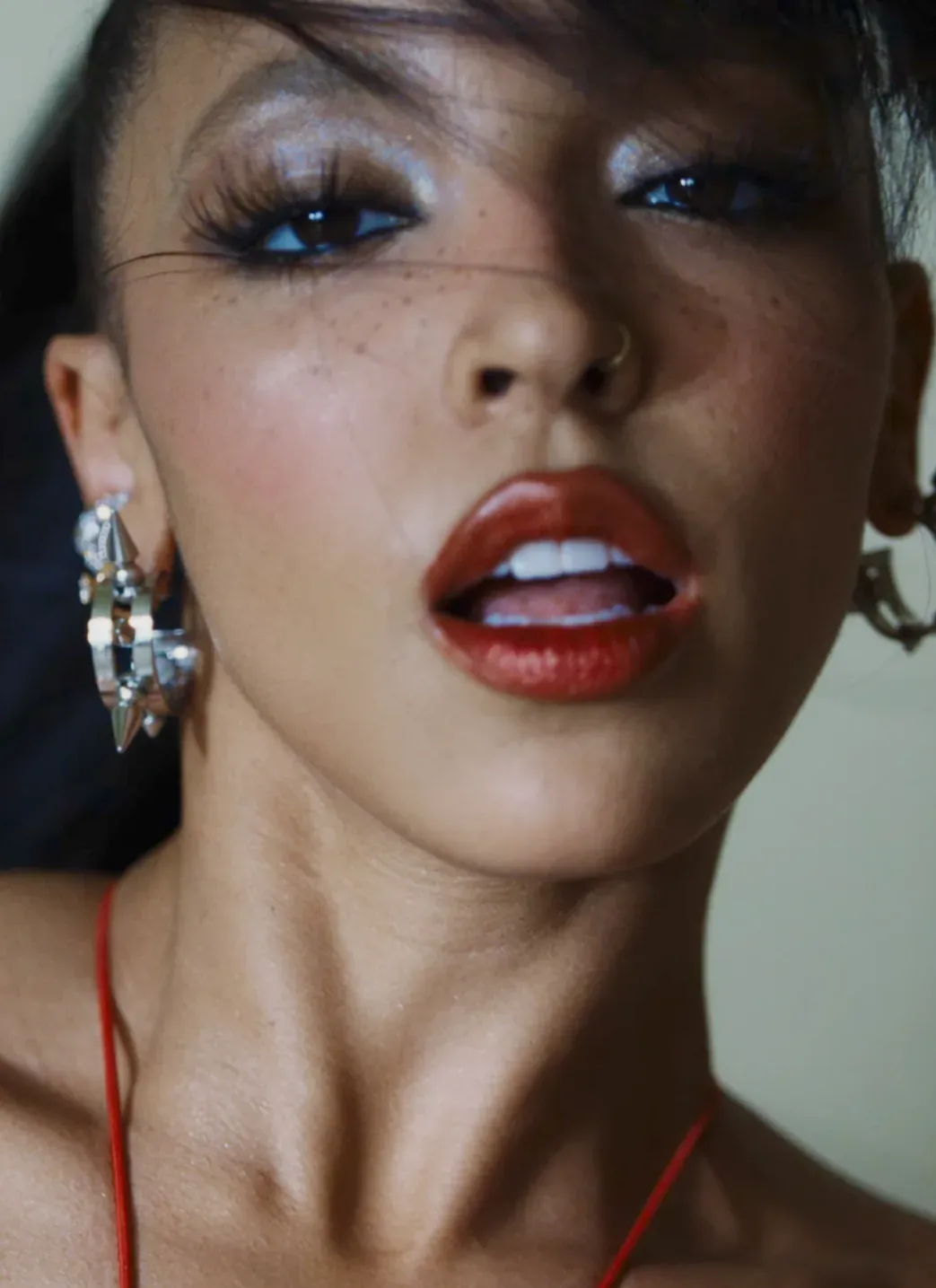
Popstar doesn’t sound like Tinashe suddenly discovering experimentation. It sounds like an artist becoming increasingly fluent in a language she’s been speaking for years. Moving freely between pop, alternative R&B, electronic production and club music, her eighth studio album refuses the idea that any of these identities need to exist separately. If anything, Popstar is the artist sounding more comfortable than ever with being impossible to categorise.
What makes the record work is that Tinashe herself becomes the connective tissue between its seemingly disparate influences. The music doesn’t need to sound uniform because she’s the constant. Rather than forcing every track into the same sonic world, she lets each one occupy its own, moving between electronic euphoria, alternative R&B, pop, club rhythms and quieter moments of introspection without ever sounding lost between them. That refusal to choose also matters because genres are not culturally neutral. Black and biracial artists are often expected to remain legible within particular sonic categories, with R&B treated as a natural home and pop positioned as something separate and more universally marketable. Her genre fluidity isn’t simply experimentation; it’s part of insisting that her creativity doesn’t need to fit neatly into the racial categories imposed around it.
Even the cover sets the tone. With sunglasses and a composed expression, she cuts an unmistakable popstar silhouette, but without the sense that she’s trying desperately to convince us of it. The image feels modern precisely because it looks effortless. That same attitude runs through the opening track, Sunglasses, where her soft vocals move through shifting layers and reverb before the production changes beneath them. Its sense of movement mirrors the album as a whole: nothing stays still for long. The song feels like the soundtrack to watching the city disappear through a car window at sunset, simultaneously dreamy and completely self-possessed.
That confidence becomes louder on Too Easy, a one-minute, 55-second burst of quiet self-assurance. Tinashe doesn’t need to shout to make the point; the song's pleasure comes from how casually she inhabits her own desirability. Melatonin takes that confidence somewhere darker, accelerating into denser electronic textures and a more physical rhythm. It’s playful, strange and deliberately unserious—a reminder that getting older doesn’t necessarily mean becoming more restrained. Tinashe, now thirty-three, sounds less interested in proving maturity than in proving that she can still have fun. The album’s relationship with electronic music is similarly unforced. Rather than treating it as a new identity, she uses it as one of several tools already in her vocabulary.
Then Popstar begins to reveal what exists underneath the cool. Empty Stadium strips back some of the bravado for one of the album’s most vulnerable moments, turning the image of an empty arena into a meditation on loneliness and the desire for applause that may never arrive. Flashbacks, meanwhile, places intimacy beside playfulness, using delicate piano and shifting vocals to turn memories of sex and young love into something almost nostalgic without ever becoming sentimental. The emotional whiplash is intentional. Tinashe can move from lust to loneliness, confidence to uncertainty, without needing to resolve the contradiction. Instead, she allows them to coexist.
That contradiction becomes increasingly important as the record progresses. I'd Rather Be Alone rejects the fantasy of waiting for someone to become the person you need them to be, while Crash Out turns exhaustion into a kind of internal monologue. Its frustration with a city full of people trying to make it, and its blunt declaration that the American dream is outdated, feel particularly pointed because the song itself is so restrained. Elsewhere, Pillow Fight returns to the sensuality of R&B, while Nobody Wanna Dance Anymore takes aim at the performance of being too cool to care. Beneath its flirtation and 2000s-inflected confidence sits a familiar contemporary anxiety: everyone wants to look unbothered, even when they are desperate to be seen.
The title track finally makes the album’s central contradiction explicit. Popstar is about the glamour of celebrity, but also its costs: shallow relationships, social climbers, expectations and the strange distance between the person onstage and the person who must live with being watched. Tinashe never asks for sympathy. Instead, she acknowledges the bargain. Fame can give you everything and still leave something missing. Brainrot pushes that unease further, turning its attention towards the constant stimulation and emptiness surrounding fame, money and the desire to be famous. Then Cloud 9 provides a sudden emotional lift, a rush of feeling after the darker introspection, before Heavy Weight brings the album down to earth.
It’s fitting that the final song feels so much less interested in being a popstar. Heavy Weight turns towards responsibility, family and the exhaustion of being the person everyone expects to hold everything together. After an album filled with sex, parties, confidence, celebrity and movement, the ending is unexpectedly intimate. The popstar persona doesn’t disappear; it becomes transparent.
Ultimately, Popstar feels distinctly Tinashe. She doesn’t choose between being a pop singer, an R&B artist, an electronic musician, a dancer, a sex symbol, a celebrity or simply a person trying to figure things out. She lets all of them coexist. The album’s greatest strength is not its genre-hopping but its refusal to treat contradiction as something that needs fixing. Tinashe has spent years moving between worlds; on Popstar, she makes the case that she was never required to choose one.