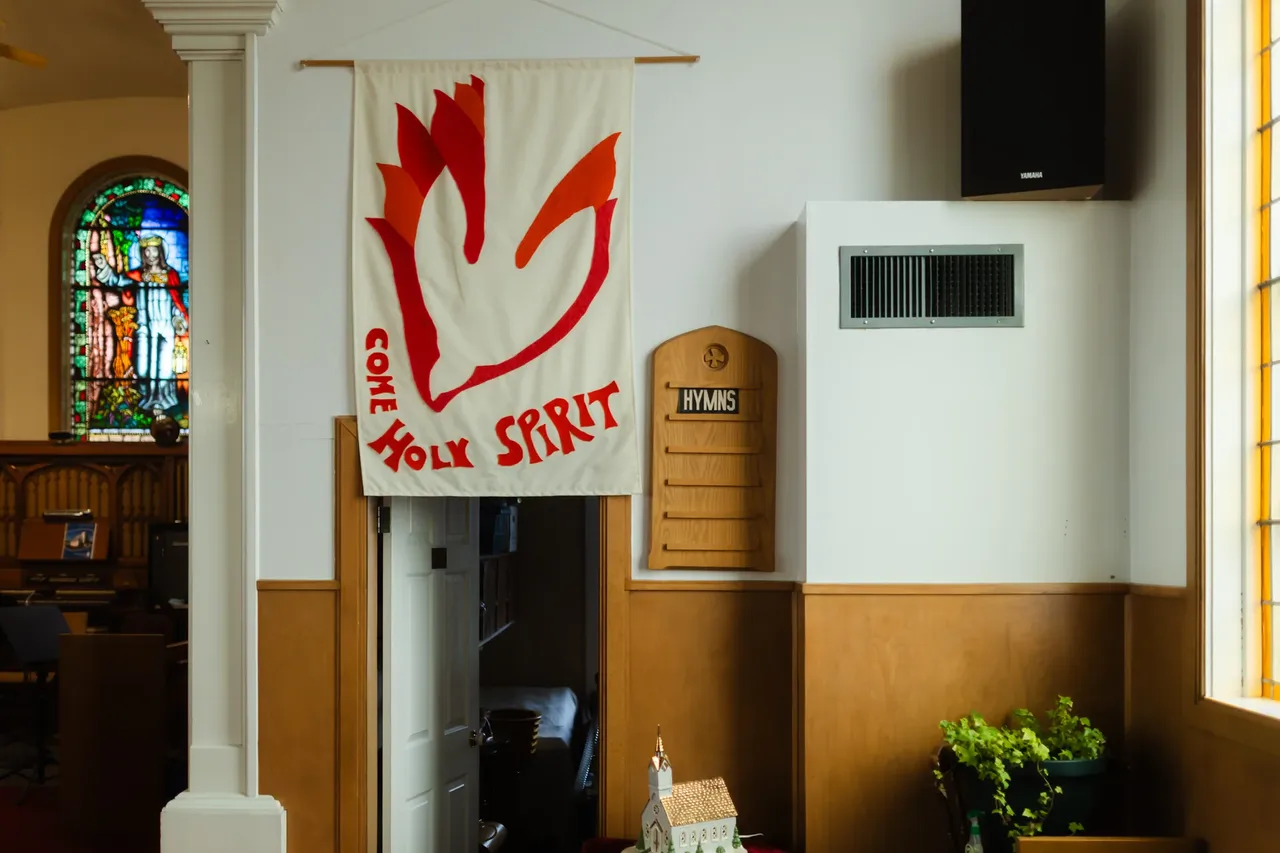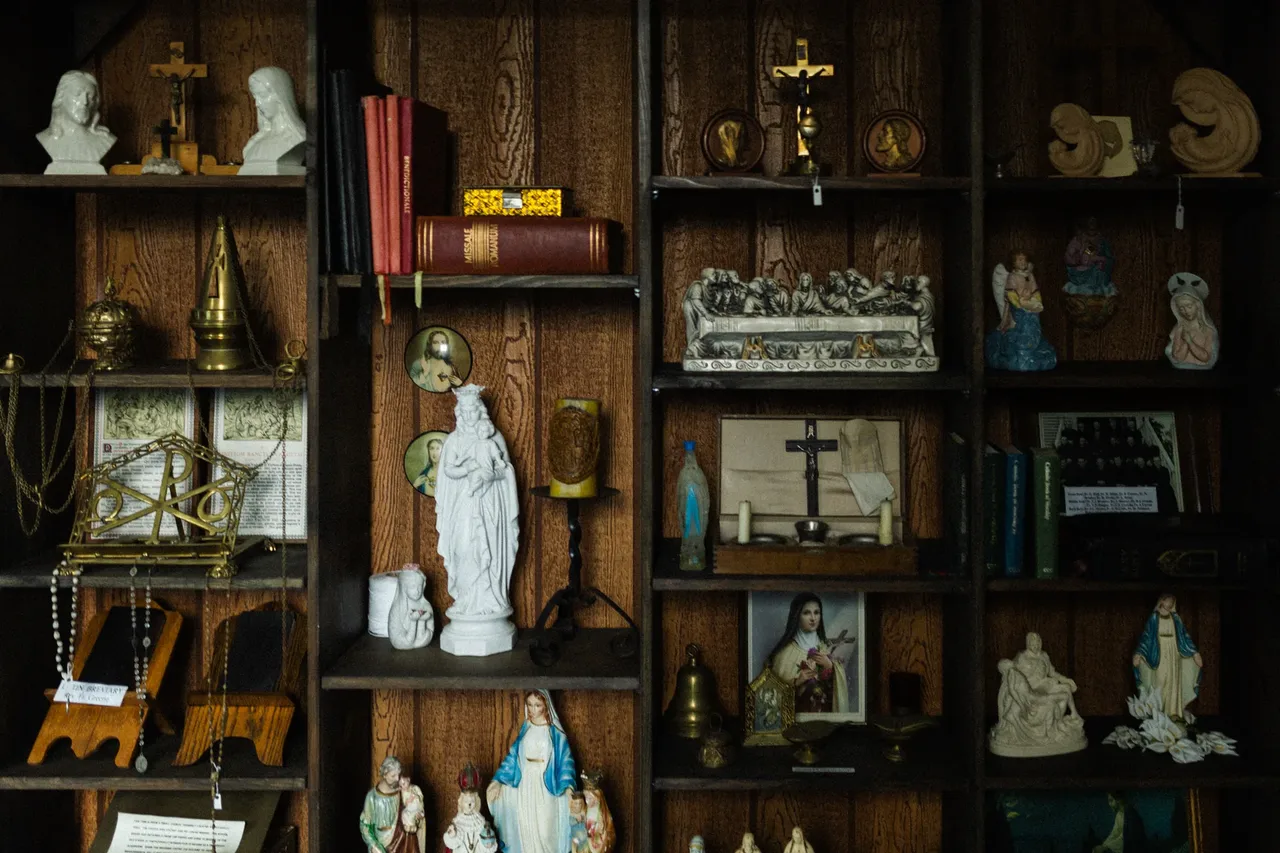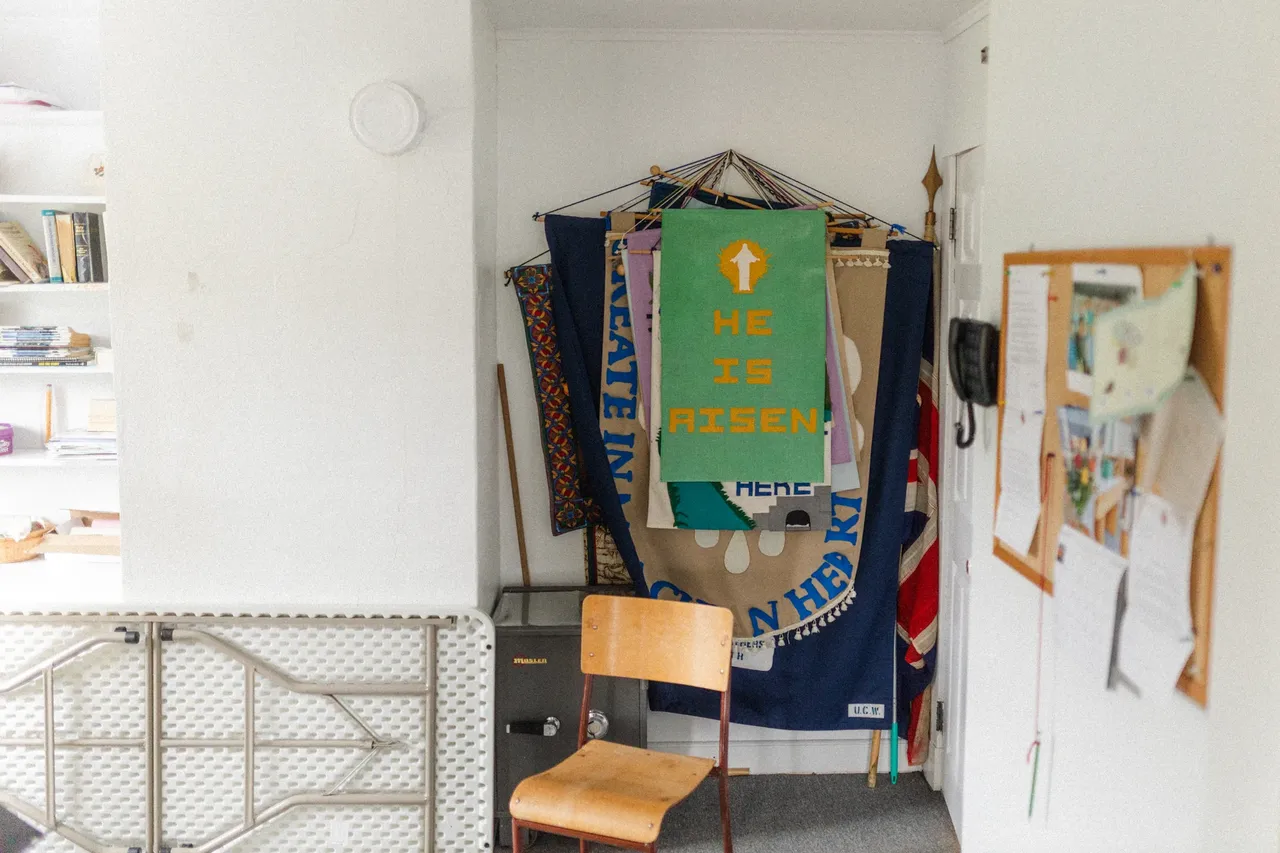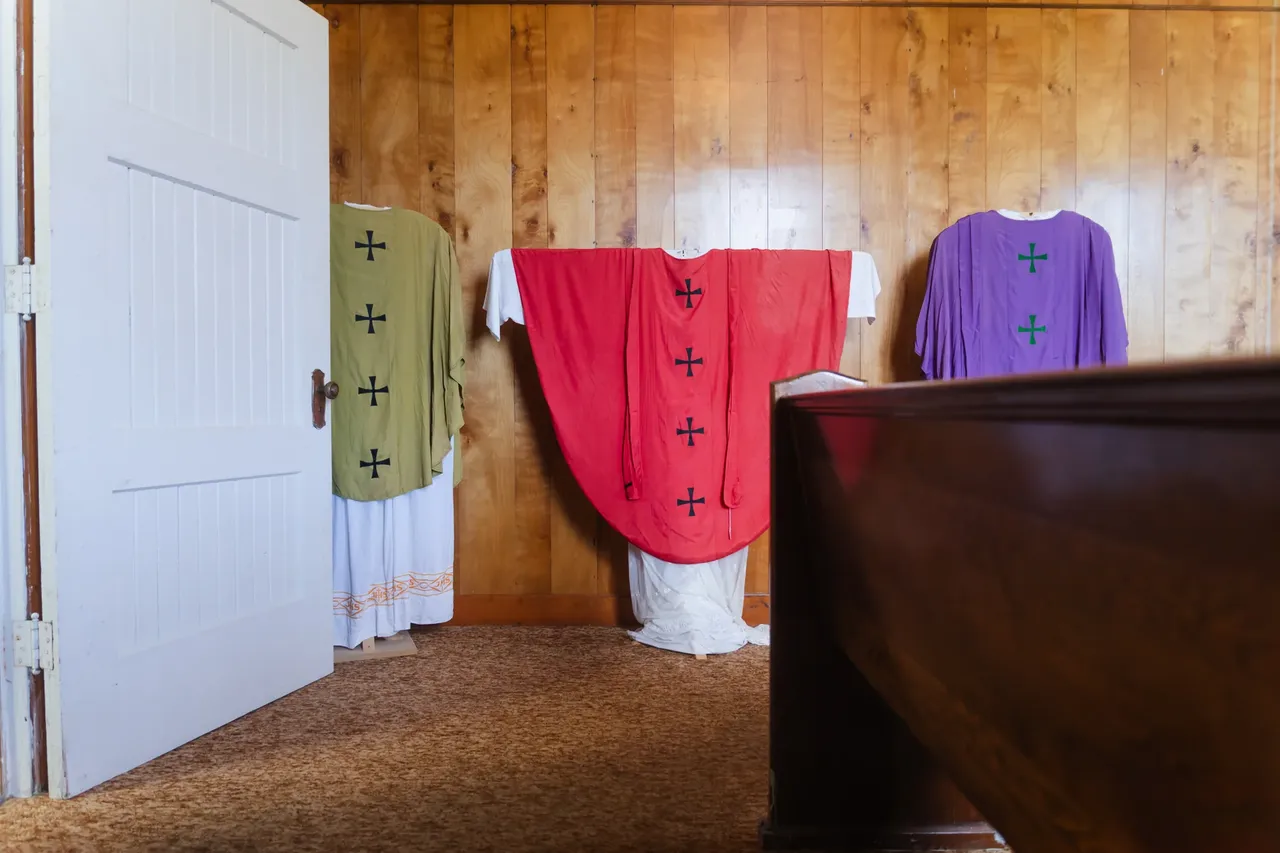
As churches close and their pipe organs fall into disrepair, entire acoustic histories risk disappearing with them. For Canadian composer and producer Michael Cloud Duguay, these spaces became the starting point for Kingdom Come, Kingdom Go, an ambitious project recorded inside churches across the island of Newfoundland. Working alongside collaborator Andrew MacKelvie, Duguay approached each building as both an instrument and an unpredictable recording environment, allowing its architectural character, mechanical imperfections and surrounding sounds to shape the compositions.
The project extends beyond the album itself. Each organ has been digitally preserved as a playable instrument intended for free public release, which would give musicians access to sounds whose physical counterparts are increasingly vulnerable to neglect and environmental change. Rather than attempting to restore an imagined past, Duguay explores what these instruments might become. Moving between experimental sound, ambient music, jazz and roots traditions, his approach is guided by curiosity, collaboration and a willingness to relinquish control. We spoke about the cultural histories embedded in sacred spaces, the relationship between preservation and creative transformation, and finding a more sustainable relationship with music, recovery and the demands of constant production.
You recorded this project in churches that are closing down, symbolising a sharp decline in traditional faith and community attendance. Yet, you have spoken about finding a profound creative freedom in these crumbling spaces that a modern, sterile studio could never provide. What is it about a room built for dying institutions that makes it such a fertile ground for avant-garde creation?
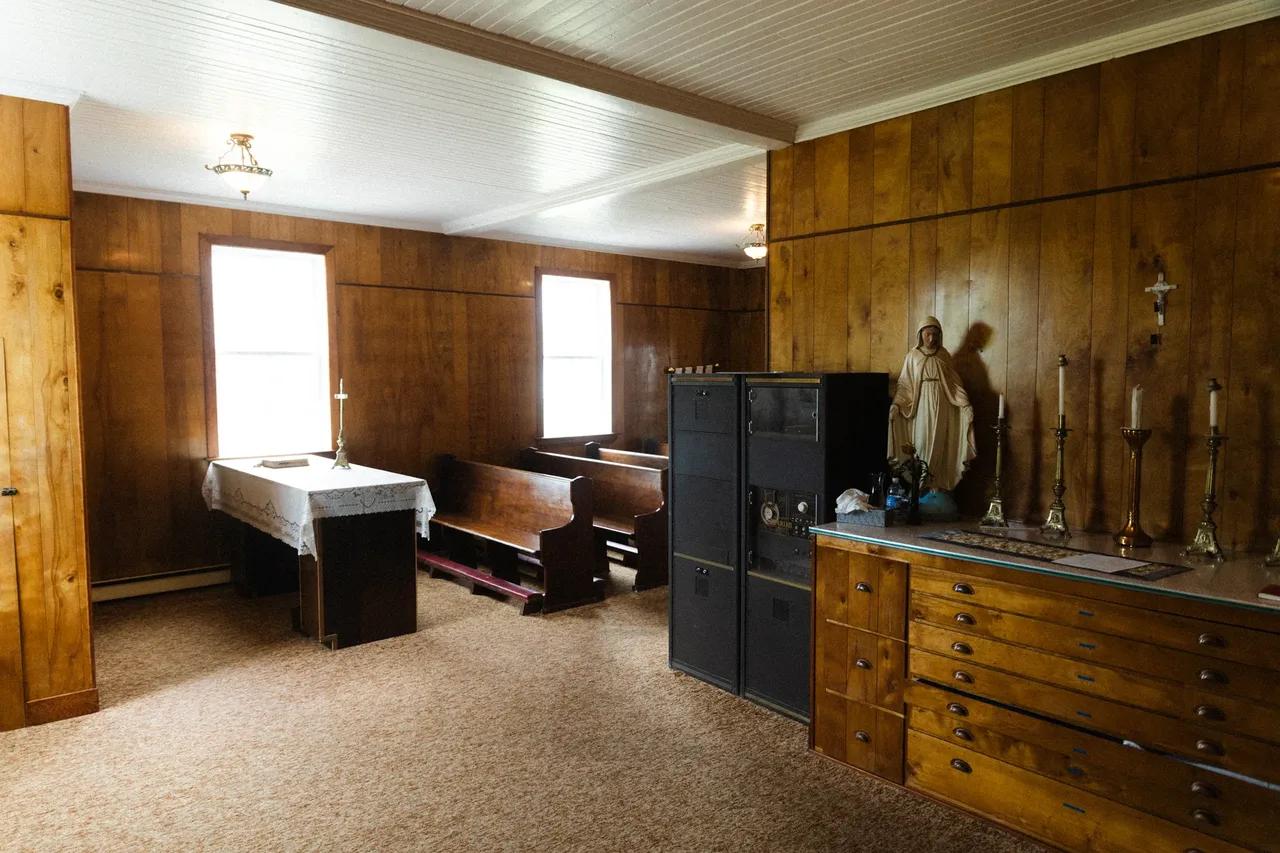
Working in totally uncontrolled environments precipitates a very thrilling creative and procedural unknowing and fosters an otherwise unattainable collaborative dynamic, in my experience. What these spaces represent historically — socially, culturally, as structures of colonial violence, as sites of sacrament and joy — is dense and an inexorable backdrop to producing within them. It’s senseless and irresponsible to disregard those layers of context. They are also simply massive wooden buildings, striking and grand, and each was startlingly different in construction and design. I rarely enter a conventional recording studio and am awestruck by its character, or totally surprised by how they sound, or faced with a series of unprecedented logistic challenges that need to be rapidly solved. These qualities — awe, surprise, process-orientated problem solving — are motivating and generative. Avant-garde refers to the vanguard; unprecedented circumstances require unprecedented approaches and this naturally results in avant-garde work.
Beyond the album, you have digitally preserved each of these organs as a playable virtual instrument intended for free release. There is a beautiful irony in turning a dying, centuries-old physical giant into an immortal digital file. Do you view this digital preservation as a true resurrection of these instruments, or is it more like creating a sonic ghost?
Not a resurrection, not a ghost, but an incarnation.
On River of Ponds, the buzzes, dust, and raw artifacting of the recordings don’t feel like technical errors; they sound like the skin of the room. In an era where digital recording aims for hyper-sterile perfection, why was it vital for you to let the decay, the imperfections, and the structural failures of these physical spaces breathe so loudly on the album?
Skin of the room, I love that. The error would be to obfuscate these noises. They’re beautiful noises. They are as much a part of the compositions and the recordings as the instruments themselves. They breathe, at minimum, as loudly on the album as they did in the room. One of my primary aims was to produce an album that is both a record and a document of the making of that record in a single form, a sort of poioumenon, and these noises are the diegetic soundtrack that could not be removed from the experience, else the work become void of context and meaning without them.
“The mission on Earth is not to transcend our own consciousness but to expand it as far as it can be stretched and bent.”
Greenspond Tickle builds an incredible, progressive rhythmic tension where the background textures function almost like an organic, heartbeat-like metronome. What were your exact sonic intentions when layering that specific track? How do you calculate the exact moment when ambient noise transitions into rhythm?
This was a unique piece to construct because it was recorded in the noisiest environment. When we arrived at St. Stephen’s Anglican Church on Greenspond Island there was a family hosting a reunion on a property adjacent to the church’s sanctuary, which laid the foundation for the composition and performance. I love that this piece of pastoral minimalism turned into a party soundtrack, or the party is soundtracking the composition. In either case, this track is playing with that threshold more than any other track on this album, or in my discography.
Your music seamlessly fuses experimental sound art and ambient drones with spiritual jazz and roots music. Genres like free jazz and avant-garde art are often gatekept as hyper-intellectual, while folk and roots are seen as populist and traditional. How do you bridge that gap without making the music feel like an academic exercise?
I’m a self-trained musician and I’m not an academic. I’m a working-class artist interested in creative music; I arrived at my style and practice through sheer curiosity and the influence of my collaborators. A connecting point for this work, though not super present sonically, is punk and a punk ethos and my understanding is that one of punk’s ideal functions has always been to bridge the sort of gap that you’re describing. We genuinely never discussed genre before making this record, which is funny to think back to. My collaborator, Andrew MacKelvie, comes from a studied jazz background, which is obvious in his technical abilities on the record, but we really met on a bridge of our own construction with this work. Ultimately, I am a producer and central to that role is bringing together heterogeneous perspectives when the goal is to make something unique.
You have a practice of writing and drawing out your ideas before they become music. When you look at a blank page, what exactly are you drawing? How do those visual shapes and sketches translate into the massive, multi-layered organ chords we hear on Kingdom Come, Kingdom Go?
In the case of Kingdom Come, Kingdom Go I was working more with lists: columns and categories of ideas with various items that we started drawing lines to and from throughout production in preparation for editing and mixing. Some were prepared in advance, like a list of specific or general musical or production ideas and pre-composed material, or the list of the churches we were visiting, and others were populated in production; a list of the various field recordings that Dave foraged, the interviews I recorded, drone textures, etc. As we progressed, we never knew what the next day would bring sonically, so as we foraged, I started drawing lines between the captures to construct the material.
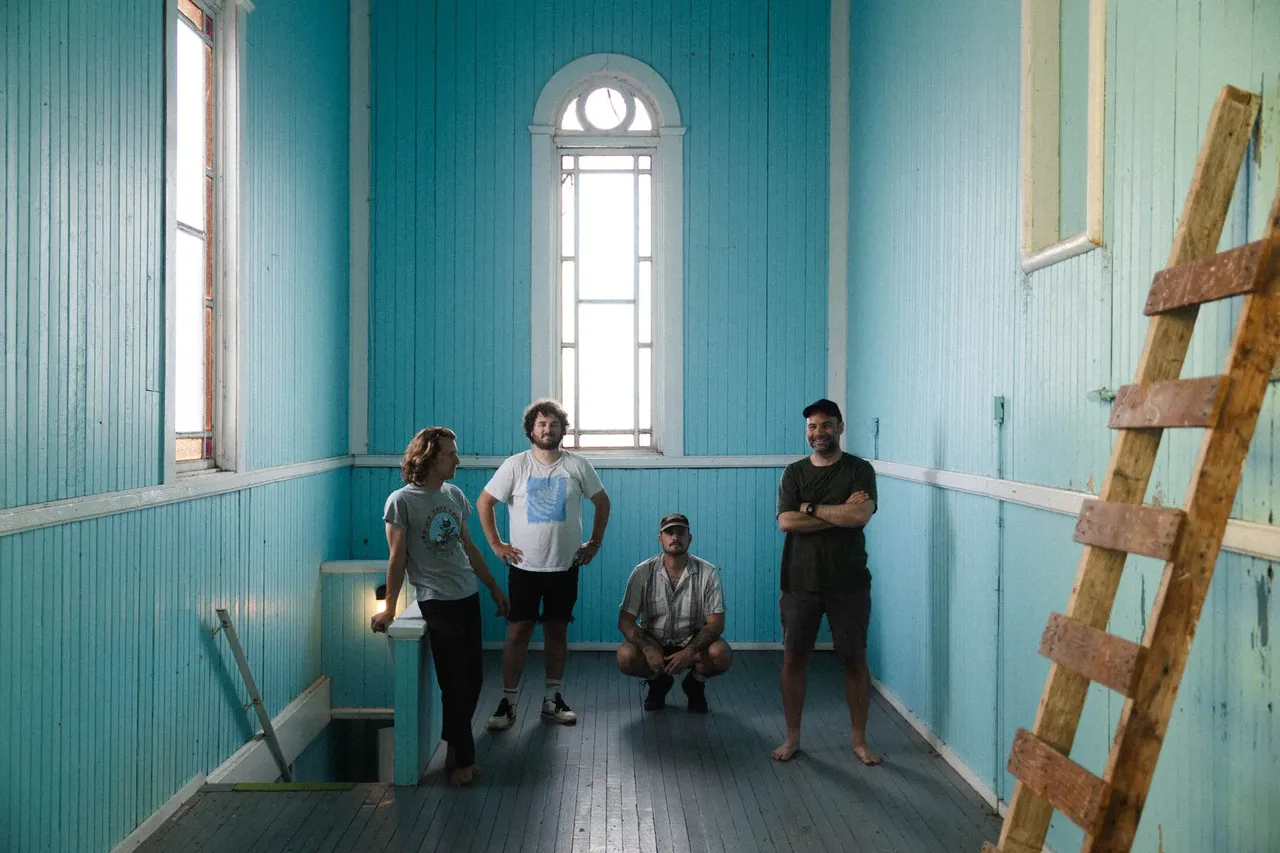
As a child, you aspired to be a writer and a theatre director, creating poetry, plays, and short stories. When you approach an album like Kingdom Come, Kingdom Go, are you composing music abstractly, or are you still fundamentally directing a narrative, treating the organs, the saxophones, and the architecture as characters in a play?
In the case of this record, absolutely yes. It’s a sort of dramaturgy.
You took a ten-year hiatus from music while grappling with addiction before returning to your craft. Looking back, do you think your attraction to the organ, an instrument explicitly tied to sanctuary, confession, and institutional peace, was a subconscious search for a specific kind of structural recovery?
No. But the yearning for adventure that brought me to this project is that search, consciously. I believe that the mission on Earth is not to transcend our own consciousness but to expand it as far as it can be stretched and bent. Recovery has been a lesson in the inherent psychedelia of living. As artists we have the tool of imagination to support that trip. This tool is not honed in predictable environments creating predictable work with predictable sounds. The organ is a friend I met along the way.
Lately, you’ve shifted your energy away from being a pure instrumentalist to focusing heavily on your skills as a producer and organiser. Is stepping back from the front line of performance an act of self-preservation, or do you find more creative fulfilment in orchestrating the collaborative synergy of others?
It has had to do with creative and personal fulfilment; it has been a nice practice to develop. Not self-preservation in the acute sense, I didn’t have any meaningful concerns about performing at the time other than that it wasn’t exciting me, but it’s been meaningful to expand my knowledge and practice. I’m entering a season of returning fully to my own work for a while. I’m feeling hermetic and want to work in isolation. I have a quiet year of learning, composing and listening ahead of me. I plan to play organ every day and only look at a computer once a week, if I can.
“I plan to play organ every day and only look at a computer once a week, if I can.”
In past interviews, you hinted at a deep-seated fear regarding the music industry, specifically around the risk of relapsing or losing your balance. Coming back to release an ambitious album like this, how do you navigate the industry now? What boundaries have you set to protect your sobriety and peace of mind?
I must admit that I don’t really feel like I’m part of an industry. I had reasonable concerns when I first started making music again that some ghosts might surface, and some did. It hasn’t been a straight path, but that’s all rearview now. I’m more concerned with cultivating a healthy and satisfying recovery, which has led me down roads mostly outside the industry. I’m self-managed, I’ve booked all of my performances so far, I run the label releasing the work, so I have recently been able to sidestep industry pressures. Of course, I participate in some ways, but I am mostly engaged with my immediate community. Generally speaking, I trust my gut. I don’t work with people or in places that feel repressive or dishonest.
In a 2021 interview, you spoke about “destination addiction”, the chronic state of always looking ahead to the next thing, the next achievement. In 2026, within a hyper-capitalist, neoliberal culture that demands constant growth and endless production, how do you actively resist that urge? How do you force yourself to stay present?
Breathing and listening.