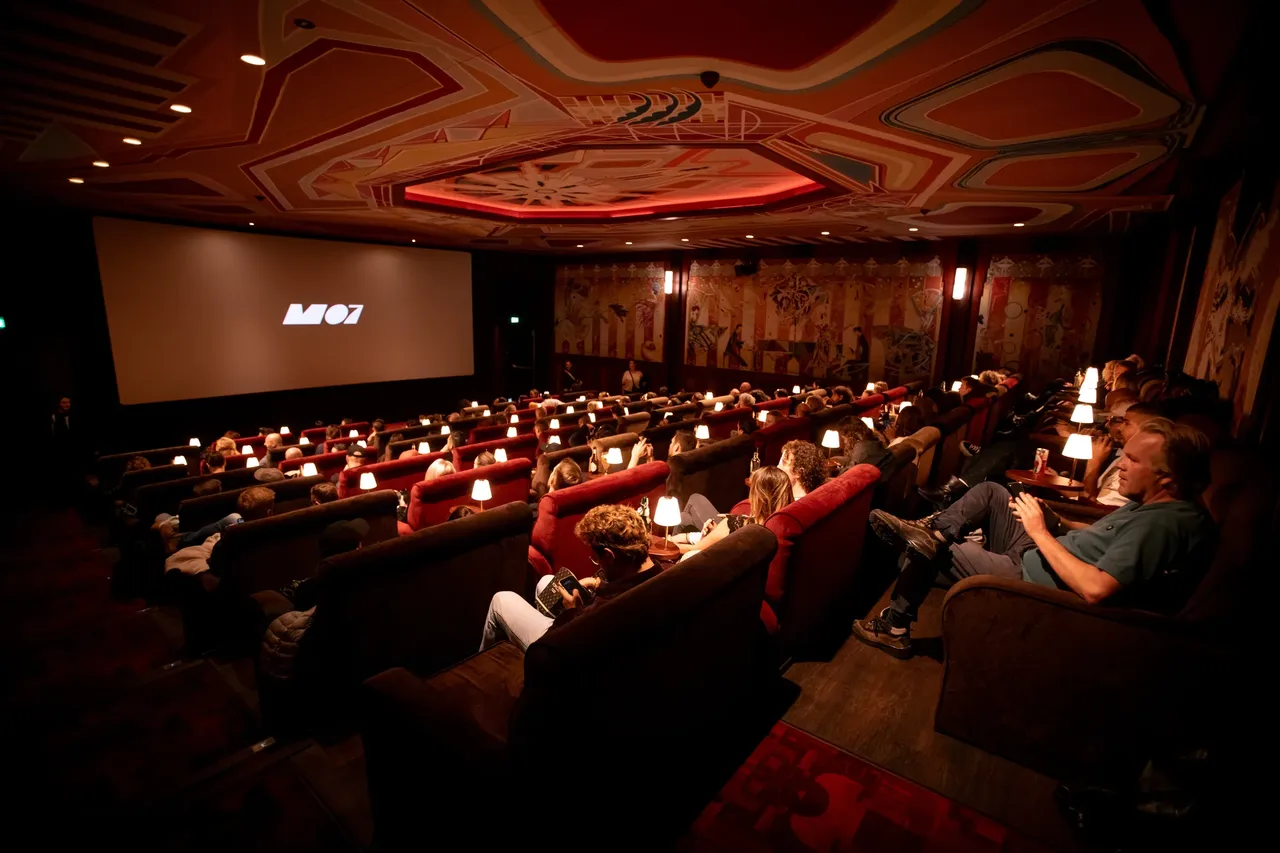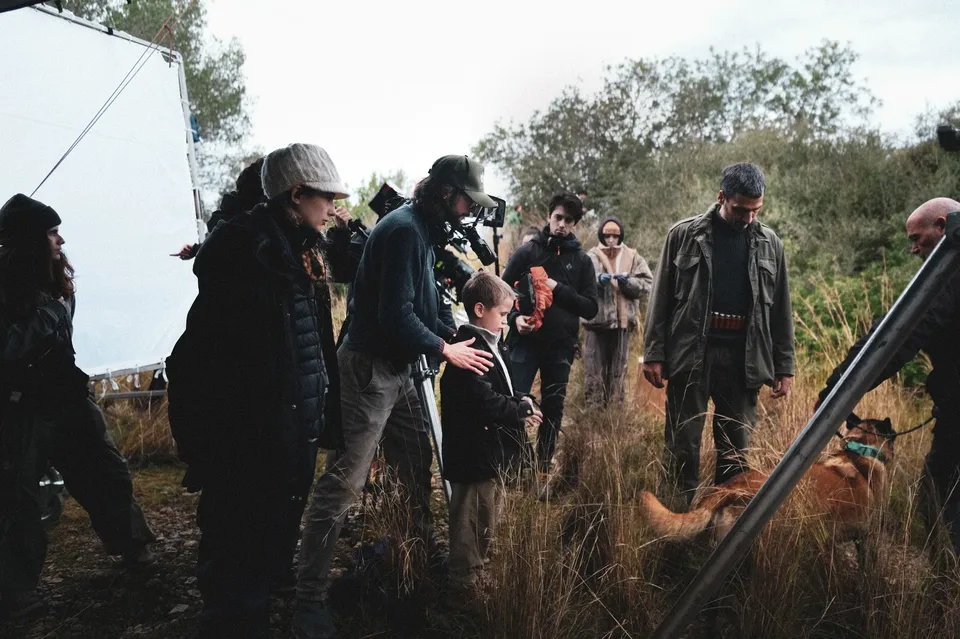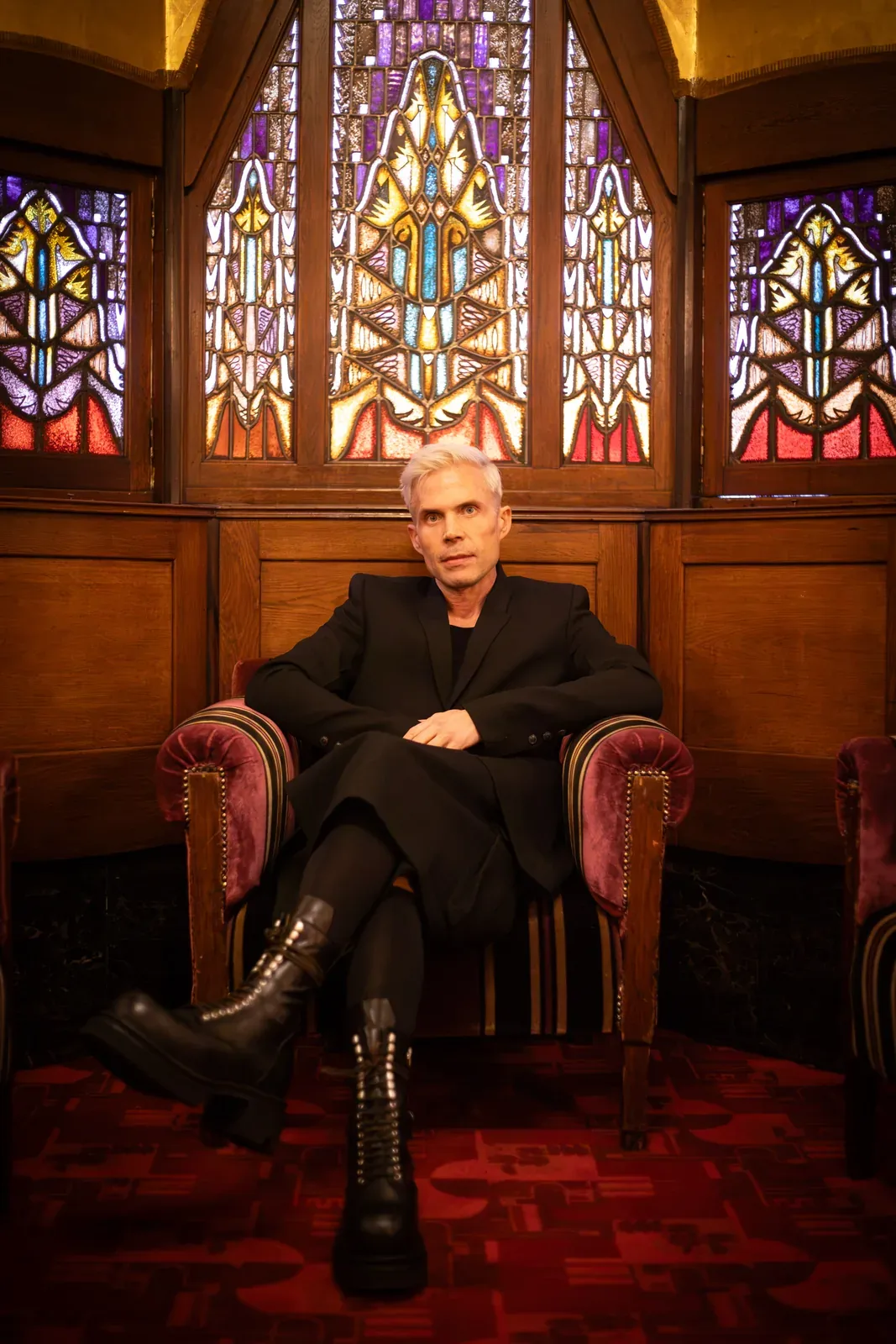
Anyone who’s ever attended Amsterdam Dance Event knows what it feels like to be at the centre of the music industry for a week. With countless parties and premieres competing for attention, the days are notoriously non-stop, and standing out is no easy feat. Yet M07 managed to sell out all three scheduled screenings of his live performance film, SIGNAL, at the iconic Koninklijk Theater Tuschinski, adding a fourth that same night to accommodate those who had been turned away.
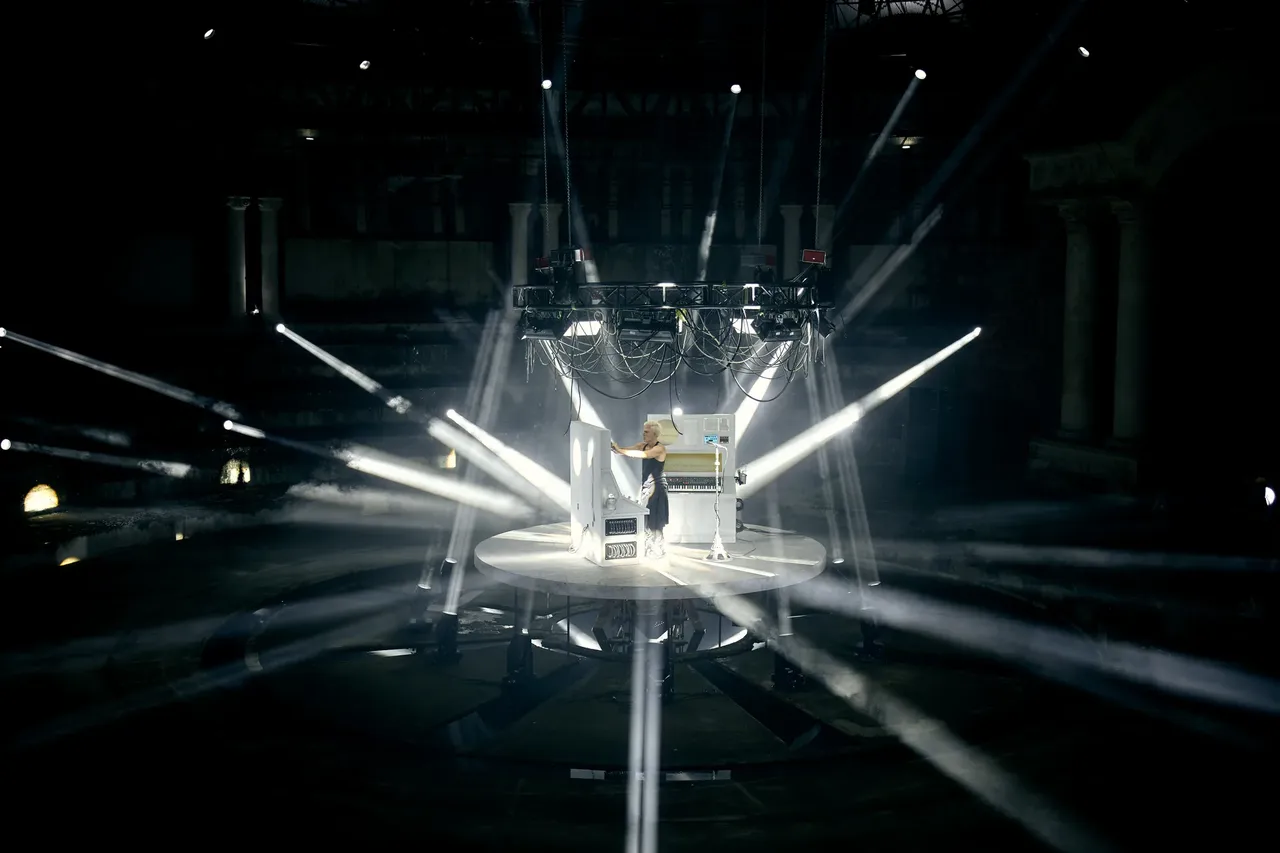
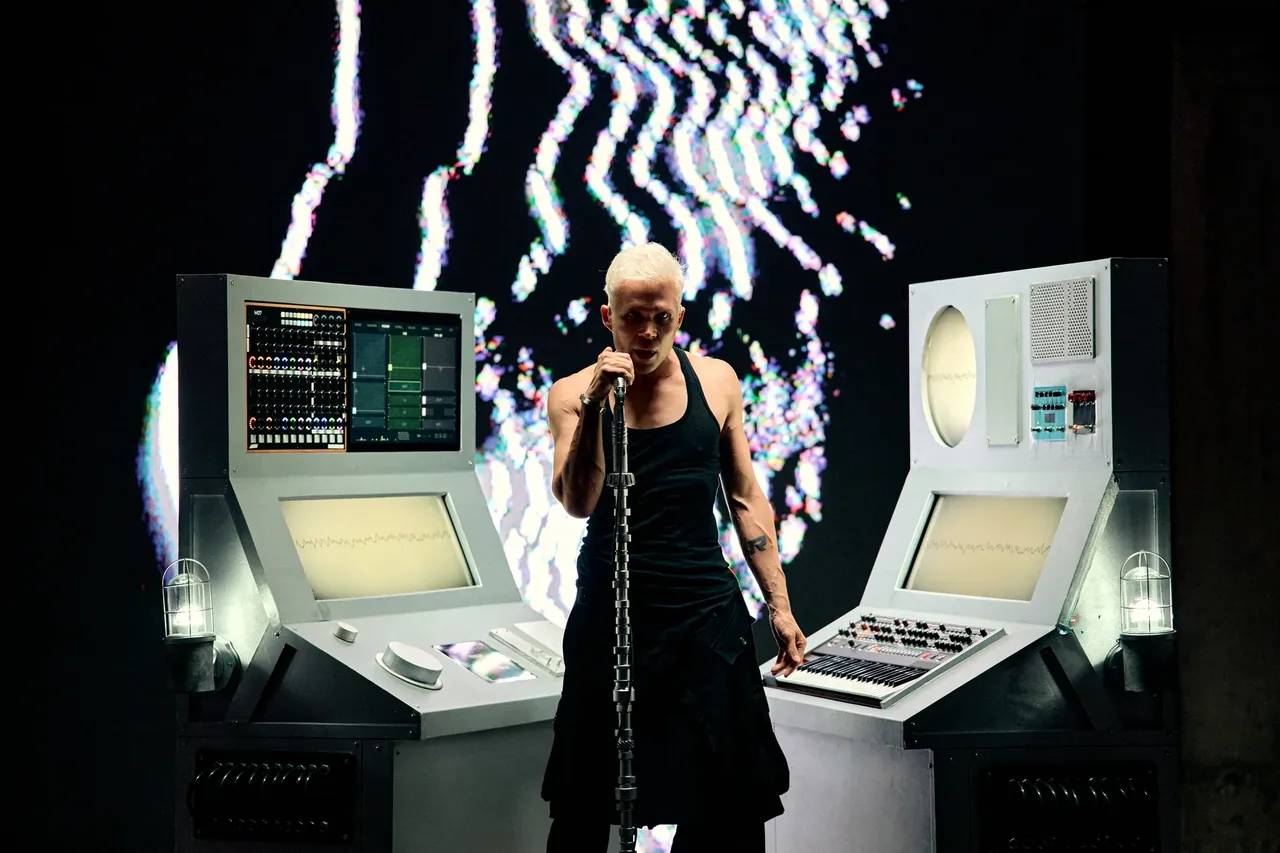
The premiere marked a new chapter for the Spain-based artist, who fled Kyiv with his family in 2022. Having spent twenty-five years making music privately, M07 finally stepped into the spotlight with SIGNAL, a film shot in Vietnam featuring performances in an abandoned circus and an unfinished apartment block. His latest single, Sugar Rush, offers another taste of his dark, melodic electronic sound. “Some songs are confessions. This one's an alibi,” he says of the track.
Now that the madness of ADE has settled, we're sharing a conversation that took place shortly before the premiere, when M07 had no idea four sold-out screenings were around the corner. “After you've had to rebuild your life, the fear of someone not liking a track looks very small,” he told us. Twenty-five years of keeping his music to himself are over, and he's clearly not looking back. With more worldwide screenings of SIGNAL on the horizon and the full EP expected in early 2027, there's plenty more to come.
With less than two weeks until the premiere of SIGNAL at ADE, how are you feeling? Excited, nervous, or a bit of both?
Excited, mostly for the feedback, good and bad. The time to be nervous has passed. I've worked on this for a long time, and I finally get to share it.
What can audiences expect from the premiere at Amsterdam's iconic Tuschinski cinema on October 22?
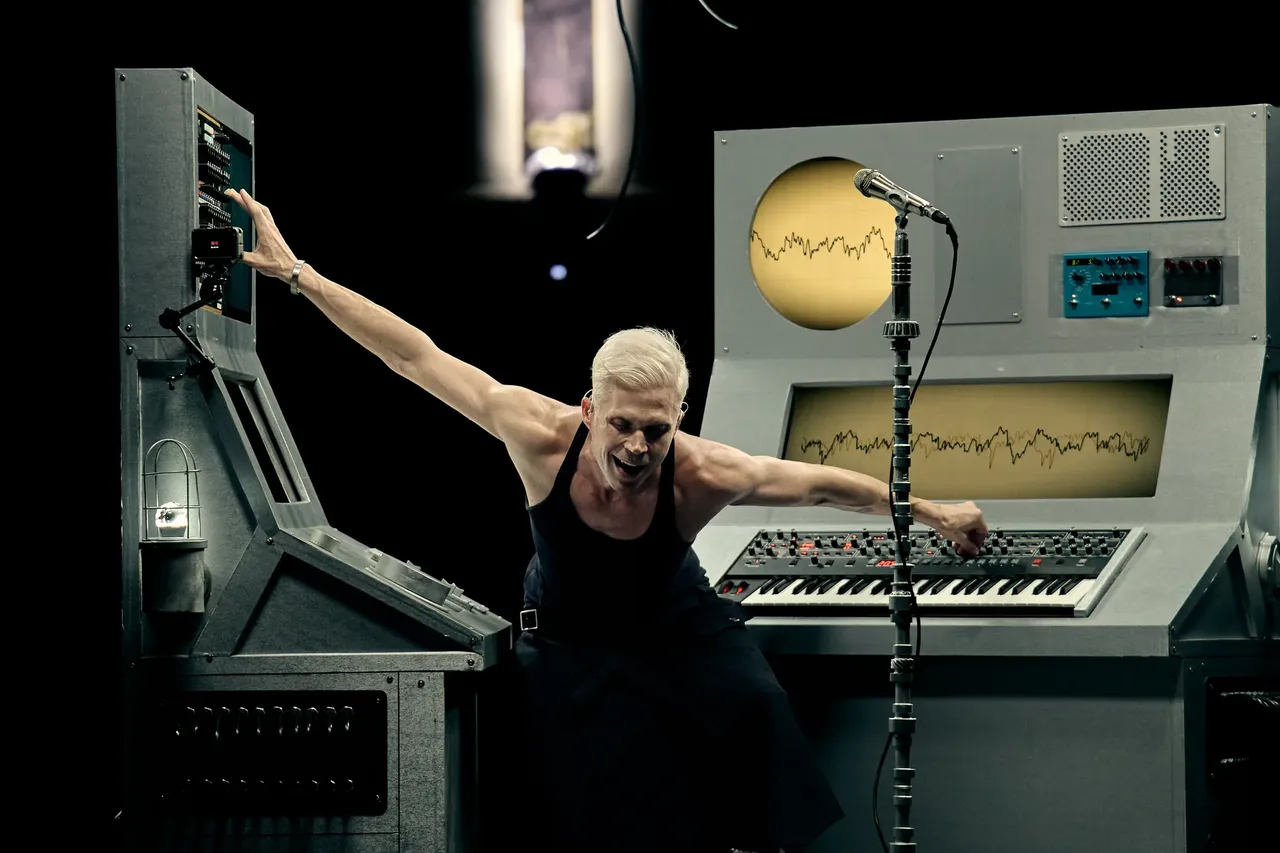
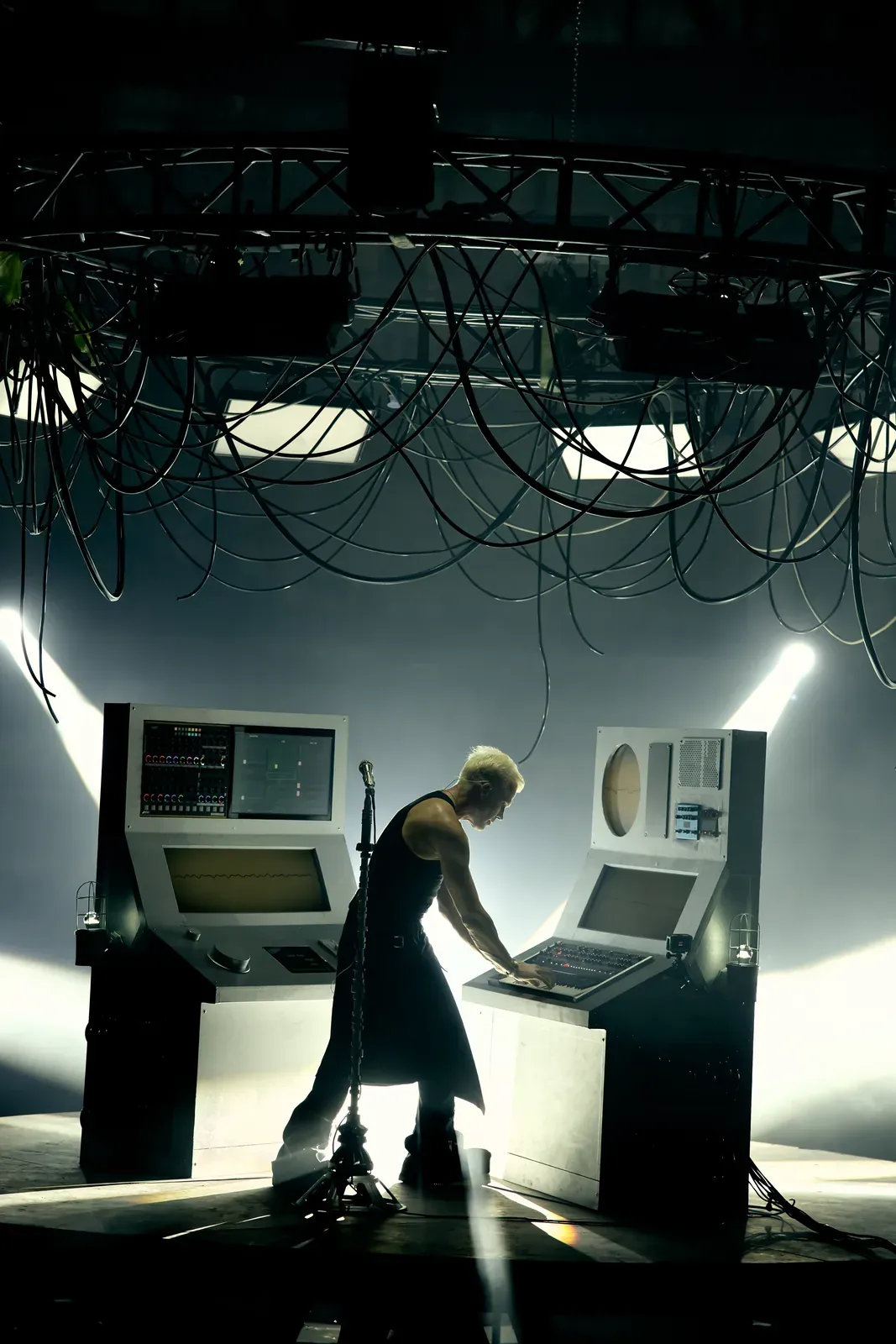
Loud music and flashing lights. Thirty minutes of live performance, filmed in an abandoned circus and an unfinished apartment block in Vietnam, with proper cinema sound, in one of Amsterdam's most beautiful rooms. And me, somewhere in the audience, watching myself with strangers for the first time.
How did the idea for SIGNAL come about, and why did you choose Vietnam as the setting for such an ambitious project?
The idea came from wanting a live show where you could see what I was doing, instead of a man behind a table with his head down. The film came from needing the show to exist before anyone could decide whether they wanted to see it. I chose the team, not the country. We'd made the Kissing You video together with AntiAntiArt in Vietnam and really connected, so when it came to building this, I knew I wanted to do it with them. The circus and the apartment block came out of that.
The first EP single, Broken, was created with Alona Chernenko during the electricity blackouts in Kyiv. How did those circumstances shape the track?
Alona sent a melody and some lyrics from Kyiv, and we worked on it over Telegram in January, when the city was losing power for up to sixteen hours a day. Sometimes the work stopped because her laptop had died. I'd been listening to her Ukrainian project, Nesamovyta, and I wanted the writing here to have that same darkness and personality, so the direction was inward: what happens in your head while everything around you is moving.
The line we kept from her first sketch was “nobody wanna be broken.” And she's singing, “What if I am still alive, what if I don't wanna die.” I think people can hear those words and understand the circumstances they were written in. I don't need to explain every line for her.
The line we kept from her first sketch was “nobody wanna be broken.” And she's singing, “What if I am still alive, what if I don't wanna die.” I think people can hear those words and understand the circumstances they were written in. I don't need to explain every line for her.
The latest single, Sugar Rush, is very different theme- and feel-wise. What's the story behind the new track?
It started as my own song, written in my own voice. Then I realised I'd heard this story too many times: the man who takes what he wants and leaves before morning. So I flipped it. Together with my co-writer Deza, we rewrote it from the other side. Now the woman in the song holds the power. She knows exactly what this is, and she's gone before the crash. It lives in the same world as the rest of SIGNAL, but there's some of the pop sensibility of the first EP in it too. I like having room for that.
Where do you find inspiration, and what usually comes first when you start creating new music? Do these original ideas come to you on a whim, or a one-off riff, melody or vocal line that you then develop? Or do you sit down with the intention to write and create ideas in a jam or brainstorm session?
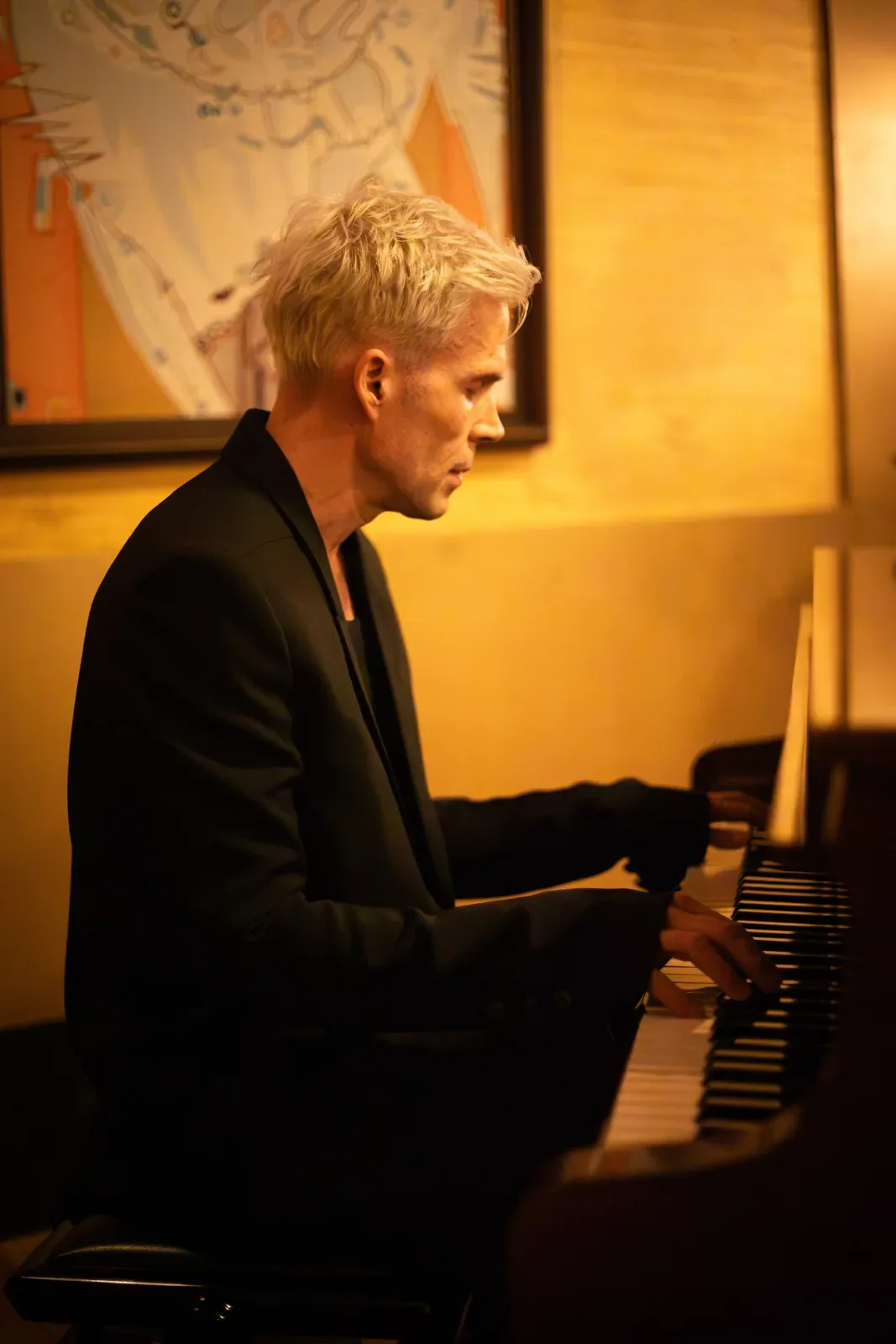
It comes in waves. Sometimes a melody ends up in a voice note in an airport. Sometimes I sit down, hit record and dive into a single synth until I feel I've got something. But those are fragments and hooks. They still have to become songs, and that usually means sitting down and working on them, whether inspiration has decided to show up or not. Collaboration is a big part of that, especially with lyrics. Sometimes I know what I'm trying to say and need help getting there. Sometimes it changes through working with someone else, like Sugar Rush did. It's an imperfect process. You can spend a lot of time on something and it still doesn't work.
Your artist name comes from the highway connecting Kyiv and Warsaw, which became your escape route in 2022. How has the war changed your relationship with music?
Living in Kyiv had already changed my relationship with music. I spent almost a decade there buying tickets and going out, without being part of the industry. When you've worked in clubs and concerts, going to one can feel a bit like being back at the office. In Kyiv I got to just be in the room again.
I was writing dark music long before I left Ukraine. Most of my friends there didn't really know that side of me. Leaving changed my sense of how secure anything is, but it also changed whether I was willing to let anyone hear what I made. After you've had to rebuild your life, the fear of someone not liking a track looks very small. Some songs deal with the war directly. Sometimes I just want to write to forget, or make something someone else can get lost in for a few minutes. There's room for both.
I was writing dark music long before I left Ukraine. Most of my friends there didn't really know that side of me. Leaving changed my sense of how secure anything is, but it also changed whether I was willing to let anyone hear what I made. After you've had to rebuild your life, the fear of someone not liking a track looks very small. Some songs deal with the war directly. Sometimes I just want to write to forget, or make something someone else can get lost in for a few minutes. There's room for both.
You've since settled in Spain. How has starting a new life in a different country influenced you, both personally and artistically?
We've been here a while now and feel safe and stable, which is a good place to write from. We live in Andalucía, in the south. For the first year, I had a lot of North African playlists going, trying to fit into the life here. Things move slowly. It took time to adjust after a big city. We eat a lot of olives, and jamón, and cheese.
Do you believe music is inherently political, or can it exist independently of what's happening in the world?
I don't think every piece of music is inherently political. Plenty of artists use their voice as a platform for change, and I respect that. I'm usually starting with something more personal. Of course, people bring their own lives to what they hear, so I don't get to decide everything a song means once it's out.
Club culture has always offered a sense of freedom and escape. Do you see the dancefloor as a refuge from reality, or also as a place to challenge it?
For me, it's been a refuge. Some of the best nights of my life in Kyiv were in rooms where nobody needed anything from me, and I could disappear into the music. I'd like to make rooms like that for other people. Sometimes you want to think about everything. Sometimes you've done quite enough thinking for one day, and you just want to be there.
Do you ever feel a responsibility to address the war through your music?
No, I don't feel an obligation. It's part of my life, and it comes through in the writing, sometimes very directly. But I also have other things to write about. I want to be able to follow those without having to explain why this particular song isn't about the war.
After twenty-five years of making music privately, you released your debut EP, KM0, earlier this year. What made you finally take that step?
Fear of rejection had kept me sending tracks to friends and then going quiet again for twenty-five years. I could always give you a sensible reason. Leaving Kyiv and becoming a father changed what that fear looked like. I didn't want to explain to my daughters one day that I'd wanted to do something my whole life and never found the courage. KM0 was the first step, and I can hear myself being careful on it. SIGNAL is closer to what I was making when nobody was listening.
You've worked as a promoter, booking agent, manager and software developer. How has that experience shaped your perspective on the music industry now that you're the artist?
It means I know what a promoter needs to see before they book something, and what a ticket buyer needs before they come, which is a large part of why SIGNAL is a film before it's a tour. It also means I don't have many illusions. I know roughly what everything costs and how long it takes. The strange part is being on the other side of my own experience. For twenty years I was the person deciding whether to take a chance on someone. Now I'm the one asking.
What would you like people to take away from SIGNAL when the lights come back on at Tuschinski? And what's next for M07?
I'd like them to get lost in it for thirty minutes, and come out wanting to be in the room when we do it live. Most of the music will be new to them. So will I. That's quite a lot to introduce in one go. We're building the full-length show now. SIGNAL is a very high-energy thirty minutes. I trained for it like a race, and performing it still reminded me that I'm a human. I need to breathe, and so does everyone watching. Extending it means more music, but also giving things room to settle before we push again. I'm working with a musical director on that flow. It turns out hearing the whole show is quite hard when you know every track from the inside. Now I want to get it in front of people who've chosen to come.