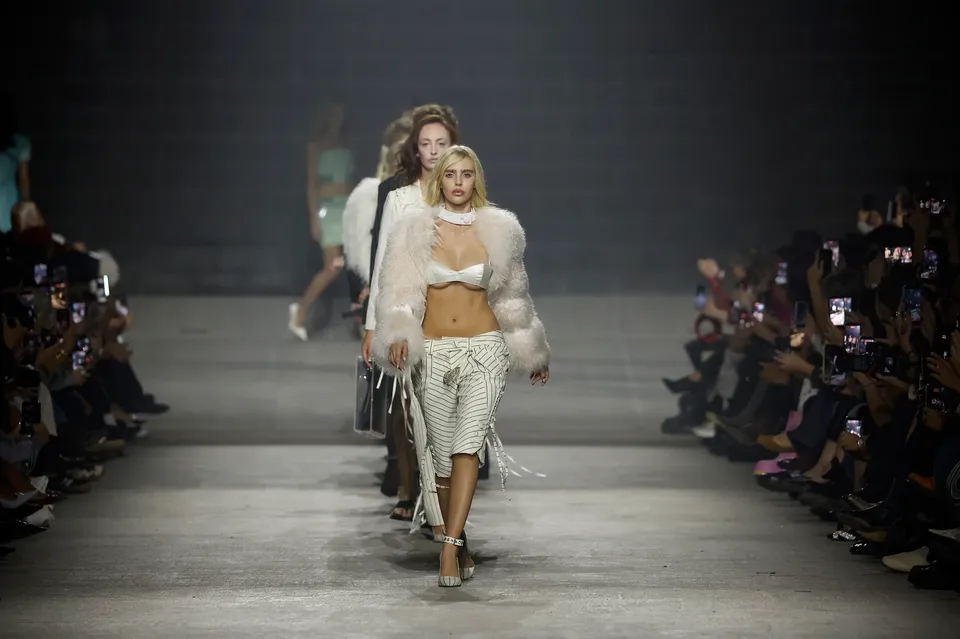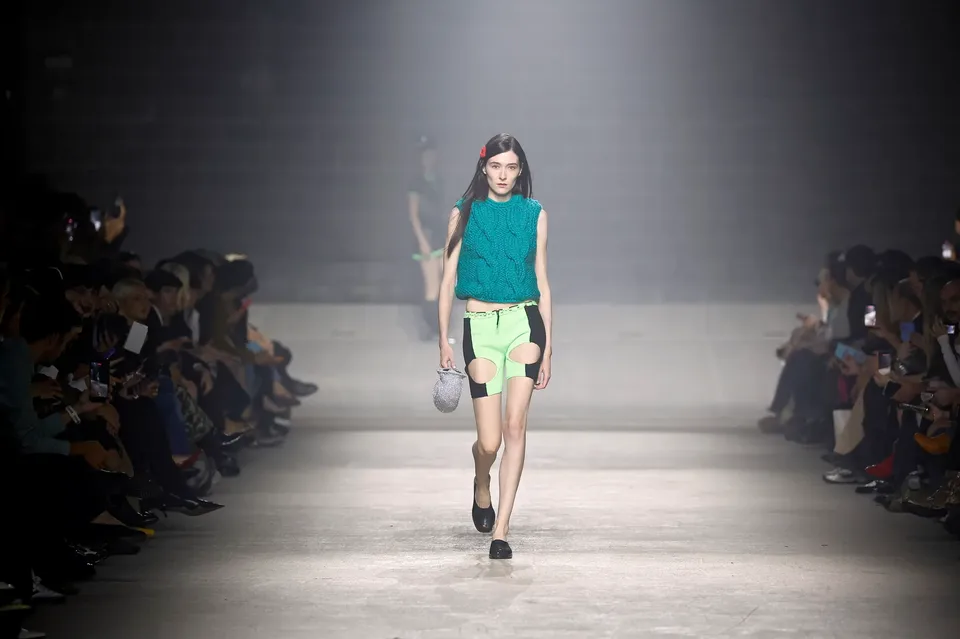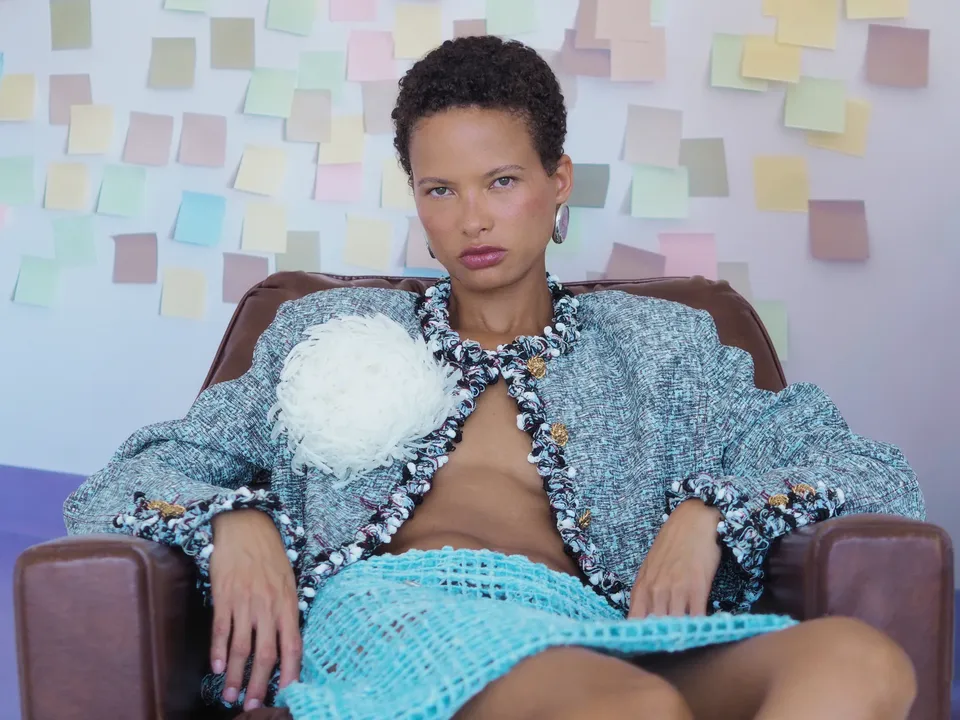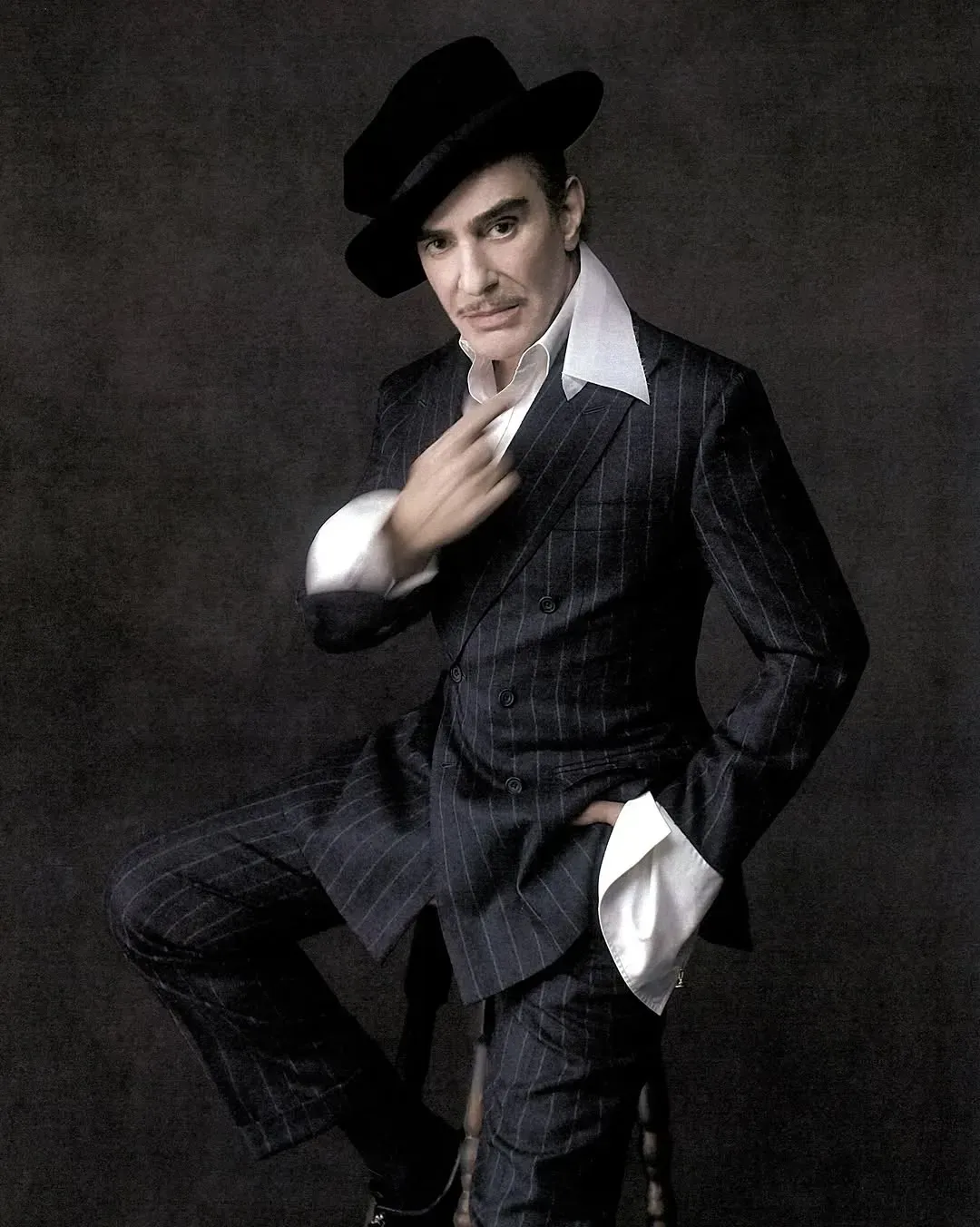
Despite the always interesting themes proposed by the Met Museum Costume Institute for their annual gala and exhibition, the interpretations the attendees give to them are usually hit or miss. However, this year is shaping up to be the edition with the most hits per square metre of carpet because the man, the myth, the legend, John Galliano, is the protagonist and the honouree. When it comes to his craft, Galliano has rarely done wrong, which will most likely translate into one of the most breathtaking displays of couture we’ve seen on the Met stairs, but the highs he has met in fashion have been famously stained by the lows in his personal life, all of which will be addressed in the just-announced exhibition John Galliano: Horizons, offering a comprehensive 360-degree look at what lies beneath the genius, on view from May 9, 2027, to January 9, 2028.
The exhibition will not be presenting Galliano just as a couturier capable of extraordinary theatricality, which we all know very well he is, but will be exposing the machinery behind that theatricality by bringing together finished garments with sketches, mock-ups, fittings, notebooks, and research material that reveal how his collections are built from fragments of painting, literature, cinema, history, travel, and memory. Seen through that lens, the trajectory from his Central Saint Martins graduation collection to the recent Margiela work becomes something more complex than a chronological story because what emerges is the portrait of a designer who has spent four decades turning unlikely associations into silhouettes and emotional atmospheres into garments that became fashion history as soon as they hit the runways.
Alongside the praise such an understanding of fashion has won him, the controversy surrounding arguably the most important designer of recent times has managed to resurface upon this announcement, but as quickly as the questioning began, the answers arrived, with the Met explaining this year's concept for the exhibition. Divided into three parts, it will begin with Bearings, which situates Galliano’s career within its historical and cultural context while confronting the scandals that altered his public image; continue with Horizons, dedicated to the artistic, historical, literary, and theatrical references that have shaped his collections; and conclude with Atlas of Transformation, which follows his creative process through research books and sketches, revealing how ideas evolve into couture.
The decision to place Galliano’s antisemitic, racist, and anti-Asian conduct within the exhibition itself rather than treating it as an uncomfortable note attached to an otherwise triumphant retrospective is an intelligent and honest act of curation, proving there's no need to skip some parts of the narrative just to accommodate political correctness. "It will invite visitors to consider how aesthetic achievement, ethical accountability, and institutional recognition intersect," states the press release. Two things can be true at the same time.
With this, the Met is constructing a comprehensive reflection on how our understanding of a body of work transforms as public memory changes around it, because a dress designed in the 1990s is not received in the same way once the culture, the audience, and the knowledge we carry about its creator have shifted. Judging by the reactions the announcement of this year's theme has garnered, it seems that the conversations will be more alive than ever, and luckily we will be able to access the whole spectrum of information to speak with full knowledge of the facts, leaving nothing behind. After this big announcement, what's left to be unveiled is the dress code for the gala, but whatever it is, we know we're in for something great.