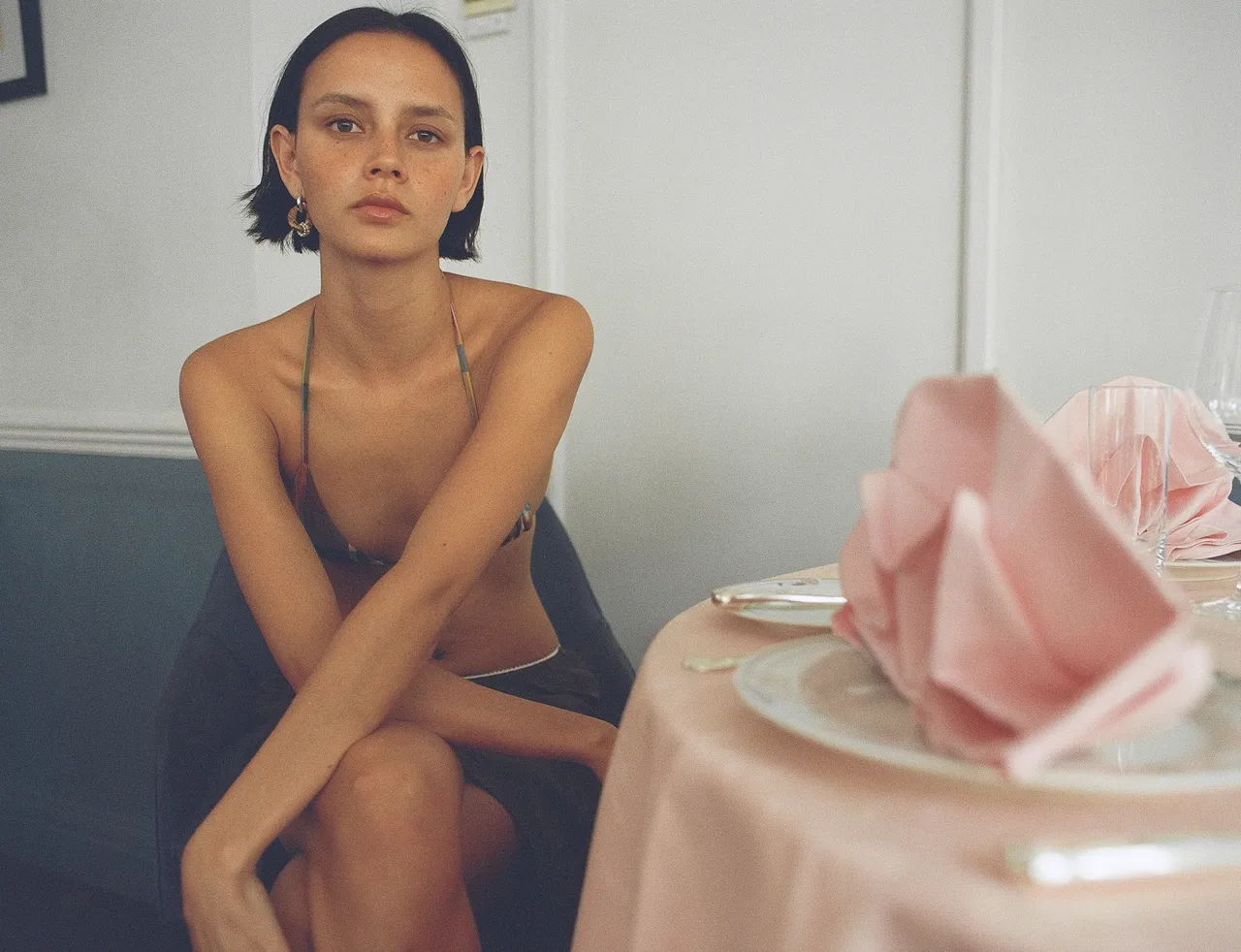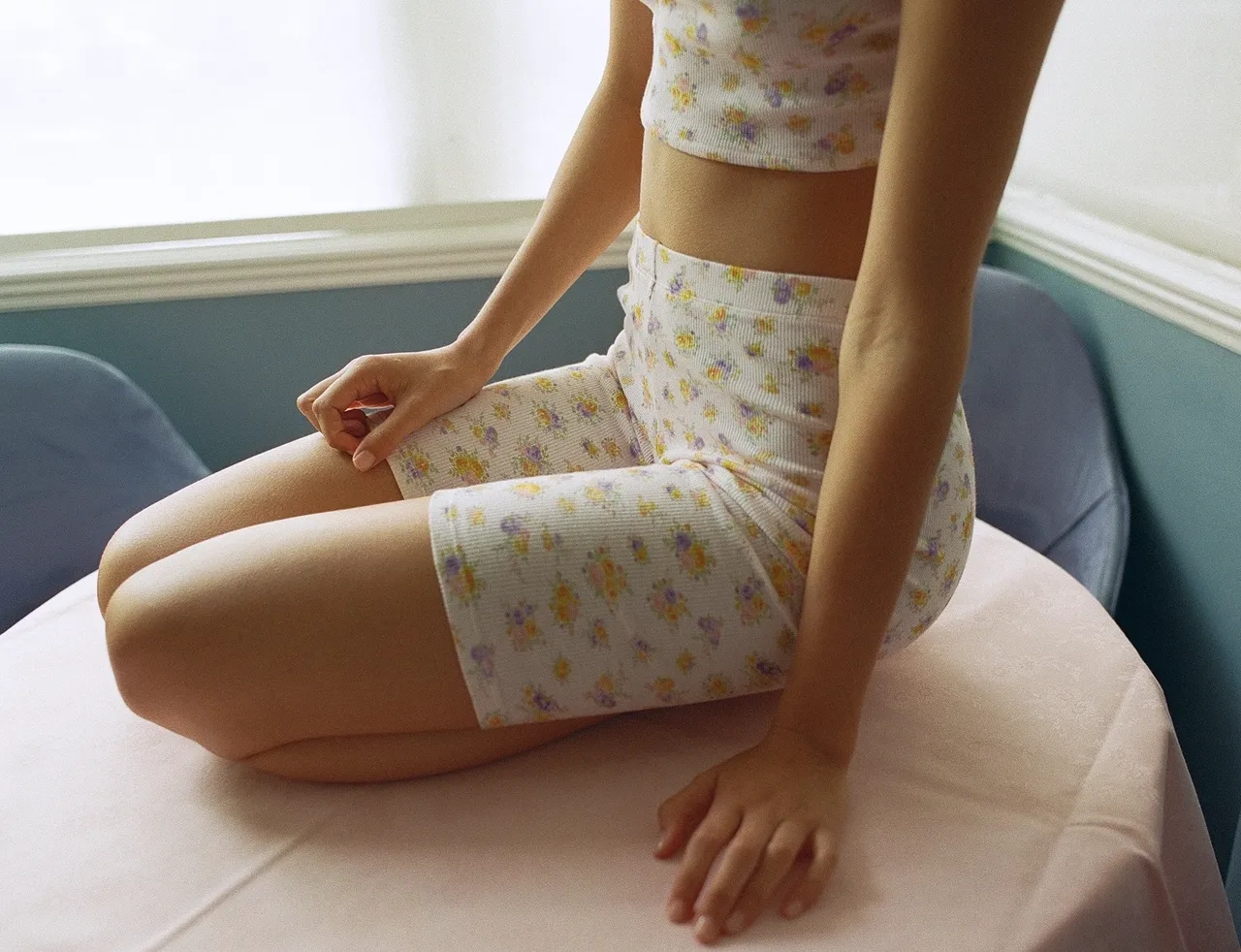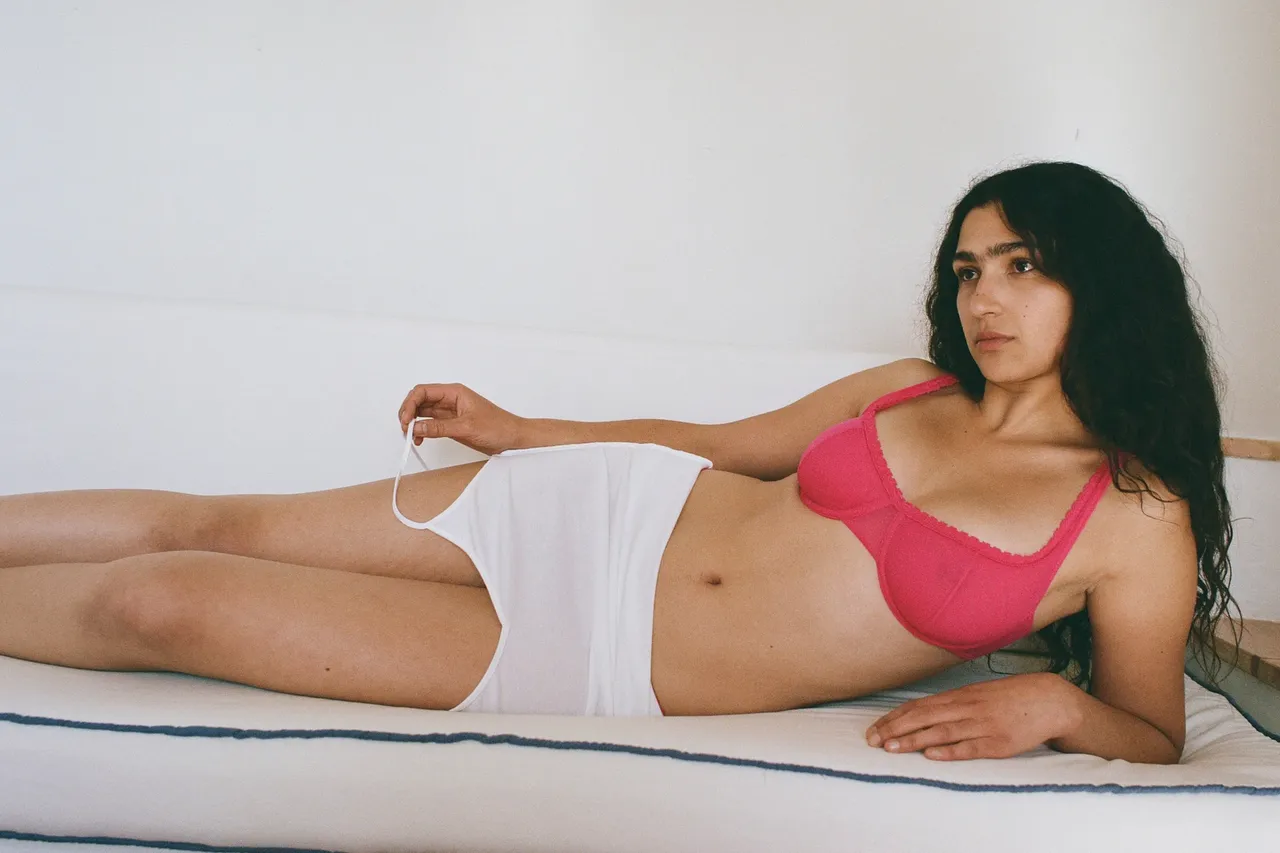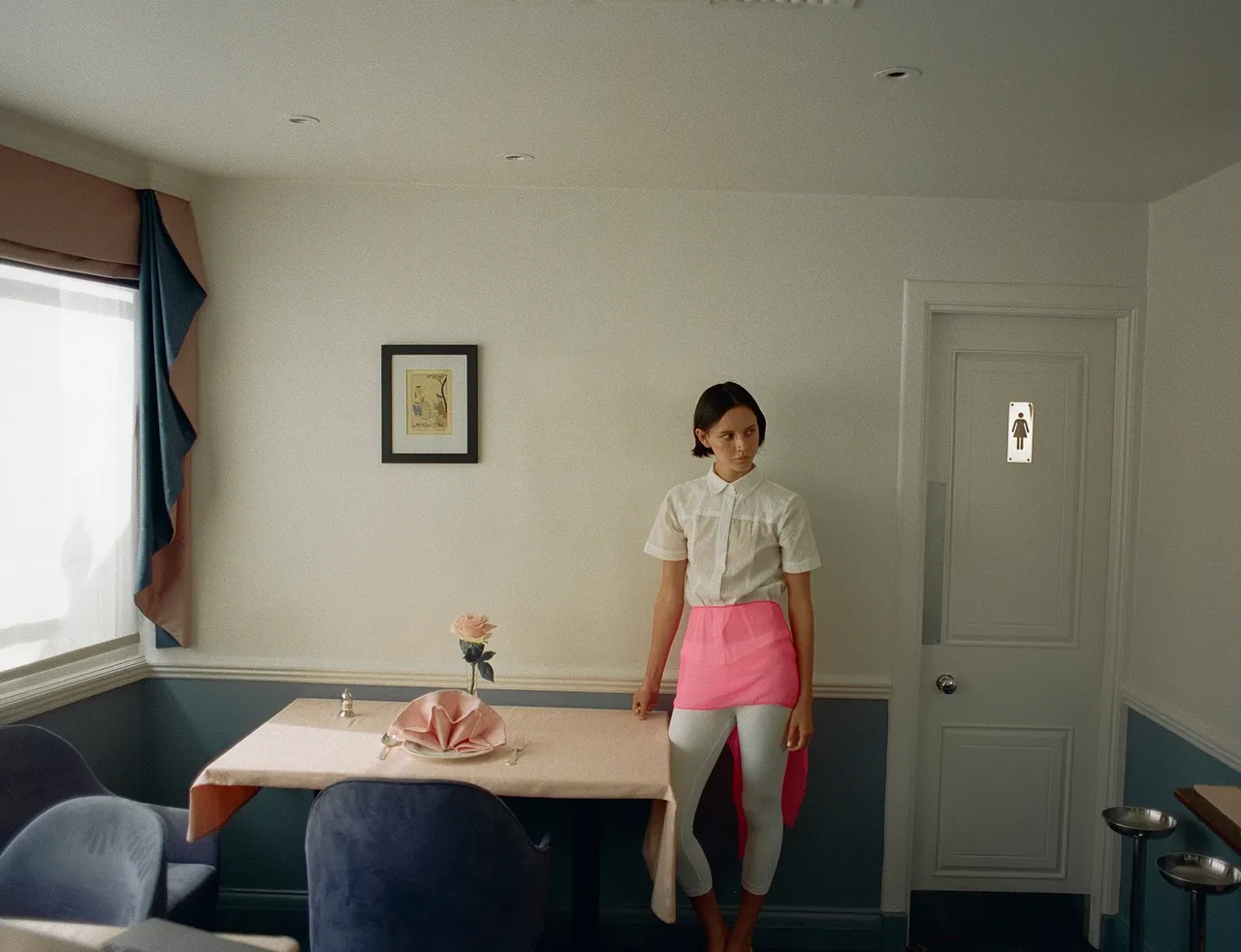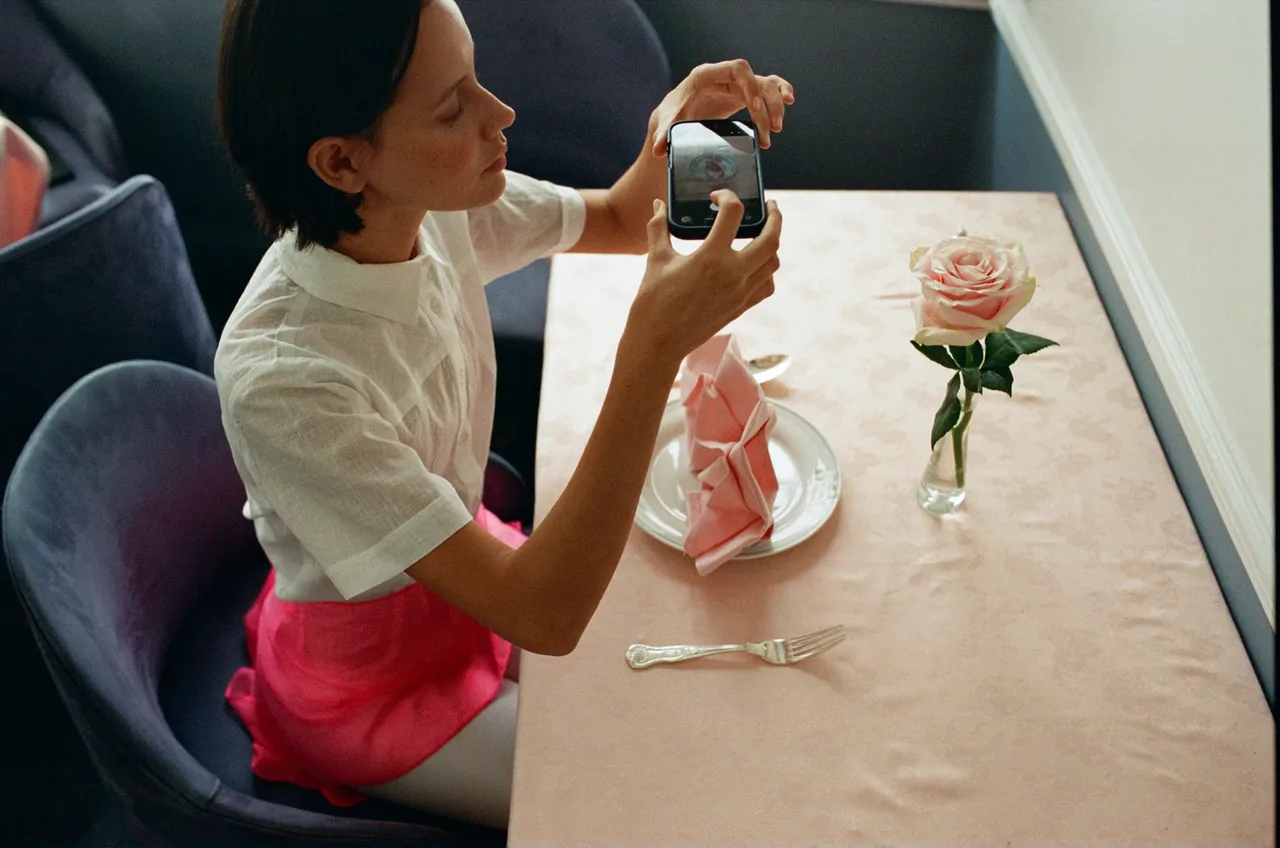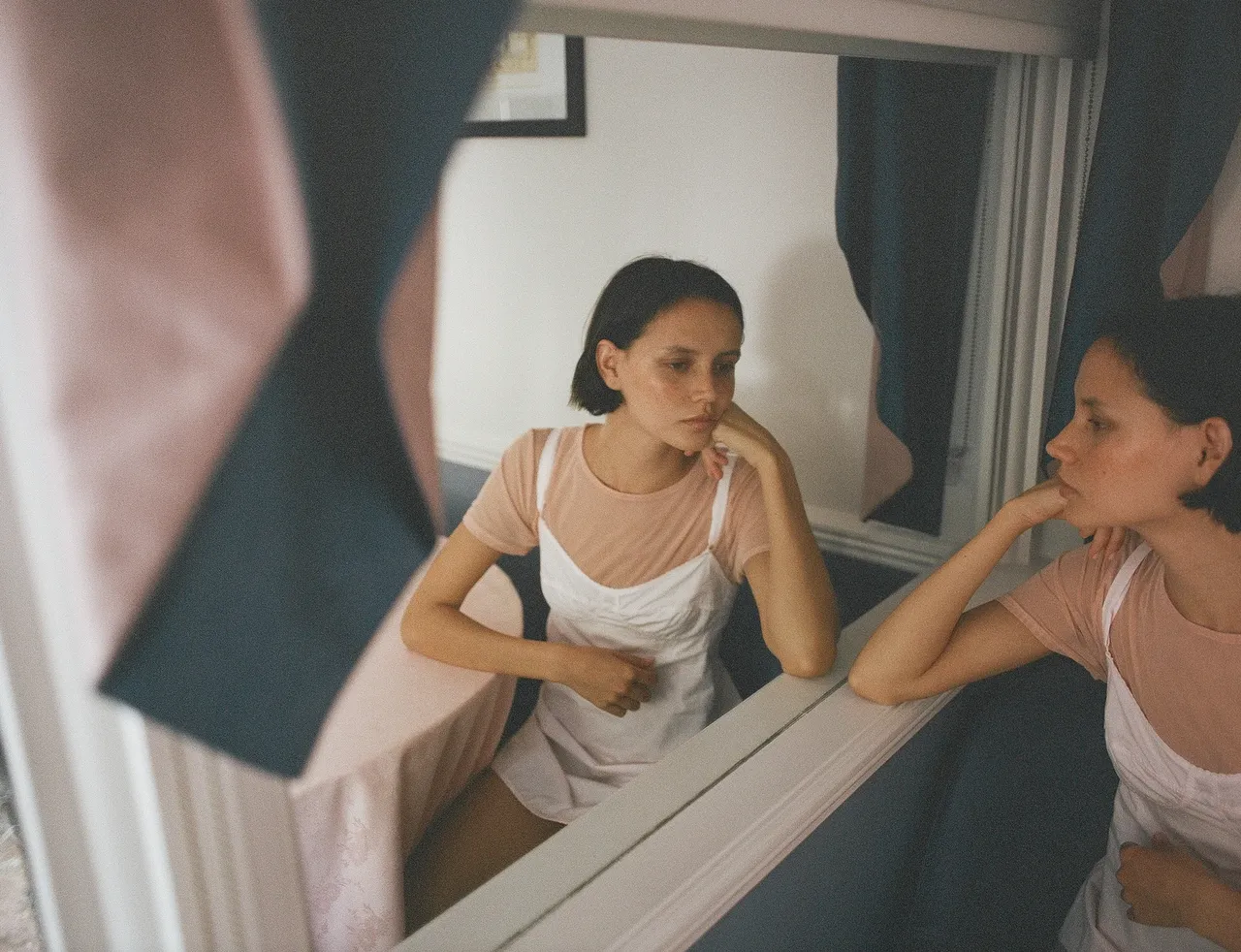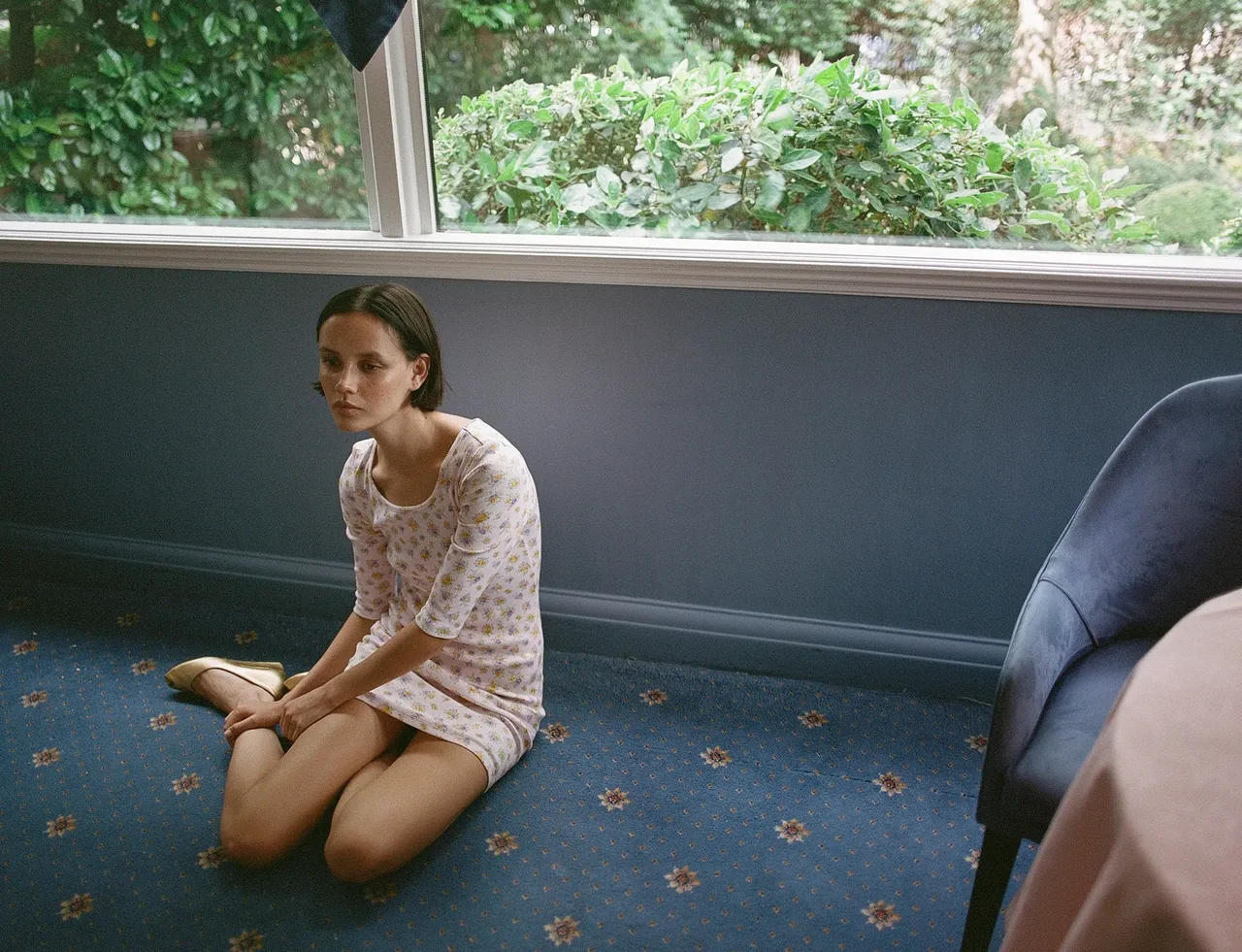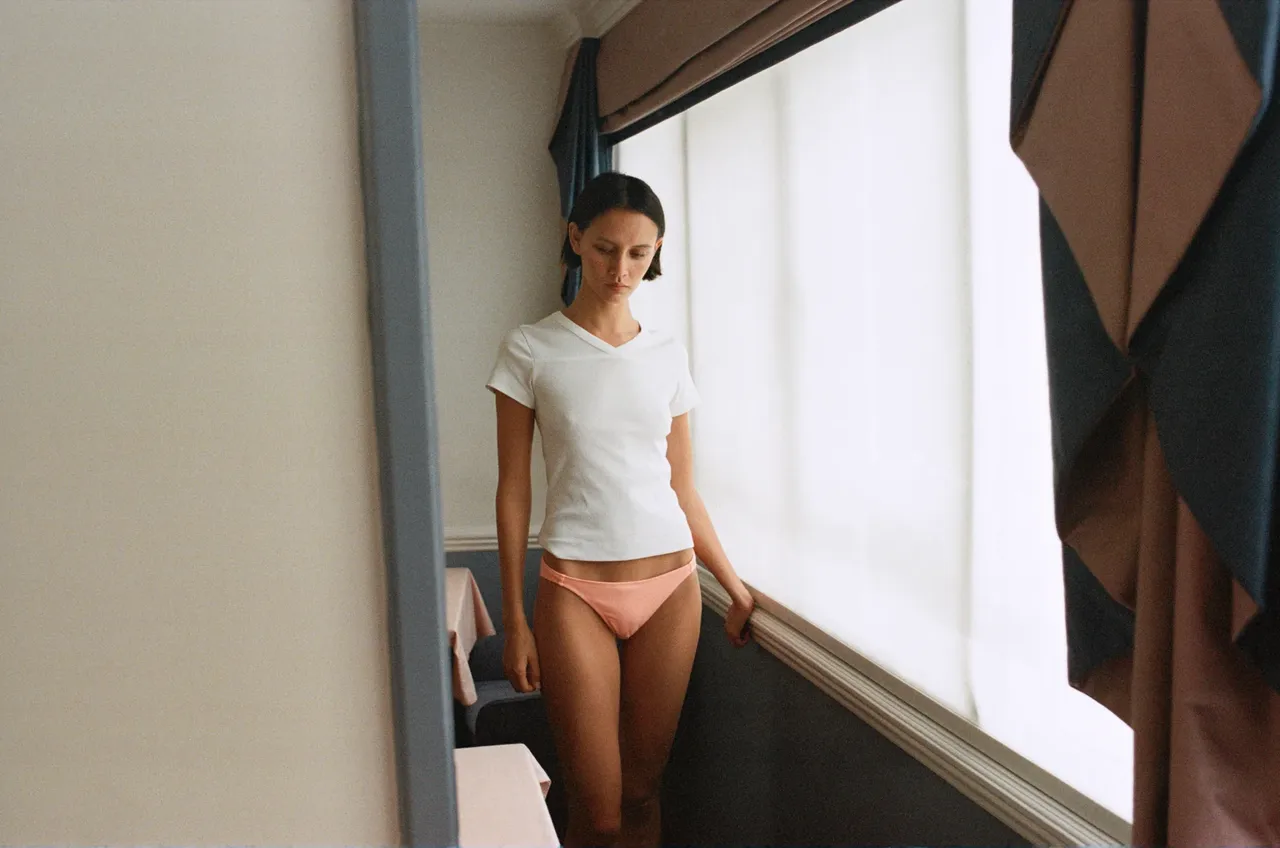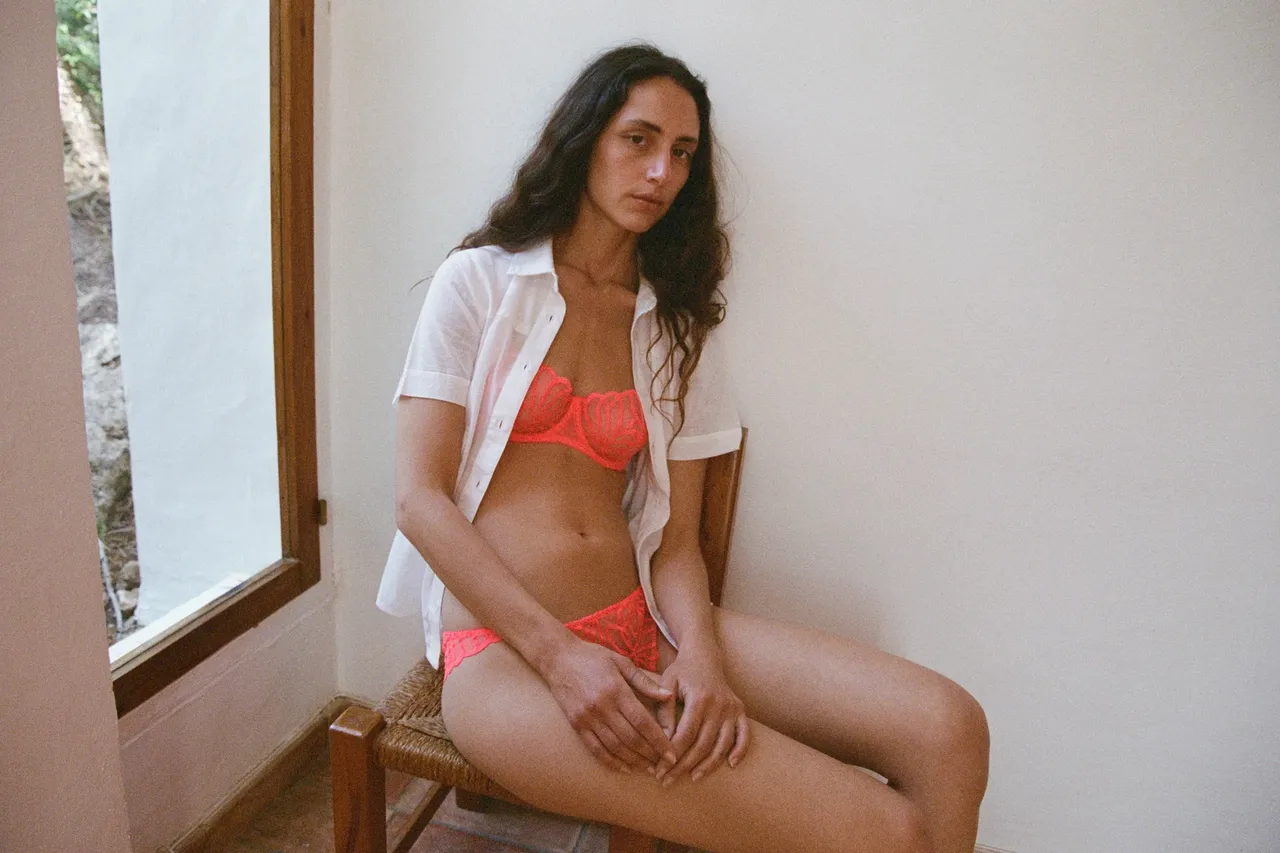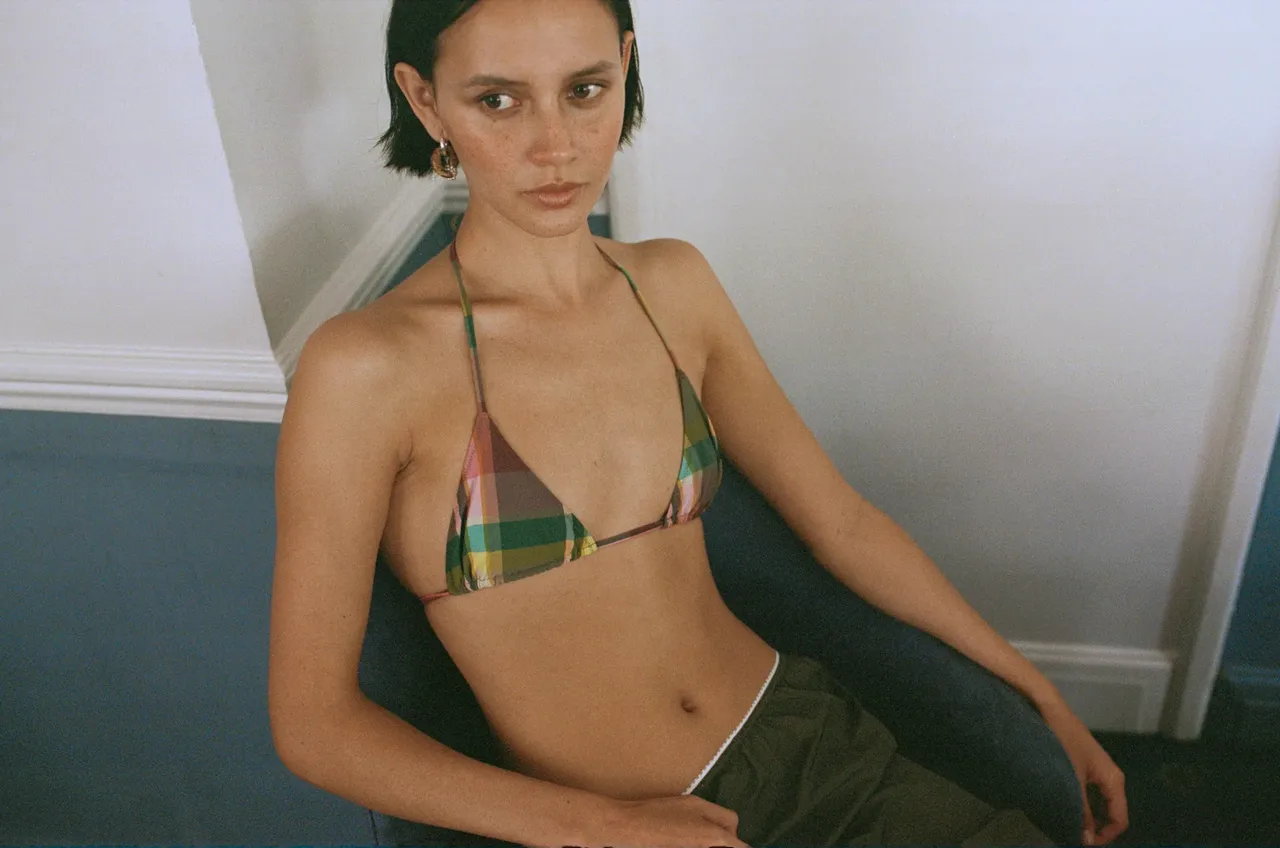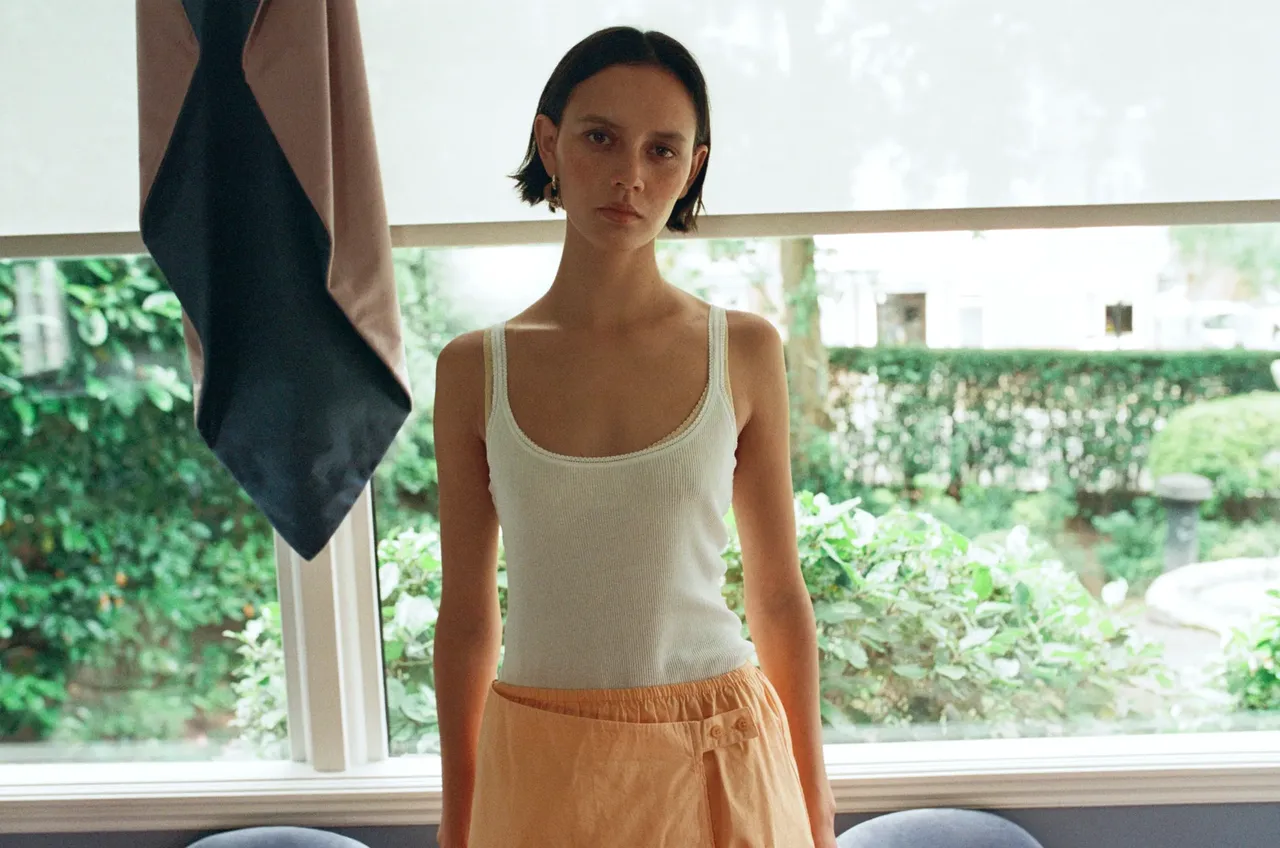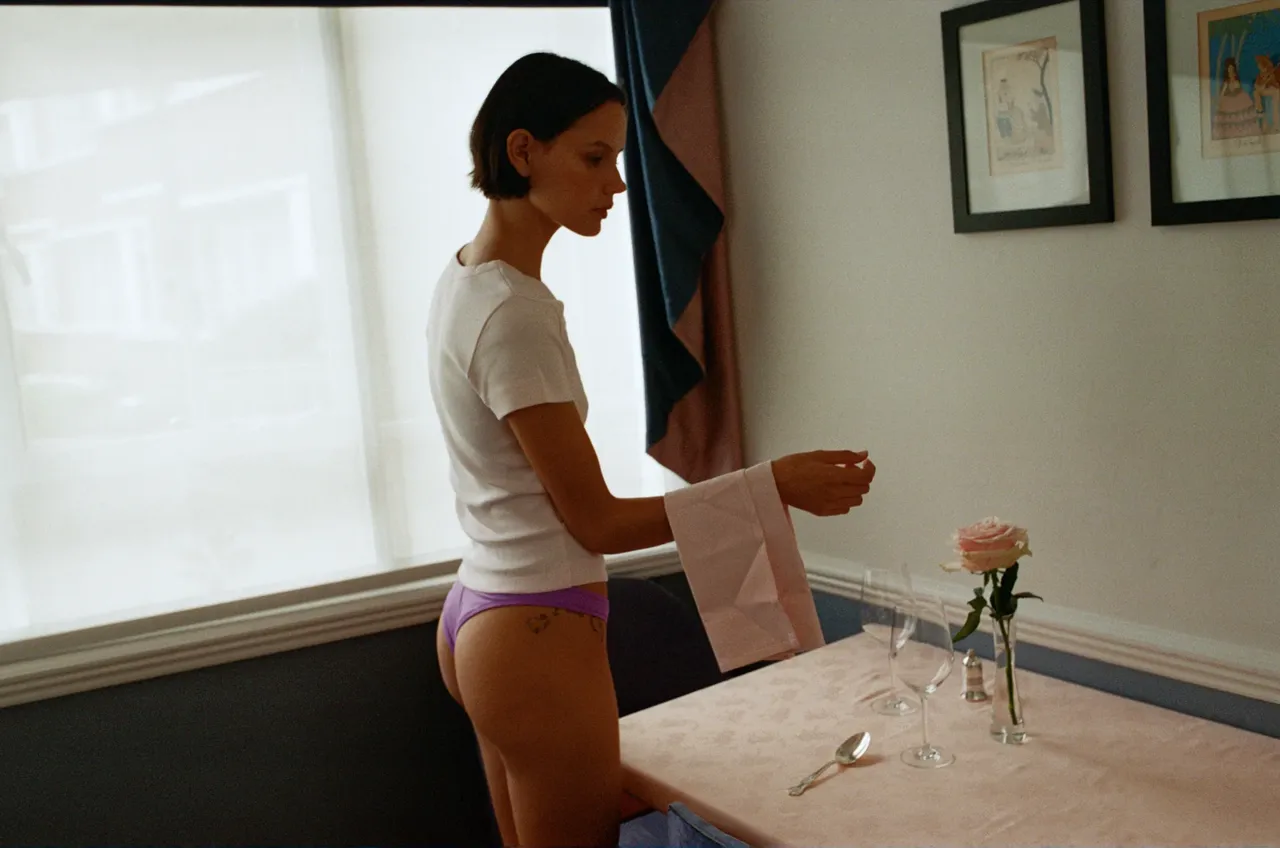
Fruity Booty is making lingerie feel genuinely feminine again, proving that undergarments deserve to be a style statement in their own right. From ditsy florals to neon mesh, the London-based brand designs pieces to match your every mood. Their lingerie demonstrates that style can begin the moment you get dressed in the morning, not just in the outfit you show the world.
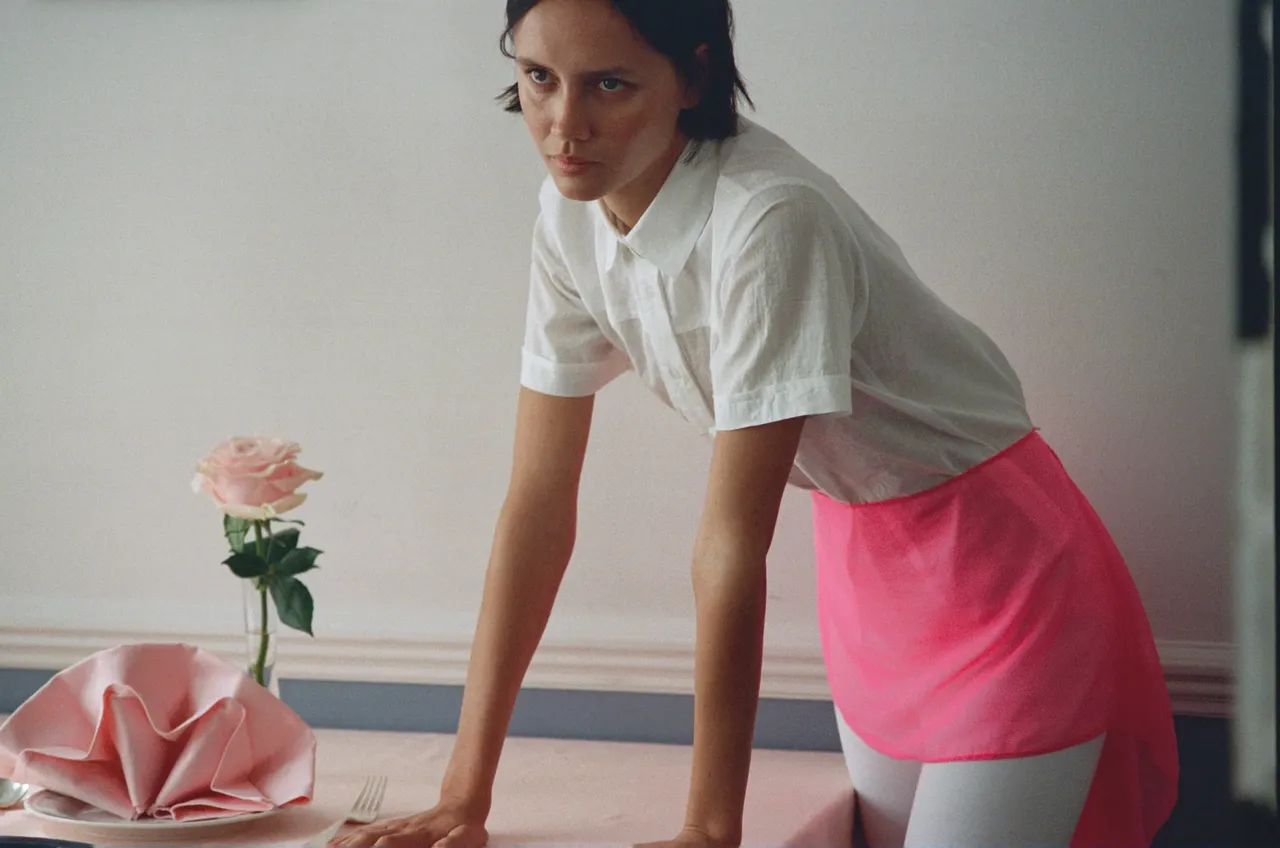
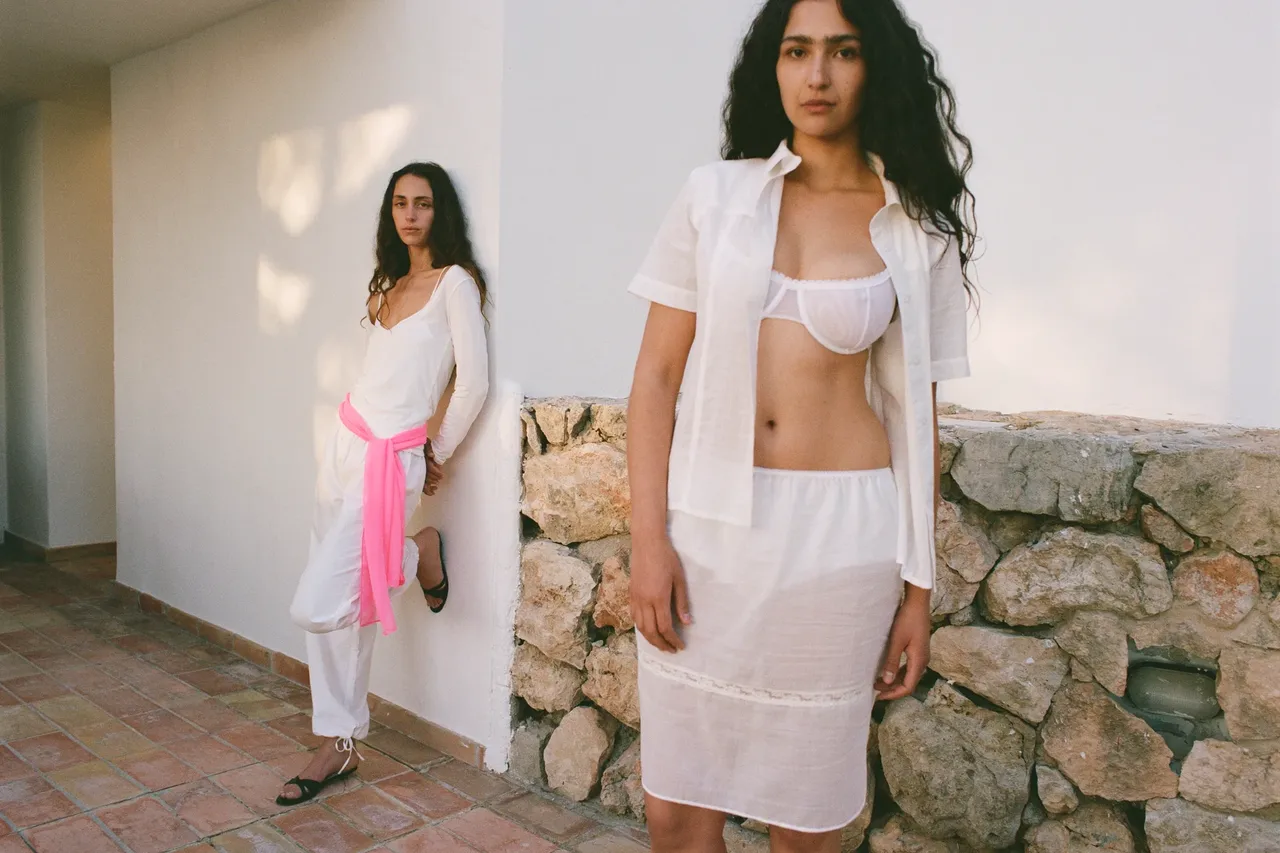
Their latest campaign shoot beautifully reinforces this, set deliberately outside the bedroom to challenge the idea that lingerie is limited to one room, one feeling and one occasion. Fruity Booty shows that underwear can be something just for you, and every version of you, with comfort and confidence stitched into every piece.
Founded in 2017 by Hattie Tennant, the brand’s ethos has remained strong, championing women and refusing to prescribe a certain look to their customers. Choosing against retouched or edited imagery, Fruity Booty rejects the fashion industry’s obsession with aspiration and supposed perfection, instead celebrating what makes each woman unique. Designing for all body shapes and using deadstock fabrics for over eighty per cent of their products, the brand proves that authenticity and sustainability can look just as dreamy as an airbrushed image and feel a whole lot sexier too.
You started the brand whilst studying at university. What’s something about running a business that university could not have prepared you for?
I came up with the idea for Fruity Booty with a friend at university, but didn't actually start the business until after. And I suppose the biggest surprise has been the people side of running a company — building a team, trying to create the right culture and learning how different personalities work together. Grasping that dynamic in a business is only really something you can learn by doing.
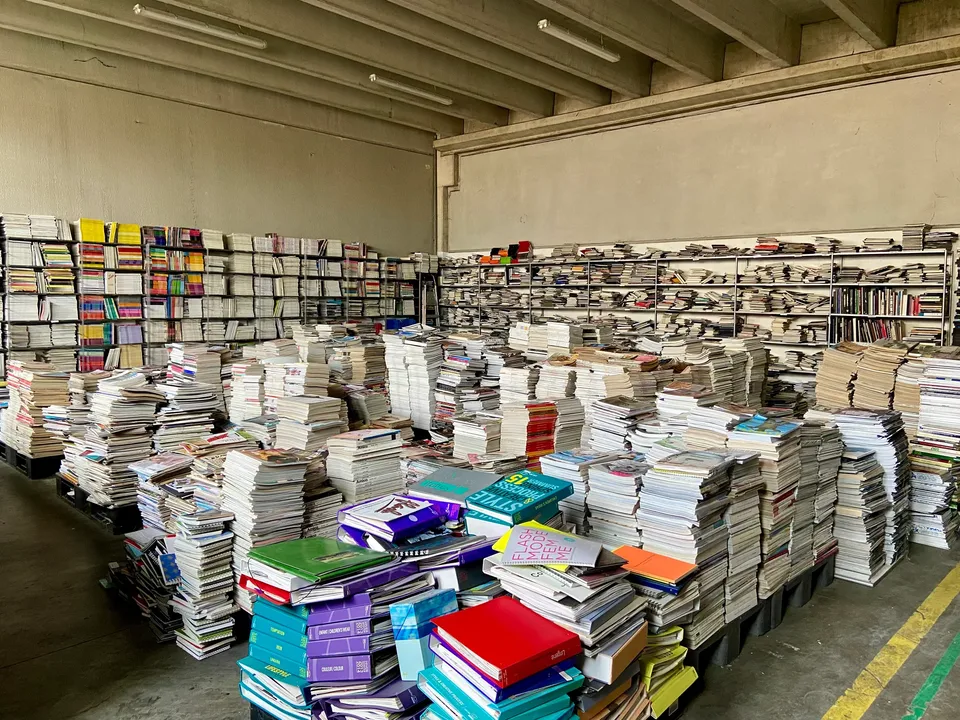
So much of your work uses deadstock fabric. What’s been your most exciting find on a sourcing trip?
We recently found an incredible bright pink galloon lace that became our Antonella set, but the funny thing is it had actually been sitting in a box by the door at one of our deadstock suppliers for years. I’d walked past it so many times, but one day we looked at it differently and suddenly it became the starting point for an entire design and actually the keystone piece of that summer drop.
You source the fabric first and then design the collection. Do the fabrics give you instant inspiration for where you want to take a collection?
Yes, for sure. Although, if you take it back one step further, I’d say it usually starts with colour. Jazz and Rio [Mignone], who lead our creative direction and design, are always drawn to a colour palette first. From there they source fabrics that fit their vision, and then the collection naturally develops around whatever we find.
Has that approach ever not gone to plan, where the fabric did not end up cooperating with the look you wanted to create?
Yes, all the time, it’s super frustrating. We’ll fall in love with a fabric or have a really specific vision, but then it doesn't stretch properly or behave the way we want. We’ve got a really cute skirt for Fall/Winter 2026 that we’ve been trying to perfect for months because none of the fabrics we’ve sampled with quite work or are the right price.
“Confidence is lovely, but confidence looks different on everyone.”
Lingerie is often described as more comfortable and flattering than swimwear due to the softer materials used. With that in mind, how do you approach creating swimwear that women of all body types can feel confident in?
I would say we approach swimwear in exactly the same way we approach lingerie. Comfort always comes first because if something feels uncomfortable, it’s really difficult to feel confident in it.
What is the must-have Fruity Booty bikini for this summer season?
We just launched a limited-edition collaboration with the incredible Carmen de Baets, so I’d say that’s our most special and then my other favourite is the Tide Bikini.
You’ve said your casting process is about energy and presence rather than a specific look; what energy do you want Fruity Booty’s campaign images to radiate?
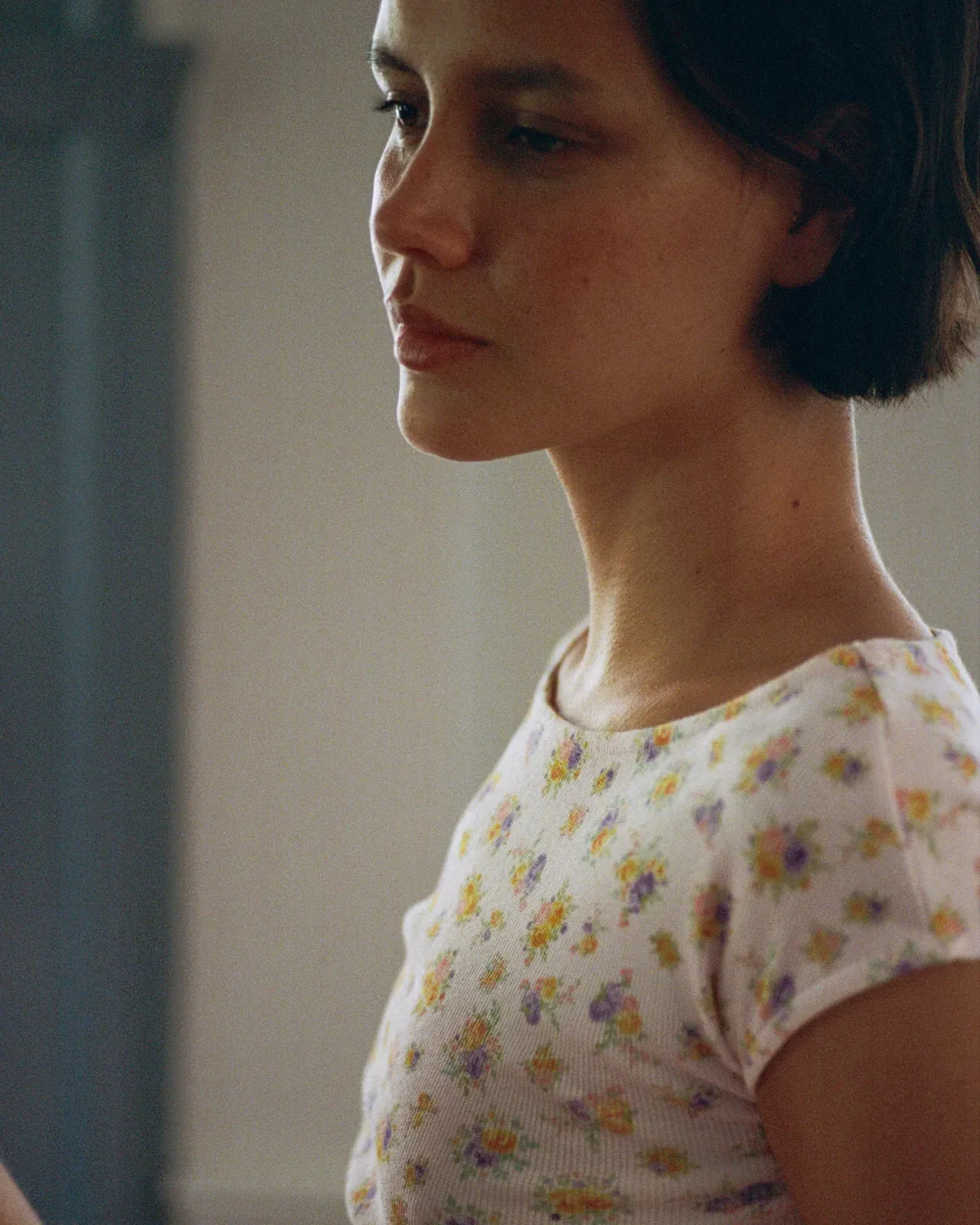
Familiarity. I want people to look at our campaigns and feel like they know these women rather than aspire to become them. Confidence is lovely, but confidence looks different on everyone. Sometimes it’s loud, sometimes it’s quiet. The people we cast feel comfortable in themselves rather than performative. That’s much more interesting to me than perfection. I’d much rather someone looked at a Fruity Booty campaign and thought, “I know her,” than, “I wish I looked like her.”
You don’t retouch your campaign images, which is rare in this industry. Why does that matter to you and the brand?
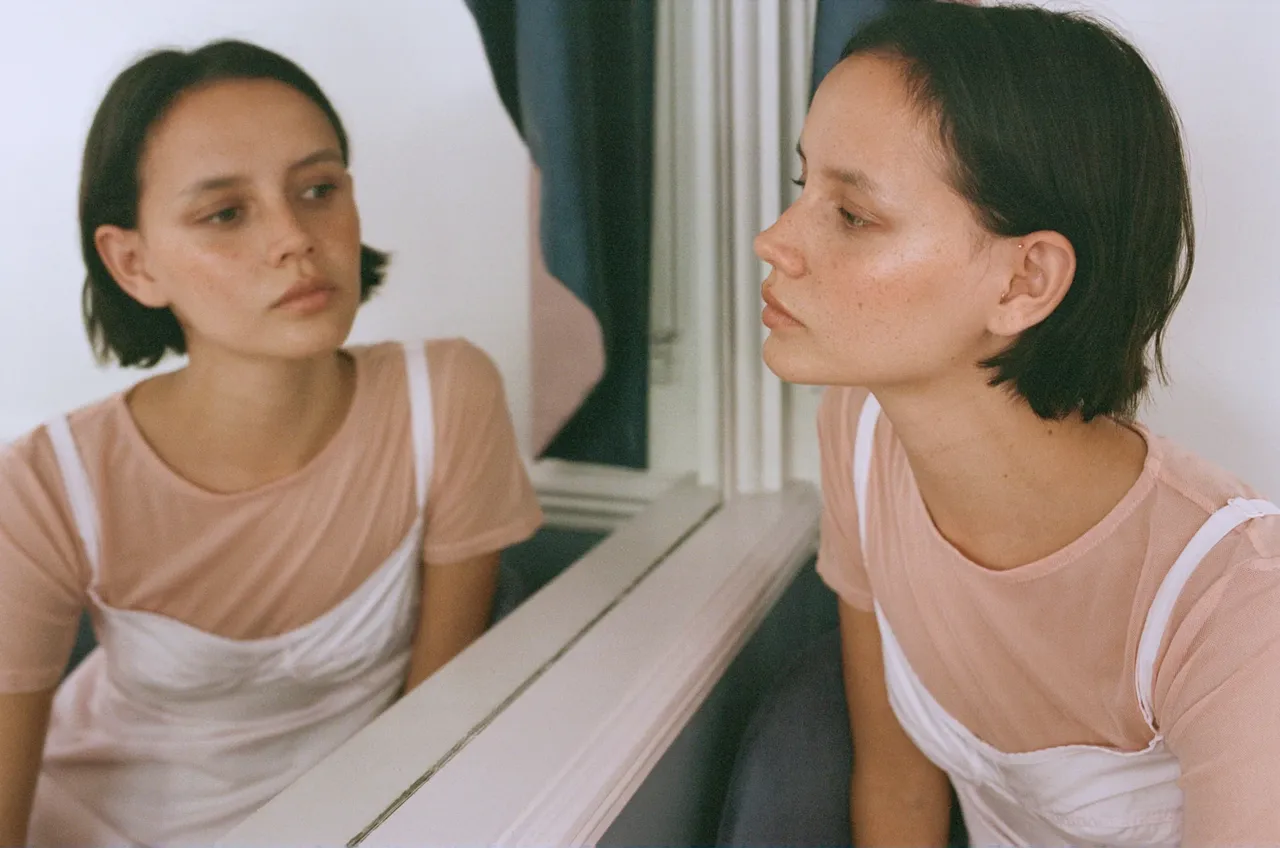
I think we’re surrounded by images telling us how we’re supposed to look, and I don’t really want Fruity Booty to add to that. I want our campaigns to feel like women, not ideals. And that’s why we don't retouch: those little details — skin texture, scars, body hair, freckles, tan lines — are part of who someone is. When we get rid of them, we’re creating another version of femininity for people to measure themselves against. That’s never been what we’re interested in.
You've said underwear can be a statement of identity, which Fruity Booty design feels most like you?
I actually don't think I have one. The version of me that wants to wear bright pink lace isn’t the same version of me that wants to wear cotton briefs, and I like that. I think women are often expected to have a fixed identity, but I don’t really believe we do. Fruity Booty isn’t about becoming one type of woman, it’s about having permission to be lots of different ones.
How do you want someone to feel when they're wearing Fruity Booty?
We don’t really set out to make women feel one particular thing because women aren’t one thing. Some days you want to feel powerful, some days feminine, sensual or completely anonymous. I hope Fruity Booty creates space for all of those versions of yourself. Underwear is one of the few things you wear primarily for yourself, and I like the idea that getting dressed can be a private act of self-expression before it becomes a public one.
You’ve had pop-ups in NYC, London and most recently Amsterdam this year, how has each experience helped develop the brand?
Big time. Watching women try things on, hearing what they say to their friends in the changing room and seeing which pieces they gravitate towards is one of the most valuable parts of doing pop-ups. We have a big meeting next week to go through everything we learned from this summer’s pop-ups, and it’s amazing how different each city is. The pieces people fall in love with — and even the conversations they have while trying things on — can vary so much.
Can you share your dream location for Fruity Booty’s next pop-up and why?
Oooo great question. I’d love to do a pop-up in Korea or Japan. If I’m honest, that’s probably because I’m desperate to go there myself rather than because it makes perfect sense for Fruity Booty’s growth plans.
“I’d much rather someone looked at a Fruity Booty campaign and thought, “I know her,” than, “I wish I looked like her.””
How do you balance sustainability with the pace of fashion trend cycles? Is being on trend a priority for the brand, or does it tend to clash with its ethos?
We’ve never set out to be a trend-led brand. Of course we’re aware of what’s happening culturally, but I’d much rather someone still wanted to wear one of our pieces in five years’ time than for it to feel exciting for one season. Working with deadstock naturally slows us down, and designing around what’s available rather than what’s trending keeps us grounded and shapes our creative process.
Sustainable, slower fashion often comes with a higher price tag. How do you navigate that alongside affordability for your customers?
It’s something we think about all the time because I don’t think sustainability should become another luxury reserved for a certain kind of customer. At the same time, making things responsibly does just cost more. We try to be honest about that rather than pretending otherwise. I’d rather make fewer pieces, produce them properly and pay people fairly than hit a price point that only works if somebody else absorbs the cost.
Founding a brand comes with its challenges as well as its rewards. What’s been the biggest lesson you’ve learnt so far, and what’s been your highlight?
Hmm I’m not really sure. Maybe that I used to think successful companies knew exactly what they were doing all the time. But the reality is that you’re constantly making decisions with incomplete information and trying to predict what people will want before you really know. And the highlight would have to be working with my team, they’re amazing.