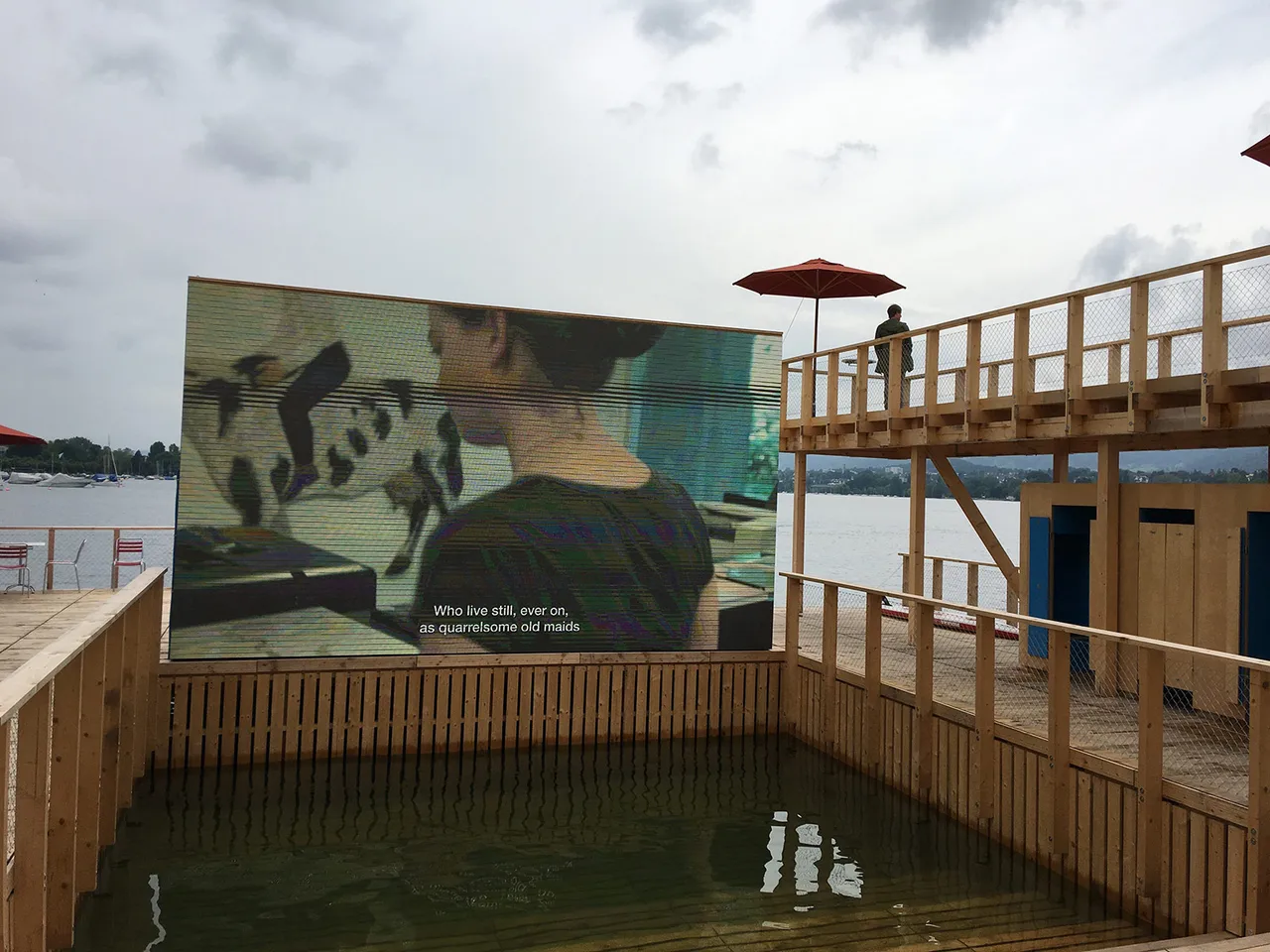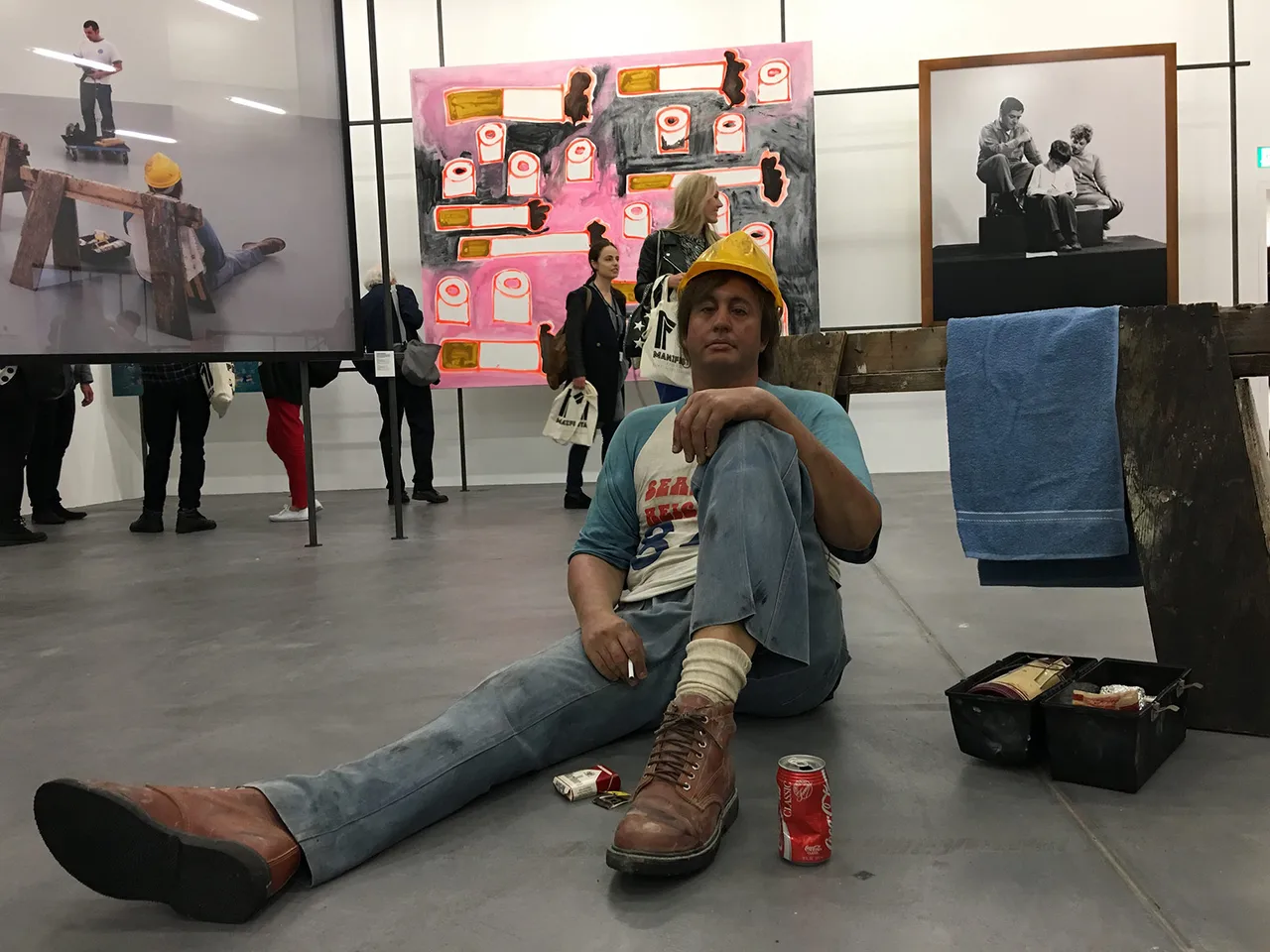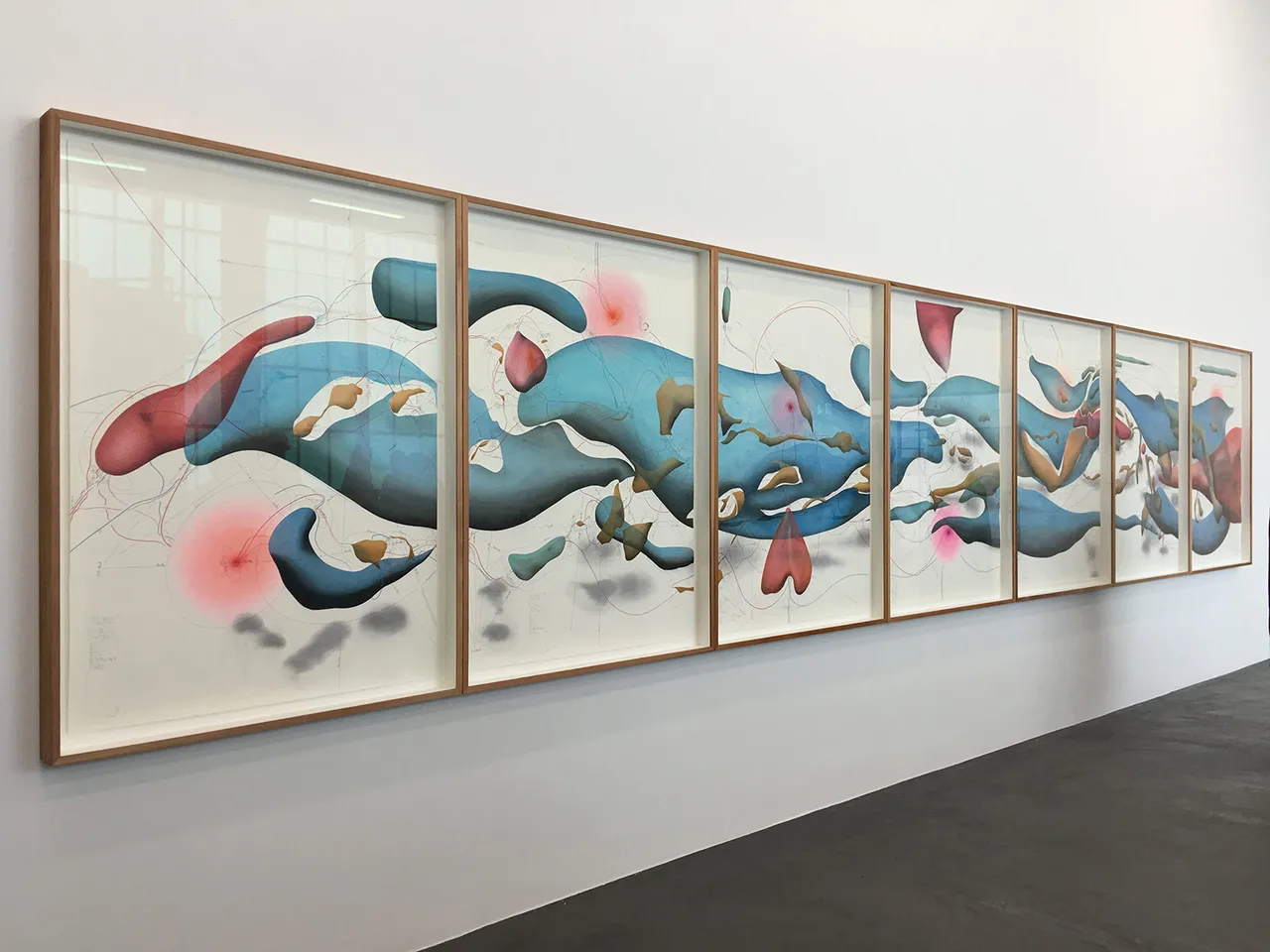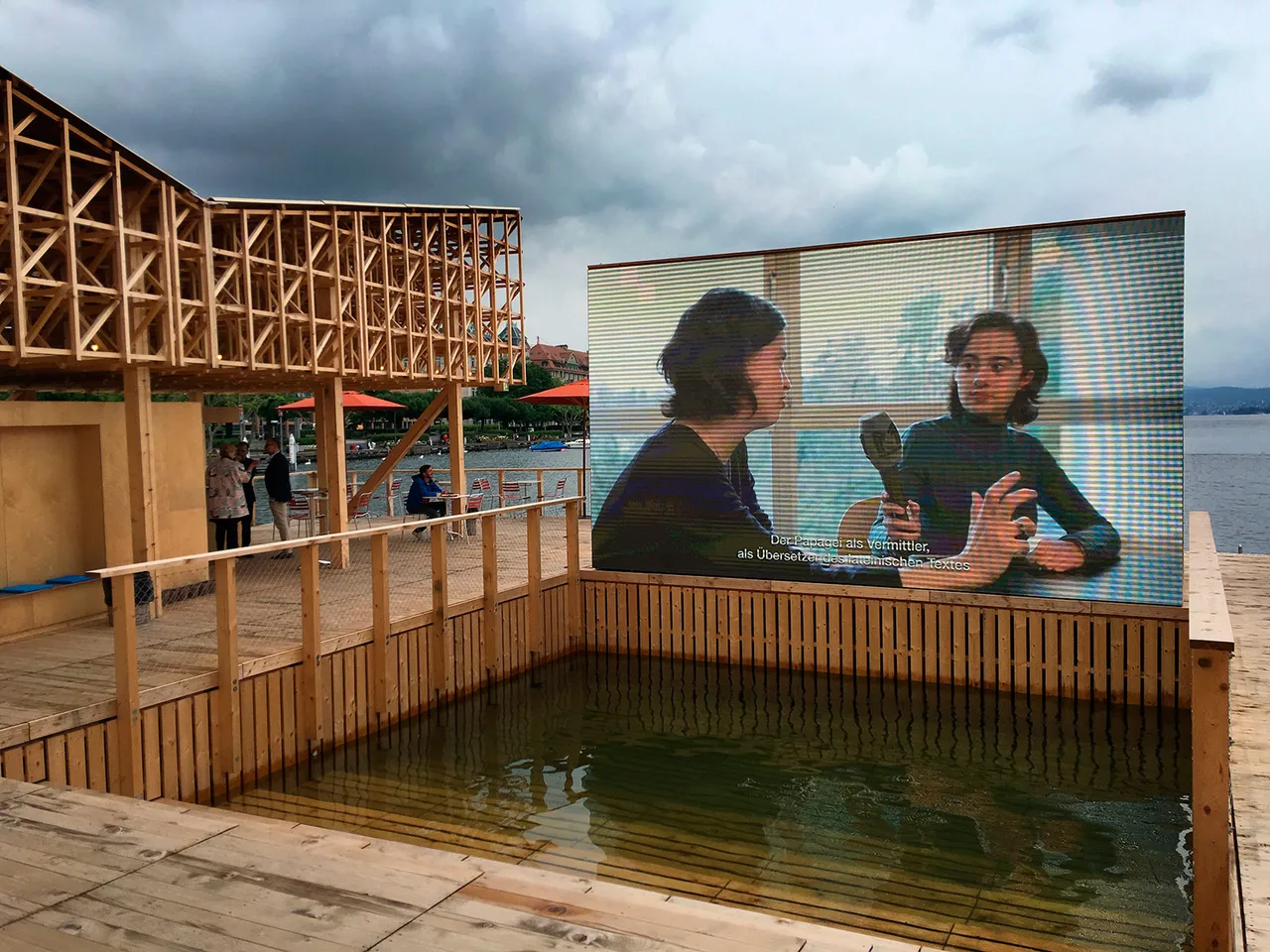
The 11th edition of the nomadic European Biennale, Manifesta –from now on M11– will open its doors the 11th of June in the city of Zurich, Switzerland, surrounded by lakes and mountains. What People Do for Money is the key question at the core of the upcoming exhibition, curated by German artist Christian Jankowski. The show congregates 130 artists, 250 artworks, and 38 parallel events. A floating platform over the Lake Zurich, the Pavilion of Reflections –with its own pool–, is the architectural icon of M11, and it has been built for the occasion.
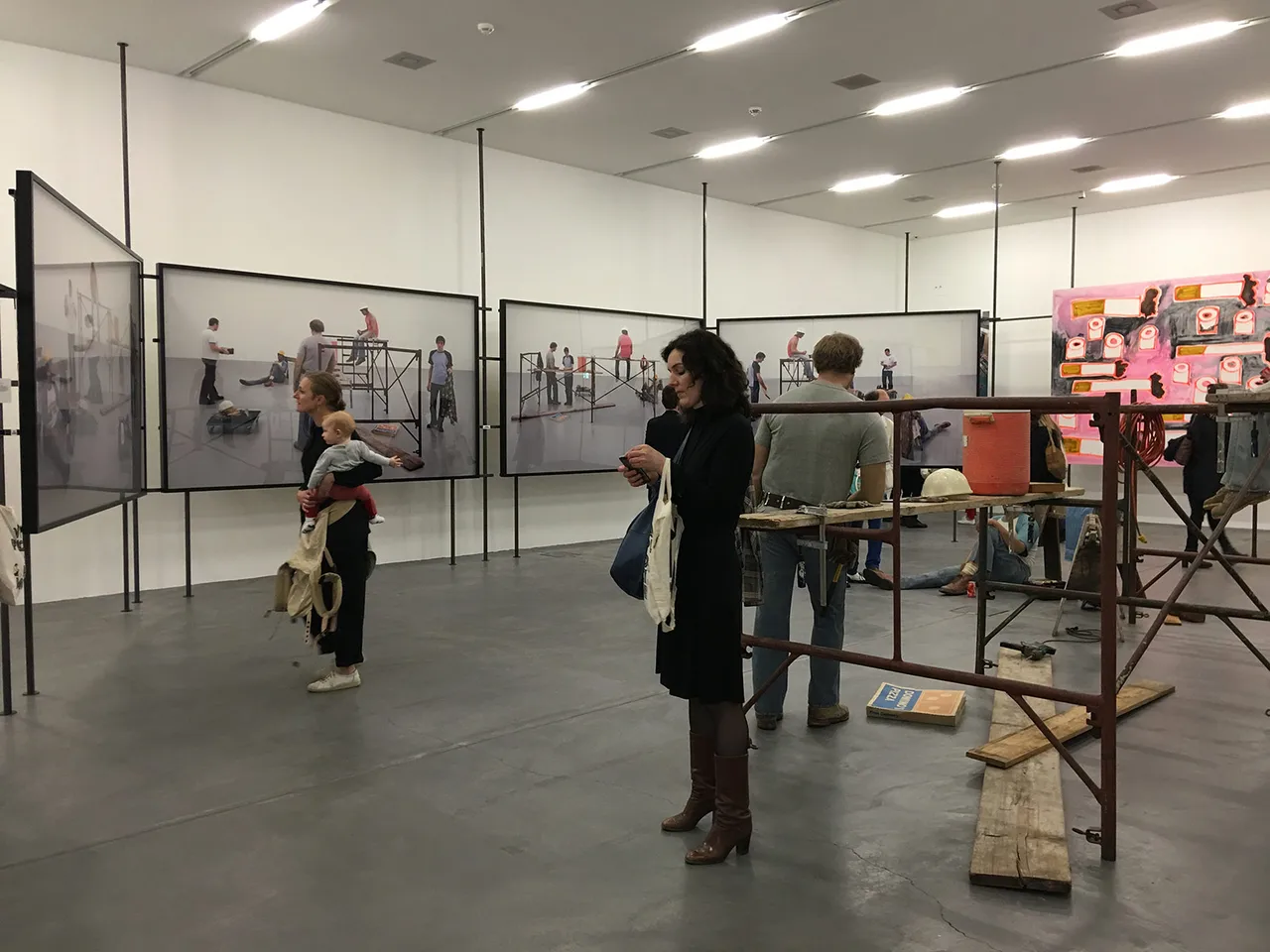
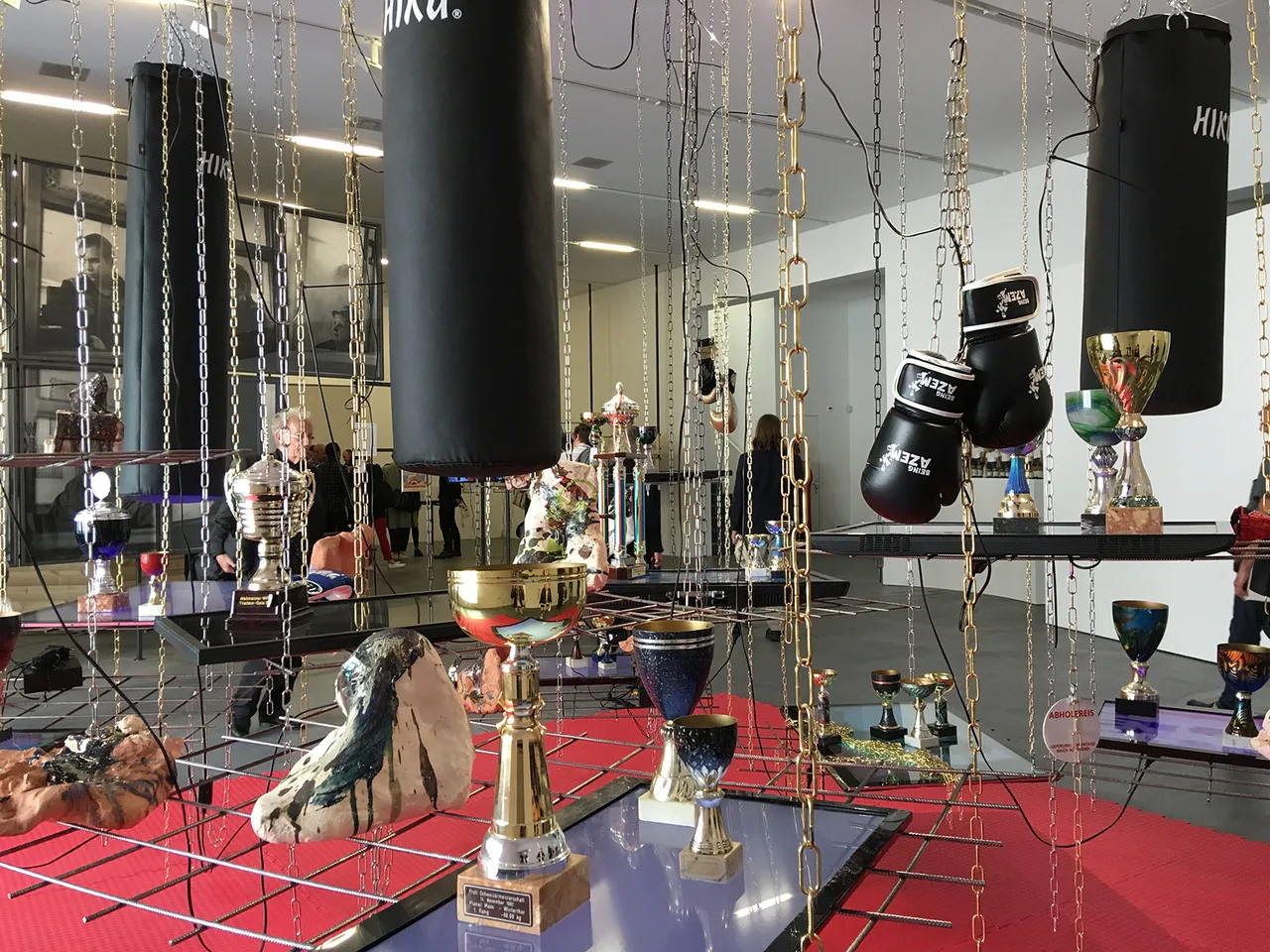
The Biennale is positioned all over the city, but the exhibitions will take place in four main locations: the Löwenbräukunst, the Helmhaus, the Cabaret Voltaire and the already mentioned Pavilion of Reflections. M11 has two big sections: Joint Ventures, whose artworks have been produced especially for the Biennial and The Historical Exhibition: Sites Under Construction, with already existing contemporary works.
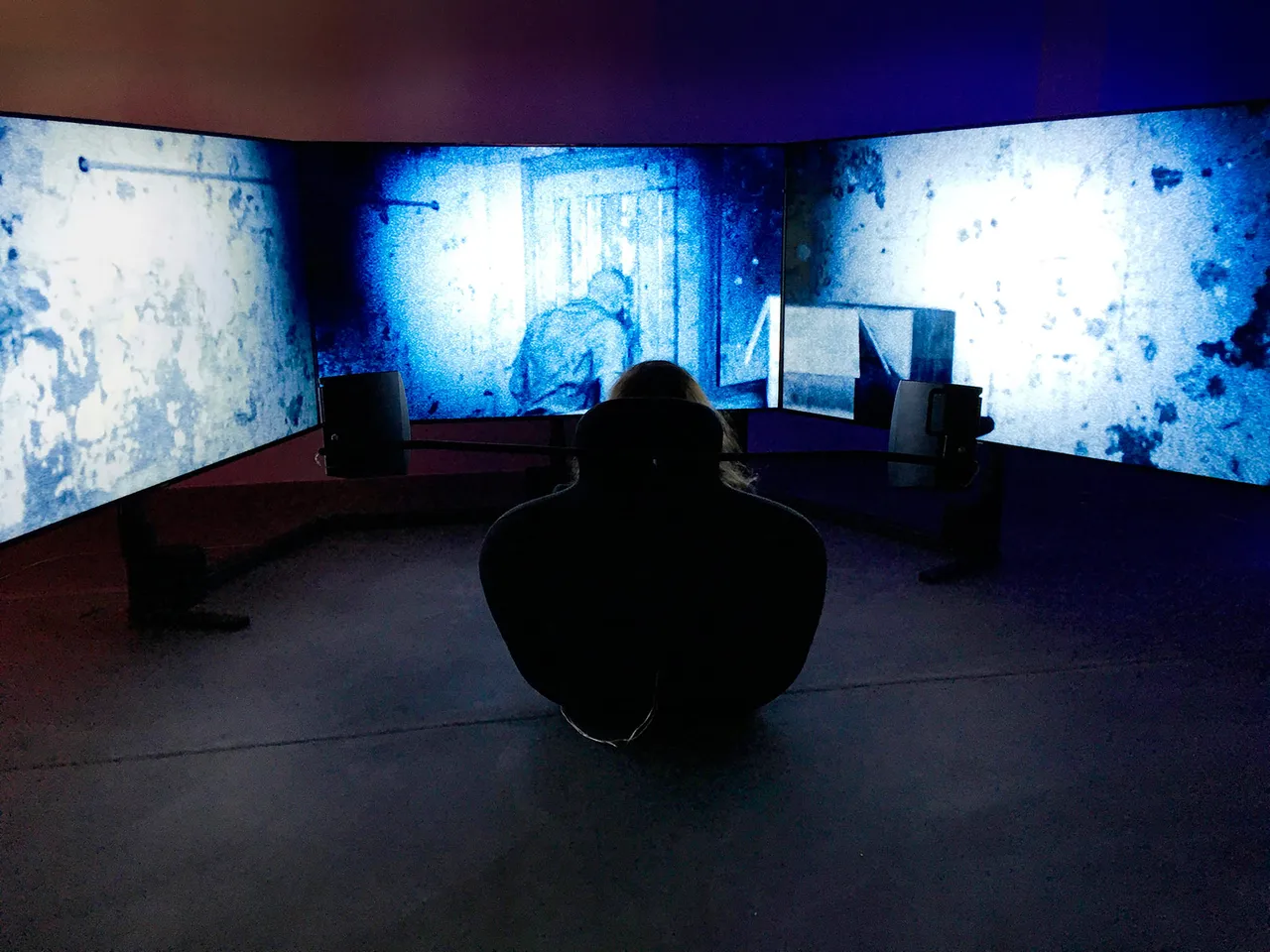
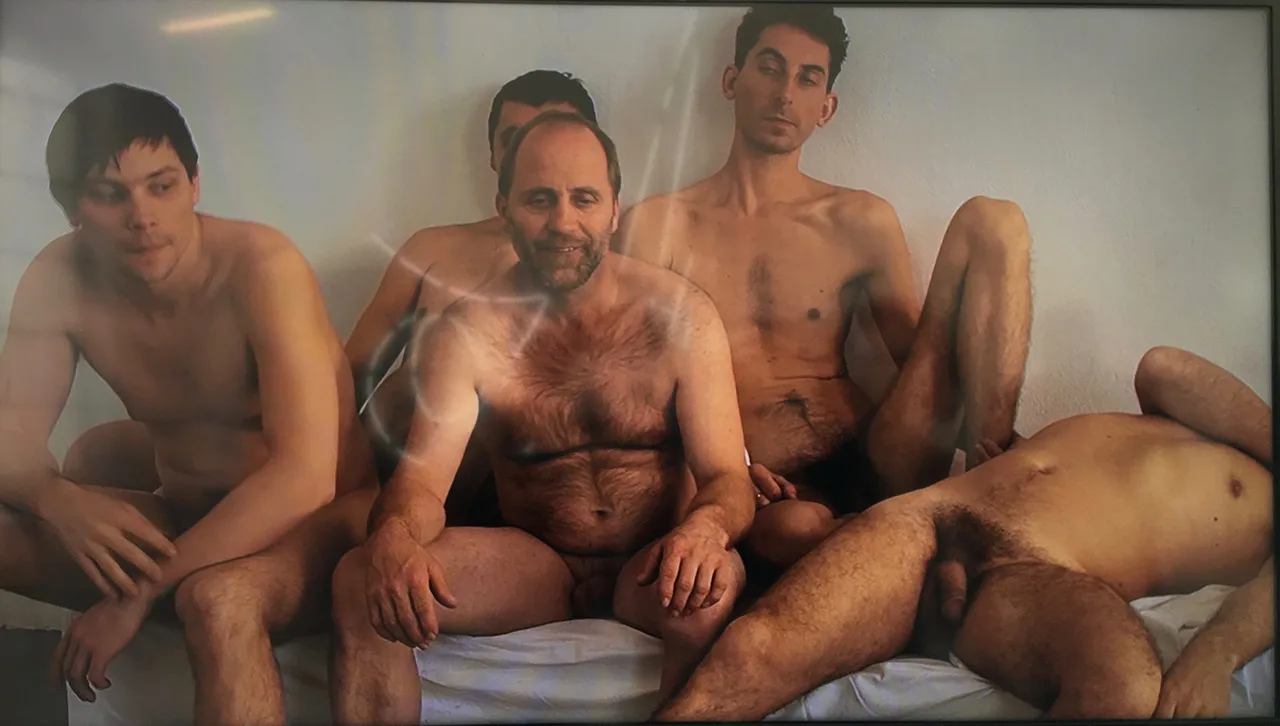
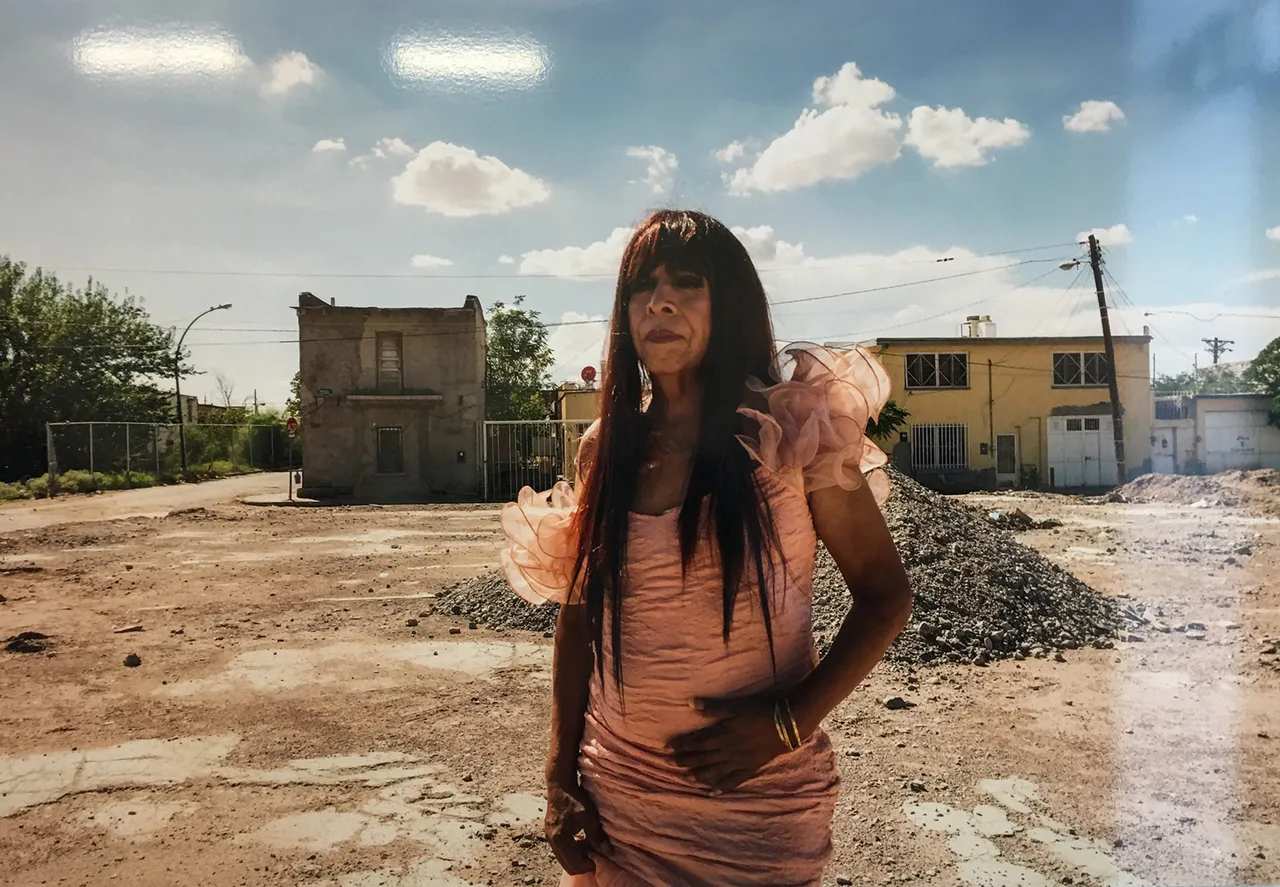
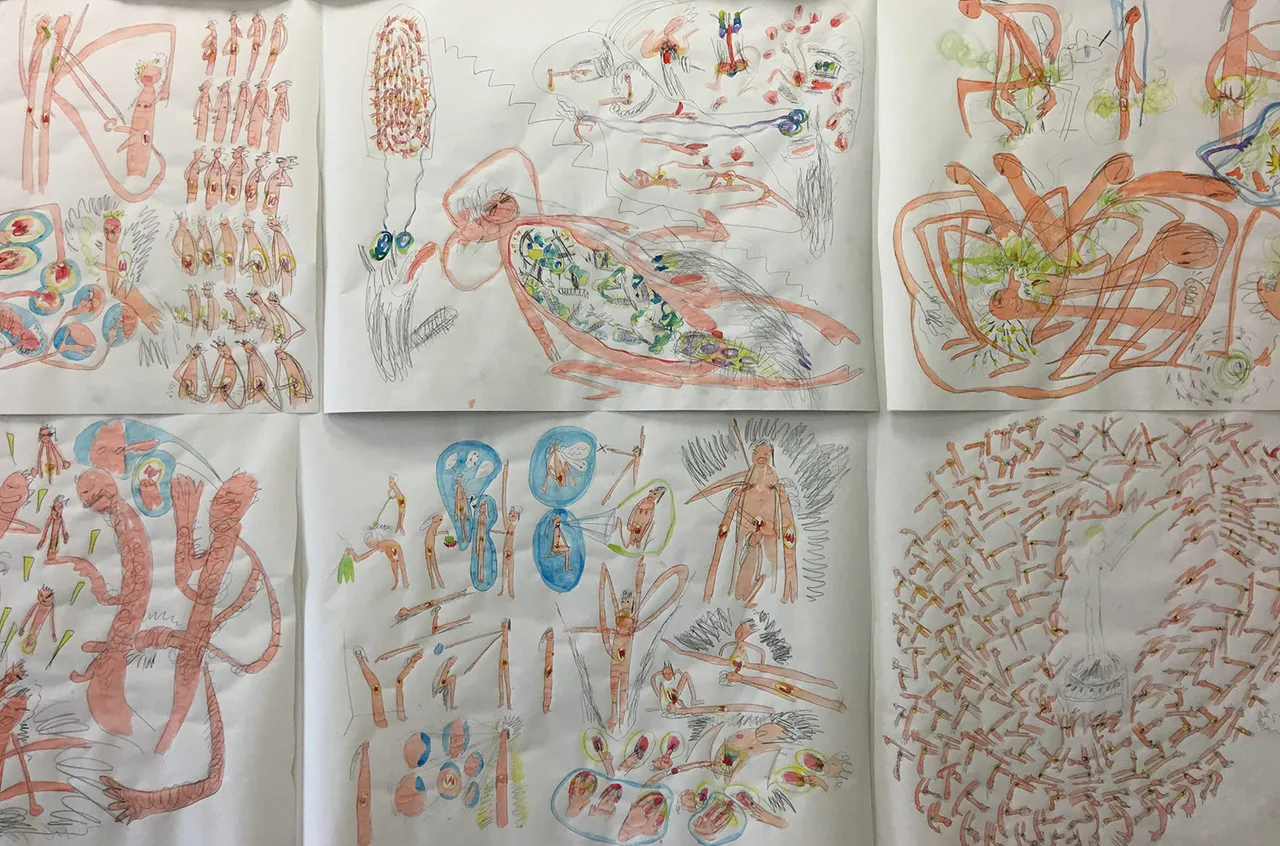
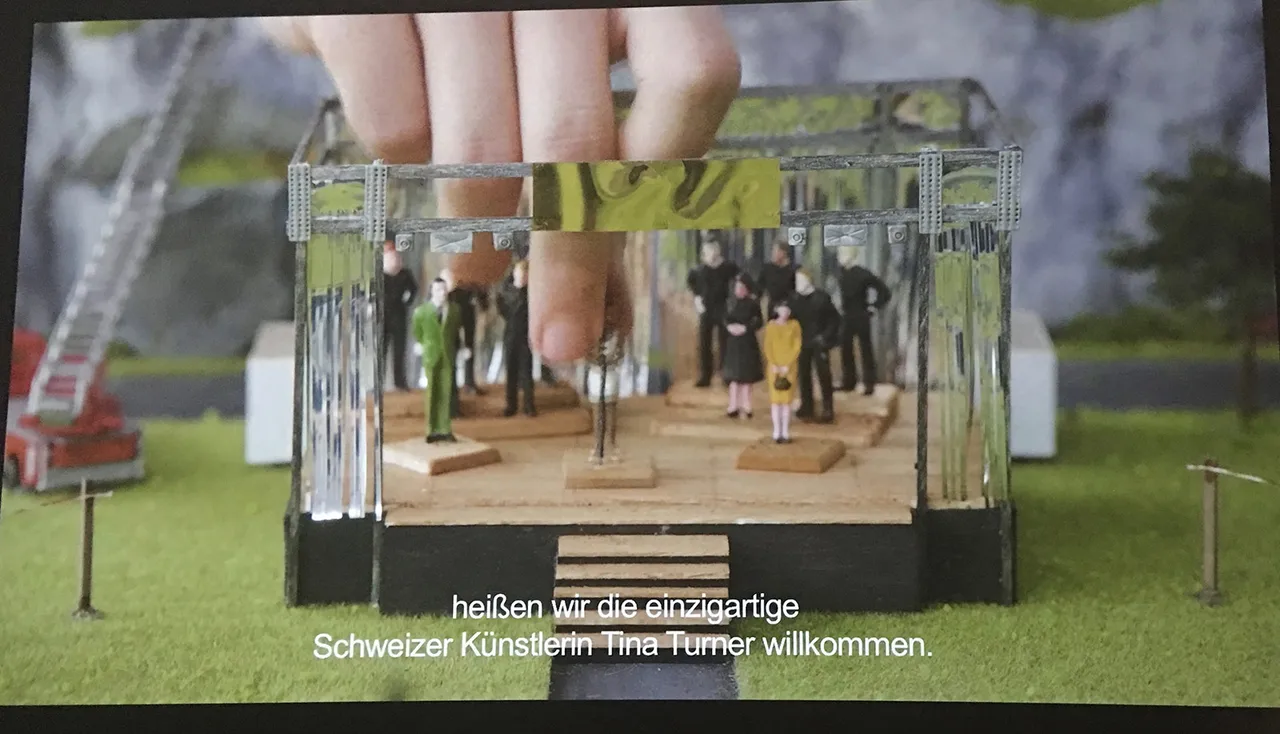
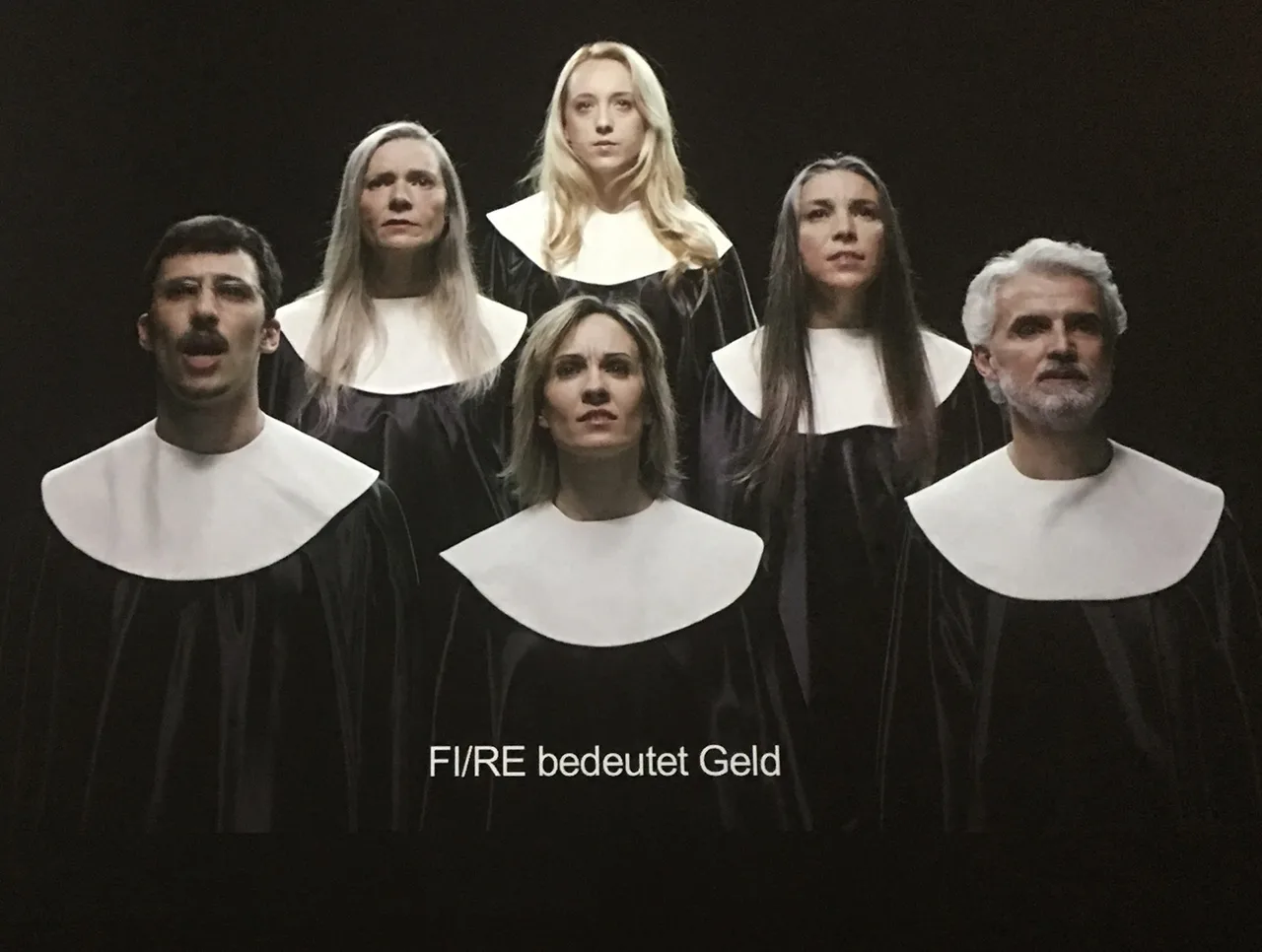
What People Do for Money: thirty international artists have been working with Zurich hosts from diverse professions, joining forces to produce the new artworks. People do work – and need to work. Work is part of our identity, it stimulates the circulation of money and it is how we cover our cost of living. But money is not our only currency. There are other ways of interchange. In Joint Ventures, apart from the thirty new productions, thirty documentary films about the process of producing these art pieces have been especially filmed as well. In this chapter we highlight Spanish artists Carles Congost and Santiago Sierra, who have been working with a Zurich fireman and a security advisor respectively. Mexican artist Teresa Margolles has been collaborating with a transvestite sex worker. Canadian artist Jon Rafman spent time with a spa manager, and the Italian artist Maurizio Cattelan, with a Paralympic world champion. Each new production will be presented in three ways: at a satellite venue, in either the Löwenbräukunst or the Helmhaus, and as film screened at the Pavilion of Reflections.
What People Do for Money: thirty international artists have been working with Zurich hosts from diverse professions, joining forces to produce the new artworks. People do work – and need to work. Work is part of our identity, it stimulates the circulation of money and it is how we cover our cost of living. But money is not our only currency. There are other ways of interchange. In Joint Ventures, apart from the thirty new productions, thirty documentary films about the process of producing these art pieces have been especially filmed as well. In this chapter we highlight Spanish artists Carles Congost and Santiago Sierra, who have been working with a Zurich fireman and a security advisor respectively. Mexican artist Teresa Margolles has been collaborating with a transvestite sex worker. Canadian artist Jon Rafman spent time with a spa manager, and the Italian artist Maurizio Cattelan, with a Paralympic world champion. Each new production will be presented in three ways: at a satellite venue, in either the Löwenbräukunst or the Helmhaus, and as film screened at the Pavilion of Reflections.
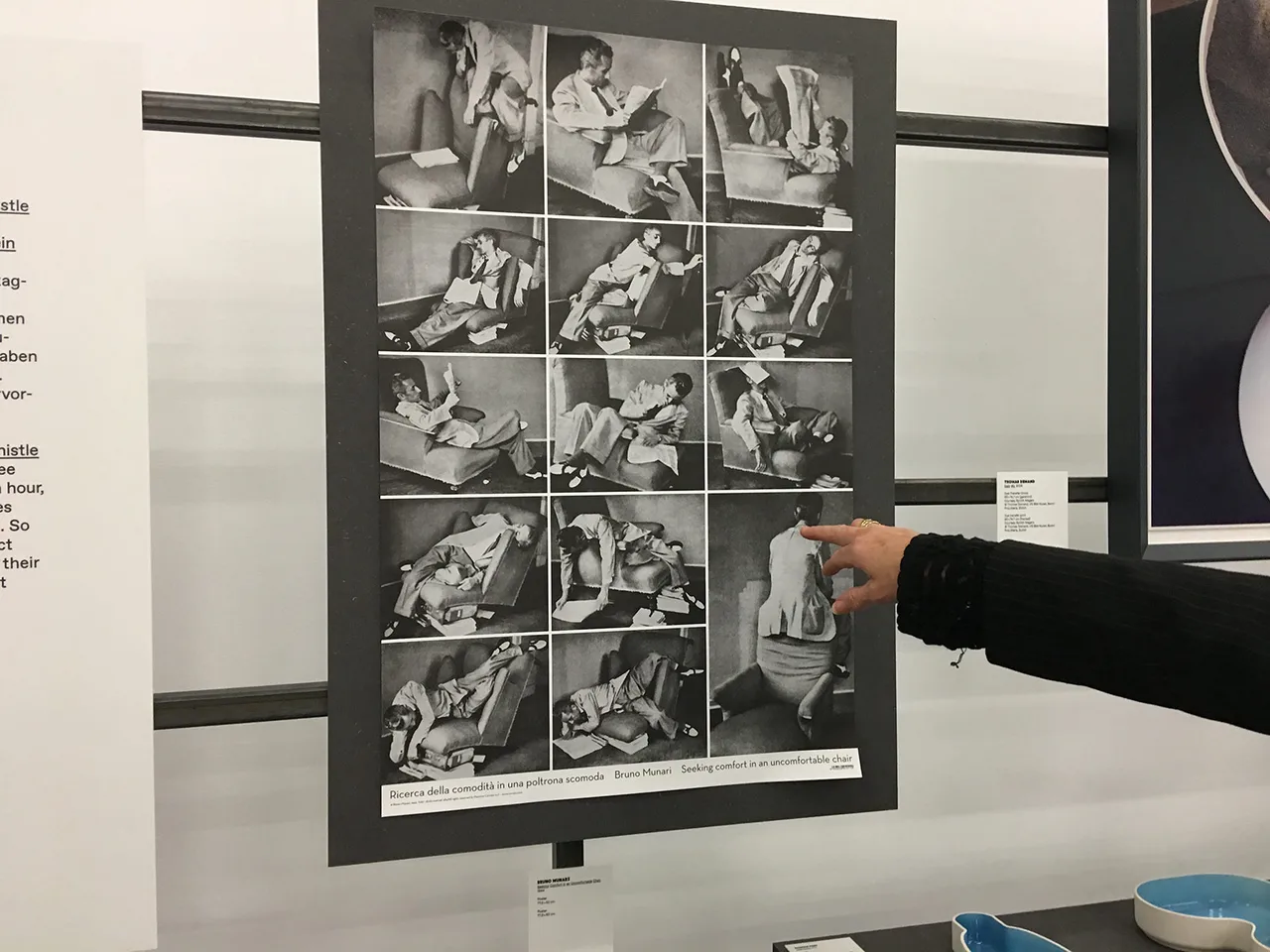
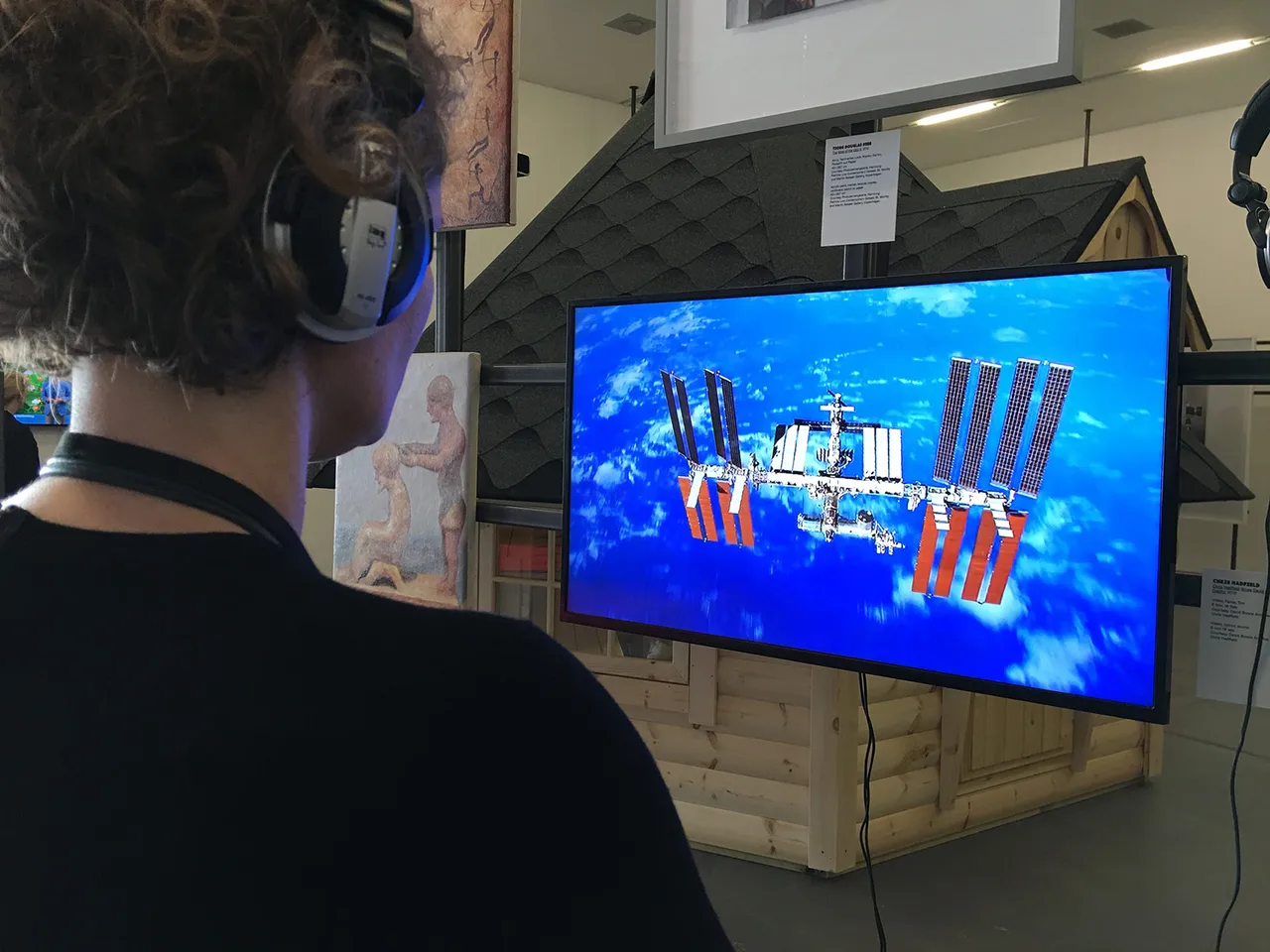
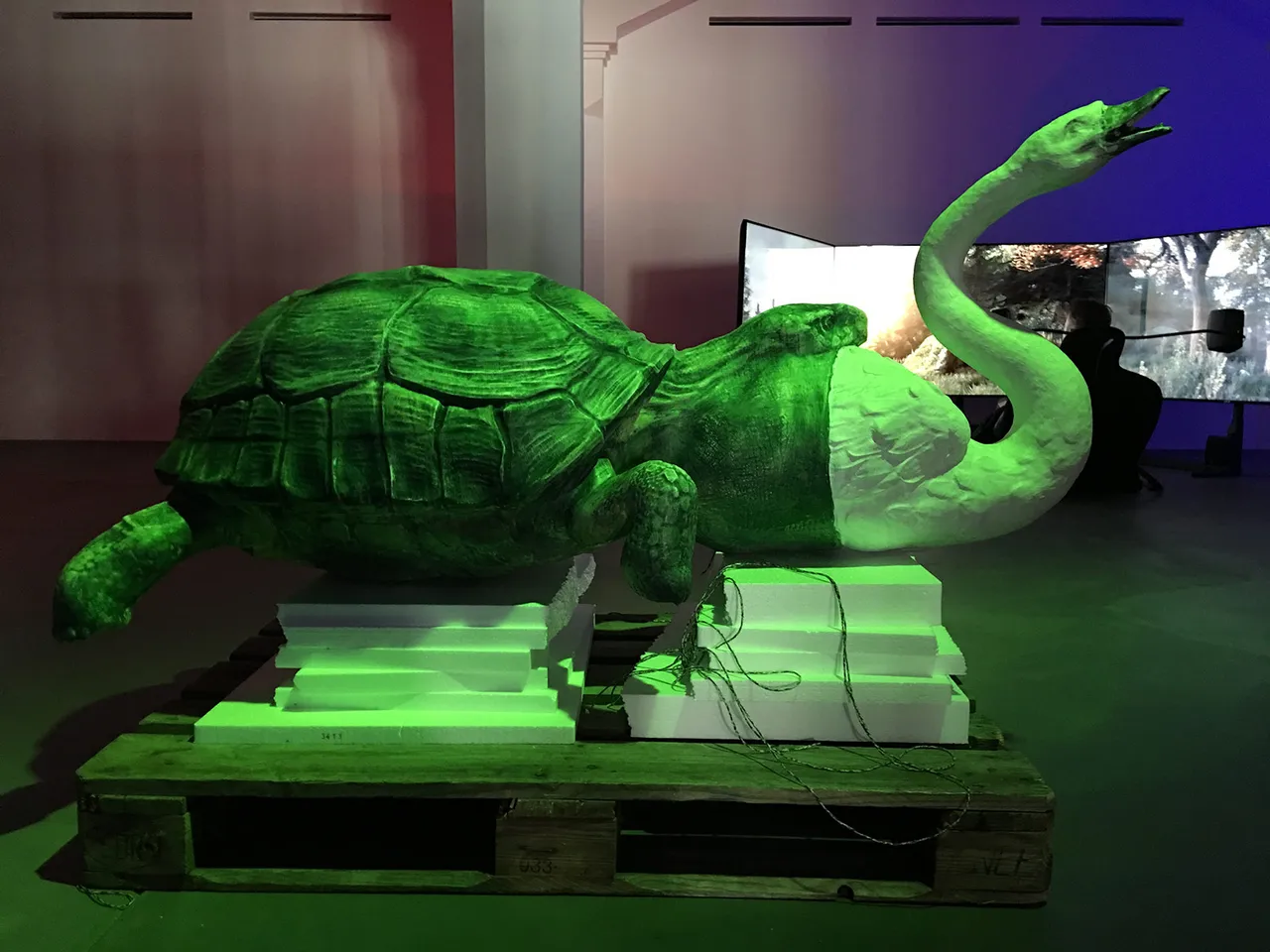
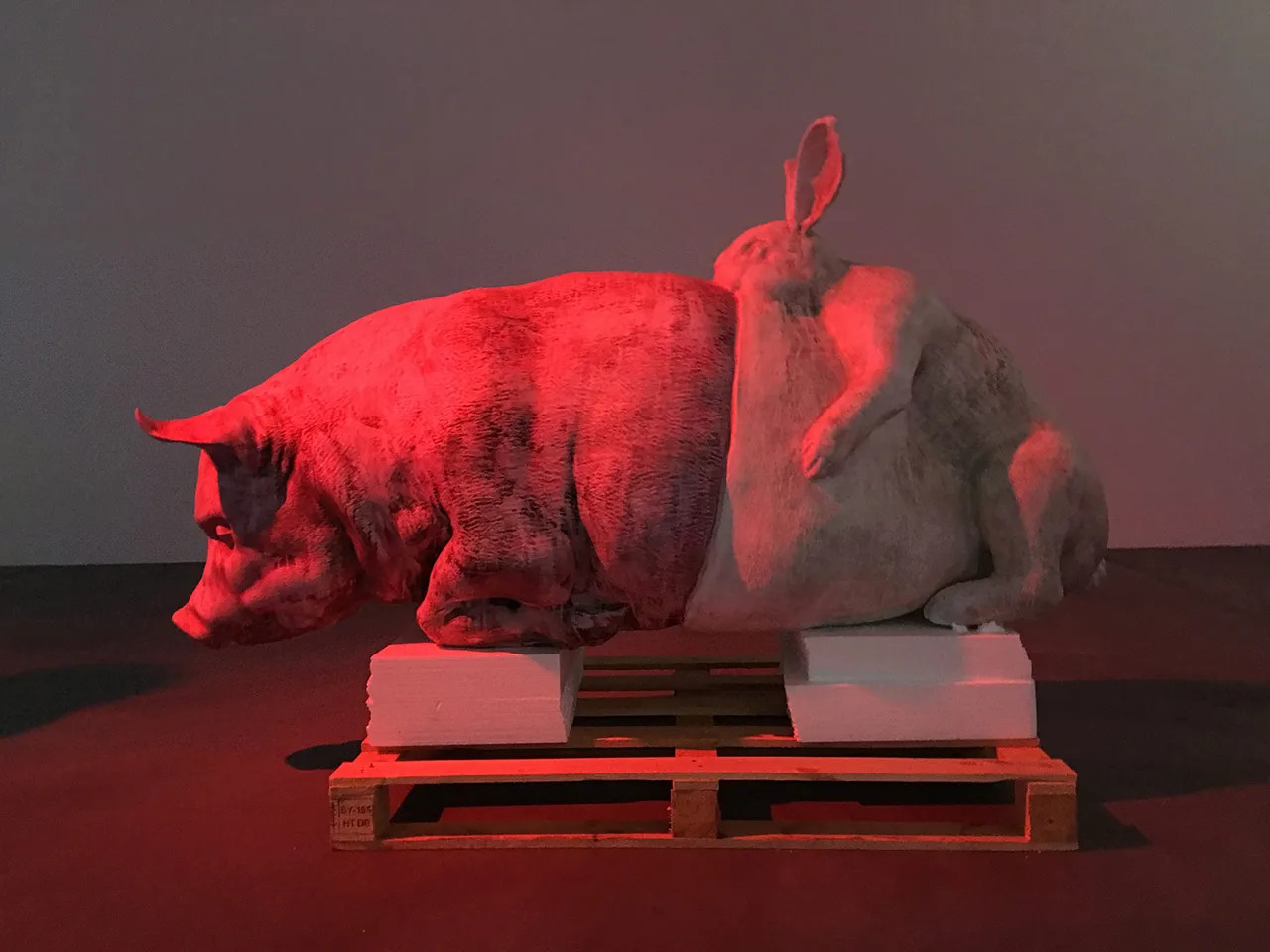
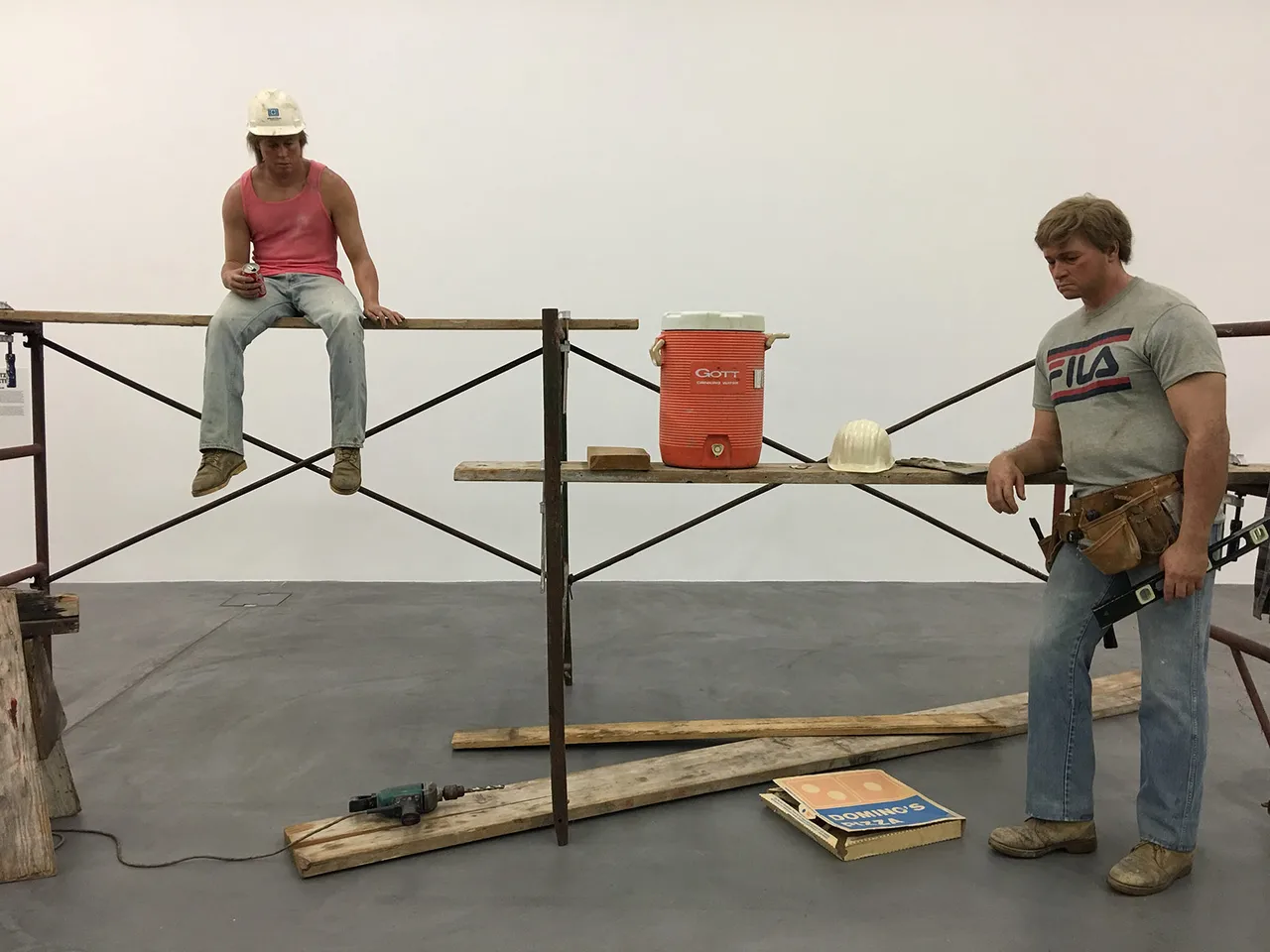
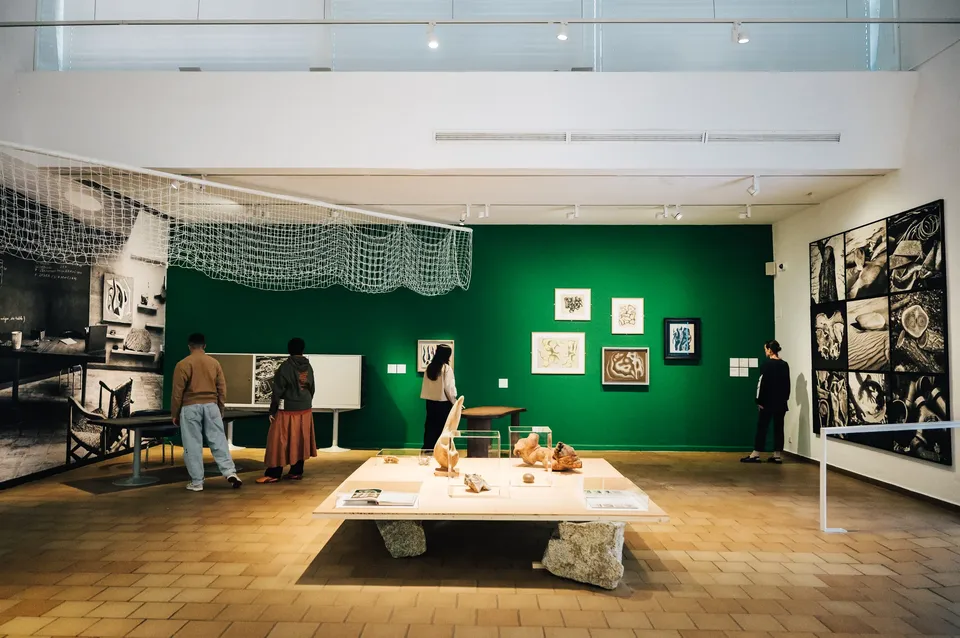
The Historical Exhibition: Sites Under Construction brings together selected contemporary and historical positions to explore how work can be the subject of investigation and artistic reflection. The exhibition is being located in the institutional venues –the Löwenbräukunst and the Helmhaus– and it is divided into eleven theme chambers, showing works by more than 100 artists. In this section, and under selected topics, we spotlight: Portraits of Professions, with works from Chris Hadfield; Working Worlds, with works from Simon Denny, Harun Farocki, Coco Fusco or Andreas Gursky; Break Hour, with works from Oscar Bony, Thomas Demand, Pierre Huyghe or Jeremy Shaw; and Professions Performing in Art, with works from Karmelo Bermejo, Sophie Calle or Fernando Sánchez Castillo.
The M11 parallel events reflect on the artistic activities in the city of Zurich and the surrounding region, and offer a window into local and regional cultural life with projects from the visual arts, performance, video, photography, dance, theatre, music and design, distributed in 38 locations.
Zurich’s famous birthplace of Dada art movement in the early 20th century, the Cabaret Voltaire –now Cabaret der Künstler–Zunfthaus Voltaire–, will host the performance program, where artists and people from other professions will perform together on the stage during the 100 days of the Biennale. Anyone going on stage and performing will automatically become a member of the new founded guild of artists. It's worth to mention that the budget needed for the M11 performance program has been raised by a crowdfunding campaign.
The organization also trained some mediators with diverse professional backgrounds who will show the Biennial to visitors and engage them in lively conversations and exchange – there is no better way of enjoying art than participating in it.
The M11 parallel events reflect on the artistic activities in the city of Zurich and the surrounding region, and offer a window into local and regional cultural life with projects from the visual arts, performance, video, photography, dance, theatre, music and design, distributed in 38 locations.
Zurich’s famous birthplace of Dada art movement in the early 20th century, the Cabaret Voltaire –now Cabaret der Künstler–Zunfthaus Voltaire–, will host the performance program, where artists and people from other professions will perform together on the stage during the 100 days of the Biennale. Anyone going on stage and performing will automatically become a member of the new founded guild of artists. It's worth to mention that the budget needed for the M11 performance program has been raised by a crowdfunding campaign.
The organization also trained some mediators with diverse professional backgrounds who will show the Biennial to visitors and engage them in lively conversations and exchange – there is no better way of enjoying art than participating in it.
Manifesta 11 will take place in different locations in Zurich, from the 11th of June until the 18th of September 2016.