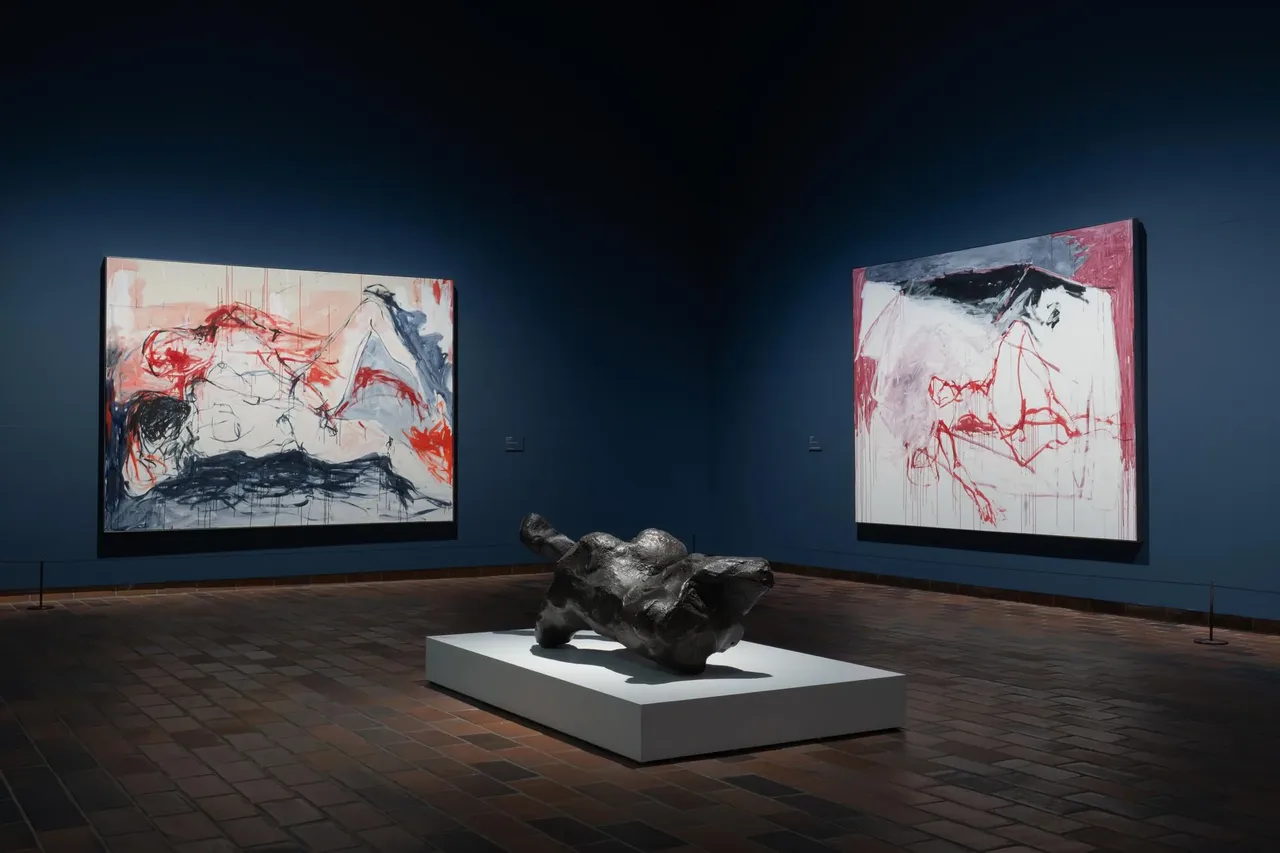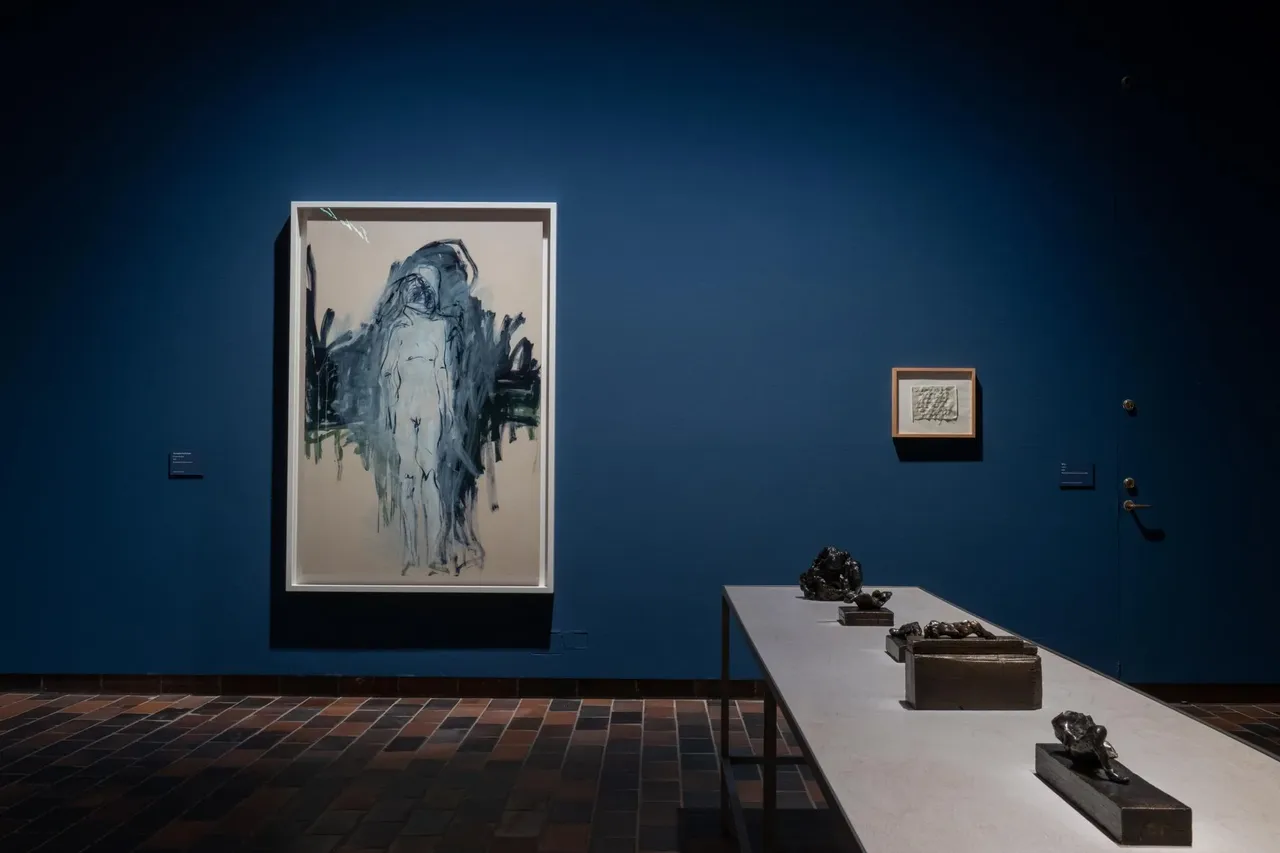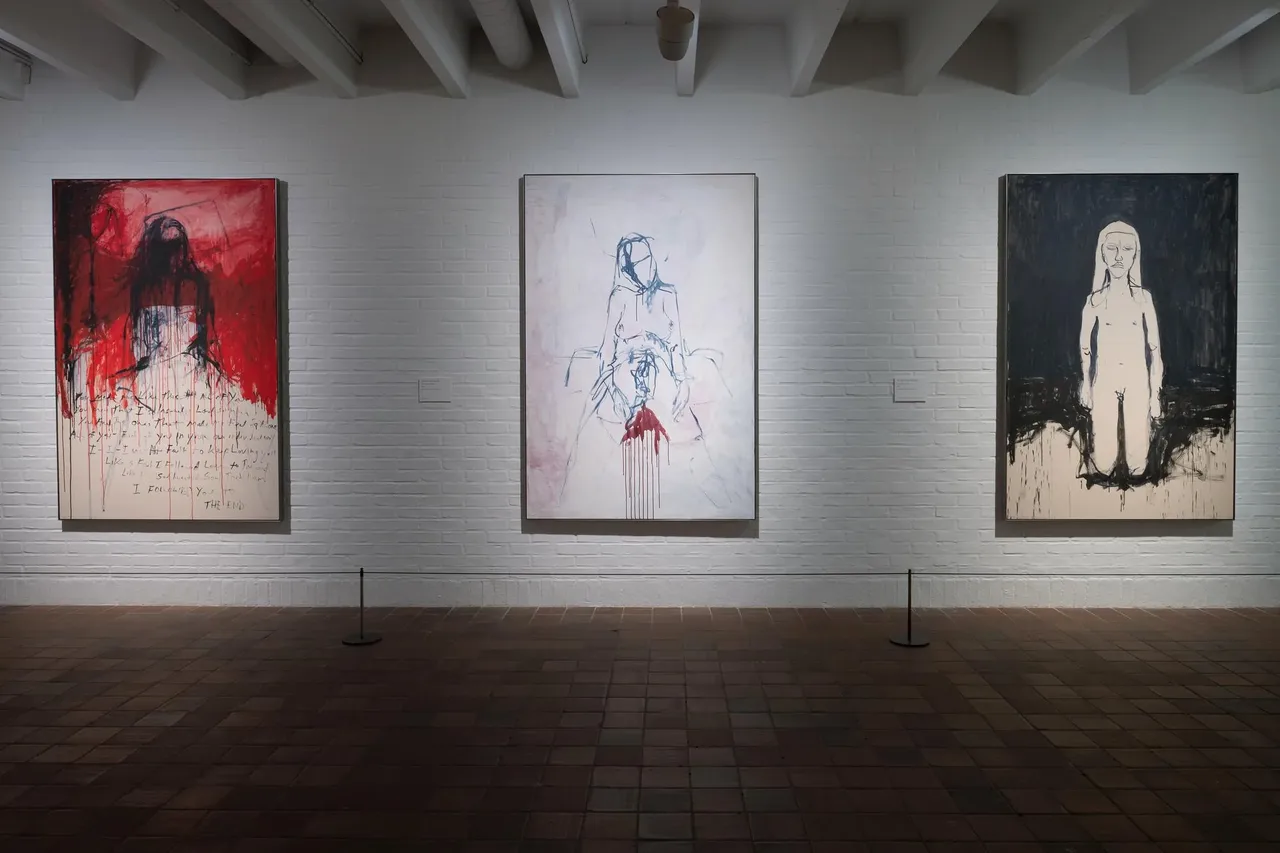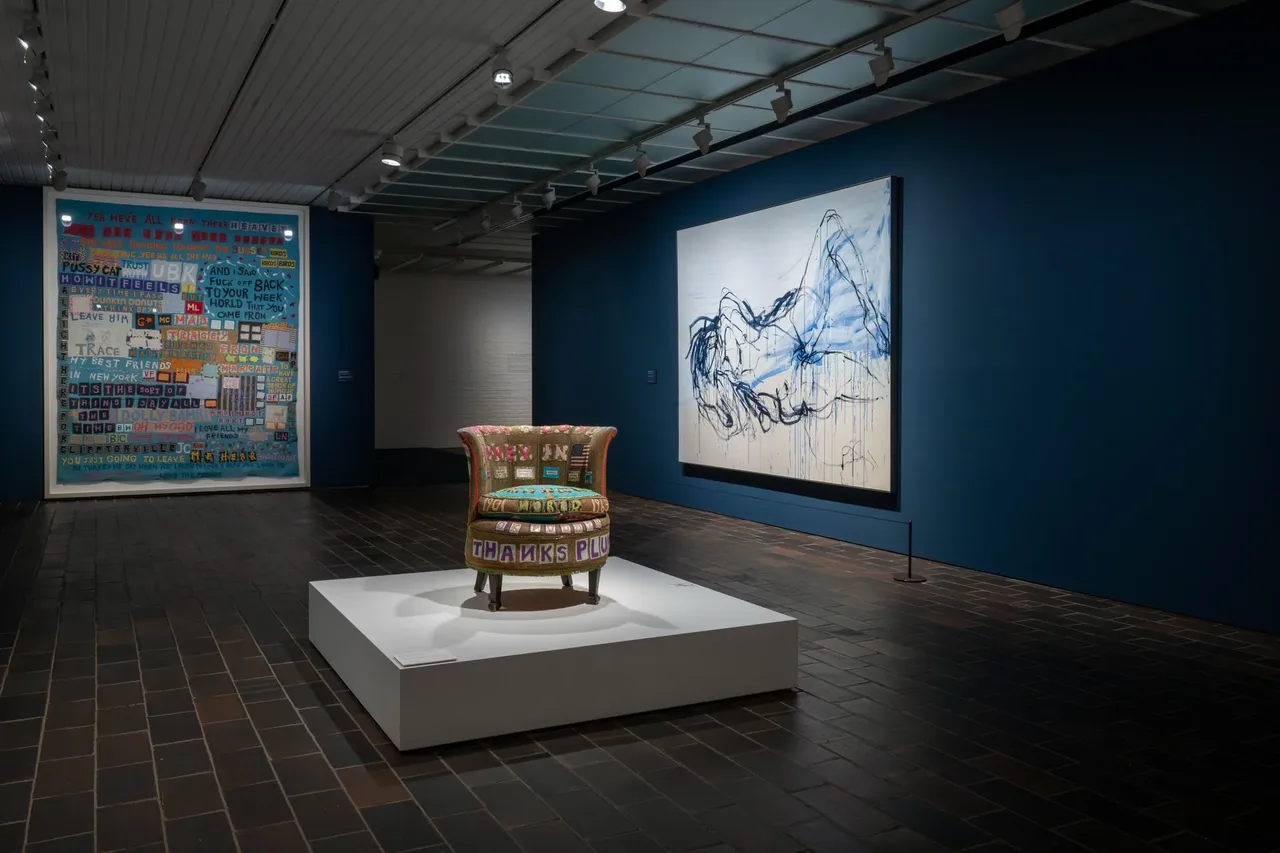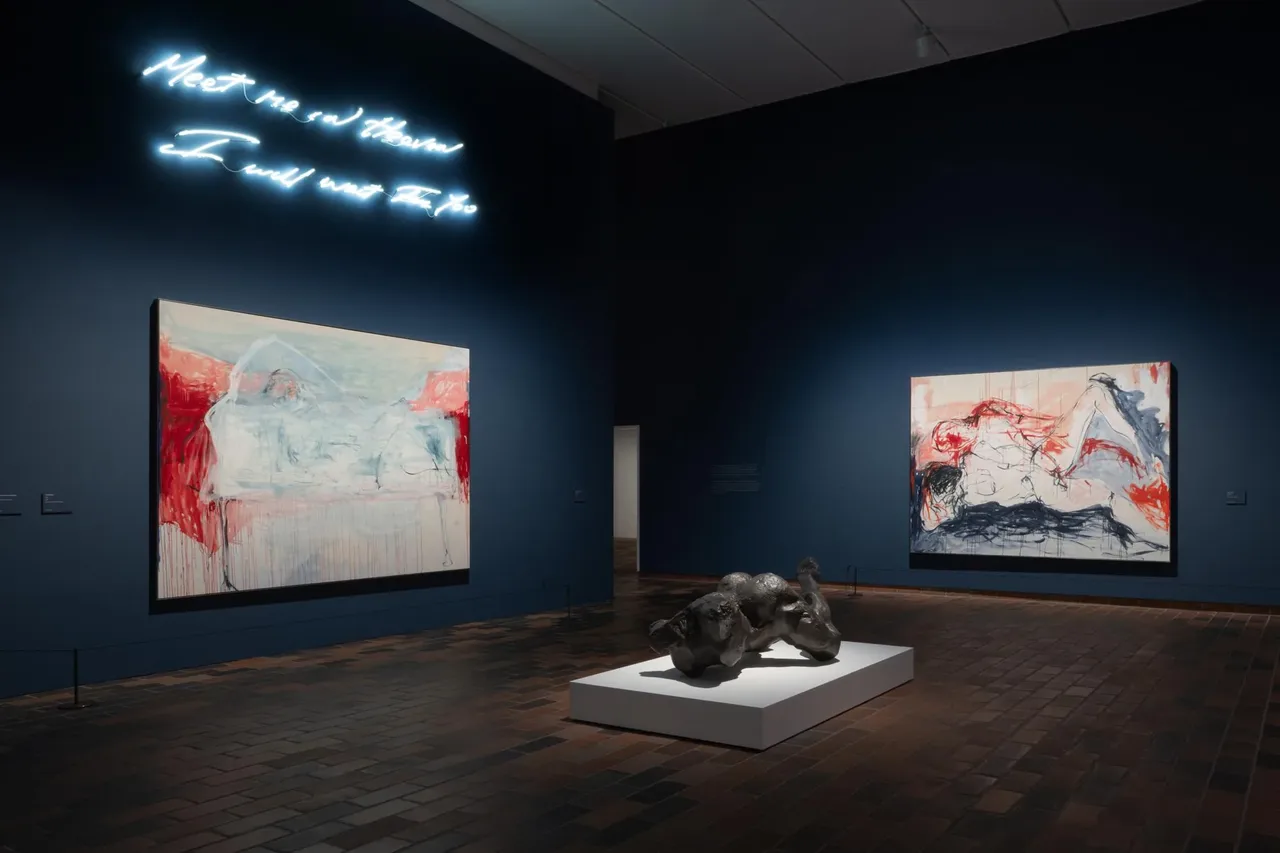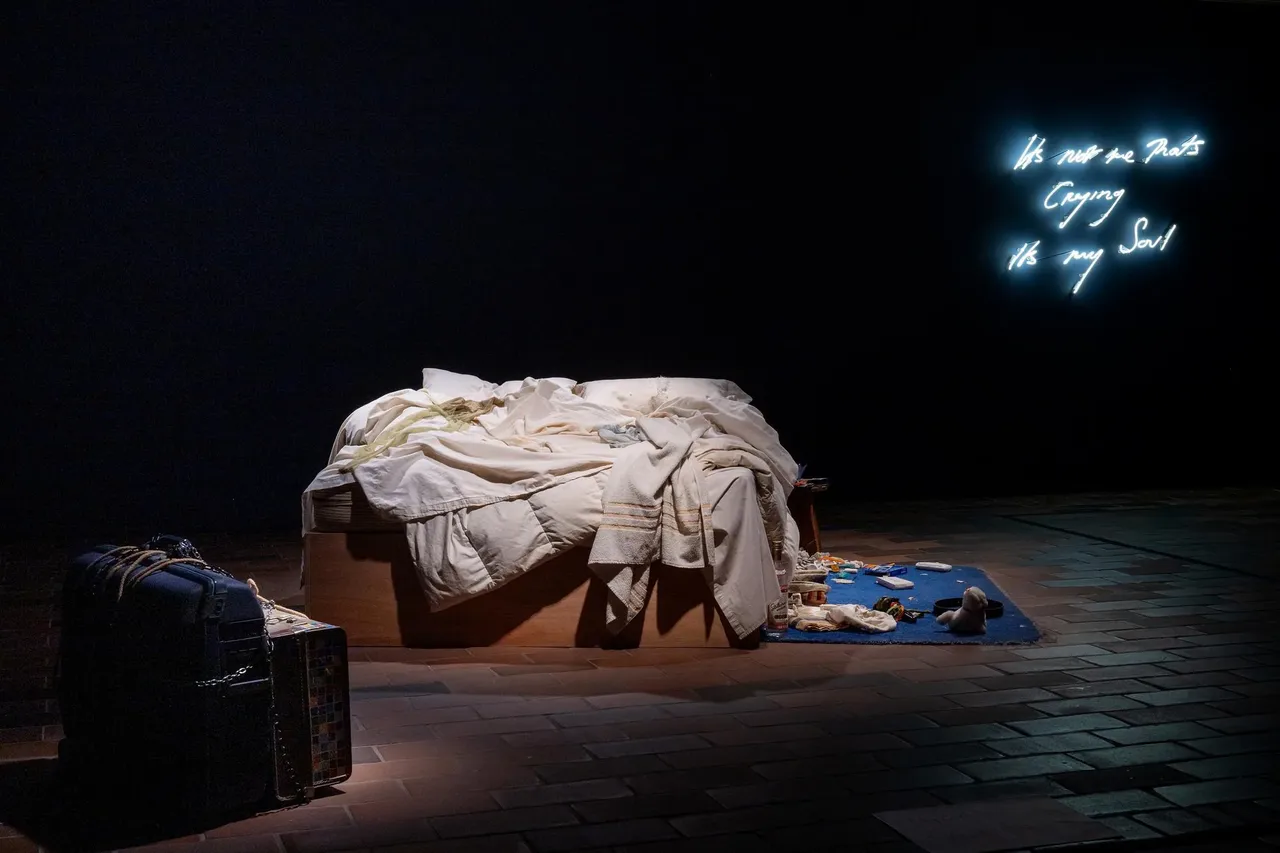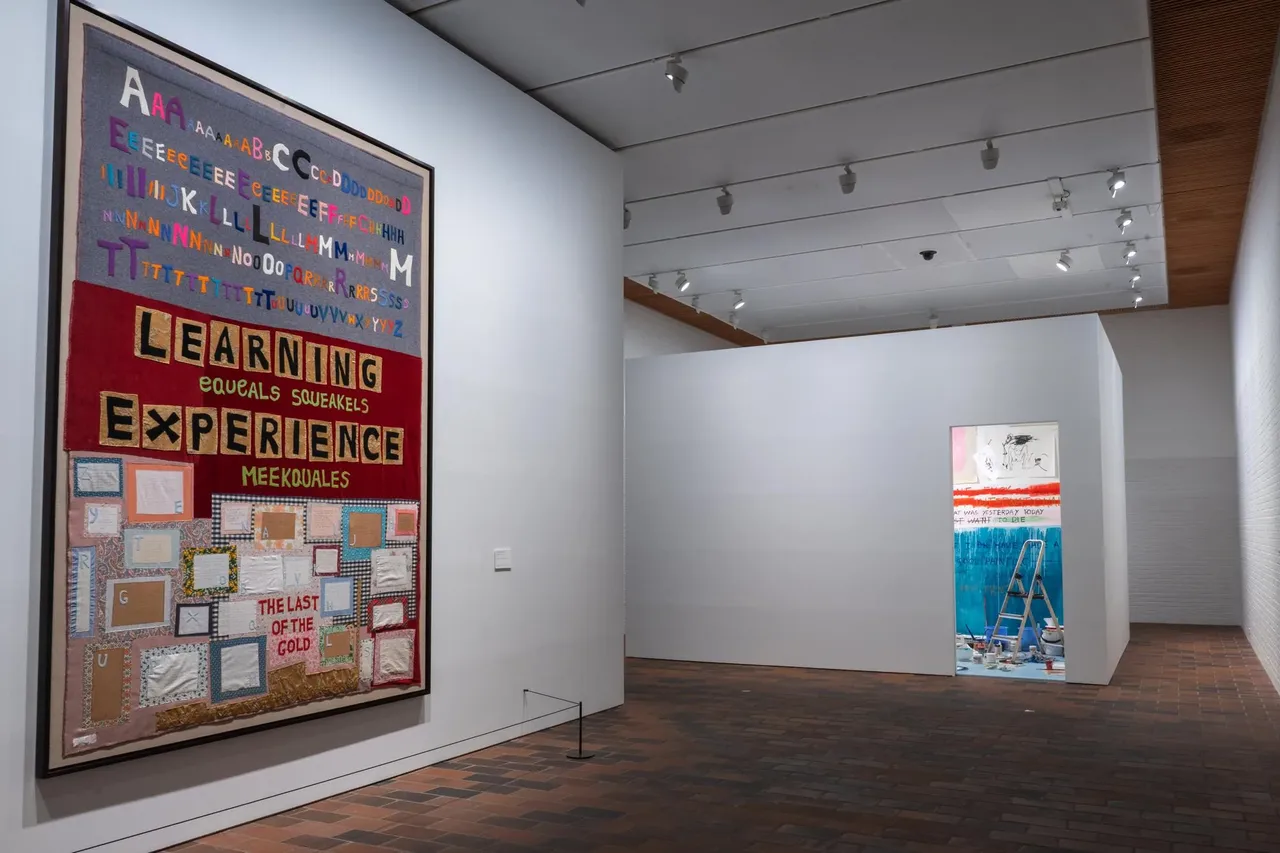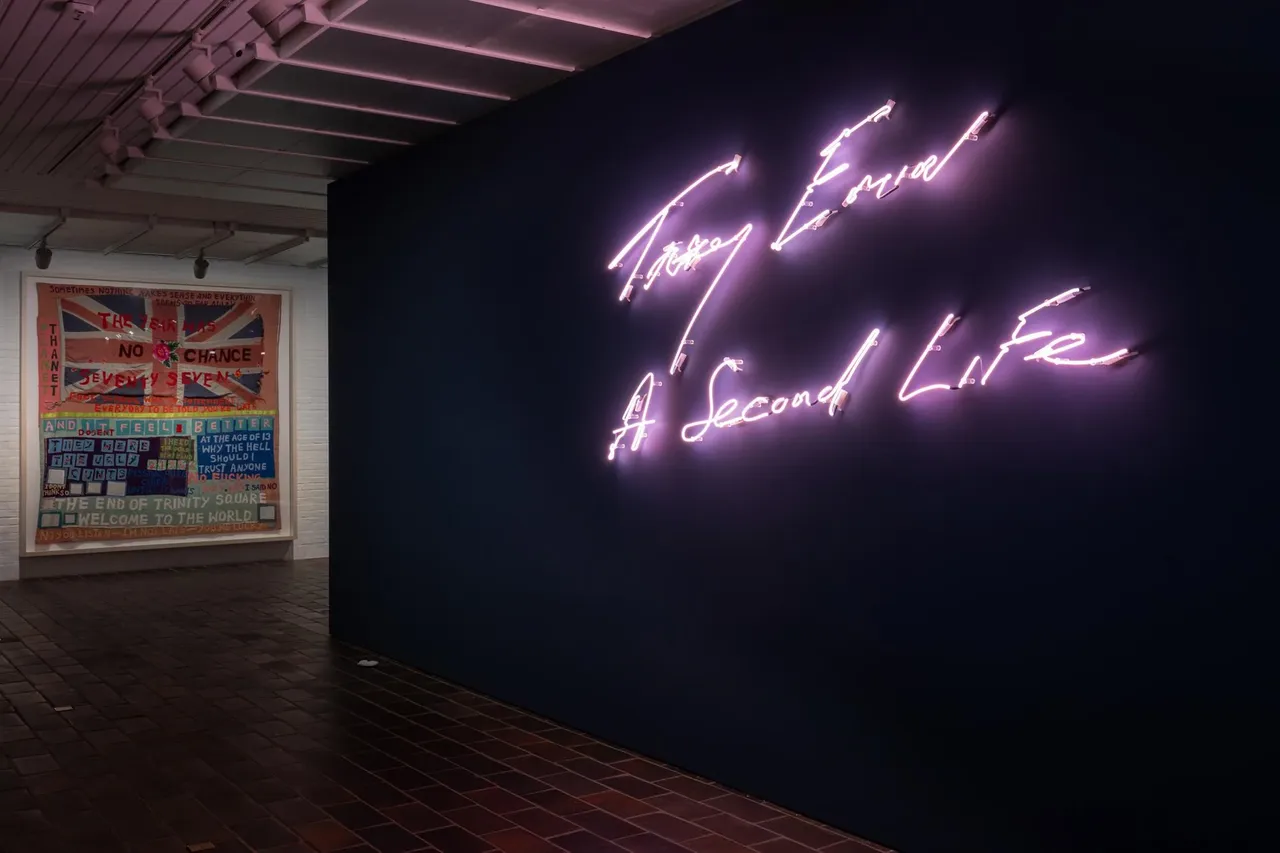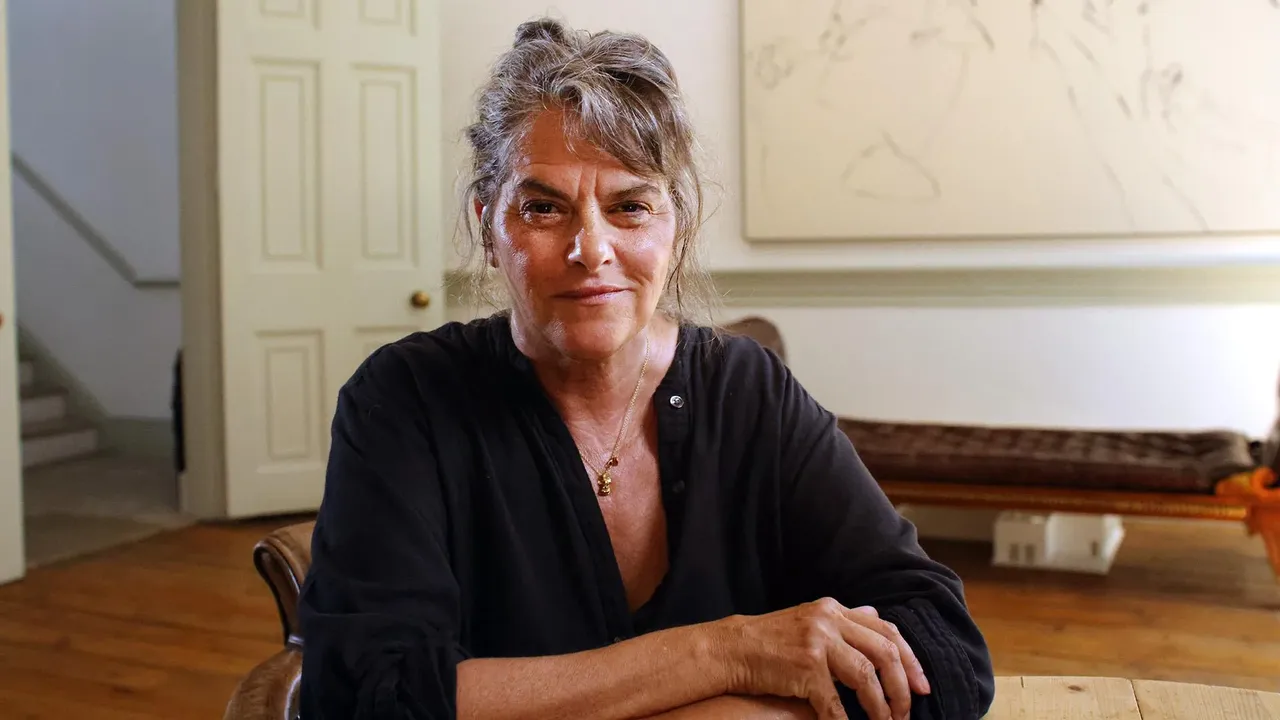
A handwritten sentence, a naked body, a landscape, a bed, a confession: the British artist has spent four decades turning the supposedly private into public matter. Tracey Emin: A Second Life, opening at Louisiana Museum of Modern Art on 8 October 2026 and running until 18 April 2027, brings together four decades of this uncompromising practice, from drawings, quilts, film and neon to the paintings and sculptures that have increasingly occupied her recent work.
There’s something almost indecent about standing in front of a Tracey Emin. Her work has a way of making the museum feel less like a place for contemplation and more like a room you have accidentally entered without knocking. Organised thematically rather than chronologically, the exhibition refuses the neatness of a life story. Instead, past and present bleed into one another.
Emin’s radicalism has never depended on making pain beautiful. It lies in refusing to make it disappear. Sex, abortion, assault, grief, loneliness, ageing and mortality enter her work without the protective distance usually granted to subjects considered too intimate for public consumption. Her art can feel confessional, but it’s never quite a confession: Emin doesn’t ask us to rescue her, nor does she prescribe what we should feel. A phrase such as “Why be afraid, why be afraid” becomes something closer to an open question, its repetition creating space for the viewer’s own fears. In this sense, the personal becomes political without needing to announce itself as such. Experiences historically pushed into silence are given physical, monumental form. Vulnerability is presented not as weakness, but as something that can be looked at without apology.
This is particularly significant within Emin’s position as a woman in British cultural life. Her career has been accompanied by an unusually intense fascination with the person behind the work, from the tabloids that feasted on her biography to the infamous 1997 television appearance that helped turn her into a public figure. Yet the more interesting question is what happened when the artist refused to separate herself from her art in the first place. Emin made a practice out of collapsing the distance between artist, artwork and life at a time when female experience was still routinely expected to arrive edited, tasteful and comprehensible. Her work can therefore be read through feminism, but it’s also profoundly existential: it asks what remains when the things we use to construct the self—sex, love, memory and the body—are themselves unstable. Crucially, Emin’s darkness is frequently accompanied by humour. There’s an absurdity to existence that she recognises rather than disguises, as if laughing at the horror might be another way of surviving it.
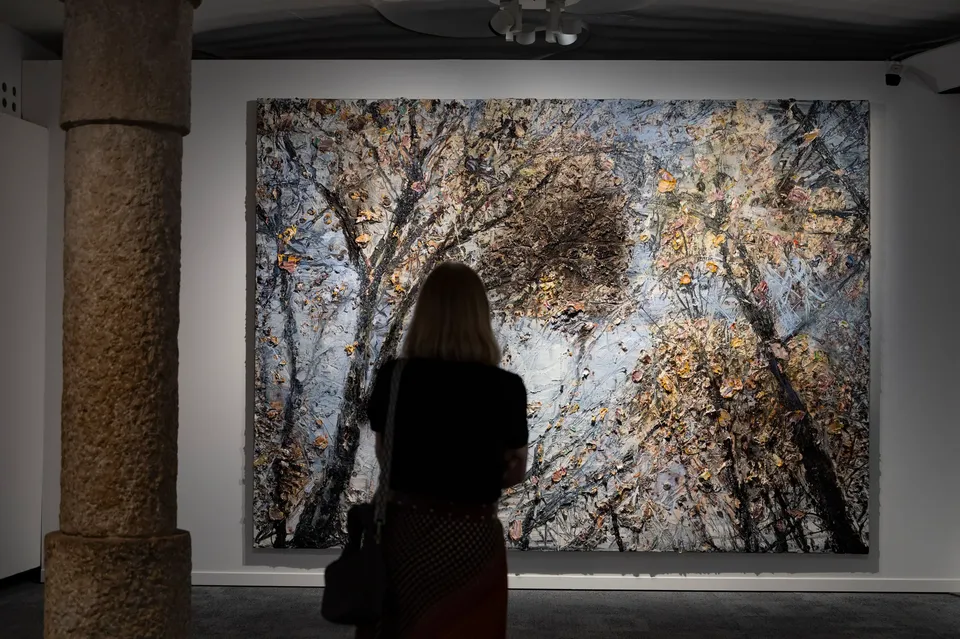
The title A Second Life acquires another weight through the events of 2020, when Emin underwent extensive surgery for cancer. Since then, painting has become increasingly central to her practice, producing a remarkably prolific body of new work. These paintings return insistently to life and death: figures struggle across canvases, couples meet and separate, interiors become psychological spaces, and words sit beside bodies as though thought itself has become physical. Yet this isn’t simply an exhibition about illness or recovery. The “second life” also describes something that has always existed within Emin’s work: the possibility of remaking yourself from what has already happened. Her past is not sealed behind her; it remains active, revisited and transformed.
This is why her work continues to feel so immediate after four decades. Its subject isn’t trauma alone, but the strange, unfinished business of being alive. Art does not always have to offer resolution, beauty or distance. Sometimes it can simply say: this happened, I felt this, I am still here. At Louisiana, surrounded by the institutional language of the museum, those declarations acquire another life. Emin’s work persists because beneath the scandals, the headlines and the fascination with her biography lies something harder to exhaust: the insistence that fear, desire, grief and contradiction do not have to be hidden in order for a life to be lived.
Tracey Emin: A Second Life is on view from 8 October 2026 to 18 April 2027 at Louisiana Museum of Modern Art, Humlebæk, Denmark.