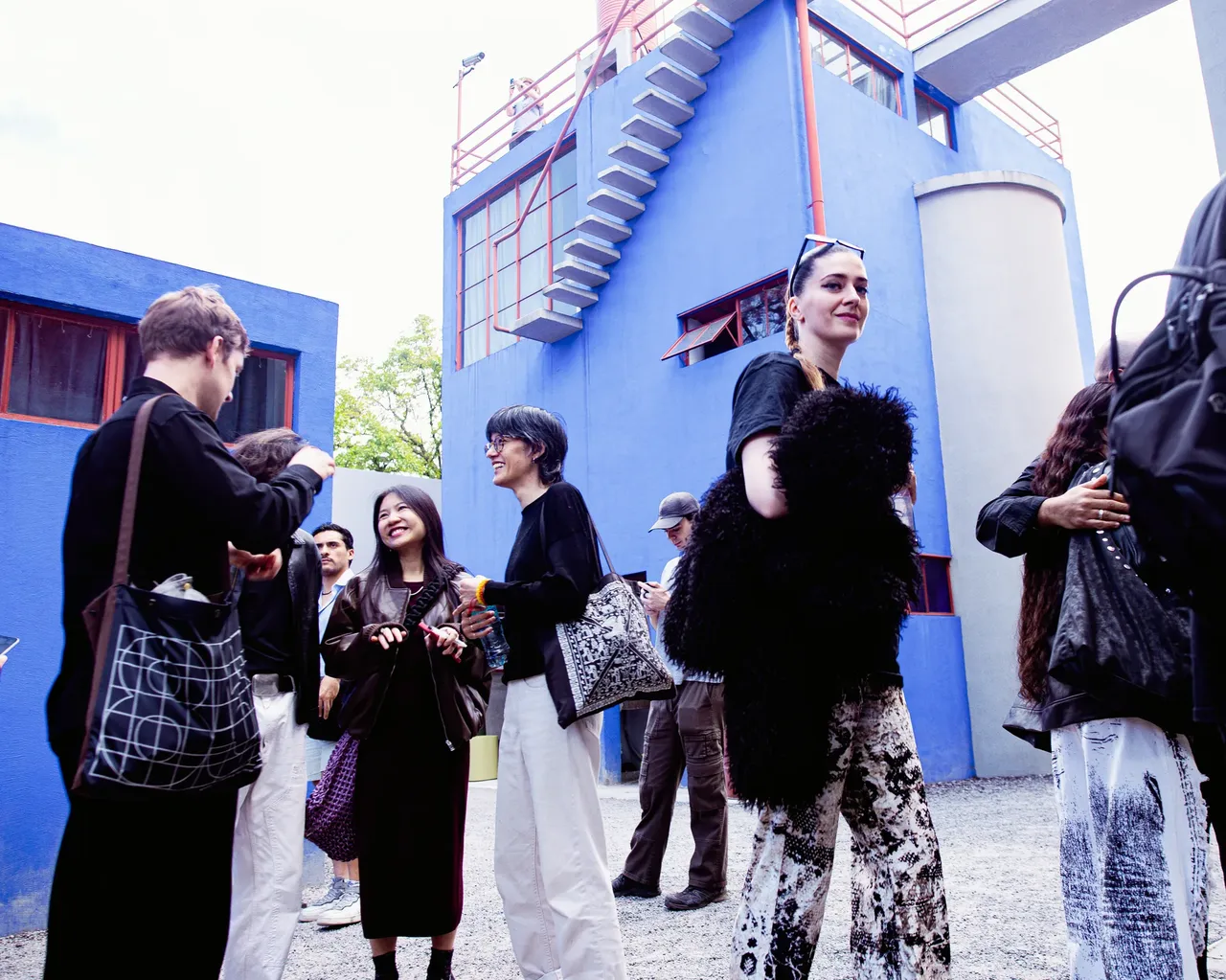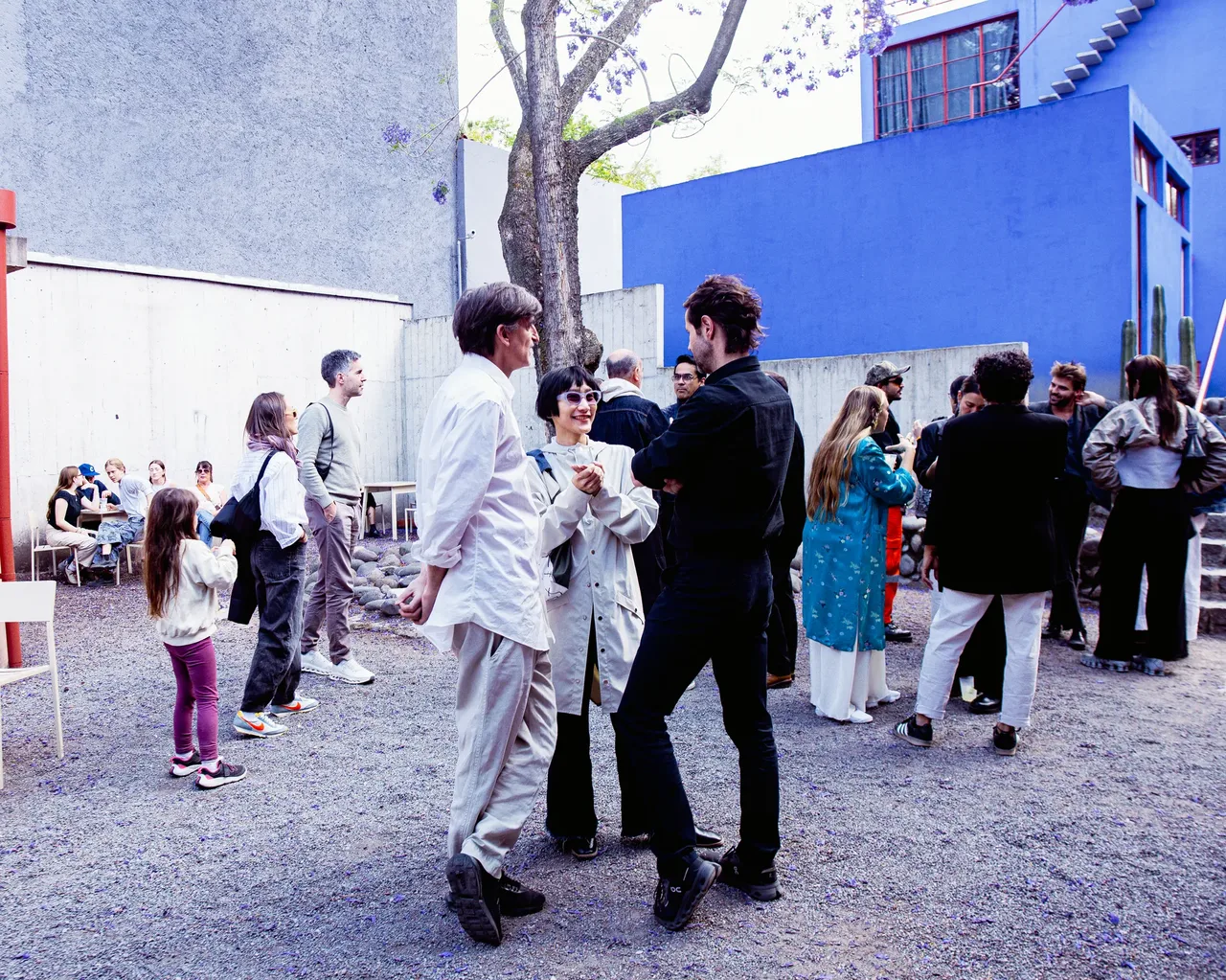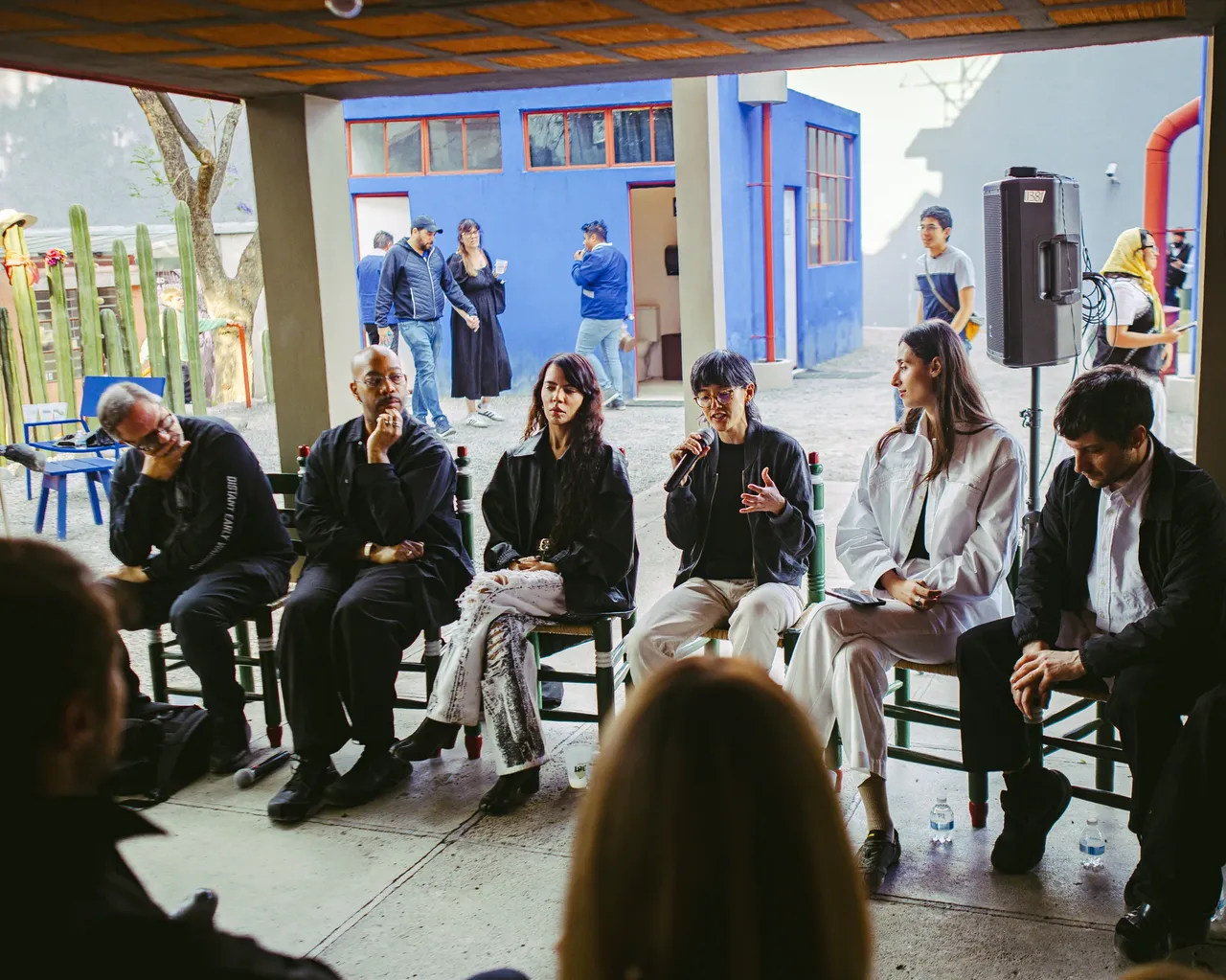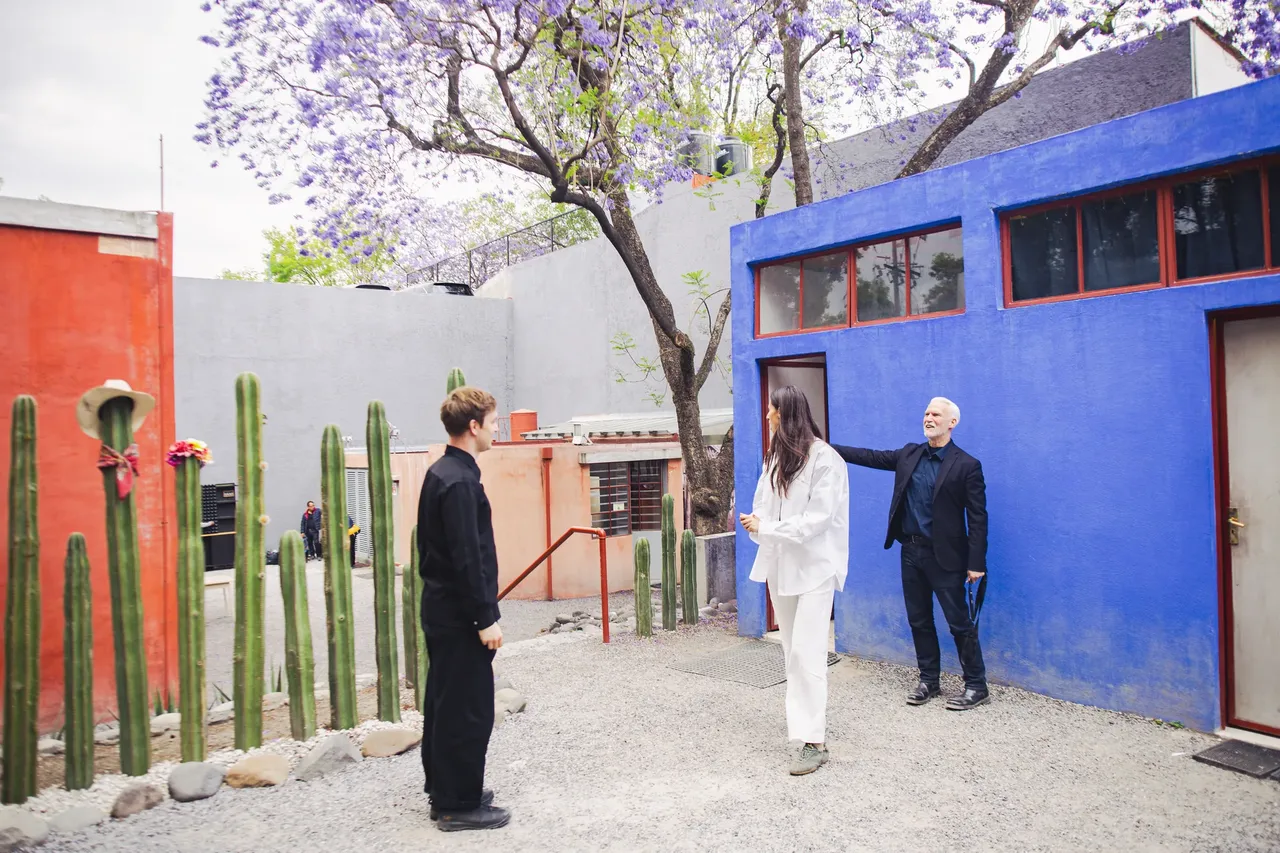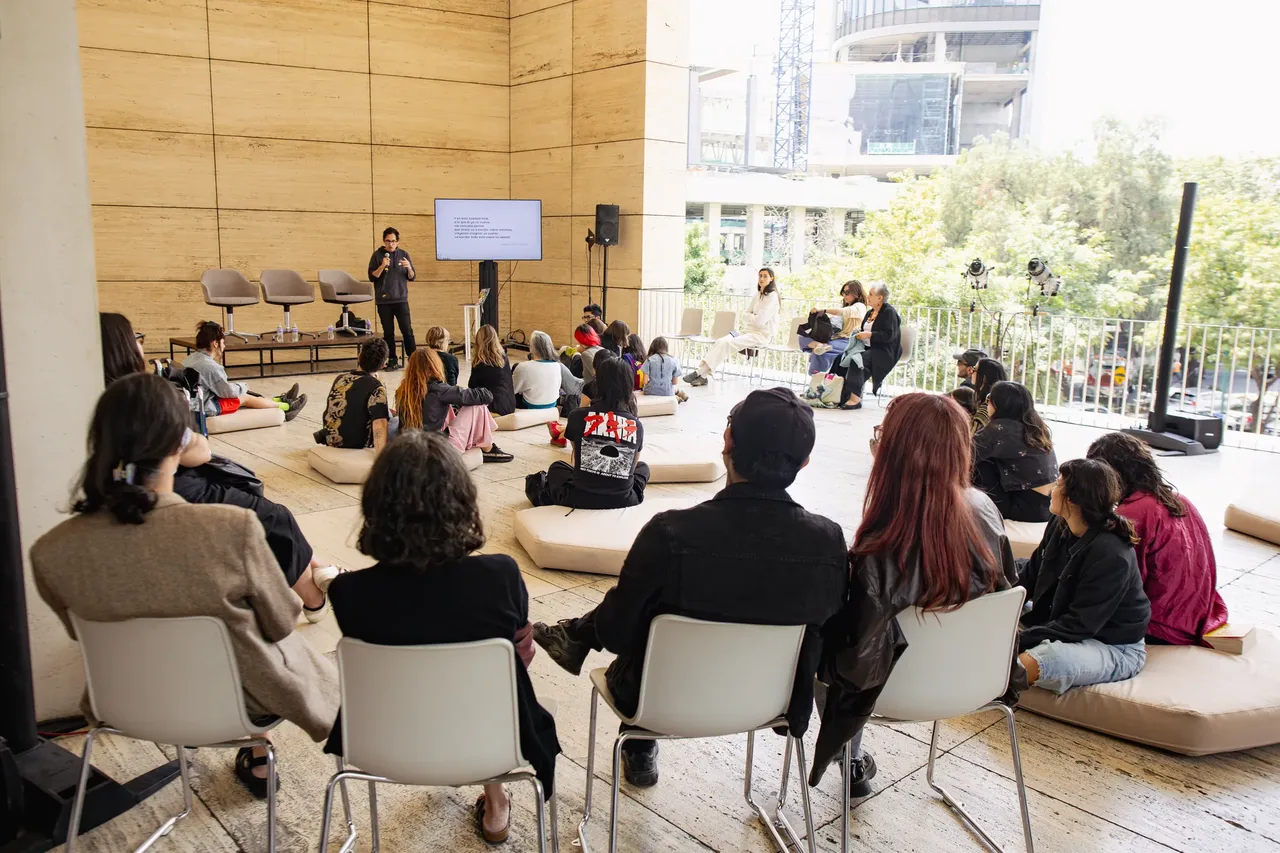
There is always a moment right after February in Mexico City when things slow down a bit. Art Week ends, the calendar opens up, and suddenly your week is no longer three openings, two dinners, and something you said yes to without really knowing what it was. It feels like a pause, but not an empty one. You still go out, you still run into people, you just have a little more space to choose. And that is usually when things like Tono Festival happen.
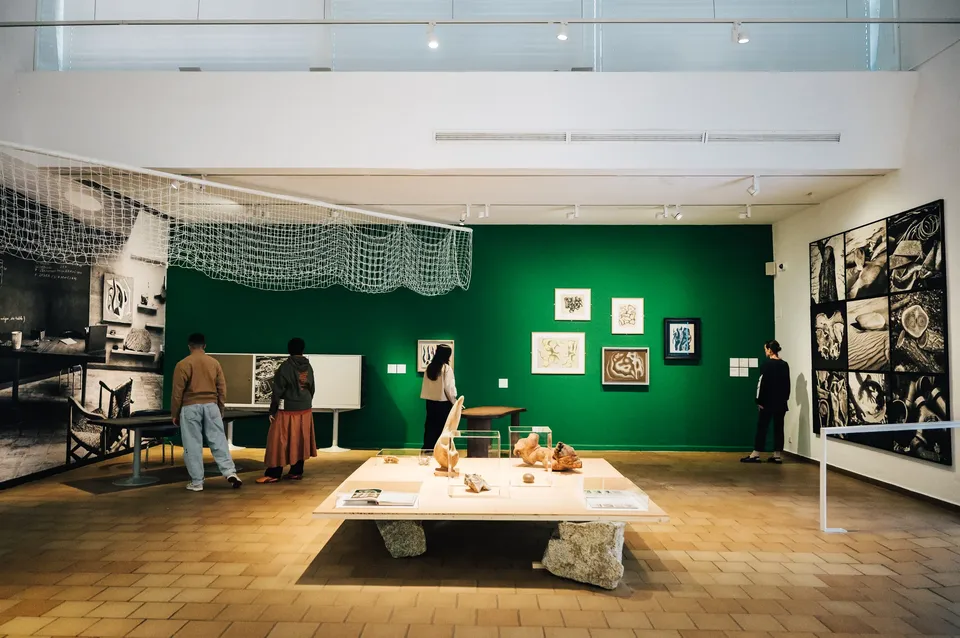
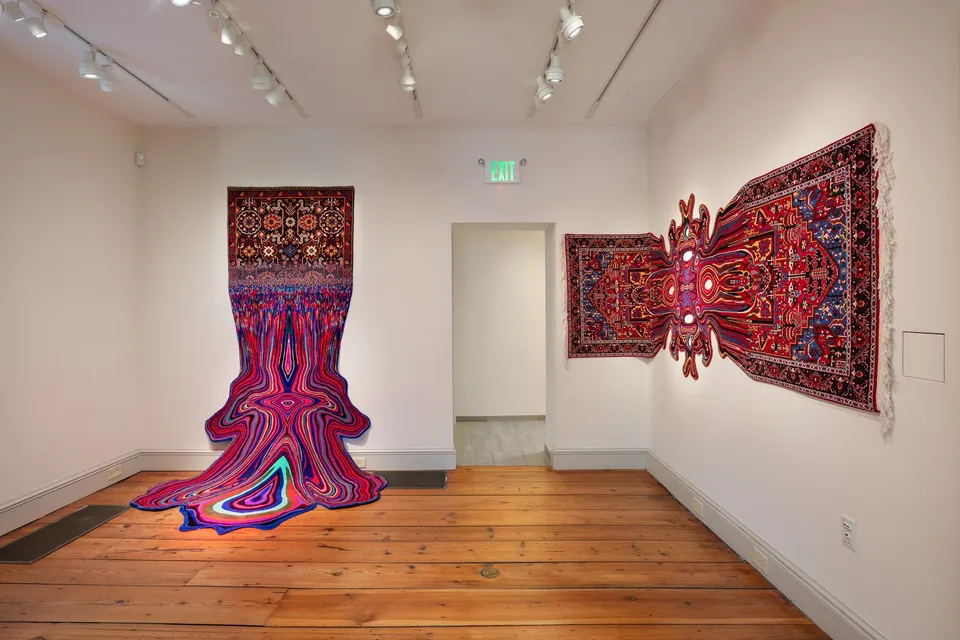
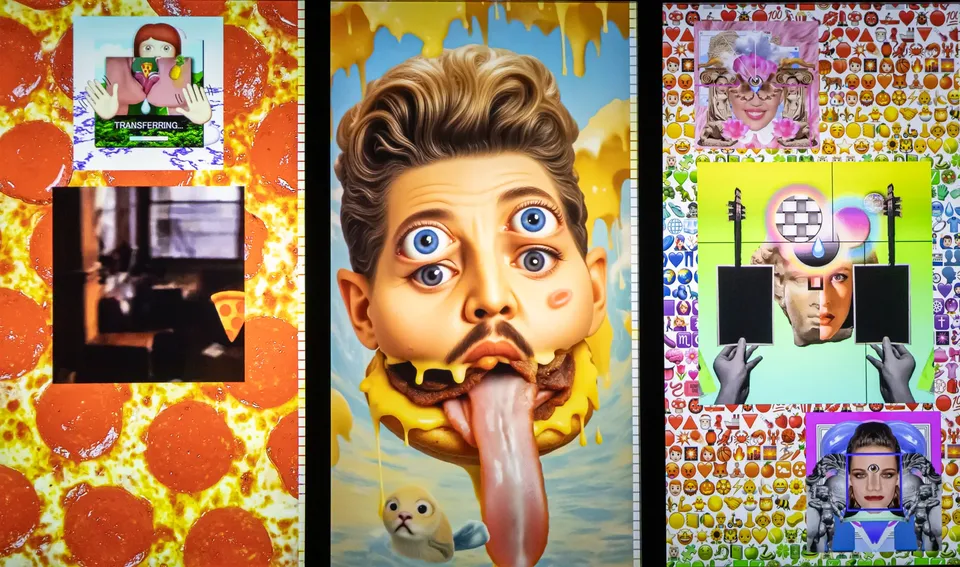
Now in its fourth edition, Tono ran from March 6 to 22 across venues in Mexico City and Puebla. The format is simple: a daily programme that moves between performance, sound, film, and exhibitions. It does not try to compress everything into a single weekend. You go when you can, between plans, after dinner, or instead of one. Tono is not new to the city anymore. Founded as a US-based non-profit focused on time-based practices, the festival has steadily expanded its presence, bringing together over sixty artists from more than twenty countries across Mexico City and Puebla.
That rhythm matters. Because in a city like this, culture is not only in the big moments. It also lives in how plans extend into each other. A show turns into drinks, drinks into dinner, dinner into something else. Tono fits into that dynamic without interrupting it. The programming follows a similar logic. A live piece by Tino Sehgal, built entirely around interaction, sits alongside a sound environment by Space Afrika or a screening, and the transition feels natural rather than staged.
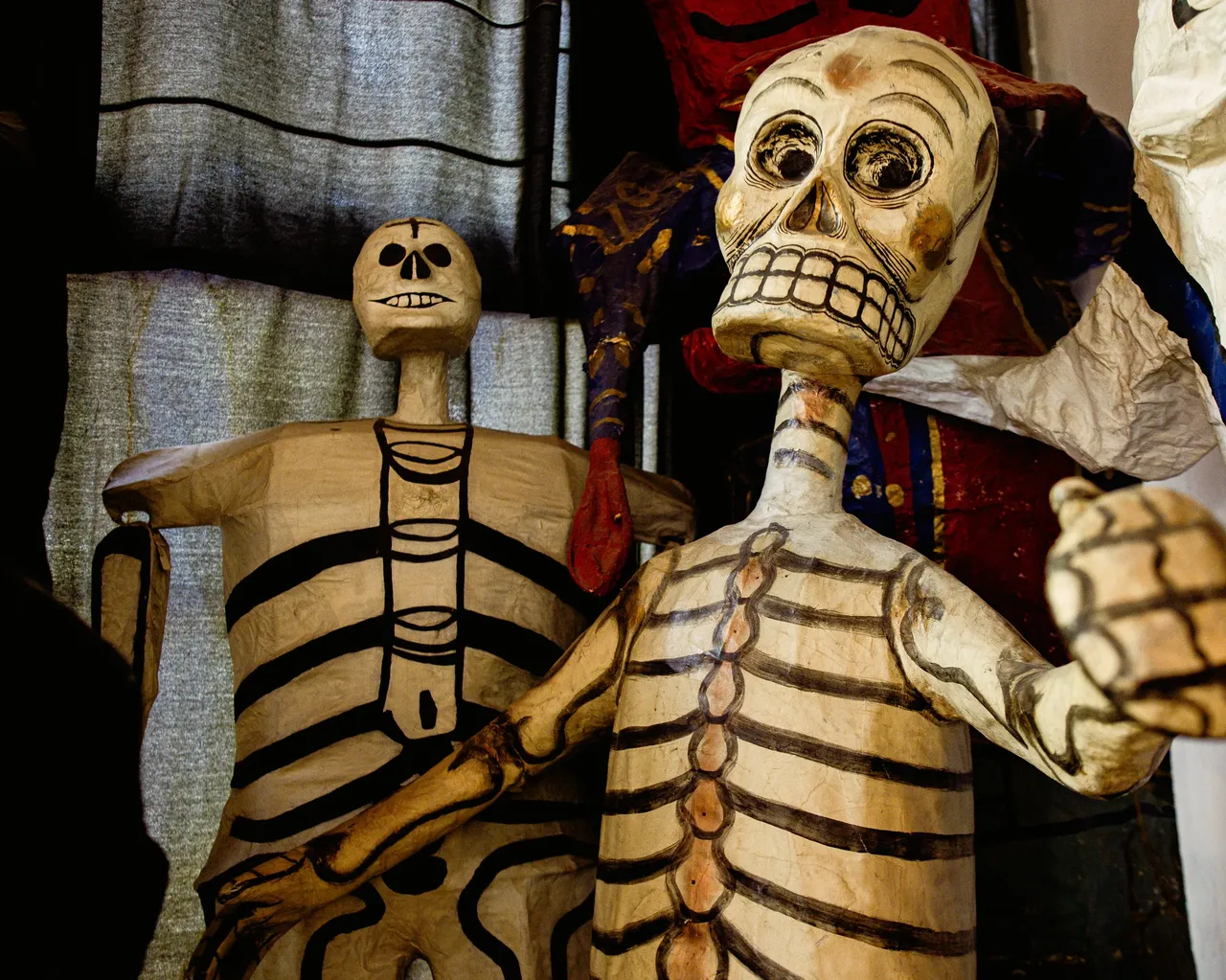
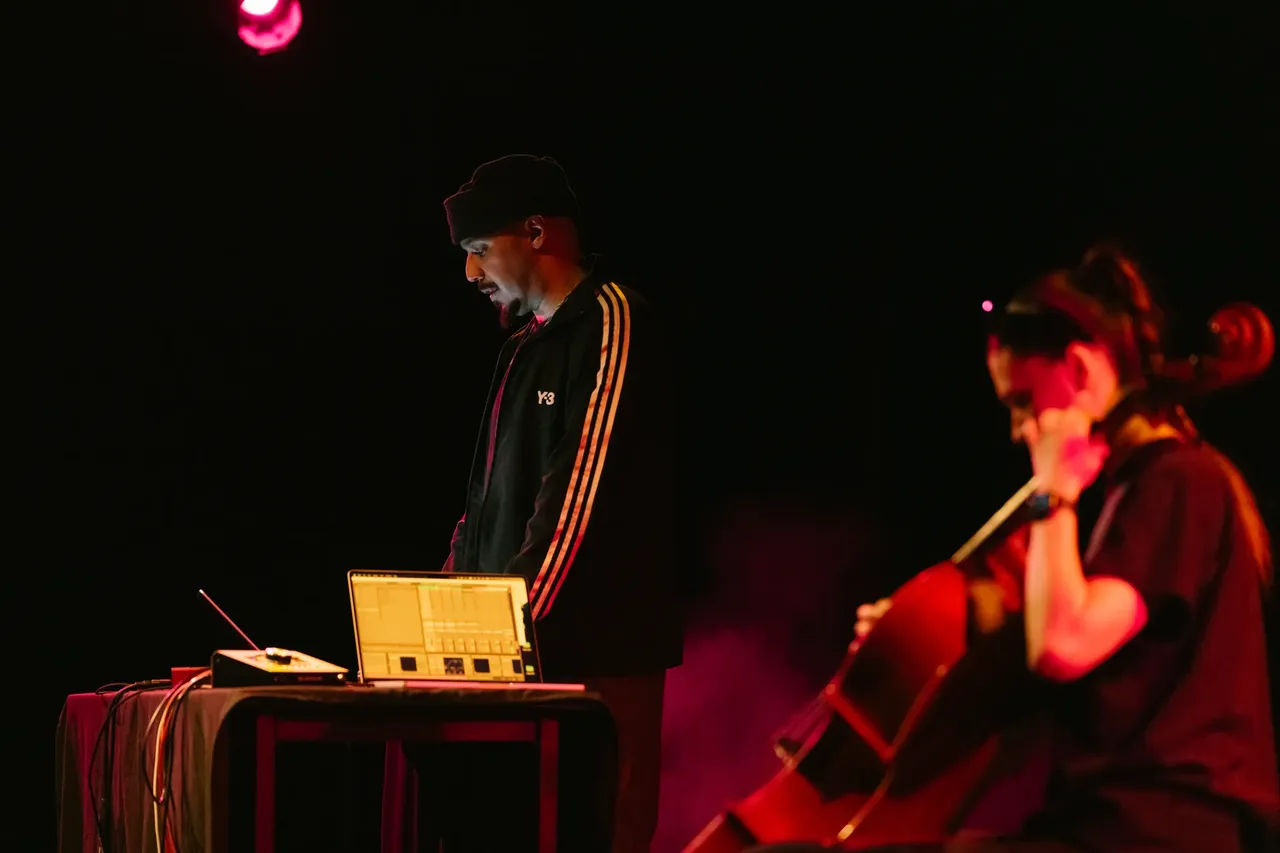
Mundos Rotos by Kianí del Valle, with live sound by Kelman Duran, is one of the pieces that stands out. It is controlled and measured, allowing tension to build without forcing it. At the Museo de Arte Moderno, Rafael Lozano-Hemmer worked with Eli Keszler on a live activation tied to his exhibition, adding another layer to a space that is already in constant use.
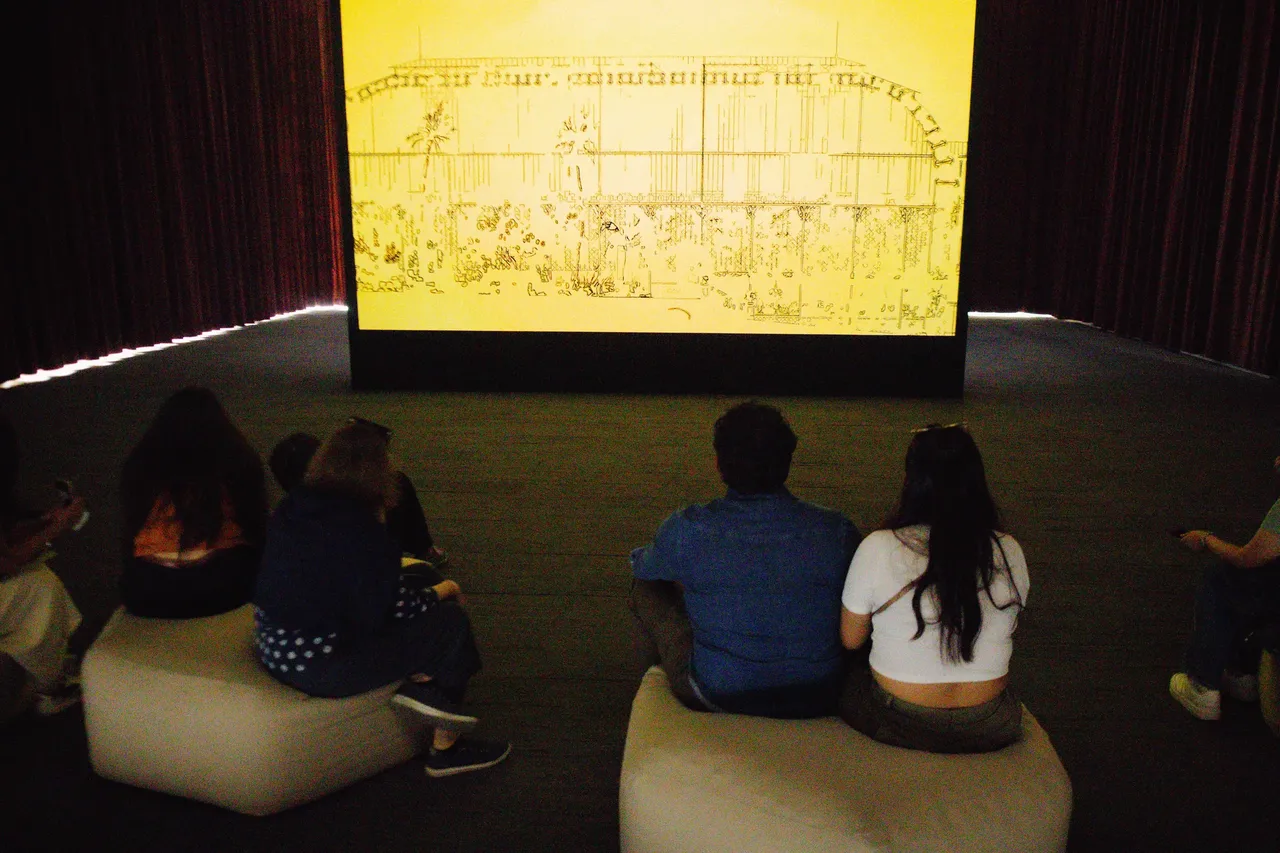
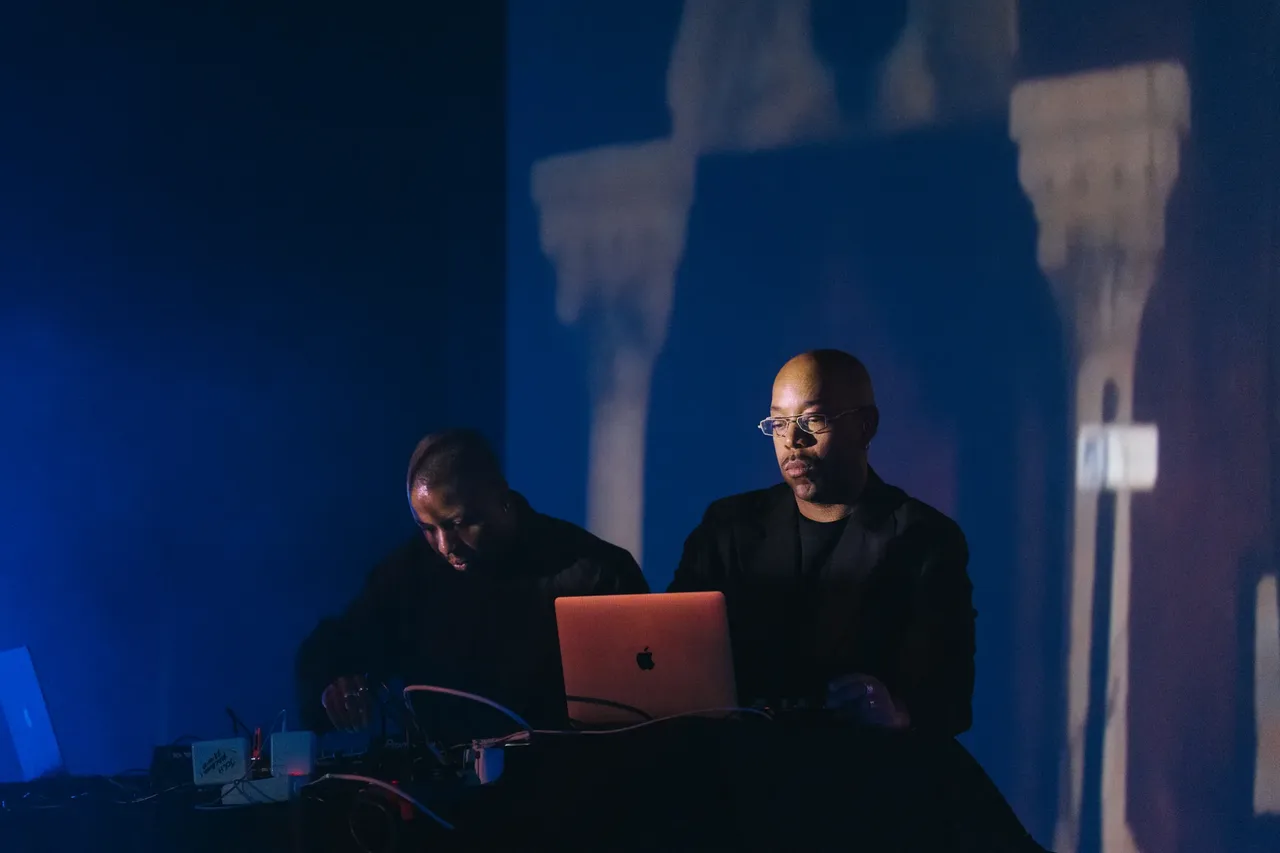
The music programme leans into atmosphere. McArthur by Franziska Aigner and Kelman Duran at the Casa del Lago UNAM focused on voice and texture, stretching sound rather than building towards a clear resolution. Elsewhere, Ho Tzu Nyen’s Hotel Aporia at the Museo Amparo unfolded more slowly, something you move through at your own pace.
Tono also works with collaborators outside Mexico, connecting with institutions in New York, Bangkok, and Berlin, but it stays aligned with how things already operate locally. This year, that extends beyond the city. Tono closed the 2026 edition with a collaboration with the Neue Nationalgalerie and its Perform! festival. It doesn’t really read as an ending. Tono is one of the ways that continuity happens. Not as a peak, but as part of an ongoing rhythm.