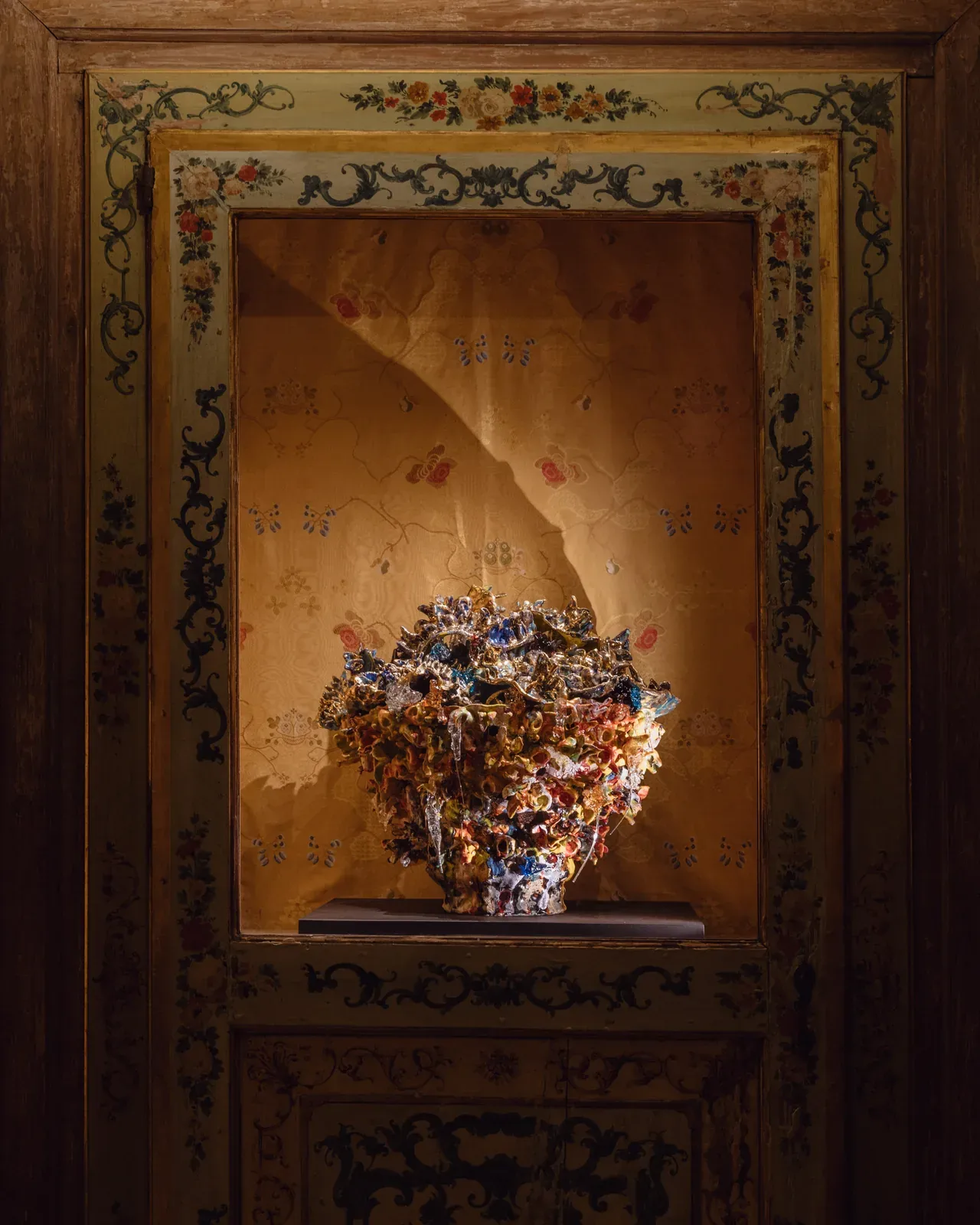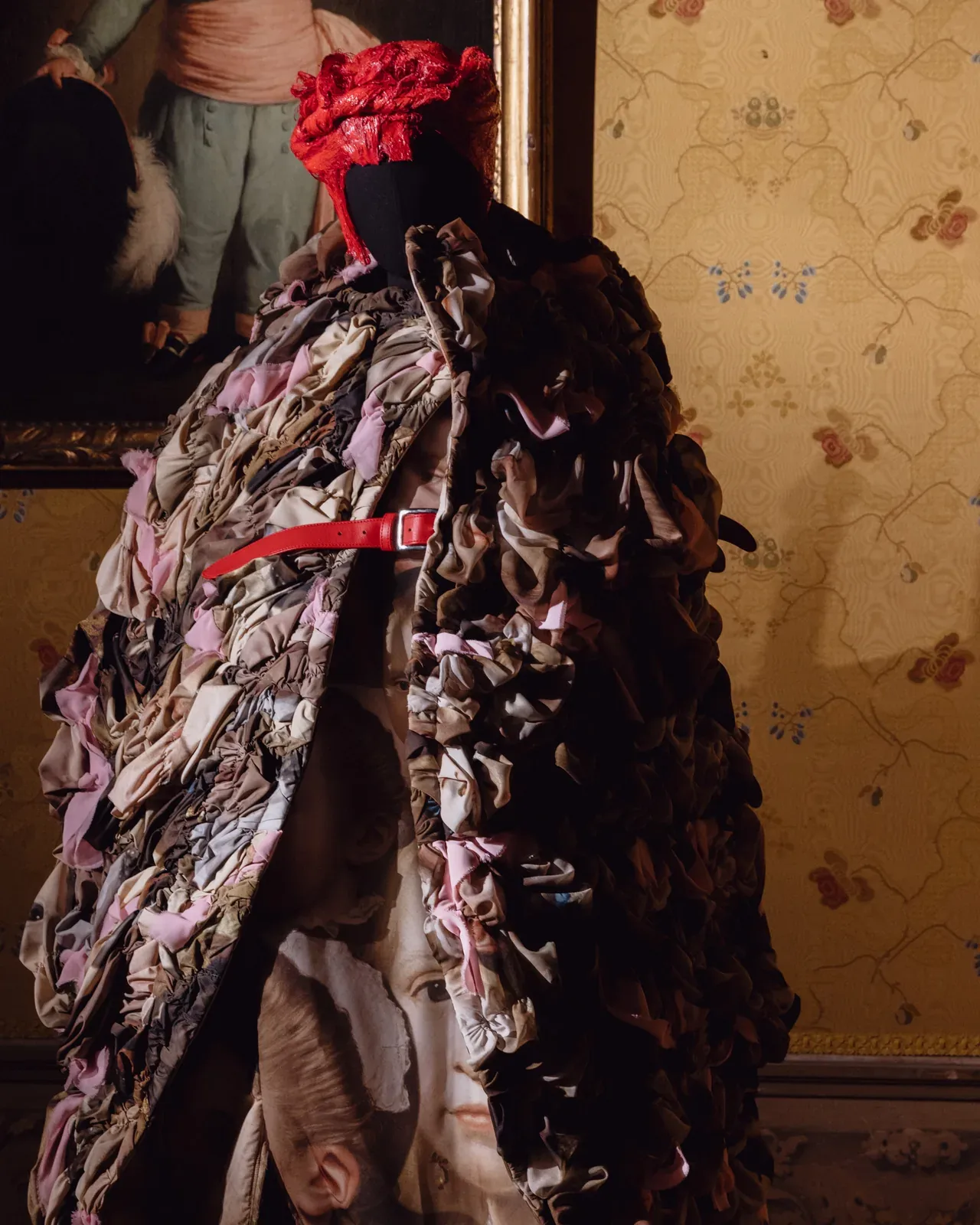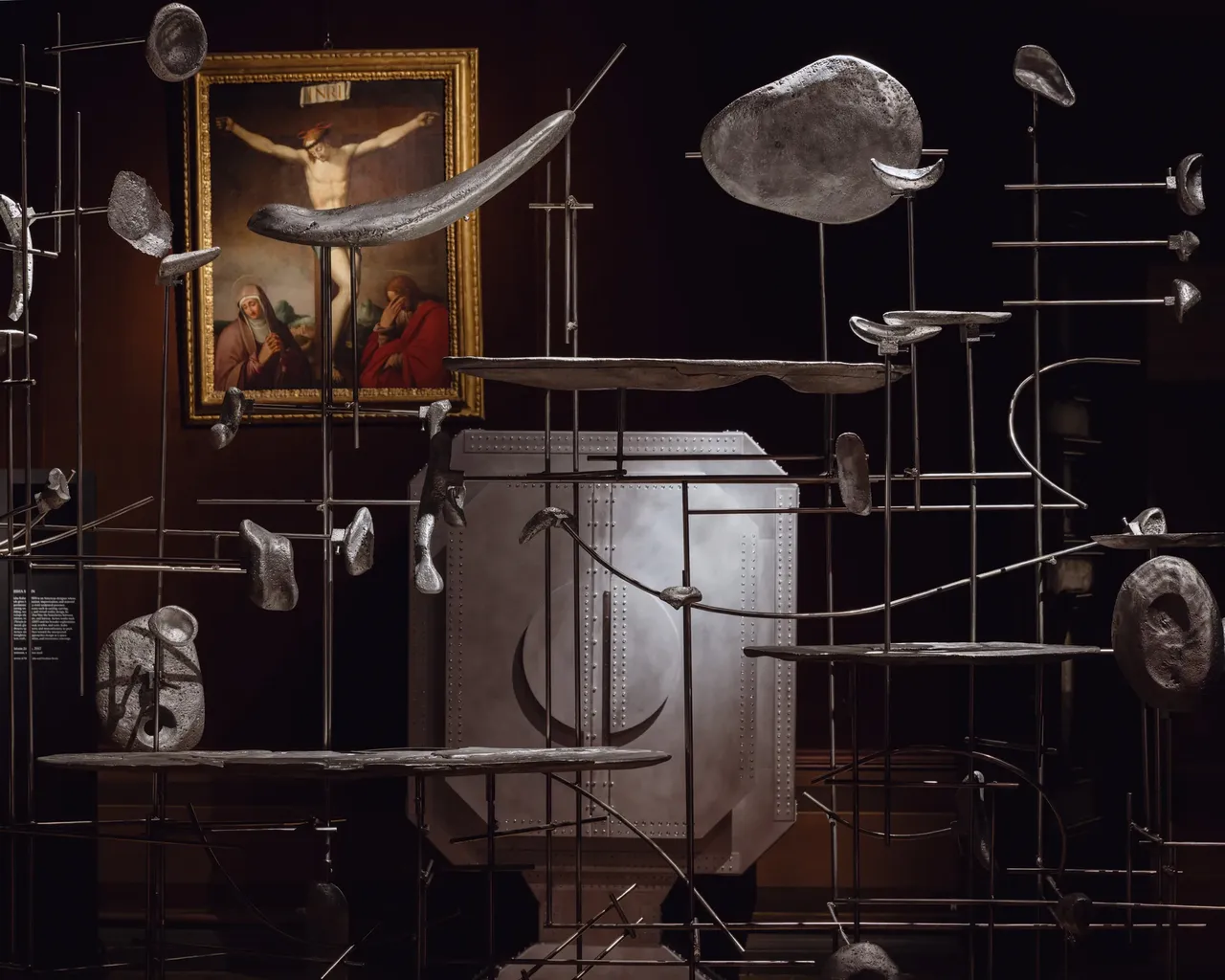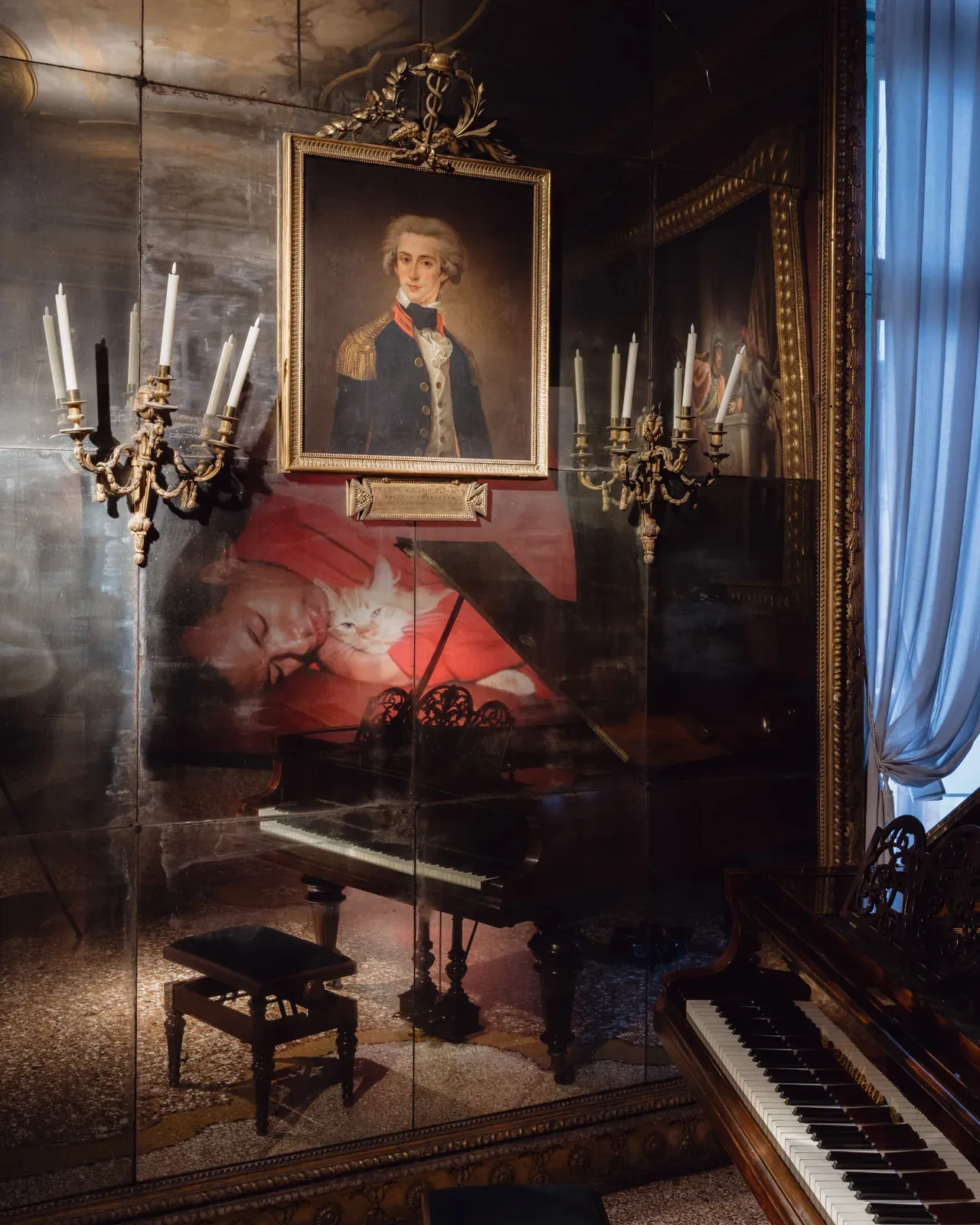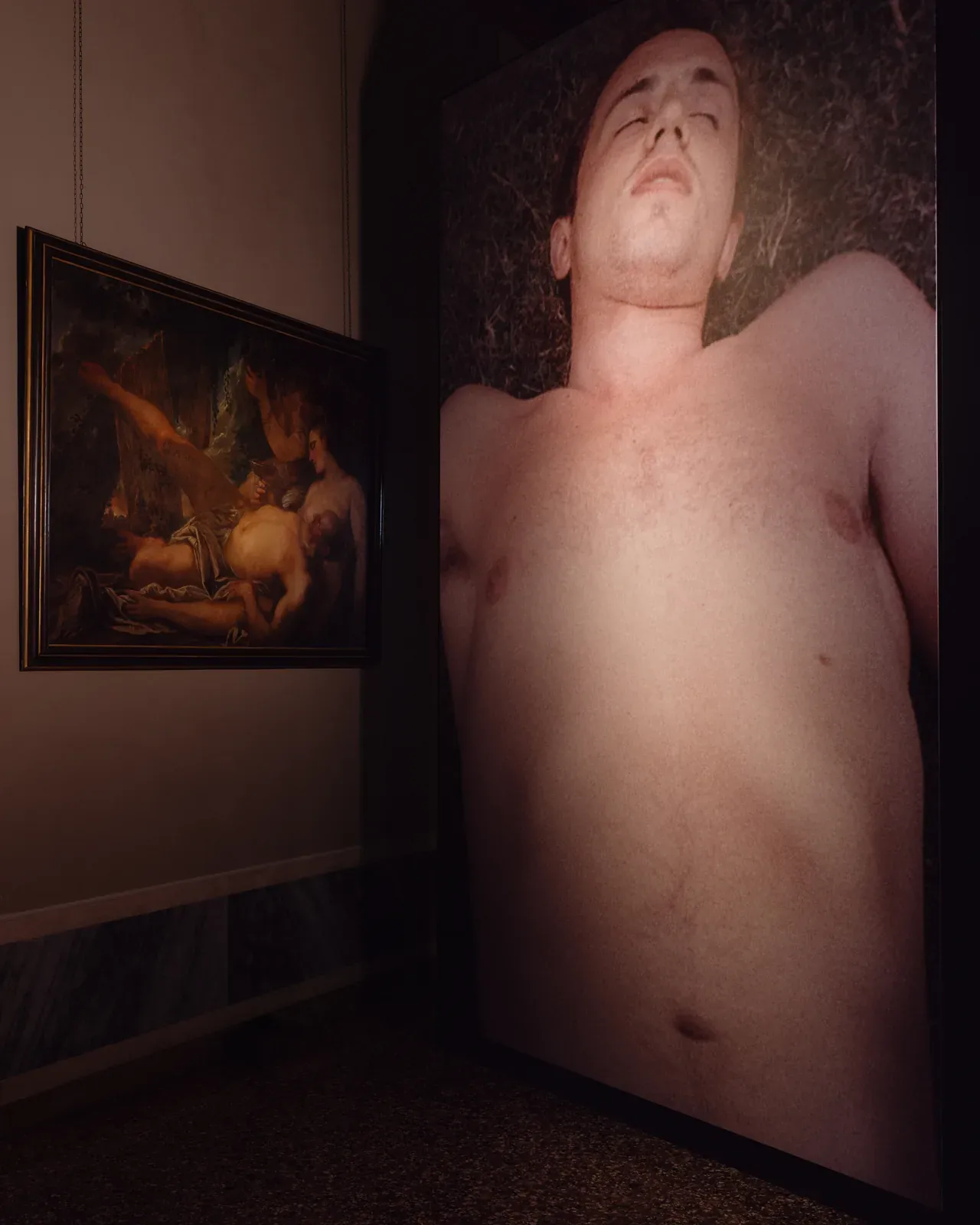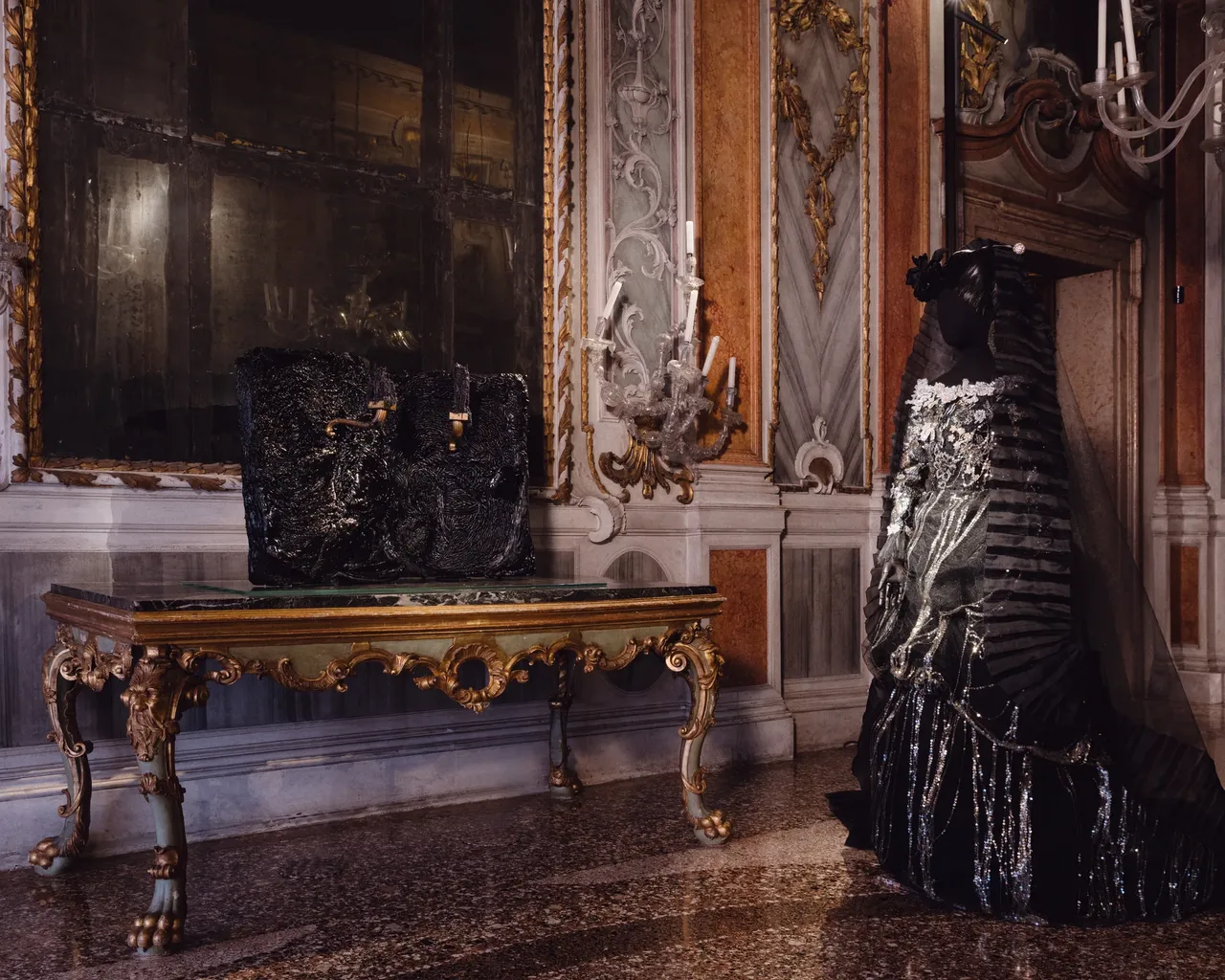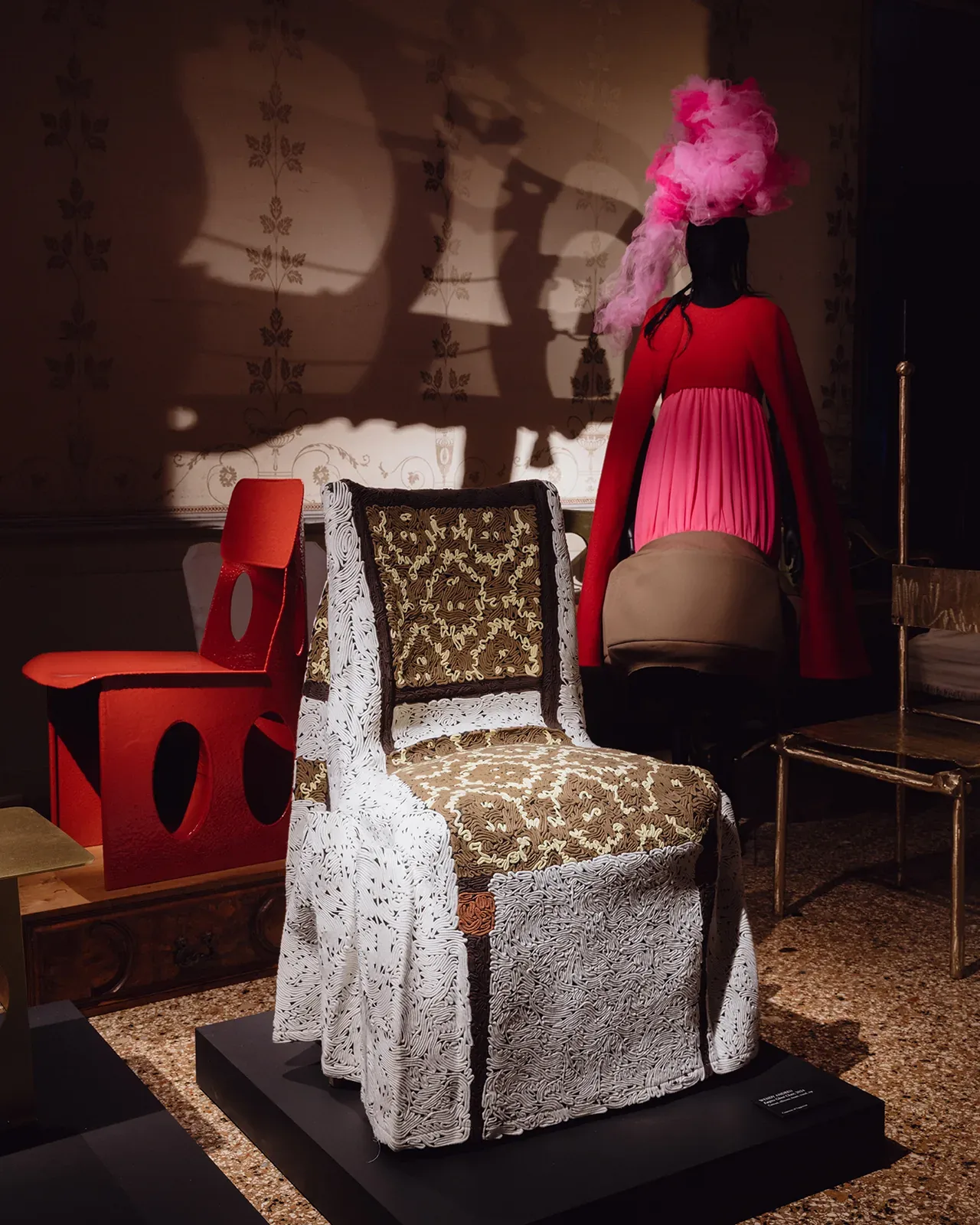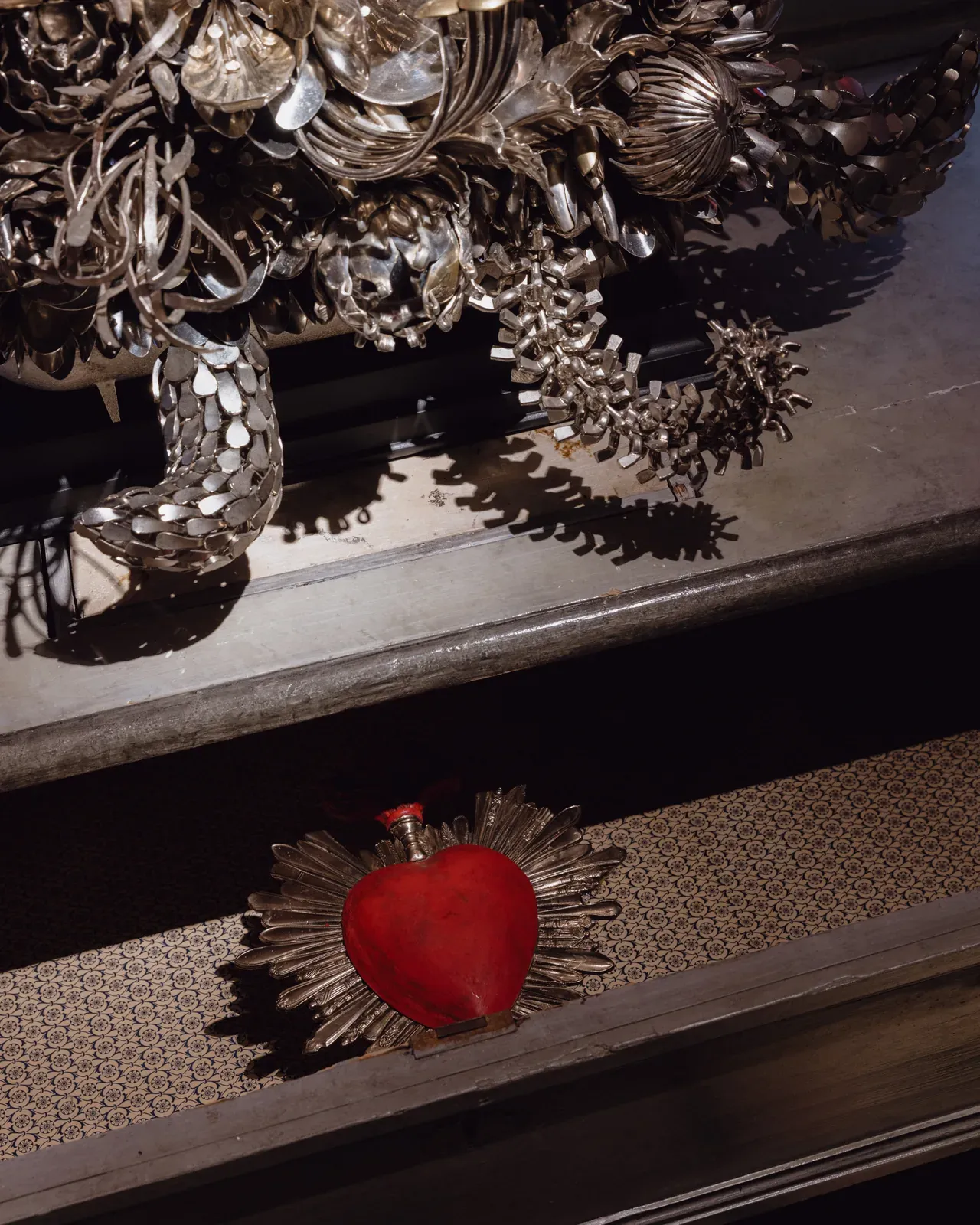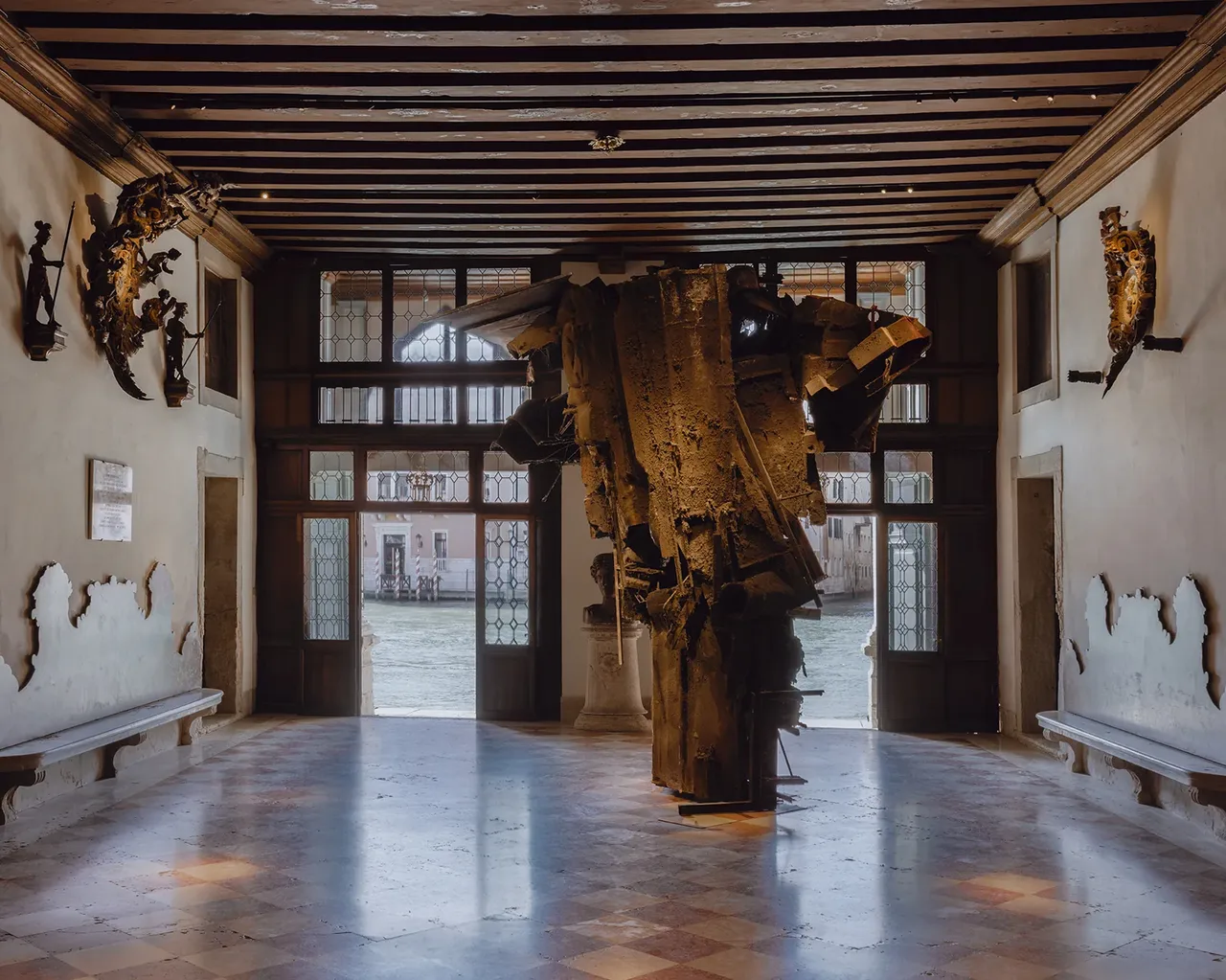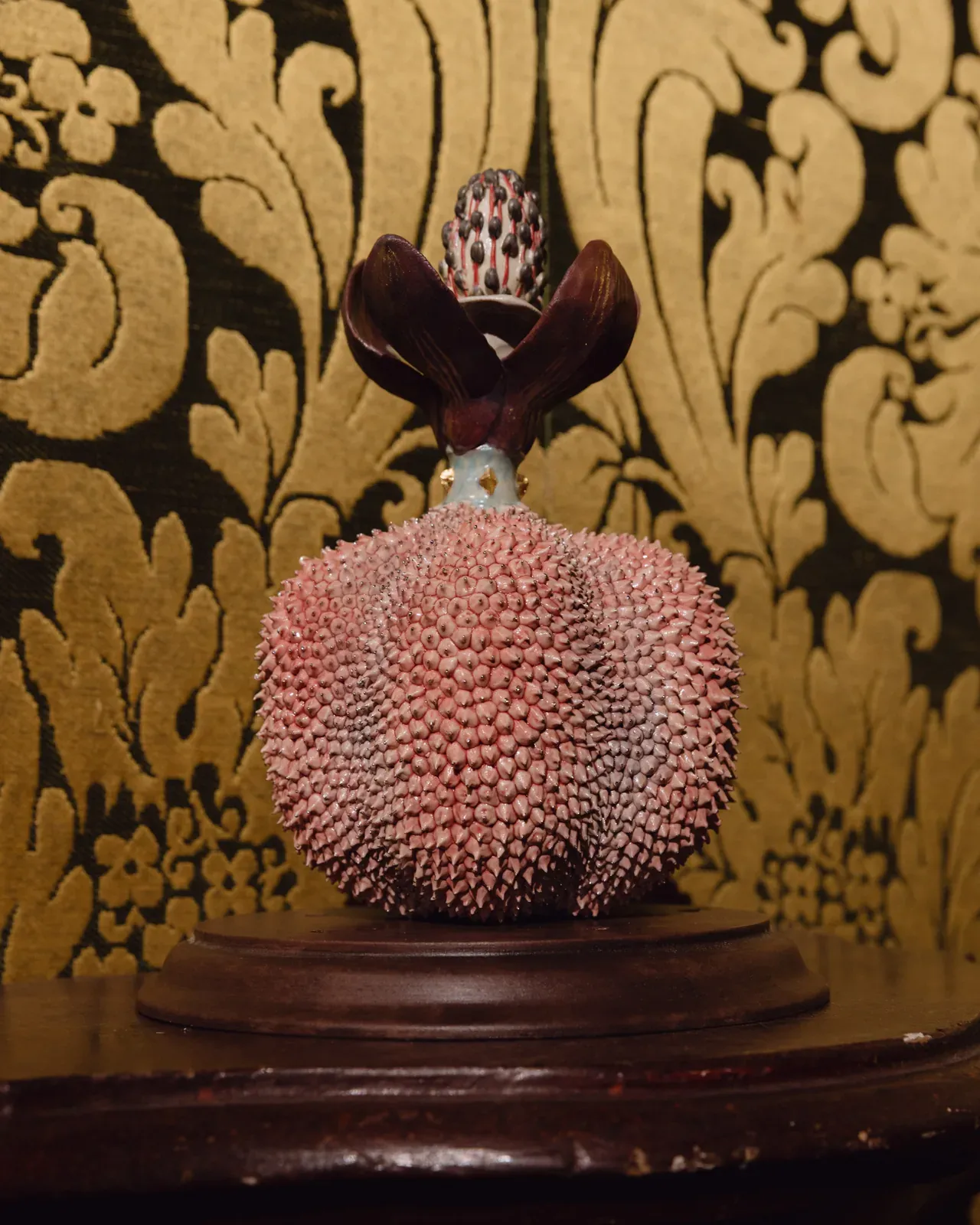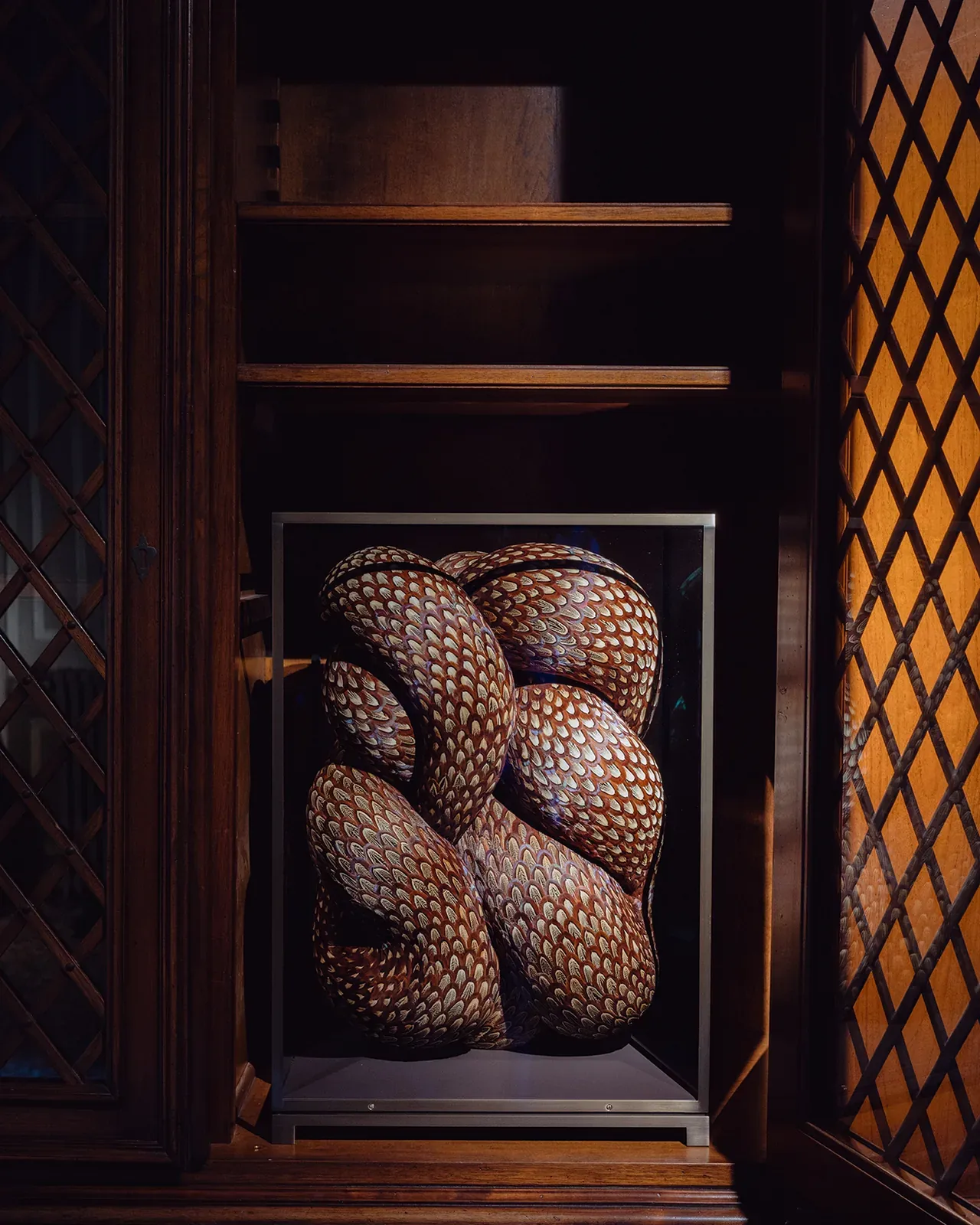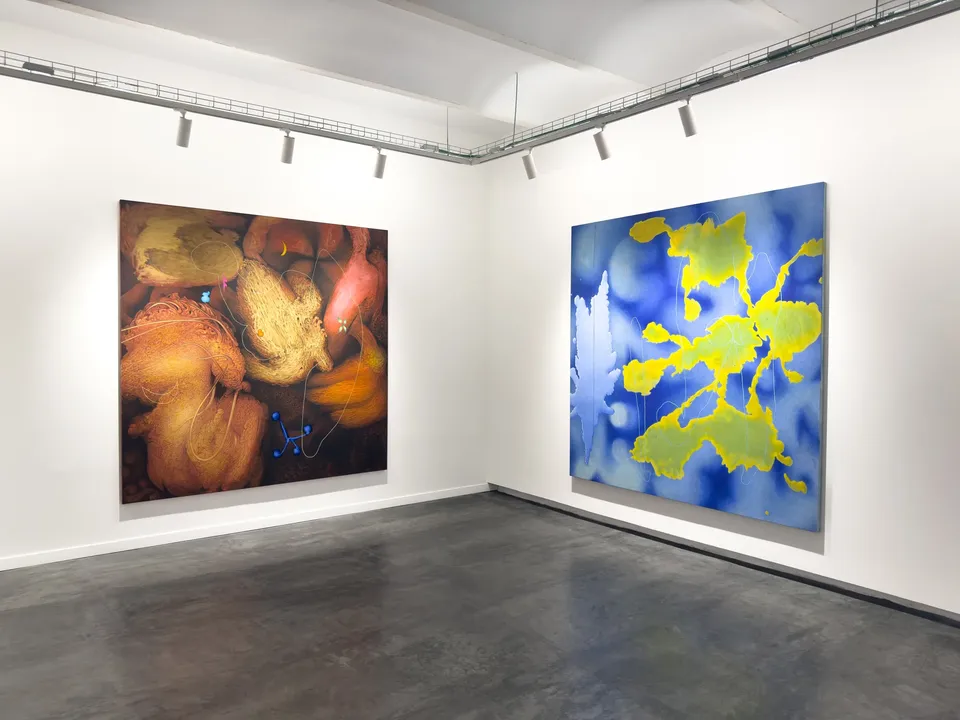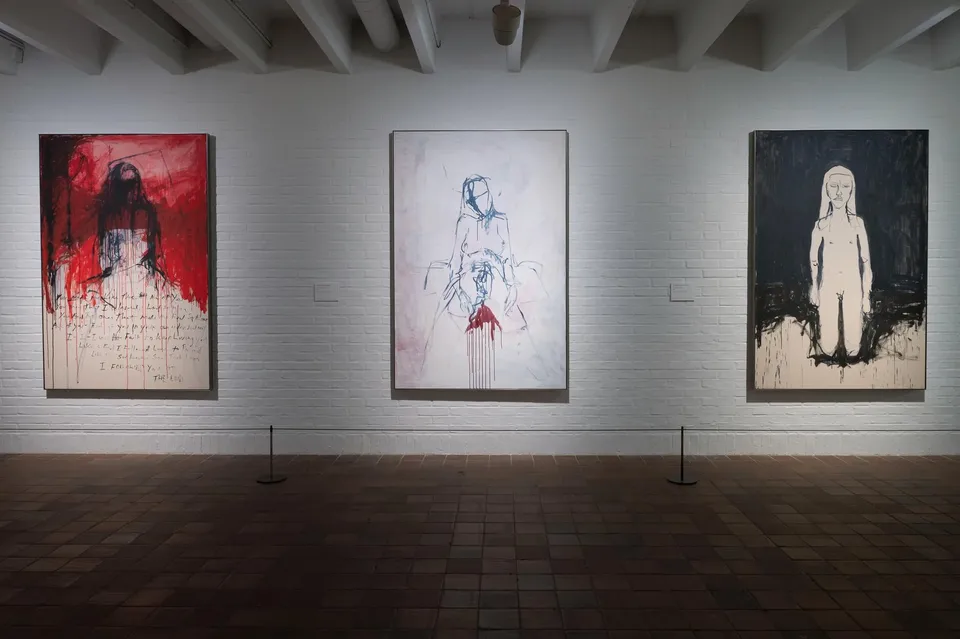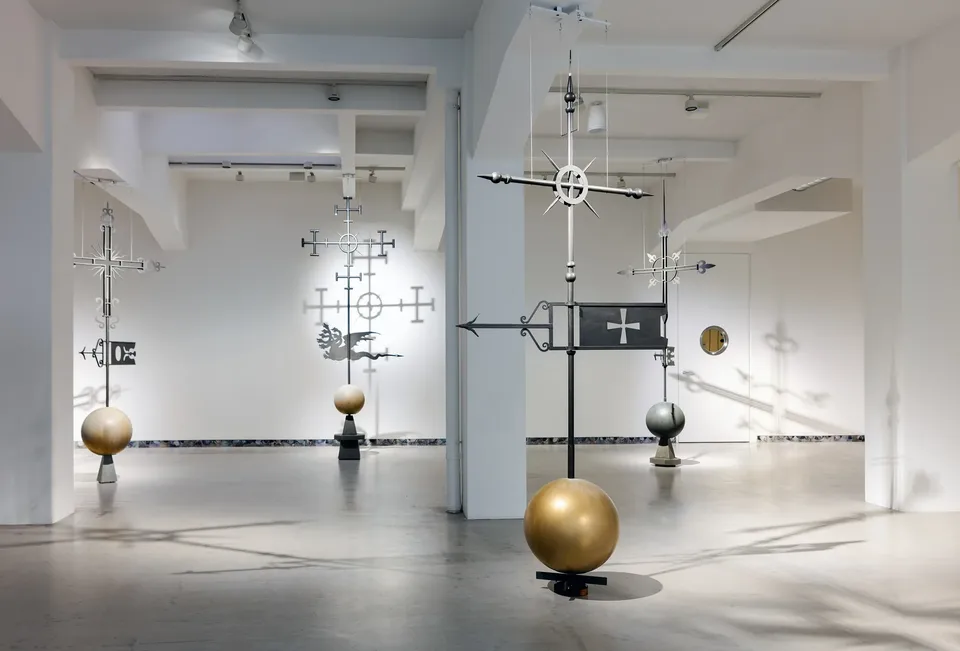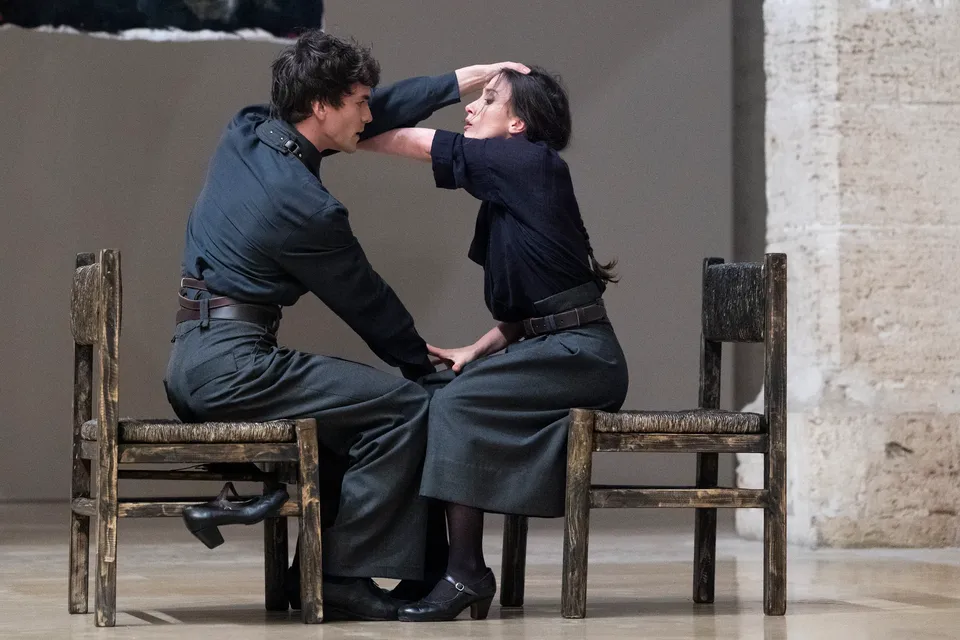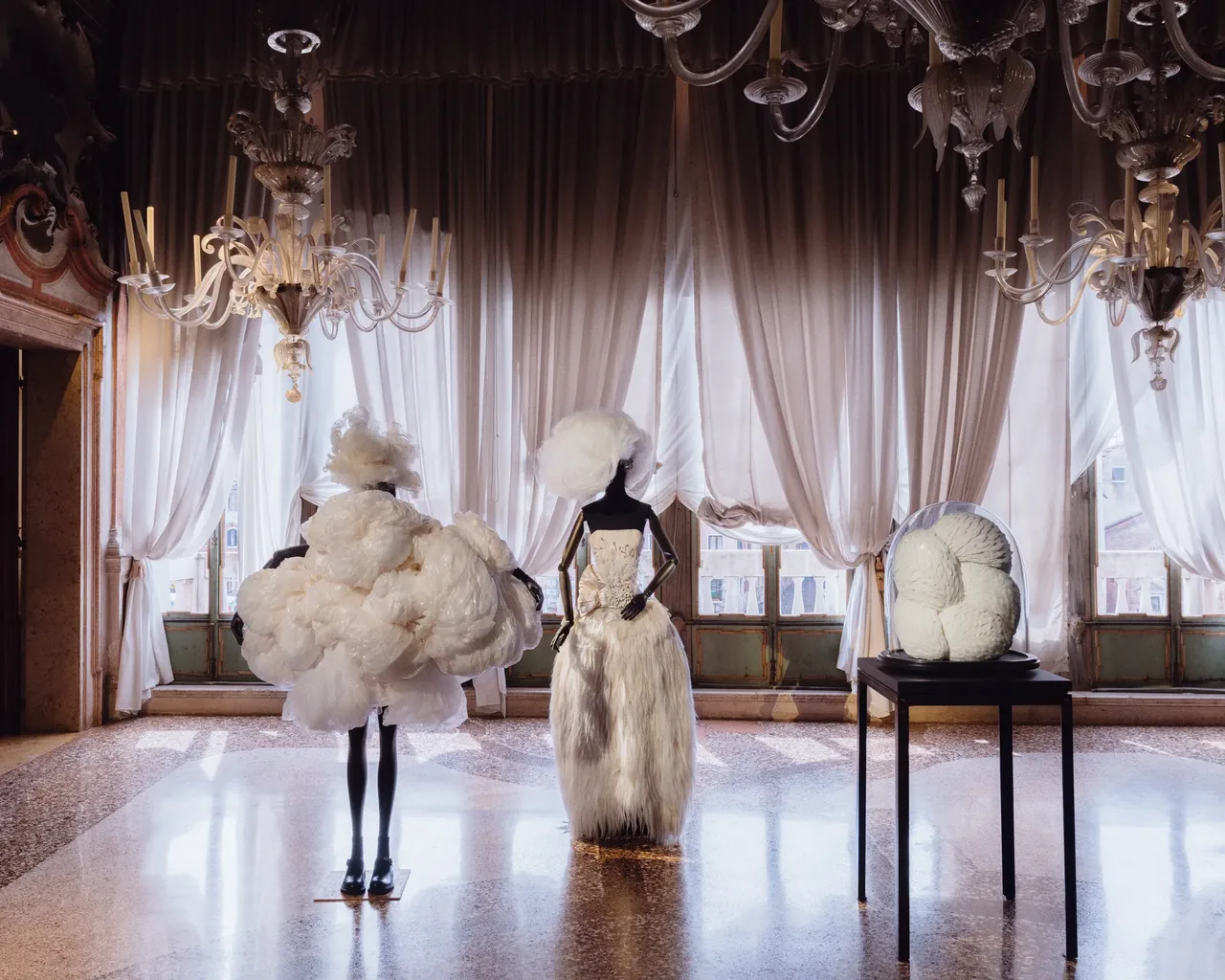
Venice smells of old stone, dark water and centuries of accumulated beauty. Inside the frescoed rooms of Palazzo Pisani Moretta, the inaugural exhibition at Fondazione Dries Van Noten asks us to do something increasingly unfamiliar: stop. The Only True Protest Is Beauty, curated by Van Noten and Geert Bruloot, brings together more than two hundred works spanning fashion, jewellery, design, photography, glass and ceramics, allowing craftsmanship to move freely between disciplines. On view until October 4, 2026, the exhibition is less a celebration of beauty than an argument for its necessity. In a culture built around speed, disposability and constant novelty, perhaps taking the time to make something properly is already a form of resistance.
For Van Noten, beauty has never simply meant prettiness. He describes it as something deeply personal: something capable of shocking, unsettling or surprising us, but also something as ordinary as sunlight entering a bedroom in the morning. Beauty, in this sense, isn’t an escape from life. It’s part of what makes life bearable. What makes the exhibition particularly resonant is that Van Noten’s relationship with time has long existed beyond the gallery. Throughout his career, he resisted the acceleration of the fashion system, refusing to let the demand for constant newness completely dictate the way he worked. He has spoken openly about not wanting to be rushed into producing more products simply because a calendar demands it. He let the work set its own pace, resisting the pressure to constantly produce, expand and renew.
This philosophy also extends to the people behind the clothes. Van Noten has maintained relationships with employees, suppliers and craftspeople over decades, describing the importance of the people who had invested much of their working lives in his company. His relationship with Indian embroidery, which began in the late 1980s, developed through a cottage-industry system around Kolkata, rooted in the handwork and specialised knowledge he so admired. It’s one thing to make clothes that look precious; another to build a working culture around the idea that the hands that make them are precious too.
Van Noten’s position within fashion has afforded him a degree of creative freedom and influence that few can access. More revealing, however, is how he has chosen to use that position. Throughout his career, he has directed attention towards craftsmanship, collaboration and the people behind the objects he creates—values that continue to shape the Fondazione today. The new Fondazione extends that impulse beyond his own fashion house, bringing together established and emerging artists, designers and craftspeople in dialogue, allowing their different approaches to beauty and making to coexist, including the likes of Comme des Garçons, Misha Kahn, Christian Lacroix, Ann Carrington, Kaori Kurihara, Richard Stipl, Lilla Tabasso, and Peter Buggenhout, among many others. Van Noten has described the project as a space where know-how and passion can give an object its life. In that sense, it feels less like a conclusion than an opening of the door: a way of using the platform he has built to make space for other forms of creativity.
This is why the exhibition’s idea of beauty feels more relevant outside the Palazzo than inside it. Aesthetics don’t belong exclusively to museums. They exist in the clothes we put on in the morning, the objects we keep, the rooms we inhabit, the food we prepare and the small rituals through which we move through a day. Van Noten’s own definition of beauty makes this distinction important: it isn’t about surrounding yourself with expensive things, but about developing the capacity to notice. To care about how something feels, how it was made, where it came from and who made it is to resist the idea that everything around us should be interchangeable. There’s something familiar in the Nordic appreciation of slowness and everyday attention: not slowness as stagnation, but as a refusal to believe that faster automatically means better. A dress can take hours. A craft can take years to master. A lunch can be worth sitting down for. Even a moment of doing absolutely nothing can have value when a culture insists that every minute must produce something.
The Only True Protest Is Beauty isn’t a claim that beautiful objects can repair an ugly world. Nor is it a denial of the inequalities that surround luxury. It’s about refusing to let speed, efficiency and disposability become the only measures of value. Van Noten’s work suggests that beauty can also be a commitment: to preserving knowledge, maintaining relationships and allowing things to develop rather than demanding that they arrive immediately. In a world where so much is produced without patience and consumed without attachment, choosing to care becomes its own kind of rebellion. Sometimes protest isn’t destruction. Sometimes it’s simply refusing to stop caring about how something is made.
The exhibition The Only True Protest Is Beauty is on view through October 4 at Palazzo Pisani Moretta, San Polo 2766, Venice, Italy.