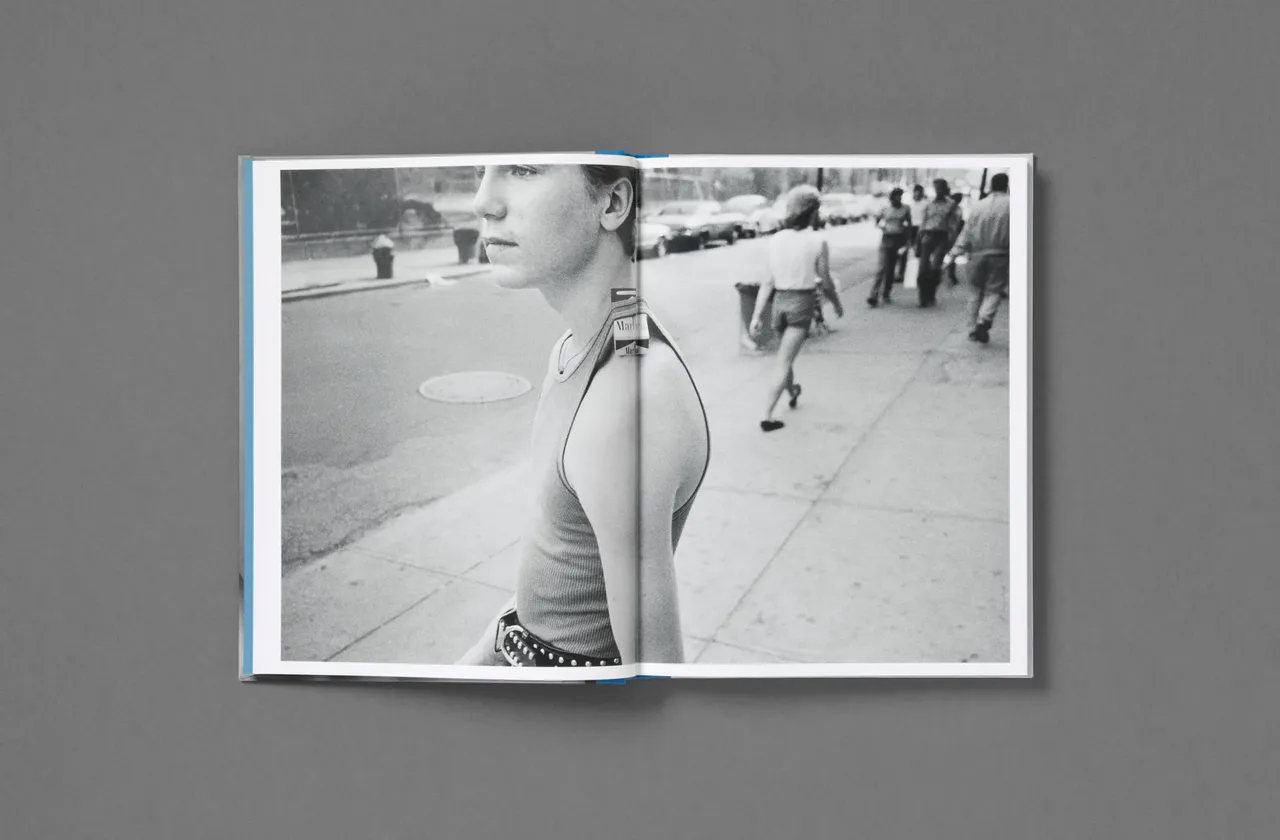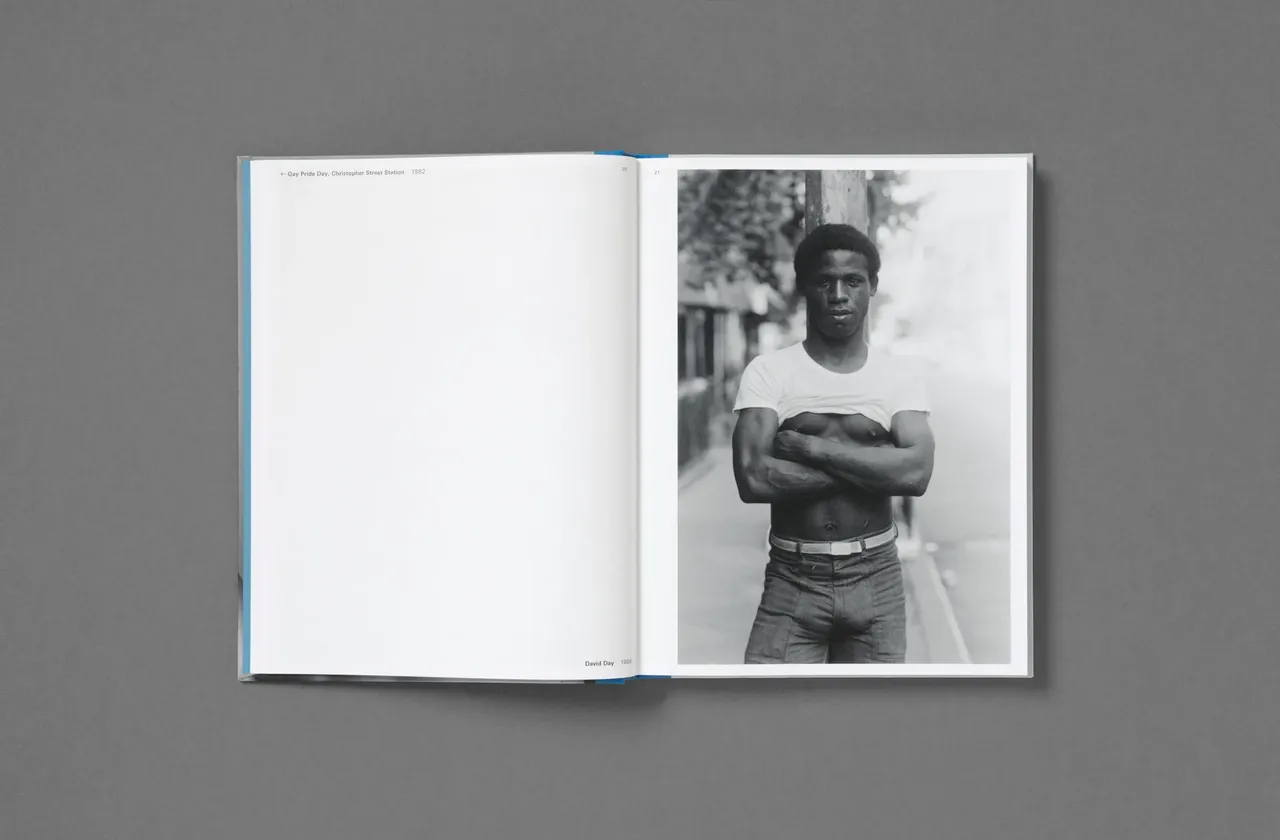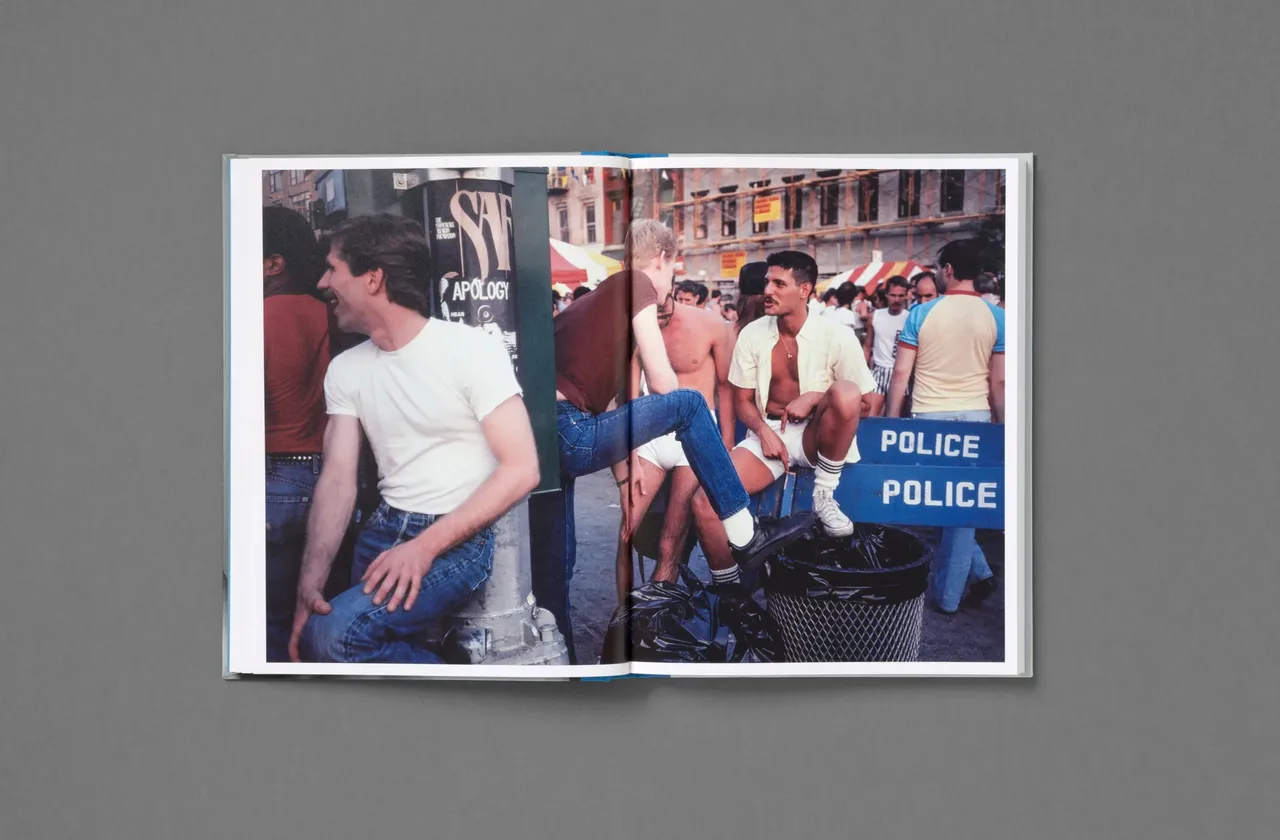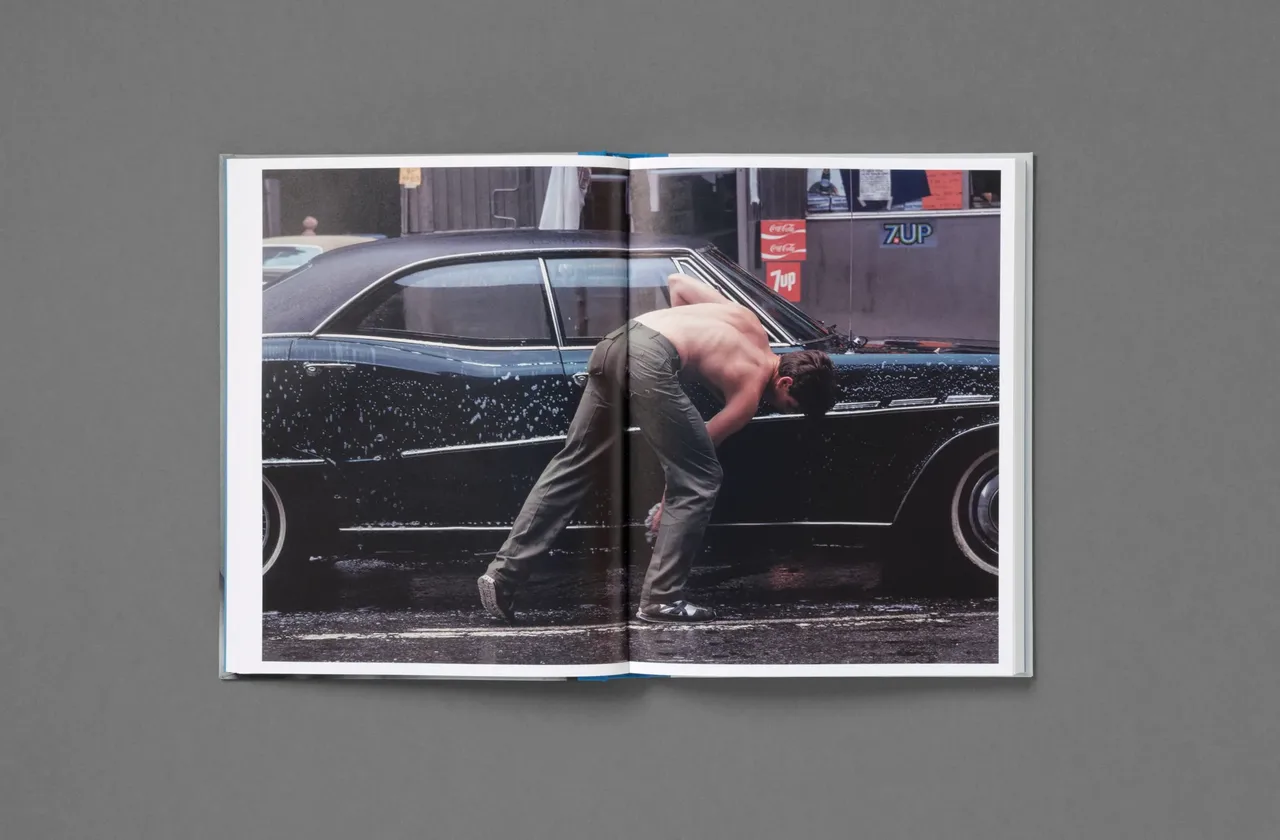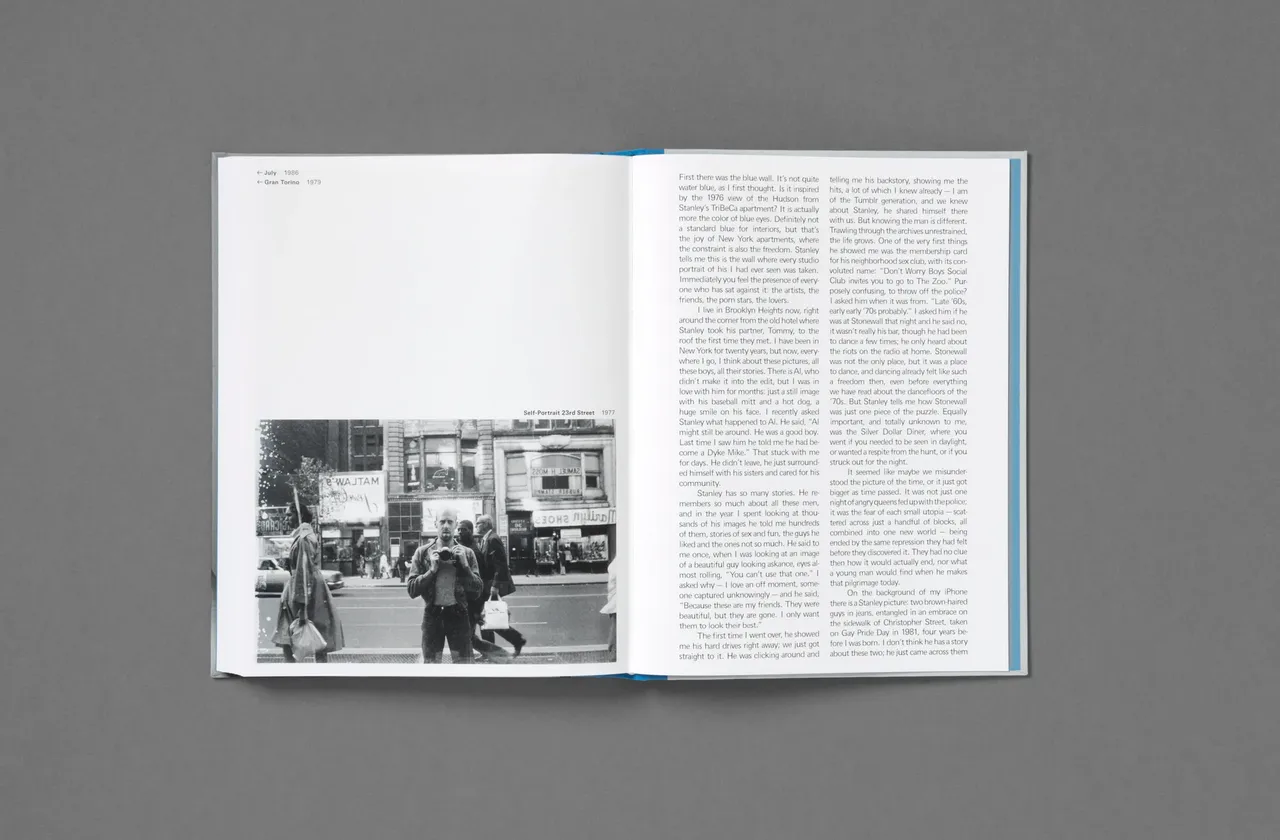
Before his photographs became a record of a generation, Stanley Stellar was looking at the men around him. In New York’s West Village, along Christopher Street and on the abandoned piers where gay men gathered to sunbathe, cruise and spend time together, Stellar found a world rarely seen in mainstream representations of gay life. He photographed it as he encountered it: casually, intimately, without feeling the need to explain or sanitise what he saw. Now, this incredible testimony is published in the form of a book, titled Don’t Worry Boys (Loose Joints).
A Brooklyn native who picked up a camera in 1976, Stellar approached photography with a particular fascination for male beauty. Describing himself as an artist who takes photographs, he found art in the everyday, from a body at rest to a fleeting encounter or the appeal of an armpit. Nothing was too ordinary or too explicit to become an image. His photographs are frank about desire, but there is also a remarkable ease to them. His subjects are allowed to exist in front of the camera without having to become anything other than themselves.
In Don’t Worry Boys, initiated and edited by Jordan Hancock, these images come together as an intimate portrait of queer New York. They are erotic without being exclusively about sex, often playful, sometimes vulnerable, and striking in their lack of self-consciousness. The men inhabit the frame on their own terms, caught in moments of pleasure, solitude and companionship. A portrait of Marsha P. Johnson is particularly moving in its apparent simplicity. There’s something about her gaze that feels immediate and unguarded, a reminder of the person behind the historical figure.
The AIDS crisis gives many of these photographs another weight. The studio portraits Stellar made during the epidemic capture men whose lives were cut short; of the hundreds who sat for him during this period, only a small number are still alive today. Images that began as personal encounters have become records of lives and relationships that might otherwise have disappeared. Yet Don’t Worry Boys refuses to turn its subjects into a collection of losses. As Hancock explains, Stellar continued to find beauty in people even amid grief. The joy in these photographs doesn’t diminish the tragedy surrounding them. It sits alongside it.
Stellar may not have set out to make history, but he understood the significance of what he was witnessing. He photographed men because he found them beautiful, because he wanted to look at them and because he recognised something worth preserving in the life they shared. Decades later, the photographs still hold that original intimacy. They show a community not simply surviving, but living in the sunshine, in each other’s company and in the freedom of being seen.