There are two New Years that matter if you work in fashion. One arrives with the fireworks, a gym subscription and the faintly unreasonable promise of becoming a person who drinks more water. The other is September: the month of the much-awaited September issues, new schedules and upcoming fashion weeks around the world. After a carefree summer in flip-flops and sunbathing topless, it’s time to get back into Fashion with a capital F. Museums know that too, which is why, with the new season, several of them are opening exhibitions that highlight the work of photographers such as Tim Walker, Rafael Pavarotti and Irving Penn, explore the impact the nineties still have today, and celebrate figures such as Vivienne Westwood.
Fashion Week will always have its own particular electricity, with its lights, its front rows and its very optimistic shoes. But fashion doesn’t only live on a runway or a rail. It belongs in institutions too, where a garment can be looked at slowly and an image can outlast its issue date. This autumn’s programme makes that case from several angles: couture as conceptual art, dolls as style prototypes, the nineties as a collision between subculture and national identity, and jewellery as a language with its own grammar. Photography is just as present. Walker, Pavarotti and Penn remind us that fashion isn’t simply what we wear, but also how we are staged, remembered and allowed to be seen. Seven exhibitions, seven ways of looking at an industry that refuses to stay in one frame. Here’s what you can’t miss in Bangkok, London, Milan, Paris and New York.
Vivienne Westwood & Jewellery (Bangkok)
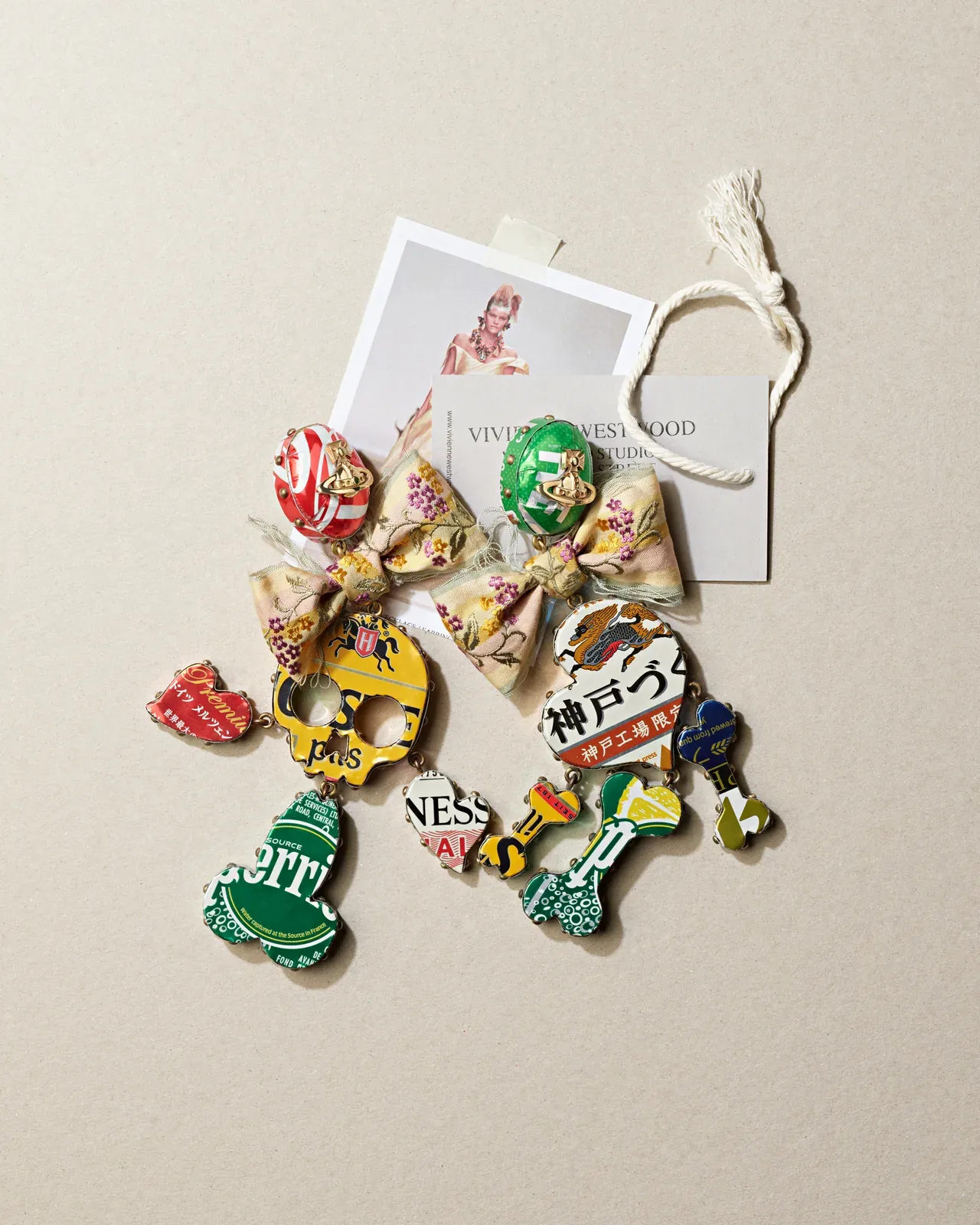
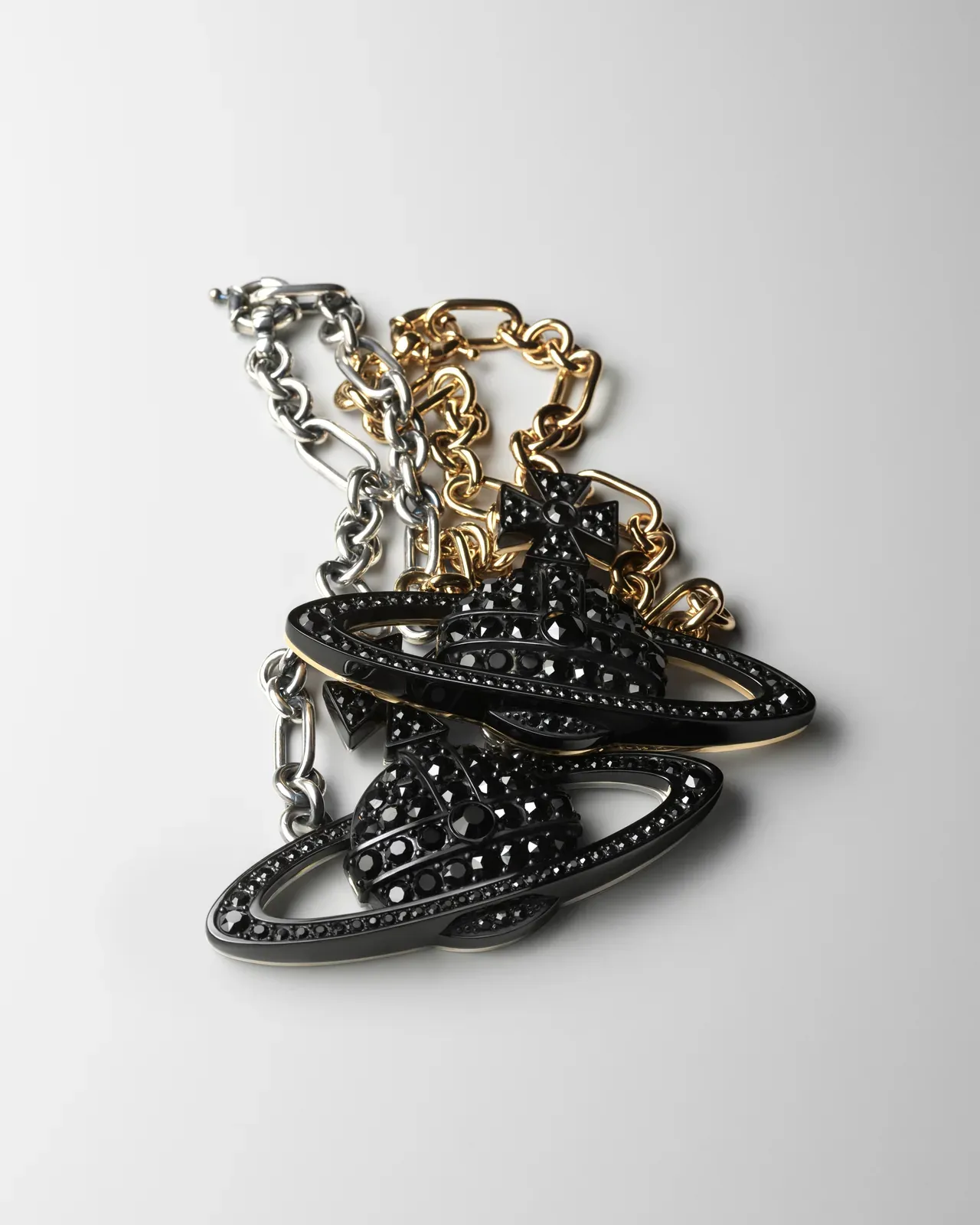
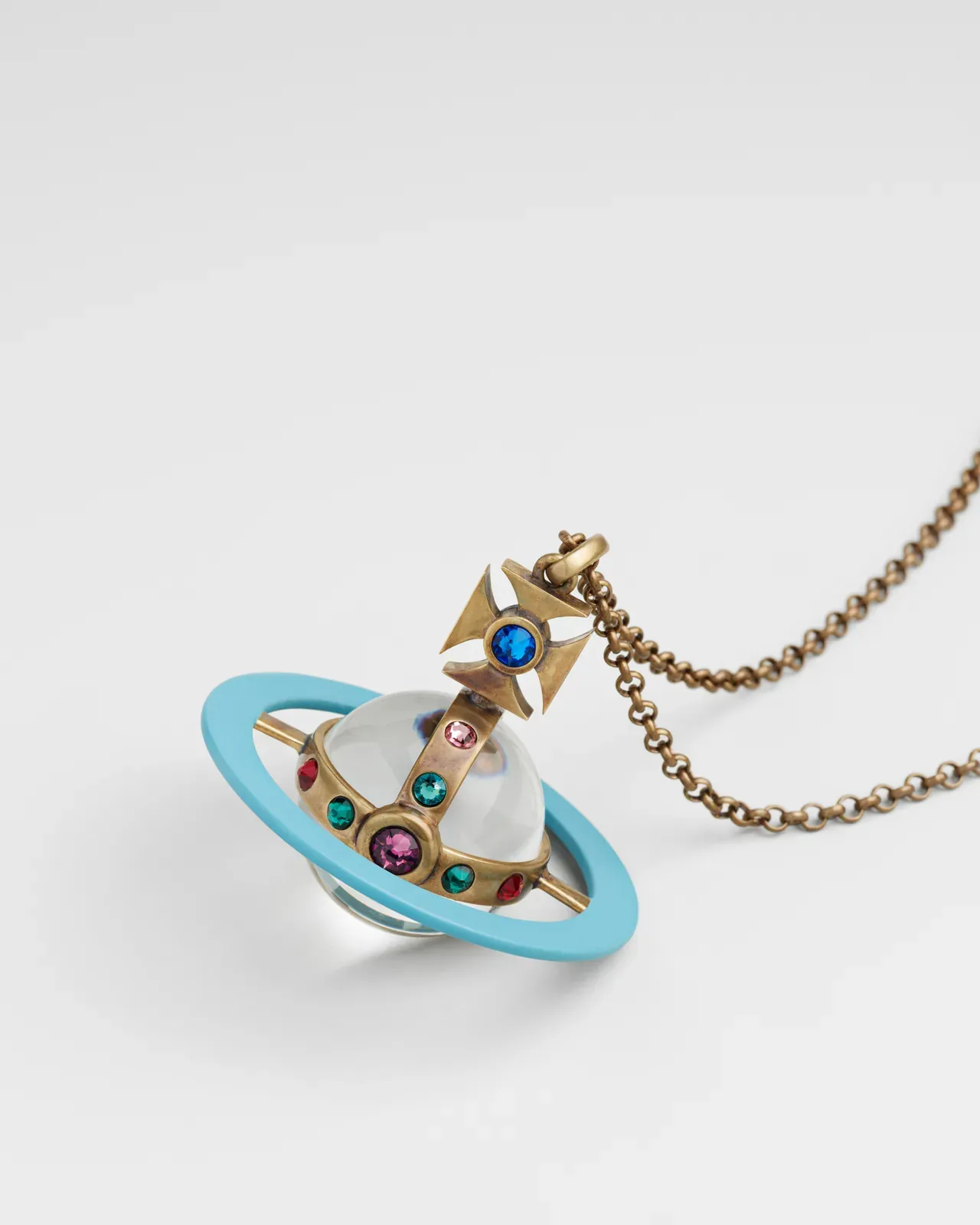
The orb has travelled a long way from the King’s Road. Vivienne Westwood & Jewellery lands at Central Chidlom in Bangkok on 11 September, where it runs until 23 October 2026, before heading to V&A Dundee in 2027. Curated by the Vivienne Westwood team, the travelling show gathers four decades of archive and runway jewellery, shown together for the first time. Across eight rooms, it moves from punk beginnings and DIY gestures to historical parures, far-flung references and the house’s most recognisable emblem.
That last bit matters: Westwood understood jewellery as more than ornament, using pearls, chains, talismans and the Orb to sharpen a silhouette or make a whole argument. Garments, catwalk footage, collage and sound place the pieces back in their original ecosystem. A useful reminder that accessories can carry a collection’s most subversive ideas.
Doll Dressing (NYC)
Barbie hardly needs an introduction, but Doll Dressing at The Museum at FIT wants to widen the conversation considerably. Opening in New York on 16 September 2026 and running until 3 January 2027, the exhibition brings together more than a hundred and seventy objects: fashion dolls, full-scale garments, accessories, artworks and video. Curated by Dr Colleen Hill, it traces how dolls have transmitted, rehearsed and occasionally unsettled ideas about style from the eighteenth century to now. Expect Mary Quant, Kitty Black Perkins’s 1980 Black Barbie, miniature looks by Bode, Anna Sui and Jason Wu, plus Margiela’s enlarged doll clothes, Jeremy Scott’s paper-doll Moschino and Loewe’s Minnie-inspired shoes. The clever part is that the show does not treat the doll as a cute footnote. Here, she is muse, prototype, consumer fantasy and a way of questioning beauty standards, gender and scale.
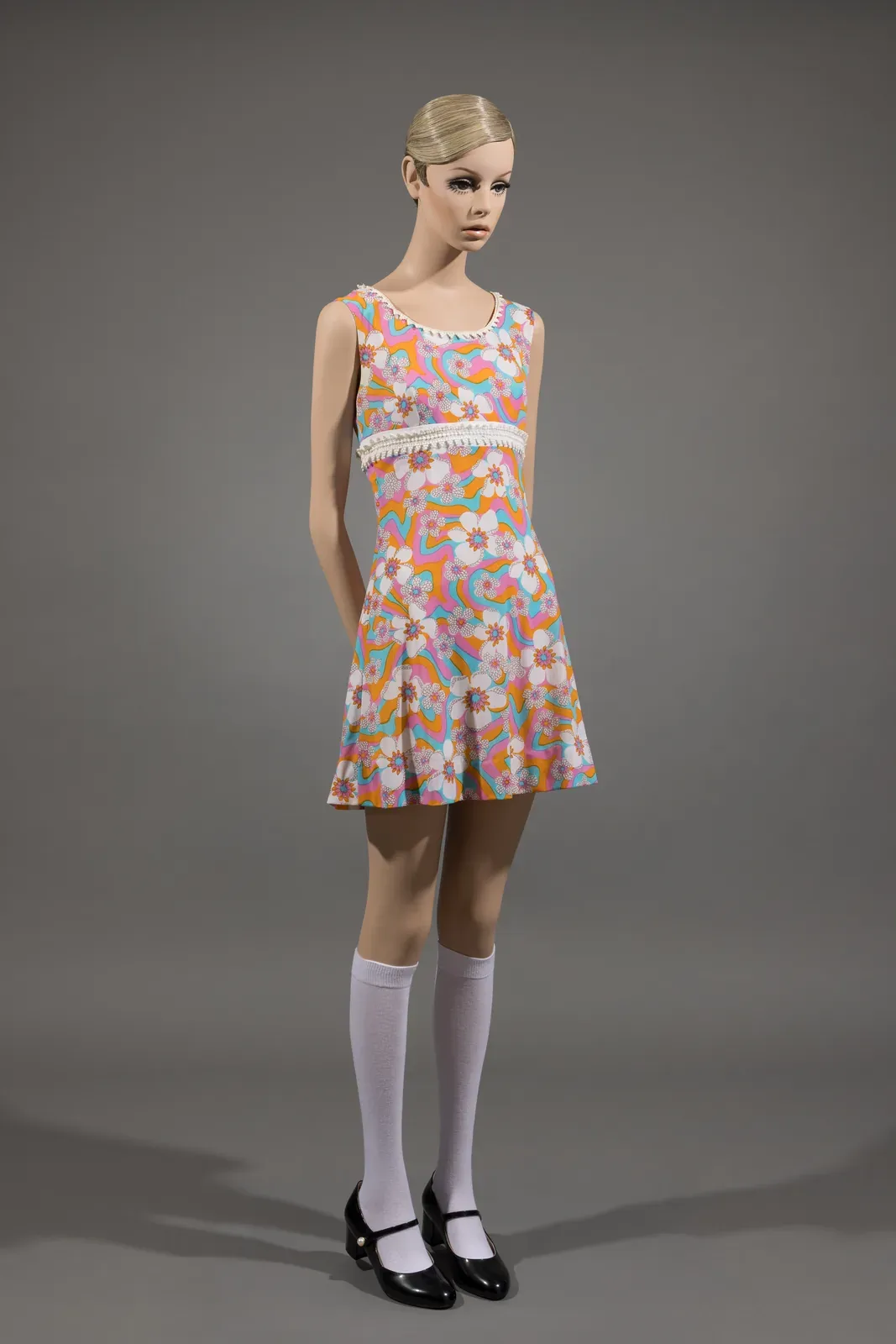
Twiggy London Girl, printed synthetic jersey dress, 1966, museum purchase. Rootstein, Twiggy mannequin, 2025 remake of 1966 design, museum purchase.
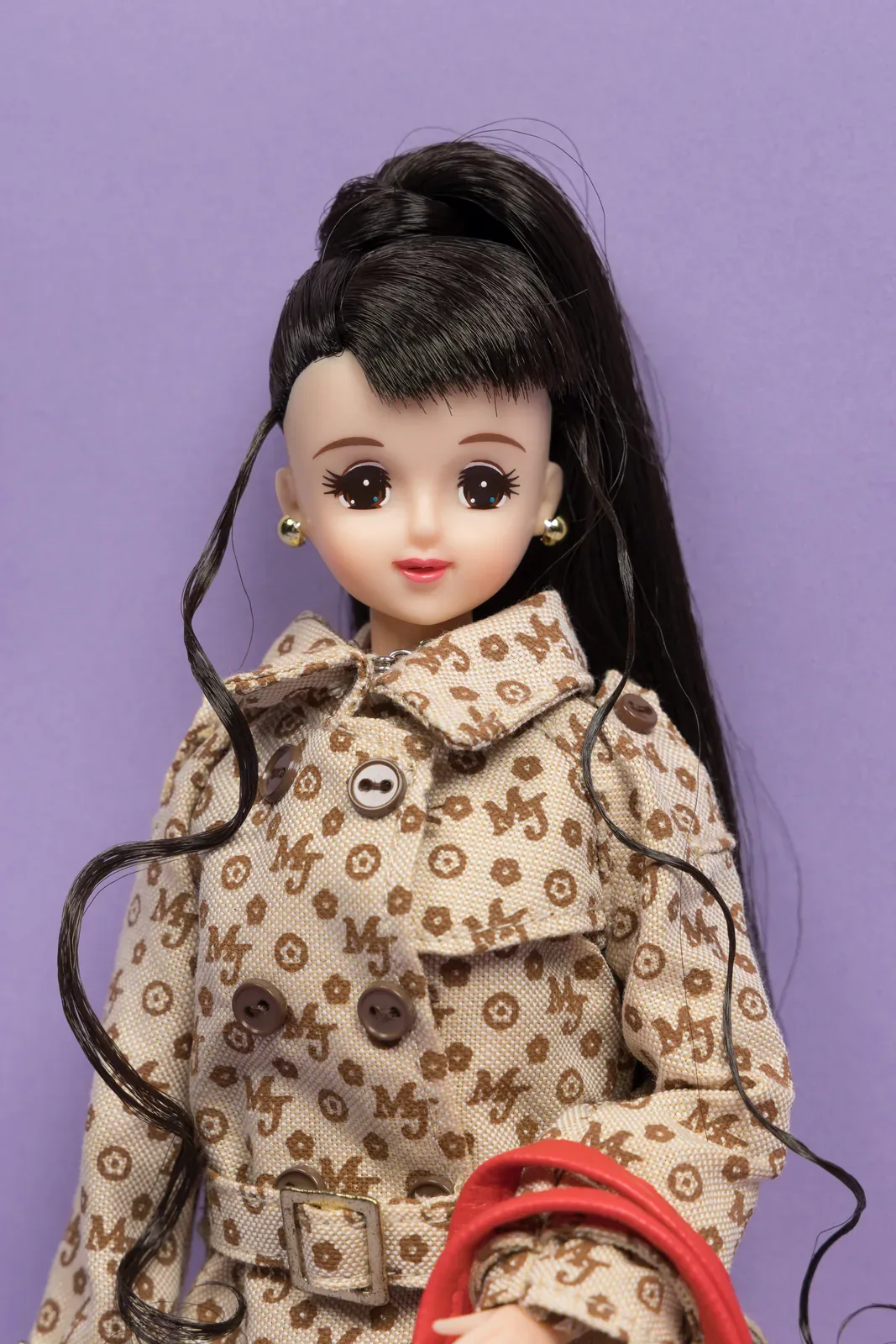
Takara, Miss Jenny doll, 2000, private collection.
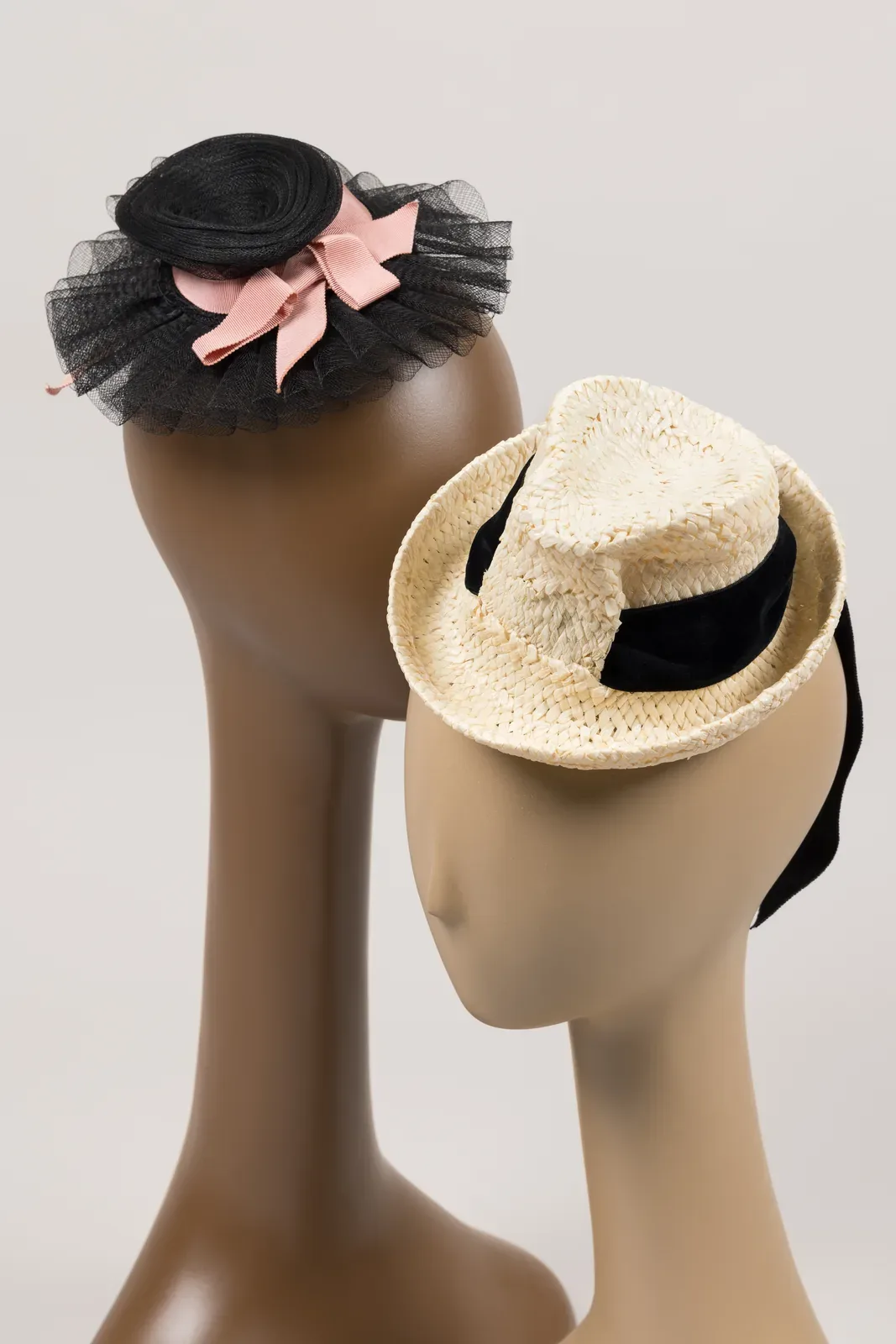
Macy’s, black horsehair “Doll” hat, circa 1942, museum purchase. White synthetic straw “Doll” hat, circa 1938, museum purchase.
Viktor&Rolf. Spectrum (Milan)
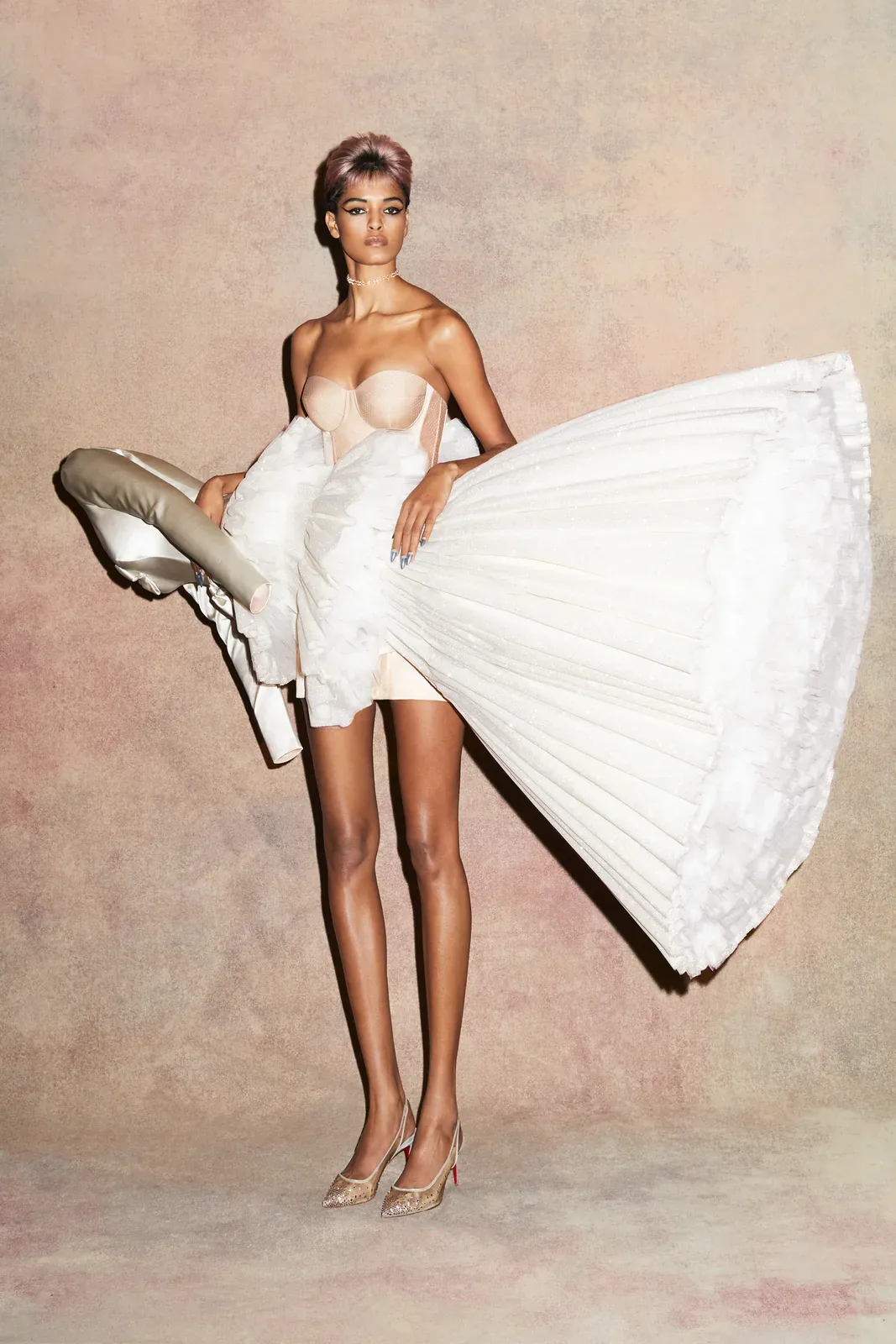
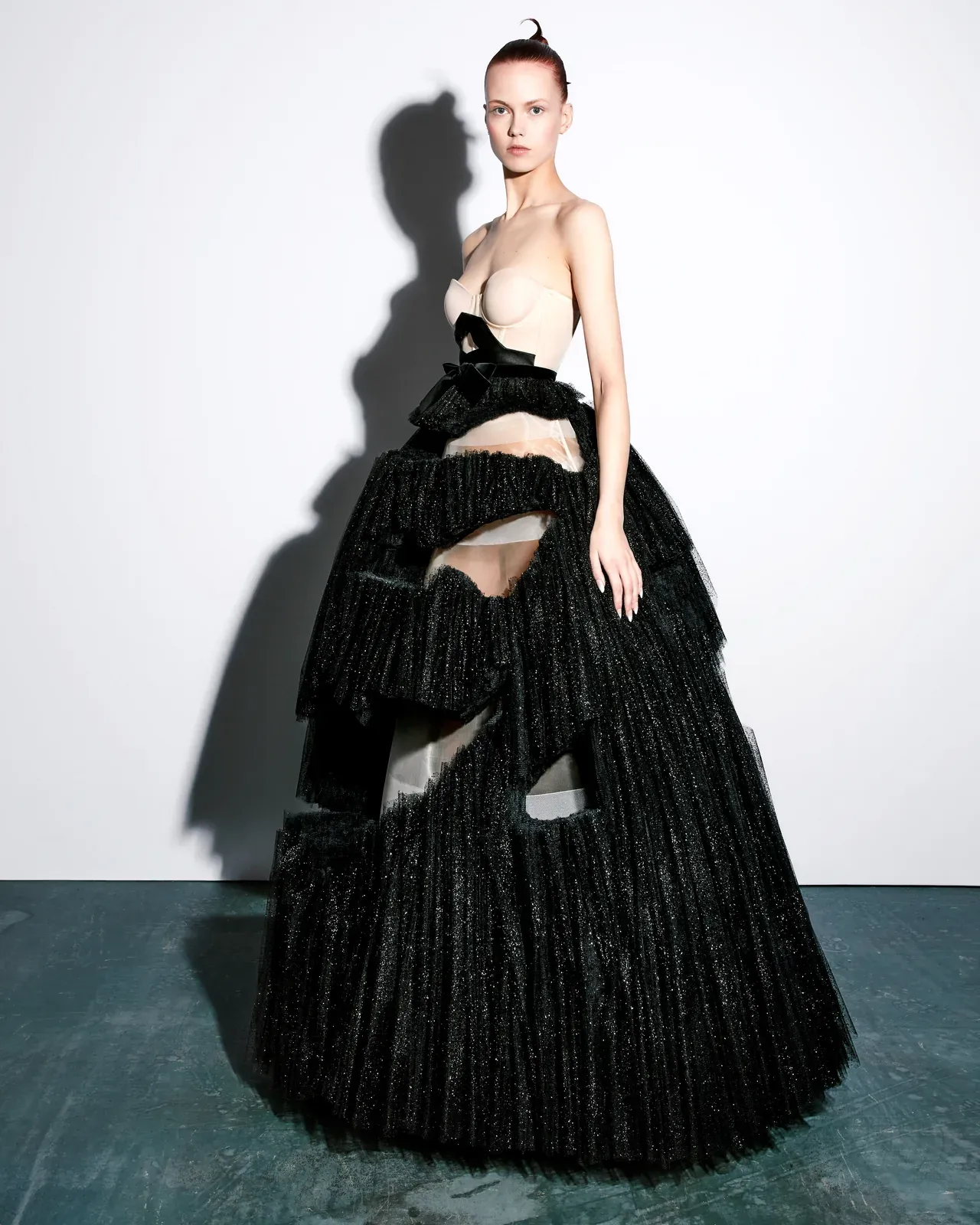
Viktor Horsting and Rolf Snoeren have spent more than three decades proving that couture can be dead serious and completely absurd at the same time. Viktor&Rolf. Spectrum, opening at Milan’s 10·Corso·Como Gallery on 25 September 2026, is the Dutch duo’s first solo exhibition in Italy and runs until 22 November. Curated by Alessio de Navasques, the installation brings together twenty haute couture looks from across their career, but avoids the usual chronological victory lap. Instead, garments appear in pairs, linked by echo, contrast and formal resemblance. It is a fitting device for two designers who have always worked as one creative body, and whose shows have made room for sculpture, performance, fashion comedy and proper romance. Part of 10·Corso·Como’s 35th-anniversary programme, Spectrum turns the gallery into the kind of laboratory Viktor&Rolf have always made of the runway.
Penn & Fashion (Paris)
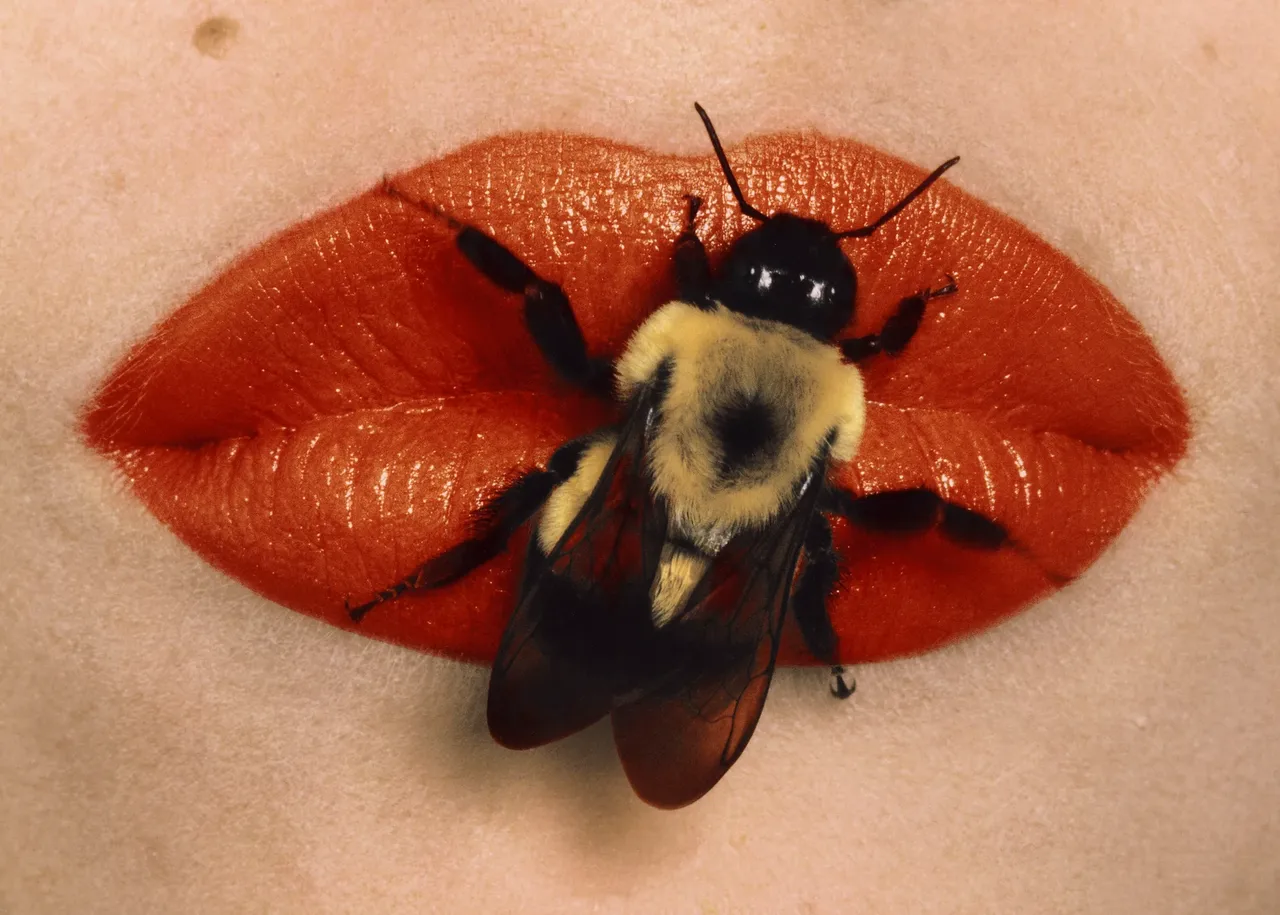
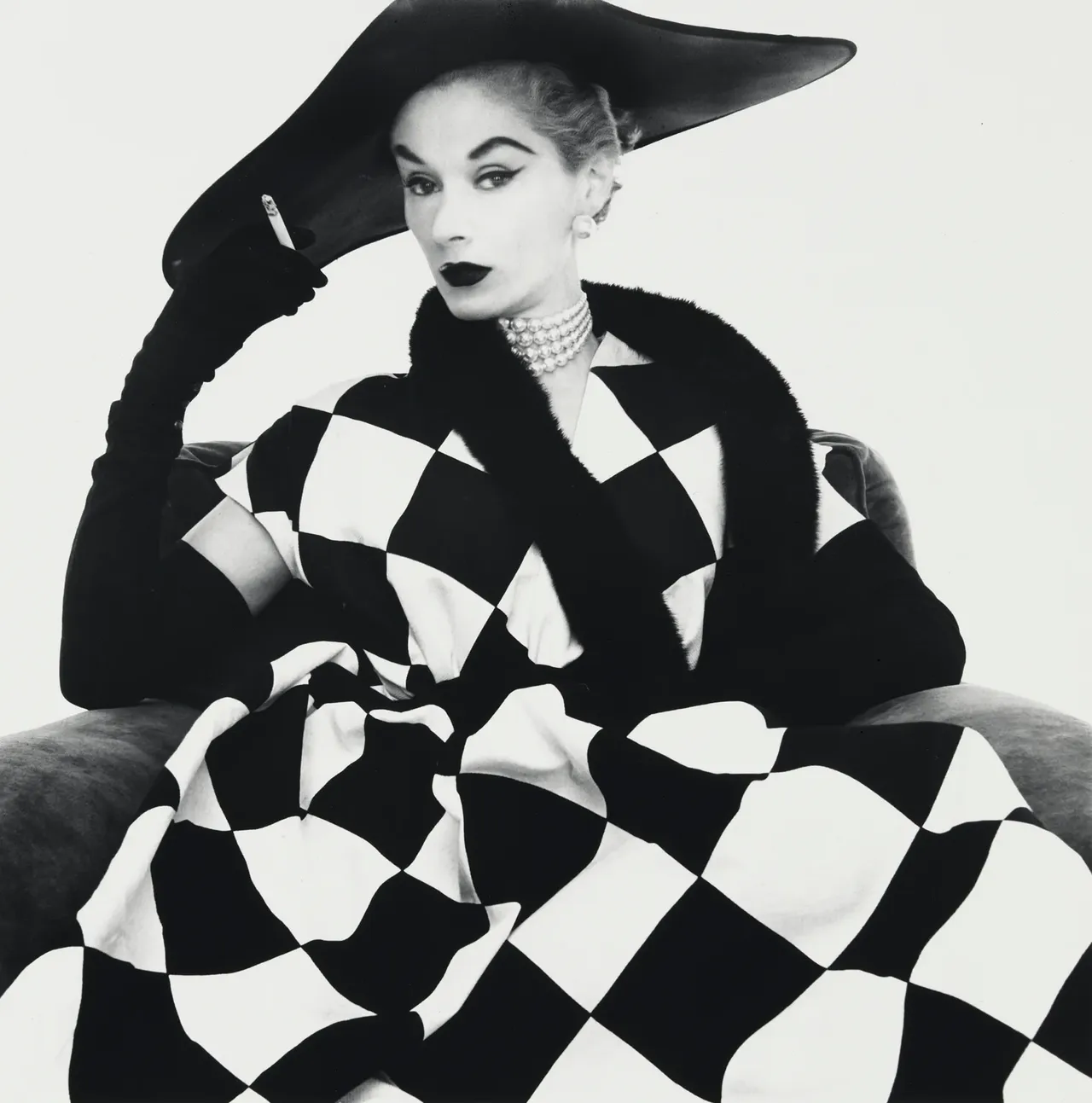
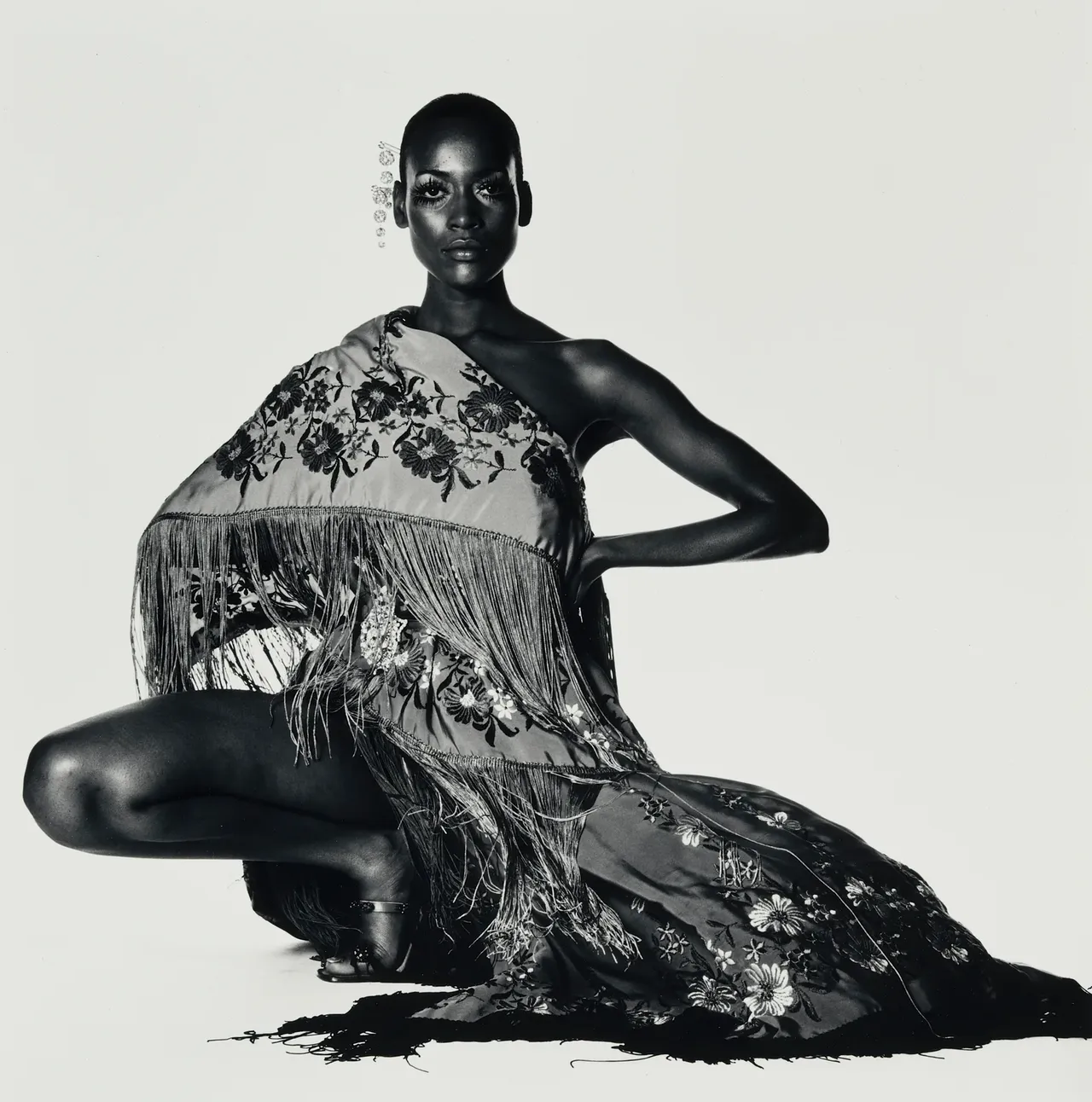
Some photographers document fashion; Irving Penn taught it how to stand still. Penn & Fashion opens at the Maison Européenne de la Photographie in Paris on 30 September 2026 and runs until 17 January 2027, tracing more than sixty years of work for Vogue from 1947 to 2008. Organised chronologically, the exhibition moves from Dior and Balenciaga’s post-war couture to Ungaro, Courrèges, Yves Saint Laurent and Karl Lagerfeld, before reaching Penn’s singular dialogue with Issey Miyake and his later images of Galliano, Lacroix and Chanel. Silhouettes, volumes and textures do the talking; everything extraneous quietly disappears. Drawn largely from the MEP and Nicola Erni collections, with loans from the Irving Penn Foundation and the Miyake Issey Foundation, the show reveals how Penn made commerce look like art without pretending the two were ever separate.
Rafael Pavarotti, photographer (Paris)
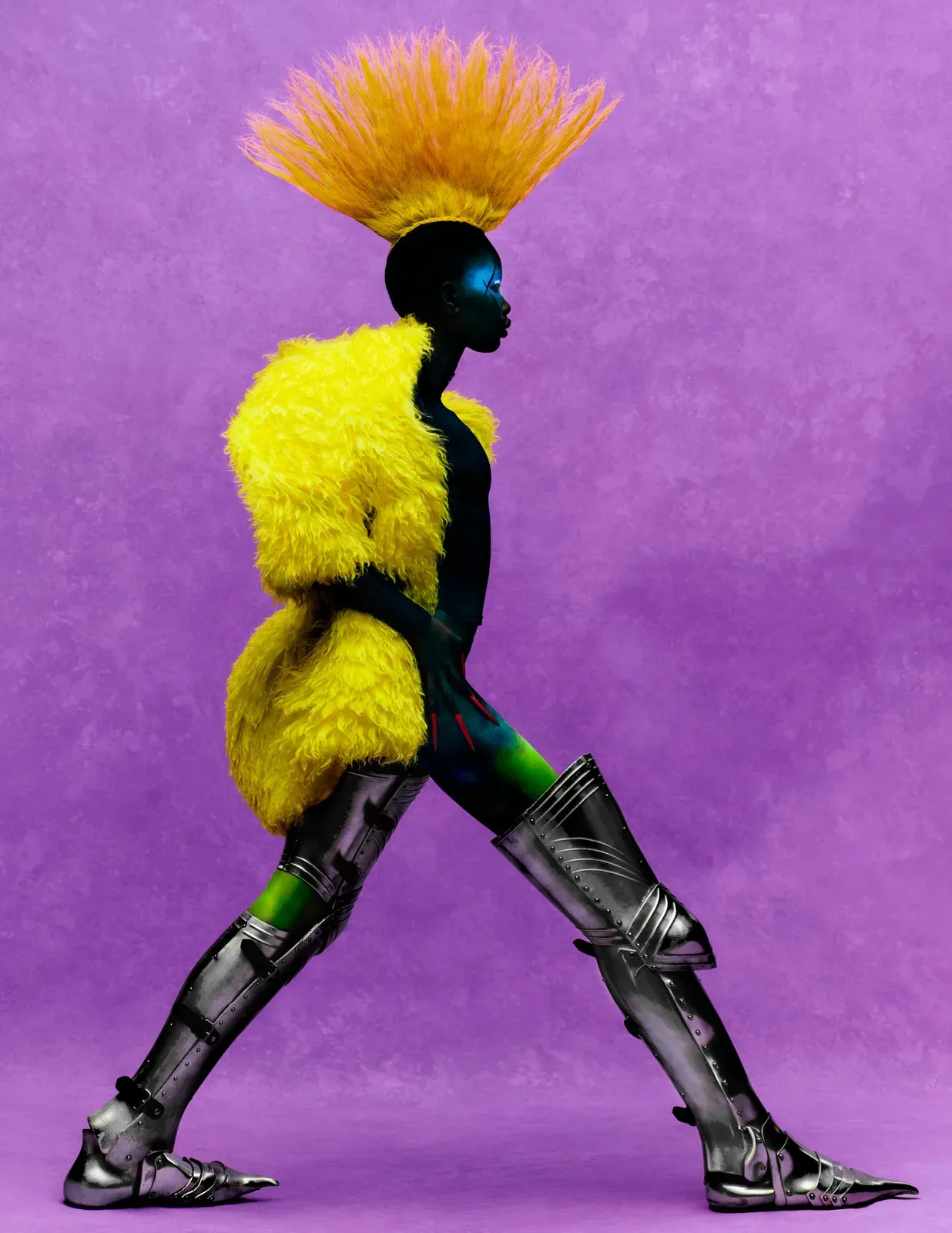
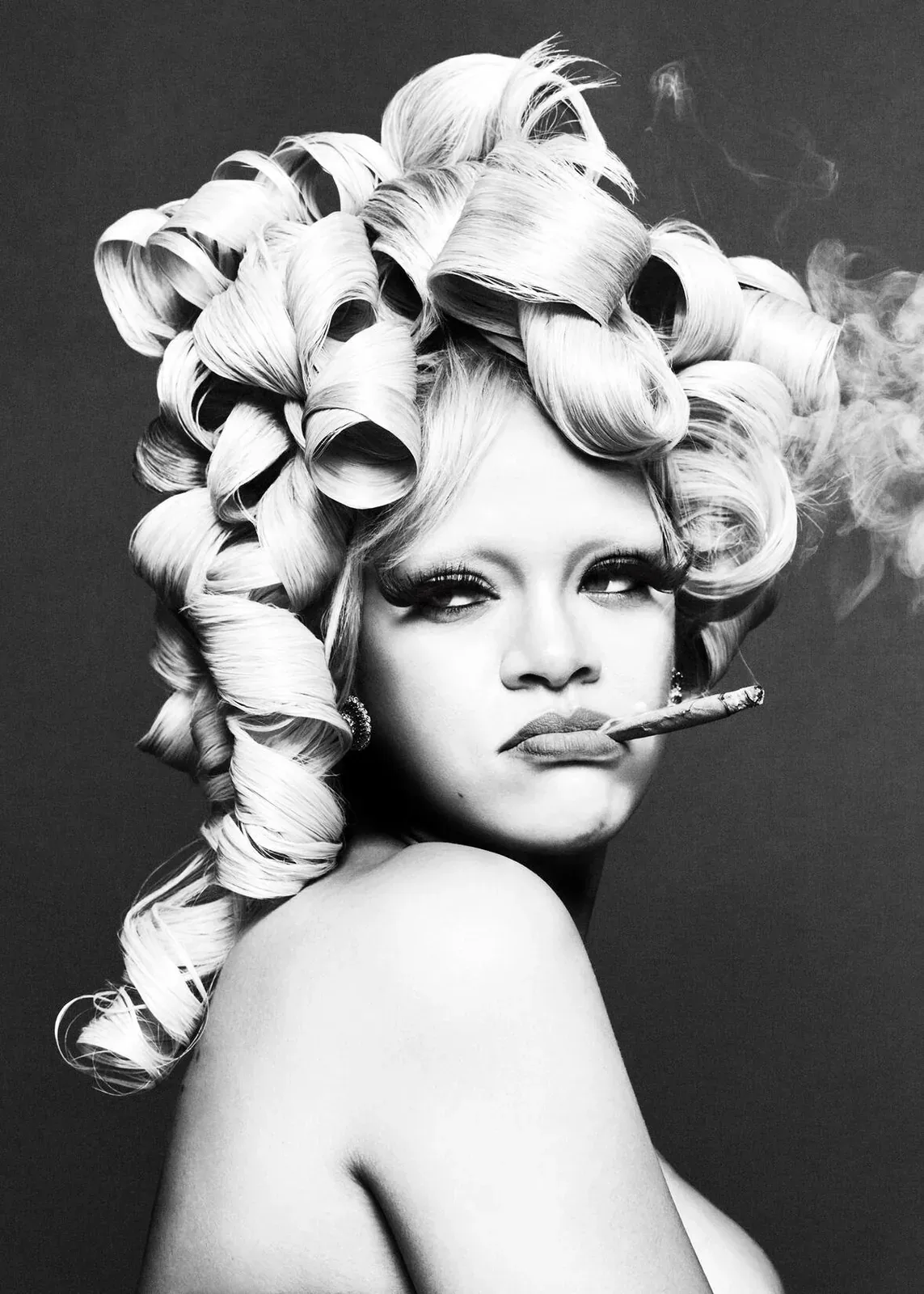
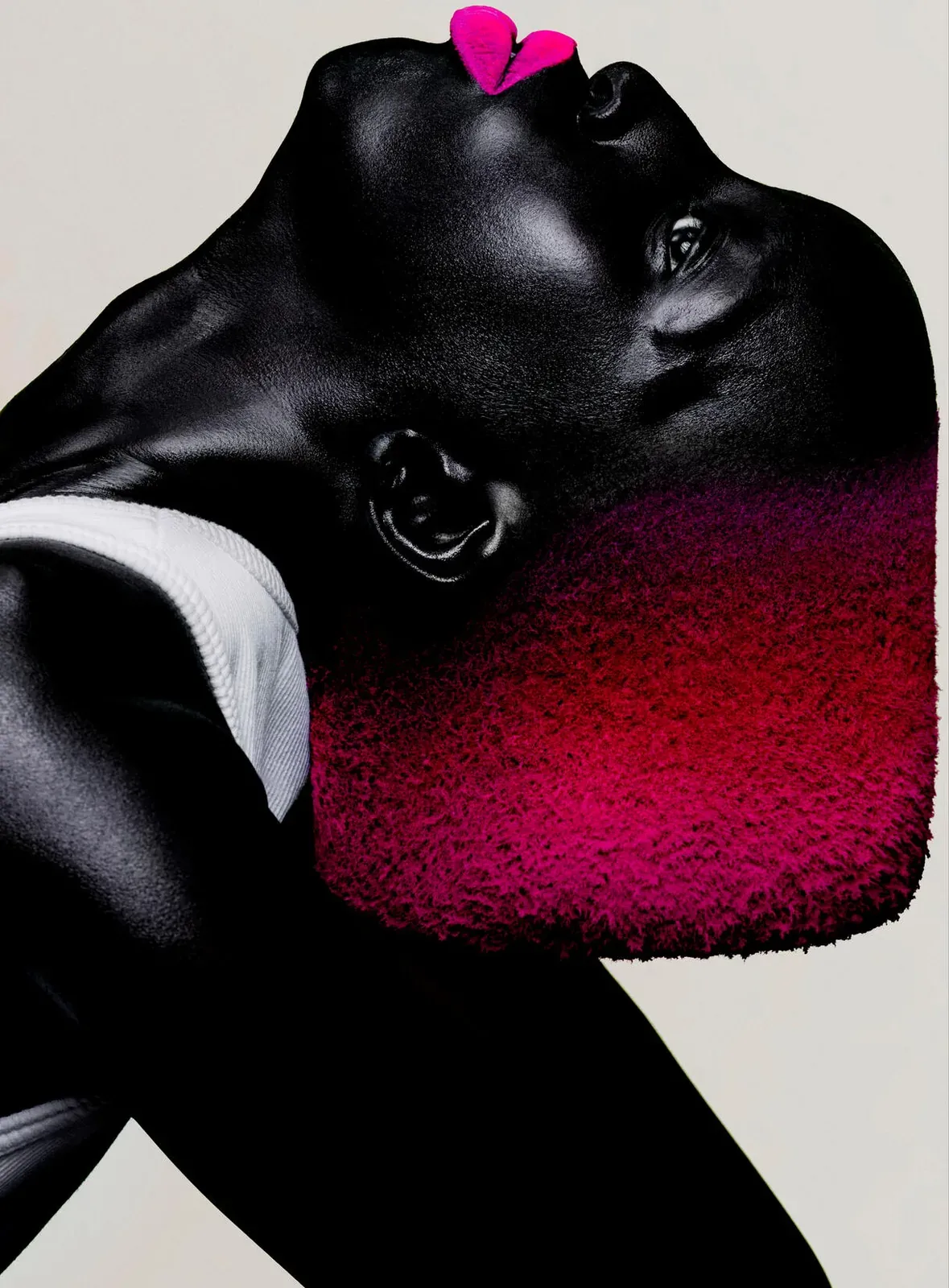
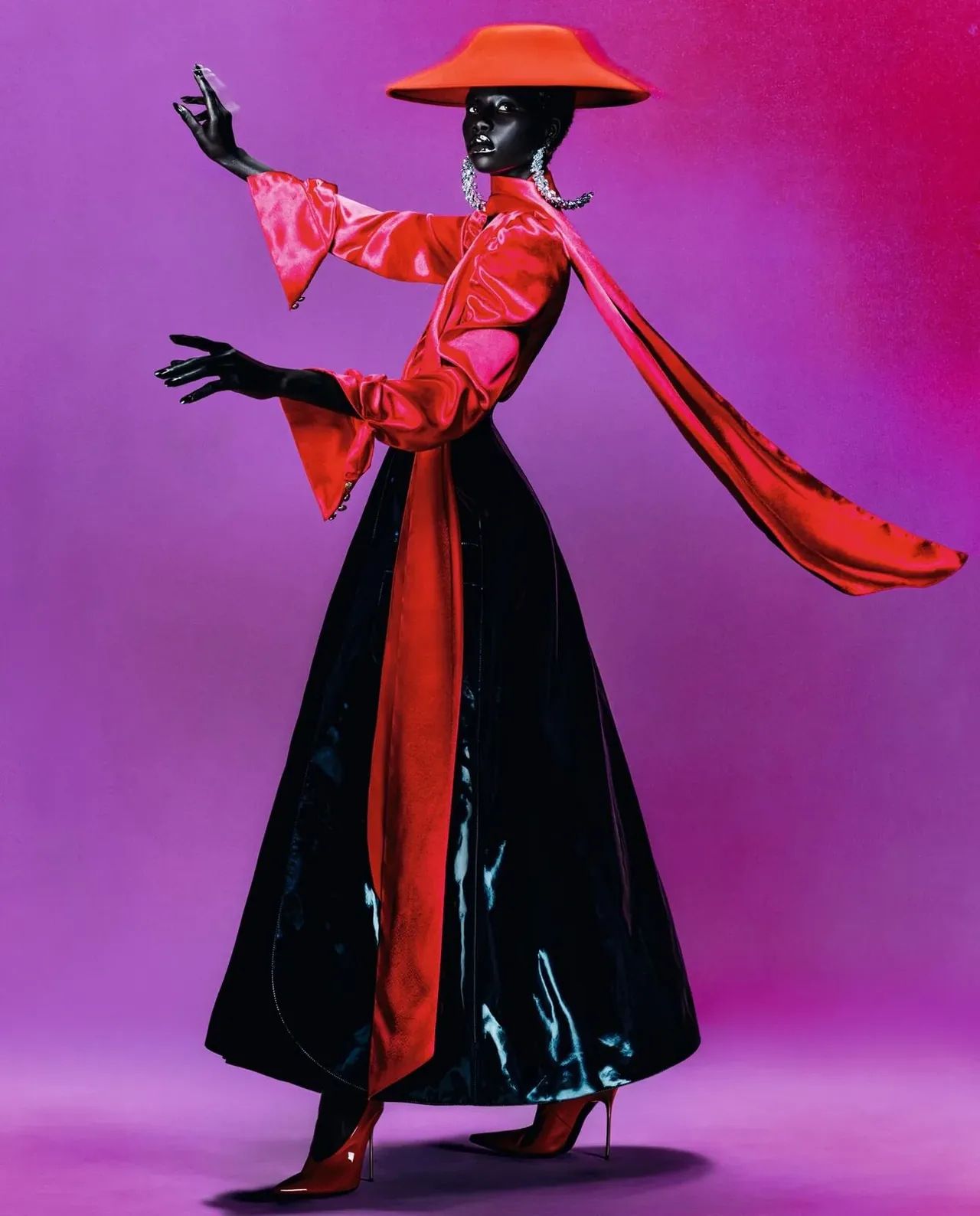
At the Musée des Arts Décoratifs in Paris, Rafael Pavarotti gets the kind of museum-scale presentation his images have been asking for. Opening on 2 October 2026 and running until 2 May 2027, Rafael Pavarotti, photographer brings together more than a hundred and thirty prints, from magazine covers to portraits of Rihanna, Beyoncé and Harry Styles. The Brazilian photographer, born in Belém, makes pictures where saturated colour, texture and theatricality do not merely decorate the subject; they give it force.
Curated by Sébastien Quéquet and designed by Pavarotti’s collaborator Ibby Njoya, the show places commissioned work alongside personal projects, sketchbooks and magazine spreads, with garments on mannequins extending the conversation between image and clothes. It also addresses representation in fashion, particularly the visibility of Black and marginalised bodies. Pavarotti’s world is lush, but it is never empty spectacle.
The 90s: Art and Fashion (London)
Before the nineties became a Pinterest board, they were a noisy, unruly cultural moment. Tate Britain’s The 90s: Art and Fashion, opening in London on 8 October 2026 and running until 14 February 2027, returns to that friction rather than polishing it into nostalgia. Guest-curated by Edward Enninful, the exhibition brings together more than a hundred photographs, paintings, sculptures, films and garments by nearly seventy artists, photographers and designers. Corinne Day, Juergen Teller and David Sims appear alongside the YBAs, Steve McQueen, Chris Ofili and Sarah Lucas; Alexander McQueen, Hussein Chalayan, Ozwald Boateng, Vivienne Westwood and John Galliano all feature too. Club nights, acid house, queer scenes, Black British style and anti-fashion grunge are part of the story. In other words, it is not a show about a decade’s wardrobe. It is about the images, politics and collisions that made that wardrobe possible.
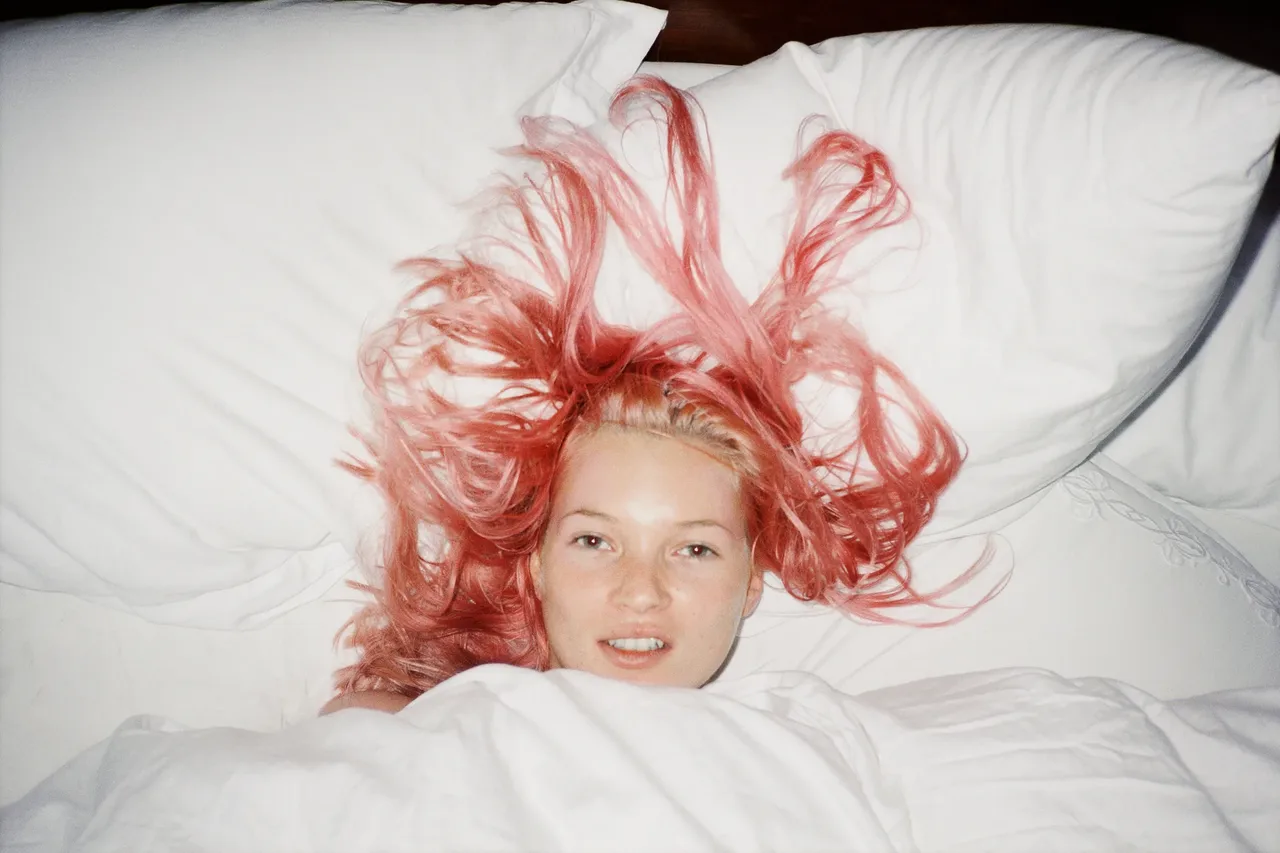
Juergen Teller, Young Pink Kate London 1998 © Juergen Teller, All Rights Reserved
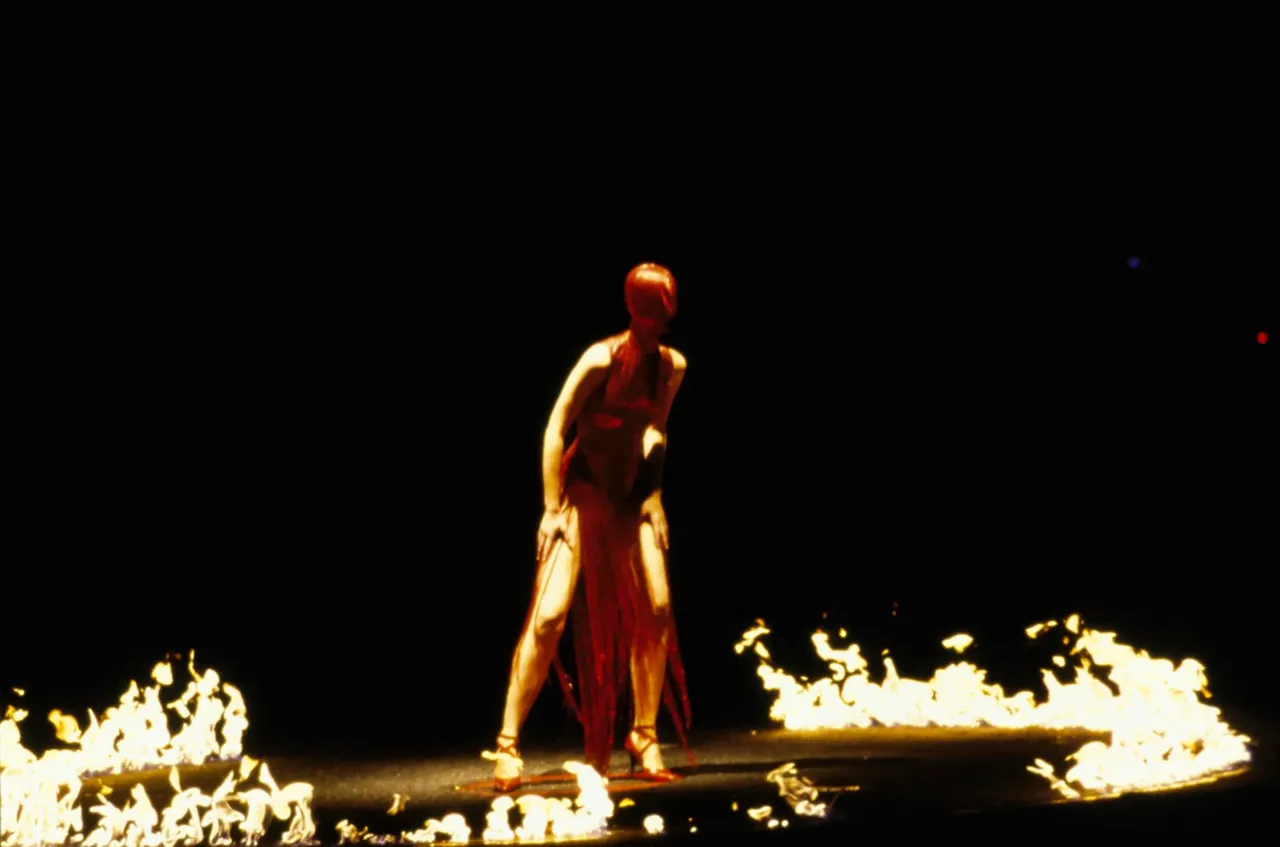
Alexander McQueen, AW 1998 Guy Marineau, Vogue, © Condé Nast
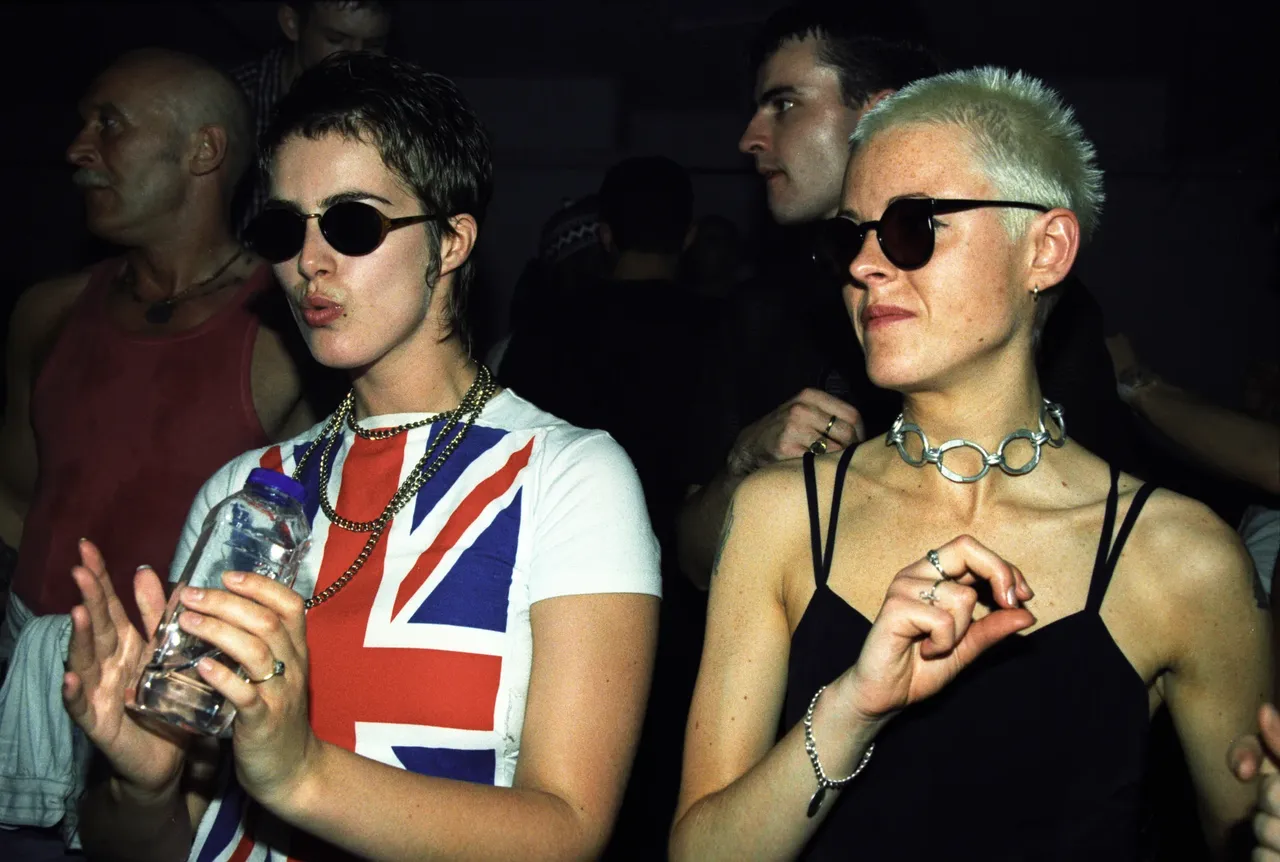
Jon Shard, Flesh at The Haçienda, 1996 Courtesy of British Culture Archive © Jon Shard British Culture Archive
Tim Walker’s Fairyland: Love and Legends (London)
Tim Walker’s fashion photographs have always felt like portals, but his new National Portrait Gallery exhibition gives that theatrical instinct a sharper political focus. Tim Walker’s Fairyland: Love and Legends opens in London on 9 October 2026 and runs until 7 February 2027. Created over five years and curated by Susanna Brown, it gathers around 250 newly made portraits celebrating more than half a century of queer activism, community and love. The sitters range from Gay Liberation Front and Stonewall pioneers to social workers, nightlife figures, musicians and names including Isaac Julien, Miriam Margolyes, Ncuti Gatwa and Chappell Roan. Fashion, make-up and performance are central to the second half of the show, not as surface but as tools for becoming visible. Walker reclaims the word ‘fairy’ with humour, tenderness and a real sense of history. Fantasy, here, has a memory.
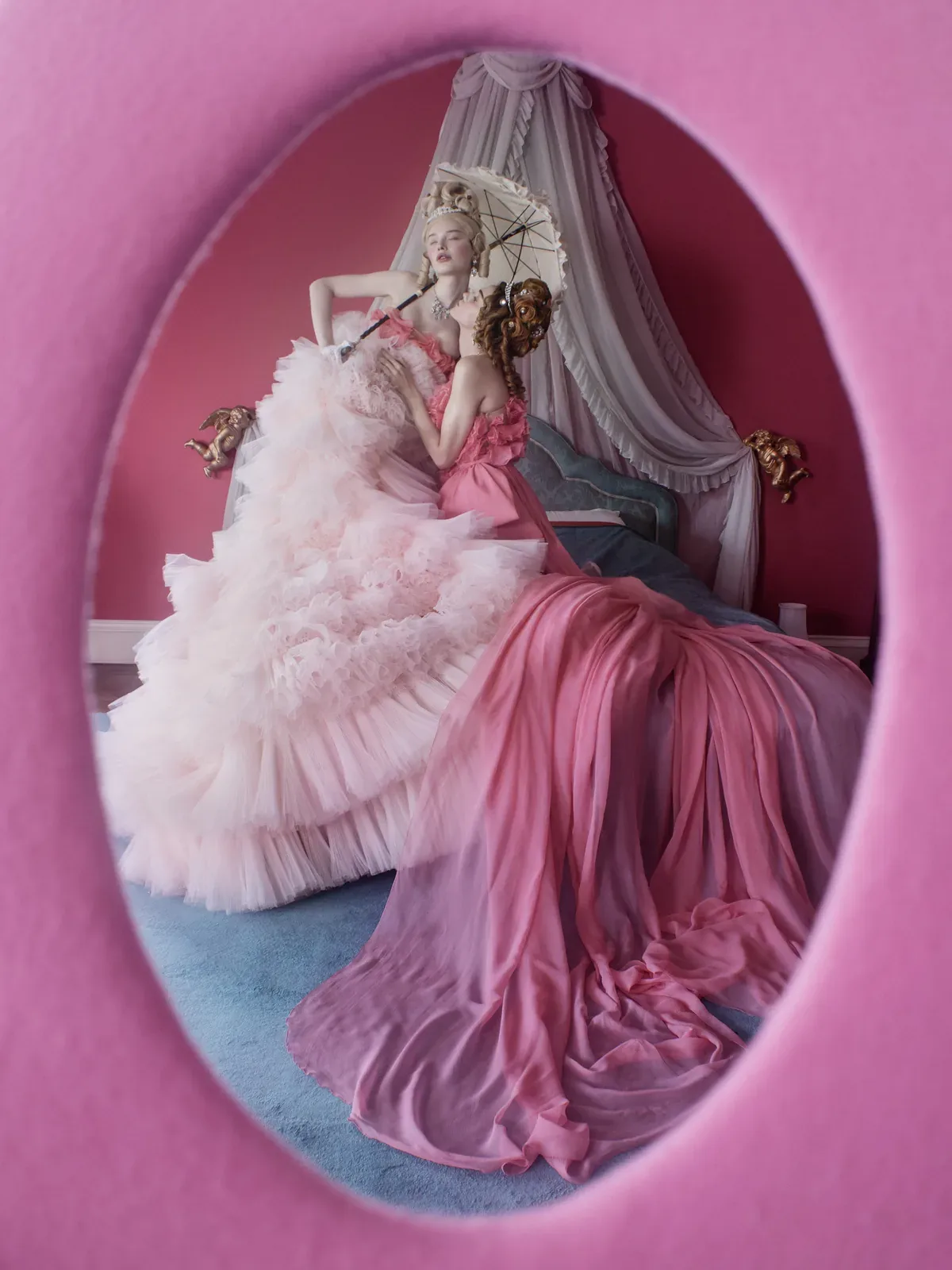
Maartje Convens and Marin Céleste, Camfield Place, Hertfordshire, 2022, by Tim Walker
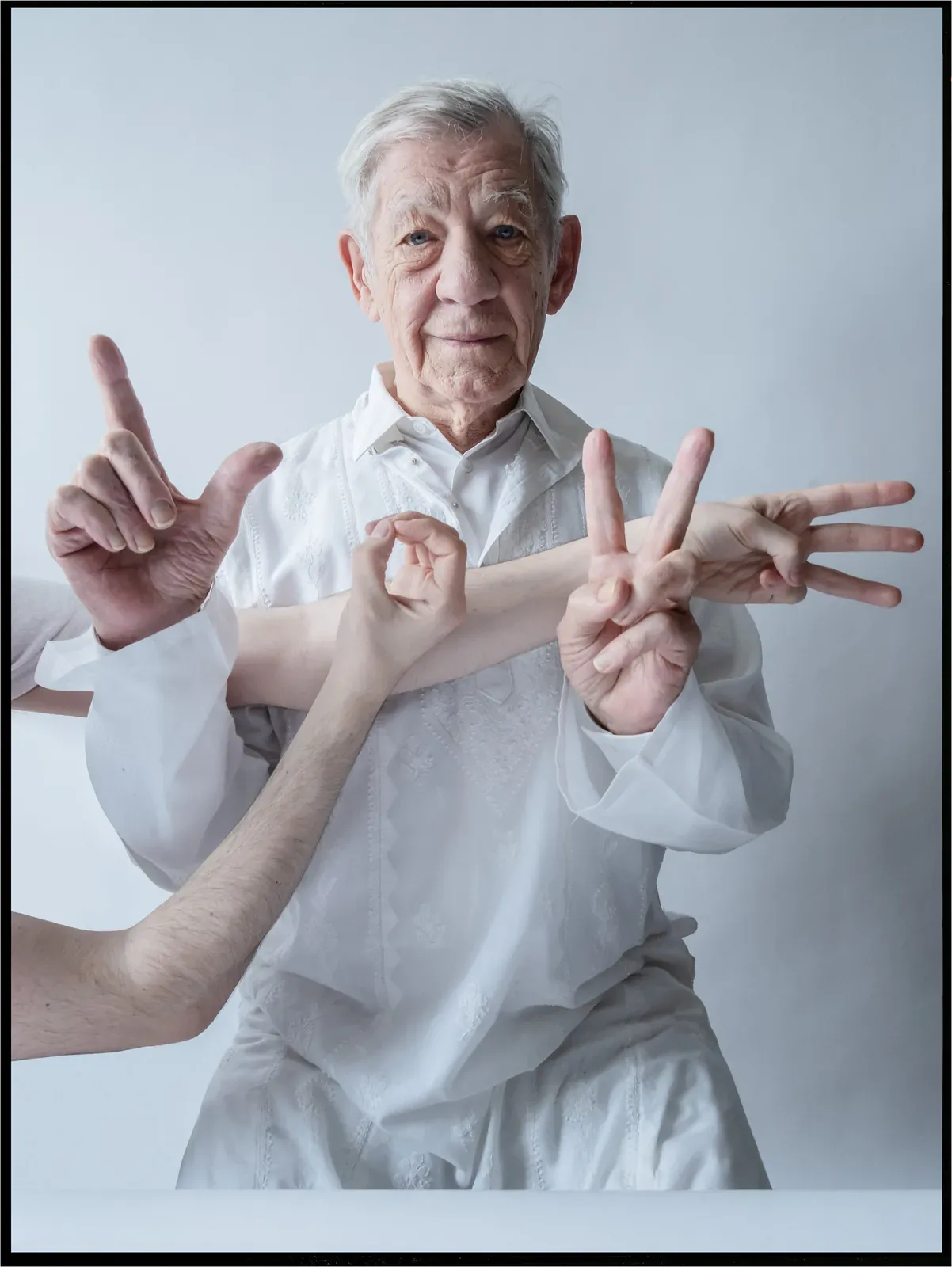
Ian McKellen, Love, London, 2023, by Tim Walker