Women photographers have been on the scene since photography was invented. They expanded its limitations and captured their world through new, unconventional perspectives. On display until 4 October at the Museum für Fotografie in Berlin, the exhibition New Woman, New Vision. Women Photographers of the Bauhaus brings together around three hundred photographs by women whose contributions to the art form have often been overshadowed by their male counterparts. These works are complemented by photographs by women artists from the Institute of Design in Chicago (New Bauhaus), as well as by the inclusion of contemporary artists Kalinka Gieseler, Caroline Kynast and Sinta Werner, who create a bridge between modern and historic photographs.
The fight for gender equality in the art world remains unresolved: women’s work receives less funding and lower market prices than that of their male counterparts. This exhibition in Berlin spotlights the women photographers who shaped the medium not to perpetuate differentiation, but to question why these distinctions are still being made and to ensure these names are not forgotten.
After the First World War, the world began to shift: traditional values were questioned, and women’s role in society was changing as they searched for financial freedom and independence. The Weimar Republic saw a period of radical transformation and provided women with opportunities. In 1929, when the photography department was introduced at the Bauhaus, many women chose to enter the field and train with the camera as they strove for self-fulfilment.
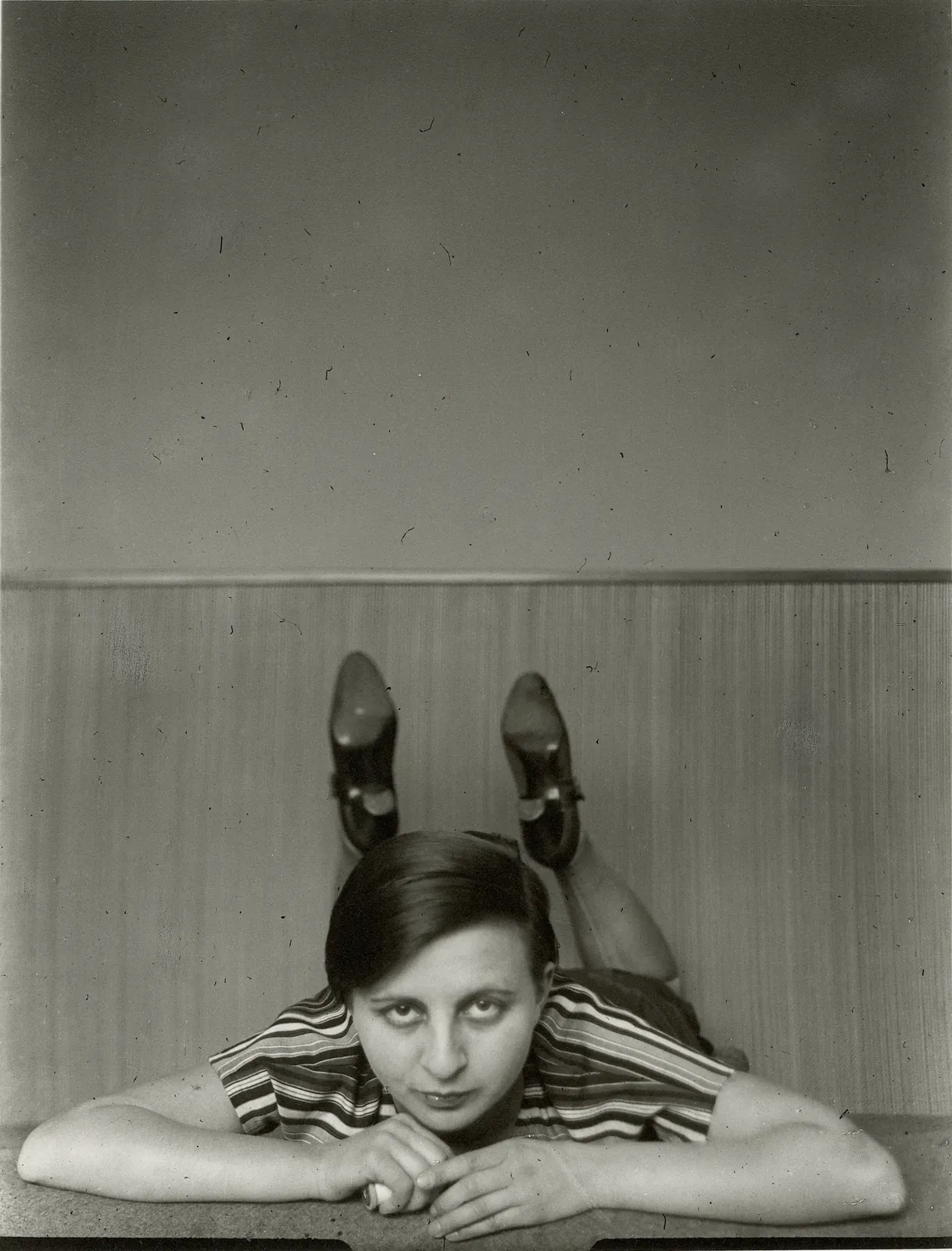
Viewing the Self, a section of the exhibition, presents self-portraits born out of women’s newfound autonomy. Grit Kallin-Fischer posed with short hair, a short dress and a cigarette, symbolising the breaking of constraints and female resistance in the new era. Marianne Brandt and Gertrud Arndt, however, presented themselves in a poised manner, with flowers and jewellery, signifying that they could coexist with the new woman. These portraits examine identity and perspectives of the self, which interested the Bauhaus women as they played with unconventional angles, light, shadow and materials to analyse the vision of the new woman.
Beyond conventional photography, collage became a popular medium with Bauhaus students, as it resonated with the evolving world and was used to comment on social and political affairs alongside personal narratives. Professor László Moholy-Nagy introduced photograms to the school, a camera-less technique that involves exposing objects on photosensitive paper to a light source. These compositions of light and shadow particularly intrigued former student Toni von Haken-Schrammen, who continued their development with her husband for illustrated stories. These can be seen in the Art and Experimentation section alongside the works of other women who incorporated these tools.
Intimate close-up photographs taken by women of their partners add a layer of tenderness to their perspectives. They took ownership of private moments and of the nude body, which had previously been reserved for male creatives. Embodying the new woman, the Weimar Republic led to the nudist movement, connecting the natural body with the earth and renewal. Photographers depicted the body as something transcending sensuality; it became an exploration of form and movement.
The practice of photojournalism rose during the 1920s and 1930s, especially in documenting urban life in major cities such as Paris and Berlin. Women photographers from the Bauhaus, including Elsa Thiemann and Etel Mittag-Fodor, competed to have their work published by photo agencies, but when successful, their photographs would be published anonymously or under the agency’s name. Although they were working in a modern era, getting credit for their work proved extremely difficult. Florence Henri was a rare exception: Moholy-Nagy wrote about her work and invited her to an exhibition in which her real name was used. The unfortunate reality is that many women photographers faded into obscurity for lack of acknowledgement and their names remained unknown to the public.
In People and Countries, Lucia Moholy’s images of Yugoslavia featured in Geographical Magazine, and Grete Stern’s photographs of Argentinian Indigenous groups, are on display. The Weimar Republic offered wider career opportunities, and photojournalism provided opportunities to travel, which many women photographers embraced as their presence in the public sphere was no longer tied to the accompaniment of a man. Left-wing photographers such as Irena Blühová and Hilde Hubbuch showed solidarity with workers through rural images of farm life during the Great Depression. Blühová, part of the student communist faction Kostufra, went into hiding when the Nazis came to power, and her negatives were destroyed, forcing her to rebuild. The rise in photojournalism called into question who deserved representation: groups previously excluded in favour of wealthy, famous white people were now appearing in the media.
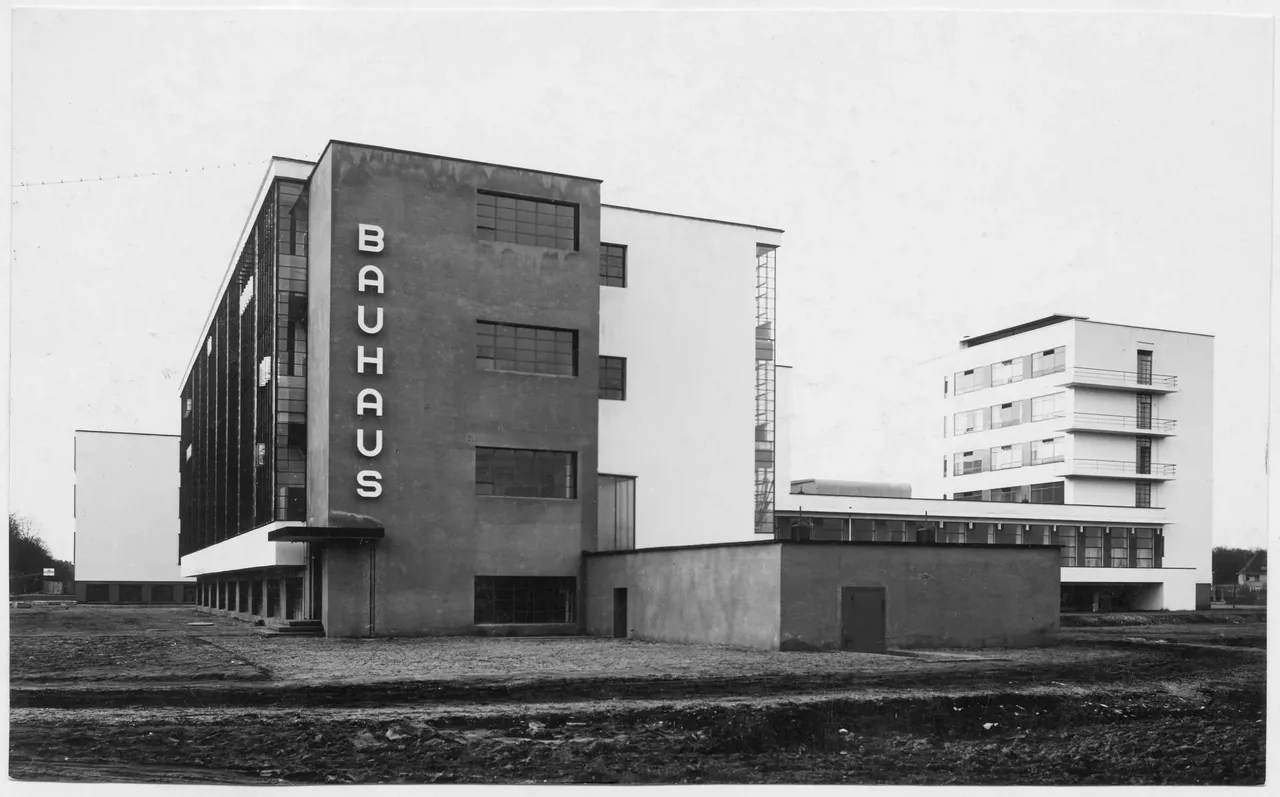
Architectural photography was also taught at the Bauhaus. In The Allure of Architecture, the work of Lucia Moholy, a key name in the field, can be seen. She fled Nazi Germany, leaving behind her negatives of Bauhaus buildings in Dessau, some of which ended up with Bauhaus founder Walter Gropius, who published them without credit in order to make the school’s architecture famous. After being denied recognition and entering a legal battle, she finally got her work back in 1957. Else Tholstrup studied at the New Bauhaus in Chicago, later specialising in architectural and portrait photography. She travelled Europe, taking a range of images and primarily focusing on work by Danish architects.
Caroline Kynast, one of the contemporary artists presented in dialogue with the historic Bauhaus women, works in the international fashion scene, focusing on street style, authentic urban fashion and fashion weeks around the world. Photography, collage and spatial performance interlink in the work of Kalinka Gieseler. Themes of class, luxury and desire are examined in commercial imagery, which also features motifs around parenthood in society. Sinta Werner explores dimensional space and architectural structures, and her work has earned numerous prizes and been shown in exhibitions.
The exhibition New Woman, New Vision. Women Photographers of the Bauhaus is on view through 4 October at Museum für Fotografie, Jebensstraße 2, Berlin.
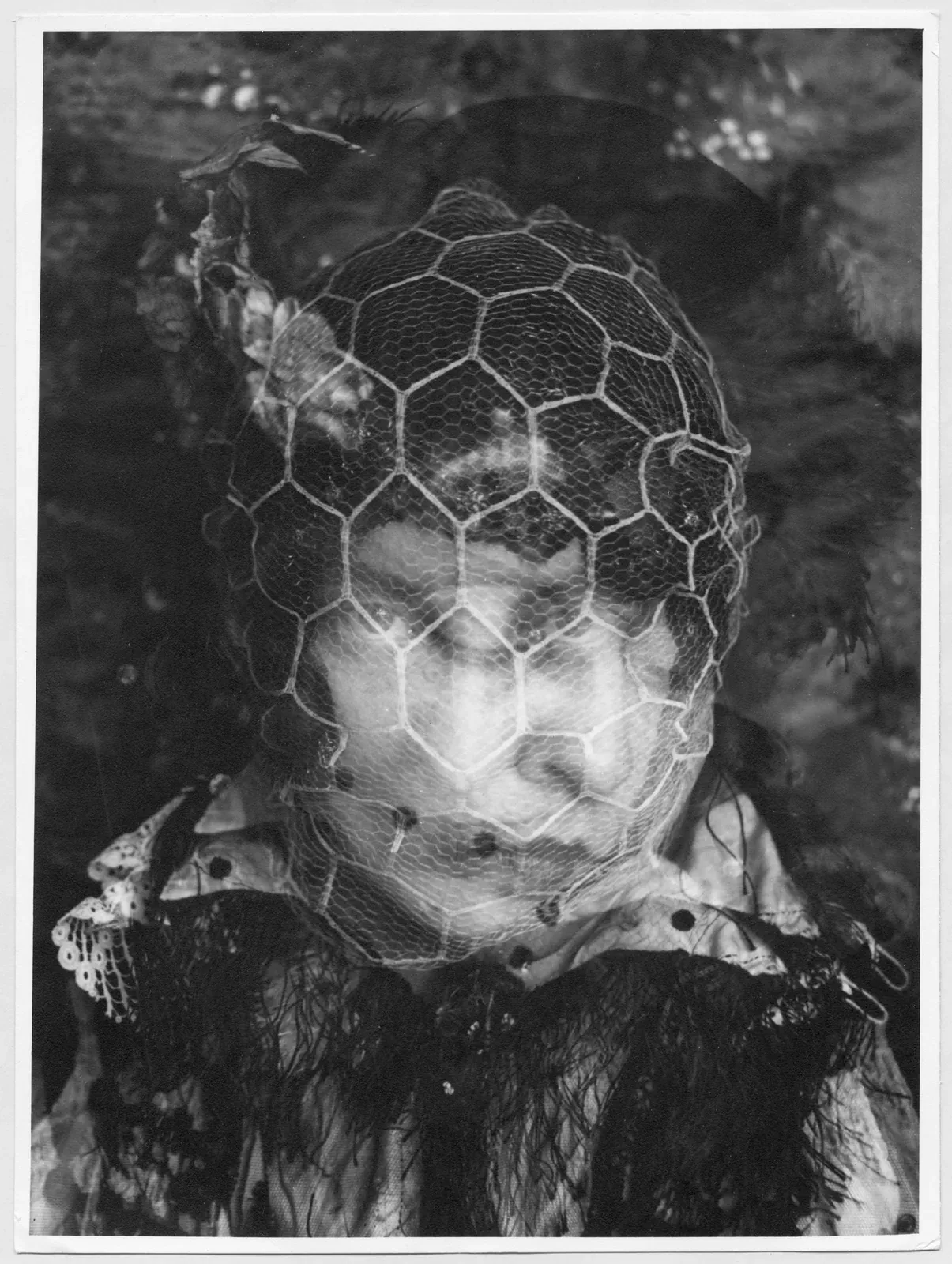
Gertrud Arndt, Maskenfoto Nr. 16, 1930, Bauhaus-Archiv Berlin. © VG Bild-Kunst, Bonn 2026
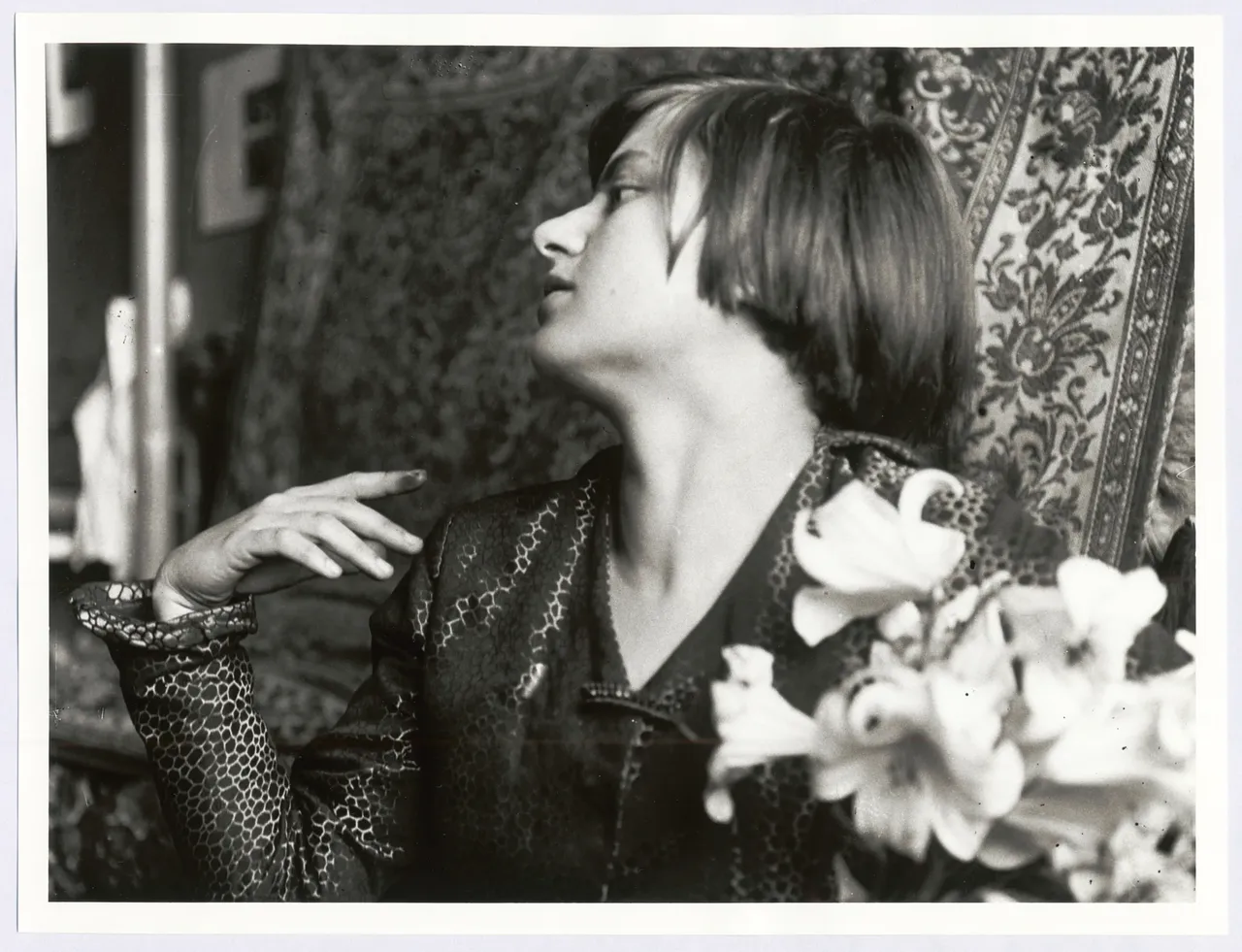
Marianne Brandt, Selbstporträt mit Lilien, um 1923, Bauhaus-Archiv Berlin. © VG Bild-Kunst, Bonn 2026
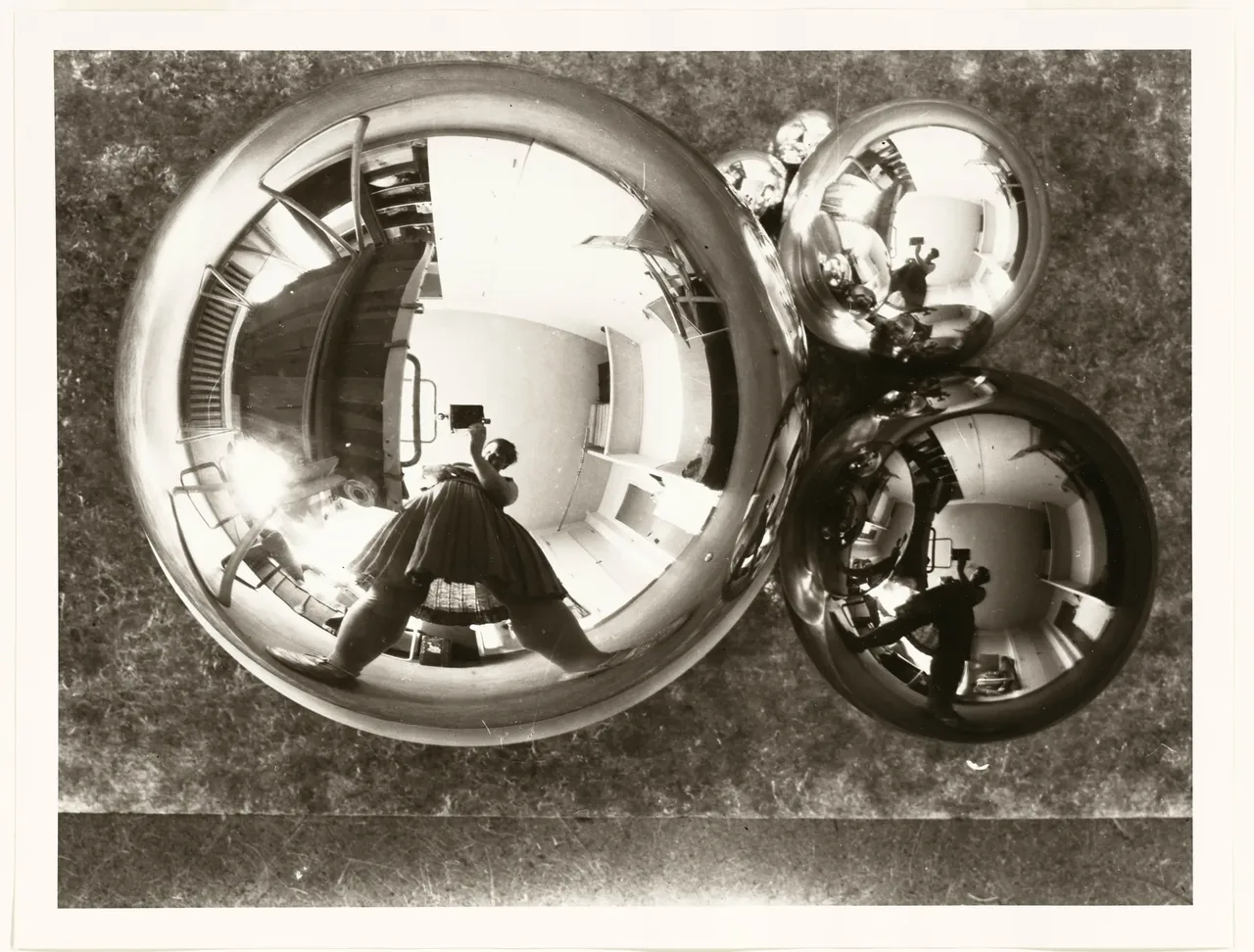
Marianne Brandt, Selbstporträt mit Kamera im Atelier in der Kugel gespiegelt, Bauhaus Dessau, um 1928–1929, Bauhaus-Archiv Berlin. © VG Bild-Kunst, Bonn 2026
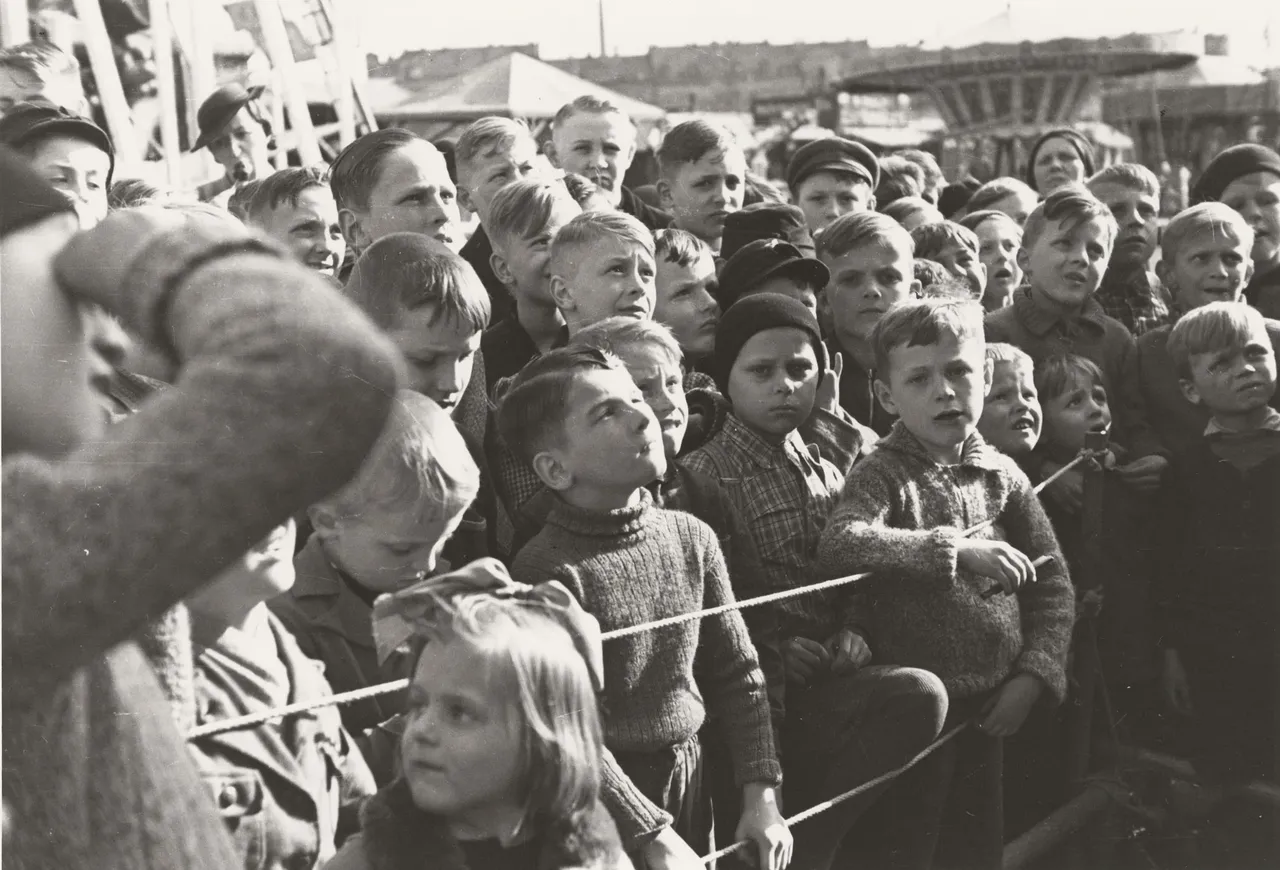
Marianne Brandt, Wartende Kinder, 1928, Bauhaus-Archiv Berlin. © VG Bild-Kunst, Bonn 2026
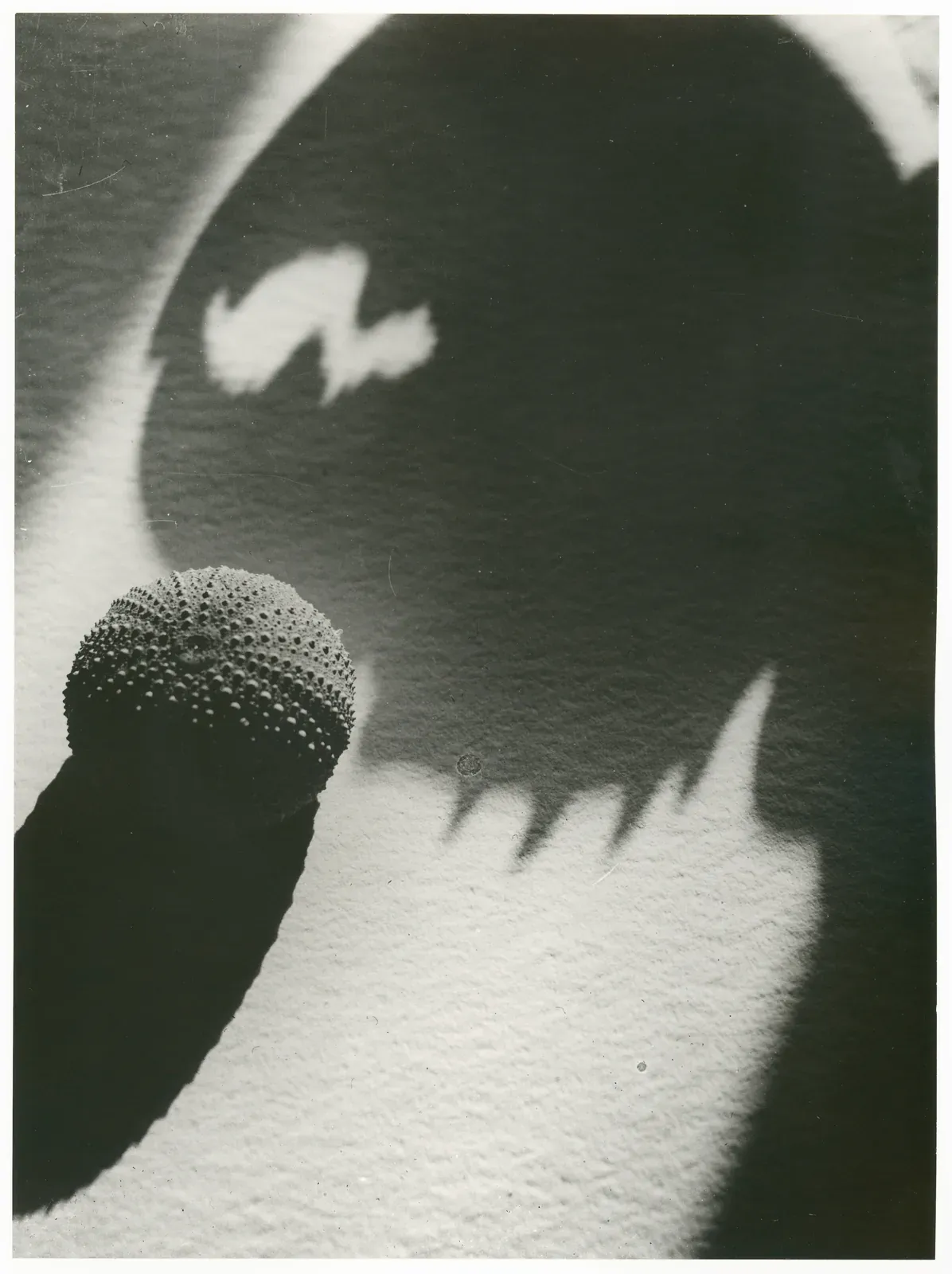
Lotte Collein, Seeigel und Schatten einer Krebsschere, 1928, Bauhaus-Archiv Berlin. © Ursula Kirsten-Collein
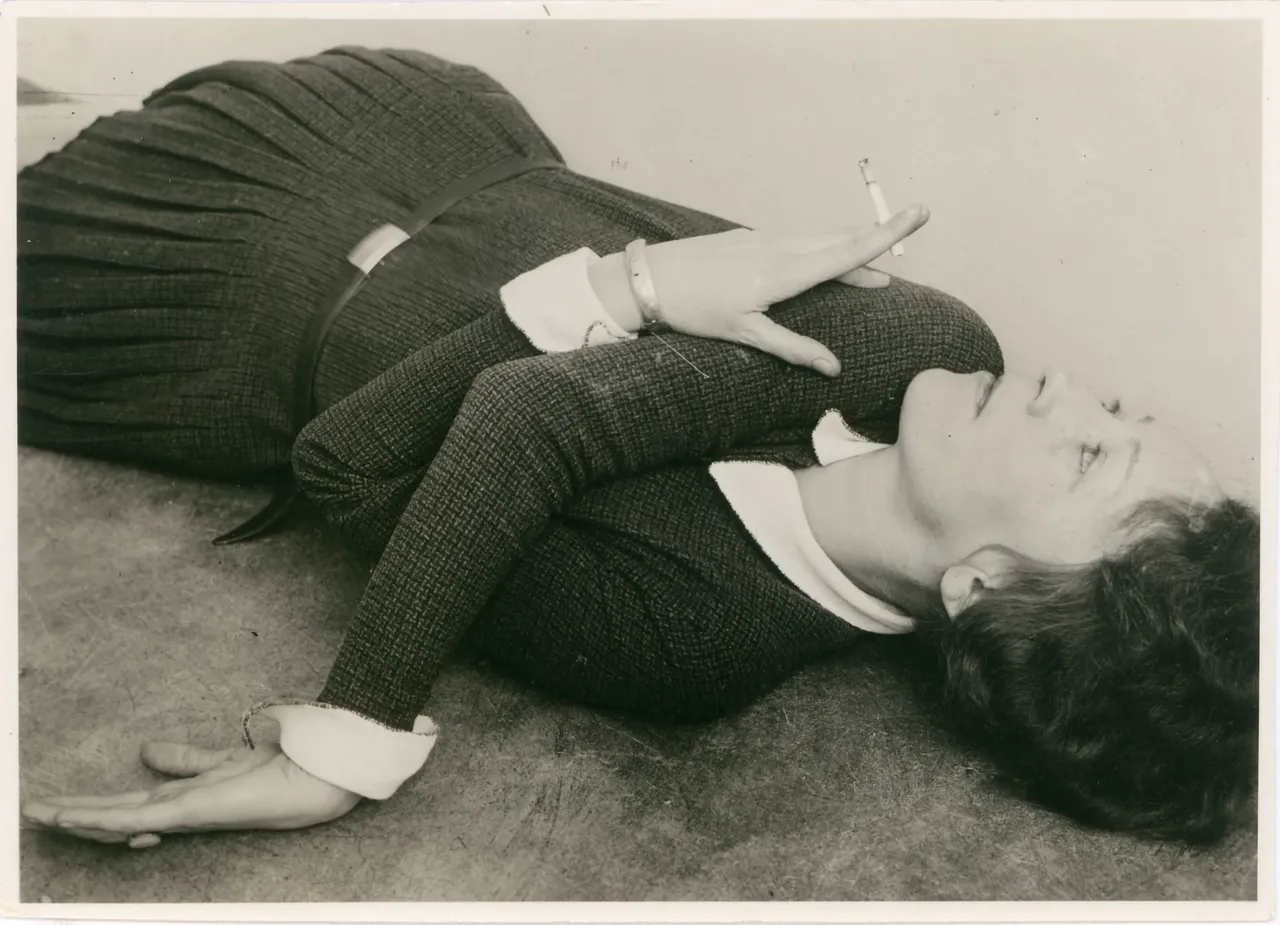
Grit Kallin-Fischer, Selbstporträt mit Zigarette, um 1928, Bauhaus-Archiv Berlin
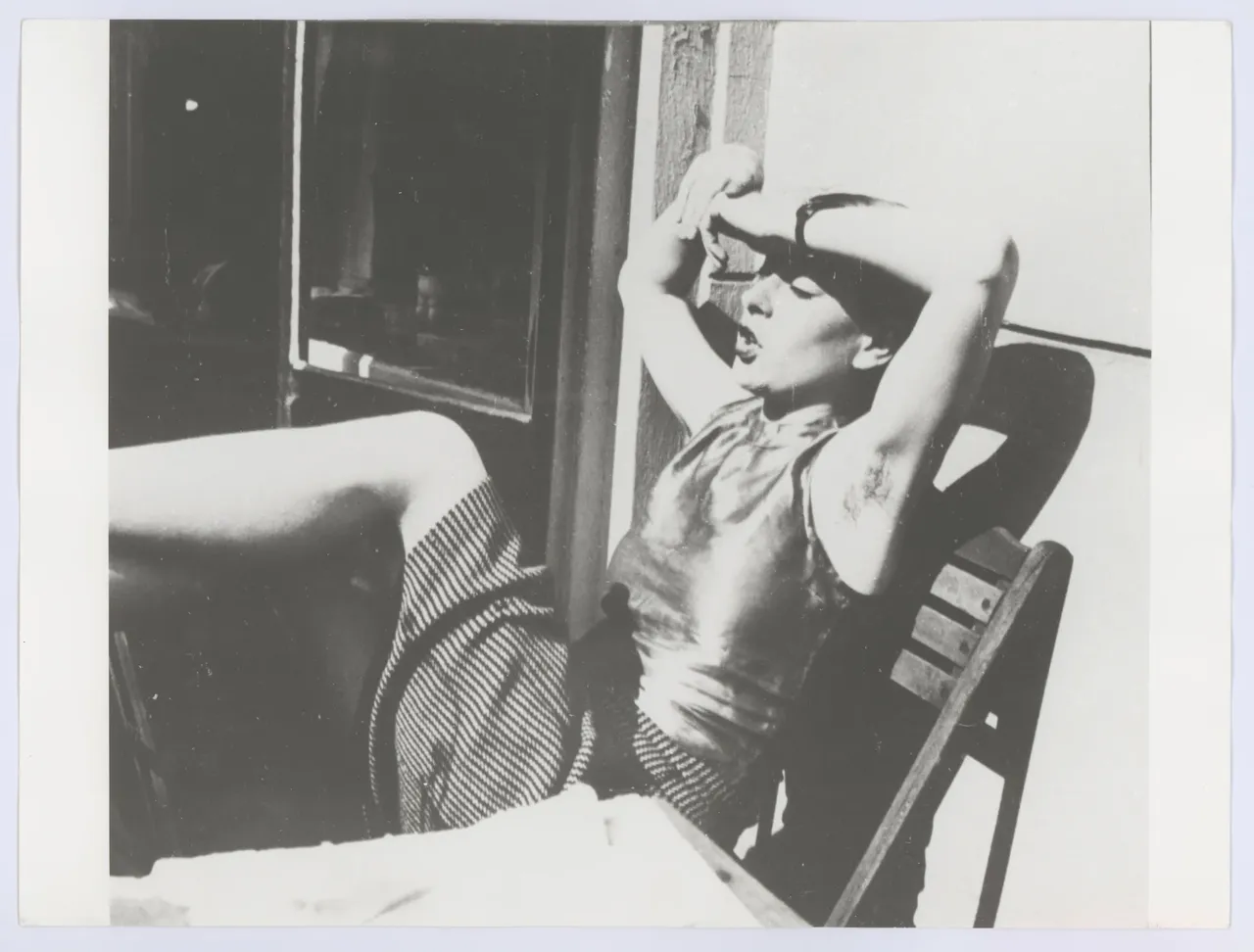
Ivana Meller-Tomljenović, Porträt Grete Krebs, 1930, Bauhaus-Archiv Berlin. © Marinko Sudac
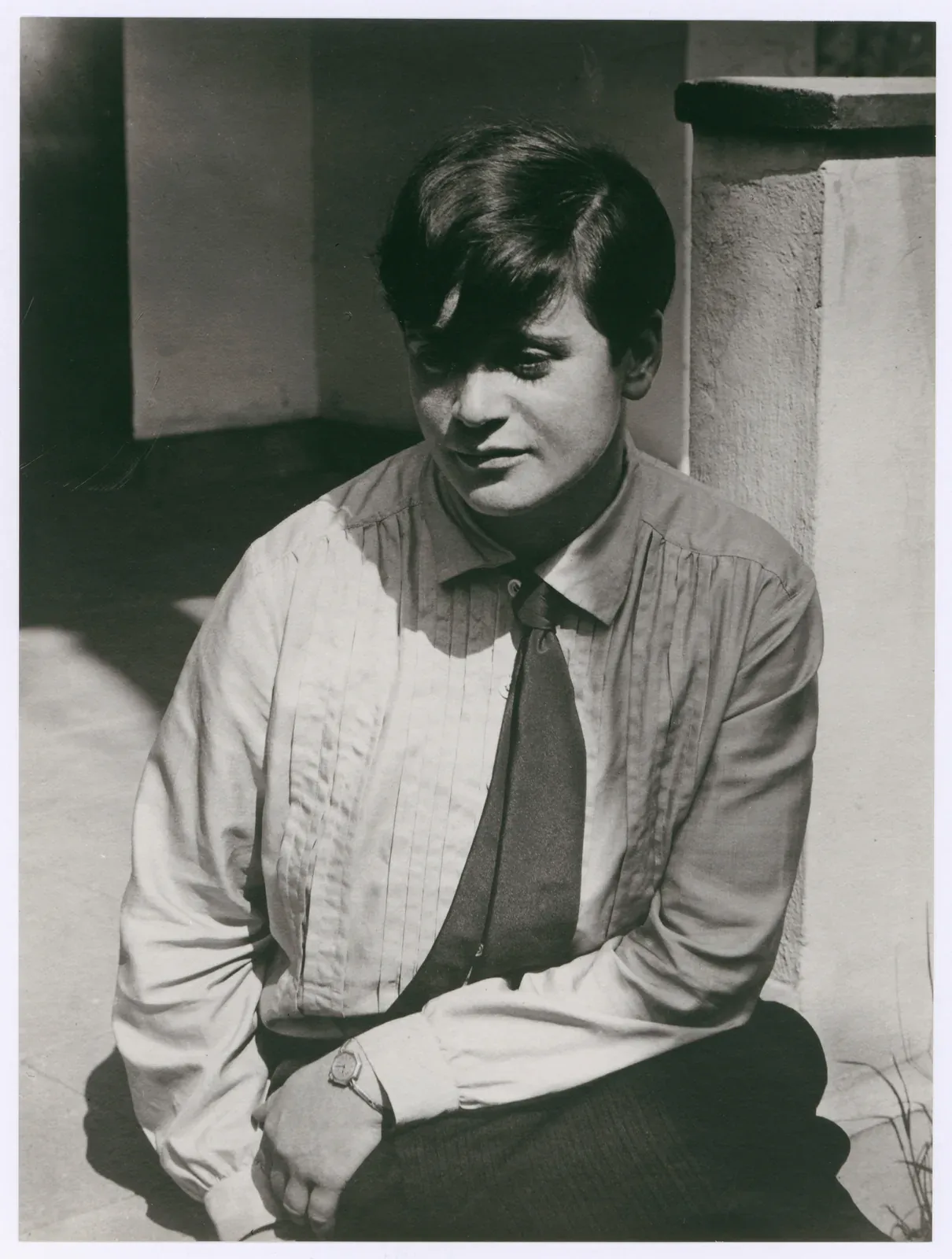
Lucia Moholy, Porträt Eva Weininger auf der Treppe zur Veranda eines Meisterhauses in Dessau, 1927, Bauhaus-Archiv Berlin. © VG Bild-Kunst, Bonn 2026
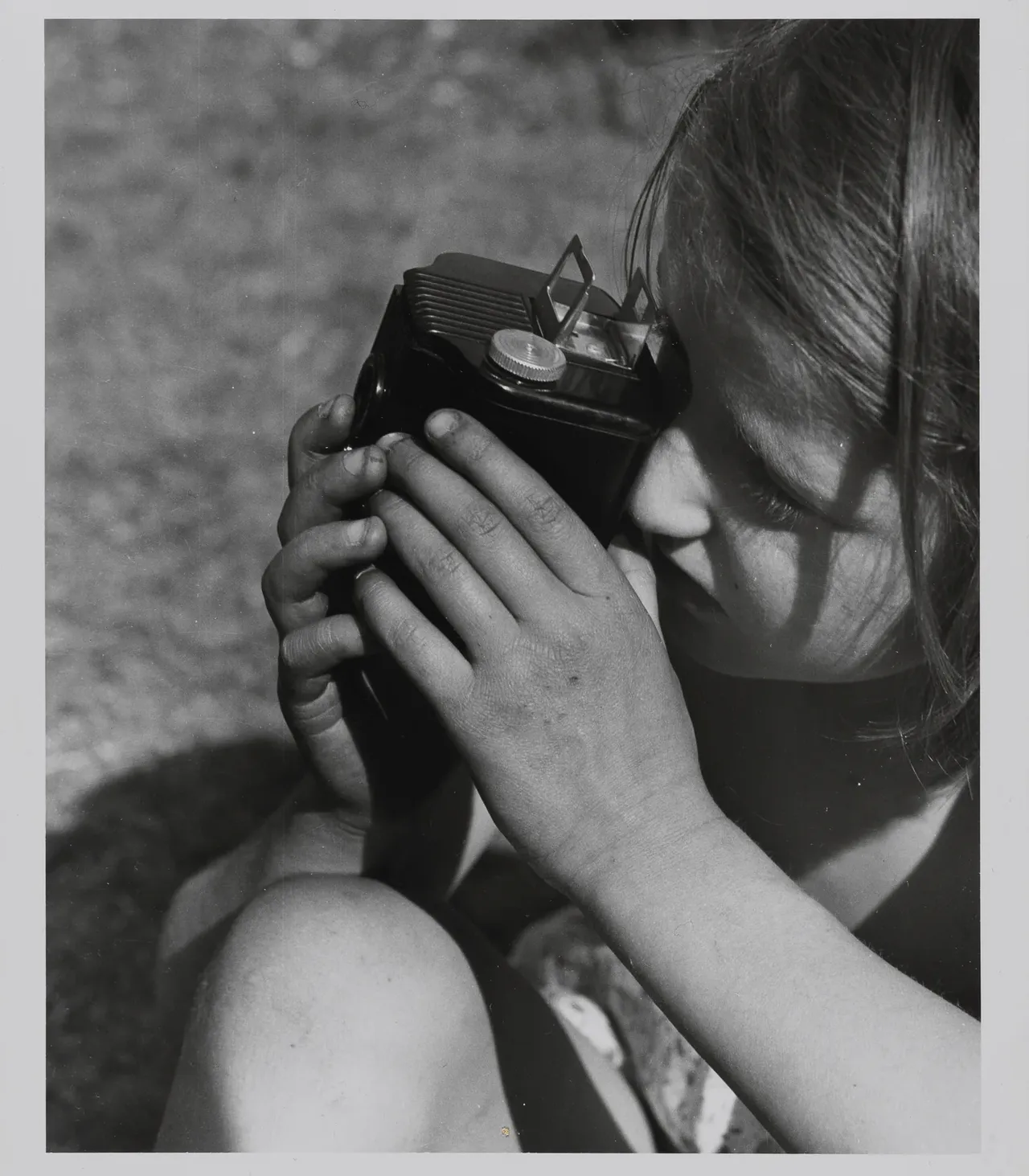
Lucia Moholy, Mädchen mit Kamera beim Fotografieren (Lucia, Tochter von Yella und Hans Curjel), um 1929, Bauhaus-Archiv Berlin. © VG Bild-Kunst, Bonn 2026
Elsa Thiemann, Berlin, Kinder am U-Bahneingang in Neukölln, 1950er-Jahre, Bauhaus-Archiv Berlin. © Margot Schmidt