Gods, ghosts, kaiju, cyborgs, avatars. We have spent centuries inventing creatures to explain the things that frighten, fascinate, and escape us. Myths and Monsters: The Art of Fantasy in Asia, opening at Hong Kong’s M+, brings together more than four hundred works across art, architecture, fashion, film, video games, anime, and digital culture to trace how imagined worlds have evolved alongside the realities that produced them. On view from 17 October 2026 to 4 April 2027, the exhibition asks what happens when fantasy stops being an escape from reality and starts looking suspiciously like it.
The exhibition begins where fantasy has always been most powerful: somewhere between belief and fear. Spirits Among Us explores the ghosts, monsters, and deities embedded in Asian folklore and spirituality, bringing together ukiyo-e woodblock prints, Chinese shadow puppets, Tibetan Buddhist thangkas, and vernacular objects. These aren’t simply decorative creatures; they embody collective anxieties and desires for protection, prosperity, and safety. Oscar Chan Yik Long’s newly commissioned Fear Catcher (2026), inspired by Zhong Kui, the Chinese King of Ghosts, drags this ancient mythology into the present. His monster becomes a psychological mirror, a figure through which fear can be recognised rather than simply defeated.
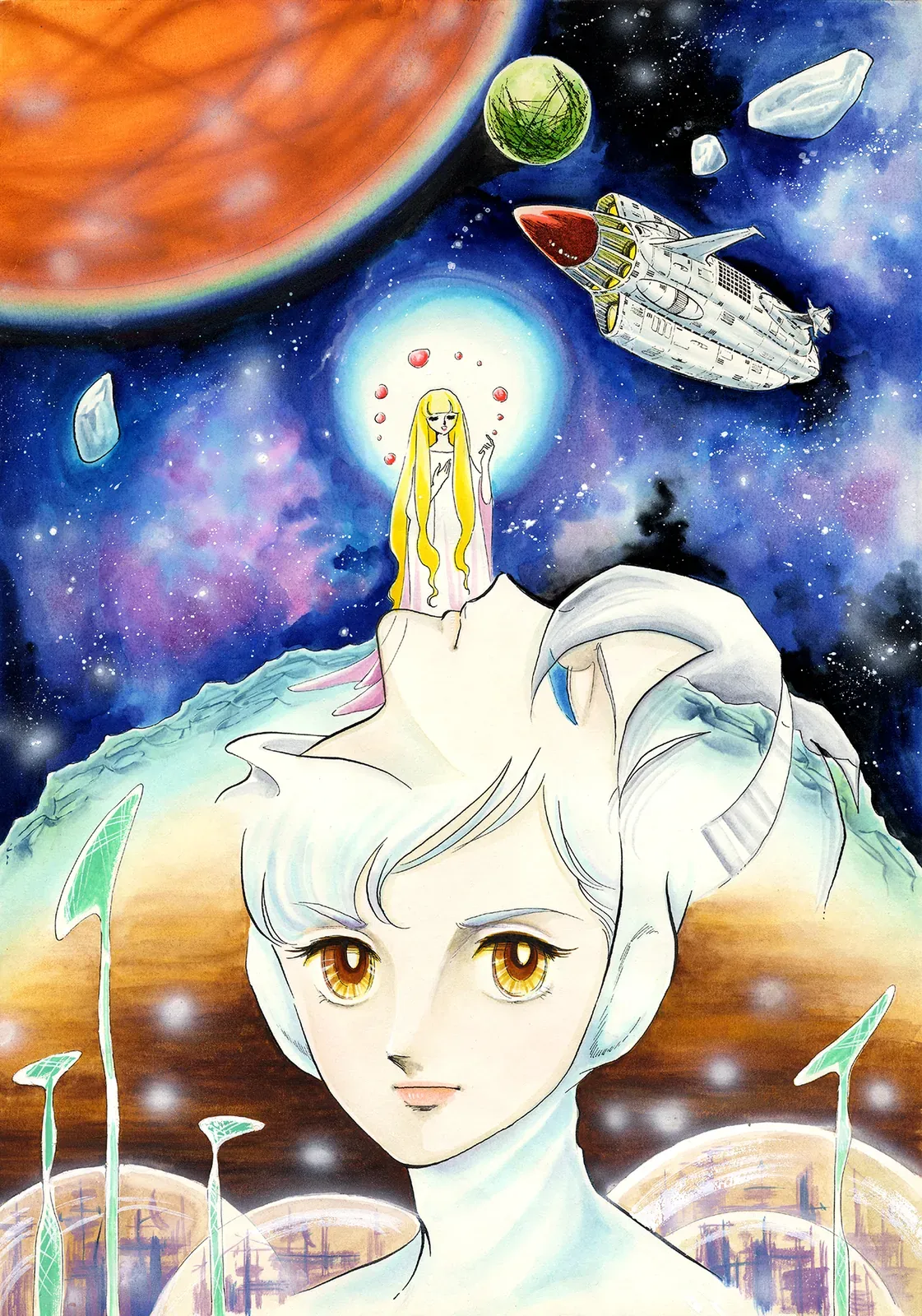
Then the dream turns darker. Strange Realities examines how artists across Asia absorbed and transformed European Surrealism, turning distorted bodies, impossible landscapes, and irrational imagery into responses to war and social upheaval. In the post-war period, fantasy mutates again, exploding into the mass-cultural imagination through figures such as Godzilla and Astro Boy. From Godzilla to Ghost in the Shell follows the trajectory of Japanese manga, anime, film, and gaming, revealing the darker realities underneath their fantastical surfaces: nuclear destruction, technological anxiety, loss, alienation, and the persistent desire to imagine a better future. What looks like escapism is often a survival mechanism in disguise.
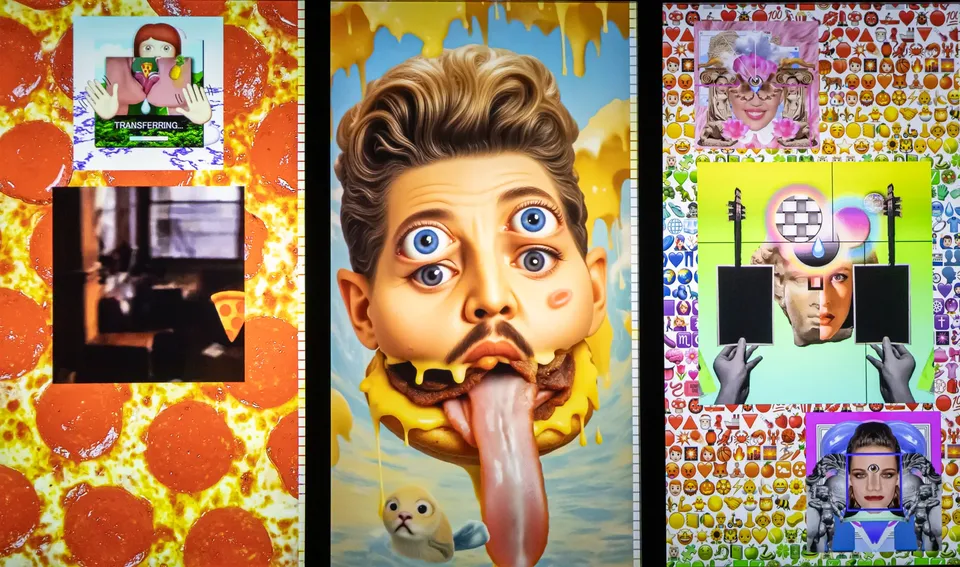
By the time we reach New Mythologies, the distinction between fantasy and reality has almost completely collapsed. Ayoung Kim, Cao Fei, Ho Tzu Nyen, KongKee, Takashi Murakami, and LuYang populate their work with avatars, altered bodies, digital landscapes, and hybrid identities, reflecting a world in which the self can be endlessly edited, duplicated, and projected. Anime aesthetics spill into contemporary art and fashion; gaming becomes a visual language; virtual characters acquire personalities; AI can generate images of worlds that never existed. The fantastical has escaped the gallery and entered the wardrobe, the phone screen, and the algorithm.
But is that liberation, or something more unsettling? If fantasy is everywhere, what happens to art when the imaginary is no longer confined to the artist’s imagination? This is where M+’s Hong Kong context becomes particularly compelling: rather than placing contemporary art in opposition to popular culture and technology, Myths and Monsters allows these visual languages to occupy the same space. The result feels less like a retrospective of fantasy than a glimpse at where art itself might be heading.
The most unsettling thing about Myths and Monsters is that the monsters aren’t disappearing. They’re evolving. From ancient gods to giant radioactive creatures, from anime androids to digital avatars, each new fantasy gives form to whatever the present can’t quite articulate. But if the imaginary is now everywhere—generated by machines, worn on our bodies, projected onto screens, and absorbed into everyday life—perhaps the question is no longer what fantasy can tell us about reality, but what reality is doing to fantasy. M+ doesn’t ask us to choose between the real and the imaginary; it reveals how inseparable they have always been. The future of art is not about escaping reality at all, but finding new ways to make its strangeness visible.
The exhibition Myths and Monsters: The Art of Fantasy in Asia is on view from 17 October 2026 to 4 April 2027 at M+, West Gallery, Hong Kong.
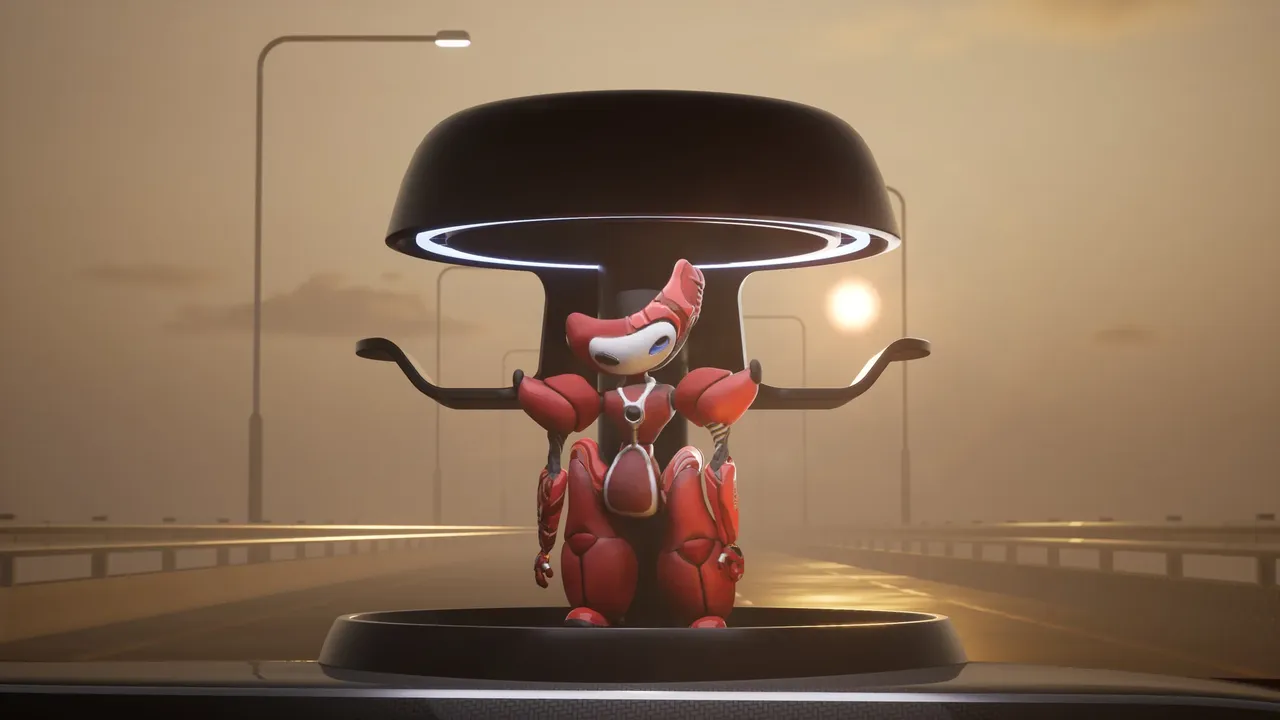
Lawrence Lek. Guanyin (Confessions of a Former Carebot) (still), 2024. single-channel video (colour, sound). Courtesy of the artist and Sadie Coles HQ. Co-commissioned and co-produced by Frieze and Forma for the Frieze London Artist Award 2024. © Lawrence Lek. Courtesy the artist and Sadie Coles HQ, London
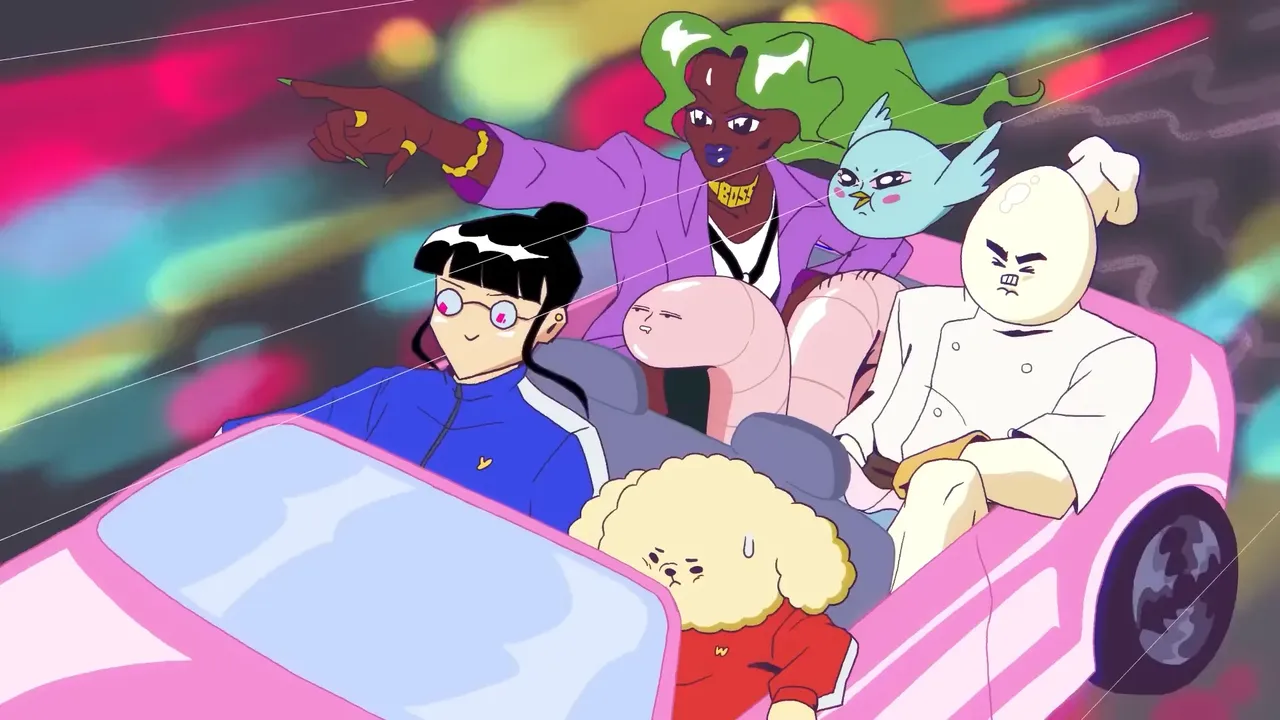
Yaeji; Annie Xing Zhao (director). ‘WAKING UP DOWN’ (still), 2020. single-channel video (colour, sound). © Yaeji. Image courtesy of XL Recordings LTD
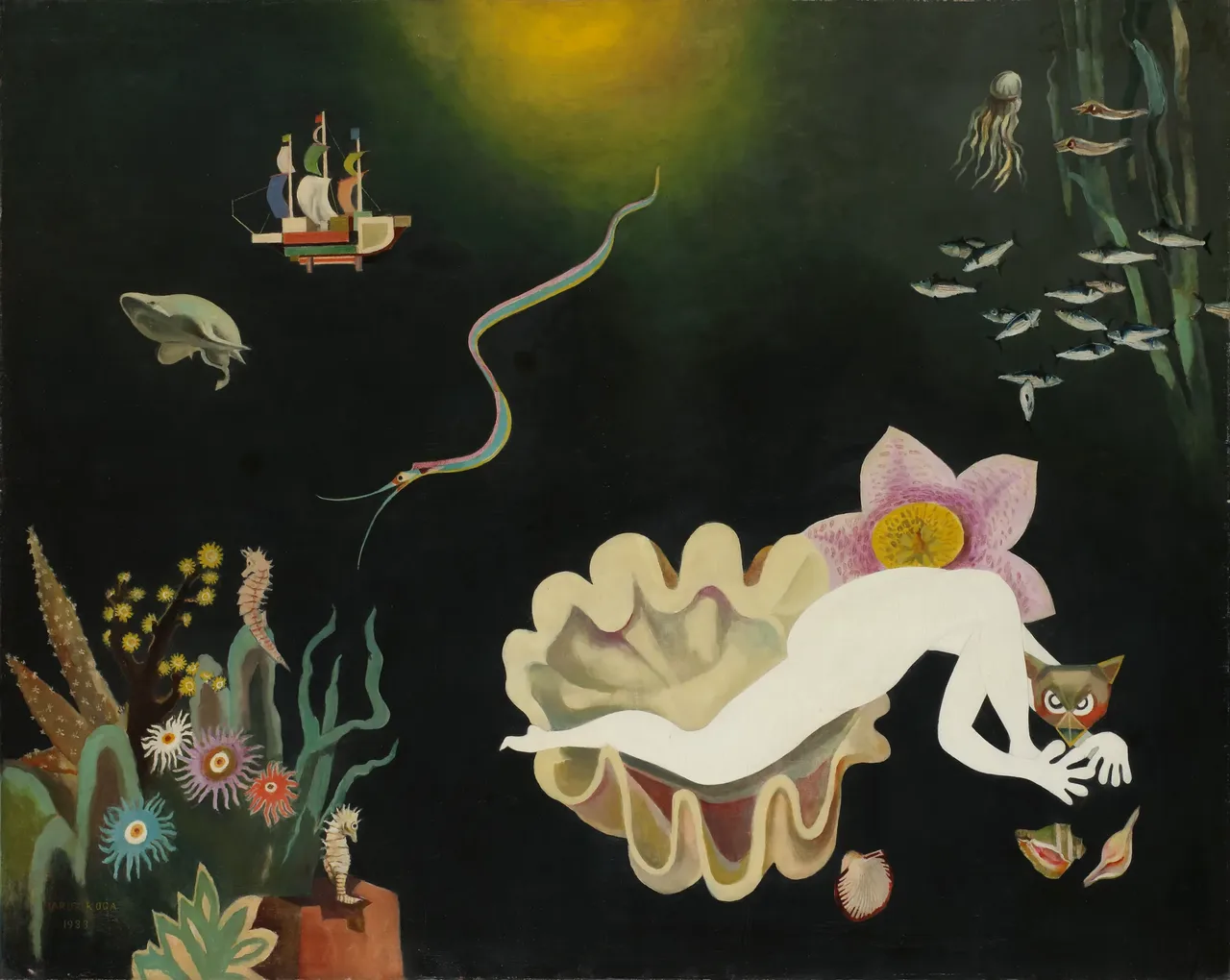
Koga Harue. Scene in the Deep Sea, 1933. oil on canvas. Ohara Museum of Art, Ohara Art Foundation, Kurashiki. Image courtesy of Ohara Art Foundation
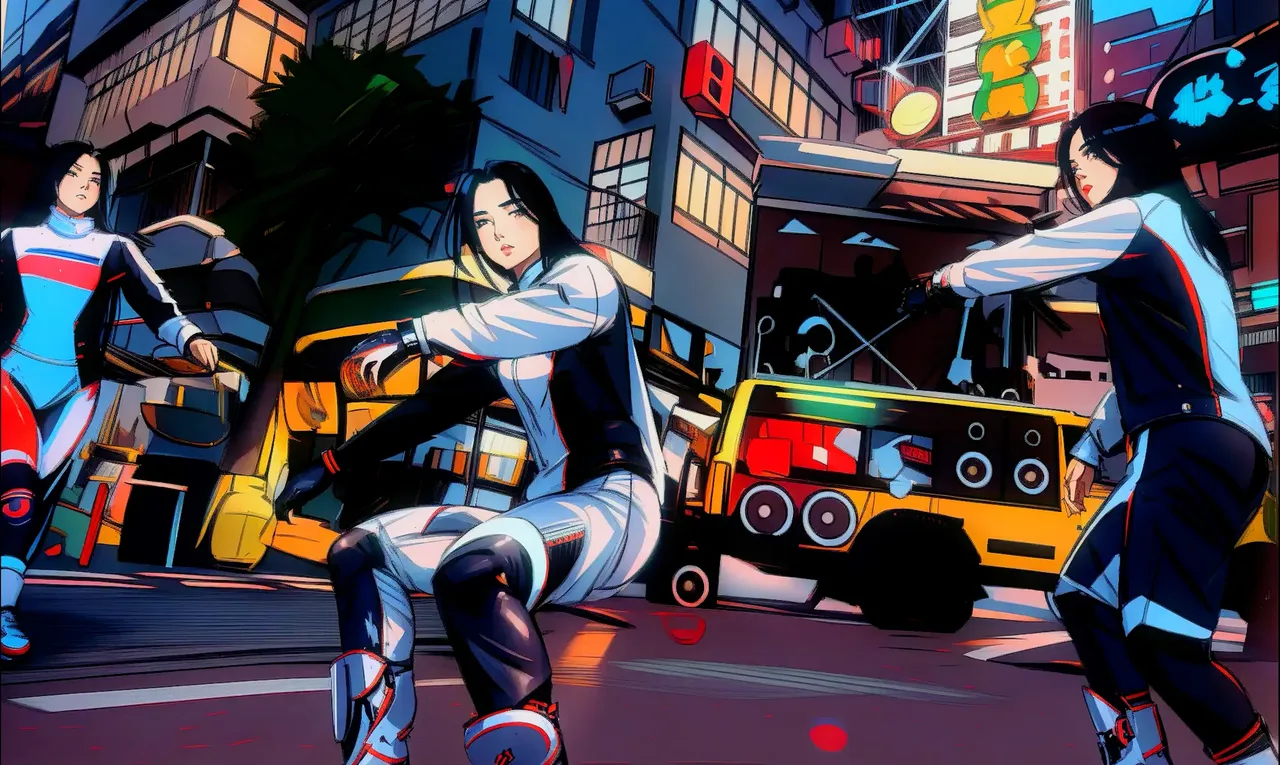
Ayoung Kim. Dancer in the Mirror Field, 2026. single-channel digital video (colour, sound). © Ayoung Kim. Stills: Courtesy of the artist
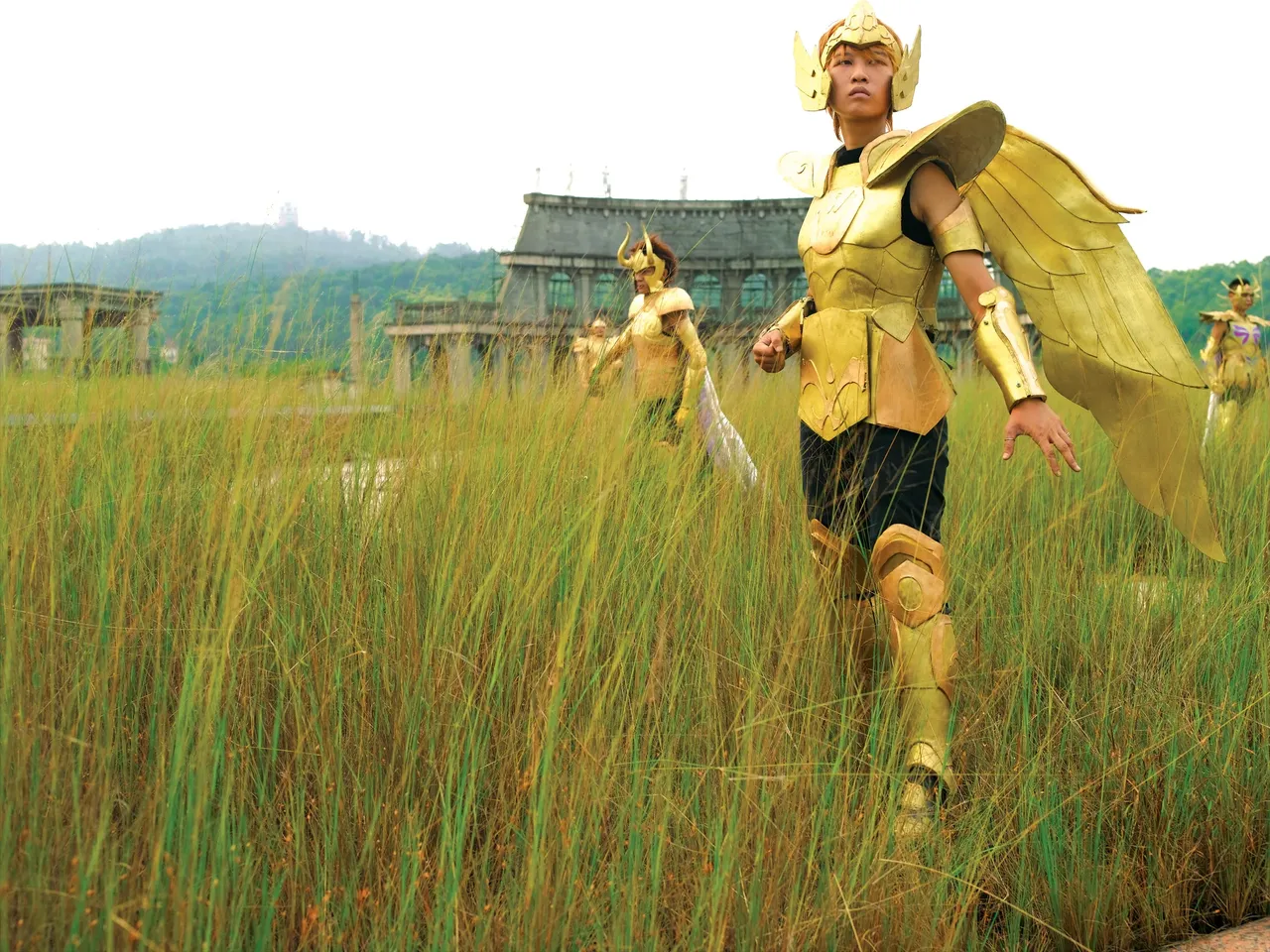
Cao Fei. Golden Fighter’s Despair from Cosplayers series, 2004. inkjet print on paper. Courtesy of the artist, Vitamin Creative Space and Sprüth Magers. © Cao Fei. Image courtesy of artist and Vitamin Creative Space
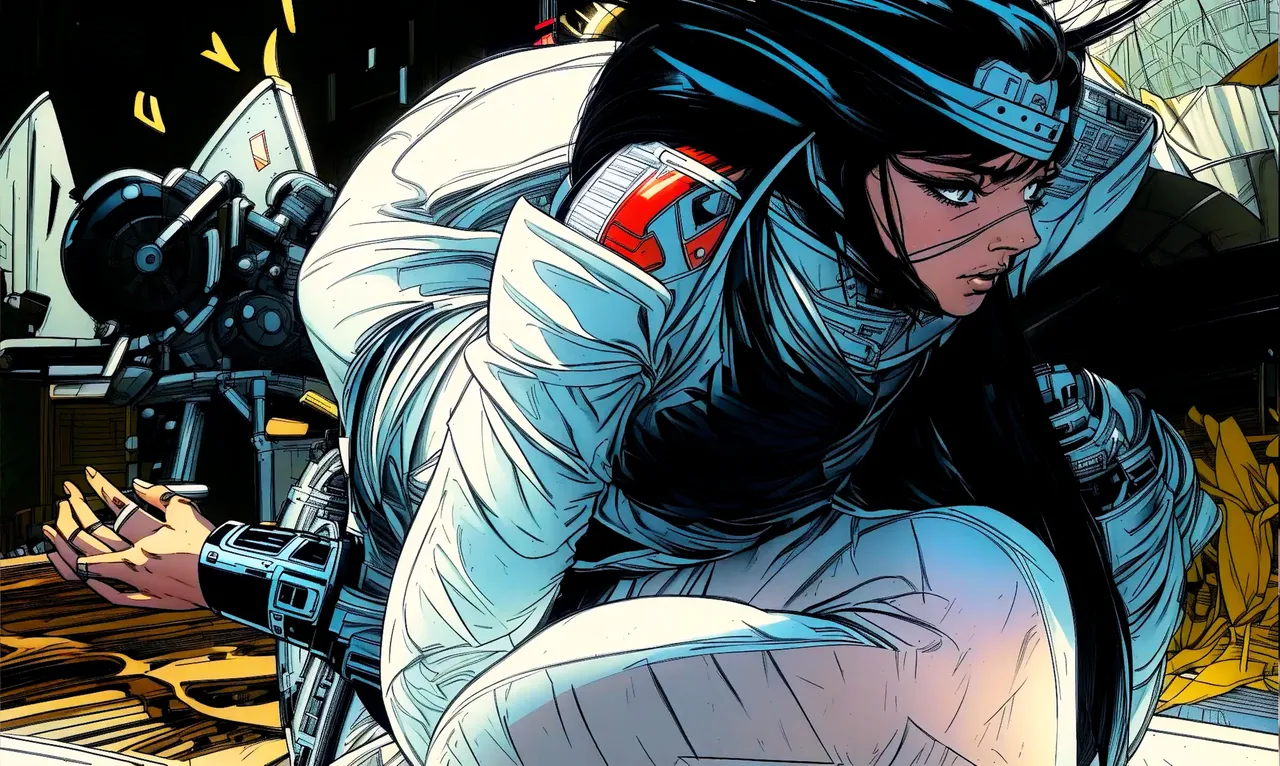
Ayoung Kim. Dancer in the Mirror Field, 2026. single-channel digital video (colour, sound). © Ayoung Kim. Stills: Courtesy of the artist
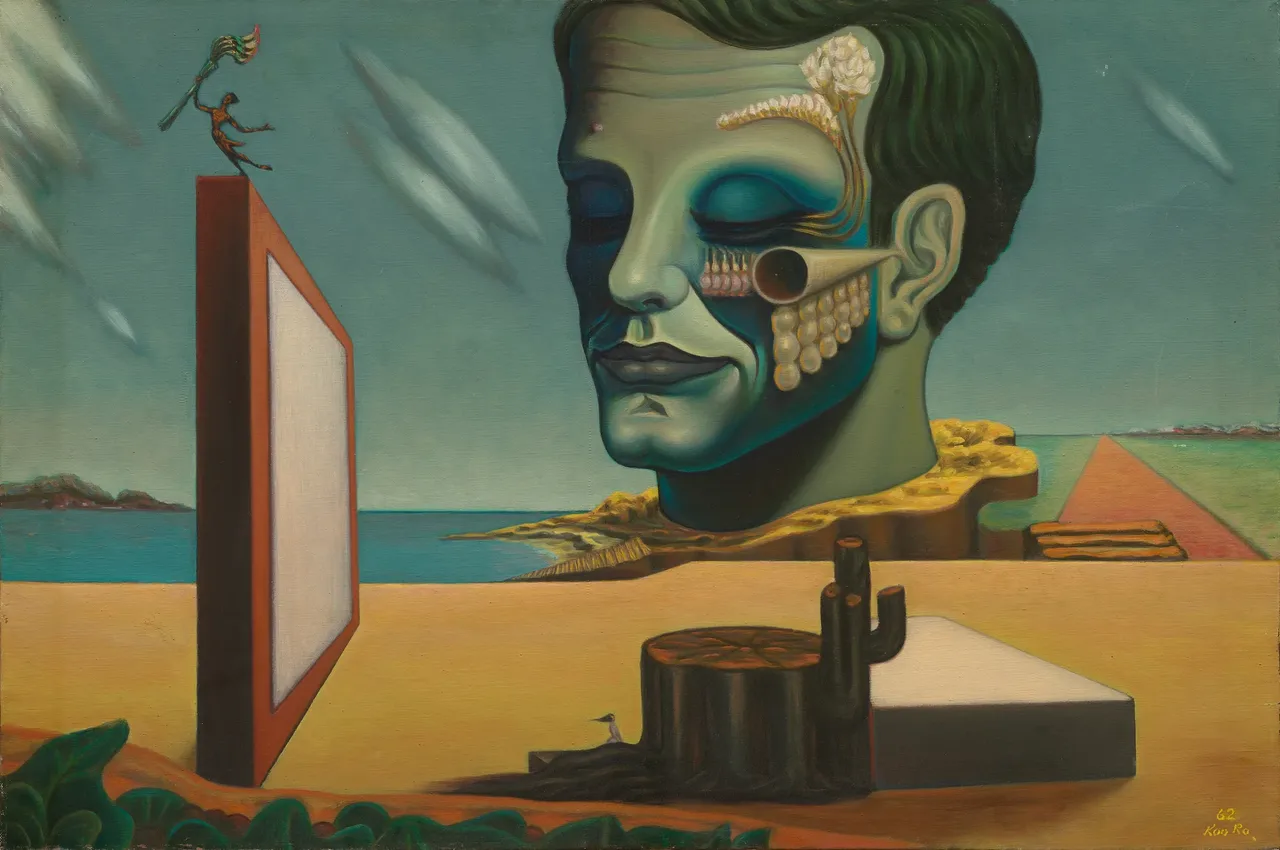
Kim Younghwan. Landscape of Self Portrait, 1962. oil on canvas. Collection of National Museum of Modern and Contemporary Art, Korea. © Estate of Kim Younghwan. Image courtesy of National Museum of Modern and Contemporary Art, Korea
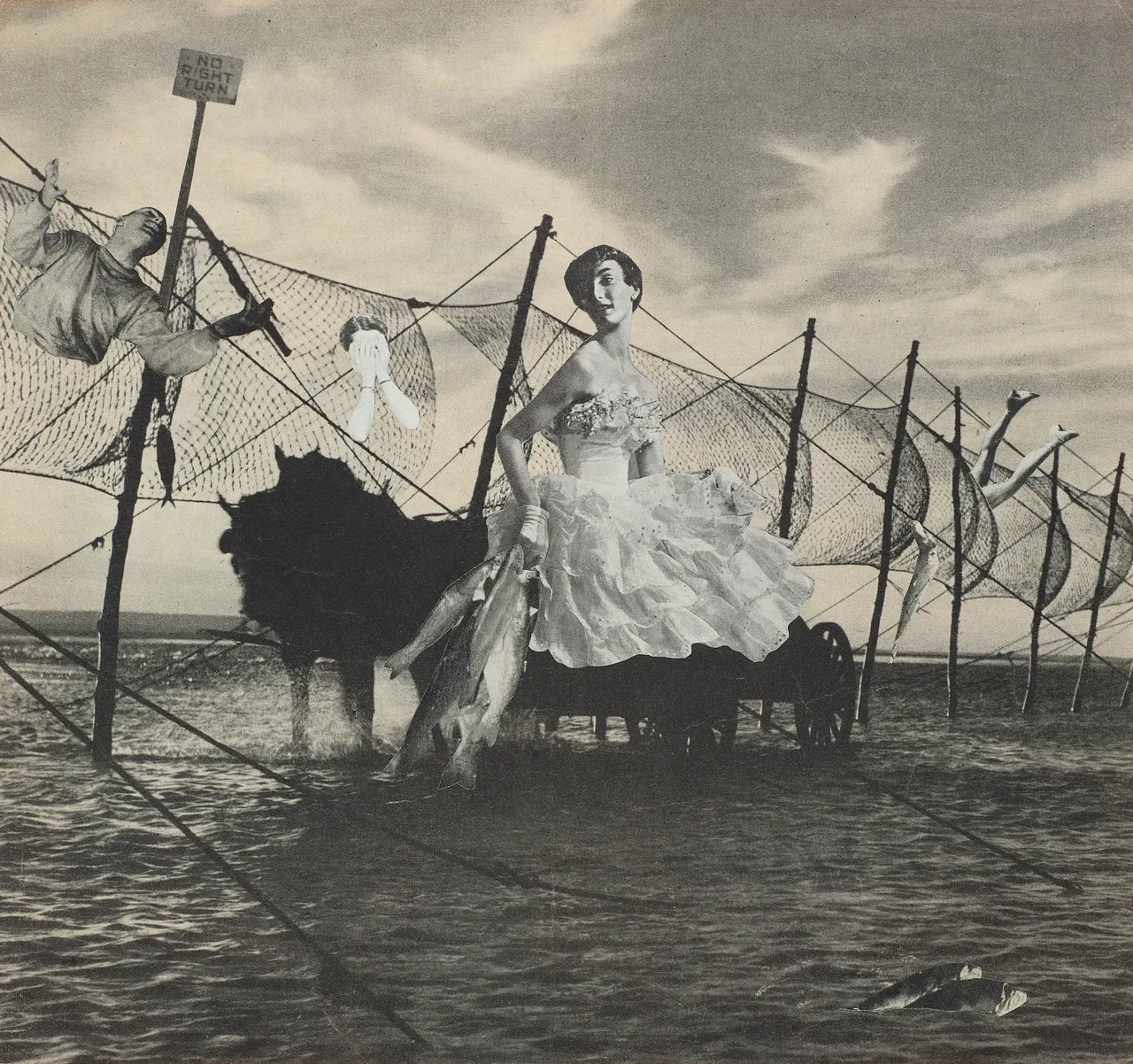
Okanoue Toshiko. Kill, 1955. letterpress halftone print collage. M+, Hong Kong. © Okanoue Toshiko. Image courtesy of M+, Hong Kong