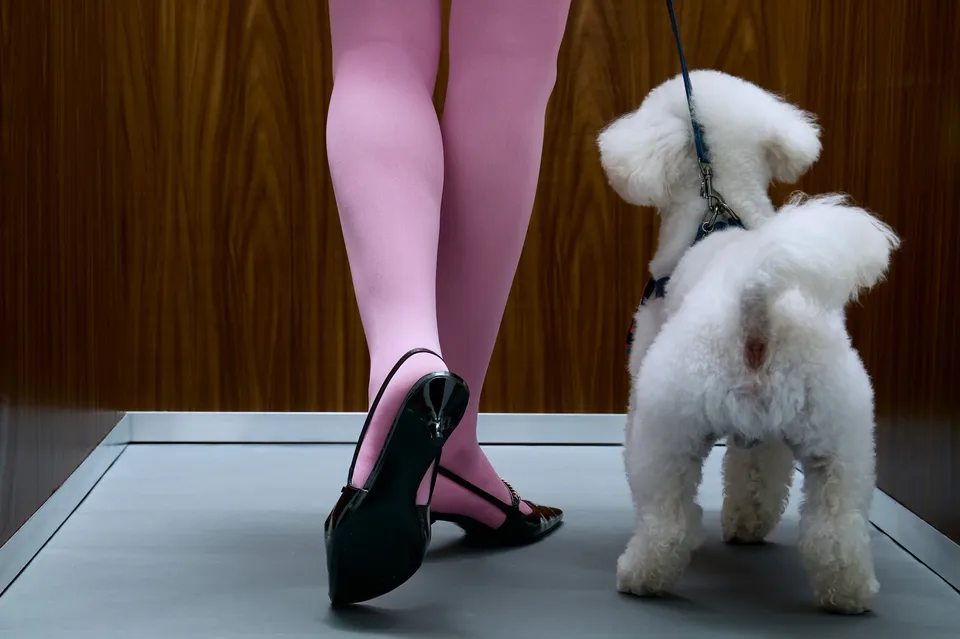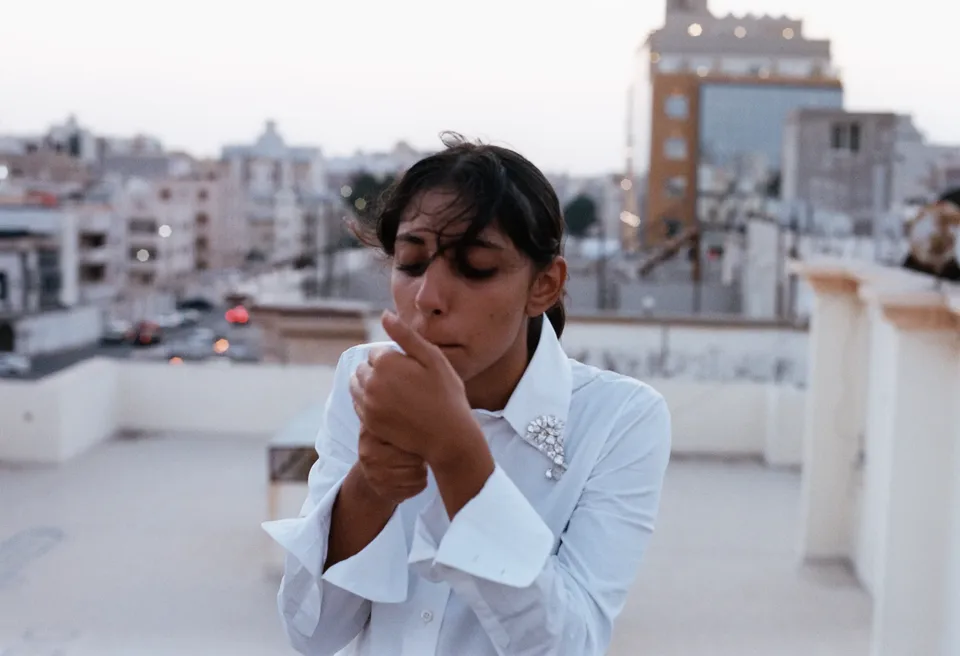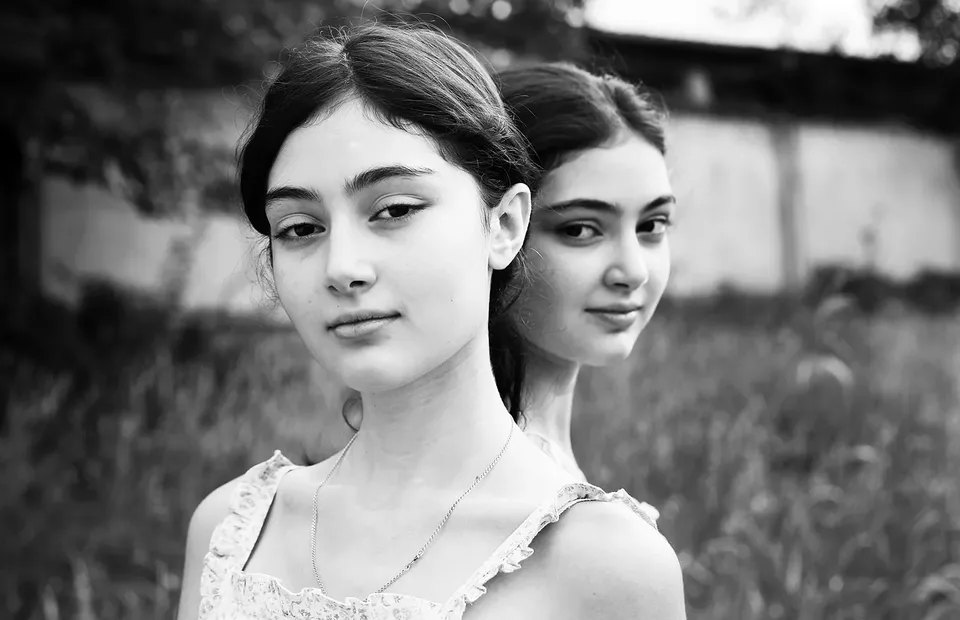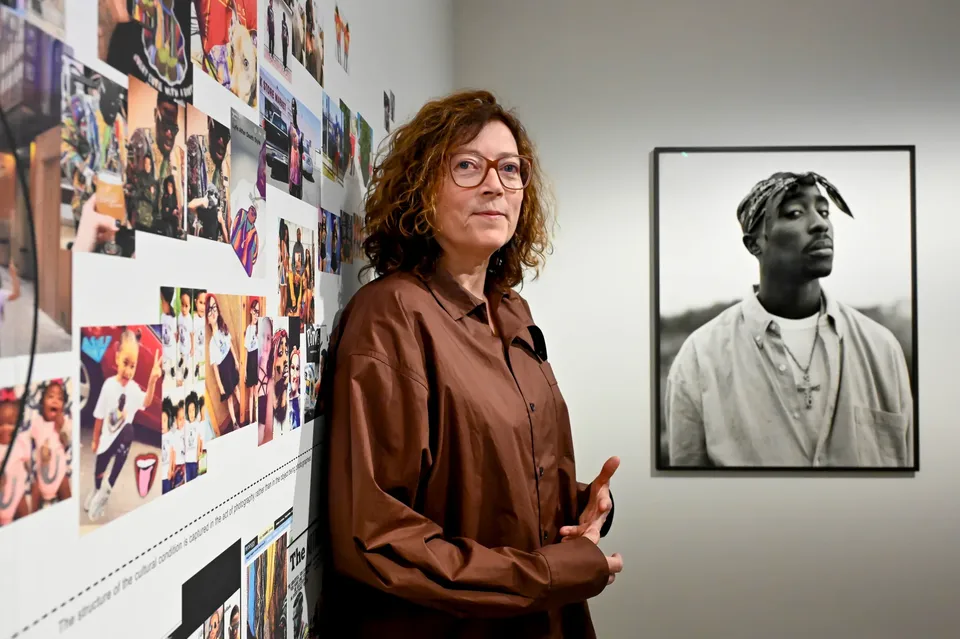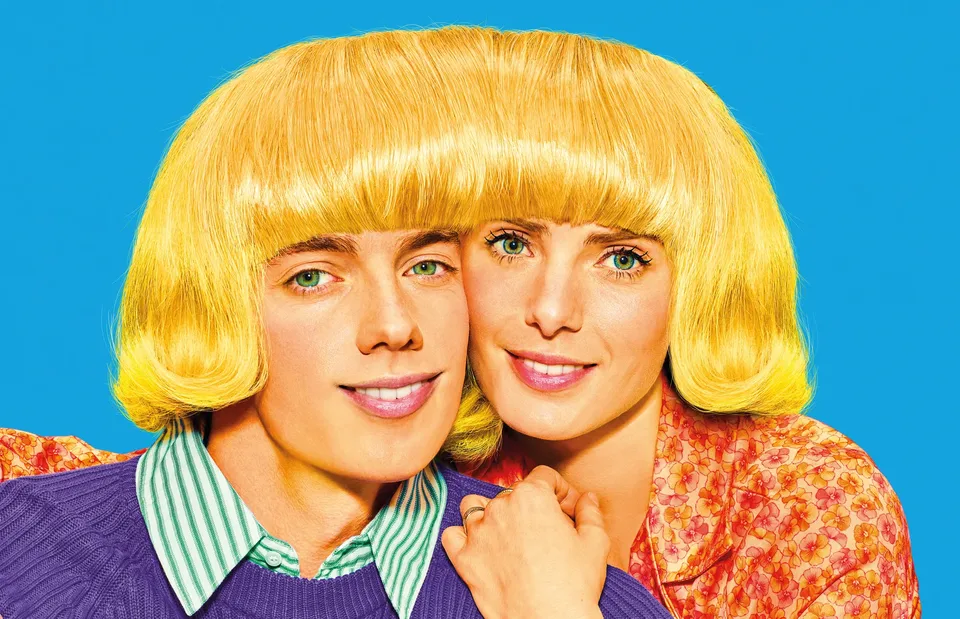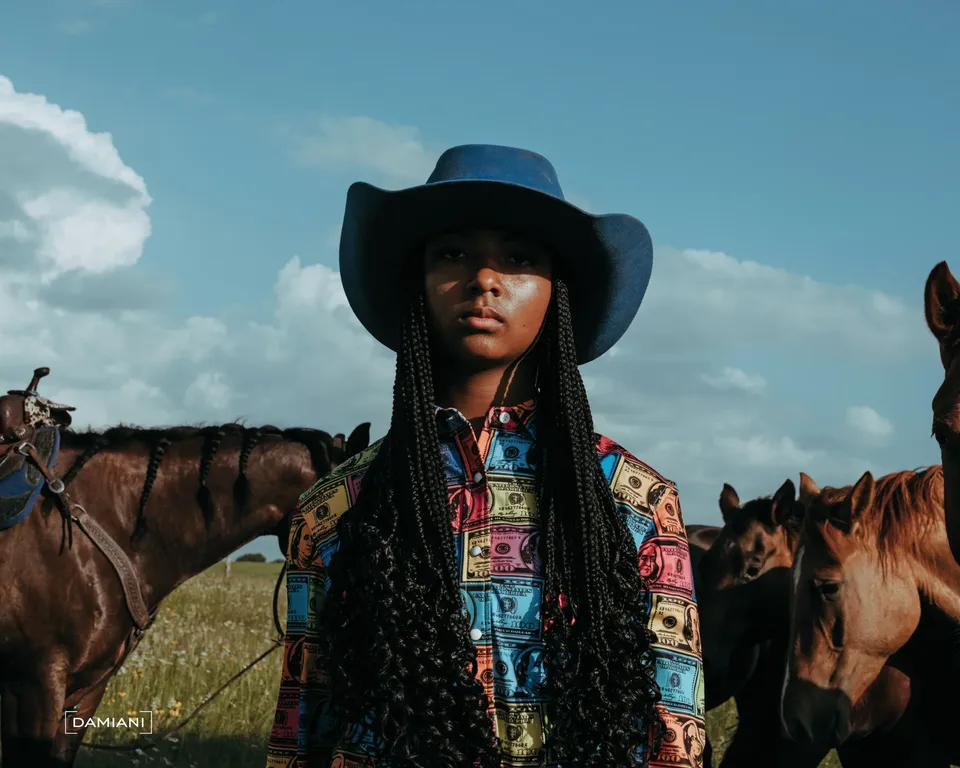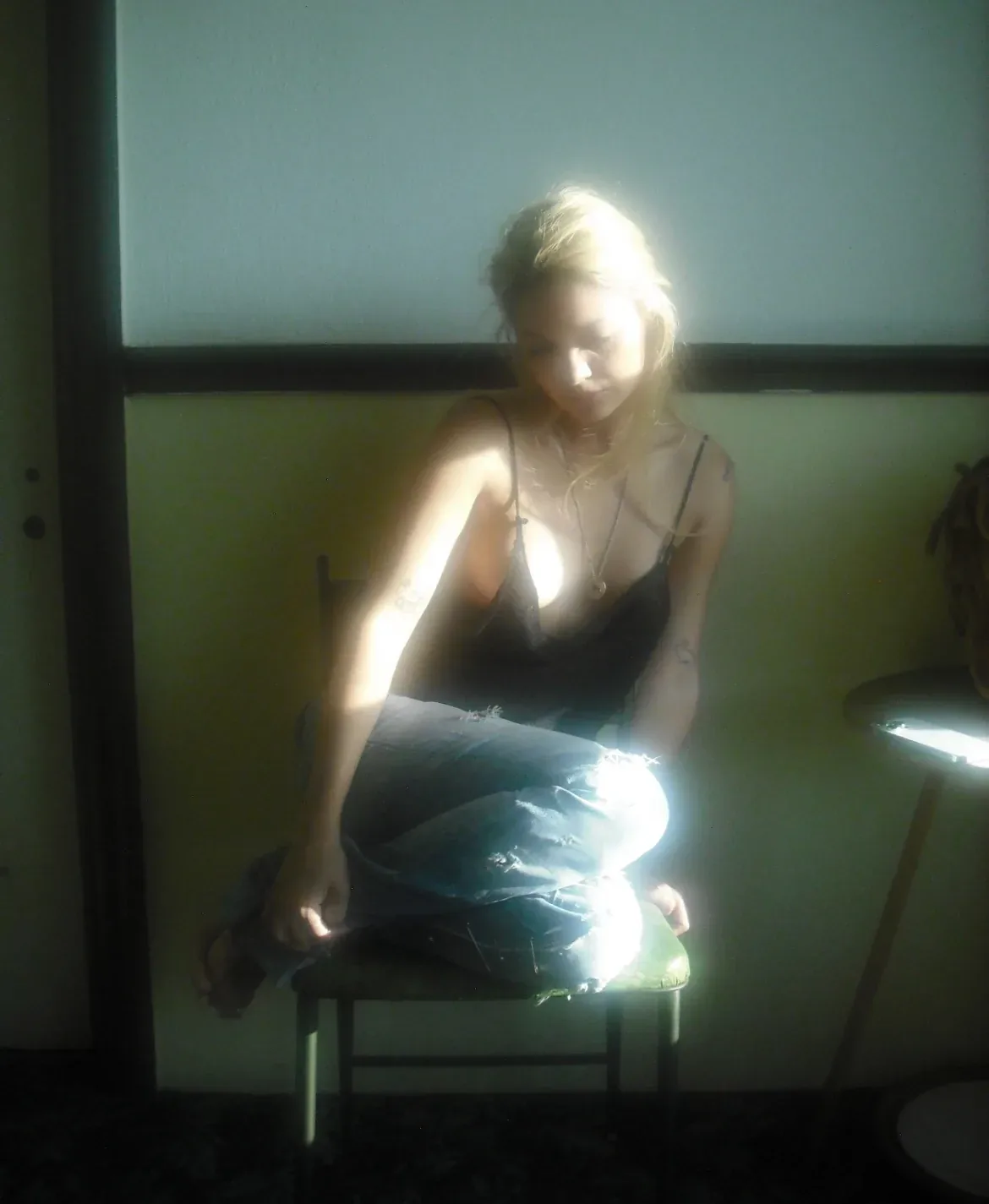
Sensual and girly, Maya Spangler’s photography is the epitome of cool. Like diamonds in the rough, Spangler’s subjects glint in their dishevelled outfits or surroundings. Her work offers a wider reflection on how perfect the imperfect can be, and how the greatest beauty is always set off by some ugliness. In fact, taking risks and daring to make an unflattering image have produced some of the artist’s best work. We sit down with her to discuss her work and My Karma Ran Over My Dogma, a group exhibition she’s co-curated at Sade gallery in Los Angeles.
It’s been just over a year since you released your debut photobook Stolen Besos, which had such a wide and amazing response! How has that been to take in?
It’s been really crazy, and really gratifying. When I had the show last year, I don’t think I ever really considered what the turnout would be so I was completely blown away by how many strangers came. Having the chance to meet people who genuinely connected with the work was something I could never take for granted. It’s also crazy how much images can take on a new life in print. Being able to hold the work, sit with it, and see it as a collection rather than individual images on a screen made me understand it differently too. The book made the work feel more permanent, and seeing other people respond to it that way was really special.
You’ve been on the scene for a while, but this book has arguably been your largest project to date. What did you learn from it?
I think the biggest thing I learned was that I don’t always need to understand what I’m making while I’m making it. There was something reassuring about realising I’d been building a world without knowing I was building one. It made me trust my instincts more, and trust that sometimes the meaning comes later. You make the work first, and eventually it tells you what you’ve been thinking about.
How did you get into photography? And what were you doing before?
I never had a formal introduction to photography. I didn’t grow up around artists or go to art school. I’ve always been shooting though. When I was younger, I would photograph any band that would let me, my friends, whoever was around. I was a Tumblr kid, and as far back as I can remember I was always shooting. I remember declaring myself as a photographer on my tenth birthday, so my mum gave me her vintage Polaroid camera, which I still use now.
I started posting more of my work on Tumblr when I was around twenty-one. At the time I had this remote job I’d gotten during Covid, and I’d go to New York and bring my laptop backstage at fashion shows so I could move my mouse around every once in a while, and make it look like I was working. I would shoot any show, any brand, anything. By twenty-two, I’d quit my job and committed myself to photography full time. There was never really a formal path into it. I just kept shooting until it became my life.
I started posting more of my work on Tumblr when I was around twenty-one. At the time I had this remote job I’d gotten during Covid, and I’d go to New York and bring my laptop backstage at fashion shows so I could move my mouse around every once in a while, and make it look like I was working. I would shoot any show, any brand, anything. By twenty-two, I’d quit my job and committed myself to photography full time. There was never really a formal path into it. I just kept shooting until it became my life.
You are from and grew up in Los Angeles, a place that clearly plays a huge role in your photography. In your opinion, what is the most interesting thing about the city’s creative scene that people might not know?
This may be an annoying answer, but I honestly don’t really know what people mean when they talk about LA’s creative scene. Who decides who’s in it? Is being part of a scene just going to the same openings and parties, knowing the same people, being seen in the right places? I’ve never really felt like I belonged to one specific scene here. I’m not really outside. I think LA is much more fragmented than that. There are so many little pockets of people making things, and some of the most interesting artists I know aren’t necessarily the people you see at every opening or hear talked about all the time.
The world you create visually exists in the years between adolescence and adulthood. Why is this period of life so important for you to capture?
When I started shooting in this way, that was where I felt like I was in my own life. I had just moved out on my own for the first time and was still trying to wrap my head around what I wanted to do and who I was. I’ve spoken a lot about the lack of guidance and estrangement I felt during that time, but I think really transformative moments come out of that uncertainty. I think we’re constantly oscillating between different versions of ourselves, especially at that age. You’re changing so quickly that you don’t always realize what a particular period of your life meant while you’re living through it. You don’t really know what you have until the moment has already passed. Photography became a way for me to hold onto some of that. I think my book did that for me.
“Data centres, new developments, everything becoming more modernised. I’m fighting against time a little bit.”
You capture a mix of unknown people and some of the most famous faces of our time. Is there a different process for photographing each?
With someone famous, there’s usually already such a developed idea of who they are and how they’re supposed to look. They’ve been photographed so many times so they know their angles, their image, and there are usually a lot of people around protecting that image. But being famous doesn’t necessarily mean you’re comfortable being photographed, or that you’re a model. Sometimes it can actually make it harder to get outside of that preconceived version of yourself. There can be more at stake in making an image that feels strange or unflattering or unlike the person people expect you to be. Sometimes I leave feeling like we never even got the chance to meet each other.
With someone more unknown, there can be a different kind of freedom. There isn’t as much of a pre-existing character you’re working with or against and maybe there’s less at stake, so we can take more risks. I do my best when I’m one-on-one with someone, when there’s enough time to hang out and let something develop instead of trying to force it. I’m still pretty awkward when I feel observed.
But I also know a lot of this is projection. I’m just as self-conscious behind the camera as anyone is in front of it. I think in both cases I’m trying to get us past that point where we’re both performing and into something that feels a little more real.
With someone more unknown, there can be a different kind of freedom. There isn’t as much of a pre-existing character you’re working with or against and maybe there’s less at stake, so we can take more risks. I do my best when I’m one-on-one with someone, when there’s enough time to hang out and let something develop instead of trying to force it. I’m still pretty awkward when I feel observed.
But I also know a lot of this is projection. I’m just as self-conscious behind the camera as anyone is in front of it. I think in both cases I’m trying to get us past that point where we’re both performing and into something that feels a little more real.
Can you talk us through your thought process when you set out to capture something?
My favourite photos usually come from not having too much of a preconceived idea of the shoot. Moodboards almost always work against me because I start thinking too much about what I’m supposed to be making instead of what’s actually happening in front of me. The location is probably the biggest thing for me. I spend hours just looking around on Google Maps and I have so many completely random geotags saved on my phone. Once I find the right environment, I can just play when I get there. It takes a lot of the pressure off and gives the shoot somewhere to go naturally. The best thing I can do is usually think less about what I’m shooting.
You’ve spoken before about how your own experiences have fed into your work. For example, your use of crosses and gothic motifs. Are there any aesthetics that you want to explore that you haven’t yet?
Right now, I’m really interested in documenting parts of the United States that feel like they’re being overtaken by the present day. Data centres, new developments, everything becoming more modernised. I feel like I’m fighting against time a little bit. Every time I leave LA and come back, there’s another building I’ve always wanted to photograph that’s been torn down or changed beyond recognition. So, I really want to take a road trip through Louisiana and Appalachia and spend time documenting what still feels specific to those places. The architecture, signs, interiors, people, landscapes, all of that history that can’t really be recreated once it disappears. I’m less interested in inventing a new aesthetic right now than I am in finding and preserving something that already exists and feels true.
And now, you’re co-curating the show My Karma Ran Over My Dogma alongside your partner Kalman Ocheltree. It’s delving into the realities of choosing instinct over ideology and following intuition over structure. Why are these particular themes so prominent right now?
Kalman and I have weirdly similar life paths in that neither of us really came up with a traditional roadmap for how to do any of this. We’ve both had to trust ourselves a lot. For him, skateboarding opened up this whole world of people, places and creativity without there ever being a prescribed way to move through it. I didn’t go to art school or come into photography through any traditional route either. A lot of the choices that have shaped both of our lives have basically come from following a feeling and figuring it out as we go.
So, I think instinct over ideology feels personal to both of us. At the end of the day, when you don’t have some institution or established path telling you what the next step is, you develop your own internal compass. You learn what you respond to, what feels true to you, and you have to trust that even when you can’t totally explain why. That’s also how the show started. It wasn’t built around a theory or trying to make some perfect curatorial statement. We just wanted to put all of these people in one room because their work affected us separately.
I think we’re also both a little tired of how stiff and hierarchical the art world in LA can feel. There are all these ideas about what a fine artist is supposed to be, where they should have studied, what gallery they should be connected to, or what makes something legitimate. We’re probably more partial to people who function outside of that, work that still has some rawness, humour or DIY quality to it. In a way the whole show is about trusting your own taste enough to not need somebody else to tell you why something matters.
So, I think instinct over ideology feels personal to both of us. At the end of the day, when you don’t have some institution or established path telling you what the next step is, you develop your own internal compass. You learn what you respond to, what feels true to you, and you have to trust that even when you can’t totally explain why. That’s also how the show started. It wasn’t built around a theory or trying to make some perfect curatorial statement. We just wanted to put all of these people in one room because their work affected us separately.
I think we’re also both a little tired of how stiff and hierarchical the art world in LA can feel. There are all these ideas about what a fine artist is supposed to be, where they should have studied, what gallery they should be connected to, or what makes something legitimate. We’re probably more partial to people who function outside of that, work that still has some rawness, humour or DIY quality to it. In a way the whole show is about trusting your own taste enough to not need somebody else to tell you why something matters.
And how did that affect which artists you chose to include in the exhibition?
We weren’t trying to build a roster around who was the most established or who would make the show look impressive on paper. We just chose people whose work we genuinely responded to. There are iPhone photos, charcoal drawings, paintings, more traditional photography. But there’s still this visual conversation happening between everything. The colours, the softness, the humour, the intimacy. A lot of the work feels very immediate and human to us. Some are friends, some are people we’ve admired from a distance, and they’re all at different points in their careers.
Can you tell us more about what piece you’re working on for the show: its themes, the inspiration behind it?
I’m still working on it, but I can say that this year I’ve felt a lot more reflective and a lot more at home in myself. I feel very in love, more settled, and a little further away from some of the manic, adolescent feelings that came through in my earlier work. Lately I’ve been more interested in turning the lens on myself, so I’ve been experimenting a lot more with self-portraiture and thinking about what it means to document this version of myself instead. It feels quieter and more interior than some of what I was making before, but still very much connected to the same questions about identity and change. That said, in typical fashion, I’ll probably have no idea what the actual piece is until the week before the show.
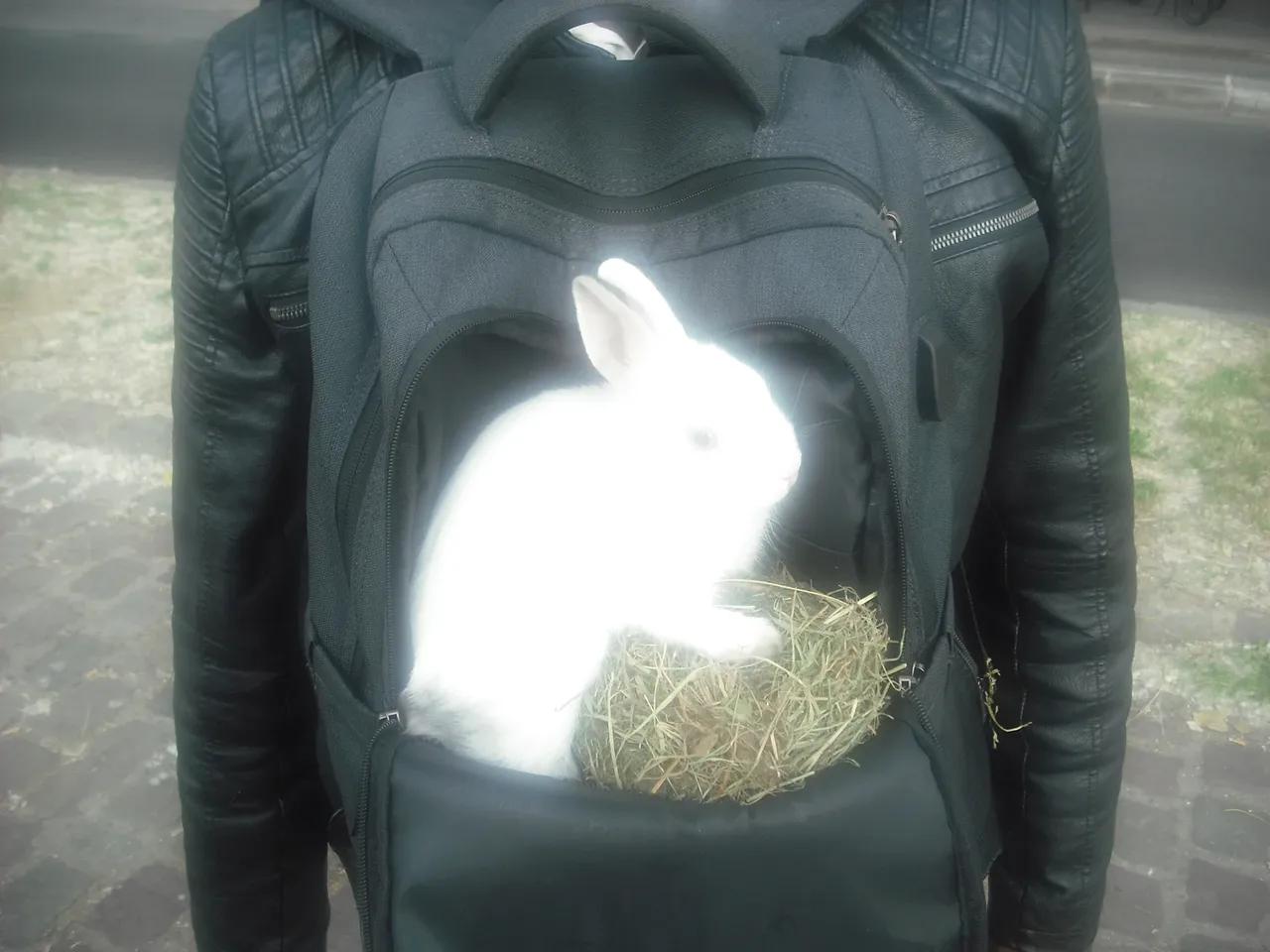
Kalman Ocheltree - Followed The White Rabbit 2025
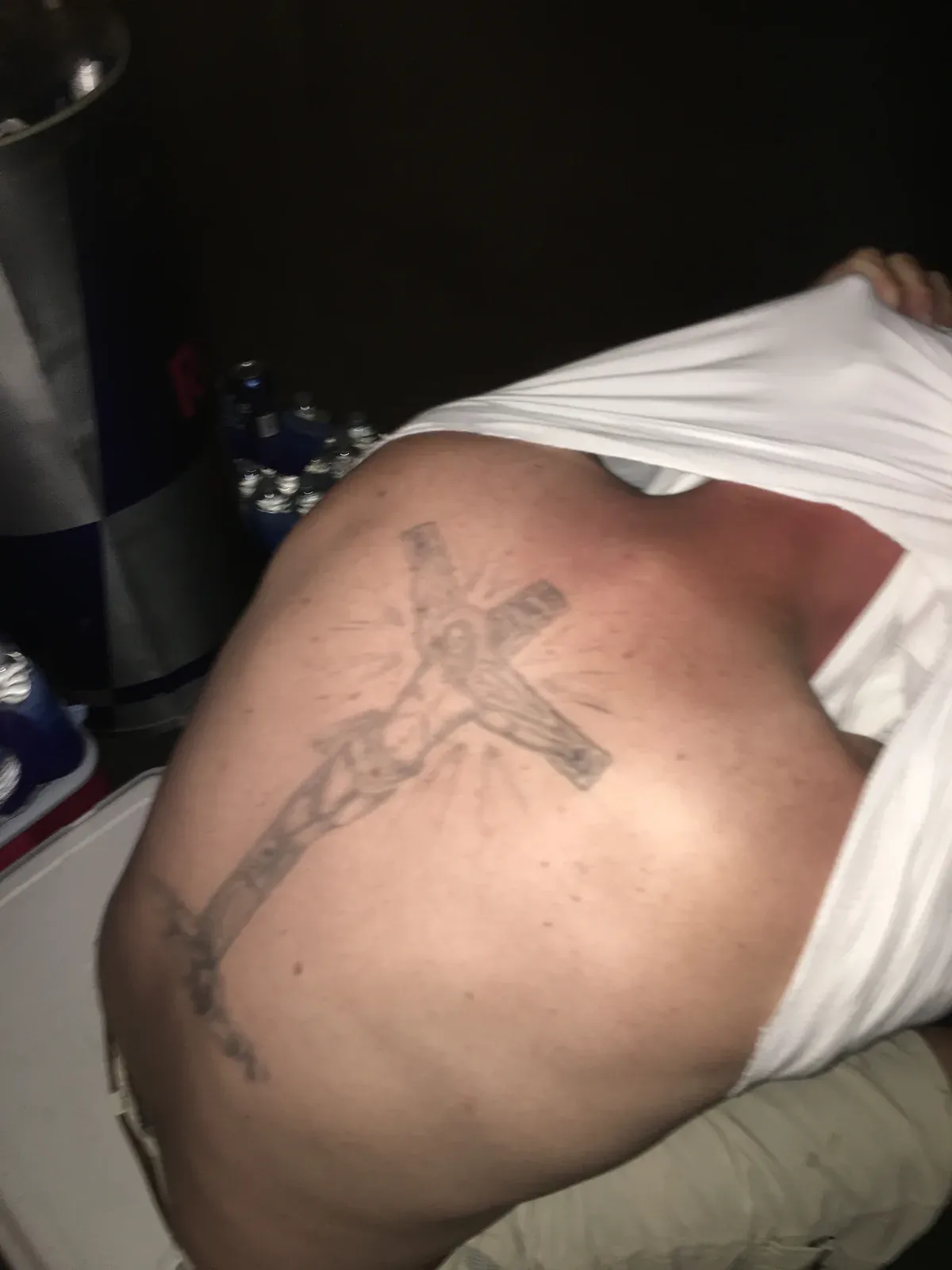
Jacob Luczak - There Goes That Fear Again
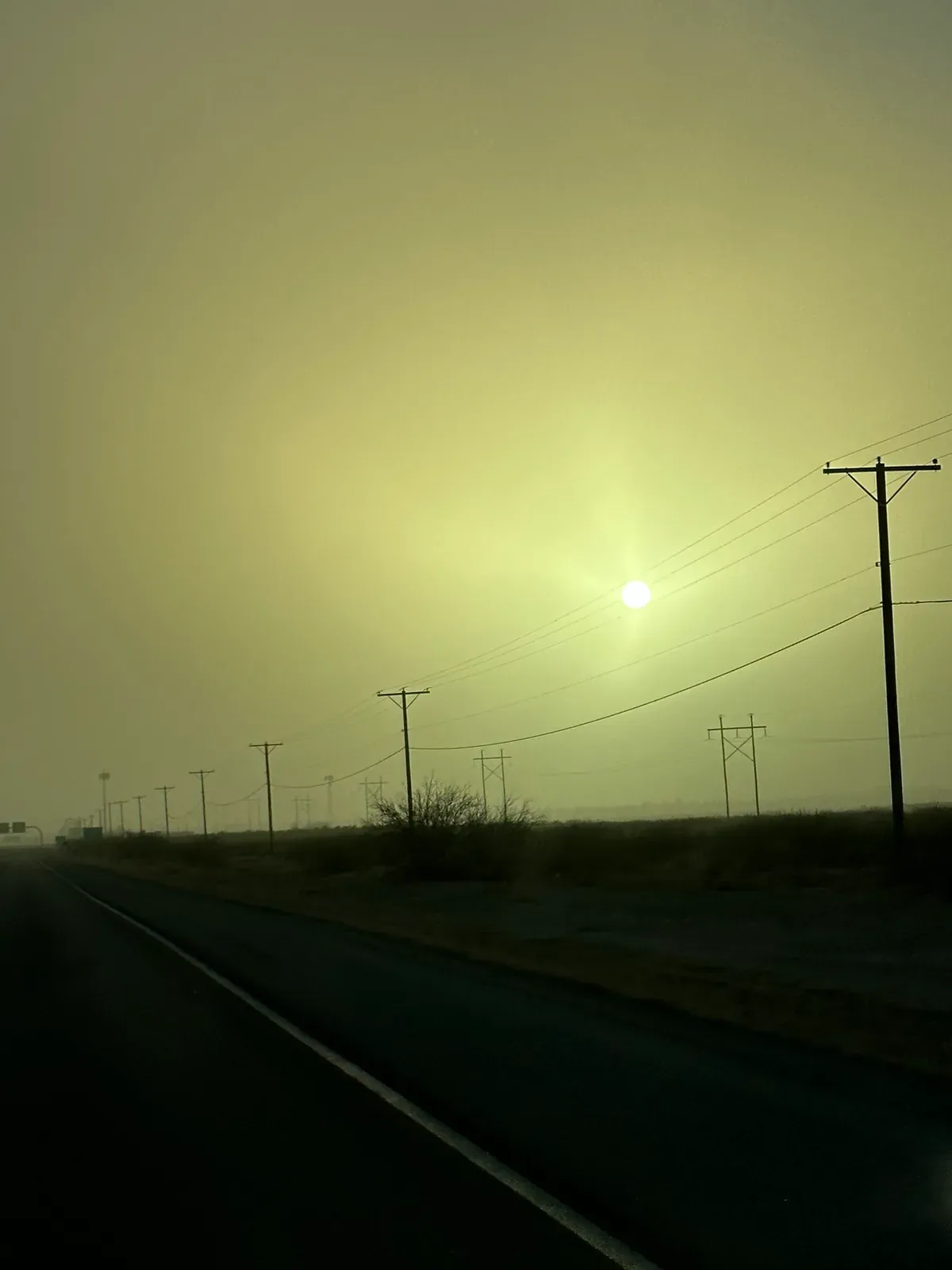
Jacob Luczak - Sulfur Sun
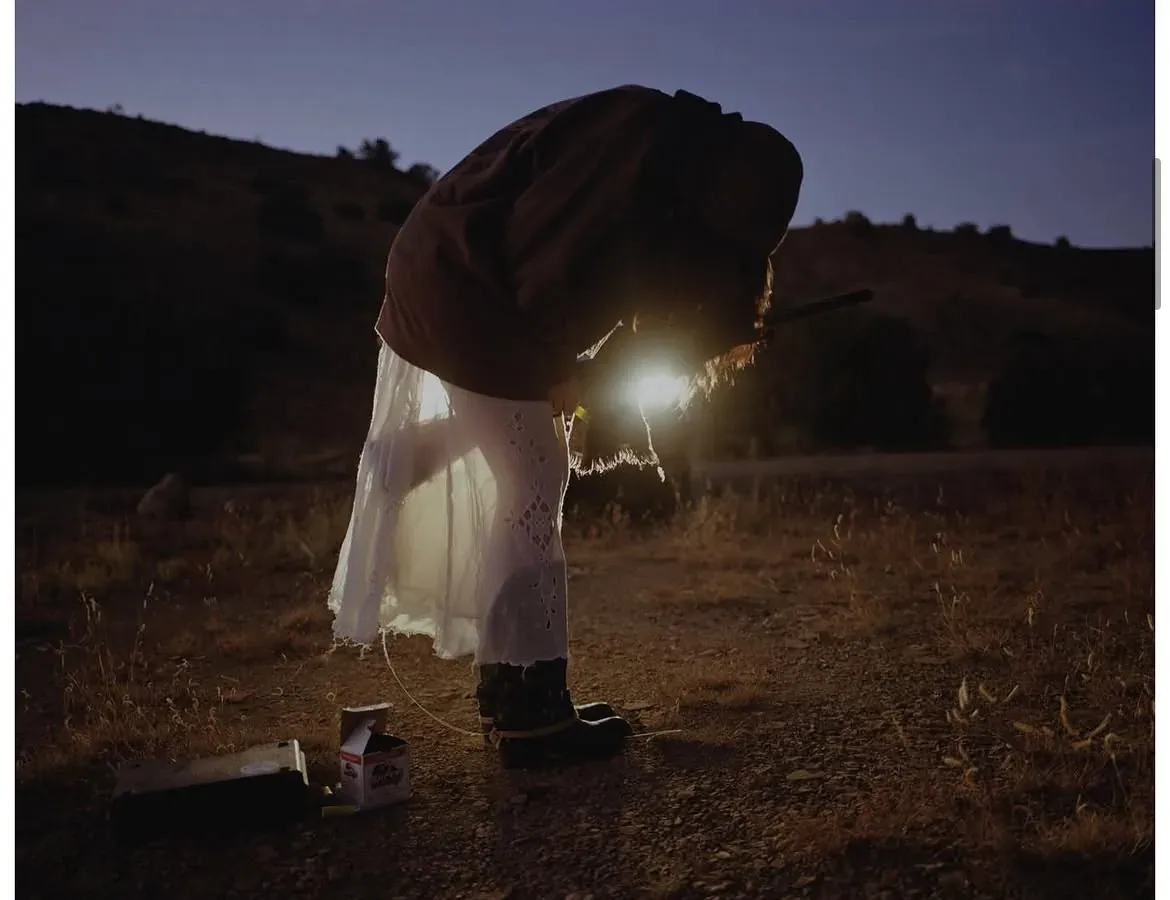
Morganne Boulden - Clio, 2025
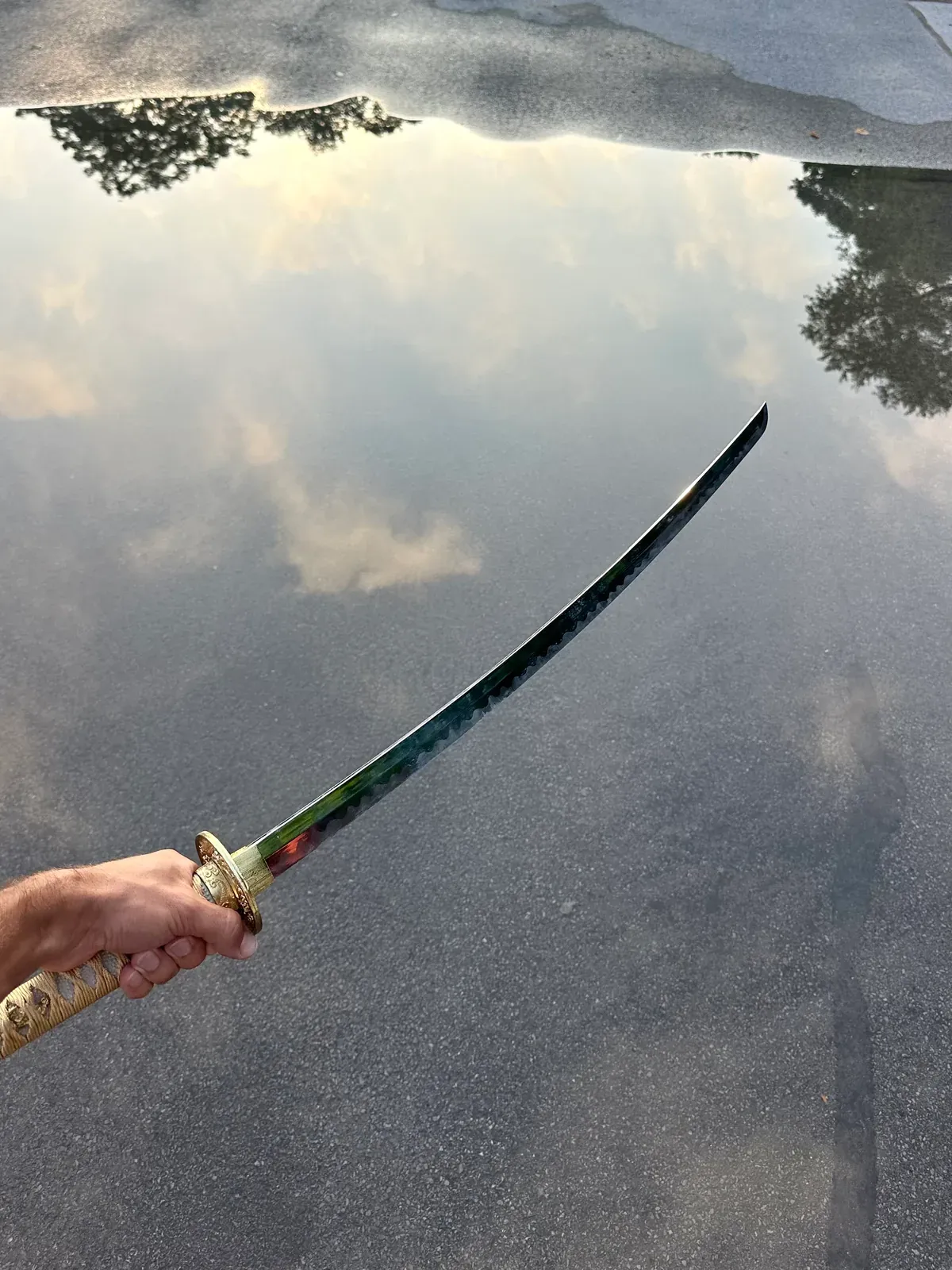
Jacob Luczak - There Goes That Fear Again
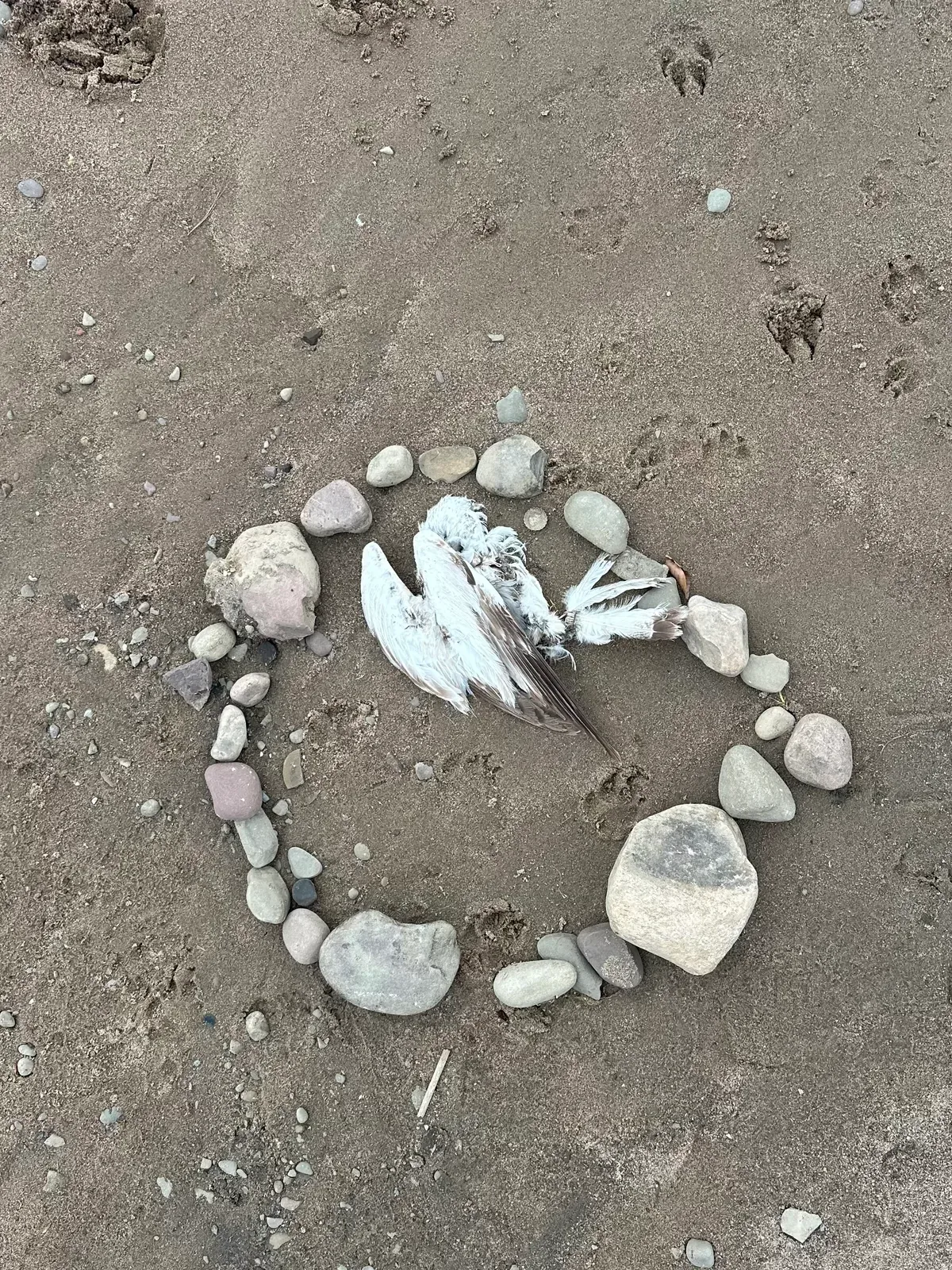
Jacob Luczak - There Goes That Fear Again
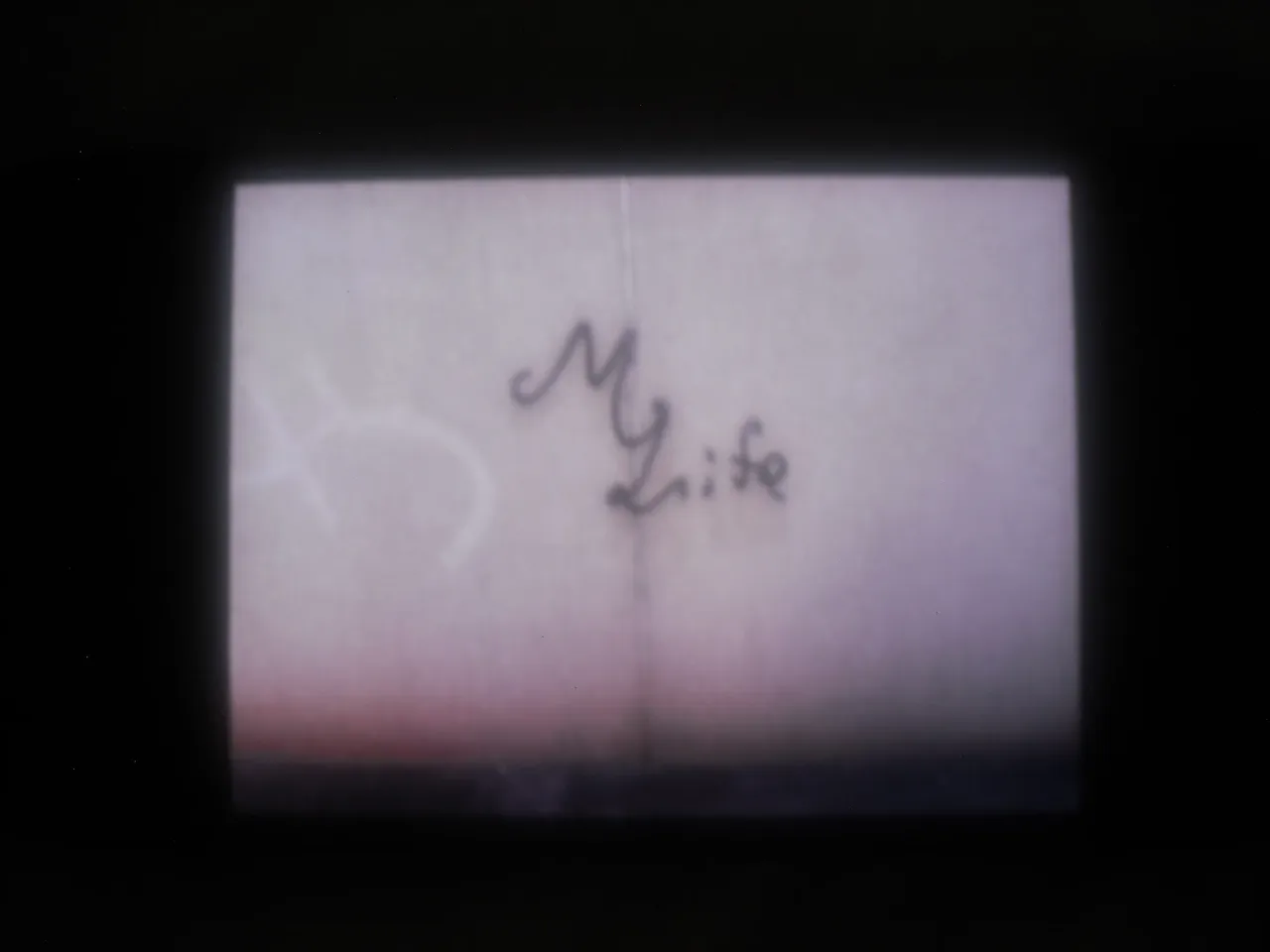
Kalman Ocheltree - My Life, 2026
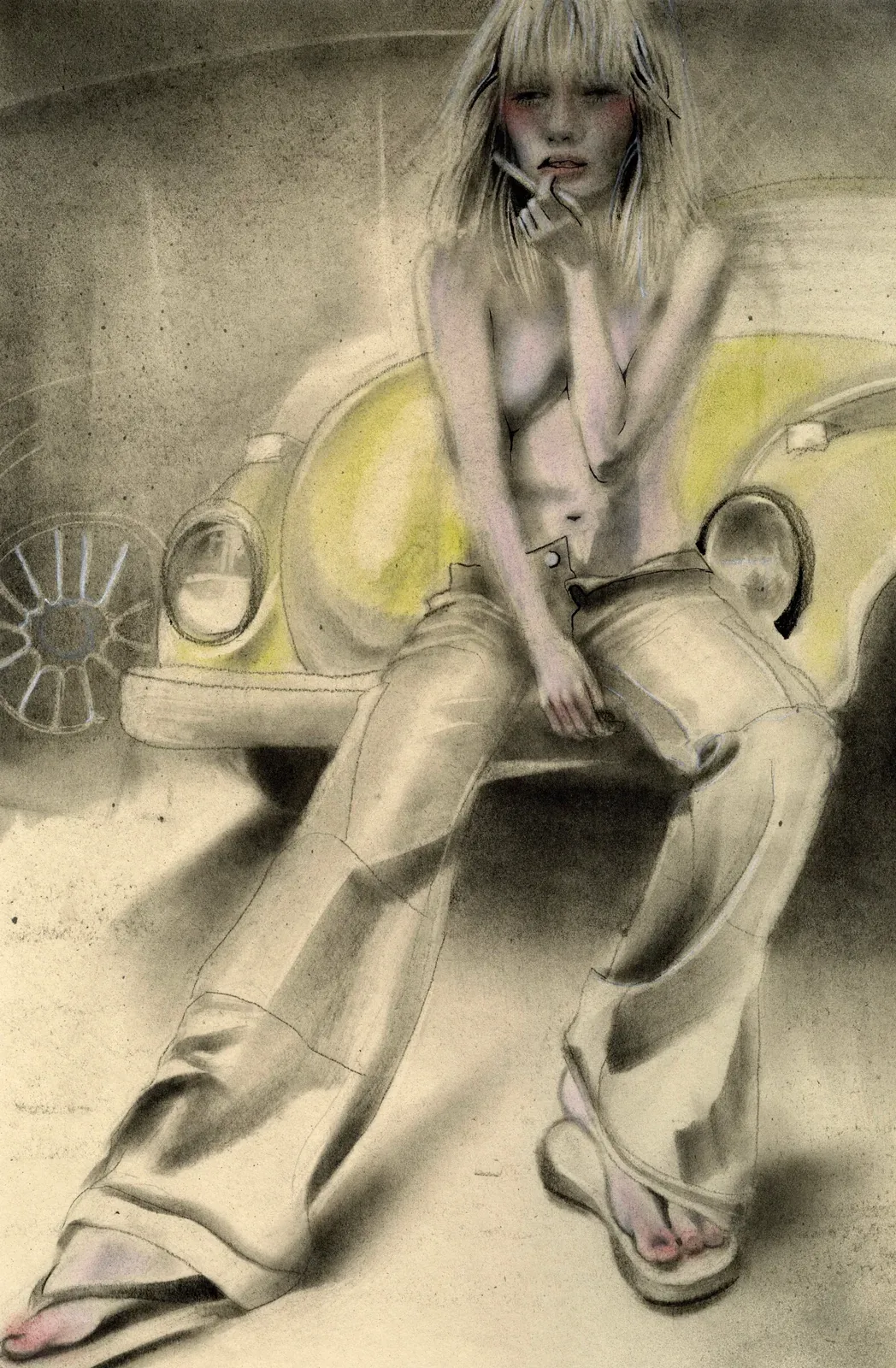
Valentina Rick - When I Die They’ll Probably Say I Was A Pervert, 2026
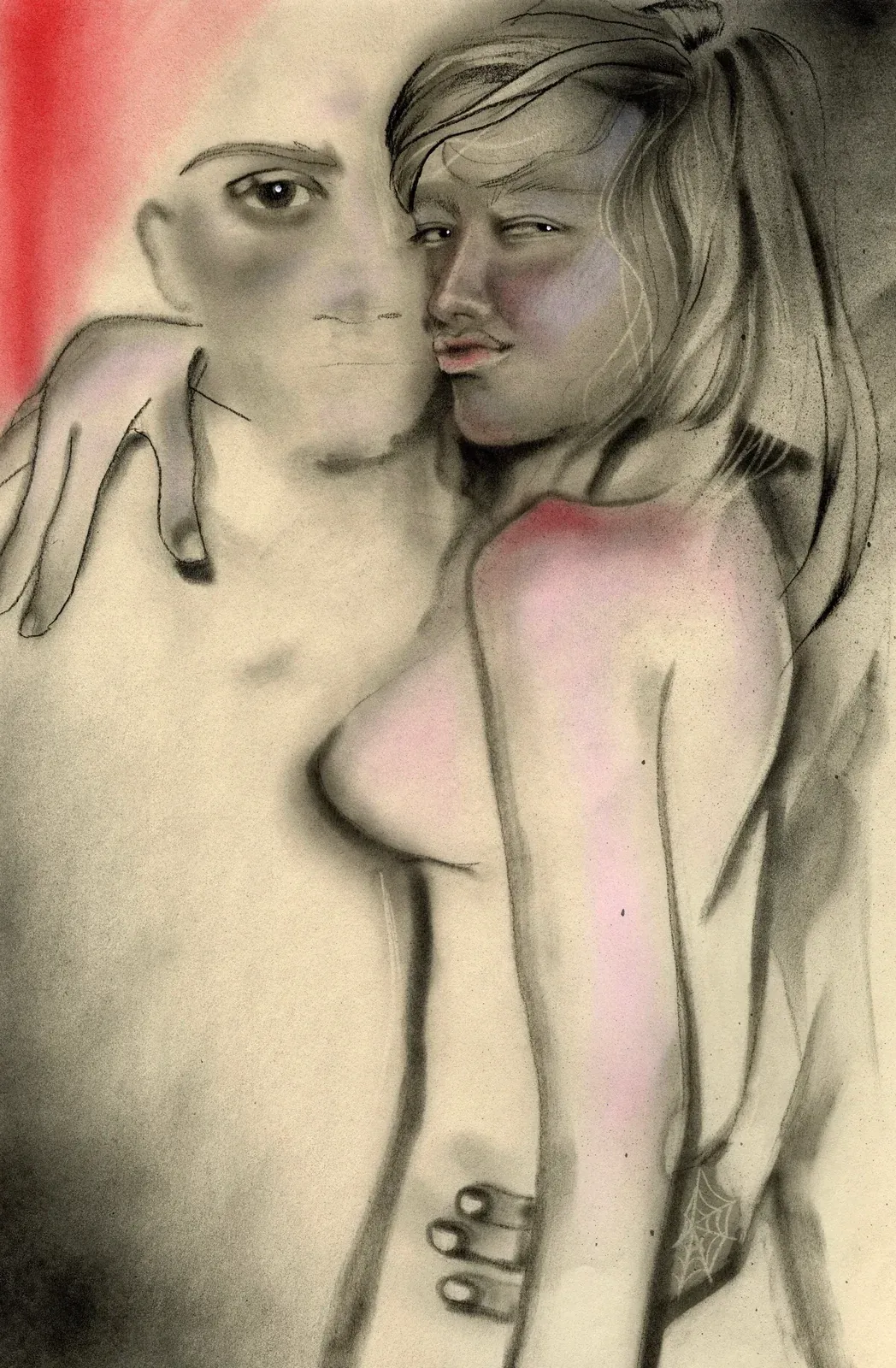
Valentina Rick - Paz De La Huerta, 2026
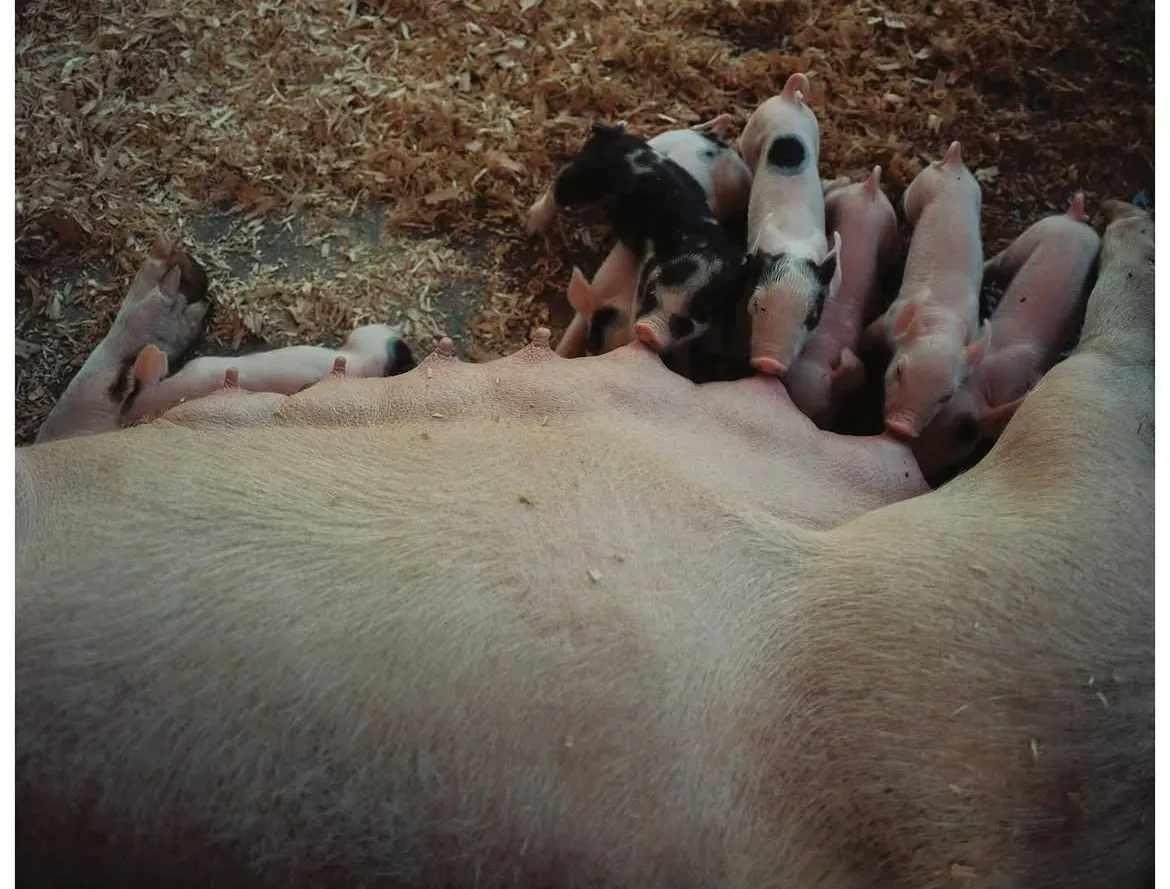
Morganne Boulden - Piglets, 2025
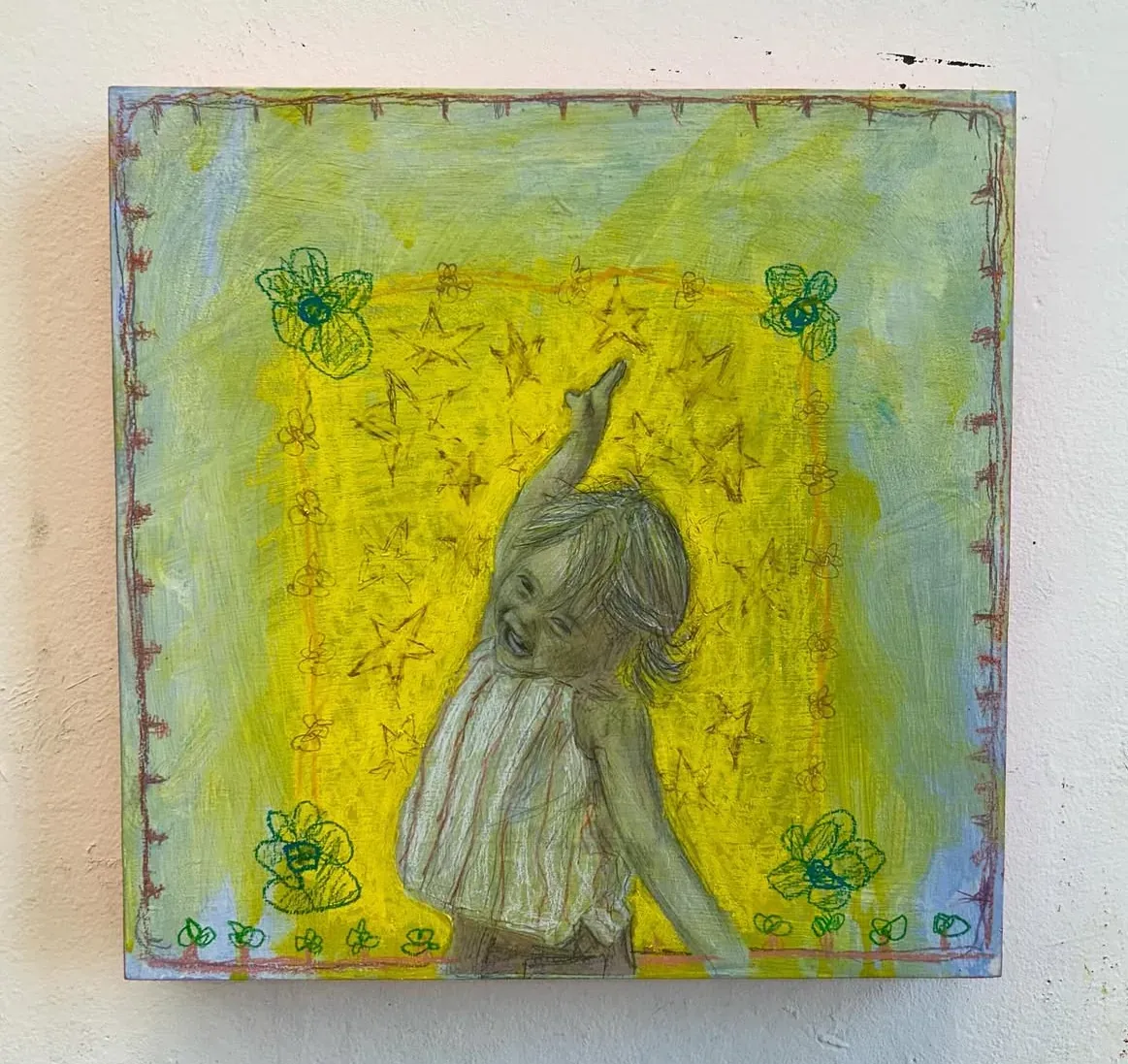
Jackson Ebbin - For My Amazing Girlfriend
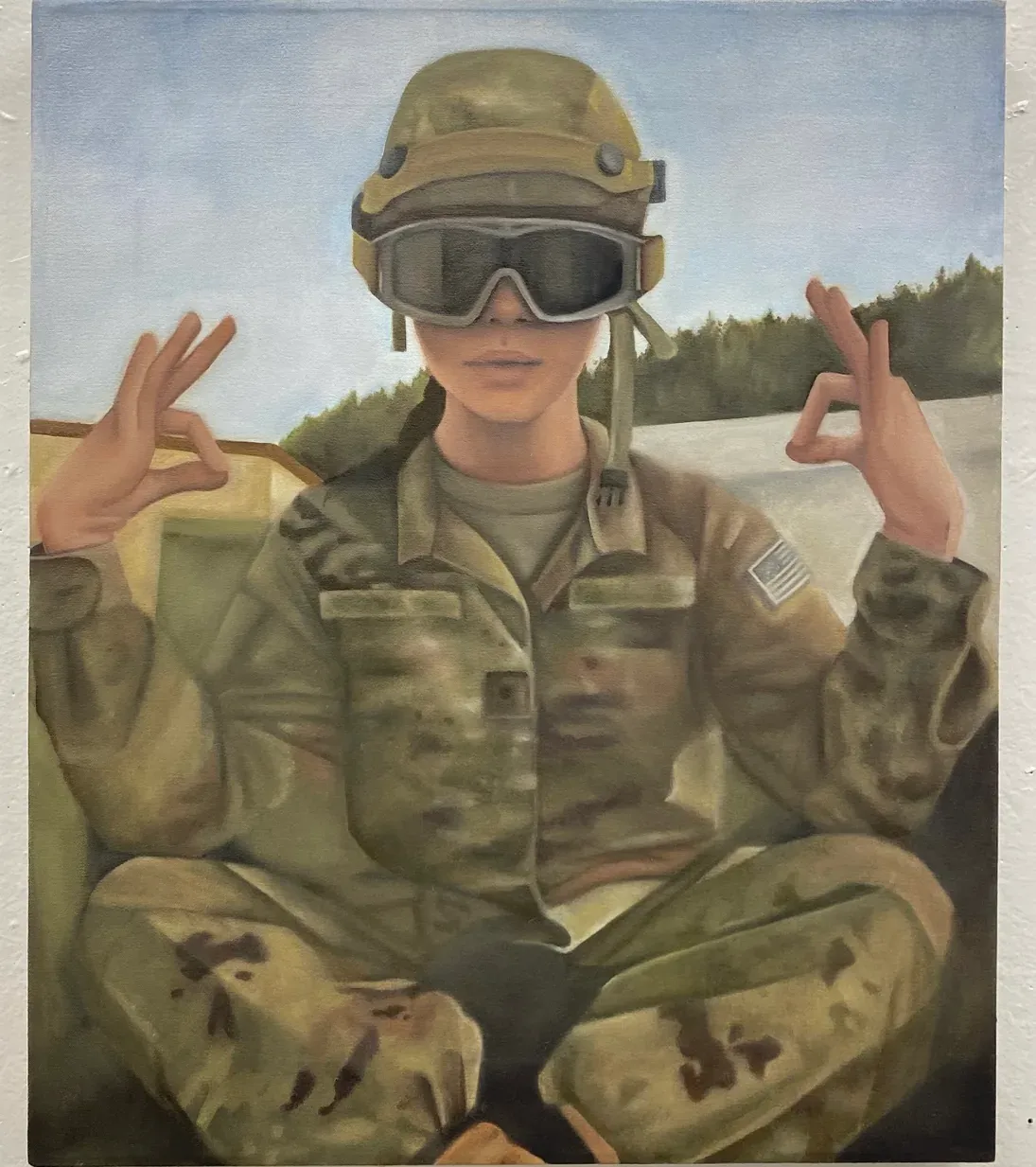
Jamieson Pearl - My Favorite Psyoper, 2022
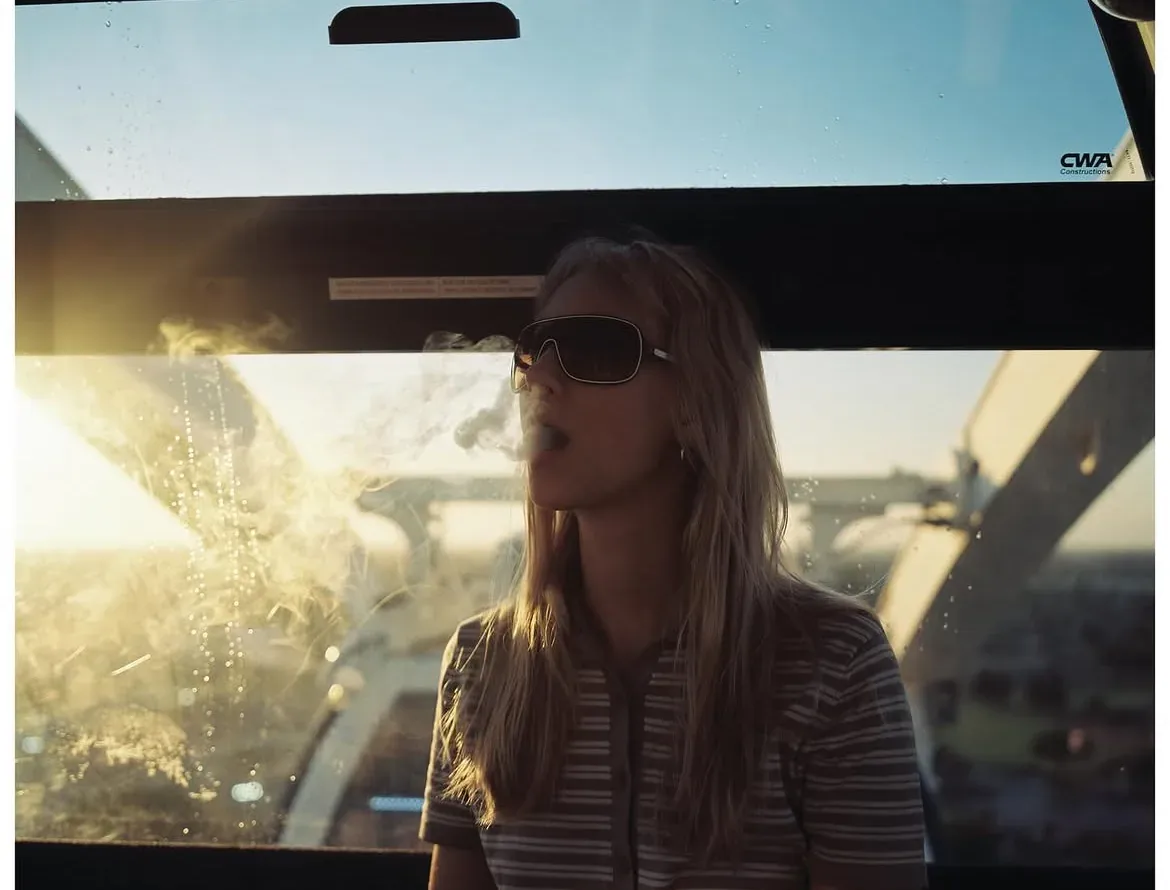
Morganne Boulden - Fiona, 2025
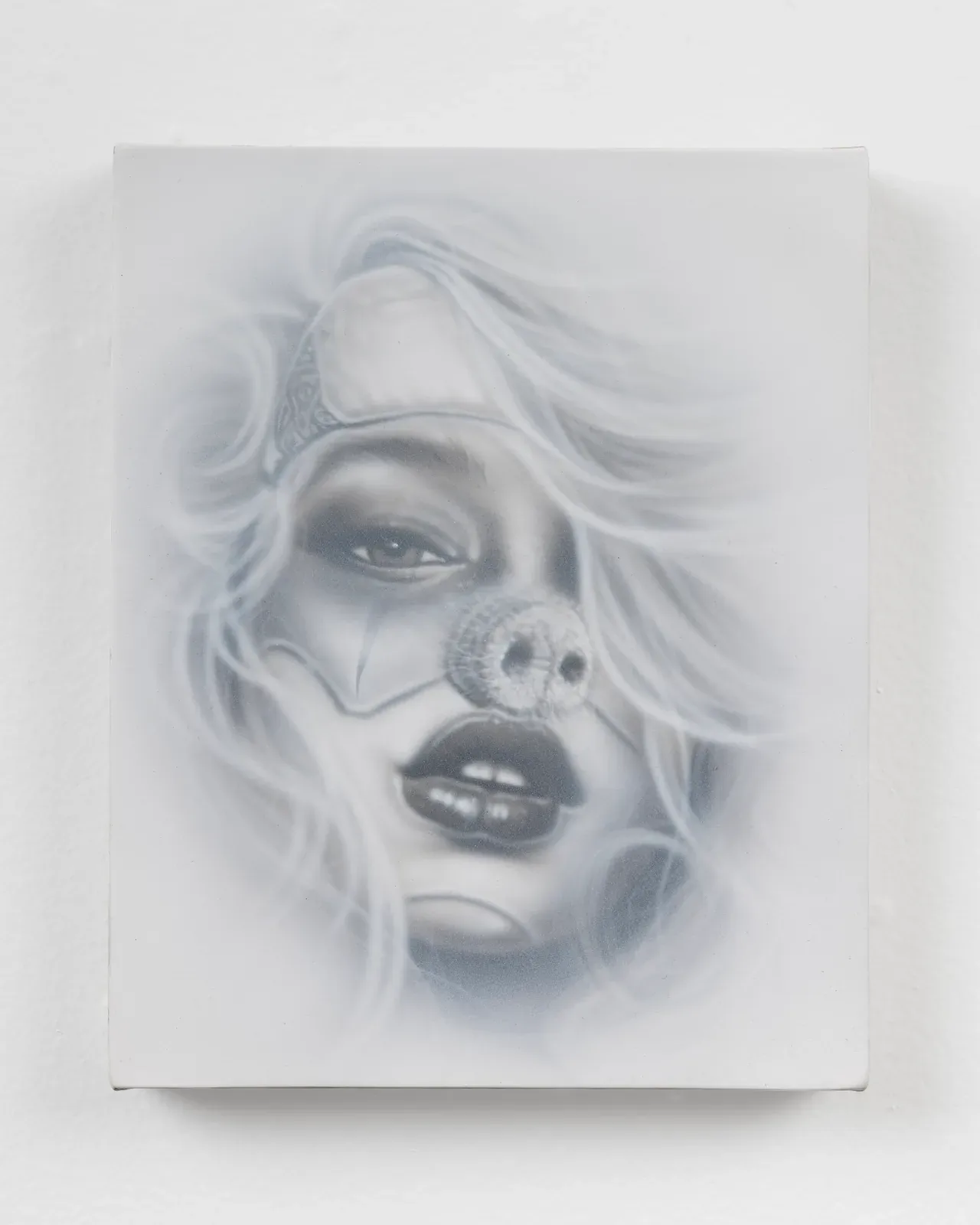
Mario Ayala - Miss Piggy
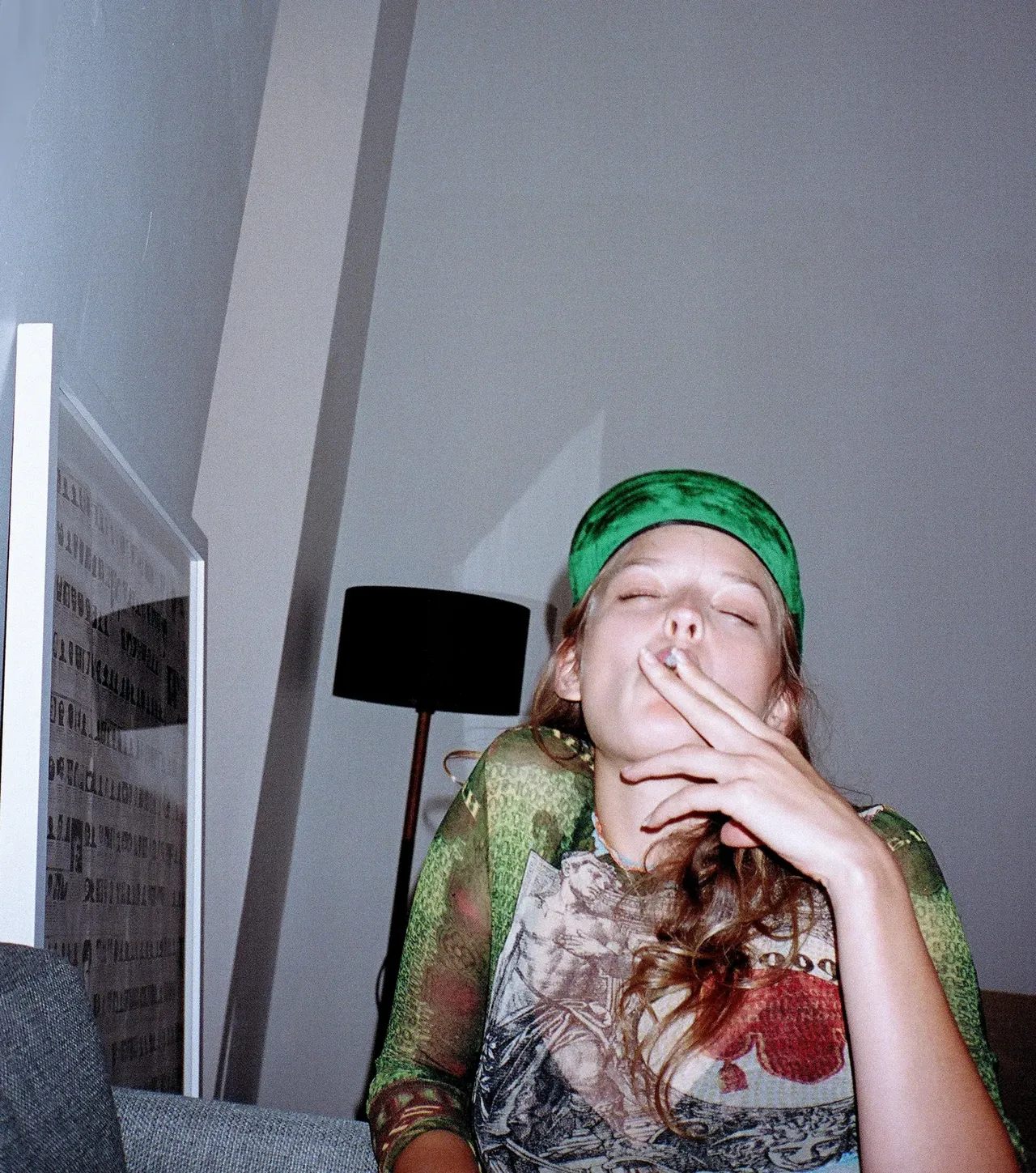
Sean Pablo - Buckshot, 2026
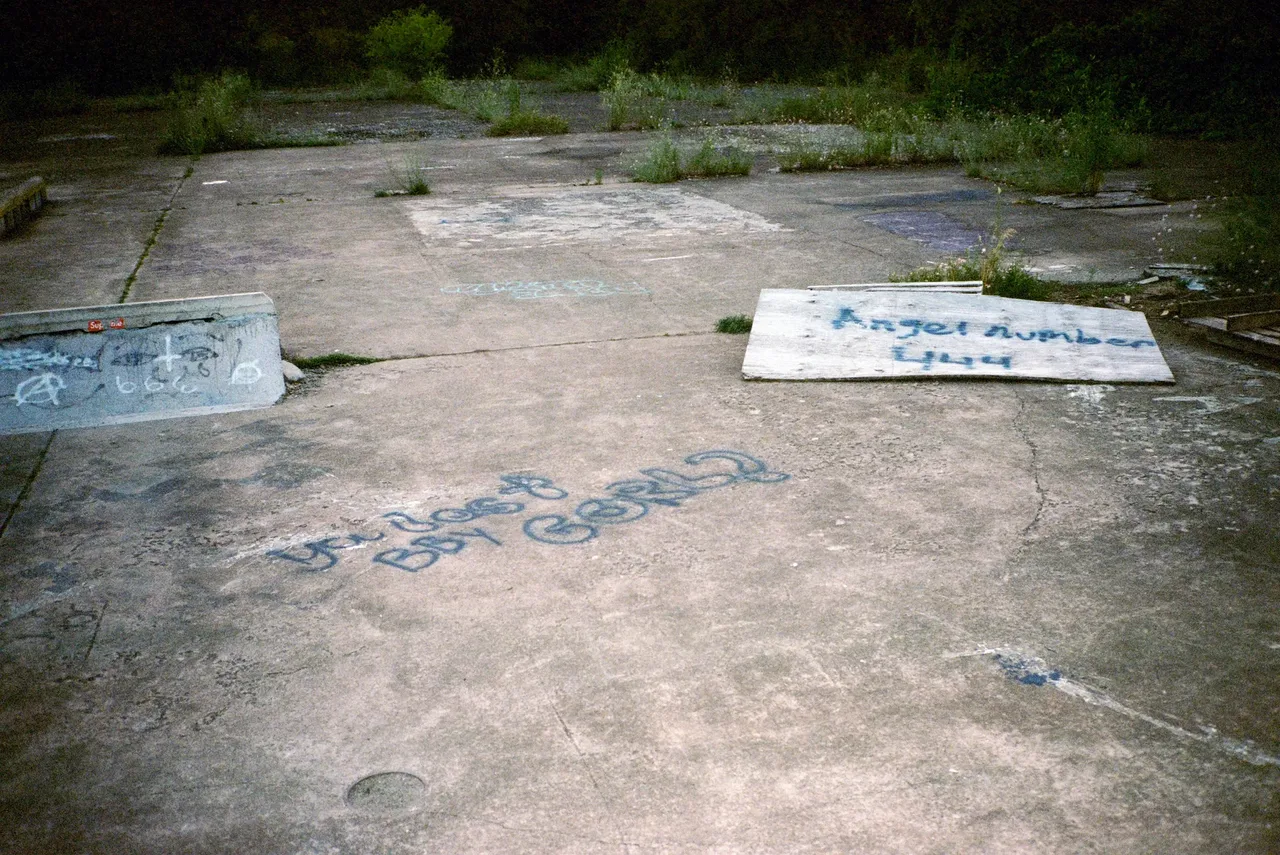
Sean Pablo - Skatepark, 2024