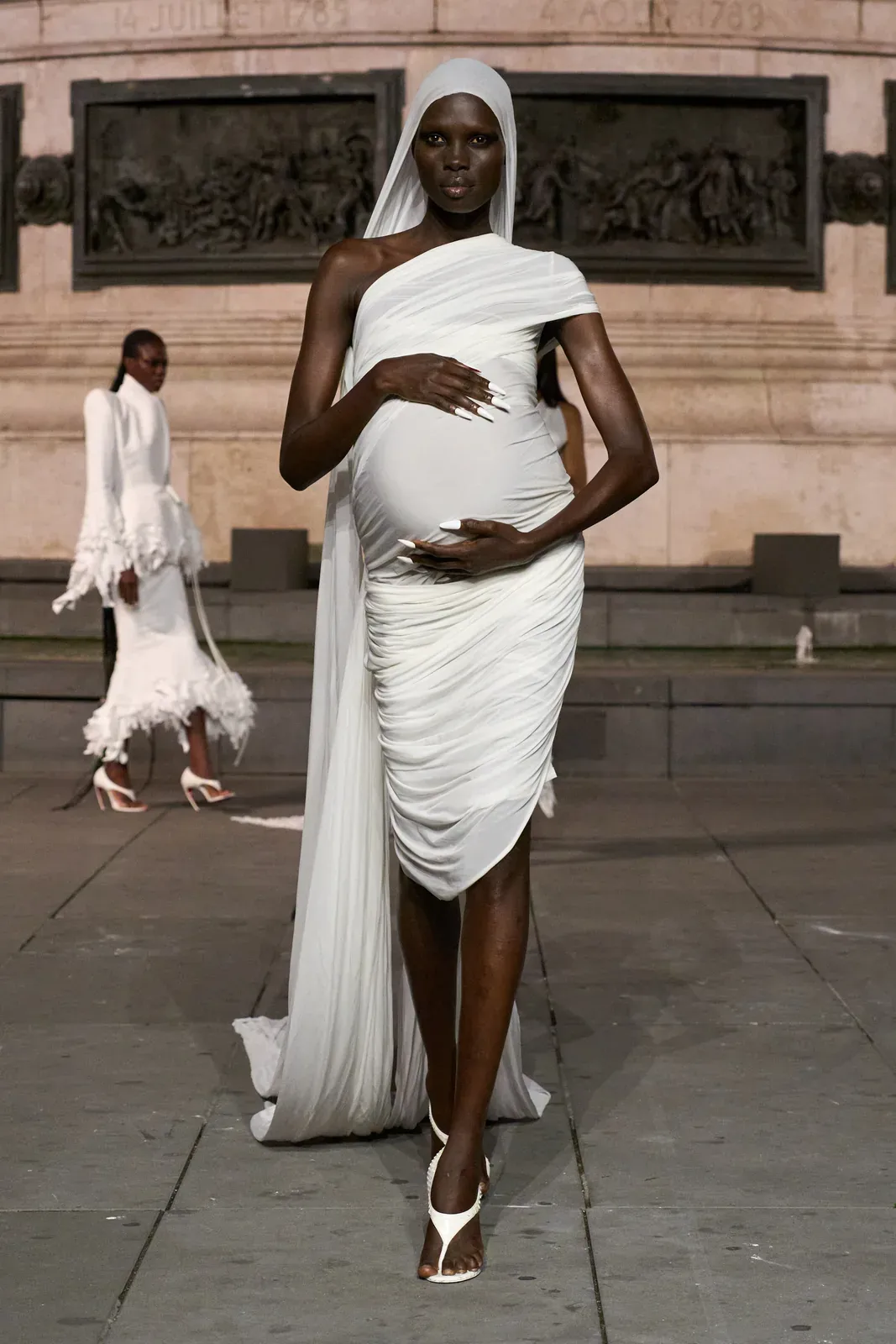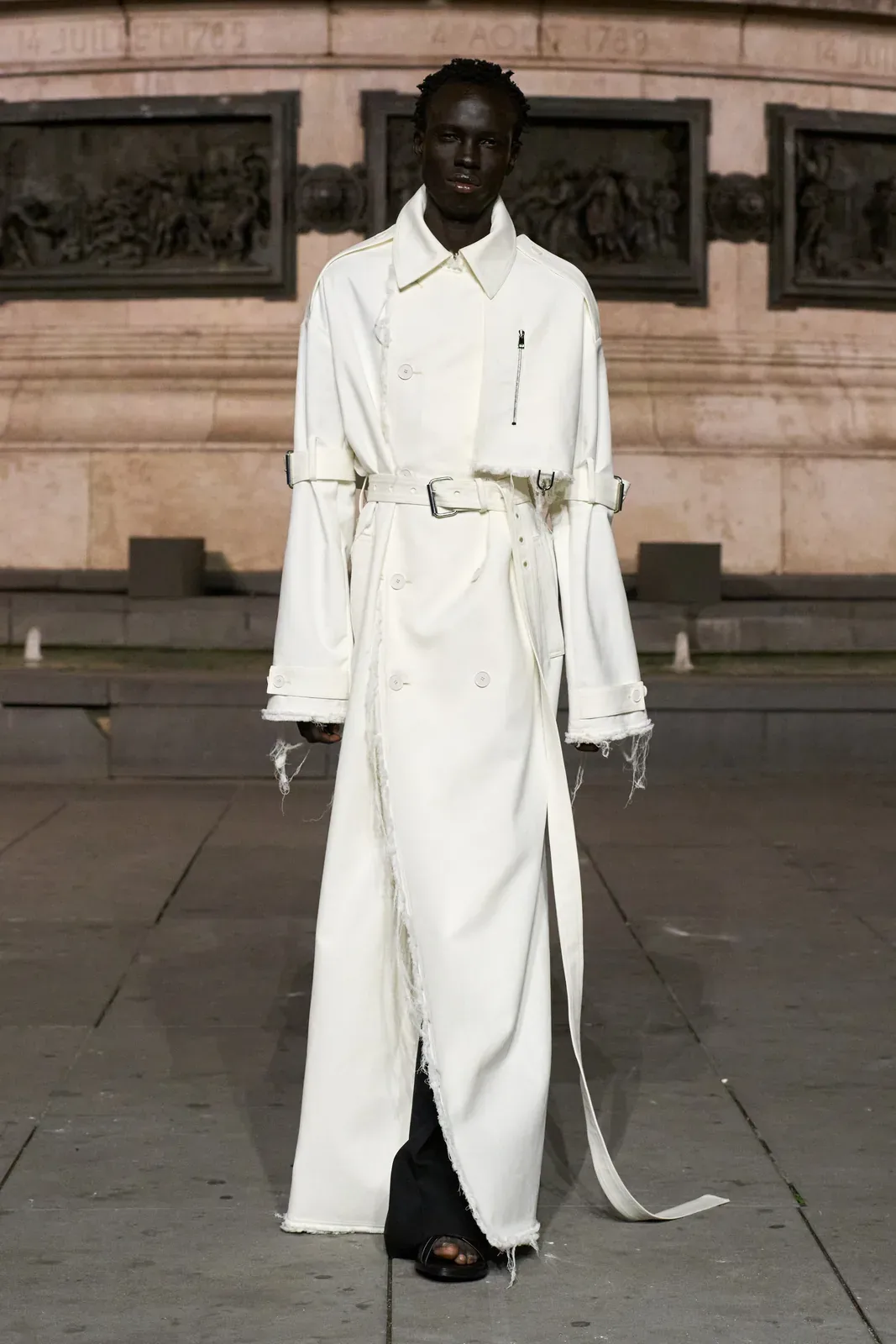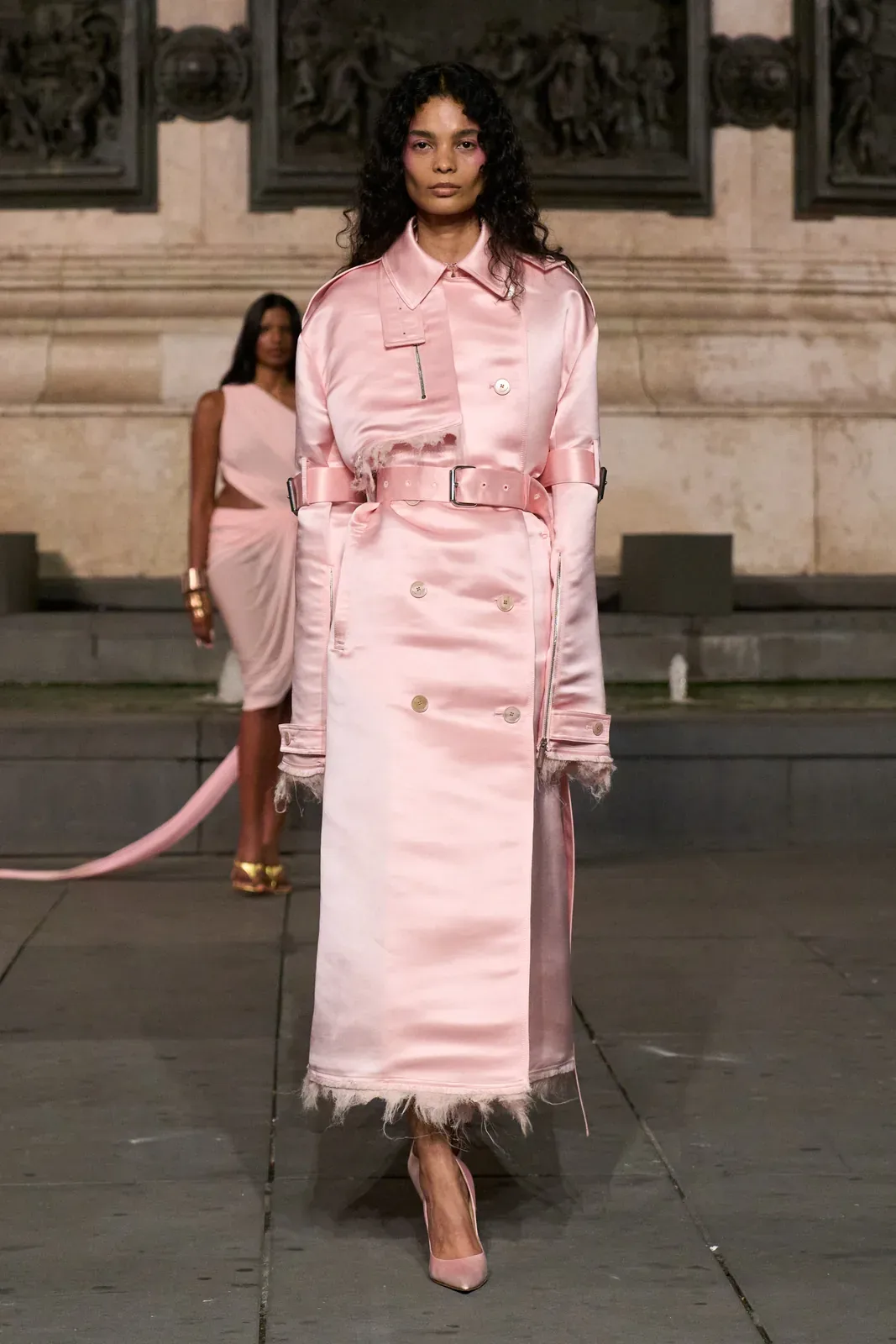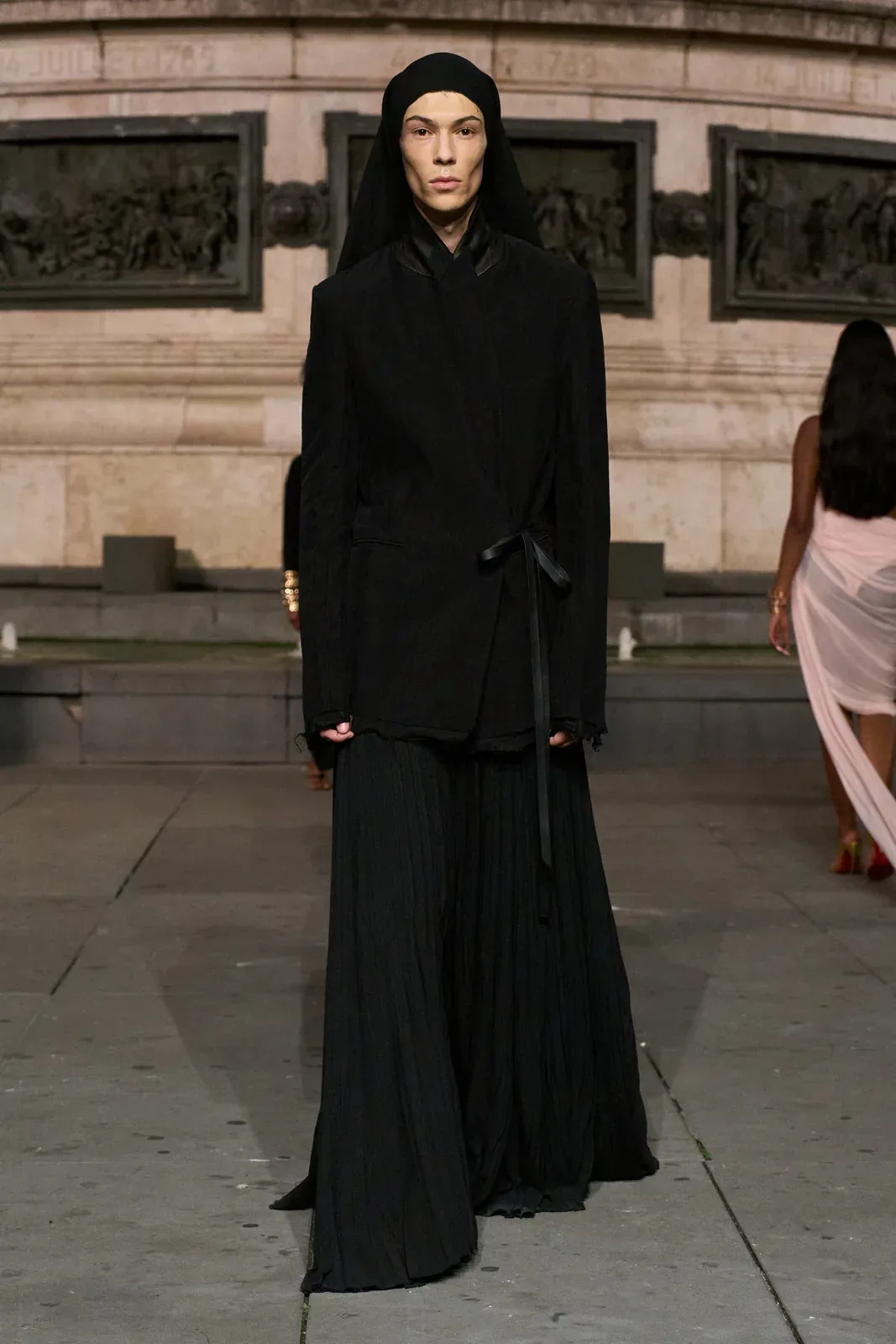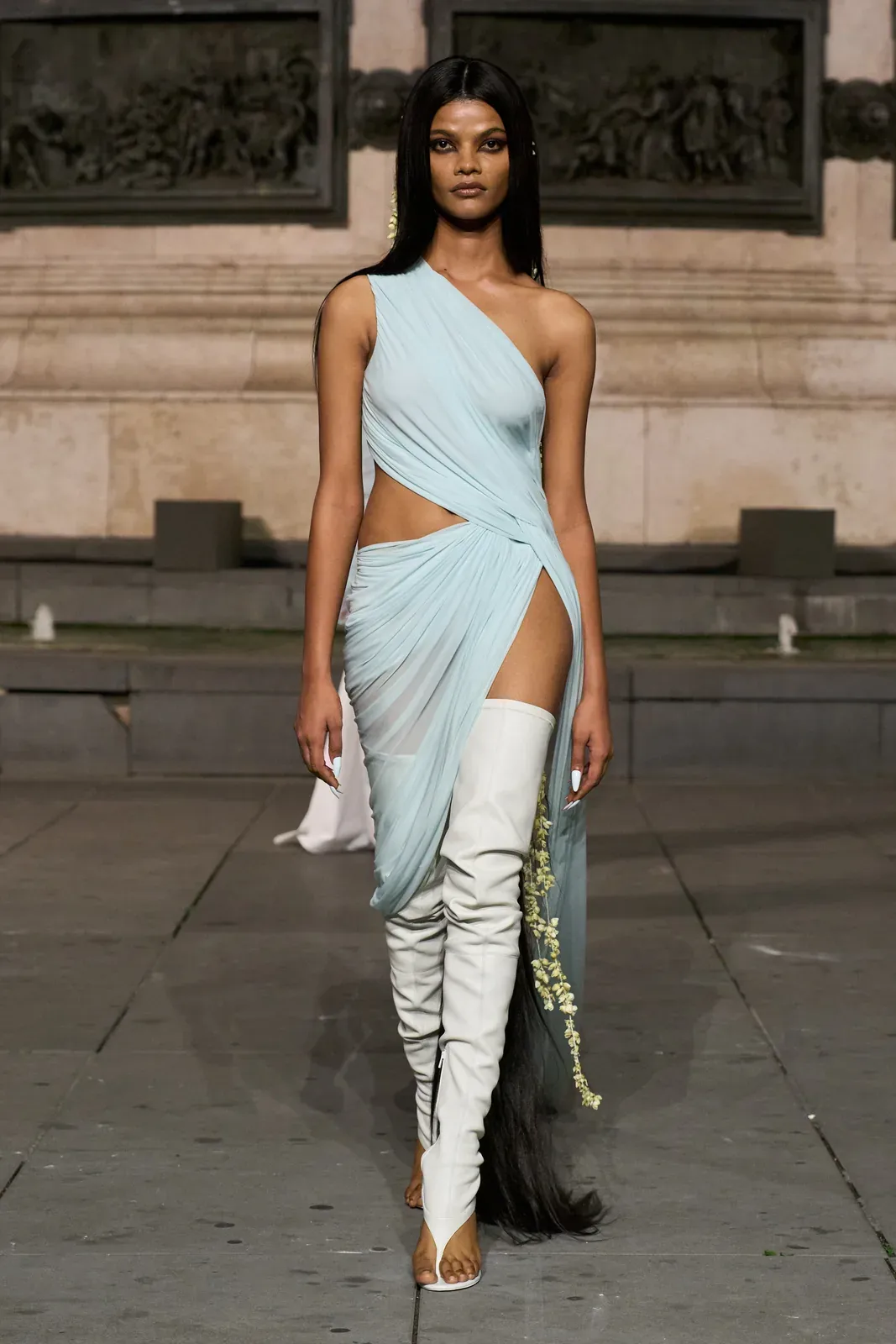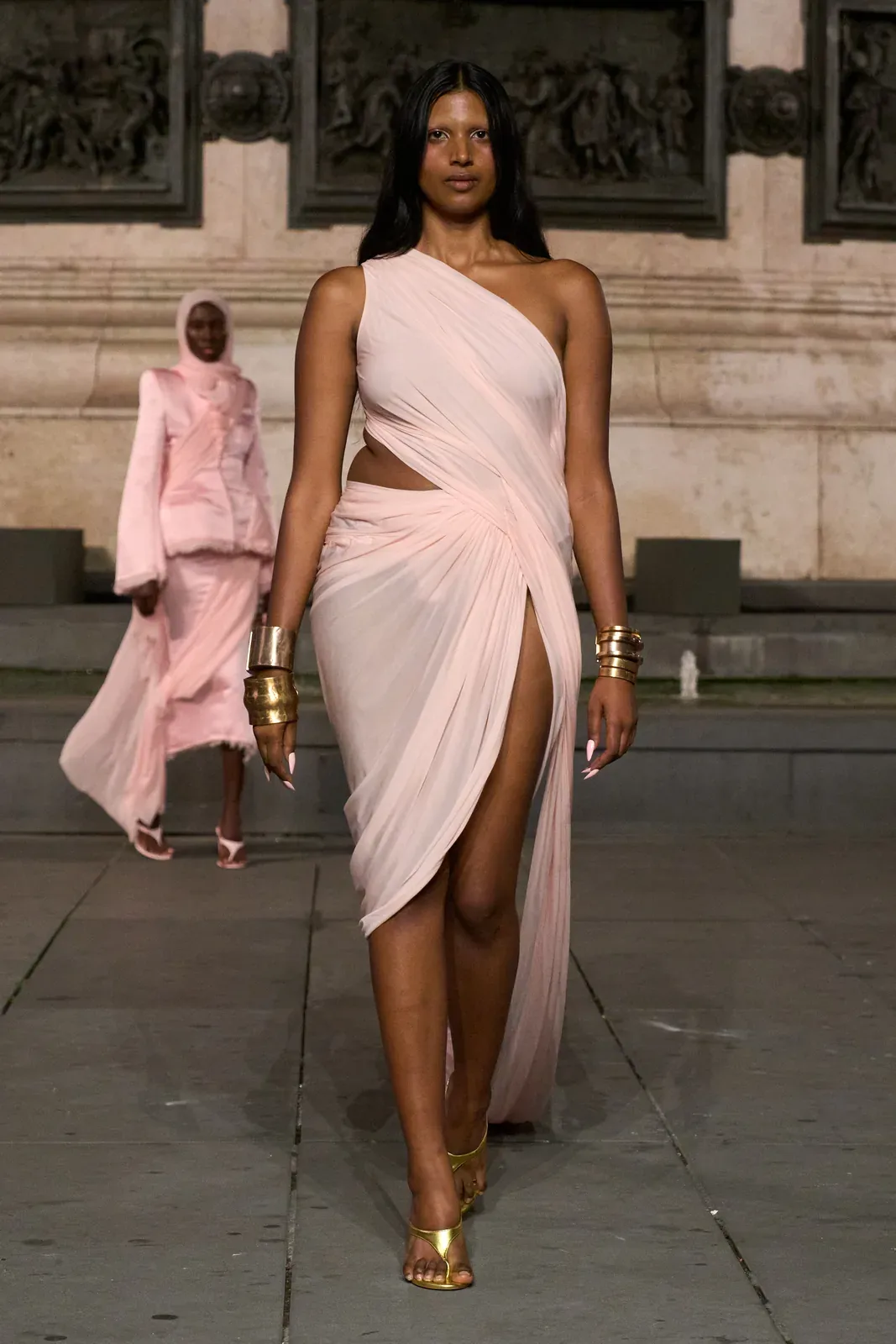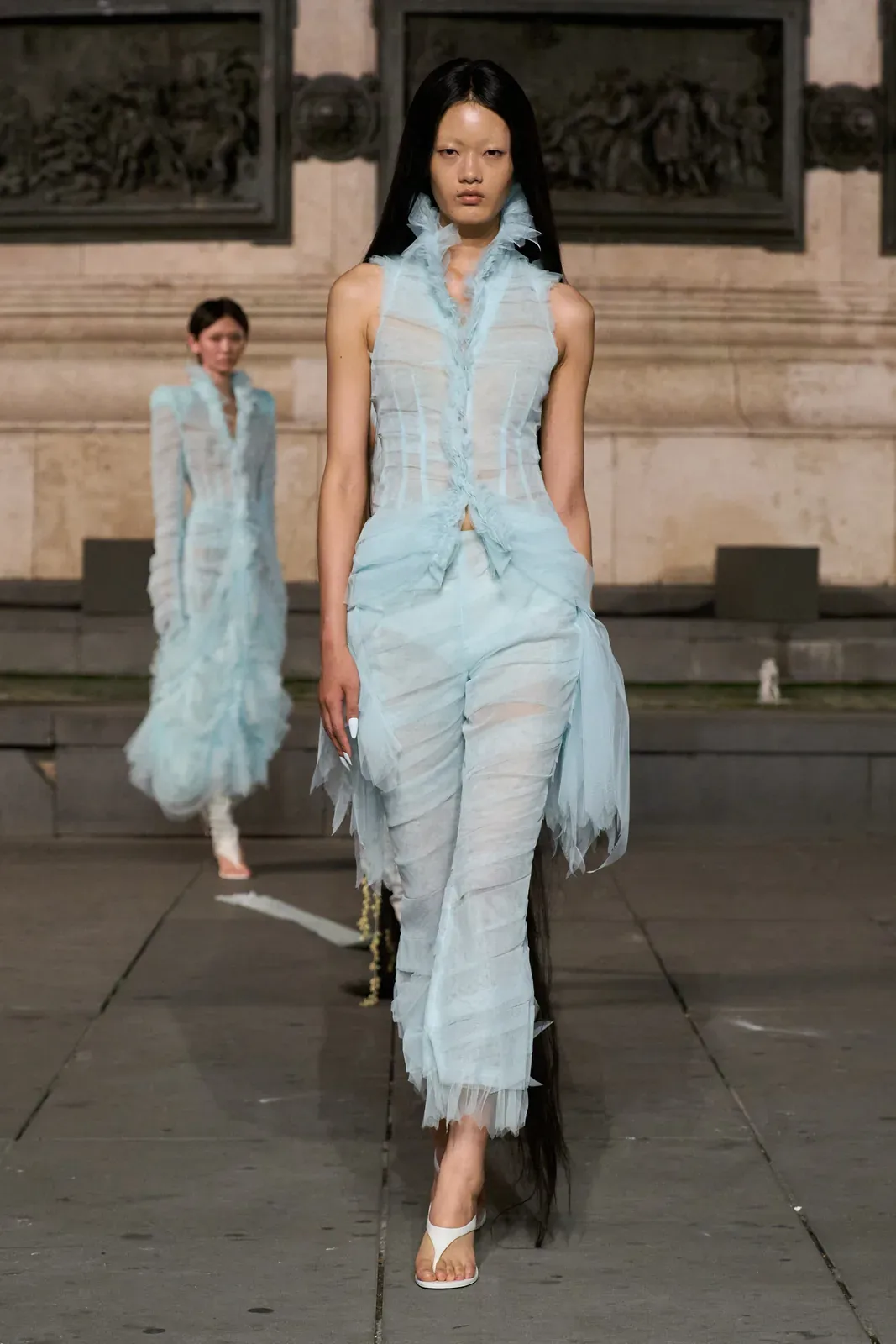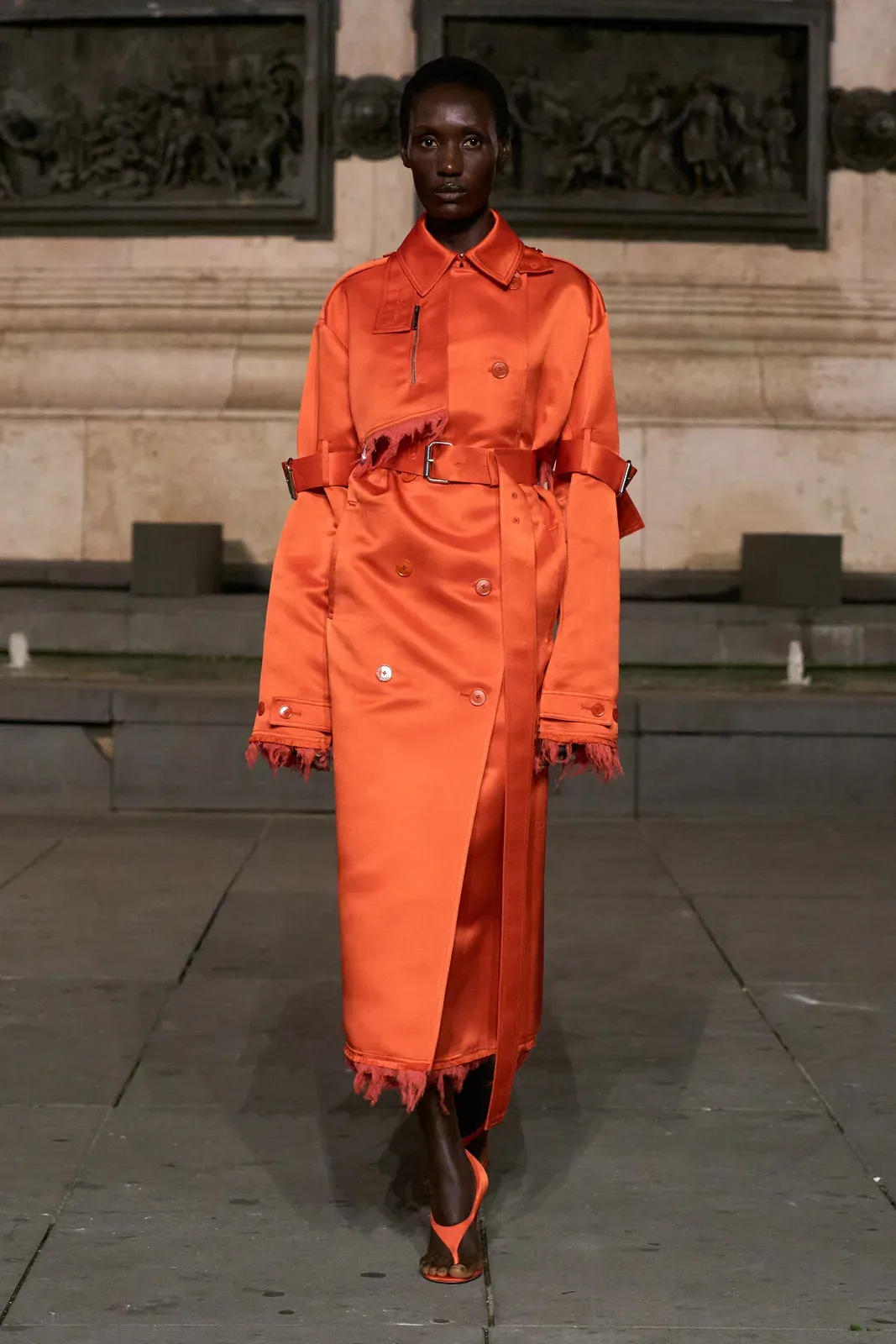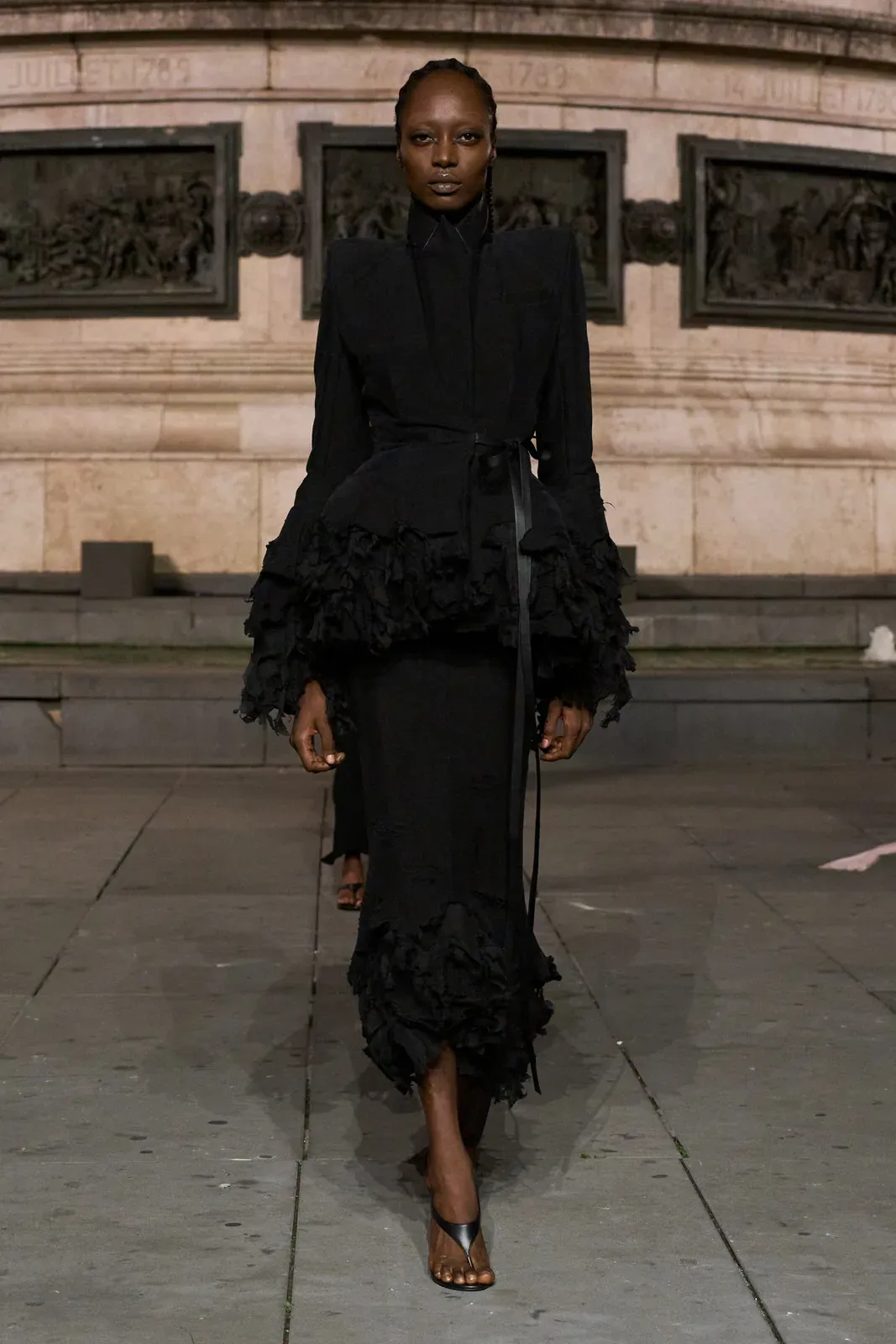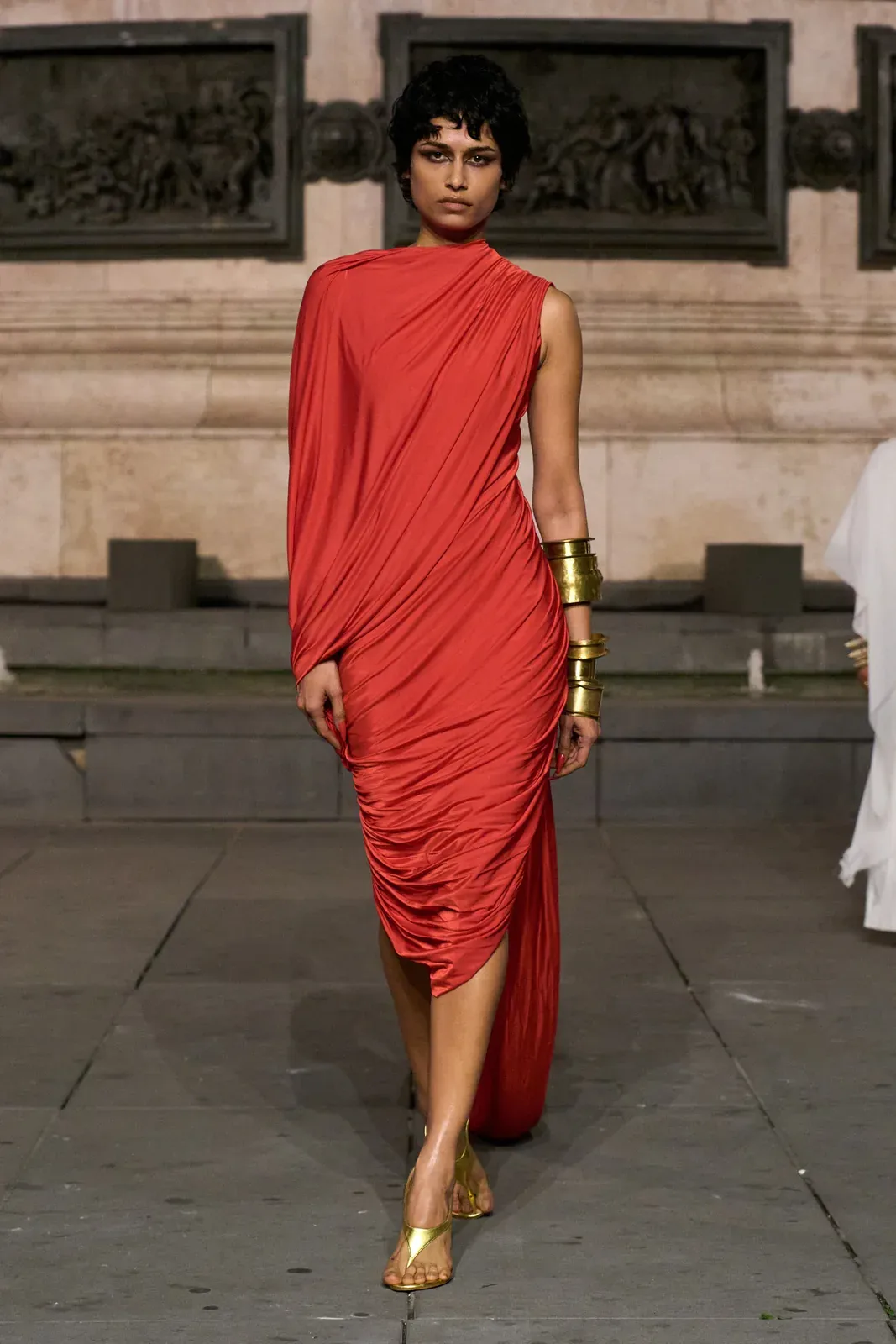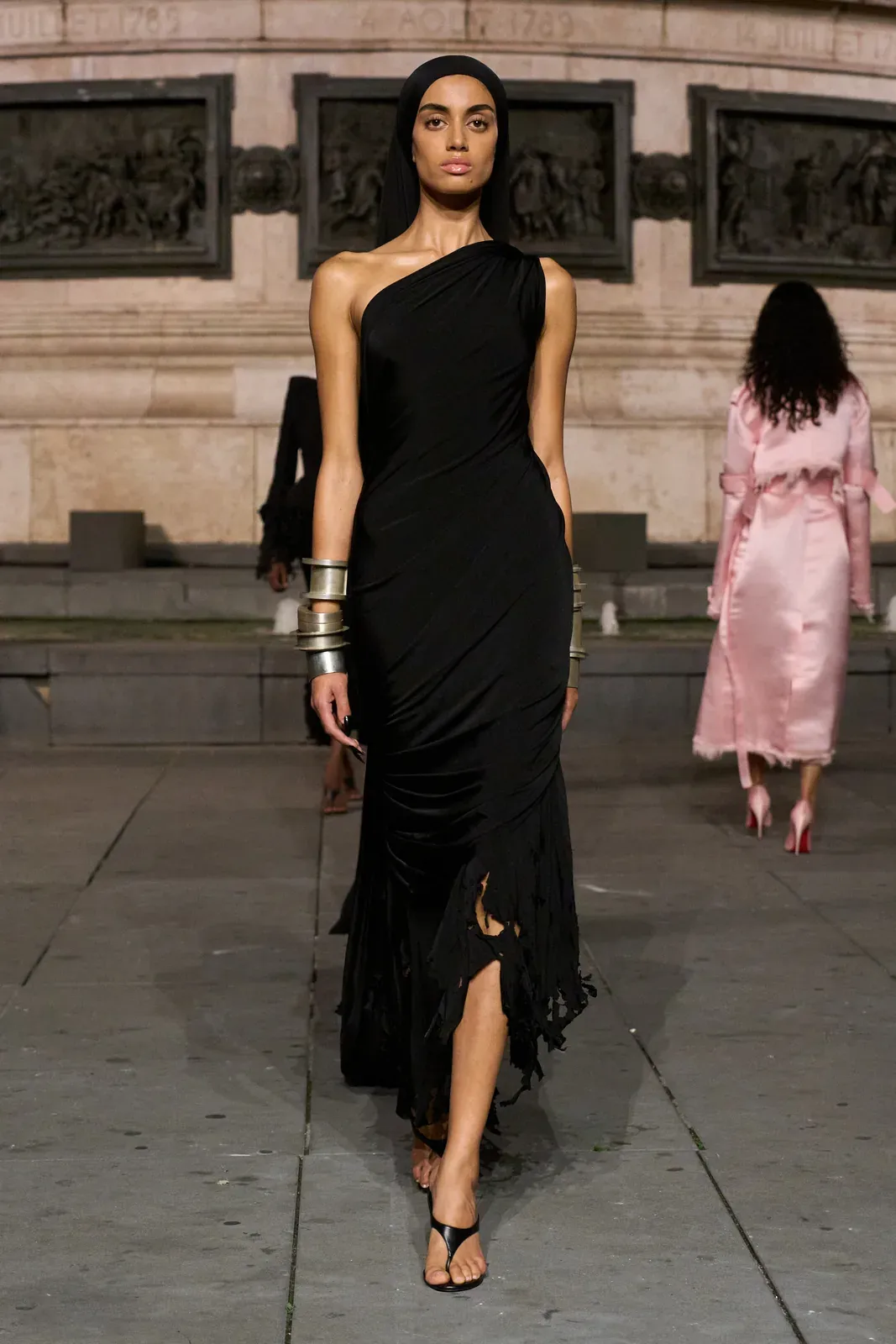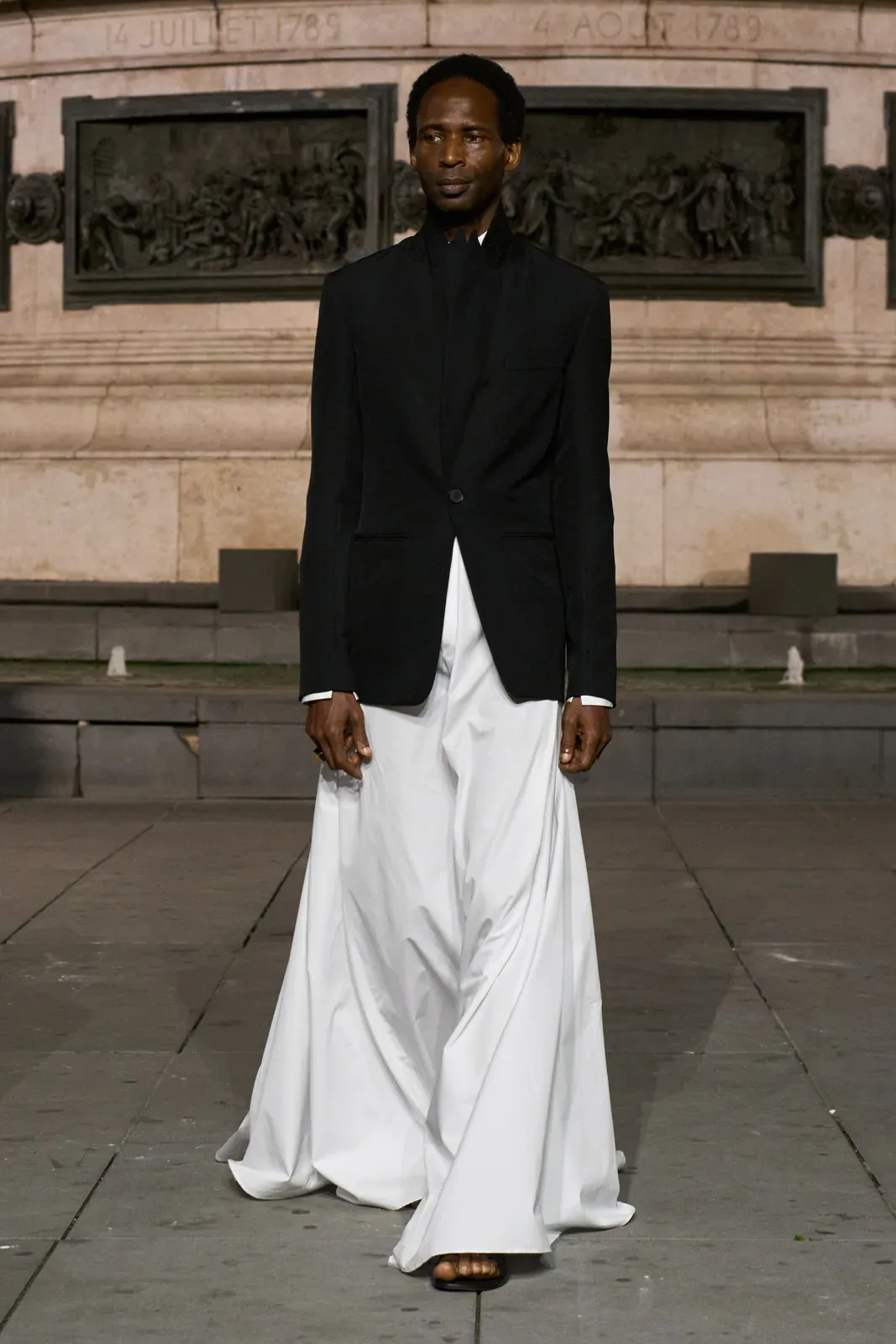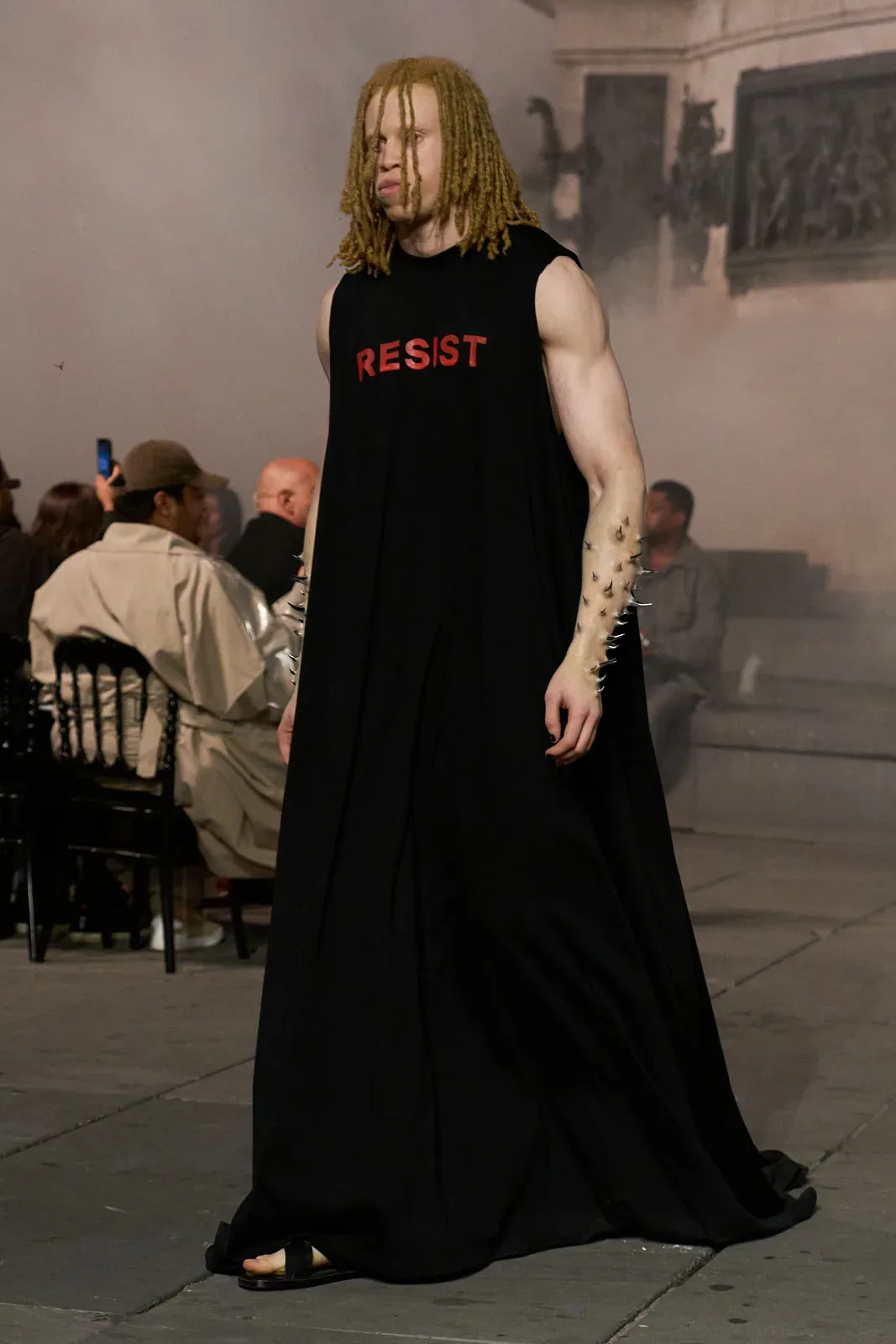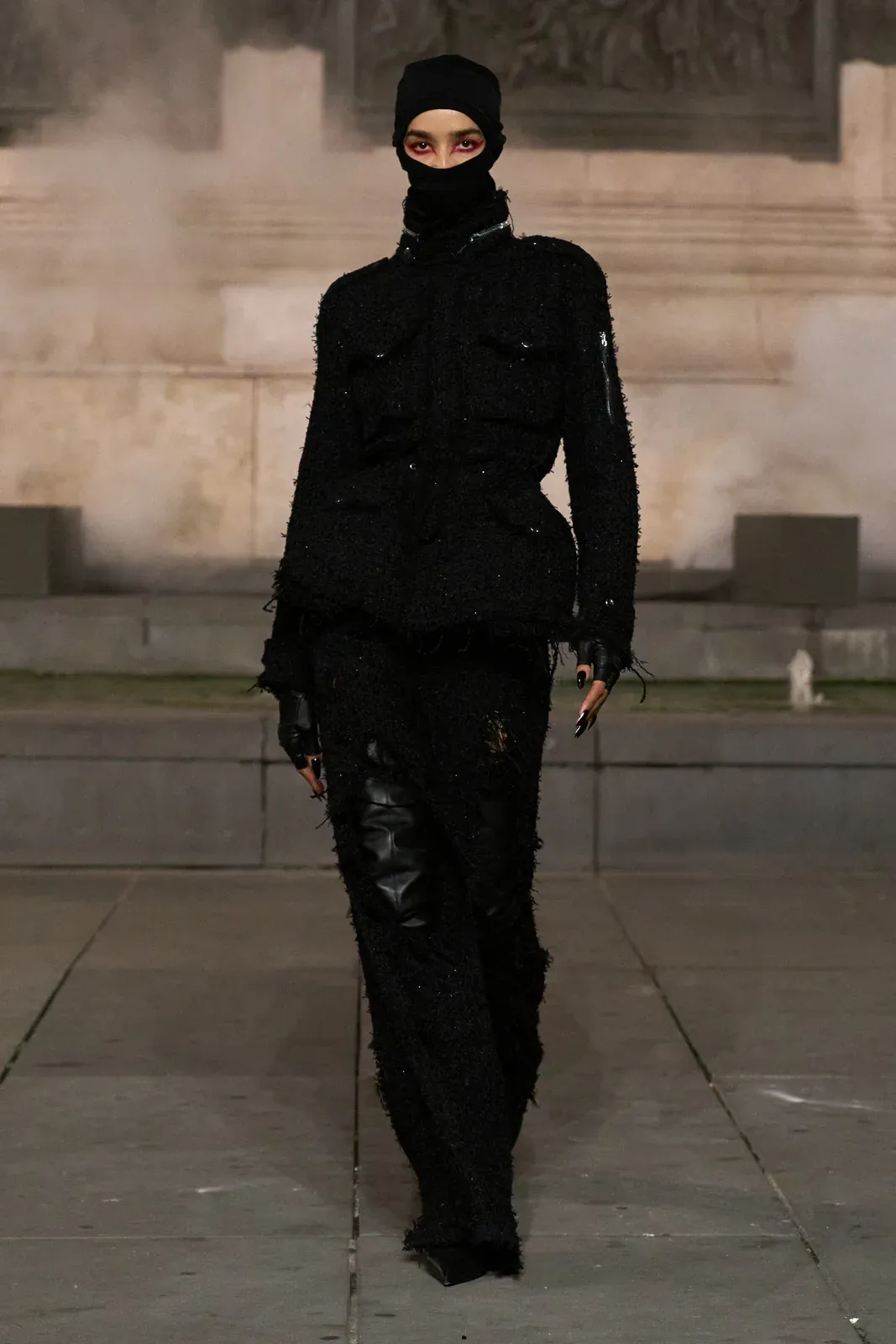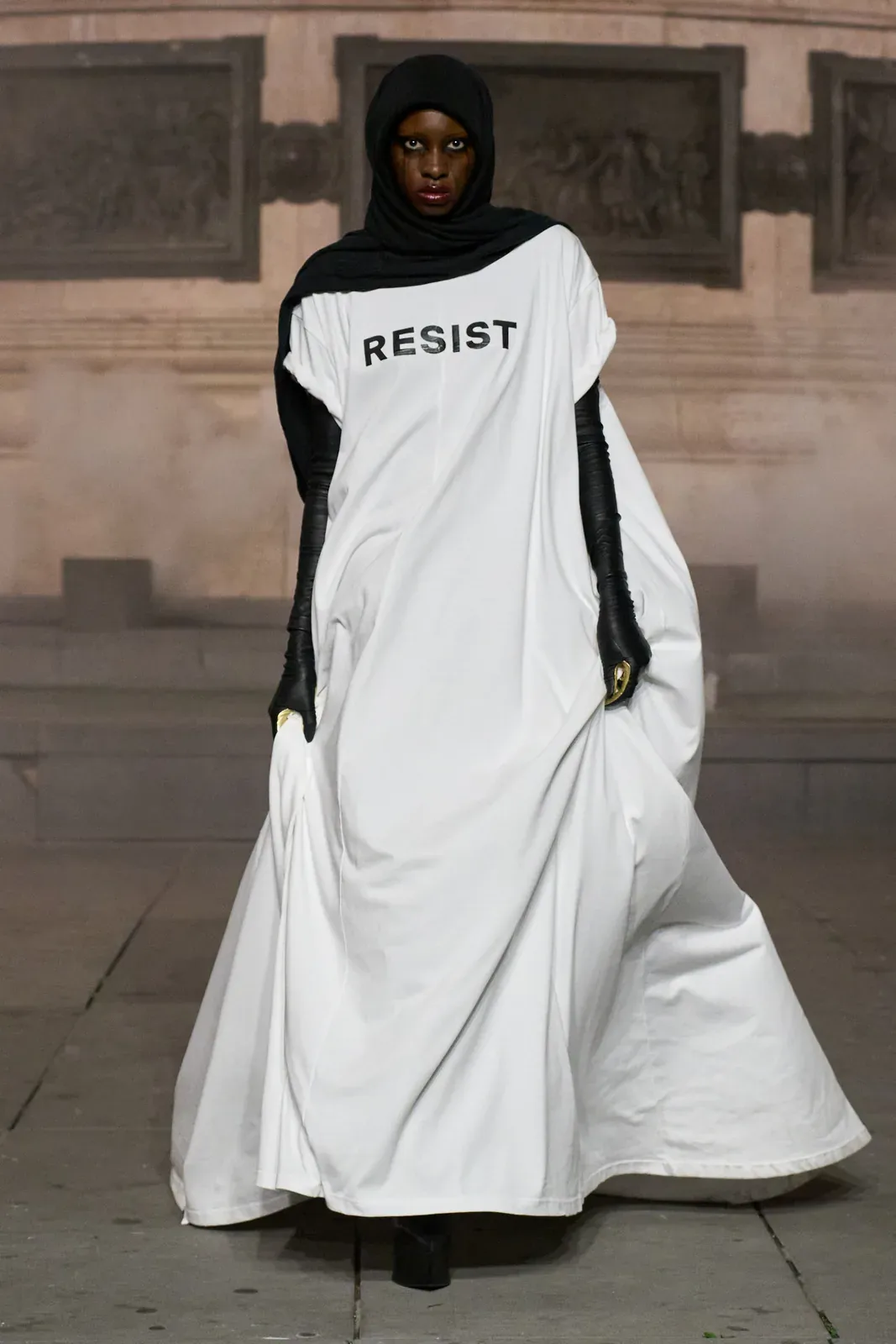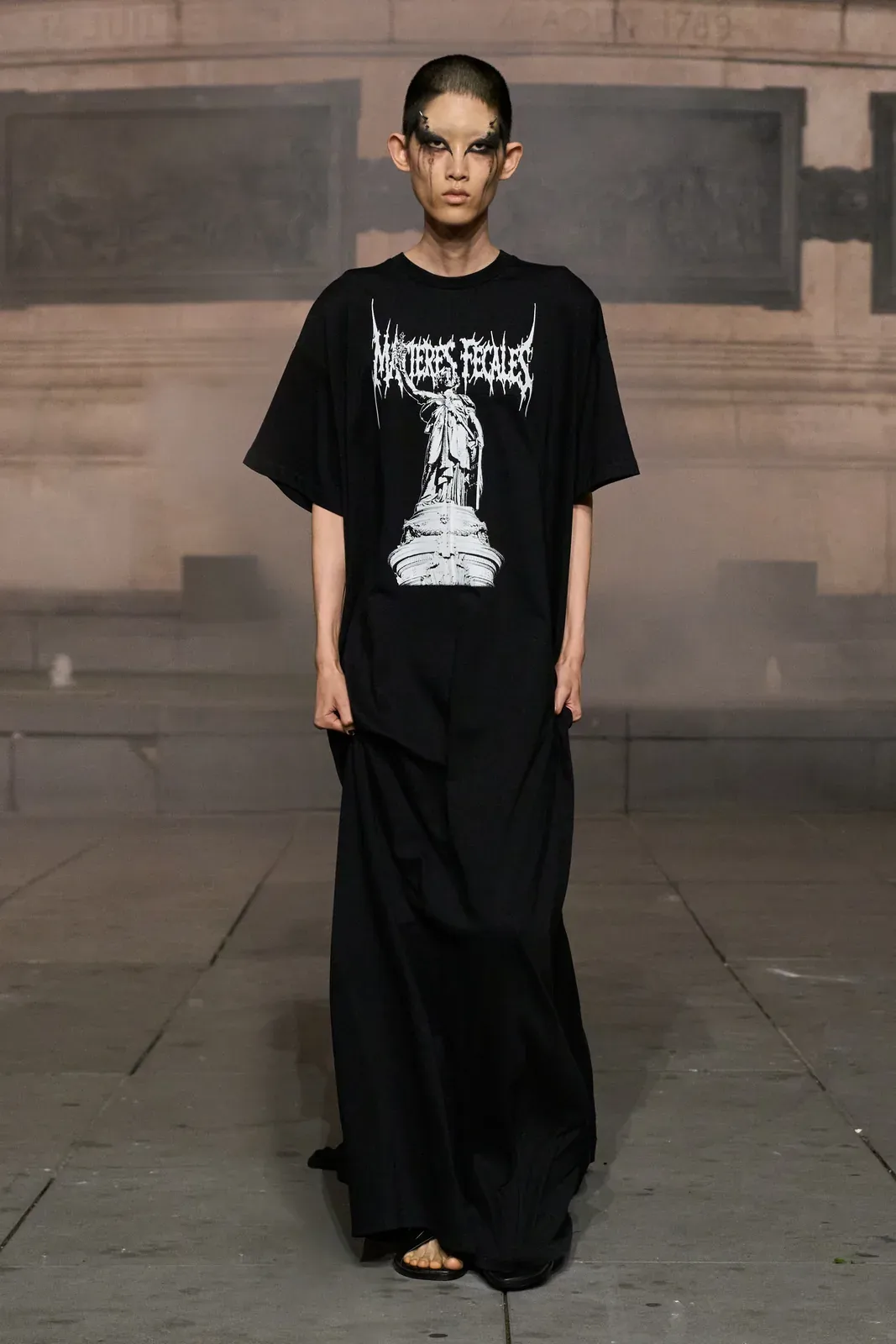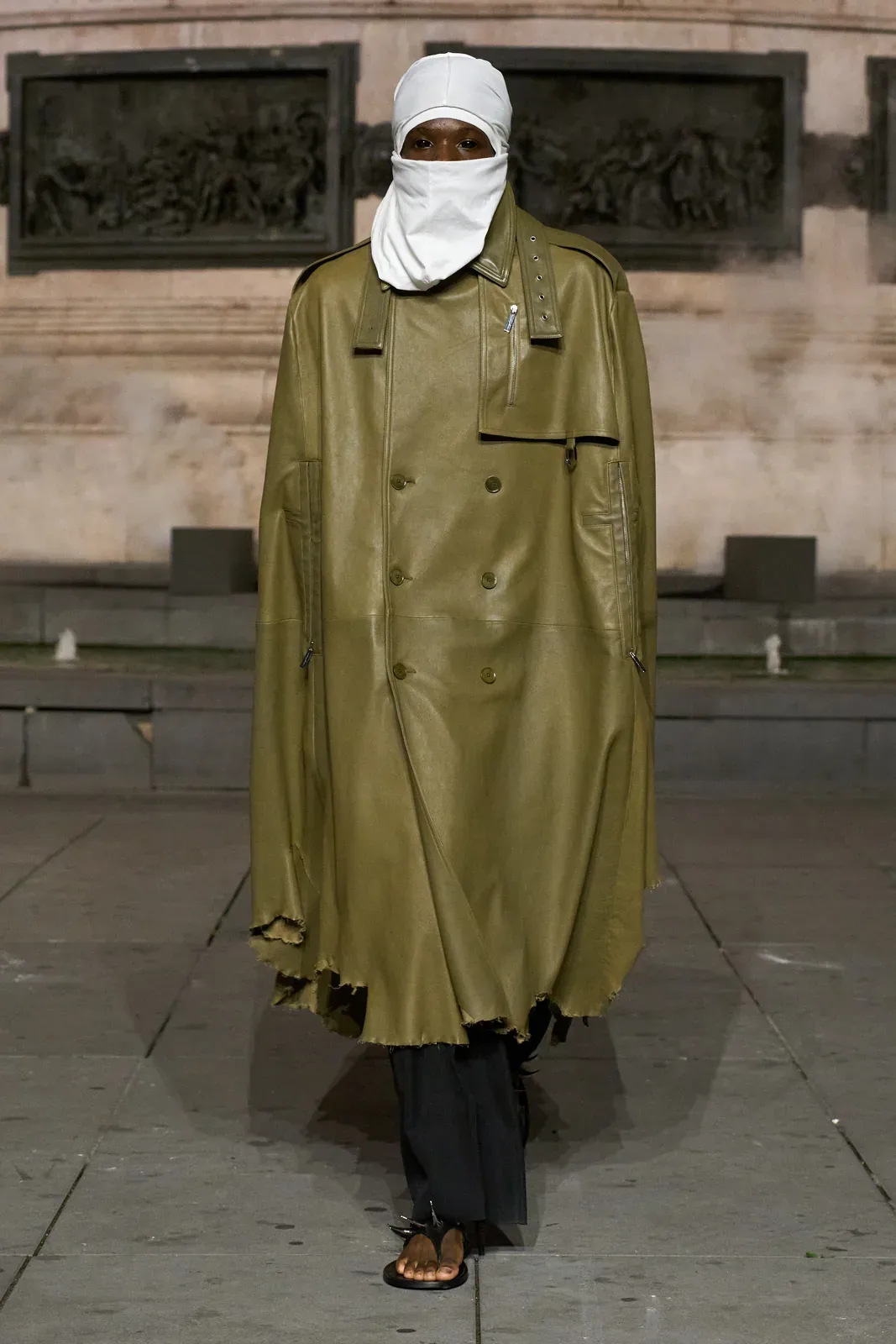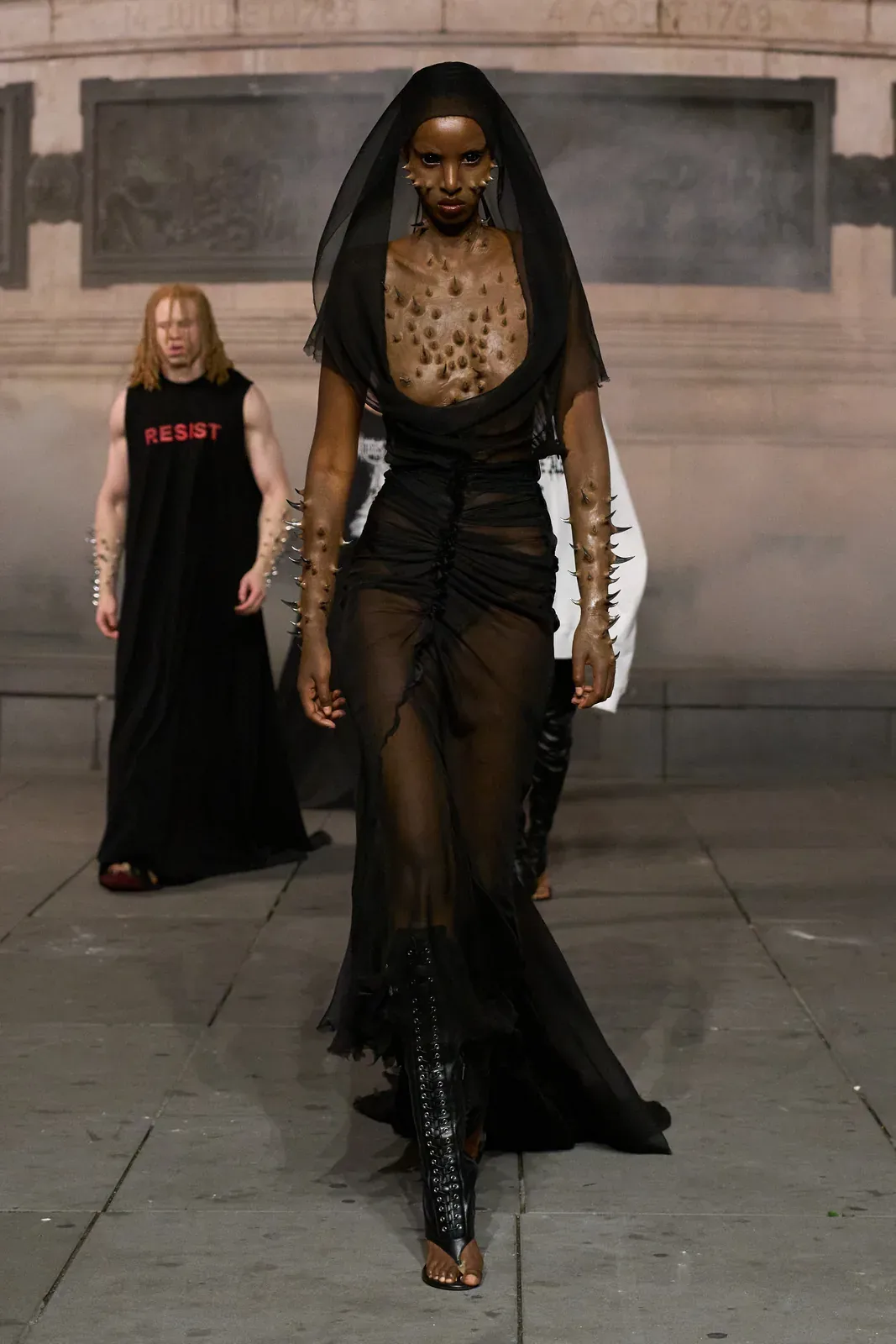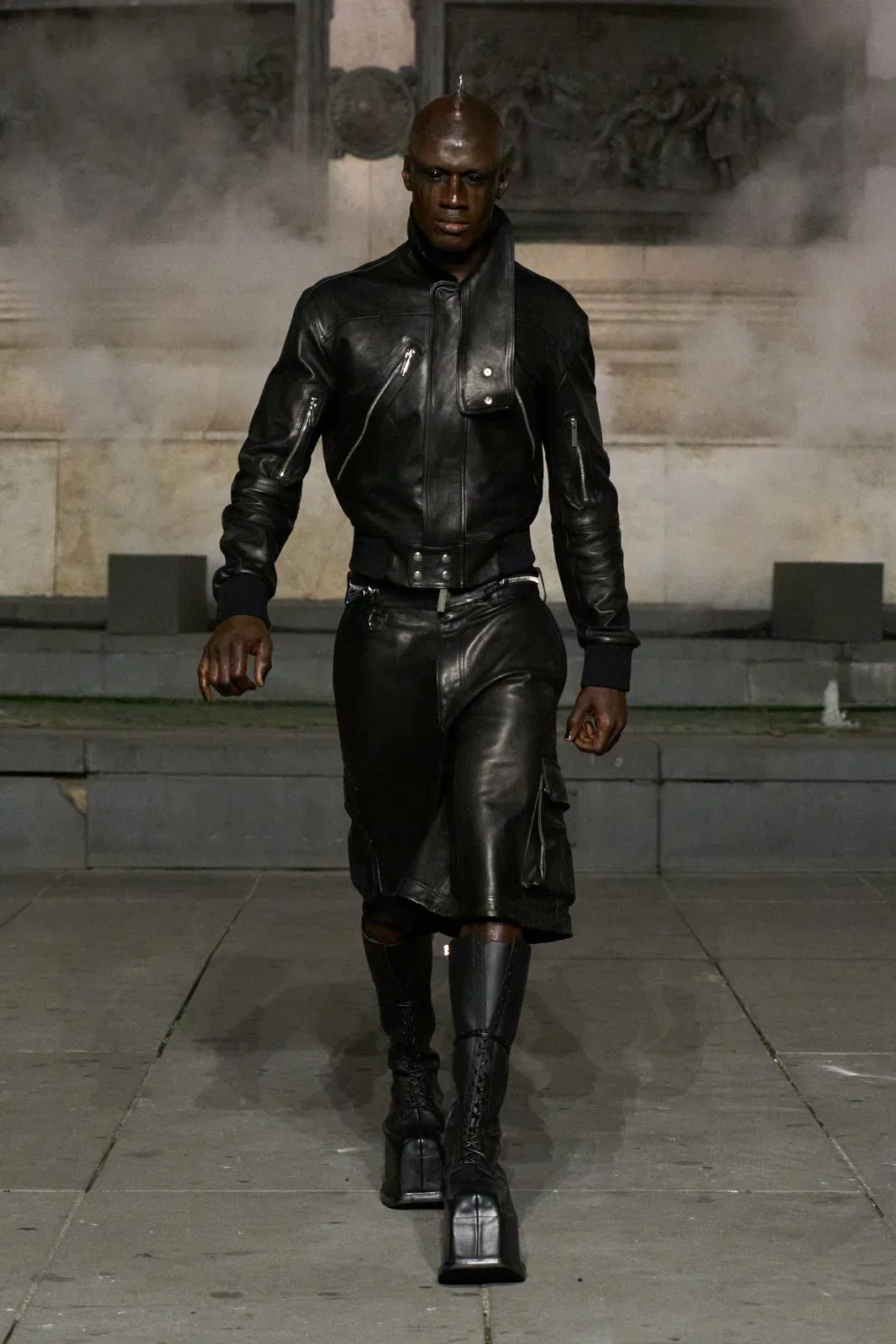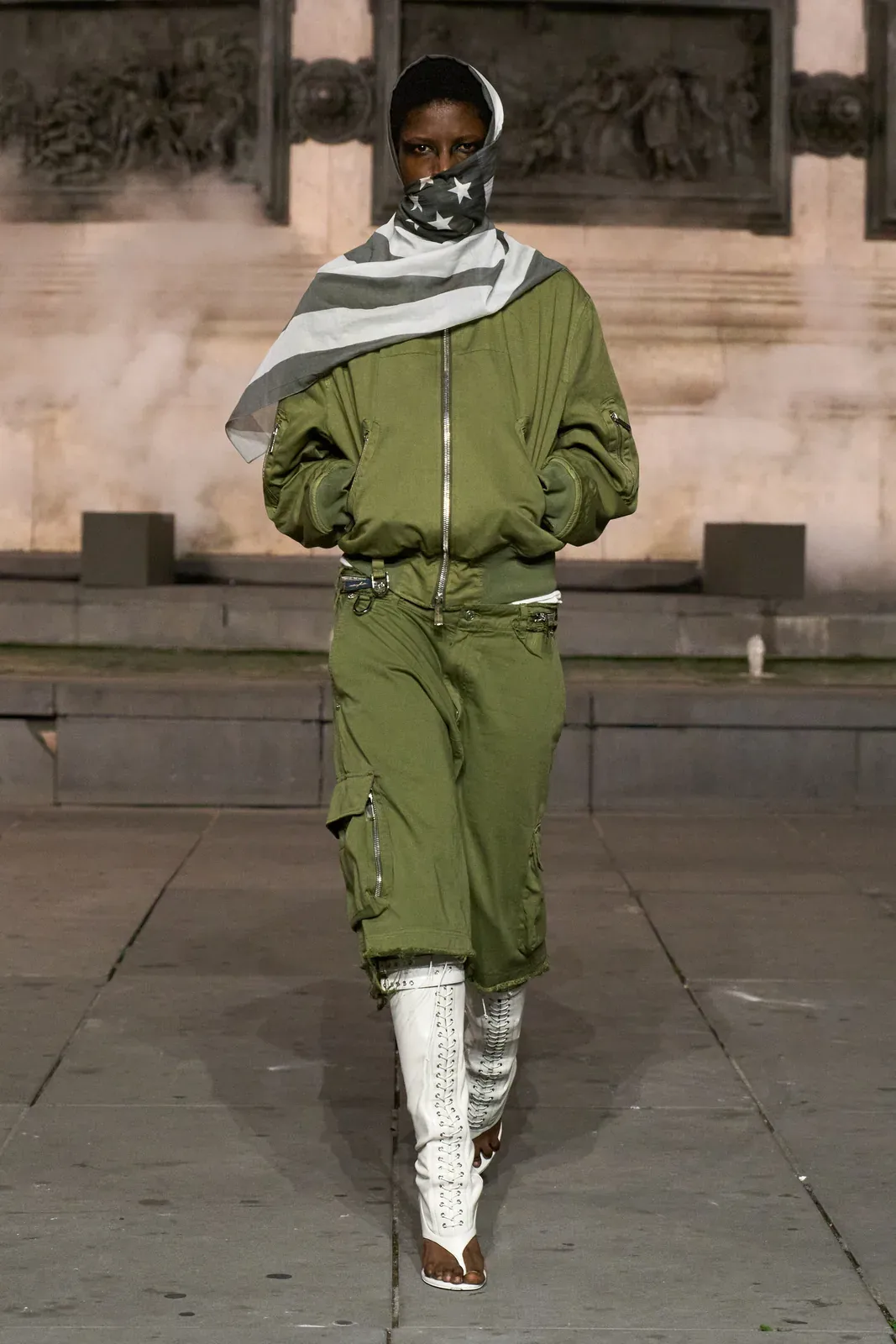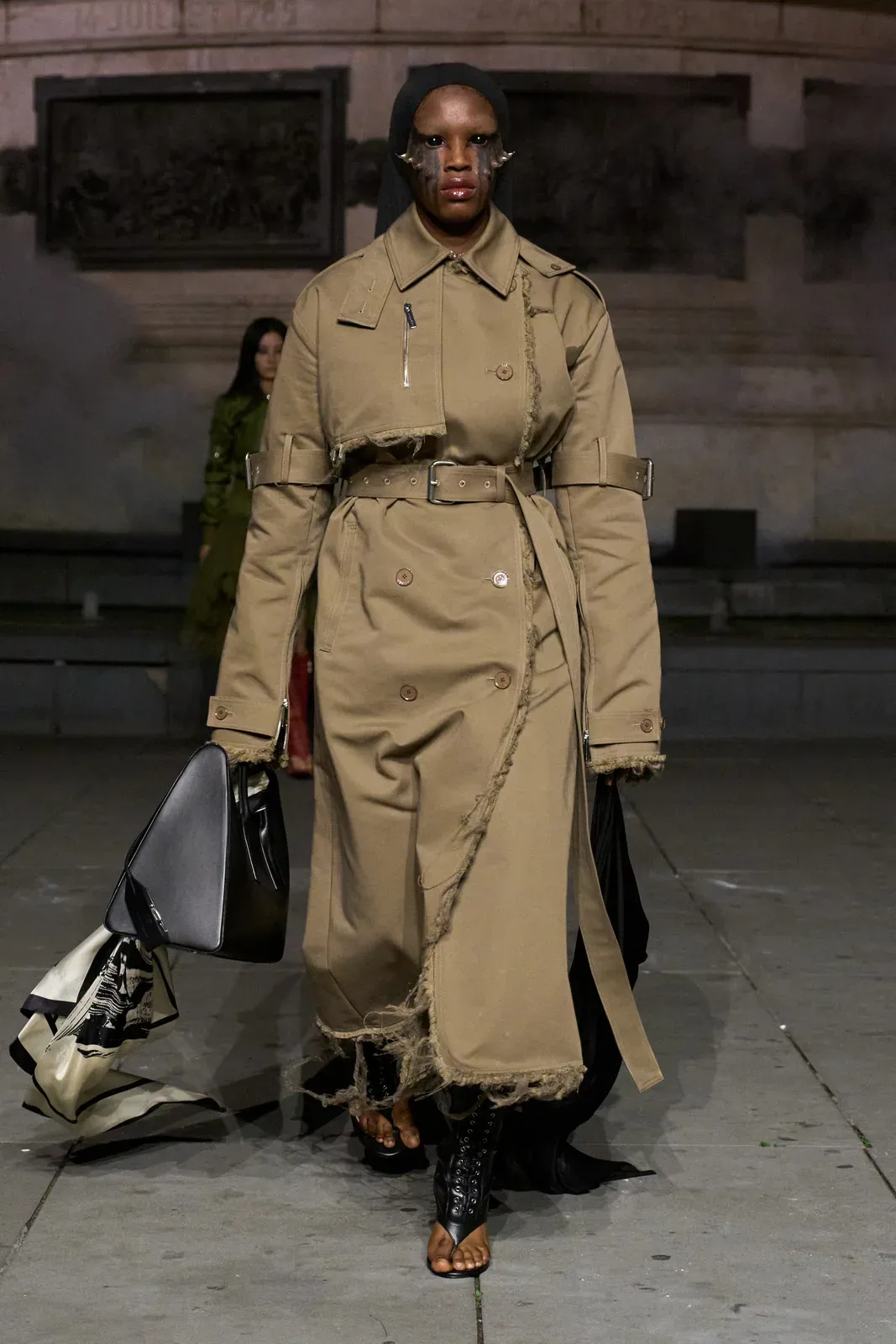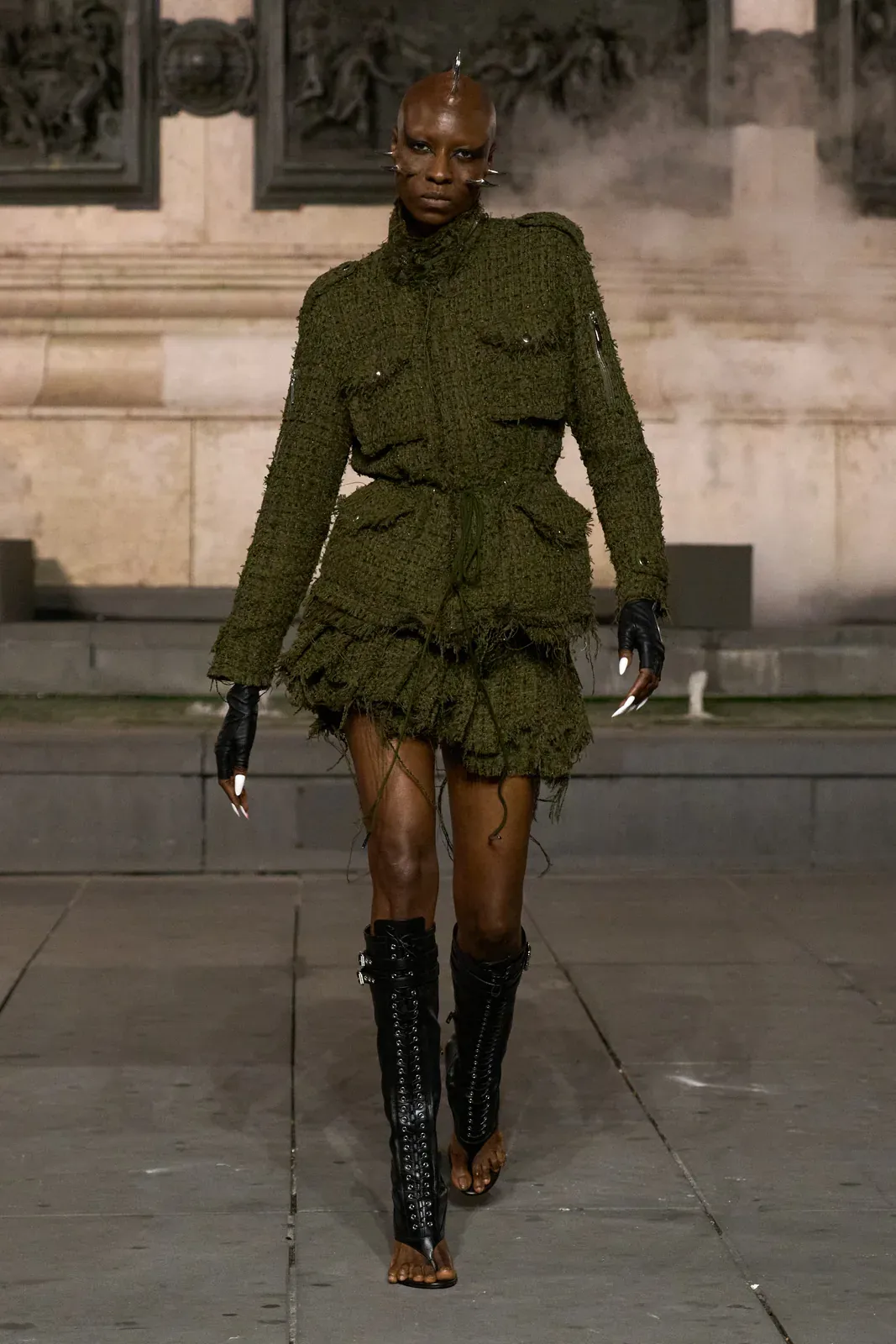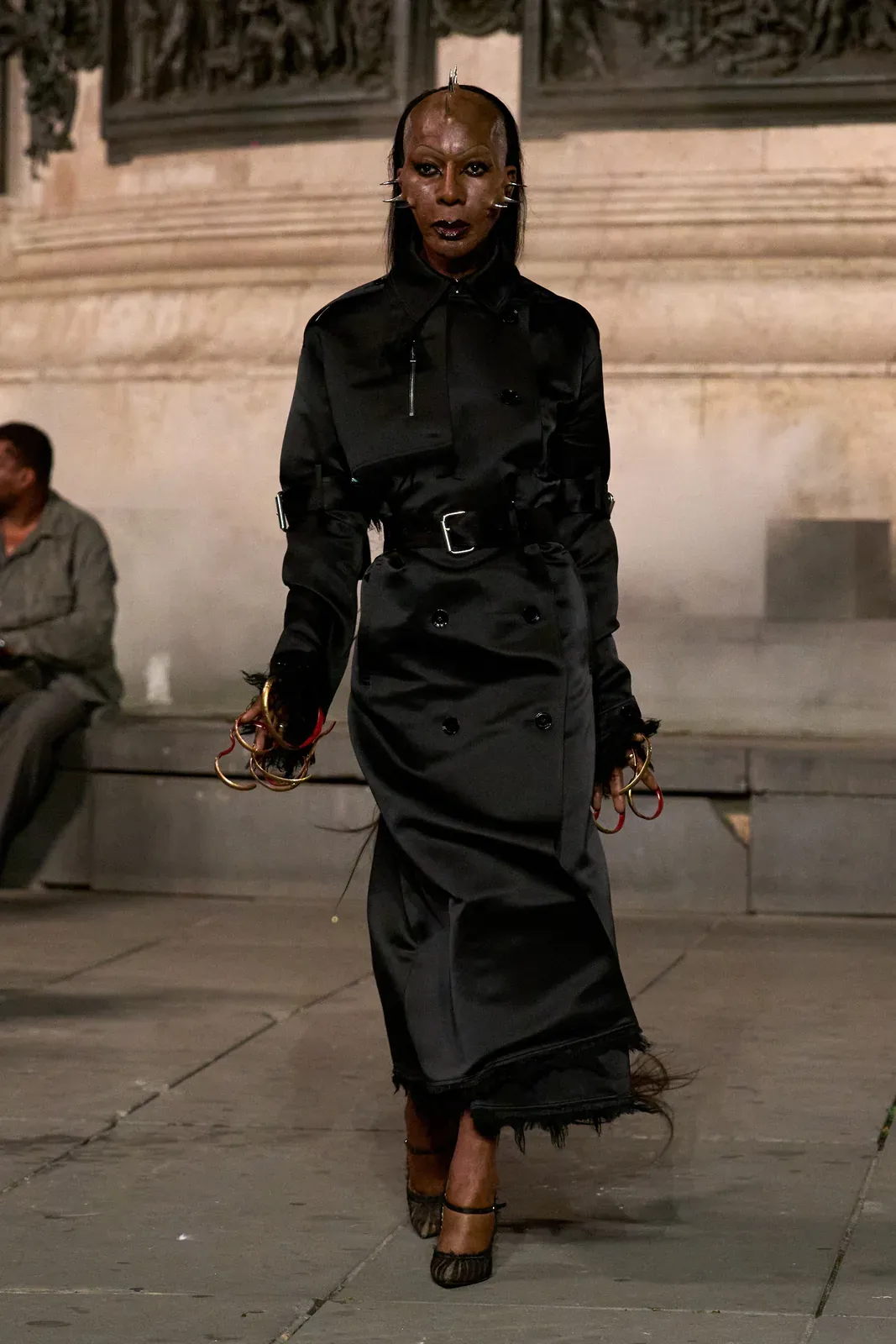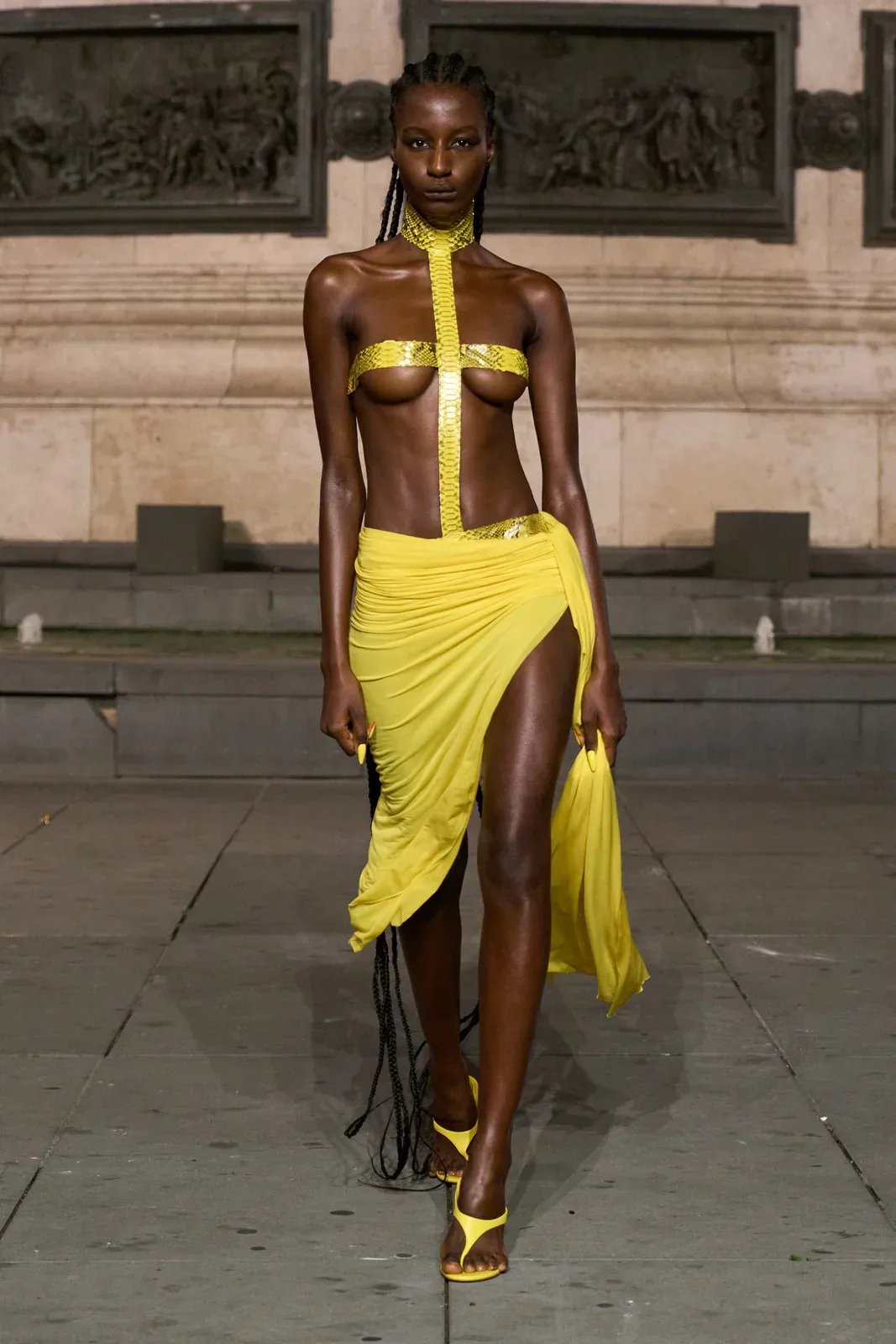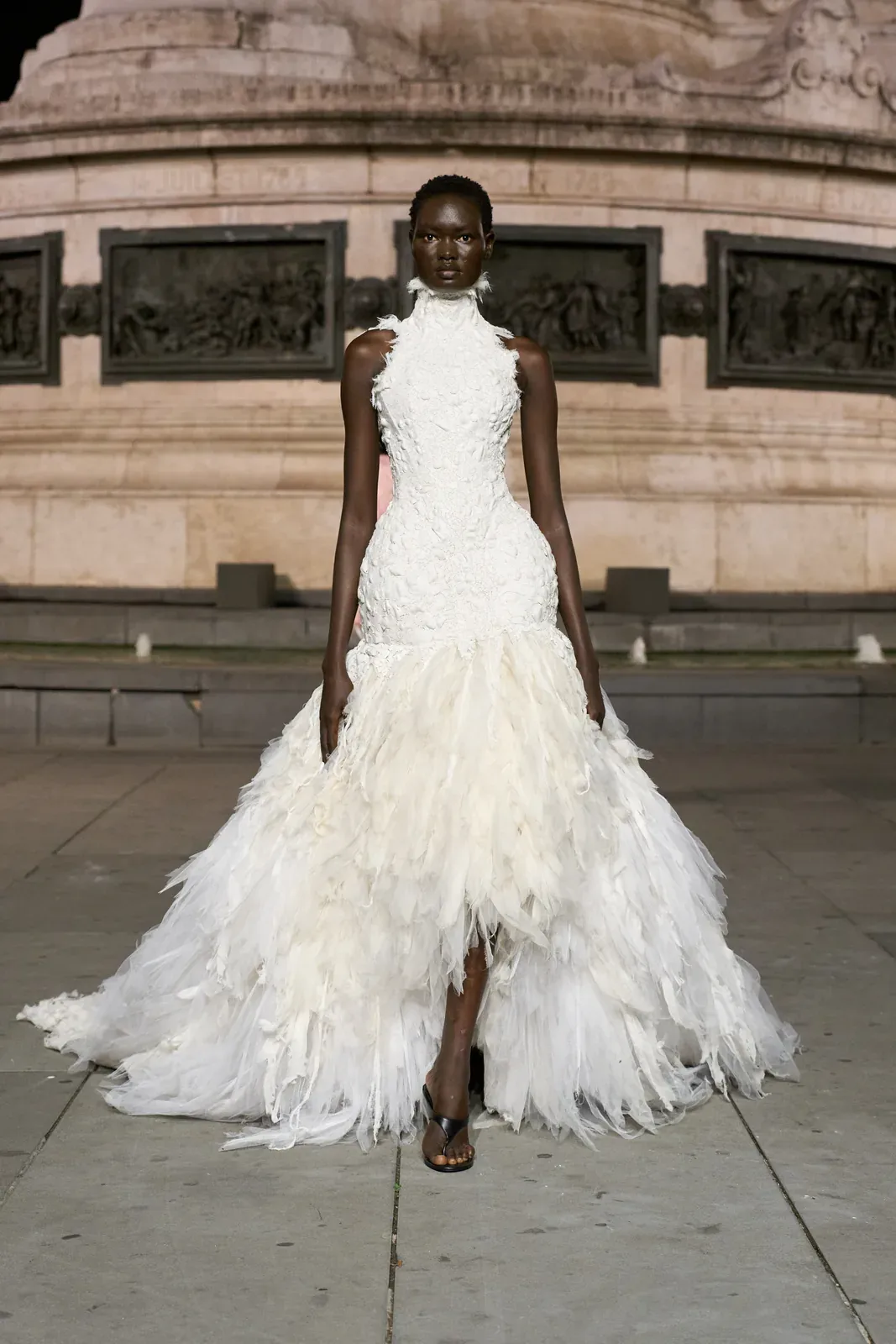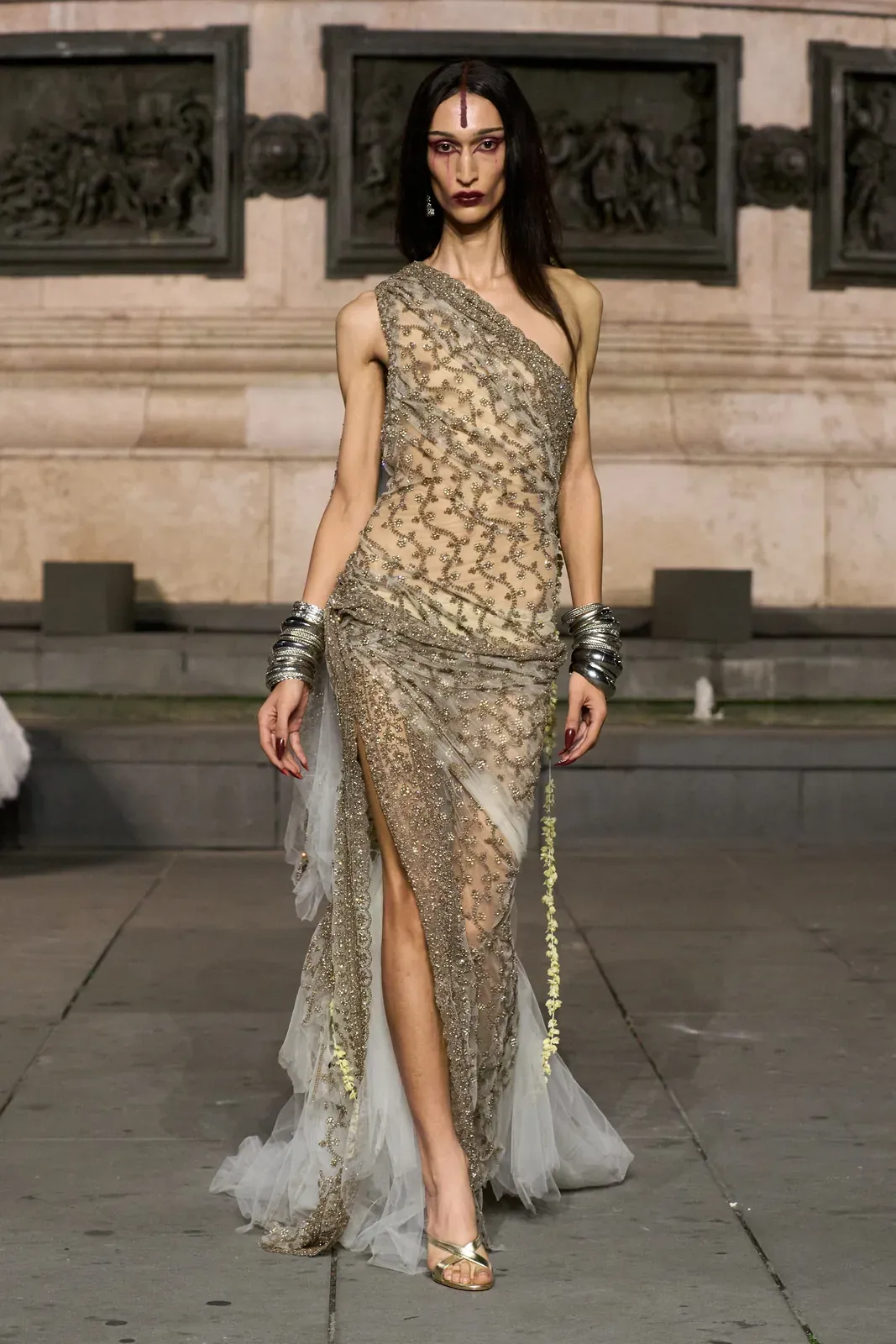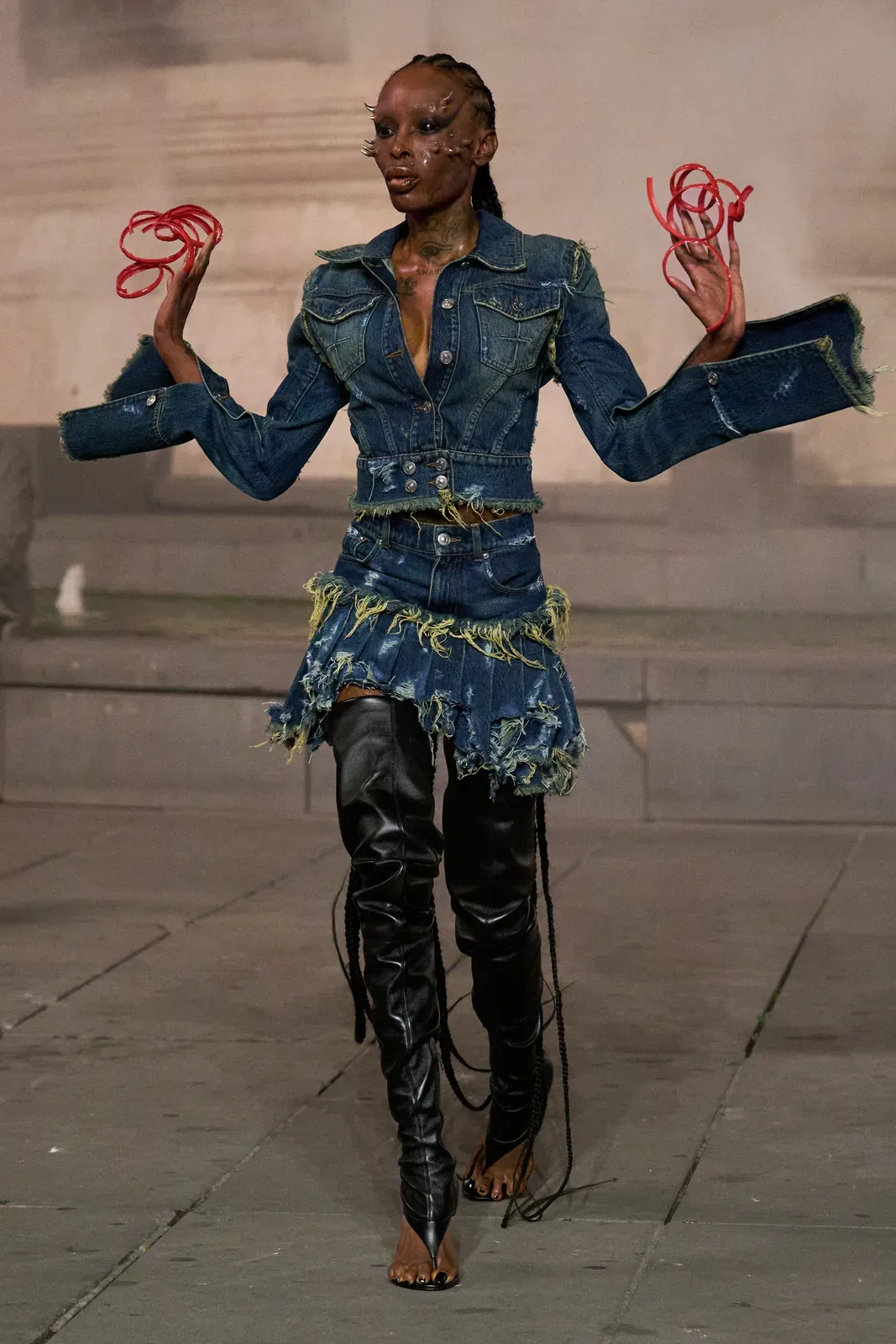
I’ve always, always advocated for fashion’s true purpose. The love and passion I feel for this field has always come from a different side than the aesthetic one. Of course, I love beautiful garments and beautiful collections like everyone else, but I’m always more moved when I read the show notes, when I hear the designer talking about what they created and I understand everything that hides behind every piece we see on the runway, beyond its qualitative appeal, which is still important. Fashion is history, fashion serves humans in many ways, and at the same time, it’s the perfect vehicle to share what hides in our hearts without the need for words. Matières Fécales’ collection went beyond an assortment of provocative and well-done garments. It was the real, raw and soul-baring history of a life that, in its honesty, portrays the life of many, of the majority of the world, of the 99% that, more than living, survives.
Given how much I love fashion and everything it involves, I always feel weird about how negatively or critically I think of it sometimes, especially in recent years. When seeing certain, very hyped collections, I feel a void that doesn’t quite match the general opinion or the successful numbers and reputation that define the brands. I can still appreciate them and understand where they are coming from; every story deserves to be told, and almost no idea that can translate into something creative is pointless or worth looking down on. However, that indescribable feeling that happens when seeing collections from the geniuses of the past, say a McQueen, any of the Antwerp Six, or a Margiela, can still appear, but quite rarely.
Matières Fécales is a creative duo we’ve known for long enough to feel familiar with them. We are accustomed to their otherworldly looks, their fearless and outspoken approach to the mere act of just existing in this world and, ultimately, their radical, limitless and outstanding understanding of creativity. Luckily for us, this power of creation stopped belonging to them and started being shared with the world with their decision to become an established and proper fashion brand, with full collections and runway shows included, and from their first season to this one, it has been proven why this was one of the best choices they could ever make and why this was one of the best things that could happen to the industry in years.
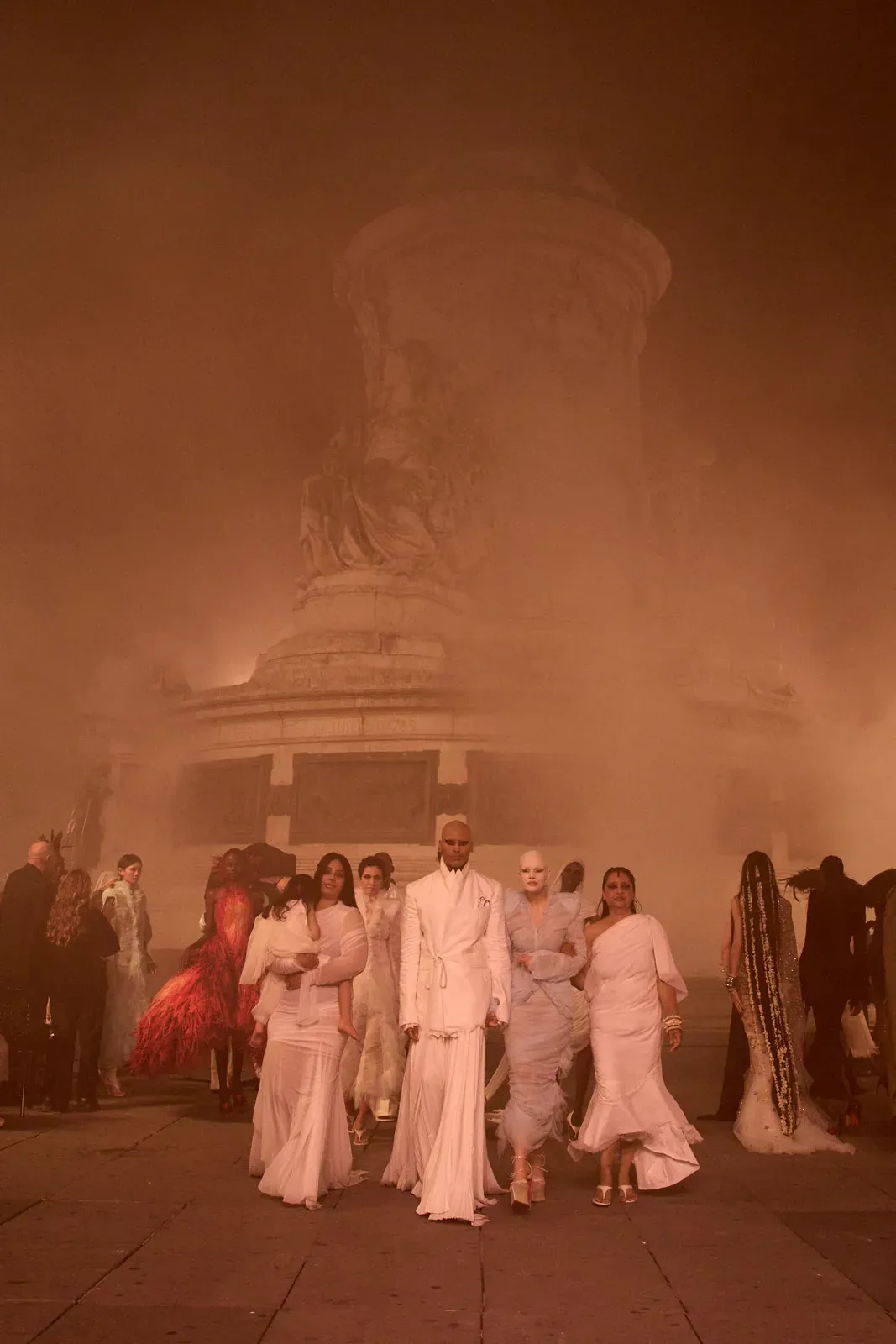
As the first ever fashion show taking place at Place de la République, the home of freedom of speech in Paris, as the brand calls it, and in a revolutionary self-response to their The One Percent collection, The Ninety-Nine Percent arrives, and the history and meaning behind it seep through each look with such power, such strength and such rawness that, even without any further explanation, we feel what should be felt when witnessing fashion becoming and embodying what it always should. “It’s a place of revolution. I think it’s perfect that the first fashion show in history at Place de la République is held by a group of immigrants like us, it symbolises the progressive future the city is working towards,” say the designers, and it really is. It really is perfect.
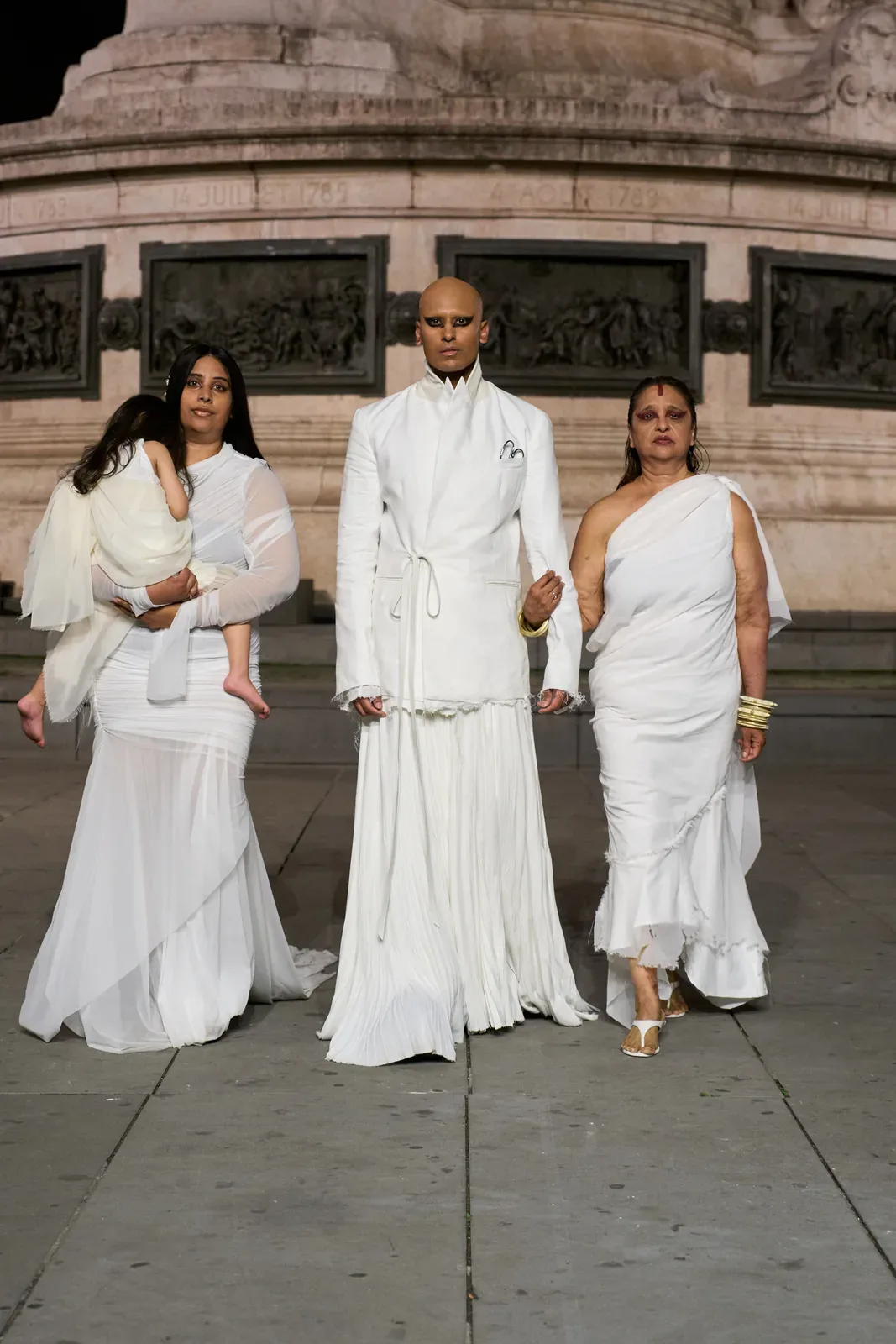
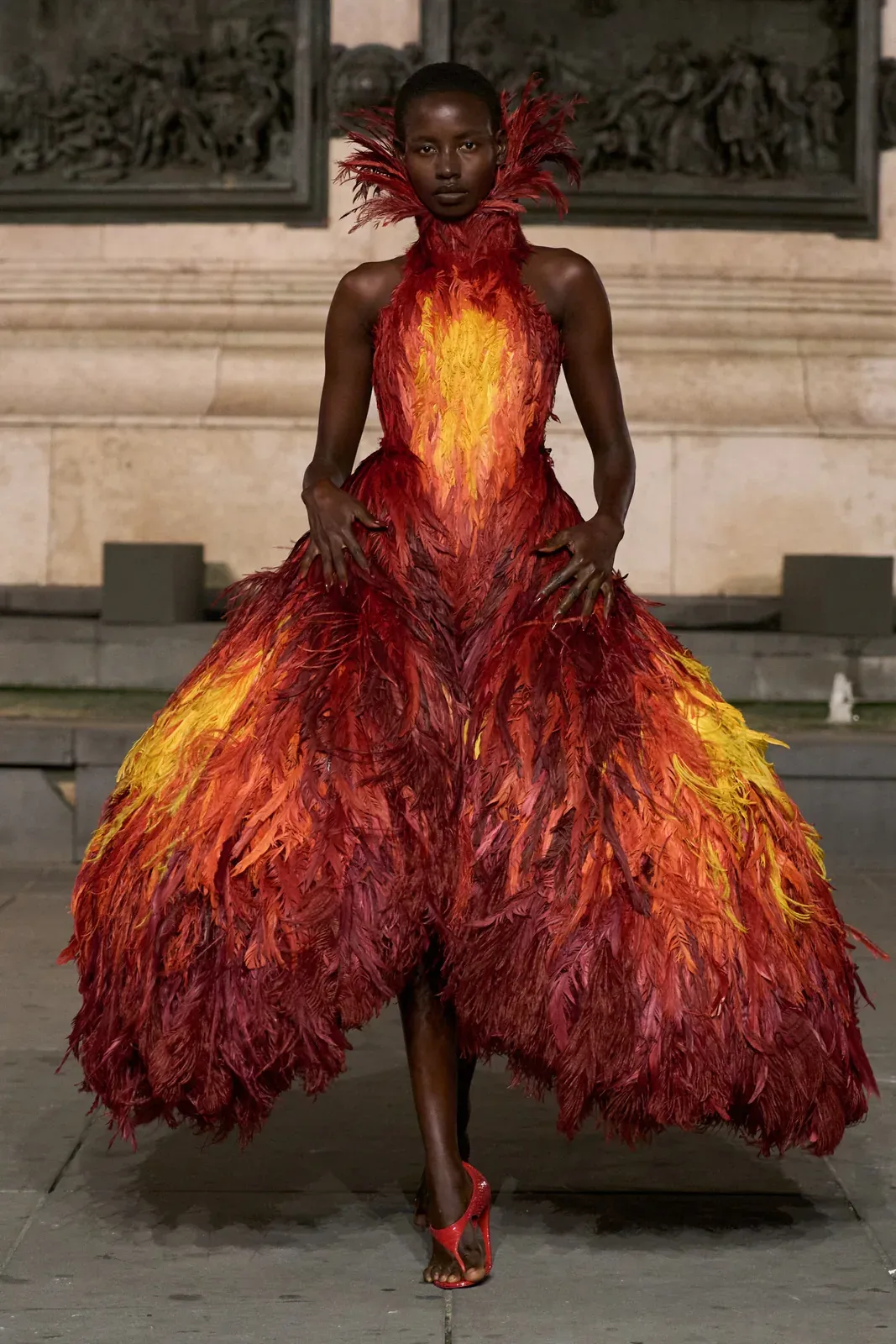
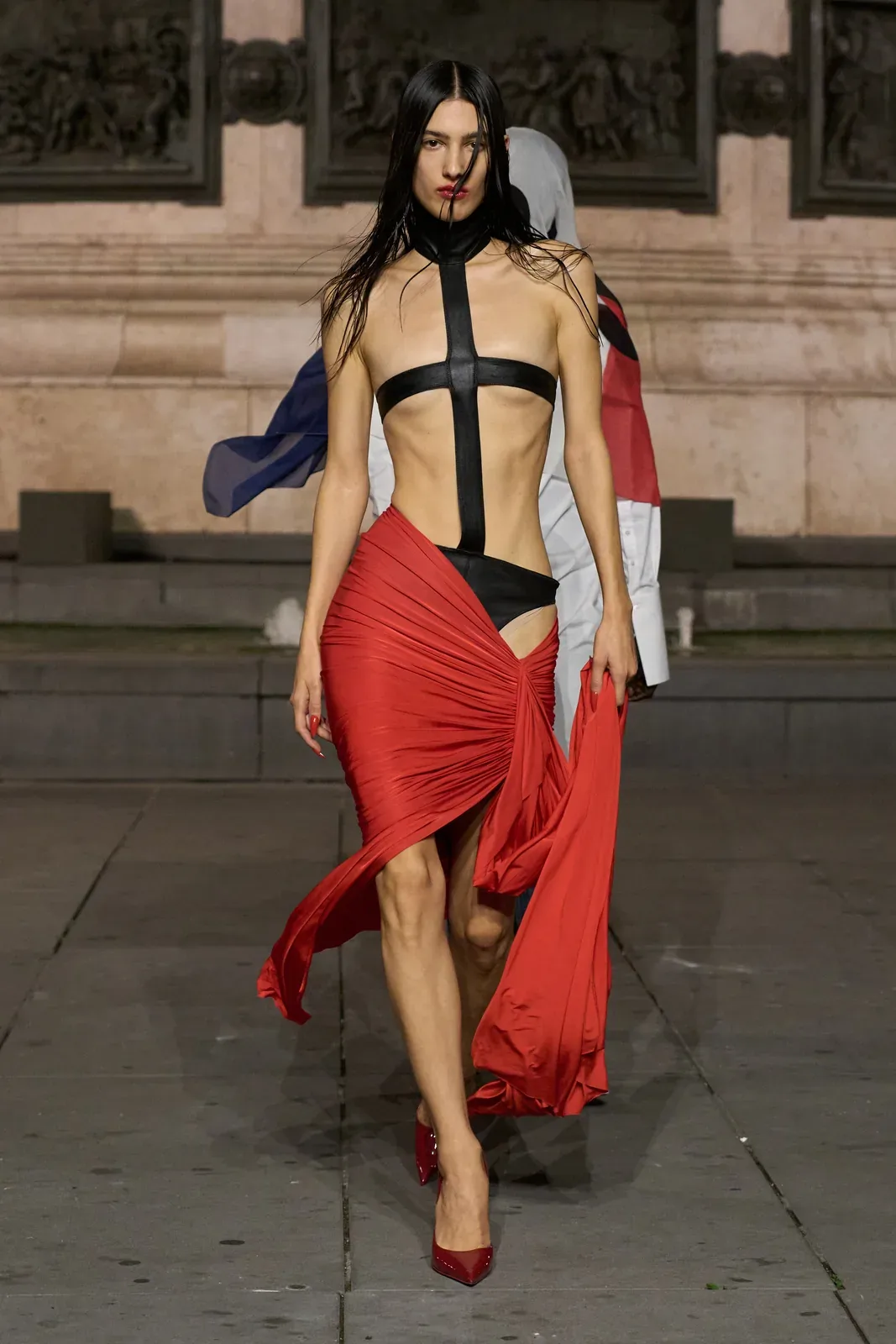
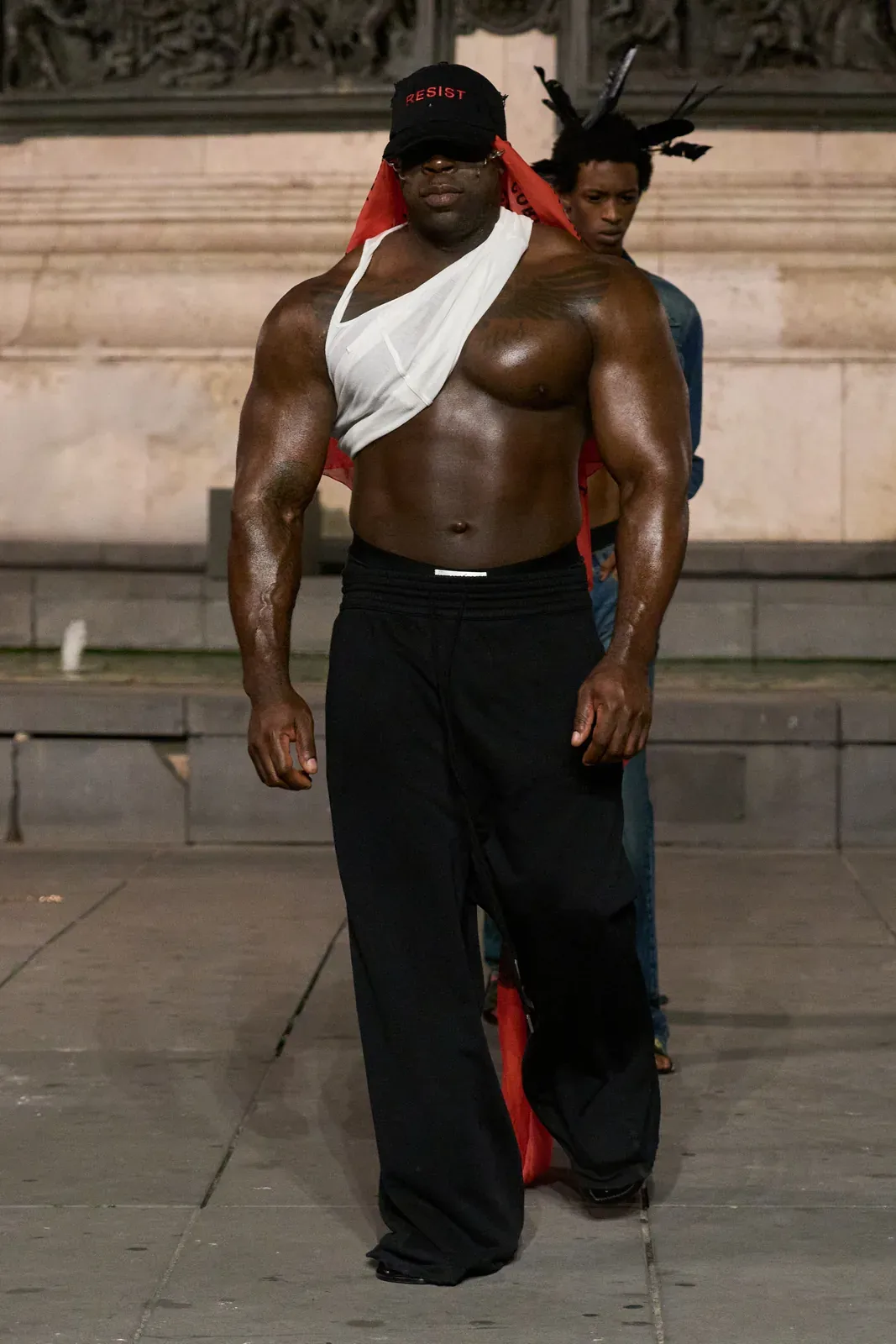
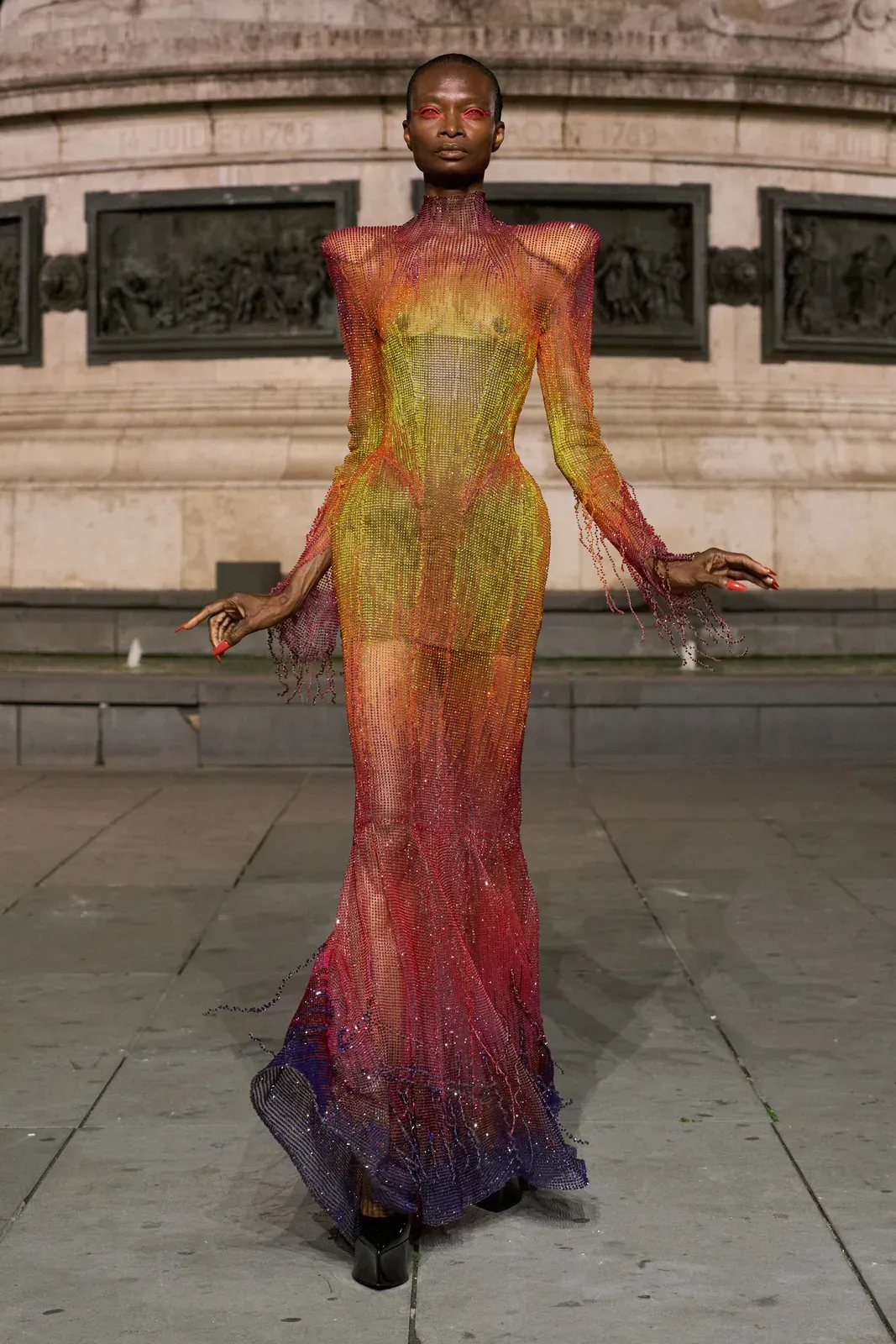
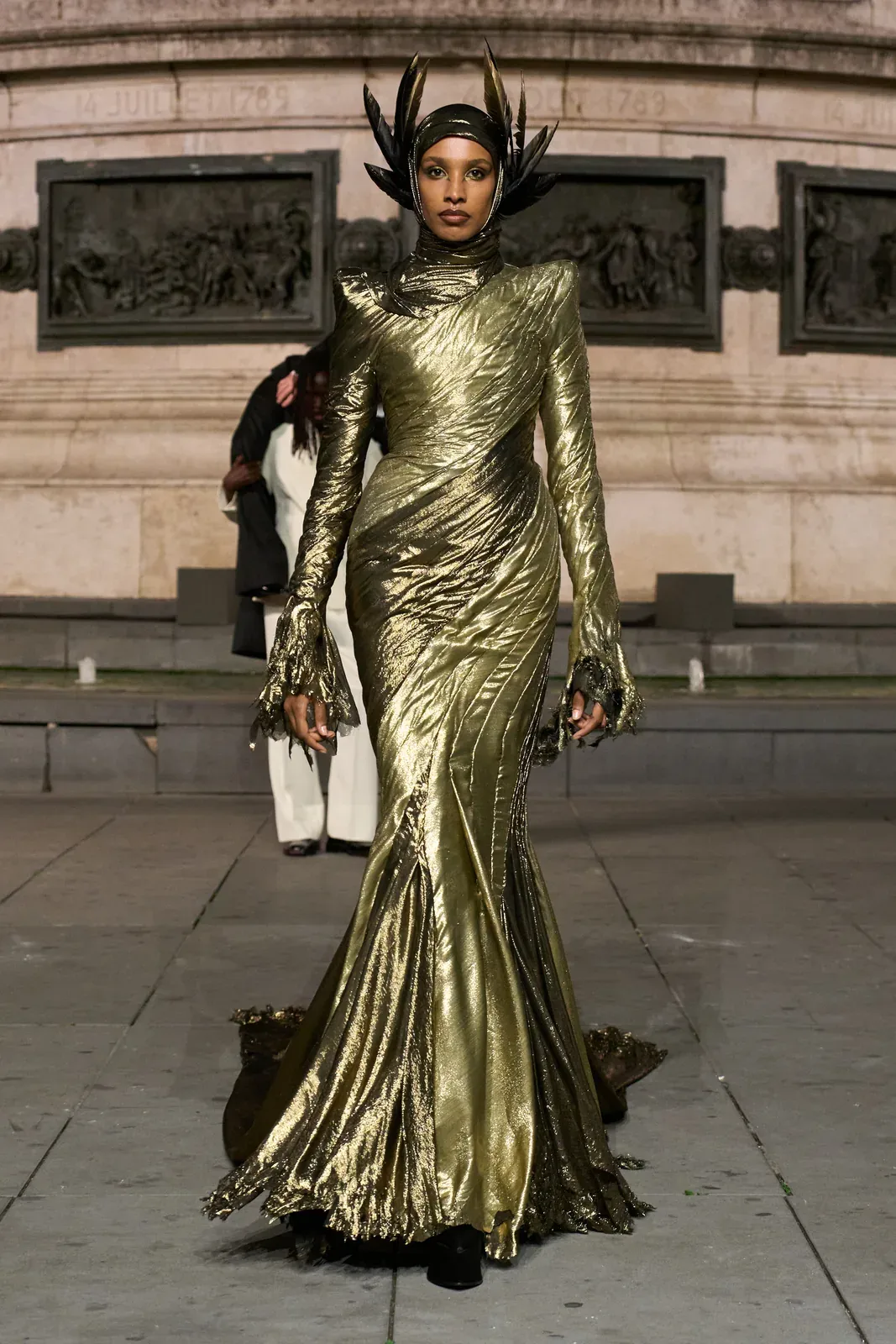
Each of the outstanding looks in this collection carries the life story of Steven Raj Bhaskaran, one half of the brand. In its three parts, FAMILY, TRIBE and GODS, an homage to multiculturalism, to the marginalised, to families and women who face struggles so normalised they are rarely talked about, and to Bhaskaran’s own personal story takes shape in a succession of ninety-nine looks that, even without taking their meaning into account, are all spectacular in themselves and a real testament to what fashion, both in shape and message, is capable of.
Steven, alongside his life and creative partner, Hannah Rose, transformed his life, his family history, his mom’s struggles, his relationship with spirituality, his encounter with rebellion and a sought and needed sense of freedom and the ultimate hope that lit this lifelong path into garments of all typologies in which nothing is left to chance, and in which every seam, silhouette, technique, colour and detail carries significance and a key piece of the narrative. In them, garments that serve as symbols and are commonly used in many of the cultures and religions Raj has been in contact with throughout his life are represented and worn by models who are also linked to them, defying the common lack of connection between model and garment and making those walking the pieces an integral part of what is being told.
“Ninety Nine models of colour and Ninety Nine looks by a designer of colour. The casting wasn’t just a creative choice; it is a reflection of all the people I grew up with in low-income housing. An homage to the families of colour chasing freedom and opportunity. A message of hope for all the immigrants who are being targeted every day undeservedly. An act of aspiration for all the people of colour who are rarely given the opportunity to thrive and forced to just survive. A voice for the working class who are tired of building pyramids of power that suppress them. I want to show my people they are beautiful and worth it. They matter, and they deserve all the freedoms the world can offer. I want to prove our stories, our cultures, and our perspective on beauty are just as valuable as the ones championed in luxury spaces.”
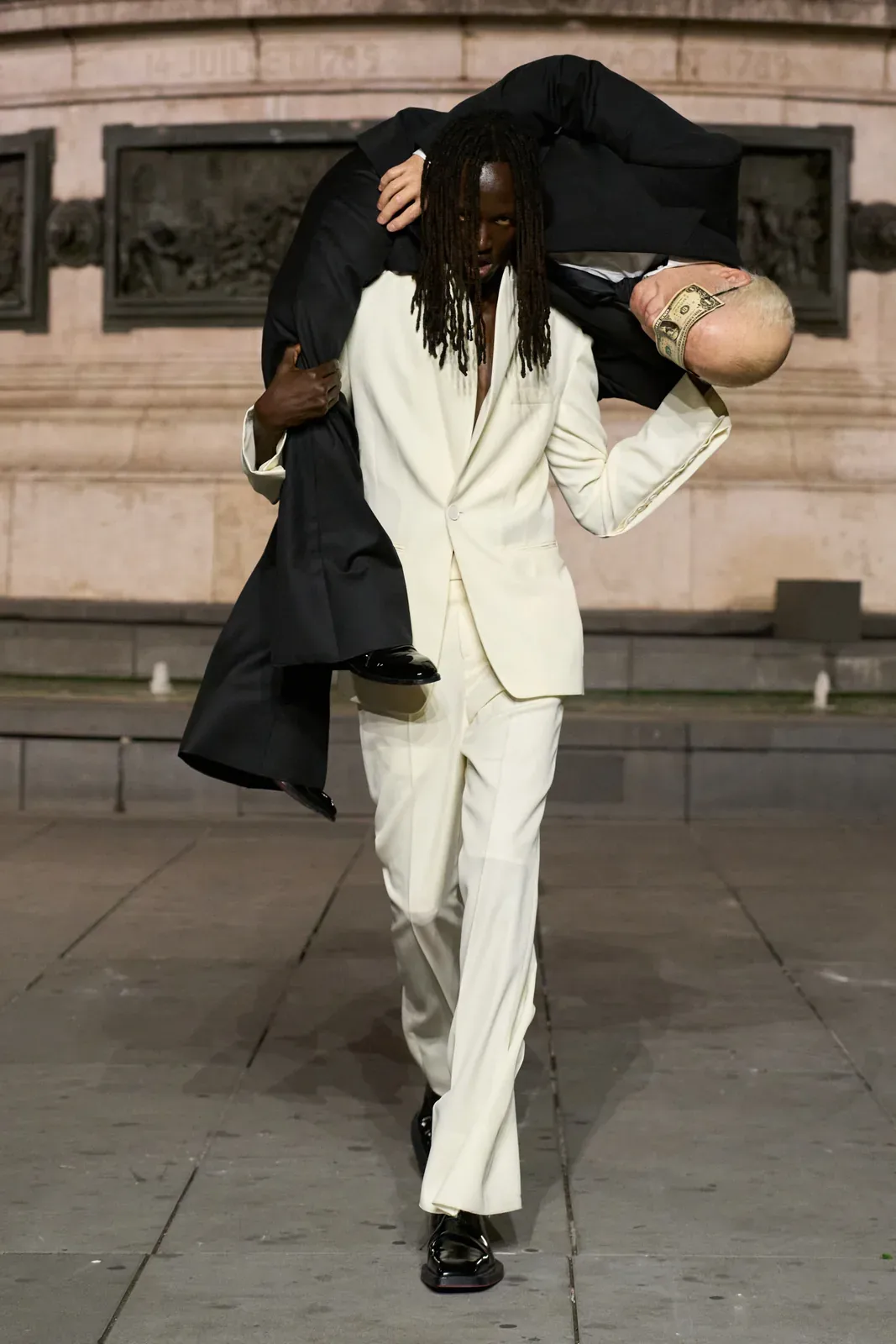
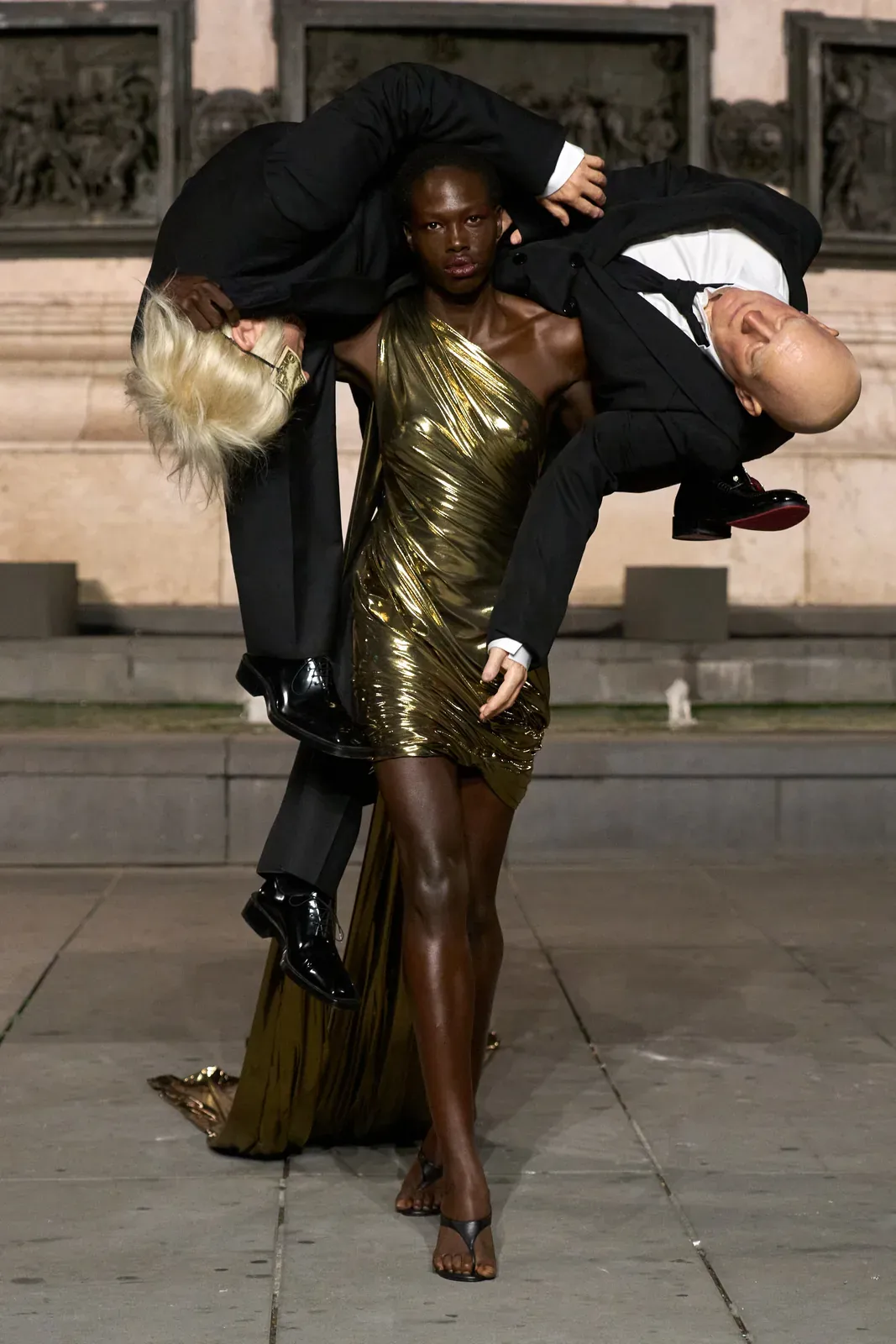
That is just a small fragment of the powerful testament written by Steven as the show notes, where it is all explained, from why the last models are carrying lifelike billionaire figures on their backs to the struggles of a little girl born in Guyana that shaped a life of sacrifices for her and her future family, that now find the light, the recognition and the place they deserve thanks to their son, who proudly walks with them through a runway that has now become a part of fashion history. For me, that is fashion’s true purpose I was talking about in the first lines. This is what garments can do. The fabrics, patterns and silhouettes are tools with which history is written, remembered and transformed, and it is a relief to see that there are still those who know how to tell a story the way it should be told.