Marilyn Monroe is one of the most—or perhaps the most—iconically recognisable people in the world. Her beauty mark, bouffant, and red lip define the public imagination of the 1950s and 60s. London’s National Portrait Gallery explores this legacy through the exhibition Marilyn Monroe: A Portrait until 6 September in what would have been the icon’s hundredth year.
The exhibition evokes the image of Monroe through a multidisciplinary approach. With photographs, artwork, archival pieces, and a companion publication, visitors are confronted with Monroe both as a symbol of sex and femininity, as well as a human being. While the curated image of Warhol’s iconic Green Marilyn (which is on display) may come to mind when imagining her, Monroe is also portrayed as complex and human. She is captured in a range of emotions, reading and laughing, alongside items and moments associated with her. By including references to her life before and outside fame, the exhibition imbues Monroe with personhood. It extends Monroe’s legacy of collaboration and agency in her depiction. She acts as both the owner of her representation and a being beyond it.
Though representations of women are at times dubious (Monroe’s typecast as a ‘dumb’ blonde in particular), the exhibition pursues what is beyond image. Following the trajectory of her career, she is framed in motion—from the hyperposed pin-up of Norma Jeane Mortenson, to candid photos of Marilyn Monroe smiling with the wind in her hair, to posthumous art that explores grief and honours the actress’s legacy. Time looms in and around the artwork; the exhibition itself a centenary celebration, confronting viewers with the reality of Monroe as quasi-immortal despite her death.
Furthermore, the exhibition is not only pop-culturally significant, but subtly radical given the politics of Monroe. Of foster care and working-class origins, she was a supporter of civil rights and SANE nuclear policy. Though notoriously suspected of communist association in McCarthyist America, Monroe escaped major criticism precisely because of societal beliefs around her appearance. The notion that a woman cannot be radical because of her appearance may seem outdated and ridiculous, but the exhibition forces viewers to grapple with this exact belief. It asks viewers how they know Monroe: as a still image of uncomplicated beauty, or as a complex, conscious human in her own right?
Like the shift from black-and-white to colour television that she defined, Marilyn Monroe: A Portrait paints Monroe in colour, in motion, and in humanity. The exhibition asks what Monroe’s legacy is, exposing the space left between her portrayal as a caricaturised sex symbol and her agentive self-portrayal in her career, public perception, and even her politics.
The exhibition Marilyn Monroe: A Portrait is on view until 6 September at the National Portrait Gallery, St. Martin’s Pl., London
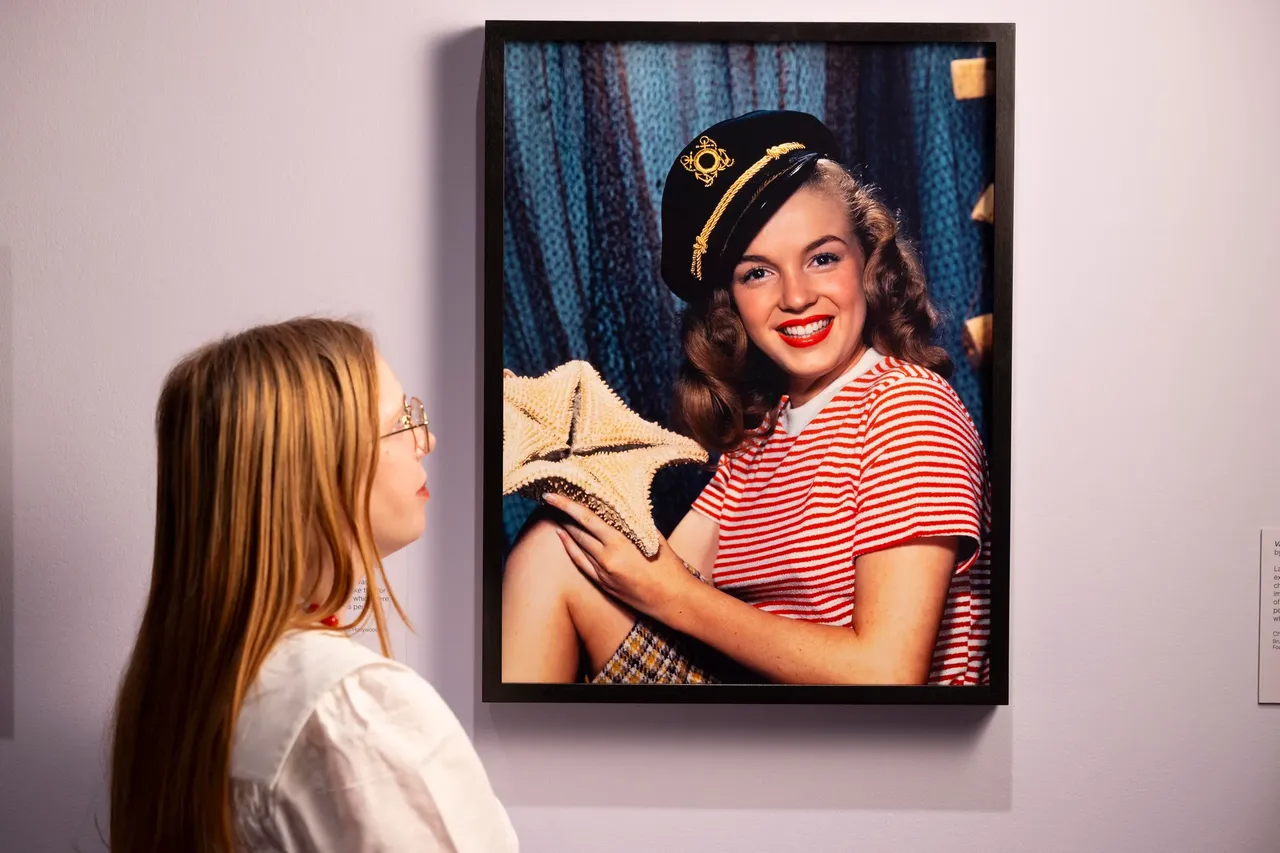
Norma Jeane, 1946, by Bruno Bernard, Photo Bernard of Hollywood © 2026 Renaissance Road Inc.
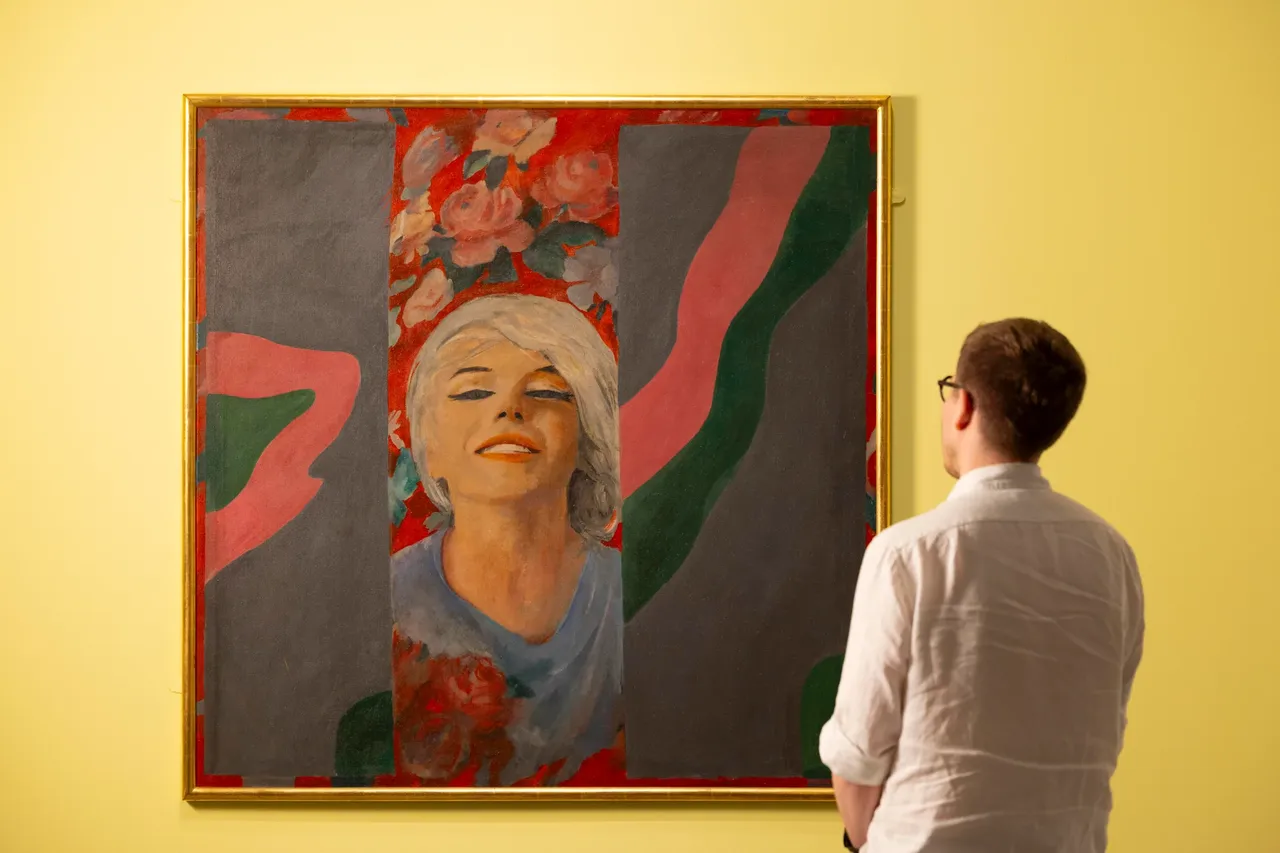
Colour Her Gone, 1962, by Pauline Boty. © Pauline Boty Estate, Reproduction by permission of Wolverhampton Art Gallery, Purchased with the assistance of the Art Fund and the Friends of Wolverhampton Arts and Heritage.
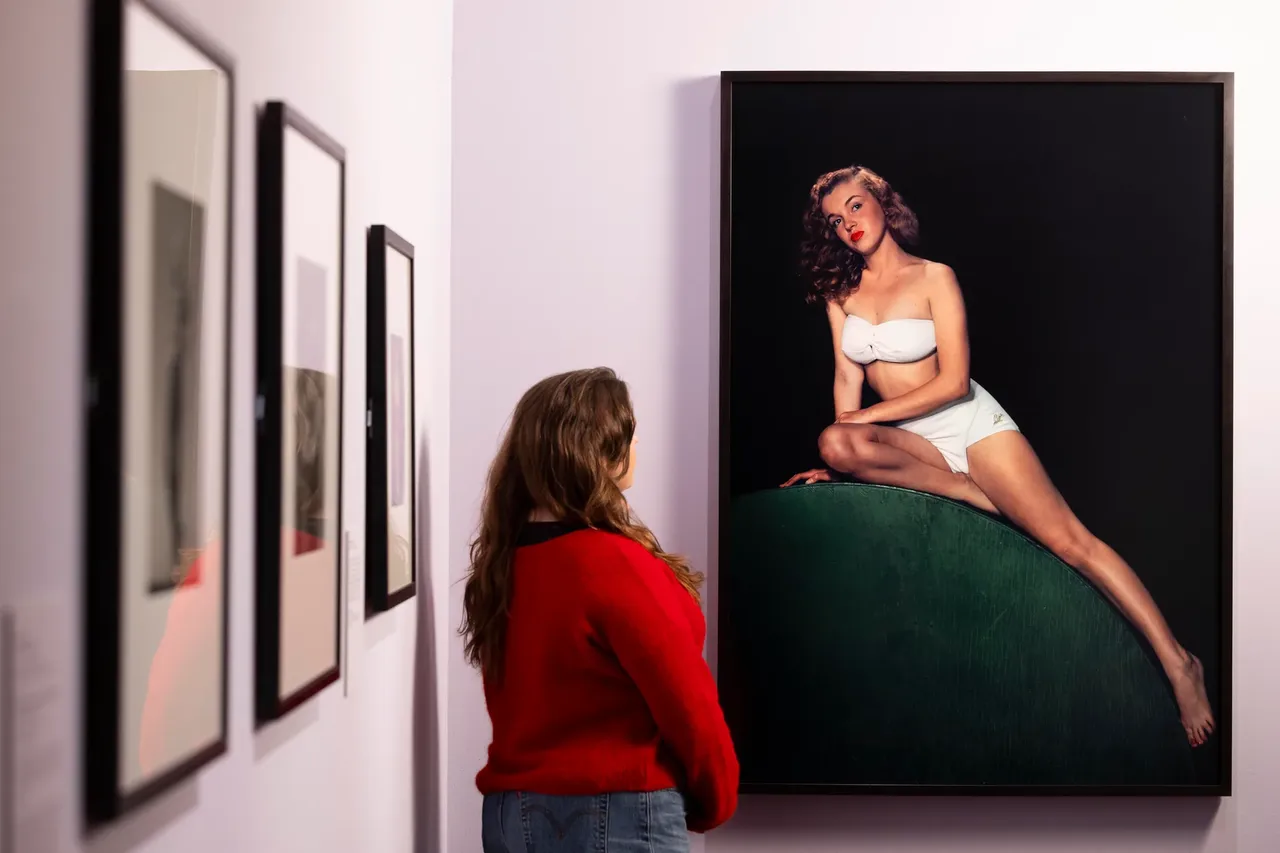
Norma Jeane Pin-up, 1946, by Bruno Bernard, Photo Bernard of Hollywood © 2026 Renaissance Road Inc.
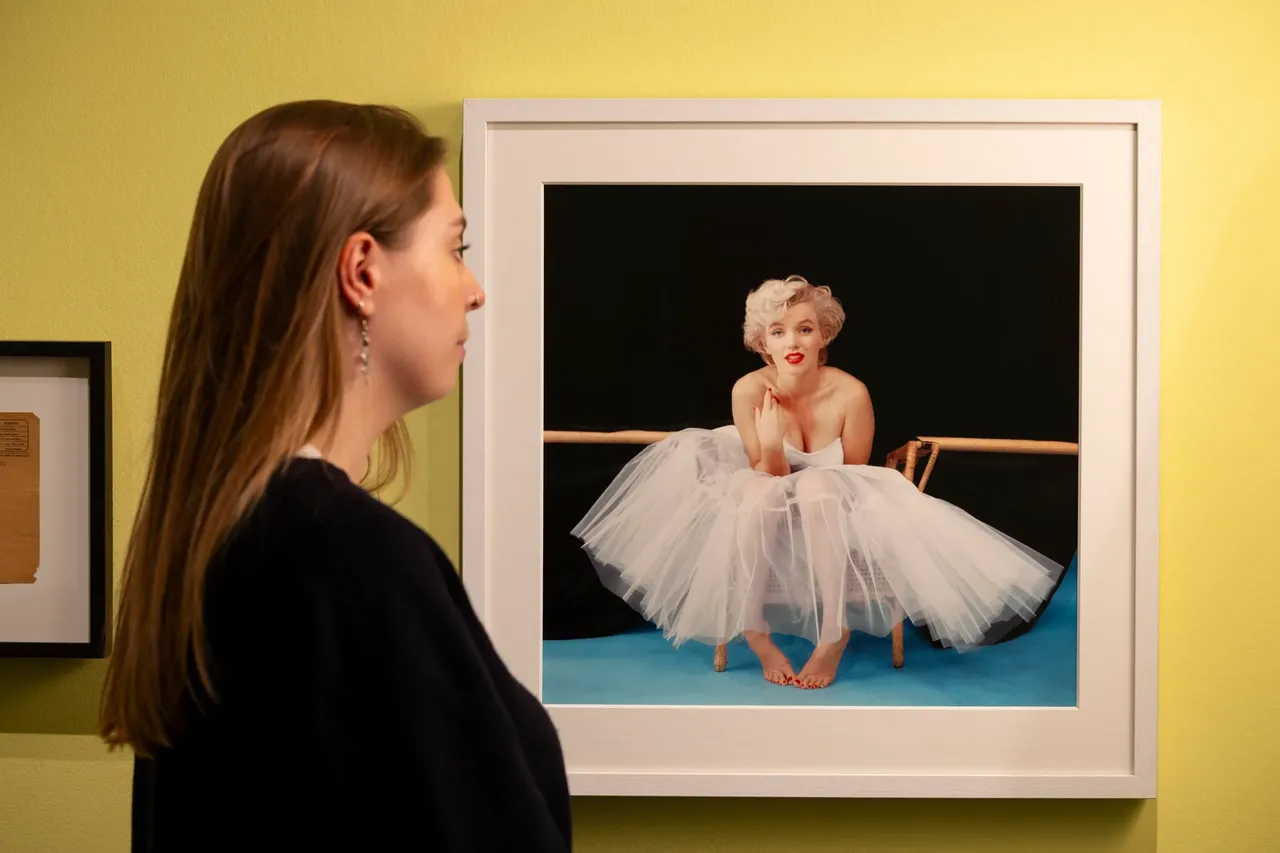
Marilyn Monroe, Ballerina Sitting, 1954, by Milton H. Greene, Milton H. Greene © MHG Collective, LLC.
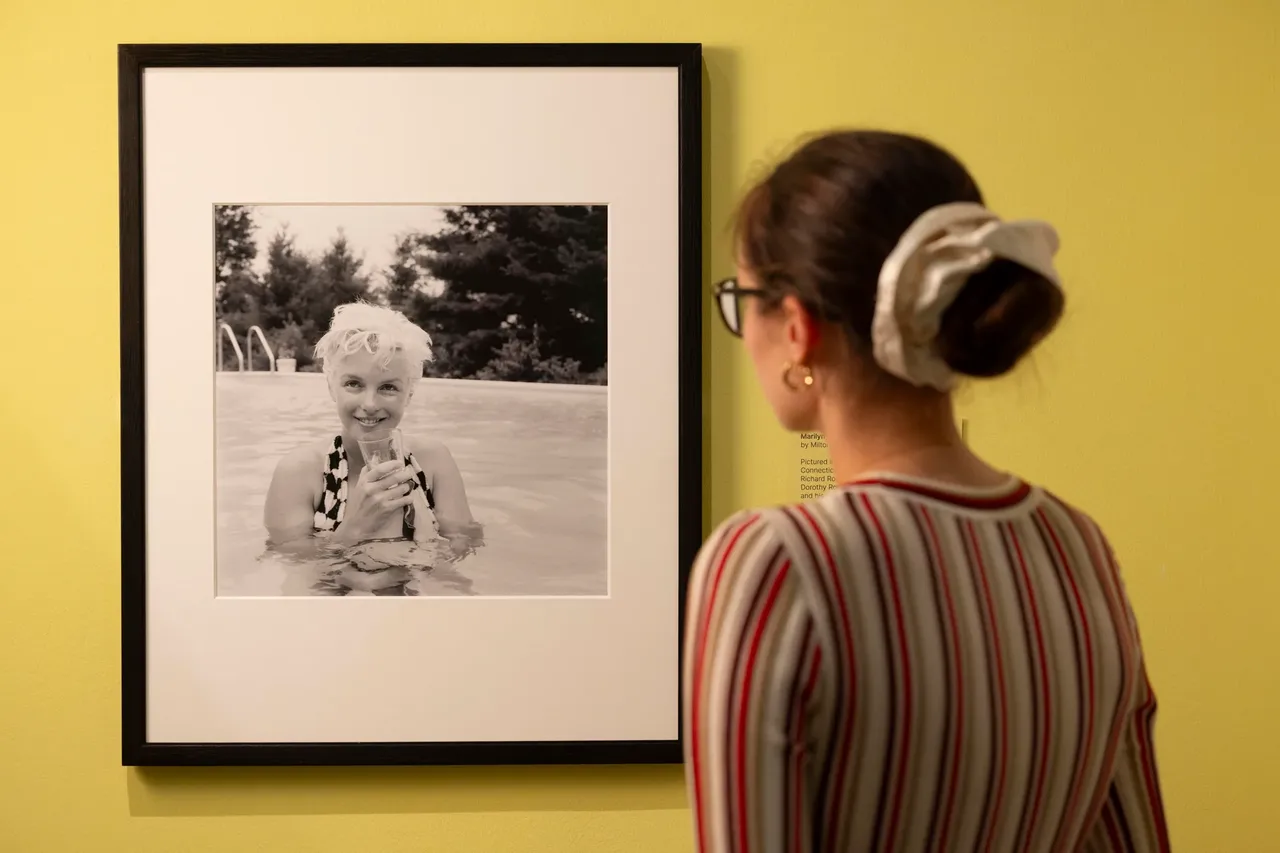
Marilyn Monroe, 1955, by Milton H. Greene © MHG Collective, LLC.
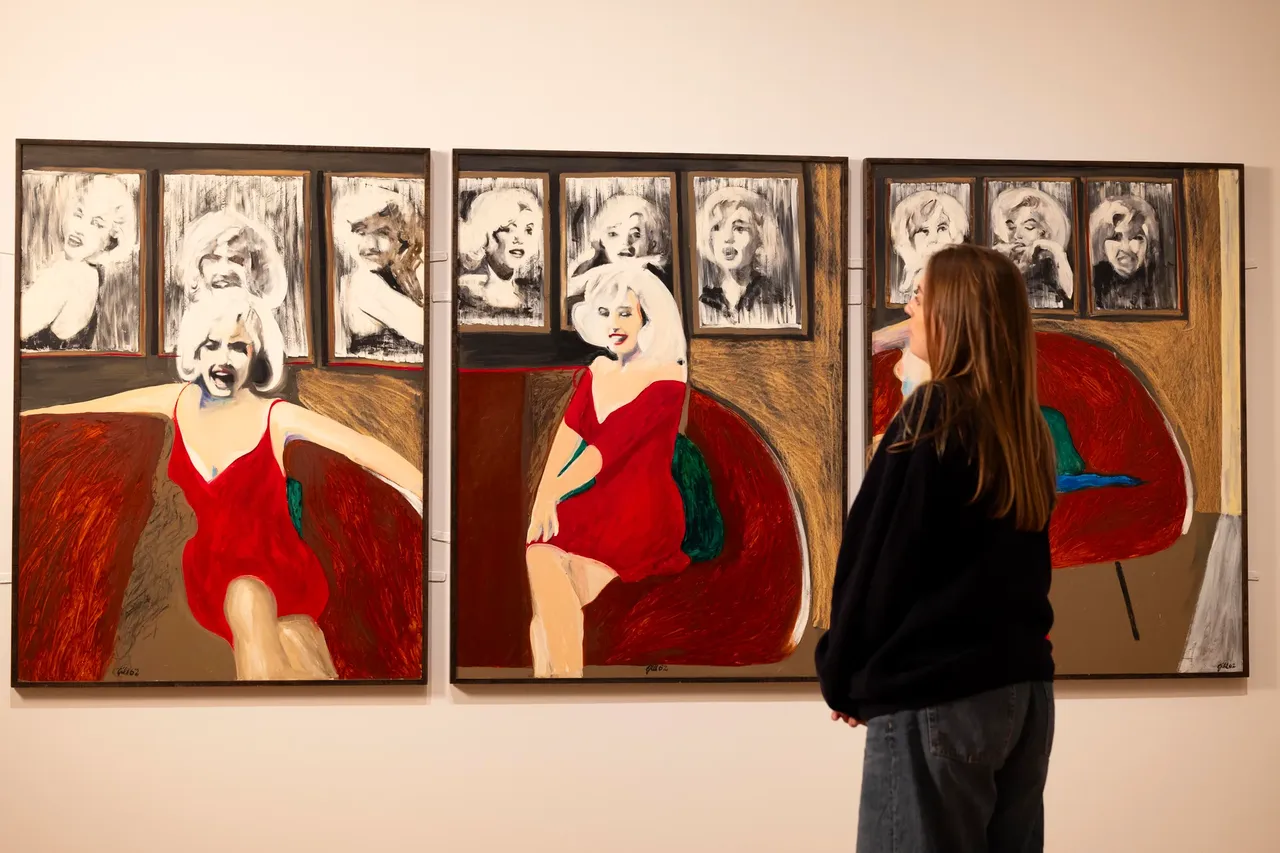
Marilyn, 1962, by James Francis Gill, © James Francis Gill / Premium Modern Art.
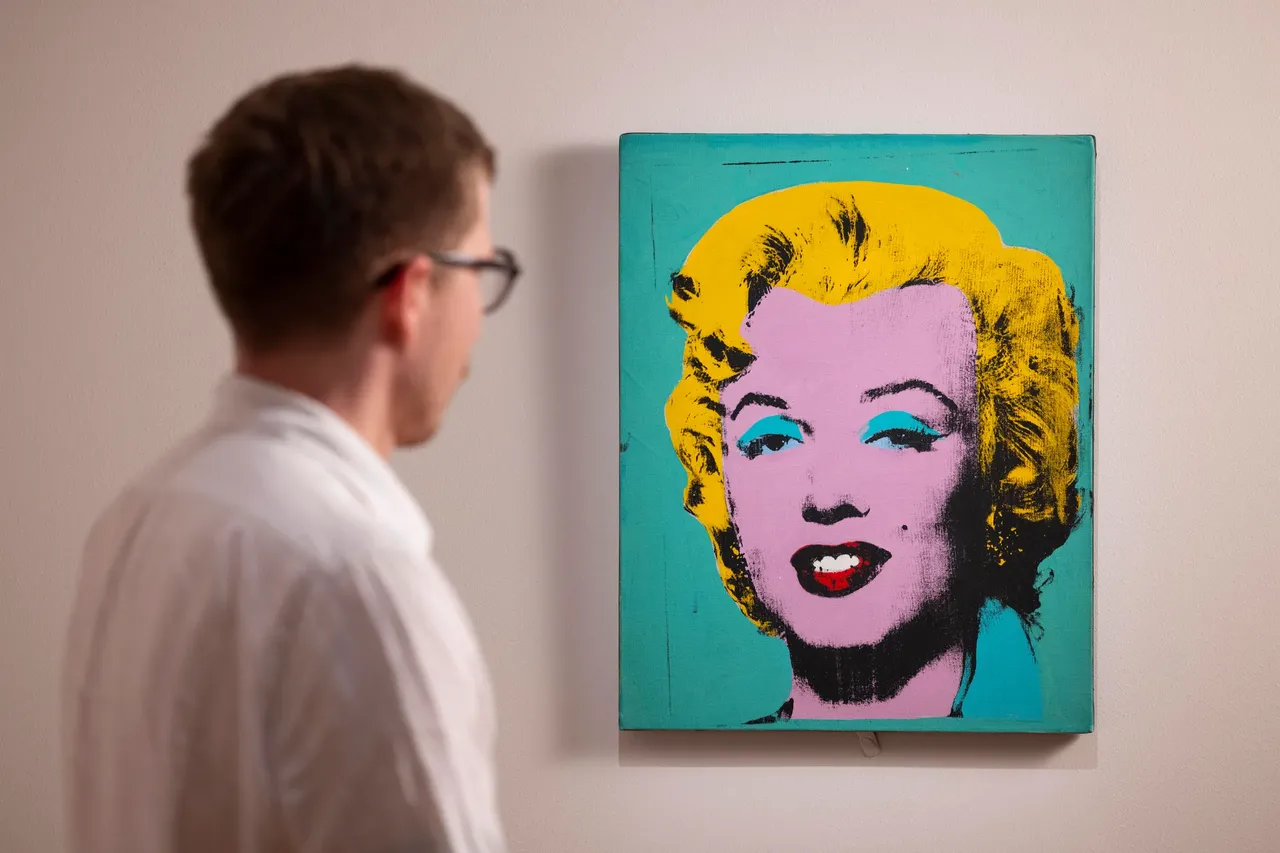
Green Marilyn, 1962, by Andy Warhol, © 2026 The Andy Warhol Foundation for the Visual Arts, Inc. / Licensed by DACS, London, National Gallery of Art, Washington. Gift of William C. Seitz and Irma S. Seitz.
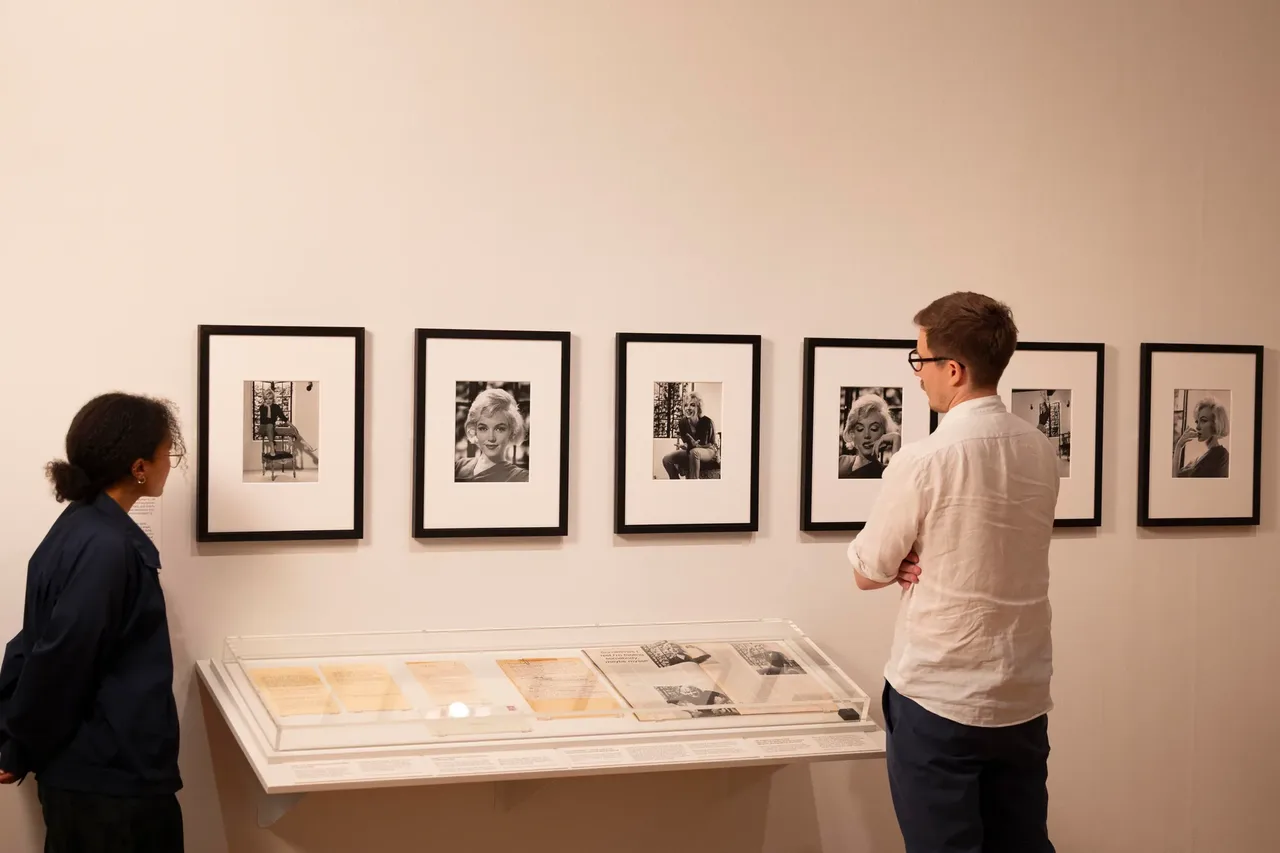
Marilyn Monroe, 1962, by Allan Grant, © 1962 MM LLC (Photographs by Allan Grant), www.marilynslostphotos.com.
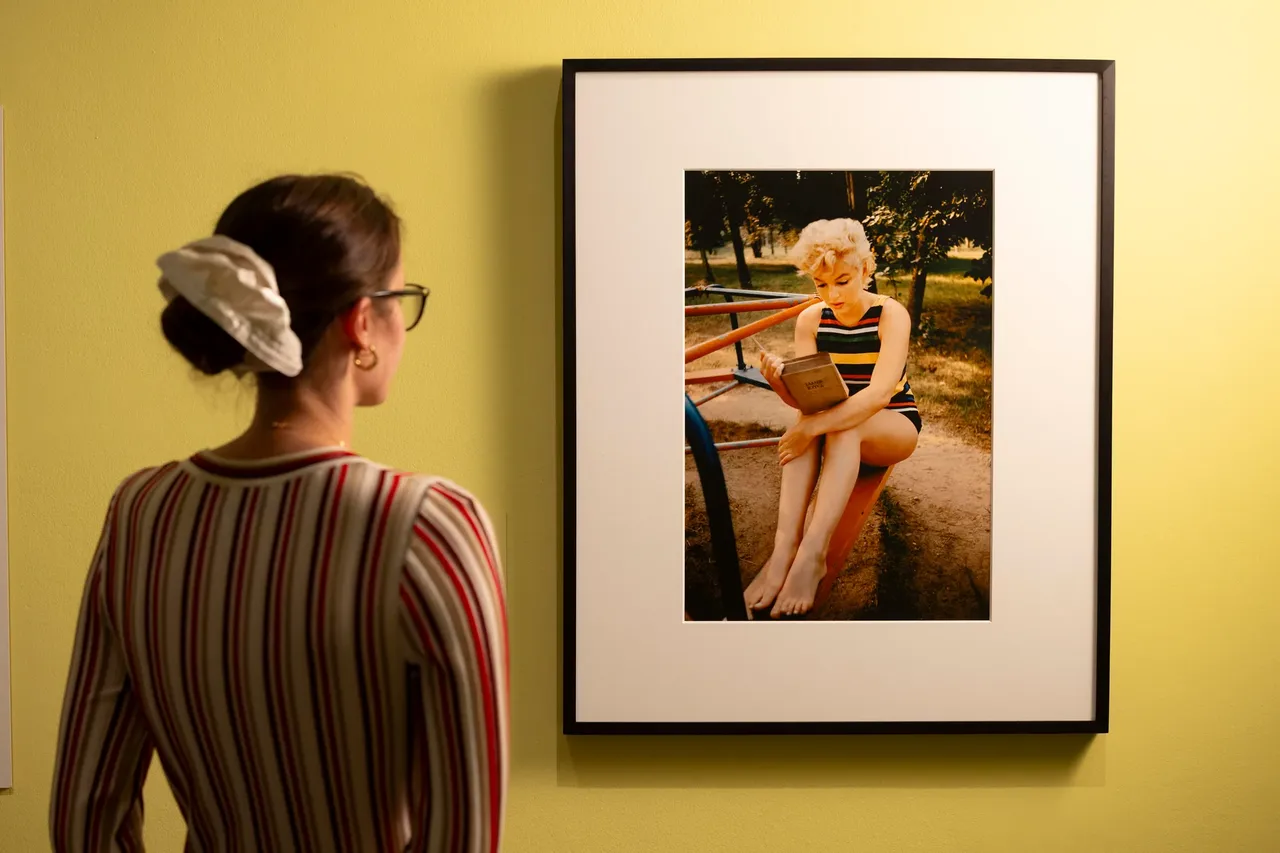
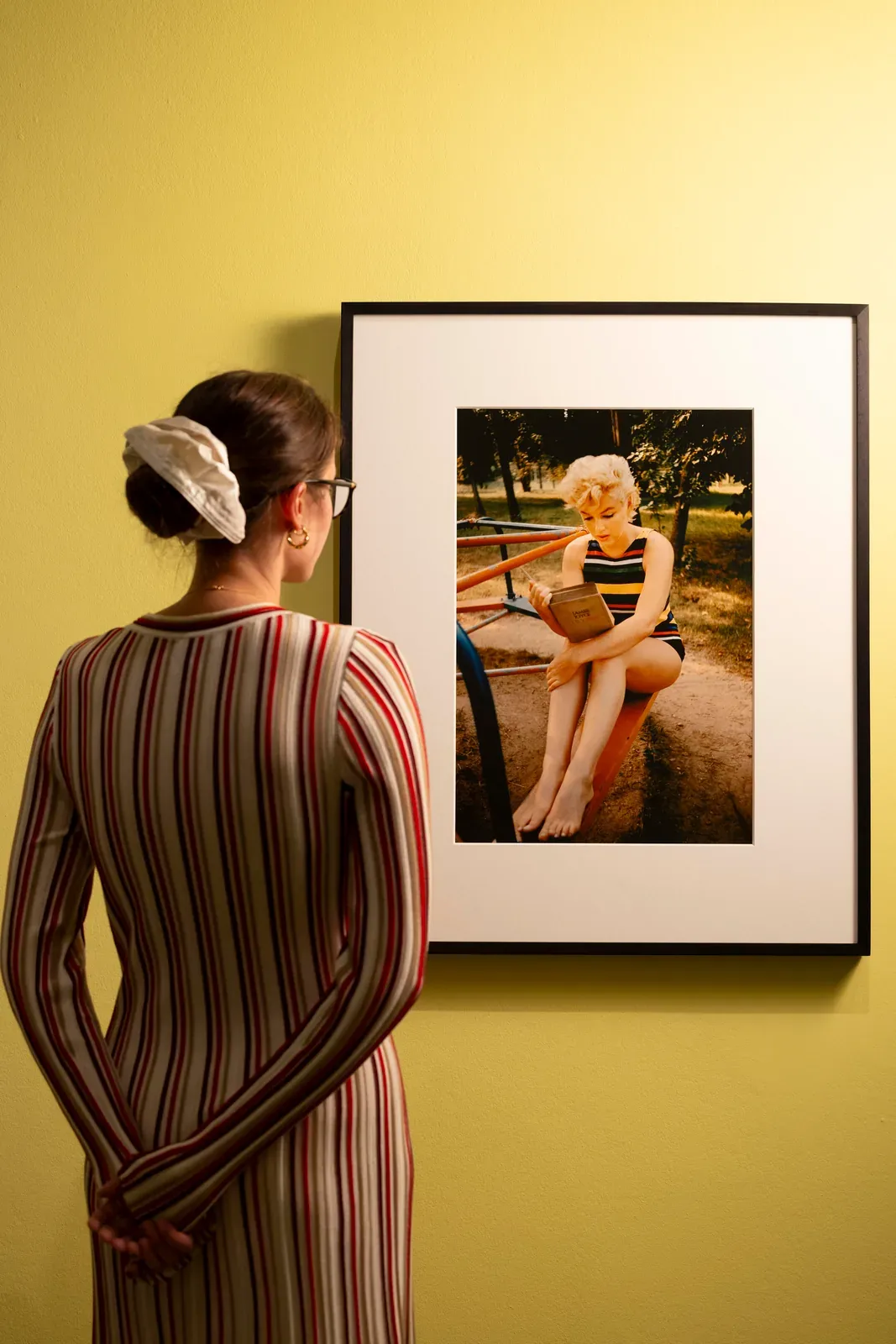
Marilyn Monroe, Mount Sinai, Long Island, 1955, by Eve Arnold, © Eve Arnold Estate.
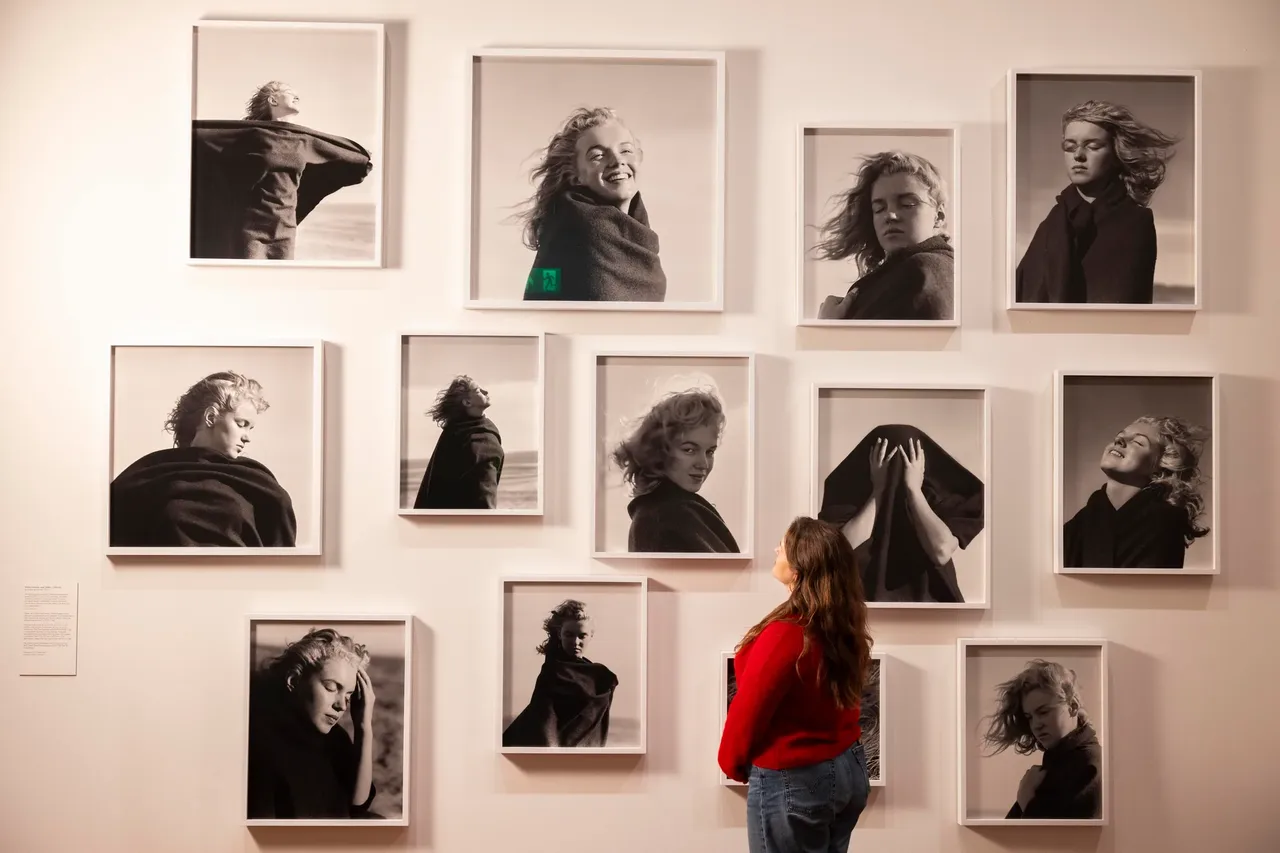
Marilyn Monroe, 1946, by André De Dienes, © André de Dienes / MUUS Collection.