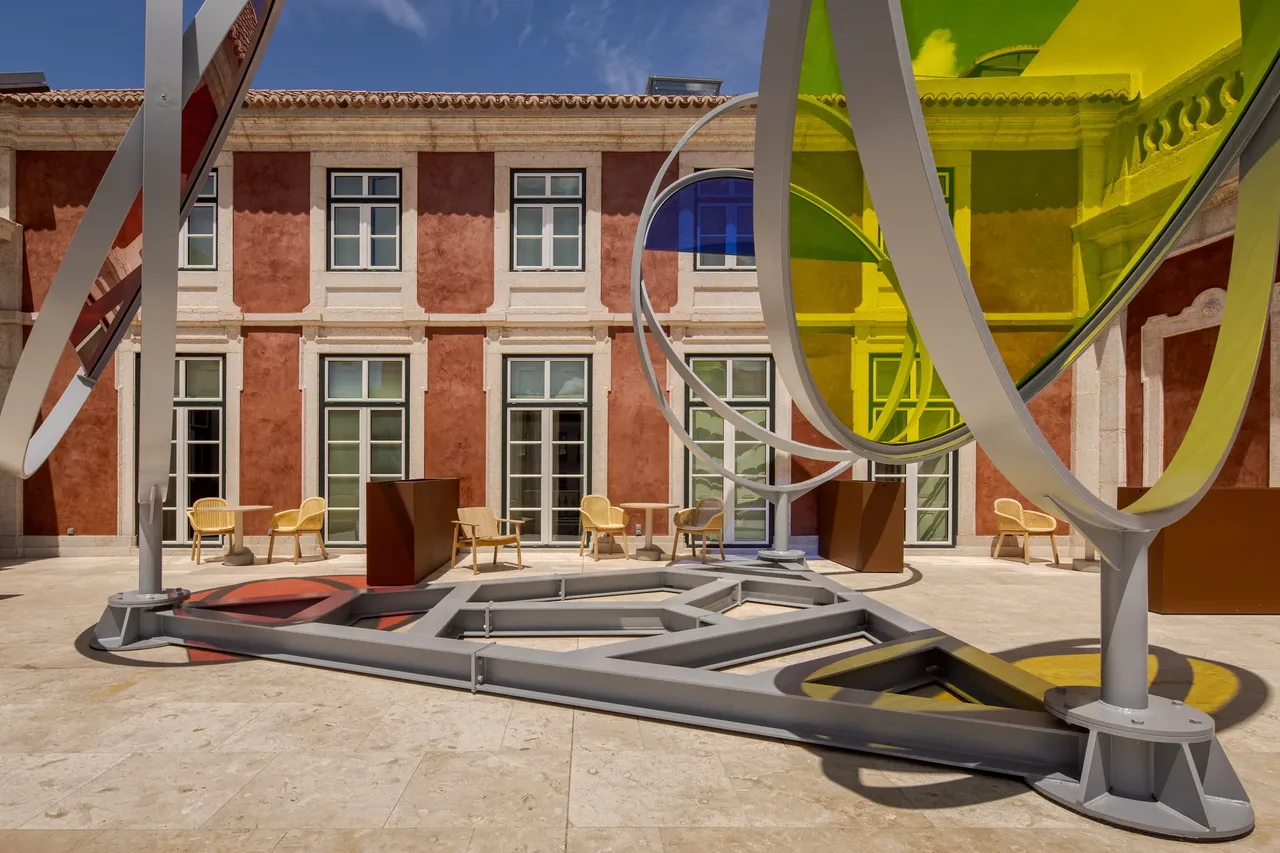
The Museu de Arte Contemporânea Armando Martins (or MACAM) and its accompanying MACAM Hotel thrive on their collective philosophy. It is both a hotel and a museum, leaving guests in a kind of hotel-museum-ception. Is it a museum in a hotel, or a hotel in a museum? The art, from the private collection of Armando Martins, is not relegated only to the four galleries, but lives in the halls, in every hotel room, even outside in the courtyard and in MACAM’s restaurants. But the question around where exhibit ends and living space begins is precisely what makes this place in Lisbon unique.
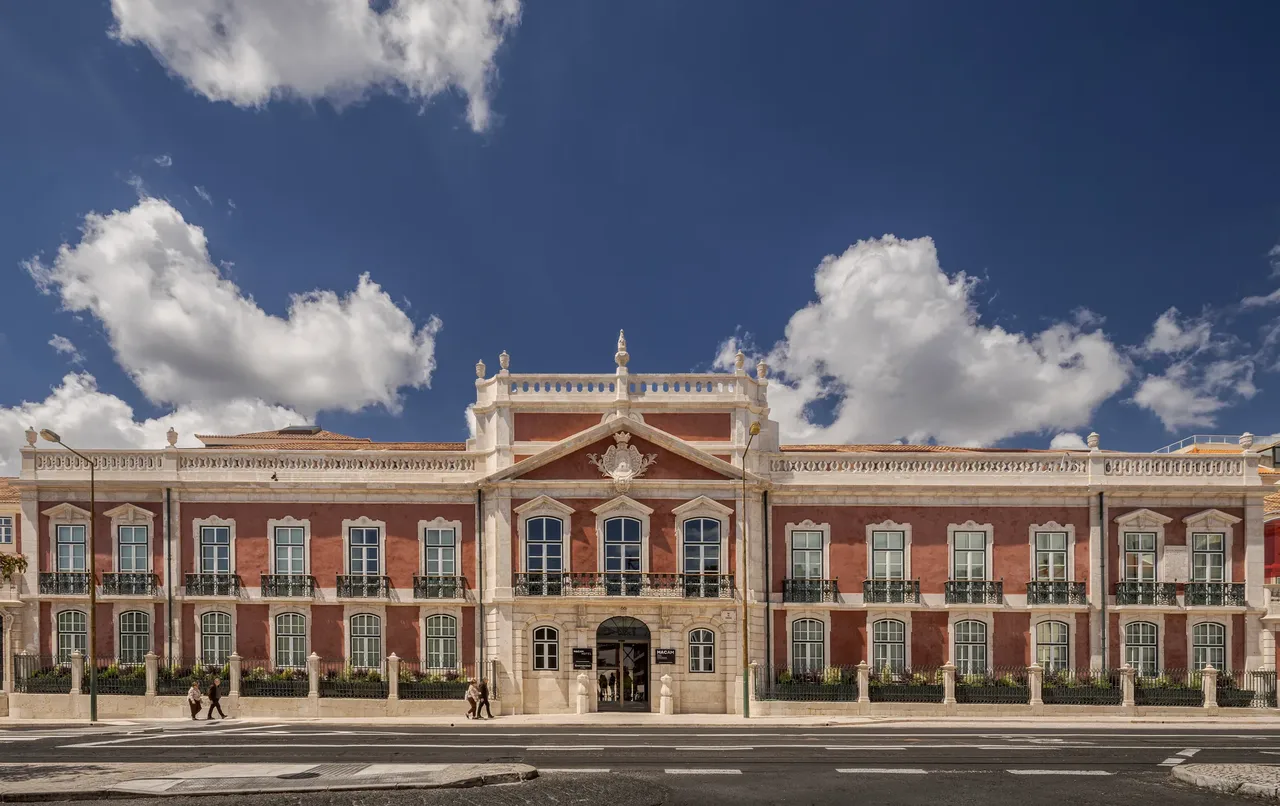
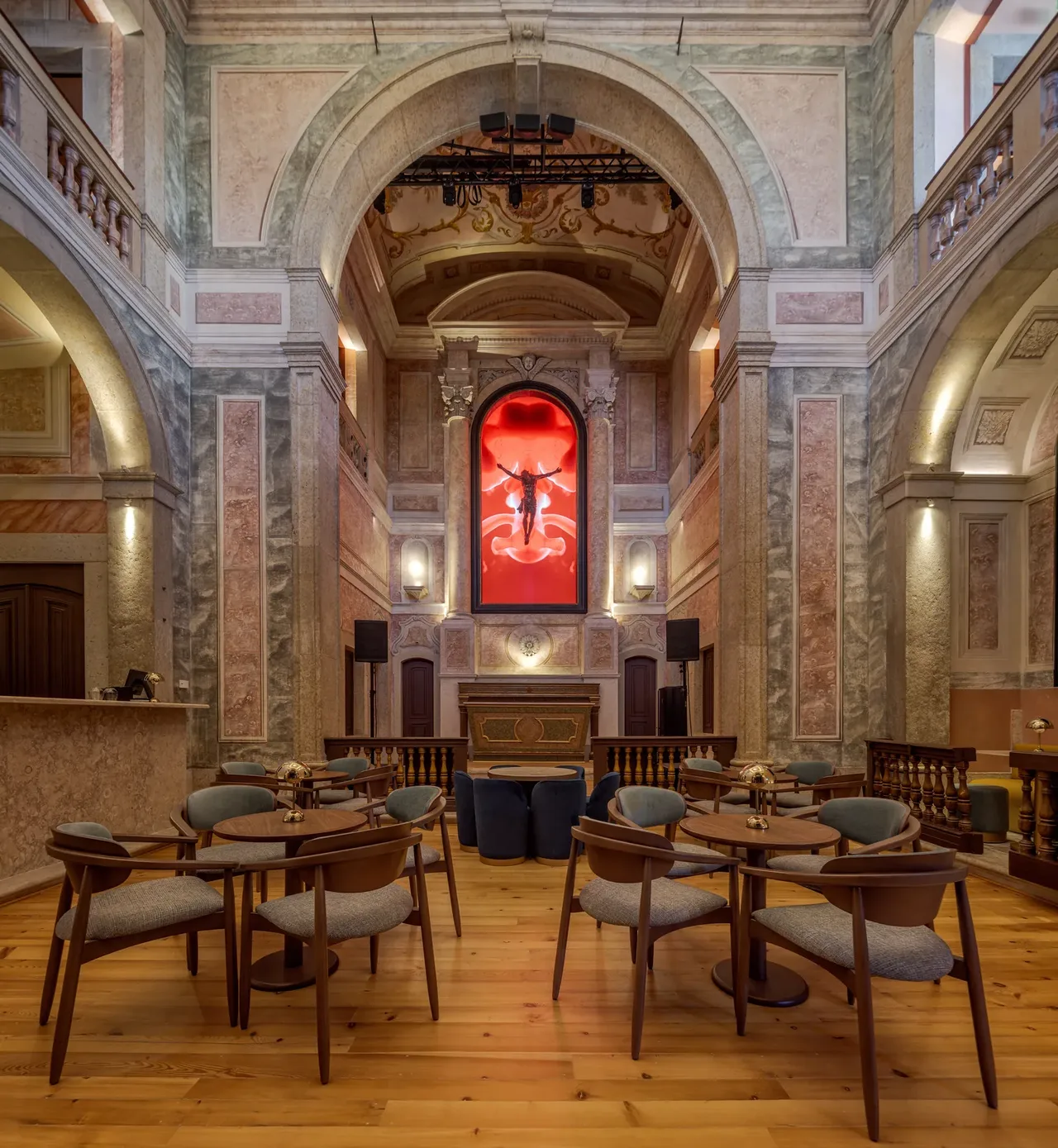
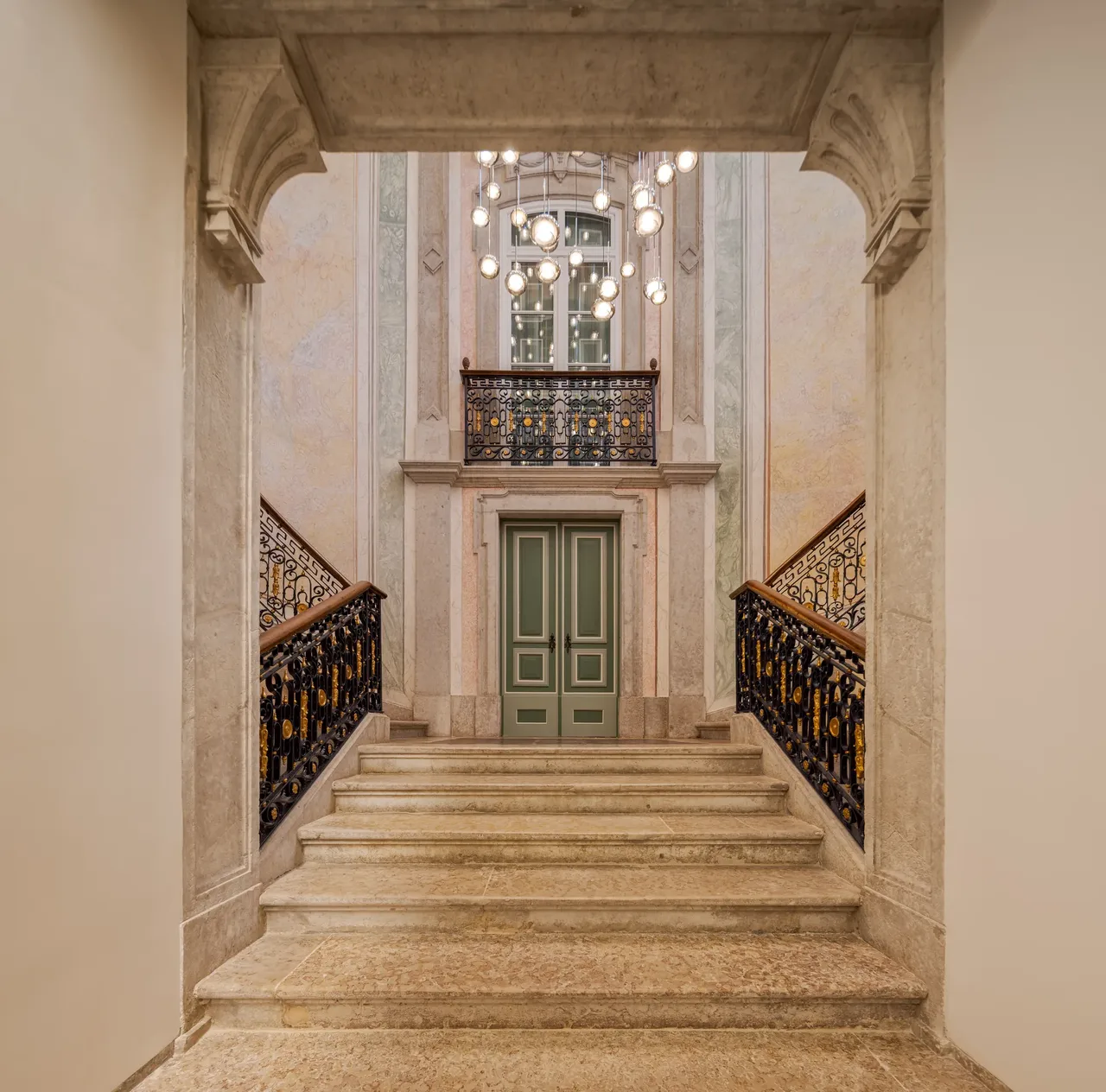
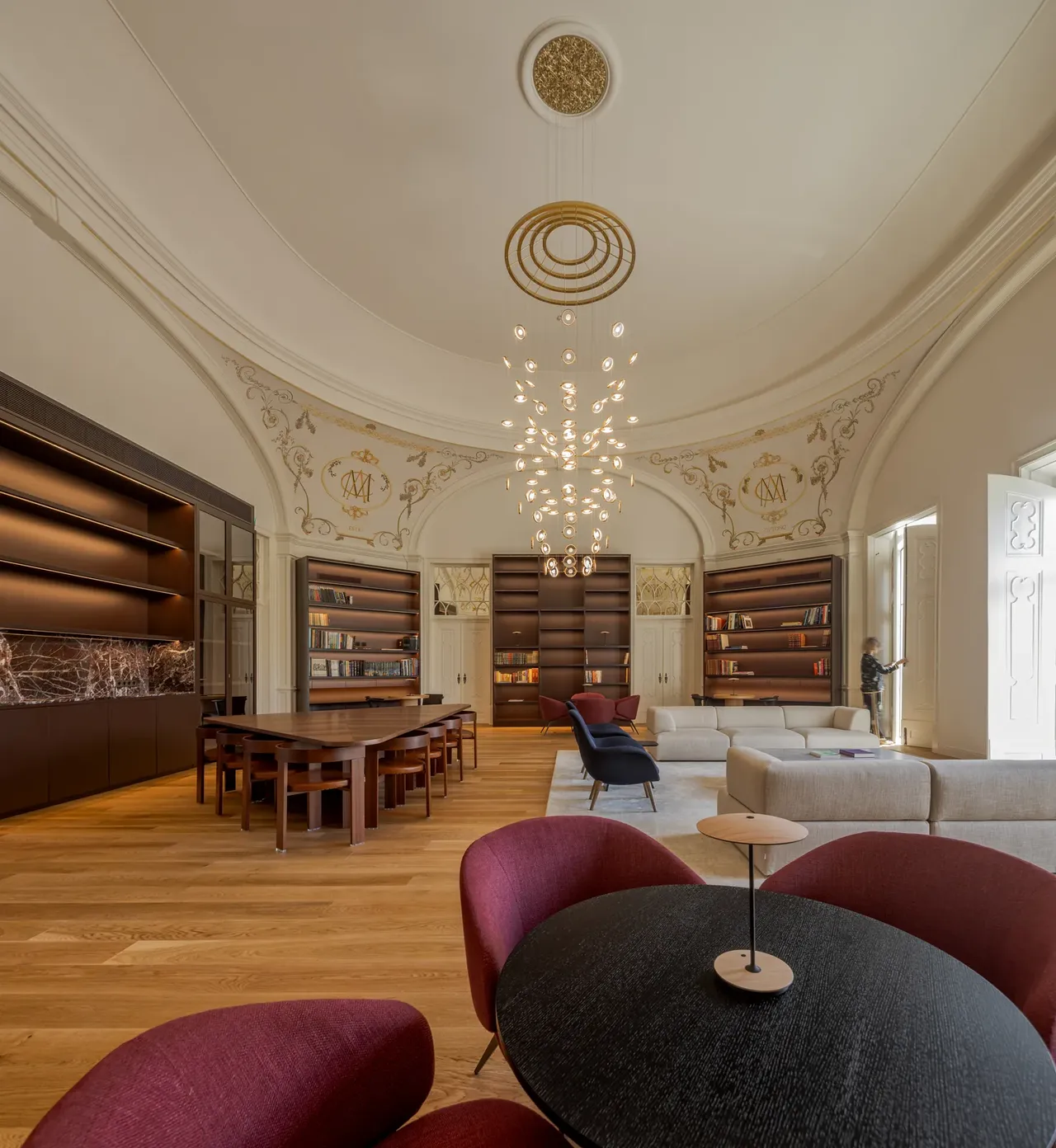
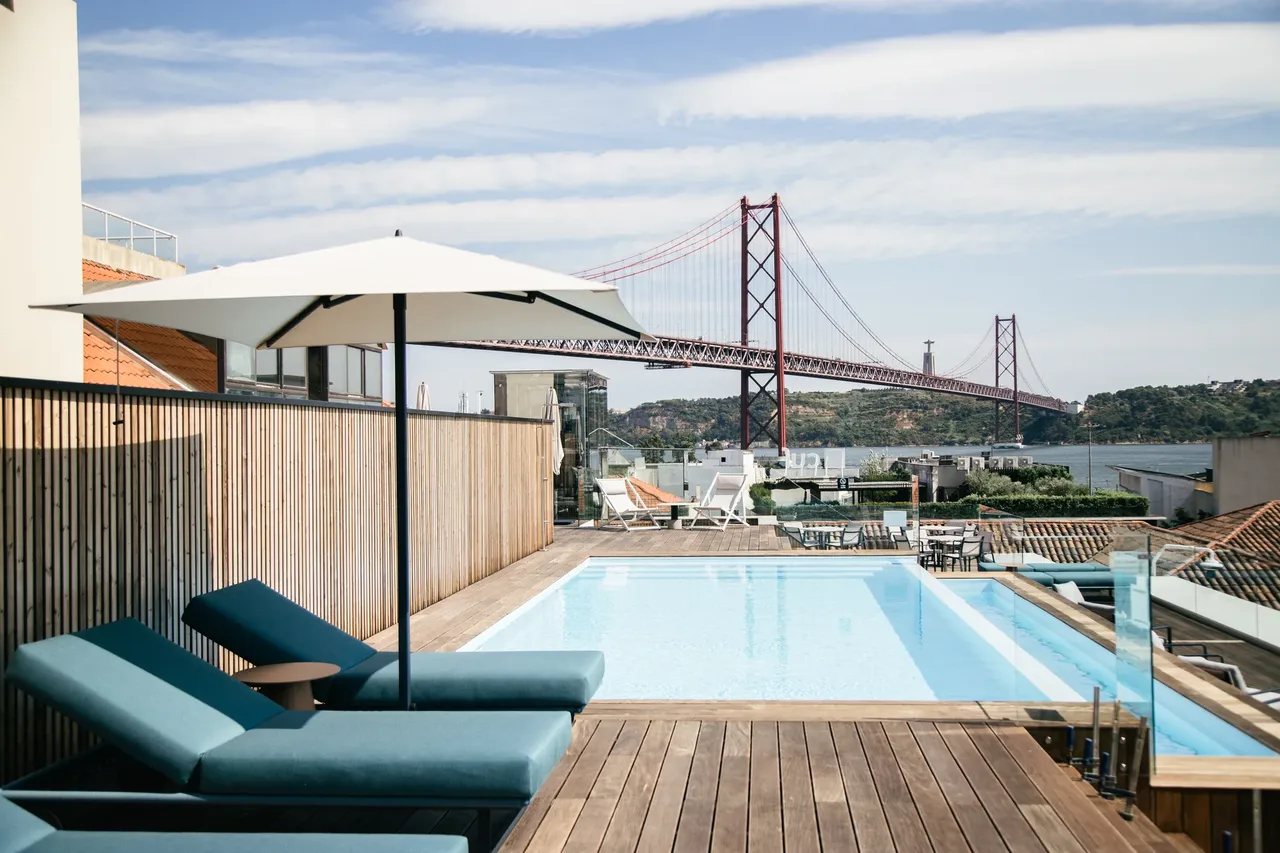
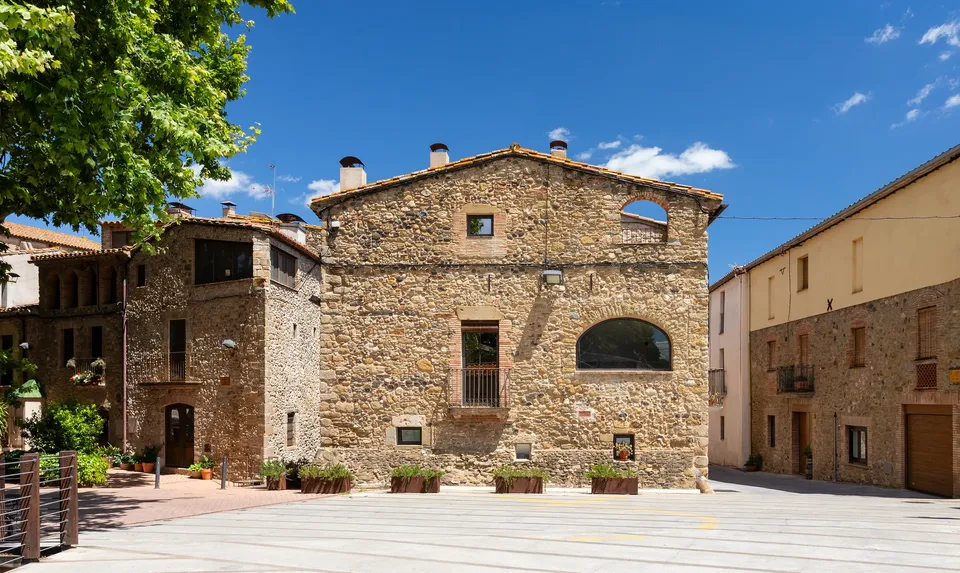
MACAM may not be in the heart of Lisbon, but its team would assert that it’s certainly not out of it. Space may be the word when it comes to MACAM: situated between Alcântara and Belém, the refurbished castle overlooks both the 25 de Abril Bridge and Cristo Rei, as well as being a ten-minute walk from LX Factory and a twenty-minute one from the original Pastéis de Belém. The compound feels like a bid between past and present. The Condes da Ribeira Grande Palace and chapel (desacralised to become the àCapela Live Arts and Bar) were painstakingly redone over around six years with respect to their original architecture and creative re-interpretations of their original interiors. The ceiling of àCapela for example, is done in a faux dome coffer that mimics the aged style of a Roman tempera mural. Though one eventually realises the architectural feature is not ‘real,’ the mimicry is incredibly impressive. If anything, it is endearingly surprising, making you look back up to wonder just how this was possible. Many walls around the compound are faux-marbled, though the effect looks closer to limewash than the actual stone. However, the look suits the space better than the sterility of hyperrealistic faux marble.
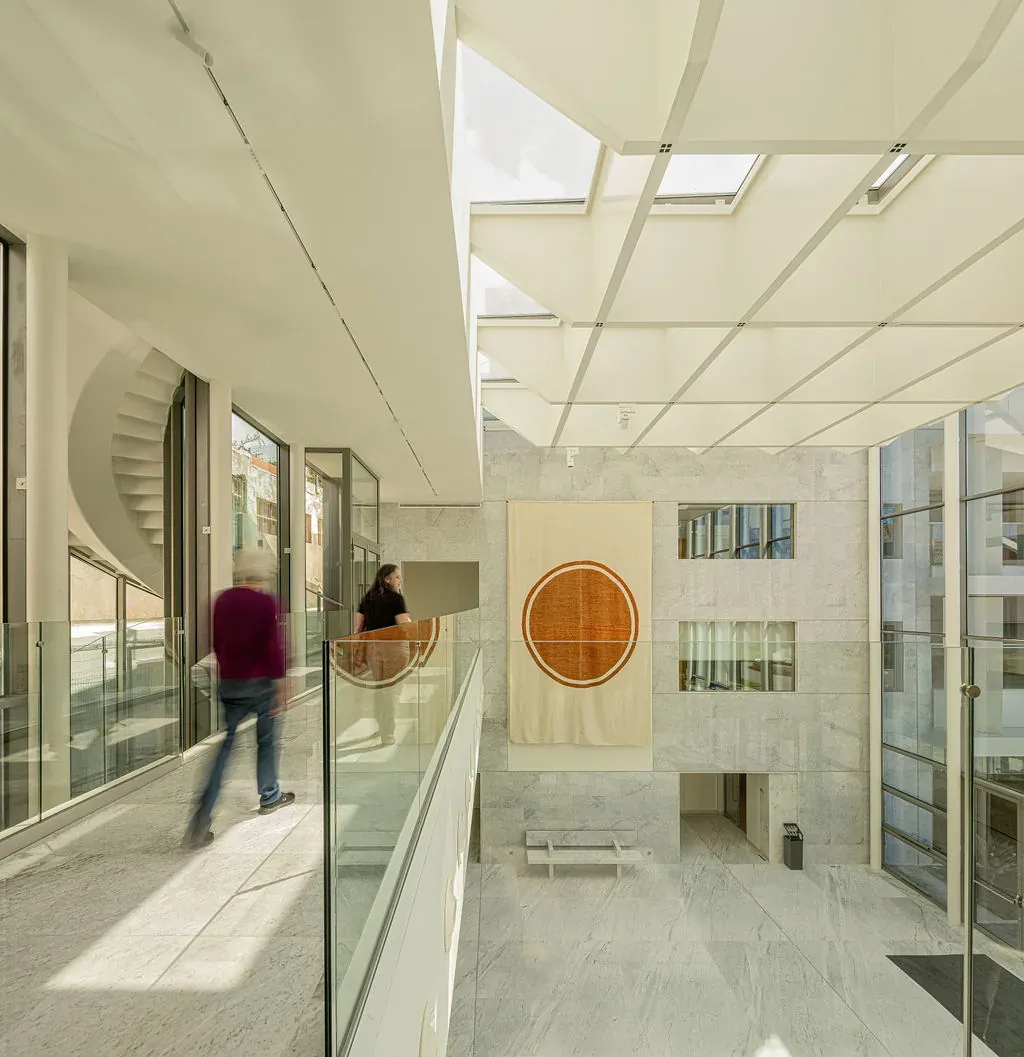
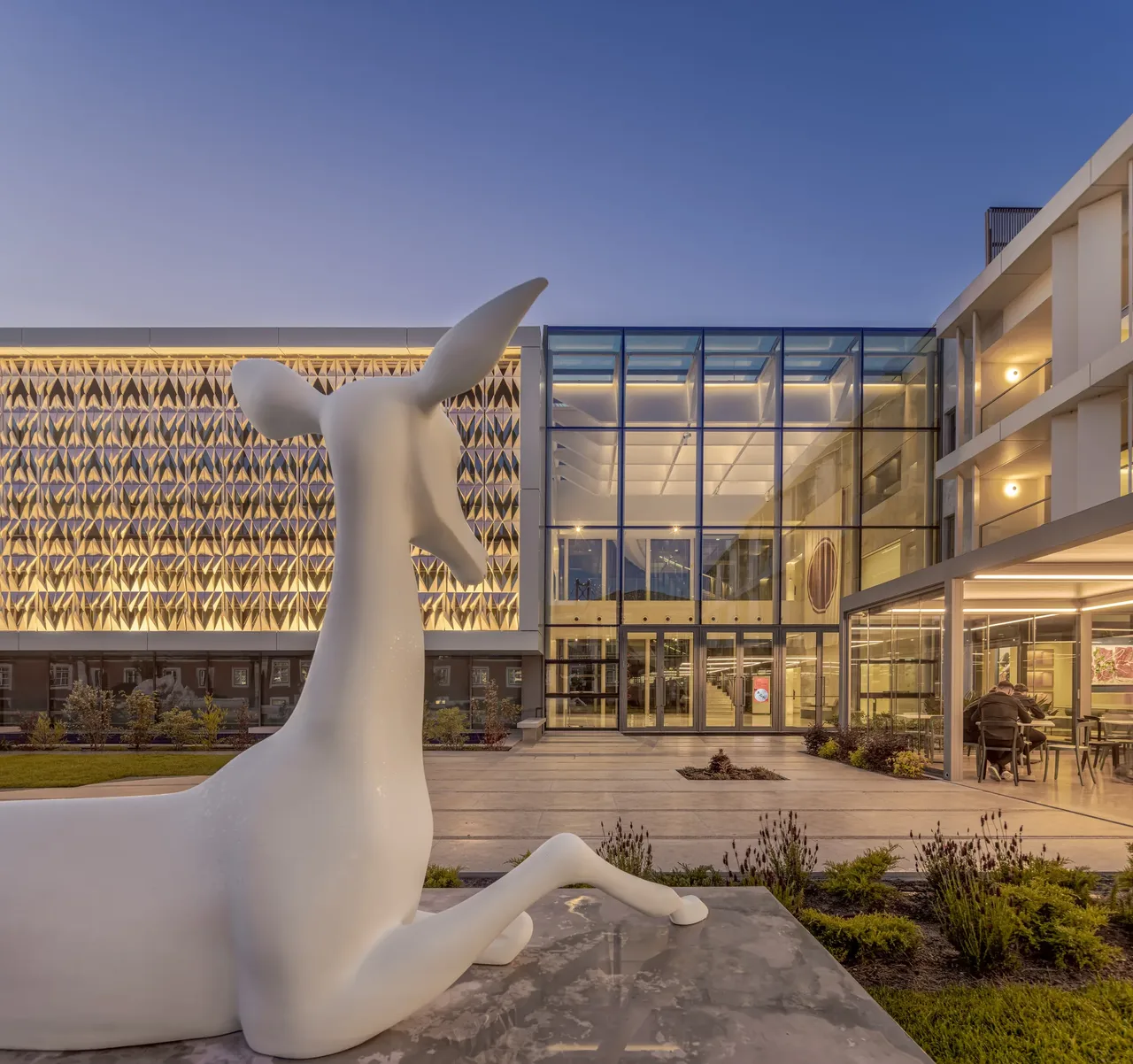
A major strength of MACAM is the warmth of the atmosphere, exaggerated by yellowed lights and the small square-footage of the galleries. The new wing, conversely, is a feat of modernity. The extension cradles the courtyard in a stretch of glass, geometric window coverings, and a reflecting pool, which (I was fortunate enough to see) offers a cat that occasionally roams the courtyard relief from the heat. You would think the glass and marble work together in a clinical combination, but the warm pink exterior of the main building and Portuguese sunlight shine through, once again making the space feel welcoming.
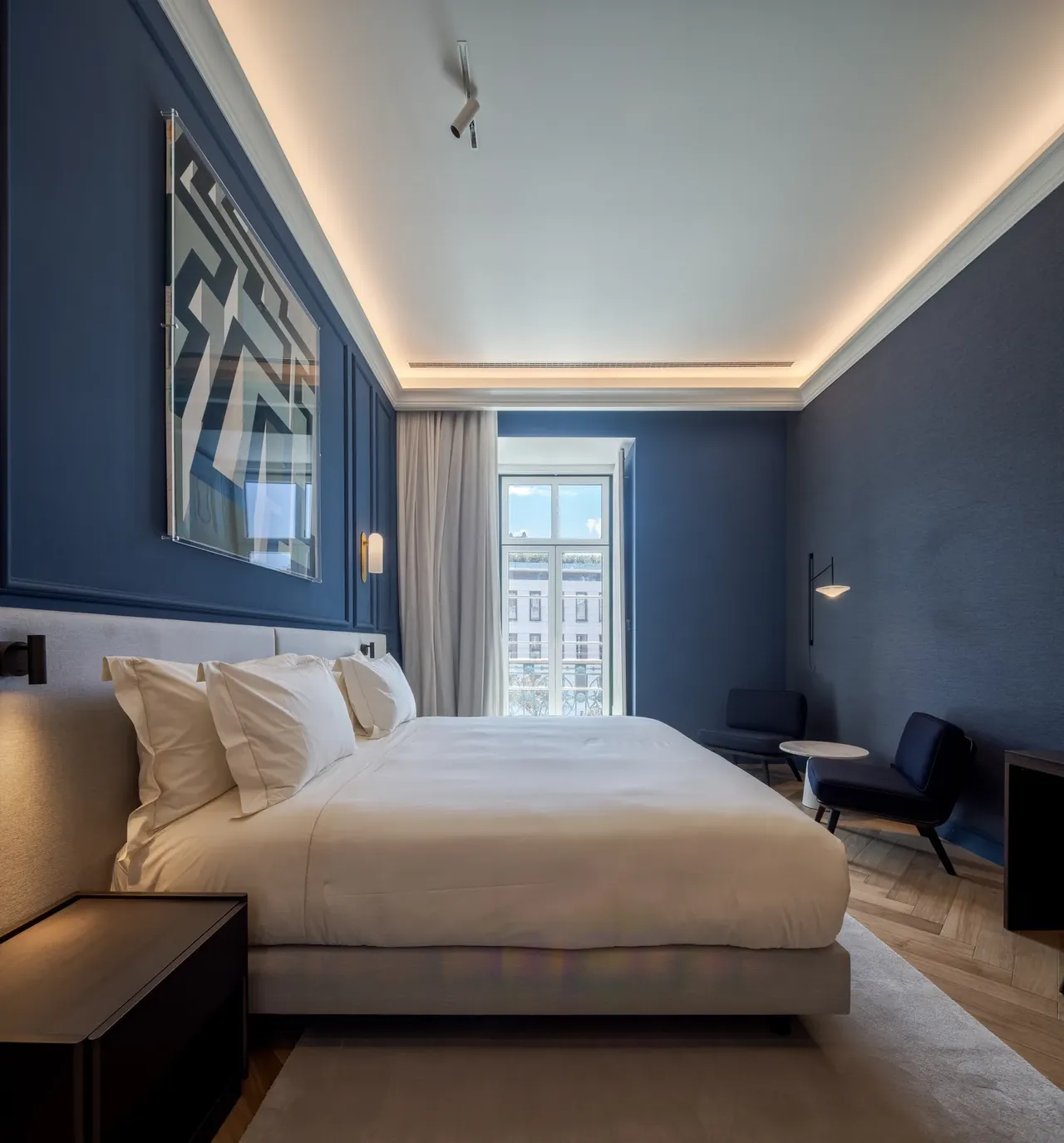
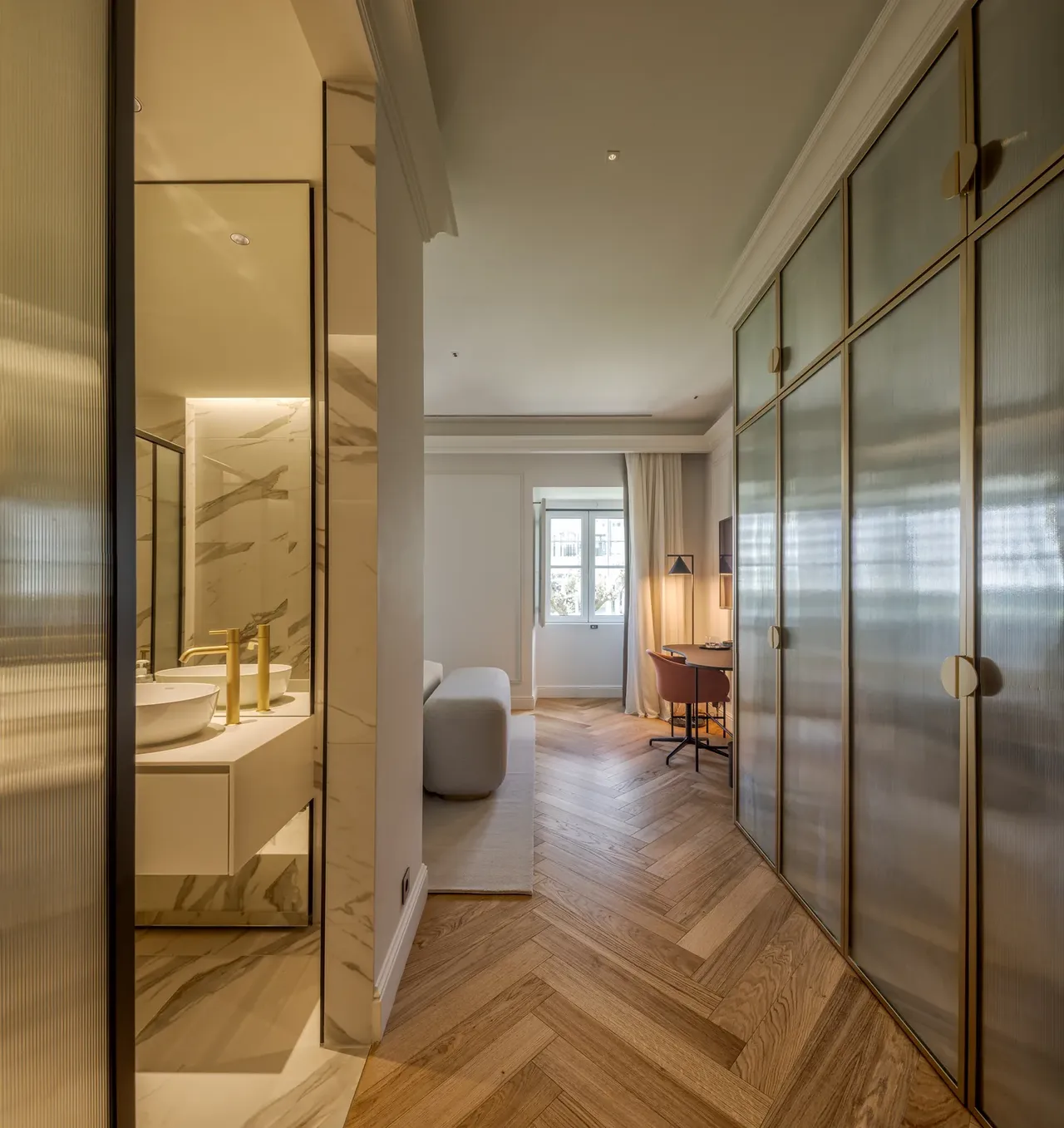
Inside, the hotel rooms are lush, the beds seductively comfortable, even the toilet paper is plush and doesn’t tear! There are also a plethora of room types, including studio-style rooms with kitchenettes for families and longer stays. Given MACAM’s obsession with self-identity, the attention to detail feels appropriate. According to staff on a guided tour, each detail —from the furniture to the art in the common spaces— was chosen or approved by Martins and his daughter Sophia, who is heavily involved in MACAM. The hotel was even able to convince the famed Lisbon brand Benamôr to partner with them for a hospitality line in the brand’s classic art deco packaging. The Gordíssimo line is the official scent of the hotel. Not only are you left goodies in the warm almond-jasmine scent, but even the rooms and common areas smell like it. The move is incredibly astute from a marketing perspective. The smell becomes associated with place and time, like a loved one’s perfume or cologne; the line will always nostalgically throw you back to your stay in MACAM.
On your first night, staff deliver a plate of in-season fruit and delectable tarts, which after a long day of travel, feels heavenly. The pool is refreshing and probably where I spent most of my time outside of the galleries (heatwave!). However, it is a bit small, which is unfortunate due to its popularity among guests. Its rooftop location and glass railing also mean that when the sun is out, there is not nearly enough shade. Even when using the deck umbrellas, the glass railing which surrounds the terrace pool reflects the sun back onto you. However, the gripe was not enough to ruin the experience, especially considering the amazing view, cool water, and availability of fresh, sun-warmed towels. Just be sure to bring sunglasses, reapply sunscreen, and drink plenty of water.
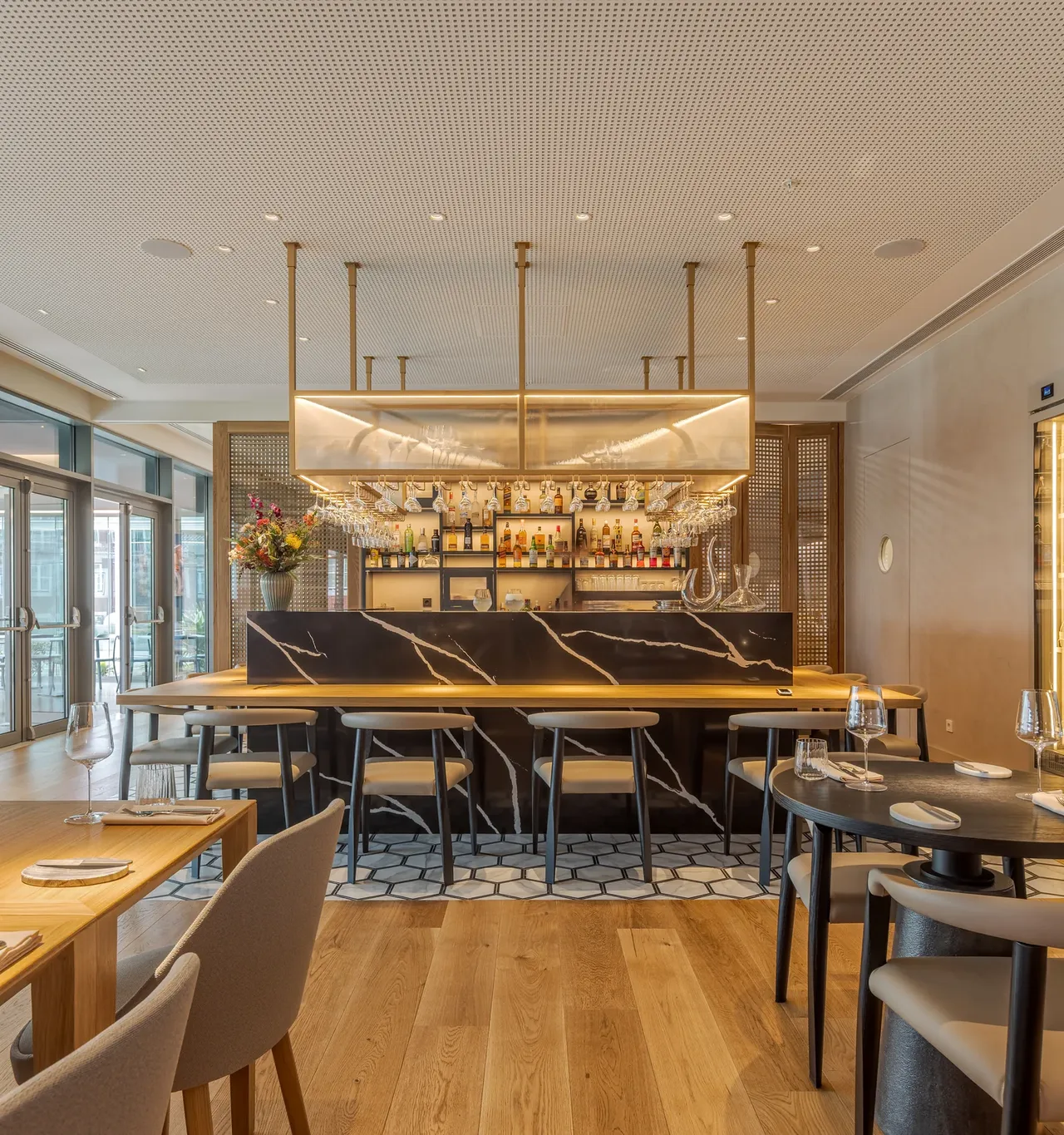
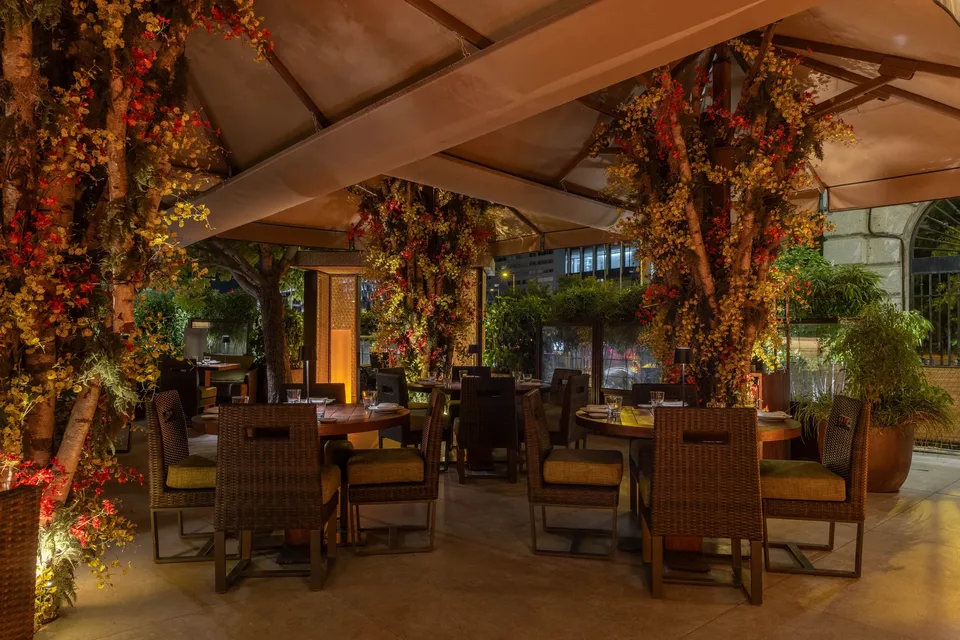
The breakfast, which is included in your stay, is deceptively simple. There is a continental-style buffet, but once you sit, the waitstaff deliver a menu with made-to-order coffee and meal options. The buffet choices range from fresh-cut fruit to buttery smoked salmon and classic pastéis de nata. Menu options include eggs in a plethora of ways, pancakes, and more. Whether you prefer sweet or savoury, the four-hour mealtime stretch has options to please all. The hotel restaurant, Contemporâneo, is conceptually interesting, favouring local ingredients (including a hotel vegetable garden), Portuguese classics, and art-inspired food. Dessert was a standout: a delectable orange trifle (shaped like the fruit) inspired by Armando Martins’s favourite artwork in his collection, Eduardo Viana’s A Woman with the Orange. àCapela, on the other hand, has a menu of drinks and small bites. Each bite was incredible, from small pastry cups of crab to the mocha-hazelnut dessert dome, and there were plenty of non-alcoholic drink options.
àCapela is perhaps the heart of MACAM’s magic. The stage is framed by Carlos Aires’s mind-boggling Trinity, where a crucified Jesus floats in the centre of a screen that swaps between esoteric scenes: cutouts of eyes, people falling into the ocean, a busy traffic stop, and more. This rotation continues while a Fado band and in-house singer Maria Ana Bobone perform. Bobone is like a 70s siren with her flowy dresses, curtain bangs, and chunky high heels. After every song, her smile is irrepressible. In fact, the entire band seemed wholly passionate. One guitarist played with his mouth open and eyes closed in concentration, one smiled at his instrument, and one practically jumped out of his seat as he played. The combination of the singer and the band is utterly entrancing. Her voice surrounds the chapel; when she begins, her voice is soft but it eventually grows in resonance and intensity before ending in a final crescendo that leaves you totally slack-faced in awe. As the night progresses, she never loses her effect. It’s hard to put into words the impact of her performance, and every video I took fails to capture the incredible soundscape that is the chapel. Her voice follows you, lingers behind you, enraptures you. Though her Fado is not entirely traditional (as she often accompanies herself with piano), it’s impossible to dislike her performance. Bobone also invites a range of guest performers to sing with her, once again adding a fun twist to the traditional style.
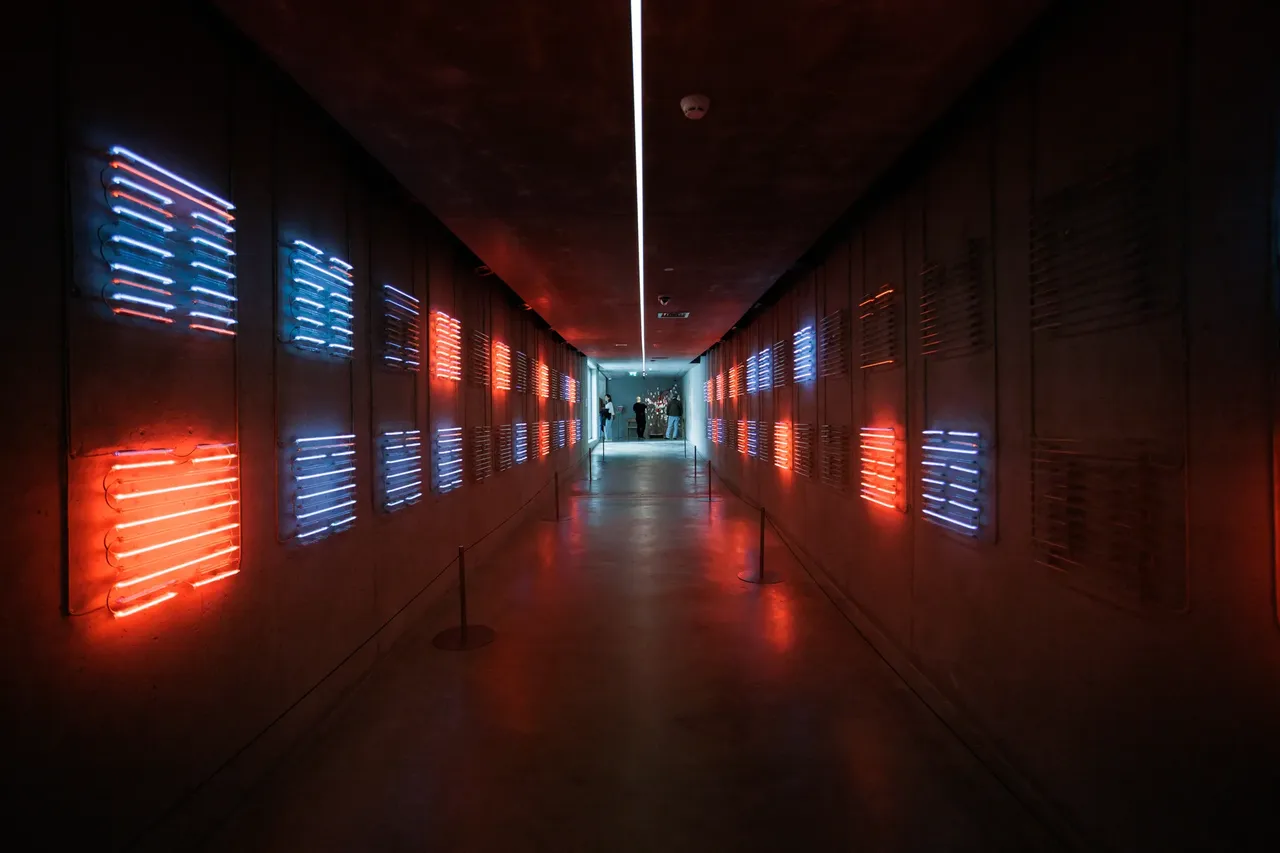
Speaking of style, MACAM is the “house of private collections,” and aims to make public the private collections that so often get left unseen. Armando Martins is known to say “If you want to know me, you have to know my collection,” and the declaration rings true. Before entering, I wondered how good the private collection of any one person can really be, but Martins (with the help of MACAM’s brilliantly talented team of curators) has a clear vision and diverse taste. The hotel refuses a specific political lean, but the art paints (get it?) another picture. Much of luxury is rooted in avoiding the political, but MACAM finds a clever balance between the two with its official-unofficial lean; while a hotel is staunchly apolitical, a museum inherently is. Standout artwork in the halls includes Marjetica Potrč’s 2003 Soft Targets, hard surfaces and Mané Pacheco and Susana Mendes Silva’s photography duo of a golden tampon in tandem with a bullet strung like a tampon. The artwork highlights Portuguese artists, but also comments on the global.
In the exhibition Other Spaces, I was able to chat with one of the curators, Carolina Quintela, who explained her urging to place two photos by Vanessa Beecroft next to one by Filipa César. The impact was incredibly meaningful: two harsh portraits of women in bland colours being contorted by their costuming and one of a bundled-up woman posing like the model on a giant billboard that towers over her. The small segment was a transition from the constraints and artificiality of feminine expectation to the collectivity of womanhood. It was at once funny and cutting. Some may argue that the MACAM gallery spaces are too small, but given the usual stay at MACAM is two to three nights, the space of the galleries feels apt. An entire stay could be spent poring over the details in each piece of art (which is everywhere), or all galleries could be seen in a single day in order to hit nearby museums like the Museum of Art, Architecture and Technology and the Berardo Art Deco Museum. MACAM is not a hotel you’d feel guilty for not leaving your entire stay.
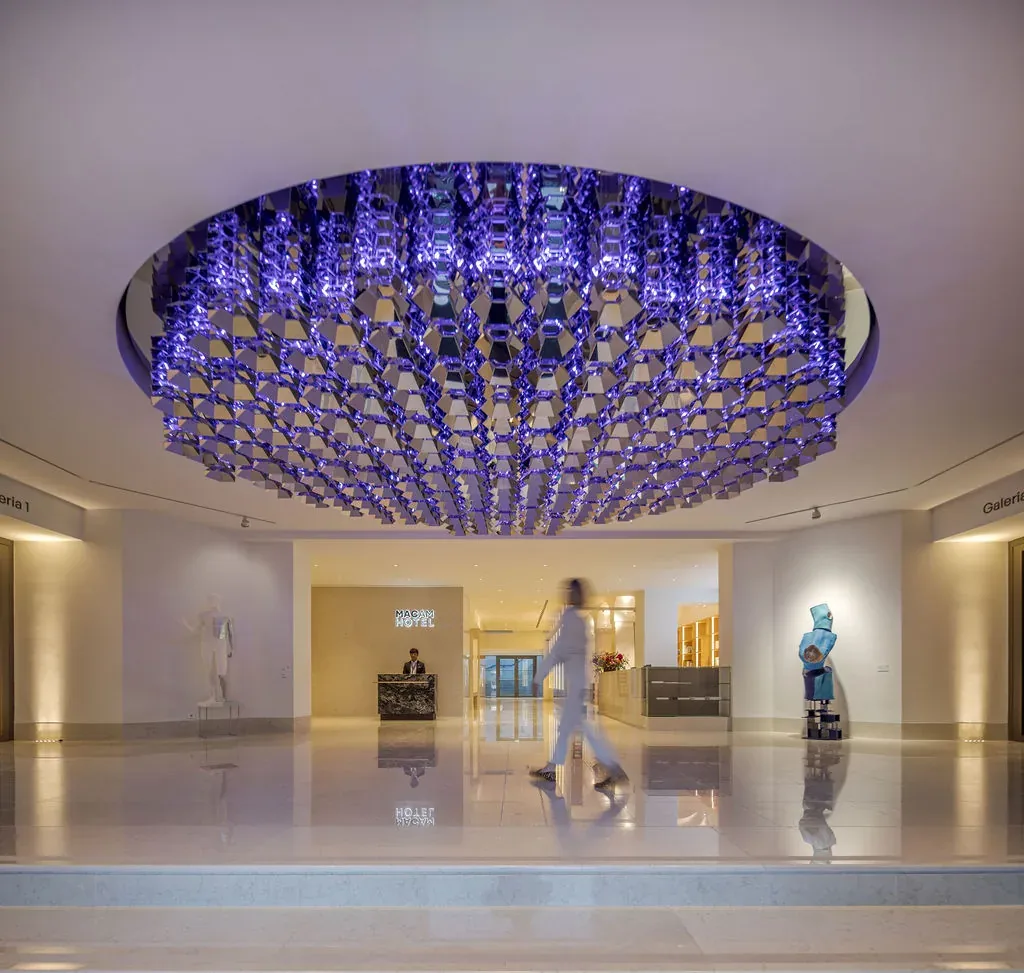
Additionally, the MACAM staff is wonderful. Curators Carolina and Adelaide are willing to chat about their process and relationship with the Martins family. Martha at the front desk happily obliged all my questions and welcomed me with an explanation of the artwork there: a display of thermal blankets printed with the passport covers of countries whose refugees live in Portugal. When I went to breakfast, some staff members knew my name just by the mention of my room number, and laughed with me about the World Cup and coffee tastes. When running low on water, staff members knocked on my door asking if I wanted any (and advising I take some in the heatwave). One day, I was hurriedly attempting not to be late and left clothes strewn on the floor of the bathroom, only to return to them neatly folded on the counter. Armando and Sophia Martins also frequently walk the compound and chat with guests. Luxury can only exist insofar as ‘invisible’ teams of workers expel tireless effort for things to run smoothly. I appreciated that MACAM did not try to hide their workers and instead fostered community between them and guests. MACAM runs so smoothly, undoubtedly, as a result of the incredibly kind and devoted staff it employs.
Given that the MACAM Hotel is only in its second year of running, prices per night are still fluctuating and also depend on which room type one wants to stay in. As of right now, in the off-season – which funnily skips the summer – rooms can be around €220 per night, which is comparable to a stay in some chain hotels’ city locations, despite MACAM having much better amenities and perks. In the high-season, nightly prices are closer to €400. The price is certainly not nothing, but much closer to what I expected in the luxurious ambience of the hotel. It’s no surprise that the hotel has frequent return guests, and many are already situated in Portugal.
Overall, MACAM’s pride in itself is entirely justified. The art is varied and well-collected, with each hotel room having different original artworks. Guests are even given a booklet that shows them the art in each room and answers all possible questions about their stay. The in-hotel experiences feel like enough to justify the hotel’s price. MACAM is the place for both art lovers and lovers of the art of relaxing.