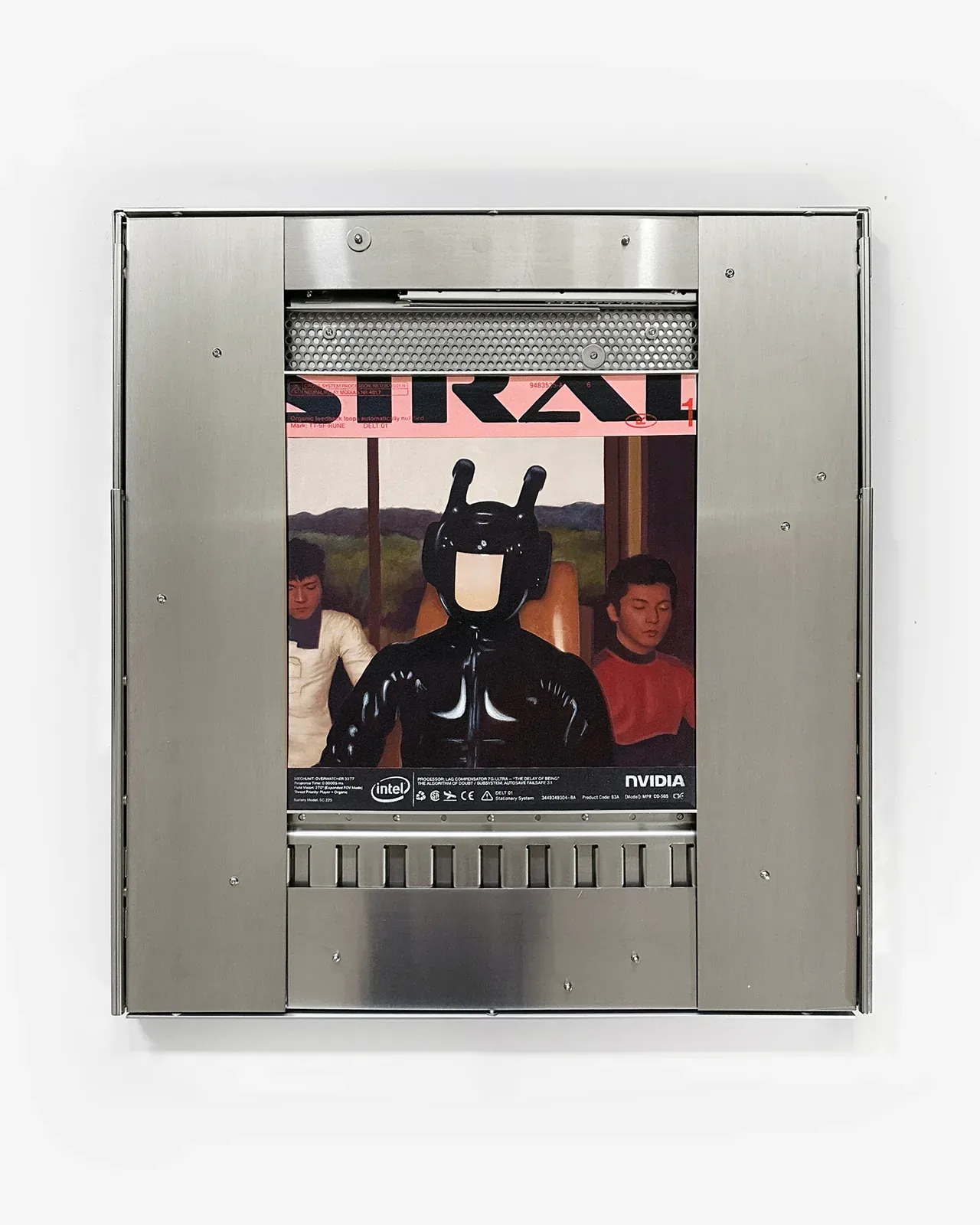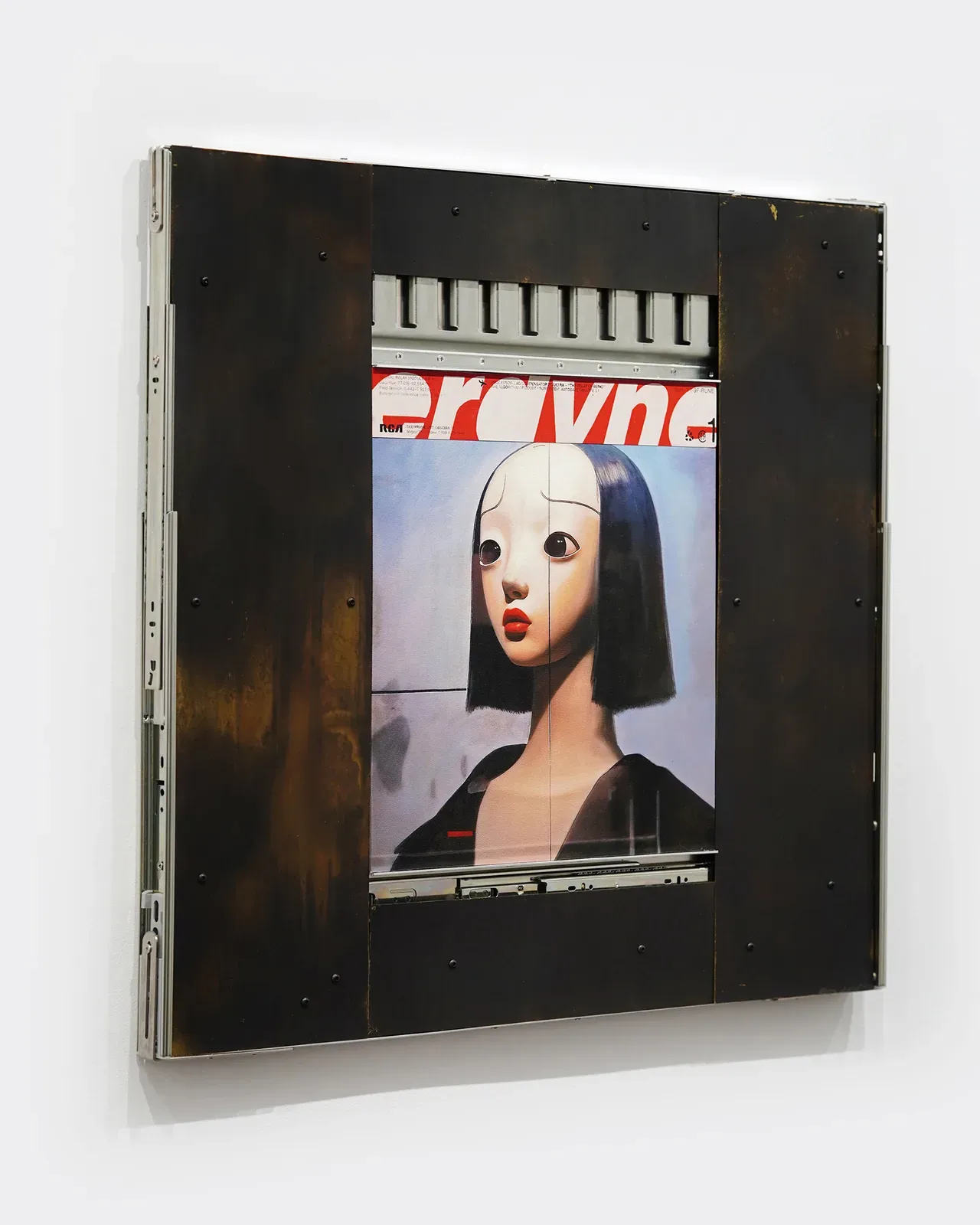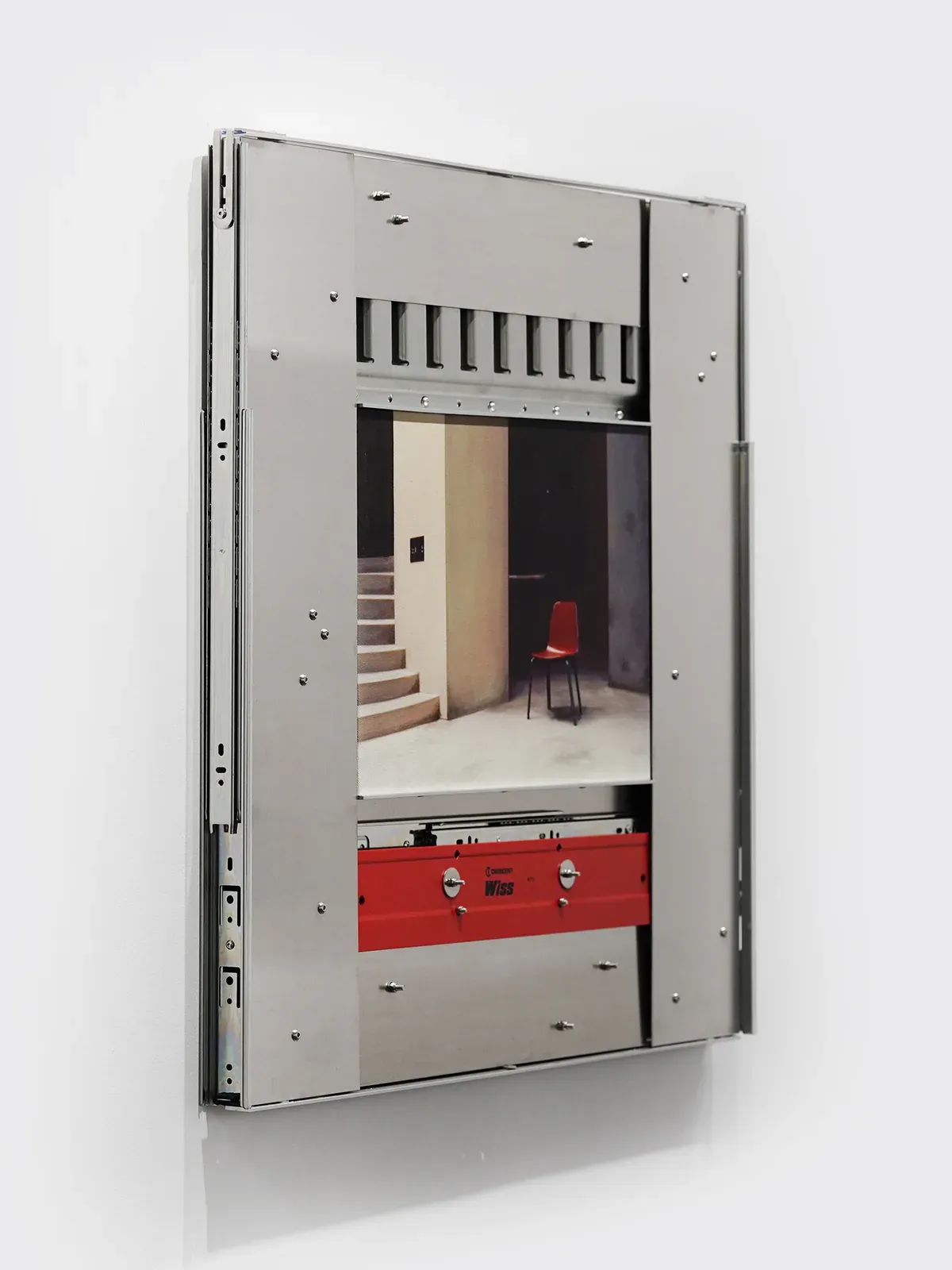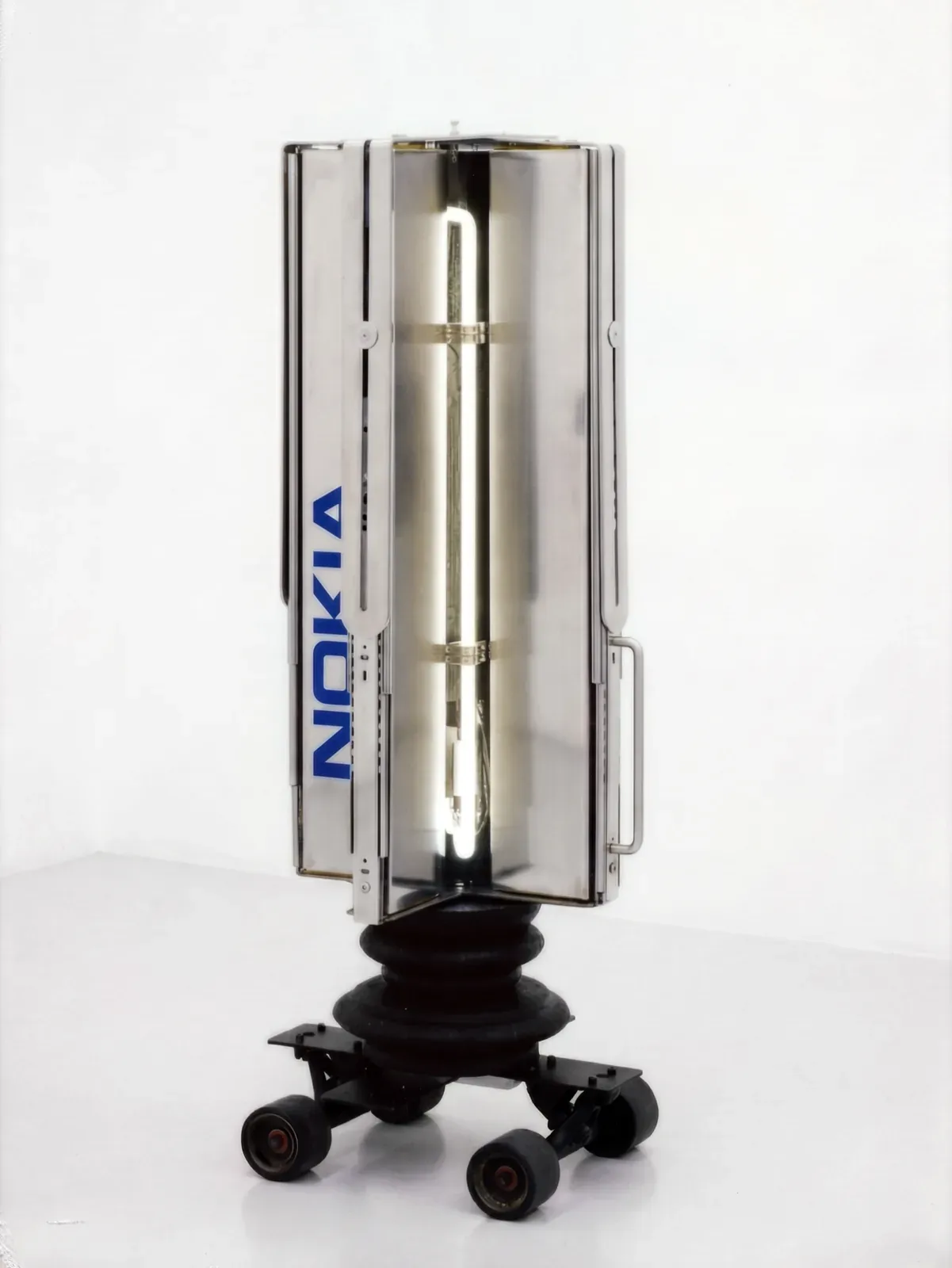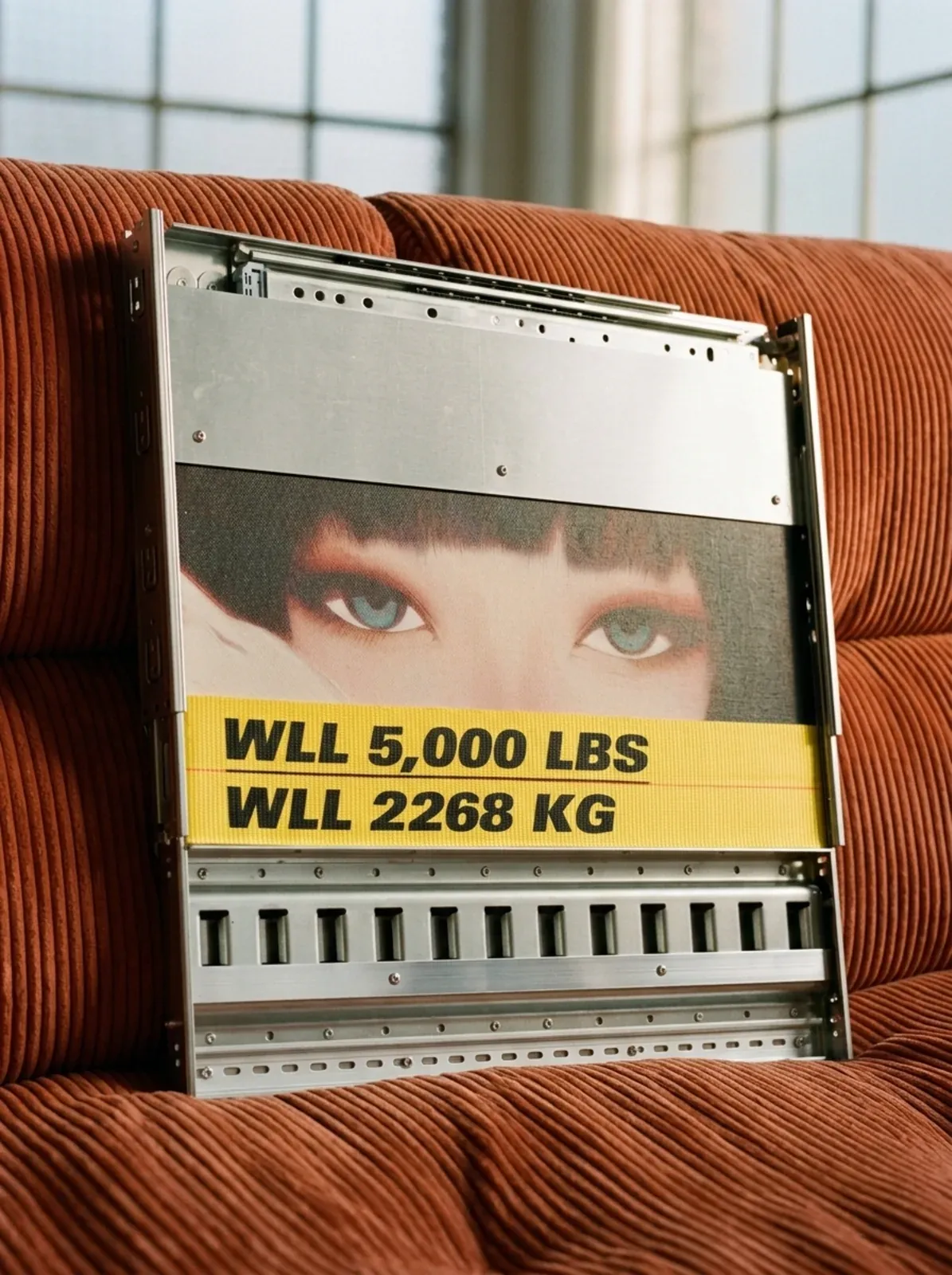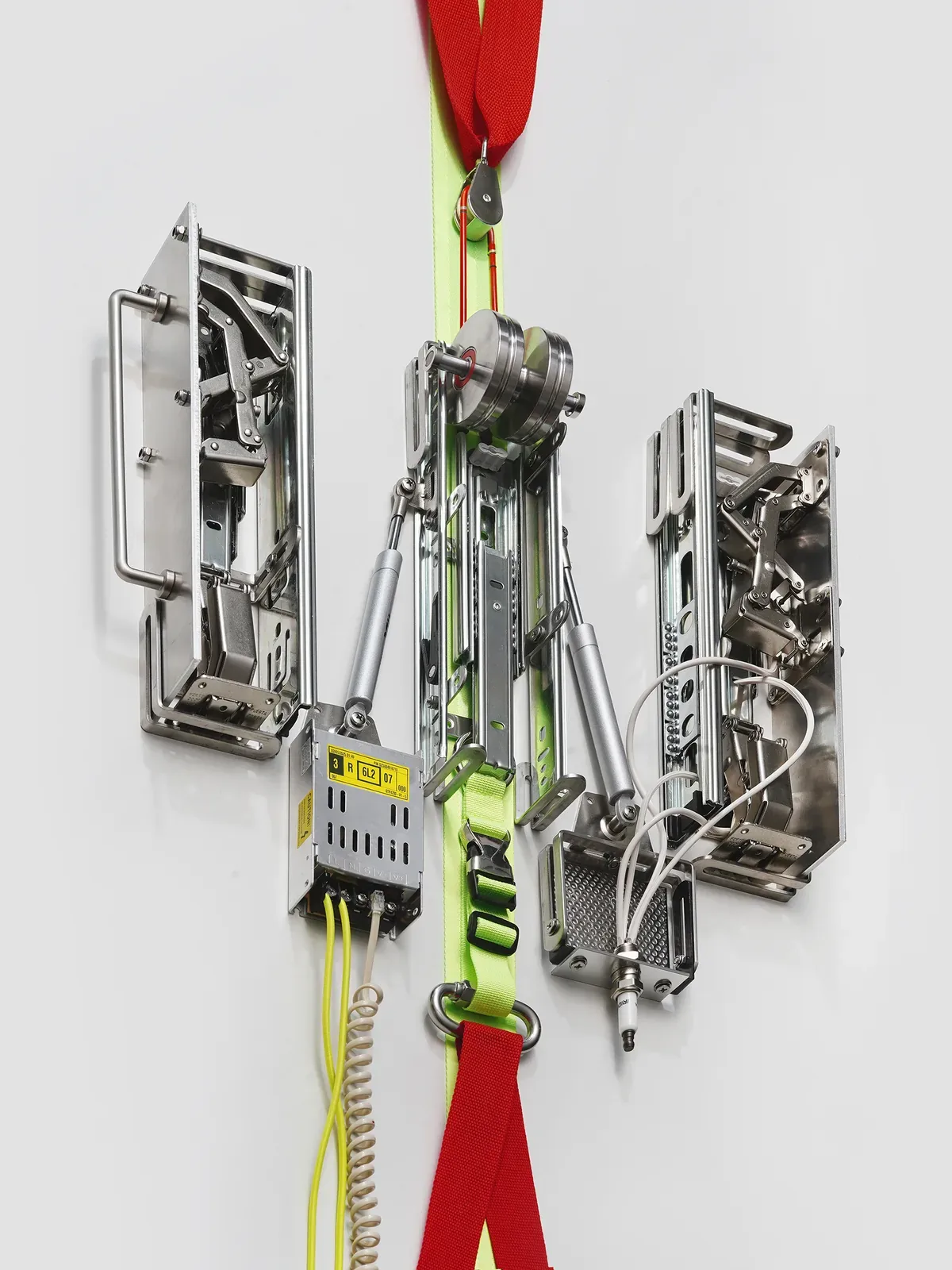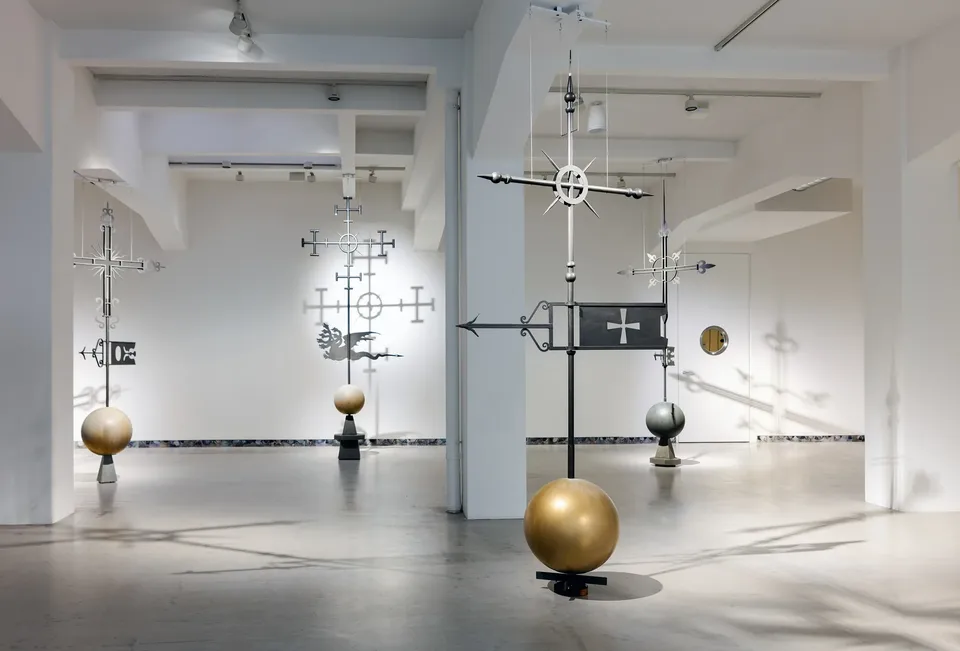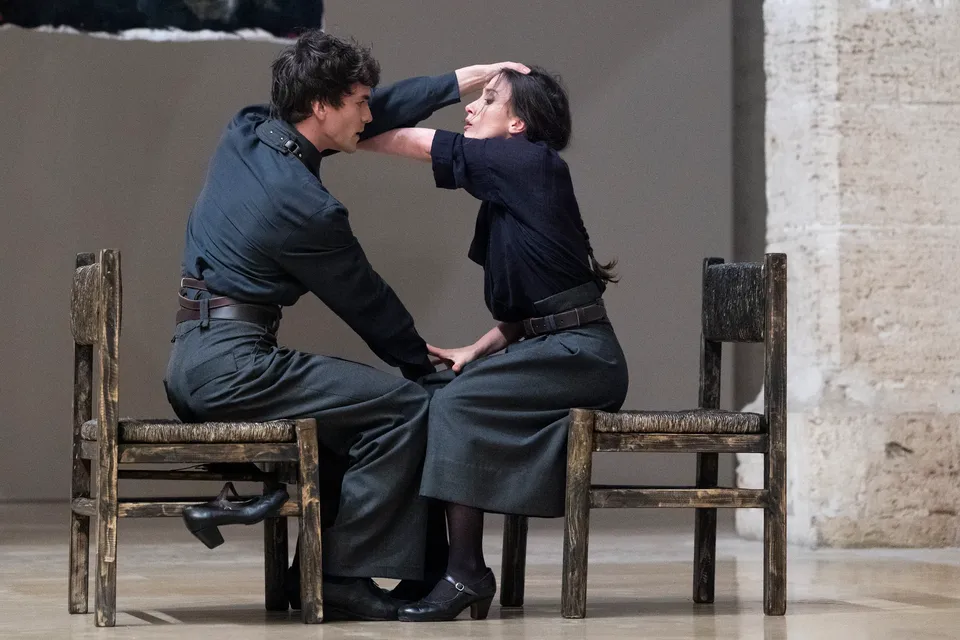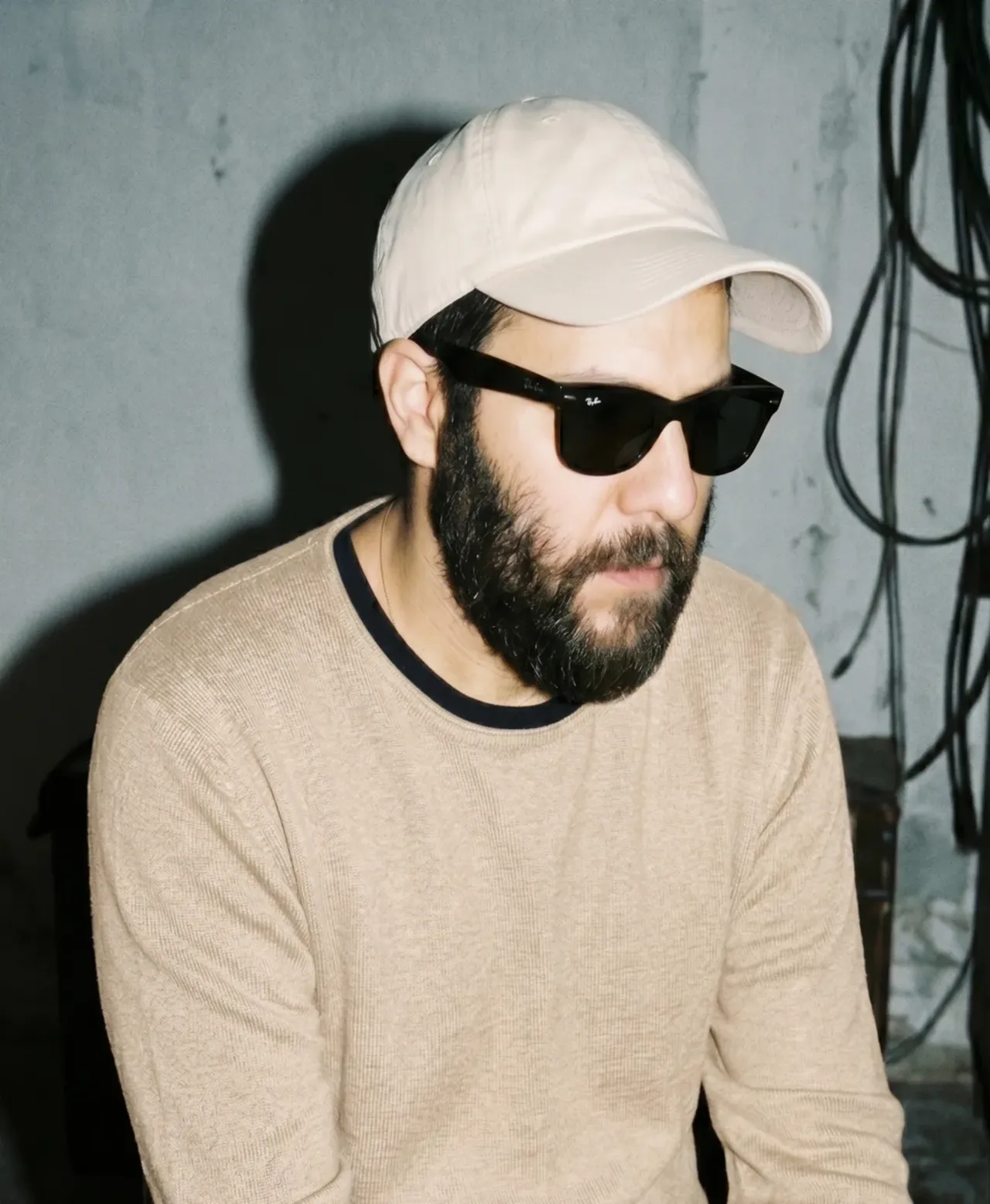
Kunel Gaur does not seem particularly interested in choosing one lane. His work moves between contemporary art, design, advertising and cultural production, with each field feeding into the next. Steel structures sit alongside images of glamour and desire; commercial work becomes a way of thinking about how images are read; his Indianama project brings together artists working across disciplines to look at the many, often contradictory versions of contemporary India.
There is tension between the things Gaur makes and the systems they exist within. He is interested in objects, but also in why certain objects become valuable, desirable or prestigious in the first place. The same goes for images, brands and aesthetics, particularly when something that begins within a subculture is picked up, repackaged and sold back to everyone. His work does not pretend to sit outside these systems. Instead, it works from within them, questioning who gets access, who gets represented and who gets to shape the culture around us.
In this conversation with METAL, Gaur thinks about advertising, class, the representation of India, the mainstreaming of subcultures and the freedom of working without a fixed medium. As he puts it, “Responsibility begins with recognising that power is uneven, including the ways in which one can hold it in one room and lack it in another.”
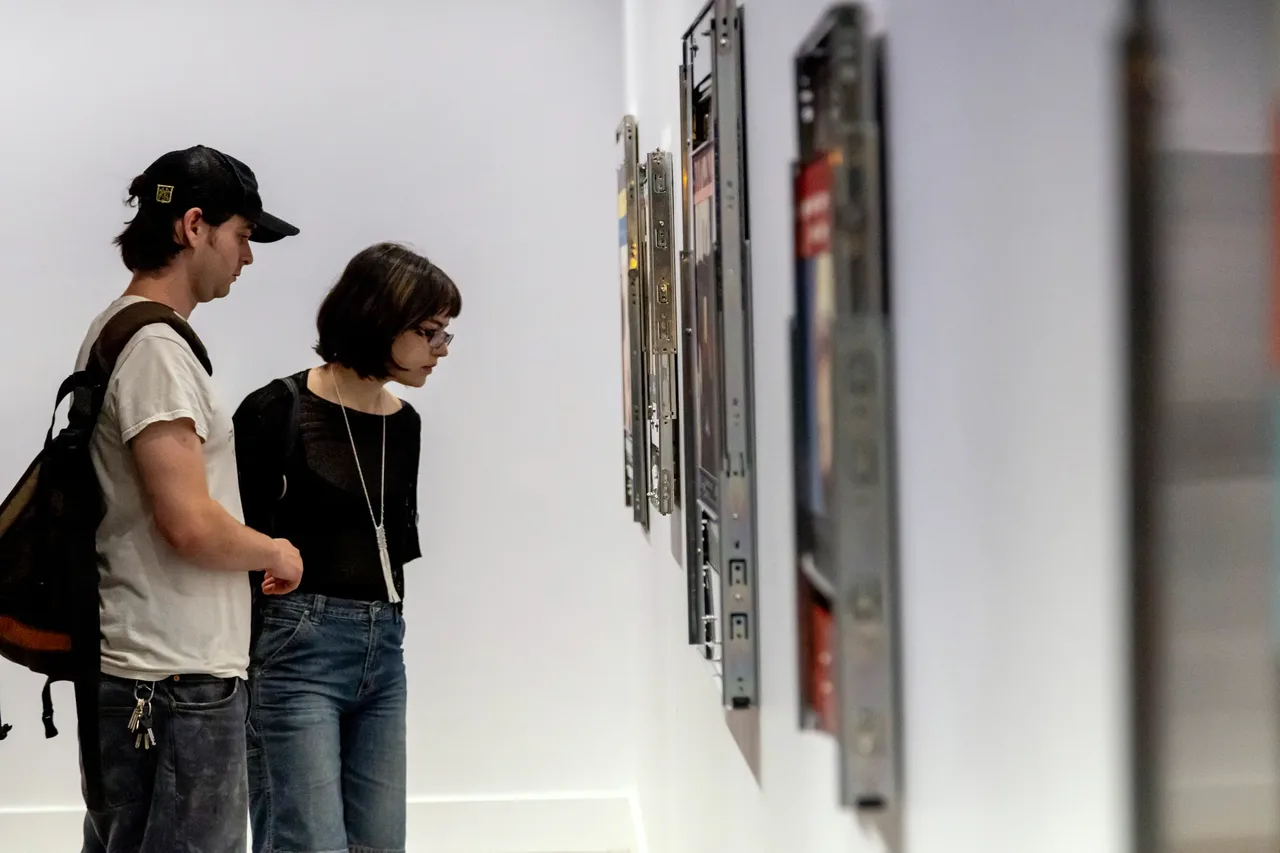
You work across contemporary art, design, advertising and cultural production. Rather than keeping these disciplines separate, you seem to treat them as different ways of shaping how we see the world. What interests you about moving between them?
I am interested in how context changes our reading of the same thing. A form can operate as a product, an advertisement or an artwork, with different expectations attached to each. Moving between disciplines lets me examine those expectations from several positions. Design gives me a way to organise an idea; advertising makes me attentive to how culture can inform an image or object; art allows me to leave its meaning open.
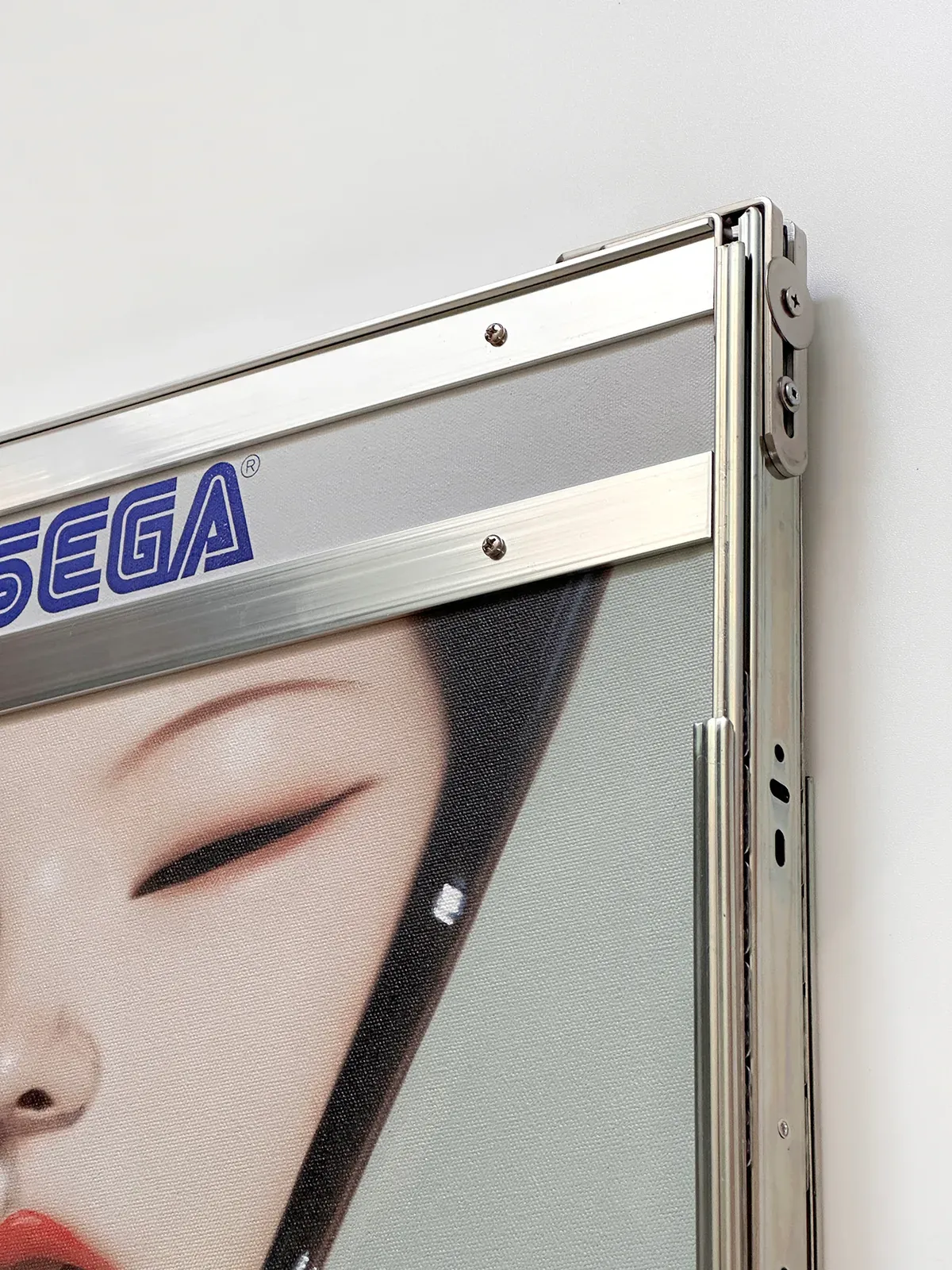
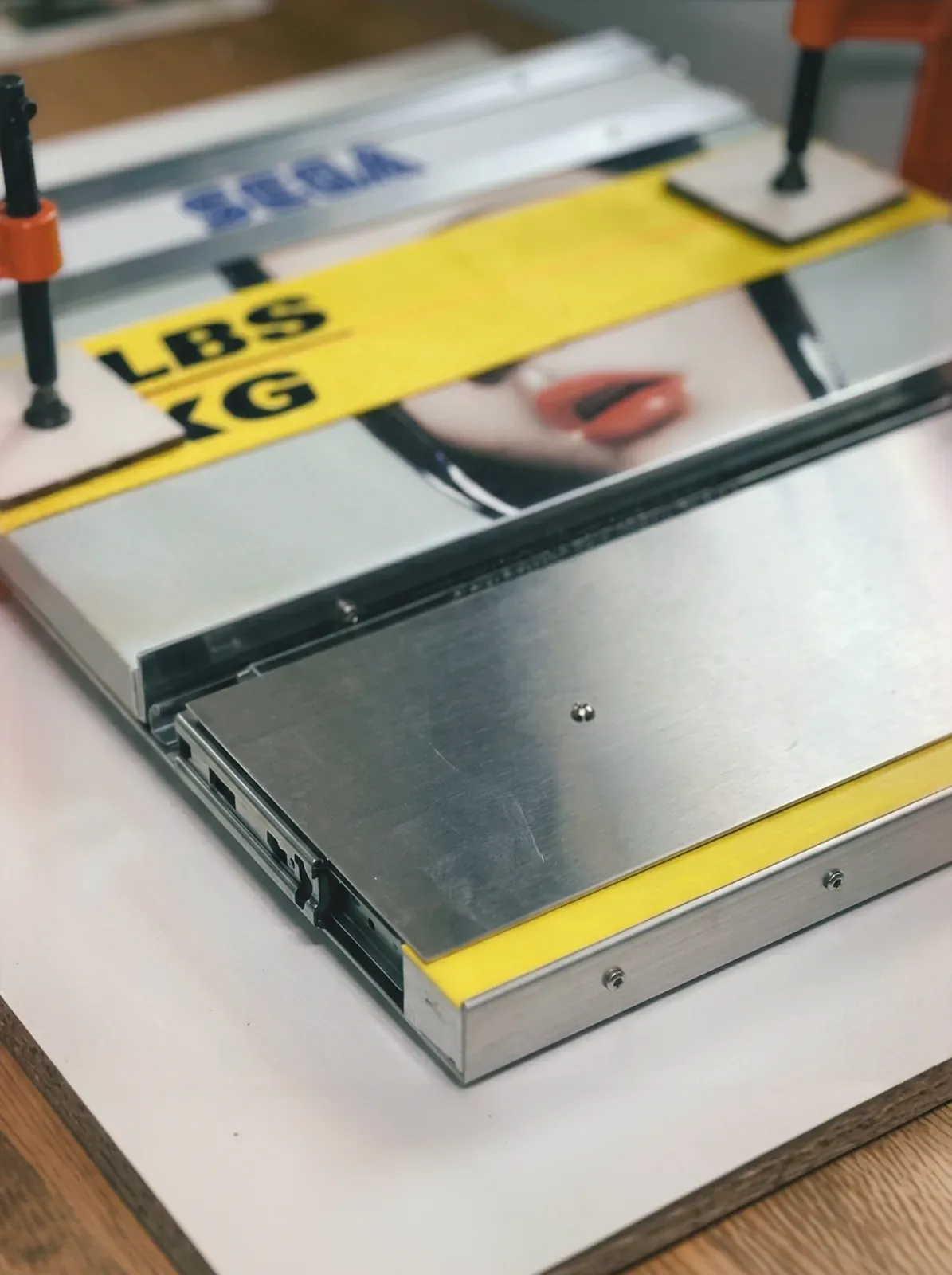
Your work often takes objects associated with industry, construction and utility and places them within contexts of art, glamour and desire. What happens to an object when we remove it from the function for which it was designed?
An object retains the memory of its use, even when that use is suspended. A piece of hardware still suggests assembly, weight or support, but we begin to notice its proportions and the associations it carries. I am interested in what happens when it is paired with an image or another object representing the human condition. That relationship opens up questions about our aspirations, vulnerabilities, and need for belonging, with glamour and desire forming part of that broader experience.
Steel, hardware, structural fragments and industrial materials appear repeatedly in your work. What attracts you to materials that are usually associated with infrastructure rather than beauty?
I am drawn to the decisions already embedded in these materials. Their dimensions, joints, and finishes emerge from the demands placed on them. There is a beauty in that precision, and in the evidence of labour they carry. Steel can feel both familiar and impersonal. Working with it allows me to explore how something built to support everyday life can acquire an emotional presence.
You have spoken about the moment when subcultures and aesthetics become mainstream. What do you think is lost when something that was once marginal becomes desirable to everyone?
What can disappear is the context that made an aesthetic necessary. A visual language may come from a particular community or a need to establish belonging. As it becomes widely desirable, its appearance can travel much further than that history. I am less concerned with protecting exclusivity than with whether the people who developed the language retain recognition and a meaningful role in its future.
“I am less concerned with protecting exclusivity than with whether the people who developed the language retain recognition and a meaningful role in its future.”
At the same time, mainstream culture can give visibility and resources to ideas that might otherwise remain underground. Do you see entering the mainstream as a form of compromise, or as a source of power?
I see it as a source of power whose value depends on the terms of participation. Visibility can support experimentation and give people the means to sustain their work. Compromise becomes a problem when access depends on removing the very tension that made an idea matter. For me, the question is how much authorship remains, and whether the resources gained allow the work to develop on its own terms.
You’ve worked extensively with branding and advertising through Animal, while your artistic practice often examines the systems through which objects and images acquire meaning. Has working inside commercial culture changed the way you understand art?
Working through Animal has made me attentive to how meaning is constructed through framing, repetition, and distribution. An image never arrives alone, as its setting helps determine how it is received. That awareness carries into my studio practice, where I can examine those mechanisms without having to resolve everything into a message. It has also made me more conscious of how exhibitions and institutions shape the encounter with an artwork.
Advertising is exceptionally good at turning identities, desires and even rebellion into something that can be sold. Where do you think the boundary lies between participating in culture and being absorbed by the culture industry?
I do not think there is a fixed boundary. The question is whether people still have a meaningful say in what they make, how it is used, and what it comes to represent. The problem begins when an idea or cultural position is reduced to a style that can be sold without the meaning behind it. Working within commercial culture means staying aware of that risk and continuing to question what you are contributing to, even when the work is successful.
You founded Indianama as a platform for multidisciplinary artists whose work expresses India through divergent and sometimes contradictory ideas. What did you feel was missing from the way contemporary India was being represented? And how do you resist the pressure to make Indian culture legible to an international audience?
What felt missing was the complexity of India. It was often represented through a fairly predictable set of symbols, while the country we were experiencing was much stranger, more contradictory and constantly changing. Indianama became a way of using design to look at India from many different entry points: its history, streets, politics, everyday objects, popular culture, and things we collectively forget or rediscover. Each edition creates a framework rather than trying to arrive at one definitive image of the country. I think that also removes the pressure to make India immediately legible to an international audience. The work does not always have to explain itself. Some references can remain specific, local or even unresolved.
Indianama brings together artists across different disciplines rather than defining them through a single medium. Do you think the category of the artist is becoming too restrictive for the way people create culture today?
Indianama was never really organised around the idea of the artist as a fixed professional category. It was more about using creative practice as a way of investigating something. Depending on the edition, that might mean asking someone to reinterpret a year in Indian history, make a moving tourism poster, redesign the identity of a neighbourhood business, or turn a lost or rediscovered piece of Indian culture into a postage stamp. The medium follows the question. That is probably closer to how culture is made now anyway. People move between design, art, research, technology and commercial practice quite naturally. I am more interested in what someone is trying to understand or communicate than in what category their practice belongs to.
Your practice seems particularly interested in the meanings that accumulate around objects, images and brands. Who ultimately decides what something means: the person who creates it, the person who uses it, or the culture that surrounds it?
I can establish an intention and make choices that guide an encounter, but I cannot determine its entire meaning. The person who uses or views a work brings experiences that I do not control. Culture supplies further associations, and these change over time. I think of meaning as something negotiated among those forces. That uncertainty is productive because it allows a work to continue beyond the circumstances of its making. What happens between the work and the viewer is between them.
“I do not really separate the object from the system around it.”
There is a recurring question of class and access in your work: who has access to certain spaces, objects, aesthetics and forms of cultural capital. Has your own position within those systems influenced what you feel responsible for addressing?
My position inevitably affects both what I am able to make and where that work can be seen. It also means I have access to certain spaces, materials and networks that shape the work itself. I do not think the answer is to pretend to stand outside those systems. I am more interested in acknowledging that I am part of them and examining how value, status and desirability are produced within them. When an ordinary or functional material becomes an art object, for instance, I am participating in the same shift in value that I am looking at. The responsibility, for me, is to remain conscious of that position in how I make, collaborate and present the work.
As a male artist and creative leader working within industries where power and visibility are unevenly distributed, how do you think about the responsibility that comes with occupying a privileged position?
I think privilege is always contextual. In some environments, I have access, visibility, and the ability to influence what gets made and who gets included. At the same time, I am a self-taught artist from India, and an immigrant still building recognition within systems that have their own centres, networks and hierarchies. So I do not experience my position as simply privileged or unprivileged. It shifts depending on the context. What matters to me is being conscious of where I do have influence, and using it carefully in who is invited, heard, credited, paid and allowed to shape the work. Responsibility begins with recognising that power is uneven, including the ways in which one can hold it in one room and lack it in another.
You have built platforms as well as making your own work. Is creating opportunities for other artists now as important to your practice as producing your own objects and images?
Yes. Making my own work and creating opportunities for others are closely connected parts of my practice. A platform can bring distinct perspectives into contact and make work possible that I could never produce alone. Its value depends on the agency it gives its participants. I am interested in building contexts where artists can develop their own positions, including positions that differ from mine.
At the same time, I do not see myself as standing outside those contexts. I often participate as an artist in projects I am also curating, alongside other creators. Being part of that collective process feeds back into my own practice. Other ways of thinking, making, and interpreting inevitably challenge my assumptions and shape the work I go on to make.
At the same time, I do not see myself as standing outside those contexts. I often participate as an artist in projects I am also curating, alongside other creators. Being part of that collective process feeds back into my own practice. Other ways of thinking, making, and interpreting inevitably challenge my assumptions and shape the work I go on to make.
Looking at your practice, from Animal and Indianama to your studio work, are you ultimately more interested in making objects and images, or in changing the systems and conversations around them?
I am deeply interested in making things, but I do not really separate the object from the system around it. An artwork, a product, a brand, a platform or an exhibition all exist within structures that shape how they are seen, valued and understood. Through Animal, Indianama and my own studio practice, I have been able to work at different points within those structures.
What interests me most is the relationship between the thing itself and the conditions around it. Sometimes the work begins with an object. Sometimes it begins with a cultural question, a collaboration or a system that needs to be rethought. Ideally, one affects the other. I want to make things that are specific and compelling in their own right, but that can also slightly alter the way we look at the systems, values and assumptions surrounding them.
What interests me most is the relationship between the thing itself and the conditions around it. Sometimes the work begins with an object. Sometimes it begins with a cultural question, a collaboration or a system that needs to be rethought. Ideally, one affects the other. I want to make things that are specific and compelling in their own right, but that can also slightly alter the way we look at the systems, values and assumptions surrounding them.