For Judy Watson, the landscape is never simply a landscape. Maps, archives, waterways, scientific data and fragments of memory become traces of stories that continue to live beneath the surface. Rooted in her Aboriginal heritage and in the histories of Australia, her practice moves between personal and collective memory, colonial violence and the changing environment, allowing materials themselves to become part of the conversation.
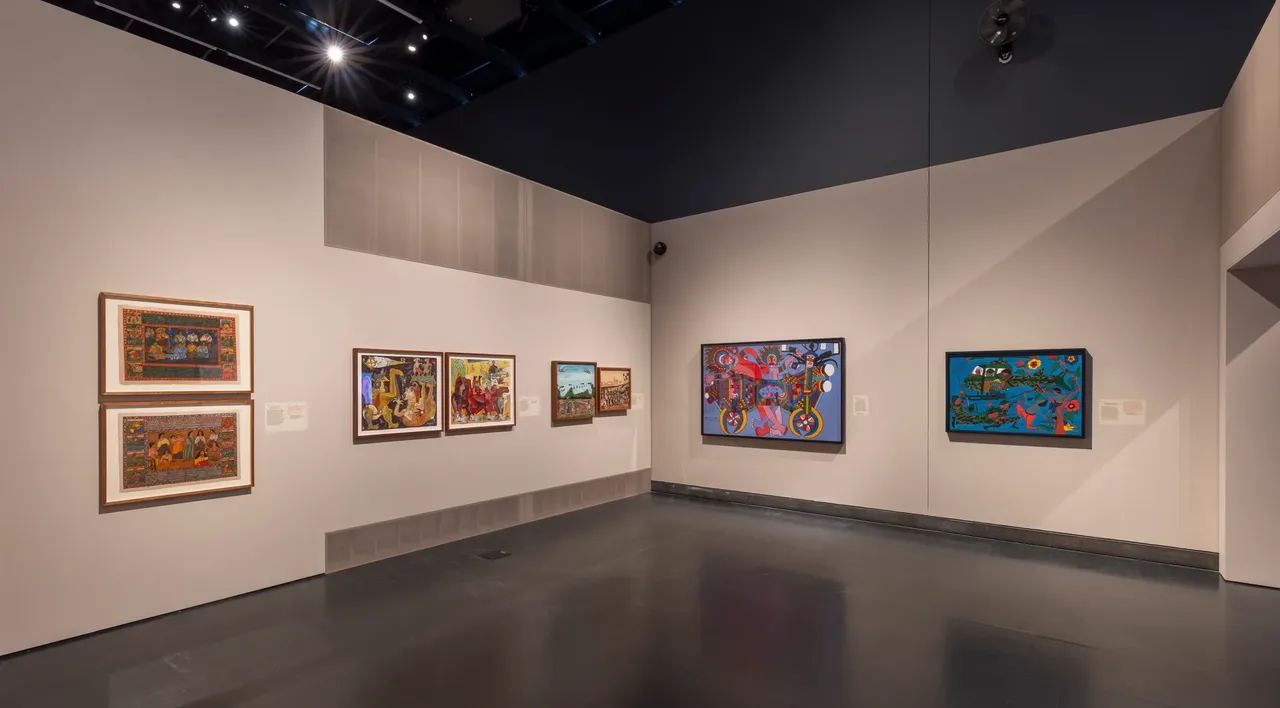
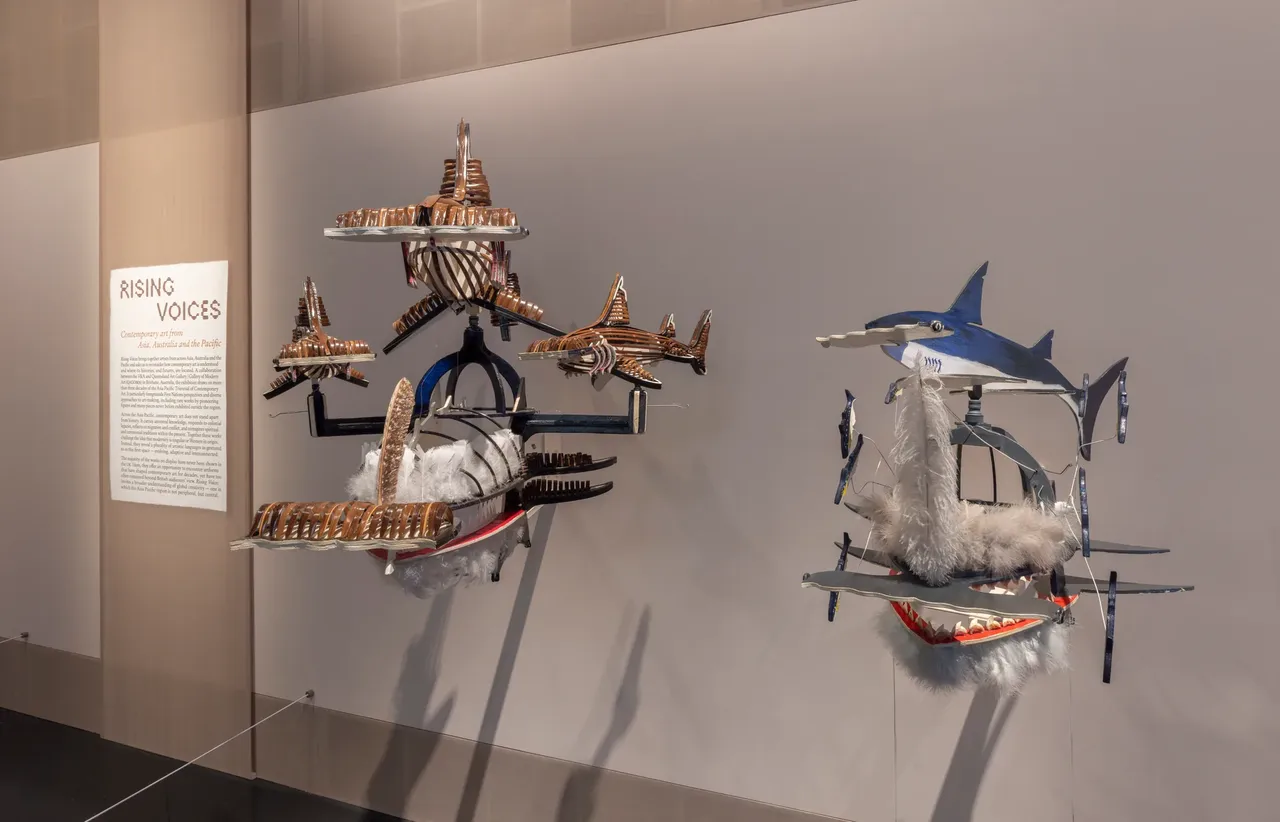
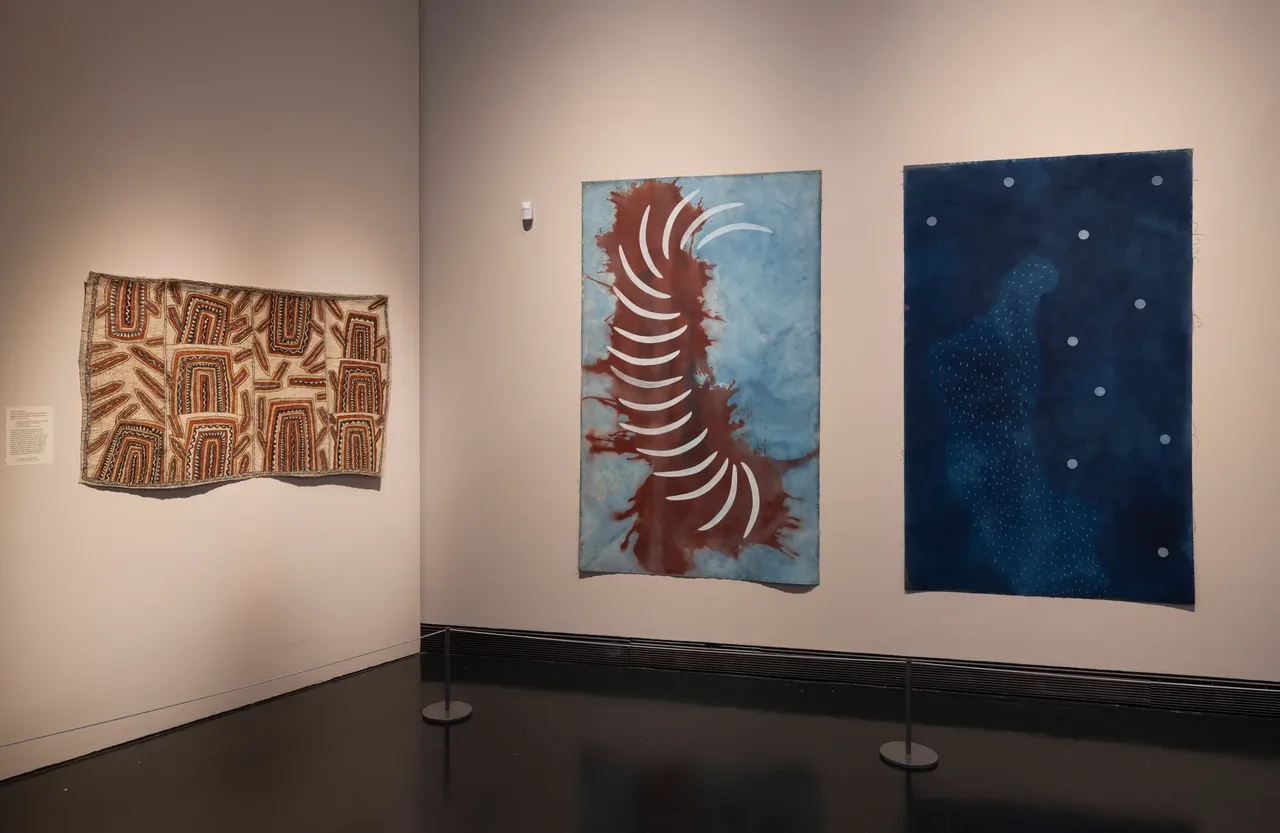
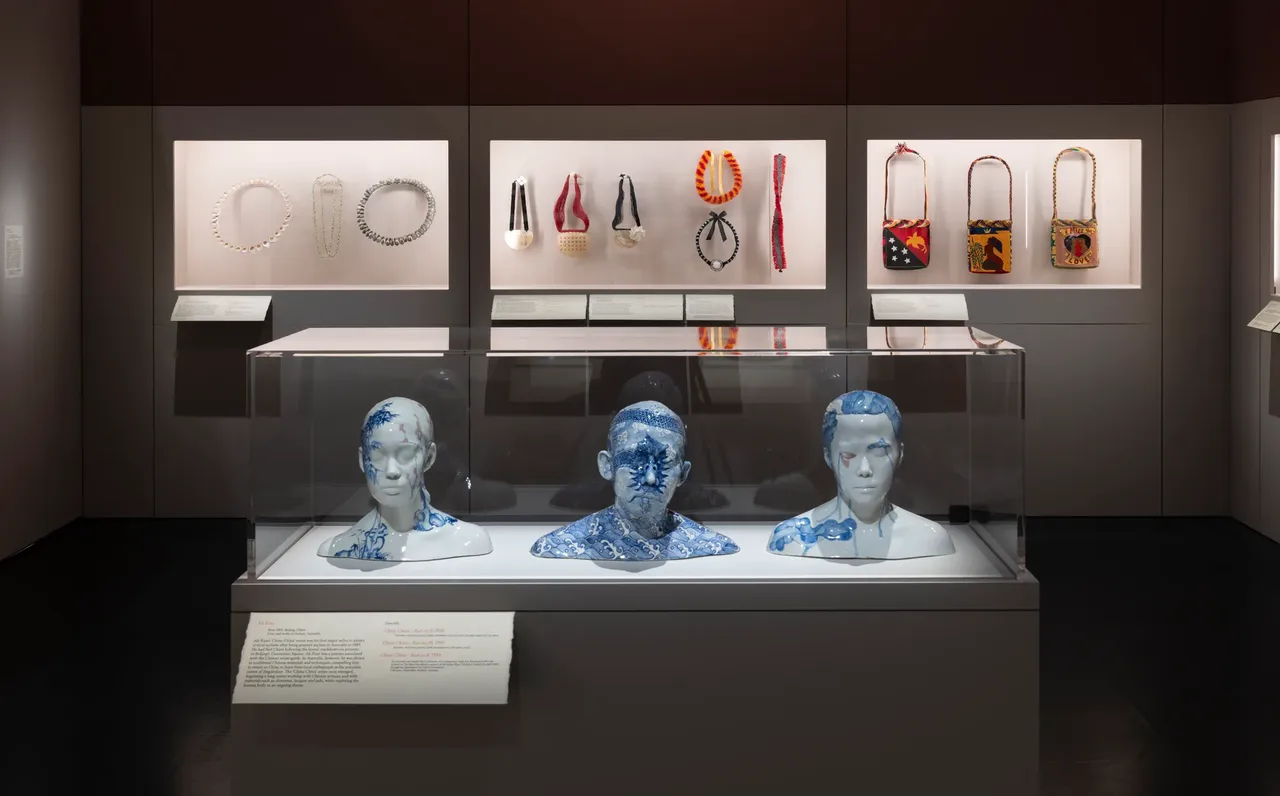
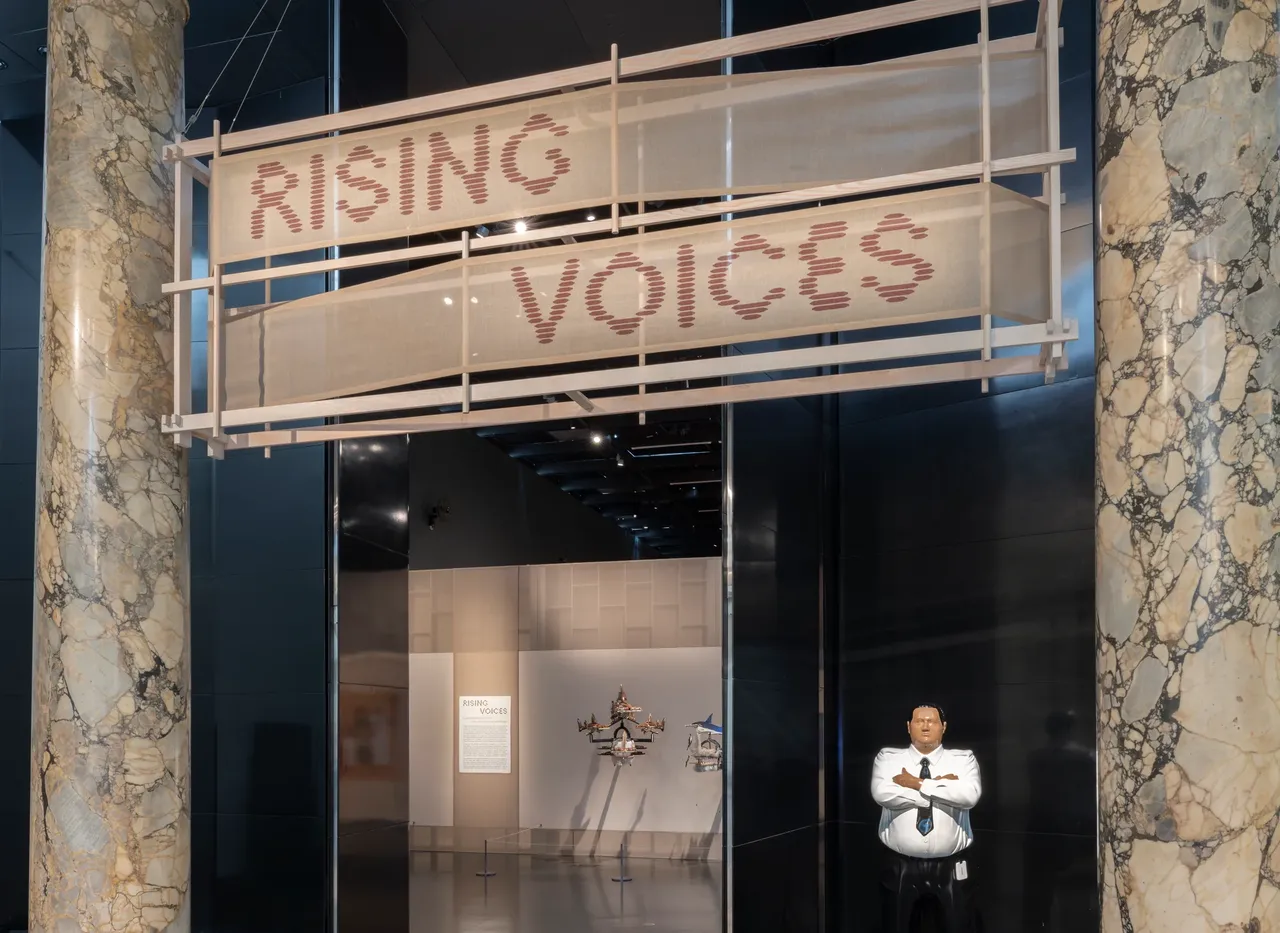
As her work enters the Victoria and Albert Museum as part of Rising Voices: Contemporary Art from Asia, Australia and the Pacific, where it will remain on view until 10 January, we speak with the artist about the histories that shaped her practice, the alchemy of printmaking, the unexpected interventions of nature and the ways in which the land remembers.
Your work is deeply rooted in the histories and lived experiences of Aboriginal communities in Australia, particularly those marked by the enduring impact of colonisation. What first drew you to explore your ancestral narratives through art?
In 1977-1979, I was studying Visual Arts at Darling Downs Institute of Art (now the University of Southern Queensland) in Toowoomba. My elective was in literature and included women’s literature, American literature, modern poetry and drama. The American studies included African American and Native American books. Reading these led me to make work about Indigenous people’s experiences around the world and to look at the history of slavery. I saw the parallels within my own Aboriginal family history and the residue of colonisation leaking across countries.
Given your personal connection to Queensland, one of the regions where Indigenous communities faced some of the harshest violence, was there a defining moment when you felt compelled to centre your practice around these histories? Or did this focus emerge more gradually over time?
Growing up in Queensland, conservative politics and racism were overt. The National Party was in power, Joh Bjelke-Petersen was the Premier, and in 1977 he banned street marches. This led to marches against the erasure of civil liberties in Brisbane and other places. There were dances organised with themes like Rock Against Racism. The police were brutal. Aboriginal and Torres Strait Islander communities were targeted, as were the gay communities. I felt the injustice welling up within me, and this has erupted at different times and made its way into my work. I also felt the need to leave Queensland and moved to Hobart to complete a Bachelor’s degree at the Tasmanian School of Art.
Besides that, you often incorporate environmental data such as maps, scientific charts, temperature anomalies, or shifting water levels into your paintings, translating climate information into a visual language. What draws you to working with this kind of data, and how do you feel it changes the way we emotionally or politically engage with climate change when it is mediated through an artistic rather than a purely scientific lens?
I love the look of maps, the drawn elements of scientific charts, etc. When I was an artist in residence at Heron Island University of Queensland Marine Research Station in the Great Barrier Reef, I saw leading scientists deliver their findings on global warming, etc. That included charts indicating the acidification of the ocean, sea surface temperatures rising, and the effects on nesting bird populations. I was particularly attracted to the graphs and contacted the scientists to ask them if I was able to use these within my artwork. They became part of my visual language as I tried to convey what was happening in the destruction of our natural environment.
I’ve noticed that you often experiment with accidental processes, leaving your canvases outdoors and allowing natural elements to intervene in the final outcome. What draws you to this openness to chance within your practice? Have there been moments when these unexpected interventions have surprised you or shifted the direction of a piece in ways you didn’t anticipate?
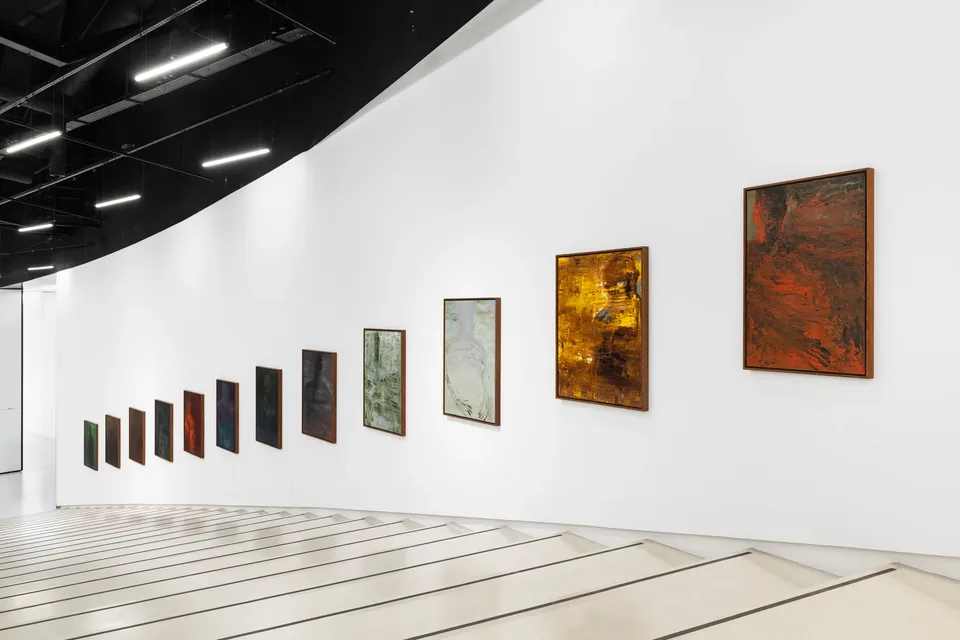
The work I make engages with the environment in which it is made, the materiality as well as the physical process of making. It becomes a conversation with the elements and the work itself. Learning to make lithographic washes on limestone blocks led me to transfer this technique into other processes. The author Michael Ondaatje calls limestone the “reef of memory”. There is something very contemplative and beautiful about working with washes on the smooth limestone surface. Then, as the image is etched and rolled up in ink, sometimes a ghost image emerges from underneath. I love the push and pull and layering of the printmaking process.
At different locations, the weather and the wildlife have made interventions in my work. In Norway, in a glacial valley in 1993, I left works on paper with washes of ink and pigment outside my tent. They froze in the night and the ice left beautiful tracings on the work.
I’ve had wallabies and birds, dogs and children leave their prints across my canvases. The topography of the ground I work on and the texture of the surfaces beneath force the materials to adapt. Water has a memory and it carries the glow of liquid with it. Ants have eaten the sugar out of my sugar lift on zinc plates, geckos have licked the gum arabic on my lithographic stones; they have all contributed to the look of my mark-making.
At different locations, the weather and the wildlife have made interventions in my work. In Norway, in a glacial valley in 1993, I left works on paper with washes of ink and pigment outside my tent. They froze in the night and the ice left beautiful tracings on the work.
I’ve had wallabies and birds, dogs and children leave their prints across my canvases. The topography of the ground I work on and the texture of the surfaces beneath force the materials to adapt. Water has a memory and it carries the glow of liquid with it. Ants have eaten the sugar out of my sugar lift on zinc plates, geckos have licked the gum arabic on my lithographic stones; they have all contributed to the look of my mark-making.
You trained in highly structured, technically focused settings such as the Darling Downs Institute and the University of Tasmania, where you specialised in printmaking and lithography. Do you feel that this academic background contrasts in any way with the more fluid, atmospheric, and land-connected qualities of your current practice? Looking back, do you see that training as something you moved against, or something that has quietly shaped and evolved within your work?
My training as a printmaker was rigorous and taught me lots of techniques. I sometimes rebelled against what I knew and played with materials and processes, experimenting and finding new ways of image-making.
Within etching and lithography, there is often a moment of unexpected surprise when you see what appears once the wash has dried or the acid has etched into the plate. I love the alchemy of this.
Within etching and lithography, there is often a moment of unexpected surprise when you see what appears once the wash has dried or the acid has etched into the plate. I love the alchemy of this.
I’ve also seen that you sometimes collaborate with relatives or others who share personal memories tied to specific places marked by histories of violence in Australia. This connects with a broader aspect of your practice, where maps and cartographic elements are used to mark and reimagine the Australian landscape through sites of memory and trauma. What do these shared recollections bring into your process, and how do they shape the way you connect personal testimony, geography, and history in your work?
Working with family, friends or communities, there is a collective consciousness at play. Making stuff with lots of hands, whether it is twisting string from bush fibre, sewing canvas scars onto muslin veils that hang in front of the names of Aboriginal people who have died in custody, or wrapping material that is dyed with botanical or indigo dye, is physical, emotional and soulful. Lots of stories are shared, laughter and tears, all go into the mix.