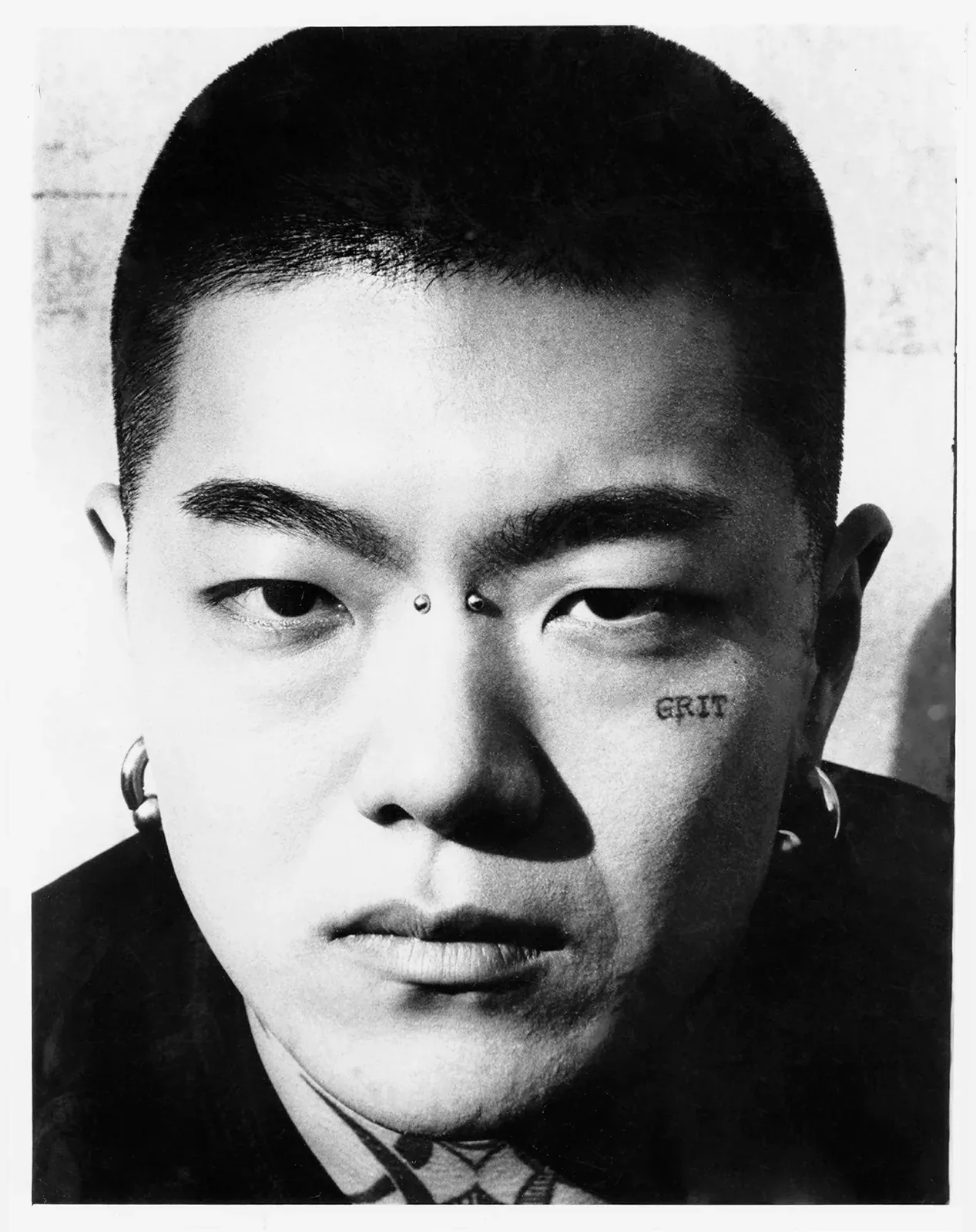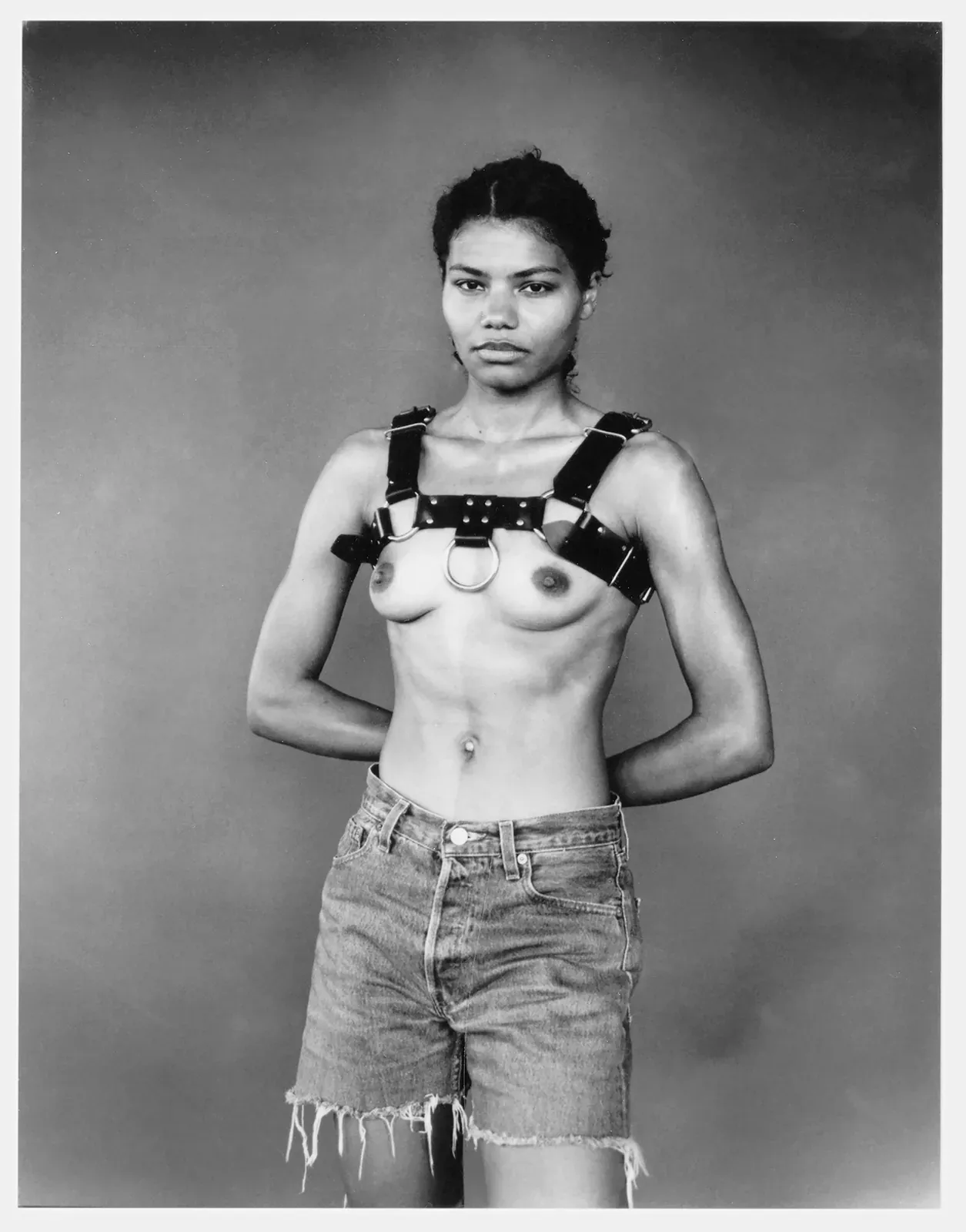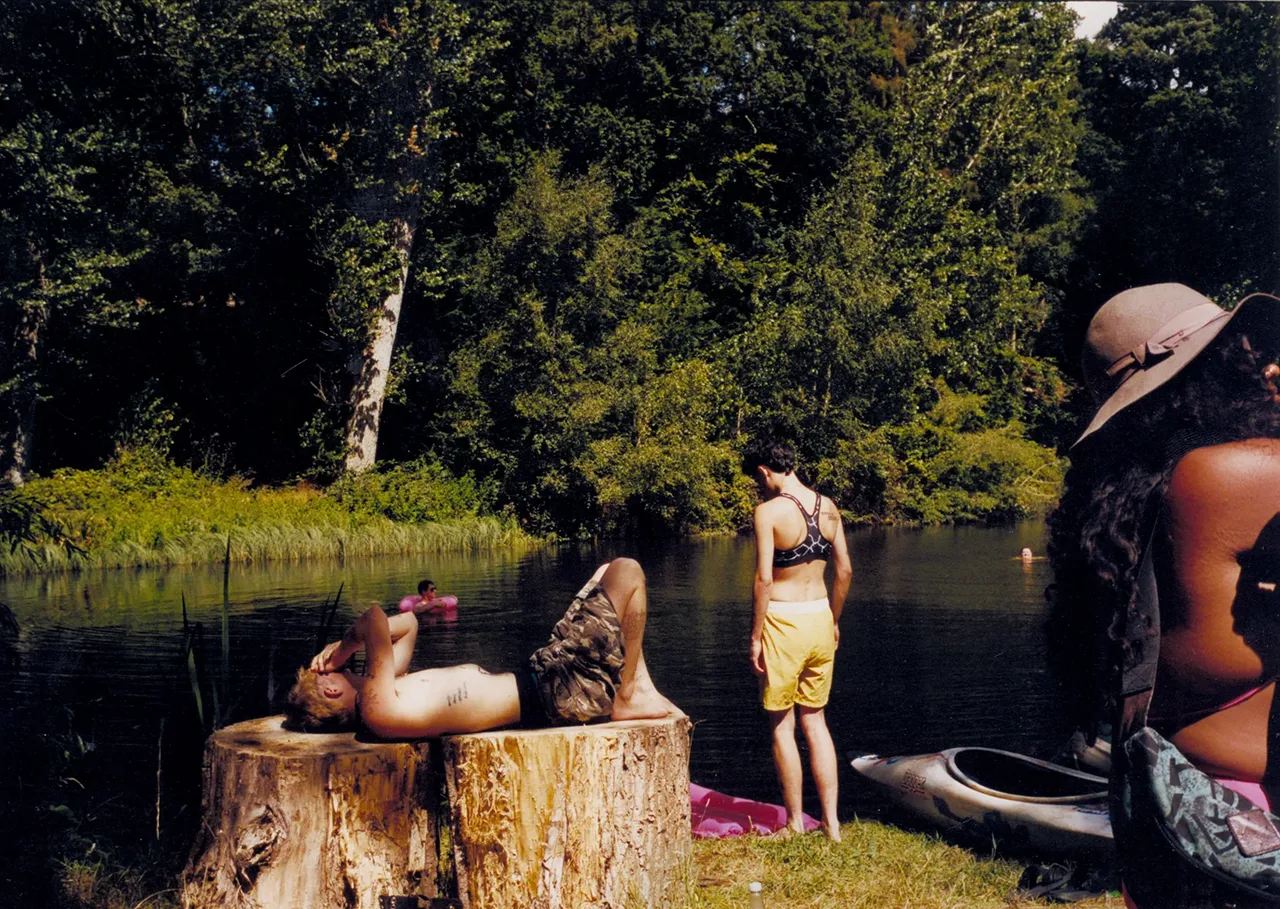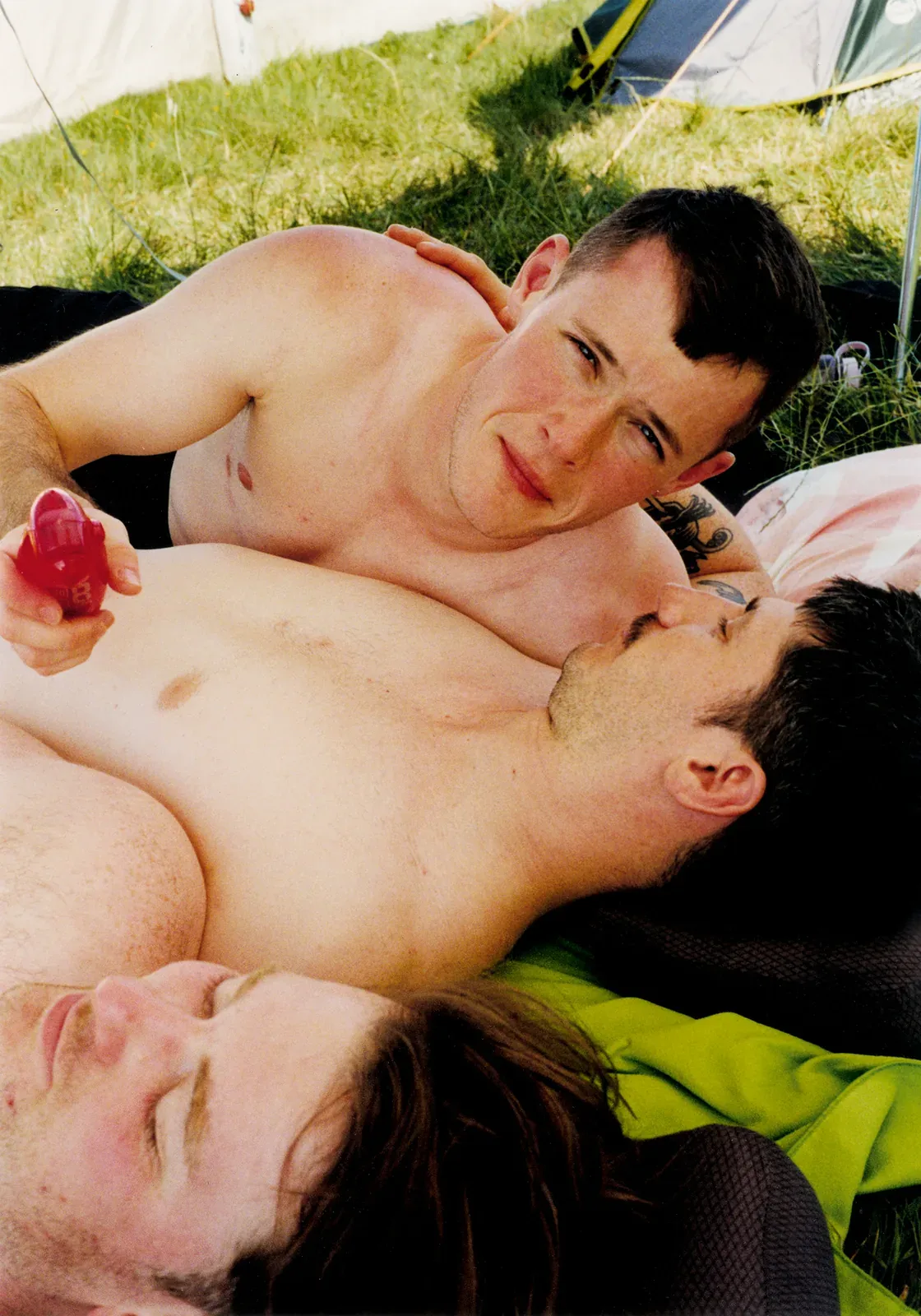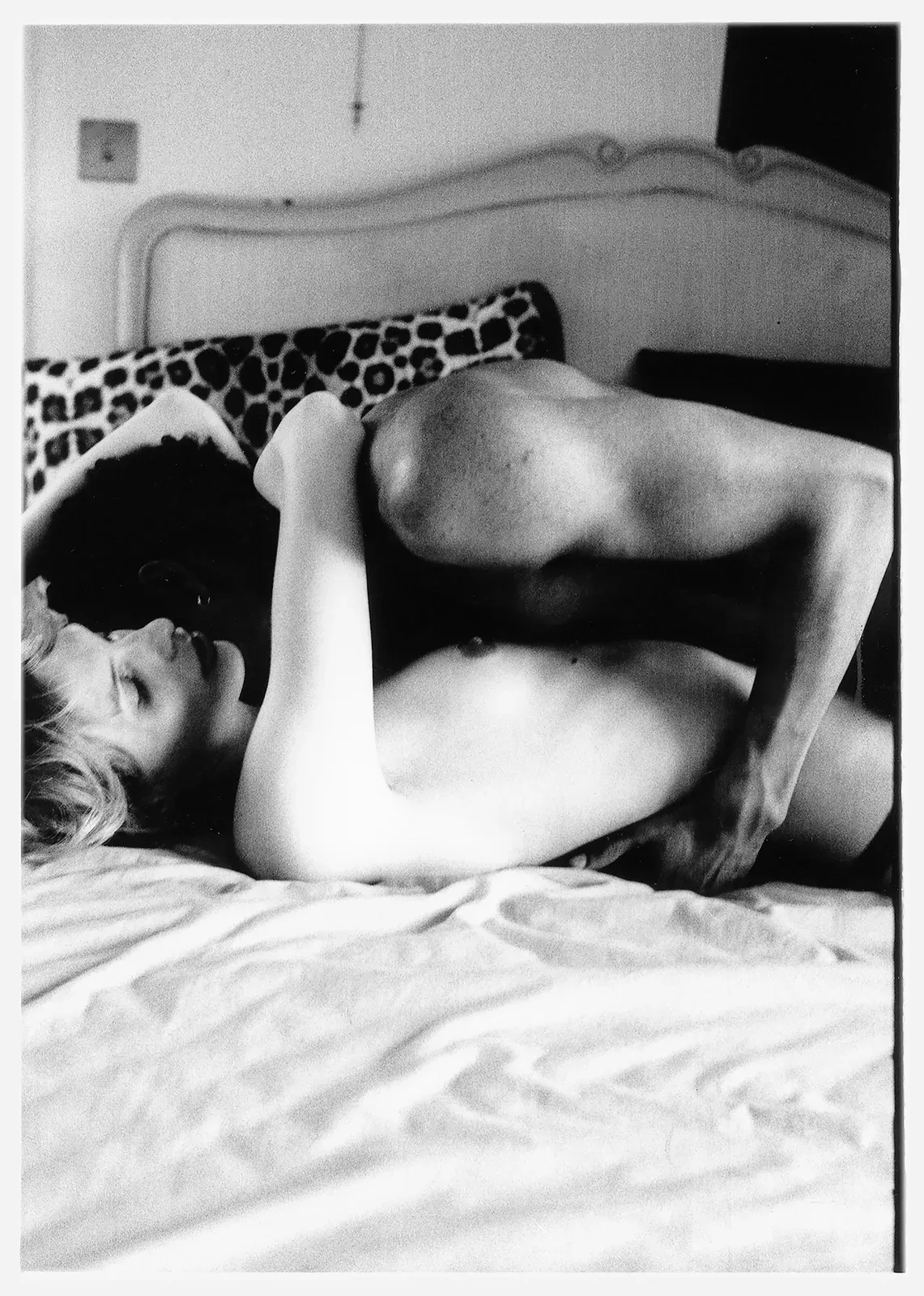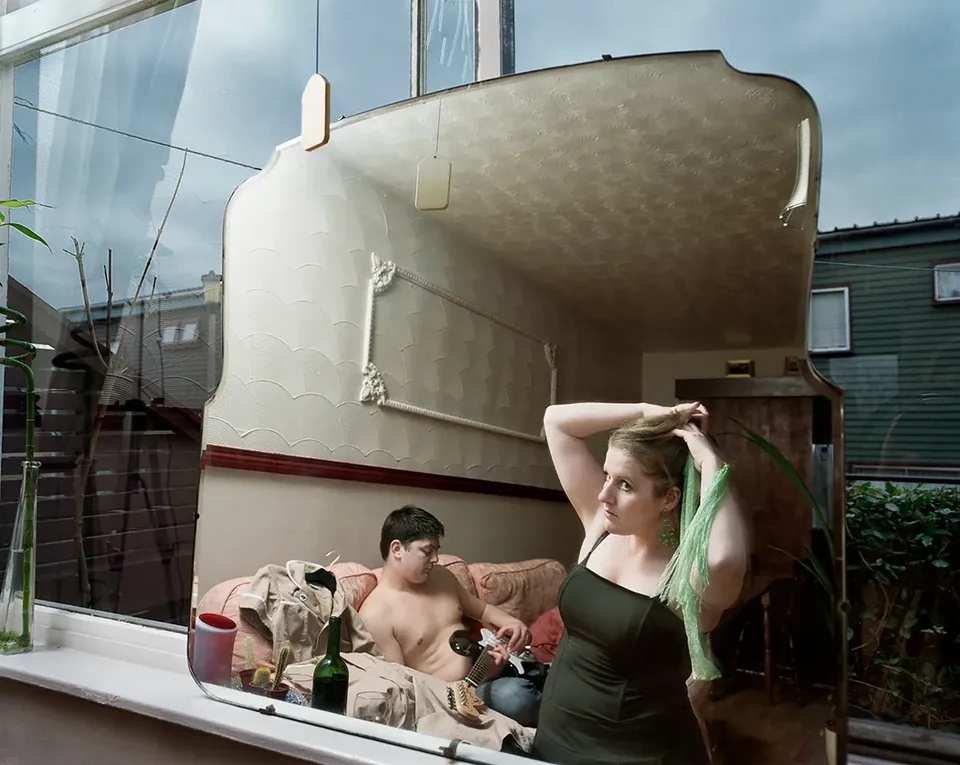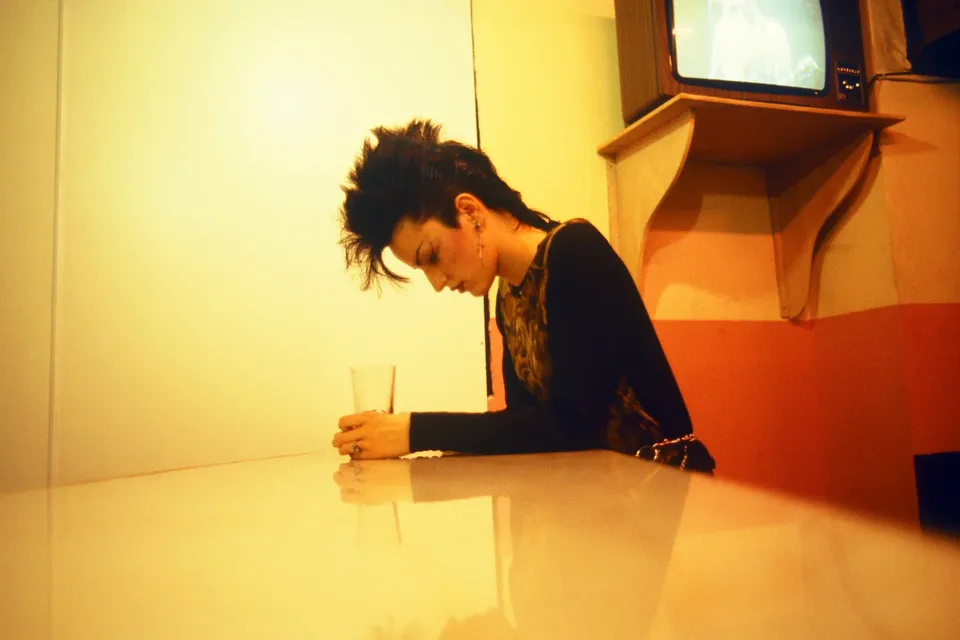
Jesse Glazzard’s photographs don’t whisper; they sweat, grind, and hum. For him, the energy inside an image can become a sound, a feeling that helped inspire the title of his first monograph, The Sound of Dirt and Beauty, published by SPBH Editions, an imprint of MACK. Spanning a decade of photographs made across the UK, the book follows Glazzard’s own transition alongside the lives of friends, lovers, and collaborators. What began without the intention of becoming a project became an archive of people changing, growing, partying, falling in love, and making lives together.
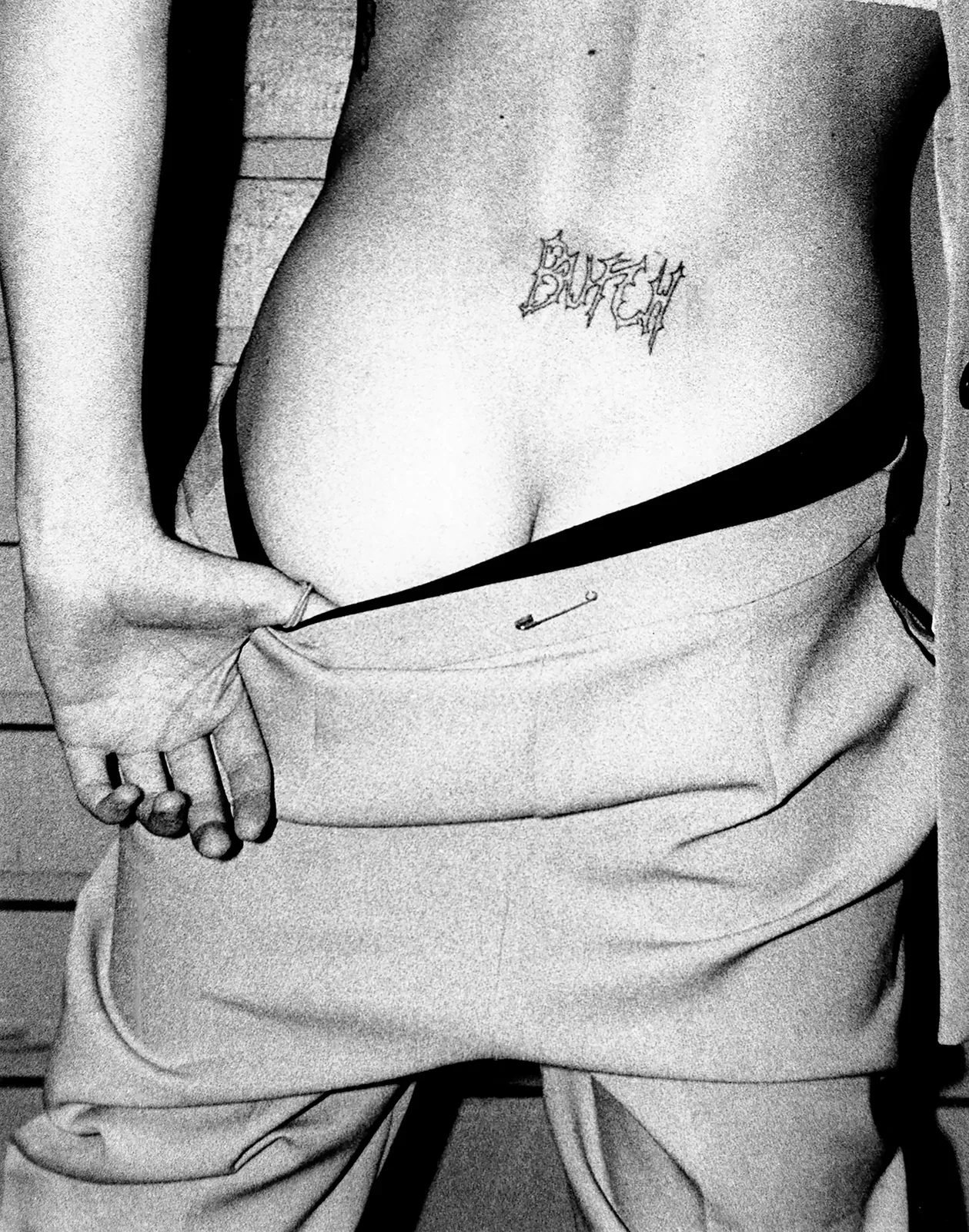
Glazzard photographs from within. His subjects aren’t anonymous figures chosen to represent queer life but the people around him, encountered in bedrooms, studios, parties, festivals, and moments of everyday intimacy. Bodies sit alongside clutter, handwritten notes, and domestic detritus. The images are grainy, tactile, and deliberately imperfect. “My images are dirty,” Glazzard has said, “but I think dirt is beautiful.” That dirt is personal as much as aesthetic. Growing up in Yorkshire, the artist has spoken about rough, chaotic environments and reconsidering what he once understood as dirty or undesirable. Here, imperfection becomes fertile ground. Beneath the surface, unseen networks sustain entire ecosystems. Glazzard’s photographs reveal something similar: the friendships, desires, and forms of belonging that hold a community together.
His approach to identity is equally fluid. His transition unfolds throughout the archive, but those around him are never reduced to a single category. Queerness, class, sexuality, transition, and subculture appear as parts of lives rather than explanations for them. A used syringe beside a sink might suggest hormones or drugs; a handwritten list can hold private memory and social history. Meaning remains unresolved. His subjects don’t need to become symbols before they become visible. There is politics to that refusal. At a moment when queer and trans lives are increasingly scrutinised and contested, documenting people on their own terms becomes an act of preservation. Yet Glazzard’s photographs don’t announce themselves as protest. Instead, they insist on the ordinary: friends squeezed into a frame, a body at rest, a night that gets messy, the intimacy of sharing space. Visibility becomes presence rather than spectacle.
The result is an archive built through proximity. Glazzard has spoken about preserving traces of trans and working-class lives often absent from British history, but The Sound of Dirt and Beauty never attempts to construct a definitive record. It feels closer to an excavation. People enter and leave the frame; relationships shift; the photographer changes alongside his subjects. What remains are fragments: photographs, objects, gestures, and memories accumulated over time.
The book’s physical form extends this sensibility. Conceived with the directness of Glazzard’s self-published zines, The Sound of Dirt and Beauty is a tactile object designed to be handled as much as viewed. Its screen-printed cover and immediate presentation resist the polish of the conventional monograph. The photographs become physical traces: something to touch, carry, and return to. Dirt leaves a trace. So does friendship. So do desire, transition, and intimacy. Across ten years, Glazzard has paid attention to what might otherwise disappear, turning the people closest to him into witnesses to one another’s lives.
The Sound of Dirt and Beauty is an archive built through refusal: a refusal to polish, categorise, simplify, or look away. Beneath its grain and grime is a quieter radicalism: the insistence that a life does not have to be clean or legible to be worth remembering. Sometimes it only has to be lived, loved, and left beautifully unfinished.