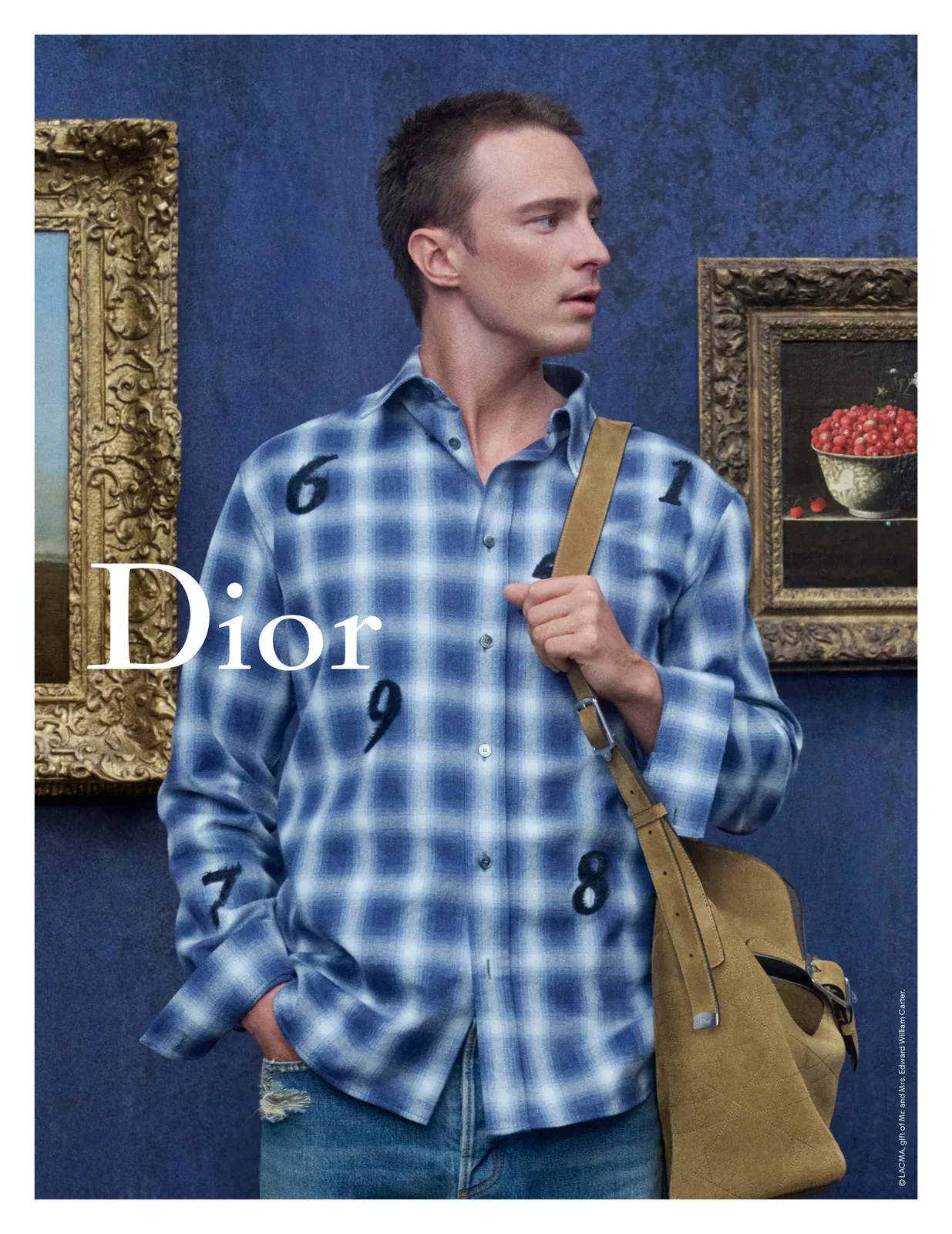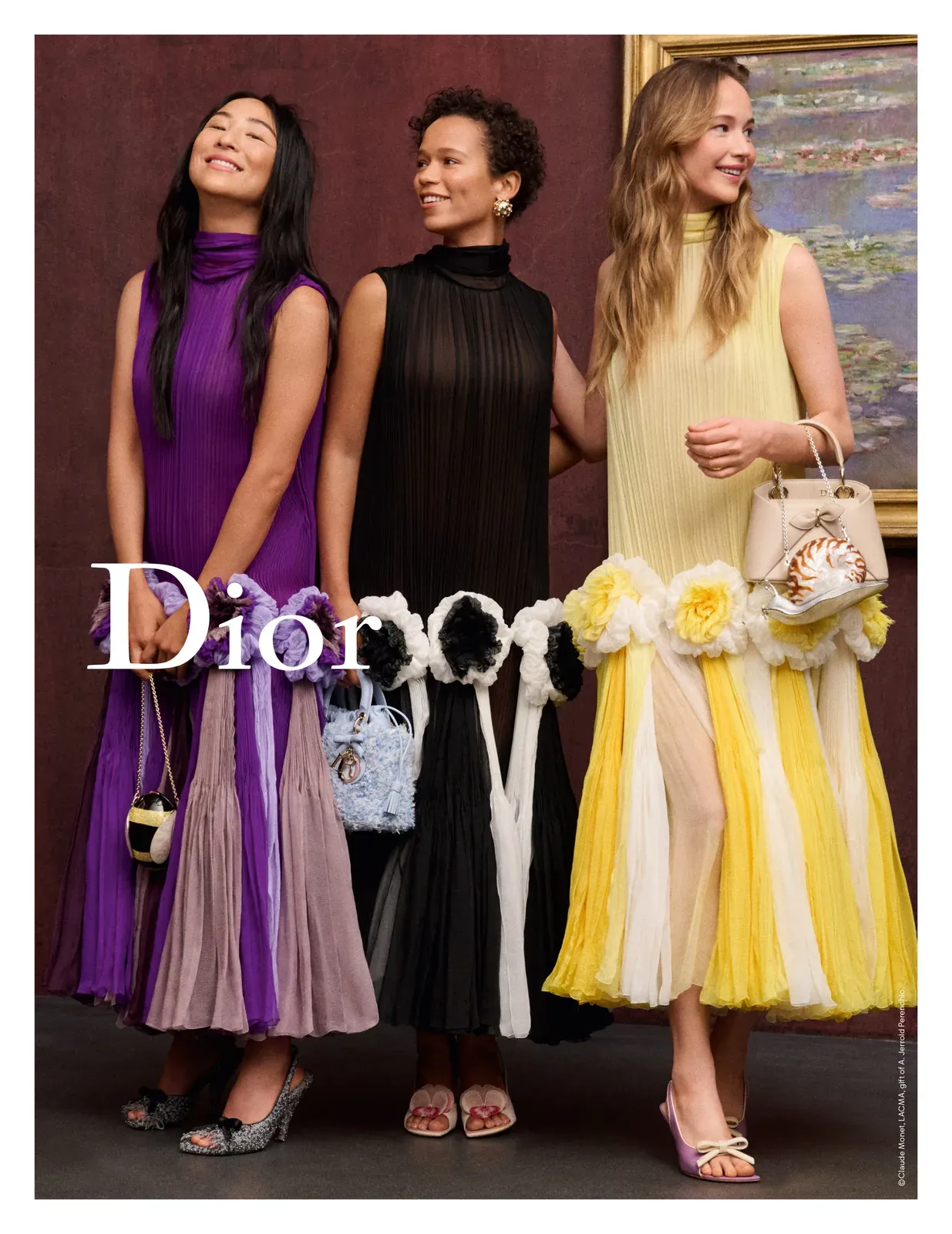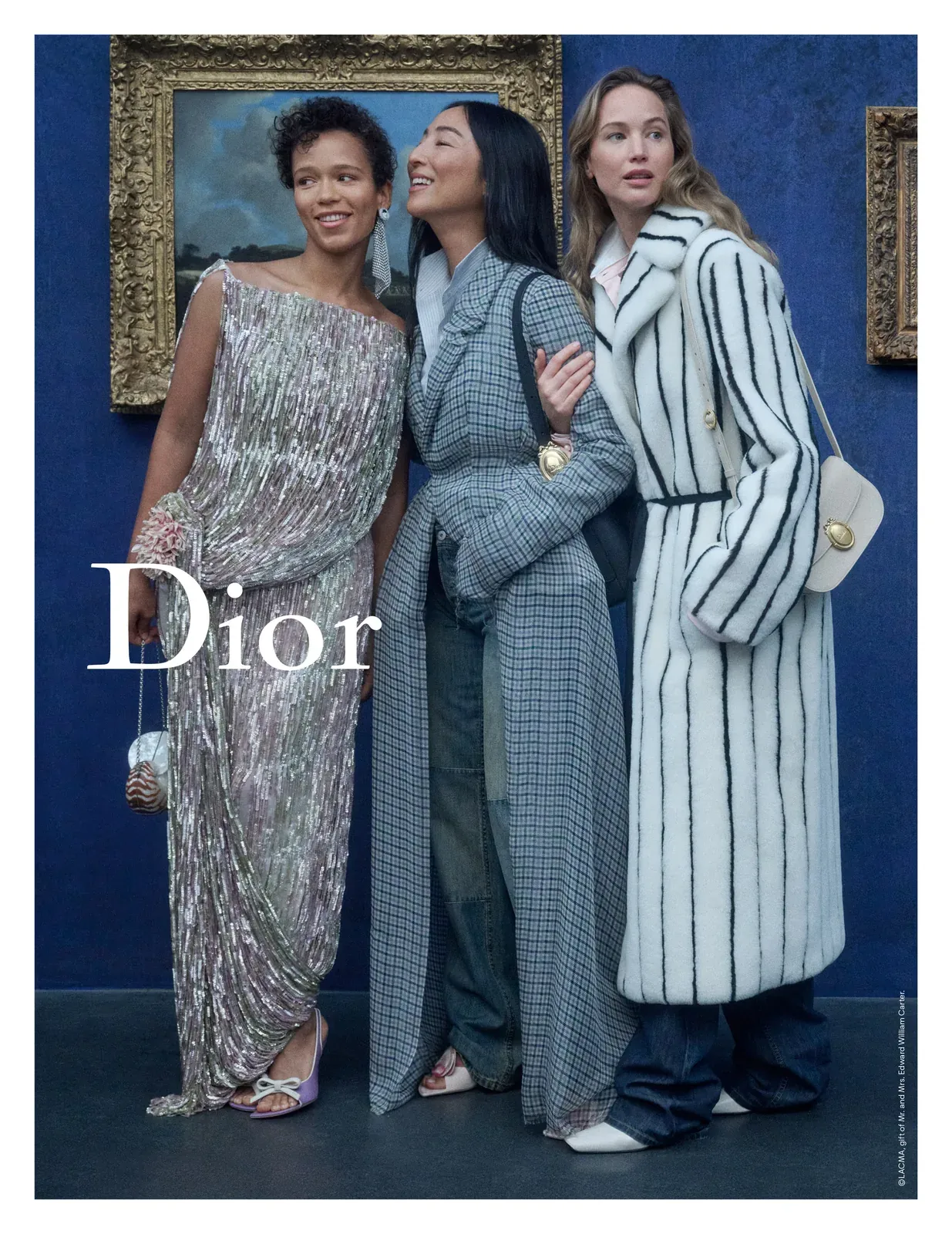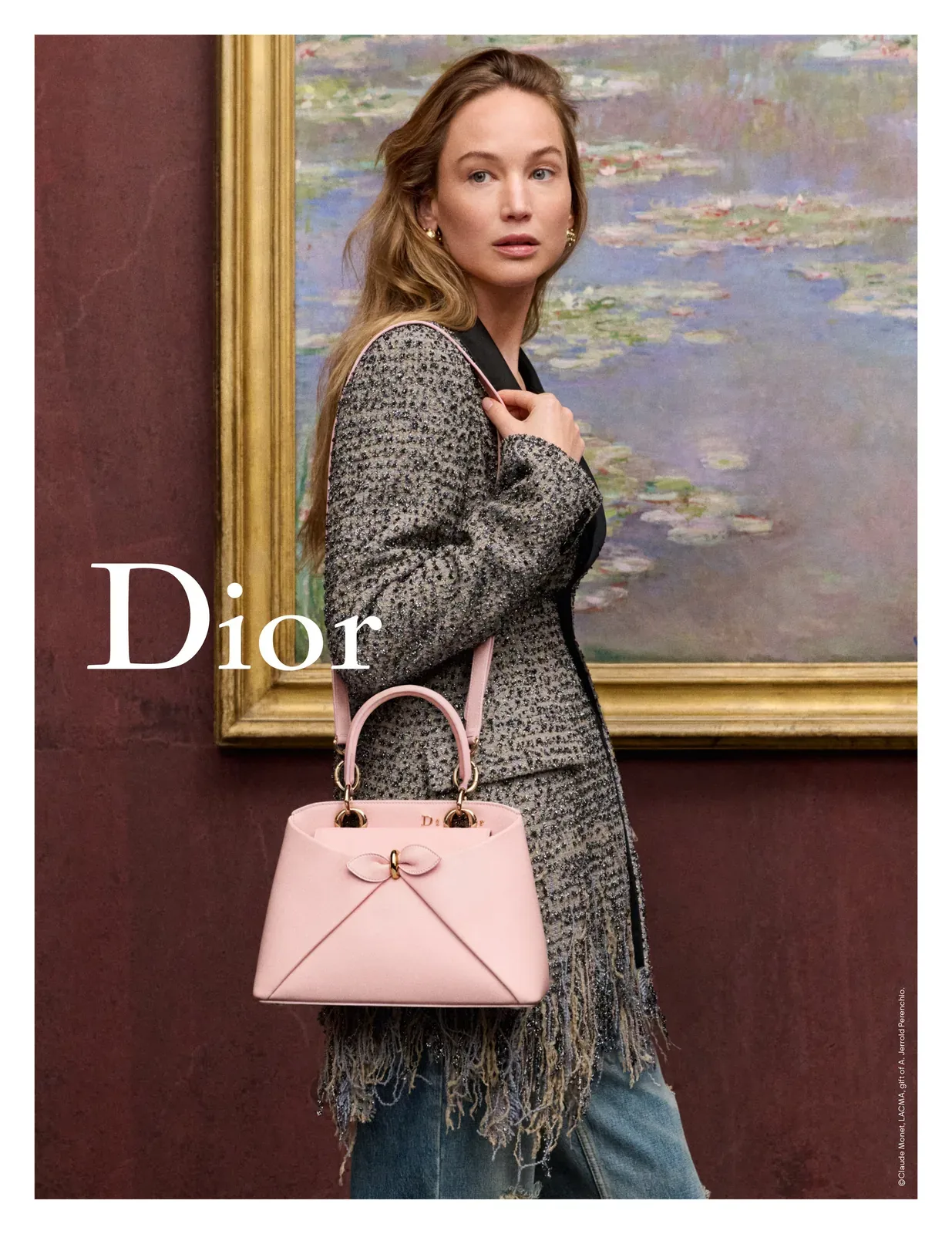
Think of the most casual plan: a walk in the park, a drink on a terrace or a visit to a museum. For most people, these moments are spontaneous. But when the person involved is an actor, we immediately question whether they’re truly being themselves or somehow performing. Inevitably, the clothes become part of the story. For Jonathan Anderson’s Dior Cruise 2027 collection, this relationship between actors, characters and clothing is central.
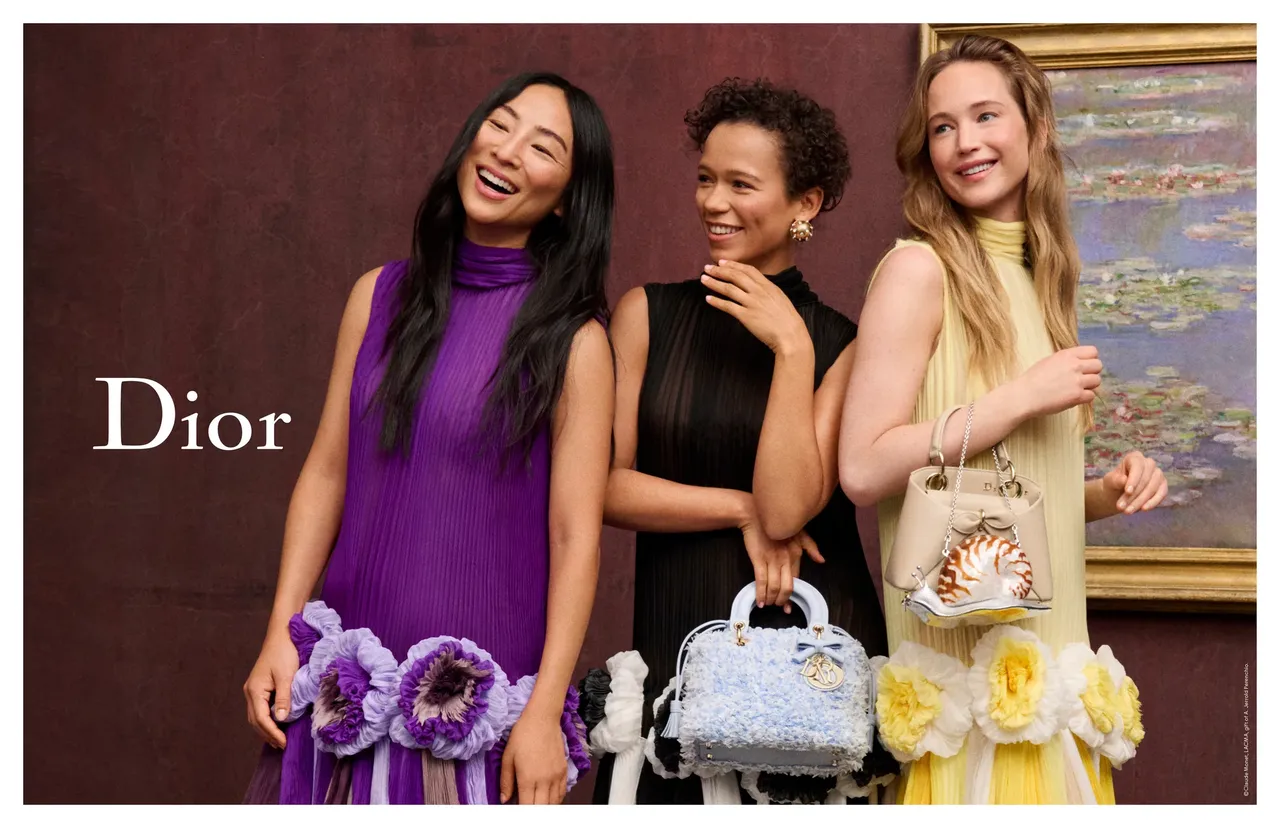
Costume has always been essential to cinema, helping to construct characters and communicate identity. But clothing can also shape an actor’s identity off screen. Dior has a long history of exploring this relationship, from Marlene Dietrich famously insisting on wearing Dior in Stage Fright with the ultimatum “No Dior, No Dietrich” to the way fashion continues to define cinematic and public identities today. This history keeps growing with the latest Cruise 2027 campaign, starring some of the closest friends and ambassadors of the Maison: Jennifer Lawrence, Greta Lee, Taylor Russell and Drew Starkey, photographed by Sam Rock at the Los Angeles County Museum of Art (LACMA), where the show also took place.
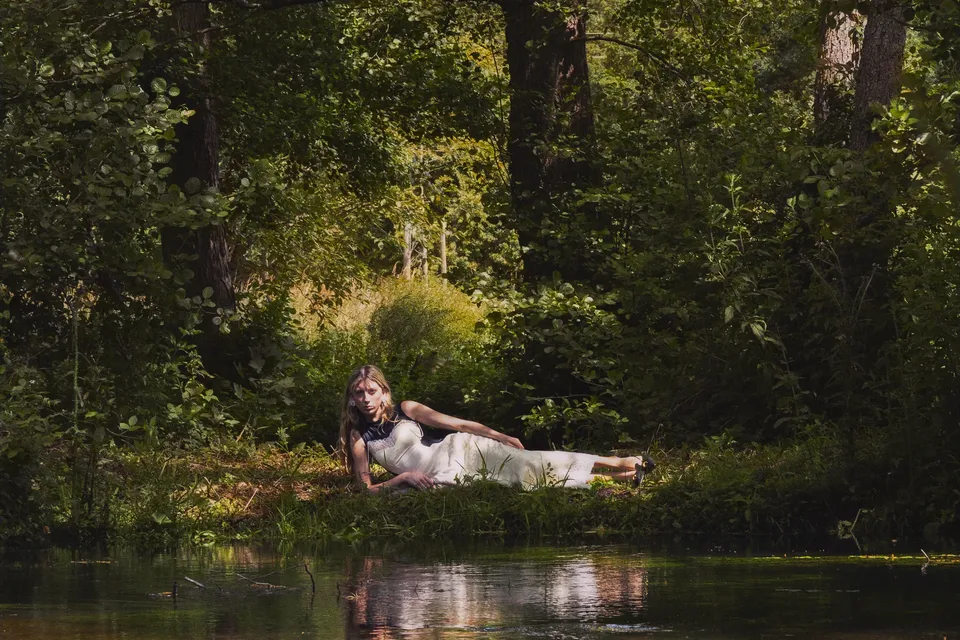
The museum is more than a backdrop: it becomes the set, transforming the actors into muses within a living canvas, surrounded by works of art and immersed in an imaginary world. They appear to be themselves, yet their clothes, gestures and surroundings make us imagine an entire film. Colour is central, drawing on California, Hollywood’s Technicolor era and Pop Art. The new bags also take a prominent role: Greta Lee carries the Dior Double, Taylor Russell the Dior Initials Hobo and Drew Starkey the Dior Double-Up Messenger, while the Dior Granville line appears throughout the series. The campaign plays with the idea of Hollywood as a dream factory, bringing together cinema, fashion, art and fantasy while presenting the actors almost as figures within a painting.
LACMA also creates a dialogue between Hollywood and the art world. A museum preserves and recontextualises images, while Hollywood constructs worlds and characters that audiences learn to believe in. By placing actors inside the museum, Dior brings these two forms of storytelling together. Art becomes part of the clothes themselves. Drew Starkey wears pieces from Dior’s collaboration with Ed Ruscha, whose texts and artworks appear on the garments, raising the question of when clothing begins to function as art. Claude Monet’s Water Lilies (c. 1908), on view at LACMA, also appears throughout the campaign, connecting Los Angeles with Paris and echoing the water-lily motif in Dior’s Fall/Winter 2026 collection. Anderson reinterprets this heritage through the Californian landscape, where flowers become symbols of nature, fantasy and dreaming.
Ultimately, the campaign revolves around the tension between authenticity and fiction. The images look spontaneous but everything is carefully constructed. The actors seem to be themselves, yet they inevitably carry the characters they have played before. Authenticity itself becomes a performance.
Despite all its artistic references, this remains a Dior campaign. Art, cinema and culture are also tools for creating desire around the clothes. This raises the central question: is Dior bringing fashion into the realm of art, or using art to elevate fashion? Perhaps the campaign’s strength lies in refusing to separate the two, creating a world where fashion becomes art, the museum becomes a stage and reality becomes another form of fiction.