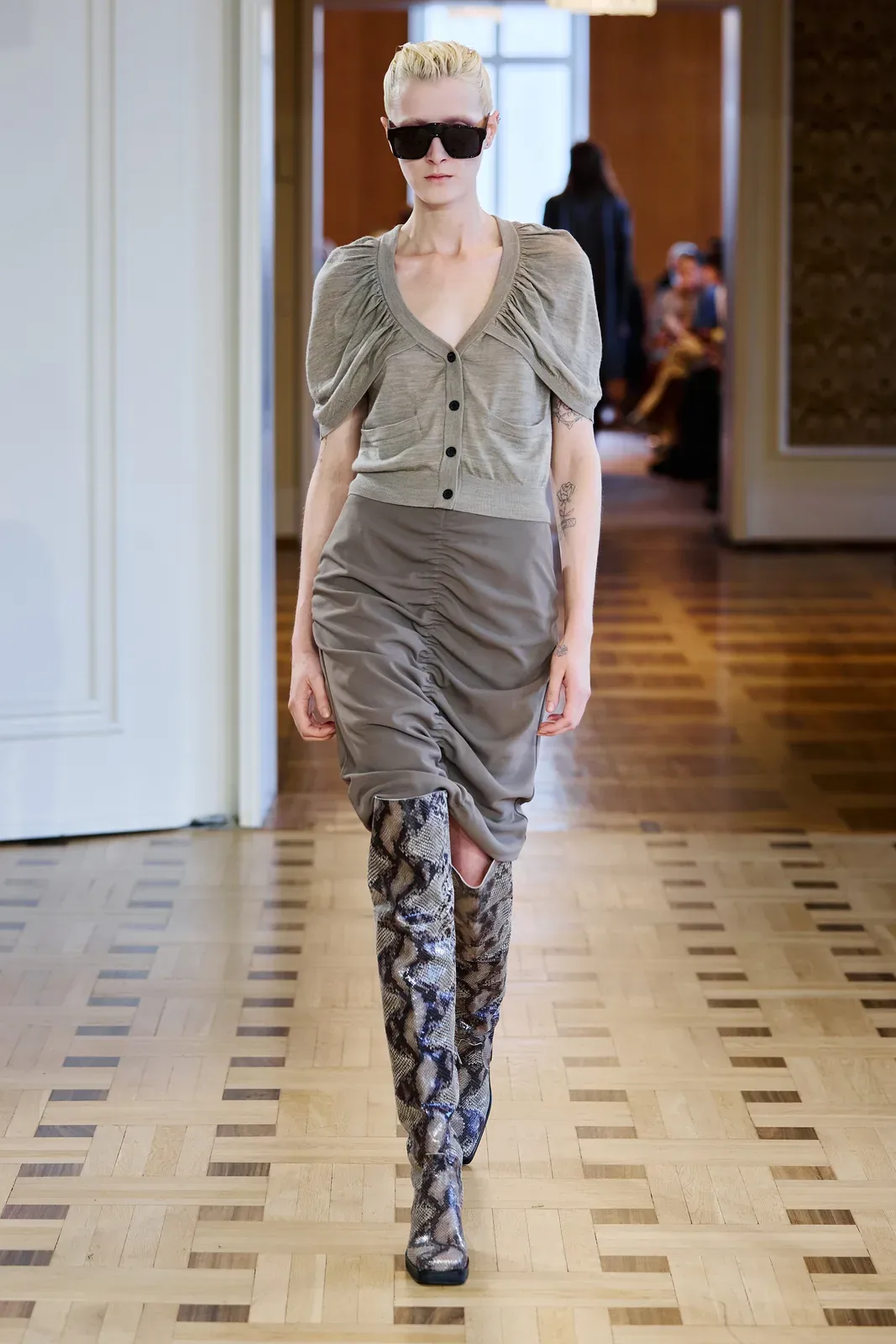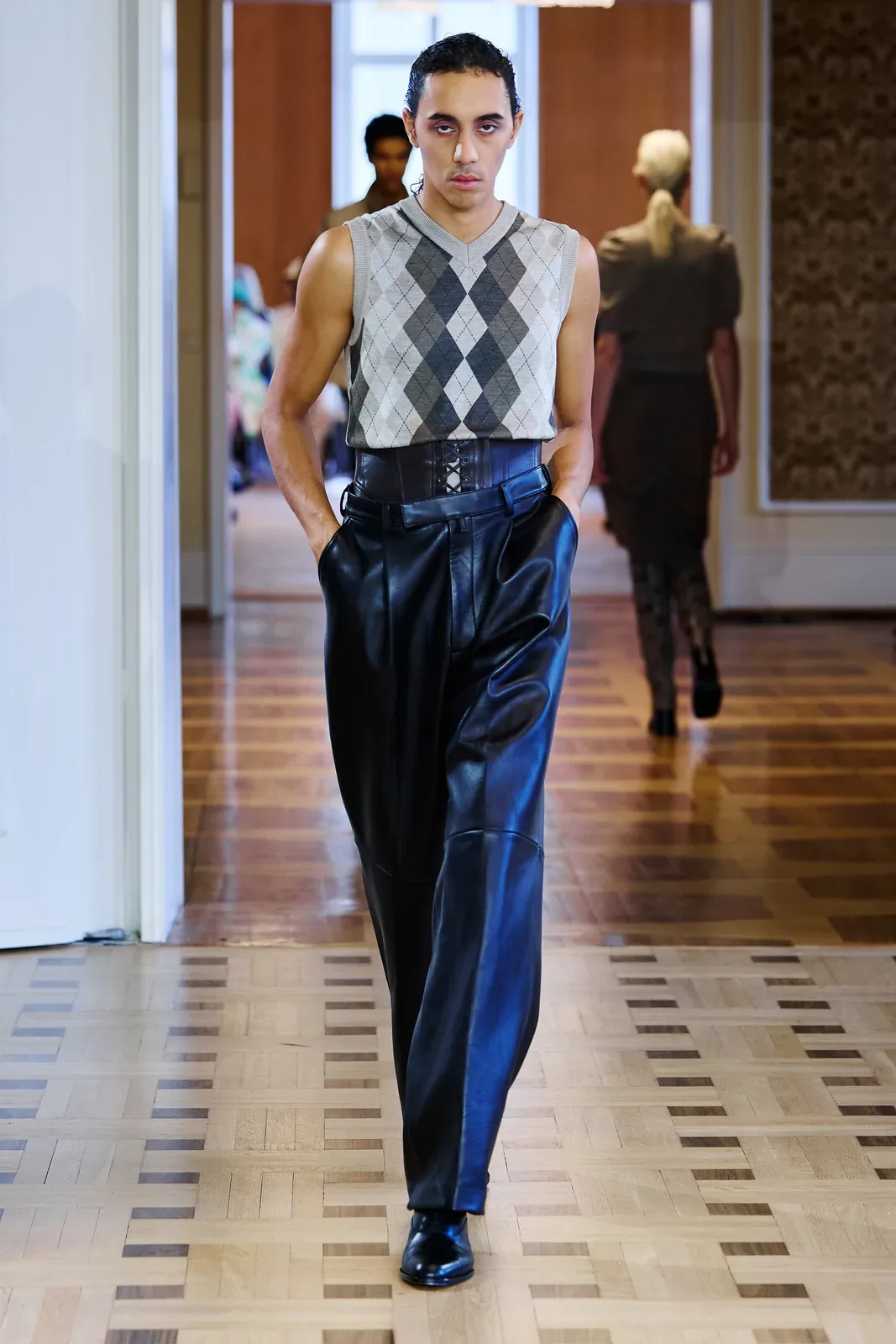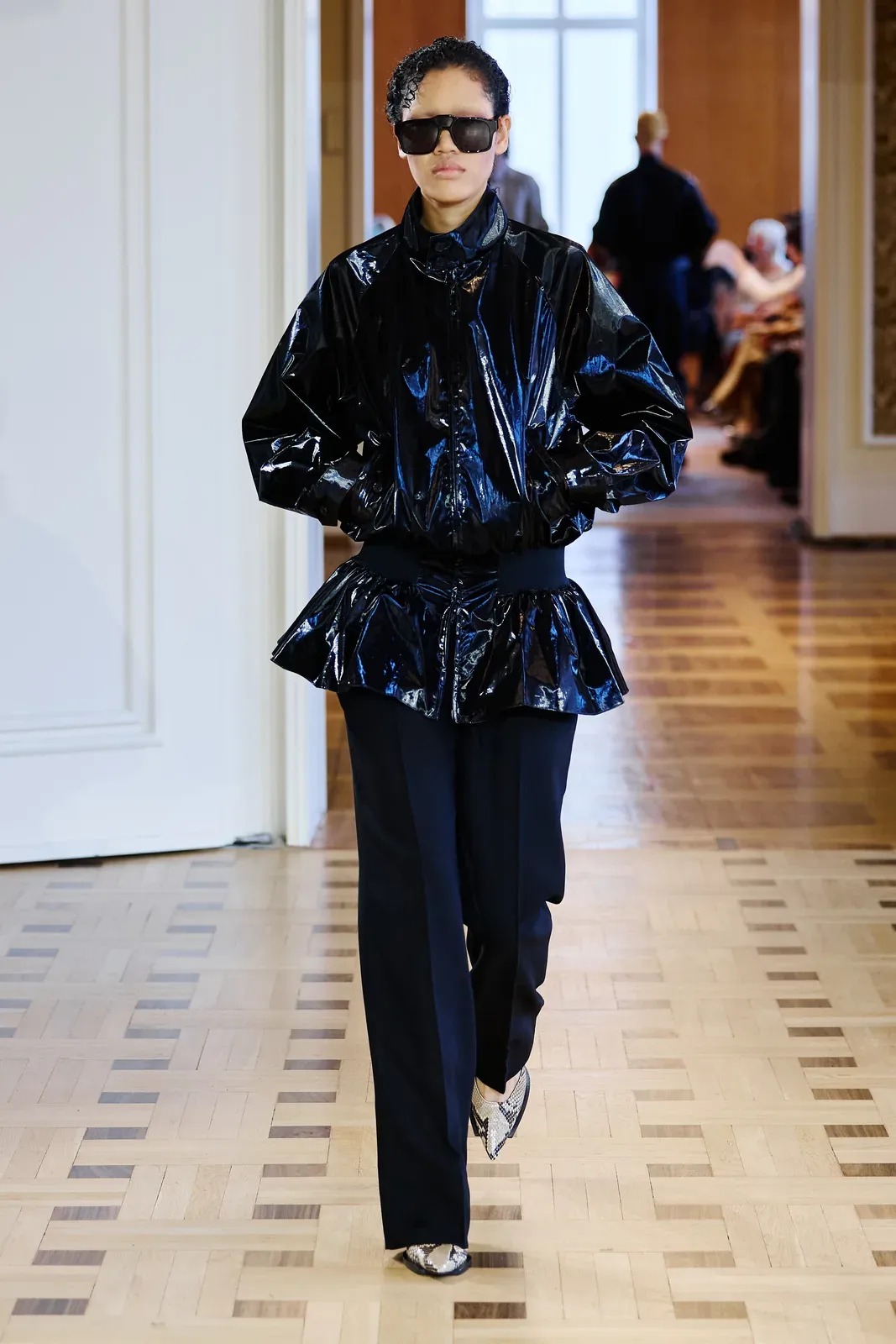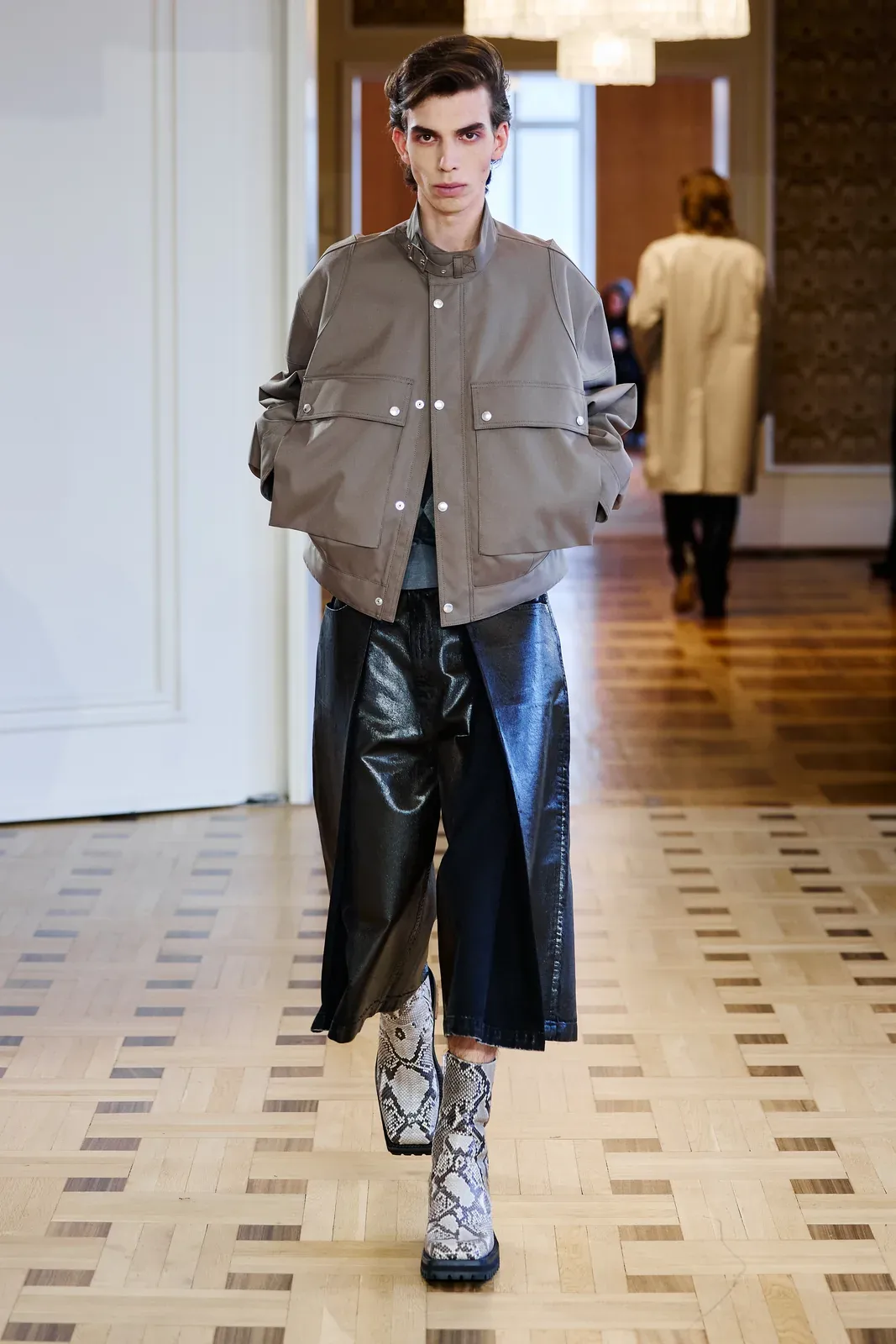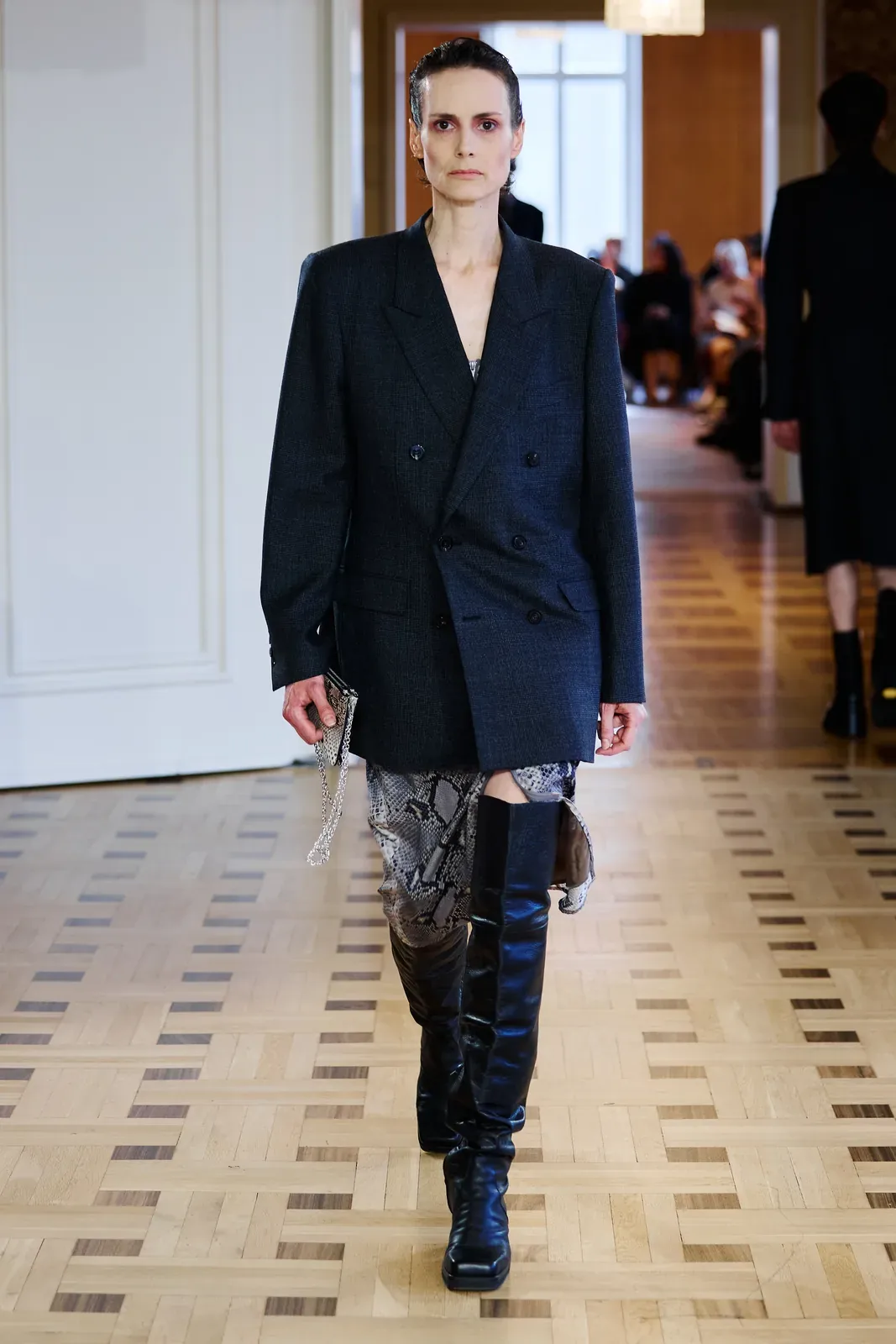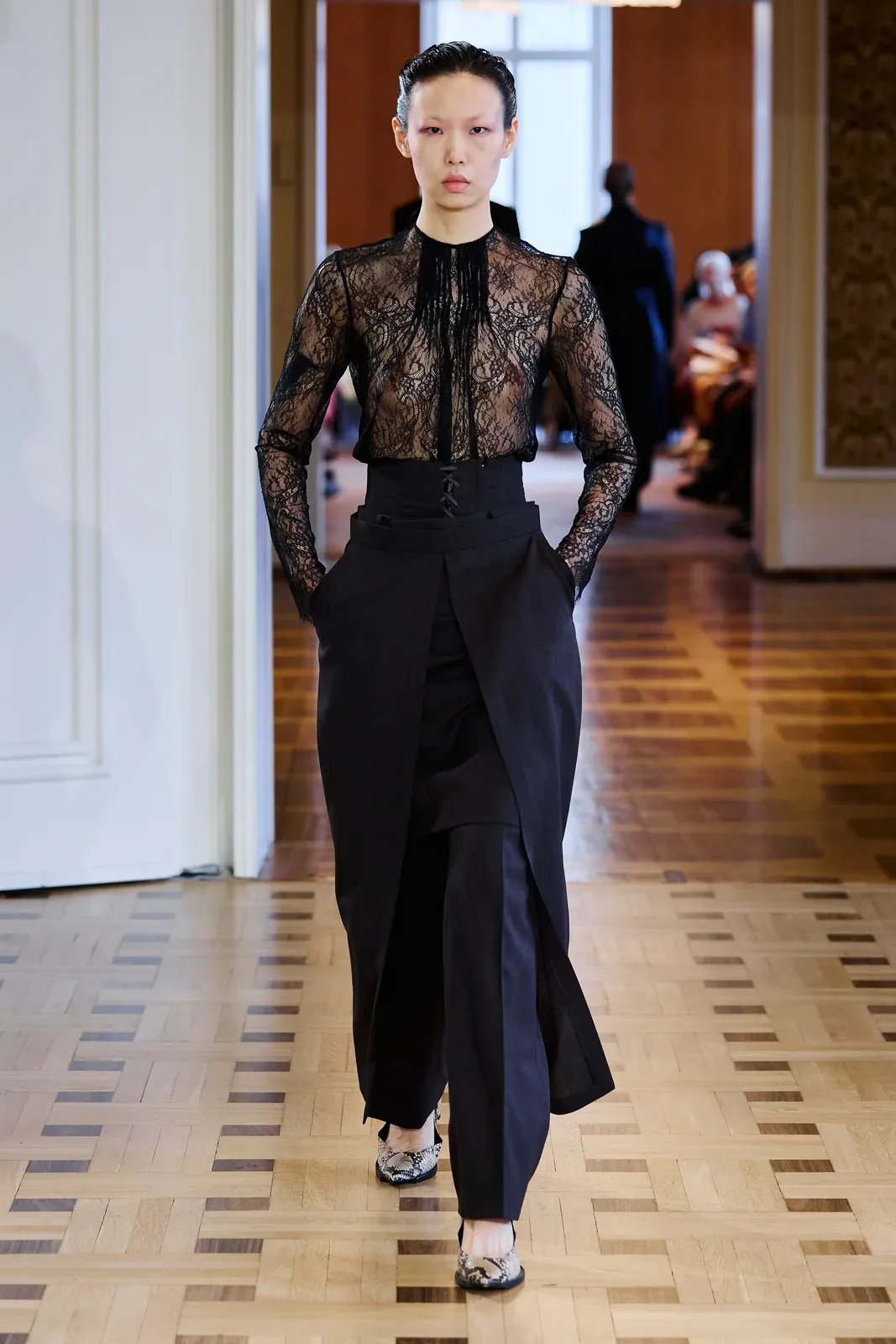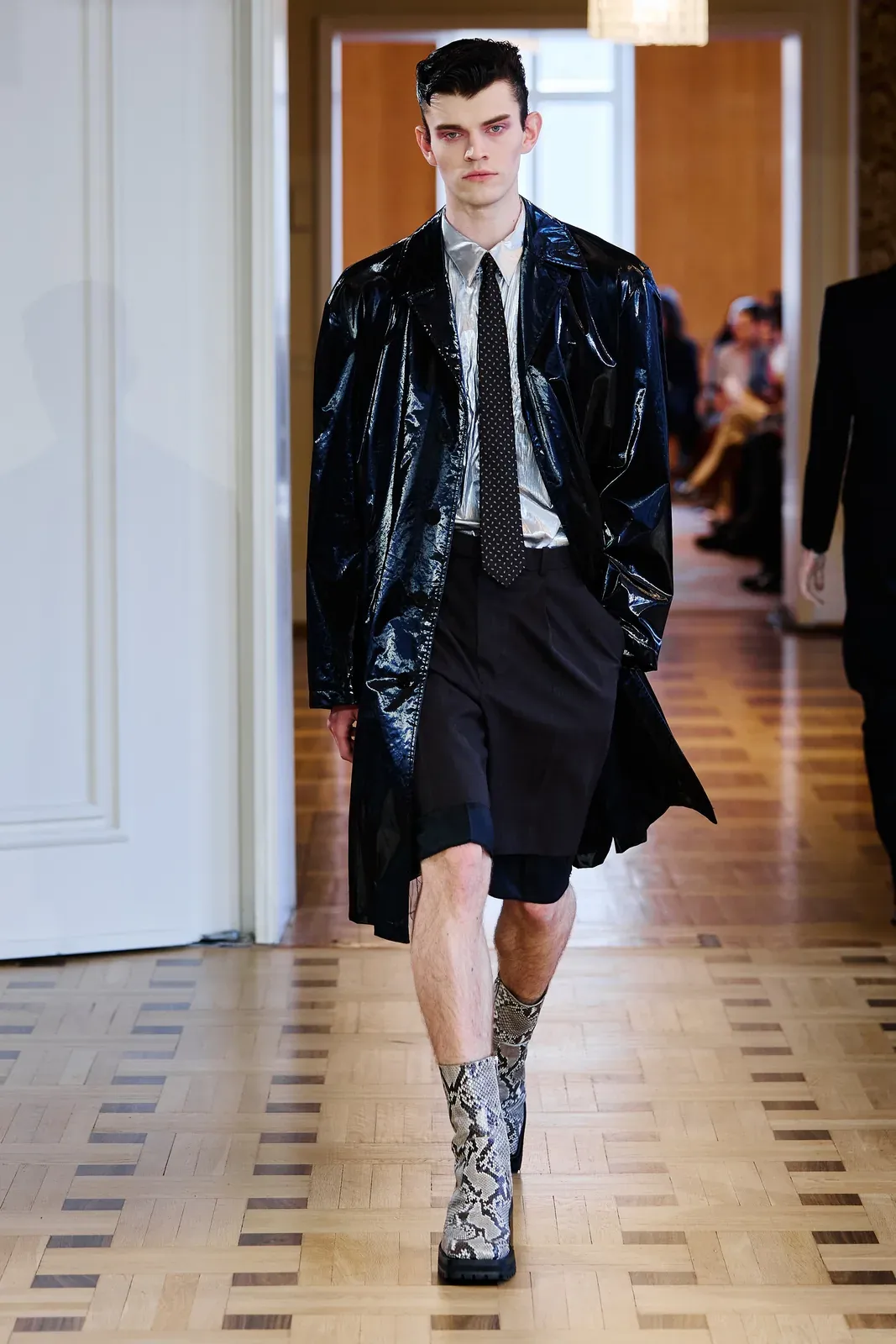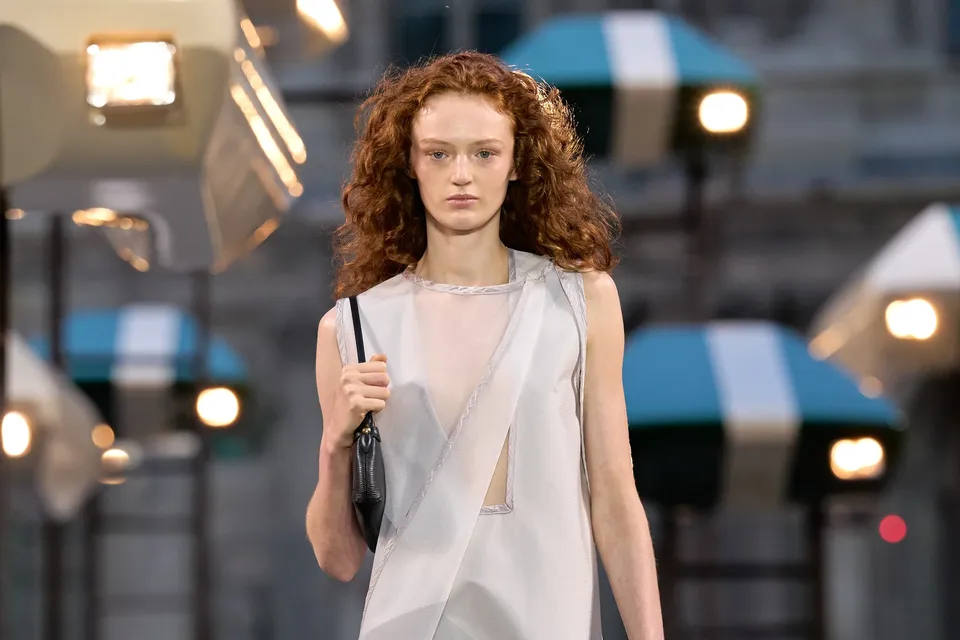
Berlin Fashion Week is often fashion’s forgotten middle child. Sandwiched, or perhaps more appropriately, bratwursted, between the industry’s bigger names, it rarely commands the same attention as Paris or Milan. Yet that’s precisely the thing that makes it compelling. Freed from the pressure of spectacle, and buoyed by an independent spirit, Berlin continues to produce collections that can stand alongside those of any fashion capital. As the industry is already getting ready for the next stop on the calendar, we couldn’t help but look back at a Fashion Week that deserves far more than a passing glance.
Barragán
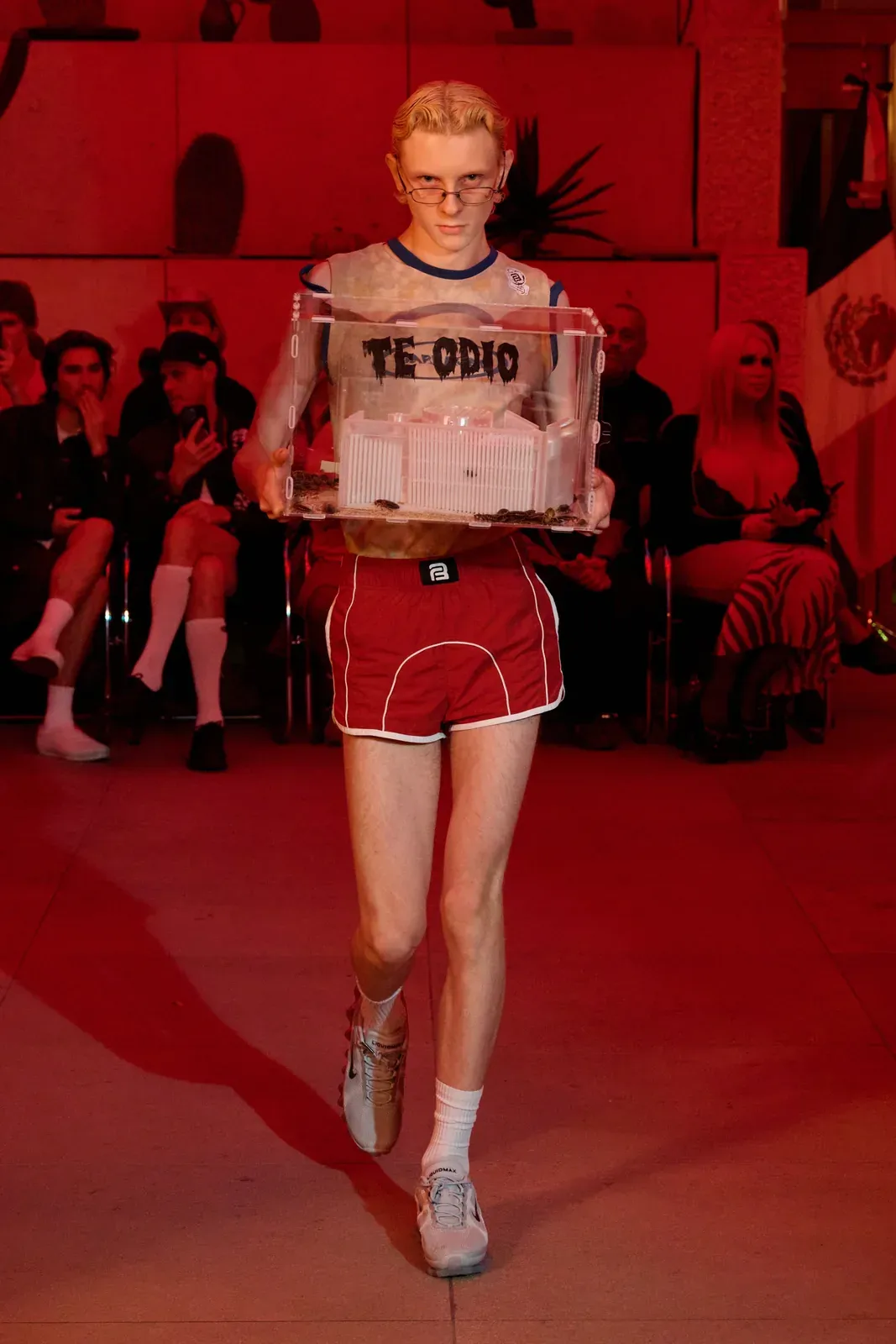
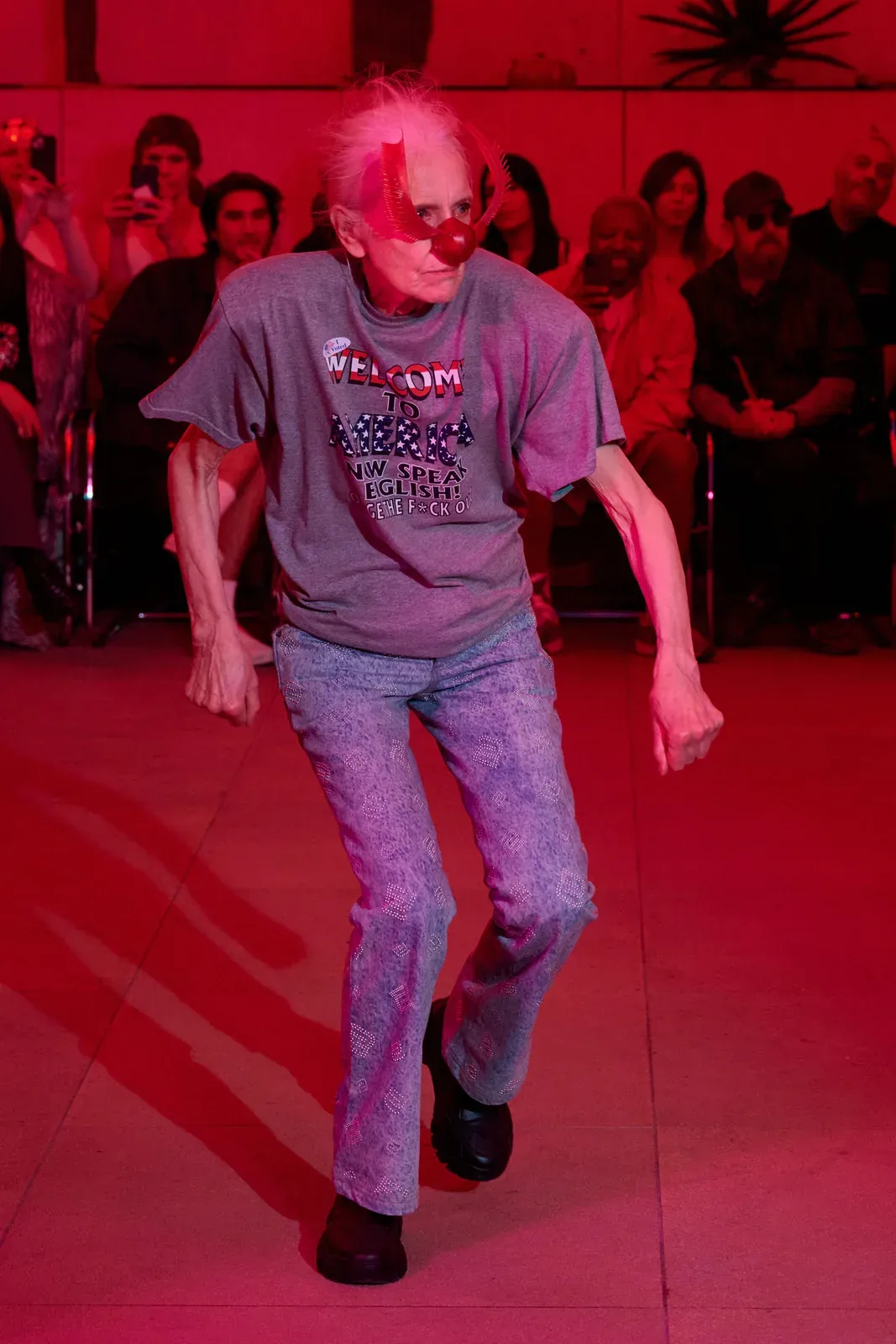
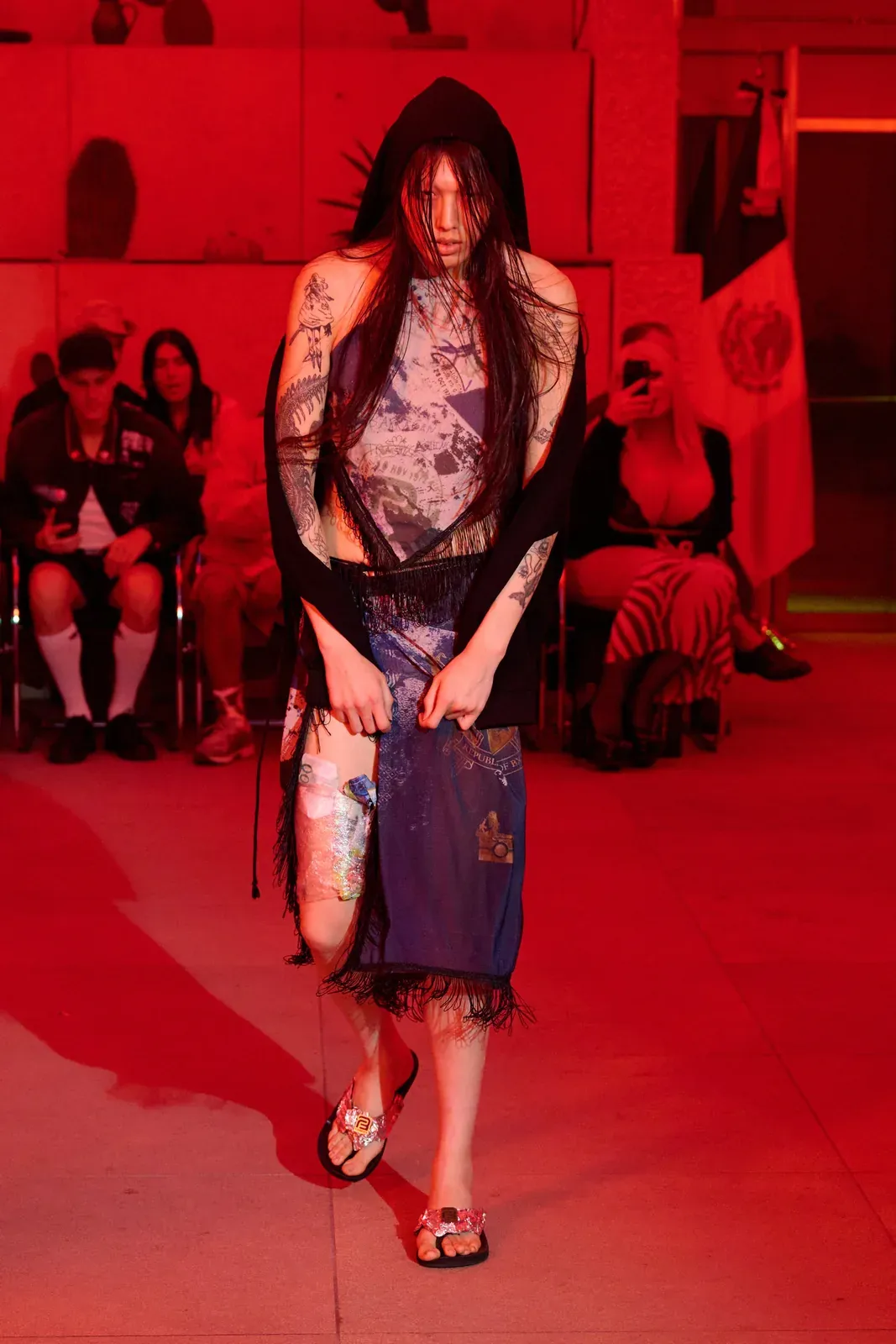
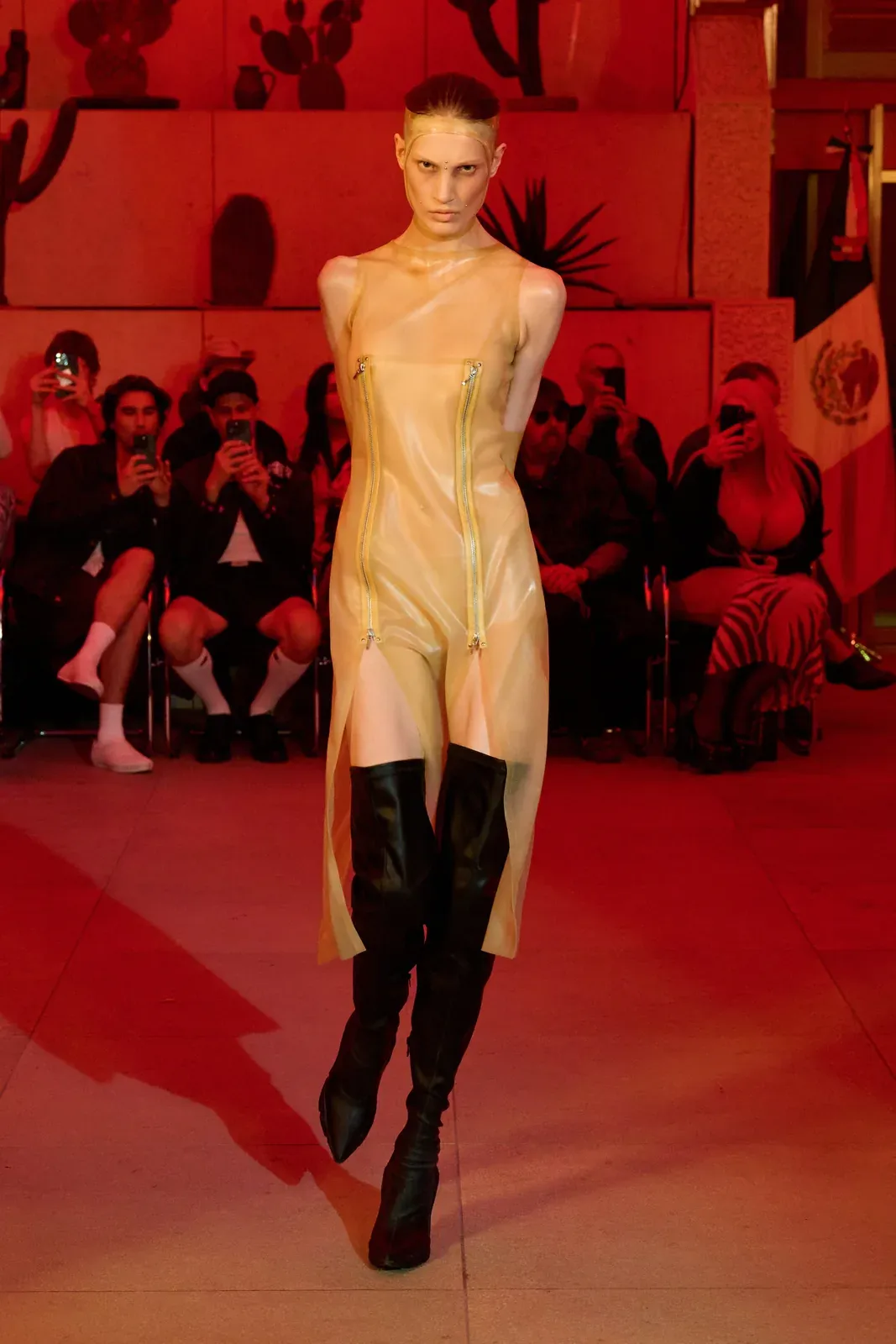
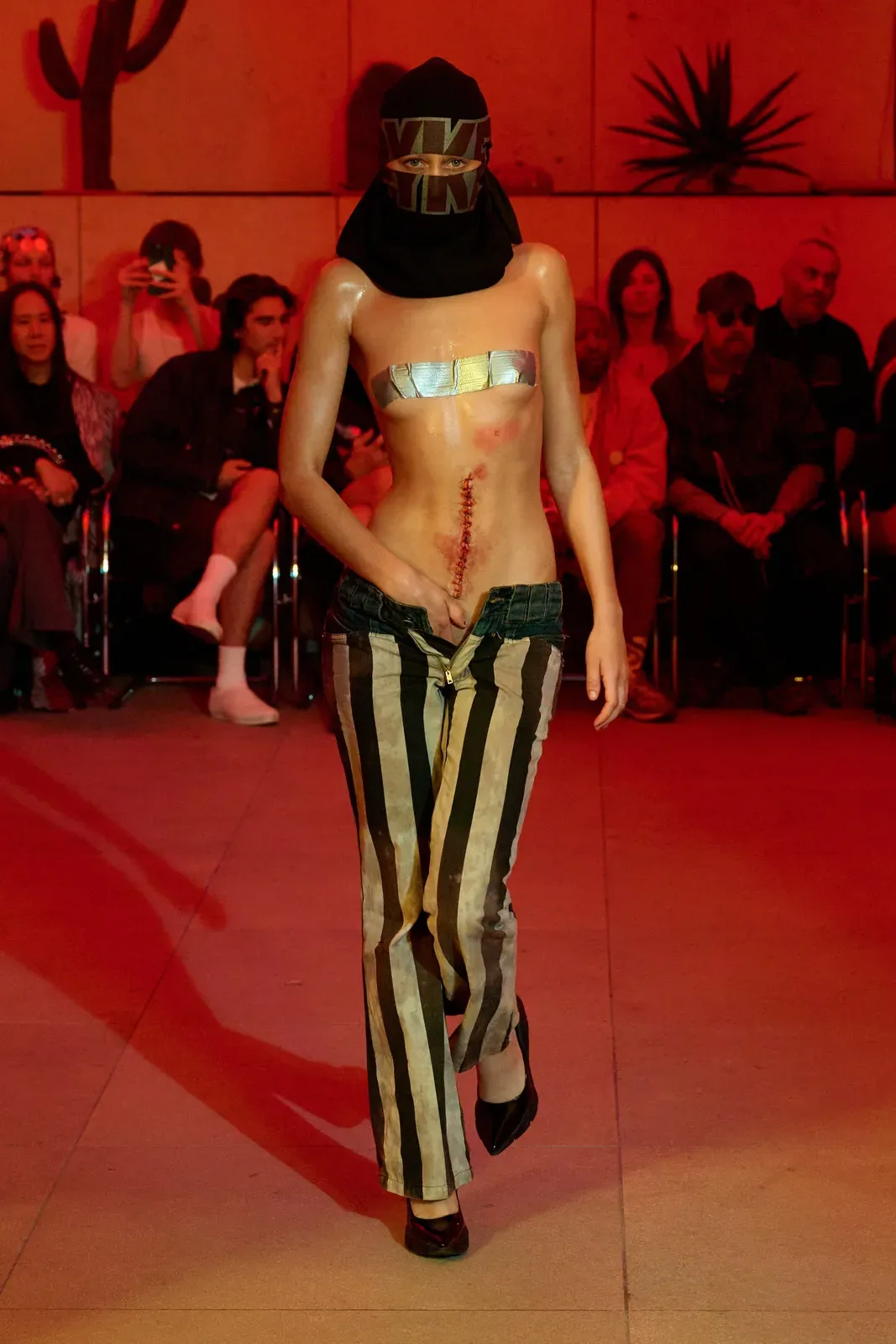
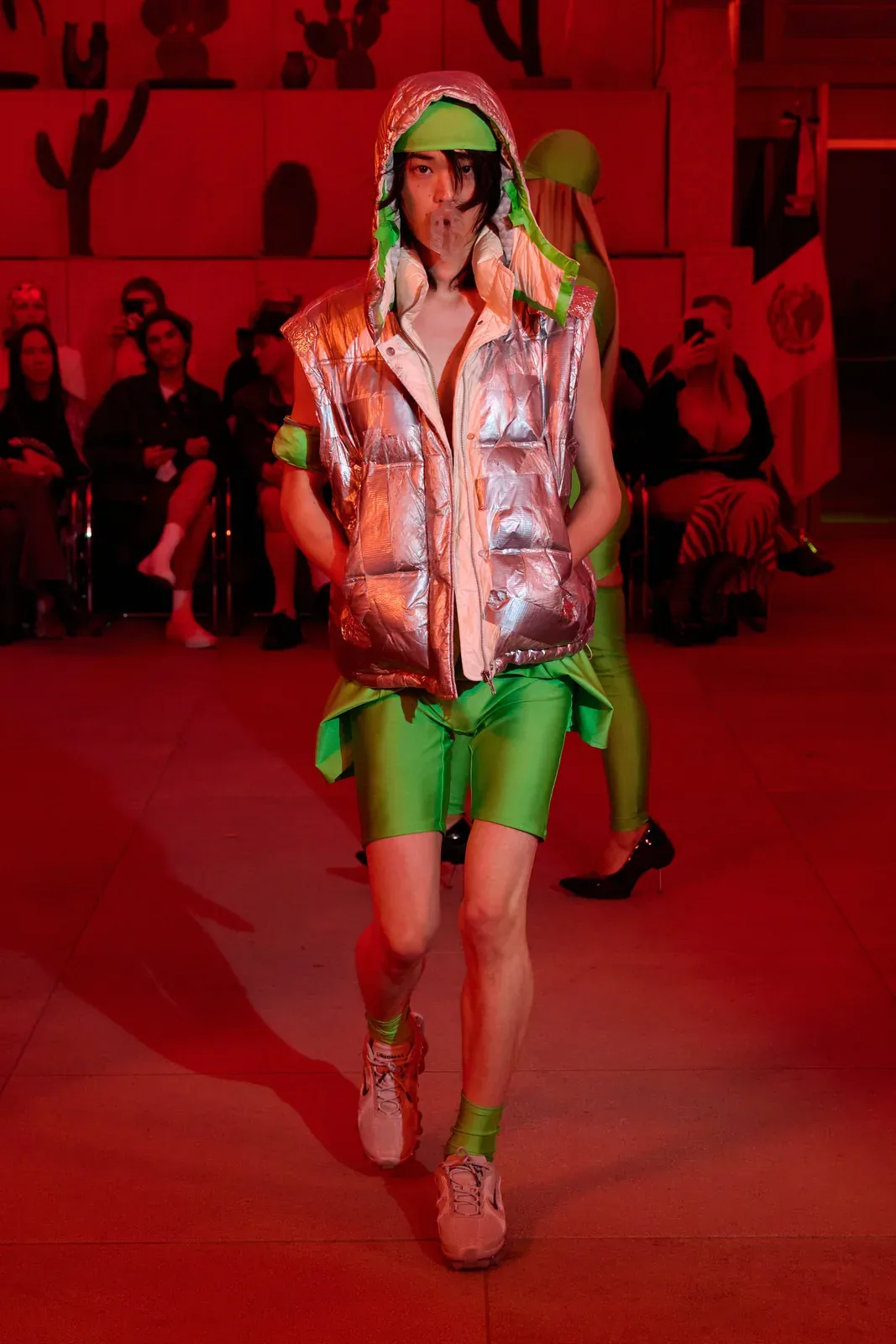
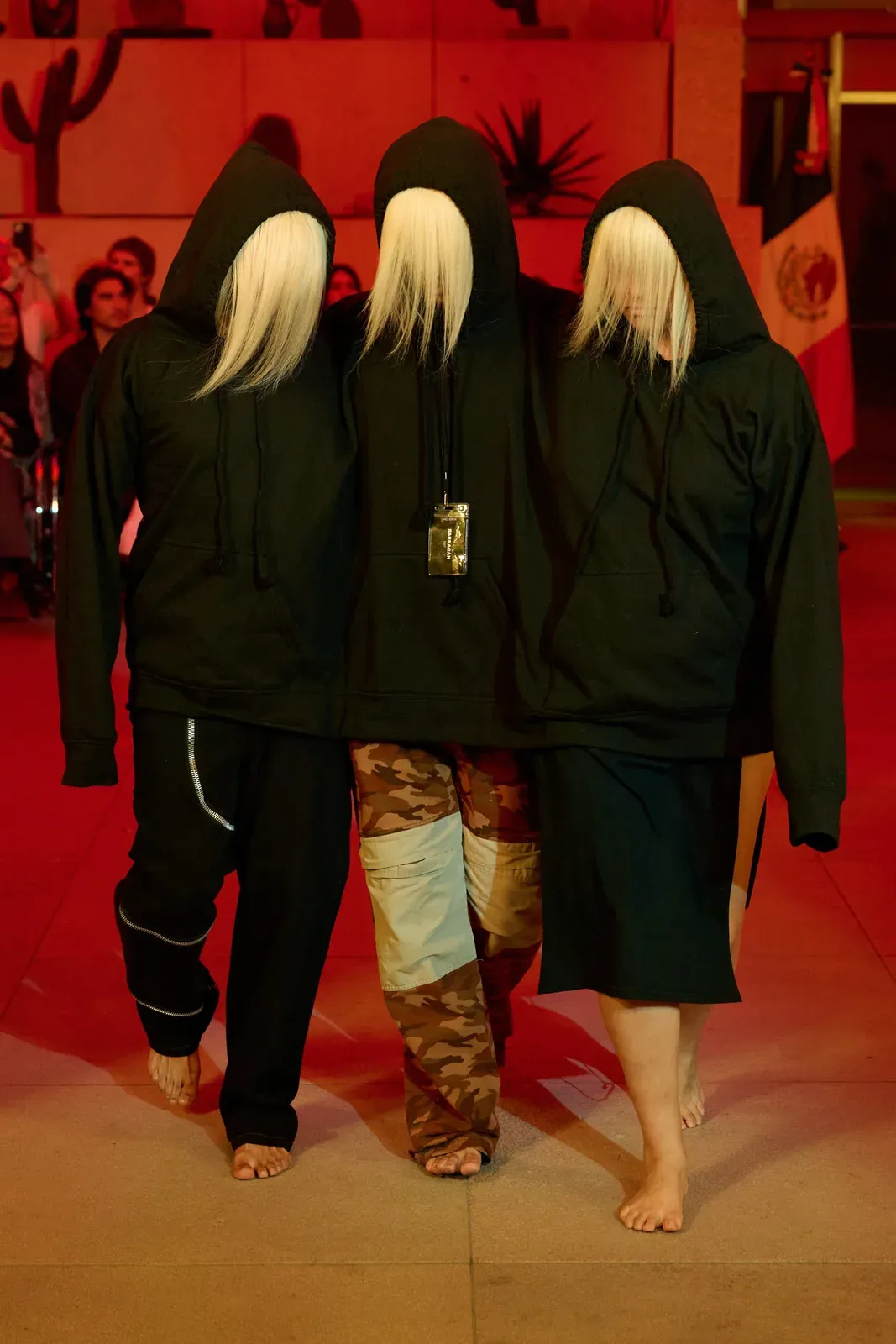
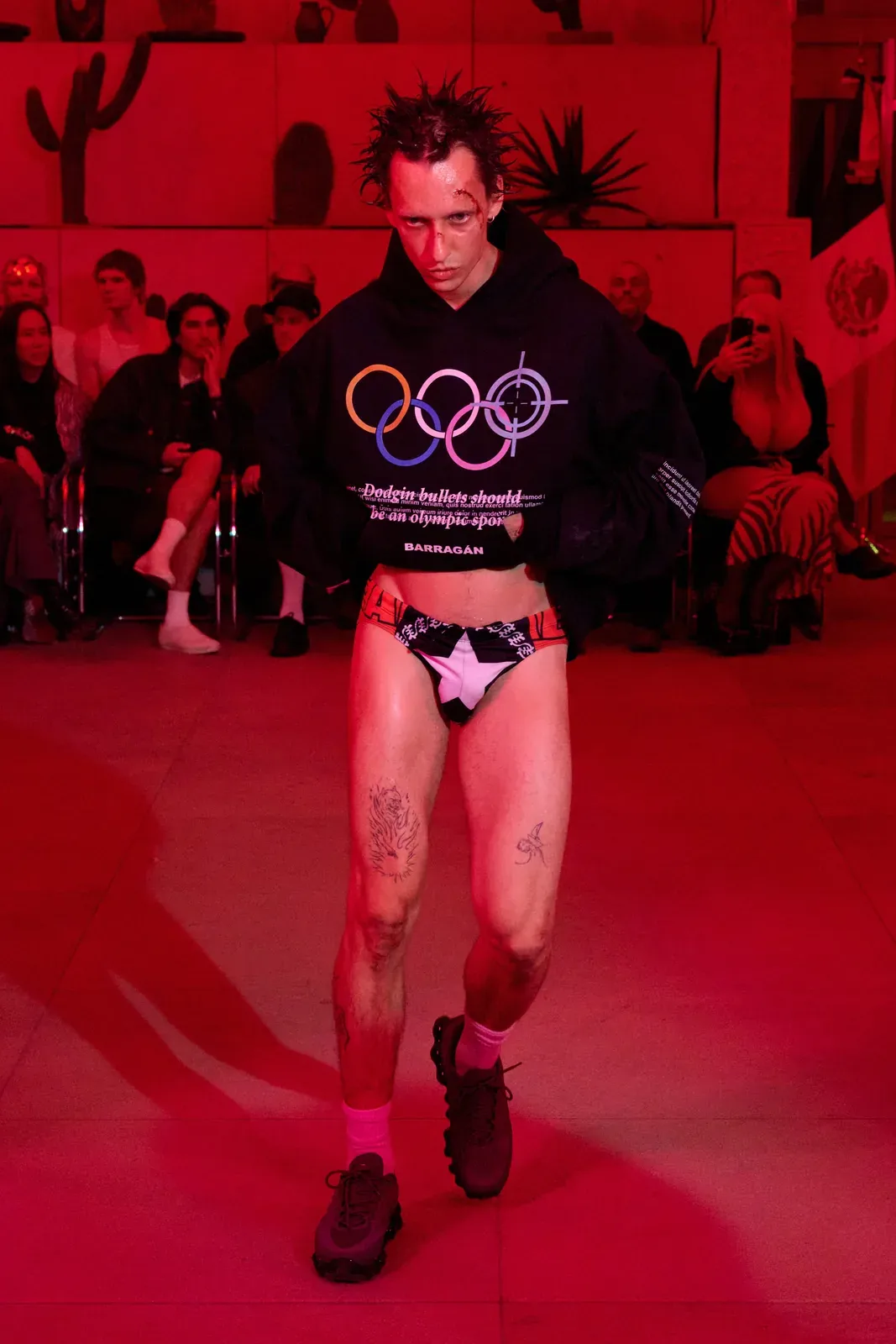
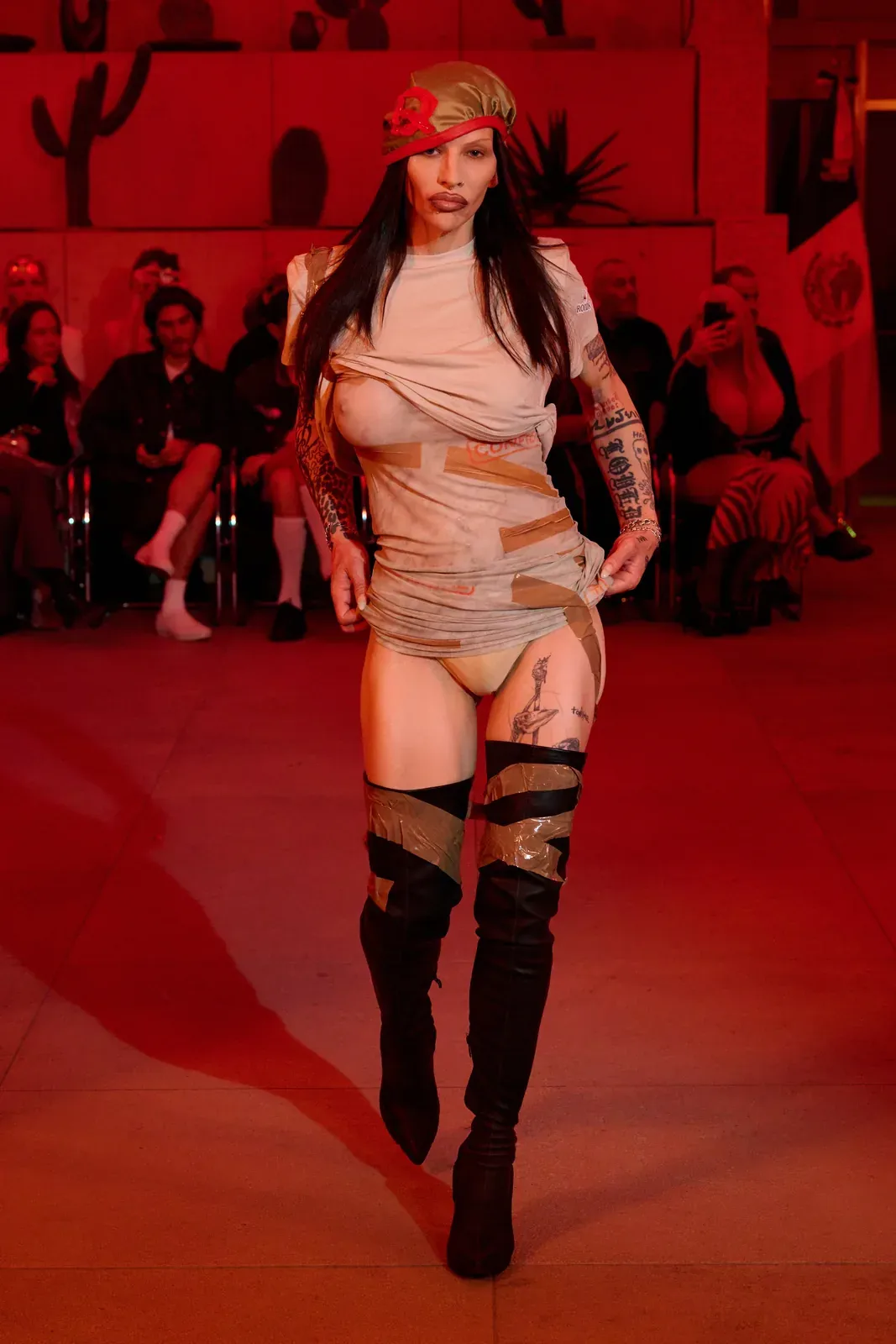
“Welcome to America. Now speak English! Or get the fuck out,” read one of the looks in Barragán’s S/S 2027. Except it wasn’t S/S 2027; it was S/S 2030. That’s the title of the collection, a pointed reference to the year Donald Trump will, hopefully, be out of office. It tells you everything you need to know about the kind of show Barragán staged.
Presented inside the Mexican Embassy in Berlin, the show unfolded beneath the lurid glow of red club lights, somewhere between a diplomatic meeting room and the after-hours haze of Berghain. Dollar bills peeked out of underwear. Duct tape held boots together, became bras, gagged mouths and restrained hands and bodies. Hate appeared emblazoned across T-shirts, but the word hardly needed to be written; it seeped through every look. Elsewhere, oil-slicked bodies glistened under the lights, while swollen noses (half clown, half cosmetic disaster) mocked the impossible promises of beauty and the grotesque optimism of capitalism.
Still, Barragán is less interested in predicting the future than in exposing the fever dream of the present.
GmbH
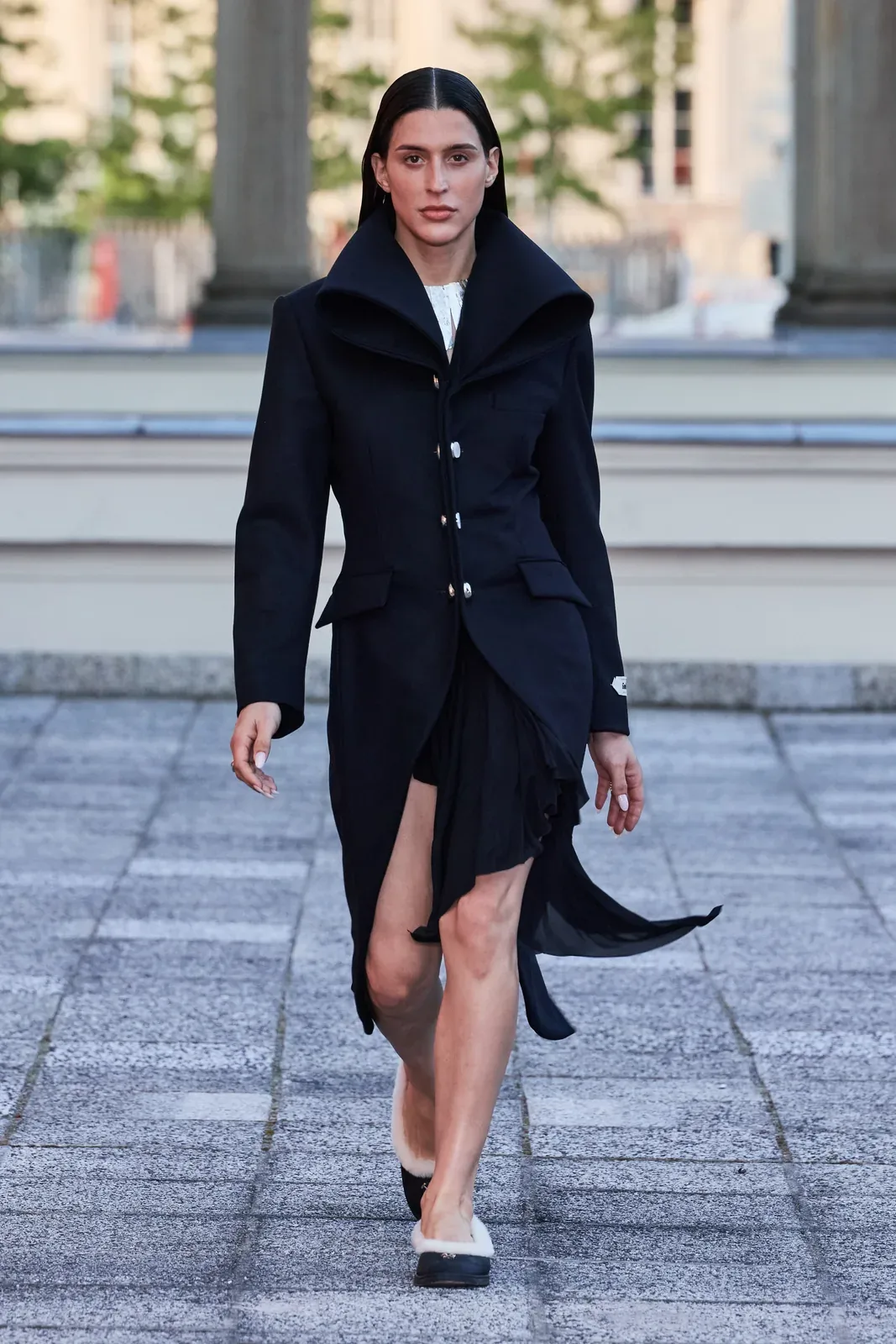
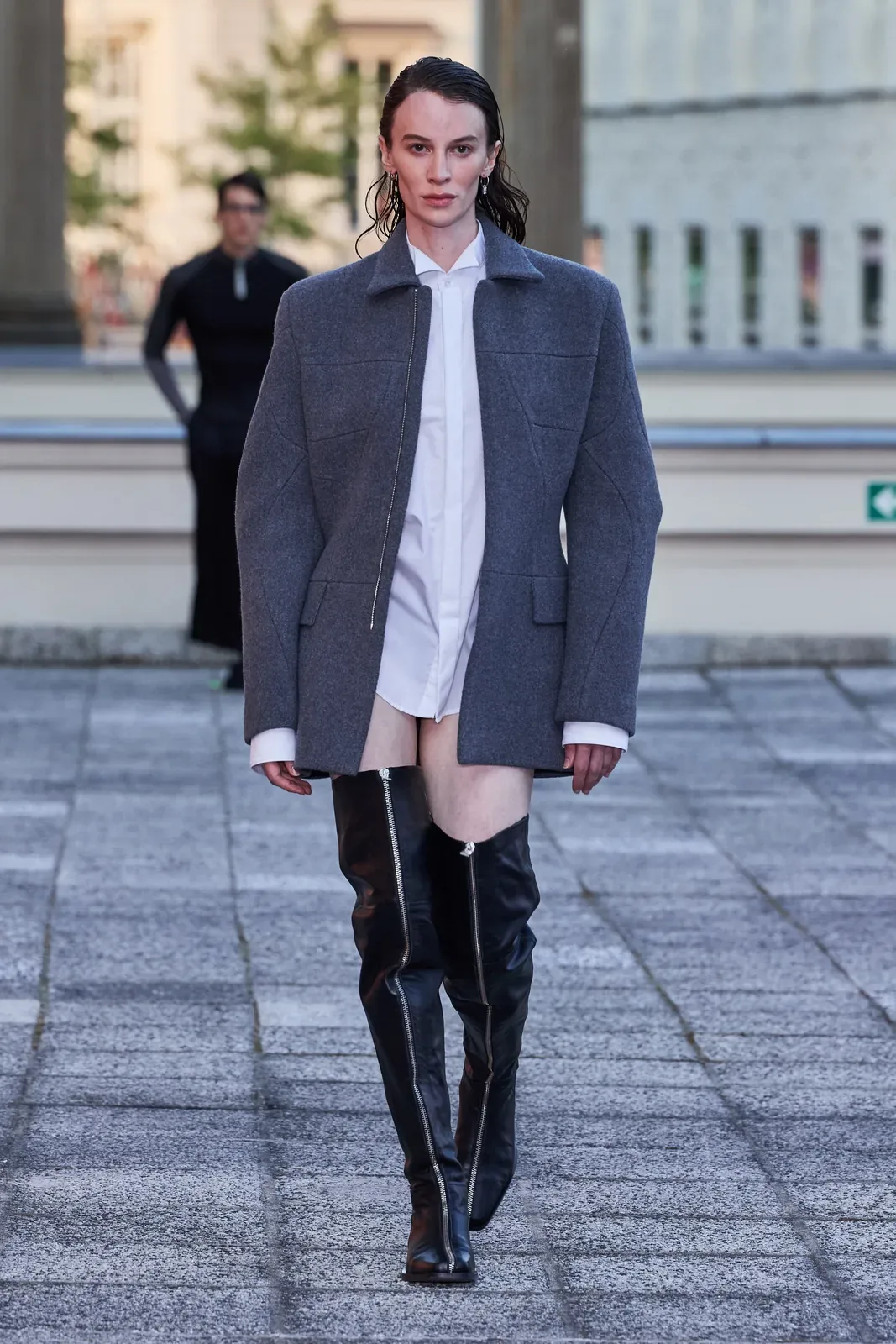
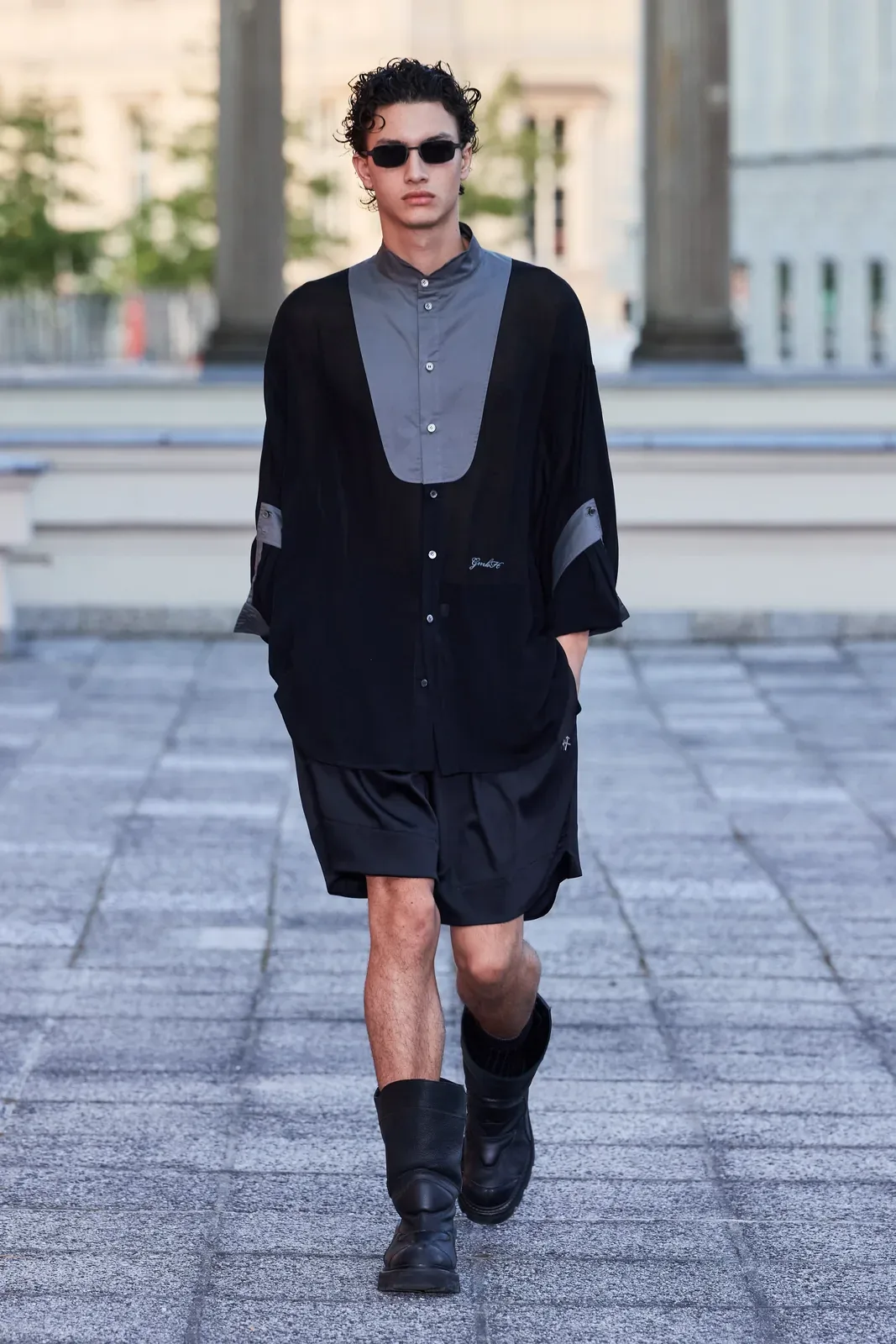
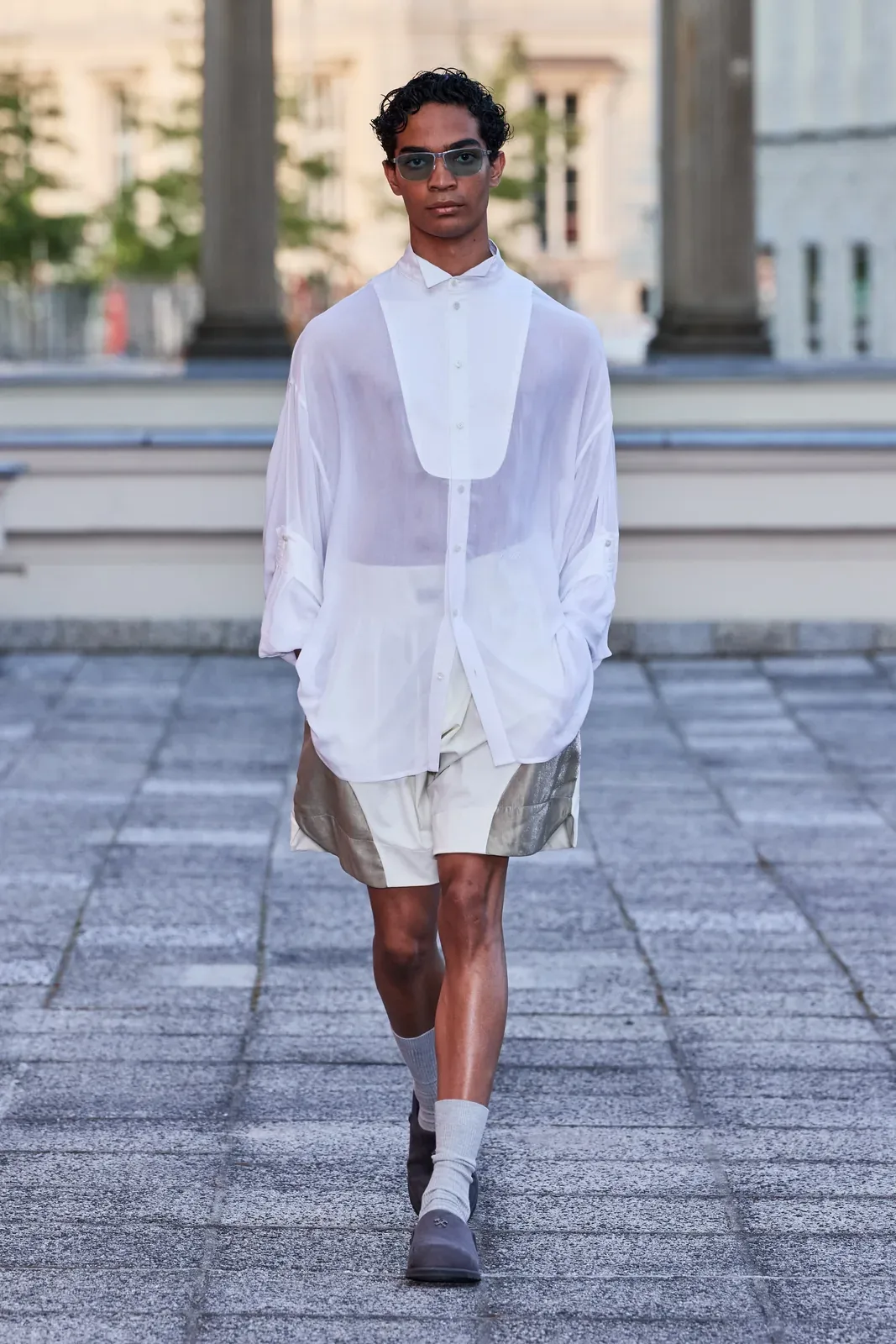
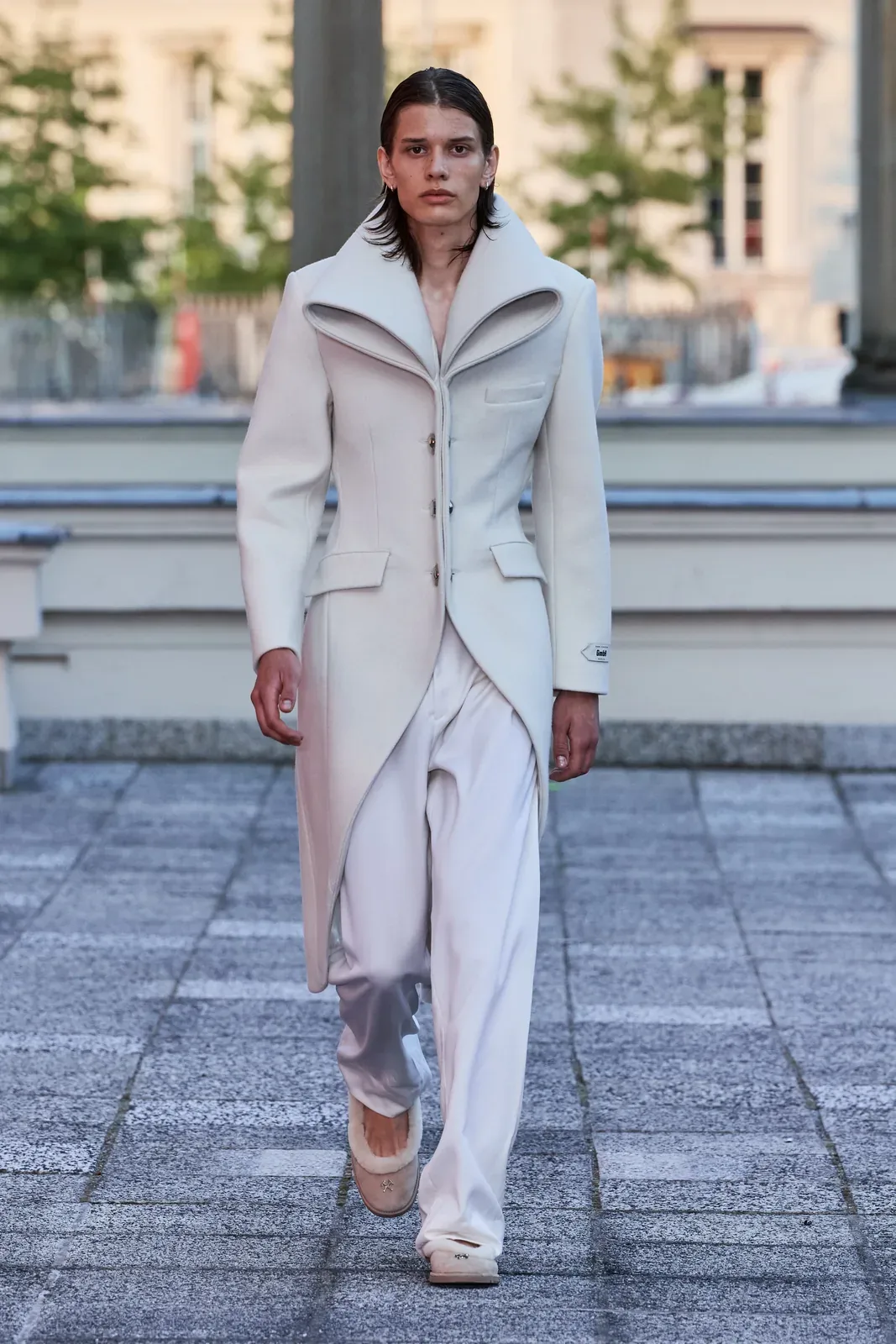
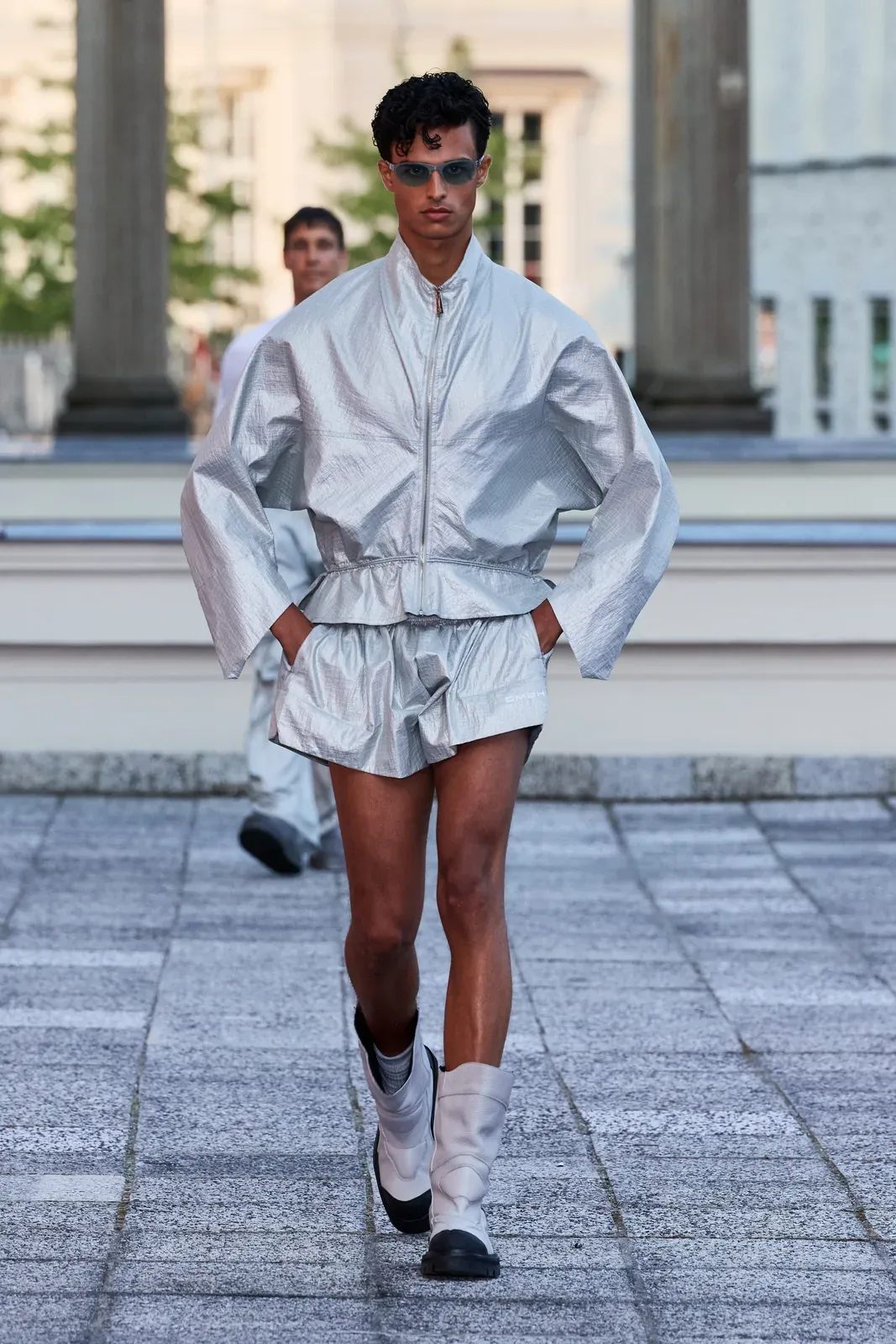
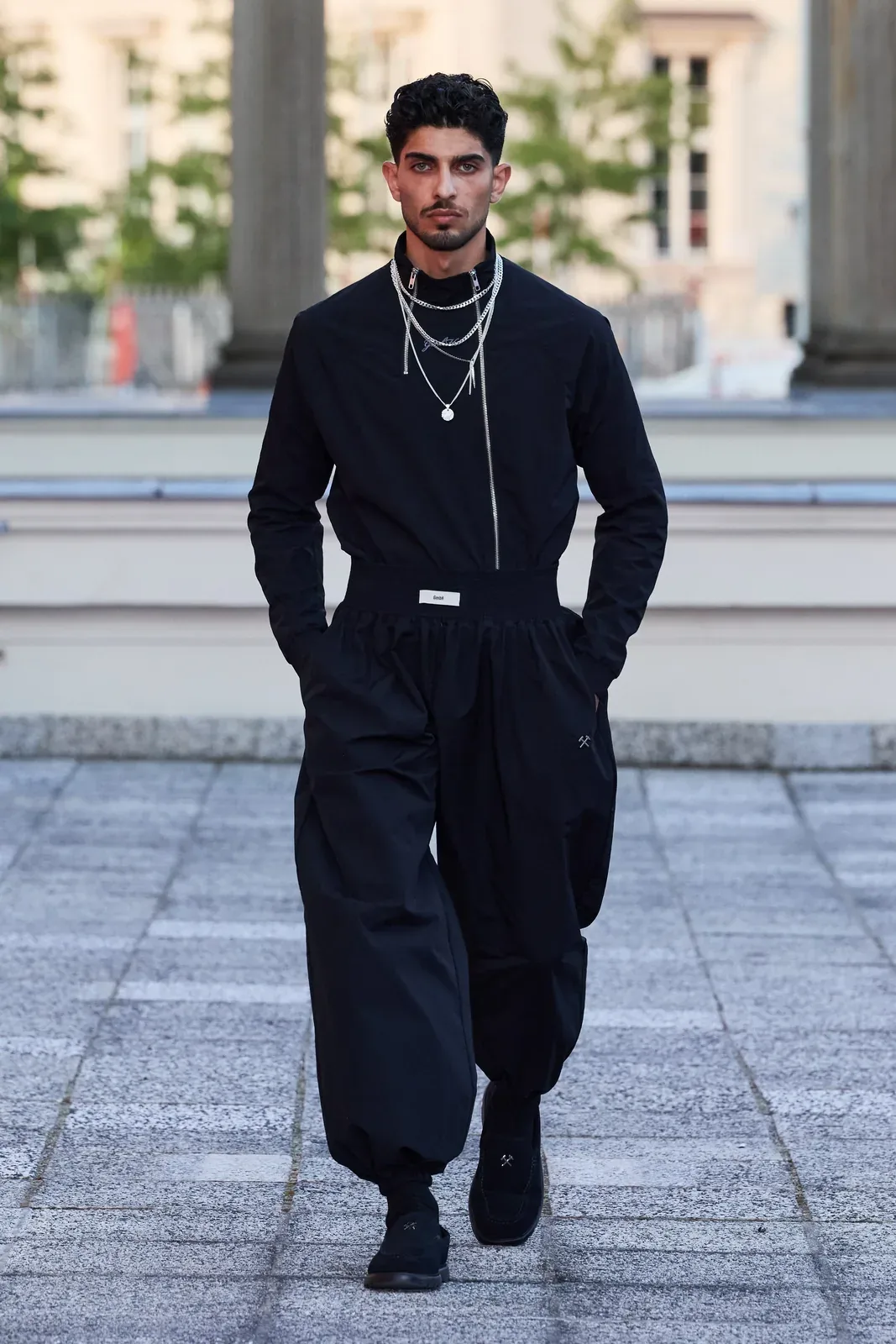
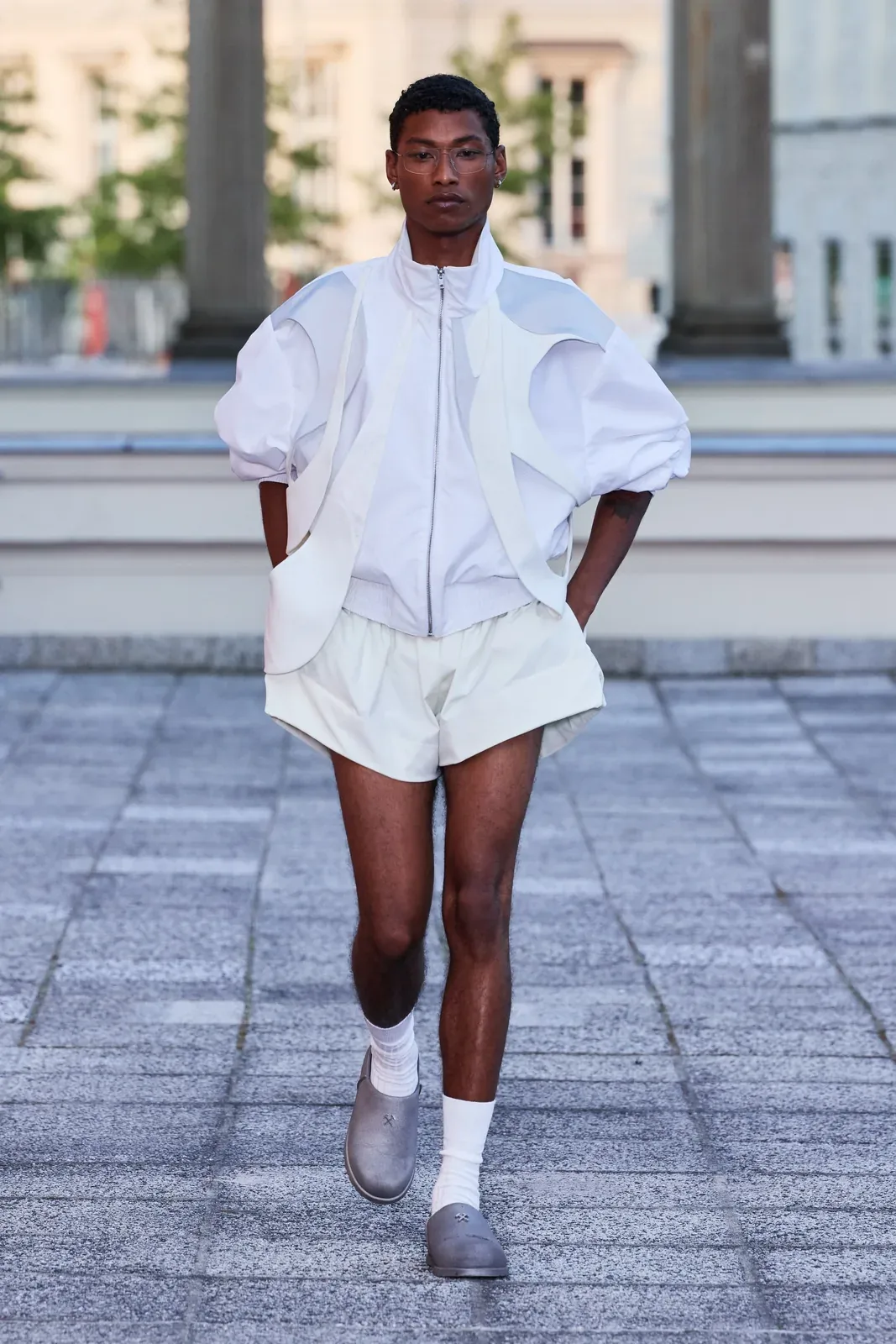
Everyone remembers Schiaparelli, but few know Joe Strassner. GmbH celebrated its tenth birthday on the closing night of Berlin Fashion Week with a show at the Kronprinzenpalais. Inside the former residence of the Prussian royal family was a reminder of a time when Berlin’s fashion designers stood alongside the names we now instinctively associate with Paris and London.
By the time Sin With Sebastian’s Eurodance anthem Shut Up (and Sleep with Me) had transformed the palace into a nightclub, models were walking in revealing ribbed tanks, structured trousers, and sharply tailored jackets with looped collars reminiscent of Clara Böhm’s designs from the 1920s. The runway itself became the desired path.
Intricately cut shirting, knee-high patent boots, metallic and embellished dresses moved between industrial workwear and the palace’s aristocratic grandeur, making the collection more than suited for Julia Schwarz’s ever-growing archive of Berlin Chic.
Haderlump
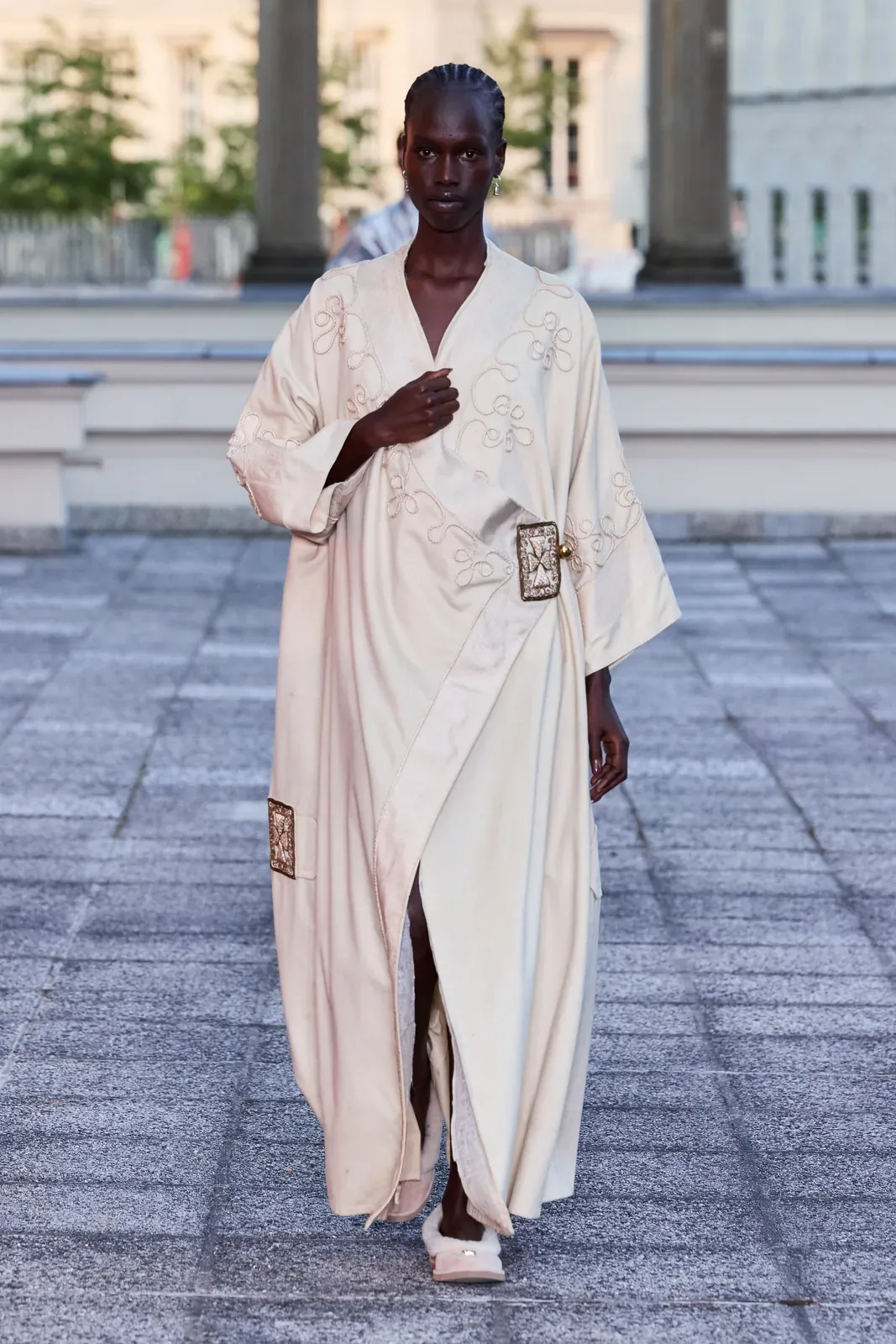
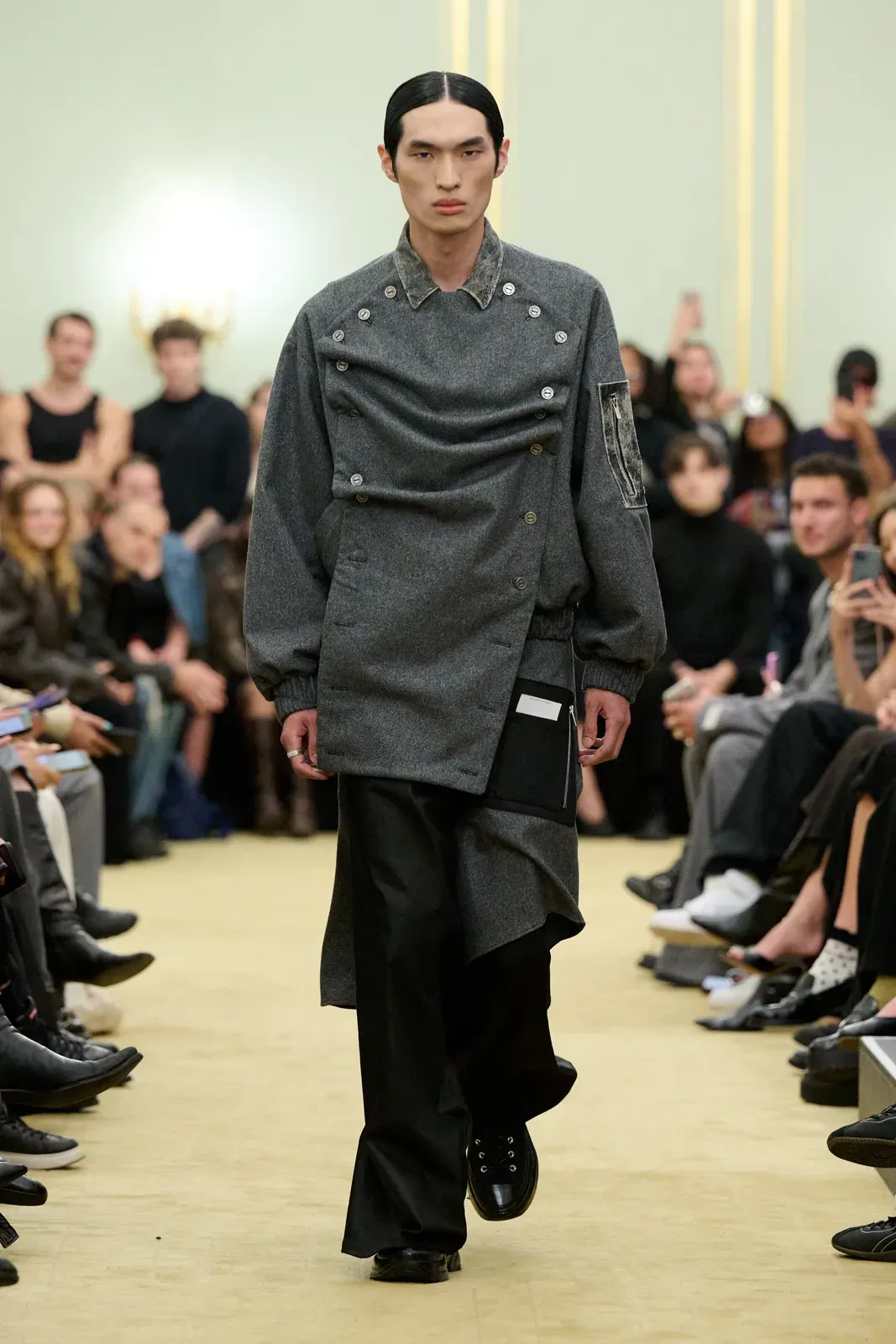
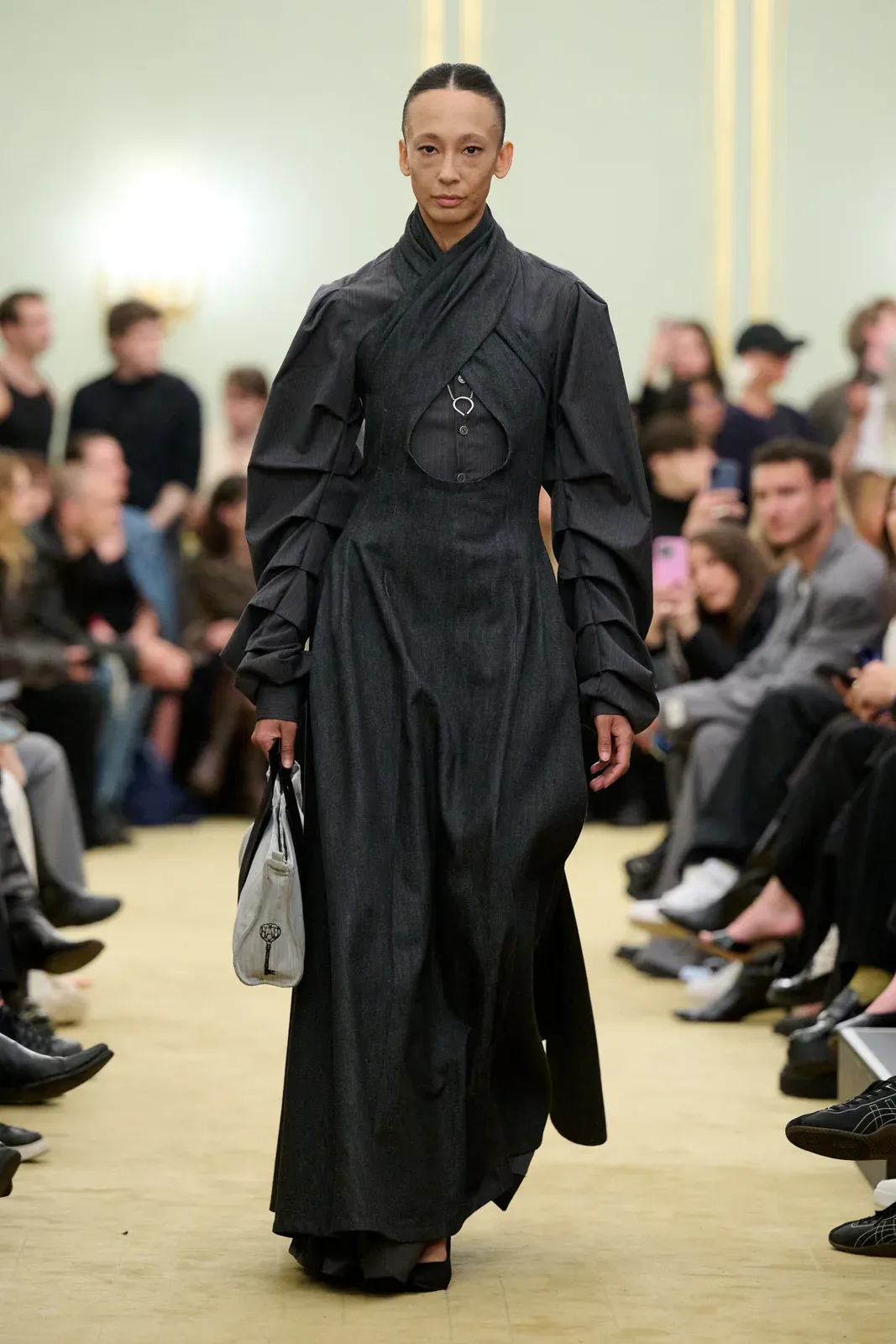
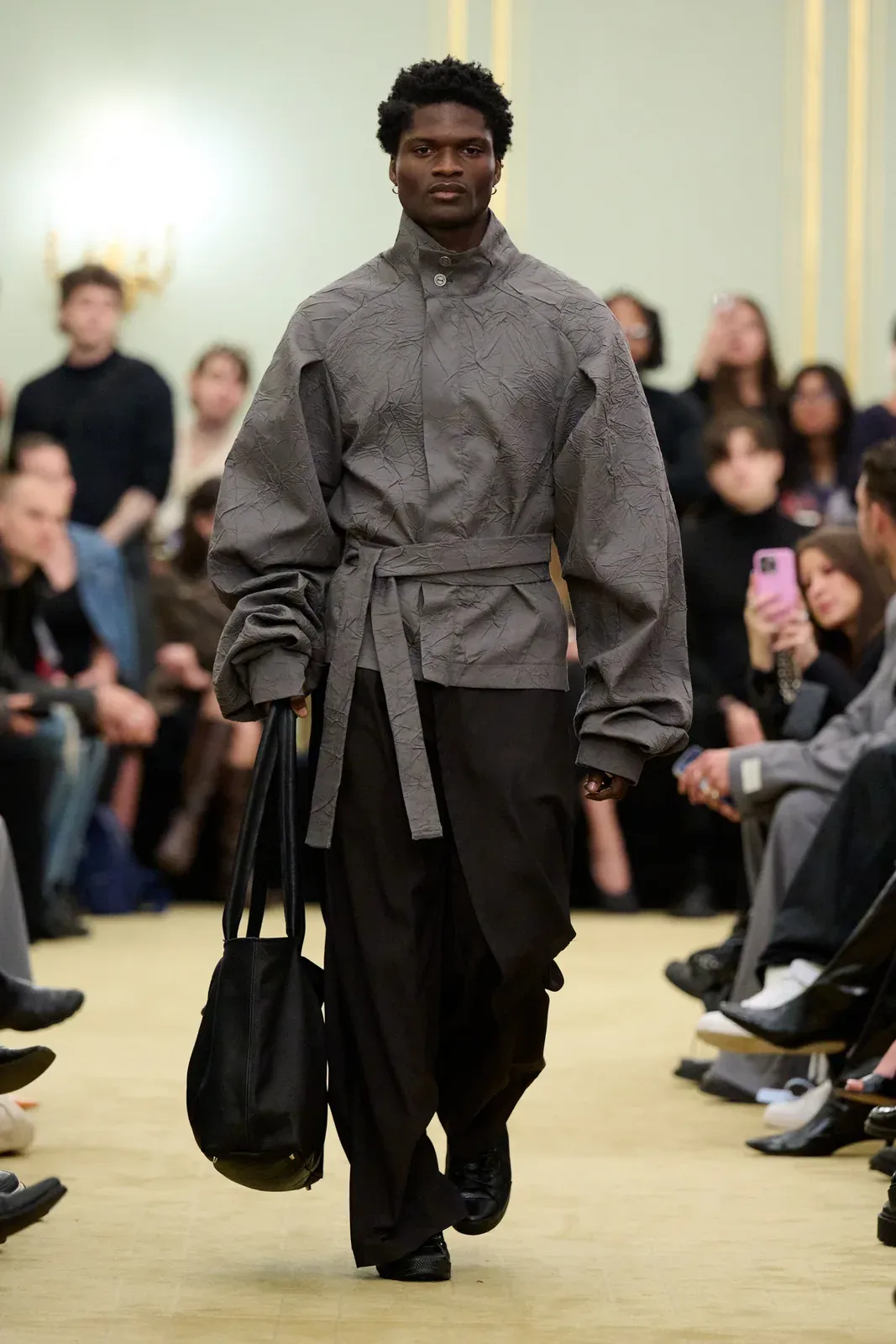
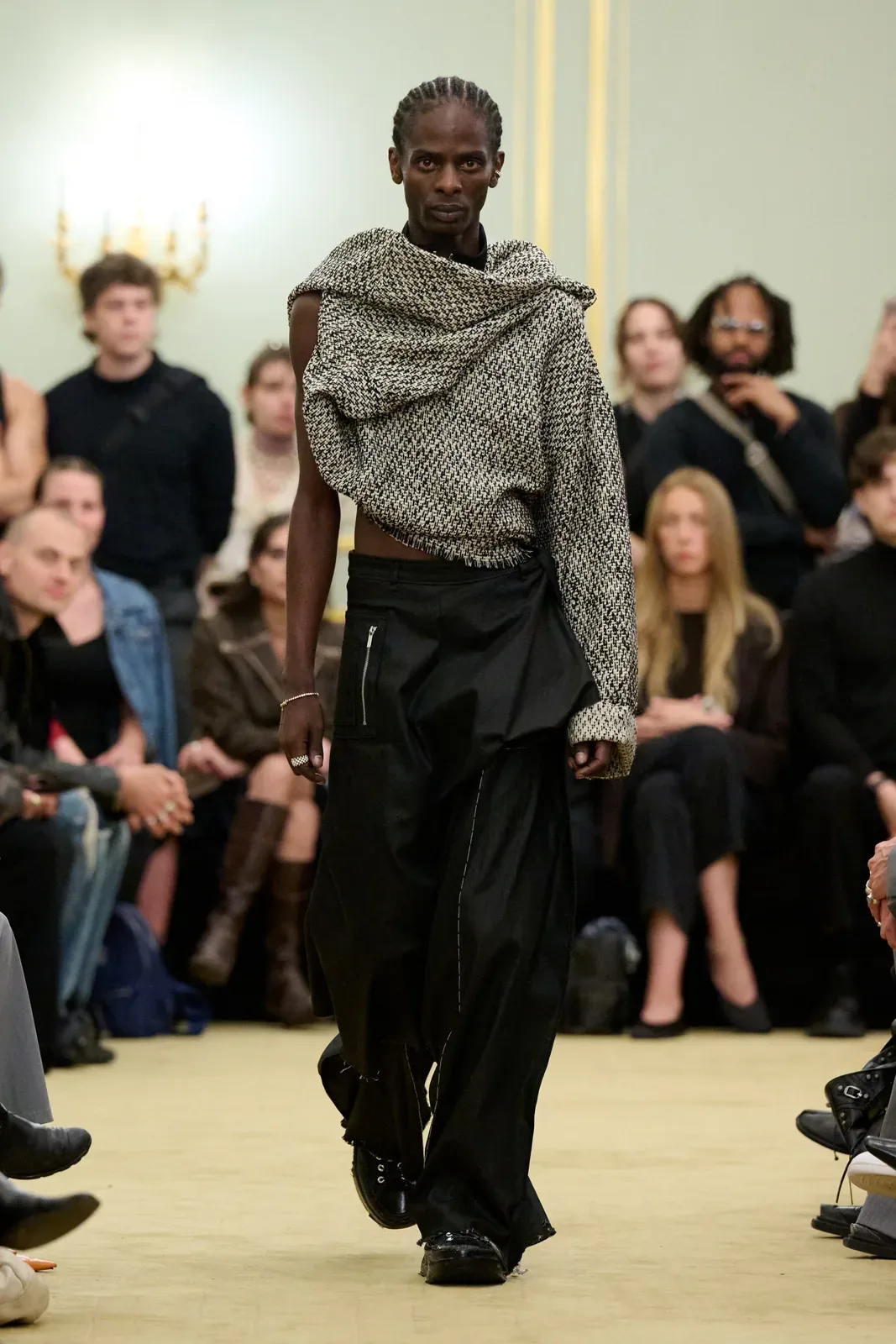
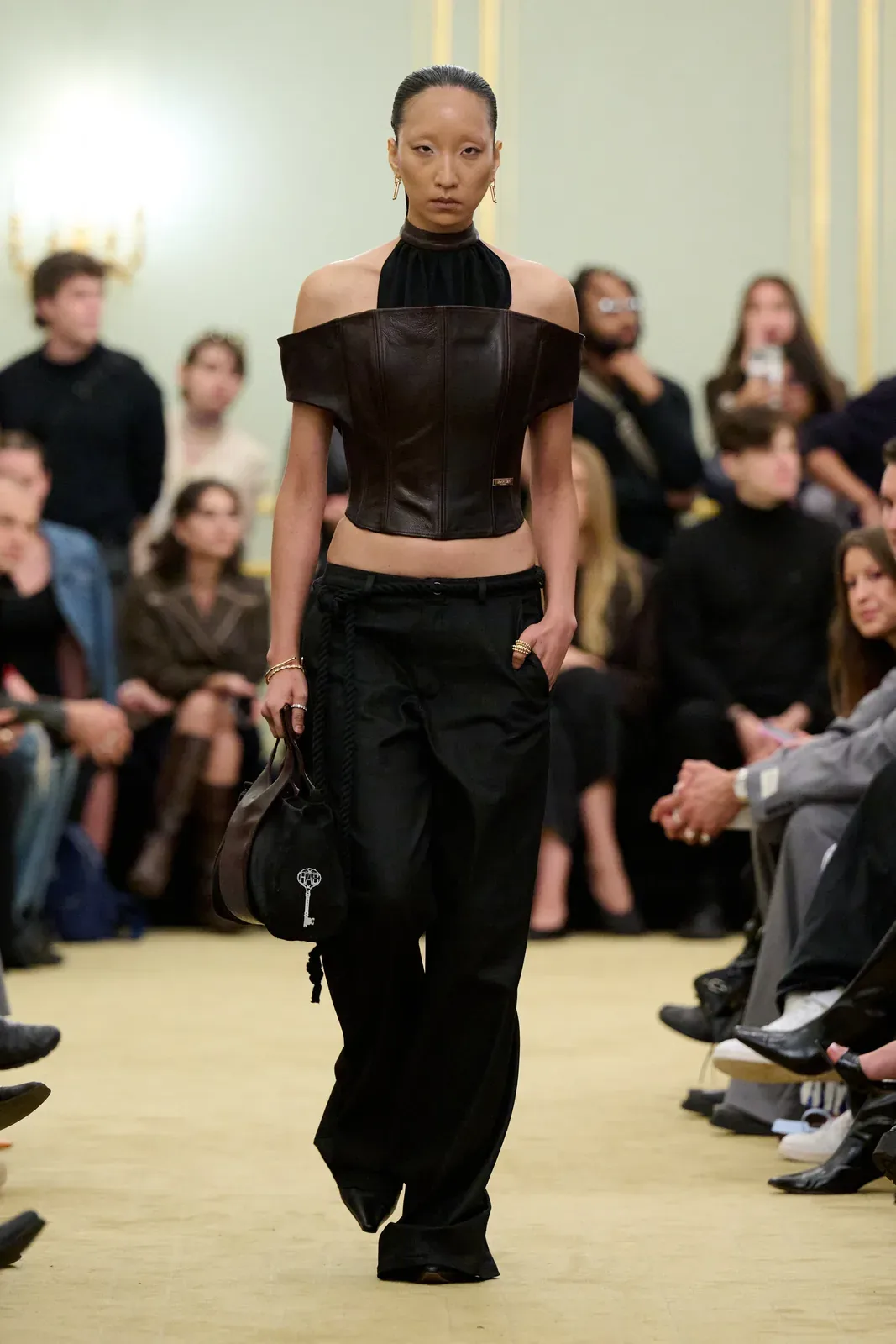
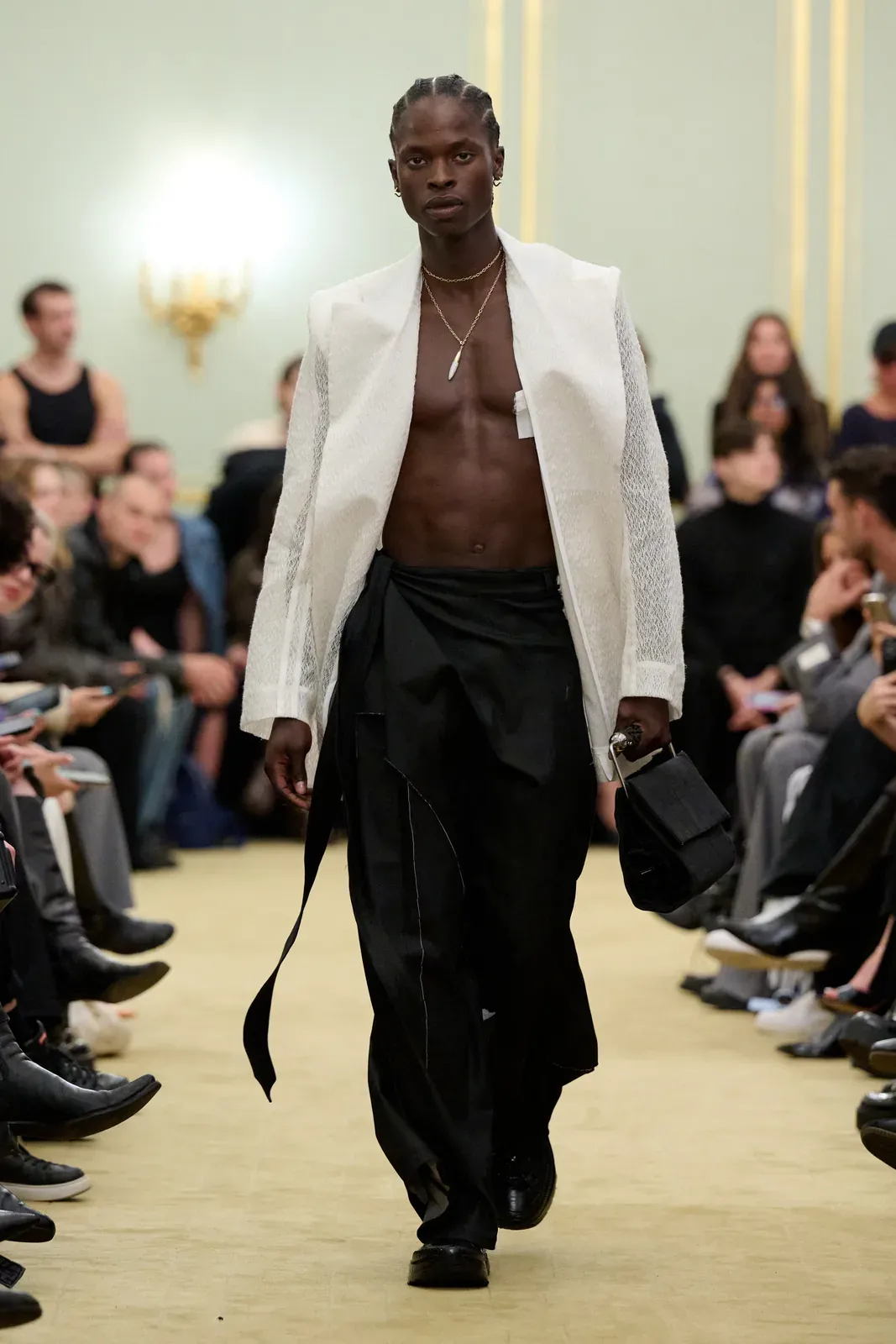
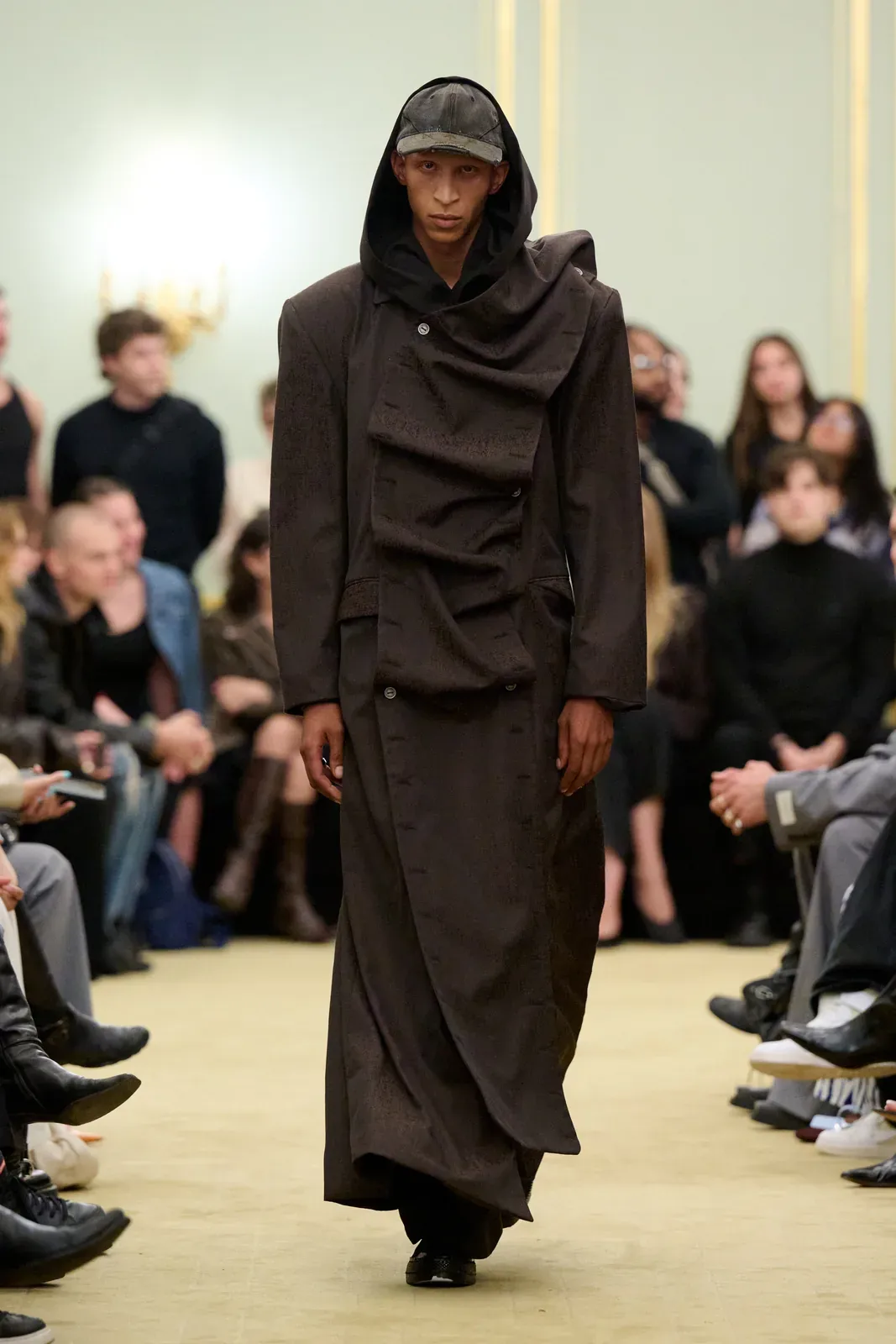
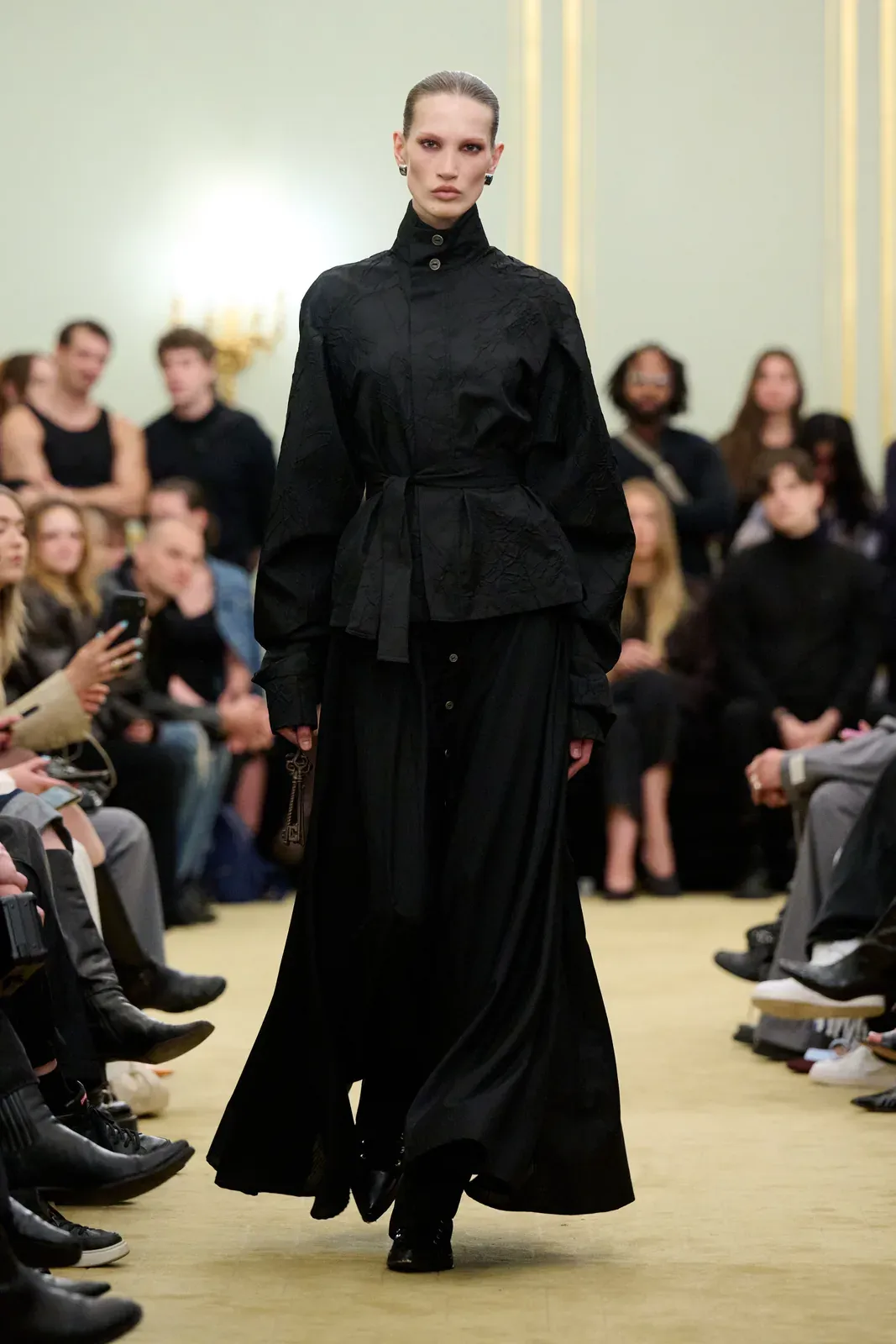
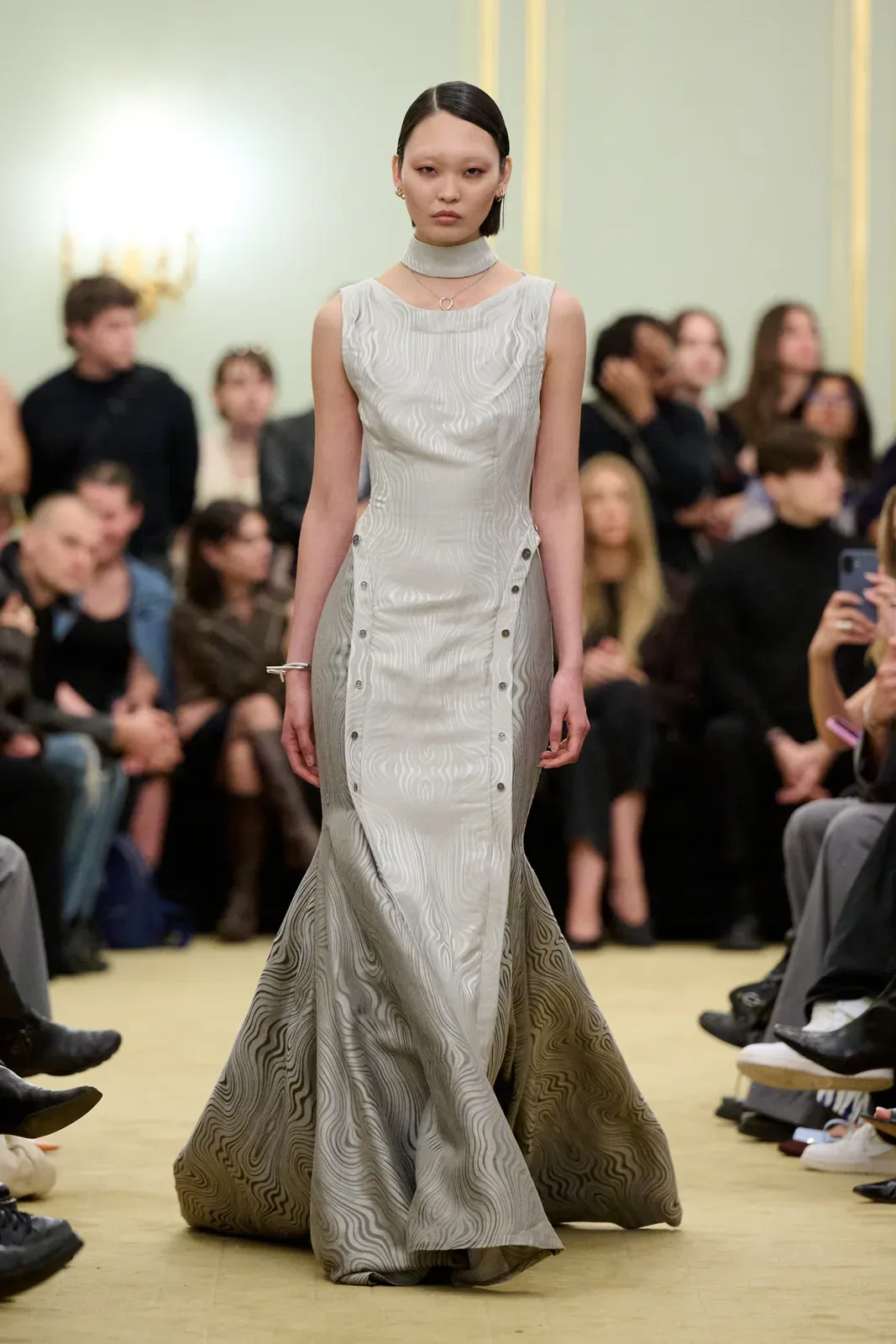
There could hardly have been a more fitting setting than the Hotel Adlon. Standing just beside the Brandenburg Gate, Berlin’s most storied hotel became both stage and subject for Haderlump’s S/S 2027 Atrium. Named after the ancient Roman space where private and public life briefly intersected, the collection also traced a more personal history.
Inside a grand hotel, staff and guests constantly orbit one another, sharing the same corridors but rarely the same world. Waiters, concierges, housekeepers and travellers became characters in Johann Ehrhardt’s latest collection. Silver cutlery, hotel aprons and room keys were the collection’s hosts, while we, the invited guests, became part of an experiment in the uneasy proximity, intimacy and hierarchies between strangers and those who serve them. Fashion included.
Multi-buttoned jackets, deeply creased double-breasted coats and corseted floor-sweeping gowns became the uniforms of the new hotel where Ehrhardt no longer works but commands.
Kolya Bogatyrev
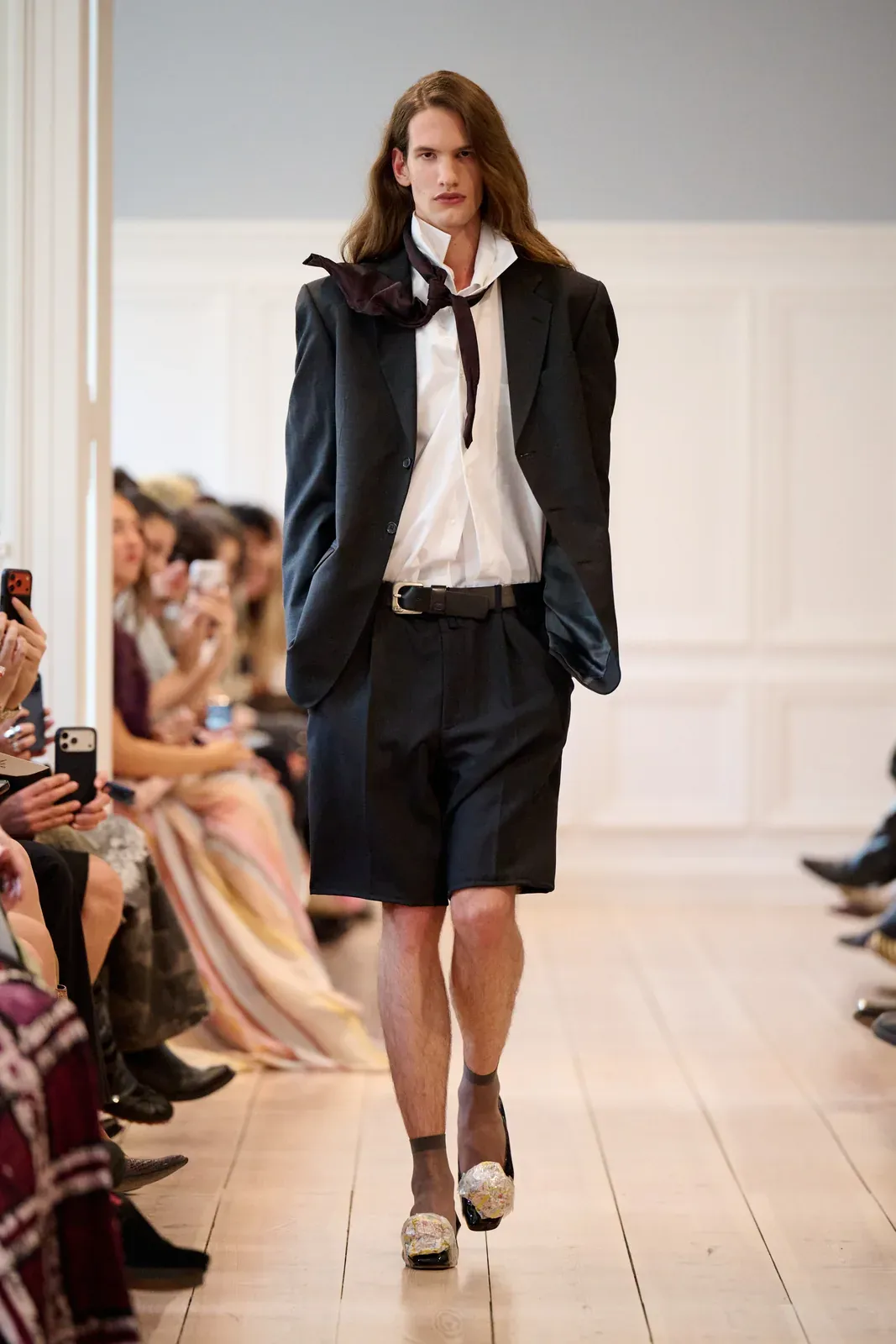
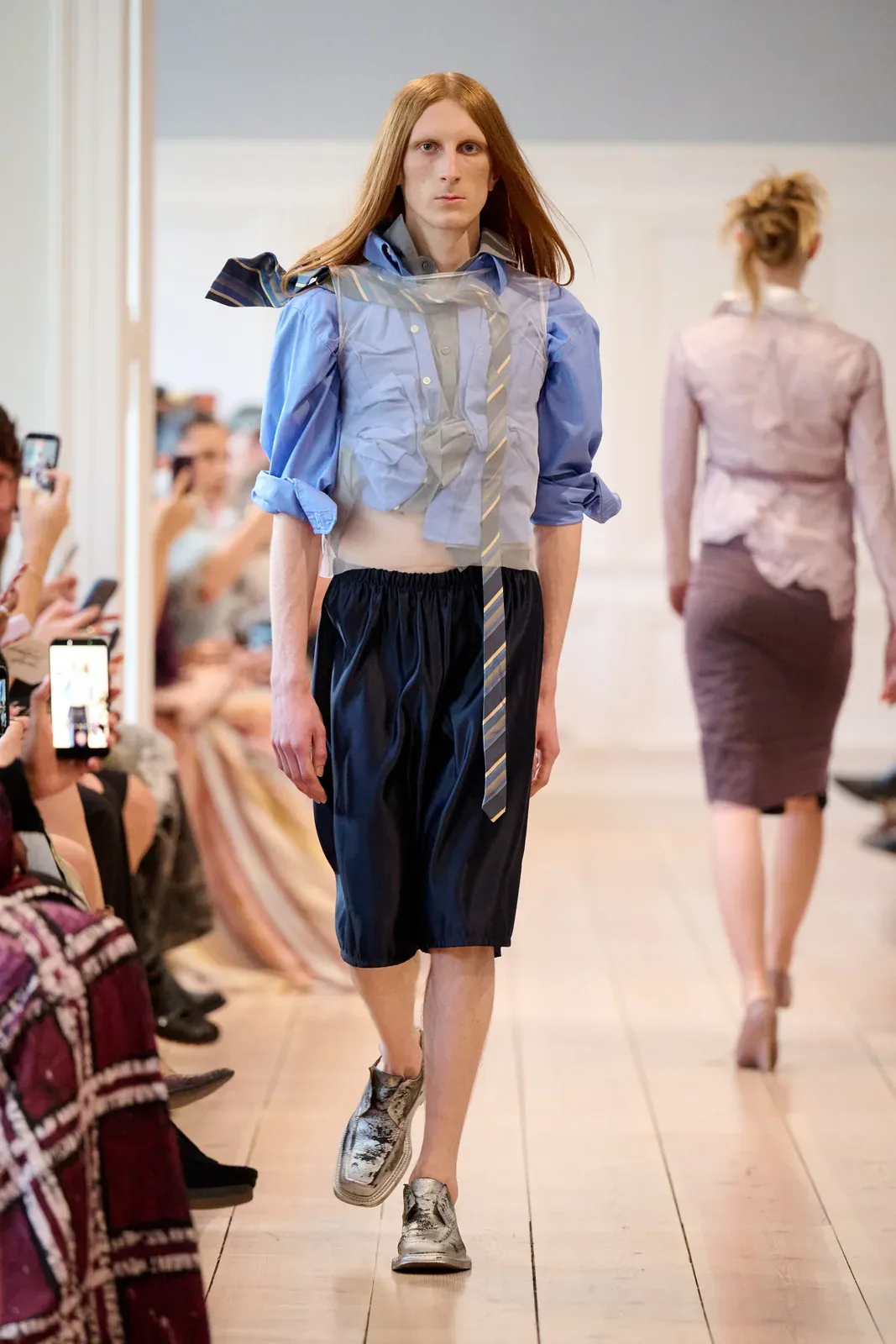
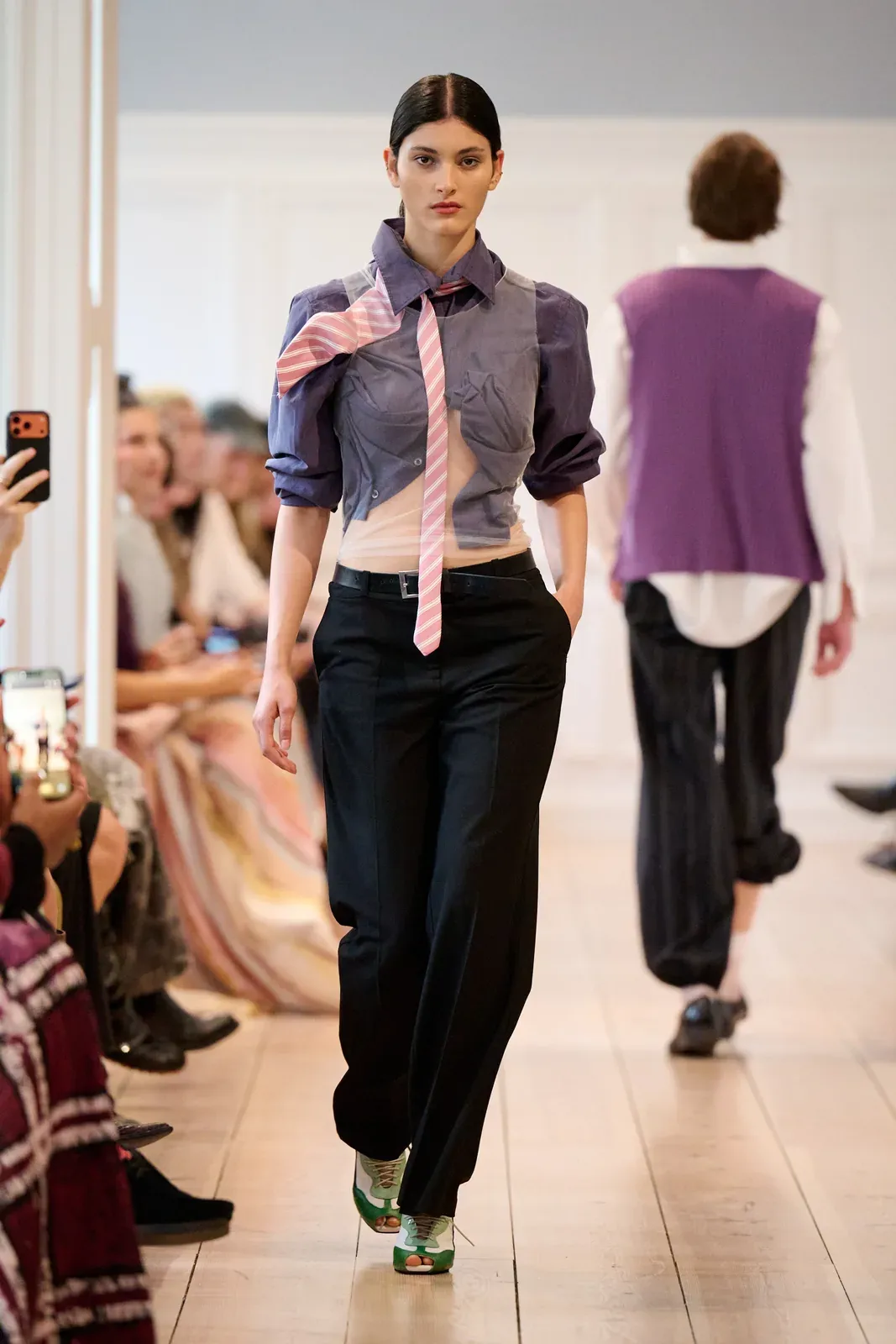
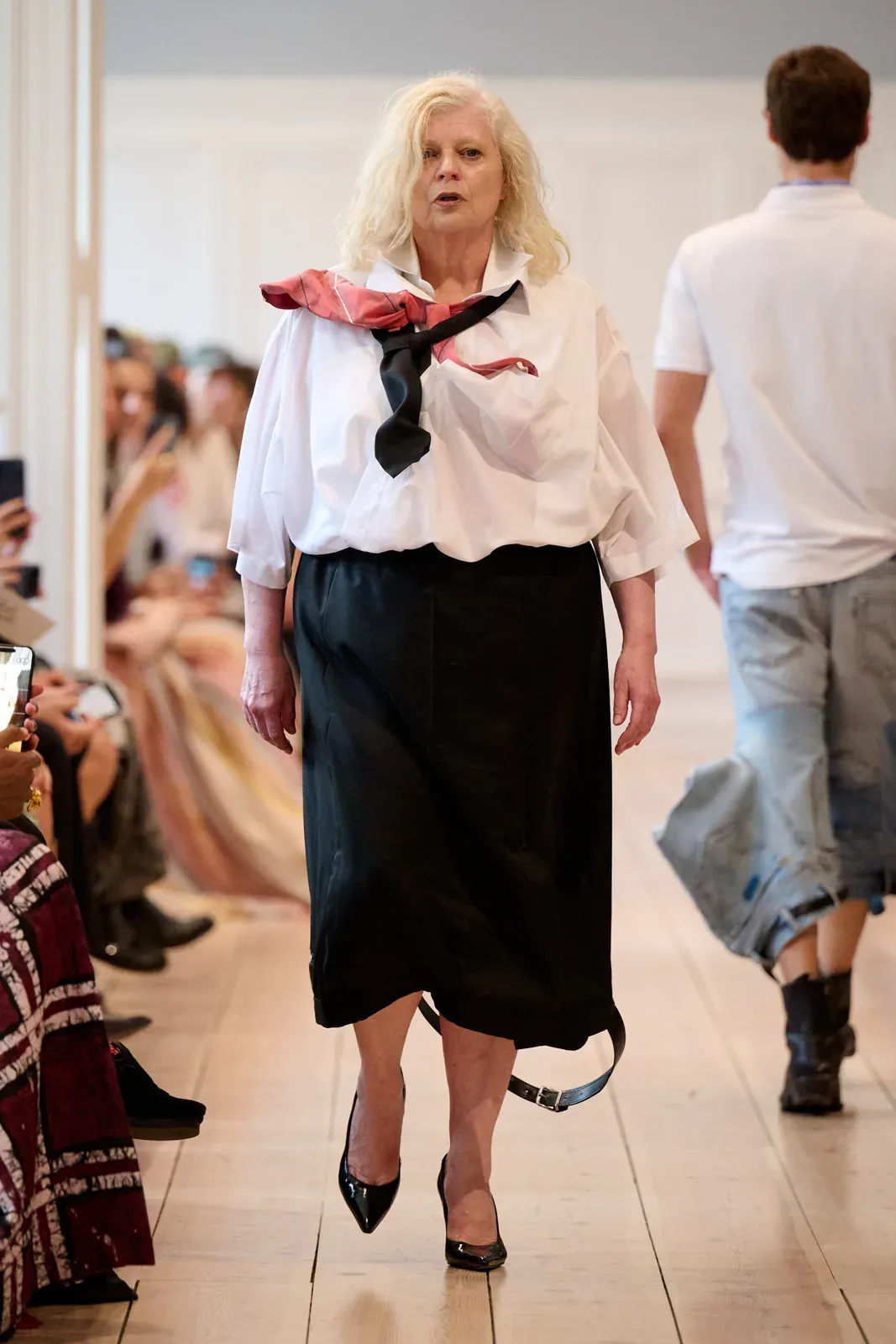
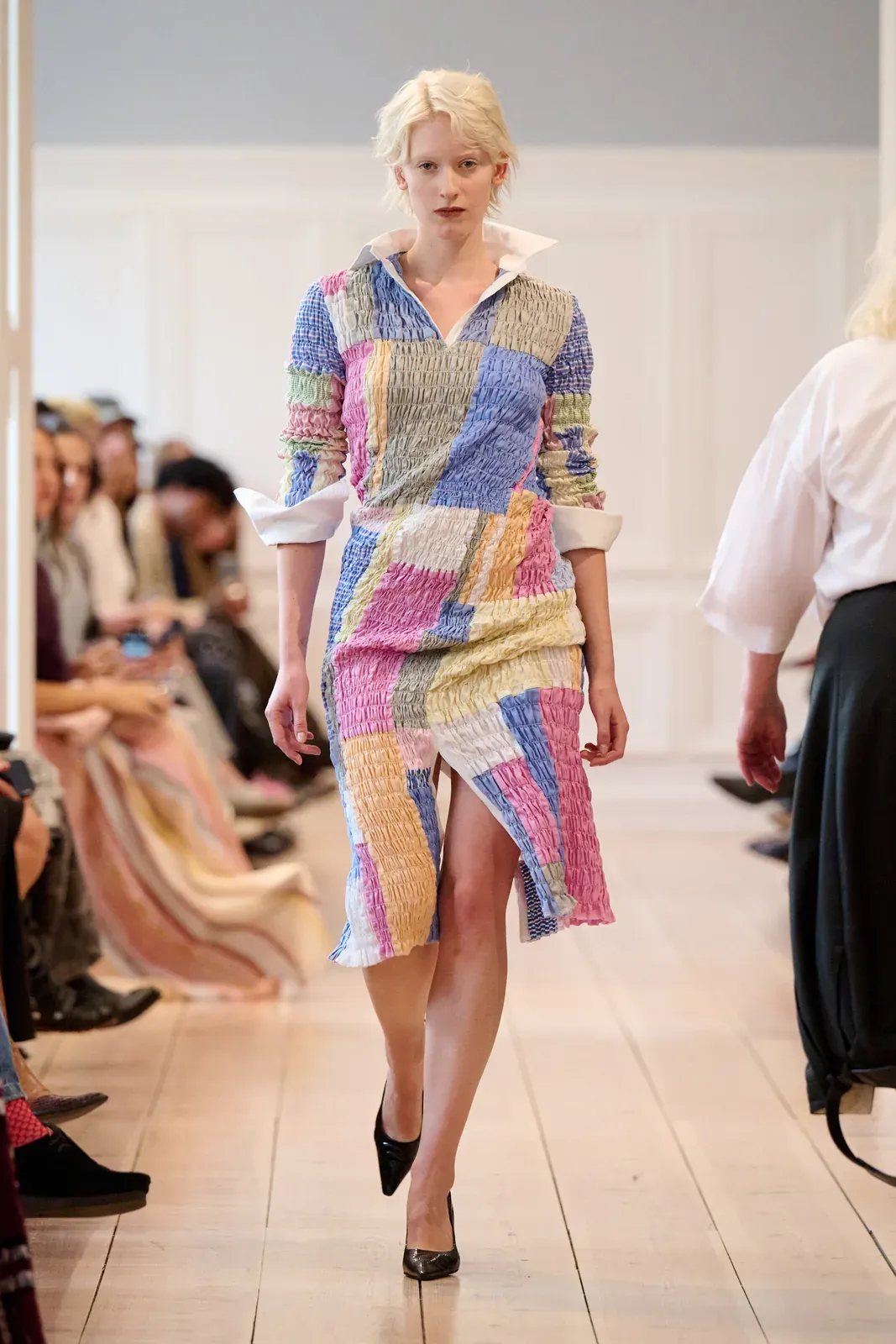
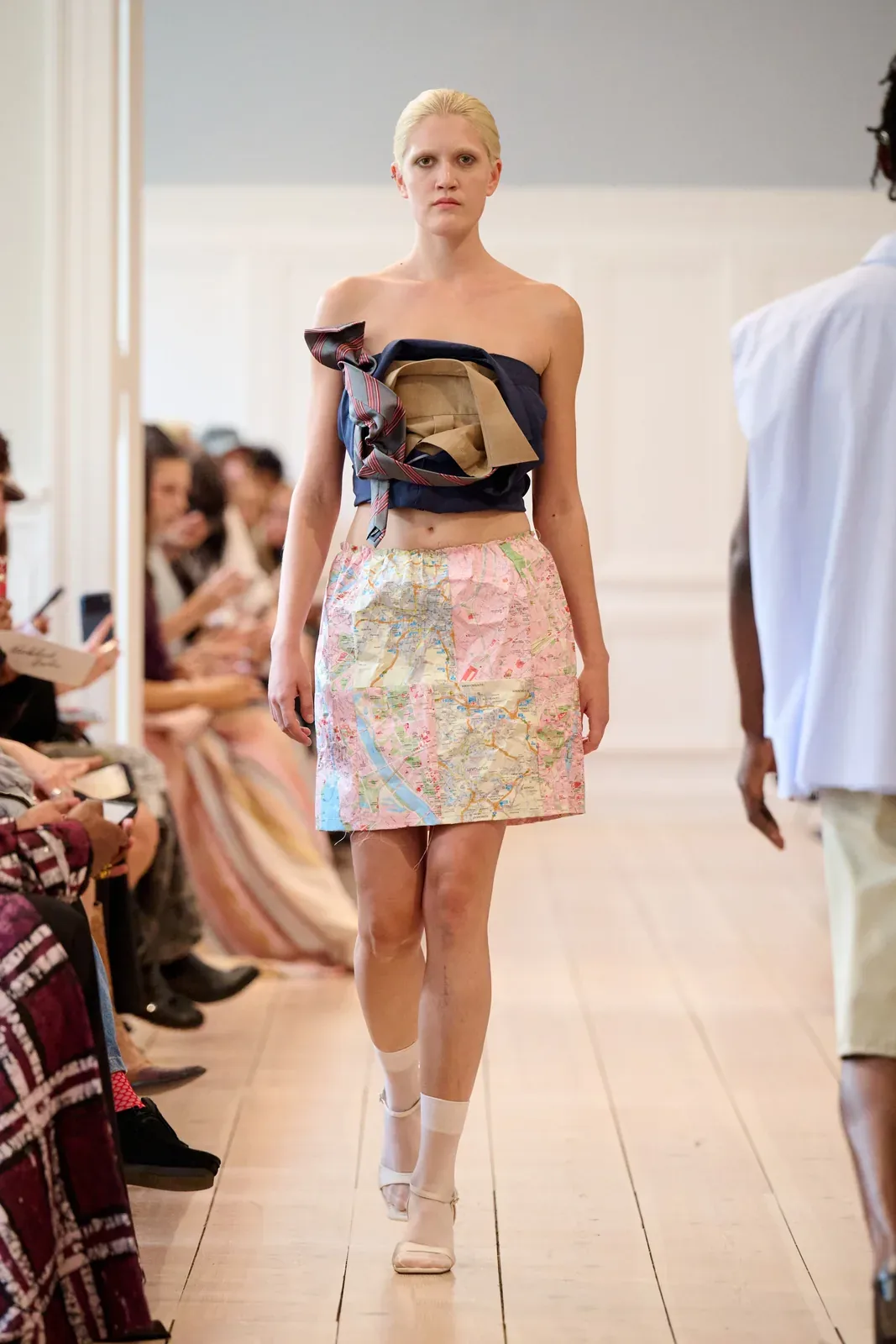
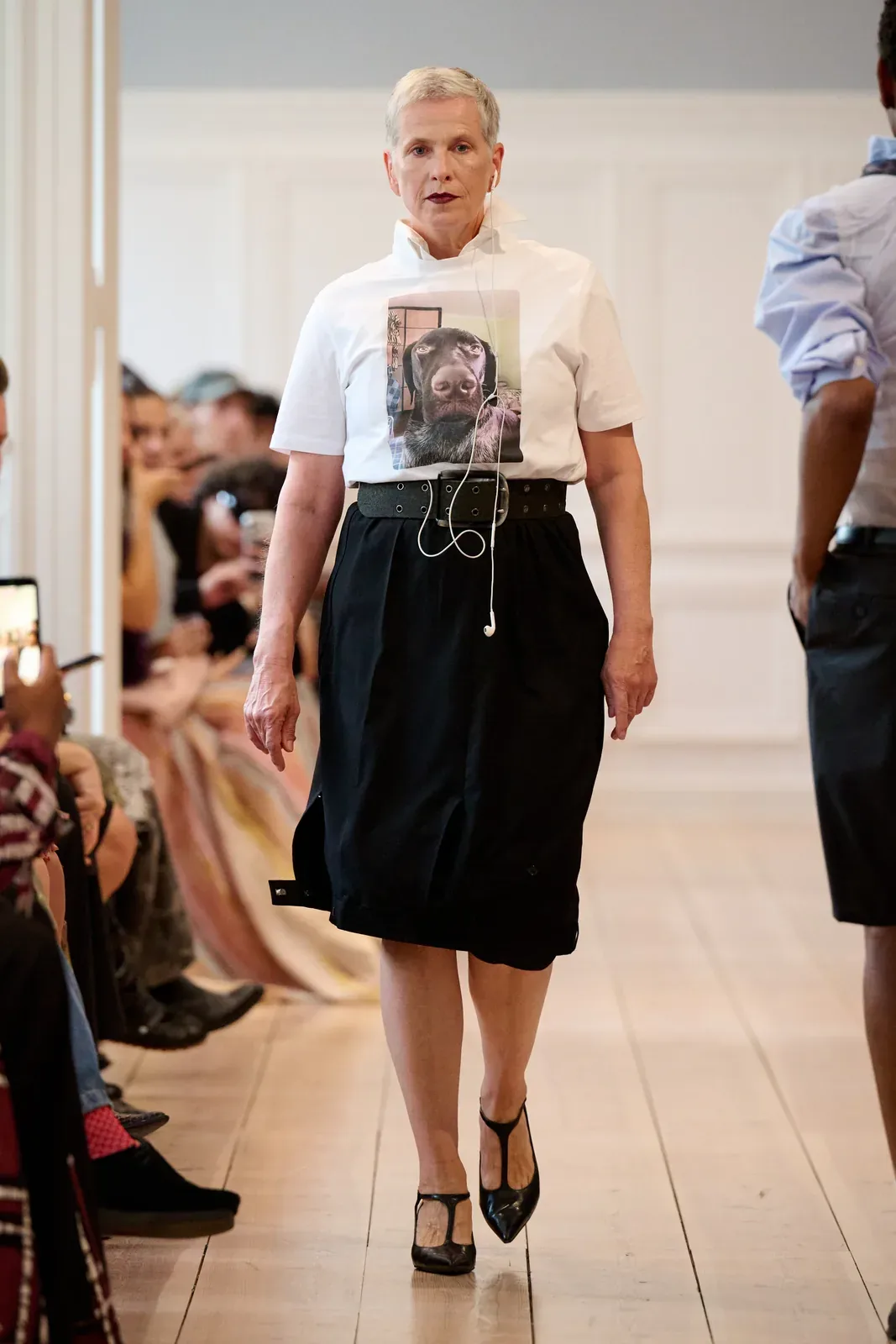
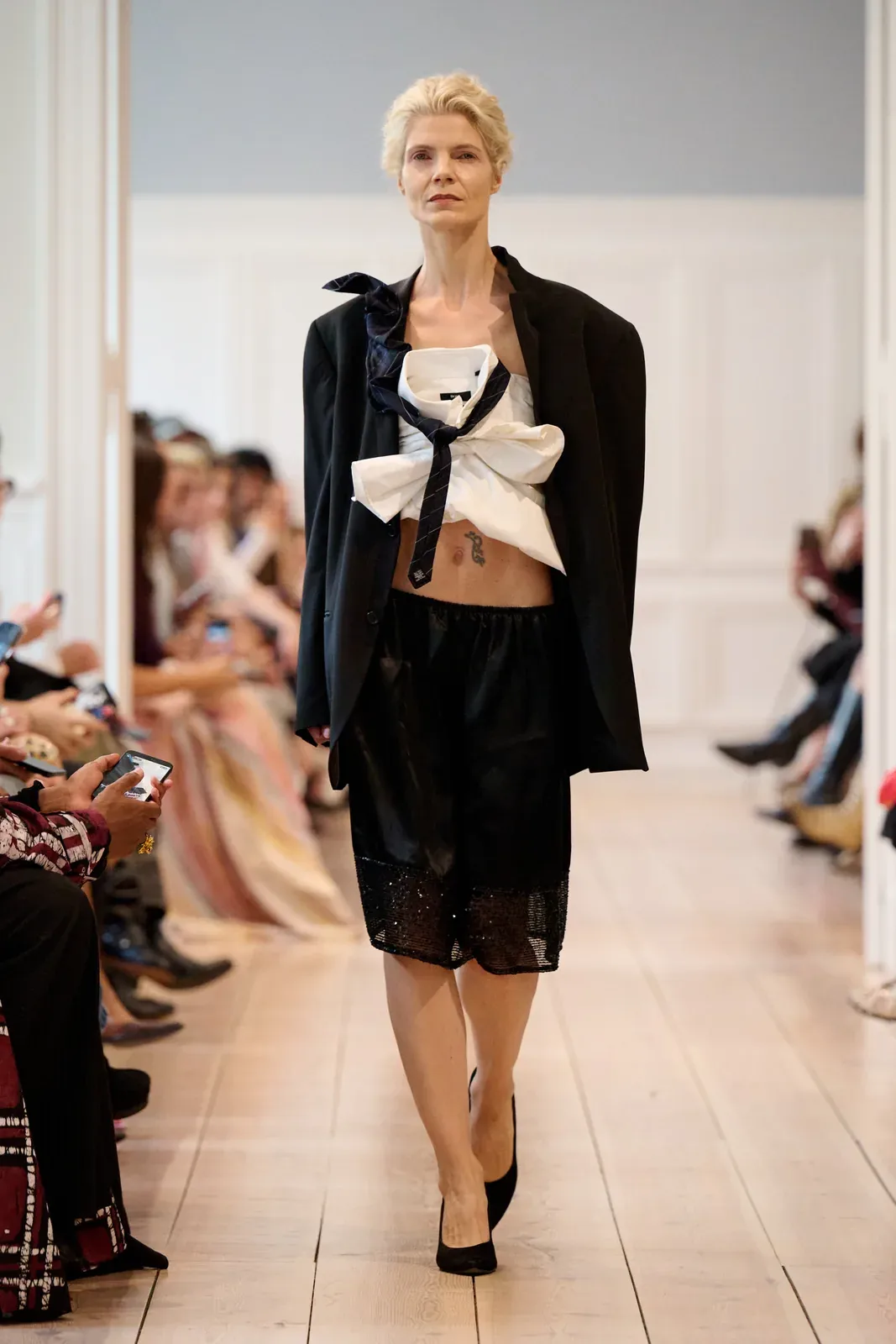
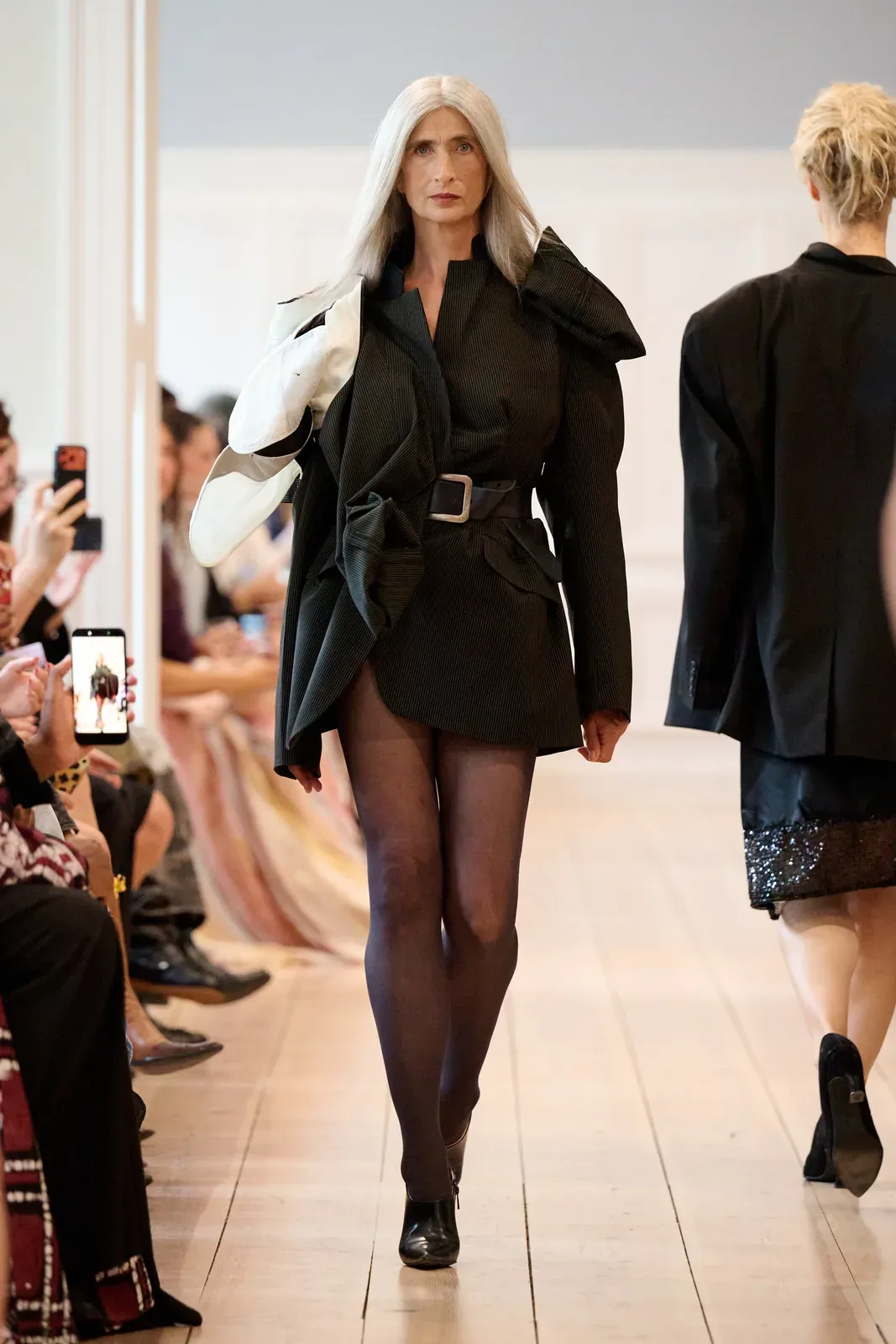
Bogatyrev seemed intent on freezing garments in motion. Crumpled office shirts folded back onto themselves, trapped beneath sheer skin-tight layers, or reconstructed into new forms. Collars twisted away from the neck as if interrupted mid-gesture, and belts migrated to unexpected places. Shirts were made of other shirts and shoes of other shoes; some skirts were assembled from polo shirts and others from city maps.
Classical Reminder captured that fleeting moment when you realise the present has already begun to slip into memory. Or perhaps it was simply the wardrobe of someone in corporate stumbling home after an after-work rave.
The show notes described the collection as being drawn “from the streets of Berlin, from second-hand stores, from the quiet poetry of ordinary people”, a spirit extended to the casting, where models of different generations walked together in meme T-shirts and tangled headphones. A typical day rushing out of the U-Bahn.
Sample030
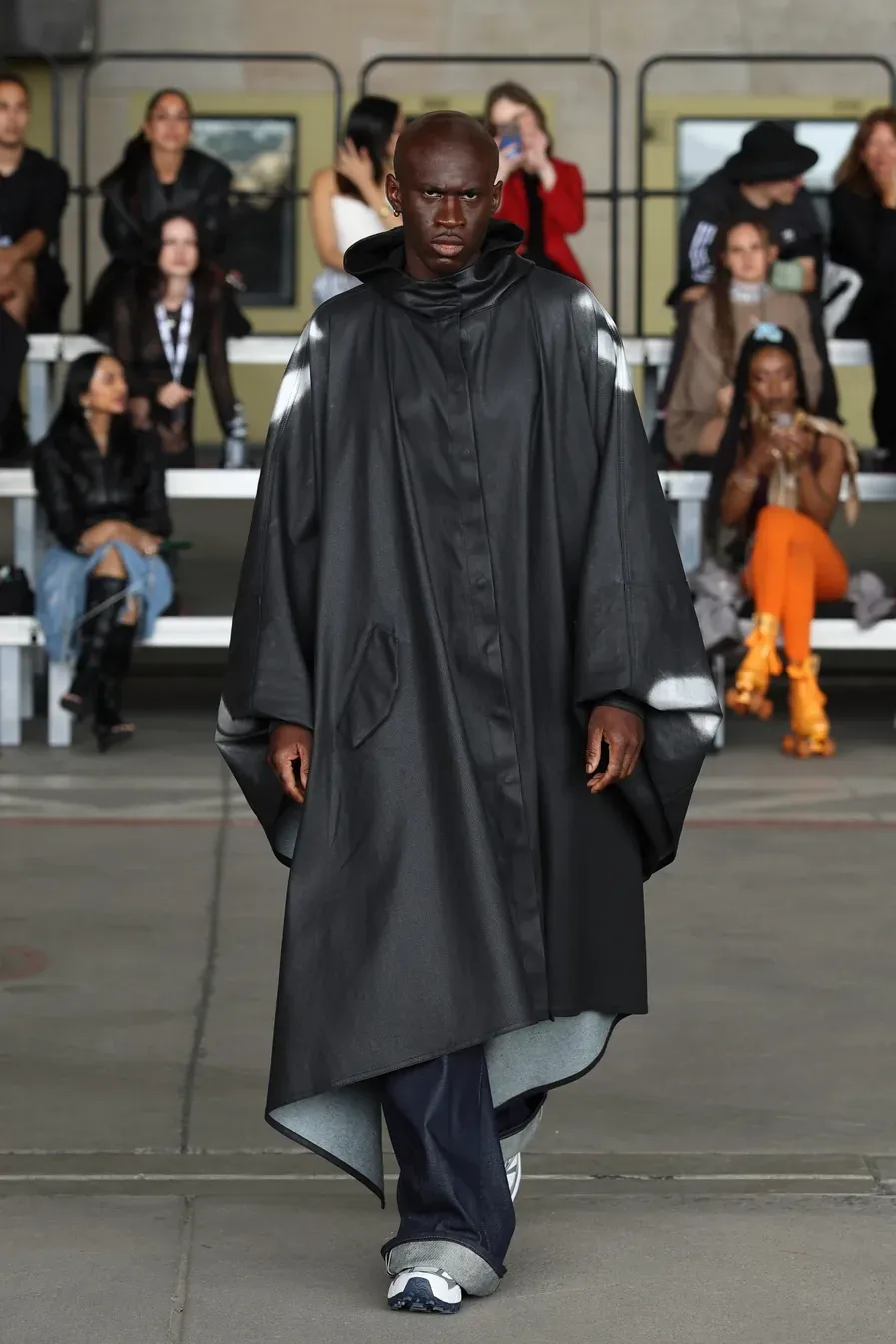
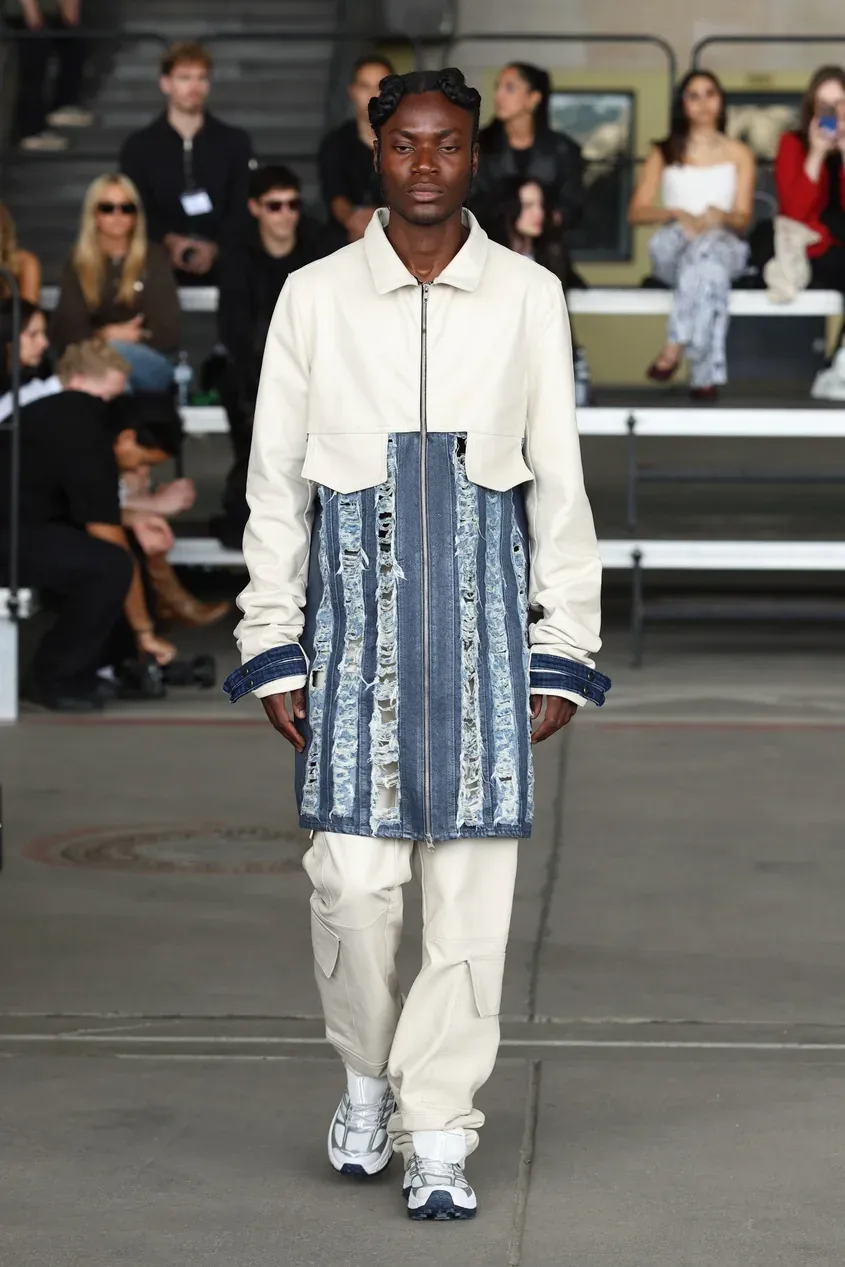
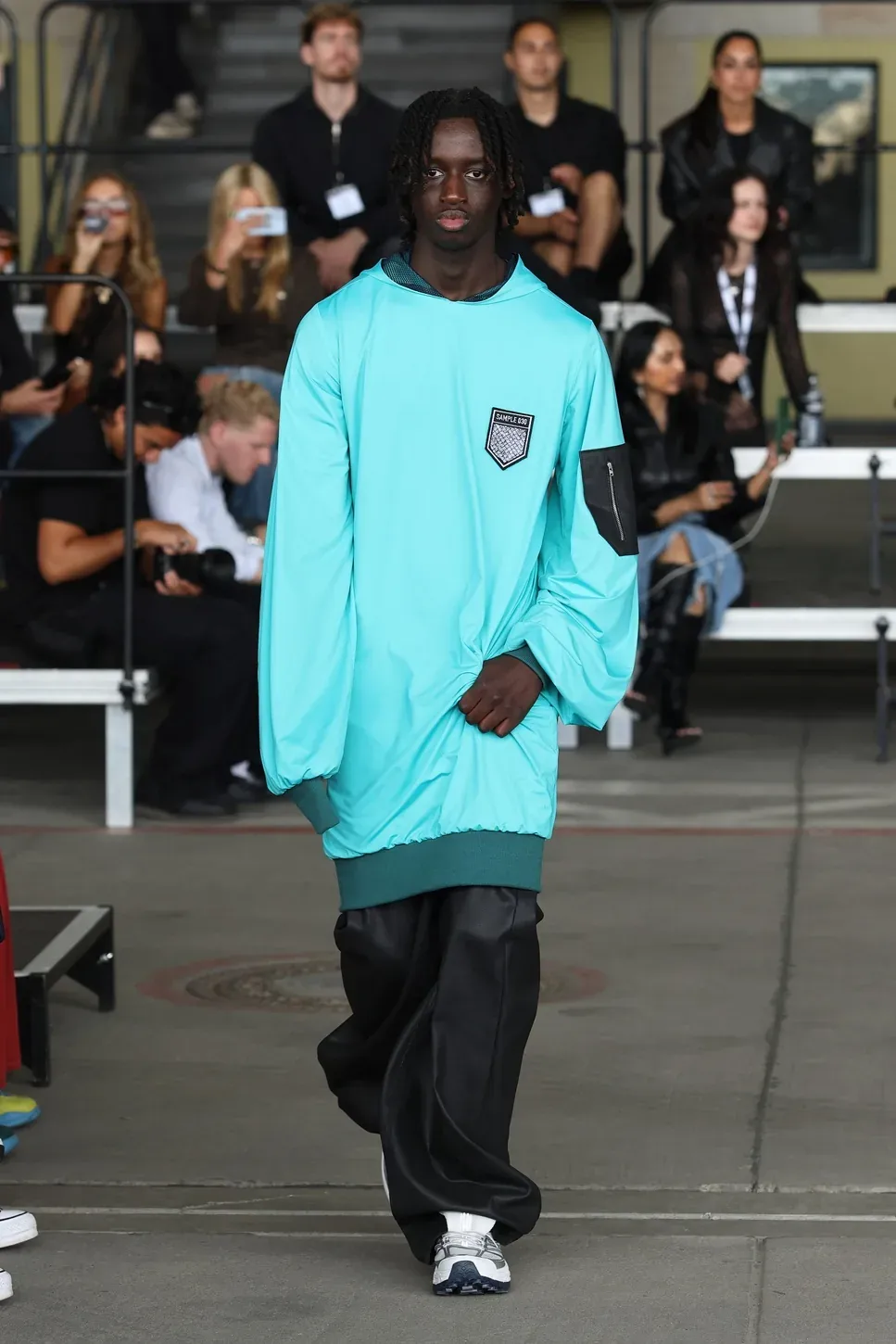
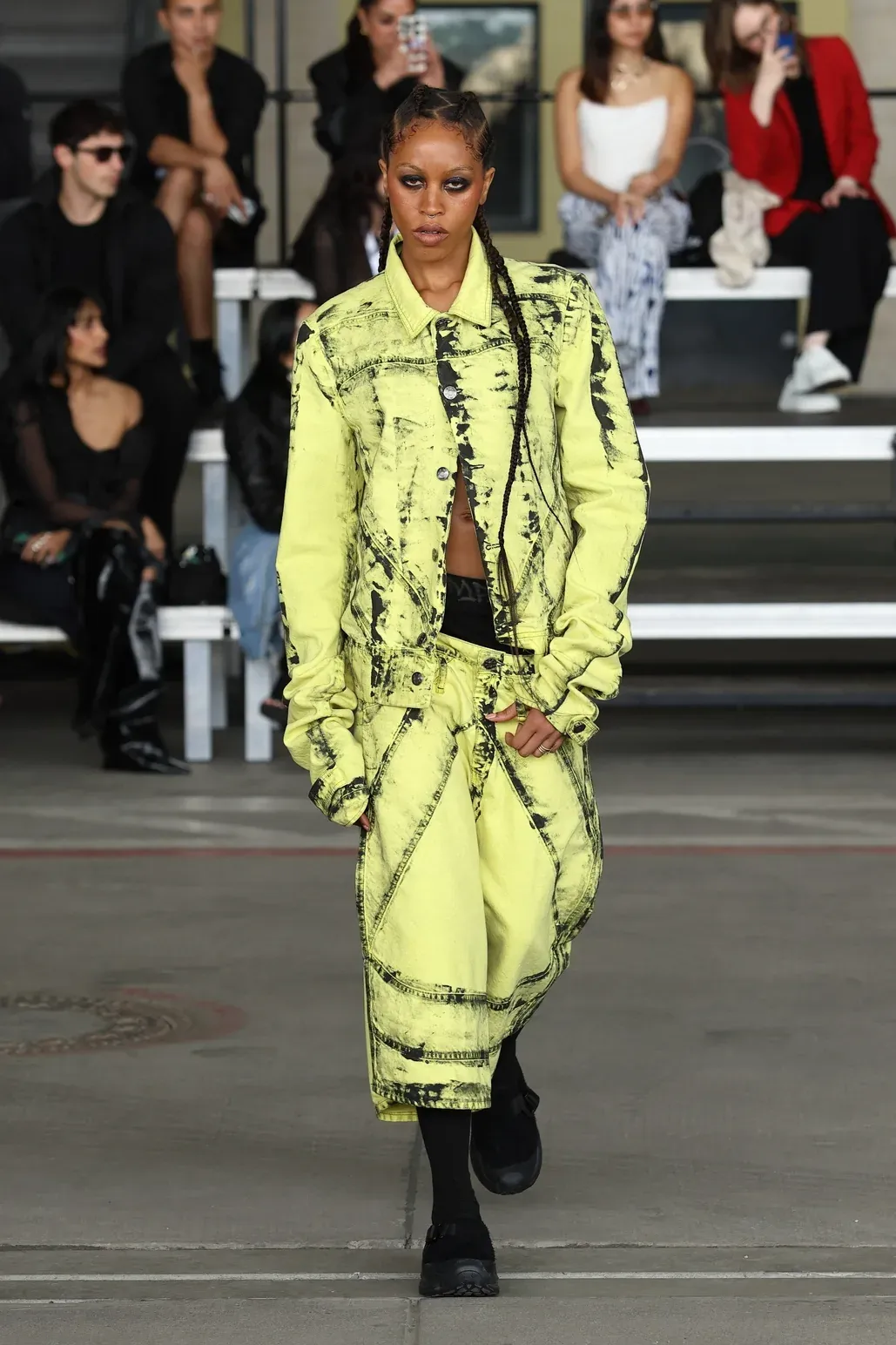
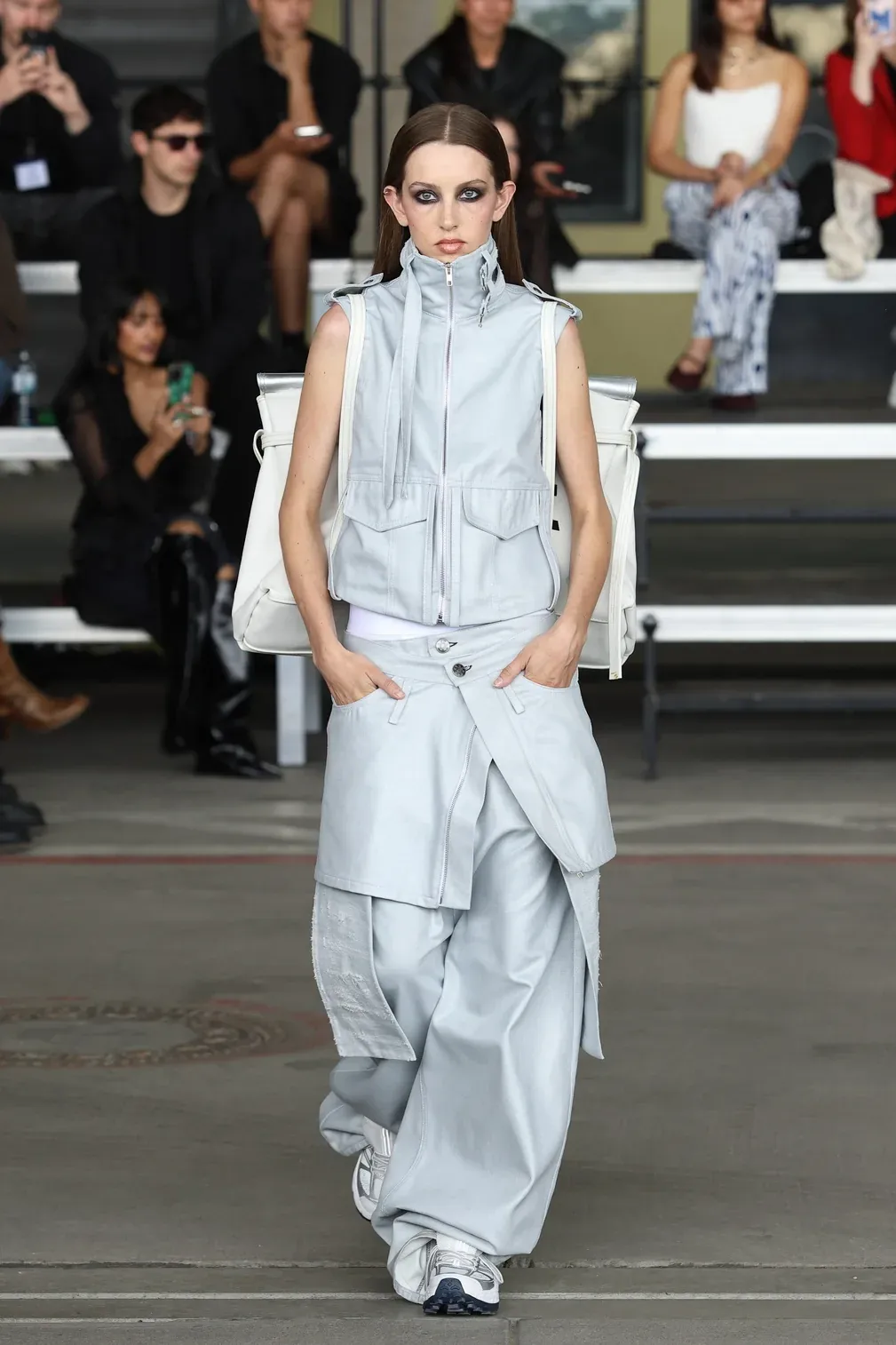
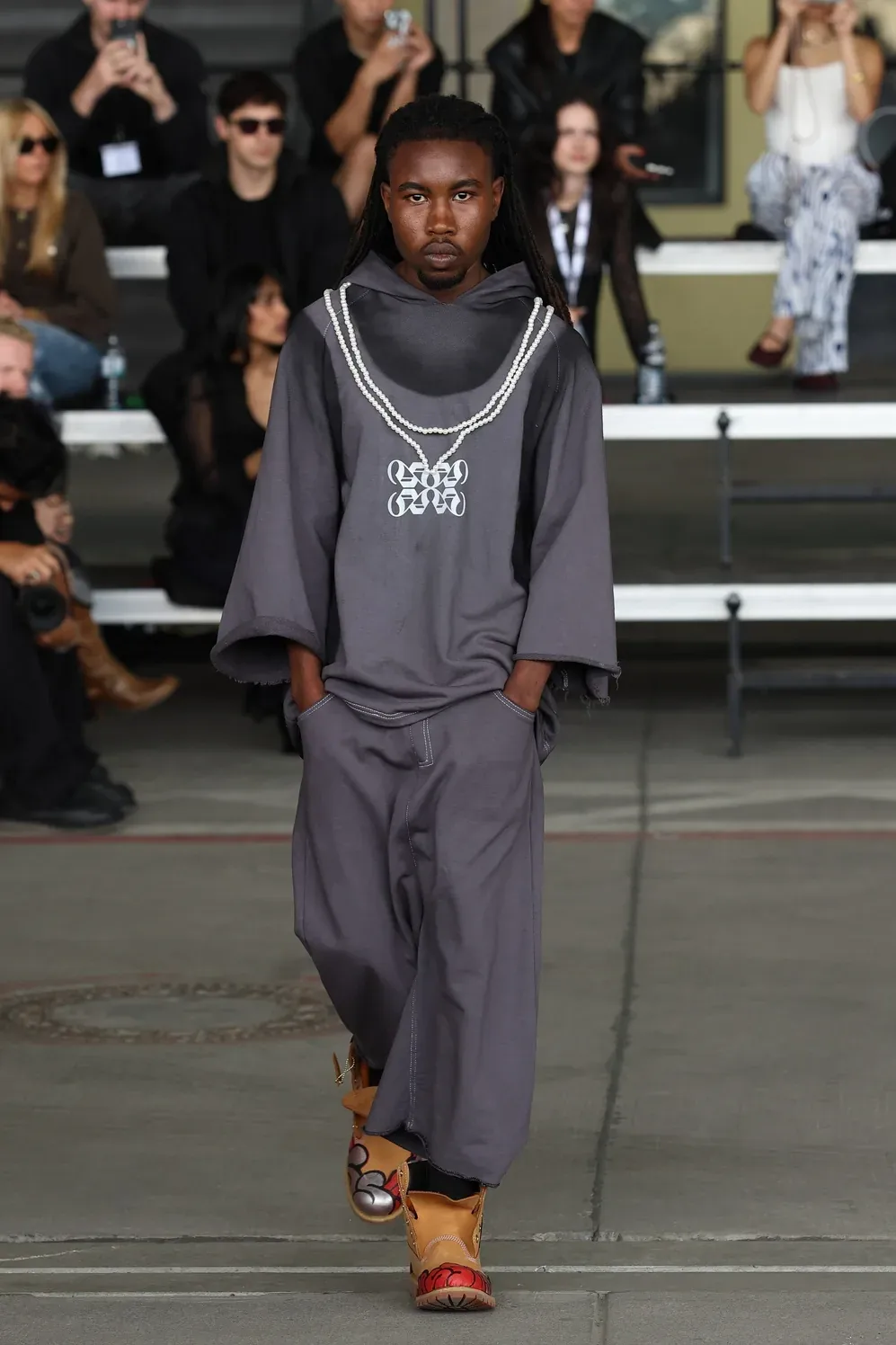
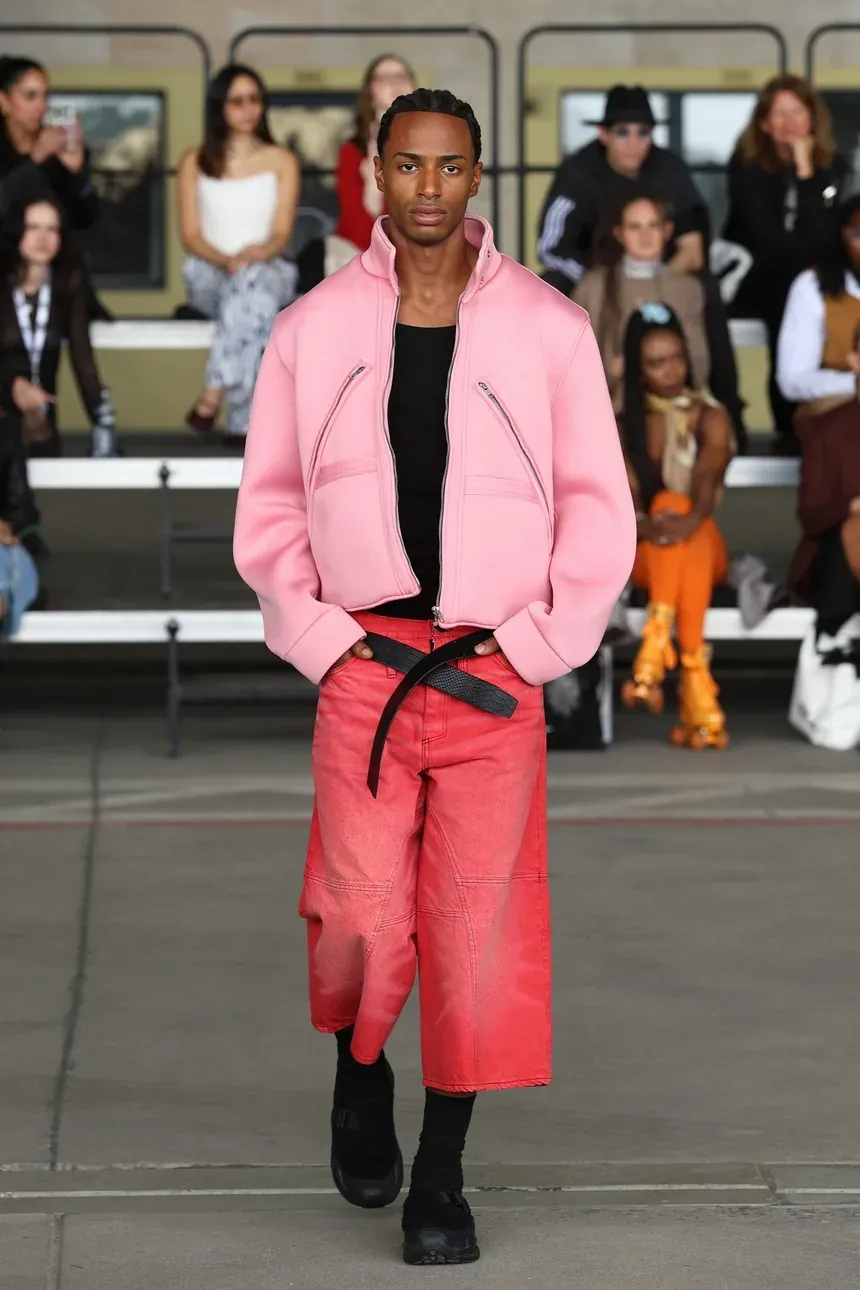
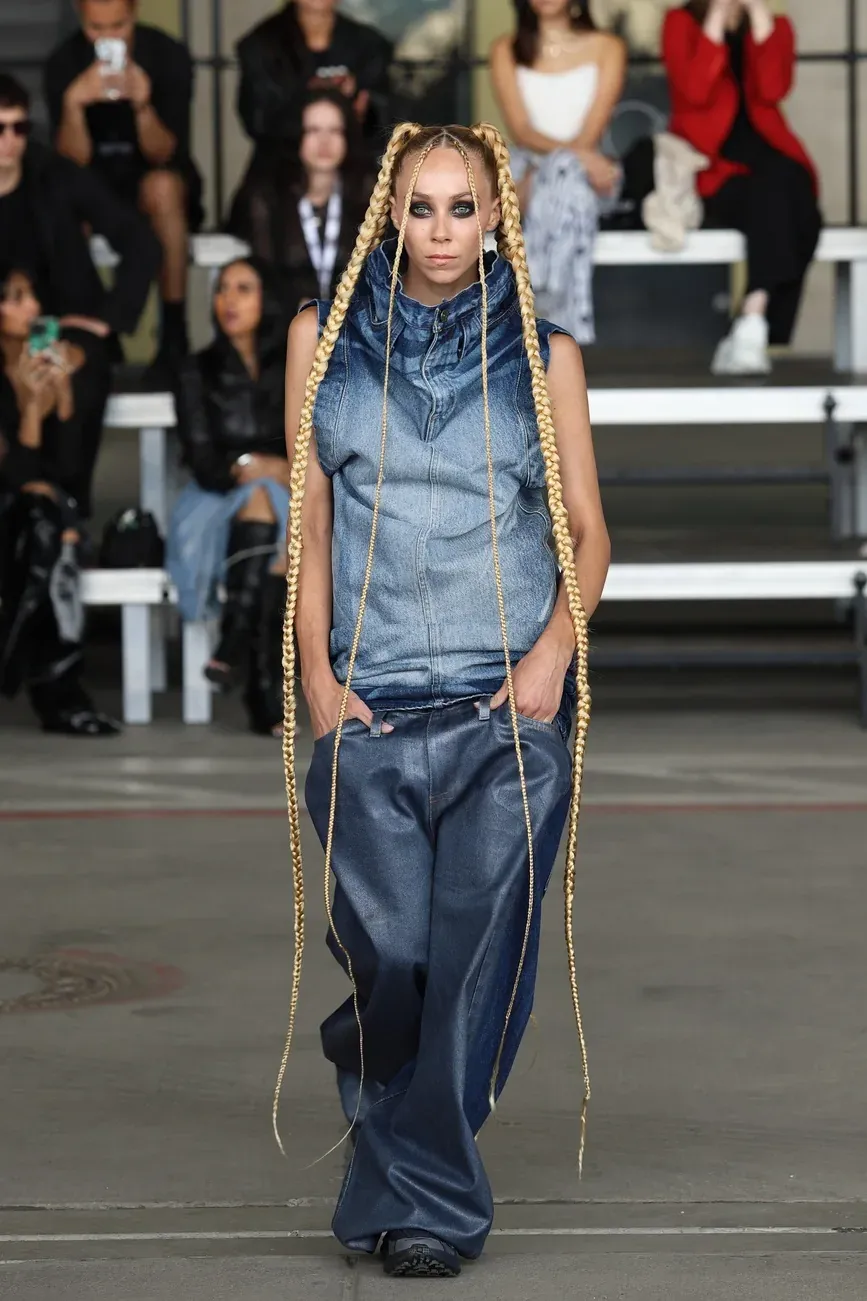
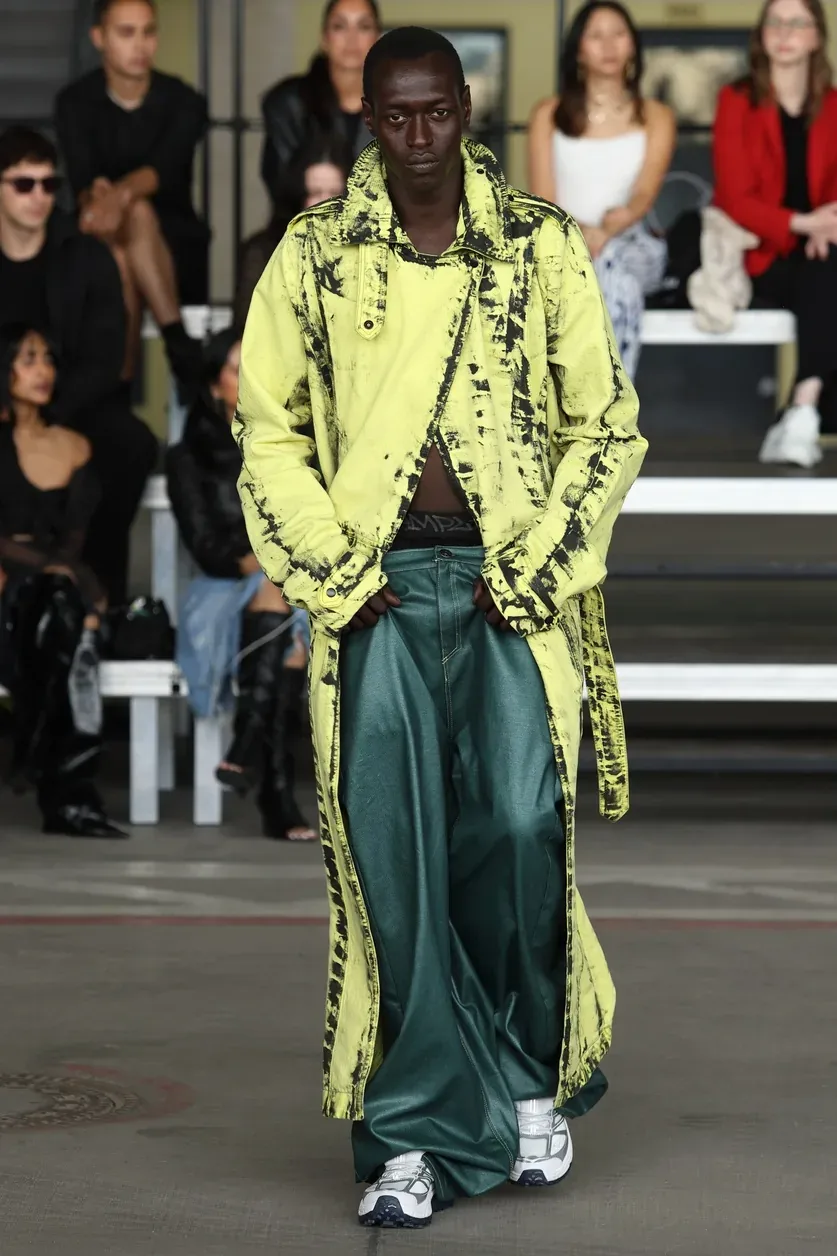
There was nothing nostalgic about Raw Territory. The collection didn’t romanticise the city’s underground culture, but it did recognise it as a force capable of redefining architecture itself.
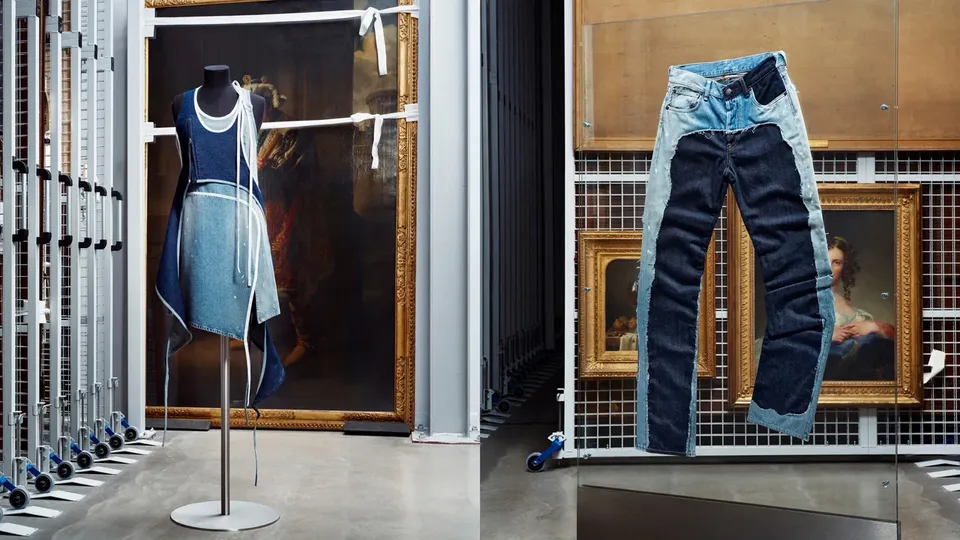
Oversized hoodies swallowed the body, and their elongated sleeves collapsed over the trousers. Both distressed denim and deadstock leather carried the marks of previous lives. Black dominated, interrupted only by flashes of warning-sign yellow and red. Colours borrowed as much from construction sites as from Berlin’s club nights.
Tempelhof was never just an airport, just as clothes are never just clothes, and Sample030 just materialised the moment a landscape is transformed by the people who inhabit it.
Kasia Kucharska
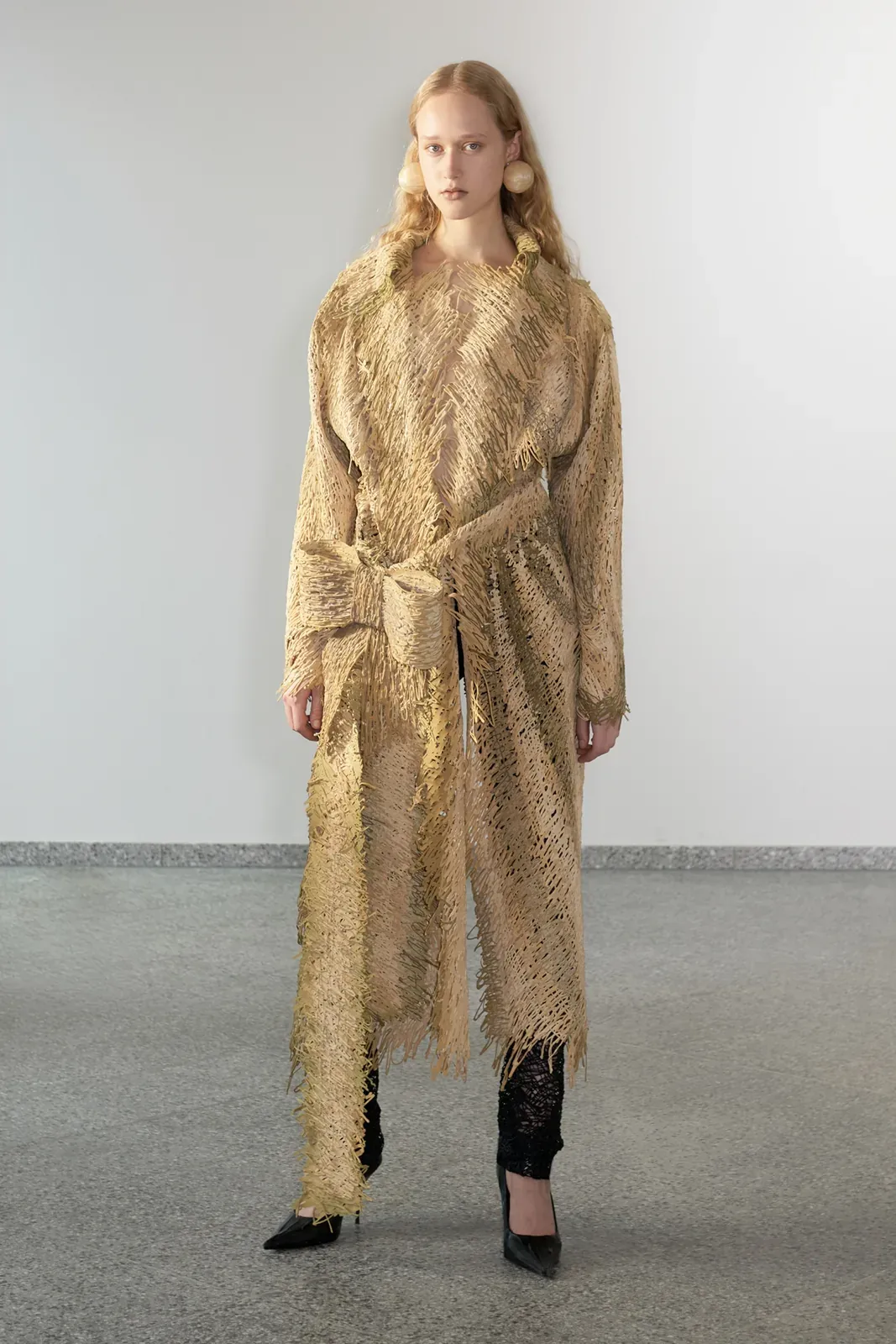
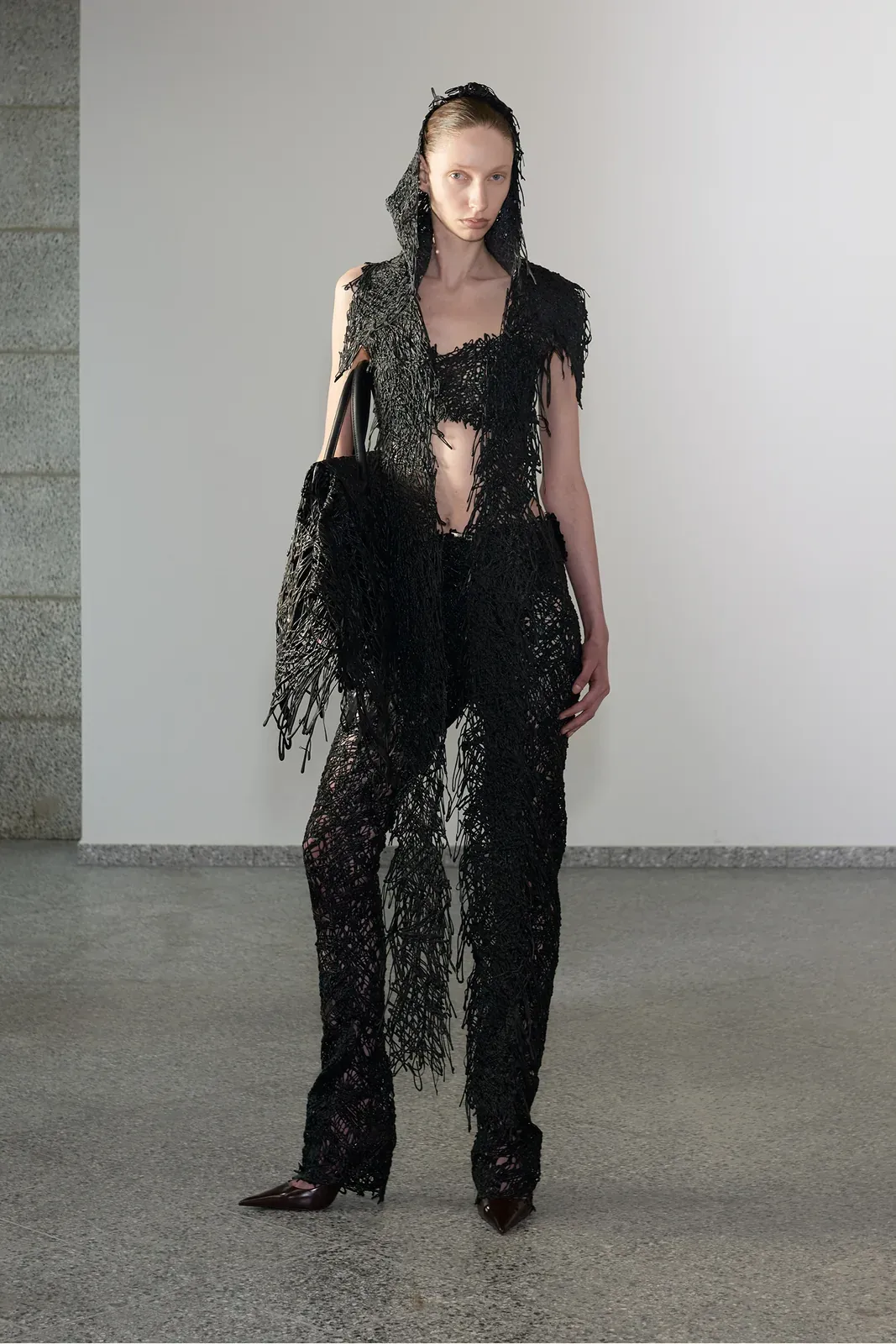
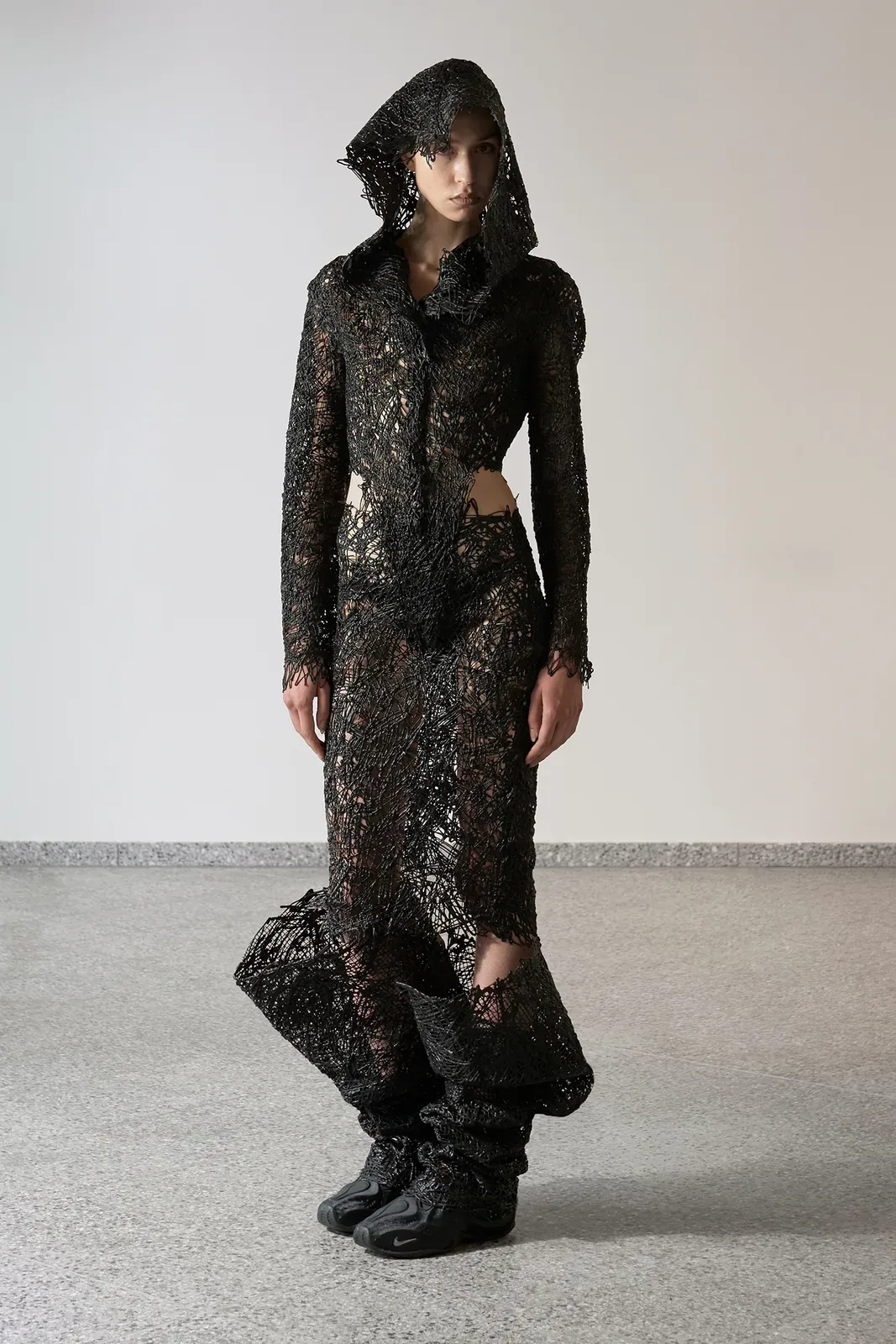
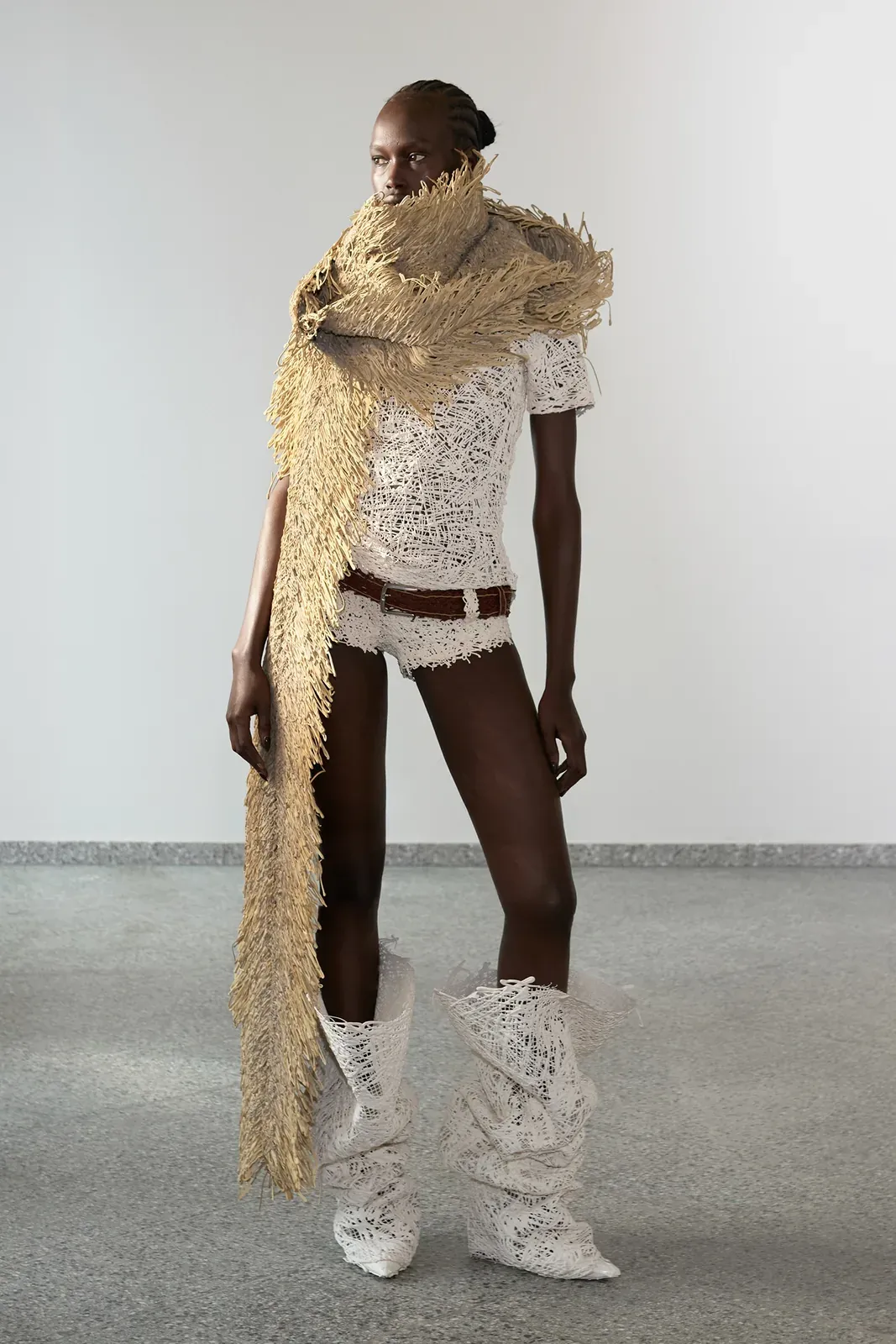
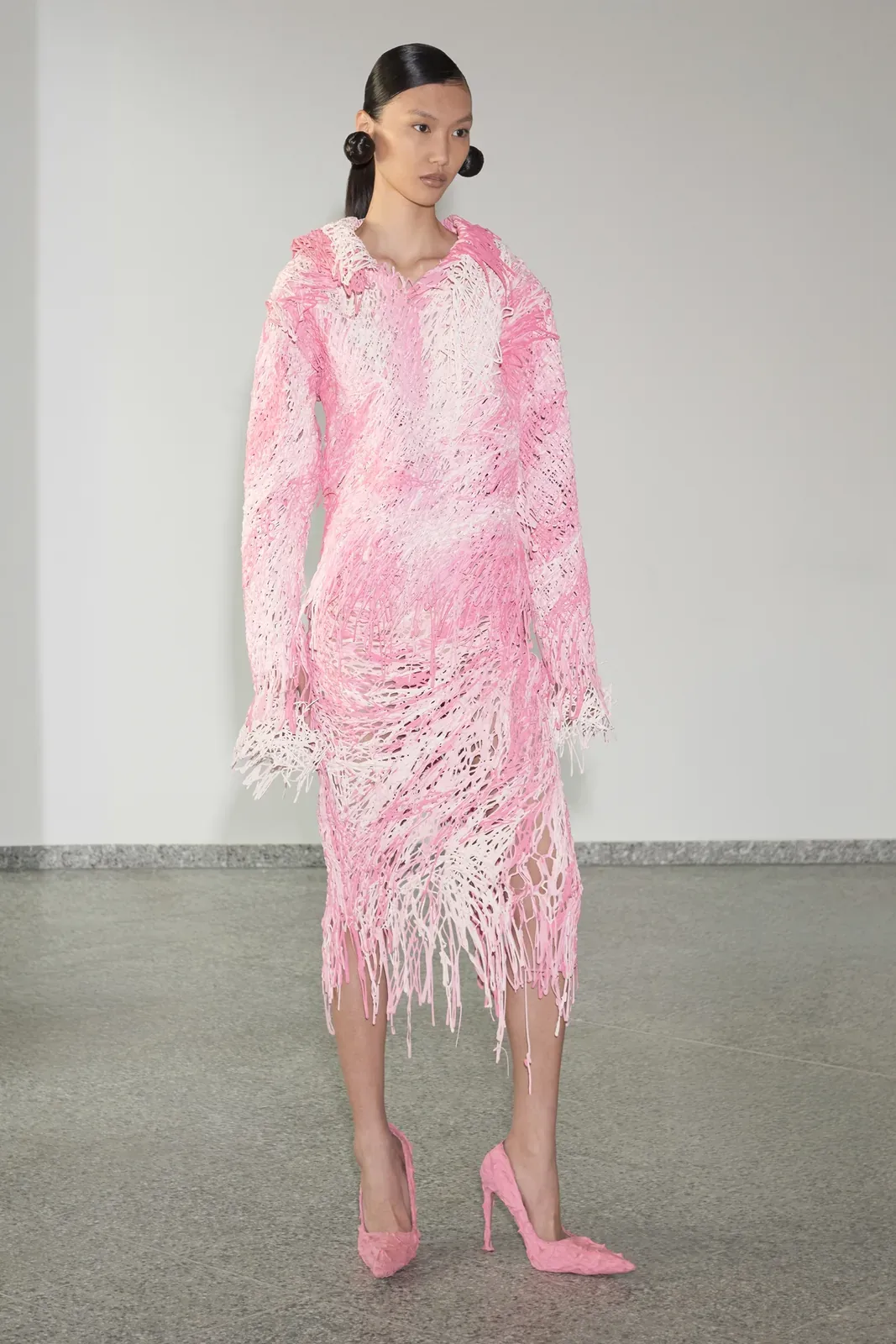
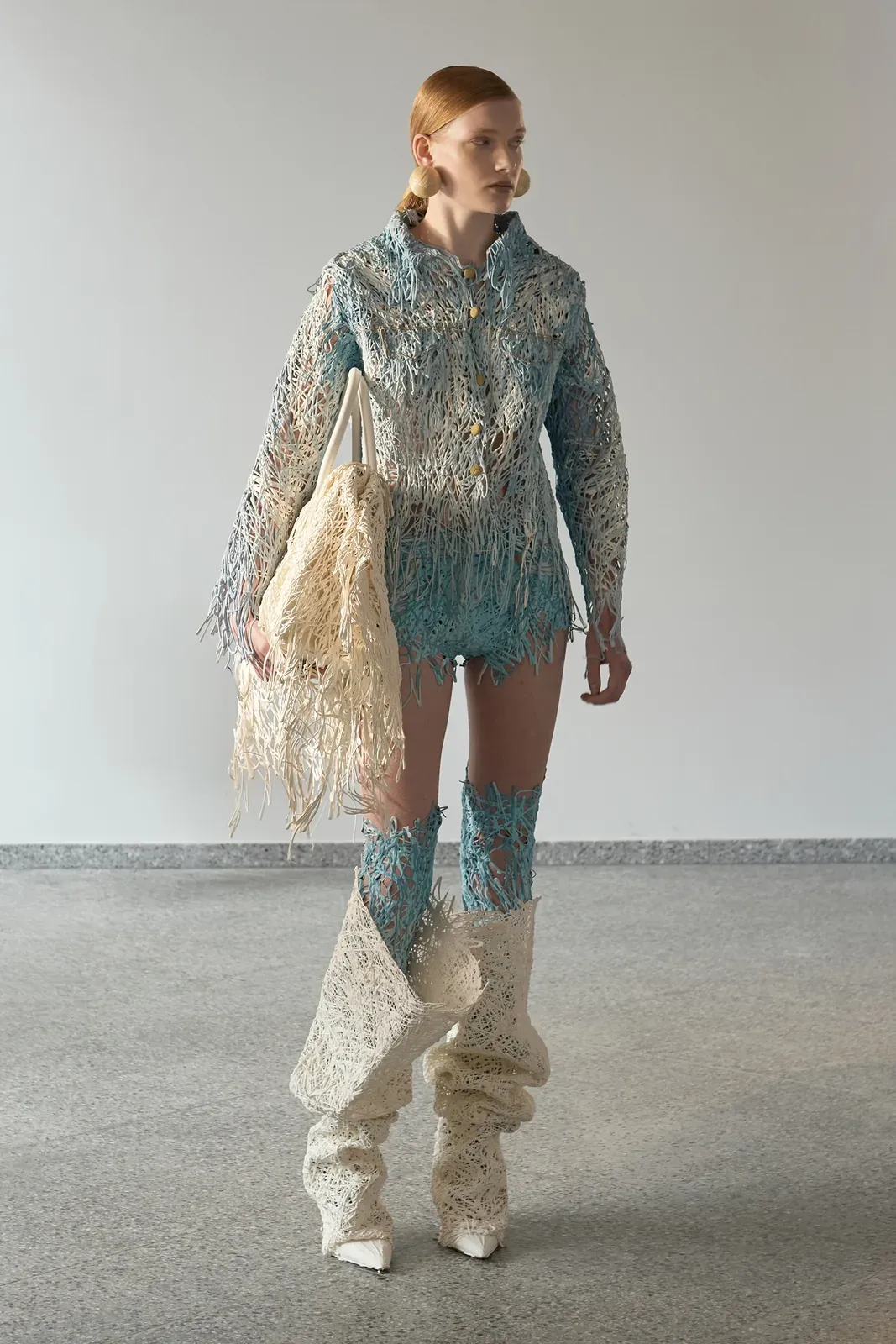
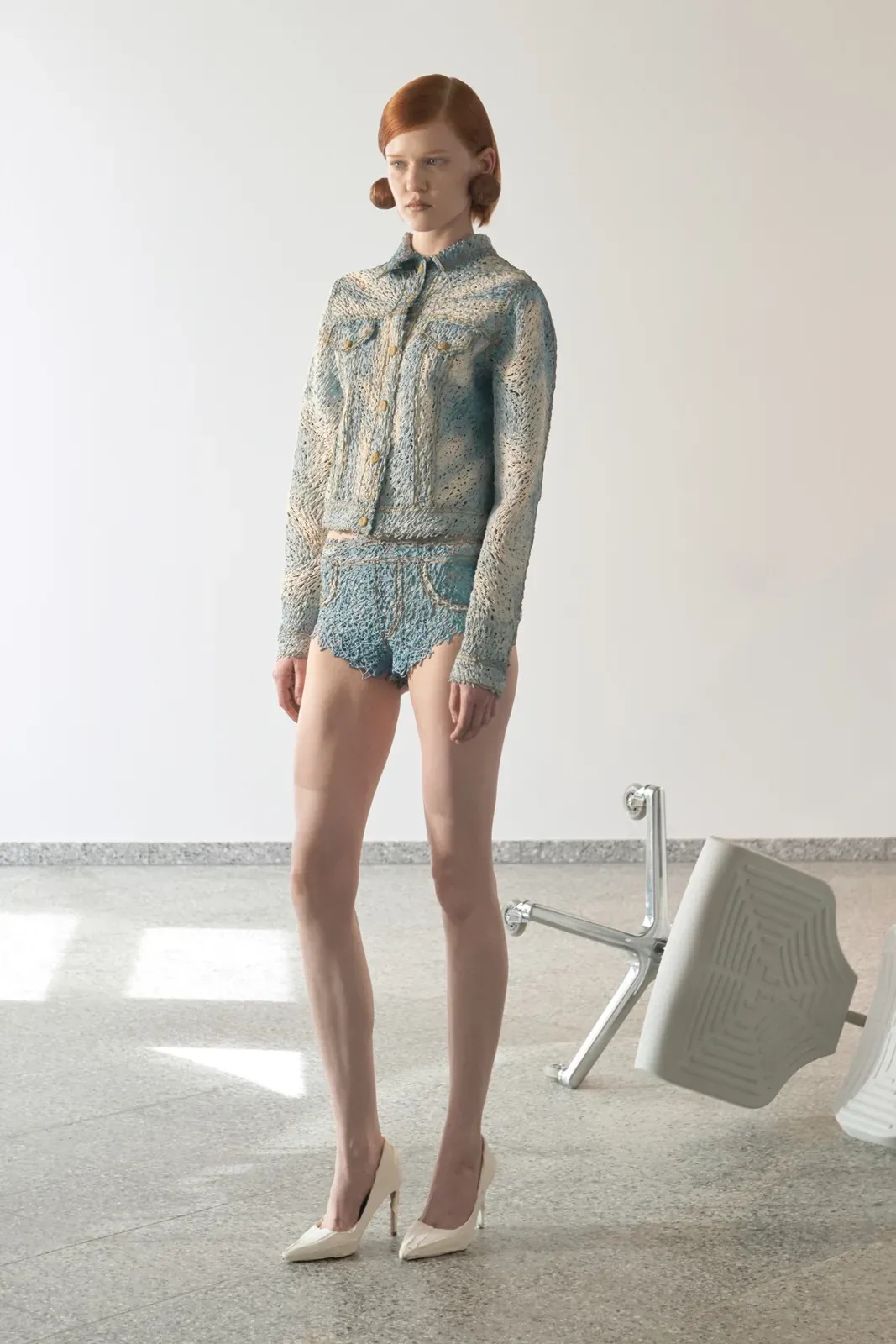
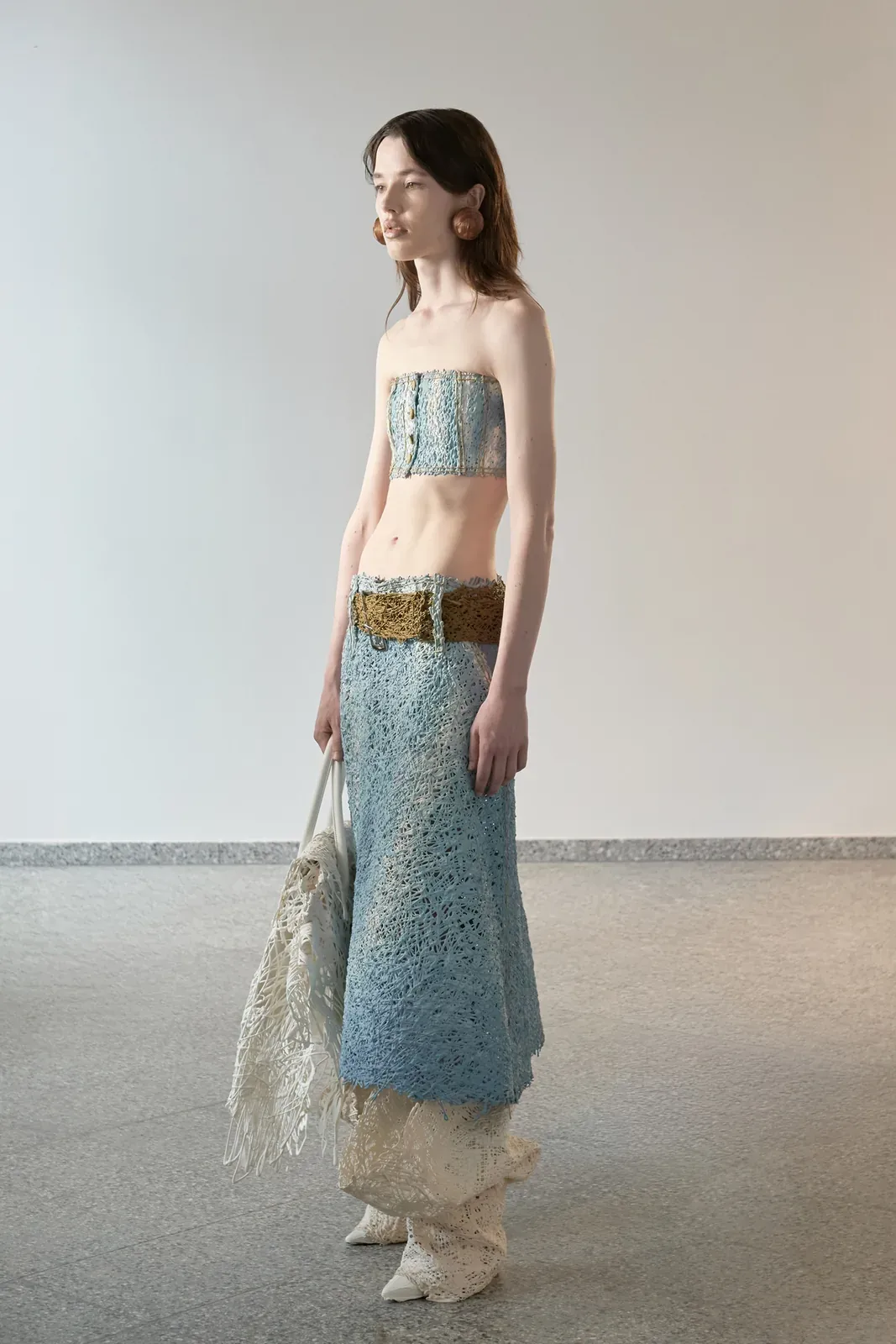
In reality, the Wicked Witch was only wicked because people wanted to believe she was. Something similar happened at Kasia Kucharska S/S 2027. Nothing was quite what it seemed. First, it was denim, then knitwear. Soft fur. A scarf woven in herringbone.
Concealed beneath layers of latex, the designer has turned deception into her most refined technique yet. In her latest Wizard of Oz universe, Glinda took the form of a pink dress that almost looked 3D-printed, while the Scarecrow disguised himself as a long coat with a bow in one look and as a long scarf in another. Elphaba was present throughout. Not through her signature green, but through the idea that appearances are rarely innocent but shaped by projections, prejudices and inherited narratives.
Whether it is in Berlin or Munchkinland, the line between reality and illusion is just that, a line. Crossing it resulted in a collection that constantly asks the eye to look twice. No wonder it’s a favourite.
John Lawrence Sullivan
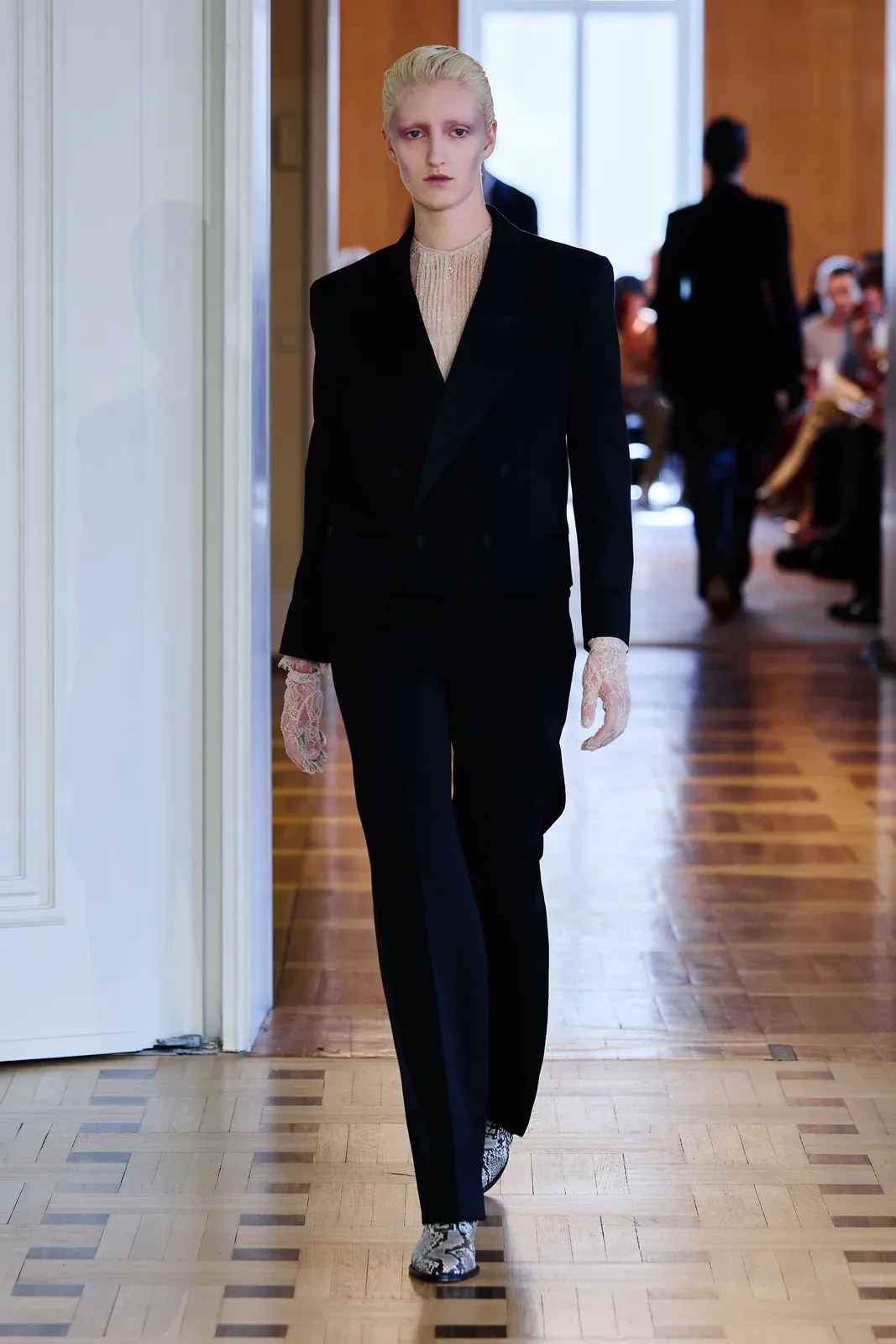
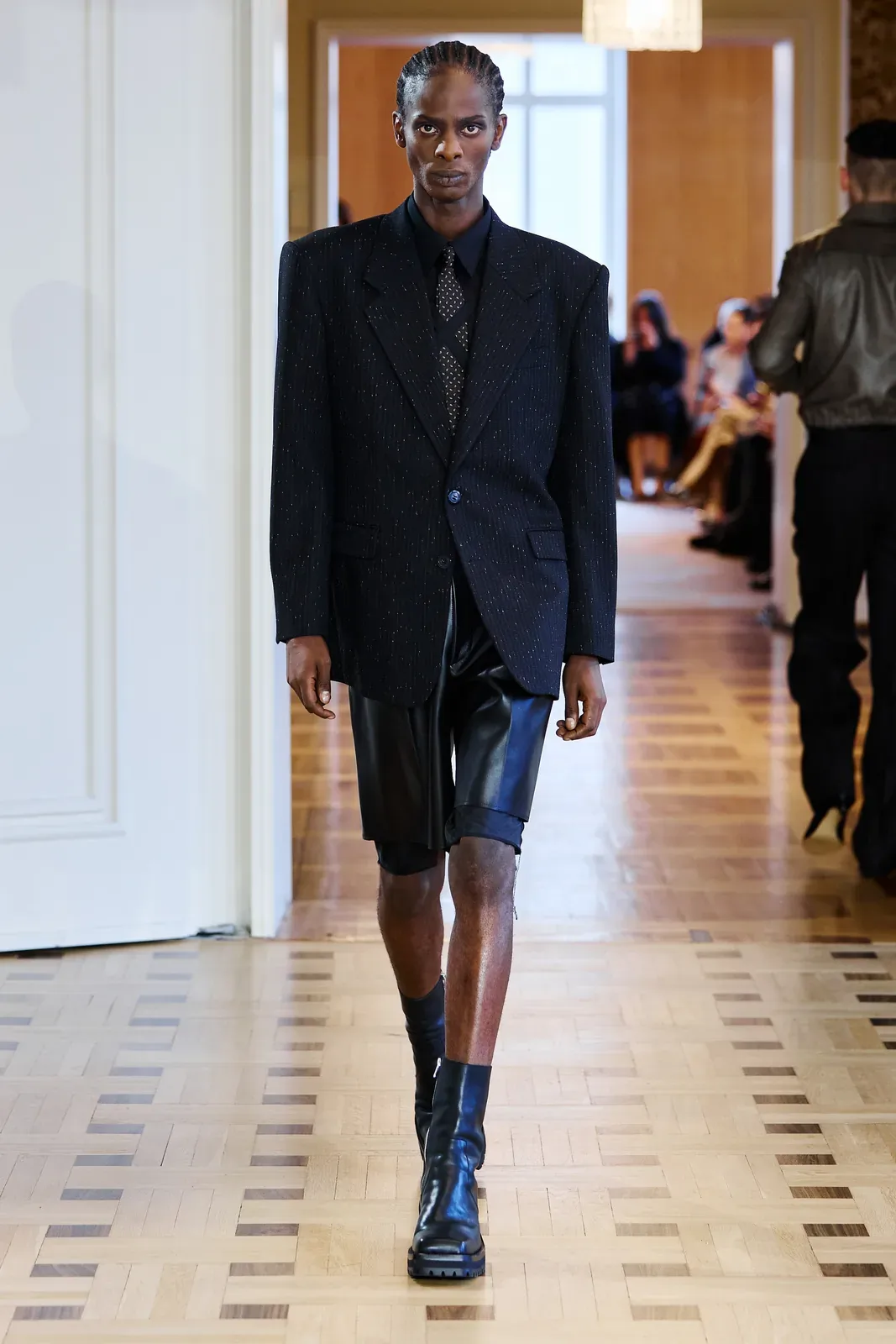
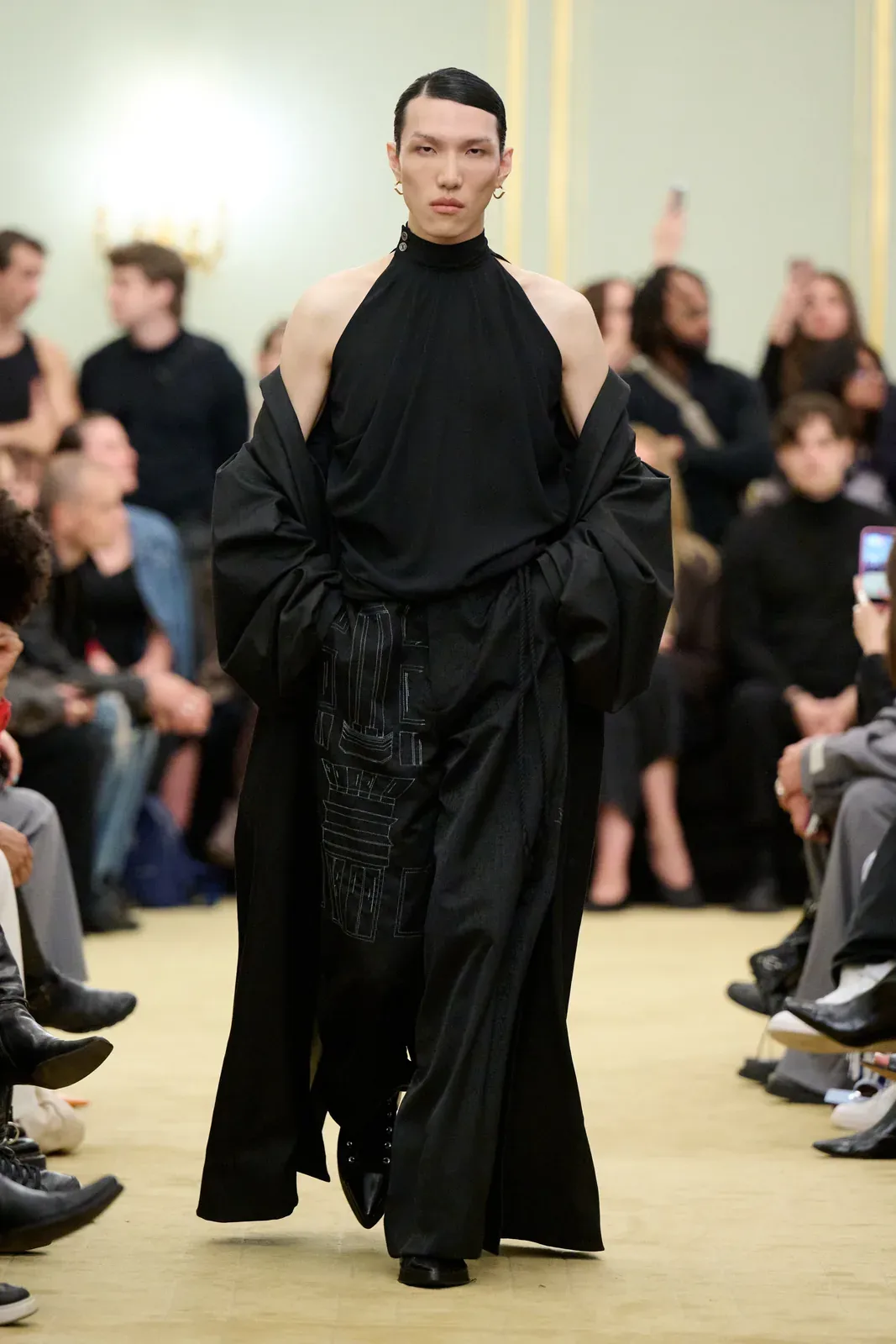
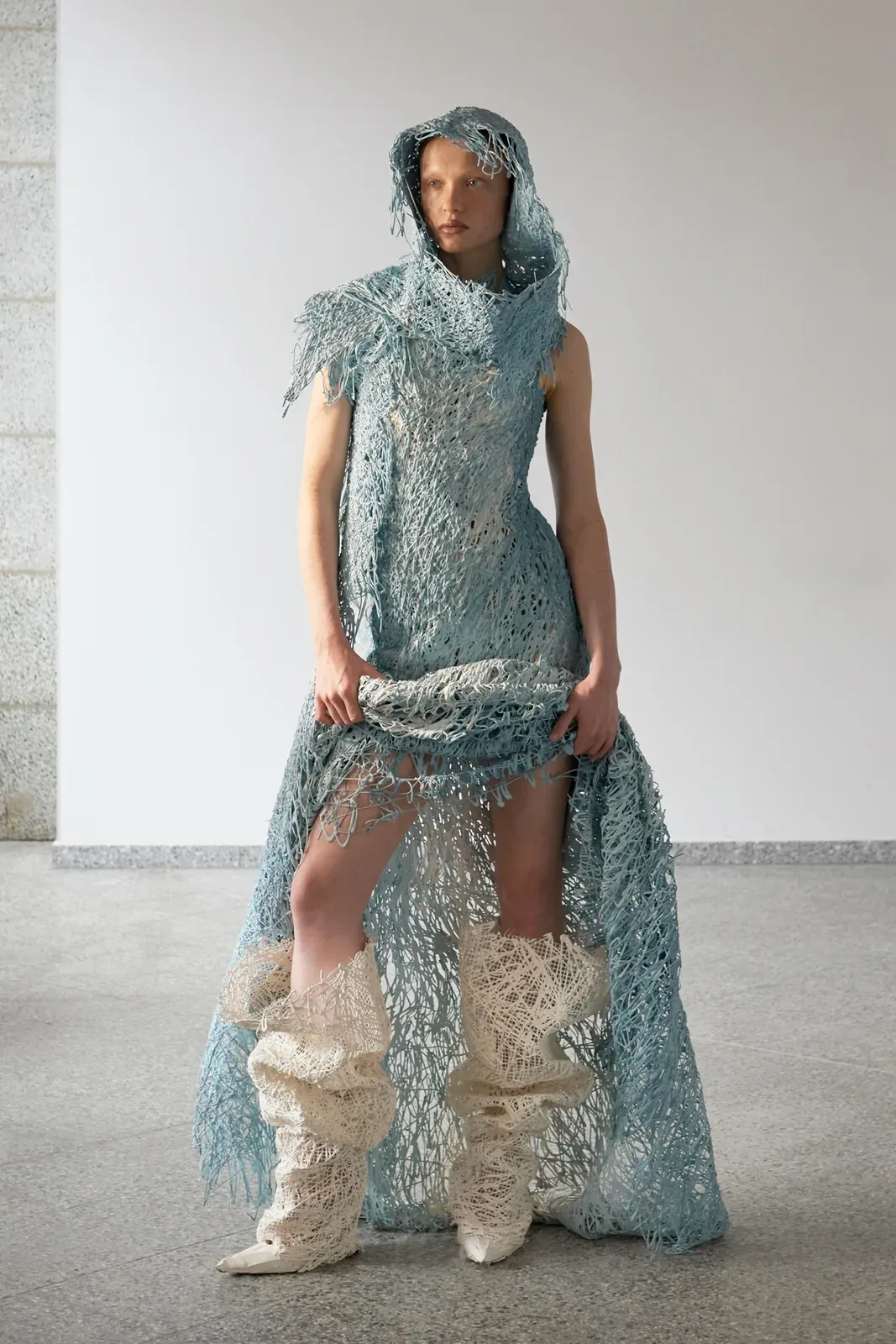
Gender has always depended on rules, and Arashi Yanagawa of John Lawrence Sullivan spent this season asking what happens when they begin to unravel. For Androgyny, blazers and suits are paired with conventionally feminine gestures. Somehow, like the W and the U of Hilma af Klint, lace gloves, mesh tulle and glossy patent exist in the same world as harnesses and shibari. But here, bondage is not about restriction but about the physical constraint already inherent in tailoring itself. And maybe in life, too.
How funny is it that all it takes is a little tailoring and a little sensuality for the boundaries between masculine and feminine to come undone.