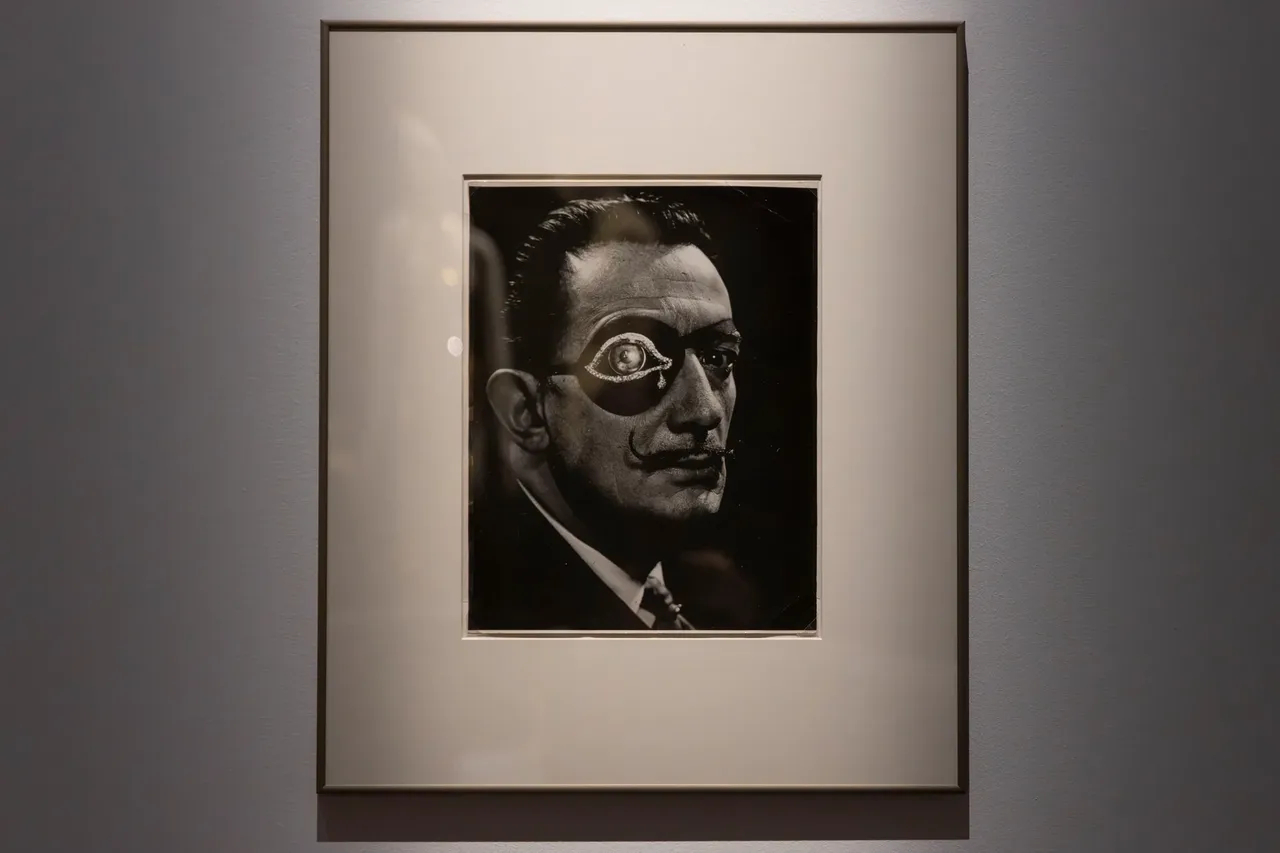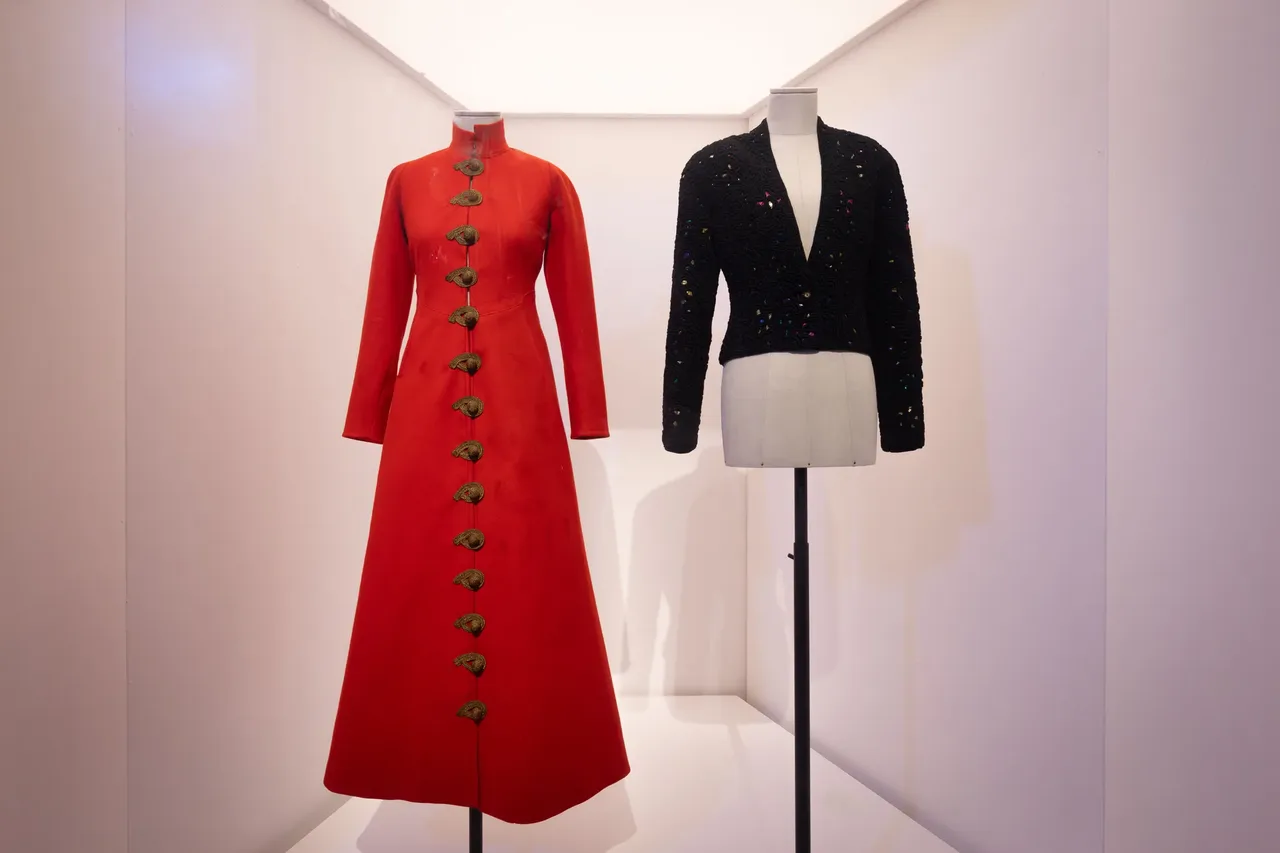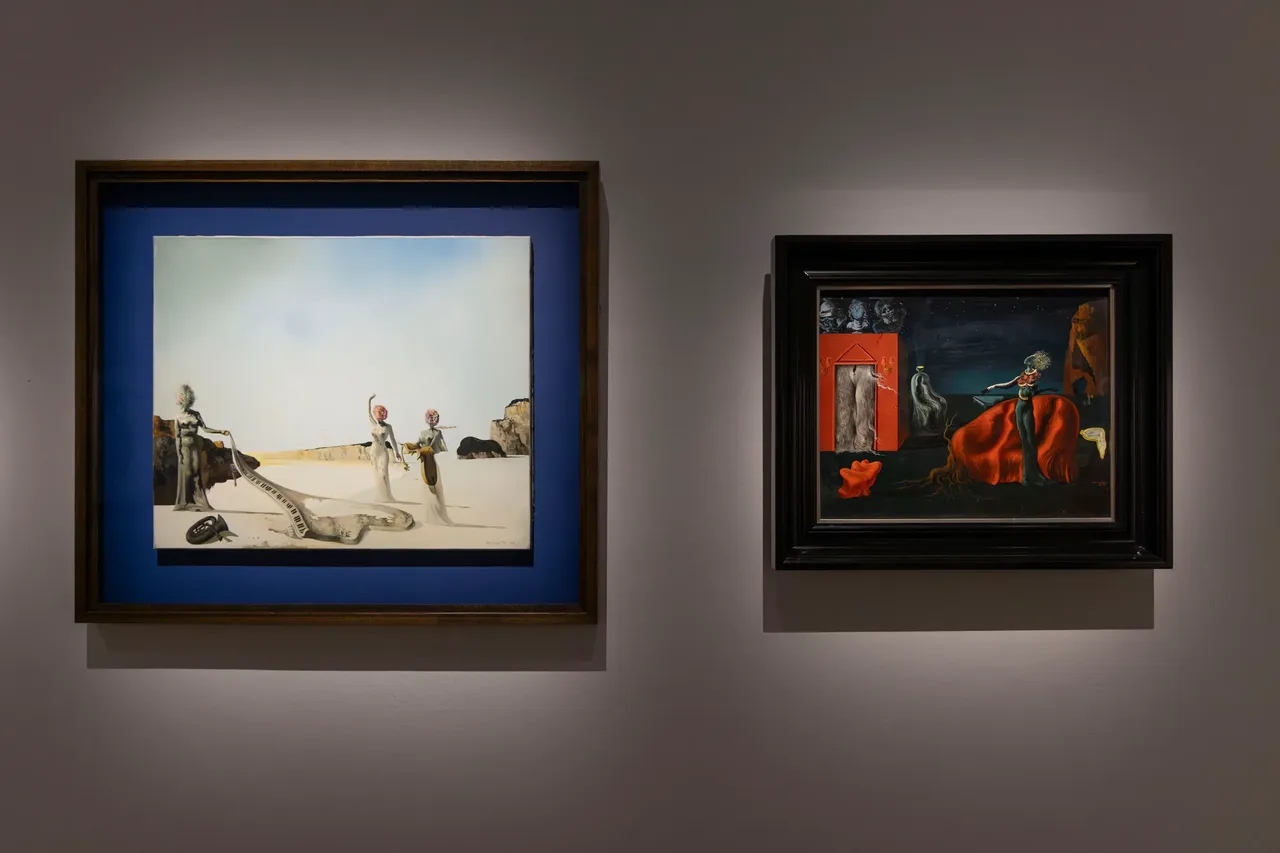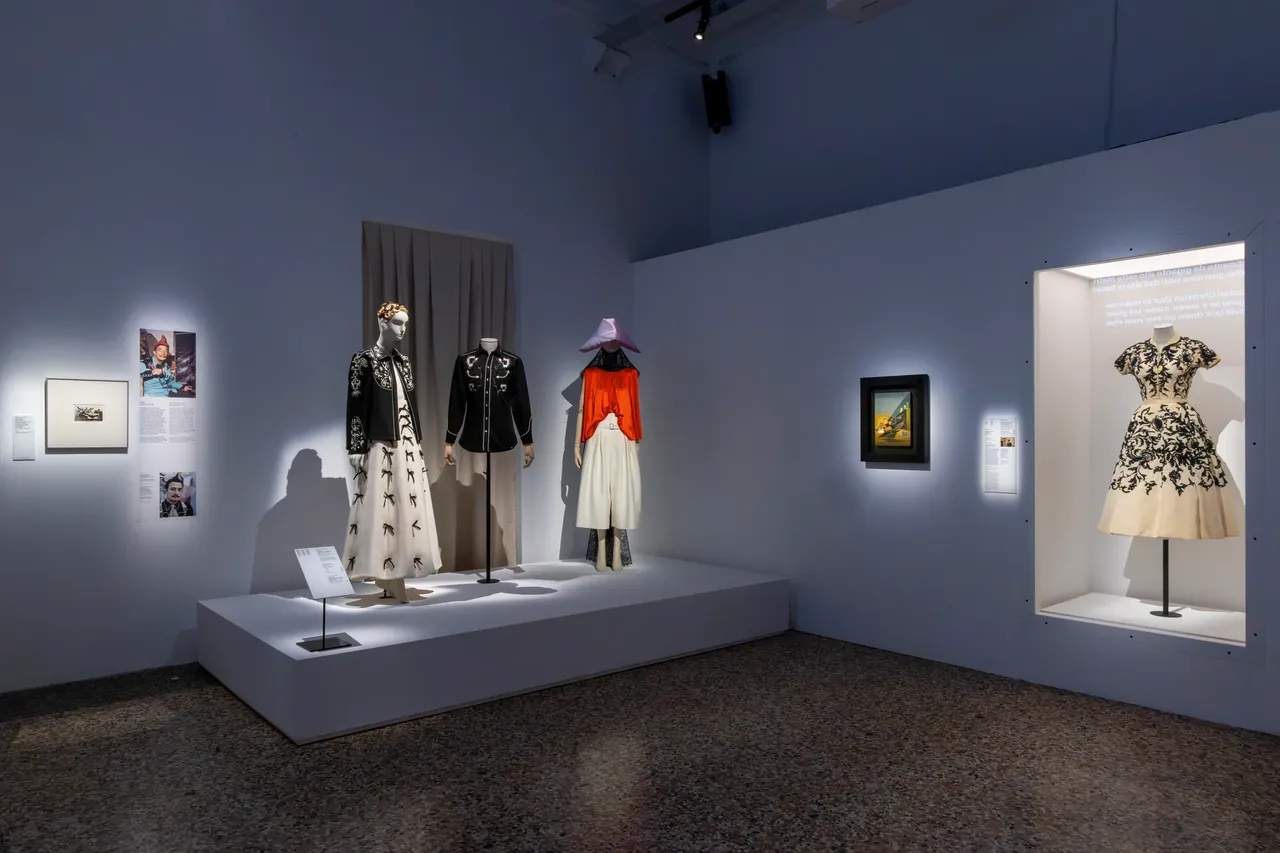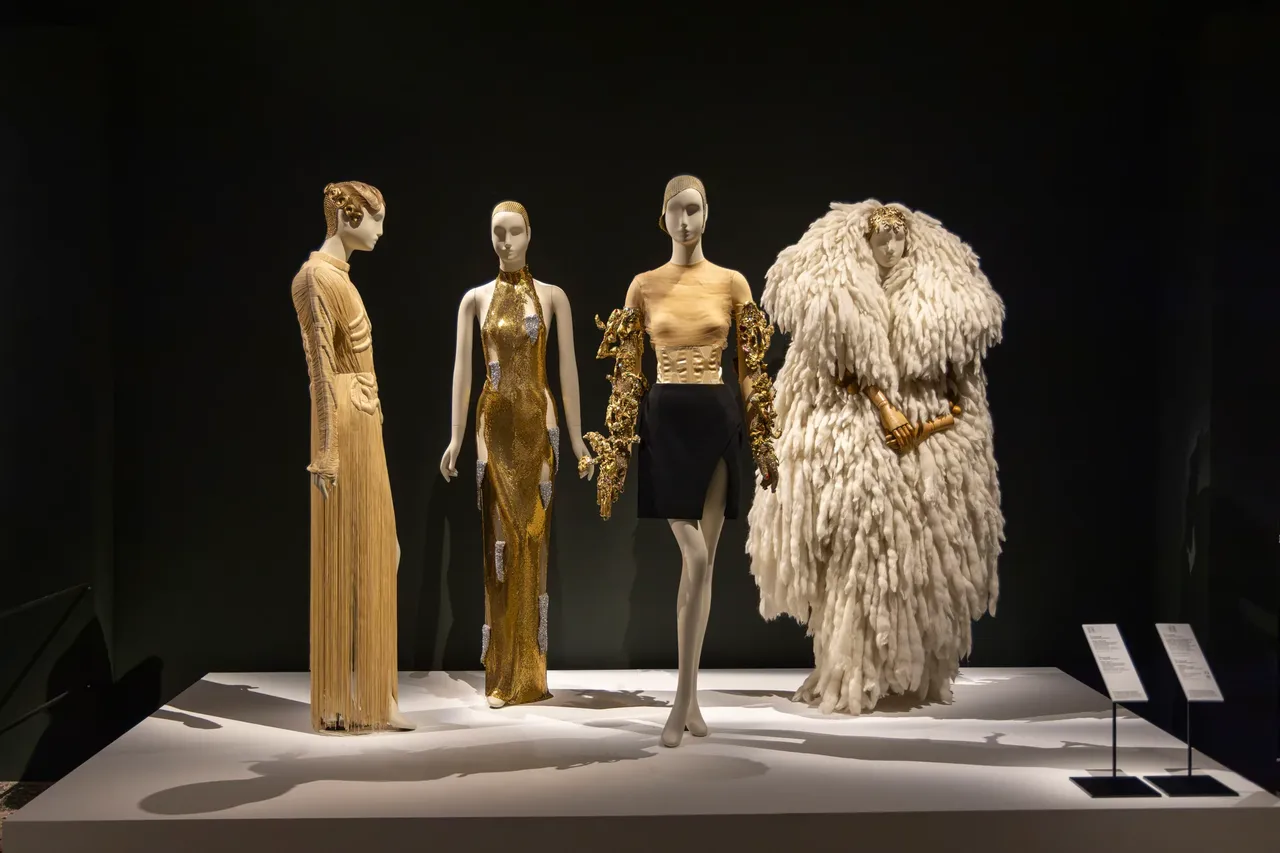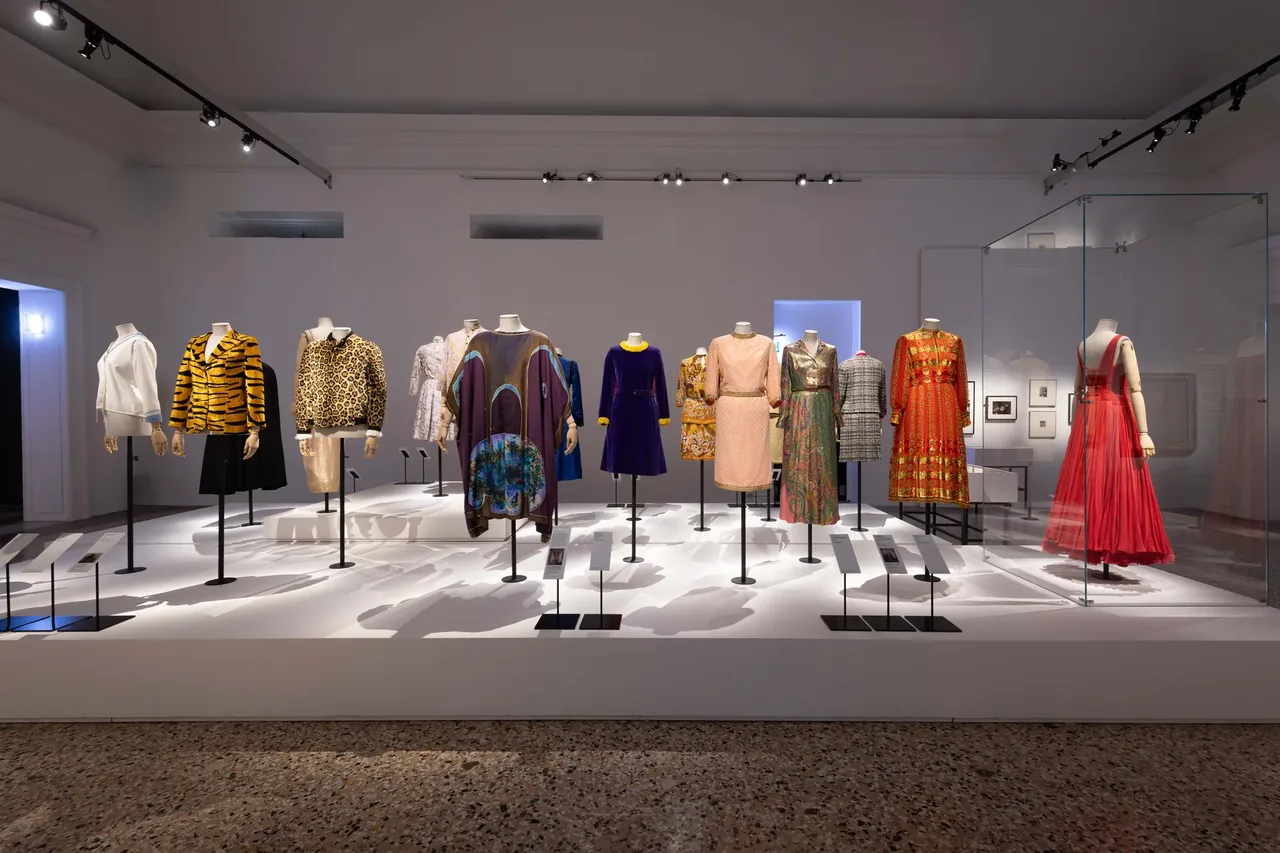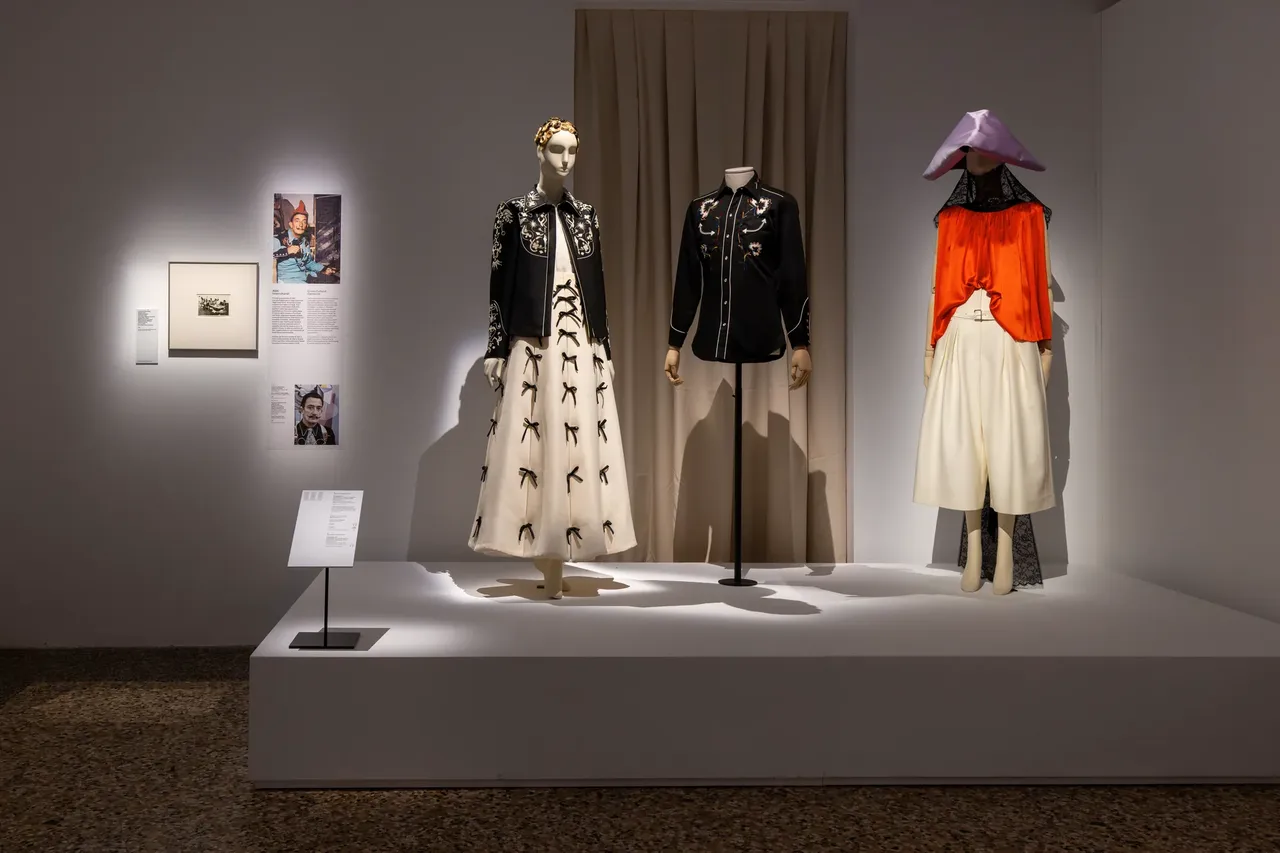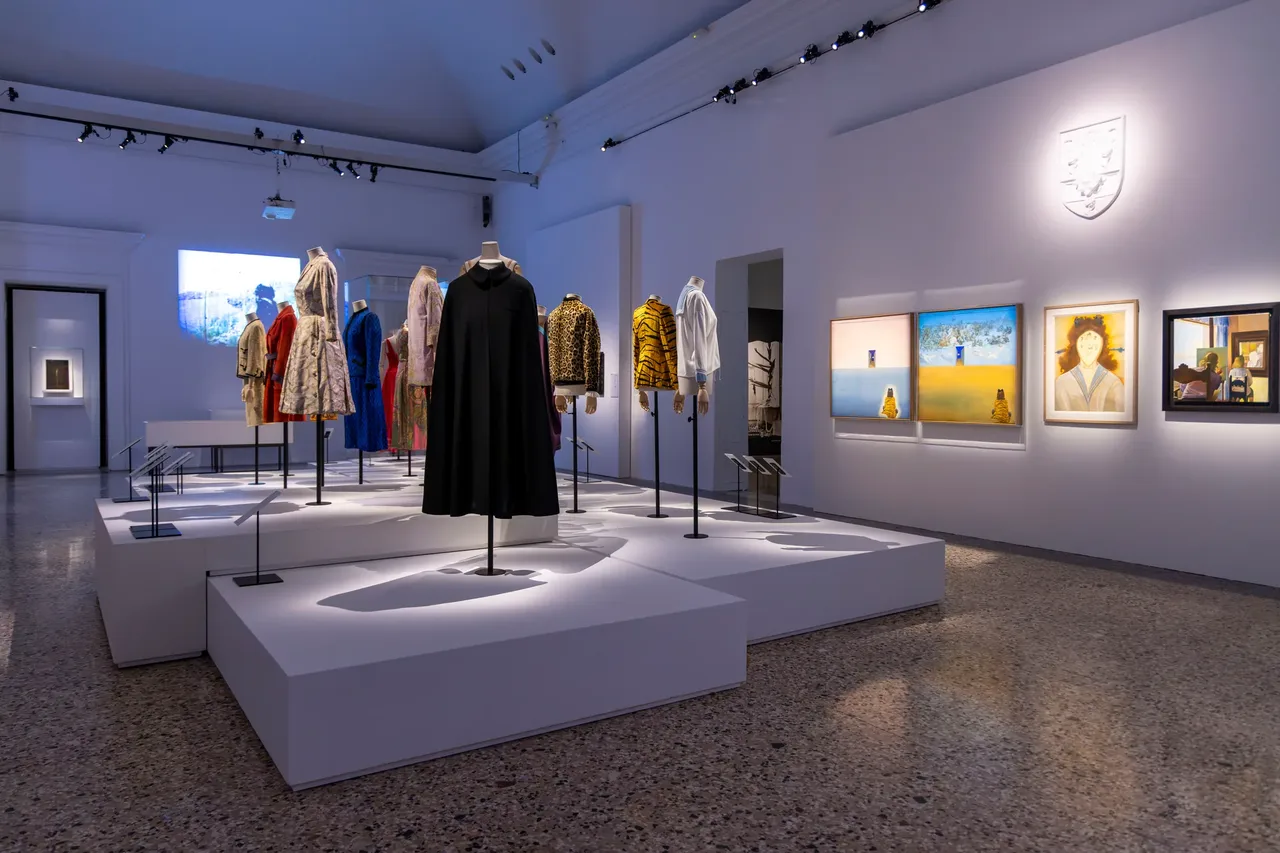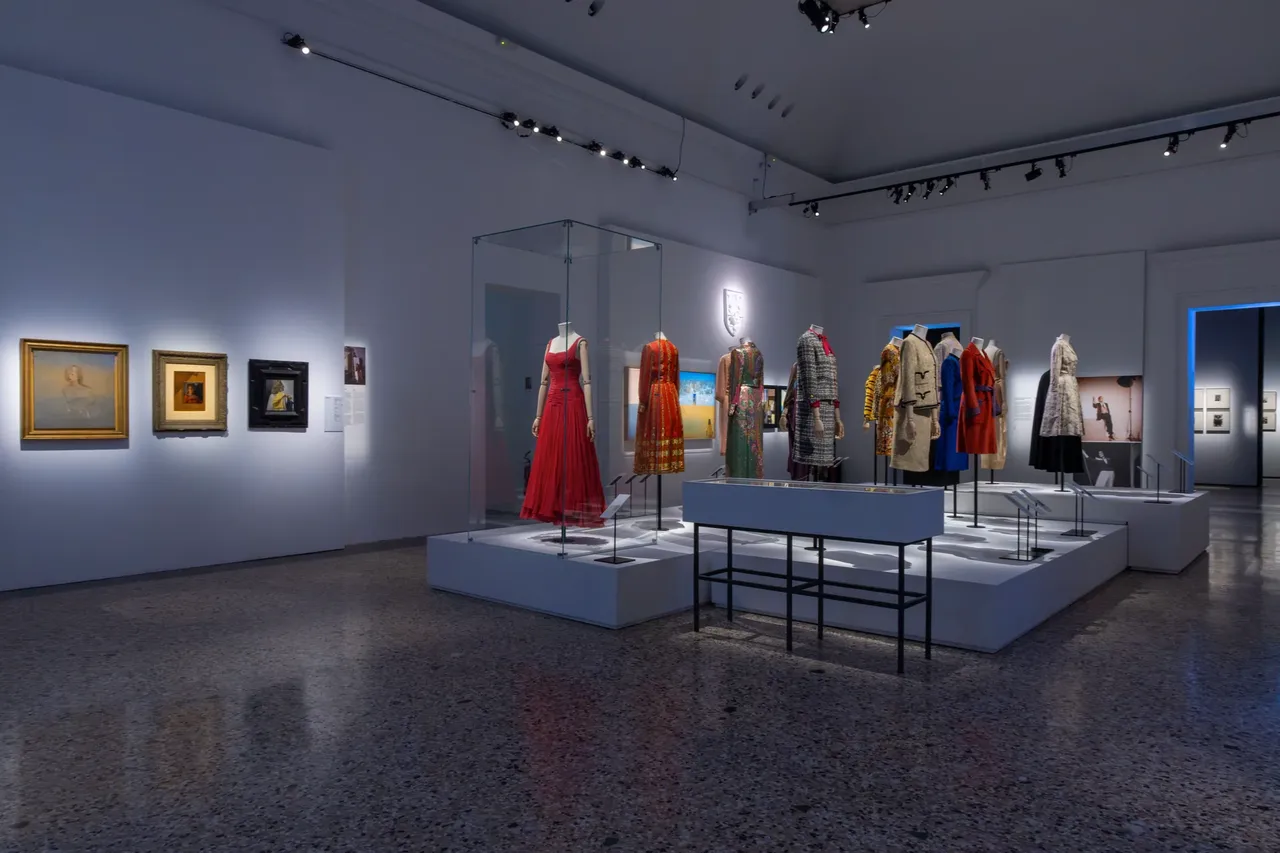
How creative do you have to be for fashion houses such as Schiaparelli, Chanel, Dior and Rabanne to want to collaborate with you? Coinciding with Milan Fashion Week, there was much more to discover beyond the spectacular shows of the city’s leading fashion houses. Until 31 January 2027, Palazzo Reale is hosting Dalí e la Moda, an exhibition that explores Salvador Dalí’s extraordinary relationship with fashion, offering a comprehensive look at how his Surrealist imagination extended far beyond the canvas and into the world of clothes.
Long before Surrealism became a recurring reference on the runway, Salvador Dalí was already turning fashion into an extension of his wildest dreams. From lobster dresses to shoes that defied all logic, the Catalan artist blurred the boundaries between art, fashion and fantasy, leaving his mark on some of the most iconic designers and fashion imagery of the twentieth century. Those wonderfully bizarre Vogue covers? Dalí helped make that kind of visual madness possible.
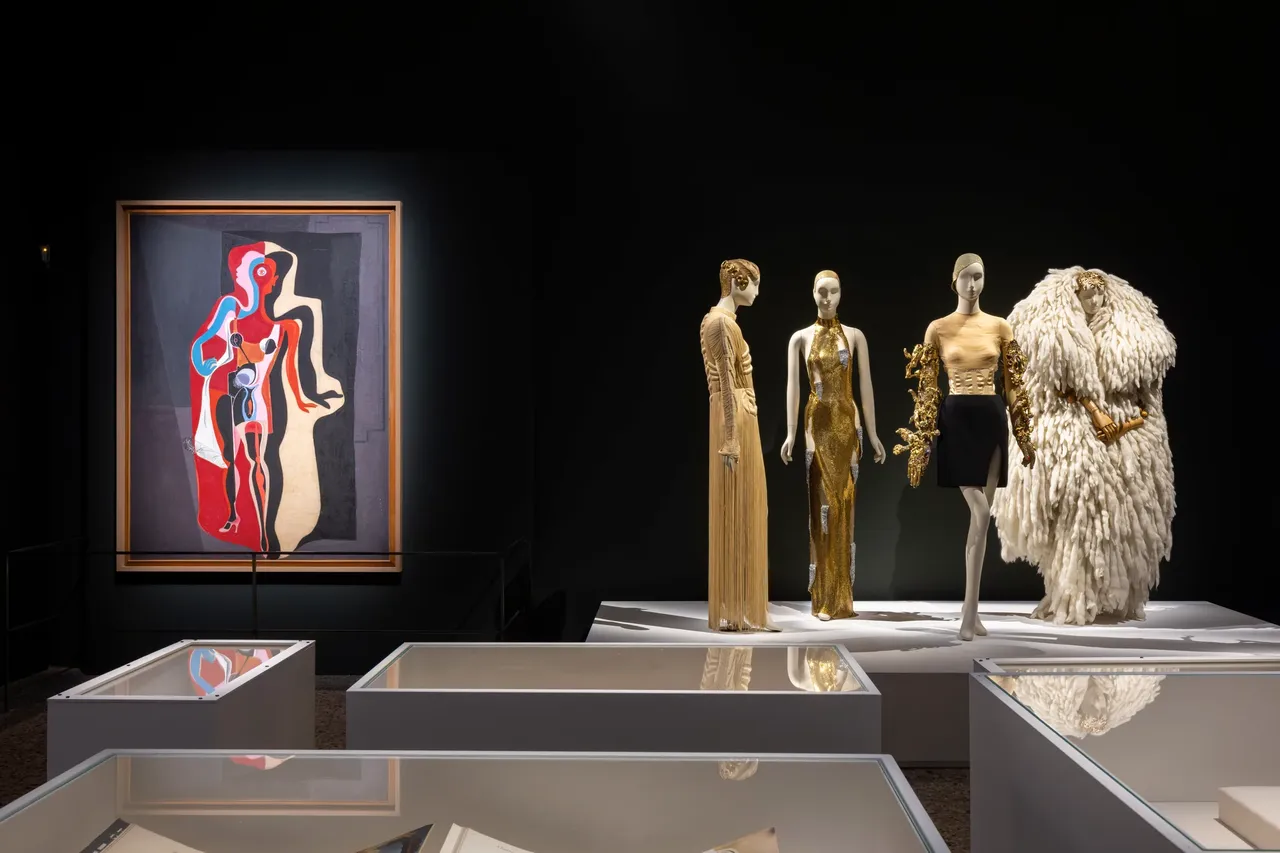
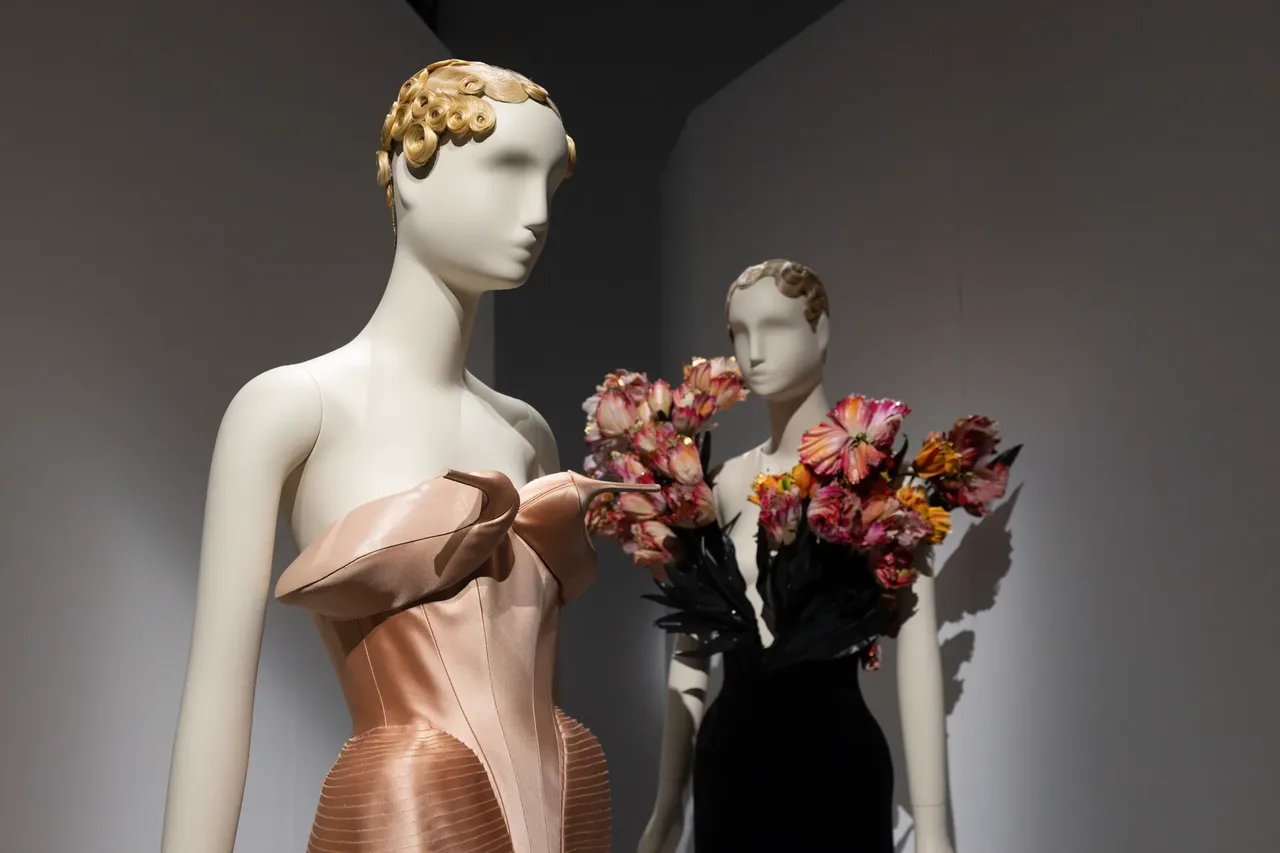
Dalí e la Moda invites us into the artist’s extraordinary sartorial universe, revealing how his imagination travelled from the canvas into couture. Through more than two hundred works and archival materials—including paintings, drawings, photographs, garments, films, jewellery and accessories—the exhibition traces his collaborations as well as his contributions to Vogue and Harper’s Bazaar. Organised across six rooms, the exhibition explores fashion as far more than a question of clothing. From The Secret Life of Fashion and The Wardrobe to Performing Fashion, it examines how Dalí transformed the dressed body into a space for spectacle, desire and reinvention. Shoes, gloves, jewellery and garments emerge as recurring symbols in his visual language, while Gala takes centre stage as muse, model and strategic partner in shaping the couple’s public image.
The exhibition also reveals how Dalí anticipated ideas that continue to define contemporary fashion: the body as a canvas, identity as performance and clothing as a conceptual statement. Designed by fashion historian Judith Clark, the scenography brings the artist’s theatrical sensibility into the exhibition space, turning the visit into a journey through his endlessly inventive imagination.
Much of the material is being presented in Italy for the first time. The exhibition brings together loans from the Fundació Gala-Salvador Dalí in Figueres, The Dalí Museum in St. Petersburg, Florida, and the Museo Reina Sofía in Madrid, alongside historical archival material from Schiaparelli, Chanel, Dior and Rabanne.
Dalí reminds us of something we should never take for granted: the freedom to create simply because we can. Imagination has the power to produce extraordinary images and impossible visions that, when brought into reality, can transform the ordinary into something a little more surreal, a little more exciting and perhaps a little more our own. Looking back at the artist’s journey through fashion is a reminder of just how visionary his approach to art was. He could translate his imagination into almost any medium, but there was something particularly radical about bringing it into clothing. His ideas anticipated a future that wasn’t as distant as it might have seemed, challenging the boundaries of what fashion could look like and what it could communicate.
Perhaps Surrealism is one of the purest forms of artistic expression precisely because it refuses to filter imagination through the limits of reality. It gives shape to the impossible, allowing ideas to exist beyond convention, logic or expectation. And how important that is, especially in fashion. Fashion takes those ideas out of the realm of dreams and brings them into our everyday lives. It allows us to wear our imagination, experiment with who we are and express ourselves on our own terms, rather than conforming to who we are expected to be.
In the end, Dalí e la Moda reminds us that fashion can be so much more than what we wear. It can be a dream made tangible, a form of rebellion and a way of making the world a little more surreal. Few artists understood better than Dalí how to make the impossible wearable.
The exhibition Dalí e la Moda is on view through 31 January 2027 at Palazzo Reale, Milan.