In times of rising geopolitical frustration, of looksmaxxing, of CEOs publicly assaulting activists, of award speeches that mix up the words fashion and fascism, and of weather phenomena that can no longer be ignored, one might easily forget the power a single piece of contemporary art can unleash. Luckily, a stroll around this year’s Berlin Art Week, which took place from 9 to 13 September, inevitably reminds us that the world won’t just be shaped by hate.
It won’t be AI, it won’t be fast fashion brands, and it also won’t be division. It will always be reflection, transformation, conversation and the never-ending urge to learn about who and what we are.
With over 100 different museums, private collections, galleries, events and more, the festival’s 15th edition once again brought together creatives, professionals, investors, enthusiasts and curious minds alike. While memes online were mocking the somewhat aspirational aesthetic of pretentious wannabe experts sipping orange wine and wearing the same black, run-through loafers, the majority of people were enjoying the sights of Maurizio Cattelan’s sculptures, following the sound installations of Ryuichi Sakamoto at Hamburger Bahnhof, and trying to imagine what exactly was happening behind Marco Siciliano’s glass works at VRB Gallery. But most importantly, the conversations you could hear while passing by almost always revolved around our past, our present and what is to become our future.
Before the images in your mind start spinning with the quantity of works, we’ve selected five highlights of Berlin Art Week 2026 that you might have missed, no matter whether you were there or not. Five highlights you might’ve heard about before but haven’t yet had the time to dive deeper into. Five artists who capture something about our current moment and don’t shy away from questioning human legacy and emotions. From Sophia Süßmilch’s clowns addressing female rage to Mariya Vasilyeva’s unnerving lab, Martin Margiela presenting Martin Margiela in Berlin and Kianí del Valle’s newest militant performance, we dug into it.
Kianí del Valle
If you’ve been following the art, performance and music scene, Kianí del Valle is most likely a name you’ve heard before. The director, choreographer and dancer, who is based between Berlin and Los Angeles, has worked on stage performances with artists such as Bad Bunny and Lorde. Now, she filled not one but two paragraphs of the festival’s programme sheet, becoming one of the few artists performing at two major museums during Berlin Art Week. Both performances immersed the audience in a world of strong, relevant storytelling.
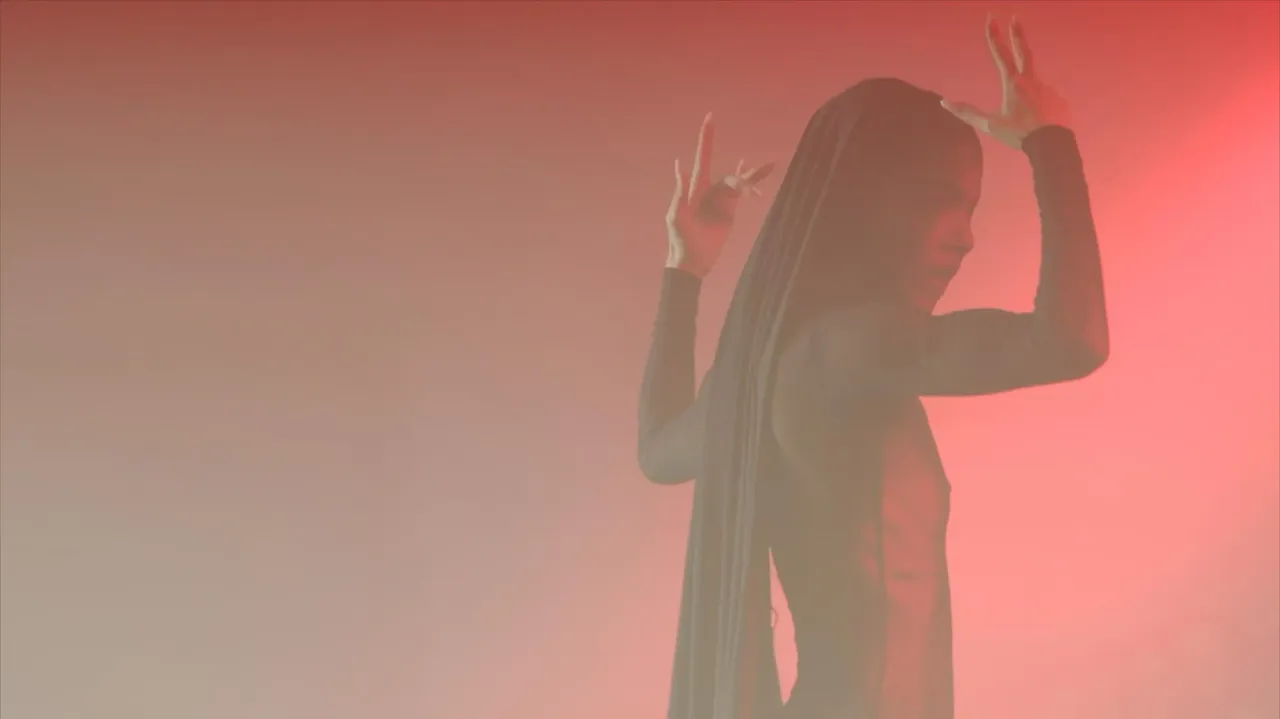
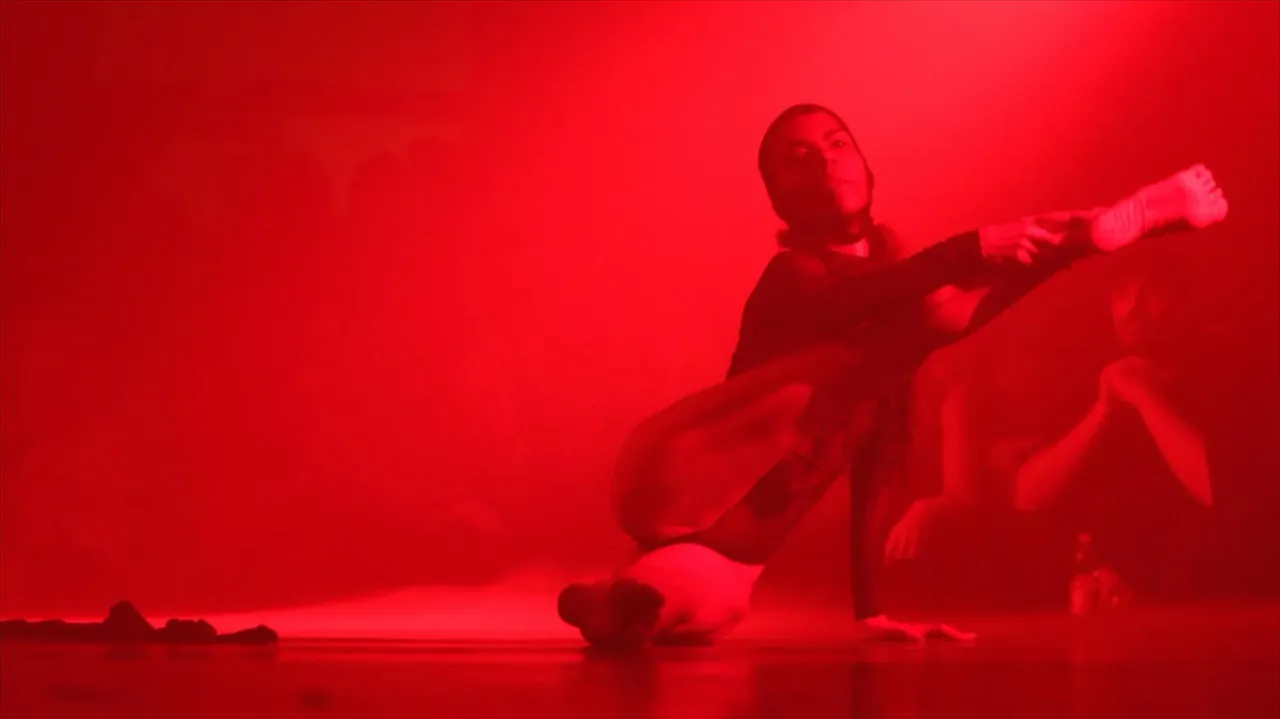
The first one, De Brujas y Fantasmas (2025), Spanish for Of Witches and Ghosts, was presented on Friday at Hamburger Bahnhof, filling the room with red light, unstable rhythms, ritualistic sounds by Ziúr and the stories of women from mythology. Del Valle’s main references for this solo: La Llorona, the famous figure from Mexican and Latin American folklore whose mournful cries lead the unlucky into misfortune. And María Sabina, the Mexican shaman and poet who used entheogenic mushrooms ritualistically to break down the barrier between the physical and spiritual worlds. So, while the audience at Hamburger Bahnhof fell into a trance-like state, moving their bodies and mirroring Del Valle at their centre, the performer invited everyone to reconsider what they think they know about marginalised women, about women who live on the outskirts of society and have been protecting esoteric cultural heritage for centuries.
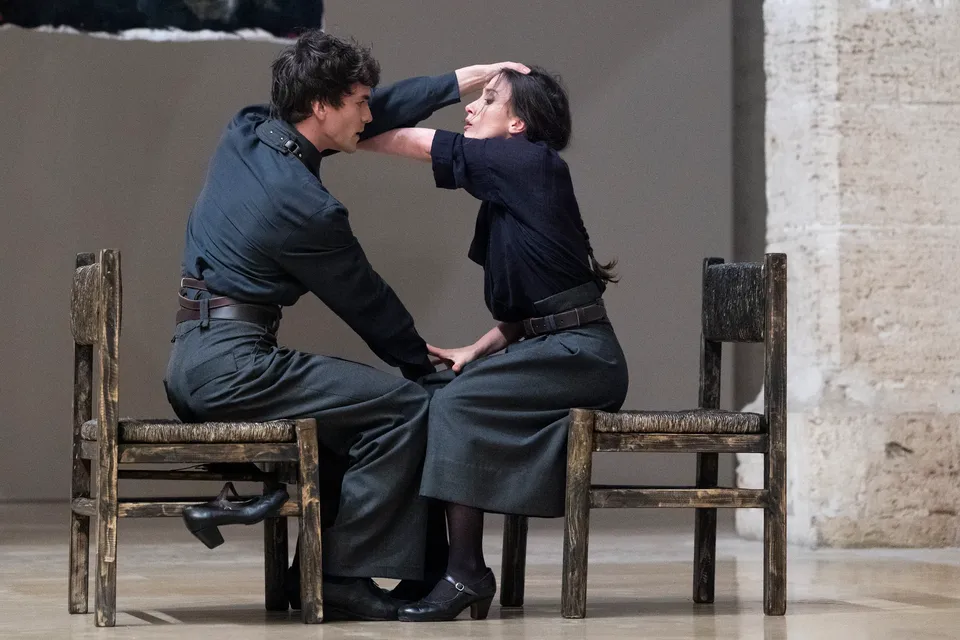
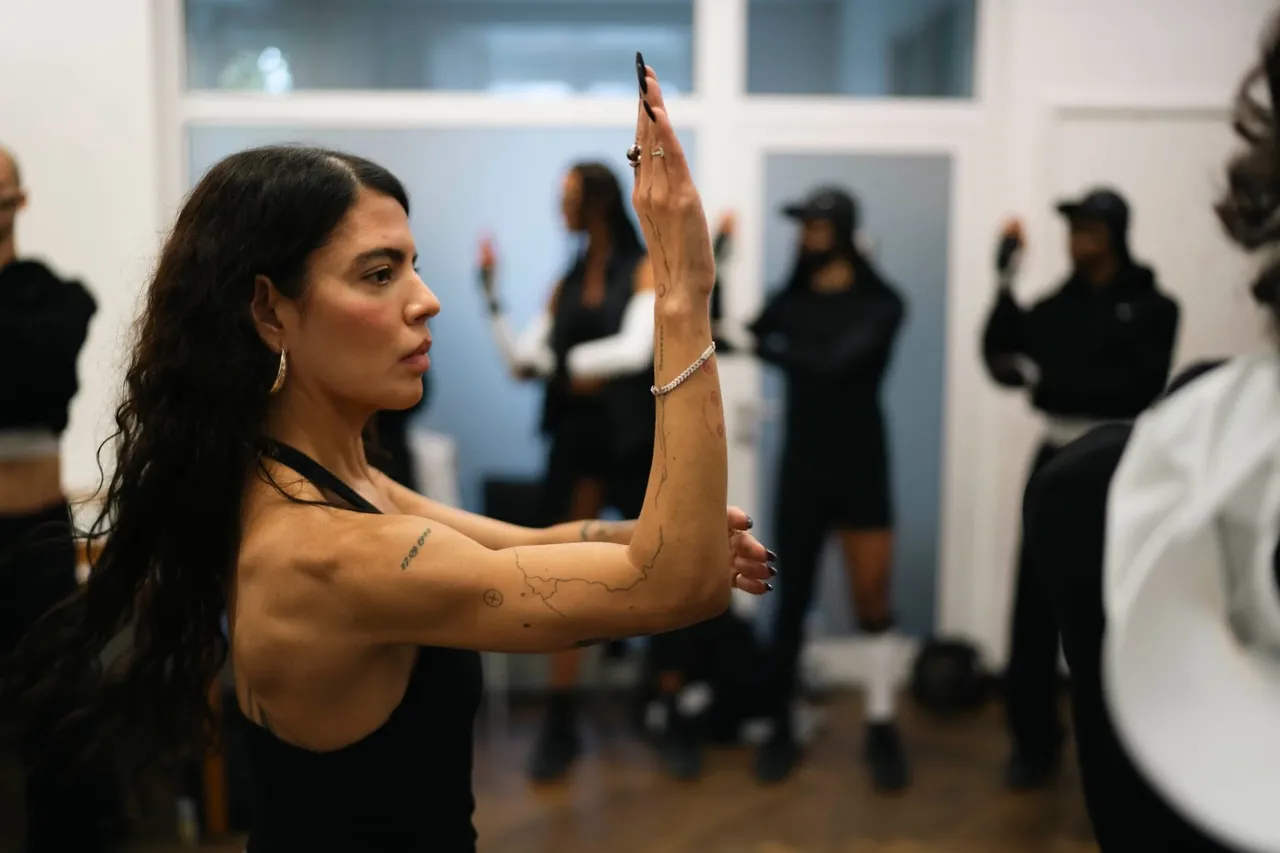
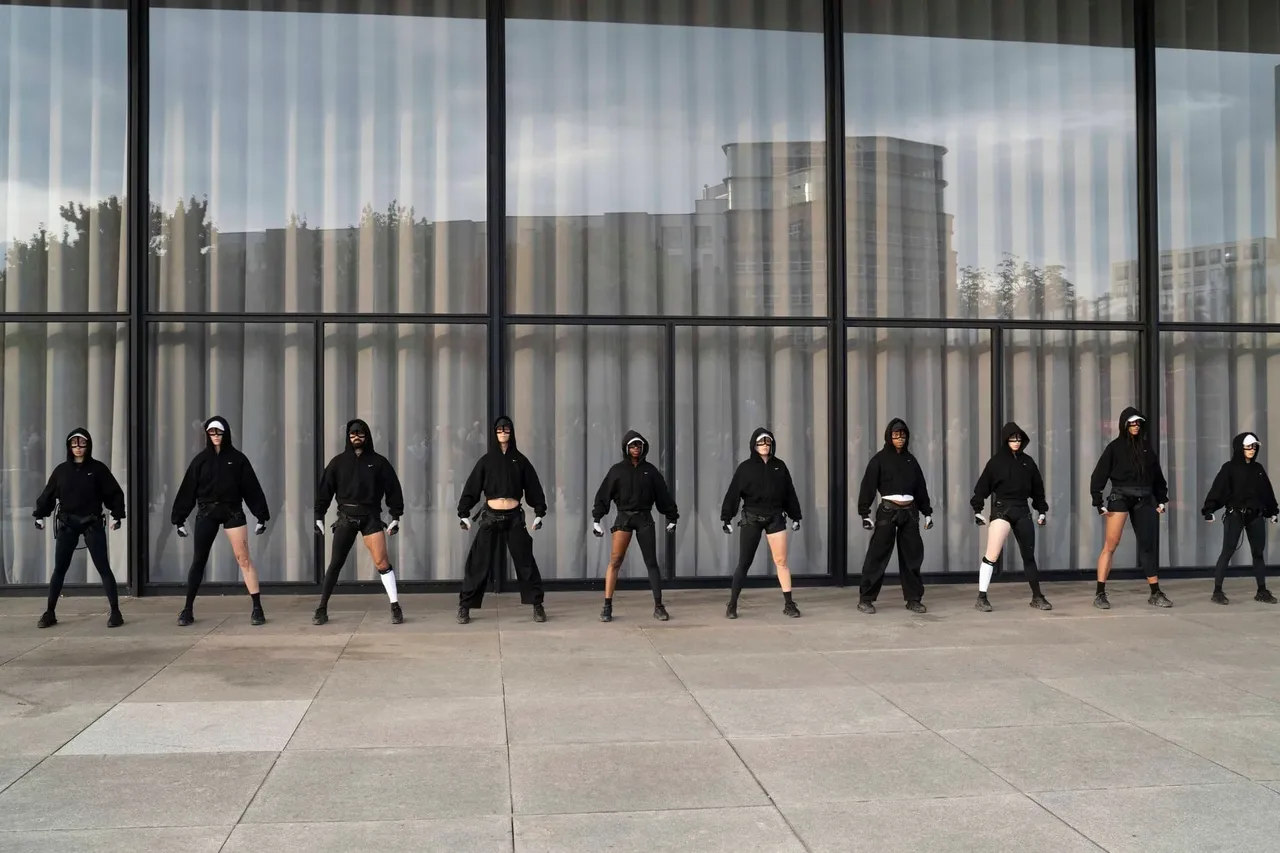
Del Valle’s second performance, Instrucciones Para Existir (2026), Spanish for Instructions for Existing, at Neue Nationalgalerie was definitely less intimate, yet just as impressive and immersive. Based on Trisha Brown’s Walking on the Wall (1971), Del Valle’s KDV Performance Group transformed the museum’s flat rooftop into an epic, powerful site-specific show. Connected to the building through ropes, the performers marched, moved and danced in sync, becoming a tactical unit that created a fragile tension between militarised order and artistic freedom. The contradictions: chaos against control. Organic bodies against militant structures. Resistance against authority. Reality against dystopia. For the choreography, Del Valle was originally inspired by a fictional text she wrote herself, set in the year 3036. It’s a text that envisions a future where nostalgia and memory are entirely erased, where militarisation is what shapes everyday life.
Instrucciones Para Existir (2026), Photo: Stephanie Ballantine
Instrucciones Para Existir (2026), Photo: Stephanie Ballantine
Instrucciones Para Existir (2026), Photo: Stephanie Ballantine
De Brujas y Fantasmas (2025)
De Brujas y Fantasmas (2025)
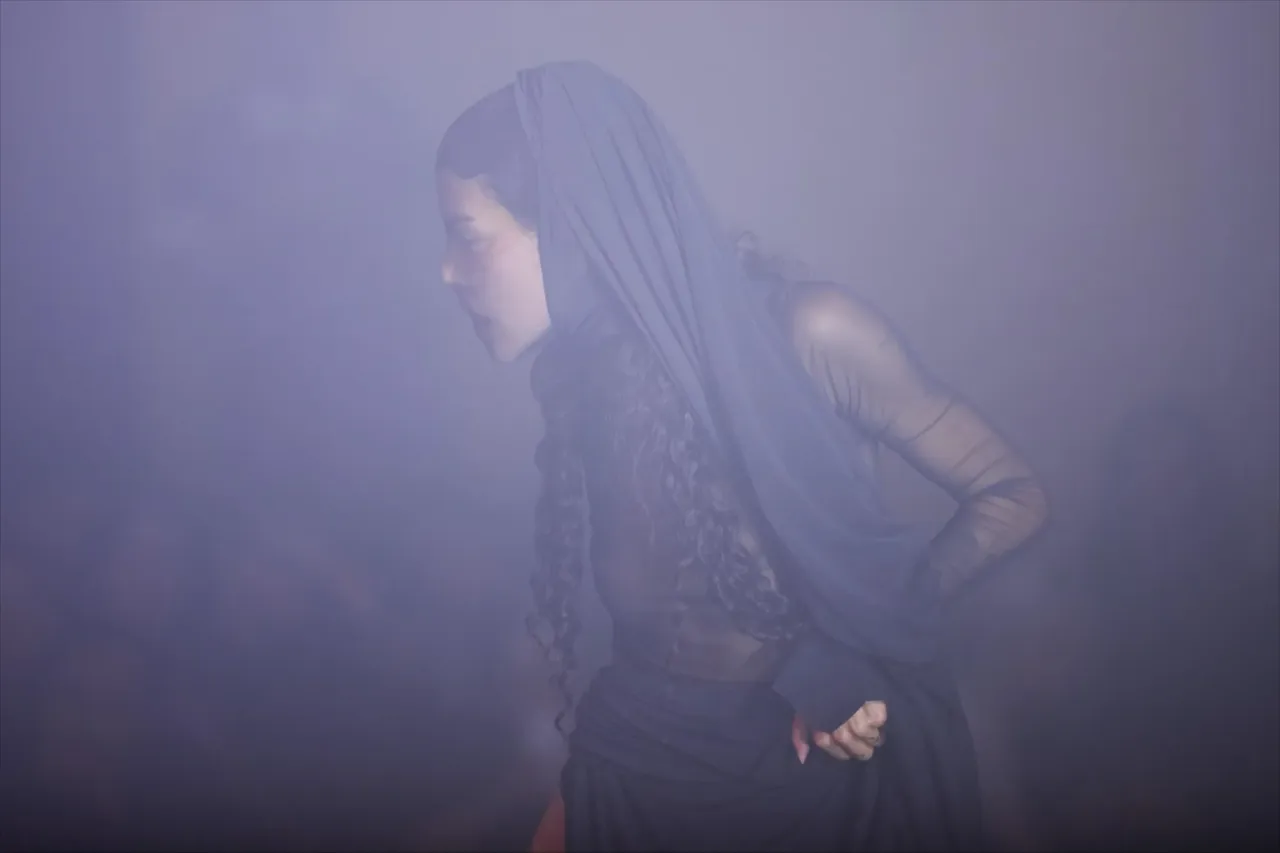
De Brujas y Fantasmas (2025)
Mariya Vasilyeva
Entering MaHalla, the nine-thousand-square-metre cultural centre inside one of Berlin’s historic industrial halls, you immediately get a kind of pressing sensation that is simultaneously so free and weightless that it seems to fill every corner. A sensation that somehow makes your eyes grow weary from the mysterious vastness. Wandering around and suddenly discovering the work of Ukrainian artist Mariya Vasilyeva, this feeling becomes even more mysterious, more pressing.
Here, as part of the group exhibition Unruhe, Vasilyeva built her own little conservatory, born not necessarily from life but from a lab, connecting art, anatomy and science. Because what the artist does is transform animal specimens, dissected found carcasses and preserved embryos into sculptures. The results are works such as the photogram The Goat (2026), which shows the skeleton of a decomposing baby goat, arched in what could have been a jump, its mouth open as if surprised. Only the small black and grey circles spreading across the skull, neck and joints reveal that this is indeed an image of what is usually not visible.
Heloderma Horridum (2025), on the other hand, shows the sculpture of a spotted reptile crawling across a red, yellow and black fluffy carpet. The piece, part of the Native Species series, explores “domestic exotic pets”, as the artist calls them herself, addressing the spread of invasive species into different climate zones. It’s a bizarre collection Vasilyeva is presenting, one that, in a very unfiltered way, reflects on life, death and transience, symbolically connecting them to the war in her home country.
At the same time, her work inevitably becomes a mirror for questions such as: What connects humans and nature? What is it that differentiates humans from animals? What impact do humans have on their surroundings? A trigger warning Vasilyeva included on her Instagram profile might be worth mentioning at the end: “No animals were killed or harmed in the making of my work.”
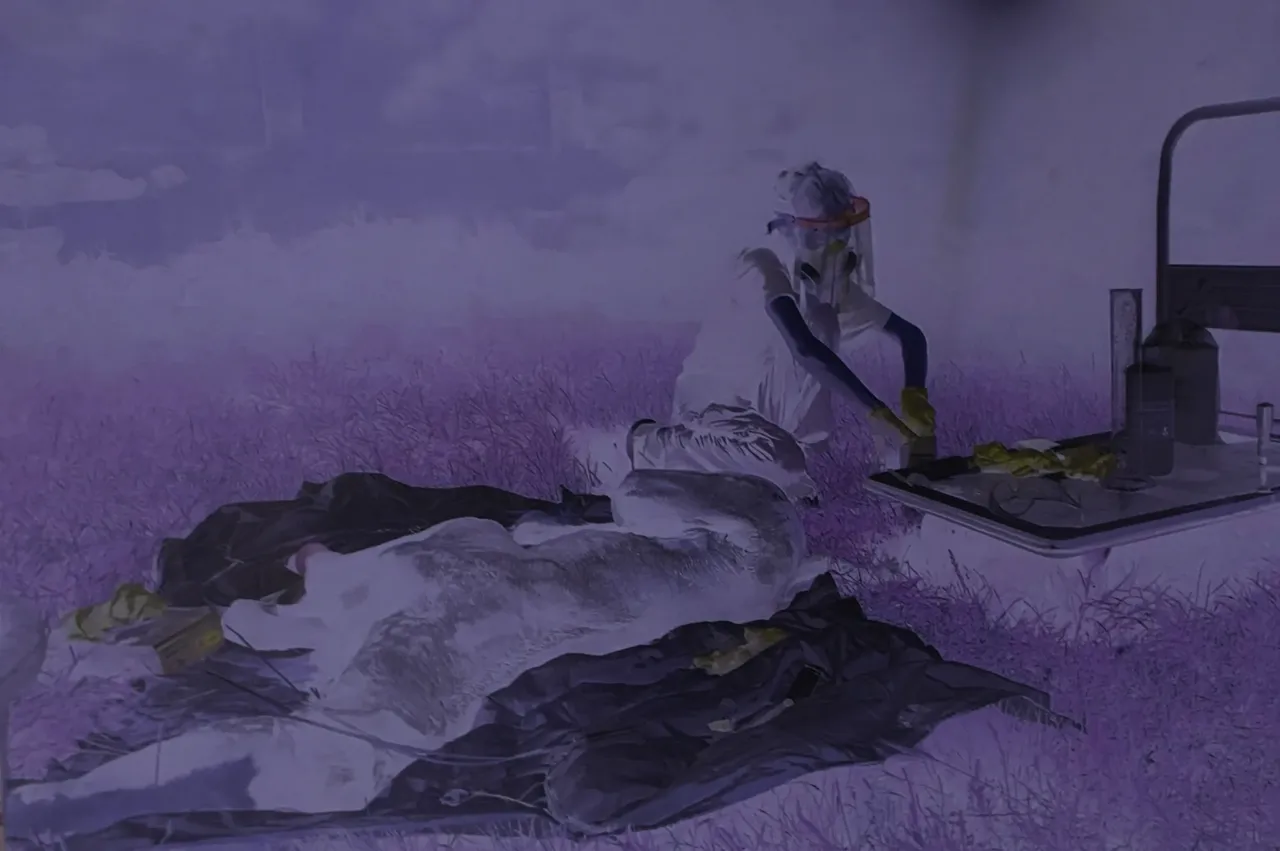
Installation View Mariya Vasilyeva at UNRUHE group show at MaHalla, Berlin Photo: Ralf Schmerberg
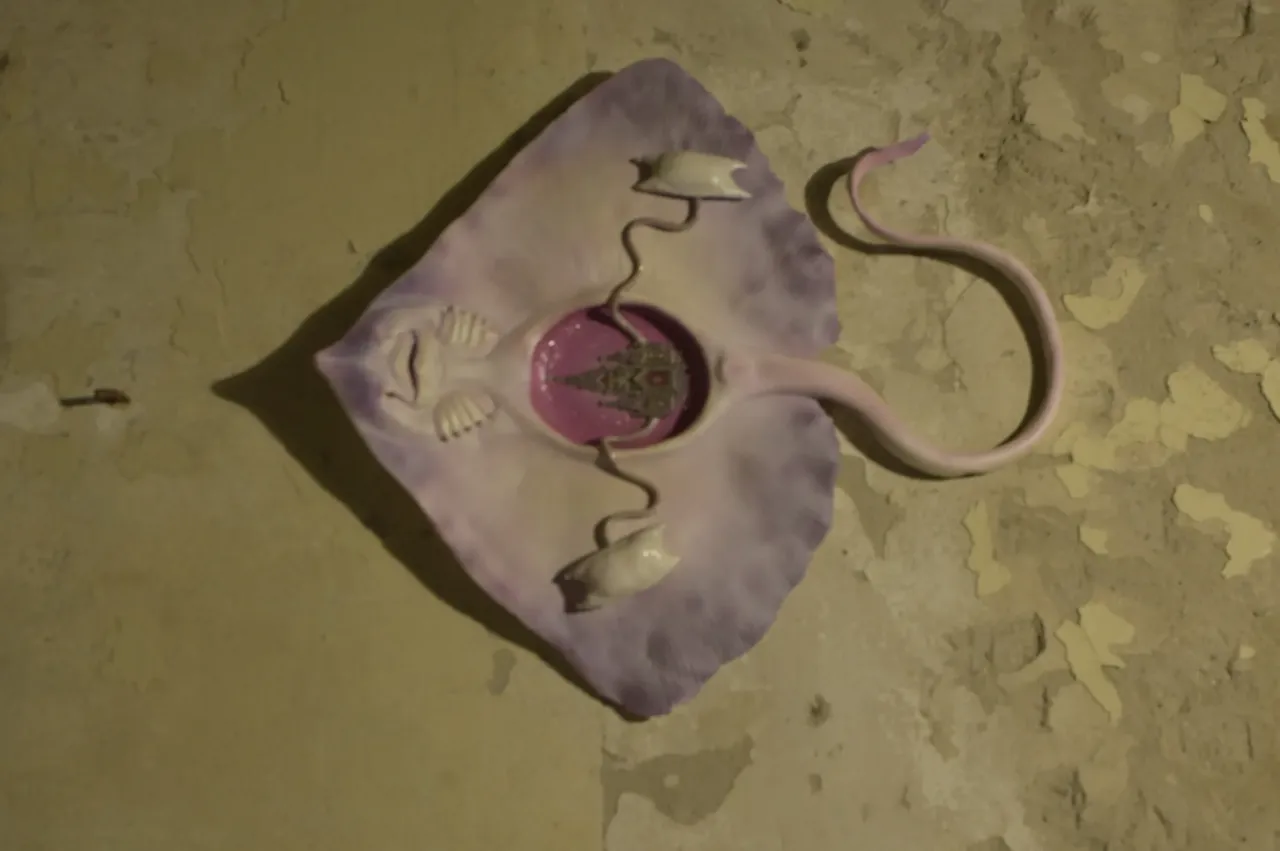
Installation View Mariya Vasilyeva at UNRUHE group show at MaHalla, Berlin Photo: Ralf Schmerberg
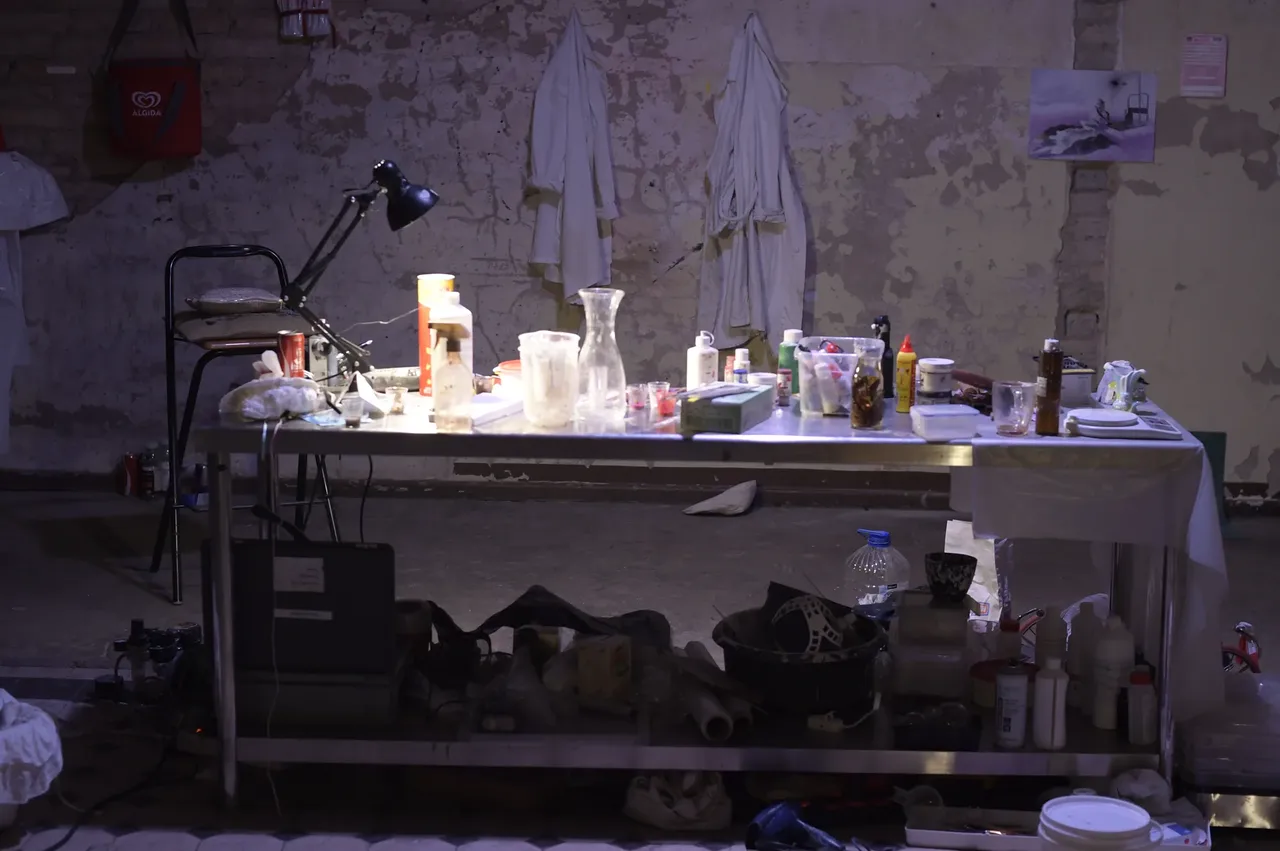
Installation View Mariya Vasilyeva at UNRUHE group show at MaHalla, Berlin Photo: Ralf Schmerberg
Sophia Süßmilch
Sophia Süßmilch is a German artist who basically works with almost everything. With sculptures. With drawings and paintings. With text, photography and film. And now, since Berlin Art Week, she also works with theatre. The protagonists of this kind of theatre: angry clowns. The focus: female rage.
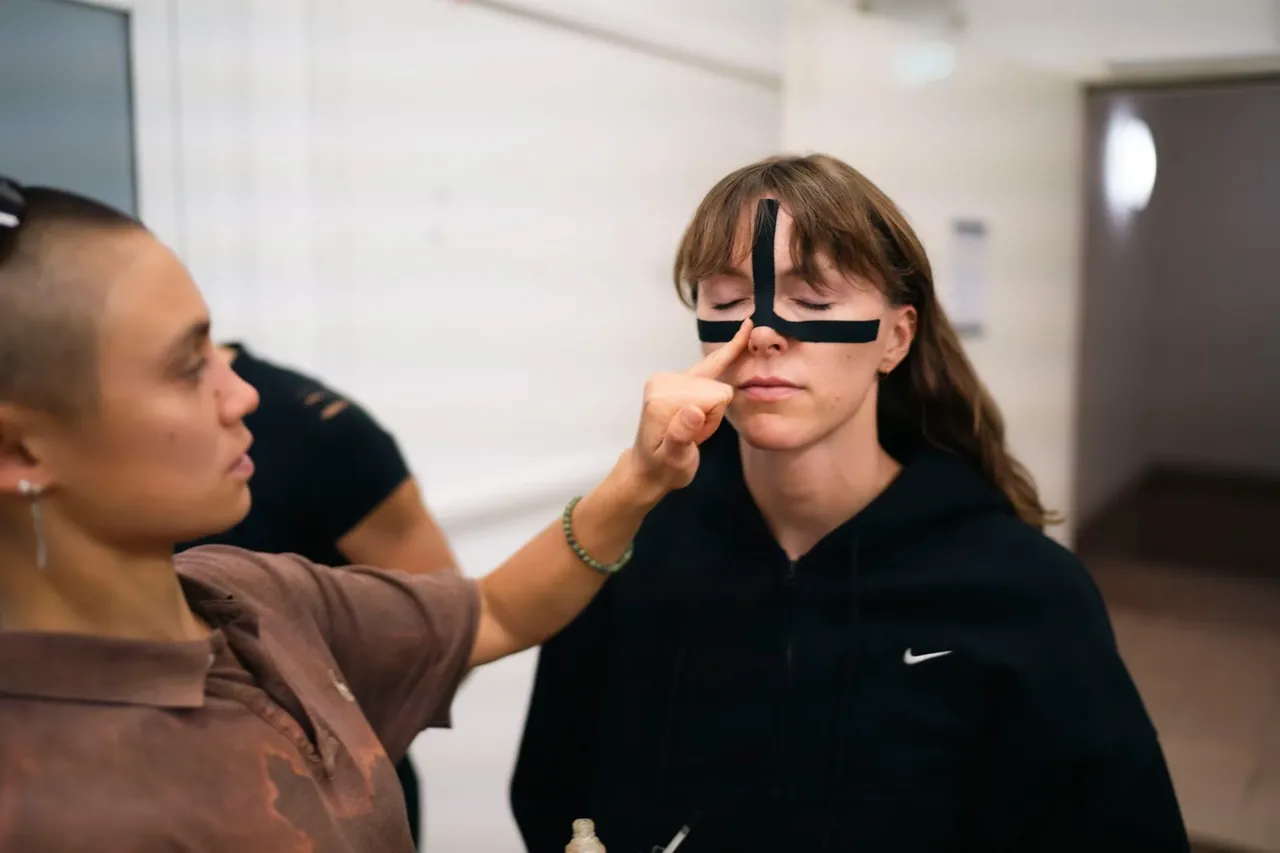
Something Terrible Will Happen: The Cannibal Woman (2026) is a ninety-minute interdisciplinary play about all these emotions that don’t get space. It’s a tale about us, living in a society that, on the surface, leads a rationalised, logical and efficient life. Yet underneath, it’s a society that is overwhelmed, exhausted, hiding emotions that would disrupt this rhythm. We all know these emotions and what it means to swallow them. Fear. Grief. Anger. Desire.
At this point, you may be wondering where the connection to the clowns and the women comes in. Essentially, what Süßmilch is doing is putting the focus on female bodies. Bodies that are tools for societal projection, for control and possession. Bodies that are consumed and judged, regulated, desired and manipulated. At the same time, female emotions are discredited as hysterical and irrational. As something that carries no value or truth.
That’s where the clown kind of jumps on stage. With the clown, Süßmilch creates a motif of freedom. The clown is someone who is allowed to do whatever they want. They show emotions, surprise, laughter, exaggeration and distrust. They are not controlled. They are not judged, categorised as irrational or hysterical. The clown is everything we’re not allowed to be.
The result is the figure of a female cannibal slash clown, becoming the one who finally flips the familiar power dynamic: The female body, the object that has been consumed, now becomes the one consuming. It portrays the danger coming from within, the frustration of a society that is not built for women and the brutal urge to break out of it.
Something Terrible Will Happen definitely marked one of the most discussed highlights of Berlin Art Week. Yet in a way, that’s no surprise. Süßmilch’s work has been polarising since she started making art. Maybe you’ve heard of Everything Is Beautiful and Nothing Is Broken (2021). It’s a performance where she packed herself, as well as her mother, in a mountain of butter. Now, you maybe get what we mean.
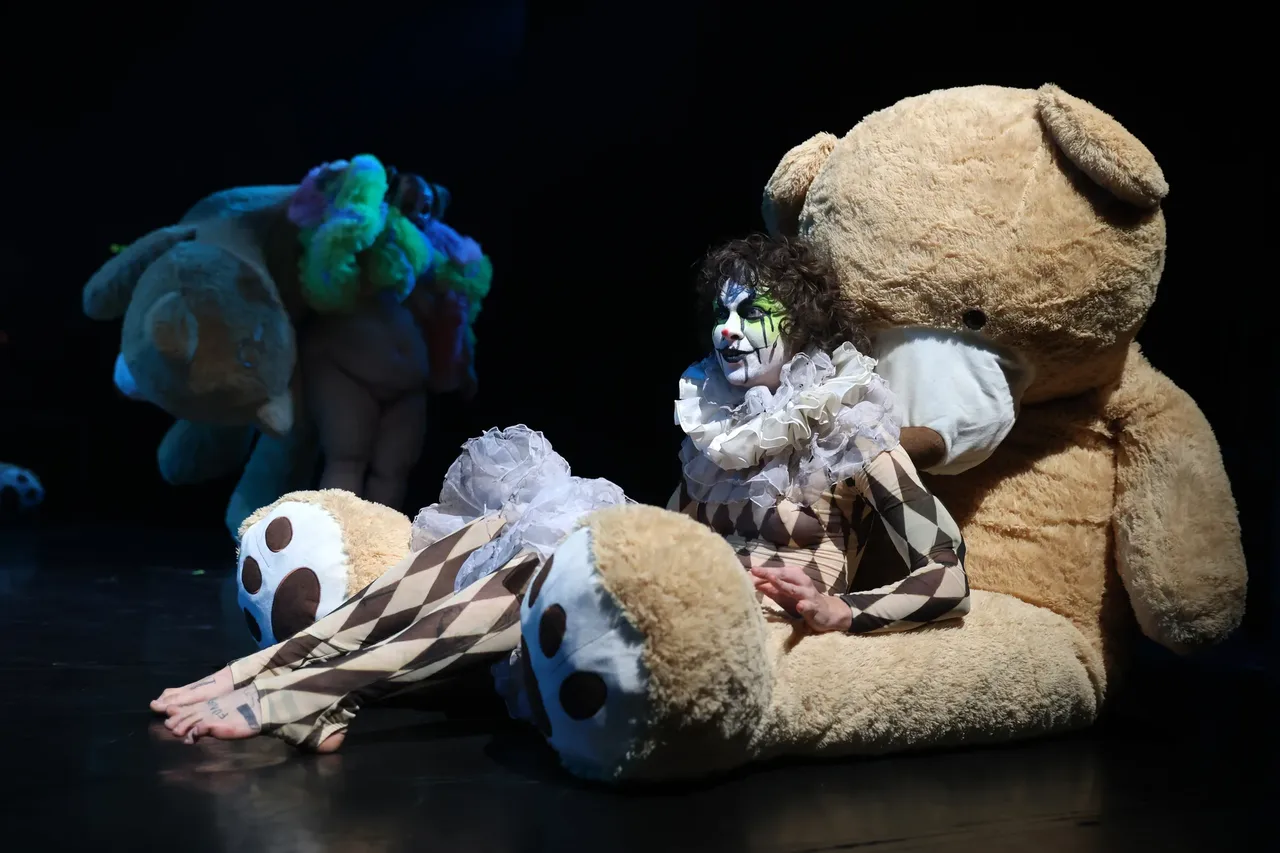
Photo: Dorothea Tuch
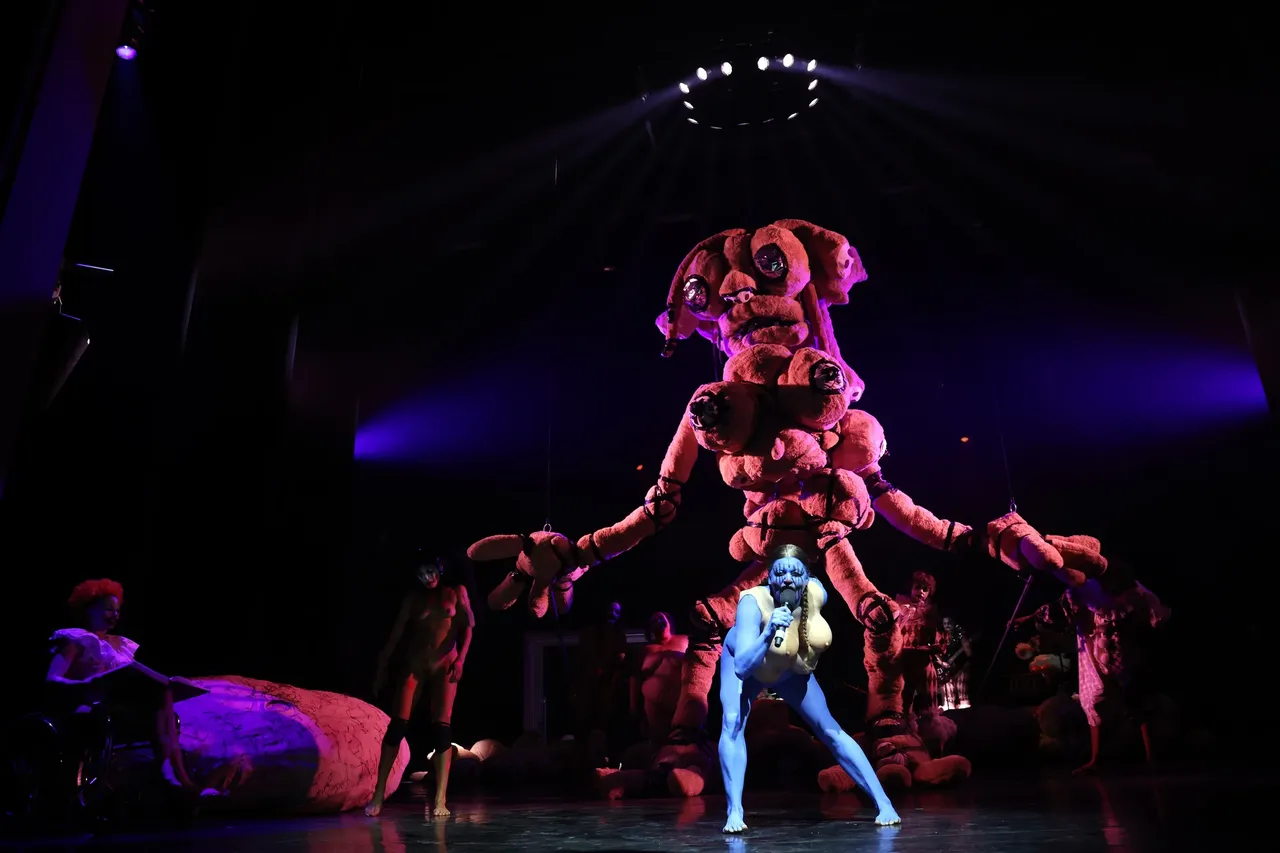
Photo: Dorothea Tuch
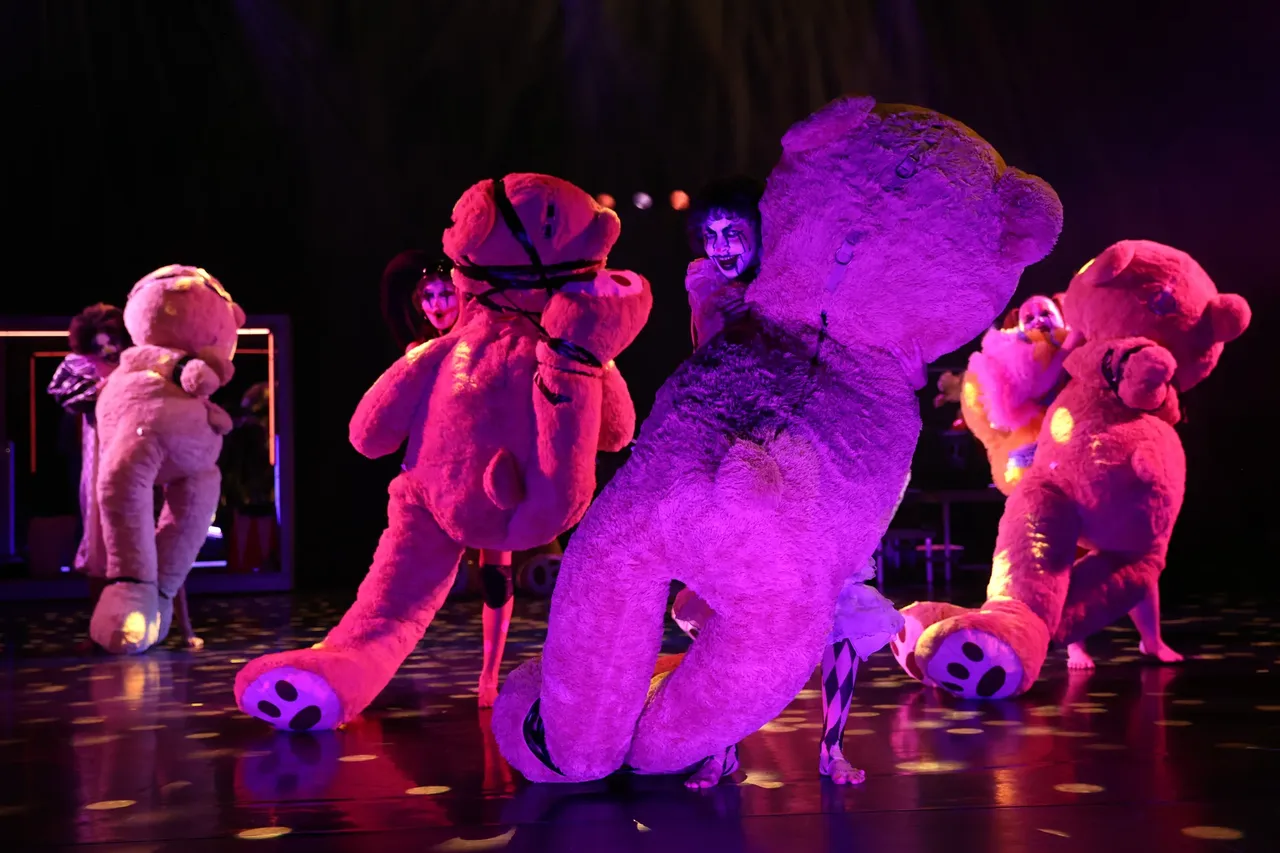
Photo: Dorothea Tuch
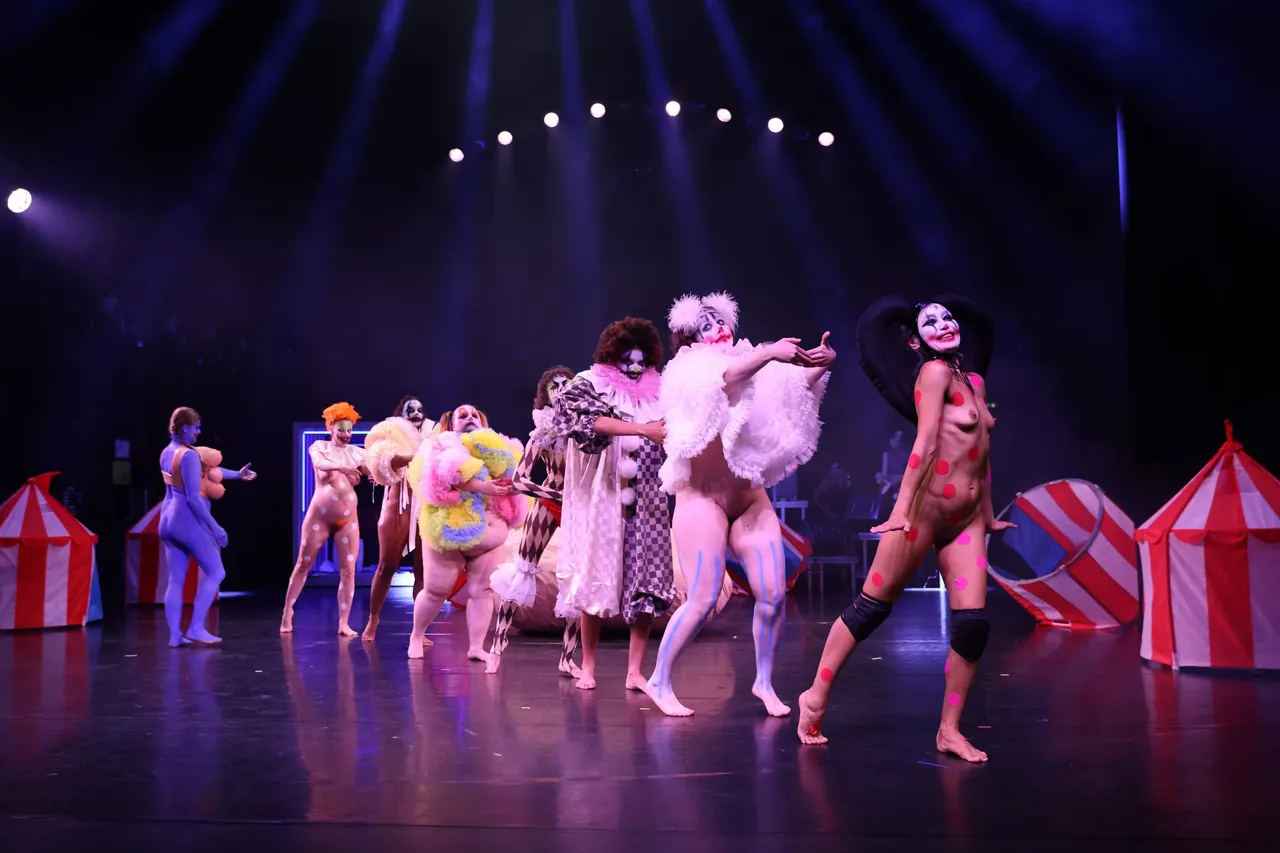
Photo: Dorothea Tuch
Ksti Hu
Ice can be a lot of things. It can be cold, obviously. It can be real. It can be plastic. It can be out in nature. But it can also be in our refrigerators. For Ksti Hu, it’s even more. For the digital artist and ethnographic researcher, ice symbolises the question of who decides what we see, what we consume and what we learn.
Ice is transparent, yet at the same time hard and impossible to see through. It can store information about life and ecosystems for centuries, preserving cells and bacteria, gas and soil. It can decide between life and death. Between preserving and destroying. All through temperature.
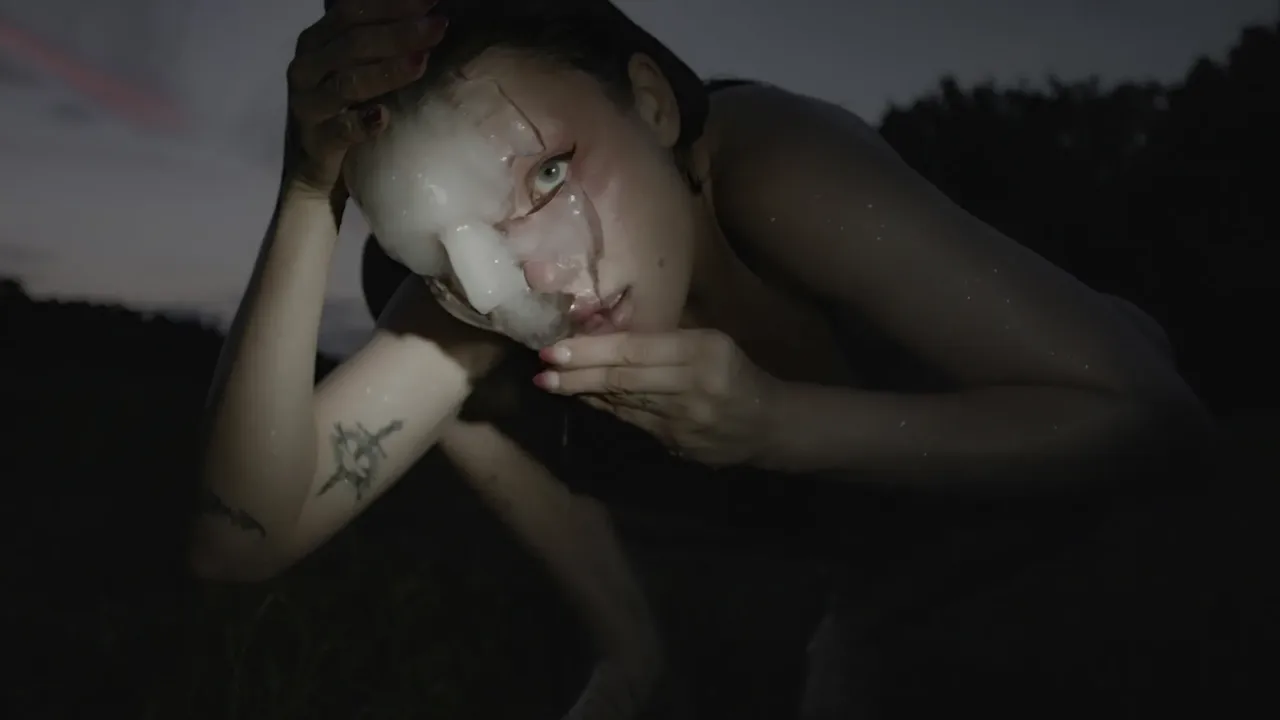
At Berlin Art Week, Hu presented Archive of Unseen Pain (2026), a video installation combined with printed fabric that explores temperature as a concept and medium that makes physical conditions visible and measurable. This sounds more abstract than it actually is. In short, temperature is what is created between body and environment. It’s something that depends on different influences and requirements, such as comfort and durability.
For her practice, Hu draws inspiration from her family’s Komi origins. The Komi are an Indigenous people from the Arctic and subarctic regions in the far north of Eastern Europe. Through her work, Hu invites us to follow her journey of embracing her heritage and fighting for visibility. She talks about oil pollution caused by leaking pipelines in the tundra and boreal forests. About privatisation that led to the neglect of oil infrastructure. As well as about her own experiences of discrimination.
Archive of Unseen Pain (2026) was part of the group exhibition in touch by Goldrausch. Here, the works of fifteen female artists explored everyday resistance and communication, the desire for connection and community, and touch as an extension of seeing, an intimate gesture connected to the human instinct of forming new bonds. Something that a society currently experiencing so much hate should put more effort into.
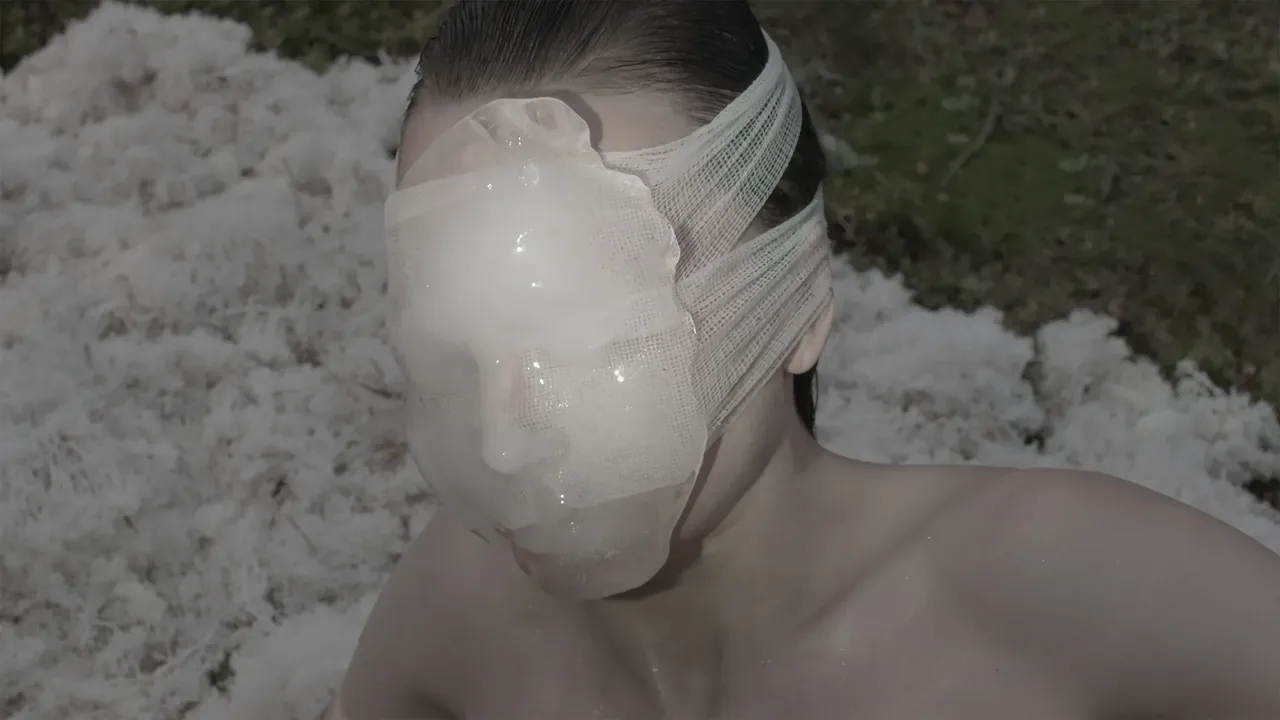
Ksti Hu, 20 kg of me, Videostills, Camera Iryna Drahun / Styling Ekaterina Samorukova, 2025
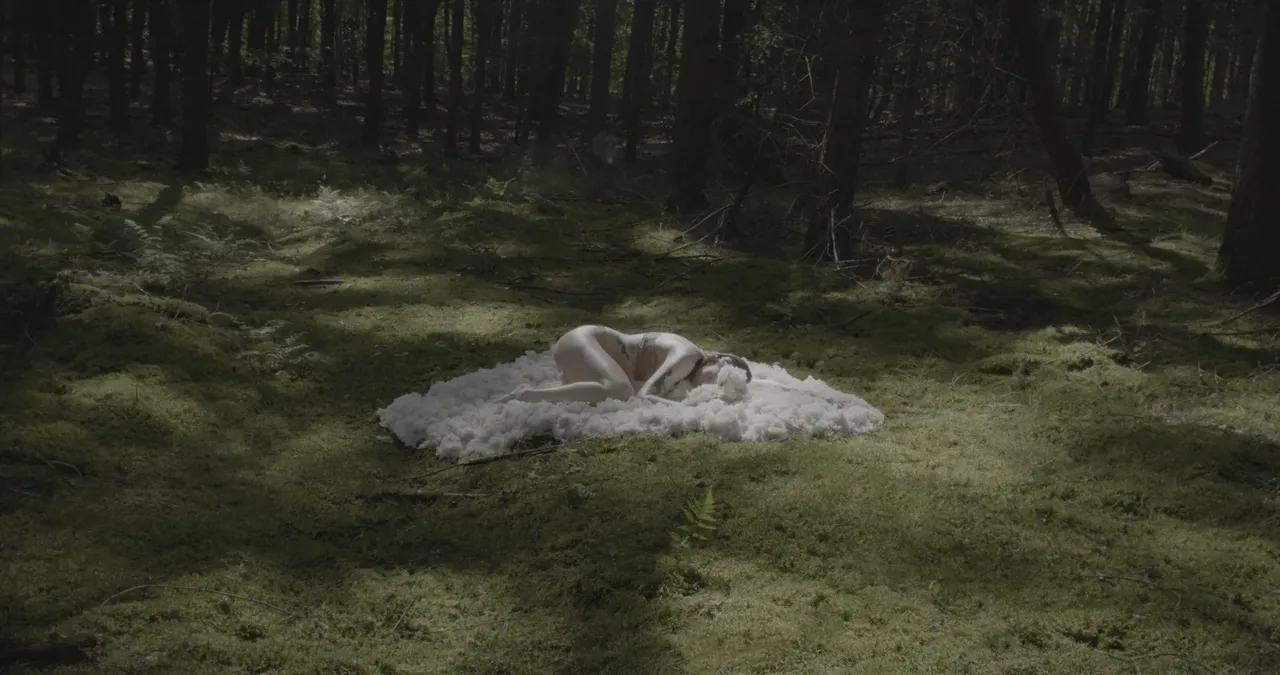
Ksti Hu, 20 kg of me, Videostills, Camera Iryna Drahun / Styling Ekaterina Samorukova, 2025
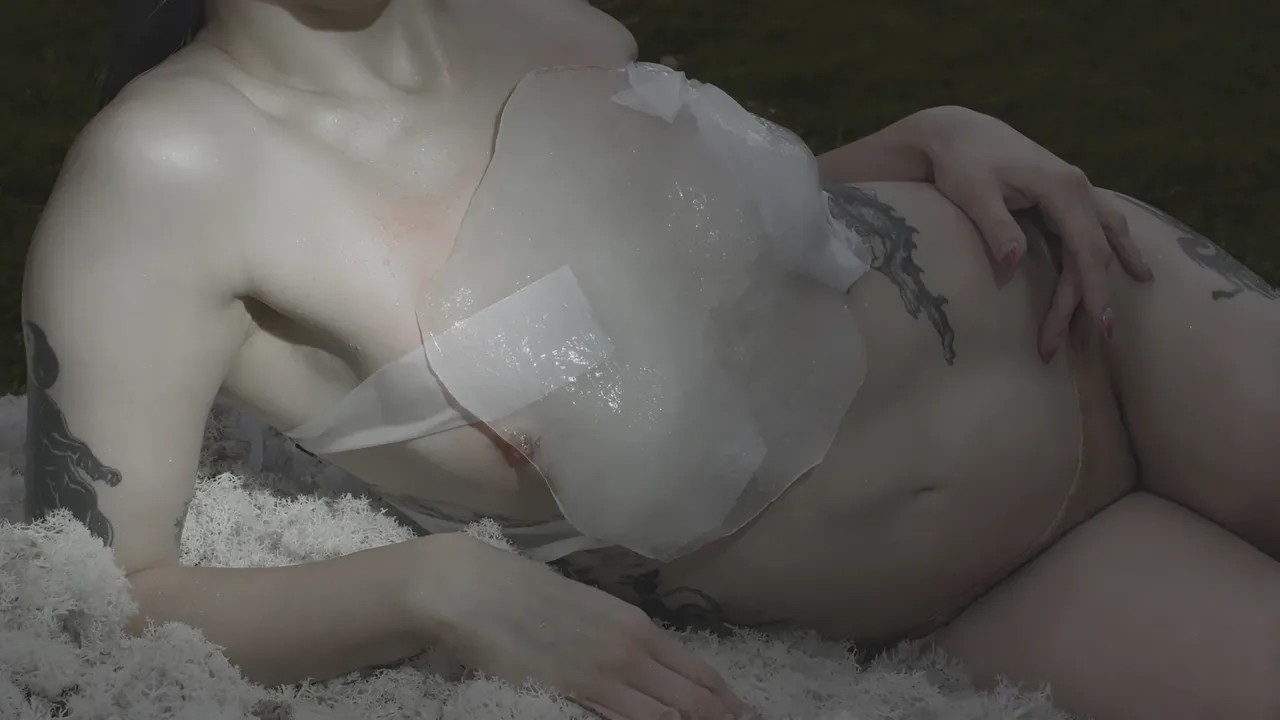
Ksti Hu, 20 kg of me, Videostills, Camera Iryna Drahun / Styling Ekaterina Samorukova, 2025
Martin Margiela
When someone says Berlin is actually pretty amazing when it comes to art, this is what they mean: an art scene where renowned names such as Martin Margiela come to the city to use its platform, communicate with the art industry and work in spaces with no limitations or rules.
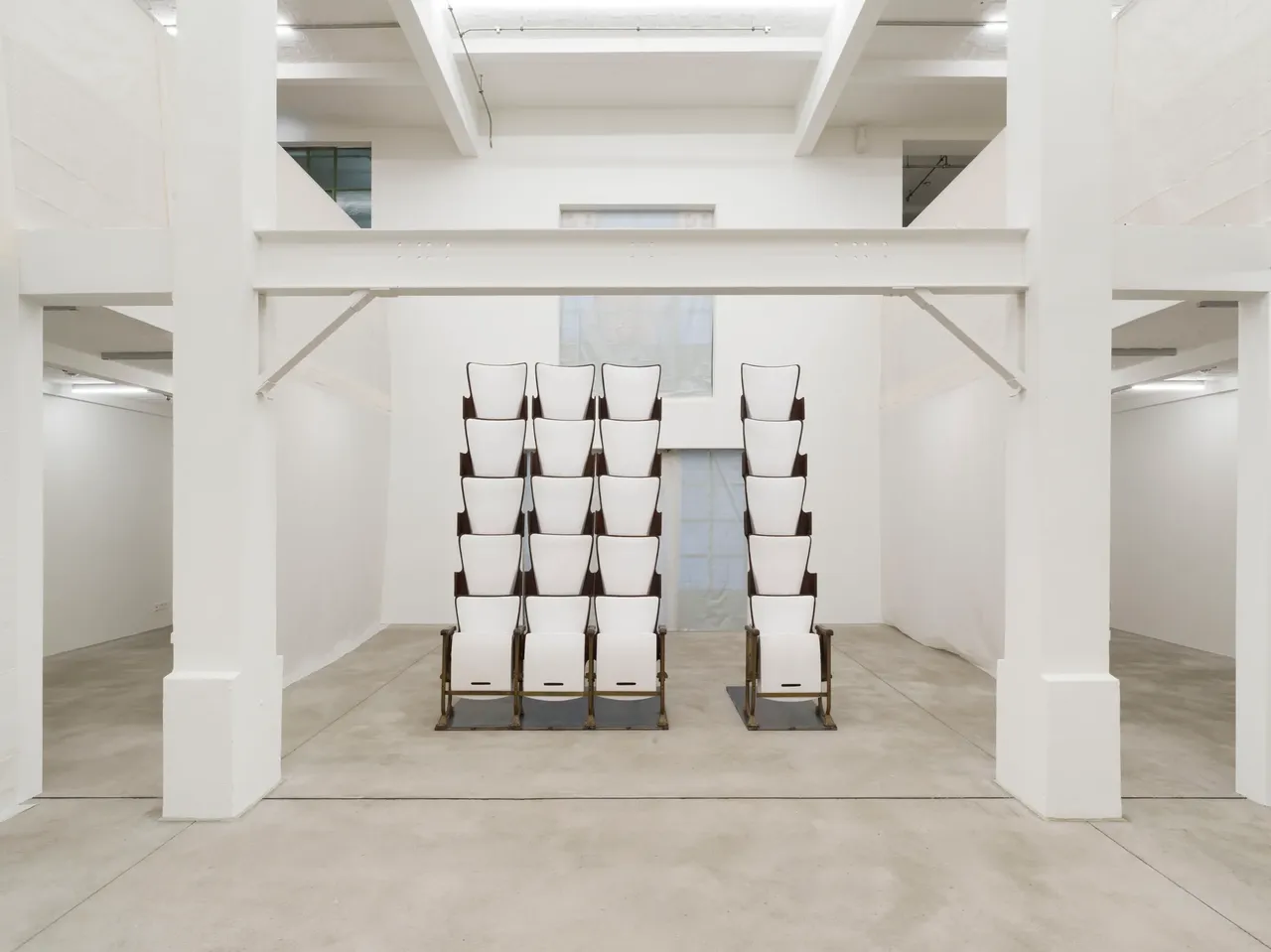
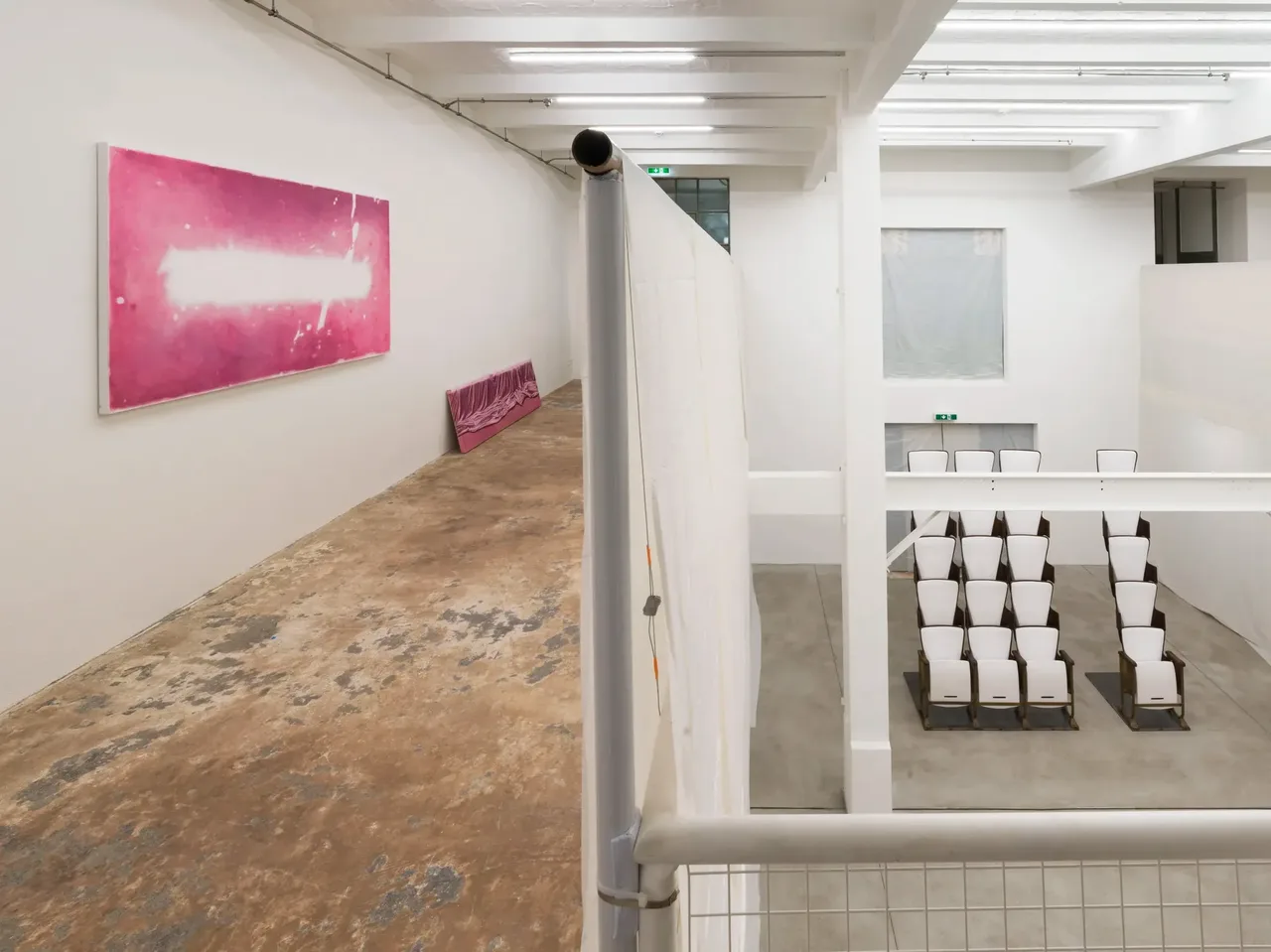
For his first exhibition in Germany, the artist, former fashion designer and immortal icon of the creative world collaborated with Konrad Fischer Galerie to create a space completely adapted to his vision. Two additional walls were built, while opaque painter’s sheeting was hung around the entrance and balustrade. The huge construction resulted in a partitioned exhibition space that created an illusion of intimacy and privacy, obstructing the view across the room and shielding the works and visitors from one another.
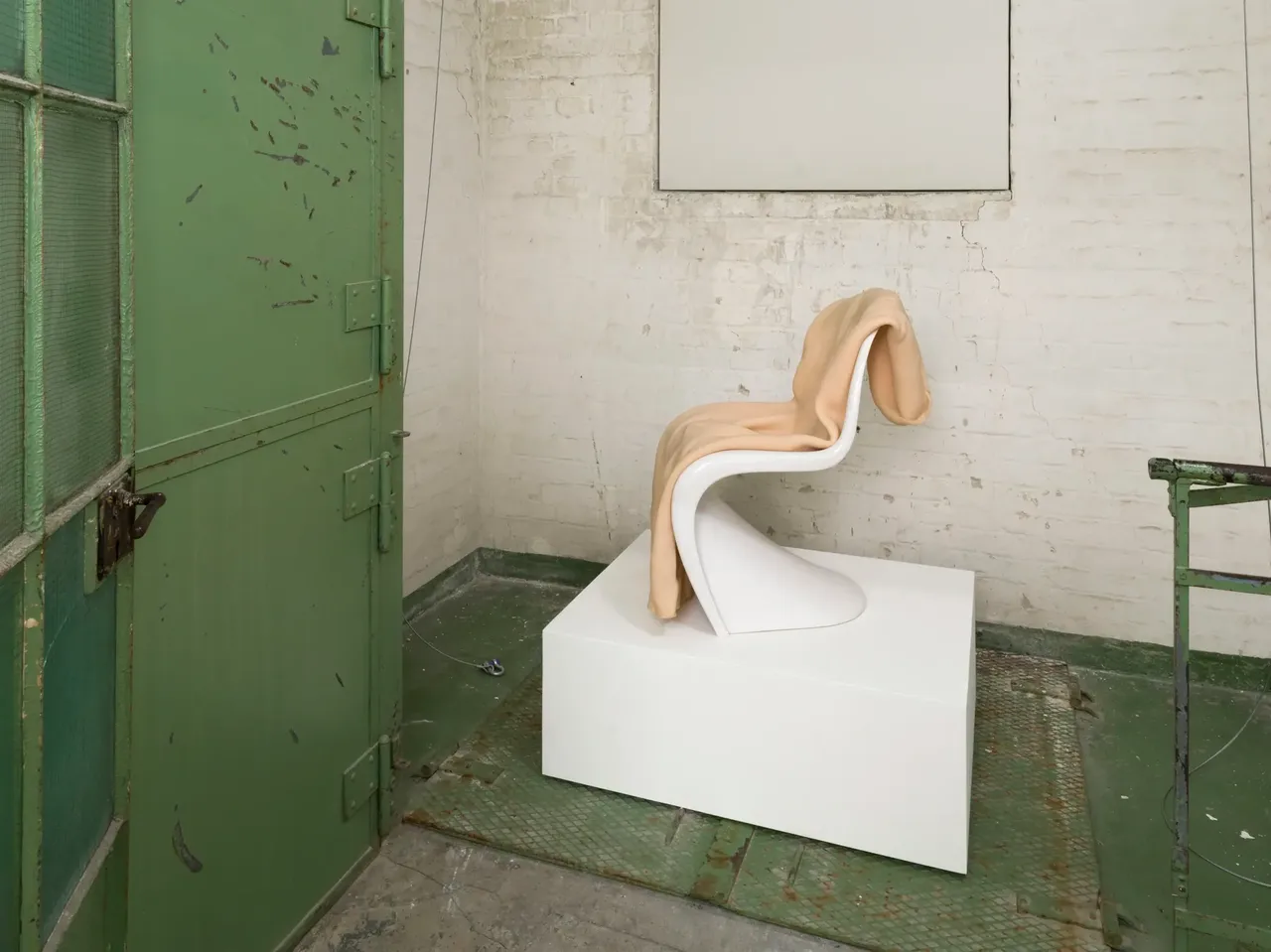
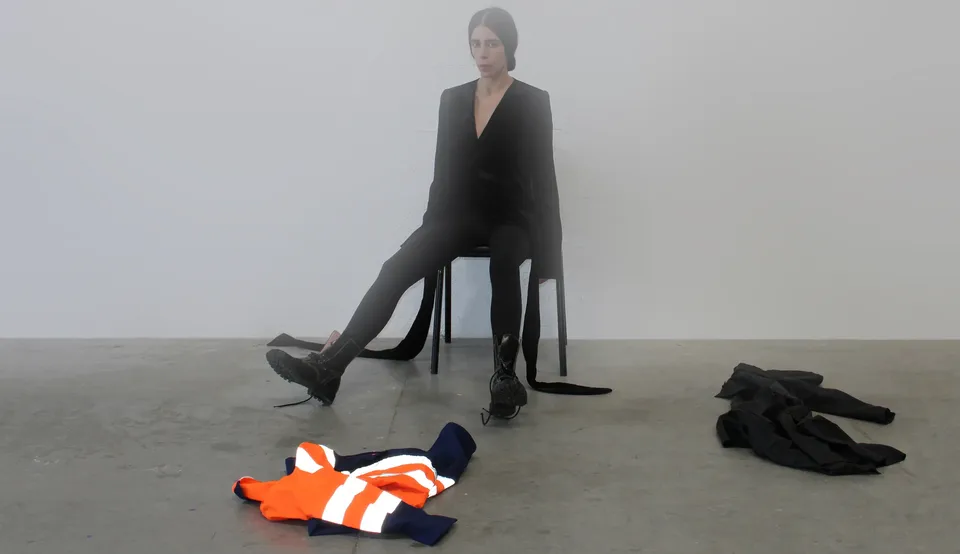
The artworks themselves, on the other hand, revolved around a topic we have often seen in Margiela’s previous work: the contradiction between the familiar and the unfamiliar. The absurd tension between the recognisable and the strange. At its centre stands the body and its habits. The things the body uses, the things it sits on, the things it wears, the things it touches.
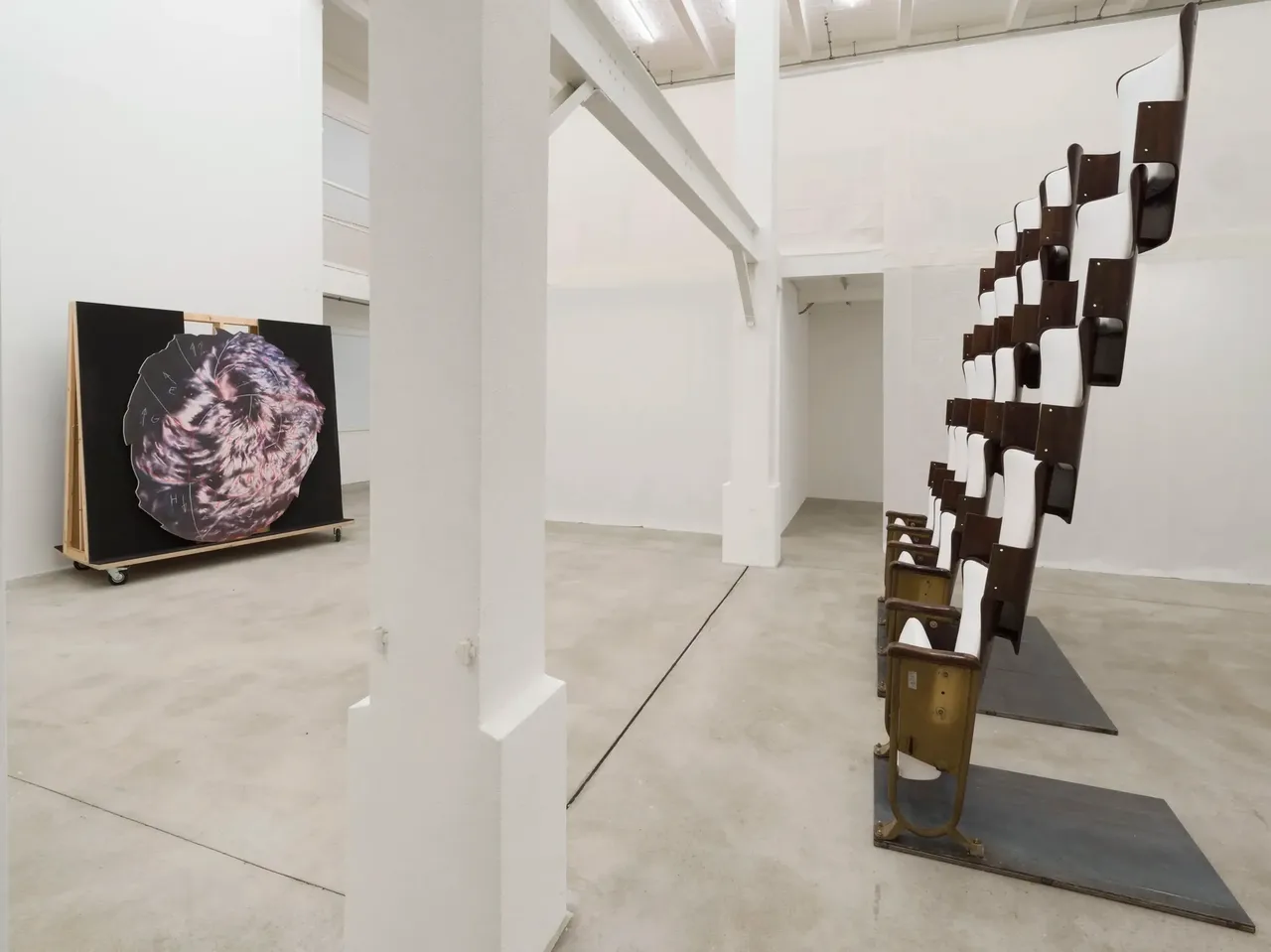
Following the path through the transformed gallery space, visitors pass by everyday objects that have been manipulated and distorted, painted on and removed from their original function. There are hangers and tiles, magazines and underwear. Furniture and carpets. Images of human heads, hair and unfamiliar faces.
At the heart of everything, Audience (2026), the monolithic sculpture consisting of cinema seats stacked into a monumental wall. What was once the original upholstery has been replaced with plaster and acrylic casts, and just by looking at it, one might wonder if Margiela is addressing us, his audience, the bystanders of society? The actors? The whole of humanity trapped behind screens? Maybe it’s the other way around and he wants us to feel the power of image and film? Whatever your own thoughts are, Martin Margiela in Berlin is an exhibition that makes you think and question the familiar and look twice at things you thought you already knew.