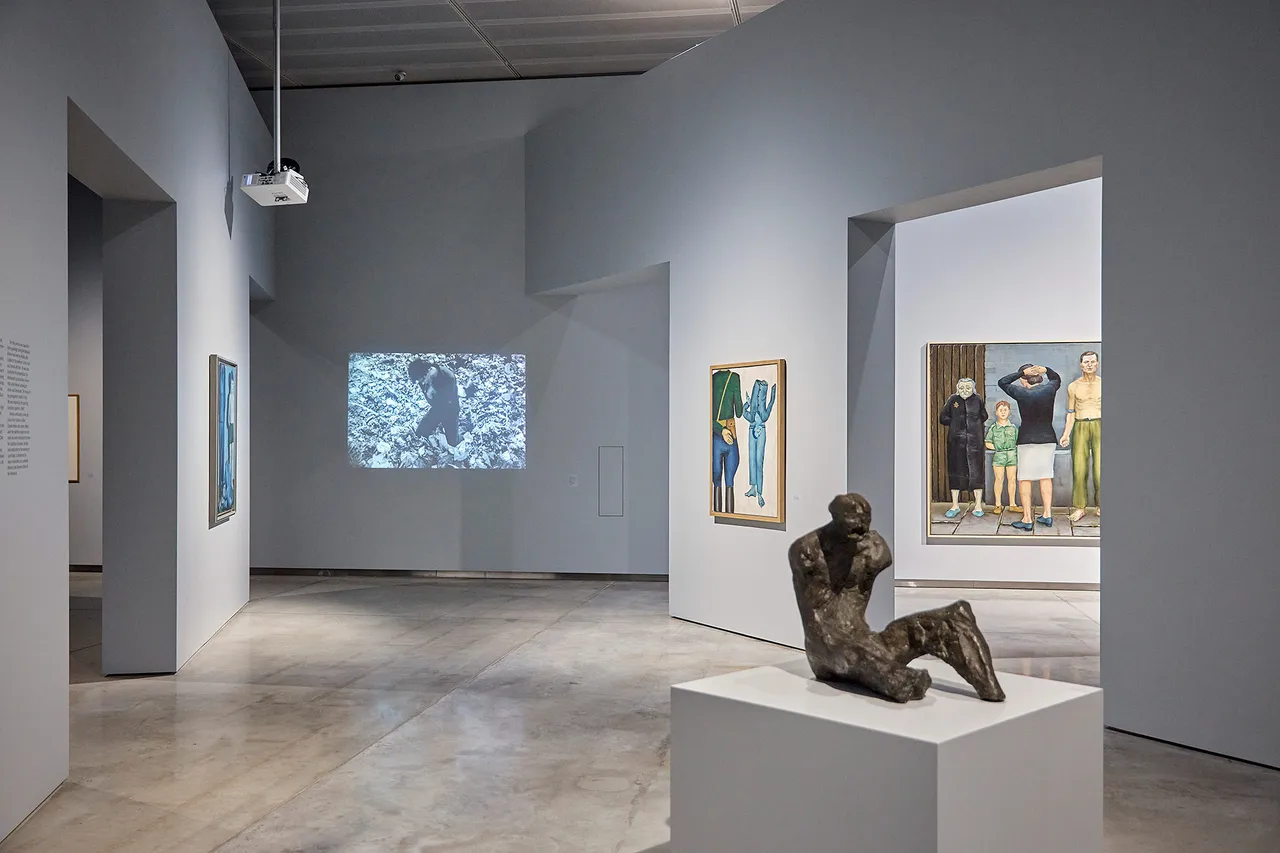
Be it the trials of puberty, war, or the seemingly-endless pandemic, we’ve all gone through some sort of trying time, some difficult age. Although personally going through any of them might feel like the most uniquely-dreadful experience – it isn’t. Perhaps that’s one of the reasons why Polish curator Anda Rottenberg decided to dedicate an entire exhibition to the subject, called A Difficult Age. Today, she shares what connects three great Polish artists, how to cope with a difficult age, and why there are no winners in war. She is an icon of the contemporary Polish art scene and has been curating, and navigating, freedom in art for 52 years.
To start, how has your relationship with museums and art changed over time?
Early in my life, I first started working in art museums on the technical side. Then, I later began writing reviews, whilst also working at the Zachęta National Gallery of Art (in Poland) as part of the so-called 'realisation team'. This meant I learnt how to approach an exhibition from a practical point of view right away. So my job hasn't changed much over time, because I’d been a member of museum staff since even before my working life really started, and I was already working when I graduated.
You've previously spoken about censorship – especially the unofficial kind – that has been maintained between Poland's transitions from one political system to another. As part of Gruppa (art collective), how did you navigate that kind of environment?
Well, this didn't exactly involve Gruppa. When I was working with Gruppa, during the '80s, I wasn’t the one curating. They were invited to do an exhibition (titled Metaphysical suspension in 1982), but then it was cancelled because of censorship. Under communism, as well as in the '80s, we had official censorship, but back then I didn’t curate any official exhibitions except for one – and then another towards the end of the decade in one of the 'unofficial' spaces.
In December 1981 when the Communist Polish People's Republic declared the Martial law, the entire Polish society – including artists, curators, and art critics – split into the 'official' and 'unofficial' streams. Being part of the unofficial one, I established a private foundation and held the exhibition in a private capacity, in a few spaces that weren’t used for art previously, as well as abroad. So in that time I didn't necessarily abide by the censorship rules and I didn't really have anything to do with Poland’s official art scene up until 1989 (when Communism fell in Poland).
Then this fantastic period of freedom began. I felt like a free person, art critic, curator and writer. But very soon, pressure was once again put upon us from different sides, including the artists' union. It was quite funny because while they were fighting the regime, the goal of it was not to allow people their freedom, but to gain control of the system. I felt the pressure once I started working as the director of the Zachęta in 1993. During my time working as the director, it wasn't as much a censorship as a kind of pressure. Then in 2000, the ministry closed one of the gallery exhibitions, thereby actively committing the act of censorship. It was Piotr Uklański's The Nazis.
After some time, when I asked the huge, established curator Harald Szeemann to put together an exhibition for the hundredth anniversary of Zachęta's building, a new kind of pressure was placed upon me by the cultural minister to close that exhibition, because it involved a very well-known piece by Maurizio Cattelan called The Pope. I said that I wouldn’t do it. That if he wanted to close the exhibition – and the gallery belonged to the culture minister – he’d have to do it himself. So I lost my job (laughs).
But that wasn't the end of my censorship problems. Not so much in Poland, more so in Germany. When I did Side by Side: Poland – Germany. A 1000 Years of Art and History – a huge exhibition – the director of the Martin-Gropius-Bau came to it some two-three weeks after the opening and switched off the Zmijewski (Tag) installation. He said I'd sold the necessary copyright, so he could do what he wanted. I didn't take it to court because as a private citizen, I wasn't rich enough to hire all of the lawyers.
It happen in Germany, and not just in Poland. I didn't agonise too much over censorship, but this kind of thing happens every day, in many fields. I can’t speak to how these things go in public institutions, because I decided not to repeat the experience of being director of anything and refused to direct any institution from the moment I left Zachęta, becoming an independent curator and writer instead.
In December 1981 when the Communist Polish People's Republic declared the Martial law, the entire Polish society – including artists, curators, and art critics – split into the 'official' and 'unofficial' streams. Being part of the unofficial one, I established a private foundation and held the exhibition in a private capacity, in a few spaces that weren’t used for art previously, as well as abroad. So in that time I didn't necessarily abide by the censorship rules and I didn't really have anything to do with Poland’s official art scene up until 1989 (when Communism fell in Poland).
Then this fantastic period of freedom began. I felt like a free person, art critic, curator and writer. But very soon, pressure was once again put upon us from different sides, including the artists' union. It was quite funny because while they were fighting the regime, the goal of it was not to allow people their freedom, but to gain control of the system. I felt the pressure once I started working as the director of the Zachęta in 1993. During my time working as the director, it wasn't as much a censorship as a kind of pressure. Then in 2000, the ministry closed one of the gallery exhibitions, thereby actively committing the act of censorship. It was Piotr Uklański's The Nazis.
After some time, when I asked the huge, established curator Harald Szeemann to put together an exhibition for the hundredth anniversary of Zachęta's building, a new kind of pressure was placed upon me by the cultural minister to close that exhibition, because it involved a very well-known piece by Maurizio Cattelan called The Pope. I said that I wouldn’t do it. That if he wanted to close the exhibition – and the gallery belonged to the culture minister – he’d have to do it himself. So I lost my job (laughs).
But that wasn't the end of my censorship problems. Not so much in Poland, more so in Germany. When I did Side by Side: Poland – Germany. A 1000 Years of Art and History – a huge exhibition – the director of the Martin-Gropius-Bau came to it some two-three weeks after the opening and switched off the Zmijewski (Tag) installation. He said I'd sold the necessary copyright, so he could do what he wanted. I didn't take it to court because as a private citizen, I wasn't rich enough to hire all of the lawyers.
It happen in Germany, and not just in Poland. I didn't agonise too much over censorship, but this kind of thing happens every day, in many fields. I can’t speak to how these things go in public institutions, because I decided not to repeat the experience of being director of anything and refused to direct any institution from the moment I left Zachęta, becoming an independent curator and writer instead.
So even without the overt censorship, you did feel a kind of pressure to behave a certain way. How would you say having a sense of this covert pressure impacted your later work?
I decided not to represent institutions again. And, I learnt how to write contracts. All of my curatorial contracts were always written by me, and I wouldn't agree to any changes that would bend them for the benefit of the other side. I strictly state in my contracts that the contractor has no right to change anything in the exhibition, because I treat it as a complete work. So if they change it voluntarily, without my approval, then they’ve destroyed my work. I do it because I’ve learnt that that’s what should be written in the contract according to Polish copyright law.
Also, I learnt to never start working before I’ve signed the contract. Every time I get an exhibition proposal, it takes some two-three months, sometimes even six, to discuss the contract. Because everyone has their own contract template they want you to follow, and I don't. If you want to work with me, you should follow my template. So in a way, I've developed my own personal way of working as a curator. Unfortunately, I'm probably the only person in Poland who has.
Also, I learnt to never start working before I’ve signed the contract. Every time I get an exhibition proposal, it takes some two-three months, sometimes even six, to discuss the contract. Because everyone has their own contract template they want you to follow, and I don't. If you want to work with me, you should follow my template. So in a way, I've developed my own personal way of working as a curator. Unfortunately, I'm probably the only person in Poland who has.
Yes, I think young artists still struggle with this sort of thing – setting their boundaries, reading their contracts, and formalizing their relationships in a way that they won't be disregarded or manipulated later down the line. Avoiding these situations in which you agree upon one thing, and then suddenly, the person in power somehow conveniently forgets about that very thing.
Let me tell you, if you bring and really focus the other side’s attention onto your contract – because it all usually starts when an institution interested in working with me sends me their contract, I politely decline, offer my version, and ask to please mind certain clauses. That there are some clauses that I'll never cut – that causes them to be more delicate with these clauses. Because if you follow the usual routine, you might lose out. But this way, every director and every person who wants to work with me knows that I pay attention to the contracts, so they pay attention to their behaviour. Nothing of the sort ever happened to me, except the situation in Berlin. Of course, everything has consequences. When I decided not to censor Szeemann back in 2000, I lost my position. I lost my job, but that was the price I paid for keeping my attitude towards freedom. That's not a price that everyone wants to pay.
Of course, and especially as an artist, you might go into things envisioning this perfect scenario, thinking you'll have complete creative freedom, or only minimal restrictions – and then reality happens.
Yes, that's the first step. If you take one step, you’ll never stop. I knew that, but most people believe that they'll somehow avoid the really severe restrictions. You know, I'm pretty familiar with a strategy the Nazis used to use against the Jews or initially, against the German people. They had this very well-developed strategy where basically, they'd question why you'd even bring up any specific thing, saying there's no reason to make a huge deal out of some minor detail. They'd do this every day and then all of the sudden, you’d find yourself in this nasty society.
All of the sudden, you’d have older Jews in ghettos, etc. So it isn’t a new strategy. It was perfected back in the 1930s, by social psychology experts. I knew it, so I decided to stay out of these situations, not to take the first step. But most people aren't really thinking about it [freedom] critically, and that’s why Poland, as a society, is now in this highly-political situation. Perhaps with the exception of the 30% that don't see the harm being caused, and who continue to vote for this government. That’s the thing. When this [restricted freedom] happens in art, there's no real harm, but when it starts to spread to other areas of our lives, that then starts making a difference.
All of the sudden, you’d have older Jews in ghettos, etc. So it isn’t a new strategy. It was perfected back in the 1930s, by social psychology experts. I knew it, so I decided to stay out of these situations, not to take the first step. But most people aren't really thinking about it [freedom] critically, and that’s why Poland, as a society, is now in this highly-political situation. Perhaps with the exception of the 30% that don't see the harm being caused, and who continue to vote for this government. That’s the thing. When this [restricted freedom] happens in art, there's no real harm, but when it starts to spread to other areas of our lives, that then starts making a difference.
I hate to move away from such an important discussion, but coming back to the exhibition: It features Szapocznikow, Wajda, and Wróblewski – three artists who some people might view as three separate, different entities. What compelled you to bring them together in this way?
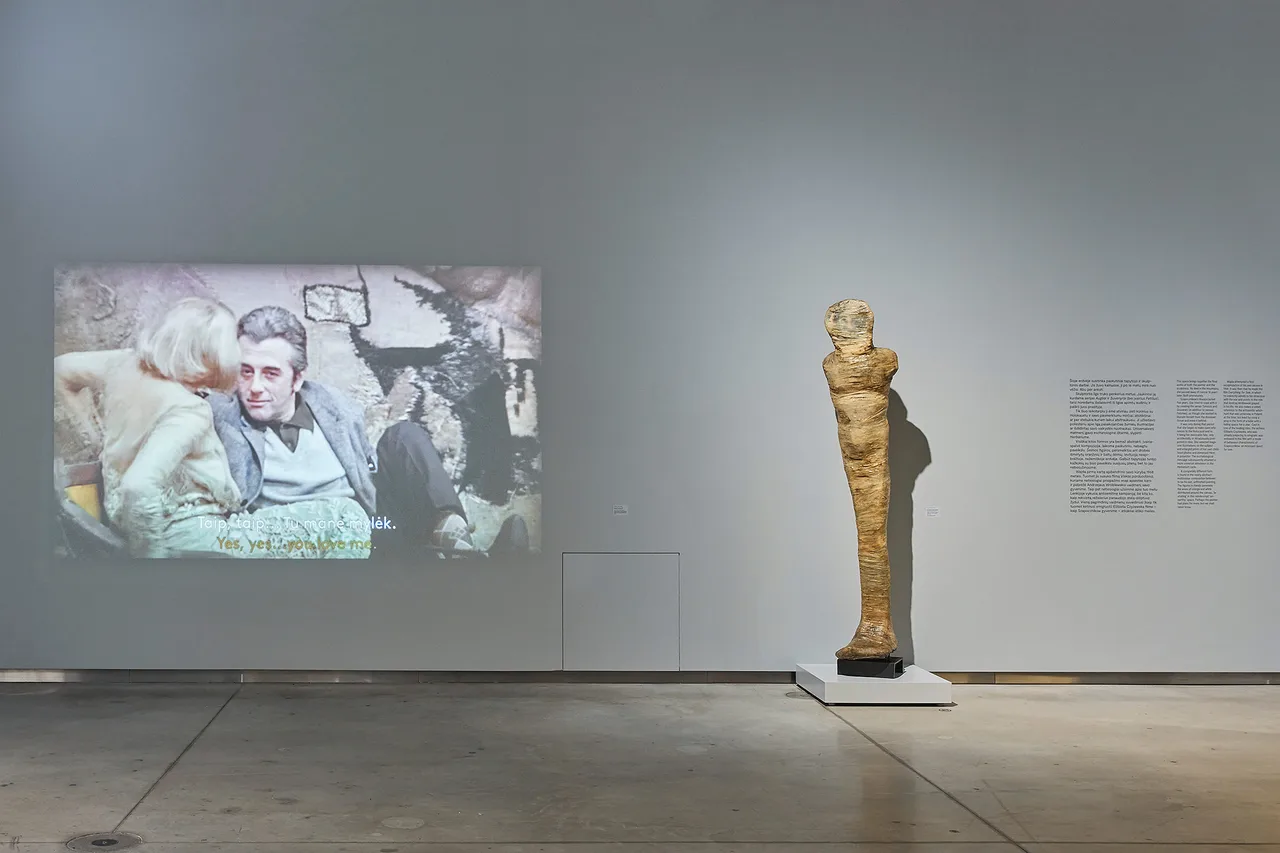
With Szapocznikow, I’d done the first really big retrospective of her work back in 1998. Back when I worked as a gallery director, one of my younger colleagues, Hanna Wróblewska, had done a huge retrospective of Wróblewski. I was using my best efforts, especially with regards to Szapocznikow, to make her better known worldwide, and so were other people, other curators. Hence, I was involved in the various discussions, panels, conferences, etc. about the two. Wajda I knew personally and talked with about them, in private circles. And then one day, I realised I'd been invited to give a masterclass on his films, to mark the start of the academic year. So, I started rewatching them and going through some stills in preparation.
This made me realize two things – that he referenced art in the way he composed his scenography, even certain situations, and that he’d experienced some war trauma. Because of course, it was quite obvious that Szapocznikow and Wróblewski had experienced war trauma. But I realised that Wajda had as well. That's when it all clicked and drawing the parallels between the works of these three great artists – and all three of them really were great – was much easier. As I started comparing some select works, I realised that everything worked even better than I expected.
This made me realize two things – that he referenced art in the way he composed his scenography, even certain situations, and that he’d experienced some war trauma. Because of course, it was quite obvious that Szapocznikow and Wróblewski had experienced war trauma. But I realised that Wajda had as well. That's when it all clicked and drawing the parallels between the works of these three great artists – and all three of them really were great – was much easier. As I started comparing some select works, I realised that everything worked even better than I expected.
Coming back to Wajda and his composition, I feel like many great filmmakers have, either formally or informally, gained some of their knowledge through older art forms. How do you think this knowledge outside of their main discipline, like Wajda's painterly education, affects an artist's ability to empathise and collaborate with others?
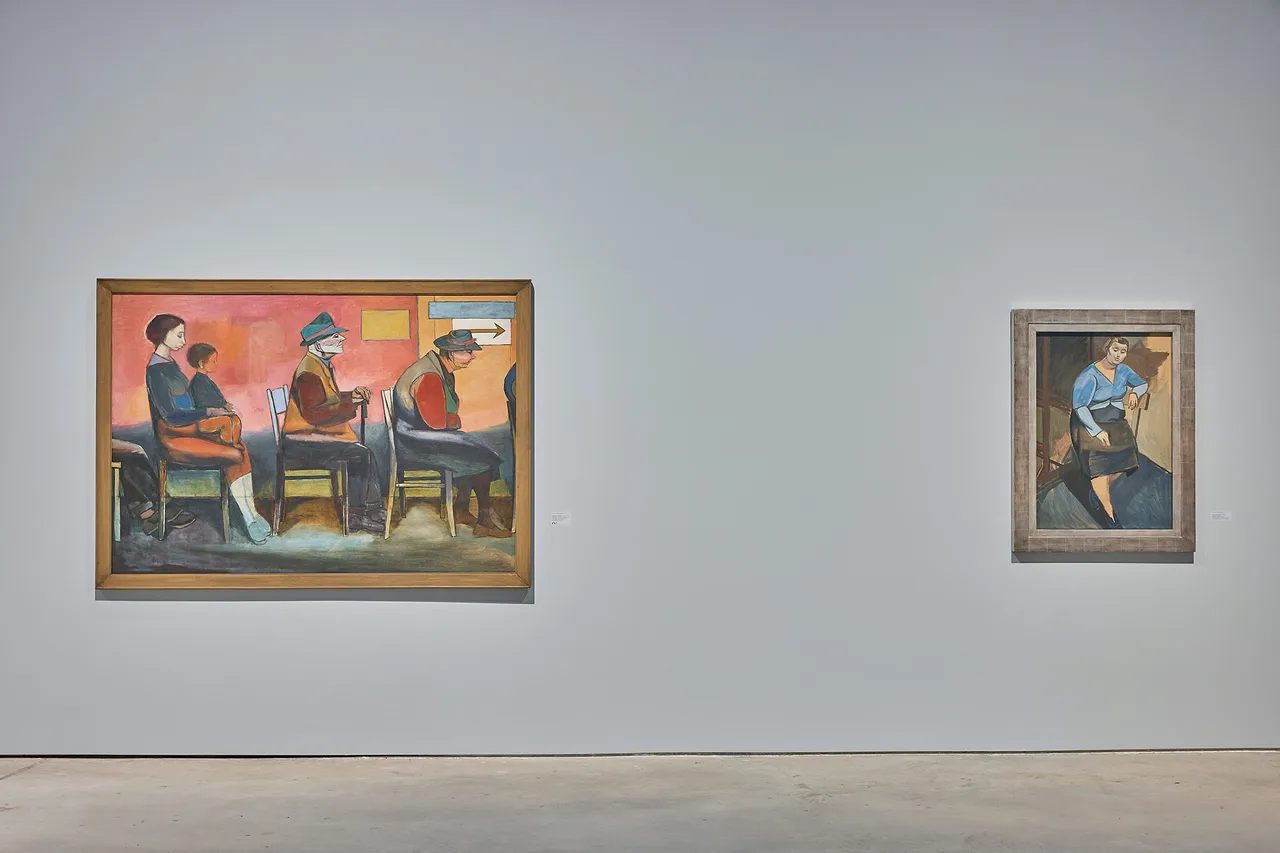
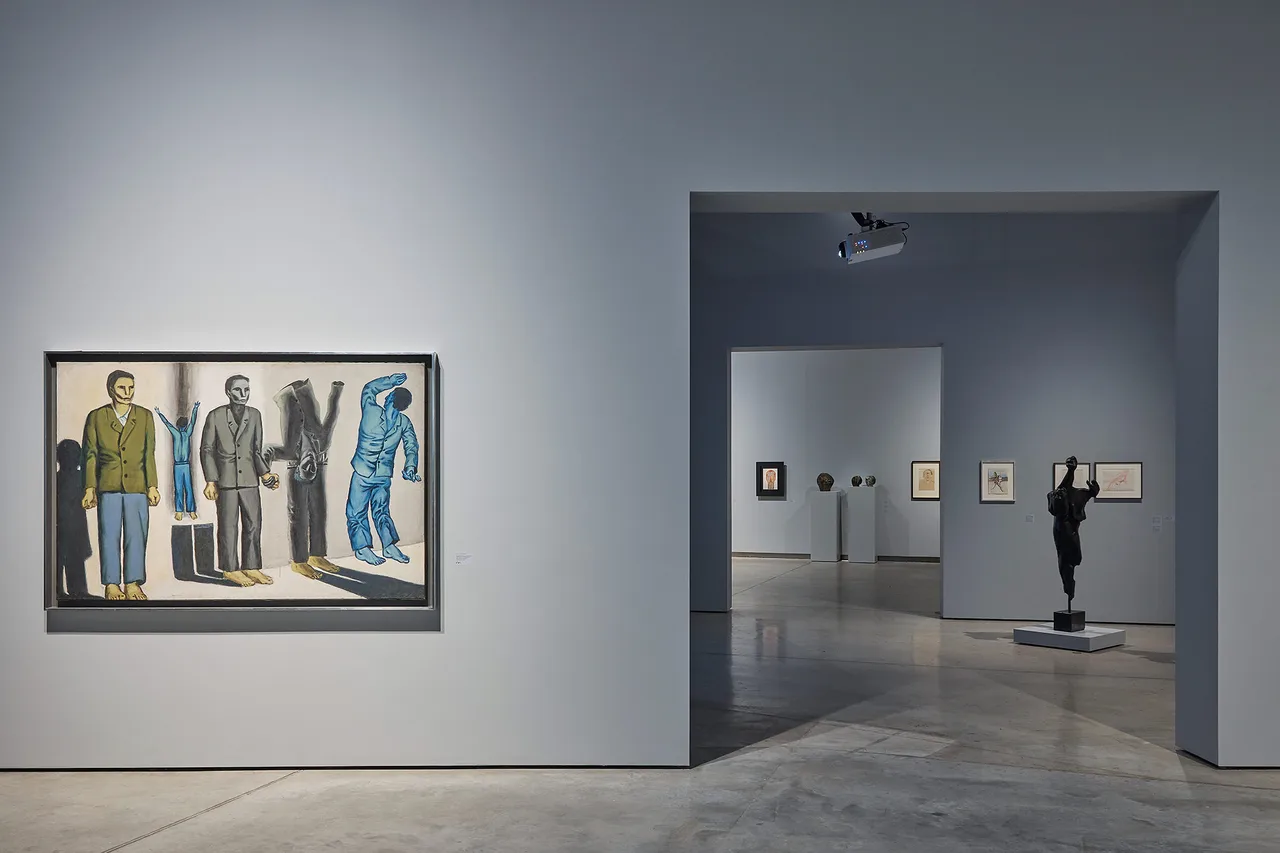
Wajda's art education was an extremely important part of his early career. He'd already taken some art classes before the end of the war. Later, he joined the Krakow Academy of Fine Arts and became friends with Wróblewski. Much later, at the end of his life, he actually confessed that he'd quickly realised he could never surmount Wróblewski’s imagination of the world. Thus, he chose another means, another instrument of expression, because he understood that he wouldn't surpass the point Wróblewski had already reached at 22 years old. So Wajda switched to film.
That said, he did introduce some of the things Wróblewski used in painting into cinema, especially in his early period. It's visible in Wajda's storyboards, which he drew himself. There, you see that he used certain visual elements in his films, like the fish. For Wróblewski, they represented soldiers condemned to their death. In my research, I found the same symbolic use of fish in one of Wajda's films. This might sound very obvious, but in some cases he'd only find a way [to express himself, through] a sense of Wróblewski as he was directing the film.
In Ashes and Diamonds, for example, in the last act, the hero’s death and the movements of his body, portrayed by Cybulski, were transposed from Wróblewski's Executions series, from the Execution against a Wall. Unfortunately, I couldn't showcase it in this exhibition as it's currently featured in another one at Zachęta. But the position of the body is almost identical.
The two were lifelong friends, and more. Of course, Wóblewski lived a very short life, but Wajda helped arrange his first posthumous retrospective, showed it on another occasion, and wrote about it. They wrote each other letters. So it was incredibly important for Wajda to be well-versed in painting and to maintain his friendship with Wóblewski and learn from him.
That said, he did introduce some of the things Wróblewski used in painting into cinema, especially in his early period. It's visible in Wajda's storyboards, which he drew himself. There, you see that he used certain visual elements in his films, like the fish. For Wróblewski, they represented soldiers condemned to their death. In my research, I found the same symbolic use of fish in one of Wajda's films. This might sound very obvious, but in some cases he'd only find a way [to express himself, through] a sense of Wróblewski as he was directing the film.
In Ashes and Diamonds, for example, in the last act, the hero’s death and the movements of his body, portrayed by Cybulski, were transposed from Wróblewski's Executions series, from the Execution against a Wall. Unfortunately, I couldn't showcase it in this exhibition as it's currently featured in another one at Zachęta. But the position of the body is almost identical.
The two were lifelong friends, and more. Of course, Wóblewski lived a very short life, but Wajda helped arrange his first posthumous retrospective, showed it on another occasion, and wrote about it. They wrote each other letters. So it was incredibly important for Wajda to be well-versed in painting and to maintain his friendship with Wóblewski and learn from him.
I believe you've already touched on this, but I'm curious why of all things Wajda chose to incorporate Wróblewski's painting into his films? While it's a logical choice for something meant to represent a painter, knowing how close they were, I wonder why it wasn't anything less literal and more personal?
See, Wróblewski's work wasn’t typical for the time it was created, and just like any other filmmaker, Wajda built his imagination upon the images of others. This always happens, constantly. So instead of trying to invent something, he found inspiration from Wóblewski's striking images. Since, invention this wasn't something he consciously did; because, ultimately, all of our imaginary horizons are built from things we've already seen.
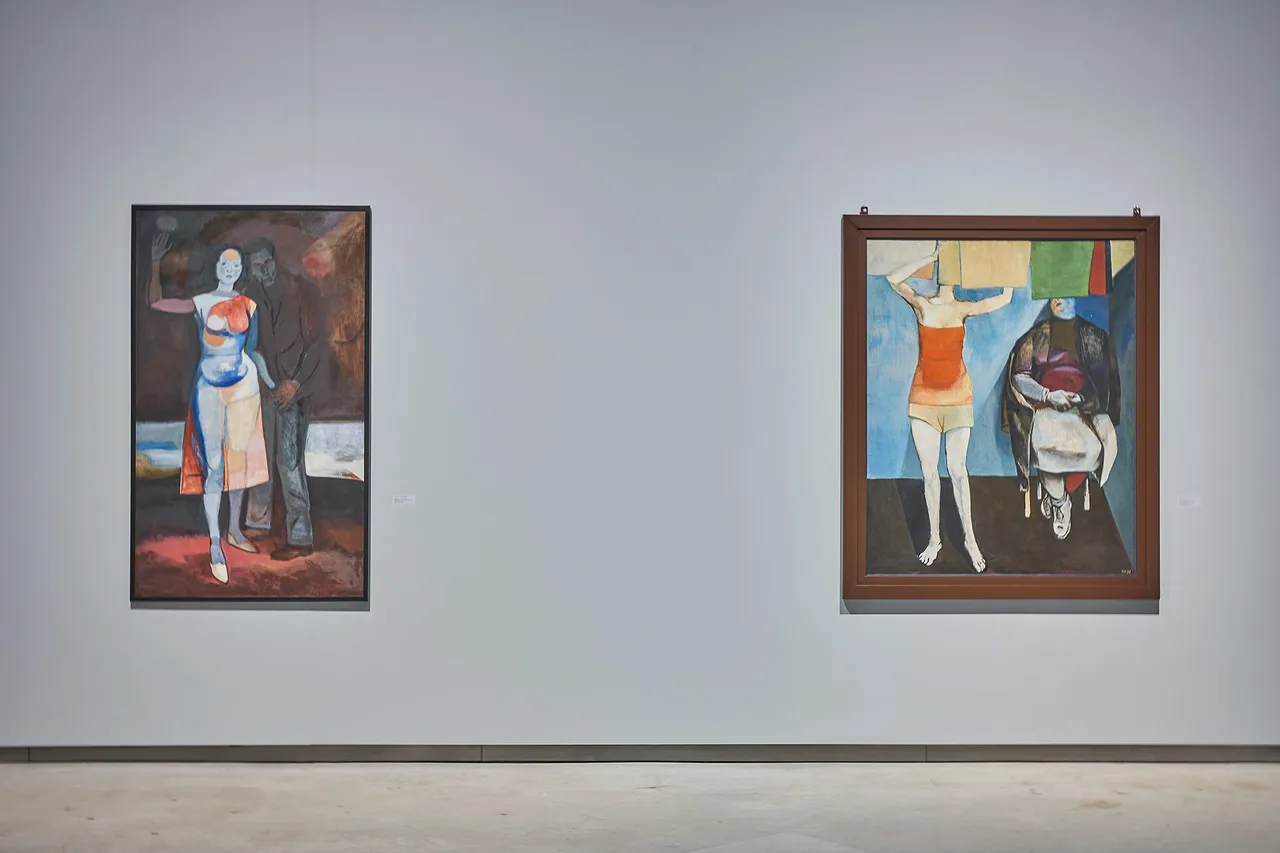
There are other parallels that might be nearly invisible for people who aren't very familiar with Wróblewski's work. For example, in Landscape after the Battle, there's this scene where Daniel Olbrychski raises his hands, one after the other, and that’s taken from one of Wróblewski’s lesser-known works. I only caught this after some time, already having seen both the paintings and the films hundreds of times. It’s probably something that had imprinted itself onto his imagination. He might've incorporated it without realising he was copying it from somewhere. The same has happened with the likes of Tadeusz Kantor or even Pablo Picasso. Certain things we just take from the outside world without realising or explicitly thinking about 'copying' someone. It's part of our shared imaginary paradigm.
There are other parallels that might be nearly invisible for people who aren't very familiar with Wróblewski's work. For example, in Landscape after the Battle, there's this scene where Daniel Olbrychski raises his hands, one after the other, and that’s taken from one of Wróblewski’s lesser-known works. I only caught this after some time, already having seen both the paintings and the films hundreds of times. It’s probably something that had imprinted itself onto his imagination. He might've incorporated it without realising he was copying it from somewhere. The same has happened with the likes of Tadeusz Kantor or even Pablo Picasso. Certain things we just take from the outside world without realising or explicitly thinking about 'copying' someone. It's part of our shared imaginary paradigm.
Are there any other examples of one artist's work embedded in another's featured in the exhibition?
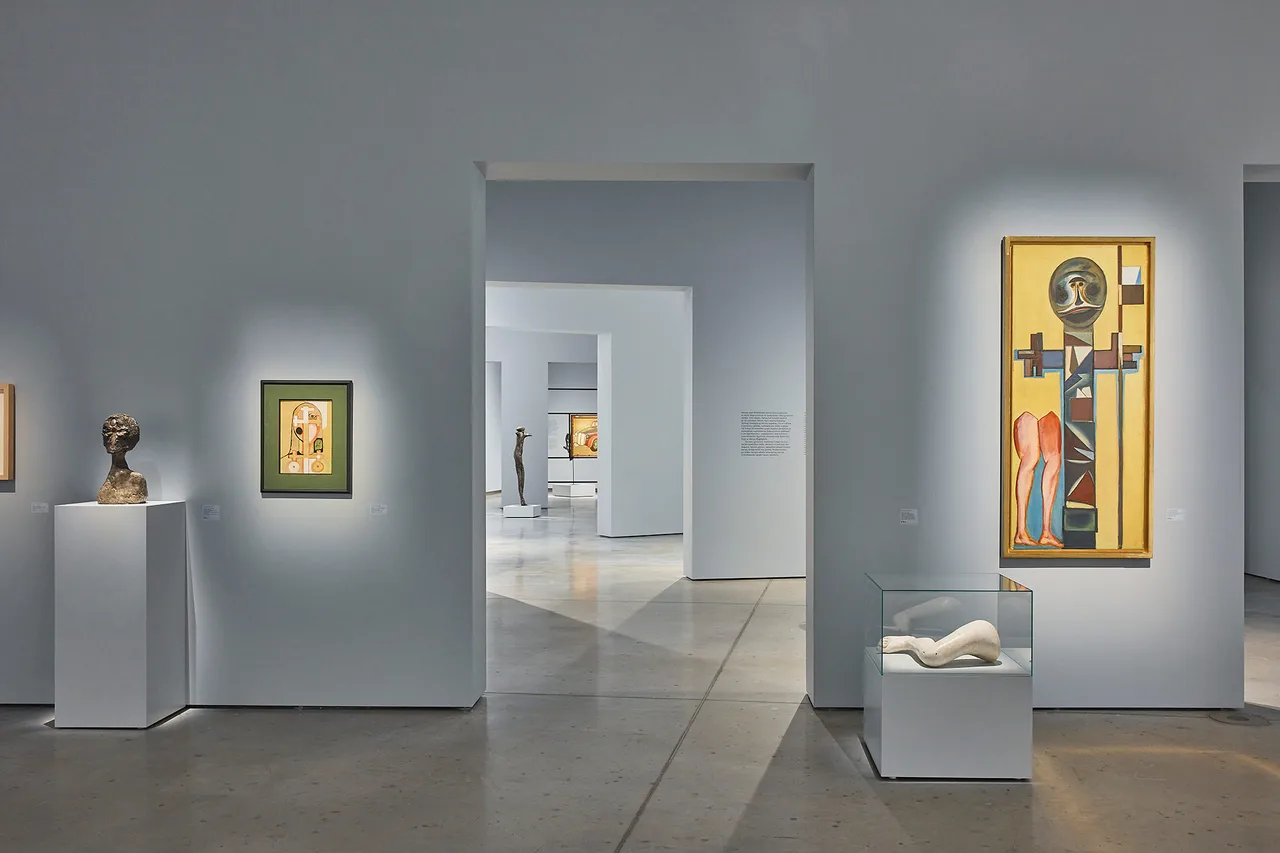
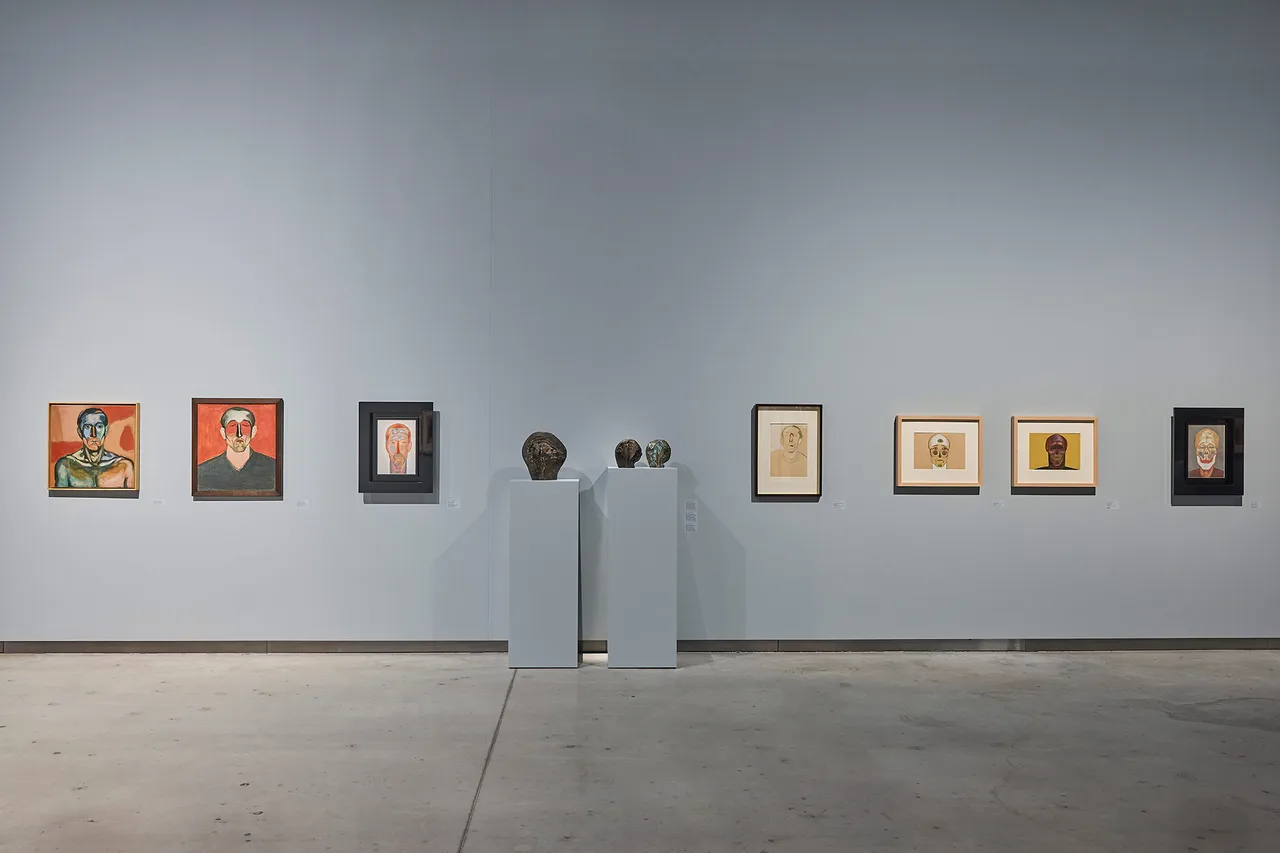
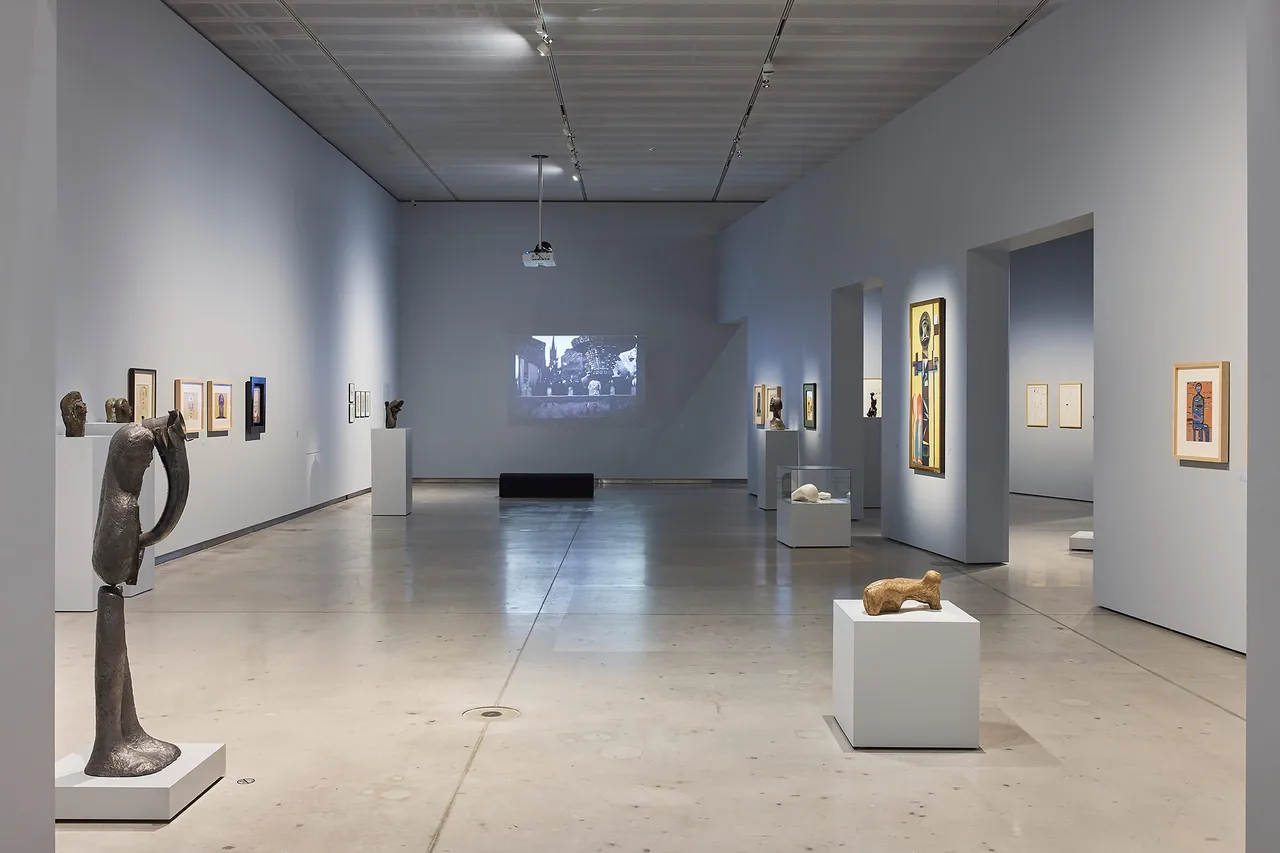
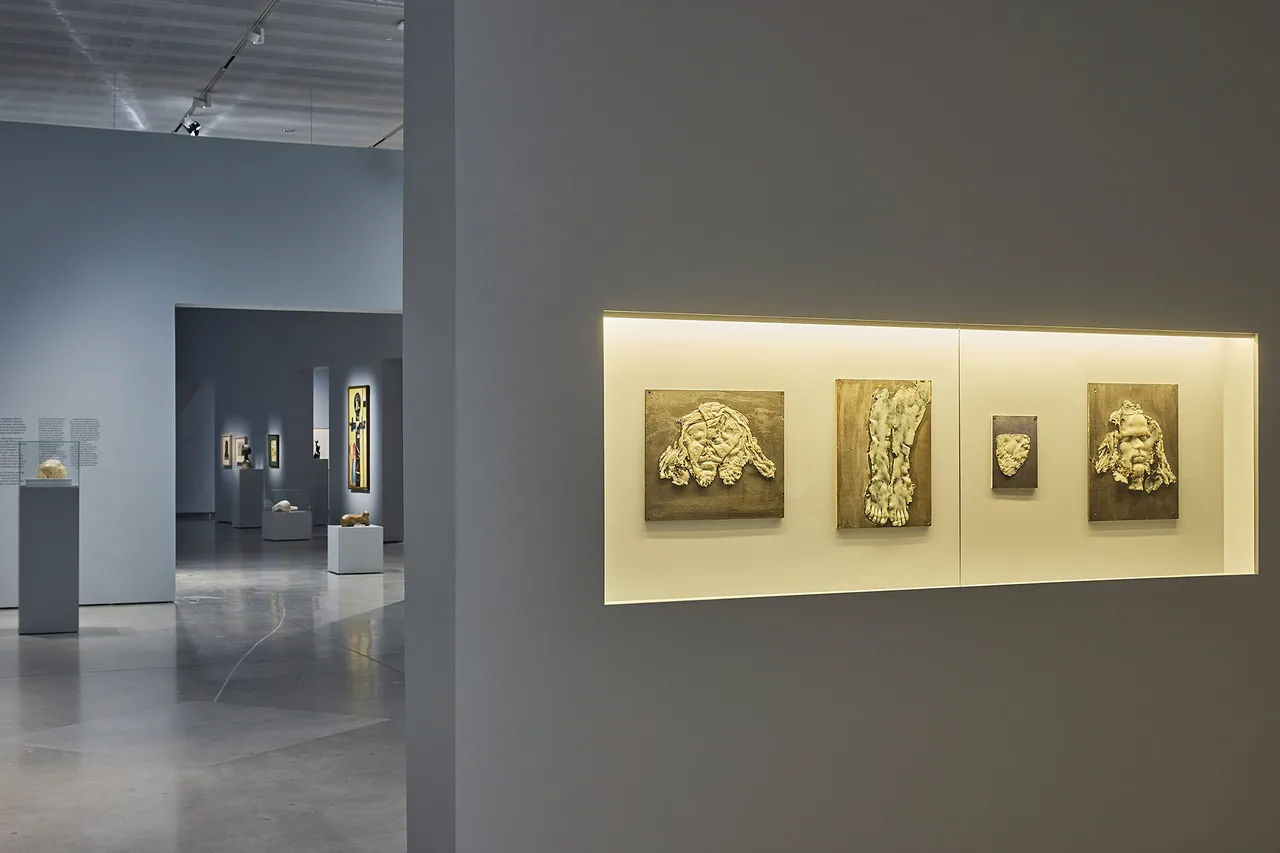
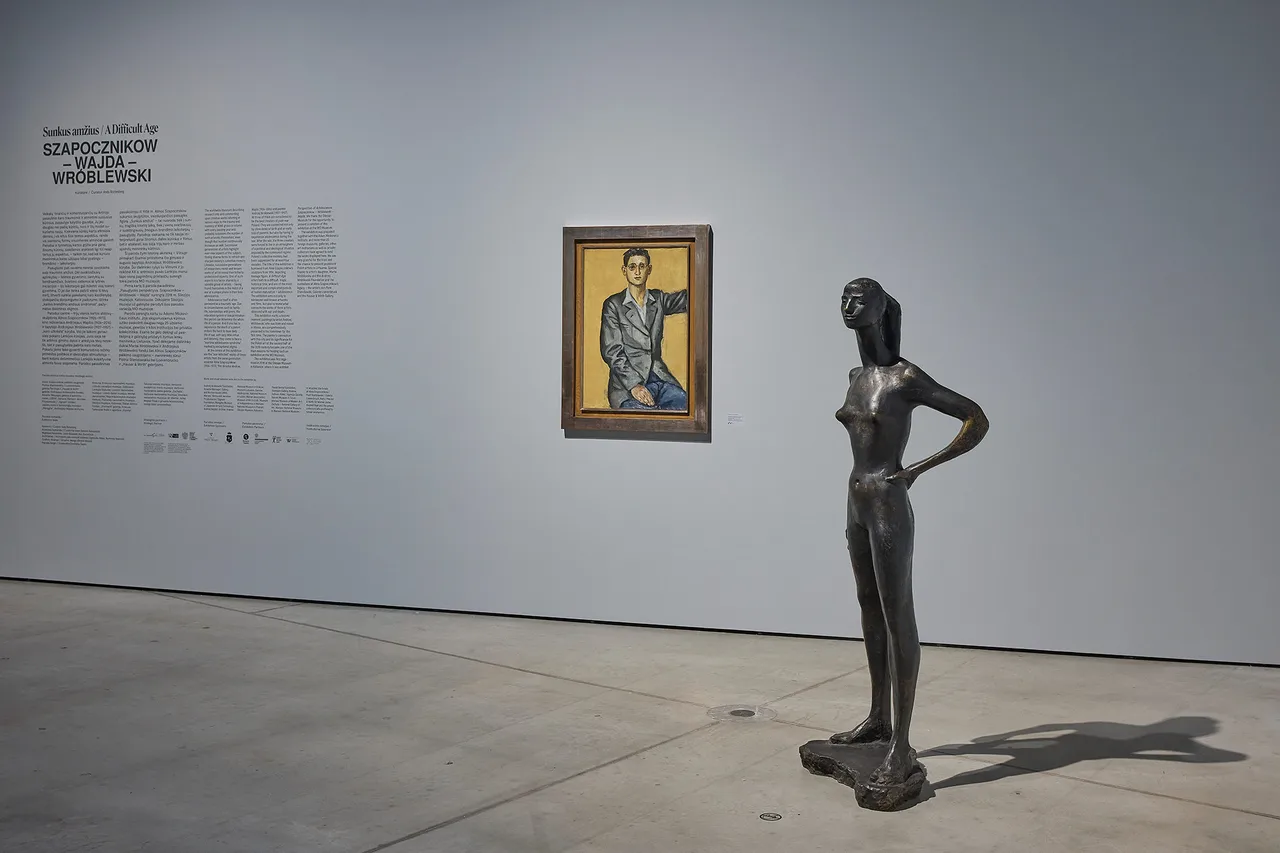
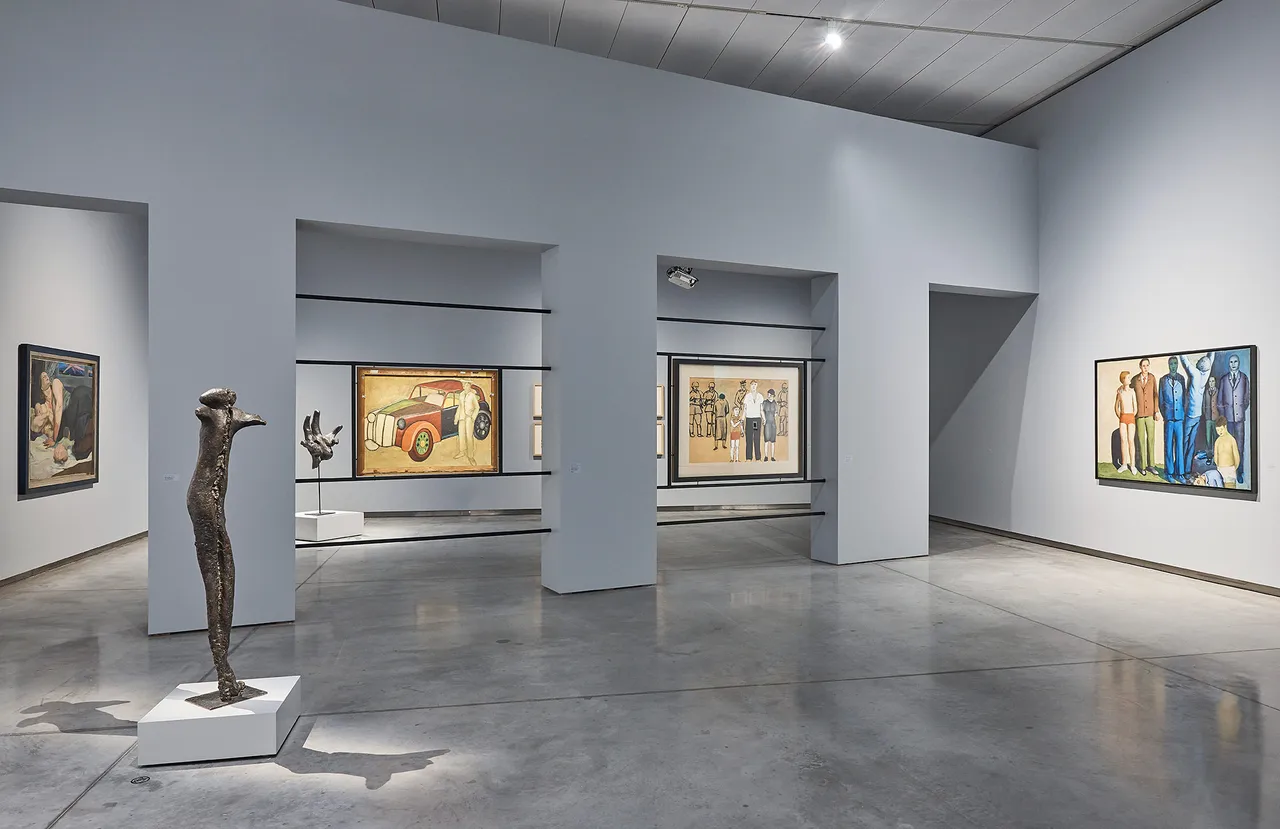
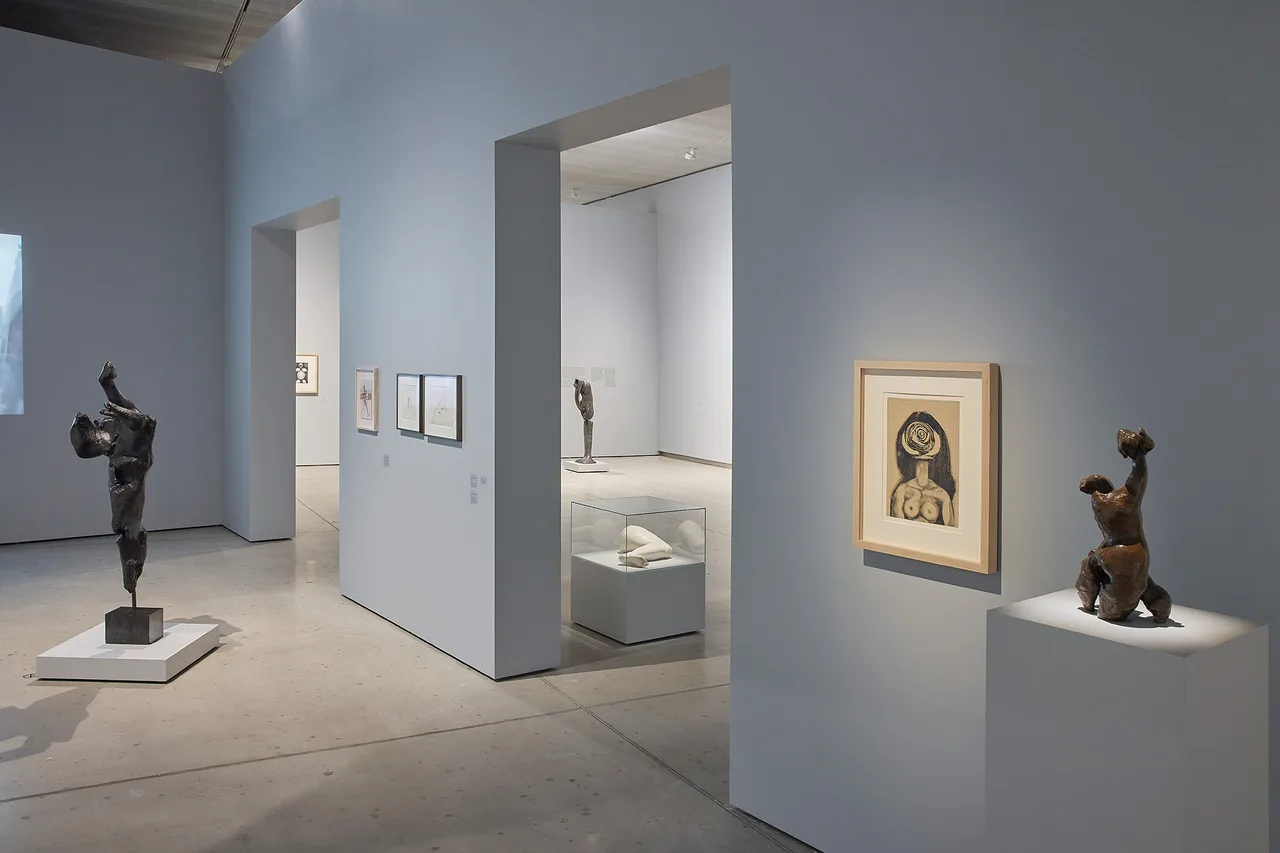
While working on the list of items, I'd already discovered some similarities between the ways Wróblewski and Szapocznikow approached the representation of the human body and being. Neither of them was ‘borrowing’ anything from the other, people were always just naturally more sensitive and vulnerable to certain things over others. For example, Szapocznikow’s head sculptures – a huge series of heads, mostly done in bronze, all ‘crippled’ in ways that you wouldn’t see naturally, that don't resemble human injuries – are similar to Wróblewski’s series of heads that had crosses on their faces. The crosses weren’t taken from Szapocznikow, but from the cemeteries of Yugoslavia.
Wróblewski once took a long trip to Yugoslavia and the only thing that really fascinated him were the local cemeteries and tombstones, which were very different in style. Hence the way he incorporated this element into his art, and the way Szapocznikow did, were similar without either of them ever looking to each other. I discovered this in the process of putting together the exhibition.
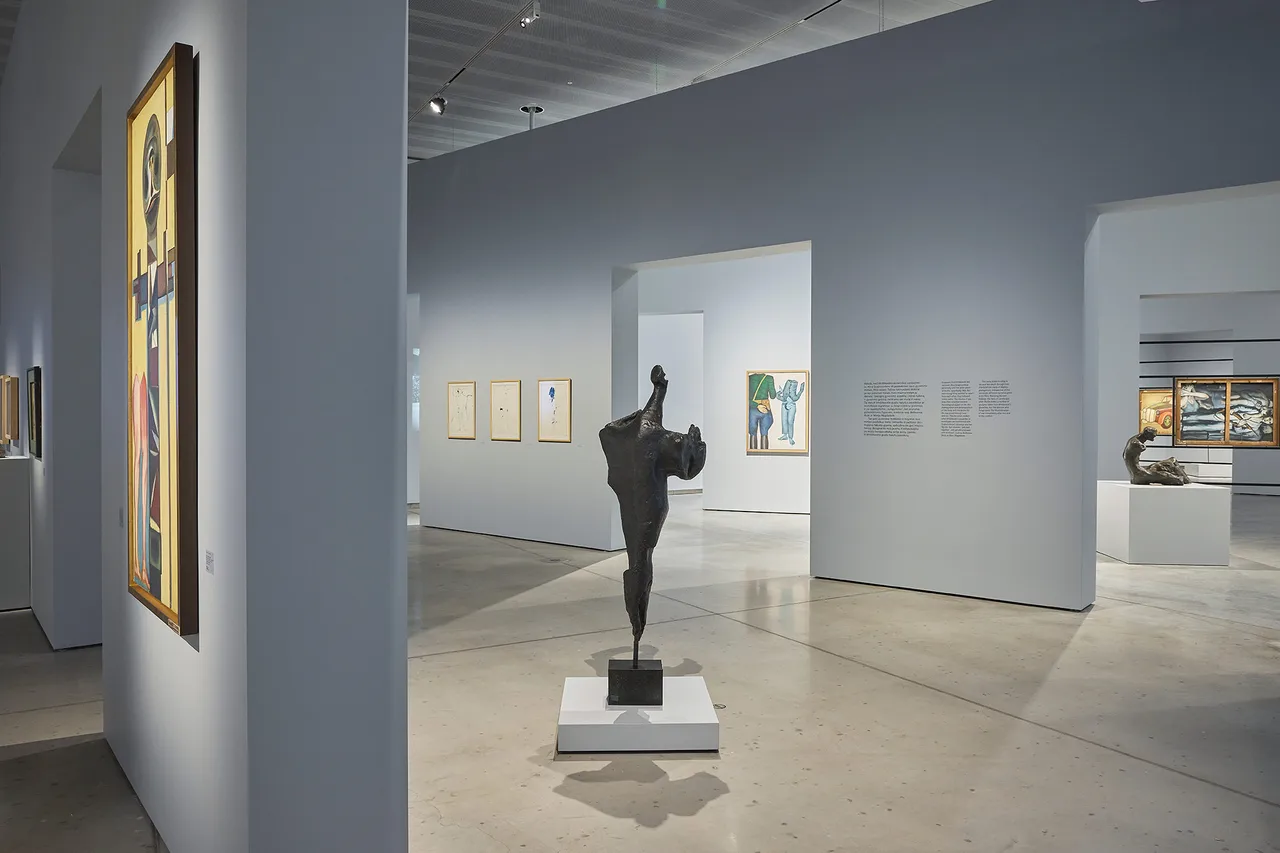
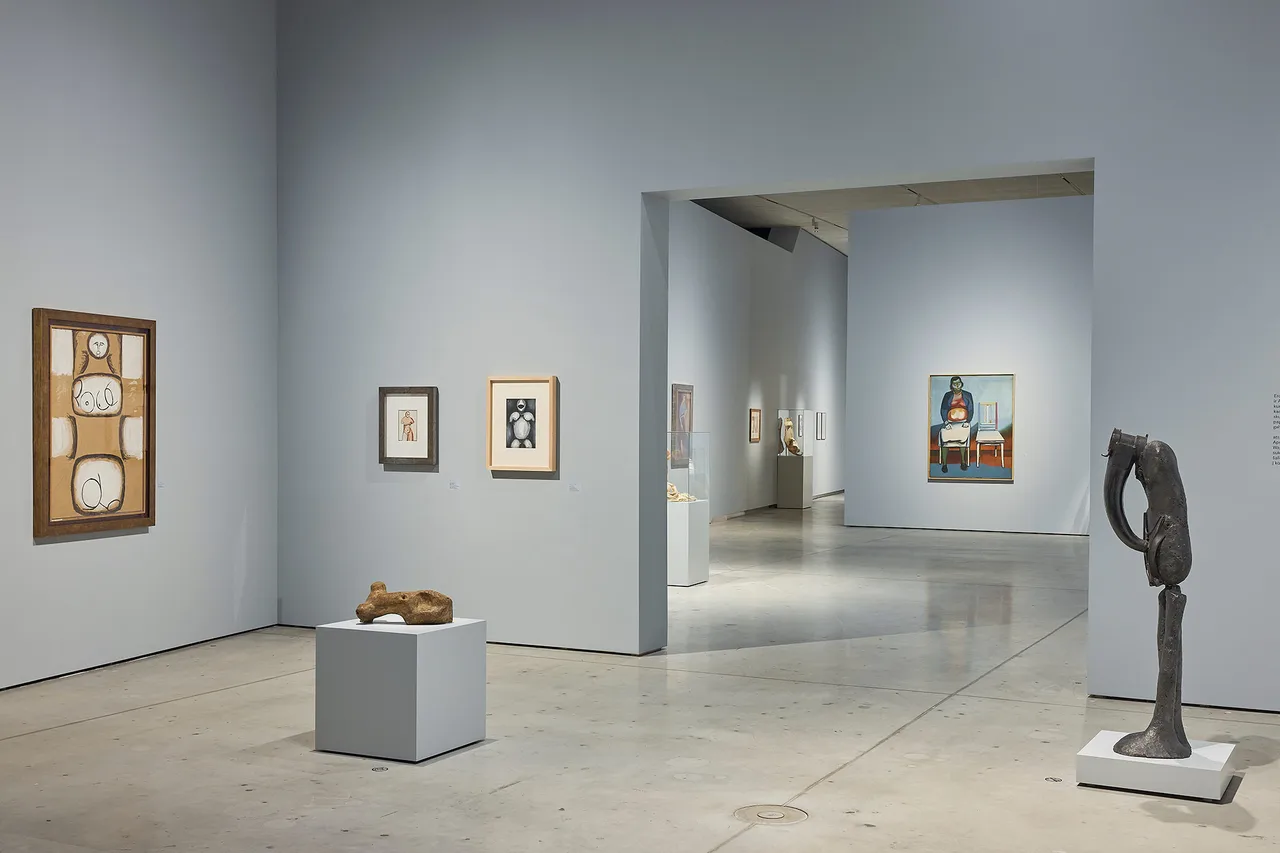
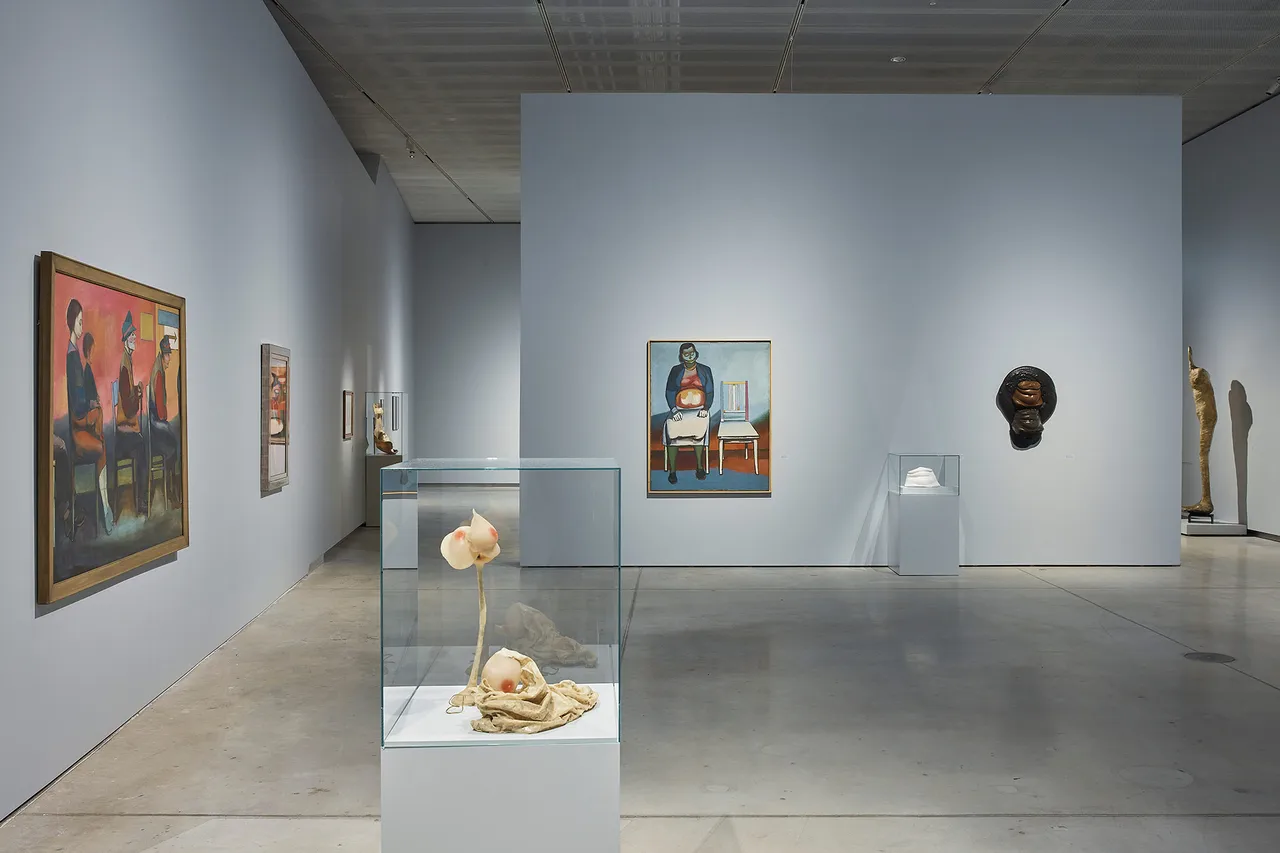
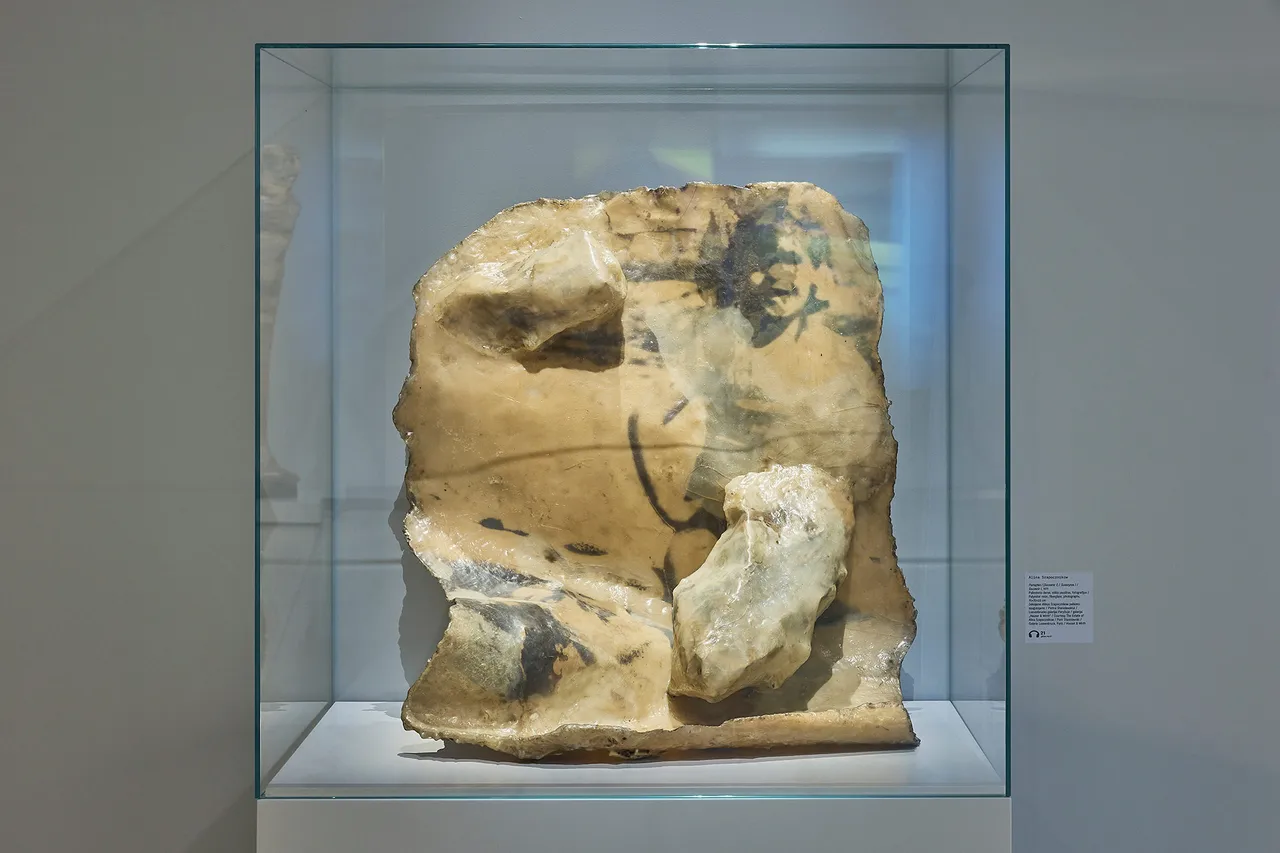
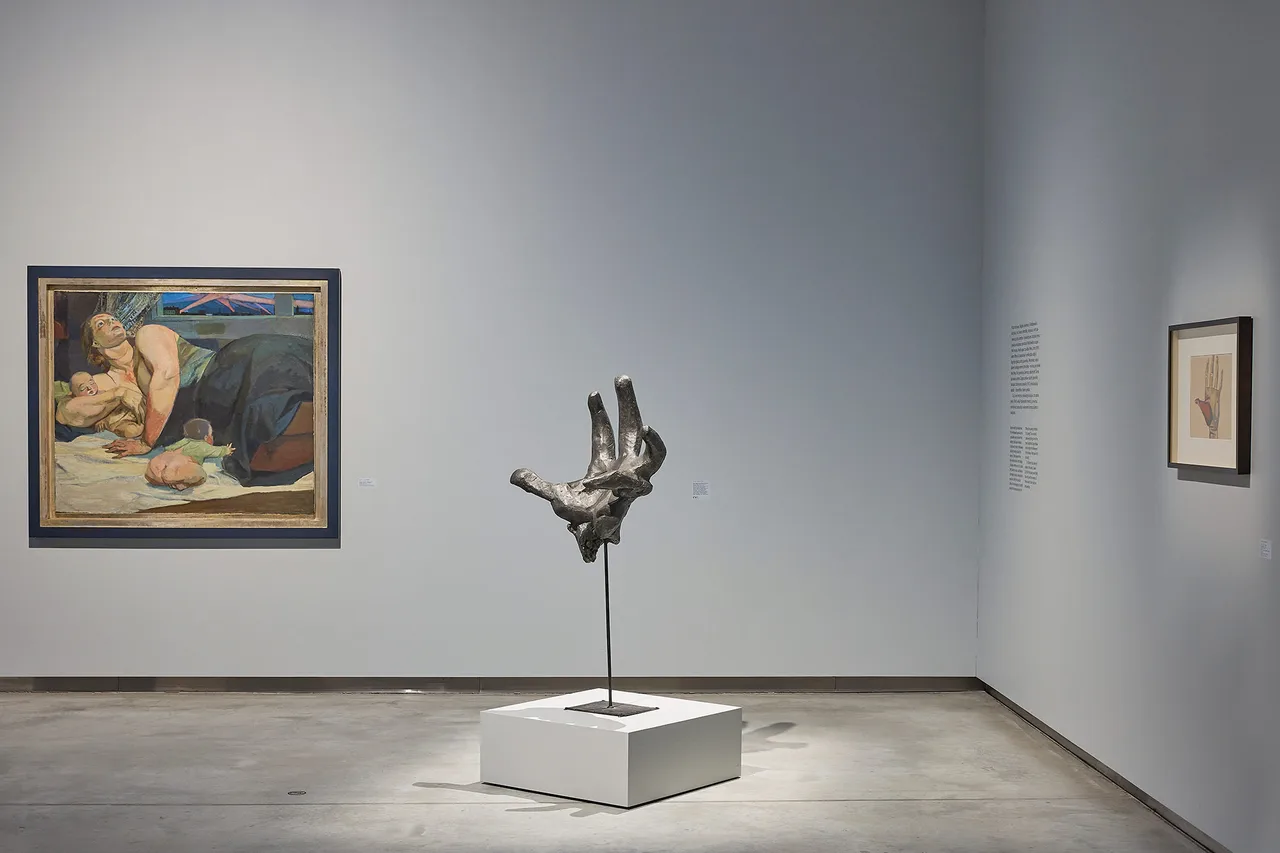
In my experience, what often happens is that I learn new things in the process of putting the exhibition together. Another similarity is the representation of death, which has to do with process. While it differs in terms of form, both artists used the process of severing the body into pieces in their own unique ways. This representation of death through the use of figures that acted as though they were still alive was a specialty of Polish theatre, the so-called ‘necroperformance'. We see examples of this in Szapocznikow’s Maria Magdalena, as well as some smaller sculptures like Rose, or Bellissima. The way they've been put together resembles dead bodies imitating live ones.
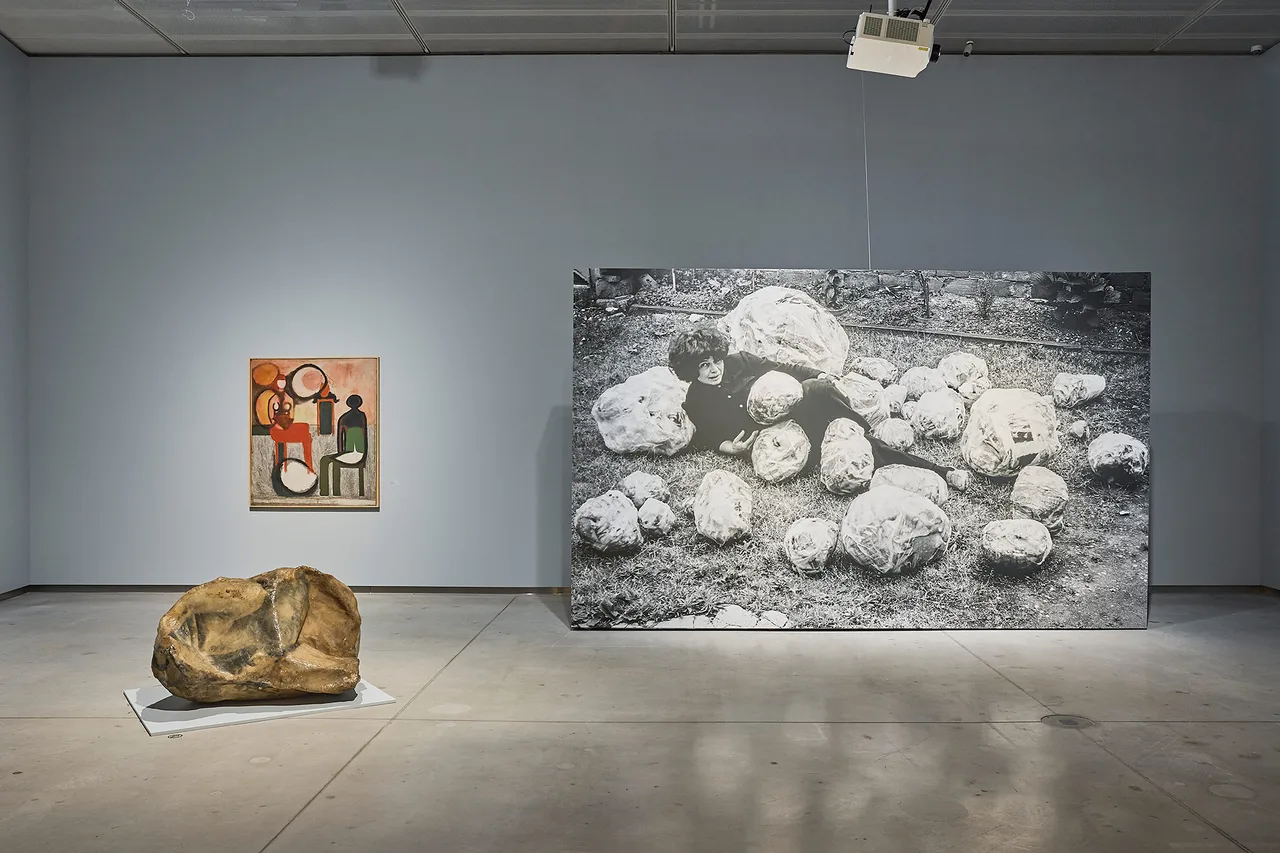
In the case of Szapocznikow, they're also connected to the notion of sex because she understood very well that sex and death are like two sides of the same coin. The same can easily be seen in the works of her latest period, in which she’d made the 'tumour' sculptures, having been diagnosed with cancer. She’d done similar things back in the 1950s, representing the female body in her usual way, but no one saw the death aspect of it. They saw a modern sculpture. Thus, when you ignore what the others say, and look at her body of work with fresh eyes, you see things differently. You see that the remembrance of war is an important element of her art, even if she never mentioned it explicitly.
Wróblewski once took a long trip to Yugoslavia and the only thing that really fascinated him were the local cemeteries and tombstones, which were very different in style. Hence the way he incorporated this element into his art, and the way Szapocznikow did, were similar without either of them ever looking to each other. I discovered this in the process of putting together the exhibition.
In my experience, what often happens is that I learn new things in the process of putting the exhibition together. Another similarity is the representation of death, which has to do with process. While it differs in terms of form, both artists used the process of severing the body into pieces in their own unique ways. This representation of death through the use of figures that acted as though they were still alive was a specialty of Polish theatre, the so-called ‘necroperformance'. We see examples of this in Szapocznikow’s Maria Magdalena, as well as some smaller sculptures like Rose, or Bellissima. The way they've been put together resembles dead bodies imitating live ones.
In the case of Szapocznikow, they're also connected to the notion of sex because she understood very well that sex and death are like two sides of the same coin. The same can easily be seen in the works of her latest period, in which she’d made the 'tumour' sculptures, having been diagnosed with cancer. She’d done similar things back in the 1950s, representing the female body in her usual way, but no one saw the death aspect of it. They saw a modern sculpture. Thus, when you ignore what the others say, and look at her body of work with fresh eyes, you see things differently. You see that the remembrance of war is an important element of her art, even if she never mentioned it explicitly.
As we've returned to Szapocznikow, could you talk a little bit more about what the title of this exhibition, A Difficult Age, refers to?
The first title was literal, it literally meant adolescence. In psychology, it's widely-known as the period of excess vulnerability, the transitional period from childhood to adulthood, the one in which you tend to be oversensitive, because you're developing sexually, you're essentially transforming into a different person. The three artists’ experiences of adolescence were similar in many ways. They’d all lost their fathers at an early age of 12 to 13 years old, they only had their mothers, and each one of them bared witness to the many atrocities the war brought to Poland, in their own way.
Wróblewski had been the most sheltered. He was his mother's youngest son, he’d always been oversensitive, and he’d been living in Vilnius, where the war played out very differently than it had for Wajda or Szapocznikow. The former had lived in occupied Poland, where the German occupation lasted for three years longer than it had in Vilnius. The latter was a Jewish girl, the beautiful daughter of a well-paid couple of doctors, who suddenly ended up in a ghetto, then in Auschwitz, and then in Buchenwald. However, each of them had also experienced war in their adolescence, which caused their oversensitivity to manifest more strongly in their art. So I came to the conclusion that adolescence was indeed this difficult age. We can see proof of it in the exhibition.
Wróblewski had been the most sheltered. He was his mother's youngest son, he’d always been oversensitive, and he’d been living in Vilnius, where the war played out very differently than it had for Wajda or Szapocznikow. The former had lived in occupied Poland, where the German occupation lasted for three years longer than it had in Vilnius. The latter was a Jewish girl, the beautiful daughter of a well-paid couple of doctors, who suddenly ended up in a ghetto, then in Auschwitz, and then in Buchenwald. However, each of them had also experienced war in their adolescence, which caused their oversensitivity to manifest more strongly in their art. So I came to the conclusion that adolescence was indeed this difficult age. We can see proof of it in the exhibition.
Looking at one or multiple bodies of work and as you develop an exhibition, how do you determine which parallels are most important to highlight and bring to the forefront, and what should be left completely open to interpretation?
I couldn't tell you exactly. I think that first and foremost, it's a matter of experience, of how you see the art, and of course, the knowledge. However, it's also the discoveries you make in the process of working. For a long time I didn't actually know what the right way, what my way of working was. Then, all the way back in 2000, I had to curate a ten-person exhibition. Because we were at the turn of the century, the news magazine Polityka ran a poll asking their readers to choose the ten most important artists of the 20th century.
Some Polish artists made the list, so I decided to put together an exhibition based on this and hold it at Zachęta. It’s only when I started actually putting it together that I realised how much in common these ten people had. I didn't see it from afar, only when I leaned into their work to take a closer look and try to find any similarities. It’s like the theatre model, the way of thinking about art as a kind of theatre. I only realised it when I started with the practical work of putting together the exhibition.
So, I think that practice is the most important factor in determining what an exhibition should look like. Because that’s the thing I mean when I talk about discoveries. It’s the experience of putting a Wróblewski next to two severed legs and then it just clicks, and you remember that Szapocznikow had a sculpture of a severed leg. And then it's obvious, right? You don't know how exactly they came to be, but you see the similarities in the use of severed bodies. But this only happens as you work, or once you've looked at the pieces you want to have in the exhibition hundreds of times. And then, there's also the issue of getting all of the pieces you want for the exhibition from museums and private collections. Of course, I didn't get exactly what I wanted for the Vilnius exhibition. I had a lot, but not everything. I wasn't able to borrow certain things, and that's the downside of working with historical pieces.
Some Polish artists made the list, so I decided to put together an exhibition based on this and hold it at Zachęta. It’s only when I started actually putting it together that I realised how much in common these ten people had. I didn't see it from afar, only when I leaned into their work to take a closer look and try to find any similarities. It’s like the theatre model, the way of thinking about art as a kind of theatre. I only realised it when I started with the practical work of putting together the exhibition.
So, I think that practice is the most important factor in determining what an exhibition should look like. Because that’s the thing I mean when I talk about discoveries. It’s the experience of putting a Wróblewski next to two severed legs and then it just clicks, and you remember that Szapocznikow had a sculpture of a severed leg. And then it's obvious, right? You don't know how exactly they came to be, but you see the similarities in the use of severed bodies. But this only happens as you work, or once you've looked at the pieces you want to have in the exhibition hundreds of times. And then, there's also the issue of getting all of the pieces you want for the exhibition from museums and private collections. Of course, I didn't get exactly what I wanted for the Vilnius exhibition. I had a lot, but not everything. I wasn't able to borrow certain things, and that's the downside of working with historical pieces.
Speaking of gaps, particularly knowledge gaps, what do you usually do with those details that don't have one official or even any explanation, like the Wróblewski boy figure you've mentioned?
Wróblewski still hasn’t been fully interpreted, because he died so early. He's never shown any of the Execution series, except for one painting that was damaged on show at a student exhibition. This rendered the painting, The Poznan Execution almost socio-realistic – a figure of a Jewish woman was physically cut from the painting. He'd never shown the remaining Executions. So we never got his interpretation of the boy figure which is present in several of his paintings. Historians and different experts, keep suggesting their interpretations, but none of them have been sufficiently convincing. So, some things we just don't know.
However, I was the first person to discover the reason why he may have started representing death the way he did. As I was researching how the war had progressed in Vilnius, between the free period, the subsequent Russian occupation, and then the German occupation, etc., and the history of the ghetto, I discovered a long article written by Józef Mackiewicz, the Vilnius-based Polish-speaking journalist. I found his feature on Ponary that was published in 1945. It appears everyone in Vilnius probably knew about it, although nobody was really talking about it.
It described this very strange occurrence that made for a story far too long to fit into one conversation but in short, some people who were sent to Ponary for execution made an escape attempt while their supervisor was out on a lunch break. For whatever reason, the local traffic controller didn't stop the Berlin-Konigsberg train that was coming through town and the people were killed, their bodies left scattered on the tracks at the Ponary station. This was witnessed by at least three people – Mackiewicz who wrote the report and two train station workers, so the story made next day’s news. It’s possible that all of Vilnius knew it, and this likely included Wróblewski, which is probably why he representing death that way – through the use of severed bodies.
Nobody had made the connection before. I'm not sure why, but it may have been because nobody had looked into the documents describing what life in Vilnius was like at the time. If you do the research, you’re no longer just looking at the painting, you’re trying to see and understand the whole story behind it. However, we can't say anything certain about the position of the boy. We can't know, because we don't know what exactly Wróblewski had been reading – their entire Vilnius library had been left behind when his family took the train to Krakow and went back to Poland. We don't know many things about Wróblewski, because he died too early.
However, I was the first person to discover the reason why he may have started representing death the way he did. As I was researching how the war had progressed in Vilnius, between the free period, the subsequent Russian occupation, and then the German occupation, etc., and the history of the ghetto, I discovered a long article written by Józef Mackiewicz, the Vilnius-based Polish-speaking journalist. I found his feature on Ponary that was published in 1945. It appears everyone in Vilnius probably knew about it, although nobody was really talking about it.
It described this very strange occurrence that made for a story far too long to fit into one conversation but in short, some people who were sent to Ponary for execution made an escape attempt while their supervisor was out on a lunch break. For whatever reason, the local traffic controller didn't stop the Berlin-Konigsberg train that was coming through town and the people were killed, their bodies left scattered on the tracks at the Ponary station. This was witnessed by at least three people – Mackiewicz who wrote the report and two train station workers, so the story made next day’s news. It’s possible that all of Vilnius knew it, and this likely included Wróblewski, which is probably why he representing death that way – through the use of severed bodies.
Nobody had made the connection before. I'm not sure why, but it may have been because nobody had looked into the documents describing what life in Vilnius was like at the time. If you do the research, you’re no longer just looking at the painting, you’re trying to see and understand the whole story behind it. However, we can't say anything certain about the position of the boy. We can't know, because we don't know what exactly Wróblewski had been reading – their entire Vilnius library had been left behind when his family took the train to Krakow and went back to Poland. We don't know many things about Wróblewski, because he died too early.
Yes, that's the unfortunate commonality between many great artists – a life full of vibrant, but often quite traumatic, experiences that inspire great work. Szapocznikow also had no shortage of those and while I think it's somewhat obvious, what do you think made her works so relatable to so many people?
I think it really depends because each of them were so unique in terms of form and the form which could accurately express a particular feeling. I think that her adult life beginning in Paris – studying, living, being able to see what life was like there after the war, was one really important factor. Especially the presence of Fortier in it, who nobody really associated with her before. However, there was a big exhibition of his work, mainly sculptures but some paintings as well, held right after the war as he'd been part of the French Resistance.
Around the same time, a book by Bataille which focused mainly on the notion of sex and featured illustrations by Fortier came out. It depicted the female body openly, devoid of shame. I think that Alina Szapocznikow must’ve have gotten her hands on that book, even if she hadn't seen his exhibition – which she probably had – and that lead her to think of the female body in the same way. I actually found a drawing by Fortier as well as a drawing Alina had done as part of a letter to her husband – or rather her future husband, Ryszard Stanislawski. They were done the same way.
So, I think the key here is to look not only at the works and the artist's career, but the entire cultural and artistic scene around it. That's how you discover commonalities. I think that if she'd ended up in Poland, and had never set foot in Prague or Paris, she could've developed her art in a different way. Of course, she discovered her own style very quickly and was very consistent in her work. I spoke about this with Pierre Restany back in the mid-70's, and he agreed that Alina needed to become bigger, become world-renowned – and this was two years after her death. She should be more famous, because she was extremely original, even considering the things she’d taken from existing art.
Around the same time, a book by Bataille which focused mainly on the notion of sex and featured illustrations by Fortier came out. It depicted the female body openly, devoid of shame. I think that Alina Szapocznikow must’ve have gotten her hands on that book, even if she hadn't seen his exhibition – which she probably had – and that lead her to think of the female body in the same way. I actually found a drawing by Fortier as well as a drawing Alina had done as part of a letter to her husband – or rather her future husband, Ryszard Stanislawski. They were done the same way.
So, I think the key here is to look not only at the works and the artist's career, but the entire cultural and artistic scene around it. That's how you discover commonalities. I think that if she'd ended up in Poland, and had never set foot in Prague or Paris, she could've developed her art in a different way. Of course, she discovered her own style very quickly and was very consistent in her work. I spoke about this with Pierre Restany back in the mid-70's, and he agreed that Alina needed to become bigger, become world-renowned – and this was two years after her death. She should be more famous, because she was extremely original, even considering the things she’d taken from existing art.
Certainly, and I think this is another case of what you described very well during a curatorial conference: 'That to appreciate an artwork, people need to first hear about it from someone else. Consequently, I think artists from smaller countries often have to take 'the long way round' to be fully appreciated.'
Yes, exactly. Szapocznikow had been well-known in Paris. Suzanne Pagé curated an exhibition of her works not long after her death, but then everyone forgot her. Two years ago I spoke with Annette Messager, who lived on the same street as Alina. She said that Alina had worked in the shadow of her husband. See, he'd made a brilliant career as a graphic designer, making these huge pieces for massive exhibitions at the Centre Pompidou and was well-known and well-connected with various magazines even before that, making posters and doing graphic design projects for them. But he was the star. Cieślewicz, her second husband.
Meanwhile, she was off making things in her atelier and her son Piotr was helping her with certain physical and technical work. Yet Annette said it was Roman who was the star, at that time, at the final stage of her life. That's why, for example, she couldn't get the necessary funding to showcase her works at Documenta 5. Because Szeemann had invited her to Documenta, to showcase a full-scale version of one of her sculptures. She'd made a small Rolls Royce in marble, and she was supposed to make a full-scale version of that. A kind of pop art, distorted representation of the ultimate 'Dream', the 'American Dream' – the Rolls Royce. So, she didn't have the money to get the materials and make the piece, and Szeemann even sent her a letter stating, 'I'm very sorry, we have no means to help you in executing your work'. So she had no money and no sponsor to make her work, and being 72, she was already quite poorly, and much less physically strong.
As it happens, even Pierre Restany always considered her a great artist. He was very influential, but not to the extent that could somehow bring her closer to these bigger projects. She was once in New York visiting Louise Bourgeois, and this was the only time they’d exchanged pieces. Which means Louise Bourgeois gave Alina one of her sculptures, and Alina gave one of hers to Louise Bourgeois. However at the time, although she was much older, Louise Bourgeois had not yet become world-renowned herself. She'd achieved worldwide-recognition only because she'd lived long enough to see it. Because as you know, she was over 70 when her career took off, while Alina died being only 47.
Meanwhile, she was off making things in her atelier and her son Piotr was helping her with certain physical and technical work. Yet Annette said it was Roman who was the star, at that time, at the final stage of her life. That's why, for example, she couldn't get the necessary funding to showcase her works at Documenta 5. Because Szeemann had invited her to Documenta, to showcase a full-scale version of one of her sculptures. She'd made a small Rolls Royce in marble, and she was supposed to make a full-scale version of that. A kind of pop art, distorted representation of the ultimate 'Dream', the 'American Dream' – the Rolls Royce. So, she didn't have the money to get the materials and make the piece, and Szeemann even sent her a letter stating, 'I'm very sorry, we have no means to help you in executing your work'. So she had no money and no sponsor to make her work, and being 72, she was already quite poorly, and much less physically strong.
As it happens, even Pierre Restany always considered her a great artist. He was very influential, but not to the extent that could somehow bring her closer to these bigger projects. She was once in New York visiting Louise Bourgeois, and this was the only time they’d exchanged pieces. Which means Louise Bourgeois gave Alina one of her sculptures, and Alina gave one of hers to Louise Bourgeois. However at the time, although she was much older, Louise Bourgeois had not yet become world-renowned herself. She'd achieved worldwide-recognition only because she'd lived long enough to see it. Because as you know, she was over 70 when her career took off, while Alina died being only 47.
Then there's a similar, slightly more positive side of this that Wajda represents. Because by their own admission, many world-renowned figures including Meryl Streep and Martin Scorsese have been hugely impressed and influenced by him. Did he ever mention what having that sort of recognition meant to him? Or how any of his in-person meetings with them went?
You might have better luck asking his widow Krystyna Zachwatowicz this question, who at 91 is still very much alive and mentally sharp. He probably did at home, but never in public. Wajda was the kind of person who knew his place in Polish art and society very well. So he only ever spoke out about the most important things in Polish culture. He was very patriotic and his official statements were always placed within a Polish context. He never said or did anything about an international celebrity status. Except the one time when he walked through Krakow with his Oscar, but that was more of a funny performance than anything.
He wasn’t completely frank with me either. I remember once, at a private event, between a couple glasses of wine, I asked him about his reasoning behind making a particular character so similar to Humphrey Bogart from Casablanca. Because Humphrey and Tadeusz Janczar, who stared in Wajda's debut film, A Generation, had so many similarities – the same haircut, the same slightly dirty trench coat – everything was the same. I realised that he wasn’t the main hero of the movie. According to the script, he was the weakest one. But after seeing the movie, I remember thinking that this was my hero. Because he died. He died tragically. And, he was handsome.
This was a kind of game artists played with the communist censors. You had the rough, tough, serious communist guy presented as the main hero. But who did the audience choose? The other guy. The one we're drawn to isn't the 'communist hero', it's the broken guy who dies. That's because we see him as a kind of Humphrey Bogart in Casablanca. So, I asked Wajda about this and he said, "Oh, Tadeusz Janczar! He was such a great actor!' He just changed the subject and never answered the question.
Wajda was a very special person. I remember the time he'd heard about my lecture, that masterclass that made me revisit his older films. The lecture was recorded for later viewing. He told me once, 'I heard you gave a lecture about my films. I've heard good things about it. I should look into it.'
He wasn’t completely frank with me either. I remember once, at a private event, between a couple glasses of wine, I asked him about his reasoning behind making a particular character so similar to Humphrey Bogart from Casablanca. Because Humphrey and Tadeusz Janczar, who stared in Wajda's debut film, A Generation, had so many similarities – the same haircut, the same slightly dirty trench coat – everything was the same. I realised that he wasn’t the main hero of the movie. According to the script, he was the weakest one. But after seeing the movie, I remember thinking that this was my hero. Because he died. He died tragically. And, he was handsome.
This was a kind of game artists played with the communist censors. You had the rough, tough, serious communist guy presented as the main hero. But who did the audience choose? The other guy. The one we're drawn to isn't the 'communist hero', it's the broken guy who dies. That's because we see him as a kind of Humphrey Bogart in Casablanca. So, I asked Wajda about this and he said, "Oh, Tadeusz Janczar! He was such a great actor!' He just changed the subject and never answered the question.
Wajda was a very special person. I remember the time he'd heard about my lecture, that masterclass that made me revisit his older films. The lecture was recorded for later viewing. He told me once, 'I heard you gave a lecture about my films. I've heard good things about it. I should look into it.'
So it’s like another case of hearing people talk about art or some piece of media and going, 'oh, someone said something nice about this, I should probably see it'. Right?
Yes. Up to that point, he and his wife had seen me as that person who only ever worked with the most contemporary artists and was constantly involved in a million contemporary art scandals. So in his mind, I was a kind of narrow-minded fool who was always off doing something with these other fools, the contemporary artists. And then I gave this lecture, which showed him I understood more than he'd assumed. You know, I have a bit of a reputation for being the 'biggest scandaliser' in Polish art. But every once in a while, all of the sudden, I show people that I understand more than they expect me to.
But in a way, especially considering the history of many female artists – including Szapocznikow – I think this reputation might not be such a bad thing, right? Because the challenge is often to last long enough to become respected, so in a way, having any reputation shows you've at least been around long enough to gain one.
Yes, and I've proven that reputation wrong some time ago. Come to think of it, I'm probably the only person in Poland who's totally independent. I'm basically a private citizen, who sometimes gets involved in exhibitions or book publications and who can survive off of doing so. Which might be why at some point, all of the sudden, the public opinion of me changed. Although sometimes people do still go, 'Oh, Rottenberg, that scandaliser...'
Right. Finally, why should we revisit the lives and the difficult ages of these artists? Especially now, coming out of quarantine and into the warmer, happier months?
Perhaps because we haven't had any major wars in our region for the past 75 years. We now have three generations that haven’t witnessed one. War has effectively disappeared from our public, collective, and social memories. People no longer understand what it means. As a result, in Poland for example, there’s now a strong movement, supported by the government, trying to spread the message that we’re ‘ready to fight again’. It’s important to know that war has no positives, none, never. That is my mission – to show clearly that war has no positives. It’s the worst thing that could ever happen to a human being.