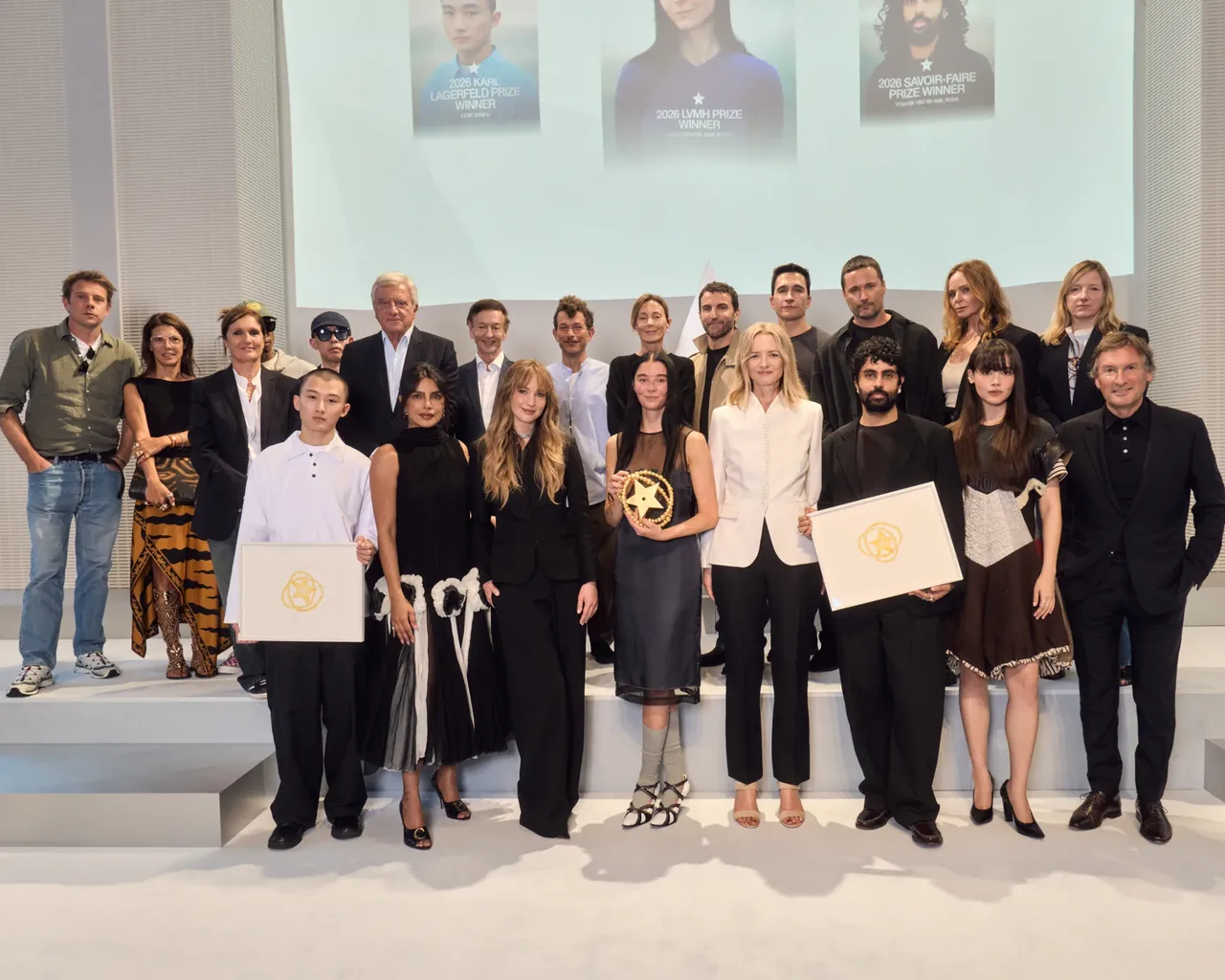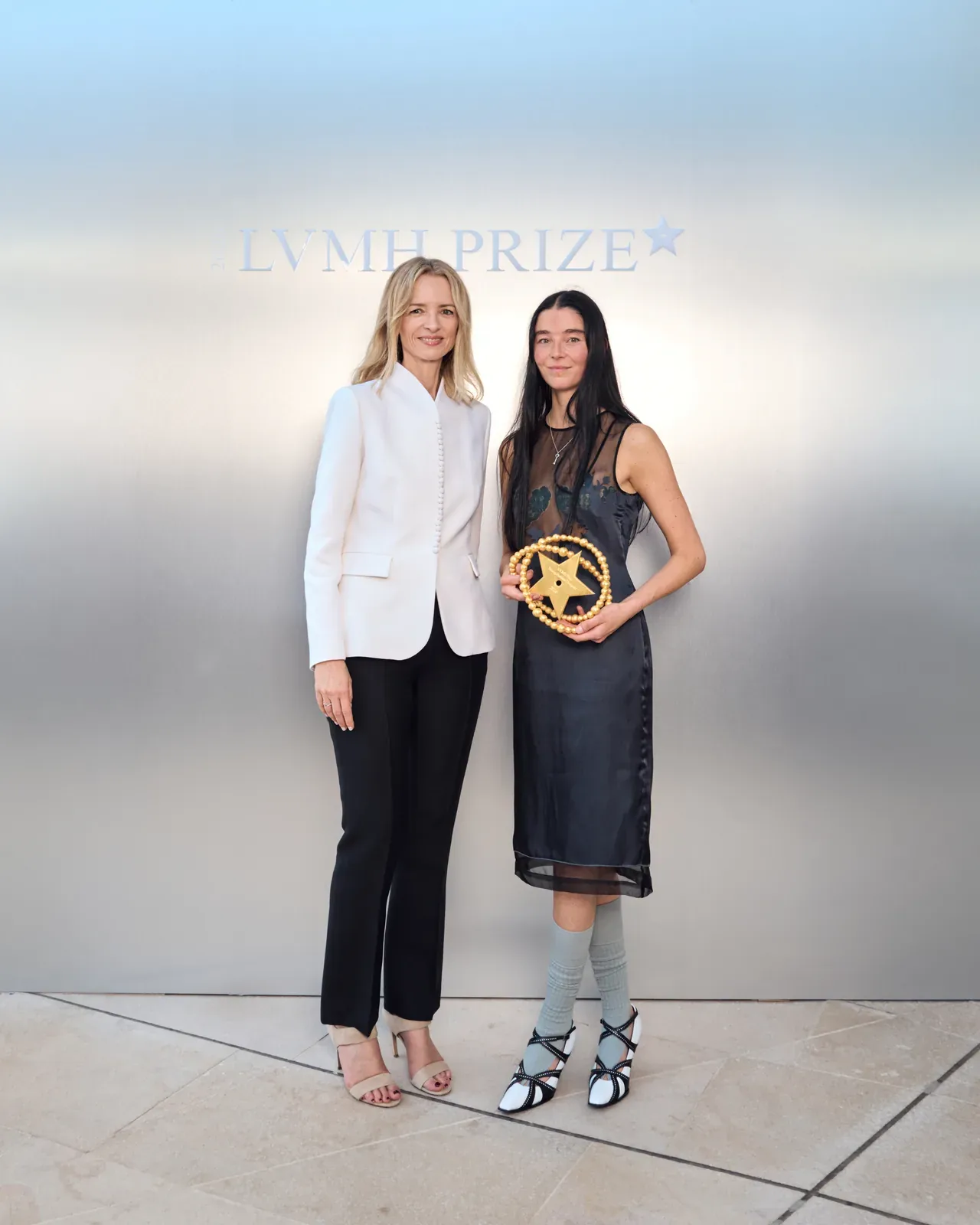
Is winning the LVMH Prize actually a golden ticket, or just the industry’s favourite high-stakes talent show? Every year, the luxury titan gathers a jury that feels intimidatingly iconic, with heavyweights like Phoebe Philo, Jonathan Anderson, Sarah Burton, and Pharrell Williams in the room. Passing through that panel means showing your work to the people who literally shape how we dress. But beyond the €400,000 endowment and the year-long mentorship, what does it actually take to stand out to a panel that has seen everything?
To me, it comes down to something we don't talk about enough when we critique fashion: can you actually wear it? We’ve all watched fashion shows where the clothes look incredible on the runway, but the moment you imagine wearing them to a dinner, you realise you wouldn’t even be able to sit down or get into a car. That is exactly why Belgian designer Julie Kegels taking home the main award makes complete sense.
Julie Kegels gets that fashion can be smart and conceptual without being utterly unwearable. Formed at Antwerp's Royal Academy with time spent at Alaïa, she knows her technical craft inside out. But instead of getting lost in theatrical drama, she takes basic, everyday wardrobe archetypes and gives them this subtle, playful twist that makes you look twice. Think of her organza tops filled with bioglitter, her shoe silhouettes transformed by sparkle or a wooden effect, or her viral sticker-jewels, which feel fresh without trying too hard. It’s clever, but at the end of the day, you can actually throw it on and walk out the door. Plus, with five collections already under her belt and real stockists on three continents, she’s mastered the production and commercial side that usually causes young brands to crash.
And while Julie took top honours, the rest of the night felt like a masterclass in where fashion is actually heading. Take Zane Li, who won the Karl Lagerfeld Prize. At just 25, his label LII is doing this seamless blend of technical sportswear and sharp tailoring. It’s functional, but it feels elevated, speaking directly to a generation that wants comfort without sacrificing high fashion. Then you have Anil Padia, who won the Savoir-Faire Prize with Yoshita 1967. Making history as the first Kenyan finalist to take home a major prize, his whole approach is about slow, intentional fashion, working directly with female craft communities in Kenya to bring authentic artisan heritage straight to Paris.
What this year proves is that you don't need to fit into one specific box to stand out to the judges. You just need a ridiculously clear vision, whether that’s Julie making daily clothes exciting again, Zane reimagining street luxury, or Anil preserving handcraft traditions.
And as these three step into the spotlight, I can't help but wonder… in a fashion world so obsessed with shock value, have we finally entered an era where being exceptionally smart and actually wearable is the ultimate flex?