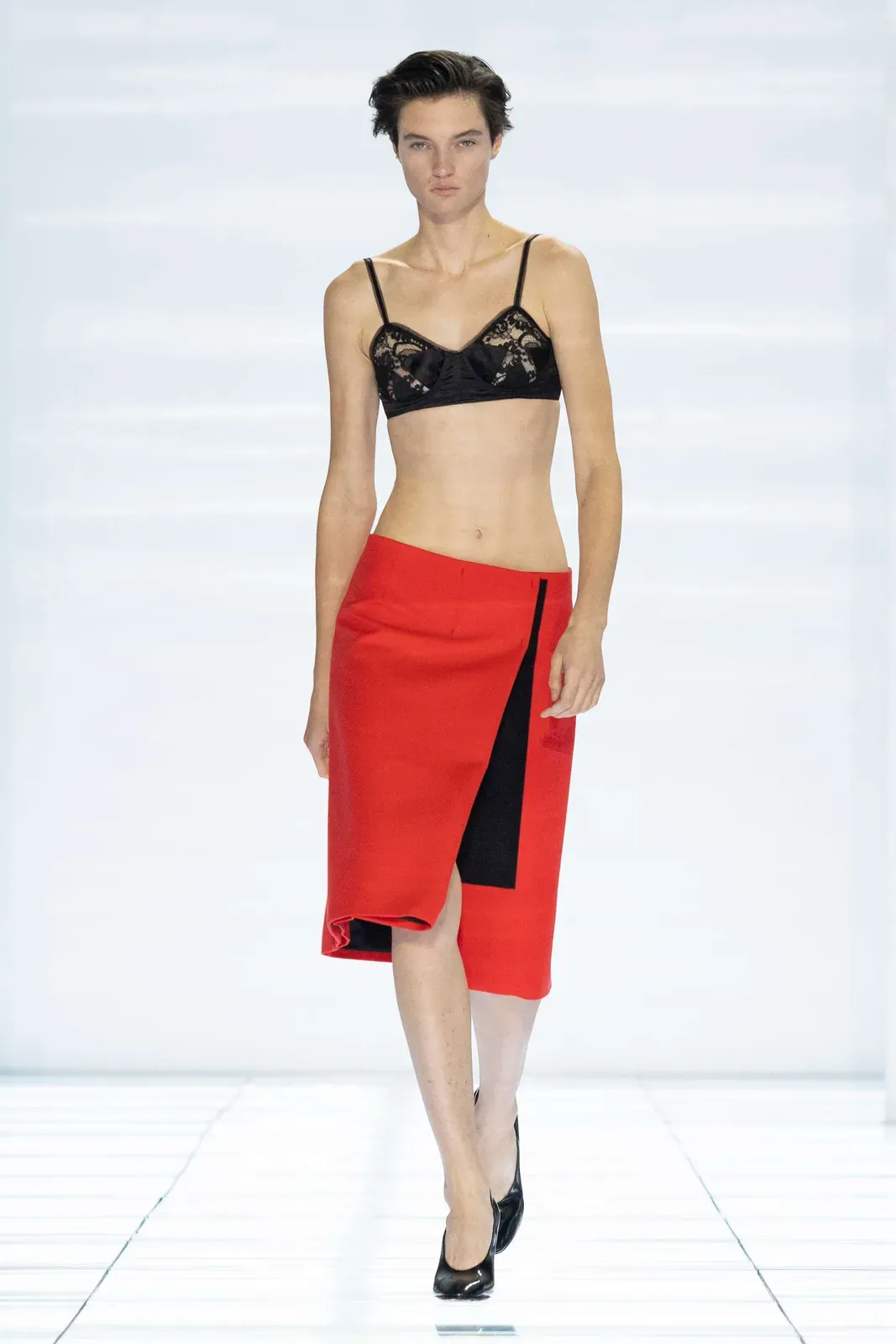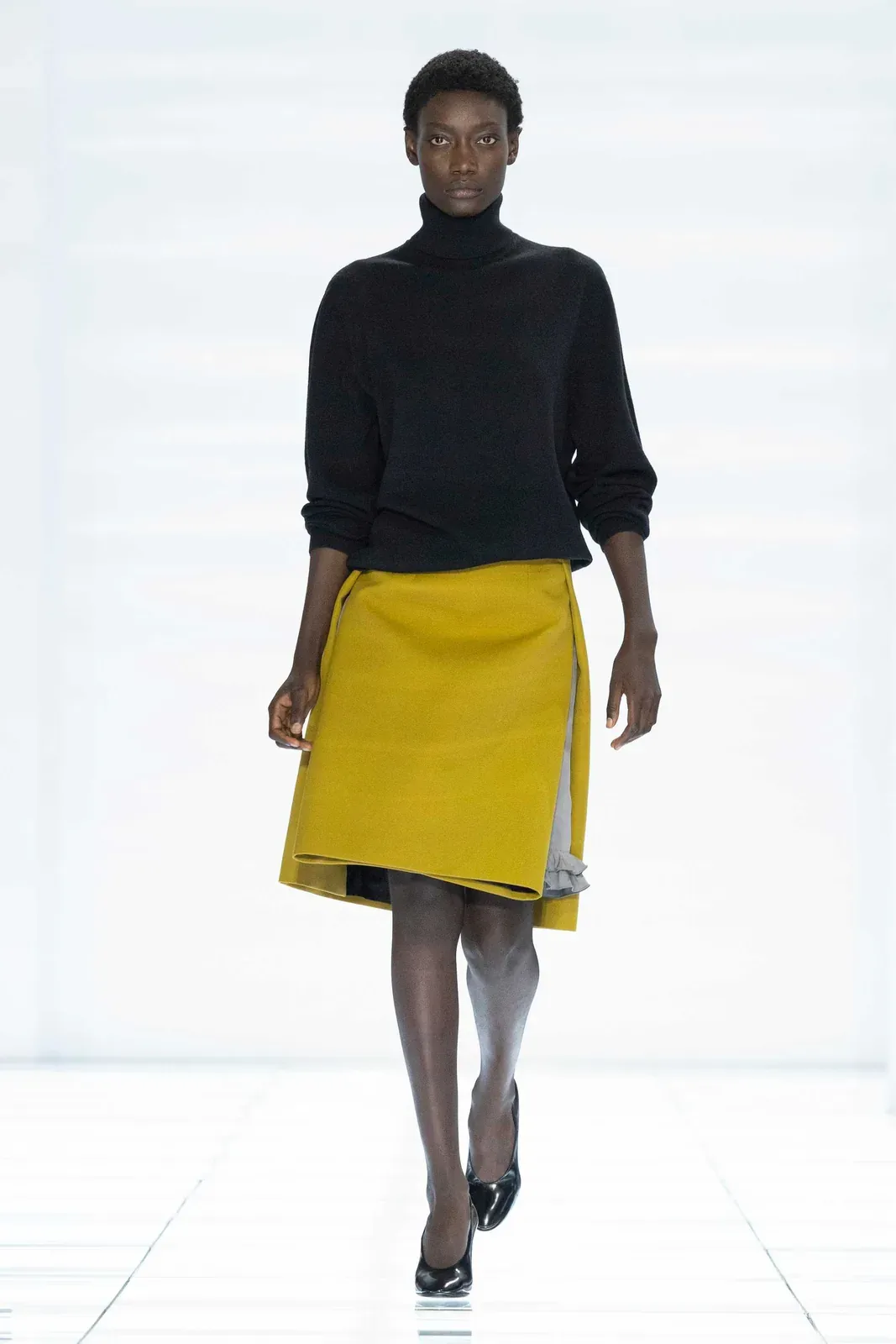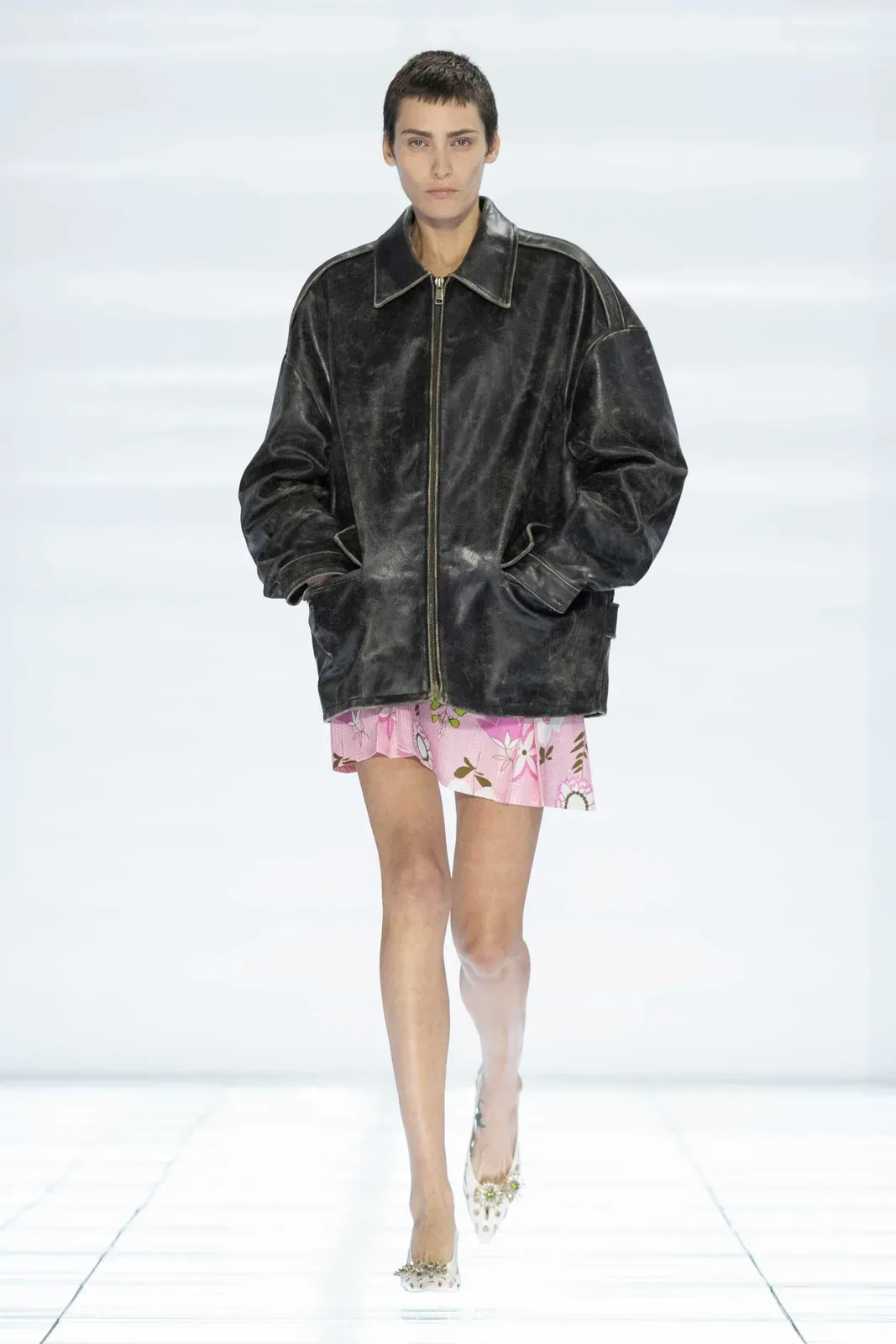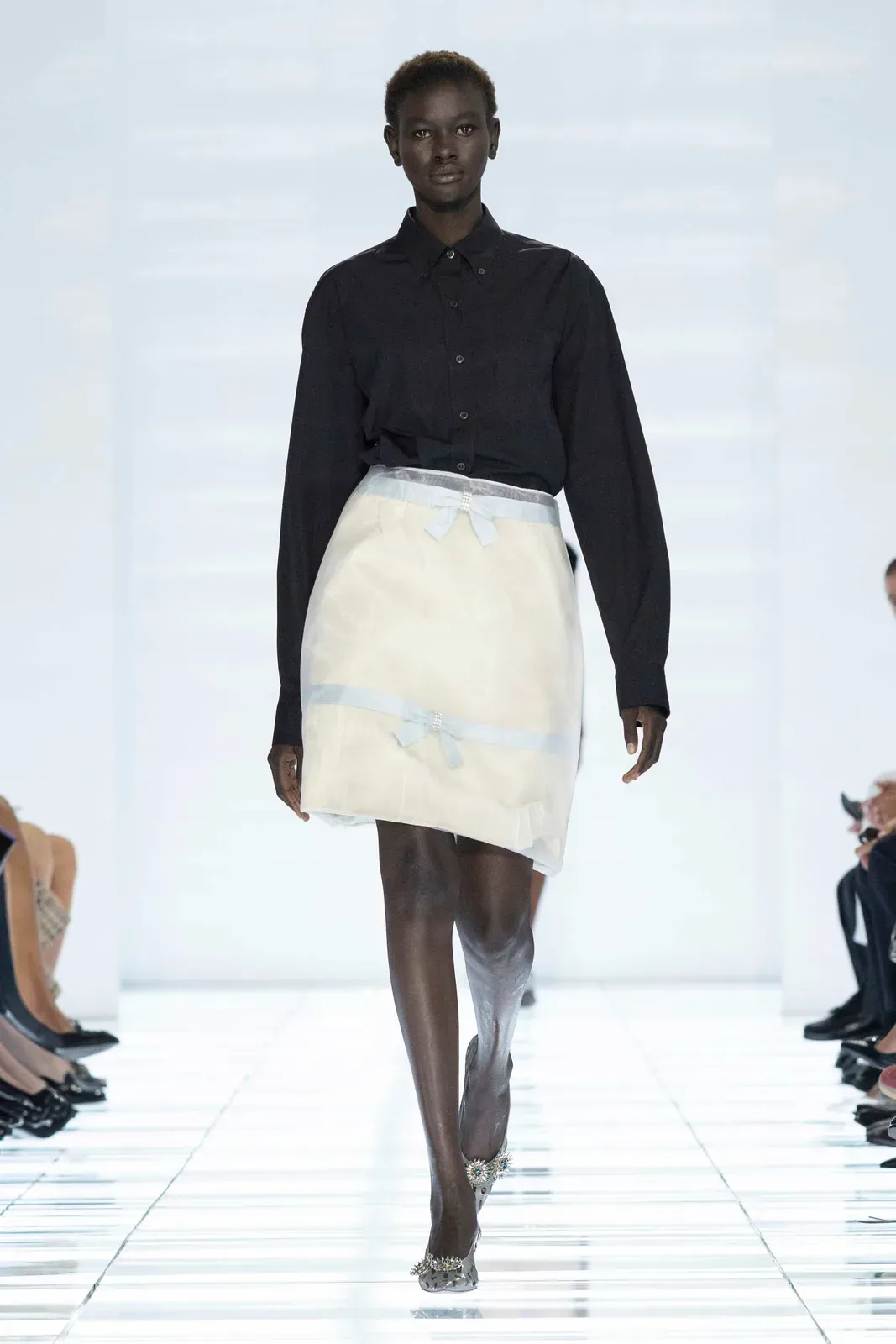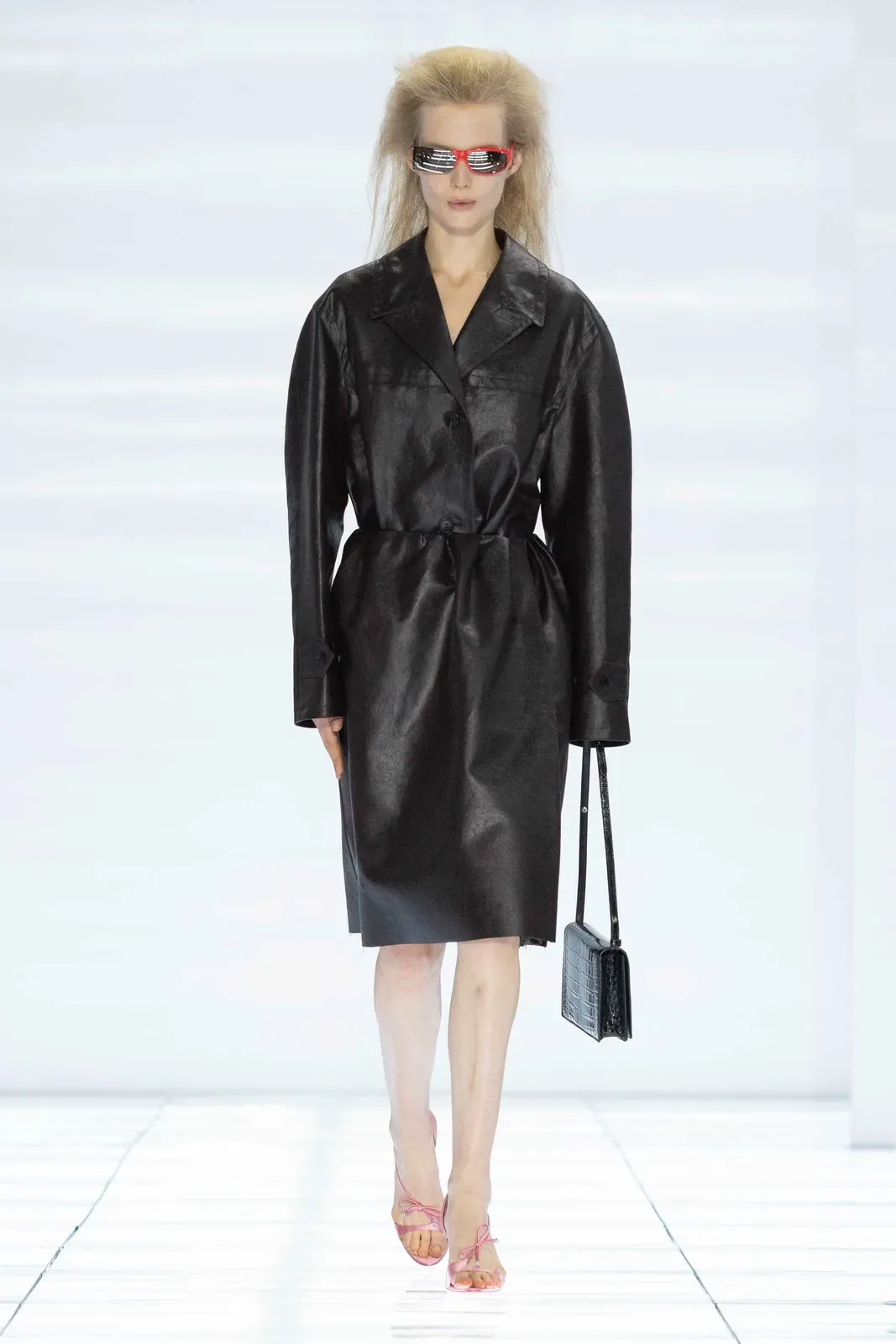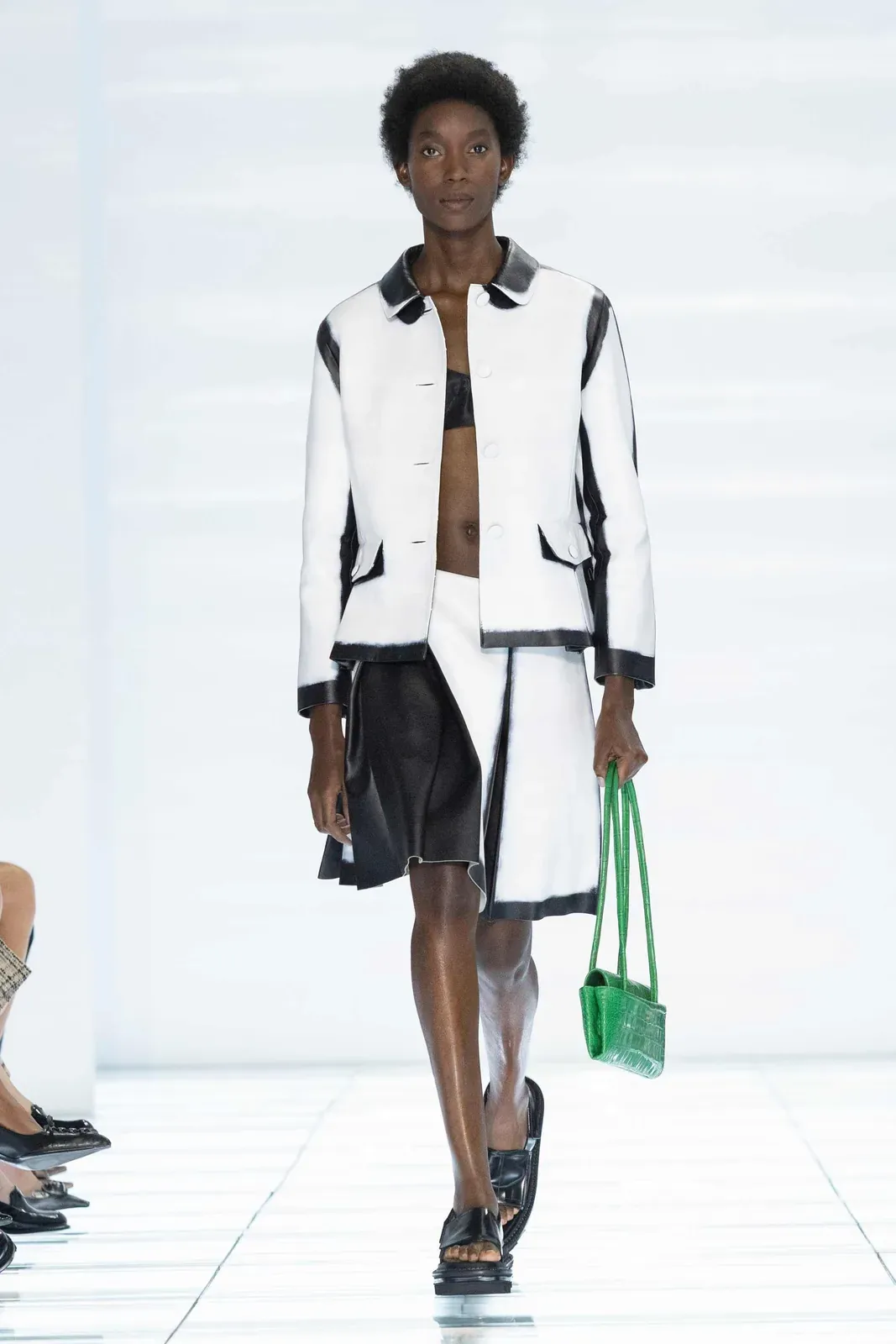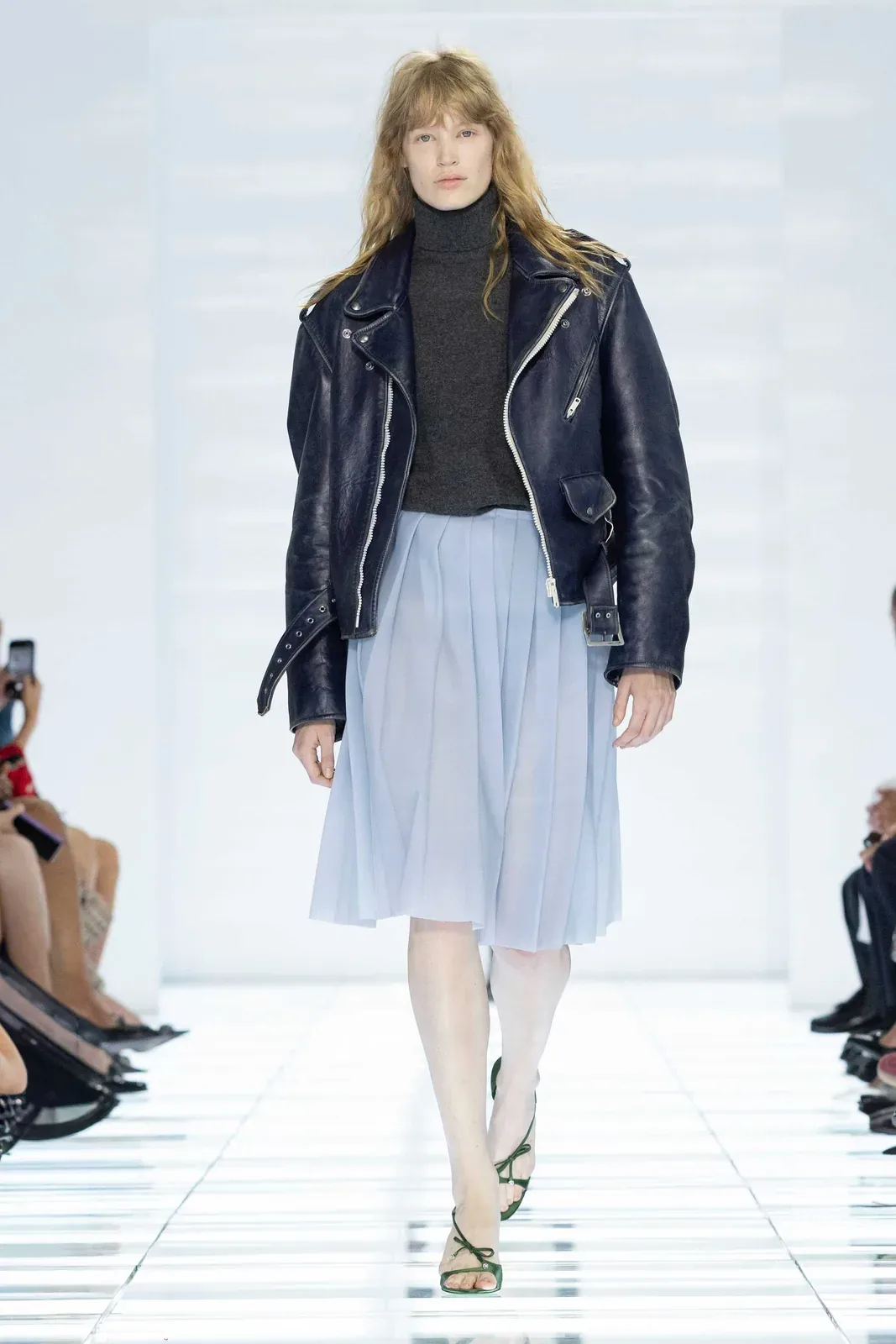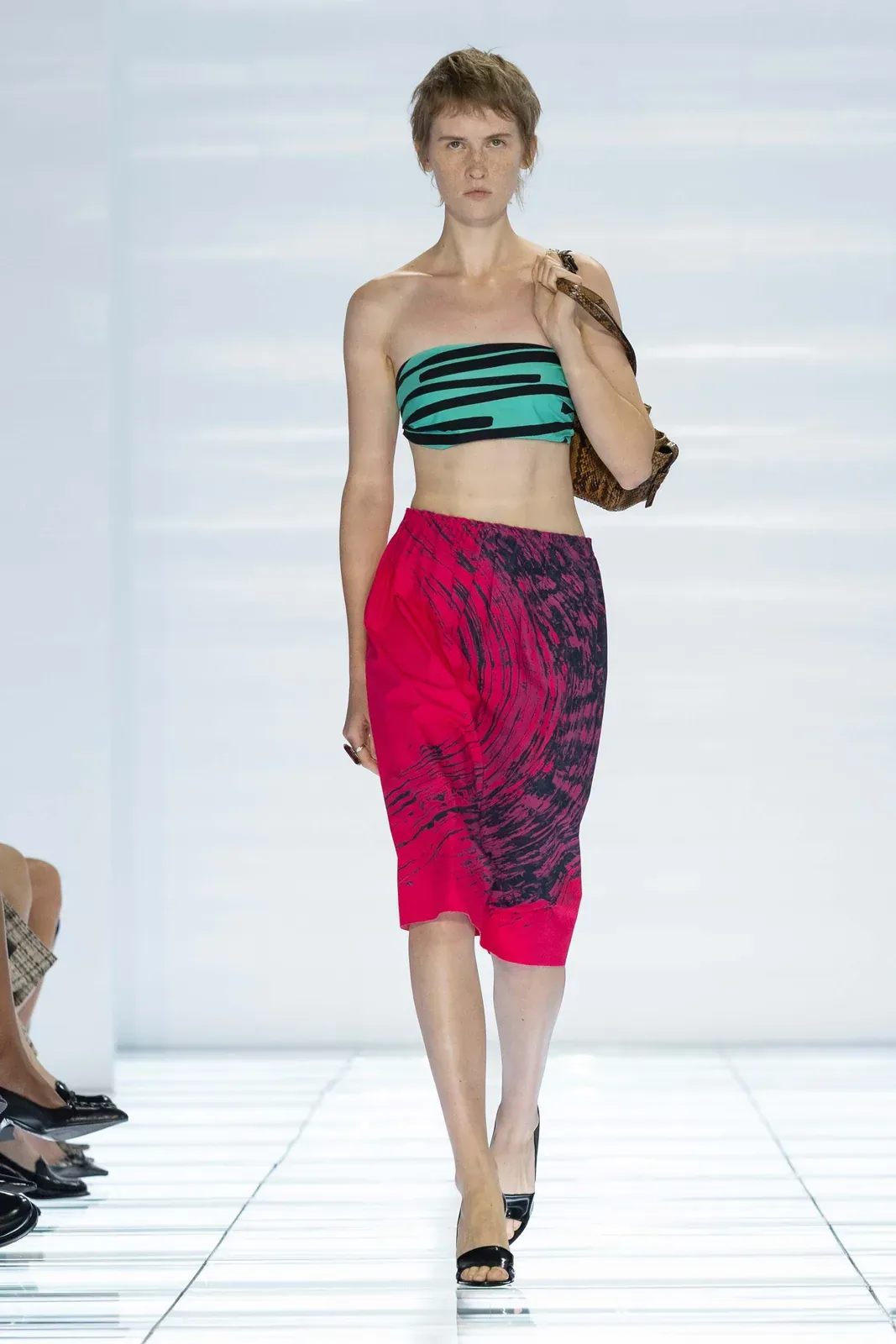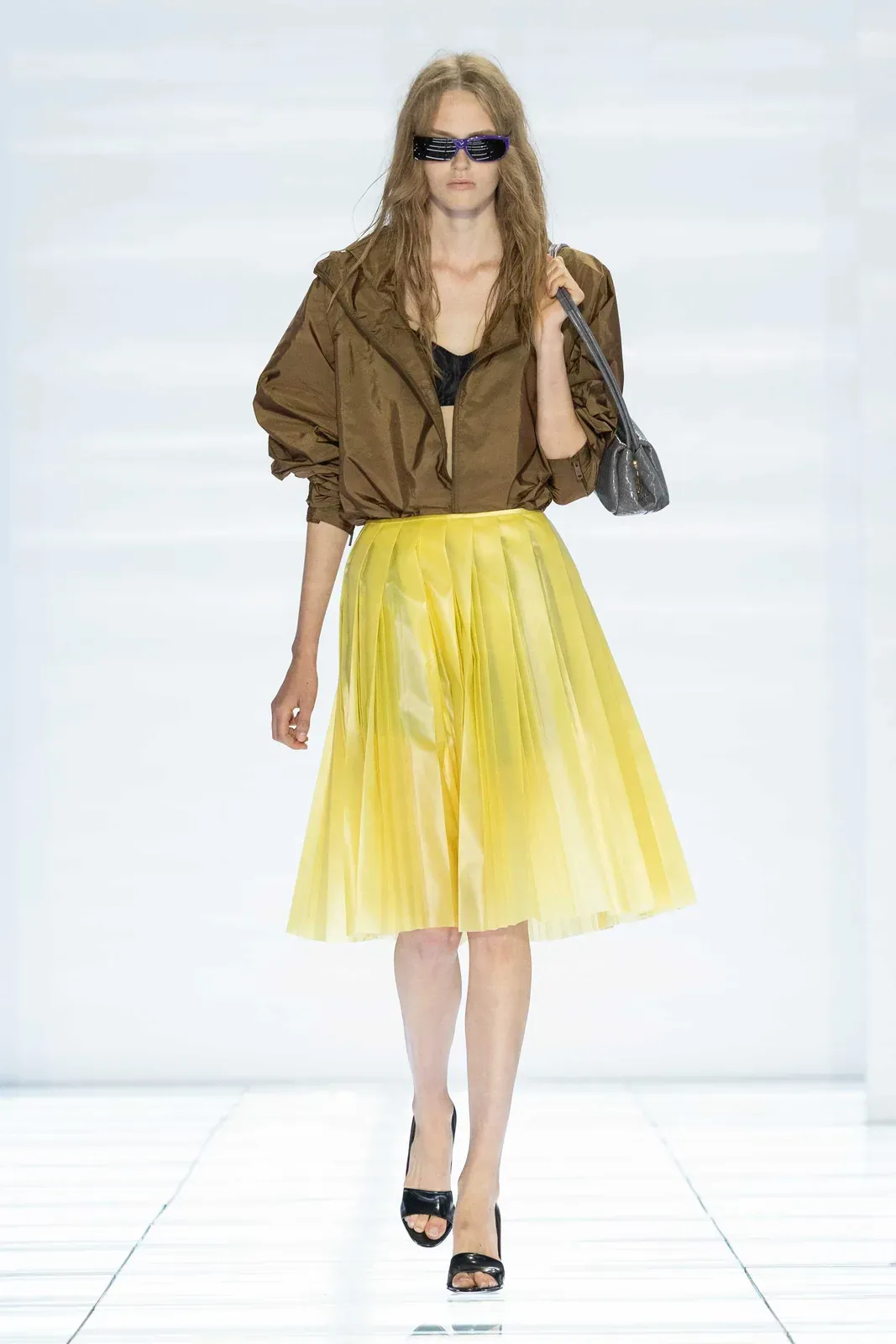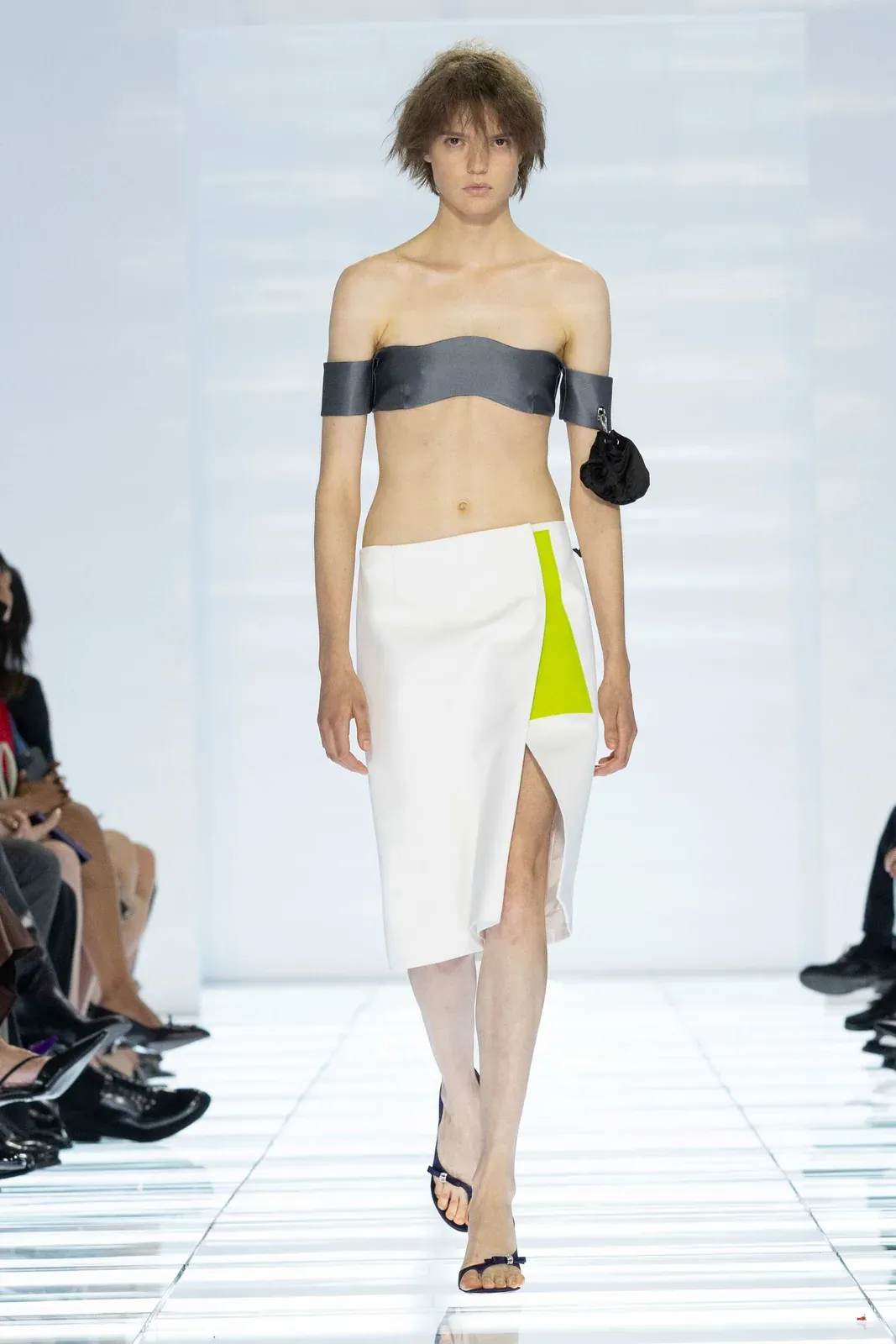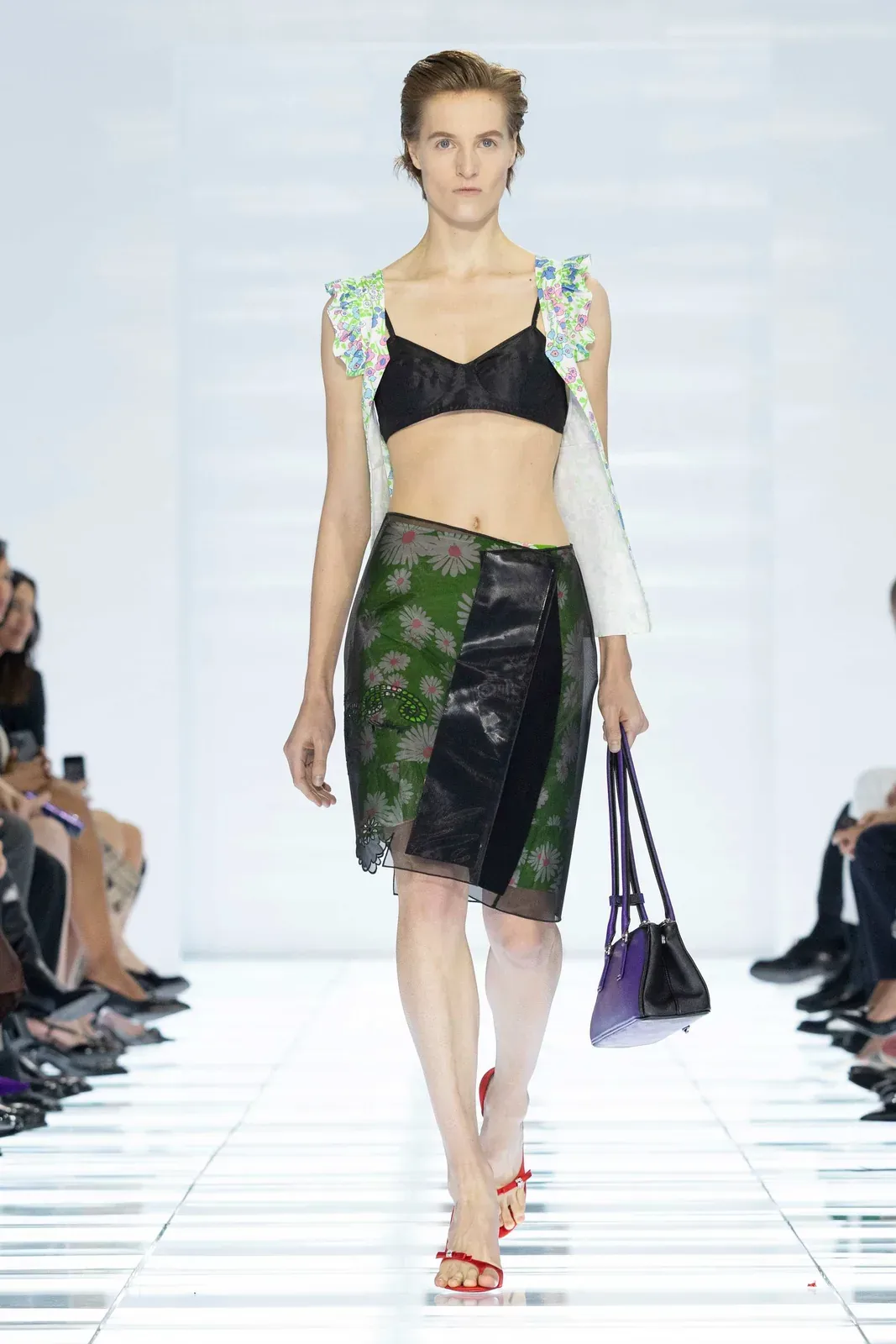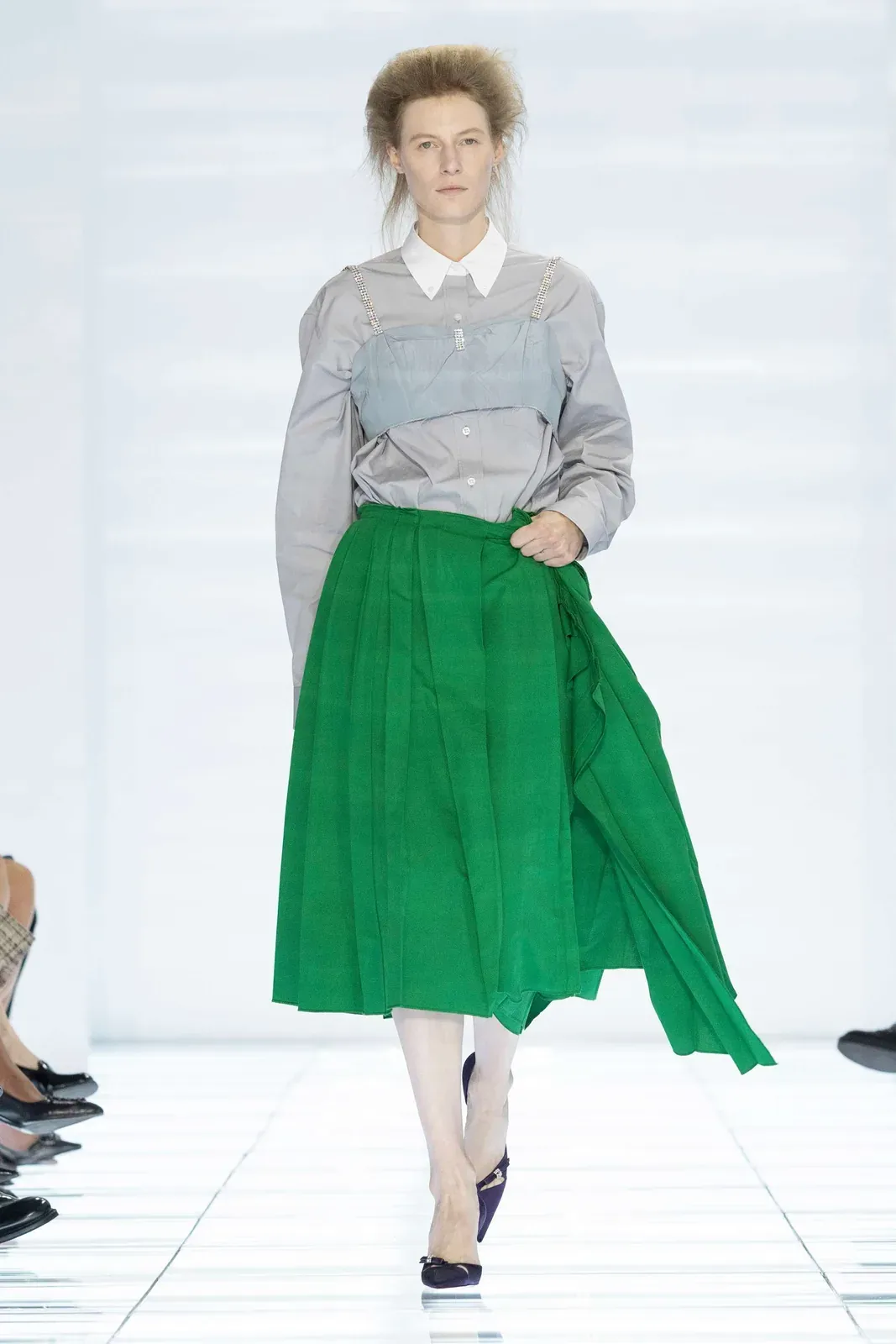
“Oh, I’m sorry. Do you have some prior commitment? Some hideous-skirt convention you have to go to?” No. I’m going to Prada. And if there’s one thing about Prada, it’s that you don’t simply go to a Prada show. You make an entrance, you take notes, you question everything you thought you knew about a skirt and, ideally, you leave with an obsession you’ll be carrying into next season.
Milan was once again the place to be as Miuccia Prada and Raf Simons unveiled their Spring/Summer 2027 womenswear collection. Because the Prada woman doesn’t need to ask for attention. She just walks into the room wearing something slightly strange and somehow makes you wonder why you don’t own it already. The only trousers to walk the Prada runway? The ones Raf Simons was wearing. Across sixty-three looks, there was only one real obsession: the skirt. Nowadays, with our heads in a thousand places, millions of thoughts running through our minds and barely enough attention left for any of them, perhaps there is something powerful about having just one obsession. Something to focus on. Something that brings a little order to the chaos and turns it into power.
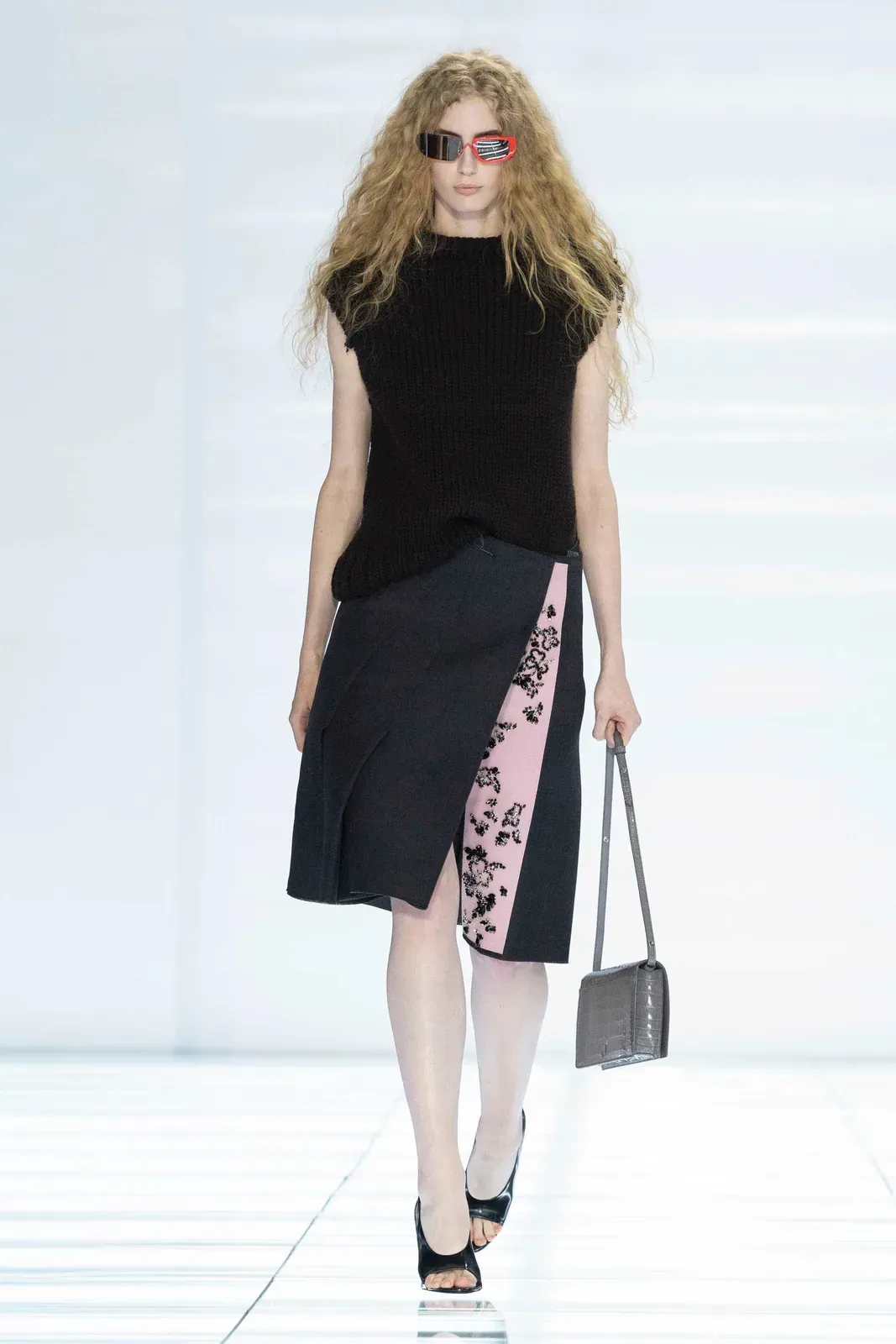
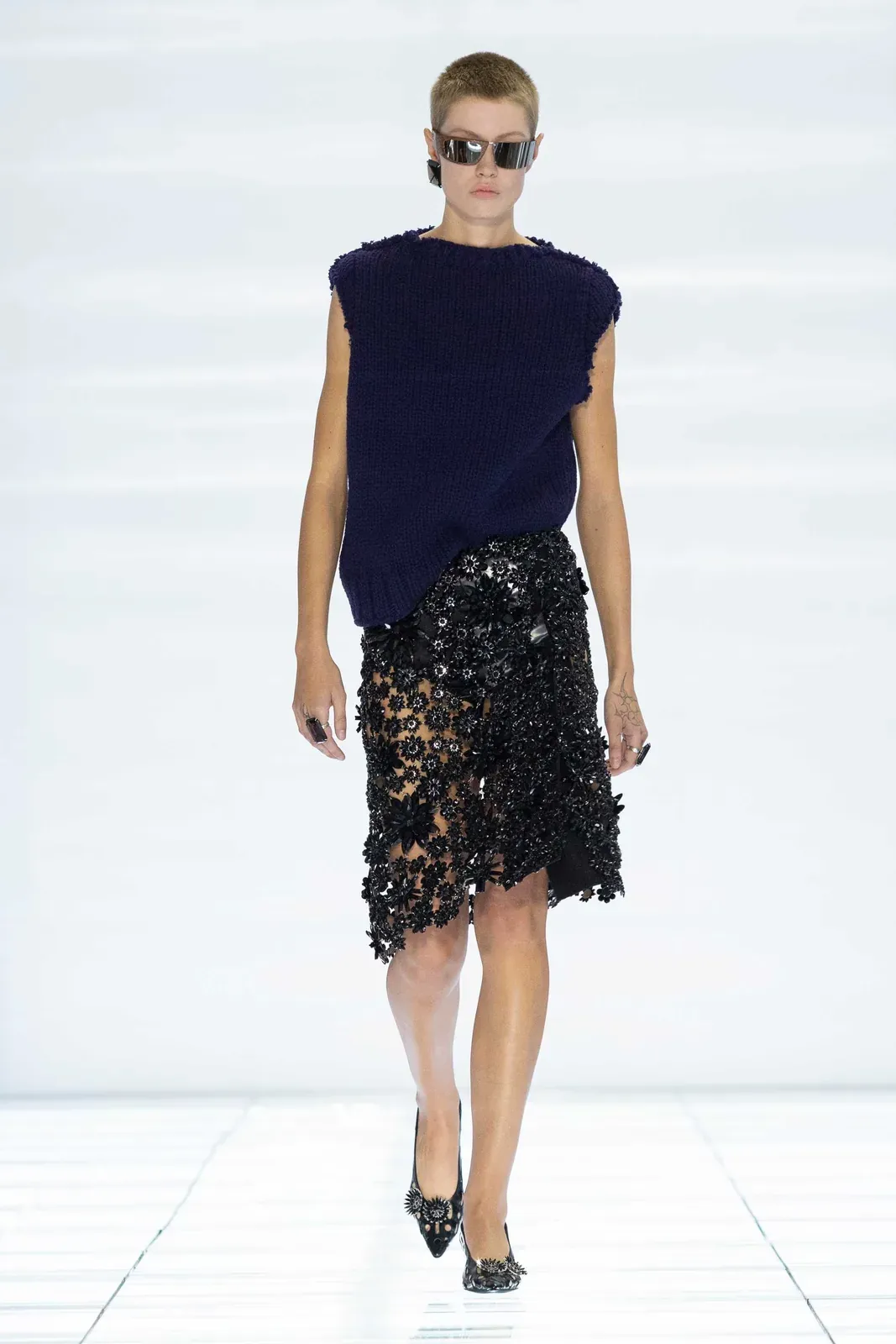
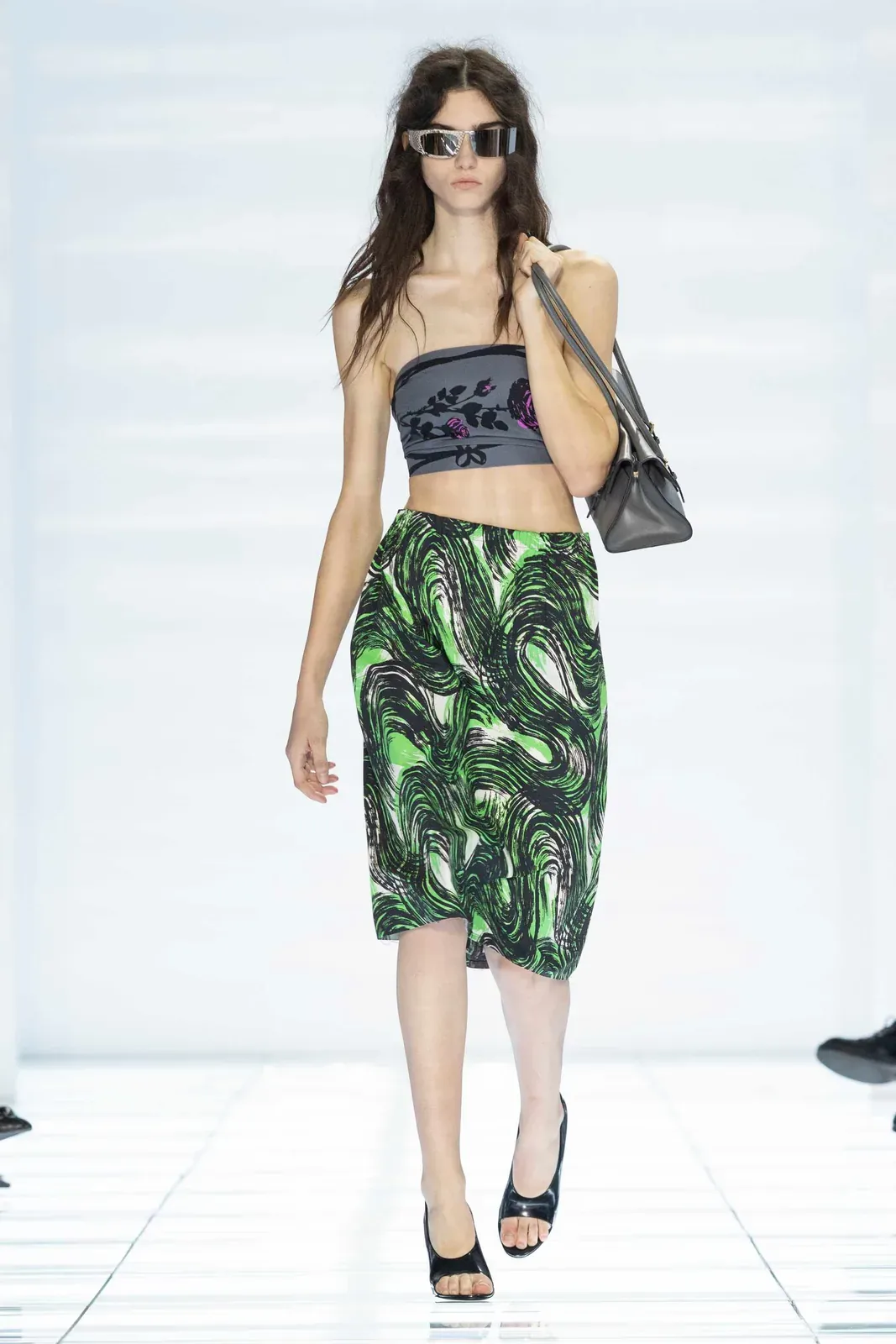
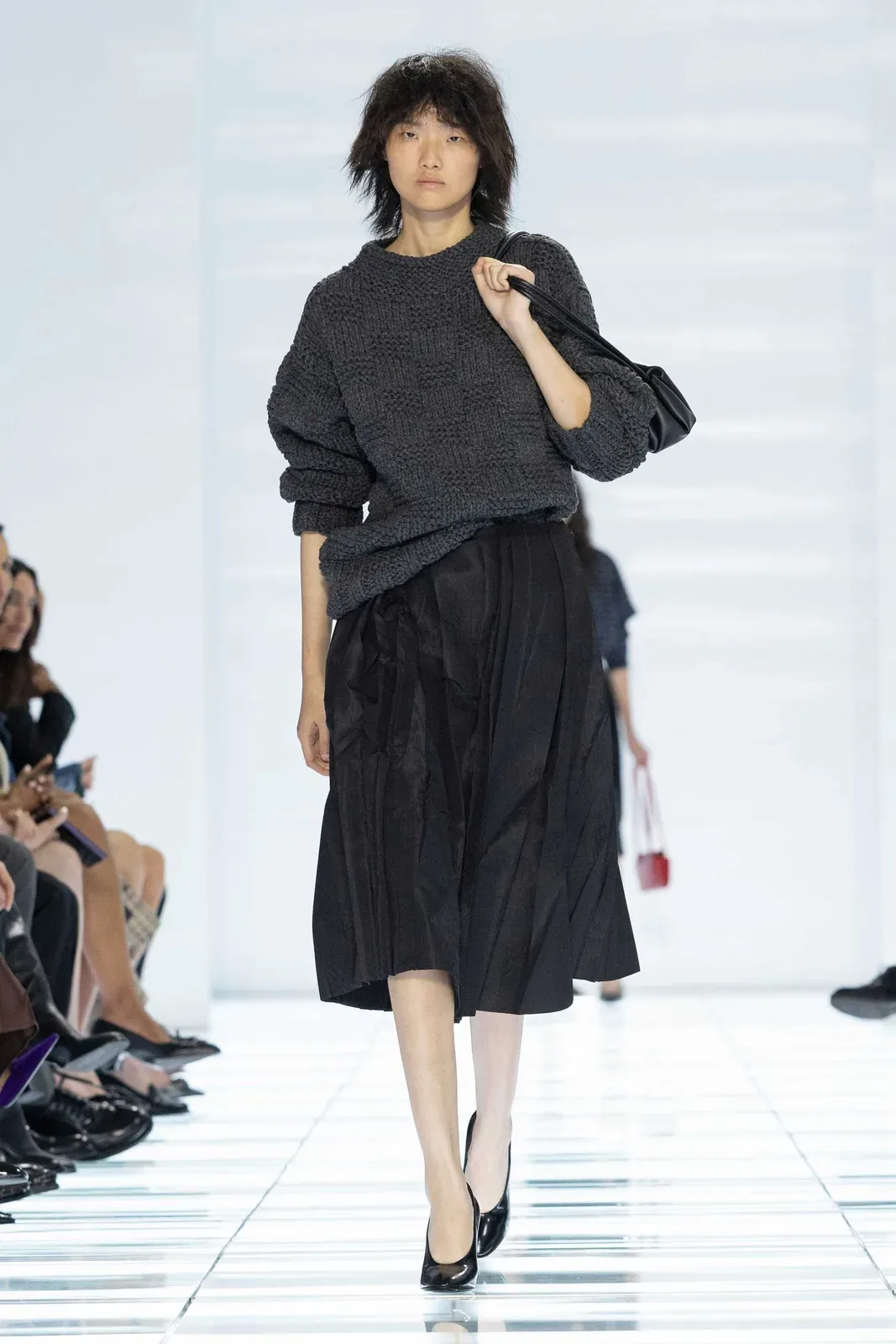
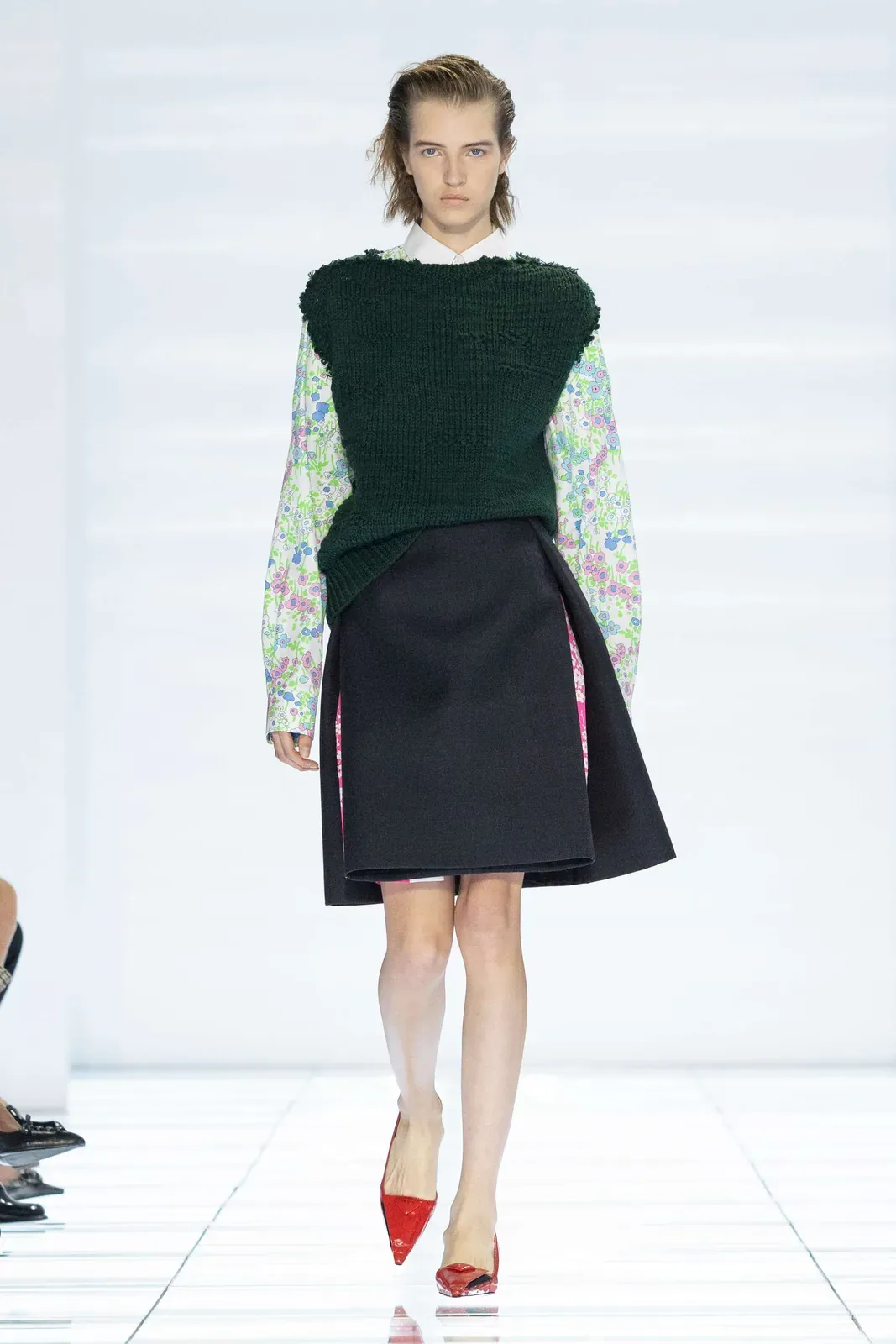
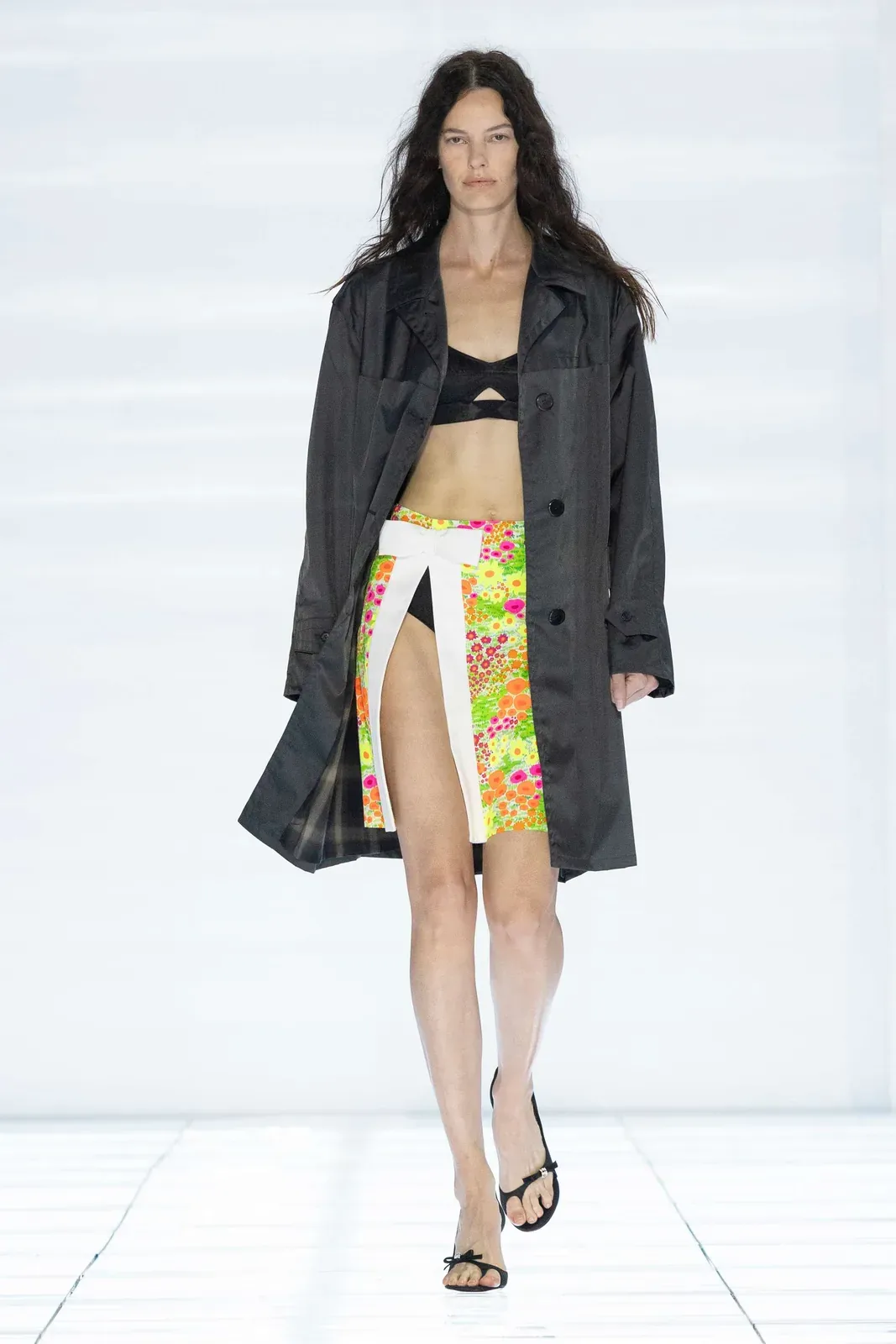
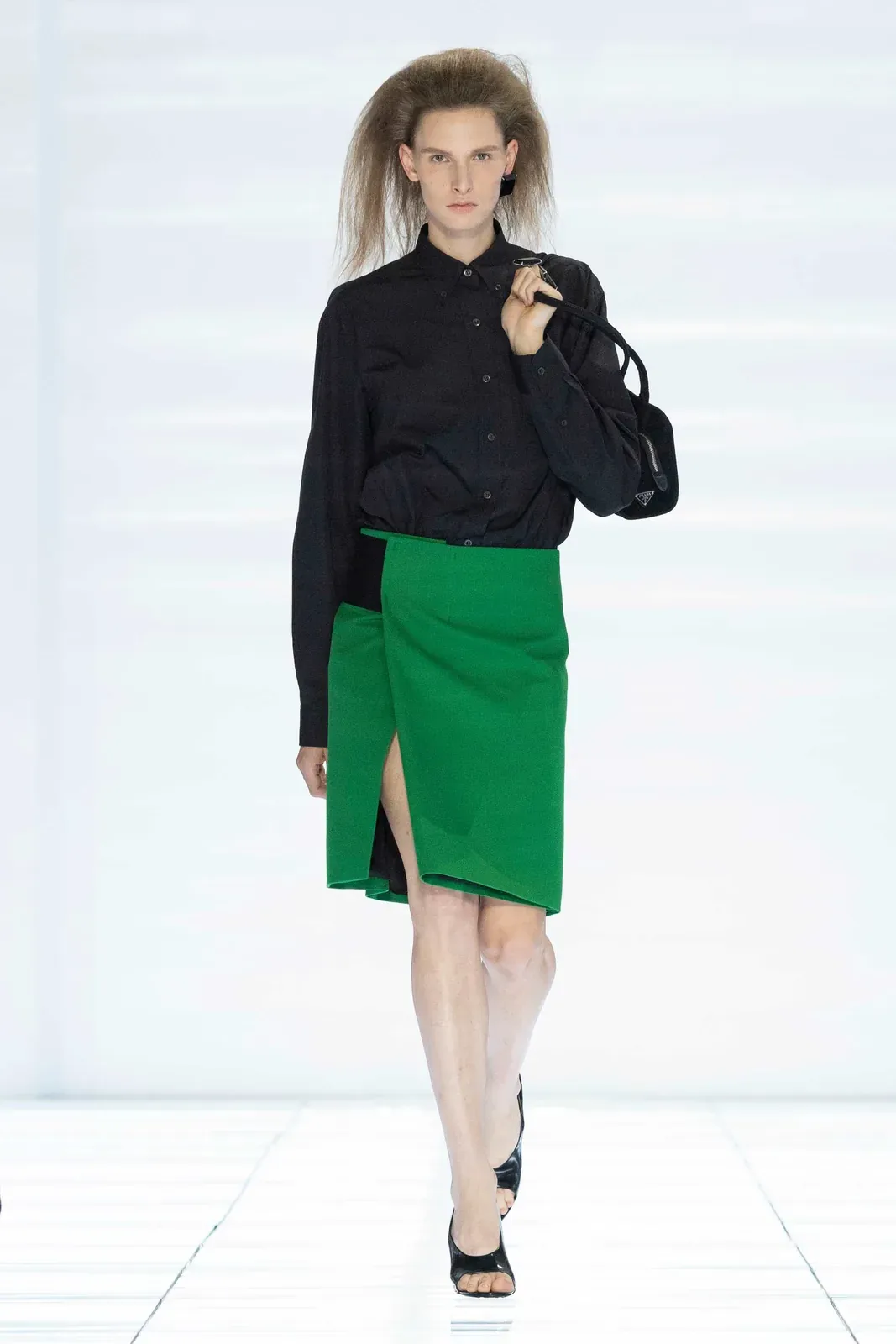
What we saw on the runway were skirts in every possible form: mini, midi, sequined, pleated, sheer, leather, straight, A-line, asymmetrical, structured and draped. Yet somehow, no two looked alike. Every skirt, every look and every styling seemed to have a personality of its own, just like the woman wearing it. And perhaps that’s what made the collection feel so universal. It wasn’t designed for one kind of Prada woman, but for many of them. The looks could move effortlessly from day to night without needing a costume change to become something else. From the office—whether that means architecture, fashion, biology, engineering or teaching—straight to dinner, and then to the party. Because the Prada woman isn’t one woman. She is whoever she wants to be.
This collection is important. We deserve it. The history of the skirt has never been a simple one. Women, and people in general, have had to fight over it in countless ways: whether to wear it or not, how short or long it should be, what it should reveal or what it should hide. For centuries, the skirt has carried rules, expectations and ideas about who we’re supposed to be. That’s why there’s something almost healing about seeing Prada take the skirt as a starting point and turn repetition into a language of its own.
The same idea appears again and again, but never in quite the same way. No rules, no single silhouette, no right way to wear it. Just possibility. Perhaps that’s what makes this collection feel so good: the skirt is finally allowed to simply be a skirt. And, in the process, to become whatever the woman wearing it wants it to be. The effortless feeling ran through every look, but nothing about the construction was effortless. That contrast is precisely what makes it Prada. Take the XXL Velcro skirt: almost ridiculously simple in the way it comes together, yet executed with an exactness that makes it feel anything but ordinary. There’s something very Prada about taking something seemingly easy and making it precise, considered and perfectly constructed. It’s a collection built on contradictions: simple but sophisticated, effortless but meticulous, feminine but masculine, familiar but completely unexpected.
There’s something beautiful about thinking of this collection as part of Prada’s legacy and, above all, Miuccia Prada’s own. An iconic figure in fashion, she has turned her own uniform into a collection, taking something deeply personal and making it speak to something much bigger. Together with Raf Simons, she has translated everyday life into luxury without losing what makes either of them recognisable. You can see a little of both throughout the collection: Simons’ Belgian sense of experimentation and futurism expressed through leather and more linear silhouettes, alongside Prada’s unmistakable femininity, with lingerie revealed rather than hidden. And perhaps that’s what makes the collection feel so personal despite being so universal. Within all these skirts, silhouettes and combinations, there’s room for everyone to find their own references—the pieces that remind them of something, someone, somewhere—and turn them into their own reasons for wearing them.
The values of the collection came together within each styling. Even the imperfect hair felt intentional, paired with skirts and an ever-changing cast of tops: sharp jackets, oversized knits that somehow still felt distinctly hers, and lingerie left deliberately exposed. The colours were anything but shy, while the prints brought back echoes of Prada’s 2012 collections, reworked through cleaner, more minimal structures. Yet there was nothing boring about minimalism here. Rhinestones, embellishments and unexpected details brought a maximalist touch to the looks, giving each one its own rhythm and personality.
It was Prada’s version of ugly chic: making the strange feel desirable, the awkward feel elegant and the unexpected feel completely natural. The result was a wardrobe built around versatility rather than trends. Clothes that don’t tell you what to wear, but leave the choice entirely up to you. Perhaps that’s the most Prada thing of all: dressing not according to what is trending, but according to what you feel like wearing. Because when you find the right obsession, maybe you don’t need anything else.